Article

A Conserved Bactericidal Permeability-Increasing Protein (BPI) Mediates Immune Sensing and Host Defense in the Hong Kong Oyster (Crassostrea hongkongensis)


1
Guangxi Key Laboratory of Marine Environmental Disaster Processes and Ecological Protection Technology, Beibu Gulf Marine Ecological Environment Field Observation and Research Station of Guangxi, College of Marine Sciences, Beibu Gulf University, Qinzhou 535011, China
2
Department of Chemistry, Gomal University, Dera Ismail Khan 29050, Pakistan
*
Authors to whom correspondence should be addressed.
These authors contributed equally to this work.
Fishes 2026, 11(2), 87; https://doi.org/10.3390/fishes11020087

Submission received: 15 December 2025 / Revised: 26 January 2026 / Accepted: 29 January 2026 / Published: 1 February 2026
(This article belongs to the Special Issue Genetic Breeding and Immunity of Aquatic Animals)

Abstract

The bactericidal permeability-increasing protein (BPI) and lipopolysaccharide binding protein (LBP) are fundamental to innate immunity. However, their functional diversity and evolutionary conservation in ecologically crucial invertebrates, such as oysters, remain largely understudied. In this study, we identify and characterize a novel homolog of BPI/LBP, designated as ChBPI/LBP in the Hong Kong oyster (Crassostrea hongkongensis). Through structural and phylogenetic analysis, we identify ChBPI/LBP as a distinct member of the BPI protein family, with a high isoelectric point (pI of 9.26), indicating potent cationic BPI-like bactericidal function. We found that ChBPI/LBP is constitutively highly expressed at mucosal sites such as the gills and is rapidly upregulated in hemocytes following a challenge with Aeromonas hydrophila. Recombinant ChBPI/LBP demonstrated potent and specific bactericidal activity against Gram-negative pathogens. These findings suggest that ChBPI/LBP is an important antimicrobial peptide (AMP) effector in the oyster’s immune response. This work provides novel perspectives on the evolutionary mechanisms of innate immunity in bivalves and may have implications for disease management in aquaculture.
Key Contribution: The current work identifies and characterizes ChBPI/LBP, a novel homolog of BPI/LBP in the Hong Kong oyster (Crassostrea hongkongensis), demonstrating its potent bactericidal activity against Gram-negative pathogens. These findings offer new insights into the evolutionary mechanisms of innate immunity in bivalves, with implications for enhancing disease management in aquaculture settings.

1. Introduction

Aquatic pathogens increasingly threaten global aquaculture, highlighting the pressing need to gain a more comprehensive understanding of innate immune mechanisms in economically significant species [1,2]. Oysters are a keystone in the aquaculture industry, providing a vital source of protein and economic stability in coastal regions; however, mass mortality events frequently impede production due to bacterial infections. As filter-feeding bivalves, oysters are constantly exposed to microorganisms and rely exclusively on innate immunity for their defense [3,4]. Pattern recognition receptors (PRRs) are fundamental to this system, recognizing conserved pathogen-associated molecular patterns (PAMPs), such as lipopolysaccharide (LPS) from Gram-negative bacteria [5,6]. The bactericidal permeability-increasing protein (BPI) and LPS-binding protein (LBP) are key PRRs that regulate opposing responses to LPS: the LBP promotes inflammatory signaling, while directly targets bactericidal action and neutralizes LPS. Despite their structural similarities, particularly conserved N- and C-terminal BPI/LBP/cholesteryl ester transfer protein (CETP) domains, their functional divergence is well-recognized in aquatic species such as teleost fish and mammals [7,8,9,10].
For instance, while mammalian BPI and LBP lineages have diverged to serve distinct roles, teleost fish and birds exhibit unique evolutionary trajectories where these functions often overlap [10]. However, in invertebrates, the functional differentiation between BPI and LBP remains less clear, partly due to sequence variability across diverse molluscan species and a lack of comprehensive functional data [11,12]. While vertebrate BPI and LBP have diverged into distinct lineages with separate functions (bactericidal vs. signaling), invertebrate homologs often share characteristics of both, leading to the common designation “BPI/LBP”. While studies have identified BPI/LBP homologs and explored their role in other bivalves, methodological differences (e.g., variations in bacterial challenge models or sampling time-points) and conflicting results on their precise function persist [13]. Homologs have been identified in species like Crassostrea gigas, yet their specific roles in immune defense remain inadequately characterized. The Hong Kong oyster (C. hongkongensis) is the key aquaculture species in Southern China but faces production challenges from disease outbreaks, often caused by Gram-negative bacteria such as Vibrio and Aeromonas spp. [14,15,16]. Furthermore, Aeromonas hydrophila, a ubiquitous aquatic pathogen, is frequently associated with secondary infections in bivalves, serving as a robust model for studying Gram-negative immune responses. Therefore, a molecular-level understanding of its immune components is critically needed for developing effective strategies for disease management.
To date, the functional identity and immunological relevance of BPI/LBP in C. hongkongensis remain entirely undefined. In this study, we aim to resolve this crucial gap by providing a conclusive molecular and functional characterization of a novel BPI/LBP gene, referred to as ChBPI/LBP. Although our functional analysis suggests a primary bactericidal role akin to BPI, we retain the nomenclature ChBPI/LBP to reflect its evolutionary position prior to the distinct duplication event seen in higher vertebrates. We hypothesize that ChBPI/LBP serves as a key antimicrobial effector, playing a pivotal role in the oyster’s immune response against Gram-negative bacteria. The objectives of this work are (1) to define its phylogenetic relationships and structural characteristics to predict its function; (2) to examine its tissue-specific expression pattern with a focus on the gills—the primary filtration and sensing organ—and response to infection; and (3) to experimentally validate its antimicrobial efficacy. This work will delineate the role of ChBPI/LBP in oyster immunity and provide broader insights into the evolution of host defense mechanisms in bivalves.

2. Materials and Methods

2.1. Animal Husbandry, Bacterial Challenge, and Sample Collection

Healthy 2-year-old oysters (C. hongkongensis) (shell length: 9.5 ± 1.28 cm; n = 300) were sourced from the Dafengjiang Oyster Kulturbasis in Qinzhou, Guangxi Province, China. Health status was assessed by visual inspection of shell integrity and the presence of a rapid closure reflex upon mechanical stimulation. These oysters were acclimatized in 300 L tanks for one week (aerated seawater; temperature: 23–25 °C; salinity: 25 ppt). The seawater was changed daily, and the oysters were fed with a commercial algal diet before the experiment [17]. After acclimatization, these oyster samples were randomly divided into two groups as follows: a bacterial challenge group (BCG) and a phosphate-buffered saline (PBS) control group (n = 150 for each group). To ensure statistical independence and avoid pseudo-replication, the oysters within each of the two treatment groups were distributed across three independent 300 L replicate tanks. After Aeromonas hydrophila was cultivated to the mid-log phase, 100 μL of a suspension (1.0 × 10⁹ QAcfu/mL, confirmed by plate counting) was injected into the adductor muscle of each oyster in the BCG. Injection was performed by carefully notching the shell edge to access the muscle without damaging the mantle, preventing excessive stress. Control-group oysters were injected with an equal volume of sterile PBS (10 mM, pH 7.4). To prevent immediate pathogen expulsion or bleeding, the oysters were kept out of water for 30 min post-injection before being returned to the tanks. The animals were monitored for mortality throughout this experiment, and no mortality was observed during this experiment. For the time-course expression analysis, 5 oysters were randomly sampled from each treatment group at 4, 8, 12, 24, and 48 h post-injection (hpi) [18]. To ensure the sampling was representative, oysters were collected from across the three replicate tanks at each time point. Hemolymph and gill tissues were harvested for qPCR. For the constitutive tissue distribution analysis, eight different tissues (gill, adductor muscle, mantle, hemocytes, lip, heart, and visceral mass) were collected from 5 randomly selected, unchallenged oysters. For histopathology, tissue samples were collected from an additional 5 oysters from both the control and challenged groups at 24 hpi. All collected samples were immediately snap-frozen in liquid nitrogen and preserved at −80 °C until further analysis [19].

2.2. RNA Extraction, cDNA Synthesis, and Gene Cloning

Total RNA was extracted from 30 mg of tissue using the TRIzol® Reagent (Thermo Fisher Scientific, Waltham, USA) in accordance with the manufacturer’s instructions. The concentration and purity of the total RNA were evaluated using a NanoDrop spectrometer (Thermo Fisher Scientific, Waltham, USA), ensuring that all samples exhibited an A260/A280 ratio ranging between 1.9 and 2.1 and an A260/A230 ratio of > 2.0, respectively. To ensure RNA integrity, 1.5% agarose gel electrophoresis was conducted. Subsequently, first-strand cDNA was synthesized from 1 µg of total RNA using a PrimeScriptTM RT reagent kit with gDNA Eraser (Takara, Dalian, China) [20,21]. A partial ChBPI/LBP was retrieved from the C. hongkongensis transcriptome database (NCBI GenBank Accession: BankIt3028464 BSeq#1→ PX662900). To amplify the coding sequence, specific primers ChBPI/LBPF1 and ChBPI/LBPR1 were designed, as presented in Table 1. A 25 µL reaction mixture was prepared, including 2.5 µL of 10 × PCR buffer, 2.0 µL dNTPs (2.5 nM each), 1 µL of each primer (10 µM), 0.2 µL of Taq DNA polymerase (Takara, Dalian, China), 1 µL of the cDNA template, and 17.3 µL of nuclease-free water. The PCR amplification was conducted under the following thermocycling conditions: an initial denaturation at 94 °C for 5 min, followed by 35 cycles of 94 °C for 30 s, 55 °C for 45 s, and 72 °C for 1 min, with a final extension at 72 °C for 10 min. The PCR product was then purified via gel extraction, inserted into the pMD18-T vector (Takara, Dalian, China), and then transformed into Escherichia coli competent cells. Positive clones were verified through colony PCR and Sanger sequencing (Sangon Biotech (Shanghai) Co Ltd., China). To obtain full-length 5′ and 3′ ends, Rapid Amplification of cDNA Ends (RACE) was carried out by the SMARTer® RACE kit (Takara, Dalian, China) [22,23]. The full-length sequence has been deposited into GenBank (Accession No: BankIt3028464 BSeq#1→PX662900).

2.3. Bioinformatic and Phylogenetic Analysis

A similarity analysis was performed with the BLAST algorithm (BLAST v2.14.1) at the National Centre for Biotechnology Information (NCBI) (https://www.ncbi.nlm.nih.gov/blast; accessed on 26 January 2026). Using EXPASY ProtParam online (https://web.expasy.org/protparam/; accessed on 26 January 2026), the theoretical molecular weight (MW) and isoelectric point (pI) of the deduced amino acid sequence were evaluated. Using SMART (http://smart.embl-heidelberg.de/; accessed on 26 January 2026), the domain architecture was predicted. Multiple-sequence alignment (MSA) was conducted using Clustal Omega (v2.a by SignalP 5.1 (http://www.cbs.dtu.dk/services/SignalP/; accessed on 26 January 2026). Molecular Evolutionary Genetics Analysis (MEGA) 7.0 software was utilized to reconstruct a phylogenetic tree from the alignment of full-length amino acid sequences. The Jones–Taylor–Thornton (JTT) model was employed, and tree topology was confirmed by the neighbor-joining (NJ) method with 1000 bootstrap replicates [24,25,26].

2.4. Quantitative Real-Time PCR Analysis

qPCR was conducted using a Bio-Rad Real-Time PCR system with SYBR® Green Premix Pro Taq HS (Accurate Biology, Hunan, China). Each reaction was performed in technical triplicate for 5 biological replicates (n = 5 independent oysters per group at each time point). Normalization was performed using the elongation factor 1-alpha (ef1-α) gene as an internal reference. The stability of ef1-α across experimental conditions was verified, though we acknowledge that utilizing multiple reference genes would strengthen future analysis. The amplification efficiency of each primer pair was evaluated using a serial dilution of cDNA and was confirmed to be within the optimal range of 95–105%, and melt curve analysis showed a single peak for each amplicon, confirming specificity. Relative expression levels were calculated using the 2−ΔΔCT method [27,28].

2.5. Expression, Purification, and Verification of Recombinant ChBPI/LBP

The mature peptide-coding sequence was amplified and cloned into pET-30a (+) with an N-terminal 6xHis-tag. The vector was transformed into E. coli Rosetta (DE3) cells. Protein expression was induced with 0.5 mM IPTG at 37 °C for 4 h. The recombinant protein, located in inclusion bodies, was isolated under denaturing conditions (8 M Urea) using Ni-NTA affinity chromatography (Novagen, Inc, Darmstadt Germany). The protein was refolded by stepwise dialysis against a buffer containing decreasing urea concentrations (6 M, 4 M, 2 M, 0 M) in 50 mM Tris-HCL (pH 8.0). To facilitate the formation of the critical disulfide bond (Cys152-Cys194), the refolding buffer was supplemented with a redox shuffling system consisting of 2 mM reduced glutathione (GSH) and 0.2 mM oxidized glutathione (GSSG) during the dialysis steps. To minimize endotoxin contamination, all solutions were prepared with pyrogen-free water and the final protein solution was tested using a Limulus Amebocyte Lysate (LAL) kit (PYROSTARTM ES-F, FUJIFILM Wako Chemicals Europe GmbH, Neuss, Germany), with endotoxin levels below 0.1 EU/mL. The purity of the refolded protein was estimated to be >95% by SDS-PAGE, with a final yield of approximately 2 mg/L culture. Protein identity was confirmed by Western Blot using a monoclonal anti-His tag antibody (Abcam p1c, Cambridge, UK), whose efficacy was validated by the manufacturer for detecting 6xHis-tagged fusion proteins. Concentration was computed by the Bradford method [29,30].

2.6. Antibacterial Activity Assays

The antibacterial activity was assessed following the protocol described by Shafique et al. [31]. The antibacterial activity of recombinant ChBPI/LBP (rChBPI/LBP) was examined by a liquid growth inhibition assay [32]. Gram-negative bacteria, including Vibrio parahaemolyticus, Vibrio alginolyticus, and Aeromonas hydrophila, and a Gram-positive bacterium (Staphylococcus aureus) were grown to mid-log phase and diluted to approximately ~1 × 10⁵ CFU/mL [33]. Twofold serial dilution of rChBPI/LBP (final concentration range: 1.5 to 100 µg/mL) was mixed with bacterial suspensions in a 96-well plate and incubated at 28 °C (an optimal growth temperature for these aquatic pathogens) for 16–18 h. Bacteria incubated with sterile PBS or a purification buffer from empty vector-transformed cells served as negative controls and background controls, respectively. Minimal inhibitory concentration (MIC) was the lowest concentration preventing visible growth, as measured by optical density (OD) at 600 nm (OD < 0.05 was considered no growth) [31]. Additionally, to generate growth curves, bacterial growth was monitored kinetically by measuring OD600 every hour for 5 h. To distinguish between bactericidal and bacteriostatic effects, aliquots from wells with no visible growth were plated on nutrient agar to determine the minimum bactericidal concentration (MBC). This experiment was conducted with three independent biological replicates [34].

2.7. Histopathological Analysis

Tissue samples (gill, adductor muscle, and connective tissue near the labial palps) were fixed, processed and stained with hematoxylin and eosin (H/E). To ensure objectivity, slides were randomized and evaluated by an examiner blinded to the treatment groups. Histopathological changes were assessed using a semi-quantitative scoring system, although for clarity, only qualitative descriptions are presented here.

2.8. Statistical Analysis

All data were analyzed using GraphPad Prism 9.0 and are expressed as means ± standard error of the mean (SEM). Before analysis, data were tested for normality and homogeneity of variances using the Shapiro–Wilk and Levene tests, respectively. For the tissue distribution data, a one-way analysis of variance (ANOVA) followed by Tukey’s post-hoc test was used. The time-course expression data were analyzed using a two-way ANOVA to evaluate the main effects of bacterial challenge and time as well as their interaction. Sidak’s multiple-comparison test was used for post-hoc analysis between the challenged and control groups at each time point. Data from the antibacterial assays were analyzed using a Student t-test or Mann–Whitney U test to compare the treated groups with the controls. A p-value of < 0.05 was considered statistically significant.

3. Results

3.1. Molecular Cloning and Structural Characterization of ChBPI/LBP

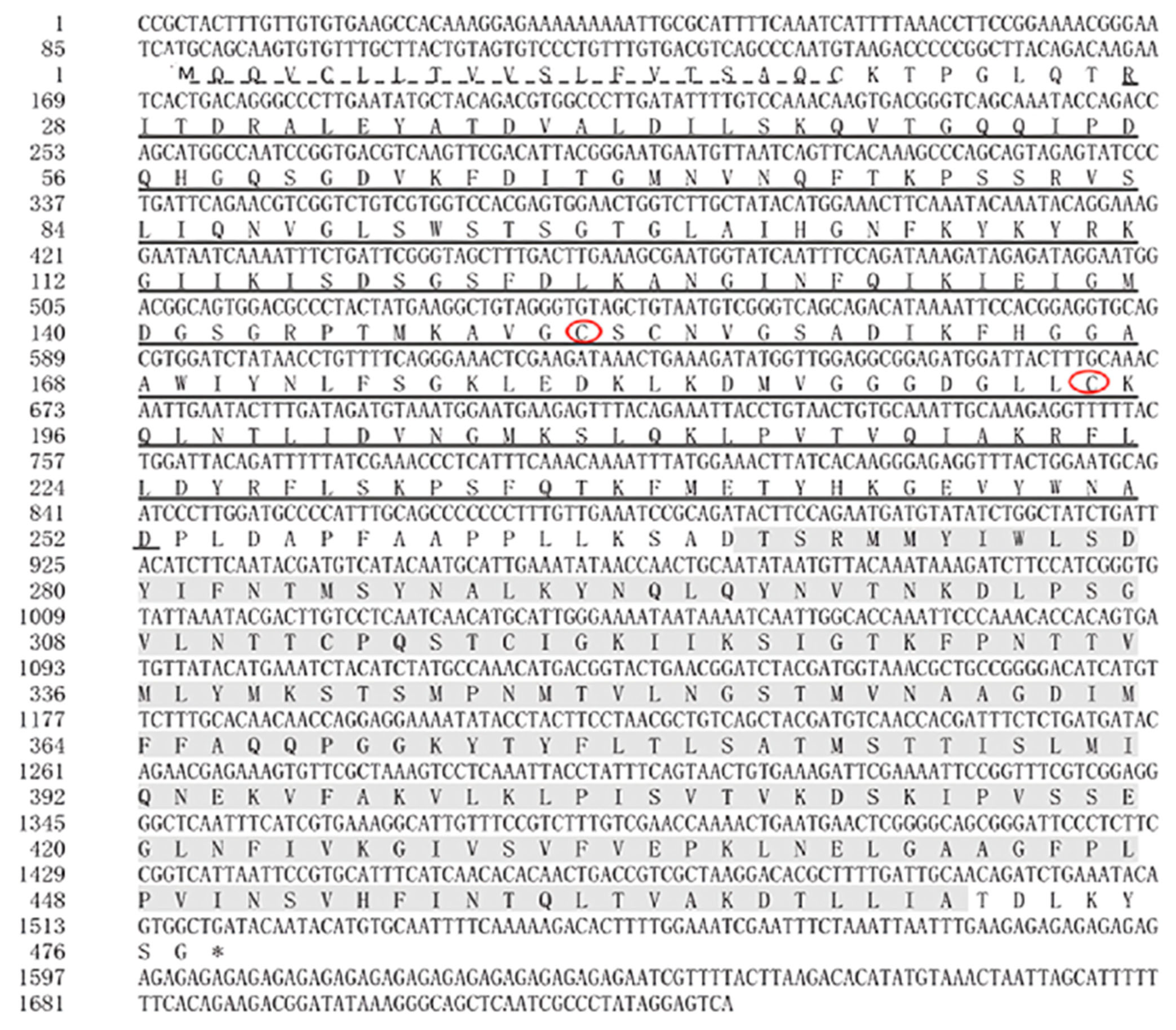
Through transcriptome mining and RACE-PCR, we cloned and sequenced the full-length cDNA of ChBPI/LBP (GenBank Accession: BankIt3028464 BSeq#1→PX662900). The 1692 bp sequence contained a 1434 bp open reading frame (ORF) encoding a 477-amino acid polypeptide (Figure 1). The deduced protein had a predicted MW of 52.21 kDa and a theoretical pI of 9.26. Bioinformatic analysis revealed a 19-amino acid signal peptide and two conserved BPI/LBP domains; an N-terminal domain contained a conserved disulfide bond (Cys152-Cys194), a key feature for the function of BPIs (Figure 1).
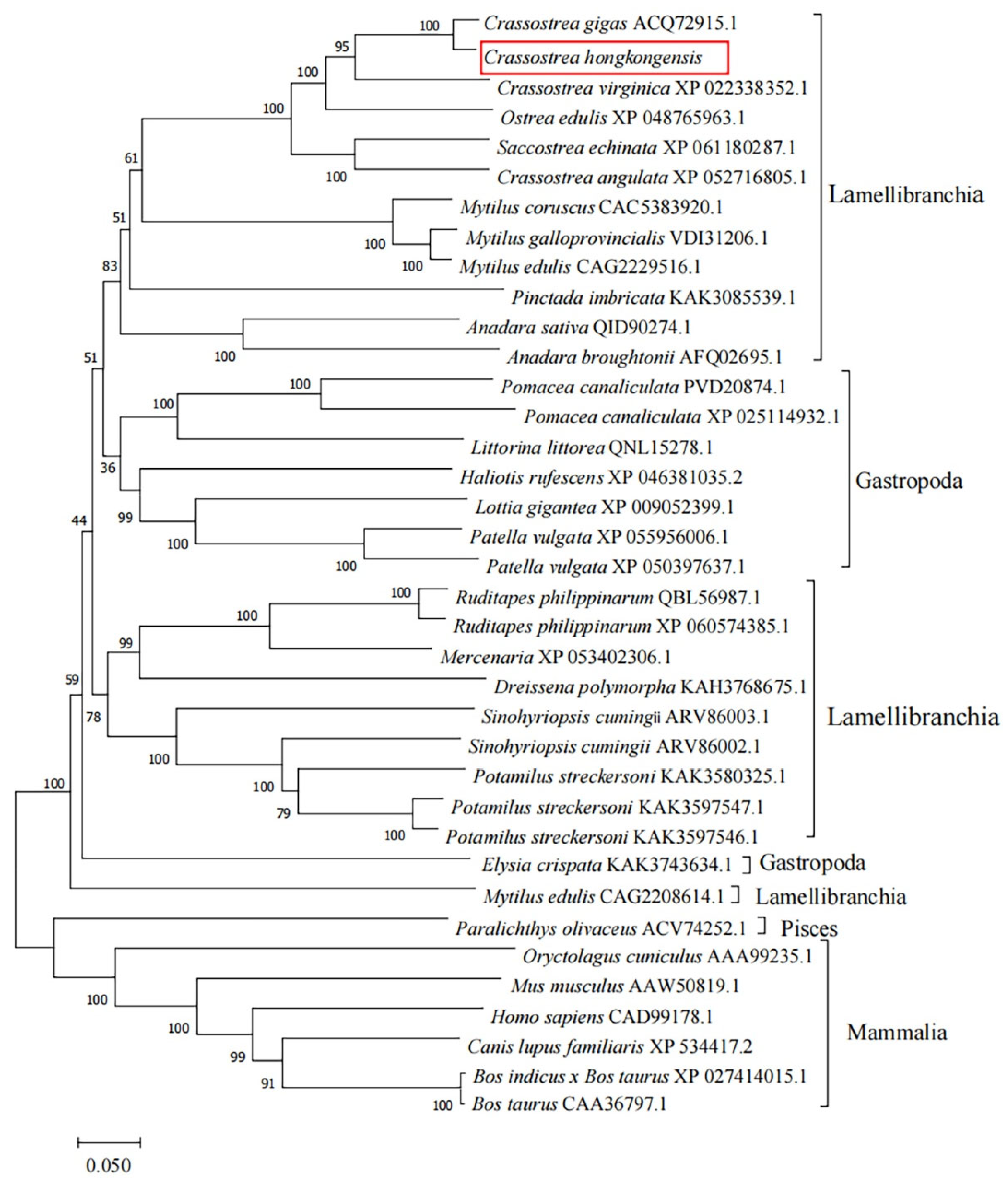
Phylogenetic analysis placed ChBPI/LBP within a distinct clade of molluscan BPI-like proteins, separate from vertebrate BPIs and LBPs (Figure 2). This evolutionary positioning, supported by high bootstrap values, suggests ChBPI/LBP is an ortholog of bacterial BPIs, a prediction consistent with high pI.

3.2. ChBPI/LBP Is Highly Expressed at Mucosal Surfaces

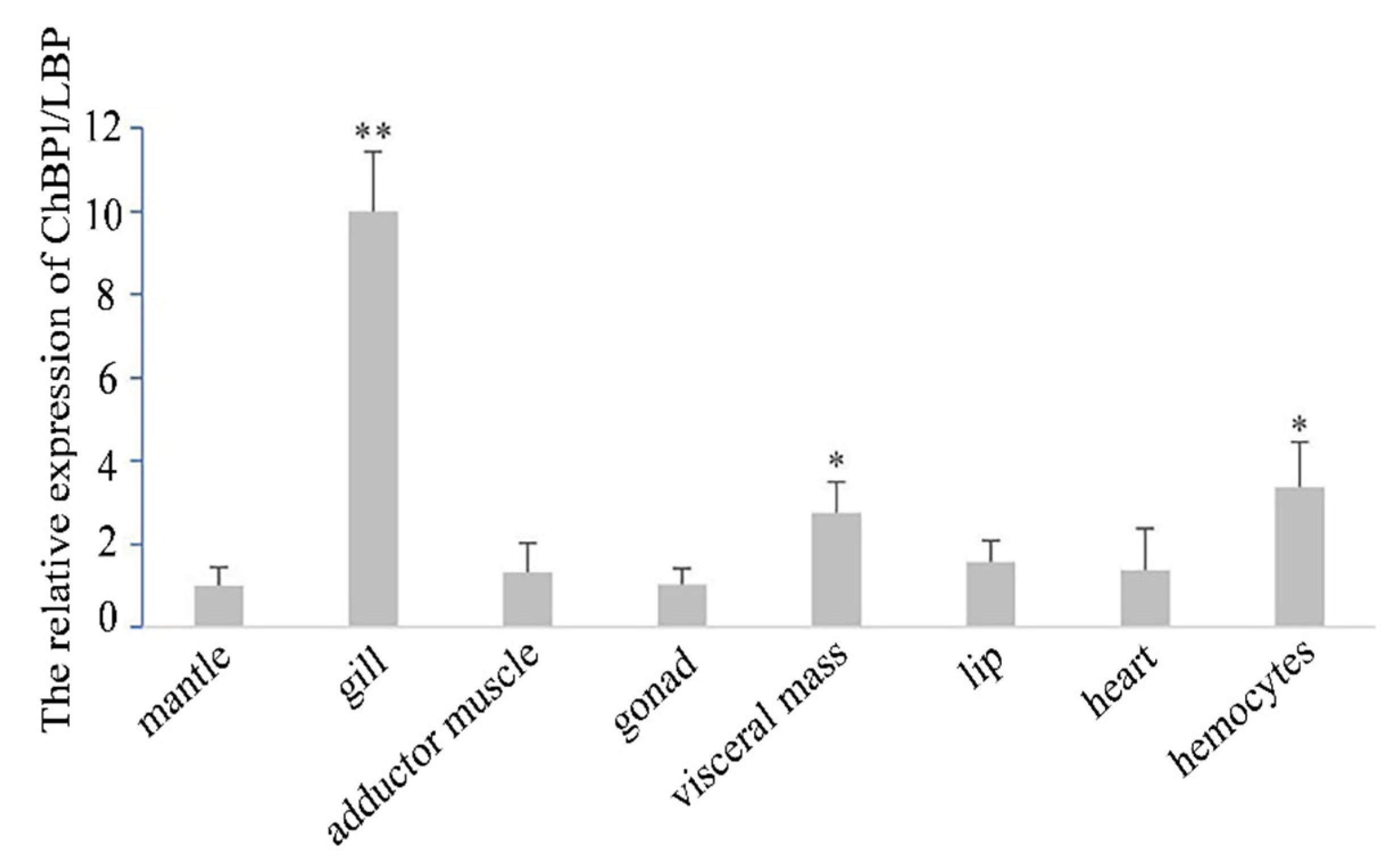
The tissue-specific expression of ChBPI/LBP was analyzed in eight tissues from unchallenged oysters. The highest expression was observed in the gills (primary environmental interface) and was 15.2 times greater than in the mantle (set as the calibrator tissue) (Figure 3). It is noted that “Lip” in Figure 3 refers to the labial palps. Hemocytes (9.8-fold) and visceral mass (6.5-fold), as well as lip (labial palp), also exhibited significantly higher expression. Moderate expression was found in the adductor muscle, lip and heart, while the lowest levels were in the mantle. These findings indicate that ChBPI/LBP is well-positioned to play a central role in immune defense at high-risk microbial sites.

3.3. Bacterial Challenge Induces a Rapid Transcriptional Response in Hemocytes

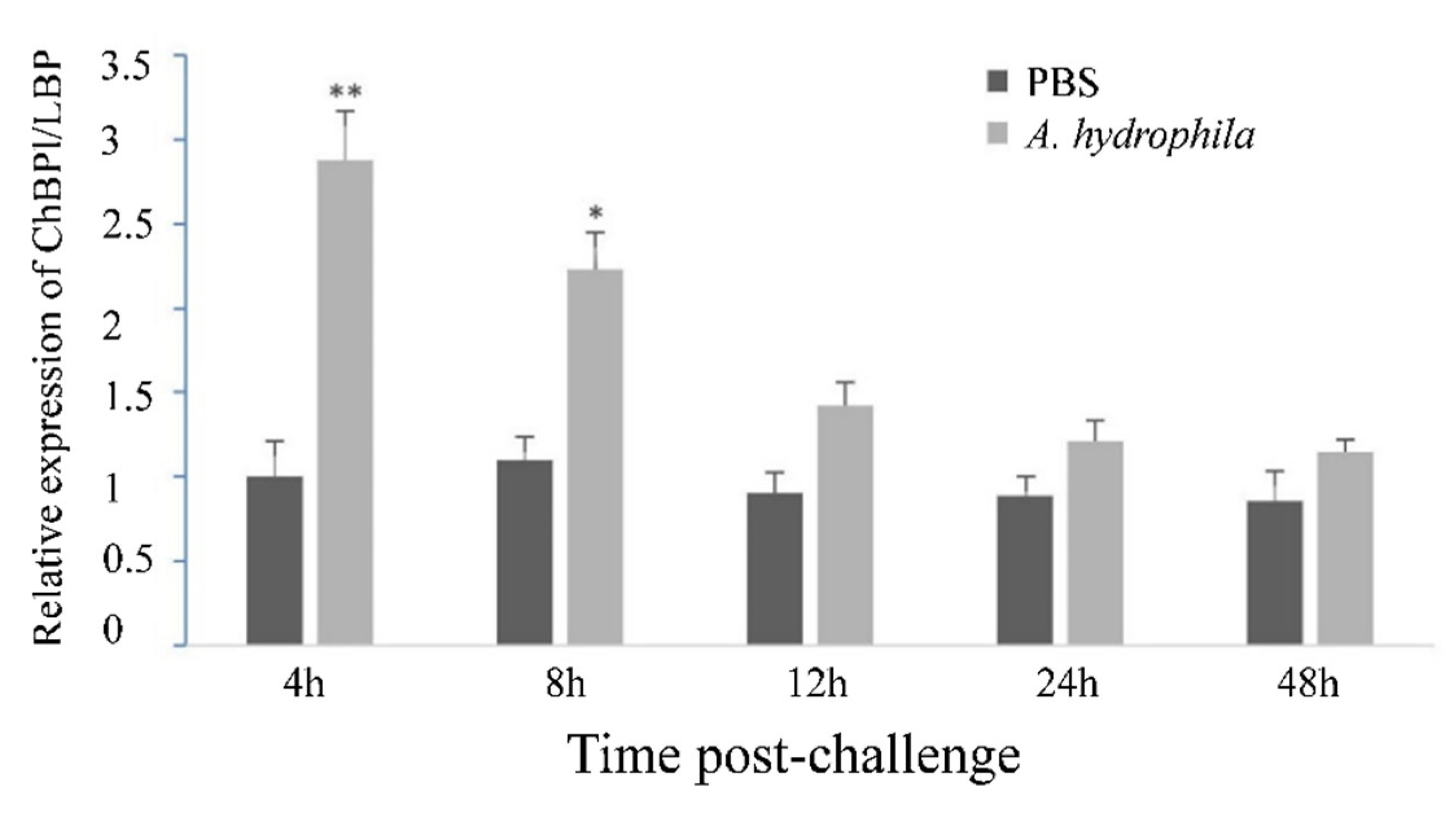
To investigate the inducibility of ChBPI/LBP in response to infection, oysters were challenged with the Gram-negative pathogen A. hydrophila, and transcript levels in hemocytes were observed over time. A two-way ANOVA showed significant main effects for both treatment (F (1, 40) = 15.2, p < 0.001) and time (F (4, 40) = 4.5, p < 0.001), as well as a significant interaction (F (4,40) = 3.8, p < 0.001). Post-hoc analysis demonstrated that at 4 h post-infection (hpi), expression of ChBPI/LBP peaked sharply, with a 2.88-fold elevation compared with PBS-injected controls (p < 0.01), and continued to be significantly increased at 8 hpi (2.23-fold) (p < 0.05), as presented in Figure 4. The transcript level was normalized by 12 hpi, demonstrating a rapid acute-phase response. This kinetic pattern indicates the activation of an immediate antimicrobial effector in response to pathogen detection.

3.4. A. hydrophila Infection Elicits Distinct Tissue Pathologies

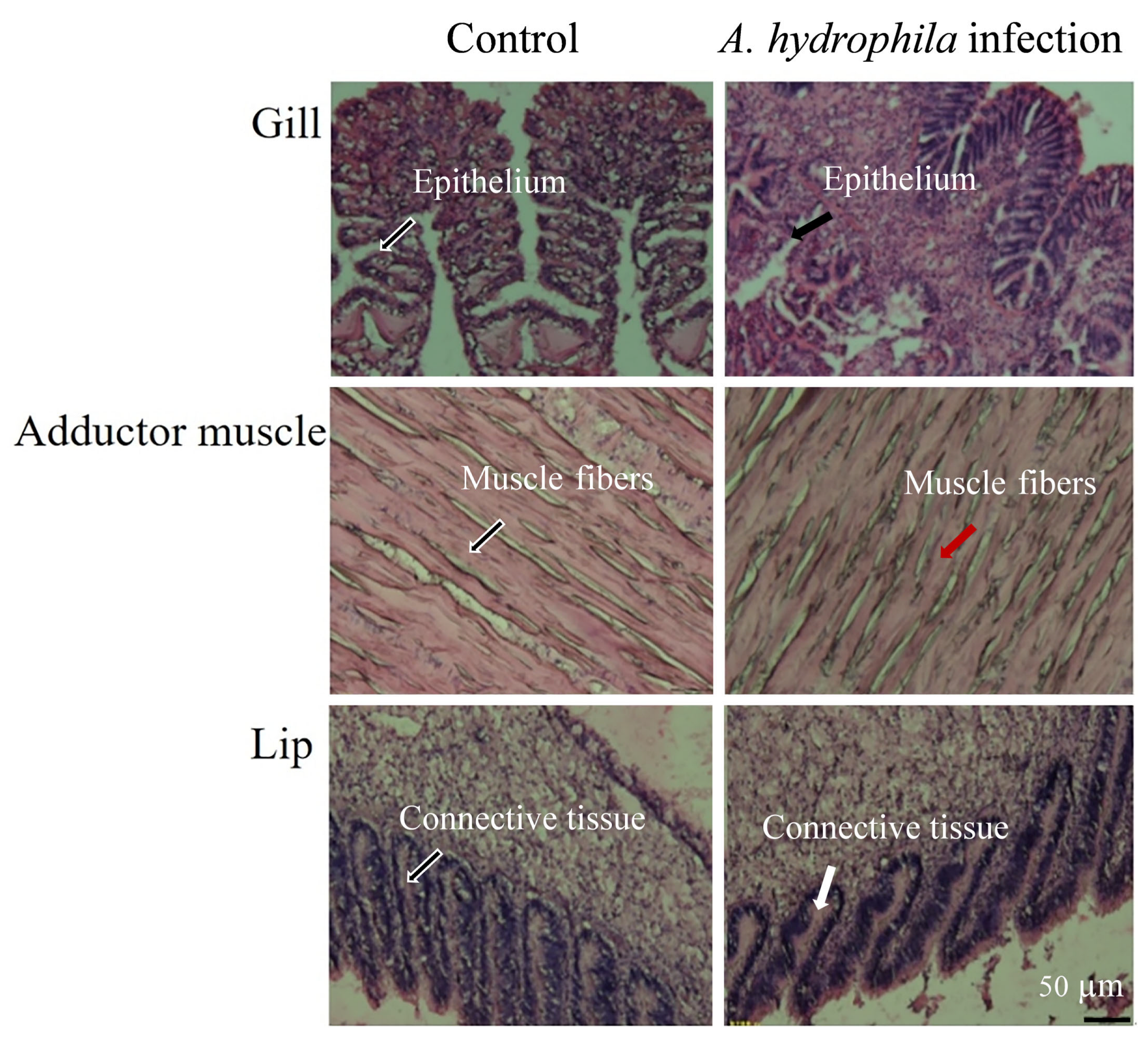
Histopathological evaluation revealed notable morphological changes in infected oysters. The most significant changes were in the gills and the adductor muscle (Figure 5). Infected gill filaments showed architectural disruption, edema and lifting of the epithelial layer. Adductor muscle tissue revealed a loss of striation and hyaline degeneration. Connective tissue near the labial palps exhibited minimal pathological changes, though specific staining would be needed to identify the nature of any deposits. These findings confirm the systemic nature of the infection.

3.5. Recombinant ChBPI/LBP Possesses Potent and Specific Antibacterial Activity

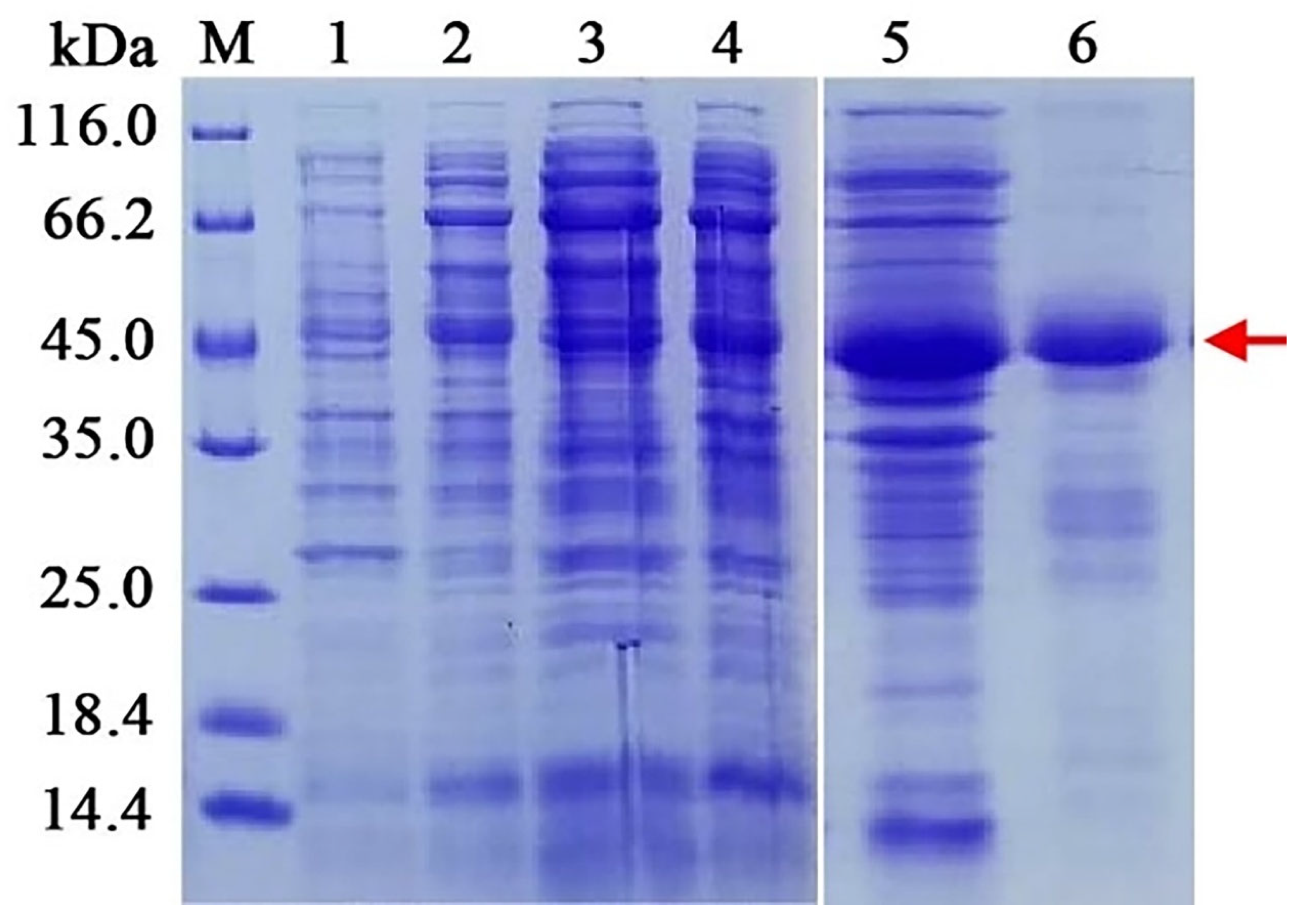
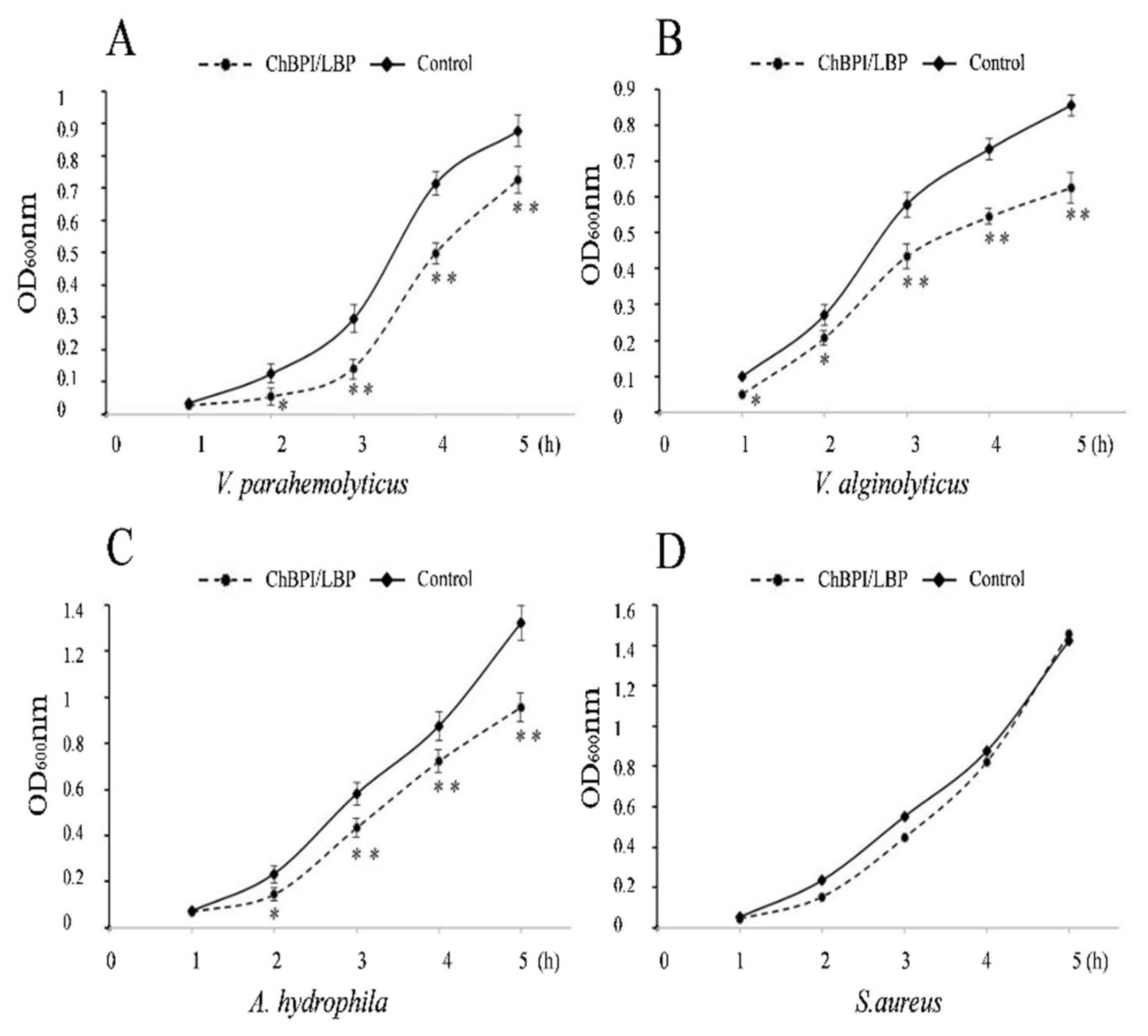
The recombinant mature protein (rChBPI/LBP) was expressed and purified in E. coli Rosetta to directly evaluate the functional capacity of ChBPI/LBP (Figure 6). The recombinant protein was expressed in inclusion bodies, purified under denaturing conditions, and refolded, which was verified by SDS-PAGE and Western blot using an anti-His tag antibody. The inclusion of a redox shuffling system during refolding ensured the formation of the intramolecular disulfide bond required for functional stability. The antibacterial activity of rChBPI/LBP was determined against several pathogens. rChBPI/LBP demonstrated potent, dose-dependent bactericidal effects against three selected bacteria (Vibrio parahaemolyticus, Vibrio alginolyticus, A. hydrophila), with minimum inhibitory concentration (MIC) values ranging from 6.25 to 12.5 µg/mL (Figure 7A–C). Subsequent plating confirmed that these concentrations were also bactericidal (MBC values were identical to MIC values). By contrast, rChBPI/LBP exhibited no significant growth inhibition against the Gram-positive bacterium S. aureus at the highest concentration tested (100 µg/mL) (Figure 7D), further emphasizing its selective activity against Gram-negative pathogens. No bacterial growth inhibition was observed with control treatments using the purification buffer or protein purified from empty-vector transformants. Specific bactericidal activity against LPS-bearing bacteria unequivocally identifies ChBPI/LBP as a functional BPI-like bactericidal effector in the oyster’s immune defense.

4. Discussion

The current research transcends basic characterization of immune genes, providing strong functional evidence that ChBPI/LBP is a cornerstone of the innate immune response in the Hong Kong oyster. Most importantly, ChBPI/LBP is not merely a conserved homolog but a potent, specifically optimized antimicrobial effector, with a significant role at the host–environment interface. The present study’s findings greatly enhance our knowledge by delineating a crucial mechanism for the recognition and clearance of Gram-negative bacteria and provide valuable contributions to the understanding of bivalve immunity, which has broad implications for evolutionary biology and sustainable aquaculture.
The molecular structure of ChBPI/LBP presents compelling clues to its function. Two ChBPI/LBP/CETP modules coupled with a conserved disulfide bond map cleanly onto known lipid-A-binding domains, which is in line with prior reports [8]. Crucially, we employed a glutathione-based redox refolding method to preserve this disulfide linkage in our recombinant protein, which is essential for BPI functionality. The observed bactericidal activity confirms that the structural integrity was maintained, validating the importance of this conserved cystine bridge (Cys152-Cys194). However, the high pI (9.26) is an important feature, firmly indicating that ChBPI/LBP functions as a BPI-like bacterial effector rather than an LBP-like sensor, which mirrors the findings of a previous study by Luo et al. [7]. Moreover, this cationic trait is a defining feature of antimicrobial peptides [9], which electrostatically target the anionic LPS of Gram-negative bacteria [10]. While we designated this protein as ChBPI/LBP to reflect its phylogenetic position within the invertebrate BPI/LBP superfamily, its structural properties and direct bactericidal activity align it functionally with BPI rather than LBP. This correlation holds strongly; however, further investigation using direct biophysical assays, like surface plasmon resonance, is needed to measure the binding affinity of ChBPI/LBP for different LPS chemotypes and to fully characterize its endotoxin-neutralizing capabilities.
Regarding nomenclature, our findings show that ChBPI/LBP acts functionally as a BPI. However, we have retained the “BPI/LBP” designation to reflect the evolutionary lineage of the molecule. In mammals, BPI and LBP are distinct paralogs arising from a gene duplication event, facilitating separate bactericidal and signaling roles (via CD14/TLR4). In contrast, aquatic invertebrates, including mollusks, possess ancestral homologs that often predate this duplication. Consequently, invertebrate BPI/LBP molecules may exhibit overlapping functions, although ChBPI/LBP appears to have specialized significantly toward the BPI-like bactericidal role.
The expression profile of ChBPI/LBP provides a crucial insight into its immune defense strategy. Its constitutive expression in the gills, the main mucosal interface, designates it as a sentinel molecule that is constantly primed to detect waterborne pathogens, consistent with the earlier literature [11]. This expression pattern mirrors observations in teleost fish, where BPI/LBP homologs are also abundantly expressed in gill tissues, serving as a first line of defense against waterborne microbes. In contrast, the low expression in the mantle suggests this tissue may rely on other immune effectors or physical barriers (the shell) for protection or simply faces a lower direct pathogen load compared to the filter-feeding gills. This adaptation is a rational response for a filter-feeder that faces constant microbial exposure [13]. The rapid, transient upregulation in hemocyte expression after challenges with A. hydrophila further reinforces its function as an acute-phase effector, which mirrors findings from the previous study reported by Afsharnia [35]. This kinetic pattern, peaking within hours, reflects a hallmark of immediate antimicrobial response, activating cellular defense for phagocytosis or systemic release [36,37]. The observed gill damage in histopathological analysis during infection reveals the intensity of the immune responses at this barrier and stresses the importance of rapid effector cells to preserve tissue integrity.
The most conclusive evidence of ChBPI/LBP’s role was observed with the recombinant protein, which demonstrated potent and specific bactericidal activity against Gram-negative pathogens. This specificity is rooted in the mechanism of targeted binding to LPS, a component not present in Gram-positive bacteria, as reported in a previous study [15]. Given the low microgram/milliliter range in MICs, ChBPI/LBP is strongly identified as a high-efficacy endogenous antimicrobial effector in oysters, further evidenced by the previous literature [38,39]. This functional data, along with the structural and expressional evidence, forms a cohesive model in which ChBPI/LBP functions as a secreted and/or hemocyte-derived cationic protein that neutralizes Gram-negative pathogens by disrupting their outer-membrane integrity, serving as an inducible first-line defender.
From an evolutionary perspective, ChBPI/LBP’s phylogenetic placement within a molluscan-specific clade, separate from the vertebrate BPI and LBP lineages, points to an ancestral gene that has diversified along lineage-specific paths, aligning with prior studies [3,12]. While the LBP-CD14-TLR4 signaling axis is highly conserved in mammals, it is absent or modified in many non-mammalian lineages. Birds and fish possess BPI/LBP homologs, but the specific co-receptor function of CD14 is not universally conserved in invertebrates. Insects, for example, utilize different LPS-recognition proteins (like PGRPs). The potent bactericidal activity of ChBPI/LBP suggests that in the absence of the classic mammalian LBP-driven inflammation pathway, bivalves rely heavily on direct pathogen neutralization by BPI-like molecules. Moreover, the sustained bactericidal activity in oysters suggests the intense evolutionary pressure imposed by Gram-negative pathogens in aquaculture settings [40]. In this way, ChBPI/LBP exemplifies a primordial form of humoral immunity, functionally conserved over millions of years, underscoring the essential role of LPS-targeting mechanisms in metazoan host defense [11,41].
However, this work has several limitations that open avenues for future research. The statistical power of our in vivo experiment was limited by a sample size of five; while this is common in this field, larger cohorts would provide stronger conclusions. Our qPCR analysis relied on a single reference gene; the use of multiple reference genes would improve data normalization. The histopathological analysis was primarily qualitative and would benefit from a standardized, quantitative scoring system. Moreover, while we minimized endotoxin contamination in our recombinant protein, more sensitive quantification and functional blocking experiments would definitively rule out any confounding effects. Finally, our in vitro assays could not fully replicate the complex host environment.
Despite these limitations, this integrated analysis identifies ChBPI/LBP as a key player in the antimicrobial defense of C. hongkongensis. By correlating its cationic structure, strategic expression and potent Gram-negative-specific bactericidal activity, we provide a mechanistic basis for understanding innate immunity in bivalves. This knowledge enriches the field of comparative immunology and opens possibilities for practical applications, such as selective breeding for disease resistance or the development of novel antimicrobial agents for aquaculture.

5. Conclusions

This study delivers the first definitive molecular and functional analysis of BPI in C. hongkongensis. Our findings demonstrate that ChBPI/LBP is a potent and cationic antimicrobial effector, strategically expressed at mucosal surfaces and promptly deployed in hemocytes to mount a targeted defense against Gram-negative bacteria. The recombinant protein’s potent bactericidal activity reinforces its function as a critical element of the oyster’s innate immune defense. This study defines the functional role of a critical immune gene in an economically important species and provides essential insights into the evolution of LPS-recognition mechanisms in invertebrates. The characterization of ChBPI/LBP not only broadens our understanding of bivalve immunity but also paves the way for applied research, including exploiting its therapeutic potential or employing its expression as a biomarker for breeding disease-resistant oyster populations.

Author Contributions

L.S.: writing—original draft. Y.Z.: writing—original draft. M.F.K.: writing—review and editing. C.H.: data curation. L.L.: writing methodology. P.Z. (Peng Zhang): writing methodology. P.Z. (Peng Zhu): conceptualization. D.Z.: performing formal analysis. X.Y.: preparing figures. B.G.: writing—review and editing. Y.L.: writing—review and editing. Y.X.: project administration. H.Z.: supervision. All authors have read and agreed to the published version of the manuscript.

Funding

This work was financially supported by the Guangxi Natural Science Foundation (No. 2025GXNSFHA069269).

Institutional Review Board Statement

All experiment procedures involving Hong Kong oysters were performed in accordance with the ethical guidelines set by Beibu Gulf University Review Board (Review No. yxdw006, issued on 18 March 2024). All animals were handled following proper protocols to ensure humane treatment.

Data Availability Statement

Data are contained within the article.

Conflicts of Interest

The authors declare no conflicts of interest.

References

  1. Nguyen, N.H. Genetics and genomics of infectious diseases in key aquaculture species. Biology 2024, 13, 29. [Google Scholar] [CrossRef]
  2. Rodrigues, T.; Guardiola, F.A.; Almeida, D.; Antunes, A. Aquatic invertebrate antimicrobial peptides in the fight against aquaculture pathogens. Microorganisms 2025, 13, 156. [Google Scholar] [CrossRef]
  3. Zannella, C.; Mosca, F.; Mariani, F.; Franci, G.; Folliero, V.; Galdiero, M.; Tiscar, P.G.; Galdiero, M. Microbial diseases of bivalve mollusks: Infections, immunology and antimicrobial defense. Mar. Drugs 2017, 15, 182. [Google Scholar] [CrossRef]
  4. Makwarela, T.G.; Seoraj-Pillai, N.; Nangammbi, T.C. Exploring the Molluscan Microbiome: Diversity, Function, and Ecological Implications. Biology 2025, 14, 1086. [Google Scholar] [CrossRef]
  5. Chen, R.; Zou, J.; Chen, J.; Zhong, X.; Kang, R.; Tang, D. Pattern recognition receptors: Function, regulation and therapeutic potential. Signal Transduct. Target. Ther. 2025, 10, 216. [Google Scholar] [CrossRef]
  6. Sharma, M.; Wagh, P.; Shinde, T.; Trimbake, D.; Tripathy, A.S. Exploring the Role of Pattern Recognition Receptors as Immunostimulatory Molecules. Immunity Inflamm. Dis. 2025, 13, e70150. [Google Scholar] [CrossRef] [PubMed]
  7. Luo, R.; Yao, Y.; Chen, Z.; Sun, X. An examination of the LPS-TLR4 immune response through the analysis of molecular structures and protein–protein interactions. Cell Commun. Signal. 2025, 23, 142. [Google Scholar] [CrossRef]
  8. Sun, J.; Deng, H.; Ning, B.; Zhan, Y.; Chang, Y. Aquatic BPI/LBPs: A Promising Antimicrobial Peptide Resource for Disease Control in Aquaculture. Curr. Protein Pept. Sci. 2026, 27, e13892037364423. [Google Scholar] [CrossRef] [PubMed]
  9. Jorquera, A.; Montecinos, C.; Borregales, Y.; Muñoz-Cerro, K.; González, R.; Santelices, M.; Rojas, R.; Mercado, L.; Ramírez, F.; Guzmán, F.; et al. A novel LPS binding/bactericidal permeability-increasing protein (LBP/BPI) from the scallop Argopecten purpuratus plays an essential role in host resistance to Vibrio infection. Fish Shellfish. Immunol. 2024, 154, 109989. [Google Scholar] [CrossRef] [PubMed]
  10. Wu, Y.; Du, H.; Zhu, L.; Zhao, N.; Zhang, S.; Cao, Z.; Zhou, Y.; Sun, Y. Bactericidal permeability-increasing protein/LPS-binding protein (BPI/LBP) enhances resistance of golden pompano Trachinotus ovatus against bacterial infection. Fish Shellfish. Immunol. 2022, 131, 872–880. [Google Scholar] [CrossRef]
  11. González, R.; Brokordt, K.; Rojas, R.; Schmitt, P. Molecular characterization and expression patterns of two LPS binding/bactericidal permeability-increasing proteins (LBP/BPIs) from the scallop Argopecten purpuratus. Fish Shellfish. Immunol. 2020, 97, 12–17. [Google Scholar] [CrossRef] [PubMed]
  12. Liu, Y.; Zha, H.; Han, X.; Yu, S.; Chai, Y.; Zhong, J.; Zhu, Q. Molecular characterization and functional analysis of the bactericidal permeability-increasing protein/LPS-binding protein (BPI/LBP) from roughskin sculpin (Trachidermus fasciatus). Dev. Comp. Immunol. 2021, 123, 104133. [Google Scholar] [CrossRef] [PubMed]
  13. Solov’eva, T.F.; Bakholdina, S.I.; Naberezhnykh, G.A. Host Defense Proteins and Peptides with Lipopolysaccharide-Binding Activity from Marine Invertebrates and their Therapeutic Potential in Gram-Negative Sepsis. Mar. Drugs 2023, 21, 581. [Google Scholar] [CrossRef] [PubMed]
  14. Liu, R.; Gao, L.; Zhang, X.; Yang, W.; Zhao, J.; Zhao, B.; Yu, H.; Xu, J.; Liu, L.; Peng, J.; et al. Analysis on the environment of Dafeng River in Beihai, Guangxi and the health status of cultivated Hong Kong oysters (Crassostrea hongkongensis). J. Dalian Ocean. Univ. 2024, 39, 551–558. [Google Scholar]
  15. Xie, W.; Zhou, Q.-J.; Xu, Y.-X.; Zhang, M.; Zhong, S.-P.; Lu, L.-L.; Qiu, H.-T. Transcriptome analysis reveals potential key immune genes of Hong Kong oyster (Crassostrea hongkongensis) against Vibrio parahaemolyticus infection. Fish Shellfish. Immunol. 2022, 122, 316–324. [Google Scholar] [CrossRef]
  16. Manan, H.; Jalilah, M.; Fauzan, F.; Ikhwanuddin, M.; Amin-Safwan, A.; Abdullah, N.S.; Nur-Syahirah, M.; Kasan, N.A. Recent developments in aquaculture—A review. Ann. Anim. Sci. 2023, 23, 663–680. [Google Scholar] [CrossRef]
  17. Wei, Z.; Qin, Y.; Liu, H.; Xing, Q.; Yu, Z.; Zhang, Y.; Pan, Y. Aquaculture Performance and Genetic Diversity of a New [(Crassostrea hongkongensis♀× C. gigas♂)♂× C. hongkongensis♀] Variety of the Oyster ‘South China No. 1′ in Beibu Gulf, China. Biology 2024, 13, 297. [Google Scholar] [CrossRef]
  18. Peng, M.; Tong, W.; Zhao, Z.; Xiao, L.; Wang, Z.; Liu, X.; He, X.; Song, Z. Attenuation of Aeromonas hydrophila infection in Carassius auratus by YtnP, a N-acyl homoserine lactonase from Bacillus licheniformis T-1. Antibiotics 2021, 10, 631. [Google Scholar] [CrossRef]
  19. Wang, P.; Zhu, J.; Chen, H.; Hu, Q.; Chen, Z.; Li, W.; Yang, T.; Zhu, J.; Yan, B.; Gao, H.; et al. Study on the Regulatory Mechanisms of Carapace Marking Formation in Marsupenaeus japonicus. Animals 2025, 15, 727. [Google Scholar] [CrossRef]
  20. Huarachi-Olivera, R.; Mata, M.T.; Ardiles-Candia, A.; Escobar-Méndez, V.; Gatica-Cortes, C.; Ahumada, M.; Orrego, J.; Vidal-Veuthey, B.; Cárdenas, J.P.; González, L.; et al. Modification of the Trizol Method for the Extraction of RNA from Prorocentrum triestinum ACIZ_LEM2. Int. J. Mol. Sci. 2024, 25, 9642. [Google Scholar] [CrossRef]
  21. Plante, D.; Barrera, J.A.B.; Lord, M.; Iugovaz, I.; Nasheri, N. Development of an RNA extraction protocol for norovirus from raw oysters and detection by qRT-PCR and droplet-digital RT-PCR. Foods 2021, 10, 1804. [Google Scholar] [CrossRef] [PubMed]
  22. Wu, Y.; Liang, B.; Liang, H. Regulation of immune responses by a tumor necrosis factor in pearl oysters: Insights from PmTNF gene expression and function: Characterization of novel TNF in pearl oyster. Acta Biochim. Biophys. Sin. 2025, 57, 1081. [Google Scholar] [CrossRef]
  23. Fan, J.; Luo, P.; Shen, L.; Zuo, J.; Wang, W.; Zhou, X.; Wang, L.; Song, L. CgCREM Regulates Haemocyte Proliferation and Inflammatory Factor Expression in the Pacific Oyster Crassostrea gigas. Fish Shellfish. Immunol. 2025, 167, 110871. [Google Scholar] [CrossRef]
  24. Khan, M.F.; Parveen, S.; Sultana, M.; Zhu, P.; Xu, Y.; Safdar, A.; Shafique, L. Evolution and comparative genomics of the transforming growth factor-β-related proteins in Nile tilapia. Mol. Biotechnol. 2024, 67, 3517–3531. [Google Scholar] [CrossRef]
  25. Khan, M.F.; Sultana, M.; Parveen, S.; Hassan, W.; Tayyab, M.; Alenazi, M.F.; Zabena, A.K.; Xu, Y.; Hong, Z.; Zhu, P.; et al. Genome-wide identification: Molecular characterization and evolutionary aspects of Sox genes in Nile tilapia. Cell. Mol. Biol. 2025, 71, 52–60. [Google Scholar] [CrossRef]
  26. Parveen, S.; Khan, M.F.; Sultana, M.; Rehman, S.U.; Shafique, L. Molecular characterization of doublesex and Mab-3 (DMRT) gene family in Ctenopharyngodon idella (grass carp). J. Appl. Genet. 2024, 66, 409–420. [Google Scholar] [CrossRef] [PubMed]
  27. Parveen, S.; Tayyab, M.; Khan, M.F.; Hussain, M.; Fatima, N.; Khail, J.; Xu, Y.; Zhu, P.; Shafique, L. Impact of zinc supplementation on growth, antioxidant status, and physiological health of Cyprinus carpio (Common Carp): Evaluating the optimal dietary zinc requirements. Aquac. Rep. 2025, 44, 103058. [Google Scholar] [CrossRef]
  28. Hu, B.; Yu, H.; Kong, L.; Liu, S.; Li, Q. Orange-shell phenotype regulated by CgABCG2-mediated protoporphyrin IX transport in Pacific oyster (Crassostrea gigas). Aquaculture 2025, 612, 743212. [Google Scholar] [CrossRef]
  29. Deng, H.; Yu, L.; Sun, J.; Liu, S.; Wang, X.; Yin, D.; Chang, Y.; Zhan, Y. Identification and characterization of a novel BPI/LBP gene and its sex-specific tissue heterogeneous expression in response to LPS stimulation in the scallop Patinopecten yessoensis. Gene Rep. 2025, 38, 102148. [Google Scholar] [CrossRef]
  30. Melloul, O.; Zabit, S.; Lichtenstein, M.; Duran, D.; Grunewald, M.; Lorberboum-Galski, H. Inducing Targeted, Caspase-Independent Apoptosis with New Chimeric Proteins for Treatment of Solid Cancers. Cancers 2025, 17, 1179. [Google Scholar] [CrossRef]
  31. Shafique, L.; Khan, M.F.; Parveen, S.; Xu, Y.; Zhu, P. Overcoming Multidrug Resistance in E. coli and Salmonella Isolates from Nile Tilapia: Synergistic Effects of Novel Antibiotic Combinations. Mol. Biotechnol. 2025. [Google Scholar] [CrossRef]
  32. Zhang, Y.-C.; Zhan, X.; Chen, J.-Y.; Yu, D.-T.; Zhang, T.; Zhang, H.; Duan, C.-G. Reduced fungal protein acetylation mediates the antimicrobial activity of a rhizosphere bacterium against a phytopathogenic fungus. Nat. Commun. 2025, 16, 5644. [Google Scholar] [CrossRef]
  33. Shafique, L.; Zhu, P.; Xu, Y.; Hassan, W.; Latif, F.; Manan, M.A.; Parveen, S.; Khan, M.F. Drug repurposing with non-antibiotic strategies against S. aureus and molecular profiling of resistance genes in Nile tilapia. Microb. Pathog. 2025, 208, 108033. [Google Scholar] [CrossRef]
  34. Wu, S.; Zhao, J.; Azmi, A.A.; Gupte, A.; Thibodeau, J.; Liu, S.; Yang, J.; Wang, G.; Edwards, H.; Polin, L.A.; et al. Inhibition of CDK 9 enhances AML cell death induced by combined venetoclax and azacitidine. Mol. Oncol. 2025. [Google Scholar] [CrossRef]
  35. Afsharnia, A.; Cai, Y.; Nauta, A.; Groeneveld, A.; Folkerts, G.; Wösten, M.M.S.M.; Braber, S. In Vivo Evidence on the Emerging Potential of Non-Digestible Oligosaccharides as Therapeutic Agents in Bacterial and Viral Infections. Nutrients 2025, 17, 1068. [Google Scholar] [CrossRef]
  36. Lee, K.K. Dissecting the Mechanisms Underlying Heterogeneous Antimicrobial Accumulation in Isogenic Bacterial Populations. Ph.D. Thesis, University of Exeter, Exeter, UK, November 2024. [Google Scholar]
  37. Hematoma, S.; Swine, H.I.N. SEPSIS-INDUCED T LYMPHOCYTE ALTERATIONS: FROM PATHOPHYSIOLOGY TO THERAPEUTIC TRANSLATION. Shock 2025, 64, S1–S44. [Google Scholar] [CrossRef]
  38. Li, J.; Cheng, G.; Qin, X.; Liu, J. Streptococcus pneumoniae β-lactam resistance: Epidemiological trends, molecular drivers, and innovative control strategies in the post-pandemic era. Clin. Microbiol. Rev. 2025, 38, e0008225. [Google Scholar] [CrossRef] [PubMed]
  39. Kawsar, M.A.; Zhao, C.; Mao, F.; Yu, Z.; Zhang, Y. Unlocking Antimicrobial Peptides from Marine Invertebrates: A Comprehensive Review of Antimicrobial Discovery. Antibiotics 2025, 14, 924. [Google Scholar] [CrossRef] [PubMed]
  40. Rathour, R.; Ma, Y.; Xiong, J.; Wang, X.-W.; Petersen, J.; Zhang, X. Hemolymph microbiota and host immunity of crustaceans and mollusks. ISME J. 2025, 19, wraf133. [Google Scholar] [CrossRef]
  41. Tian, Y.; Yue, X.; Jiao, R.; Hanson, M.A.; Lemaitre, B. Functional characterization of Paillotin: An immune peptide regulated by the Immune deficiency (Imd) pathway with pathogen-specific roles in Drosophila immunity. Proc. R. Soc. B: Biol. Sci. 2025, 292, 20251835. [Google Scholar] [CrossRef]
Figure 1. Full-length cDNA and deduced amino acid sequences of ChBPI/LBP. Nucleotides are numbered on the left, and amino acids are numbered below the nucleotide numbers. The initiation codon (ATG) is marked with M, and the termination codon (TGA) is marked with an asterisk. The signal peptide is indicated by a dotted underline. The N-terminal and C-terminal BPI/LBP/CETP domains are indicated by a solid underline (black) and shaded boxes (gray), respectively. The N-terminal domain contains a conserved disulfide bond circled in red (Cys152-Cys194).
Fishes 11 00087 g001
Figure 2. Phylogenetic analysis. Neighbor-joining (NJ) phylogenetic tree of ChBPI/LBP sequences from various species, constructed using the Jones–Taylor–Thornton (JTT) model. C. hongkongensis is highlighted in red. Bootstrap values from 1000 replicates are shown at nodes. The scale bar indicates genetic distance.
Fishes 11 00087 g002
Figure 3. Tissue-specific expression patterns of ChBPI/LBP. The relative expressions of ChBPI/LBP mRNA in different tissues of unchallenged C. hongkongensis. Transcript levels were determined by qRT-PCR (n = 5 biological replicates). The expression levels were normalized to the elongation factor 1-alpha (ef1-α) gene and are expressed as means ± standard error of the mean (SEM). Individual data points are shown as dots; letters indicate significant differences between tissues (One-way ANOVA with Tukey’s post-hoc test; * p < 0.05, ** p < 0.01).
Fishes 11 00087 g003
Figure 4. Temporal expression of ChBPI/LBP in hemocytes after Aeromonas hydrophila challenge. The relative expression of ChBPI/LBP in hemocytes of C. hongkongensis challenged with Aeromonas hydrophila over a time course. Oysters were injected with Aeromonas hydrophila or PBS (control), and hemocytes were sampled from 5 oysters/each group (n = 5 biological replicates per group per time point). Data are expressed as means ± standard error of the mean (SEM). Significant differences between the challenged group and control group at each time point (Sidak’s multiple-comparison test following two-way ANOVA, * p < 0.05, ** p < 0.01).
Fishes 11 00087 g004
Figure 5. Histopathological changes in C. hongkongensis tissues following challenges with Aeromonas hydrophila. Tissues from control (PBS-injected) and challenged oysters are shown. Arrows indicate areas of histopathological changes, such as epithelial lifting in gills and myofiber degeneration in adductor muscle. Scale bar = 50 µm. Note: the connective tissue samples correspond to the lip (labial palps) region described in the tissue-distribution analysis.
Fishes 11 00087 g005
Figure 6. SDS-PAGE analysis of recombinant ChBPI/LBP expression and purification. Lane M, protein molecular weight marker; Lane 1, uninduced bacterial cells; Lane 2, induced bacterial cells; Lane 3, supernatant after sonication; Lane 4, inclusion bodies; Lane 5, purified protein after Ni-NTA affinity chromatography (elution fraction 1); Lane 6, purified protein after Ni-NTA affinity chromatography (elution fraction 2). The red arrow indicates the target recombinant ChBPI/LBP.
Fishes 11 00087 g006
Figure 7. Antibacterial activity of recombinant ChBPI/LBP against various bacterial strains. Growth curves of (A) Vibrio parahaemolyticus, (B) Vibrio alginolyticus, (C) Aeromonas hydrophila, and (D) Staphylococcus aureus in the presence of recombinant ChBPI/LBP (dashed line) or PBS (control, solid line). Bacterial growth was monitored by measuring OD600 nm at 1 h intervals for 5 h. The data are expressed as means ± SD (n = 3 biological replicates). Individual data points are shown as dots. Significant differences between the ChBPI/LBP-treated group and the control group (t-tests; * p < 0.05, ** p < 0.01).
Fishes 11 00087 g007
Table 1. Sequences of the primers used in the current study.
Primer NameSequence (5′→3′)Tm (°C)Purpose (Target Amplicon)
ChBPI/LBP-F1TGTTGTGTGAAAAGCCACA58.2 °CGene Cloning (Partial CDS)
ChBPI/LBP-R1TATATCCGTCTTCTGTGAAAAA54.1 °CGene Cloning (Partial CDS)
ChBPI/LBP -qF1ACCAAAACTGAATGAACTCGG59.5 °CqRT-PCR (108 bp fragment)
ChBPI/LBP -qR1GCAATCAAAAGCGTGTCCTT59.8 °CqRT-PCR (108 bp fragment)
ef1-α-qF1GCCCAGGTCATCATCTTGAA59.5 °CqRT-PCR Internal Control (87 bp)
ef1-α-qR1GCAGGCAATGTGAGCAGTG60.1 °CqRT-PCR Internal Control (87 bp)
ChBPI/LBP -bF1ATGAATCACAAAGTGCATCATCATCATCATCATATGAAGACCCCGGGCCTGCAGACCCGC…(NdeI) Expression Vector (Mature Peptide)
ChBPI/LBP -bR1GATTCTGTGCTTTTAAGCAGAGATTACCTATCTAGATTAGCCACTATATTTCAGATCGGT…(XbaII) Expression Vector (Mature Peptide)
Note: The restriction enzyme sites Ndel (for ChBPI/LBP-bF1) and Xball (for ChBPI/LBP-bR1) are in bold, where “F” indicates the forward primer and “R” indicates the reverse primer. The full sequence of ChBPI/LBP-bF1 includes an N-terminal His-tag encoding sequence (not fully displayed here for space).
Disclaimer/Publisher’s Note: The statements, opinions and data contained in all publications are solely those of the individual author(s) and contributor(s) and not of MDPI and/or the editor(s). MDPI and/or the editor(s) disclaim responsibility for any injury to people or property resulting from any ideas, methods, instructions or products referred to in the content.