
Article

Fine-Grained Fish Individual Recognition in Underwater Environments Using Global Detail Enhancement and Keypoint Region Fusion

1
Key Laboratory of Fisheries Information, Ministry of Agriculture and Rural Affairs, Shanghai Ocean University, Shanghai 201306, China
2
Center for Aquacultural Breeding Research, Shanghai Ocean University, Shanghai 201306, China
*
Author to whom correspondence should be addressed.
Fishes 2025, 10(3), 102; https://doi.org/10.3390/fishes10030102

Submission received: 20 January 2025 / Revised: 23 February 2025 / Accepted: 26 February 2025 / Published: 27 February 2025
(This article belongs to the Special Issue Application of Artificial Intelligence in Aquaculture)

Abstract

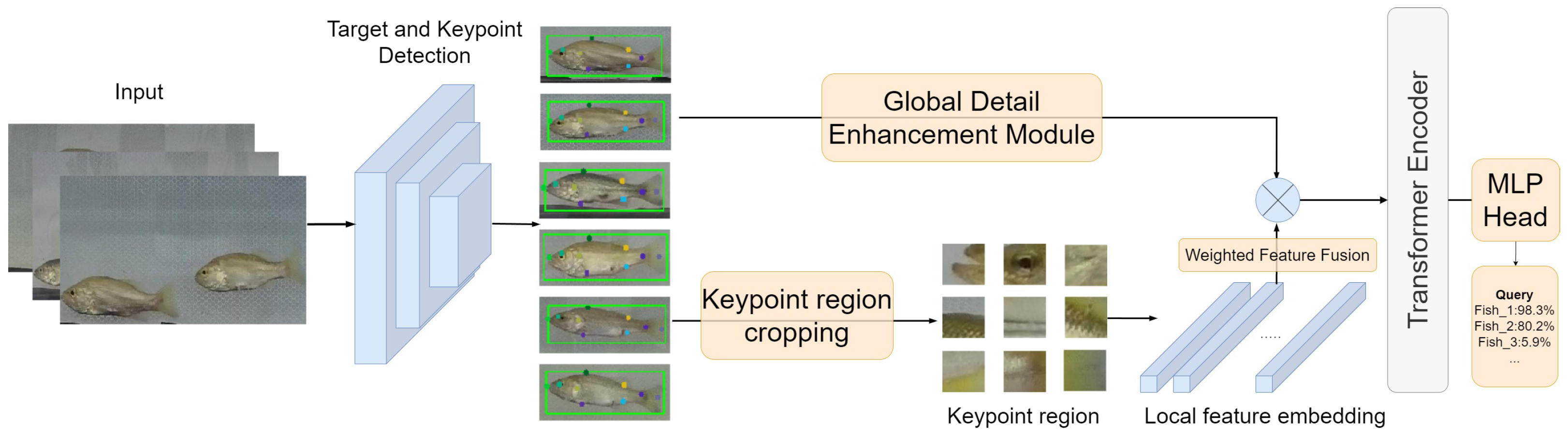
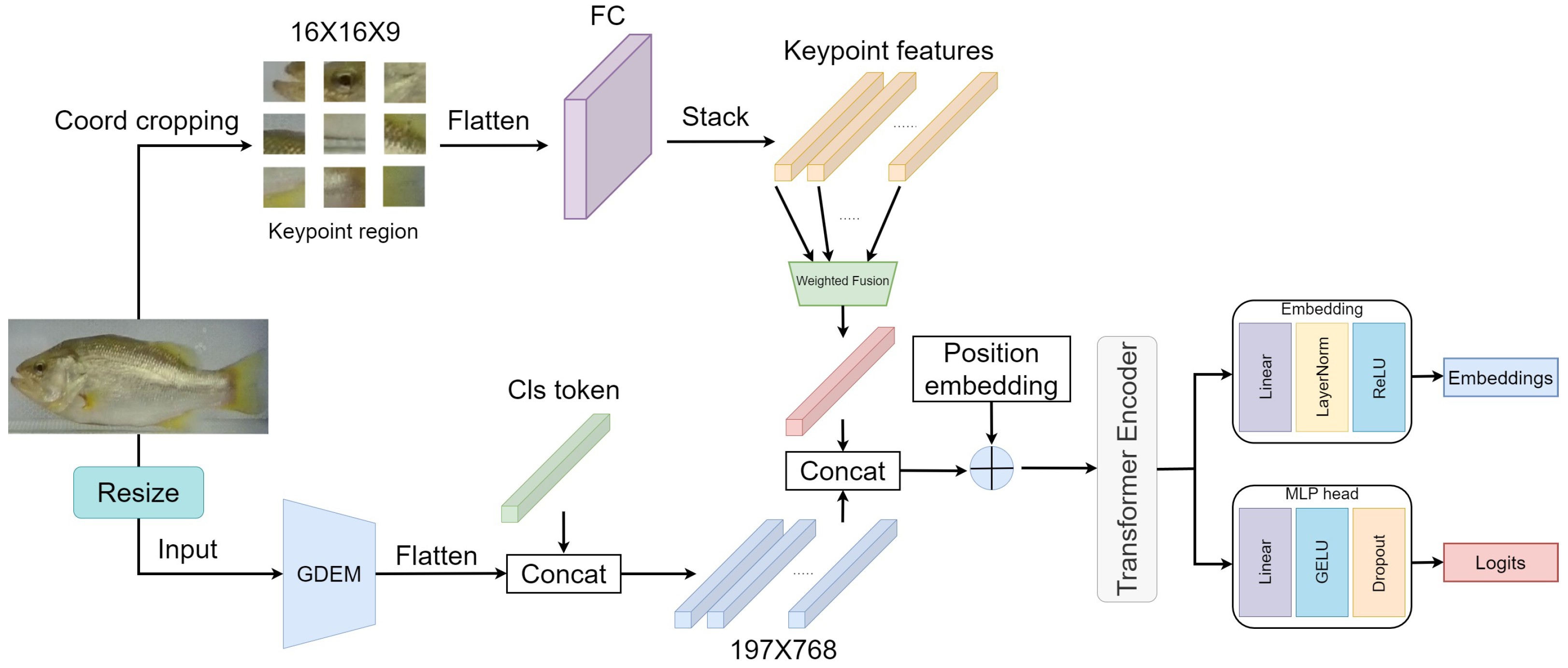
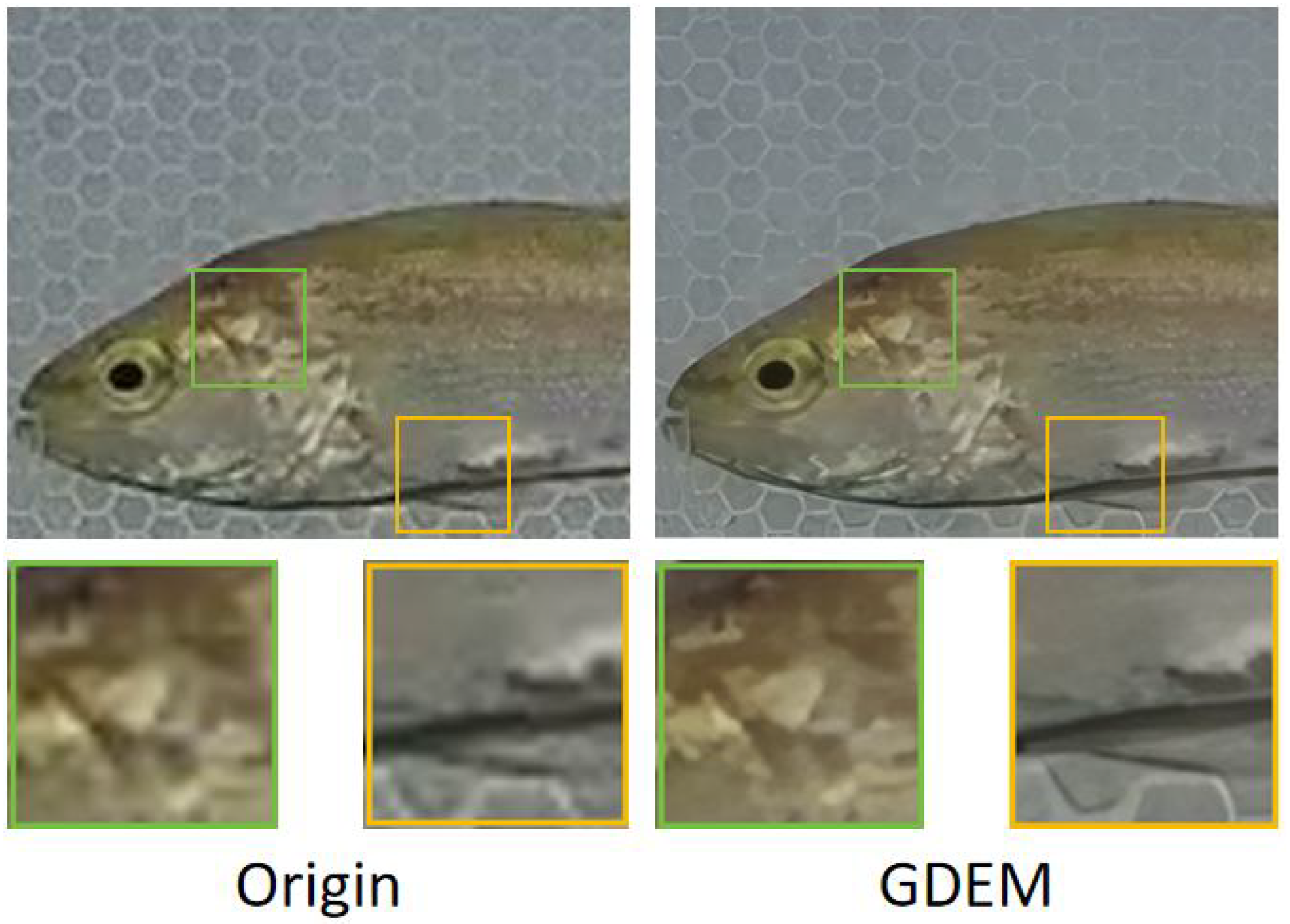
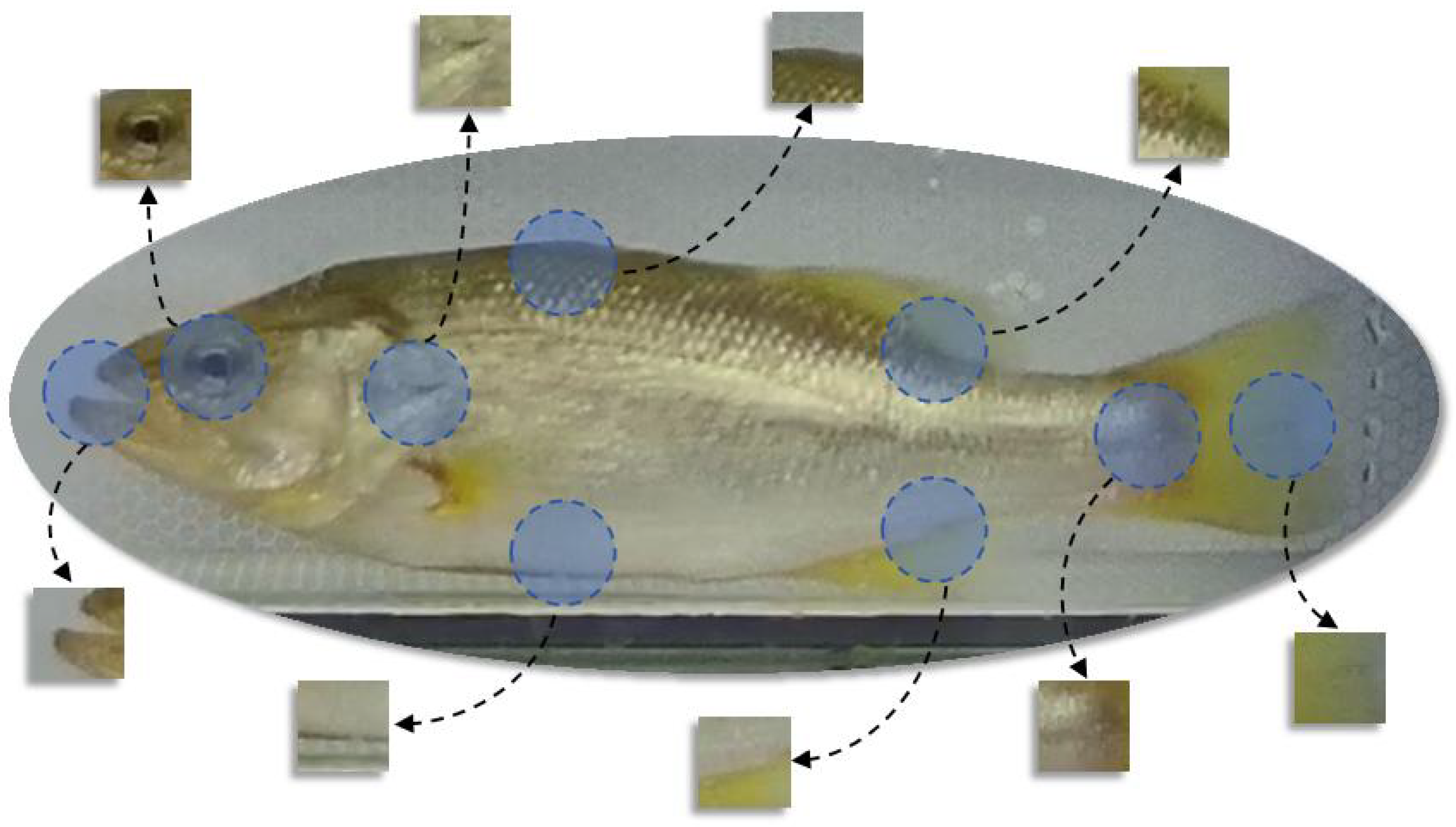
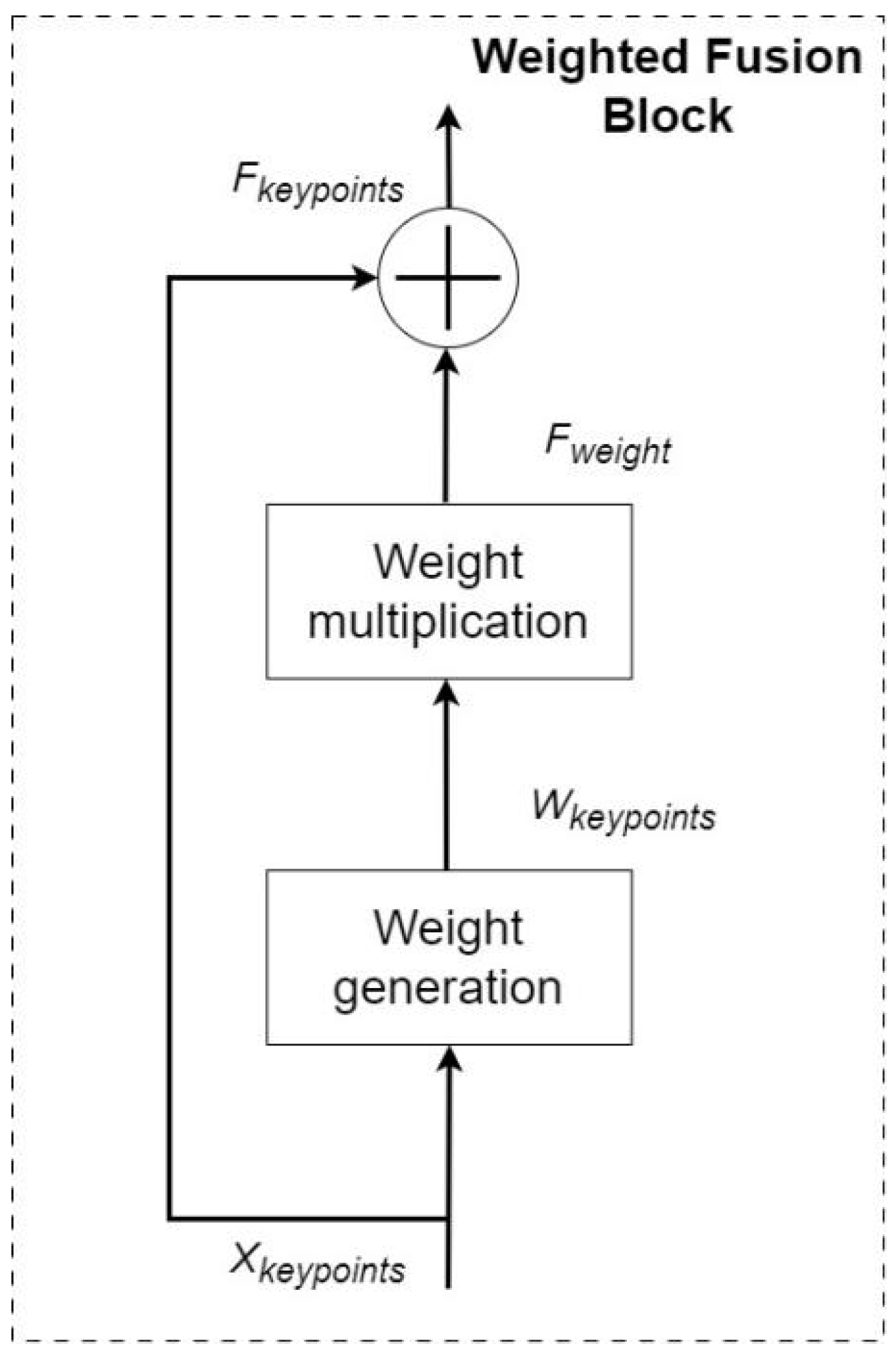
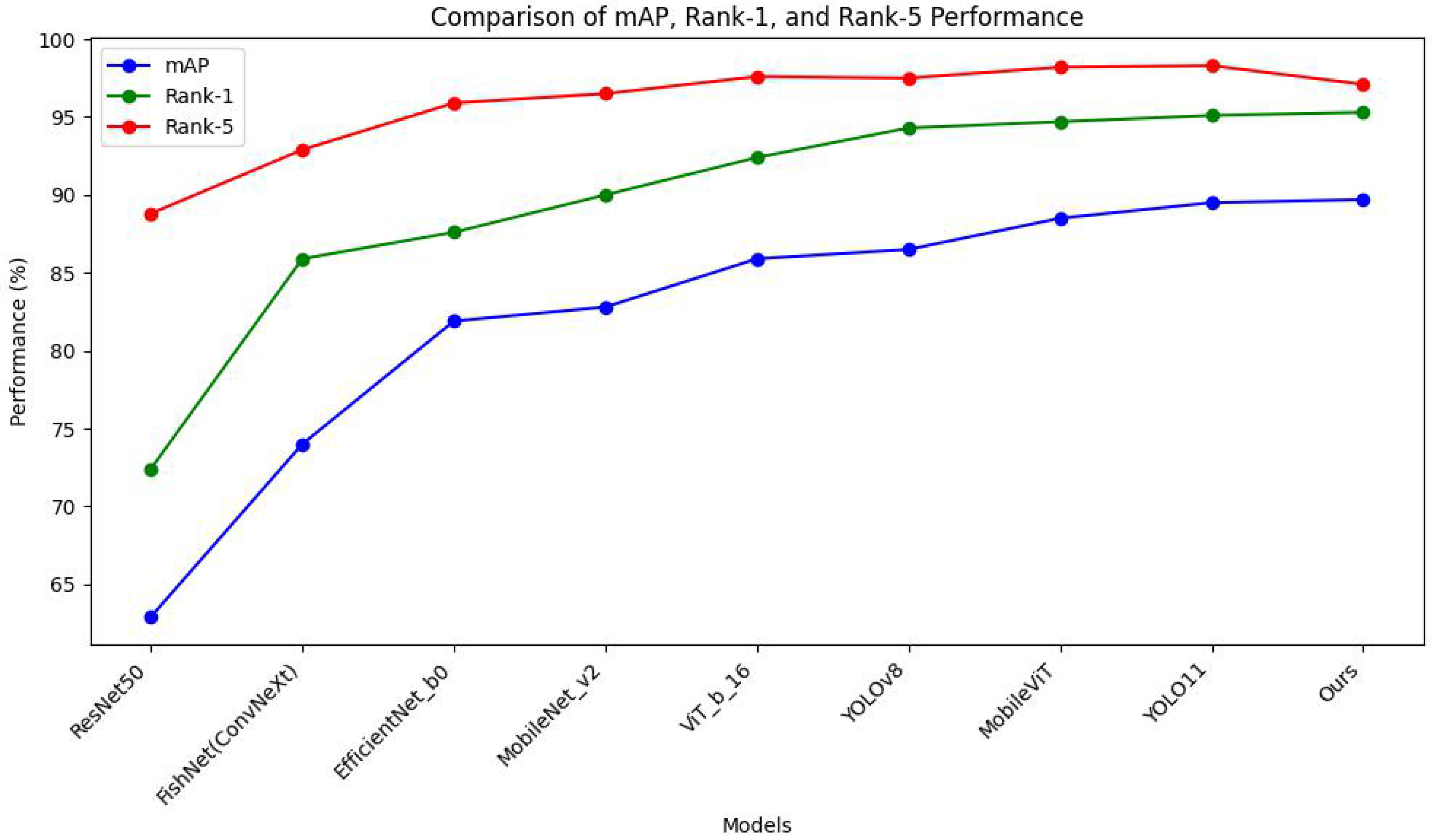
With the rapid advancement of intelligent aquaculture, precise individual identification of underwater fish has become a crucial method for achieving smart farming. By accurately recognizing and tracking individuals within the same species, researchers can enable individual-level identification and tracking, significantly enhancing the efficiency of research and management. To address the challenges of complex underwater environments and subtle differences among similar individuals that affect recognition accuracy, this paper proposes a fish individual identification method based on global detail enhancement and keypoint region fusion. This method simultaneously learns global refined features and keypoint region features, dynamically capturing effective keypoint features while mitigating errors caused by noise through weighted fusion. The network first employs a global detail enhancement module to extract global features, such as overall morphology and texture information, followed by the extraction of fine-grained features from keypoint regions. Through the weighted fusion, the network further emphasizes critical areas, thereby enhancing robustness and adaptability in complex underwater scenarios. This design effectively integrates global refined features and local keypoint features, providing comprehensive support for accurate fish individual identification. Experimental results show that the proposed method achieves mAP and Rank-1 scores of 89.7% and 95.3%, respectively, and demonstrates strong generalization capabilities in other fish identification tasks.
Keywords: deep learning; fish individual recognition; keypoint detection; attention mechanism; underwater environment deep learning; fish individual recognition; keypoint detection; attention mechanism; underwater environment