
Article

Enhancing Energy Harvesting Efficiency of Flapping Wings with Leading-Edge Magnus Effect Cylinder

1
School of Energy and Power Engineering, University of Shanghai for Science and Technology, Shanghai 200093, China
2
National Key Laboratory of Marine Engine Science and Technology, Shanghai 201108, China
3
Jiangsu Kingkind Industrial Furnace Co., Ltd., Yancheng 224100, China
*
Author to whom correspondence should be addressed.
Biomimetics 2024, 9(5), 293; https://doi.org/10.3390/biomimetics9050293

Submission received: 28 April 2024 / Revised: 9 May 2024 / Accepted: 10 May 2024 / Published: 13 May 2024

Abstract

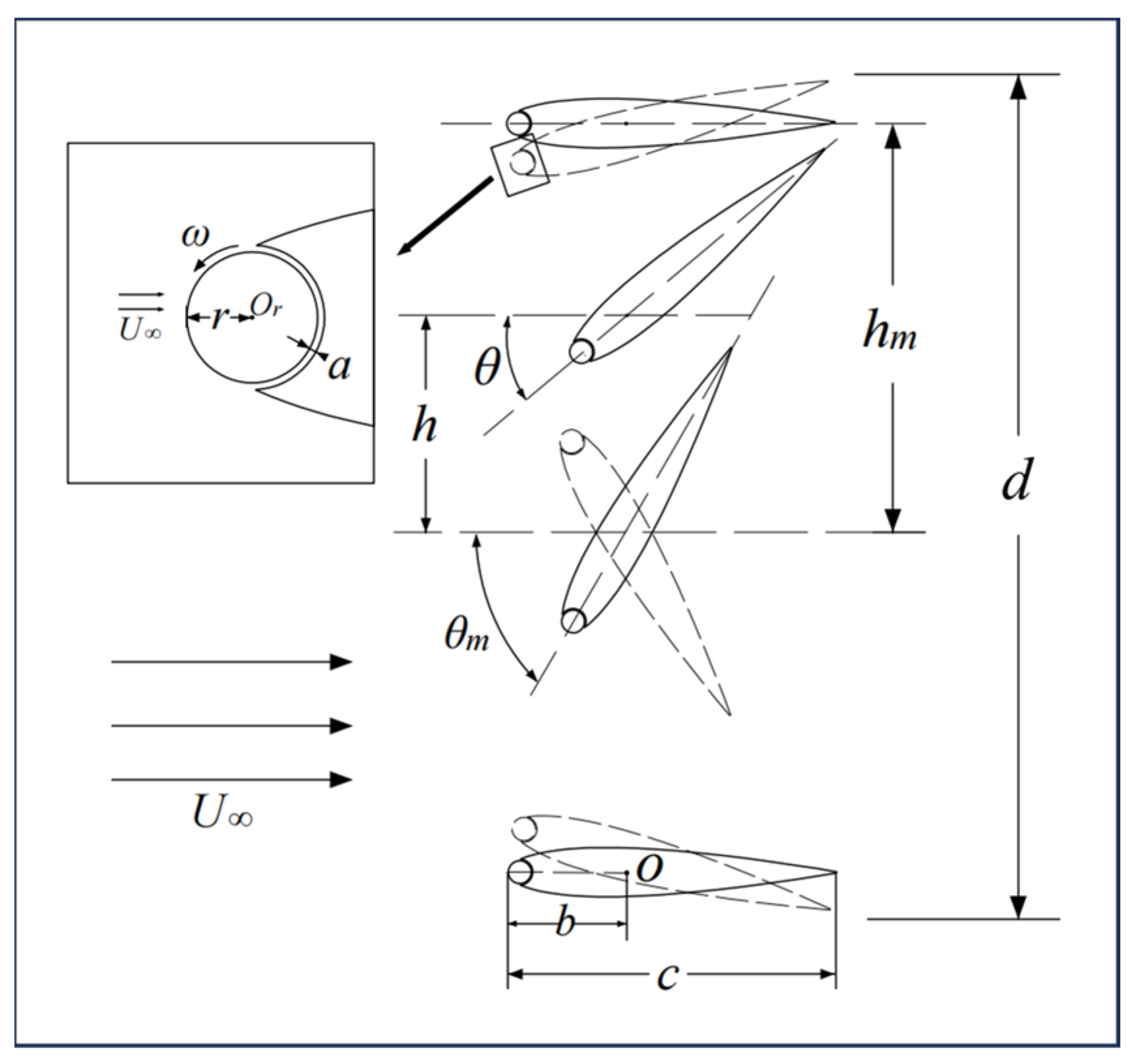
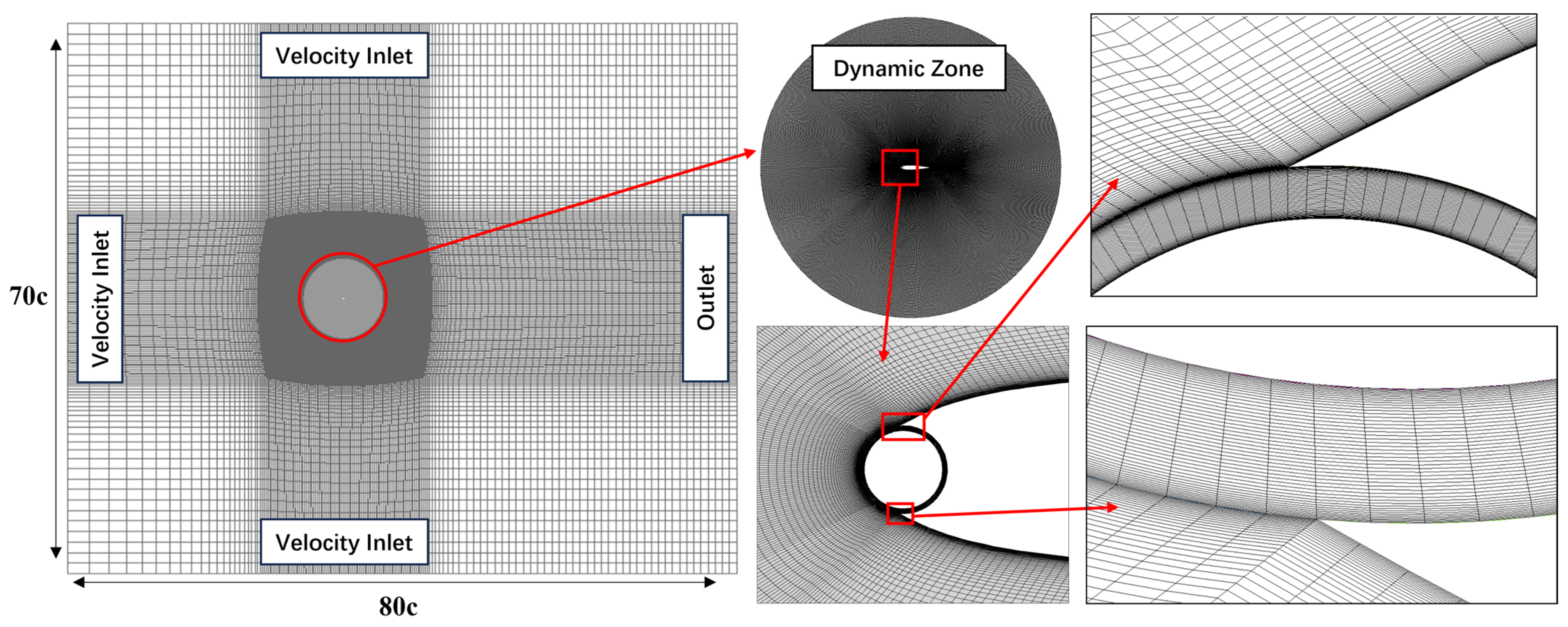
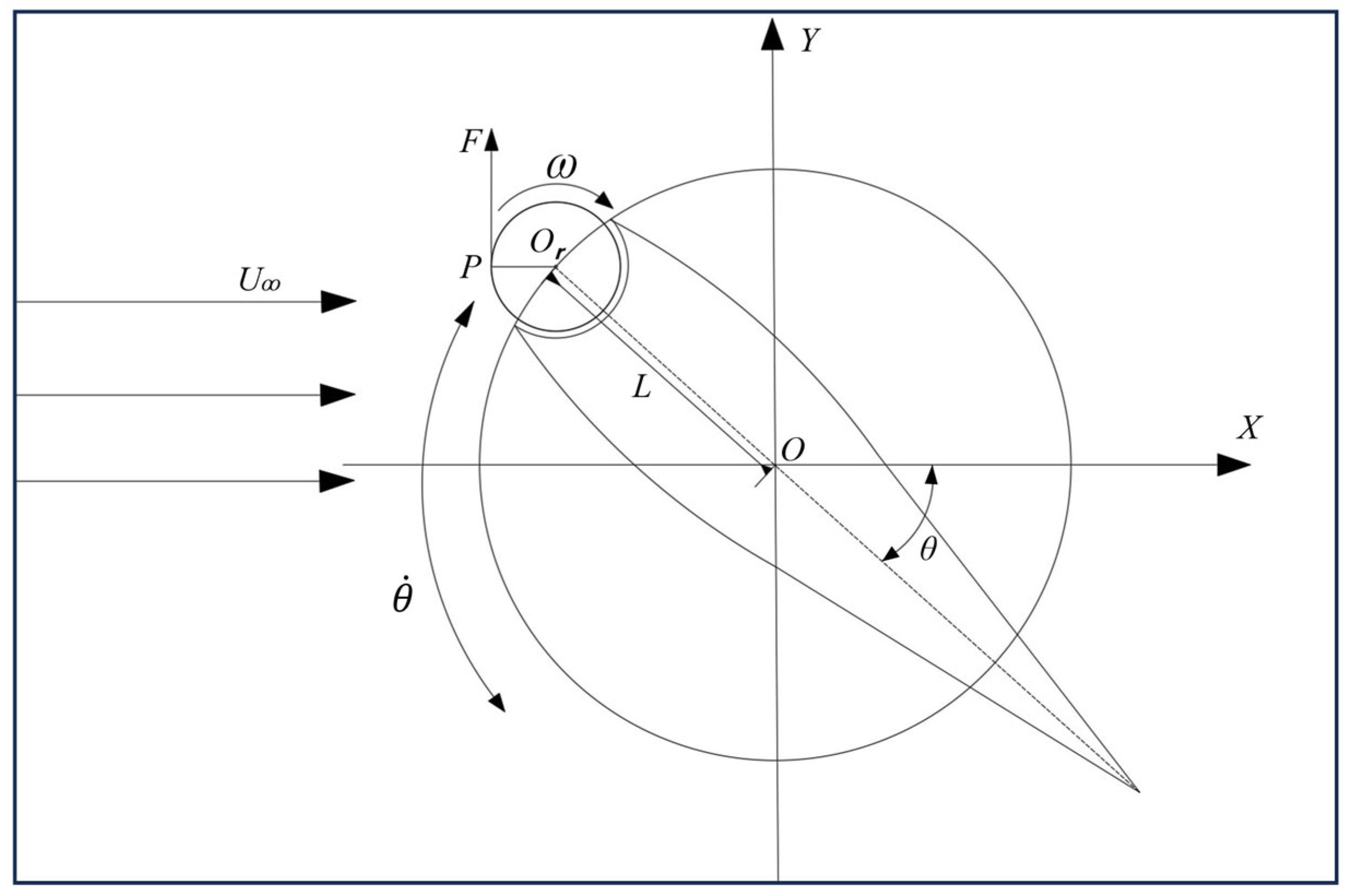
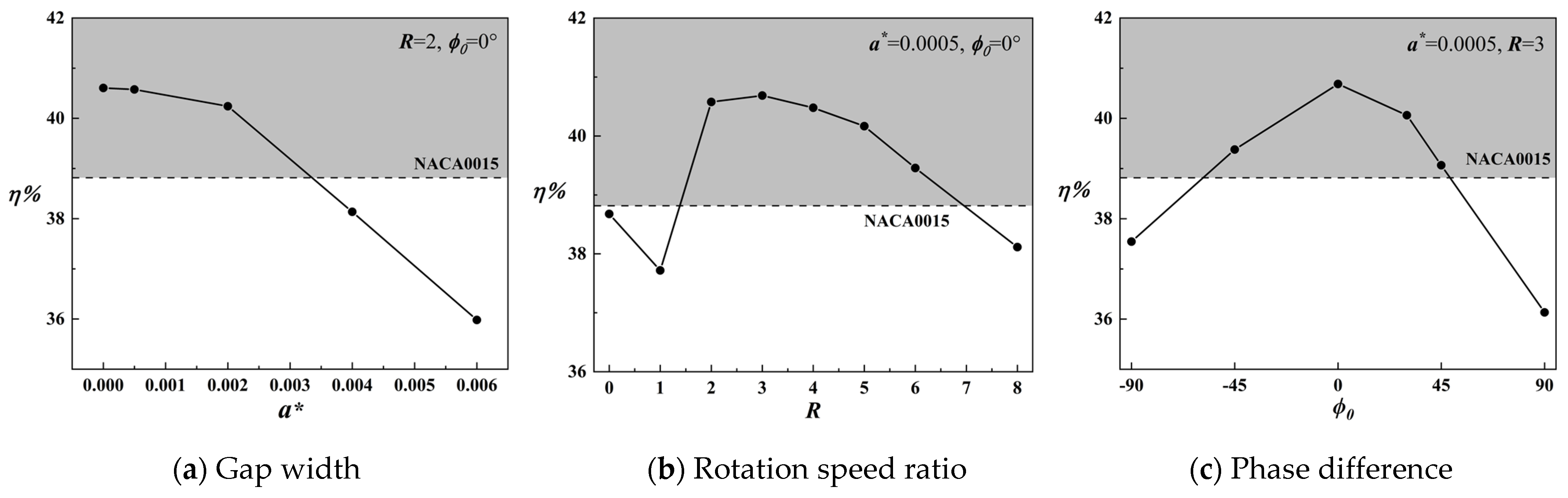
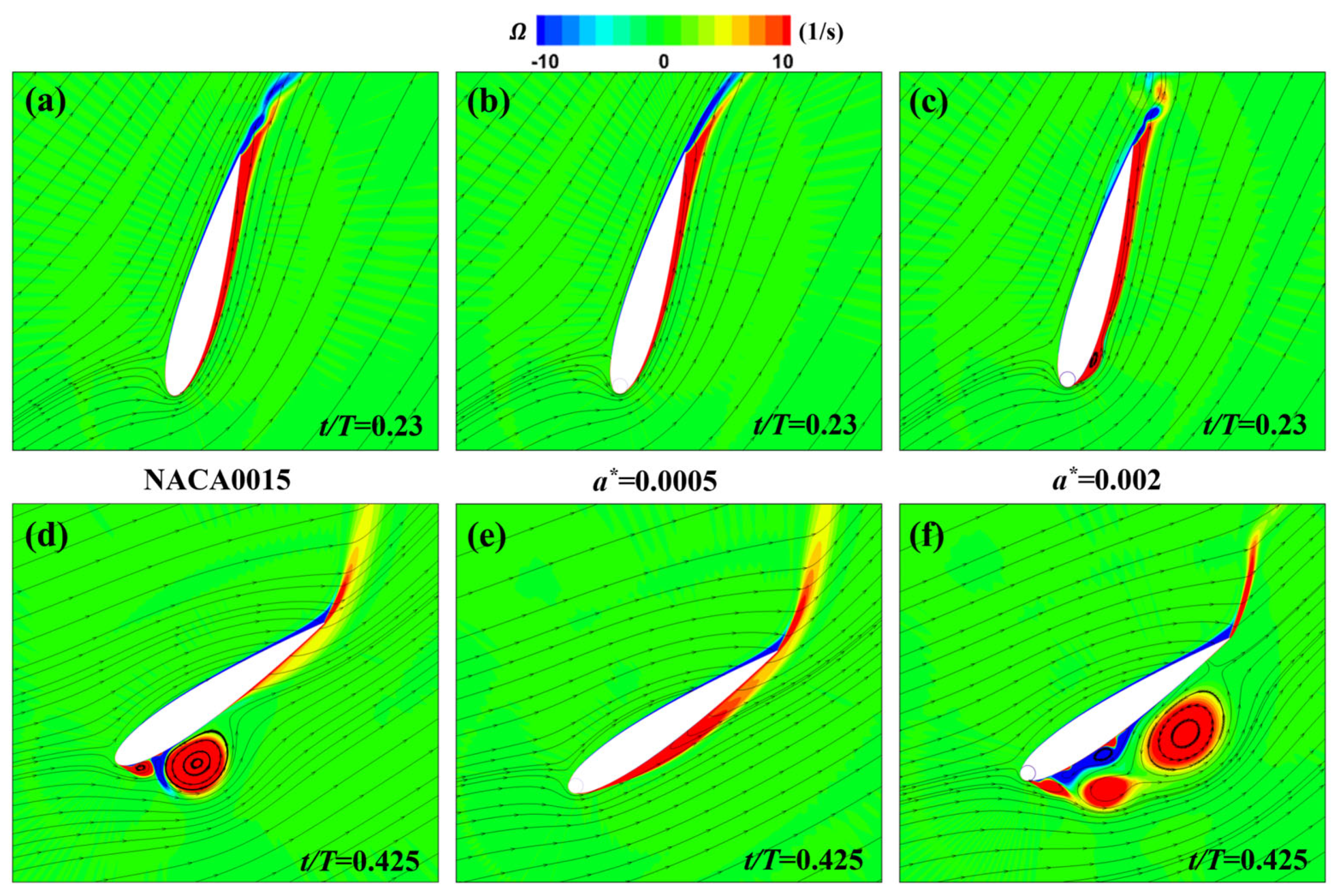
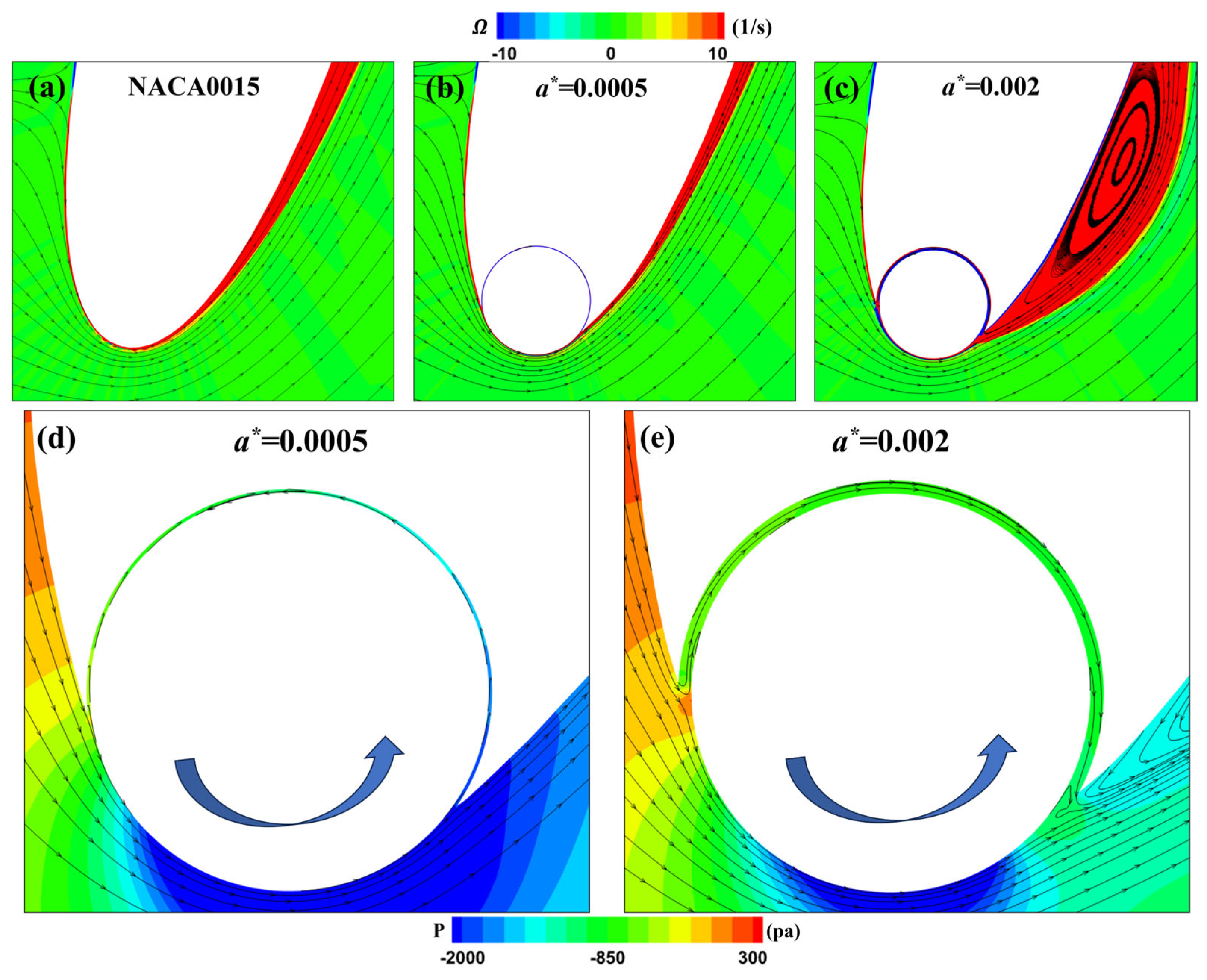
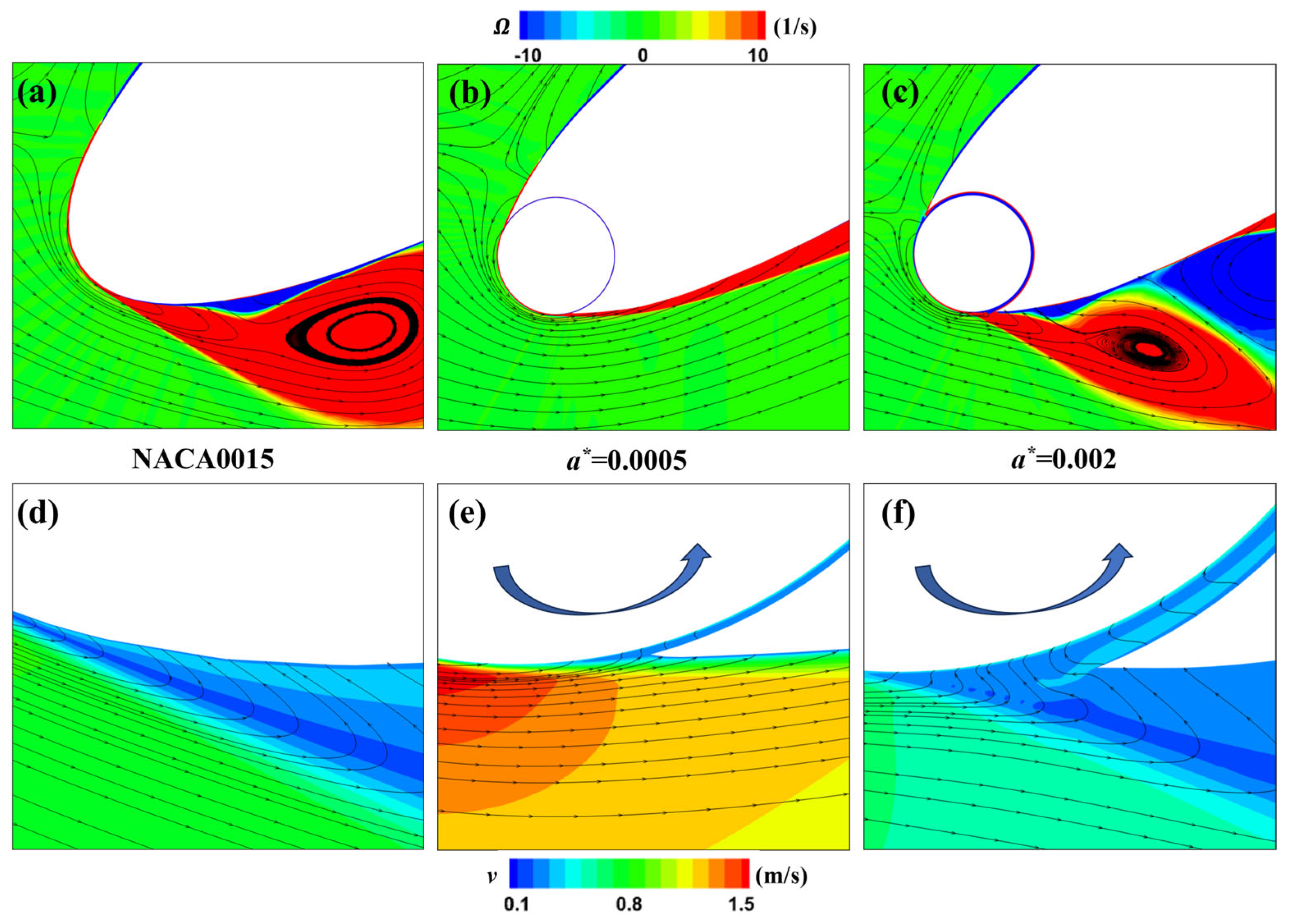
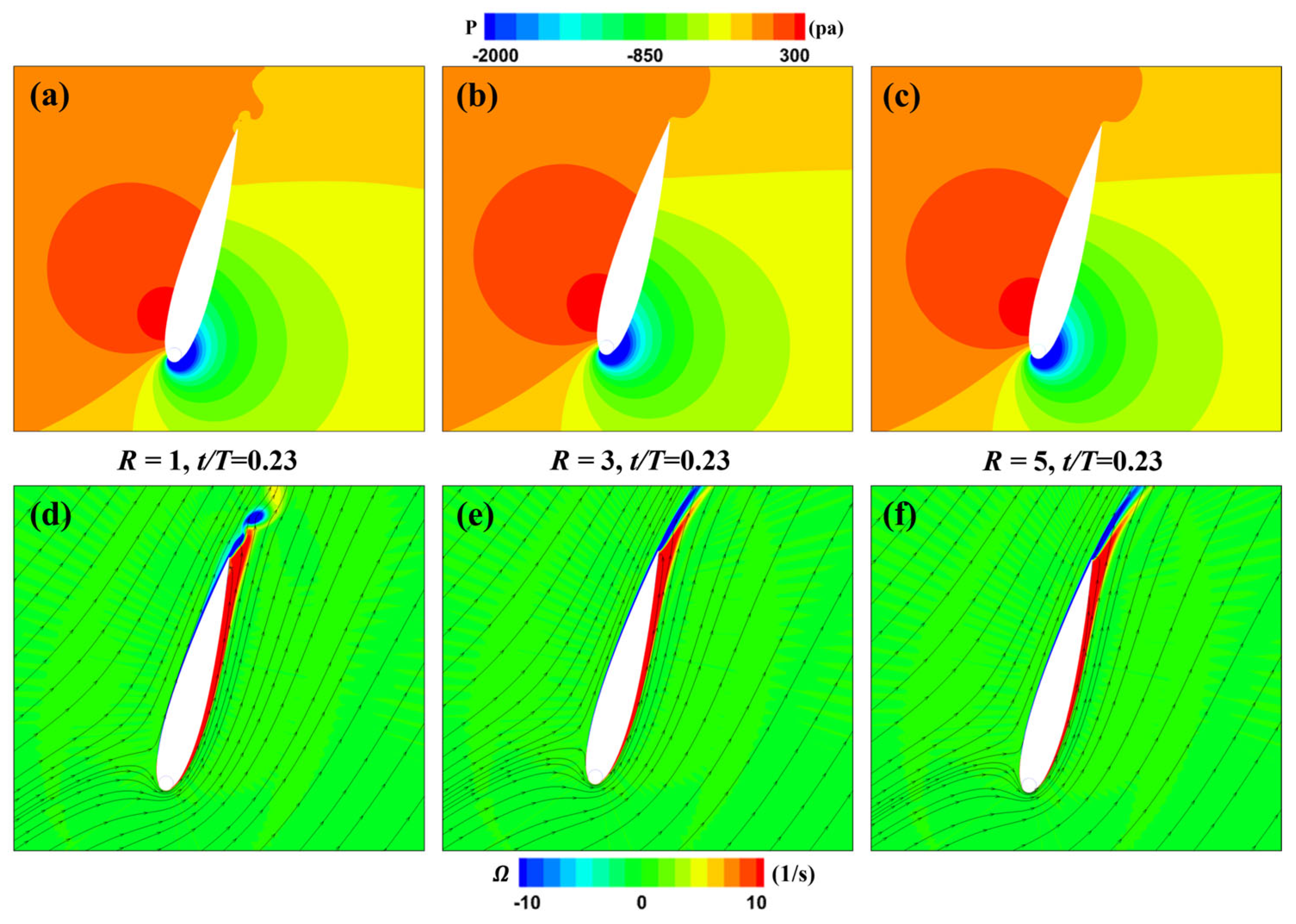
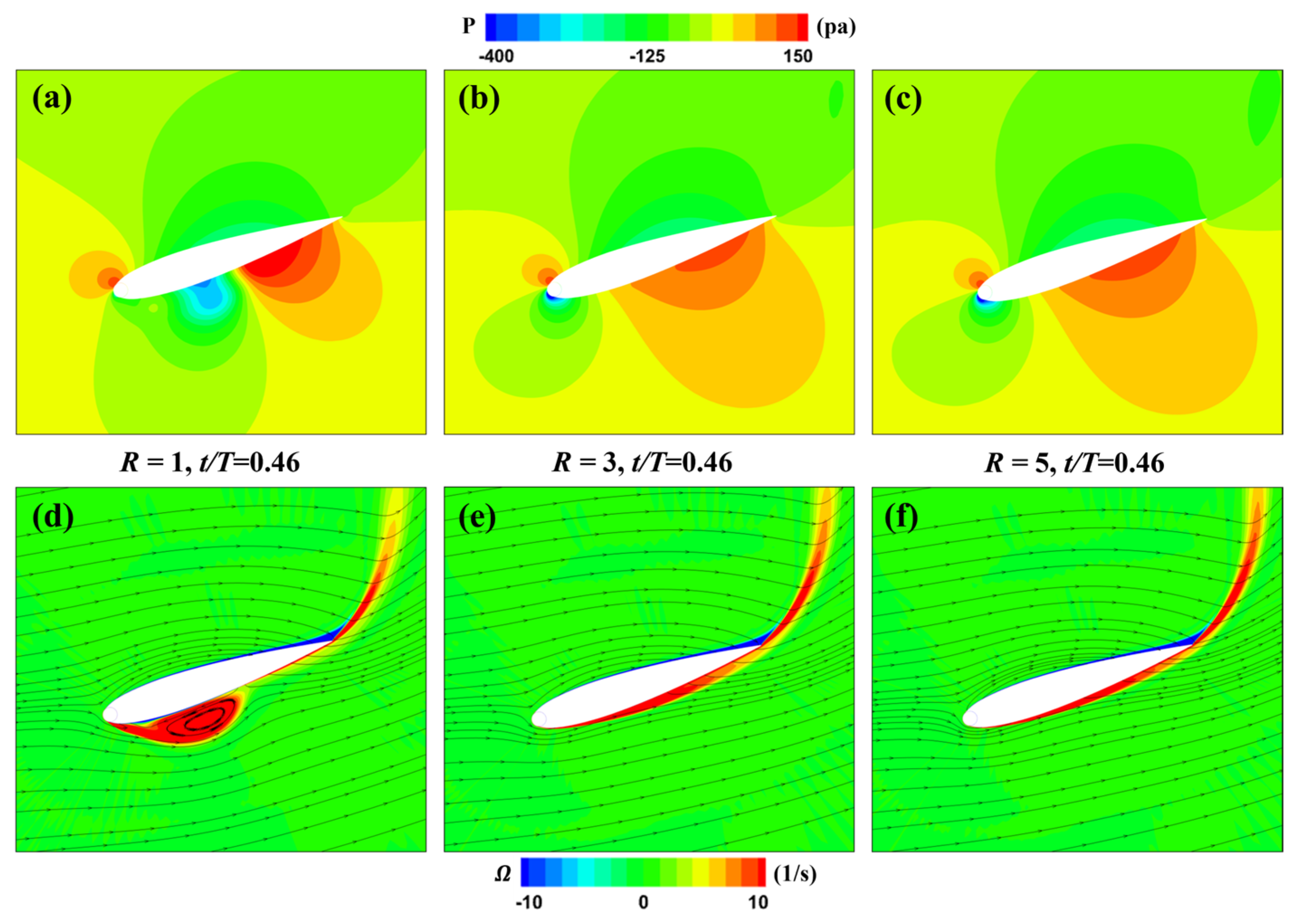
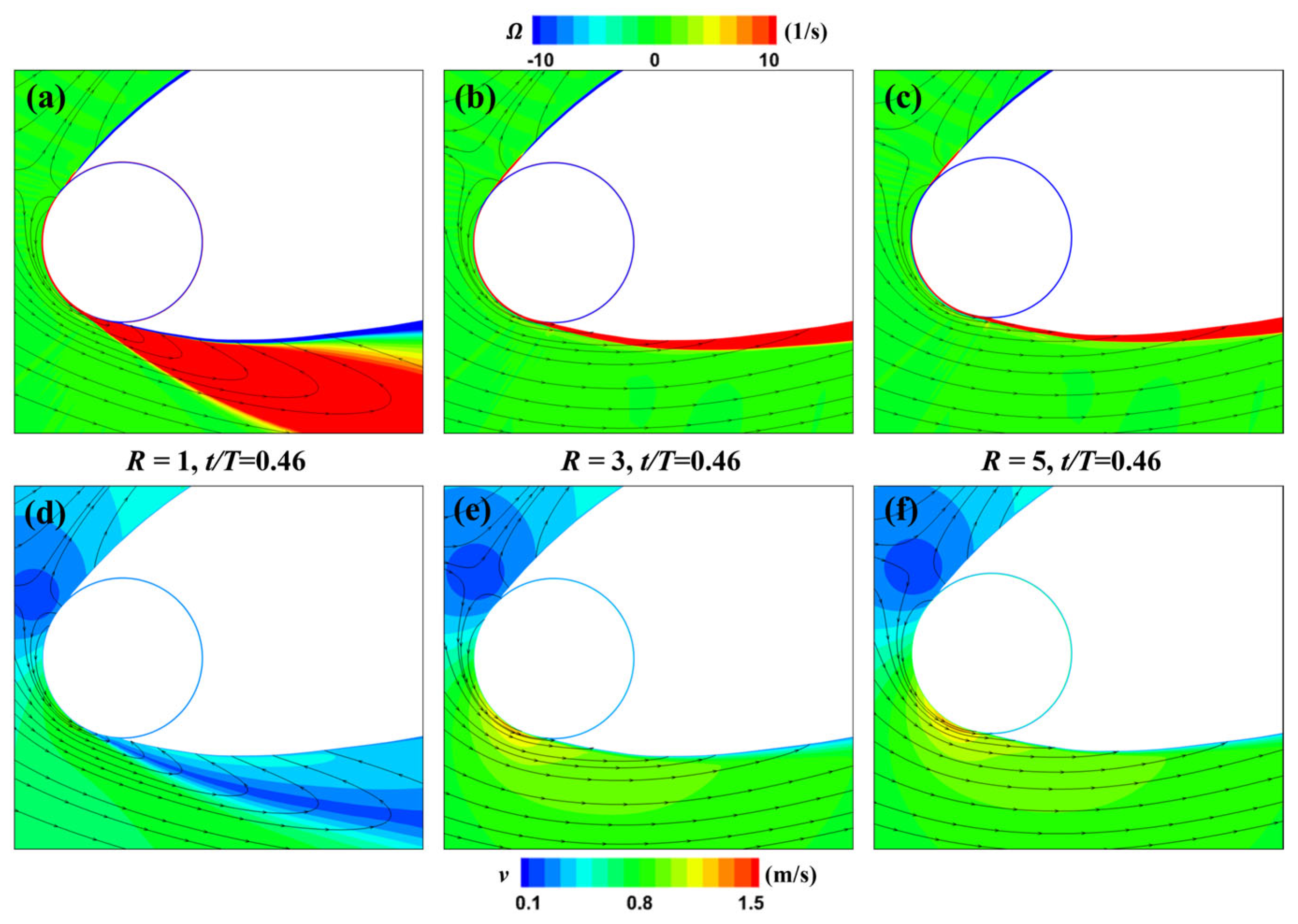
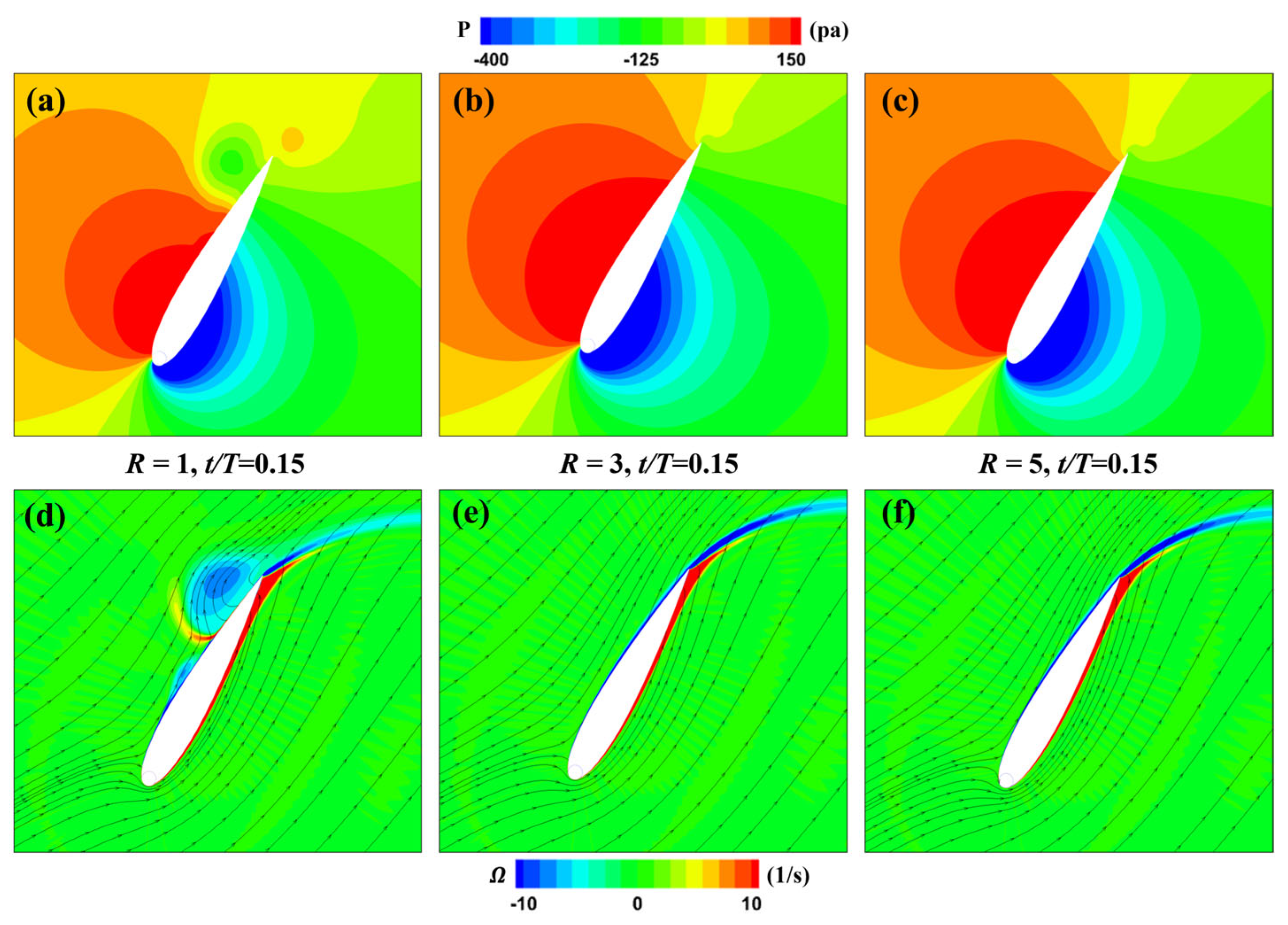
According to the Magnus principle, a rotating cylinder experiences a lateral force perpendicular to the incoming flow direction. This phenomenon can be harnessed to boost the lift of an airfoil by positioning a rotating cylinder at the leading edge. In this study, we simulate flapping-wing motion using the sliding mesh technique in a heaving coordinate system to investigate the energy harvesting capabilities of Magnus effect flapping wings (MEFWs) featuring a leading-edge rotating cylinder. Through analysis of the flow field vortex structure and pressure distribution, we explore how control parameters such as gap width, rotational speed ratio, and phase difference of the leading-edge rotating cylinder impact the energy harvesting characteristics of the flapping wing. The results demonstrate that MEFWs effectively mitigate the formation of leading-edge vortices during wing motion. Consequently, this enhances both lift generation and energy harvesting capability. MEFWs with smaller gap widths are less prone to induce the detachment of leading-edge vortices during motion, ensuring a higher peak lift force and an increase in the energy harvesting efficiency. Moreover, higher rotational speed ratios and phase differences, synchronized with wing motion, can prevent leading-edge vortex generation during wing motion. All three control parameters contribute to enhancing the energy harvesting capability of MEFWs within a certain range. At the examined Reynolds number, the optimal parameter values are determined to be a = 0.0005, R = 3, and ϕ0 = 0°.
Keywords: flapping wing; energy harvesting; Magnus effect; leading-edge vortex; trailing-edge vortex flapping wing; energy harvesting; Magnus effect; leading-edge vortex; trailing-edge vortex