Article

Beyond Handcrafted Features: A Deep Learning Framework for Optical Flow and SLAM


by
Kamran Kazi
1,2,
Arbab Nighat Kalhoro
1,2,
Farida Memon
2,
Azam Rafique Memon
2,3,* and
Muddesar Iqbal
3,*
1
Institute of Information and Communication Technologies, Mehran University of Engineering and Technology, Jamshoro 76062, Pakistan
2
Department of Electronic Engineering, Mehran University of Engineering and Technology, Jamshoro 76062, Pakistan
3
Renewable Energy Laboratory, College of Engineering, Prince Sultan University, Riyadh 11586, Saudi Arabia
*
Authors to whom correspondence should be addressed.
J. Imaging 2025, 11(5), 155; https://doi.org/10.3390/jimaging11050155

Submission received: 9 April 2025 / Revised: 7 May 2025 / Accepted: 12 May 2025 / Published: 15 May 2025
(This article belongs to the Section Visualization and Computer Graphics)

Abstract

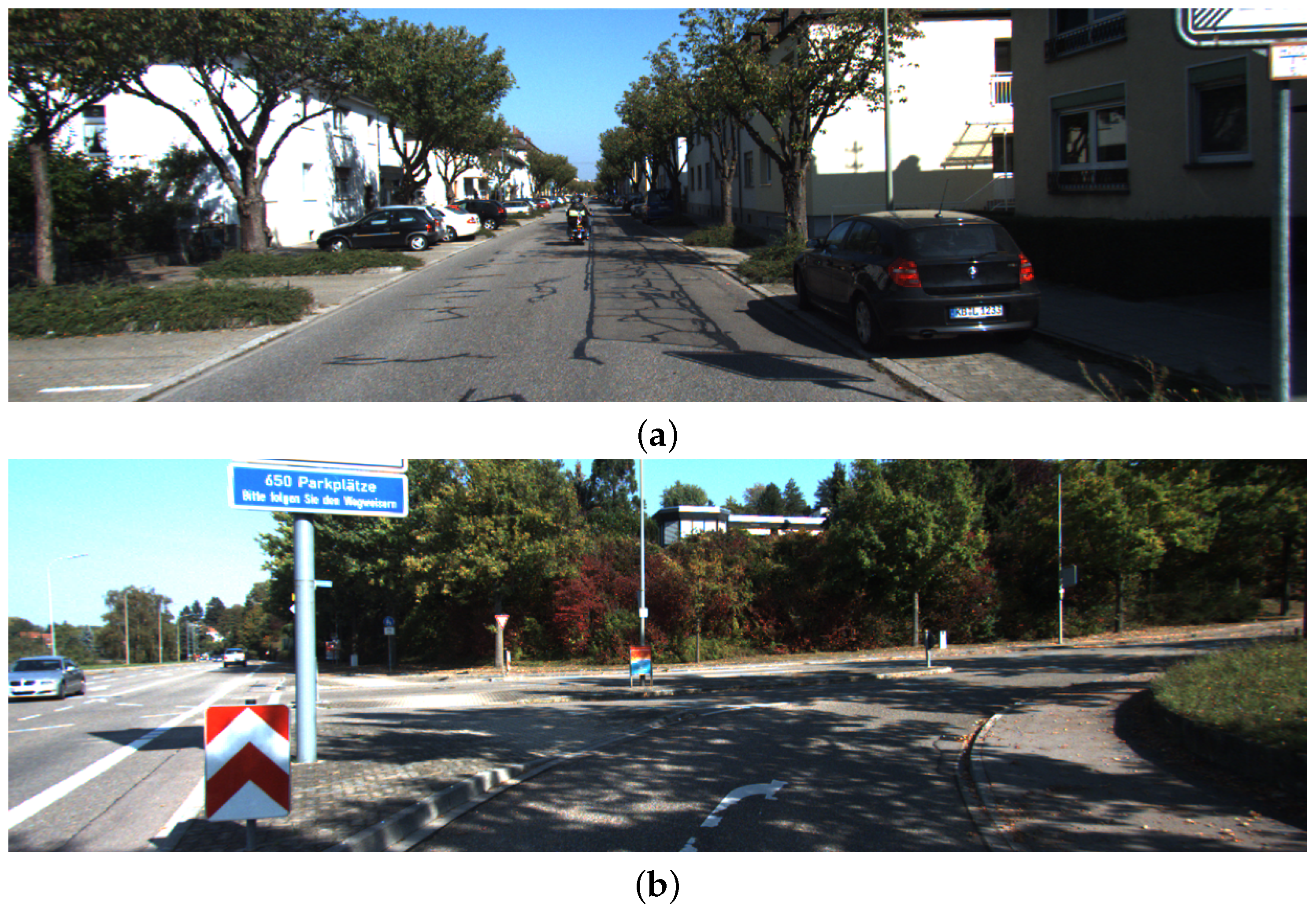
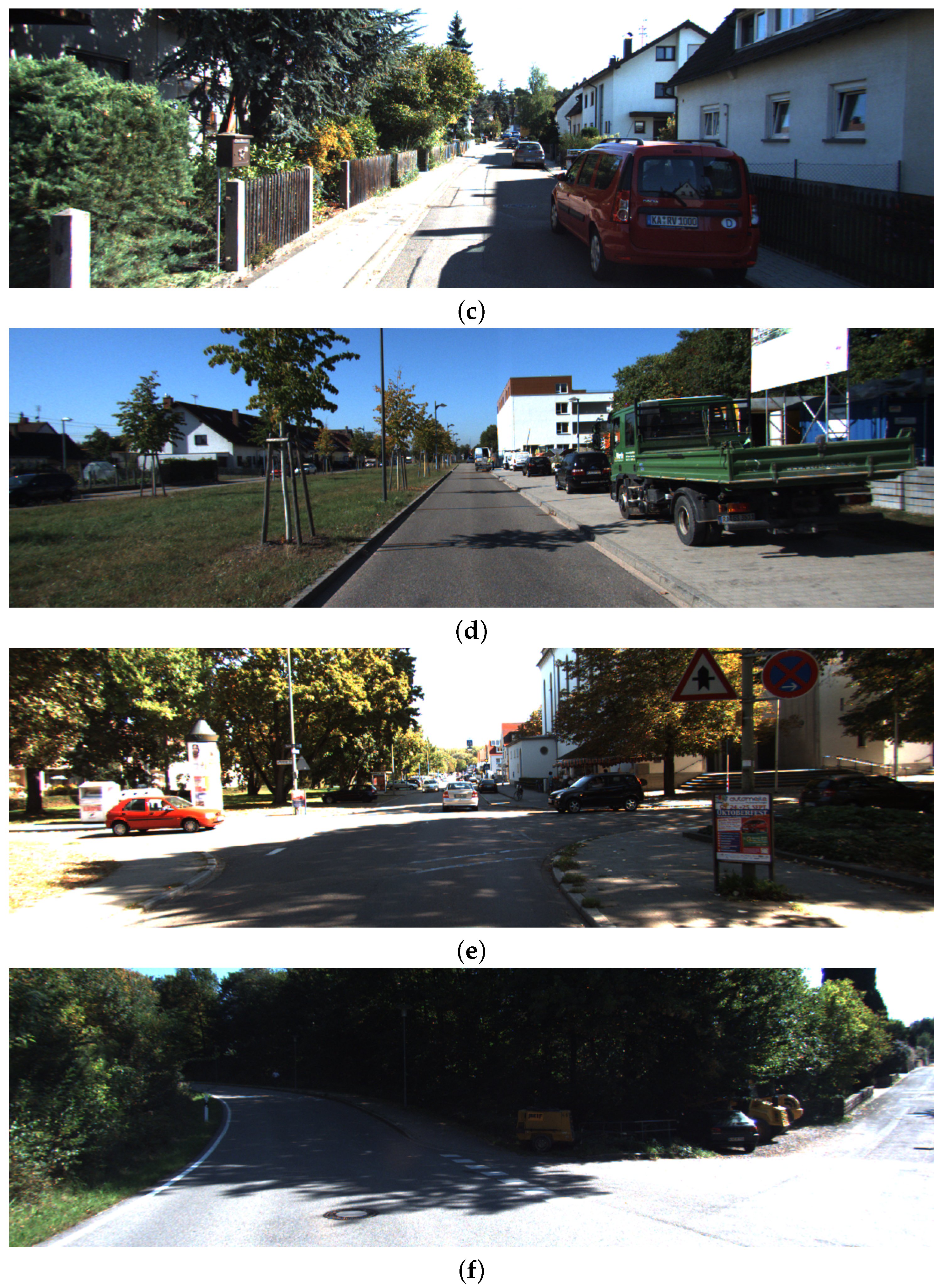
This paper presents a novel approach for visual Simultaneous Localization and Mapping (SLAM) using Convolution Neural Networks (CNNs) for robust map creation. Traditional SLAM methods rely on handcrafted features, which are susceptible to viewpoint changes, occlusions, and illumination variations. This work proposes a method that leverages the power of CNNs by extracting features from an intermediate layer of a pre-trained model for optical flow estimation. We conduct an extensive search for optimal features by analyzing the offset error across thousands of combinations of layers and filters within the CNN. This analysis reveals a specific layer and filter combination that exhibits minimal offset error while still accounting for viewpoint changes, occlusions, and illumination variations. These features, learned by the CNN, are demonstrably robust to environmental challenges that often hinder traditional handcrafted features in SLAM tasks. The proposed method is evaluated on six publicly available datasets that are widely used for bench-marking map estimation and accuracy. Our method consistently achieved the lowest offset error compared to traditional handcrafted feature-based approaches on all six datasets. This demonstrates the effectiveness of CNN-derived features for building accurate and robust maps in diverse environments.
Keywords: CNN optical flow estimation; feature extraction; map building; offset error; visual SLAM CNN optical flow estimation; feature extraction; map building; offset error; visual SLAM