
Article

Environmental and Economic Comparison of Natural and Recycled Aggregates Using LCA
1
c5Lab, Sustainable Construction Materials Association, 2795-242 Lisbon, Portugal
2
CERIS, Civil Engineering Research and Innovation for Sustainability, Instituto Superior Técnico, Universidade de Lisboa, 1049-001 Lisbon, Portugal
3
Department of Highway and Bridge Engineering, Technical Engineering College, Erbil Polytechnic University, Erbil 44001, Iraq
4
Department of Civil Engineering, College of Engineering, Nawroz University, Duhok 42001, Iraq
5
LNEC, Laboratório Nacional de Engenharia Civil, 1700-066 Lisbon, Portugal
*
Author to whom correspondence should be addressed.
Recycling 2022, 7(4), 43; https://doi.org/10.3390/recycling7040043

Submission received: 9 May 2022 / Revised: 20 June 2022 / Accepted: 24 June 2022 / Published: 30 June 2022
(This article belongs to the Special Issue Feature Papers in Recycling 2022)

Abstract

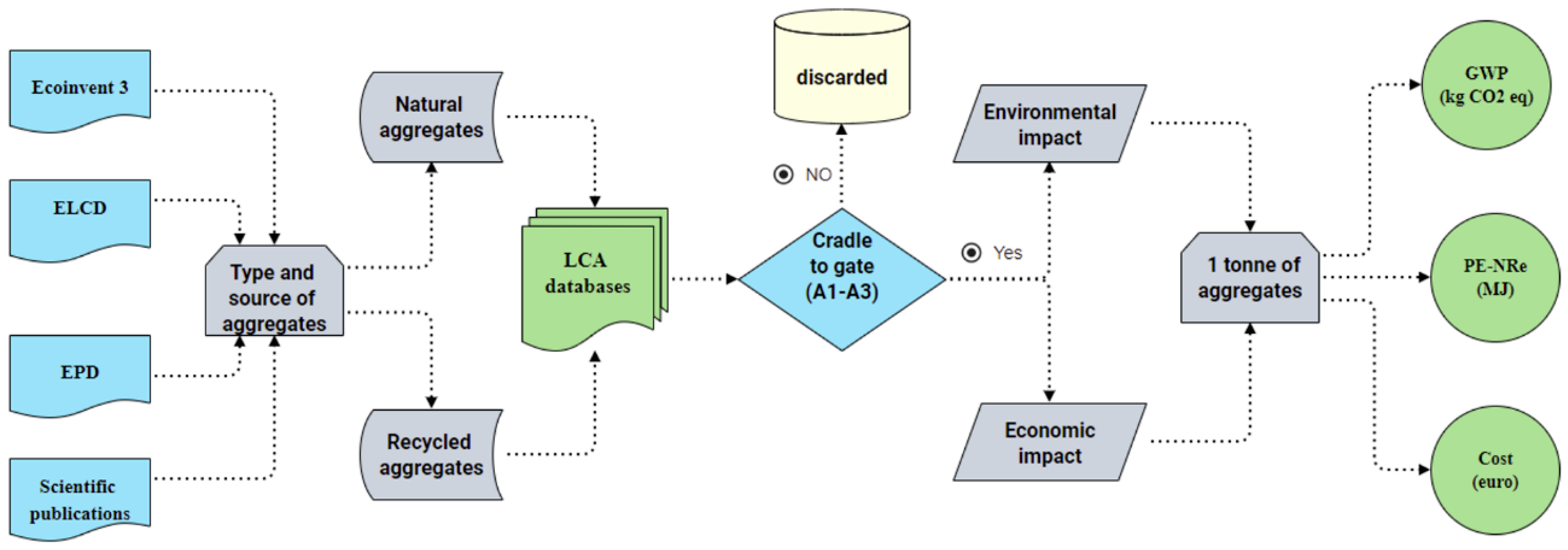
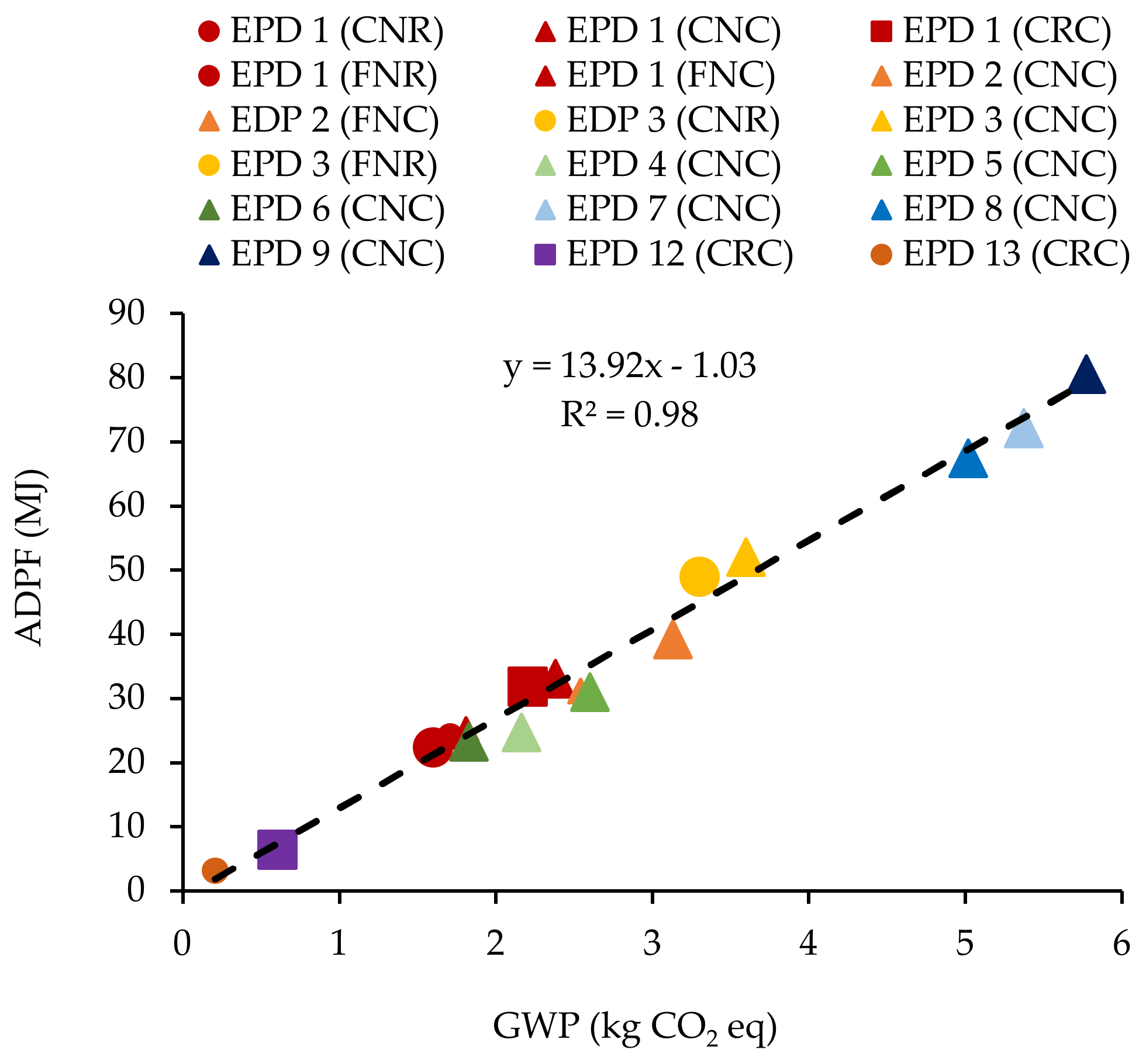
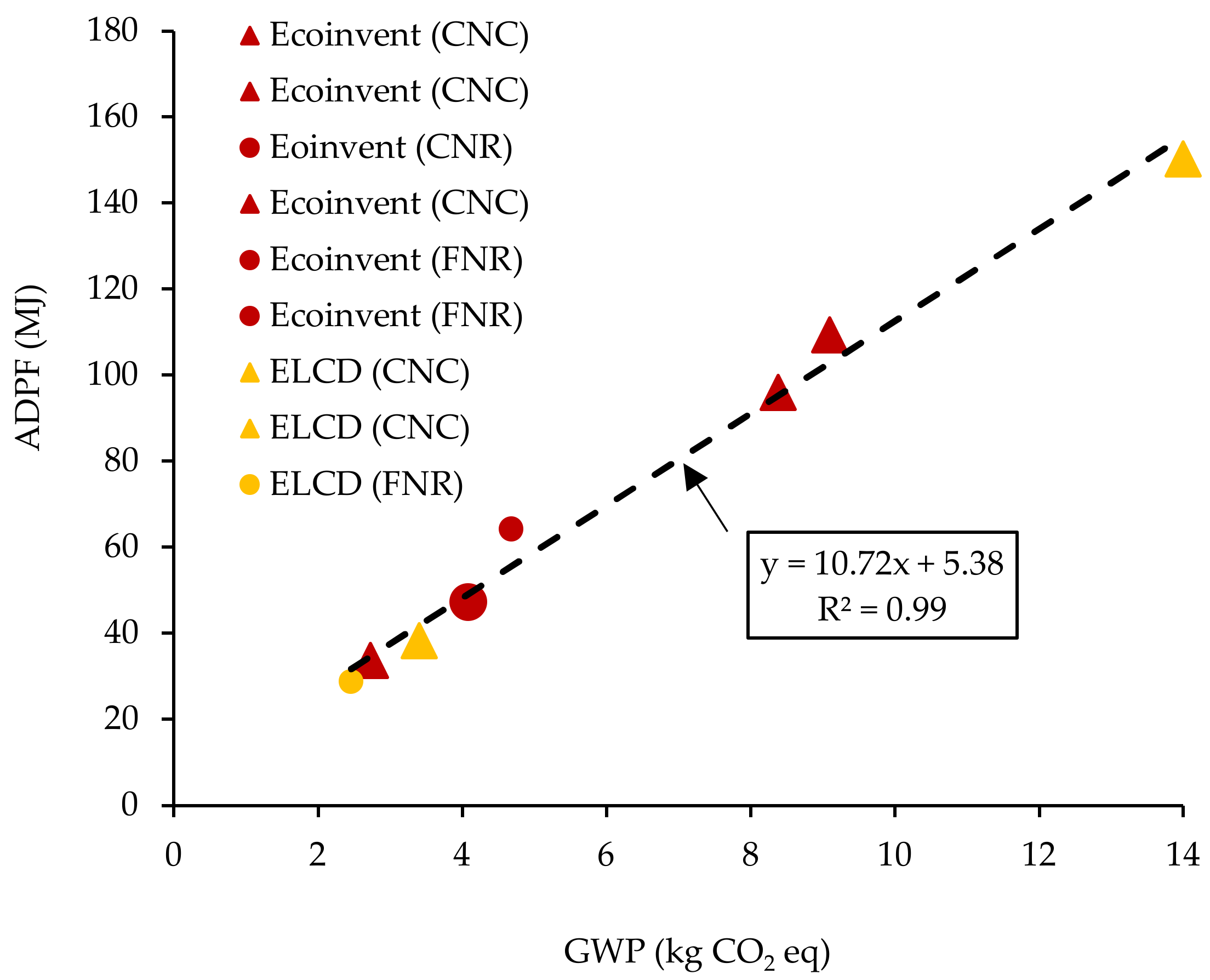
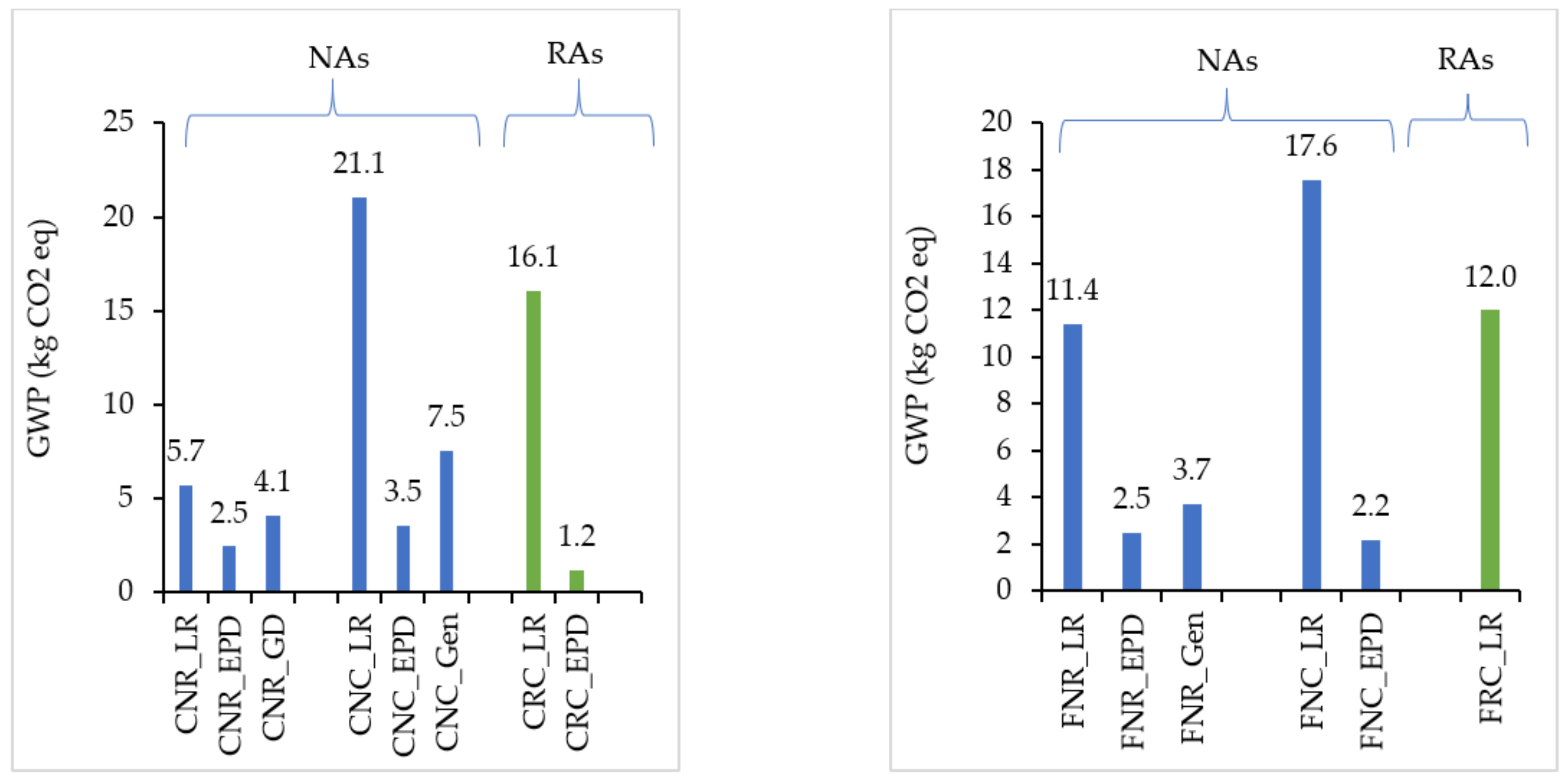
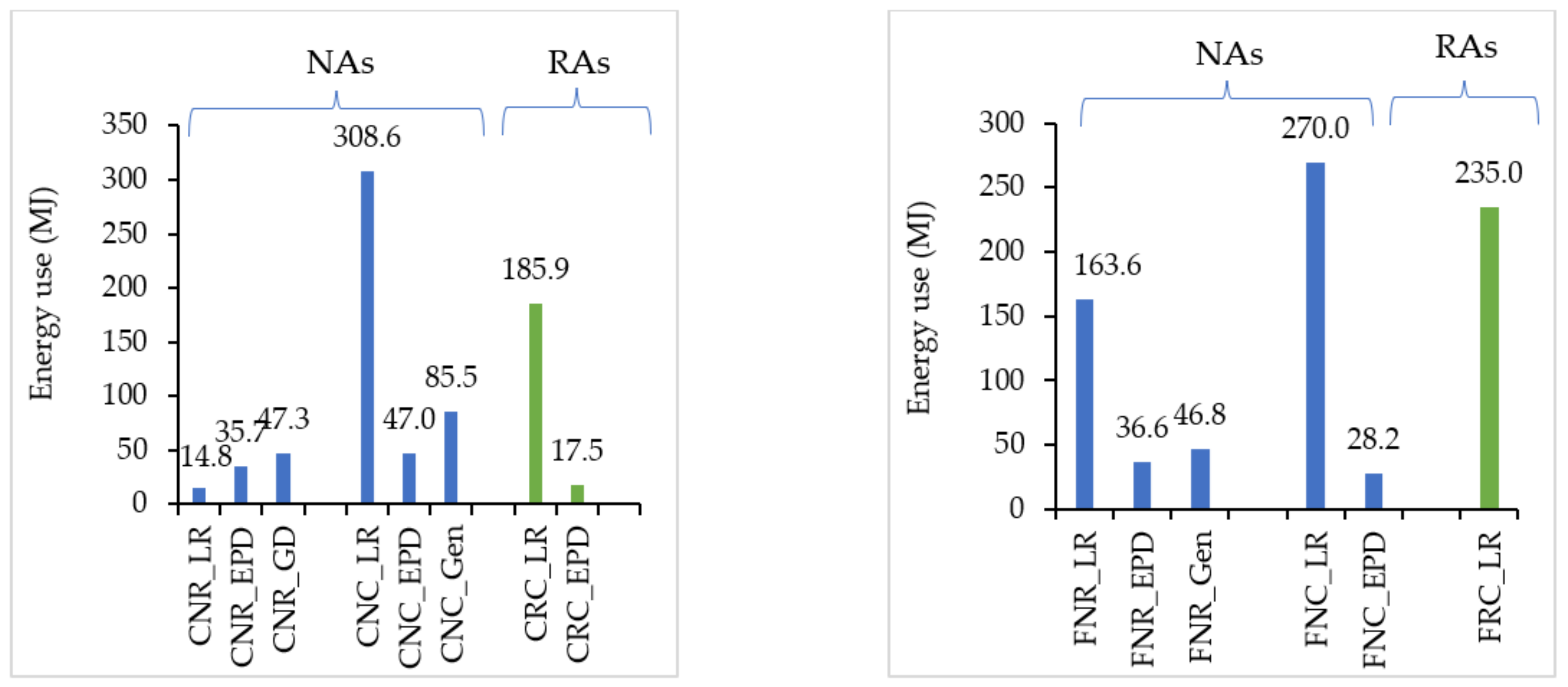
Recycled aggregates (RAs) have been playing an important role in replacing natural aggregates (NAs) in concrete production, thereby contributing to a reduction in the extraction of natural resources and the promotion of a circular economy. However, it is important to assess the global impacts of this replacement, in both environmental and economic terms. In this study, an overview of the impacts of the production of natural and recycled aggregates is presented, using the life cycle assessment (LCA) methodology. Through this methodology, products with the same function are compared and information about the best solutions is given, considering their environmental and economic impacts. Studies with data collected from specific producers were compared, as well as environmental product declarations (EPDs) and generic databases, regarding the production of natural and recycled, coarse and fine, and rolled and crushed aggregates. This study intends therefore to provide the environmental and economic impact comparison at the global level through LCA from different data sources. According to this literature review, the best and worst environmental results are assigned to lower and higher transport distances, respectively. Regarding EPDs, the lowest environmental impacts are related to recycled coarse aggregates and the highest to natural coarse crushed aggregates. In terms of generic databases, the results are similar, with the lowest impacts associated with natural fine rolled aggregates and the highest to natural coarse crushed aggregates. In what concerns the economic impacts, in general, recycled aggregates are associated with the lowest costs. However, these results are highly dependent on transport distances and costs.
Keywords: construction and demolition waste; economic impacts; environmental impacts; life cycle assessment; natural aggregates; recycled aggregates construction and demolition waste; economic impacts; environmental impacts; life cycle assessment; natural aggregates; recycled aggregates