1. Introduction
The rapid growth of global vehicle production, which exceeded 81 million units in 2022, has significantly increased waste tire generation. Each year, approximately 1.6 billion new tires enter the global market, resulting in the annual disposal of nearly 1 billion tires [
1]. This persistent cycle of production and disposal places increasing pressure on waste management systems and highlights the urgent need for resource-efficient and sustainable management strategies [
2].
Waste tires have long been recognized as a major environmental and socioeconomic challenge. In many countries, accelerated motorization has led to a substantial accumulation of end-of-life tires (ELTs), which are often stored in stockpiles. These stockpiles pose serious environmental risks, including uncontrolled fires that are difficult to extinguish, and the proliferation of disease vectors such as mosquitoes. Moreover, limited landfill capacity and growing concerns over illegal dumping have intensified the urgency of addressing waste tire management on a global scale. For instance, in the USA, over 4 million tons of used tires are generated annually, whereas England, Japan, and Germany produce approximately 500,000, 1 million, and 600,000 tons, respectively [
3].
Currently, thermal recovery is one of the most widely implemented management options, as waste tires possess a high calorific value (7.2–8.5 kcal/kg), which is comparable to that of C-grade heavy oil. Consequently, waste tires are frequently utilized as alternative or supplementary fuels in cement kilns and other energy-intensive industrial processes. However, thermal utilization generates large quantities of combustion ash. In Japan alone, approximately 30,000 tons of tire combustion ash are produced annually, most of which is disposed of in landfills. This practice raises concerns regarding the leaching of metal oxides from ash. Automobile tires contain rubber, carbon black, steel cords, bead wires, and various additives [
4]. Metals such as zinc, iron, copper, and aluminum are primarily incorporated as additives, with zinc oxide (ZnO) used as the vulcanization agent [
5]. The ZnO content typically ranges from 0.4% to 9% in passenger-vehicle tires and from 1.2% to 3% in truck tires [
6,
7]. During combustion, these metals become highly concentrated in the resulting ash, particularly in fly ash. Consequently, waste tire ash represents both an environmental risk owing to the potential leaching of hazardous metals and a promising secondary resource for valuable metals such as Zn and Al.
Conventional metal recovery processes, such as acid leaching, can efficiently extract these metals [
5,
7]. However, these processes often produce hazardous acidic wastewater or contaminated residues, rendering them environmentally unsustainable. Therefore, developing a recycling process that can achieve both detoxification and resource recovery without causing secondary pollution is essential.
Phosphorus depletion is a critical global challenge. Phosphorus is a limited and nonrenewable resource, and its excessive discharge into water bodies contributes significantly to eutrophication [
8,
9]. The major sources of phosphorus in surface water bodies are municipal wastewater, industrial discharge, manure from livestock production, and runoff from agricultural land [
10,
11]. Eutrophication is characterized by algal blooms and numerous other problems, such as clogging of water treatment process filters, bad odor and taste of drinking water, animal and human health issues, and ecological and economic challenges [
9]. Thus, the effective control of phosphorus addition to water is a fundamental step toward controlling eutrophication and its effects on the environment, economy, and people.
Phosphates in wastewater typically exist as orthophosphates, polyphosphates, and organophosphates [
12]. Common phosphorus removal methods in natural water include microbial transformation [
13], reverse osmosis [
14,
15], chemical precipitation [
16,
17], membrane filtration [
18,
19], and adsorption [
20,
21,
22]. Among these methods, adsorption is an economical, efficient, and simple strategy that produces less secondary pollution [
23,
24]. Although activated carbon, biochar, diatomite, zeolites, metal oxides, and silica-based mesoporous molecular sieves have been widely used as adsorbents, some exhibit adsorption defects due to their inherent characteristics [
25]. By contrast, layered double hydroxides (LDHs) have been recognized as promising adsorbents for phosphorus removal because of their good anion adsorption abilities [
26,
27,
28].
LDHs are a promising solution for waste tire ash management and phosphorus recovery. LDHs are nonstoichiometric lamellar compounds represented by the general formula [M
2+1−xM
3+x(OH)
2][A
n−x/
n·mH
2O], where M
2+ is a divalent metal ion (e.g., Ca
2+, Mg
2+, Zn
2+) and M
3+ is a trivalent metal ion (e.g., Al
3+, Fe
3+). The substitution of divalent ions with trivalent ions generates positively charged hydroxide layers, between which charge-compensating anions, such as Cl
−, NO
3−, OH
−, CO
32−, or SO
42−, are intercalated. This structure provides LDHs with high anion-exchange capacities, enabling them to function as efficient environmental purification materials, particularly for the removal of phosphorus [
29].
Given that waste tire ash contains abundant Zn2+ and Al3+, there is a strong potential to synthesize LDH directly from the metal ions extracted from the ash. This approach allows the conversion of hazardous metals into functional and environmentally beneficial materials, eliminating the need for secondary waste disposal. This concept represents a significant shift from conventional waste management to sustainable resource circulation.
Although the acid leaching of Zn-rich wastes and the subsequent synthesis of LDHs have been widely reported, most previous studies have focused either on metal recovery efficiency or LDH synthesis using well-defined precursor solutions. By contrast, waste tire incineration ash is characterized by the coexistence of Zn, Al, Fe, and Ca, and the role of such a multicomponent system in phosphorus removal has not been sufficiently discussed.
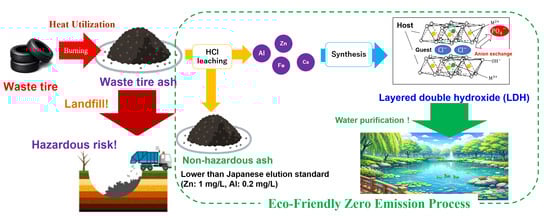
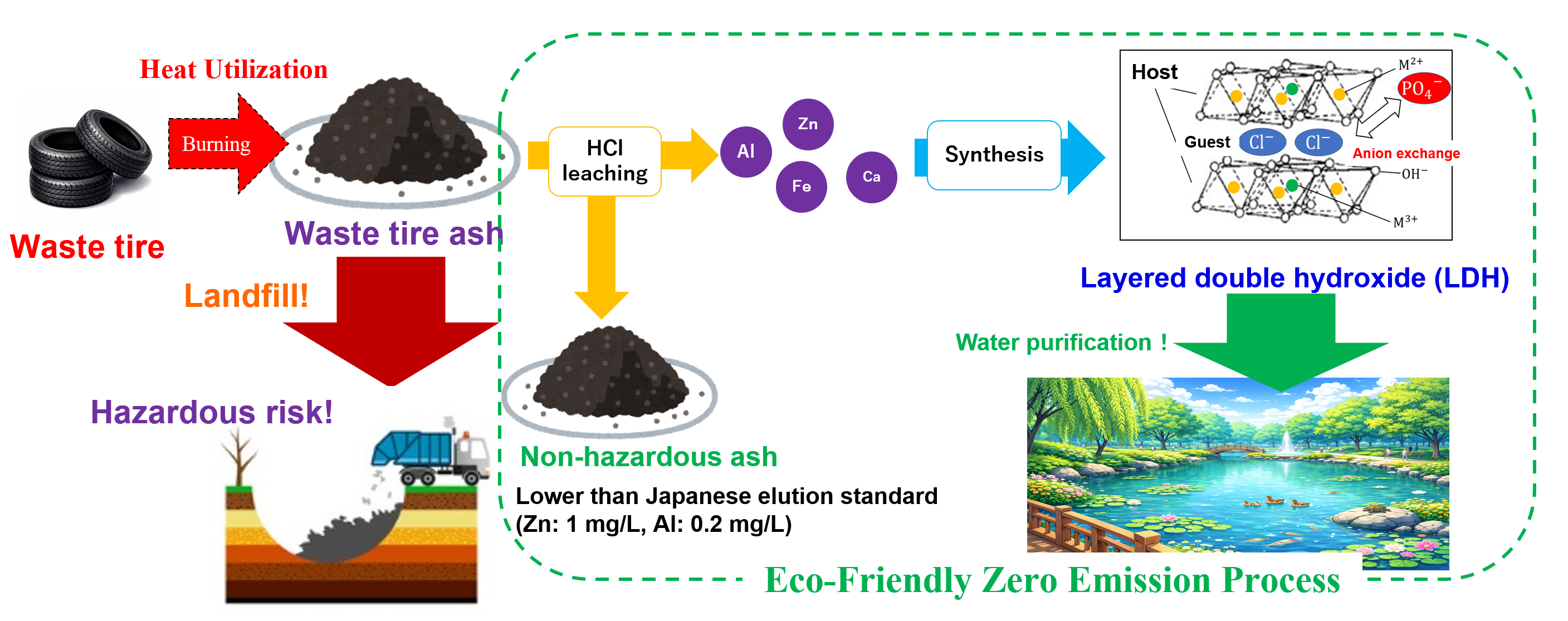
In this study, we investigated a potentially sustainable recycling approach in which hazardous metals such as Zn and Al are extracted from waste tire ash using acid leaching, followed by the synthesis of LDH-containing products from the extracted solutions. The proposed process aims to detoxify waste tire ash by removing leachable heavy metals and utilizing the recovered metals to produce an anion-exchange material capable of efficiently removing phosphorus from water bodies. This integrated process contributes to environmental protection and resource recovery, in alignment with the increasing global demand for sustainable technologies. Because the composition of waste tires and incineration conditions vary, the properties of the resulting ash are inherently diverse. Therefore, this study is presented as an initial case study demonstrating the feasibility of converting waste tire incineration ash into a phosphorus removal material, and broader validation using diverse ash sources is left for future work.
3. Results and Discussion
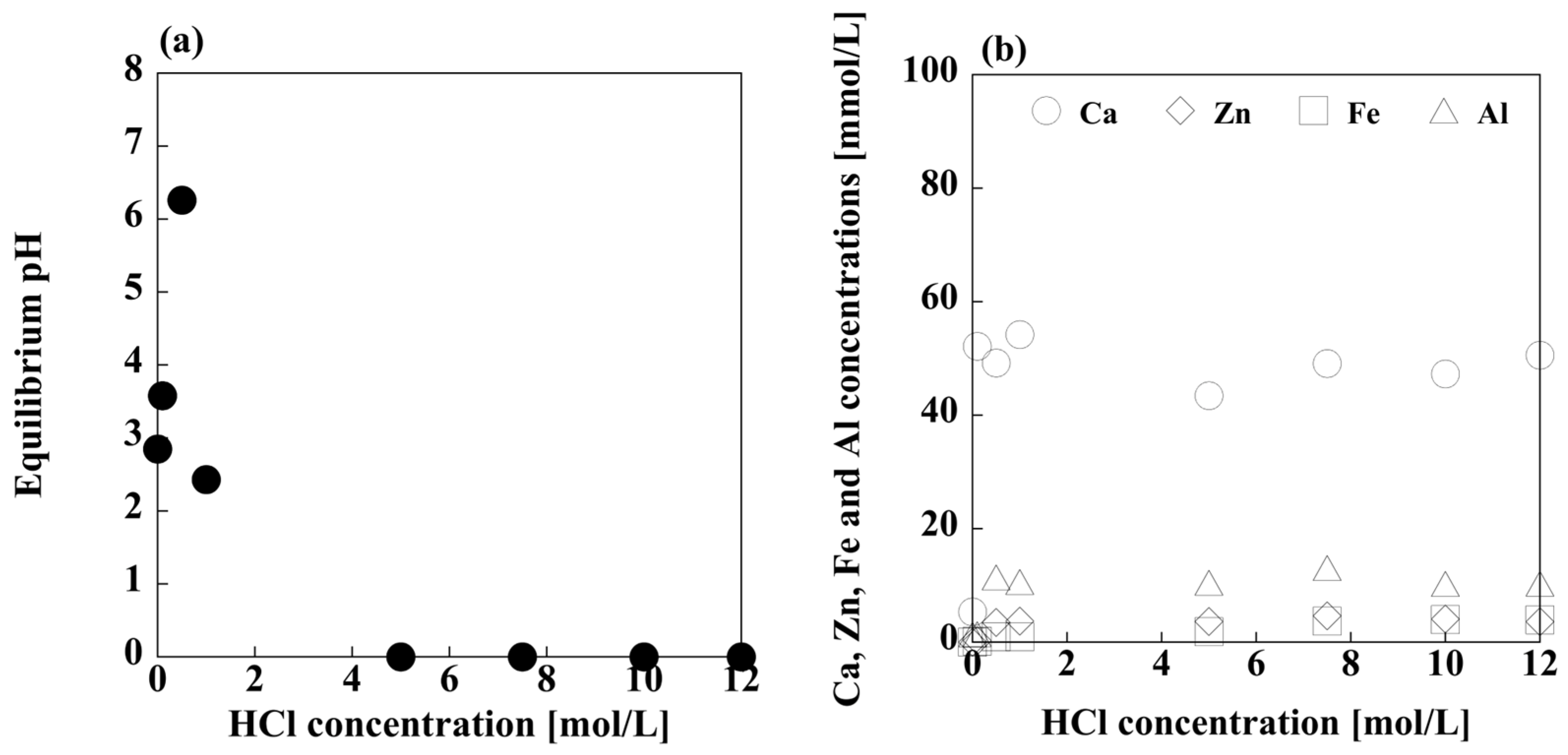
Figure 2 shows the equilibrium pH and extraction of Ca, Zn, Fe, and Al from the ash using a 0–12 M HCl solution. Increasing the hydrochloric acid concentration up to 0.5 M caused the pH to increase toward neutrality. At concentrations above 5 M, the pH decreased, exhibiting strong acidity below pH 1. The concentrations of Zn, Al, and Ca increased up to 1 M HCl and remained constant thereafter, whereas the concentration of Fe increased above 8 M HCl. As the hydrochloric acid concentration increased, the concentration of each element increased. Ca remained constant at concentrations higher than 0.1 M, causing an initial pH increase. Zn and Al remained constant at concentrations higher than 0.5 M in an acidic solution, whereas Fe increased only at concentrations higher than 10 M under a strongly acidic solution.
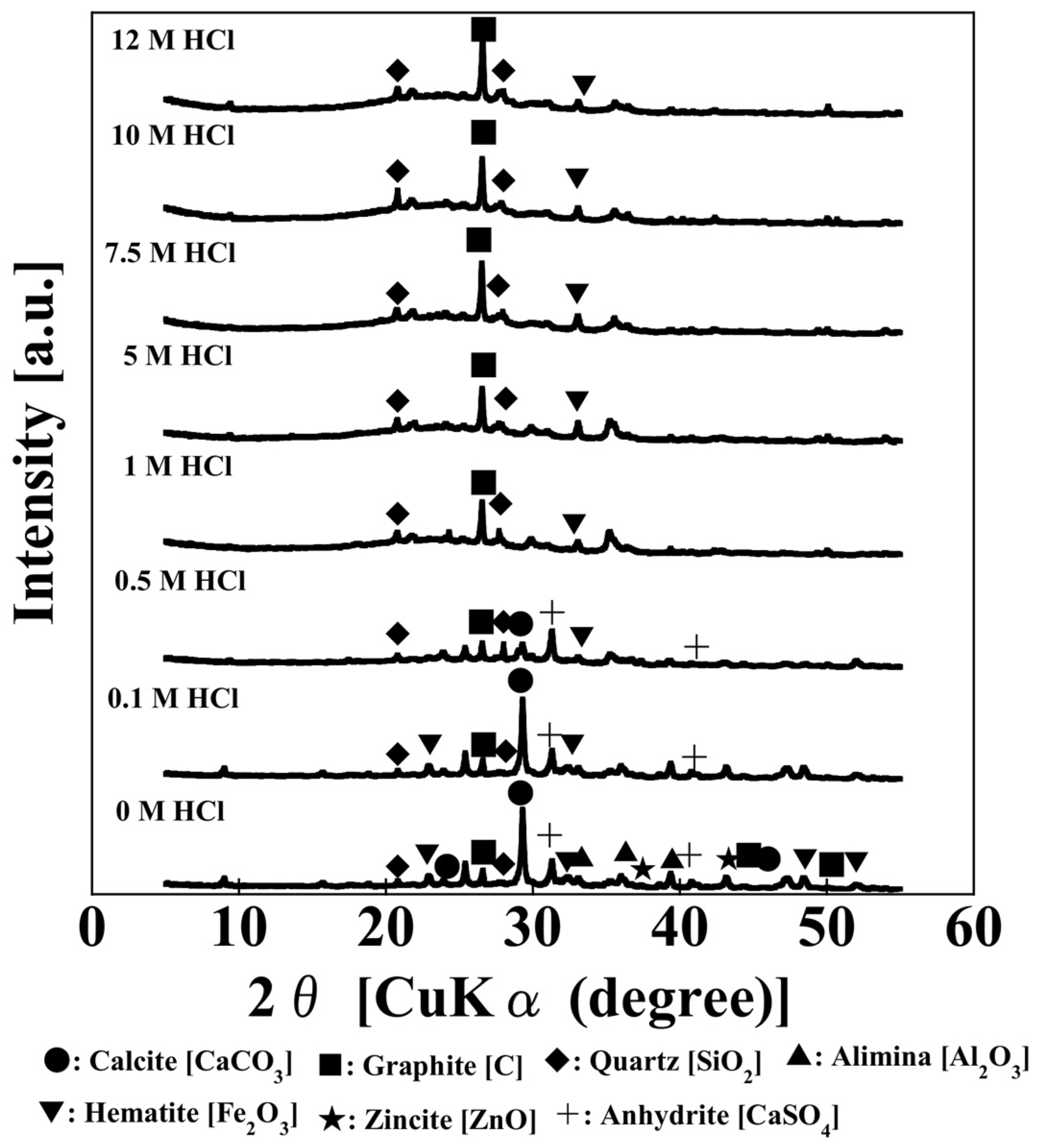
Figure 3 shows the XRD patterns of the residues after acid leaching at various HCl concentrations. As the hydrochloric acid concentration increased, the peaks of minerals, calcite (CaCO
3), anhydrite (CaSO
4), zincite (ZnO), and alumina (Al
2O
3), containing Ca, Zn, and Al, disappeared above 1 M HCl. The peaks of the Fe-bearing mineral hematite (Fe
2O
3), graphite (C), and quartz (SiO
2) remained in all residues, resulting in Fe extraction only at higher HCl concentrations.
These results indicate that metals in tire combustion ash are nearly completely leached at hydrochloric acid concentrations higher than 7.5 M, yielding an extraction solution with strong acidity and divalent-to-trivalent metal ions of 3 to 4, which can be used to synthesize LDH. Therefore, in the following experiments, cations were extracted from the combustion ash using 10 M HCl.
Cation extraction from the combustion ash was performed by varying the additive amount from 0 to 2.5 g in 40 mL of a 10 M HCl solution. It should be noted that all the extraction solutions were strongly acidic (below pH 1).
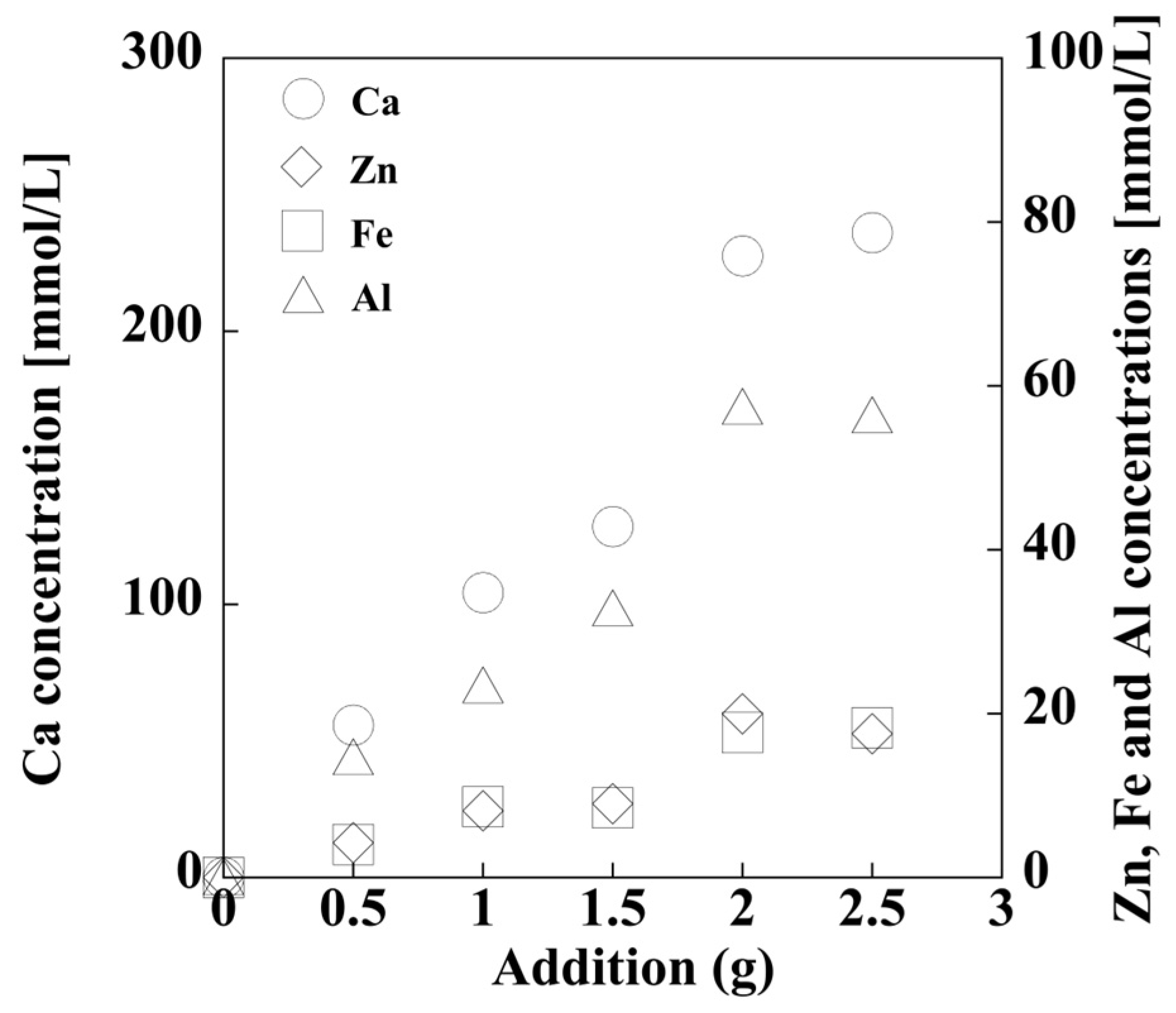
Figure 4 shows the extraction of Ca, Zn, Fe, and Al as a function of the added amount. All cation concentrations increased with increasing amounts and plateaued at >2.0 g. The metal–ion ratio ranged from 3.0 to 3.5.
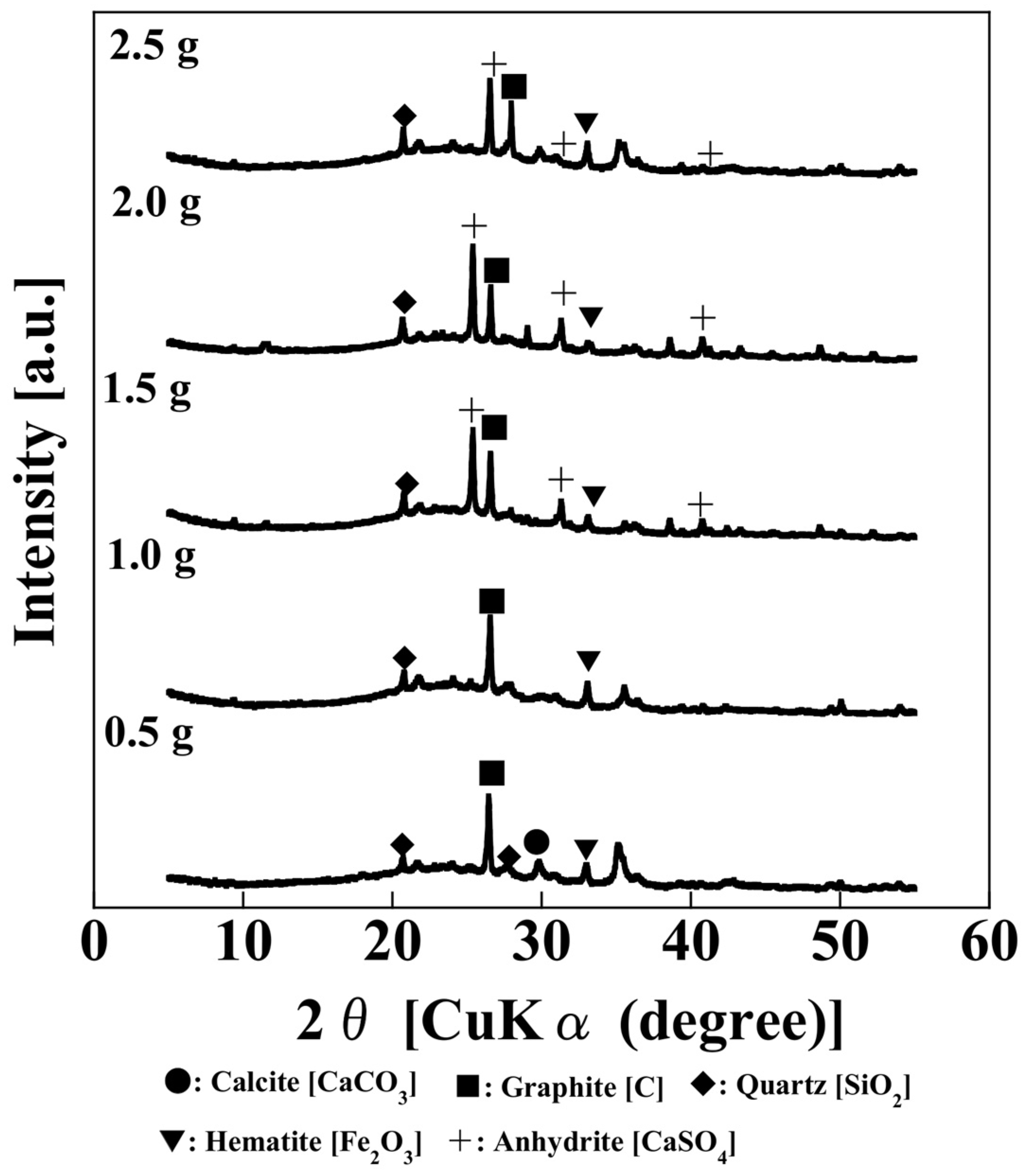
The XRD patterns of the residues after treatment with each additive are shown in
Figure 5. At 0.5 g, peaks for hematite (Fe
2O
3), graphite (C), and quartz (SiO
2) were observed, whereas at 1.0–2.5 g, a peak for anhydrite (CaSO
4) was detected. No peaks for zincite (ZnO) or alumina (Al
2O
3), harmful heavy metals that leach out, were observed for any of the residues.
These results indicate that sufficient metal extraction was achieved by adding 2.0 g of tire combustion ash to 40 mL of 10 M HCl. Therefore, based on the subsequent experiments, the addition rate of tire combustion ash was set to 50 g/L for cation extraction.
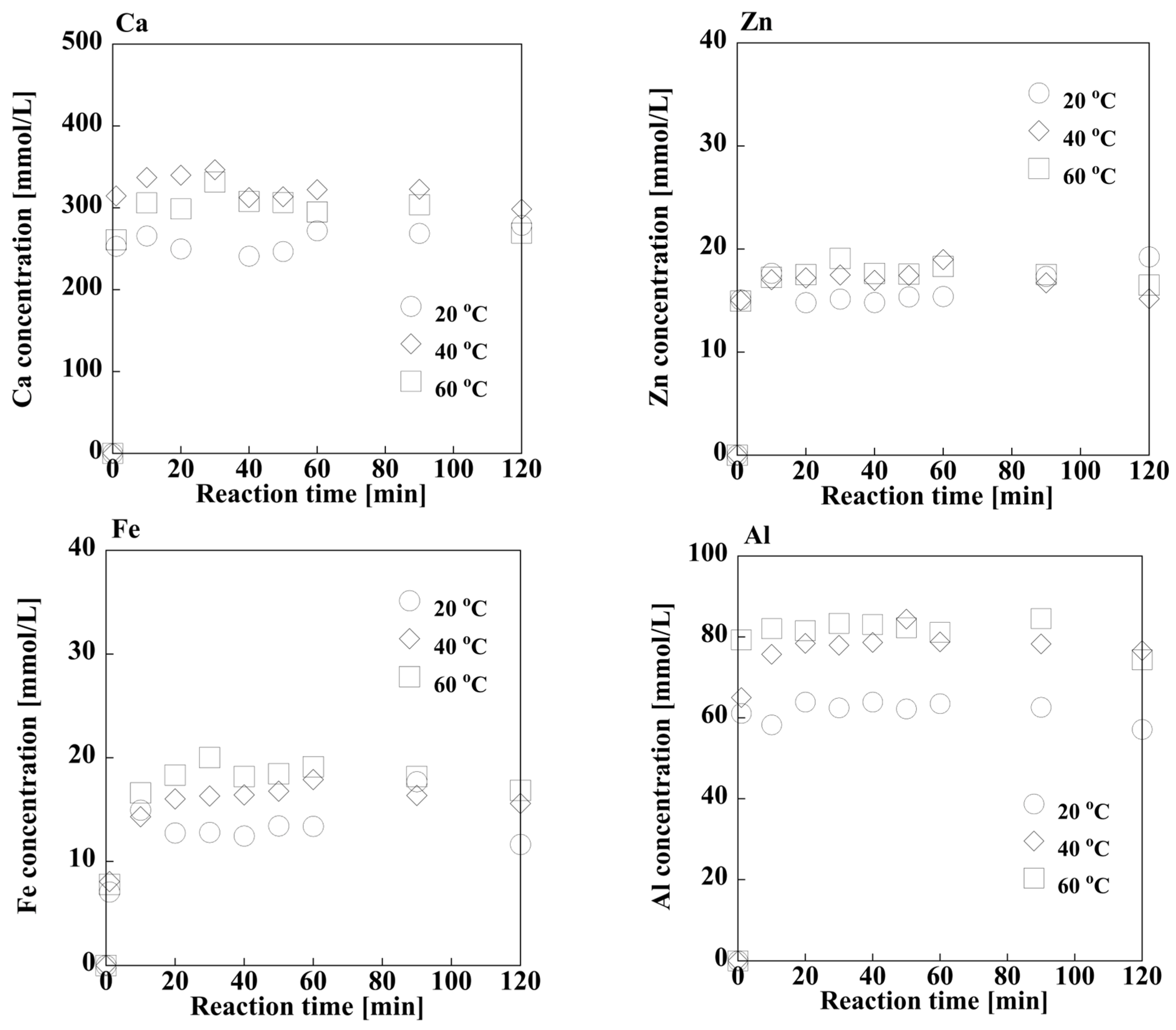
Cation extraction was performed by varying the stirring time from 0 to 2 h and the heating temperature from 20 to 60 °C. After stirring for 2 h, the extraction solution remained strongly acidic.
Figure 6 shows the extraction of Ca, Zn, Fe, and Al as a function of the stirring time at various temperatures. For all metals, the concentration increased immediately after addition and then stabilized, regardless of temperature. The concentration of Fe stabilized after 10 min of stirring. The extraction amount was higher at higher temperatures than at lower temperatures. The ratio of divalent to trivalent metal ions was 3.5–4.0.
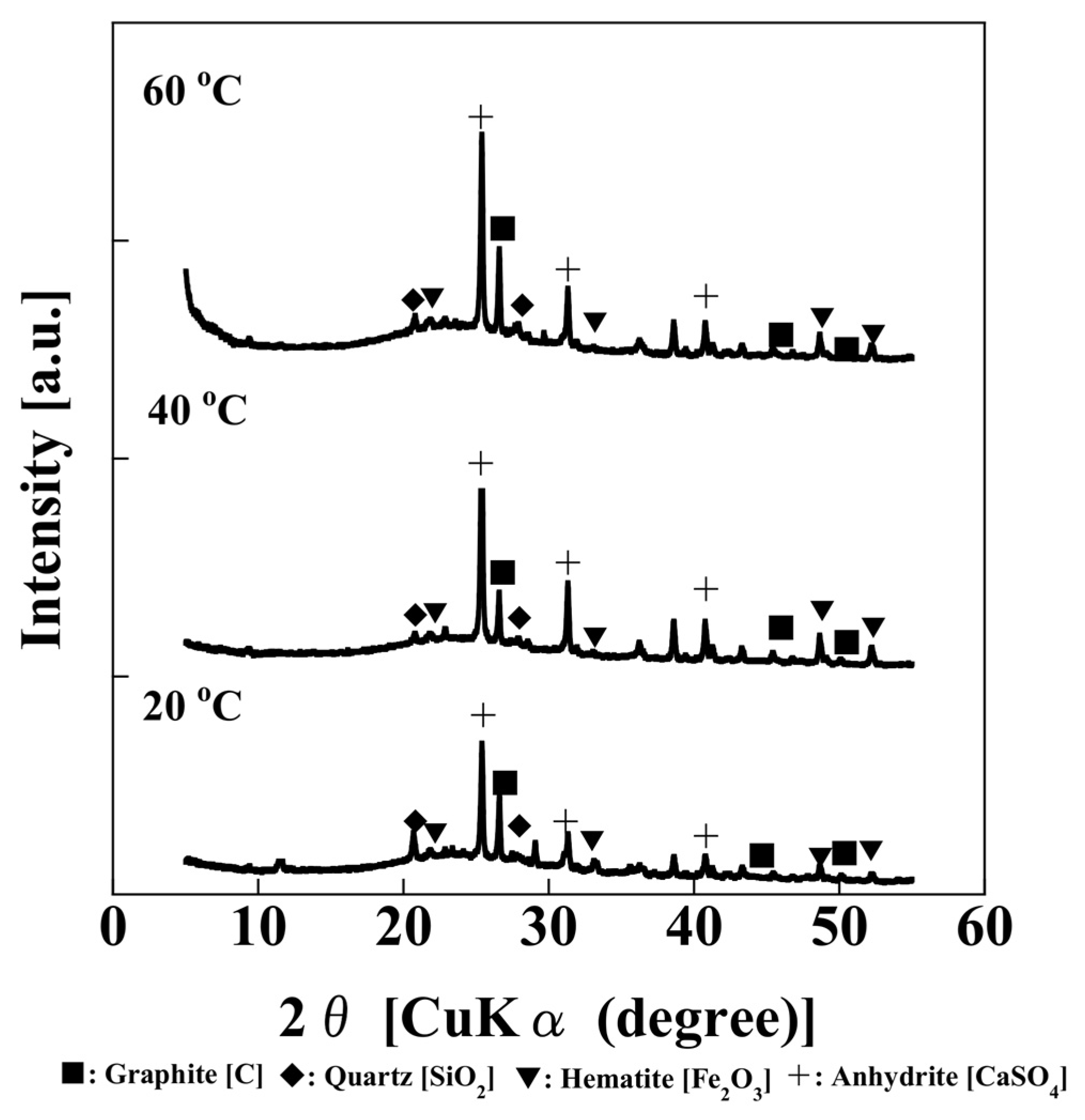
The XRD patterns of the residue after cation extraction at 20–60 °C are shown in
Figure 7. Peaks corresponding to hematite (Fe
2O
3), graphite (C), quartz (SiO
2), and anhydrite (CaSO
4) were observed at all temperatures.
These results showed that the metals in the tire combustion ash could be extracted by stirring at room temperature for 10 min.
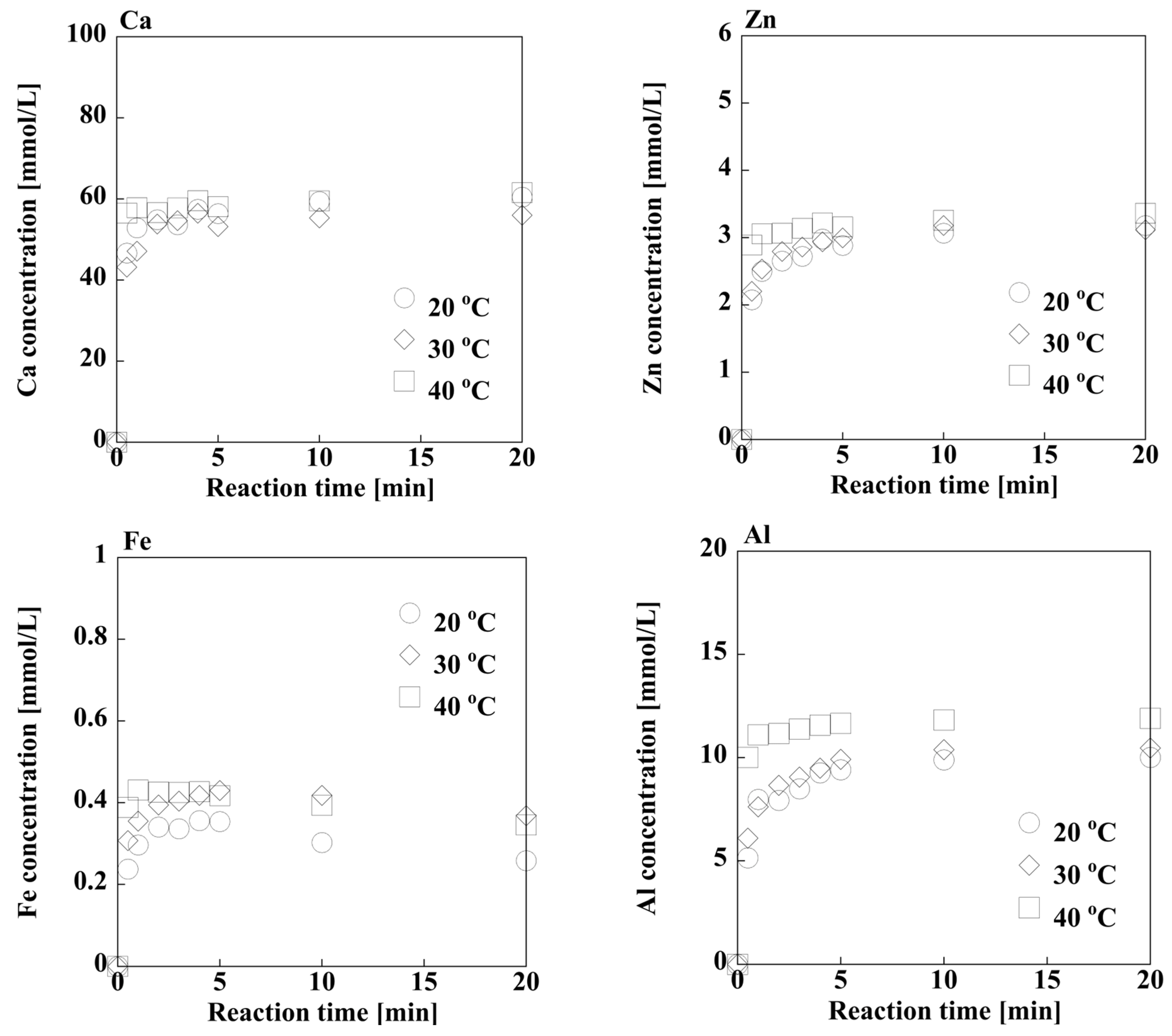
Figure 8 shows the concentration changes of Ca
2+, Zn
2+, Fe
3+, and Al
3+ when tire combustion ash was extracted with 0.2 M HCl. All ions reached a constant state within a short period. The results were analyzed using the Noyes–Whitney equation. Because the specific surface area
S remained constant at 70–90 m
2/g at all time points, it was considered constant. The rate constants were determined under sink conditions within the 0–1 min range because the concentration of each cation reached a steady state at an early stage. The rate constants are presented in
Table 2. The dissolution rates in descending order were Ca > Al ≥ Zn > Fe. Furthermore, a trend in which higher temperatures resulted in higher dissolution rates was observed.
These results suggest that the extraction solution required for LDH synthesis can be obtained by adding 50 g/L of tire combustion ash to 10 M HCl and stirring at room temperature for 10 min.
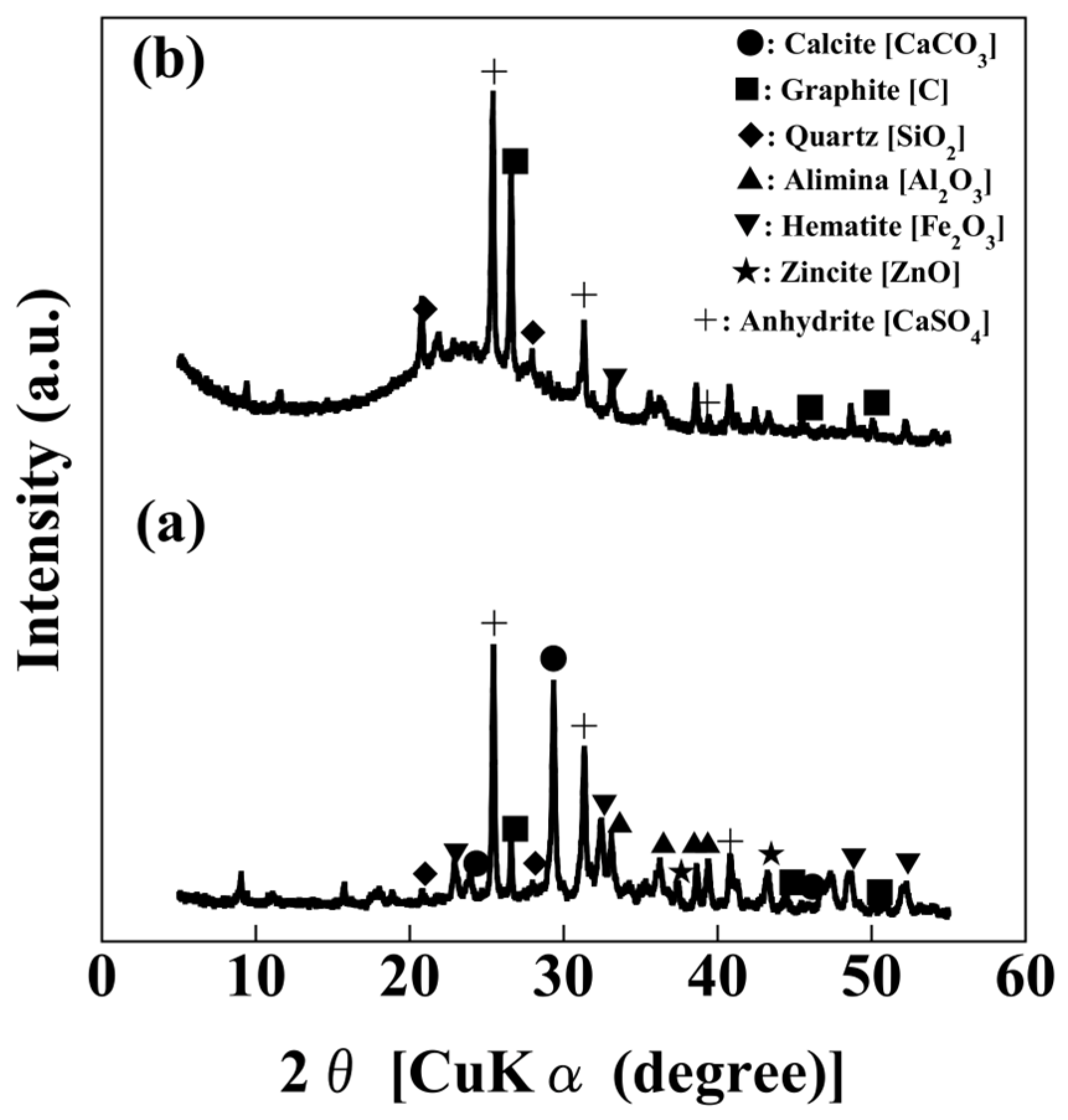
Table 1 and
Figure 1 present the chemical and mineralogical compositions of the raw ash and residues after leaching with HCl solution. The leached ash was mainly composed of quartz (SiO
2), graphite (C), anhydrite (CaSO
4), and hematite (Fe
2O
3). Hazardous heavy metals, zincite (ZnO), and alumina (Al
2O
3) were eliminated in the leached ash. The elution of Zn and Al from the raw and leached ash was examined using the Japanese elution test. The concentrations of Zn and Al in the leached ash (Zn: 0.3 and 0.17 mg/L) were lower than those in the raw ash (Zn: 3.3 and 1.4 mg/L), and were below the Japanese elution standards (Zn: 1 mg/L, Al: 0.2 mg/L).
These results indicate that Zn and Al (hazardous elements) can be extracted from ash using an HCl solution to obtain nonhazardous leached ash.
Tire combustion ash was added to 10 M HCl at a dosage of 50 g/L and stirred at room temperature for 10 min to extract heavy metals from the ash and obtain an extracted solution with a strongly acidic nature and M
2+/M
3+ ratio of 4. The contents of the extracted solution are presented in
Table 3.
The products, including LDH, were synthesized from the extracted solution, as indicated in
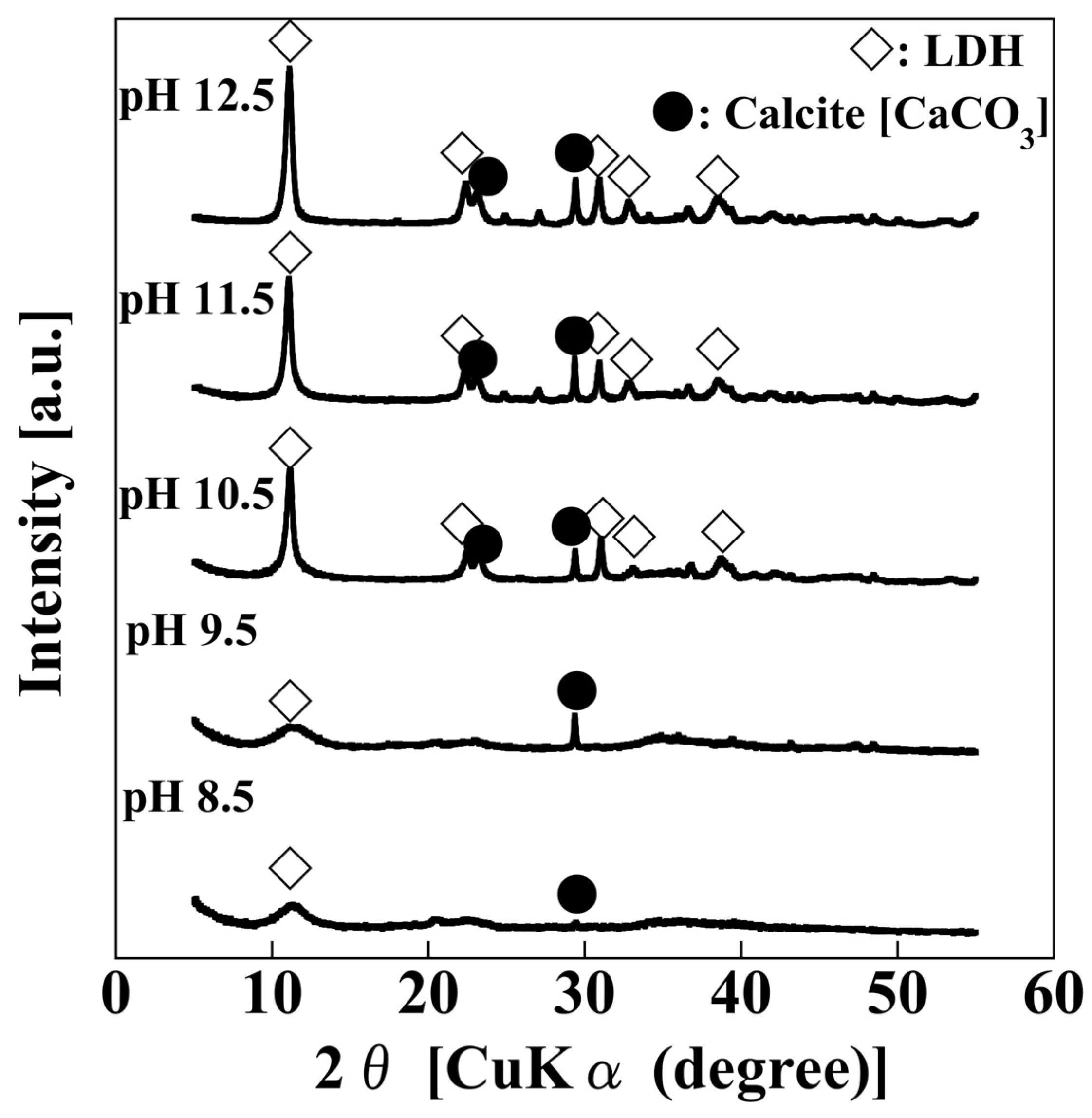
Table 3. The synthesis was performed by varying the pH between 8.5 and 12.5. The XRD patterns of the products are shown in
Figure 9. LDH peaks were observed for all products, and the peak intensity increased with increasing pH. Calcite peaks were observed for all products.
The chemical compositions of the products are listed in
Table 4. As the pH increased, the Ca content increased, whereas the Zn, Fe, and Al contents decreased. Furthermore, the Cl content increased with increasing pH because LDH includes Cl
− in the interlayer structure. Notably, (Ca,Zn)–(Fe,Al) LDH was synthesized above pH 10.5, whereas the Zn–(Fe,Al)-type LDH was synthesized at a pH of 8.5–9.5, based on the chemical compositions.
The photographs and yields of each product are listed in
Table 5. The yield increased with increasing pH, and the appearance changed from reddish-black to white owing to an increase in the Ca content of the product.
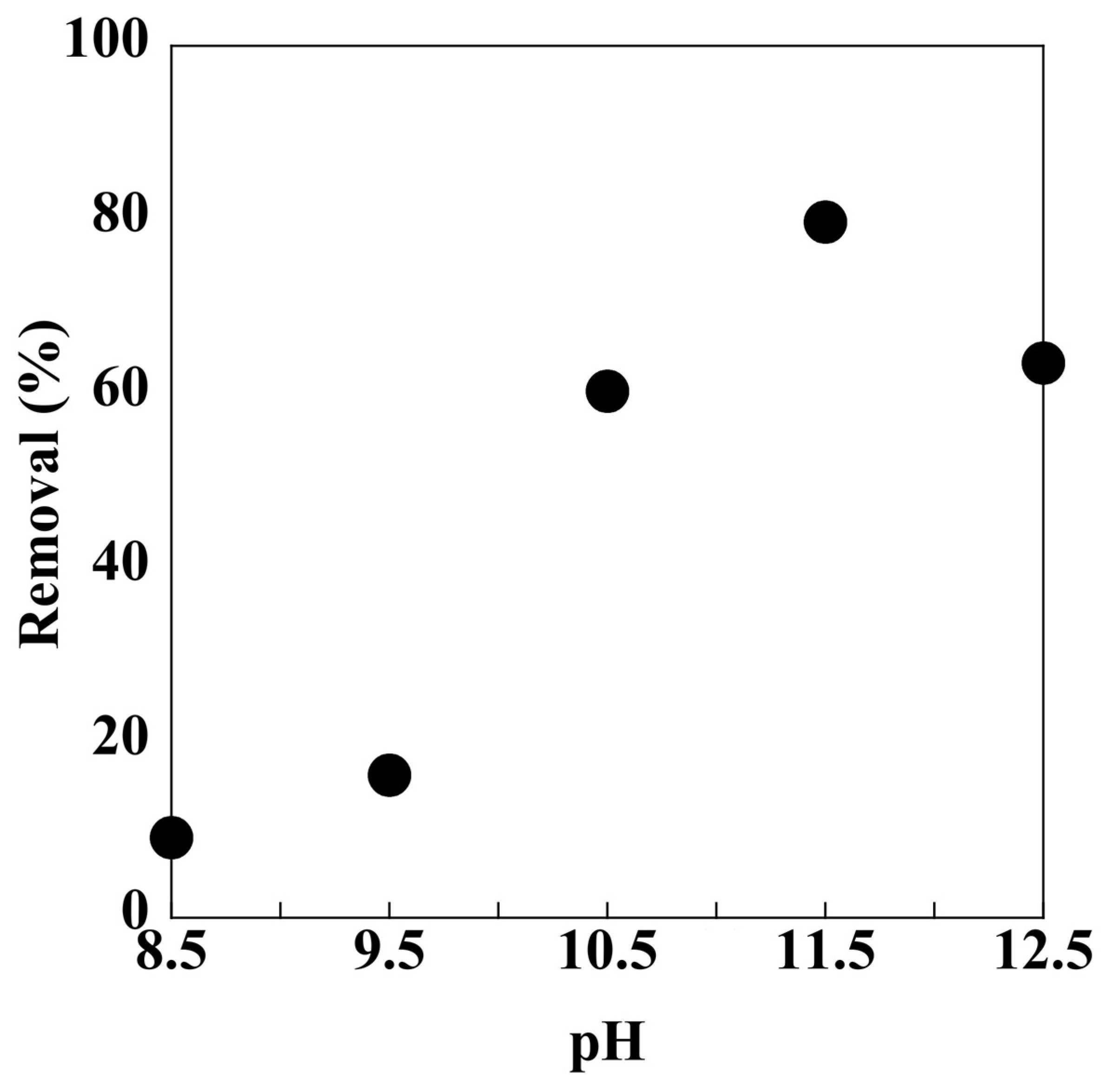
The phosphorus removal rate of each product is shown in
Figure 10. As the pH increased, the phosphorus removal rate of the products increased, with the products synthesized at pH 11.5 exhibiting the highest phosphorus removal rate.
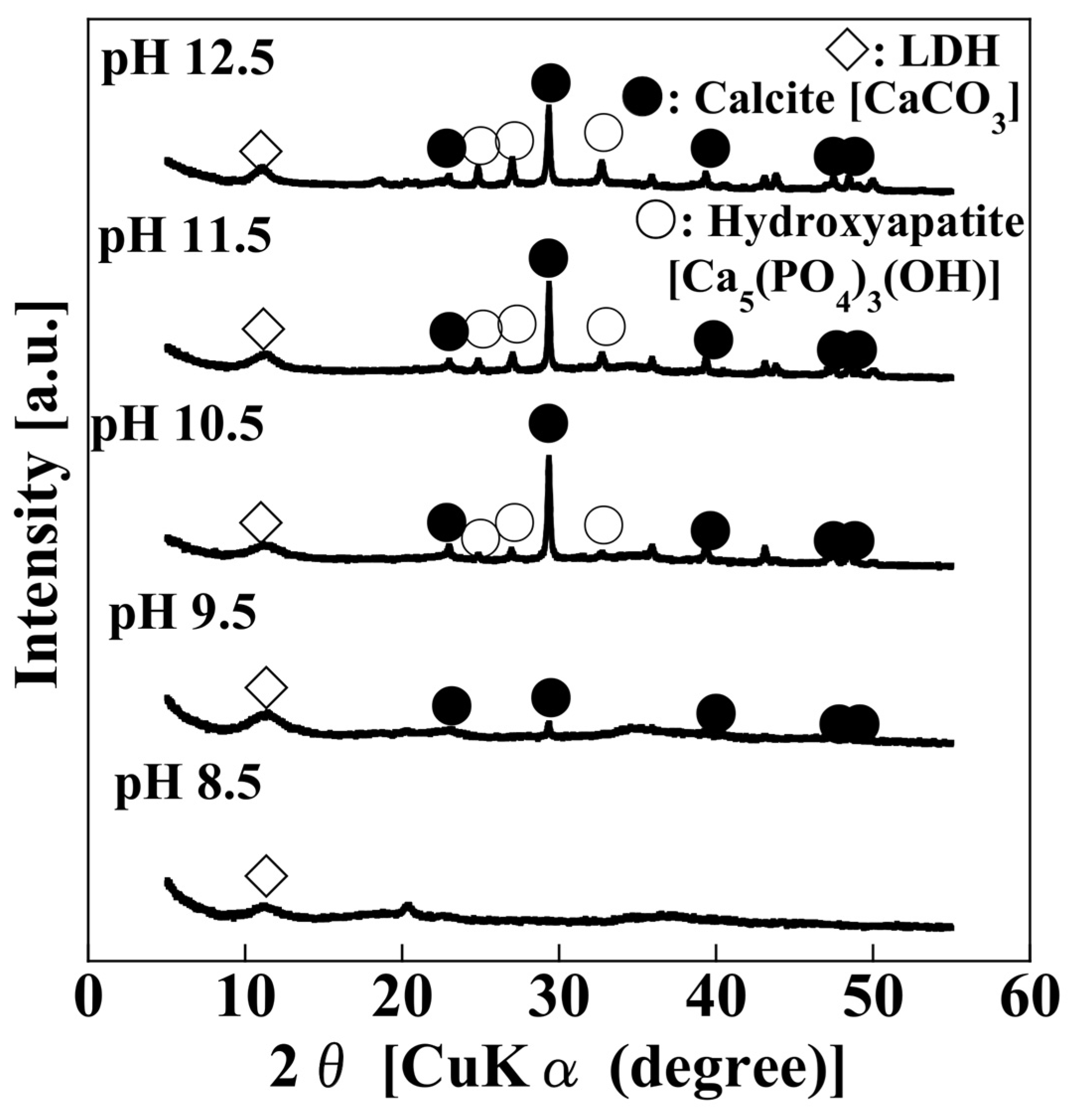
The XRD patterns of the residues after phosphorus removal are shown in
Figure 11. Compared to
Figure 9, the LDH peaks decreased in all residues, and new peaks corresponding to hydroxyapatite (Ca
5(PO
4)
3(OH)), a type of calcium phosphate, were observed in residues with pH > 10.5. This is considered the result of the reaction between the supplied Ca
2+ from the breakdown of the LDH structure and the PO
43− present in the solution.
At a pH of 8.5–9.5, Ca2+ remained predominantly soluble in the aqueous phase, whereas Zn–(Al,Fe) LDHs were successfully formed and acted as the primary phase for phosphate removal via anion exchange. In this pH range, the phosphate uptake was mainly governed by the exchange between the interlayer anions and phosphate species within the Zn–(Al,Fe) LDH structure. When the pH exceeded 10.5, Ca2+ became increasingly insoluble and was partially incorporated into solid phases during coprecipitation, leading to the formation of mixed (Ca,Zn)–(Al,Fe) LDH-like phases. However, the incorporation of Ca2+ into the LDH lattice resulted in structural instability owing to its poor compatibility with the octahedral layers. Consequently, Ca2+ was readily released from the LDH structure upon contact with phosphate-containing solutions. The released Ca2+ subsequently reacted with phosphate ions to form hydroxyapatite, and the remaining solid phase retained the Zn–(Al,Fe) LDH framework. This dynamic transformation indicates that Ca does not function as a stable structural cation in the LDH lattice but rather as a reactive calcium source that promotes phosphate immobilization through secondary mineral formation. Therefore, an adequate and continuous supply of Ca is essential to sustain the phosphate removal performance, highlighting the synergistic role of Zn–(Al,Fe) LDH as an anion-exchange matrix and Ca as a sacrificial calcium donor in the overall phosphate removal mechanism.
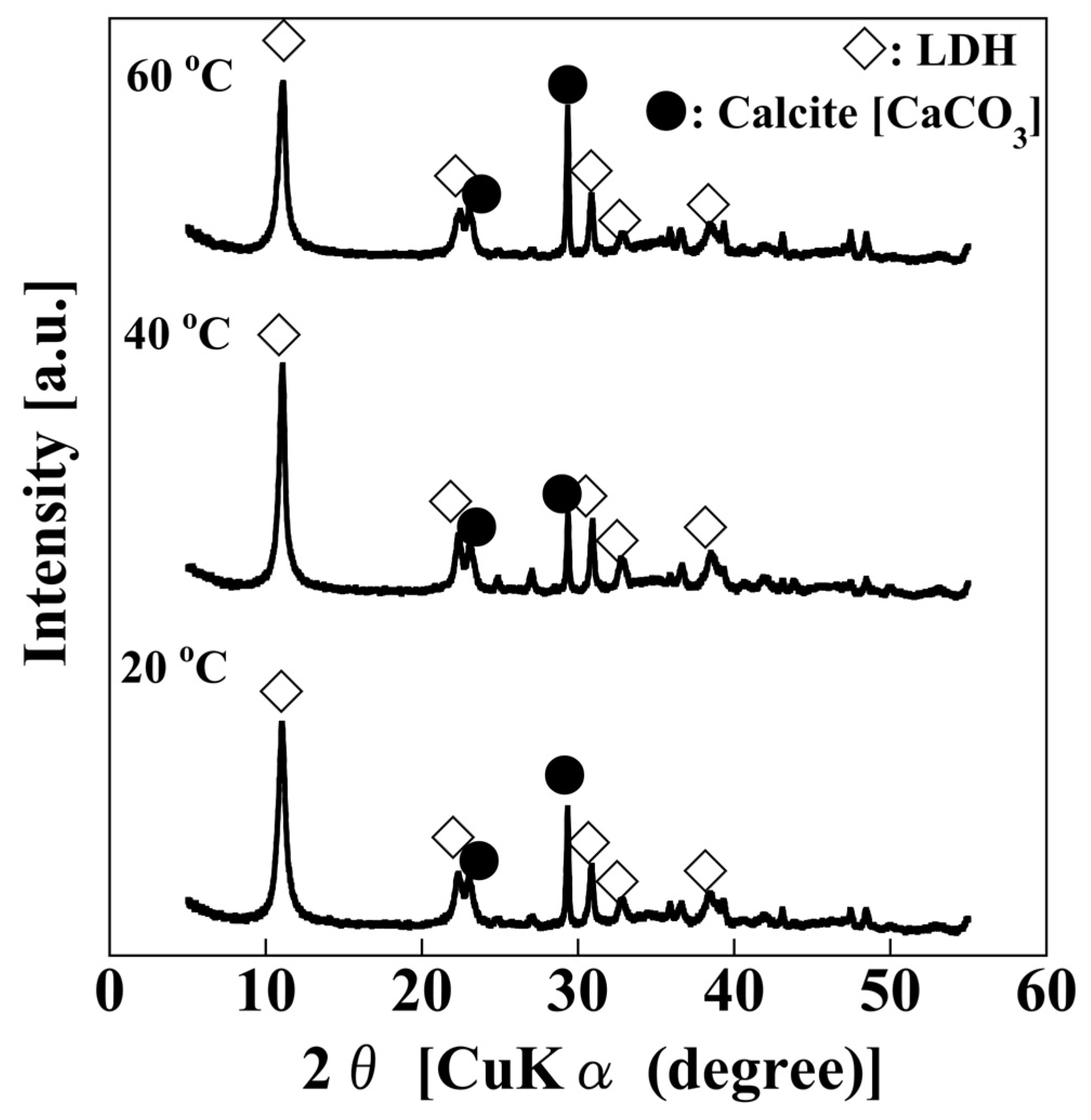
The solution temperature during the synthesis at pH 11.5 was varied between 20 and 60 °C. The XRD patterns of the products are shown in
Figure 12. The LDH peak was observed for all the products. Furthermore, the peak intensity remained nearly unchanged regardless of temperature variation. The yield (approximately 0.84 g), chemical composition (Ca: 5.44, Zn: 0.91, Fe: 0.94, Al: 1.49, and Cl: 0.24 mmol/g), and phosphorus removal (approximately 50%) of the product were almost the same regardless of temperature.
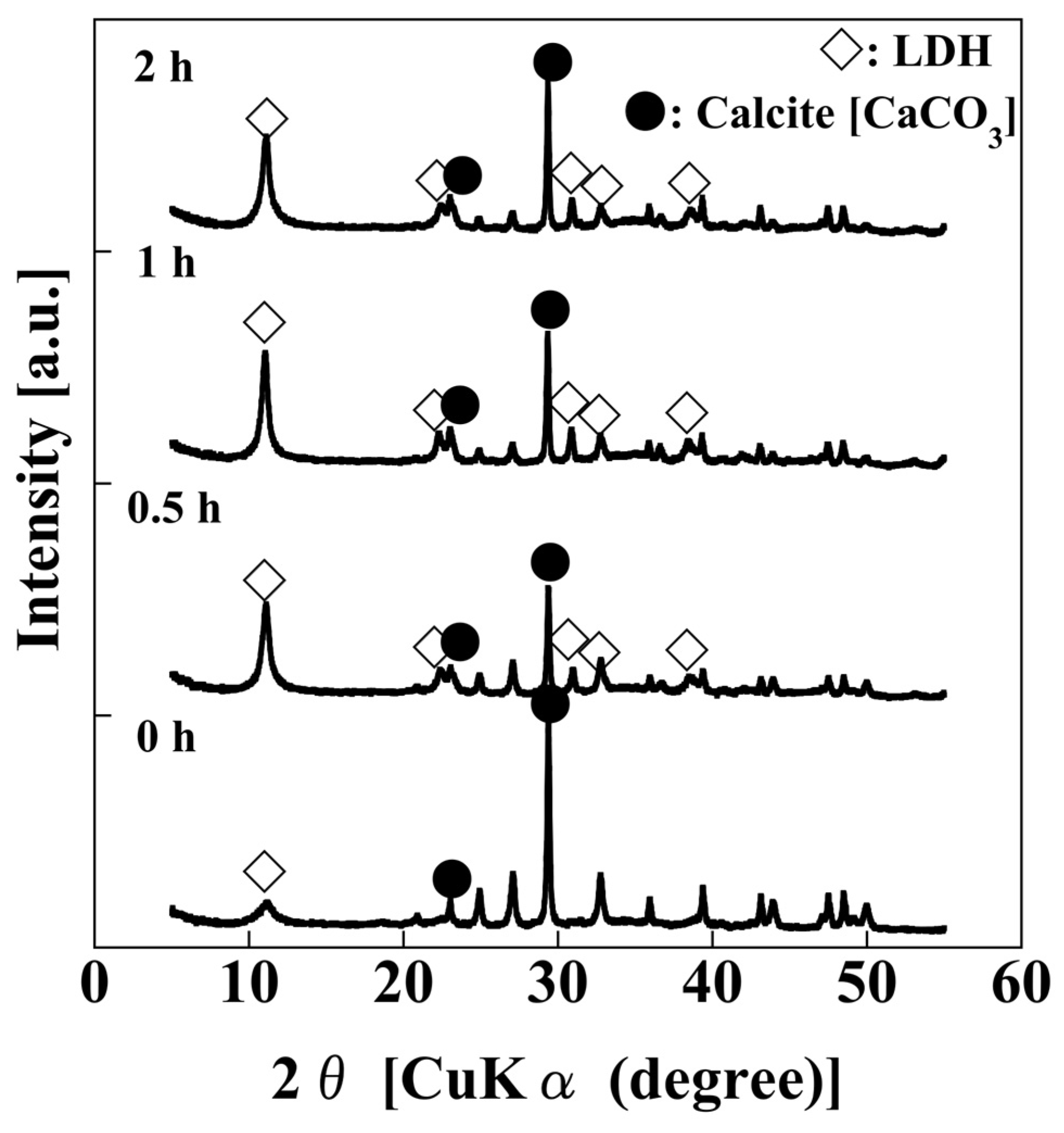
LDH synthesis was performed at pH 11.5 by varying the stirring time from 0 to 2 h at 40 °C. The XRD patterns of the products are shown in
Figure 13. The LDH peak was confirmed for all the products, and the peak intensity increased with increasing stirring time. The yield (approximately 0.77 g), chemical composition (Ca: 4.80, Zn: 0.58, Fe: 0.80 mmol/g, Al: 1.92 mmol/g, Cl: 0.31 mmol/g), and phosphorus removal (approximately 53%) of the product were almost the same regardless of the stirring time.
Based on these results, the study proceeded using the product synthesized at pH 11.5, a temperature of 40 °C, and a stirring time of 2 h, as this product exhibited the highest phosphorus removal efficiency.
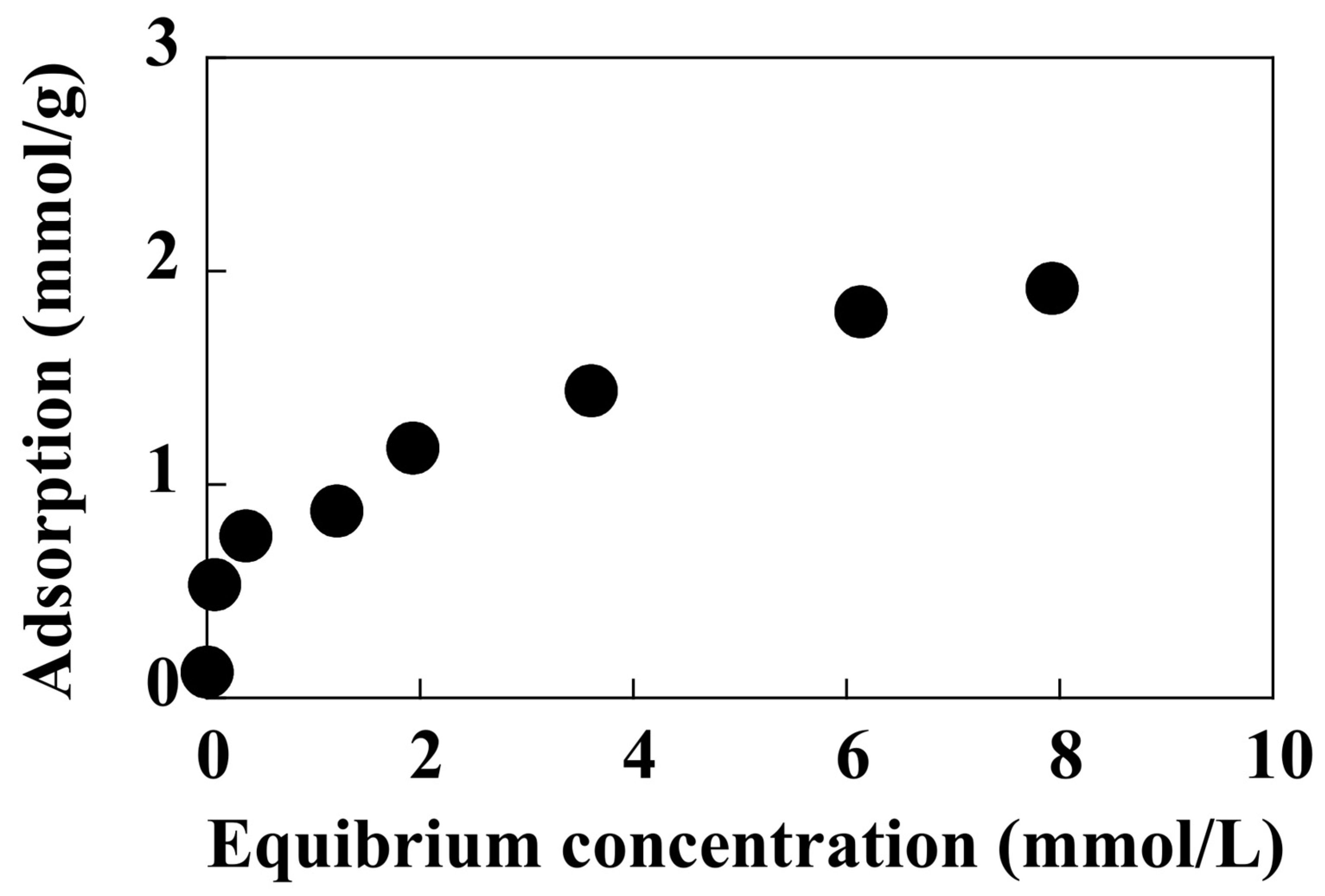
In the phosphorus removal capacity evaluation, the phosphorus removal capacity of the product obtained from the synthesis experiment was assessed. The amounts removed at each phosphorus concentration are presented in
Figure 14. After the removal, the pH of the filtrate was approximately 7 for all concentrations. The amount removed increased with increasing phosphate concentration, reaching a maximum of approximately 2.0 mmol/g.
The results shown in
Figure 14 were analyzed using the Langmuir and Freundlich models. The linear forms of the Langmuir and Freundlich models are given as follows:
where
qe is the amount of phosphorus on the adsorbent at equilibrium (mmol/g), and qmax (mmol/g) and
KL (L/mmol) are the maximum adsorption capacity and Langmuir constant (equilibrium adsorption constant), respectively.
KF and n are the Freundlich constants.
The parameters calculated for each isotherm model are listed in
Table 6. The correlation regression coefficients (
R2), as a measure of the goodness-of-fit using the Langmuir and Freundlich models were 0.96 and 0.98, respectively, indicating that the Freundlich model fitted better than the Langmuir model. The calculated maximum adsorption capacity
qmax, was 2.0 mmol/g. The reported phosphorus adsorption capacities of the LDH composites are presented in
Table 7; the maximum adsorption capacity of 2.0 mmol/g was comparable to those of other reported LDH adsorbents. Thus, the adsorbent obtained from the tire combustion ash is a promising material for treating wastewater containing phosphorus ions.
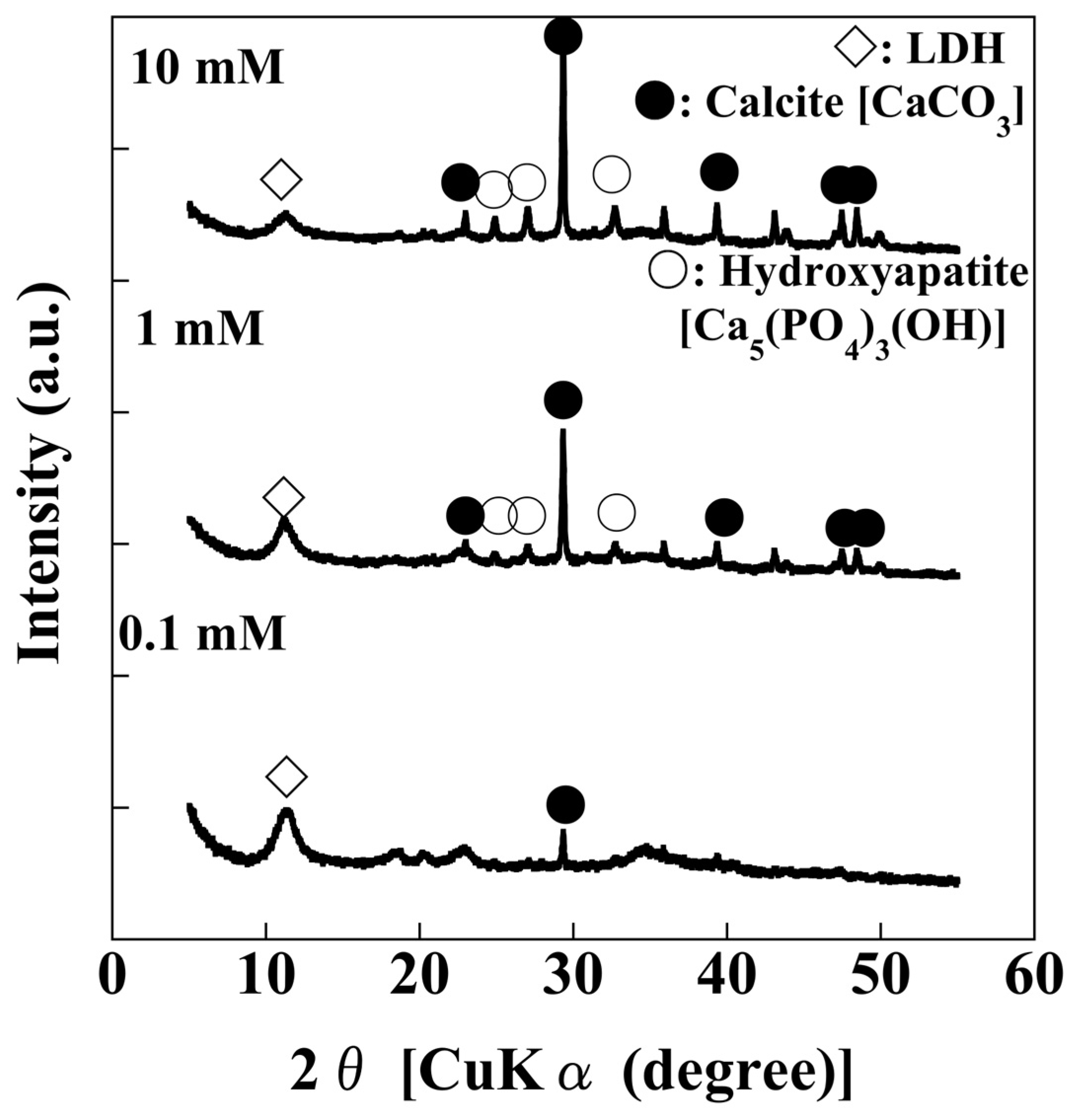
The XRD patterns of the residues treated with phosphate solutions at initial phosphorus concentrations of 0.1, 1, and 10 M are shown in
Figure 15. LDH peaks were observed for all residues, with the peak intensity increasing in the residues at lower concentrations. At 0.1 M, no hydroxyapatite peak was observed; however, hydroxyapatite peaks were detected in the 1 and 10 M residues, with peak intensity increasing with concentration. These results suggest that phosphorus removal at lower concentrations occurs via anion exchange, whereas at higher concentrations, it occurs via hydroxyapatite formation. Thus, the LDH-related phase should be regarded as a dynamic precursor rather than a static adsorbent. Although it contributes to the initial uptake of phosphate, its structural transformation, and the release and reorganization of Ca species facilitate the subsequent formation of calcium phosphate phases, which ultimately stabilize phosphorus.