Article

Effects and Benefits of Orchid Mycorrhizal Symbionts on Dendrobium officinale

1
Hunan Mid-Subtropical Quality Plant Breeding and Utilization Engineering Technology Research Center, College of Horticulture, Hunan Agricultural University, Changsha 410128, China
2
State Key Laboratory of Forest Genetics and Tree Breeding, Key Laboratory of Silviculture of the State Forestry Administration, Research Institute of Forestry, Chinese Academy of Forestry, Beijing 100091, China
*
Author to whom correspondence should be addressed.
Horticulturae 2022, 8(10), 861; https://doi.org/10.3390/horticulturae8100861

Submission received: 30 August 2022 / Revised: 15 September 2022 / Accepted: 16 September 2022 / Published: 21 September 2022
(This article belongs to the Section Medicinals, Herbs, and Specialty Crops)

Abstract

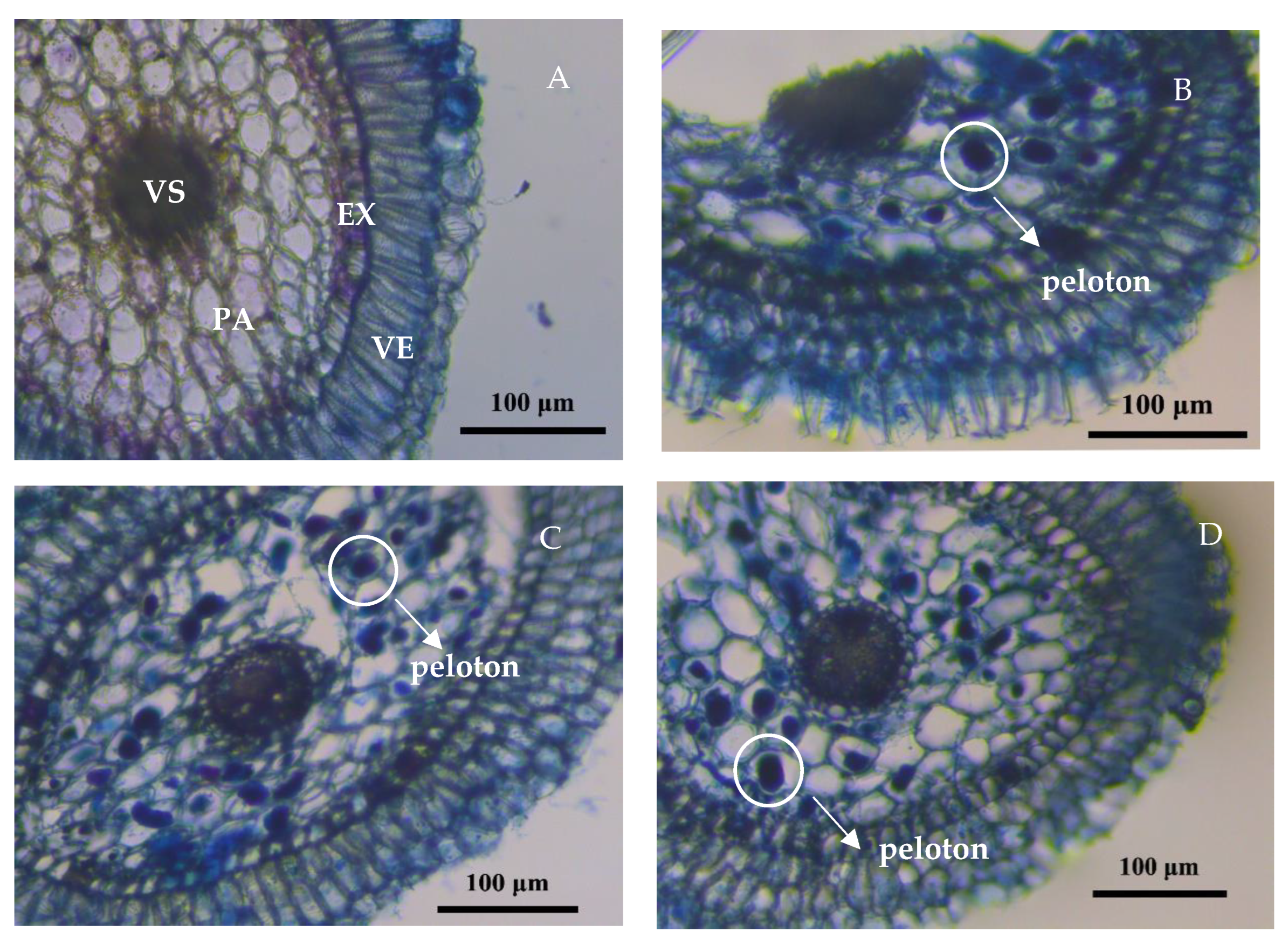
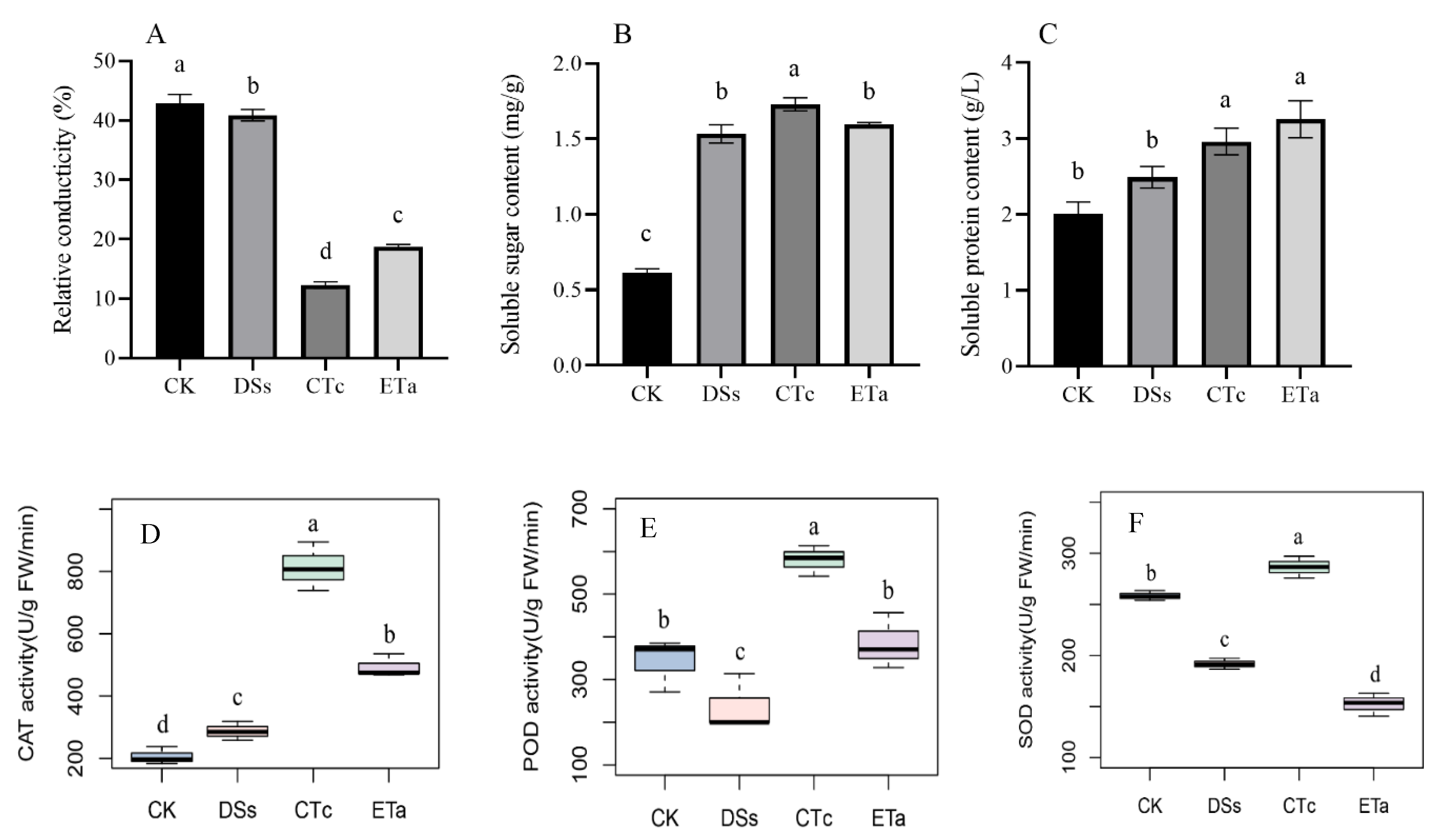
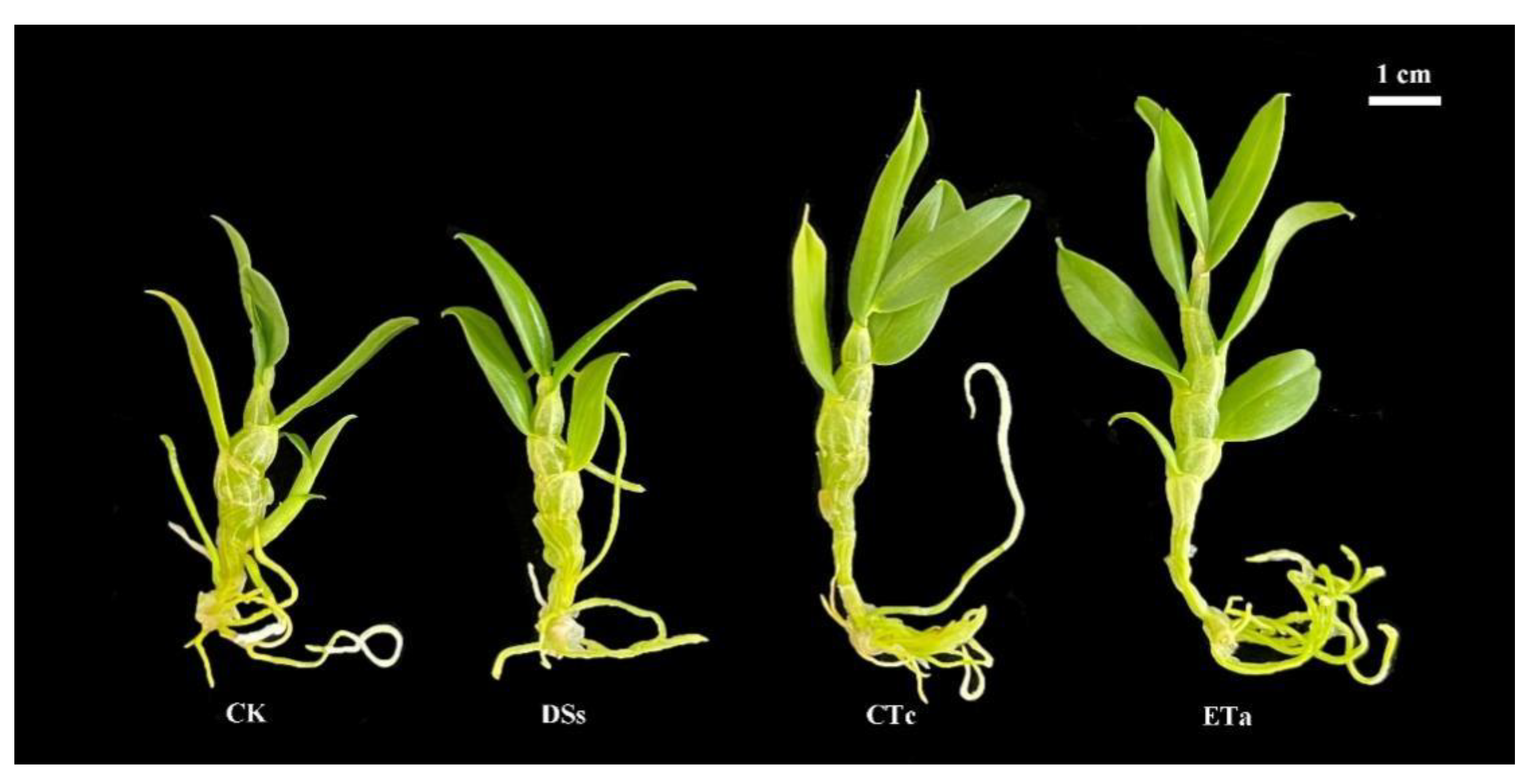
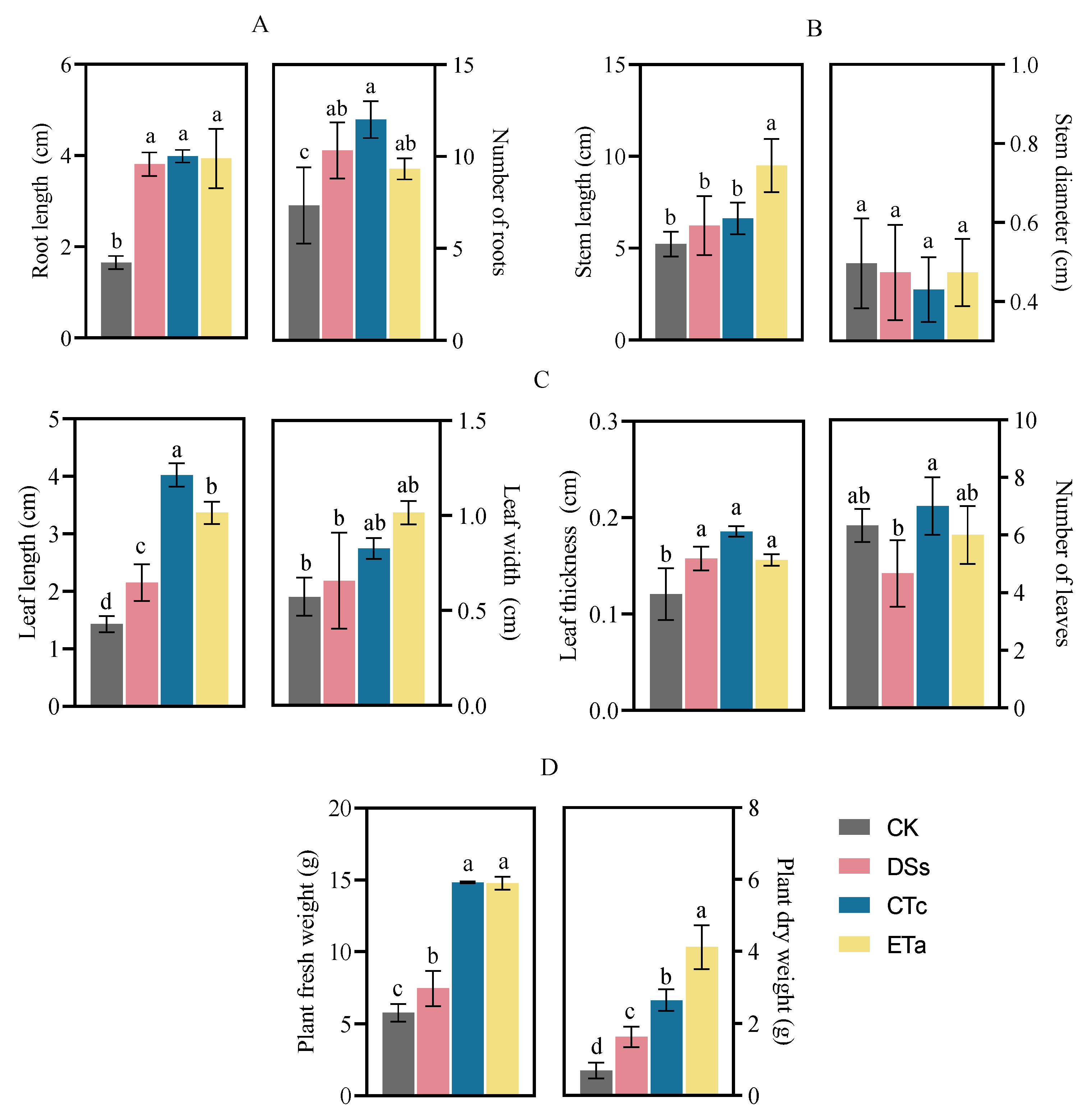
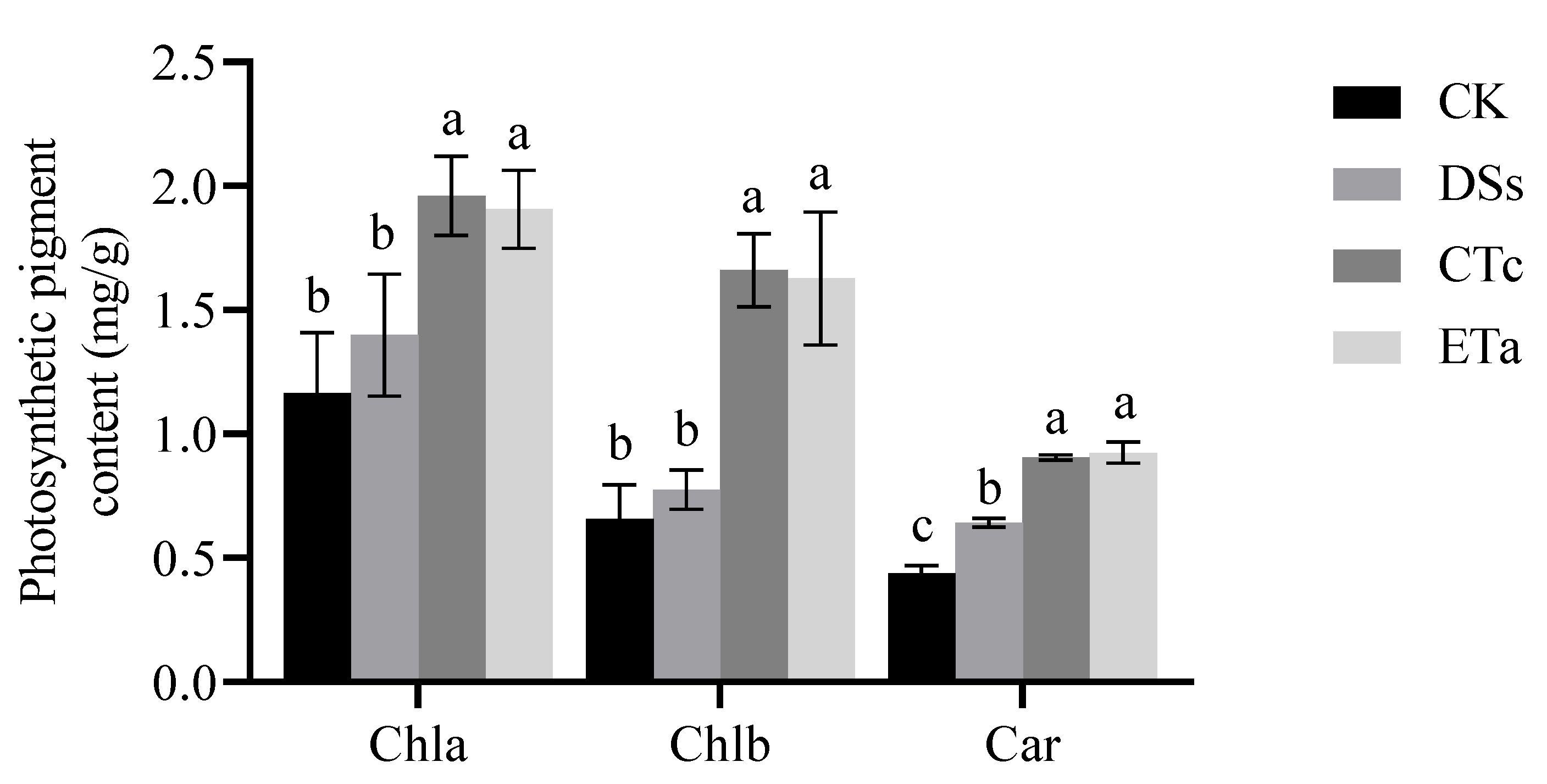
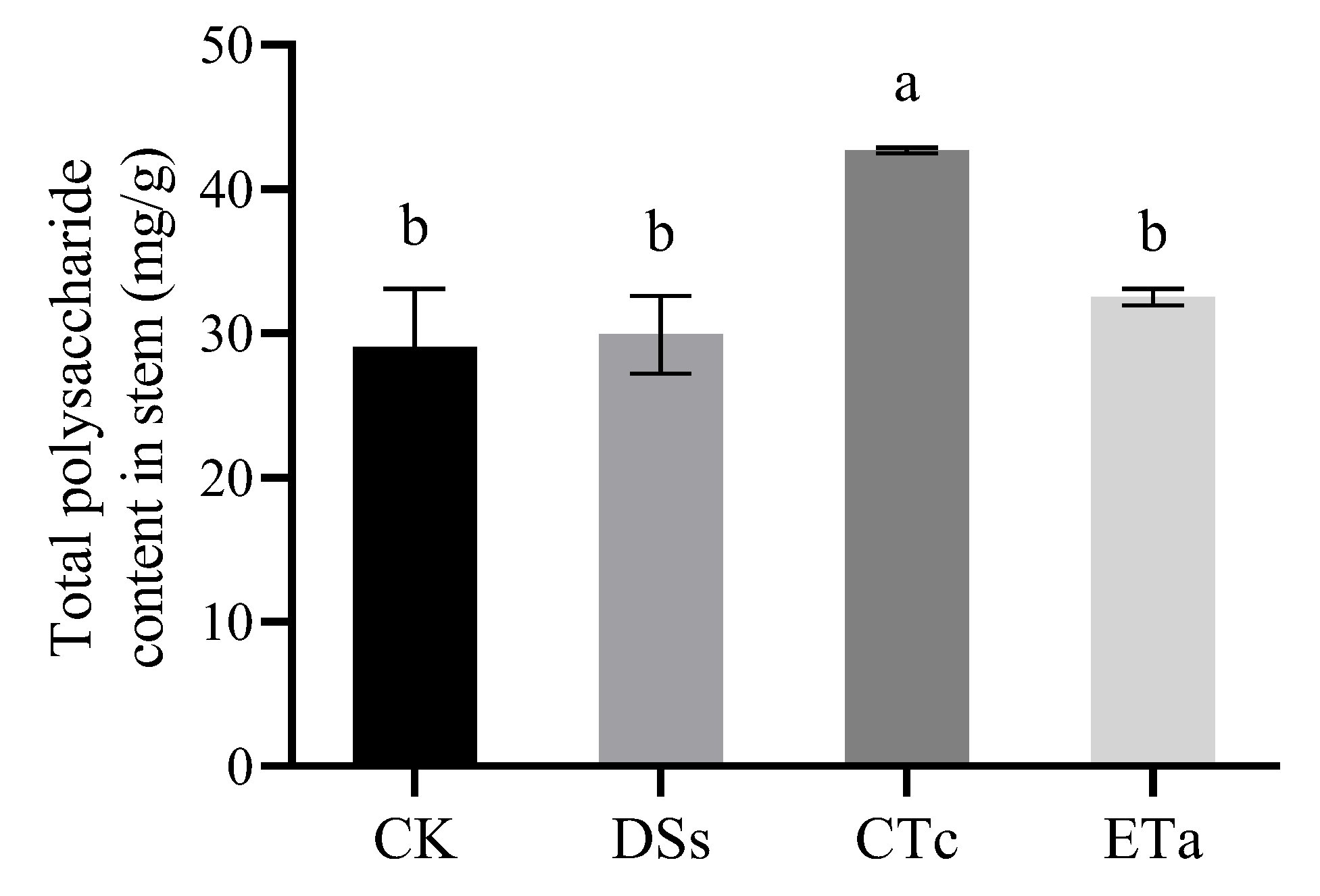
Dendrobium officinale Kimura et Migo, a highly valued Chinese herbal medicine, is on the verge of extinction in the wild, and is not cultivated efficiently. In this study, we explored the possibility that orchid mycorrhizal fungi (OMF) might improve the growth and cultivation of D. officinale. Serendipita sp., Tulasnella calospora and Tulasnella asymmetrica isolated from three different orchids were co-cultured with sterile seedlings of D. officinale. The seedlings were found to stably coexist with fungi after 60 days of co-culture. The co-culture of T. calospora with plants upregulated the activity of antioxidant enzymes, stimulated the production of osmoregulatory substances and reduced electrical conductivity. Plants with T. calospora had longer roots (141.2%), thicker leaves (58.3%), increased root number (71.4%) and leaf number (11.1%), and increased weight (155.2%) and photosynthetic pigment content (99.6%), relative to controls. The content of total medicinal polysaccharides increased by 42.69 % due to the addition of T. calospora. T. asymmetrica was less effective, followed by Serendipita sp. When T. calospora established a symbiotic relationship with D. officinale, resistance indicators increased. The content of functional components was significantly increased. This study contributes to the protection and commercial reproduction of endangered orchid plants with mycorrhizal technology.
Keywords: Dendrobium officinale; orchid mycorrhizal fungi; symbiosis; growth morphology; resistance; functional components Dendrobium officinale; orchid mycorrhizal fungi; symbiosis; growth morphology; resistance; functional components