1. Introduction
According to the United Nations, the global human population is projected to reach around 10.3 billion by 2080 [
1], increasing pressure on food production while arable land declines and climate change intensifies environmental constraints [
2,
3,
4]. In this context, controlled environment agriculture (CEA) offers a promising approach by enabling crop production under optimized and protected conditions, resulting in higher productivity and resource-use efficiency compared with conventional systems [
5].
Tomato is one of the most important greenhouse crops globally because of its high demand, economic value, and suitability for intensive production systems [
6,
7]. However, large quantities of tomato crop residues (TCR), mainly stems and leaves, are generated during production. These residues are often treated as waste, resulting in greenhouse gas emissions and the loss of valuable resources [
7,
8]. Converting TCR into biochar through thermochemical processes, such as pyrolysis or gasification, represents a promising strategy to valorize this biomass within a circular economy framework [
9,
10].
Biochar has been widely investigated as a soil amendment and, more recently, as a component of soilless substrates. An analysis of the Web of Science Core Collection indicated that approximately 98% of the studies using biochar as a soil amendment or soilless substrate component focused on soil-based systems, whereas only approximately 2% addressed soilless substrates. This imbalance highlights the need for further research on biochar as a component of soilless seedling substrates. In this context, biochar can improve water retention, nutrient availability, and overall substrate performance [
11,
12,
13]. However, biochar is typically characterized by high electrical conductivity (EC) and pH, which can limit its use in soilless systems unless appropriate pre-treatment strategies are applied [
14,
15,
16]. Moreover, most studies have focused on pyrolysis-derived biochar, whereas gasification-derived biochar, produced at higher temperatures, may differ in physicochemical properties and contain fewer phytotoxic compounds such as tar and polycyclic aromatic hydrocarbons (PAHs) [
17,
18].
Commercial seedling production relies on soilless substrates that provide suitable physical, chemical, and biological conditions for early plant development. Substrate properties such as water-holding capacity, aeration, pH, EC, and cation exchange capacity (CEC) are critical determinants of seedling quality [
19,
20,
21]. Cocopeat (also referred to as coir or coco coir in the literature; hereafter termed “cocopeat”) is widely used due to its favorable structure and buffering capacity, but its production is geographically limited, raising economic and environmental concerns about transport [
19,
22]. In contrast, perlite is a locally available inert material with good aeration properties, widely used as a substrate alone or in mixtures but with low nutrient retention capacity [
23].
Although previous studies have evaluated biochar derived from TCR as a component of soilless substrates, these investigations have primarily addressed its use beyond the seedling stage, while its application during seed germination and early seedling development has not been adequately investigated (e.g., [
14]). However, such studies predominantly involve pyrolysis-derived biochar, whereas gasification-derived biochar exhibits distinct physicochemical properties, including higher pH and EC, which may pose constraints during early plant development. However, its suitability for seed germination and early seedling establishment, particularly in nursery production systems, remains largely unexplored. In addition, the potential of pre-treatment strategies to mitigate these constraints while enhancing the nutrient contribution of gasification biochar (e.g., N and K availability) has not been addressed.
Studies on the use of gasification biochar as a soilless substrate component are limited, and their effects on the seedling performance of major vegetables have not been investigated. Here, from a circular bioeconomy perspective, soilless TCR was valorized by gasification, and the biochar obtained as a byproduct was characterized and subjected to a pre-treatment protocol before being used as a component in soilless substrate mixtures based on perlite or cocopeat. The pre-treatment process aimed to manage the hostile saline–alkaline nature of the biochar while enriching its mineral profile for plant nutrition. Using commercial cocopeat as a reference substrate, the effects of substrate mixtures containing pristine and pre-treated TCR biochar at different ratios on the viability, shoot growth, root morphological parameters, and plant nutritional status of tomato and pepper seedlings in a greenhouse setting under different fertigation regimes were studied. Therefore, this study aimed to evaluate the necessity of pre-treatment for gasification-derived TCR biochar, identify suitable biochar-based substrate mixtures, and determine whether pre-treated biochar could function as both a substrate component and a nutrient source for tomato and pepper seedlings under greenhouse conditions. The novel aspect of this approach is the combination of gasification-based valorization of soilless greenhouse-derived TCR with a functional pre-treatment strategy that mitigates saline–alkaline limitations while enabling nutrient loading.
4. Discussion
Various studies have examined biochar-based seedling substrates for nursery applications; however, in most cases, biochar has been produced by conventional pyrolysis rather than gasification [
22,
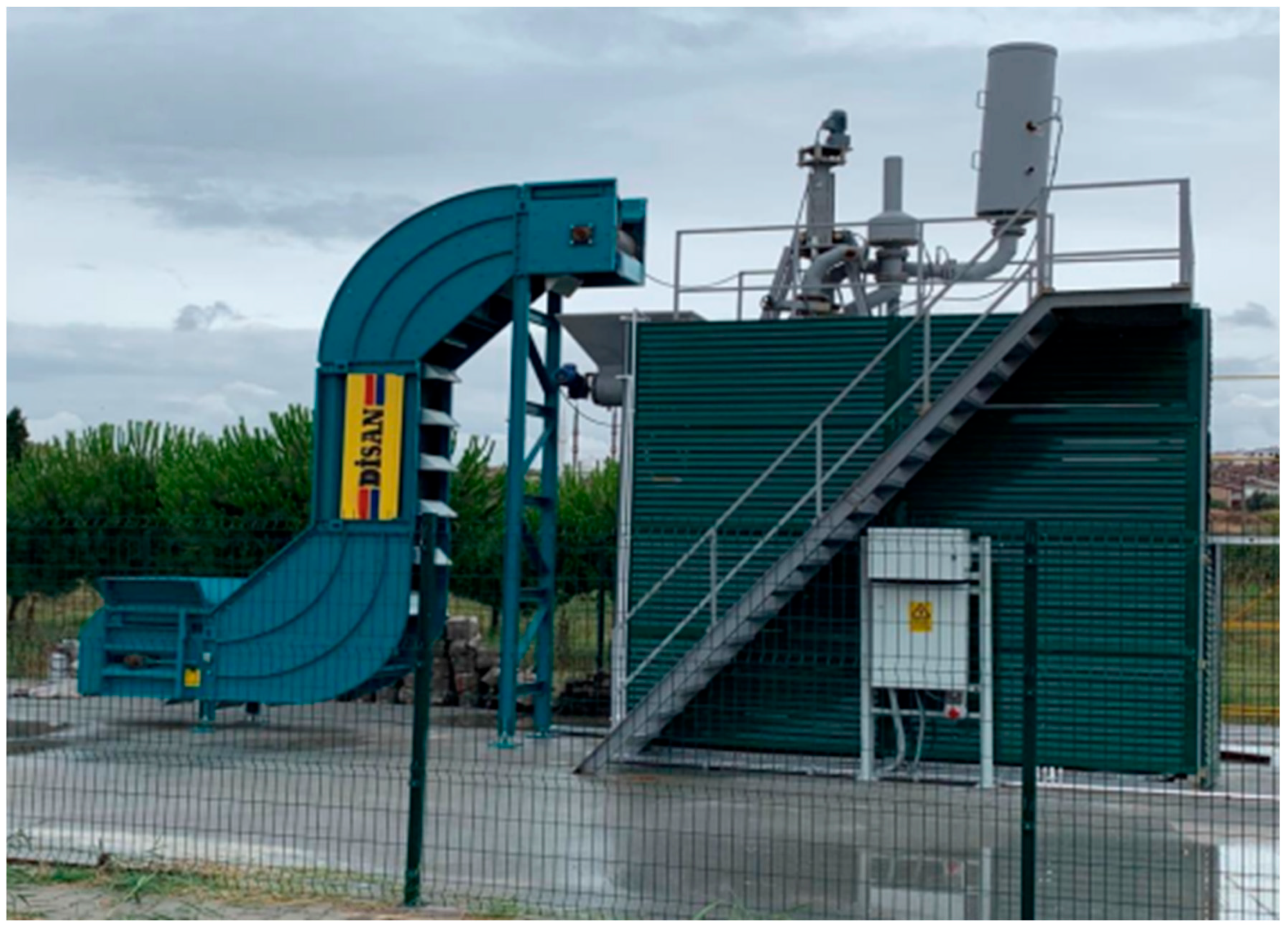
34]. Within a circular economy framework, gasification enables the valorization of plant residues by generating energy while producing biochar as a solid by-product. These results extend previous work on pyrolysis-derived biochar by demonstrating that gasification-derived TCR biochar can also be used as a component of soilless seedling substrates for nursery applications. Thus, greenhouse waste is valorized through gasification, providing an energy carrier while producing value-added biochar for horticultural use.
Depending on the feedstock, various types of biochar exhibit a saline–alkaline nature, which can limit their use in plant cultivation unless appropriate pre-treatments are applied. Practical strategies are therefore required to adjust EC and pH to levels suitable for seedling growth. Previous studies have proposed several approaches to reduce EC and pH in biochar or soilless substrates, including washing with water [
14] and acidification using organic or mineral acids such as citric, nitric, or phosphoric acid [
35,
36,
37]. In contrast, the alkaline nature of some biochar has been exploited as a liming agent in acidic soils or peat-based substrates [
38,
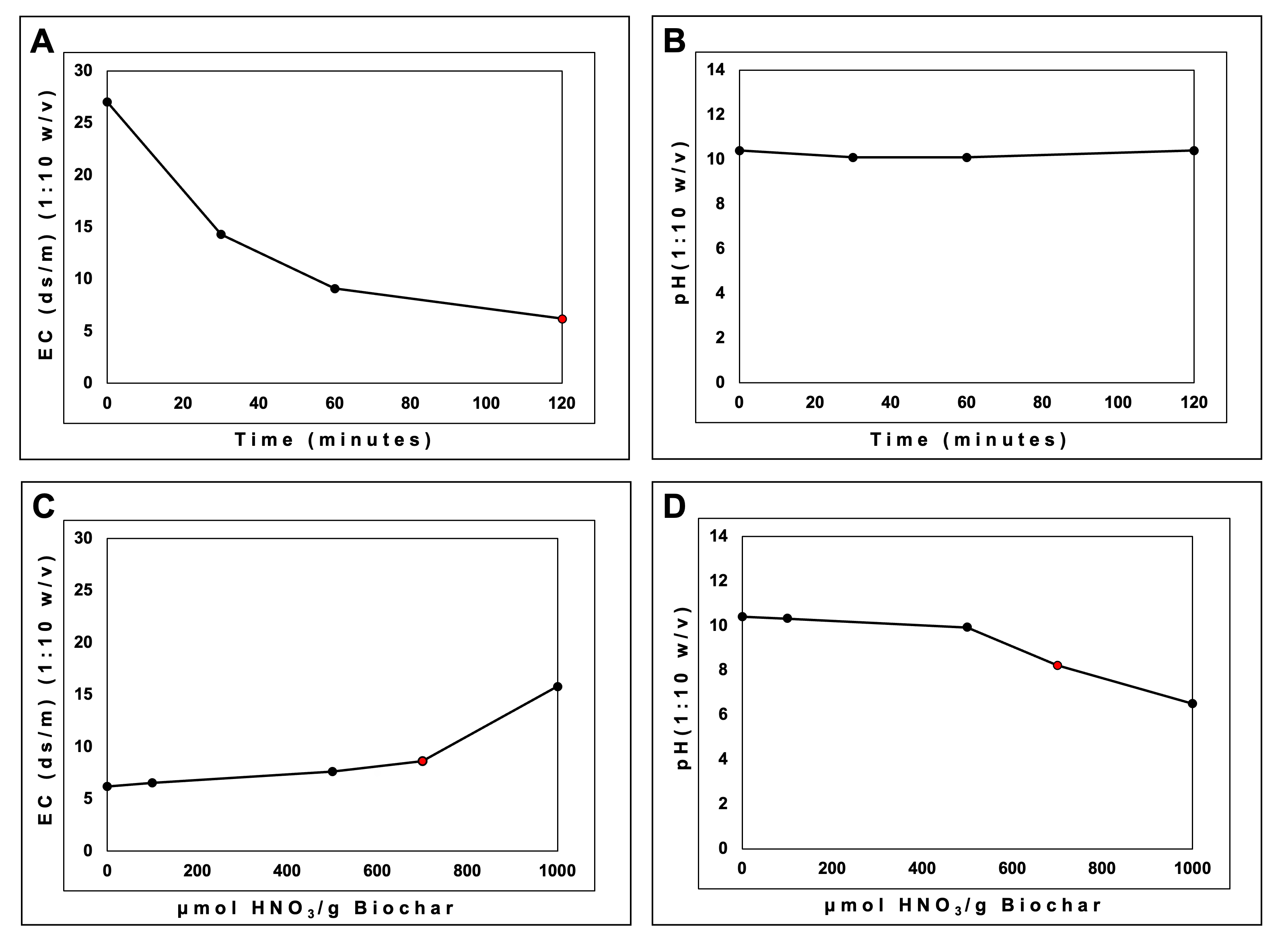
39]. However, such applications target acidic systems, whereas the present study focuses on peat-free soilless substrates, where the excessive salinity and alkalinity of gasification-derived biochar must be mitigated rather than utilized. In line with these findings, the present results show that pre-treatment effectively alleviates these limitations in soilless systems (
Figure 2).
Beyond its saline–alkaline properties, the presence of contaminants such as tars, PAHs, and PTEs represents another potential limitation of biochar. Pyrolysis-derived biochar may contain elevated levels of PAHs and tar-like compounds, which can restrict its suitability for soilless substrates [
17,
40]. Similarly, PTEs such as Cd, Pb, Ni, Cr, and As are increasingly recognized as environmental concerns due to their potential accumulation during thermochemical conversion [
41,
42]. Consequently, careful characterization of feedstock and process conditions is essential.
In the present study, the TCR biomass used as feedstock originated from a modern soilless greenhouse system with precision fertigation using high-purity inputs, which minimizes the risks of contamination. Accordingly, Cd and Pb were not detected in TCR, non-treated biochar, or pre-treated biochar (
Table 4), a result supported by extractable mineral (
Table 5) and plant analyses (
Table 9). Therefore, under the high-temperature gasification conditions applied here, PAHs, tar-like compounds, and PTEs are not expected to limit the horticultural use of the resulting biochar compared with conventional pyrolysis materials.
In addition to pH adjustment without leaching, nitric acid pre-treatment provided an important functional advantage by loading NO
3−-N into the biochar (
Table 5). Cocopeat generally contains low levels of extractable nutrients but high levels of Na, and its composition varies widely depending on its origin [
43]. In contrast, perlite is essentially inert and contains negligible nutrient levels [
44]. Extractable Fe concentrations were substantially higher in cocopeat than in perlite and pre-treated biochar, which is relevant for micronutrient management (
Table 5). In addition, biochar is often reported to contain appreciable amounts of K and P and to partially support plant growth without external fertilization [
14,
45], which is consistent with the composition of the pre-treated gasification biochar used in this study. However, high K levels may antagonize Mg uptake, particularly given the low Mg content of biochar (
Table 5) [
13,
46]. Therefore, when K-rich biochar is used in soilless substrates, the Mg supply should be carefully managed to avoid potential deficiencies.
The CEC of cocopeat widely varies depending on its geographical origin. Previous studies reported substantially higher CEC values for cocopeat from Sri Lanka (94.1 cmolc kg
−1) than from Mexico (39.5 cmolc kg
−1), reflecting differences not only in origin but also in processing and cultivation practices [
43]. In biochar, feedstock and process conditions strongly influence key properties such as BD, CEC, and WHC are strongly influenced by feedstock and process conditions, and reported CEC values range widely from about 5 to nearly 300 cmolc kg
−1 [
47,
48,
49]. BD is also an important parameter in soilless substrates: higher BD may improve container stability in outdoor systems, whereas lower BD is generally preferred in greenhouse production to maintain aeration under frequent fertigation [
20]. Differences between studies also highlight the influence of the production conditions. For instance, Dunlop et al. [
14] reported higher CEC and BD values for pyrolysis-derived TCR biochar compared with the pre-treated gasification biochar used here (
Table 3), likely due to lower processing temperatures (550 °C vs. 800–1000 °C) and differences in feedstock origin. Increasing the temperature of process generally promotes more condensed aromatic structures, thereby reducing CEC [
50]. Consistent with this, the non-treated gasification biochar in the present study showed relatively high EC (27 dS m
−1, 1:10
w/
v) (
Figure 2), compared with the lower values reported by Dunlop et al. [
14].
As expected for low-density substrate components, substrates containing biochar and perlite exhibited significantly lower BD than cocopeat (
Table 3). Although biochar is often reported to have higher BD than perlite, the BD of perlite and pre-treated gasification biochar were comparable in this study, indicating that biochar with physical properties like those of conventional inert components used in soilless cultivation can be produced under specific gasification conditions and feedstock characteristics.
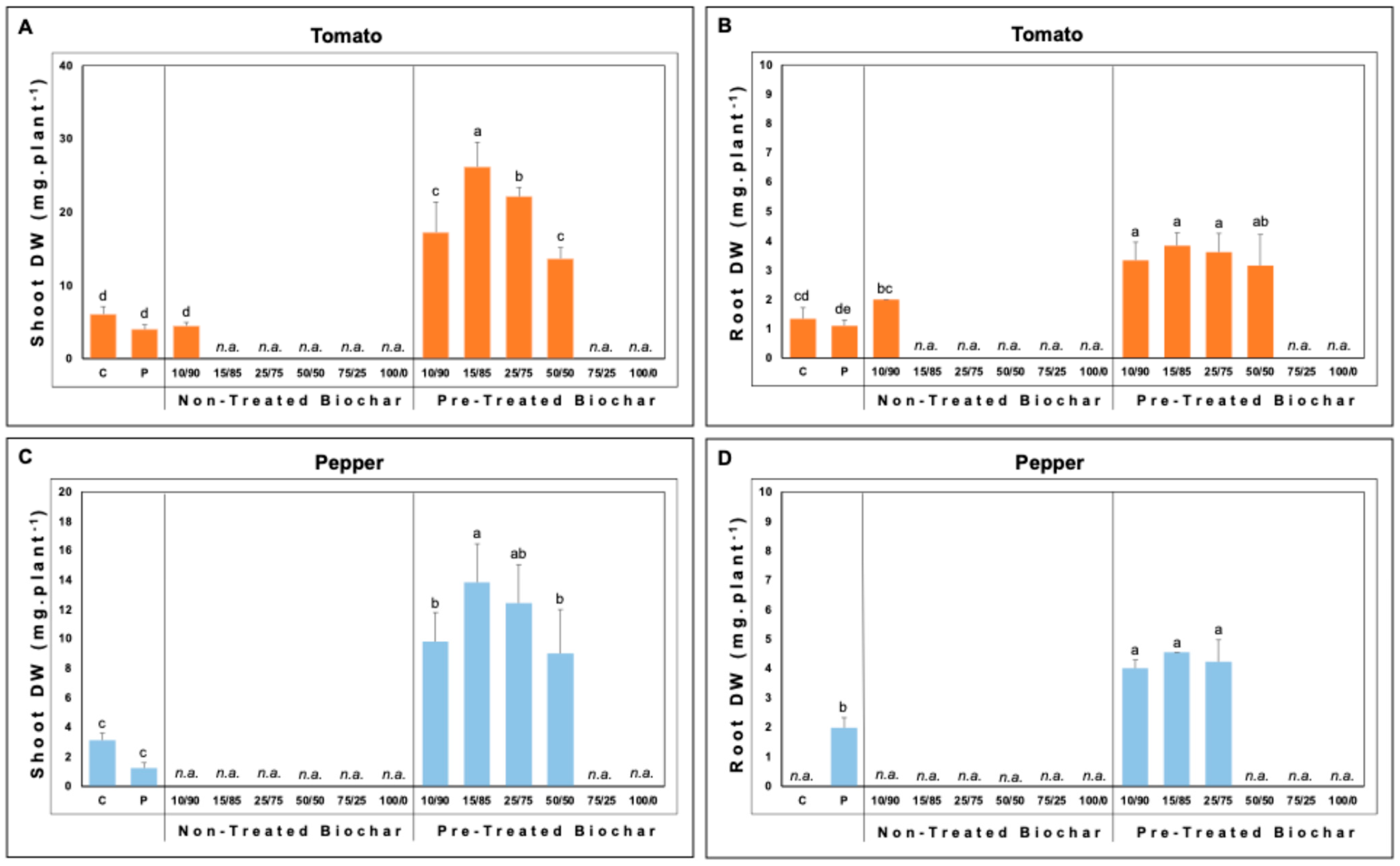
The seedling performance demonstrated that the use of non-treated biochar severely limits plant growth, whereas pre-treatment is essential for its successful application in soilless systems. Substrates containing non-treated biochar resulted in extremely poor growth and, in many cases, complete or near-complete plant loss, preventing reliable biomass and root measurements (
Figure 4;
Table 6). This growth inhibition can primarily be attributed to the saline–alkaline nature of non-treated biochar, as reported in previous studies [
51,
52]. In contrast, pre-treated biochar significantly improved plant performance, confirming earlier findings that appropriate conditioning is necessary to mitigate these limitations [
35,
36]. The 15/85% (
w/
w) pre-treated biochar/perlite substrate consistently provided the best overall growth response among the tested mixtures and was therefore selected for subsequent experiments (
Figure 4;
Table 6).
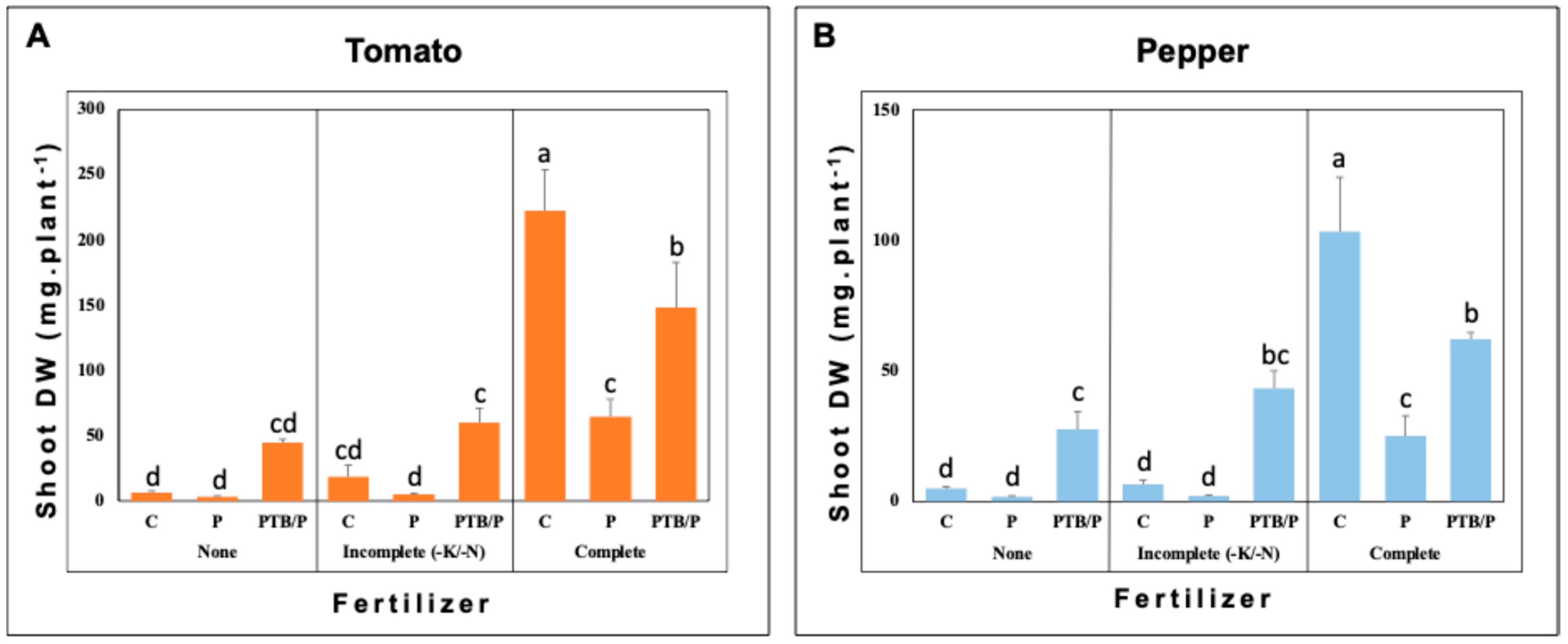
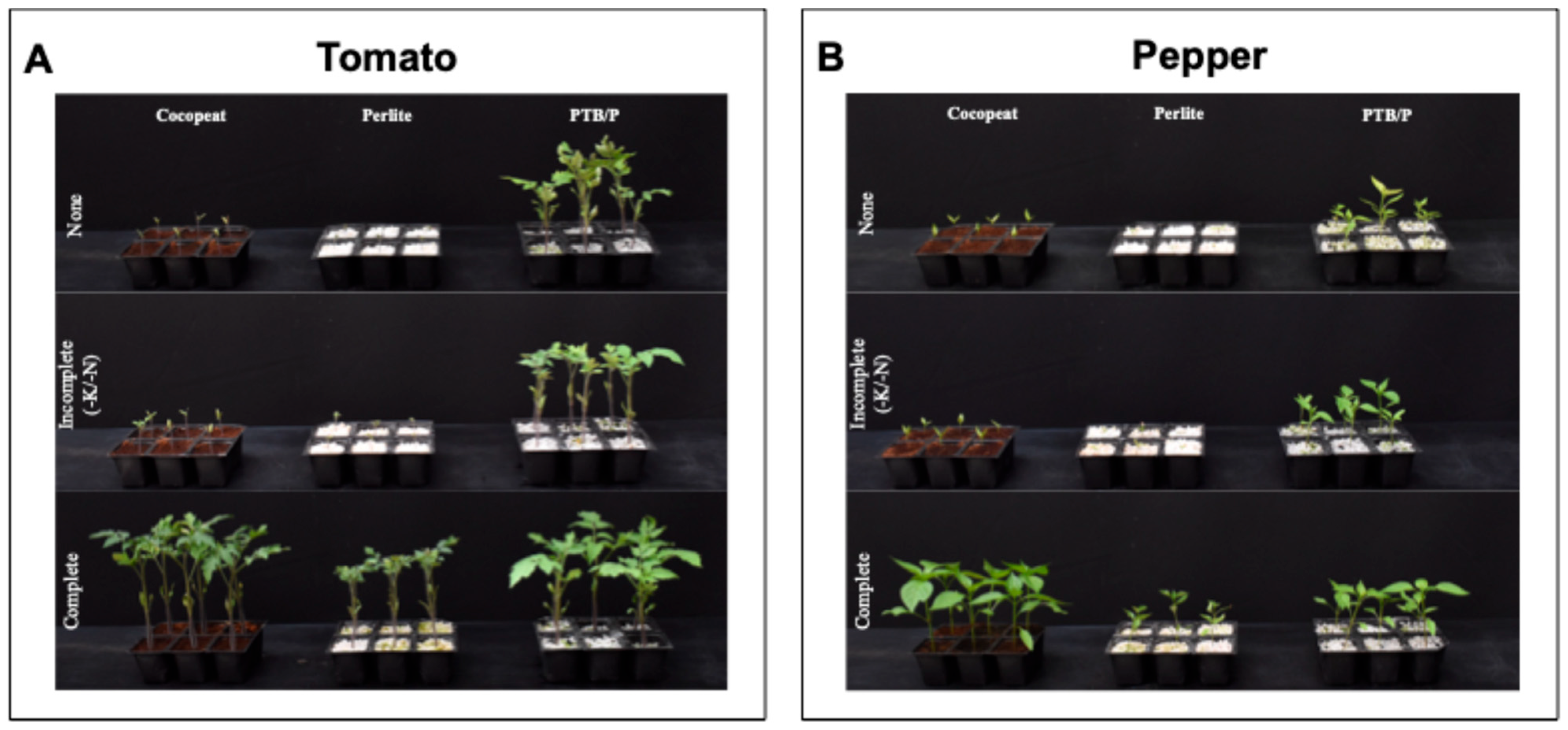
Plant growth across substrates was strongly limited by nutrient availability, particularly N and K. Both cocopeat and perlite have low levels of plant-available nutrients (
Table 5), and seedlings under no or incomplete fertilization showed minimal growth responses. Although the pre-treated biochar supplied measurable amounts of NO
3−-N (
Table 5), this was insufficient to sustain vigorous growth in the absence of external fertilization. Complete fertilization alone significantly increased shoot biomass, indicating that external nutrient supply—particularly N—remains a key driver of seedling development (
Figure 5). These results concluded that while pre-treated biochar contributes nutrients, its primary role is complementary rather than fully substitutive under nutrient-limited conditions.
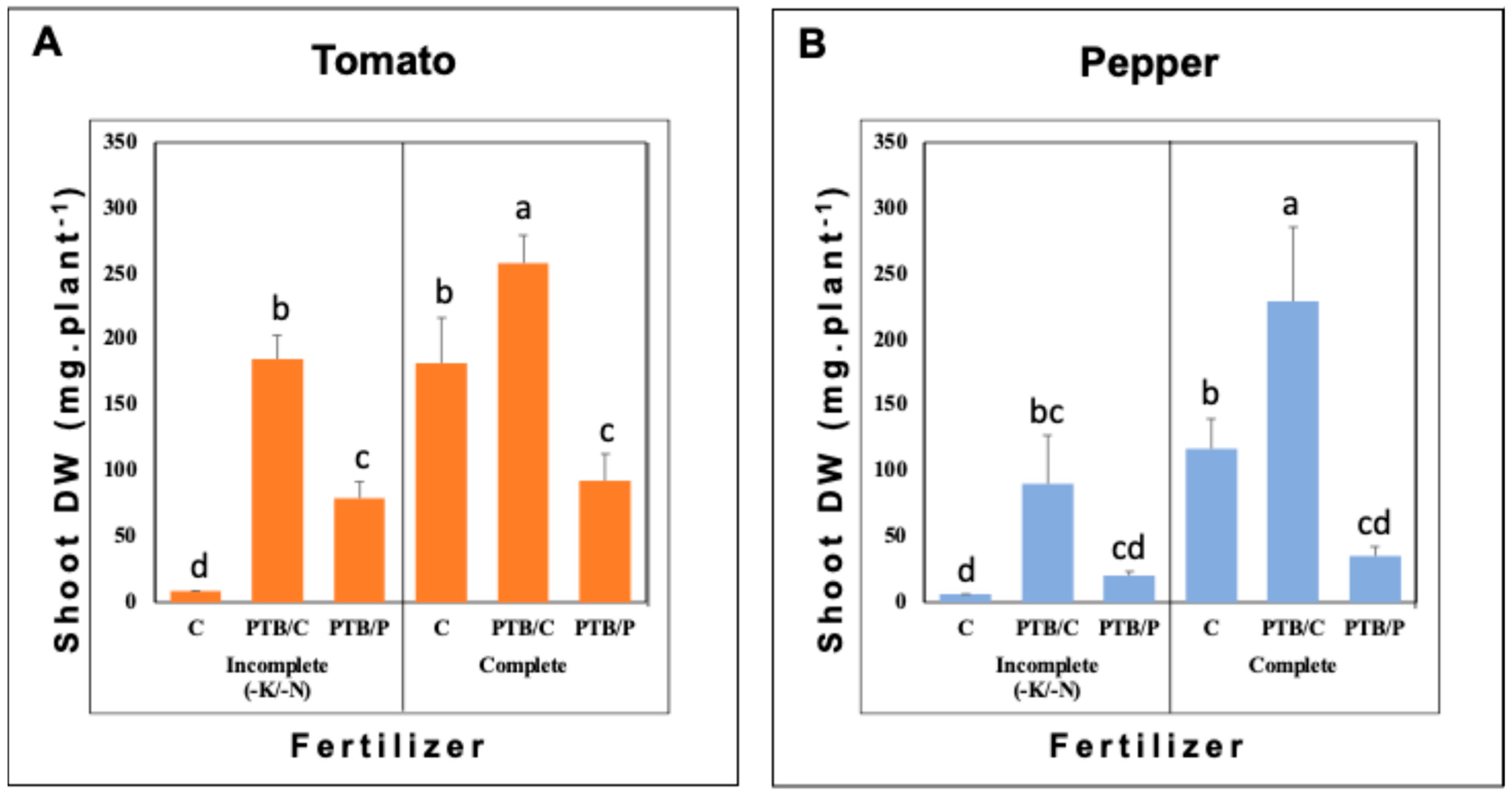
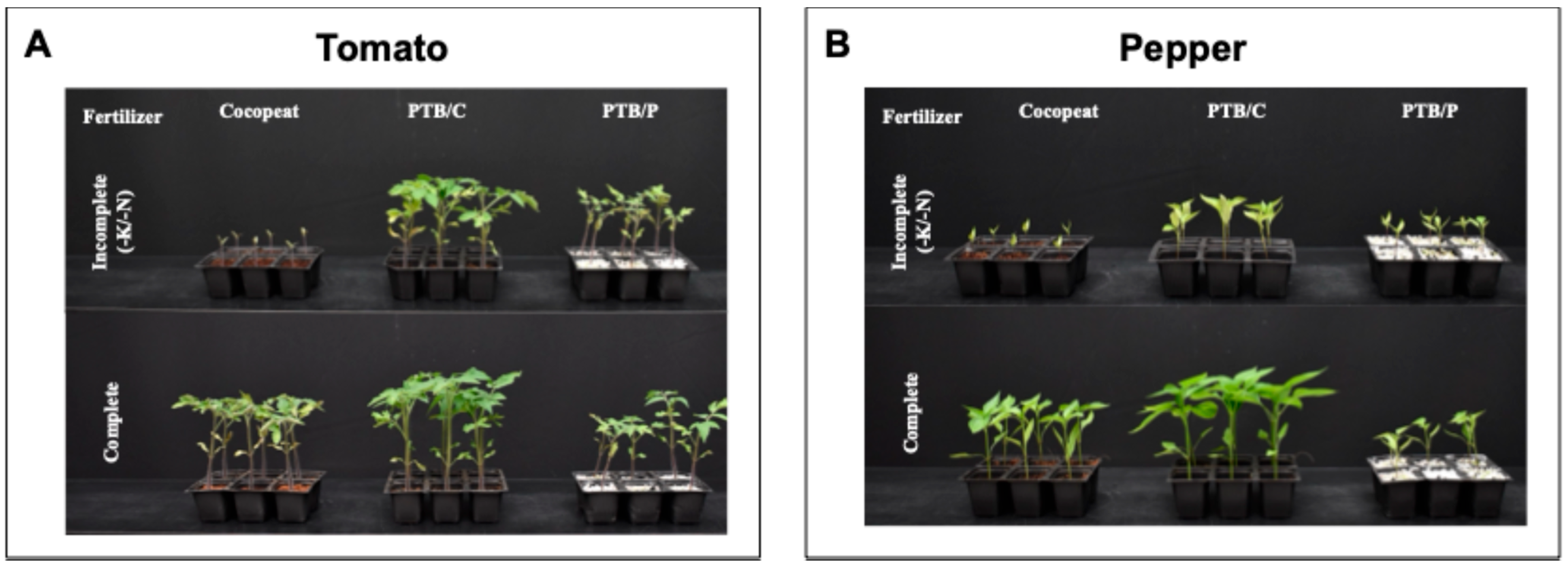
Differences among substrate combinations highlight the importance of physical and chemical interactions within the root zone. The addition of pre-treated biochar to perlite improved plant growth compared with that of perlite alone, but the strongest responses were observed when biochar was combined with cocopeat (
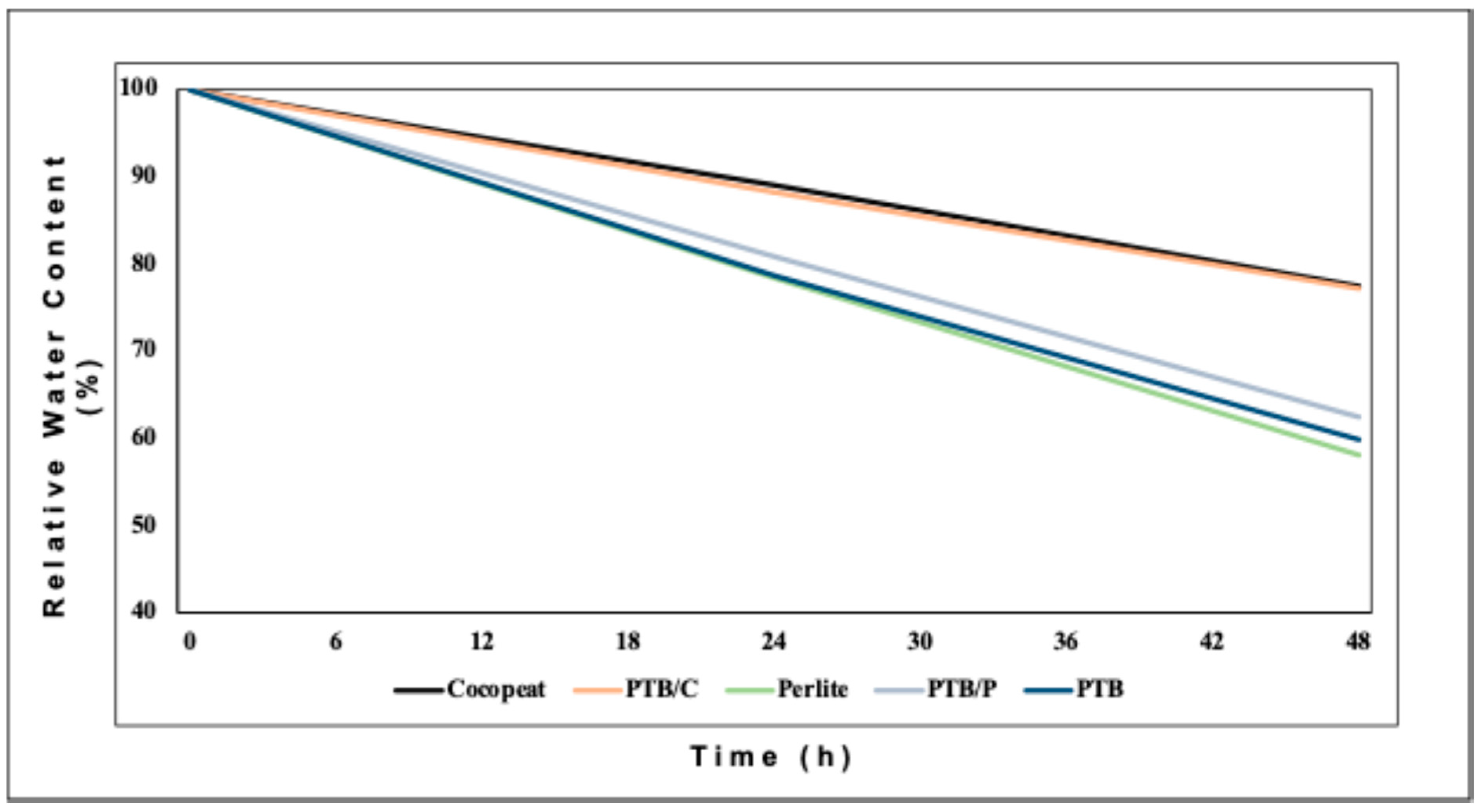
Figure 7). These contrasting responses can be explained by differences in CEC and water-related properties, which influence nutrient retention and mass flow to the root surface (
Figure 3 and
Table 3). Cocopeat-based substrates likely promote more stable nutrient availability with higher water-holding and buffering capacities, whereas perlite-based systems are more dependent on external nutrient supply. Similar effects of substrate composition on water–air balance and root-zone processes have been reported in soilless systems [
53].
Importantly, the combination of pre-treated biochar with cocopeat demonstrated a clear potential to reduce fertilizer requirements. The shoot biomass of the biochar/cocopeat mixture was comparable to that of cocopeat receiving external fertilization in the absence of additional N and K (
Figure 7), indicating that biochar can partially substitute fertilizer inputs. This effect is consistent with previous reports that biochar can enhance the efficiency of nutrient use and reduce fertigation requirements [
13,
54]. Therefore, pretreated biochar may function as a nutrient source, particularly for N and K, contributing to more sustainable substrate formulations.
Nutrient analysis further revealed that substrate composition strongly influenced plant nutrient uptake, with the most pronounced differences observed for N. Under complete fertilization, plants grown in the pre-treated biochar/cocopeat substrate exhibited substantially higher shoot N concentrations than those grown in cocopeat or biochar/perlite mixtures (
Table 7). This can be partly attributed to the NO
3−-N supplied by the pre-treated biochar (
Table 5). However, despite identical biochar proportions and N inputs, plants in the biochar/cocopeat substrate accumulated more N than those in biochar/perlite mixtures (
Table 7), indicating that factors beyond nutrient supply played a role. This difference is most likely related to the improved water retention and water-holding capacity in cocopeat-based substrates (
Figure 3 and
Table 3), which enhances the mass flow and diffusion of mobile nutrients such as NO
3− toward the root system [
55].
This interpretation is consistent with previous work showing that substrate composition can markedly alter root-zone physical and chemical conditions, thereby regulating nutrient availability and plant nutrient uptake. Studies in soilless culture have emphasized that the substrate should be evaluated not only as a structural support but also as a key determinant of water retention, ion-exchange properties, and nutrient supply to the plant [
56,
57]. Moreover, peat-, cocopeat-, and perlite-based substrates with different mixing ratios have been shown to differ strongly in physicochemical characteristics and leaf mineral composition, with perlite-rich media generally exhibiting lower inorganic nutrient contents and cocopeat-rich media supporting higher K accumulation in plant tissues [
58]. In this context, the greater N accumulation observed in the PTB/cocopeat mixture than in the PTB/perlite, despite identical biochar proportions and N inputs, supports the notion that nutrient-loaded biochar is more effective when combined with a substrate matrix that improves water retention and overall nutrient buffering.
K uptake exhibited a similar but substrate-dependent response. Although cocopeat provides less K than biochar (
Table 5), substrate CEC and nutrient-buffering capacity strongly influenced differences in shoot K concentrations under fertilized conditions (
Table 3). However, the consistently higher K concentrations observed in the pre-treated biochar/cocopeat mixtures compared with cocopeat alone indicate a direct contribution of biochar-derived K. This is consistent with the well-established role of biochar as a K source in soilless systems [
59,
60,
61]. At the same time, plant regulation of K uptake likely explains the absence of further increases under some conditions, as K uptake is down-regulated once sufficient internal levels are reached [
62,
63]. The observed differences between tomato and pepper suggest species-specific responses to substrate-mediated K availability.
In contrast to N and K, the uptake of Ca, Mg, and micronutrients was mainly controlled by pH-dependent availability and root-zone chemistry rather than by total nutrient inputs. Despite higher Ca levels in cocopeat (
Table 5), shoot Ca concentrations were lower in cocopeat than in biochar-containing substrates, and a similar trend was observed for Mg (
Table 7). These patterns indicate that chemical conditions in the root zone more strongly control nutrient availability than substrate composition alone [
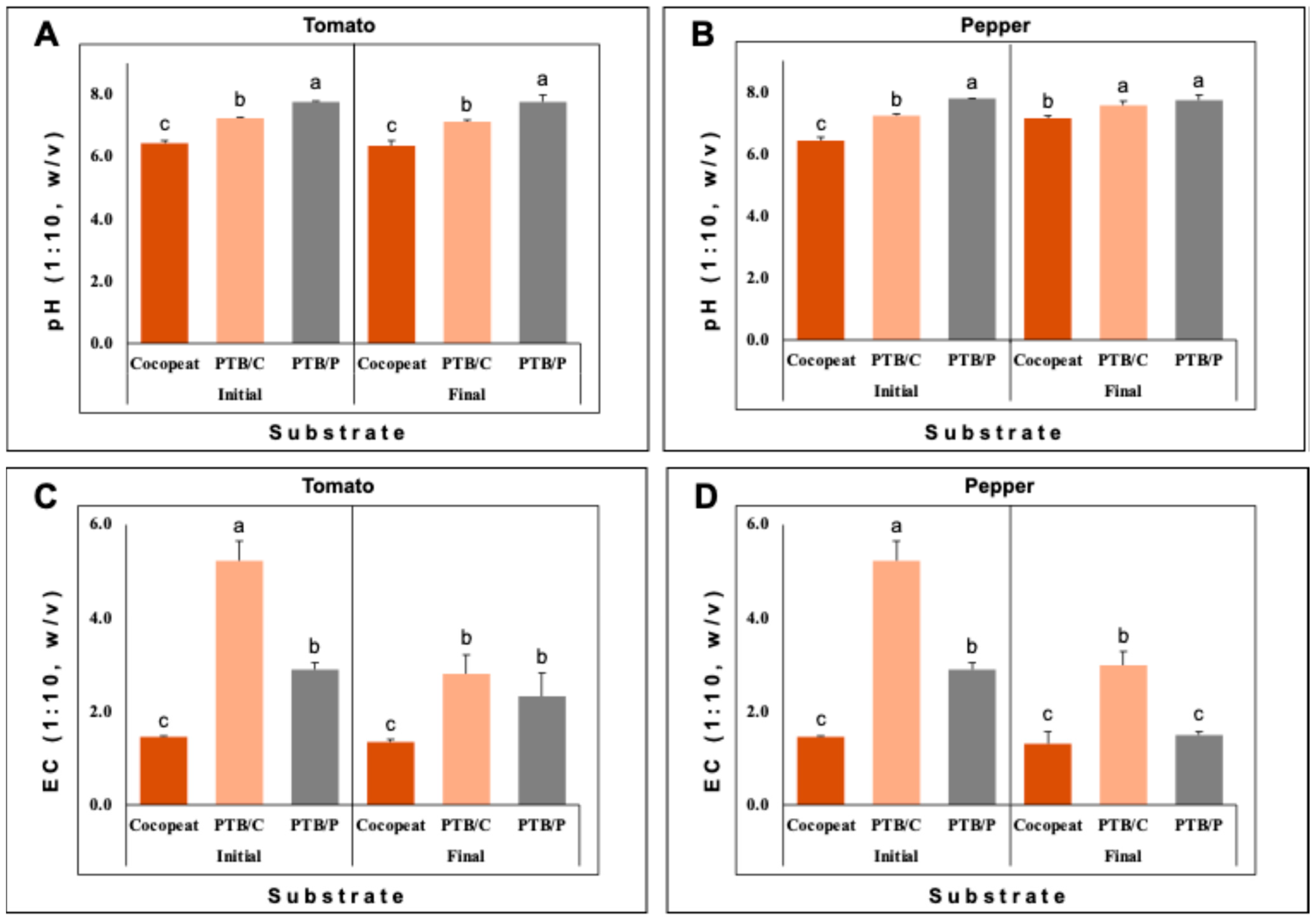
62]. Consistent with this, Fe uptake was generally higher in cocopeat-based substrates, which maintained lower pH values throughout the experiment (
Figure 9). Because decreasing pH increases the solubility and availability of Fe and Mn, these results highlight the role of pH in regulating micronutrient dynamics. The partial substitution of cocopeat with pre-treated biochar likely reduced the availability of certain micronutrients by increasing the pH and sorption on biochar surfaces [
64,
65].




 ,
,