


Abstract
Strawberry is an economically important horticultural crop cultivated worldwide. However, its growth, yield, and fruit quality are severely constrained by abiotic stresses, such as salinity, drought, and low temperature, as well as biotic stresses including pathogen attack and pest infestation. WRKY transcription factors (TFs) have been extensively characterized in model plants such as Arabidopsis and rice, and increasing evidence highlights their functional diversification and regulatory importance in horticultural crops, including tomato and grapevine. In this review, we summarize recent advances in understanding the roles of WRKY TFs in strawberry responses to both biotic and abiotic stresses, based on studies in both the diploid woodland strawberry (Fragaria vesca L.) and the octoploid cultivated strawberry (Fragaria × ananassa Duchesne). We discuss their involvement in hormone crosstalk, redox regulation, and transcriptional control within complex stress-response networks, while distinguishing expression-based associations from experimentally validated regulatory functions. To provide a clear framework for evaluating the current evidence, we categorize the findings according to a hierarchy of experimental validation, ranging from direct functional characterization in strawberry, to transient assays, heterologous systems (e.g., Arabidopsis or tobacco), transcriptomic inferences, and predictions based on sequence homology. Finally, we outline potential future directions for exploiting strawberry WRKY TFs as candidate regulators in molecular breeding, thereby providing a theoretical basis for future functional studies and breeding applications.
1. Introduction
1.1. Current Challenges in Strawberry Production and Disease Control
In the natural ecological environment, biotic and abiotic stresses are the main factors restricting agricultural production and affecting global food security [1]. Strawberry (Fragaria spp.), a perennial horticultural plant belonging to the family Rosaceae, is widely appreciated for its distinctive flavor and rich nutritional value [2]. It was first cultivated in Europe in the 18th century and is a hybrid of the Chilean strawberry (Fragaria chiloensis (L.) Mill.) and the Virginia strawberry (Fragaria virginiana, native to the eastern United States), collectively known as Fragaria × ananassa [3]. Strawberry fruits are rich in bioactive components and valued for their nutritional quality and reported health-related properties [4,5]. Due to their attractive appearance and desirable taste, strawberries are widely cultivated and constitute economically important crops [6].
However, strawberries are highly vulnerable to multiple stresses during both pre-harvest growth and post-harvest storage and transportation. This vulnerability is largely attributable to the fact that the edible part is primarily the receptacle, which lacks a protective fruit peel, as well as to relatively shallow root systems. These risks include biotic stresses, such as the frequent infection by Botrytis cinerea Pers. and Colletotrichum spp. and other pathogenic fungi that cause diseases, fruit rot, quality deterioration, and significant post-harvest losses. In addition, intensive pesticide application during disease control increases the risk of residue accumulation, thereby posing potential food safety concerns. Moreover, these characteristics make strawberries more sensitive to abiotic stresses such as drought and salinity during the growth stage, leading to significant reductions in yield and quality stability [7,8]. These complex stresses and their impact on fruit quality are ultimately governed by transcriptional regulatory networks. WRKY transcription factors function as central hubs within these networks, integrating defense signaling, hormone crosstalk, and redox homeostasis—processes intimately linked to both stress tolerance and fruit development in strawberry [9,10]. Elucidating WRKY-mediated regulation is therefore essential for improving strawberry resilience without compromising fruit quality.
1.2. Plant Defense Responses and Transcriptional Regulation
1.2.1. Core Components of Plant Defense Responses
During growth and development, plants are constantly exposed to various biotic stresses, including fungi, bacteria, viruses, and nematodes, as well as abiotic stresses, such as drought, salinity, extreme temperatures, and heavy metals. These stress factors collectively disrupt key physiological processes, including photosynthesis, osmotic regulation, nutrient uptake, hormone homeostasis, reactive oxygen species (ROS) balance, and membrane integrity [11,12]. However, the activation of plant defense responses is not cost-free. Excessive defense activation often results in growth inhibition, reduced fruit size, delayed flowering, changes in acid-base balance, and shortened post-harvest longevity, ultimately constraining normal growth and development. Therefore, plant immunity has evolved as a regulatory mechanism for balancing growth and defense, allowing plants to optimize fitness under fluctuating environments. This phenomenon is referred to as the growth-defense trade-off [13,14].
In strawberries, this trade-off has particularly pronounced consequences due to the economic importance of the fruit itself. Unlike model plants such as Arabidopsis, where defense-related growth inhibition primarily affects vegetative biomass, strawberry defense activation directly impacts the harvested organ—the receptacle-derived fruit. Enhanced disease resistance often correlates with reduced fruit size, altered sugar-acid balance, decreased firmness, and shortened post-harvest shelf life—all of which compromise commercial value [15,16]. Moreover, because strawberry fruits are actively growing and ripening tissues with ongoing metabolic and hormonal dynamics, the allocation of resources toward defense can interfere with ripening programs, affecting color development, flavor formation, and softening [17]. This intimate link between stress responses and fruit quality traits makes the growth-defense trade-off a central concern in strawberry production and a key target for genetic improvement.
The plant immune system is generally described as a two-tiered defense architecture consisting of pattern-triggered immunity (PTI), initiated by the recognition of pathogen-associated molecular patterns (PAMPs) through pattern recognition receptors (PRRs), and effector-triggered immunity (ETI), activated upon effector recognition by intracellular nucleotide-binding leucine-rich repeat receptors (NLRs) [18]. Although mechanistically distinct, PTI and ETI share overlapping downstream responses, including reactive oxygen species (ROS) bursts, hypersensitive cell death, stomatal closure, and the accumulation of defense-related phytohormones. Major defense signaling pathways include ROS signaling and phytohormone-mediated pathways involving salicylic acid (SA), jasmonic acid (JA), ethylene (ET), and abscisic acid (ABA) [19,20,21].
Importantly, these multilayered signaling cascades ultimately converge on large-scale transcriptional reprogramming, which determines the specificity, amplitude, and duration of stress adaptation. The integration of immune signaling with hormonal and redox pathways relies on tightly controlled transcriptional networks. Among the diverse transcription factor families involved, WRKY proteins function as central regulatory nodes linking upstream stress perception to downstream defense gene activation, thereby coordinating growth–defense balance at the transcriptional level.
1.2.2. Transcriptional Regulation in Plant Defense
Transcriptional regulation acts as a central hub for integrating diverse signaling inputs and initiating specific defense programs. Signals from multiple pathways converge on the activation and modulation of transcription factors (TFs). Accumulating evidence indicates that the “growth-defense trade-off” [22] is tightly controlled by post-translational modifications, such as phosphorylation and ubiquitination, mediated by kinases, E3 ubiquitin ligases, and other regulatory enzymes. These modifications directly influence the activity, stability, and subcellular localization of TFs, thereby reprogramming gene expression networks and contributing to the coordinated regulation of plant defense and growth [23,24,25].
Based on their molecular structural features, TFs can be classified into several major families, including WRKY, MYB (Myeloblastosis), NAC (NAM/ATAF/CUC), ERF, bZIP (Basic leucine zipper), and bHLH (Basic helix-loop-helix). Acting as molecular regulators, TFs bind to cis-acting elements of target gene promoters to control gene transcription. Among these families, WRKY TFs are widely recognized as a prominent transcription factor family in plants due to their broad distribution and functional diversity. WRKY proteins play a central role in sensing environmental cues and developmental signals, integrating multiple defense pathways, and coordinating downstream gene expression networks [26,27]. Therefore, a comprehensive understanding of how WRKY and other TFs integrate the growth-defense trade-off signals and precisely regulate associated gene networks is essential for elucidating the molecular mechanisms underlying plant stress resistance [28] (Figure 1).
Figure 1.
Conceptual framework of WRKY transcription factor-mediated regulation in strawberry. (WRKY transcription factors act as central hubs integrating upstream signals (biotic stress and abiotic stress) via hormone (SA, JA, ET, ABA) and ROS signaling. Downstream outputs include defense-related responses (PR proteins, cell wall strengthening, secondary metabolism, stomatal closure, HR) and fruit biology (fruit development & ripening, and fruit quality traits: softening, coloring, sugar-acid metabolism, shelf life). The growth-defense trade-off, particularly pronounced in strawberry, reflects opposing outcomes: enhanced disease/stress resistance versus reduced fruit quality and commercial value. Solid arrows indicate regulatory relationships supported by published evidence, ↑ means up, ↓ means down (discussed in Section 4, Section 5 and Section 6)).
1.3. The Purpose and Framework of This Review
The regulatory mechanisms of WRKY TFs have been extensively characterized in well-studied model plants such as Arabidopsis thaliana (L.) Heynh. and rice (Oryza sativa L.), providing a solid theoretical foundation for stress biology research. In contrast, horticultural crops exhibit remarkable diversity in growth and developmental patterns, reproductive strategies, secondary metabolism, and quality formation. During stress responses, WRKY genes in horticultural species often form distinct regulatory networks that are closely associated with species-specific agronomic traits, including fruit and postharvest quality traits. Therefore, building upon knowledge obtained from model plants, a systematic investigation of WRKY-mediated regulatory mechanisms in horticultural crops represents an important and emerging research area in plant stress resistance.
This review aims to systematically summarize the regulatory role of WRKY TFs in plant defense, with a particular focus on strawberries as a representative horticultural crop. We review the identification and classification of the WRKY gene family in strawberries and summarize recent progress in functional studies under biotic and abiotic stress conditions. In addition, we discuss how strawberry WRKY genes are involved in hormone signaling crosstalk, regulation of downstream defense-related metabolic networks, and specific biological processes such as fruit development and ripening. Finally, we highlight the potential application of WRKY genes in the molecular breeding of strawberry, with the goal of providing a theoretical framework for understanding stress resistance mechanisms in horticultural crops and the development of high-quality, stress-resistant varieties.
2. Overview of WRKY Transcription Factors
WRKY transcription factors (TFs) were first identified in sweet potato (Ipomoea batatas L.) in 1994 [29], and later formally characterized as a distinct TF family in 2000 [30]. Since then, WRKY genes have been identified in a wide range of species, revealing considerable variation in family size. For example, the Arabidopsis thaliana genome contains 74 WRKY genes, while soybean (Glycine max (L.) Merr.) harbors 197, maize (Zea mays L.) 120, rice (Oryza sativa L.) 103, cucumber (Cucumis sativus L.) 61, and grape (Vitis vinifera L.) 62 [31,32].
2.1. WRKY Domain and Taxonomic Classification
The WRKY transcription factor family is named after its highly conserved DNA-binding domain, the WRKY domain, which is approximately 60 amino acids in length and contains the core motif WRKYGQK. WRKY proteins typically harbor one or two WRKY domains, most of which are located in the N-terminal region. The conserved W, K, and Y residues enable specific recognition and binding to W-box cis-acting elements (TTGAC[T/C]) in the promoter of target genes, thereby activating or repressing downstream gene expression [30,33]. In addition, the C-terminal region of WRKY proteins contains a zinc finger motif, generally classified as either the C2H2 (C-X4-5-C-X22-23H-X1-H) or C2HC (C-X7-C-X23-H-X1-C) [34]. This zinc finger structure plays a critical role in stabilizing protein-DNA interactions and enhancing binding affinity, both of which are essential for the regulatory function of WRKY TFs [31,35].
Based on the number of WRKY domains and the type of zinc finger motif, the WRKY gene family is classically divided into three major groups (I, II, and III). Group I proteins contain two WRKY domains and a C2H2-type zinc finger. Group II proteins harbor a single WRKY domain with a C2H2 zinc finger and can be further subdivided into five subgroups (IIa–IIe) based on phylogenetic analysis. Group III proteins possess one WRKY domain and a distinctive C2HC-type zinc finger. In addition, a more detailed classification system has been proposed based on phylogenetic relationships, conserved domain features, and intron positions, categorizing WRKY genes into Groups I (Ia and Ib), IIa–IIb, IIc, IId–IIe, and Group III [36] (Figure 2). Two conserved intron splicing patterns, referred to as PR and VQR introns, are commonly observed within the WRKY domain. In Groups I and IIc, IId, IIe, and III, introns are predominantly inserted after the codons encoding the conserved PR motif, thereby separating the WRKY domain from the zinc finger region. In contrast, introns in Groups IIa and IIb are typically located before the conserved VQR motif [37].
Figure 2.
Schematic diagram of the classification and structure of WRKY transcription factors.
As key regulatory hubs that enable plants to adapt to environmental challenges [26,38], WRKY TFs play essential roles in plant growth and development, metabolic regulation, and responses to biotic and abiotic stresses, owing to their precise DNA-binding properties and transcriptional regulatory functions [39].
2.2. Research Progress on WRKY-Mediated Defense in Model Plants
Studies in model plants such as Arabidopsis and rice have revealed that WRKY transcription factors are established as important hubs within a complex regulatory matrix, integrating hormonal, developmental, and metabolic signals to orchestrate the “growth-defense trade-off” [22]. Several core modules appear to be conserved across angiosperms: in coordinating plant defense responses downstream of major phytohormone signaling pathways, including those involving SA, JA, and ET. In these systems, the “growth-defense trade-off” [22] is regulated through complex signaling networks, in which multiple signaling components modulate the transcriptional activity of WRKYs via post-translational modifications. The activated WRKY TFs subsequently bind to specific cis-regulatory DNA elements in the promoters of stress-response and growth-related genes, thereby fine-tuning gene expression in response to environmental challenges [26]. For example, AtWRKY40 in Arabidopsis thaliana is involved in ABA-related stress responses within the Gβ/ABA signaling context [40]. In rice, infection by Magnaporthe oryzae B.C. Couch induces strong expression of OsWRKY31, which activates resistance-related genes associated with JA and SA signaling. This response enhances disease resistance while simultaneously suppressing plant growth through inhibition of auxin signaling [41]. AtWRKY33 has been proposed as a key regulatory node linking JA and SA signaling pathway, it positively regulates JA-responsive genes during Botrytis cinerea infection while negatively regulating SA signaling, thereby contributing to a balanced defense output [42]. In addition, AtWRKY54 and AtWRKY70 have been identified as negative regulators of SA accumulation [43]. Together with AtWRKY46, they participate in diverse biological processes, including brassinosteroid (BR) signaling, leaf senescence, and drought tolerance, highlighting the involvement of WRKY TFs in hormone crosstalk and stress adaptation pathways [44]. Similarly, in rice, OsWRKY45 positively regulates resistance to rice blast disease through coordinated activation of SA- and JA-dependent defense pathways [45]. Beyond hormone signaling, WRKY TFs also connect defense responses with secondary metabolism networks. OsWRKY62 and OsWRKY76 have been shown to influence metabolic reprogramming by modulating SA- and JA- mediated signaling pathways. In double knockout mutants (dsOW62/76), the accumulation of secondary metabolites such as terpenoids and serotonin is increased, whereas flavonoid biosynthesis is reduced [46,47]. These paradigms provide a powerful framework for investigating WRKY function in any plant species. However, direct extrapolation to the genus Fragaria (strawberry) warrants considerable caution. Firstly, much of our current understanding is derived from annual model plants with relatively simple genomes, whereas the cultivated strawberry (Fragaria × ananassa) is an octoploid perennial with a complex genetic architecture. Polyploidy can lead to the subfunctionalization or neofunctionalization of duplicated gene copies, suggesting that orthologs of AtWRKY40 or OsWRKY31 may have acquired novel or partitioned roles in strawberry. Second, the specific selective pressures inherent to a horticultural context—particularly the demand for simultaneously optimizing high yield, fruit quality, and disease resistance—have likely uniquely shaped the WRKY regulatory network. The balance of the growth-defense trade-off is probably calibrated differently in a perennial fruit crop than in an annual model like Arabidopsis or a grain crop like rice. Finally, while the involvement of WRKYs in processes such as secondary metabolism (e.g., the biosynthesis of terpenoids and flavonoids) is conserved, the specific metabolic outputs are often lineage-specific. Therefore, although the overarching logic of the regulatory network is transferable, the precise identity of the relevant WRKY family members, their target genes, and their ultimate phenotypic impact must be empirically determined within the Fragaria context.
2.3. Research Progress on WRKY-Mediated Defense in Horticultural Plants
Building upon mechanistic insights gained from model plants, research into the important roles of WRKY transcription factors in stress resistance has expanded rapidly in horticultural crops in recent years (Table 1). A comparative analysis across these species reveals that WRKYs function through several conserved regulatory modules. These findings can be broadly categorized into three interconnected modules: direct defense against fungal pathogens, mediation of abiotic stress through phytohormone signaling, and the regulation of protective secondary metabolite biosynthesis.
The first major functional module involves direct defense against fungal pathogens, where WRKY TFs often integrate salicylic acid (SA) and jasmonic acid (JA) signaling pathways. In the context of disease and pest resistance, studies in wild grape (Vitis quinquangularis Rehder) have shown that proanthocyanidins (PAs) play an important role in defense against fungal pathogens, with VqWRKY56 contributing to SA accumulation and PA biosynthesis, thereby enhancing resistance to powdery mildew caused by Erysiphe necator Schwein [48]. This mechanism contrasts with the strategy observed in cultivated grapevine against downy mildew, VvWRKY1 has been reported to enhance resistance to downy mildew through activation of JA-related signaling pathways [49]. These examples from different grape species highlight how WRKY TFs can deploy distinct hormonal strategies—SA-dependent versus JA-dependent—to achieve resistance against different fungal pathogens, even within the same plant family.
Another module centers on ABA-mediated abiotic stress signaling, which frequently intersects with biotic stress pathways. Regarding abscisic acid (ABA) and abiotic stress adaptation, exogenous ABA treatment has been shown to induce the expression of CsWRKY2 in tea (Camellia sinensis (L.) O. Kuntze) plant, linking this TF to cold and drought stresses responses [50]. However, the downstream effects can be species-specific. For example, in tomato, SlWRKY8 can interact with SlGSTU43, which can enhance ability to clear ROS. participating in the regulation of lignin biosynthesis to enhance tomato salt stress tolerance [51].
The third module highlights the role of WRKY TFs in orchestrating secondary metabolism, particularly the biosynthesis of flavonoids and related compounds that serve dual roles in stress adaptation. Furthermore, the regulation of flavonoid metabolism emerges as a key downstream function; VqWRKY56 directly influences PA accumulation [48], a mechanism also observed in other species where WRKYs activate secondary metabolite biosynthesis to reinforce cellular barriers against pathogens. Similarly, in tomato, stress adaptation is closely tied to metabolic modulation. SlWRKY50 promotes cold tolerance by controlling JA biosynthesis which not only govern defense but also influence the accumulation of secondary metabolites [52]. Collectively, these studies demonstrate that WRKY TFs are broadly involved in regulating stress responses across diverse horticultural species, While the core logic of these modules is conserved, functioning in both biotic and abiotic stress adaptation through species-specific regulatory mechanisms.
Table 1.
Examples of the Functions of WRKY Genes in Representative Horticultural Crops.
A key advantage of the strawberry system lies in the comparison between diploid Fragaria vesca and octoploid Fragaria × ananassa. This system provides an opportunity to examine how WRKY regulatory networks are reshaped by polyploidy and linked to fruit development and stress responses. While Arabidopsis has provided foundational insights into WRKY function, direct extrapolation to strawberry requires caution due to polyploid-related complexity and species-specific traits.
Comparative functional genomics reveals a mixed landscape of conservation and divergence. Several strawberry WRKY orthologs, such as FaWRKY1, have demonstrated functional conservation in core defense signaling when heterologously expressed in Arabidopsis mutants, suggesting that certain downstream regulatory modules are deeply conserved. However, the octoploid strawberry genome, with its four subgenomes, exhibits a more complex WRKY gene family, with evidence of both subfunctionalization and neo-functionalization following polyploidization. For instance, homoeologs of a single Arabidopsis WRKY gene may have evolved to partition roles between biotic stress resistance and the regulation of fruit softening or anthocyanin accumulation in strawberry. This divergence implies that while Arabidopsis remains an invaluable tool for dissecting fundamental molecular mechanisms, direct functional extrapolation to strawberry must be undertaken with caution. The polyploid context introduces an additional layer of regulatory complexity where gene dosage, promoter divergence, and homoeolog expression partitioning can lead to phenotypic outcomes not predictable from diploid models.
A more nuanced perspective emerges when comparing the two strawberry systems directly. In the diploid F. vesca, which retains a simpler genome architecture, functional studies have identified WRKY genes involved in fundamental processes such as basal defense against fungal pathogens and responses to oxidative stress. These investigations in the diploid progenitor provide a baseline understanding of ancestral WRKY functions. By contrast, studies in the octoploid F. × ananassa have revealed a more elaborate regulatory landscape shaped by polyploidy. Genome-wide analyses indicate that many WRKY homoeologs are retained across subgenomes, but their expression patterns often exhibit subgenome dominance or tissue-specific partitioning. For example, homoeologous copies of a single ancestral WRKY gene may display divergent expression during fruit ripening, with one copy maintaining pathogen-responsive expression while the other acquires a novel role in regulating anthocyanin biosynthesis. This expression bias, coupled with evidence of promoter sequence divergence among homoeologs, points to subfunctionalization as a major force shaping the WRKY gene family in cultivated strawberry. Such partitioning allows the octoploid genome to uncouple stress responses from developmental programs, potentially enabling simultaneous optimization of fruit quality and stress resilience—a regulatory flexibility not possible in the diploid progenitor.
Therefore, the “safety” of transferring functional knowledge between these species is context-dependent. Core defense pathways show high translatability, but integrating this knowledge into strawberry improvement programs requires empirical validation within the polyploid genome to account for subgenome dominance and functional redundancy. By systematically comparing what has been functionally validated in F. vesca with findings from F. × ananassa, this review highlights not only the conserved core of WRKY-mediated regulation but also species-specific complexities.
3. Systematic Identification and Characterization of the WRKY Family in Strawberries
WRKY family are regulatory proteins that play important roles in plant defense as well as in growth and development. Originating in primitive eukaryotes, the WRKY family has undergone extensive expansion in the plant kingdom through whole-genome, segmental, and tandem duplication events, and is now recognized as one of the largest transcription factor families in higher plants [56,57]. The genus Fragaria comprises approximately 24 species, with ploidy levels ranging from diploid to decaploid [58]. Among them, the diploid woodland strawberry possesses a relatively small genome and was sequenced in 2011, making it an excellent model for functional genomics research in the Rosaceae family. In contrast, the cultivated strawberry (Fragaria × ananassa), an allo-octoploid species, has also been sequenced and progressively annotated, providing a solid foundation for systematic analysis of gene family evolution and function [59]. Co-linearity analysis indicates that strawberry WRKY genes exhibit a high degree of conservation with their homologs in Arabidopsis and grape, suggesting functional conservation of this family during evolution [60,61]. Compared with model plants such as Arabidopsis and rice, the WRKY family in strawberry has undergone pronounced expansion during the octoploidization process. This expansion is mainly attributed to whole-genome duplication followed by segmental duplication events, particularly in specific subgroups such as Group IIc, in which the number of members has increased substantially. Such expansion may be associated with the adaptation of the strawberry to complex growth environments and diverse biotic and abiotic stress conditions [62,63,64].
3.1. Systematic Identification and Classification
Based on published genome data of the cultivated strawberry, 257 FaWRKY genes were identified. According to the number of WRKY domains and the characteristics of their zinc finger motifs, these genes were classified into three major phylogenetic groups: Group I (containing two WRKY domains), Group II (further subdivided into IIa, IIb, IIc, IId, IIe), and Group III. The nomenclature of strawberry WRKY genes was established by integrating multiple criteria, including their orthologous relationships with F. vesca WRKY genes, subgenome source (A, B, C, D), and the presence of duplication-derived gene copies. This naming strategy enables consistent identification and comprehensive analysis of WRKY family members across diploid and octoploid strawberry genomes [10].
Based on the comprehensive genomic data from Garrido-Gala [10], we have constructed Table 2, which provides a systematic correspondence between historical gene names, current standardized names, their Fragaria vesca orthologs, octoploid homoeologs, and subgenome assignments. This comprehensive equivalence table enables straightforward cross-referencing between historical literature and the standardized nomenclature adopted in this study, facilitating accurate interpretation of functional data across different strawberry WRKY genes and their homoeologous copies.
Table 2.
Equivalence table for strawberry WRKY gene nomenclature. Current names follow the format FaWRKY [number] [subgenome] [duplicate number]. Subgenome designations: A = F. nipponica, B = F. iinumae, C = F. viridis, D = F. vesca. Duplicate numbers (.1, .2, .3) indicate paralogous copies arising from recent gene duplication events. Historical names are provided where genes have been previously characterized in the literature; genes without prior functional characterization are noted as “Not previously named”. Complete sequence information for all genes is available in Tables S2 and S3 of Garrido-Gala [10].
3.2. Gene Structure and Conserved Motifs
Bioinformatics analysis indicates that most FaWRKY genes encode nuclear- localized proteins containing predicted nuclear localization signals, consistent with their proposed roles as transcription factors. Compared with their diploid counterparts (FvWRKY homologs), the majority of FaWRKY proteins exhibit high sequence conservation, particularly within the WRKY DNA-binding domain. Nevertheless, domain diversification has also occurred during evolution. For example, FaWRKY26B.2 was found to harbor an additional Myb-like DNA-binding domain, suggesting potential functional diversification or regulatory specialization, thus necessitating experimental validation [63,64]. Gene structure analysis further revealed that WRKY members within the same phylogenetic group generally share conserved exon-intron architectures, whereas notable differences exist among different groups. In particular, Group III WRKY genes tend to possess fewer introns and simpler gene structures, a feature that may reflect their rapid evolutionary diversification and stress-responsive functions [65,66,67].
The octoploid nature of cultivated strawberry (Fragaria × ananassa) has profound implications for WRKY gene family evolution and function. Polyploidization events have generated a large repertoire of homoeologous and paralogous FaWRKY genes, with differential retention patterns observed across subgenomes following whole-genome duplication. This expanded genetic toolkit provides raw material for functional diversification, wherein homoeolog pairs may undergo subfunctionalization through partitioning of ancestral functions, or neofunctionalization, enabling the acquisition of novel regulatory roles. Subgenome dominance, with the Fragaria vesca-derived subgenome showing preferential gene retention and expression, likely contributes to expression biases among FaWRKY homoeologs across tissues and stress conditions. Such subgenome partitioning may facilitate regulatory specialization and enhance phenotypic plasticity in this economically important crop. Future studies integrating homoeolog-specific expression profiling with functional characterization will be essential to dissect how polyploidy has shaped WRKY-mediated regulatory networks in strawberry.
3.3. Tissue Specificity and Induction Expression Patterns
Analysis of the expression profile of woodland strawberry revealed that FvWRKY10, FvWRKY2, FvWRKY7, and FvWRKY33 are constitutively expressed across most tissues, with the exception of pollen. This broad expression pattern suggests that these WRKY genes may be involved in fundamental physiological processes—a hypothesis requiring functional testing. In contrast, many other FvWRKY members exhibit pronounced tissue-specific expression or are differentially induced during fruit ripening and pathogen infection, indicating potential roles in developmentally regulated and stress-responsive pathways. Phylogenetic analyses have identified multiple FvWRKY genes as putative orthologs of defense-related WRKY TFs in Arabidopsis, including FvWRKY3/8 corresponding to AtWRKY50/51, and FvWRKY24/30/53 corresponding to AtWRKY45/75. Promoter analysis further revealed that these genes are enriched in cis-acting elements responsive to JA and SA. Notably, these regulatory elements are highly conserved among their octoploid strawberry homologs. This conservation supports the hypothesis that WRKY-mediated hormone-responsive transcriptional regulation may be evolutionarily conserved within strawberry defense signaling networks. However, direct experimental evidence linking these cis-elements to hormone-dependent transcriptional regulation in strawberry remains to be established. In cultivated strawberry, evidence for WRKY involvement in defense responses can be categorized into three distinct tiers based on available data. Currently, no FaWRKY genes have been functionally validated through transgenic approaches in octoploid strawberry. This represents a critical gap in the field. However, based on phylogenetic conservation, expression patterns, and promoter analyses, several FaWRKY genes emerge as strong candidates for defense-related functions. Transcriptome data analysis revealed that several defense-related WRKY homologs—such as the AtWRKY54/70 homologs FaWRKY38B, FaWRKY39A, and FaWRKY60B, as well as AtWRKY75 homologs FaWRKY24A and FaWRKY24D were significantly upregulated upon anthracnose infection. In contrast, the expression of the AtWRKY53 homologs FaWRKY29A-D.2 was markedly downregulated. These expression patterns are broadly consistent with previously reported roles of their homologous WRKY genes in SA and JA-associated defense networks, while the direction of regulation (downregulation) and absence of mechanistic data preclude robust functional inferences. Similarly, although the expression patterns of anthracnose-responsive FaWRKY genes are broadly consistent with reported roles of their homologs in SA- and JA-associated defense networks, current evidence is primarily correlational. Direct demonstration of hormone pathway engagement—through hormone measurements, pathway-specific marker gene expression, or genetic interaction studies—is required to confirm their proposed roles in SA/JA/ABA signaling networks.
This tiered framework highlights substantial opportunities for future functional characterization, particularly for strong candidate genes identified through integrated phylogenetic, promoter, and expression analyses [43,68].
4. Function of Strawberry WRKY Protein in Biological Stress
As strawberry cultivation has shifted from traditional seasonal open-field systems to year-round and controlled-environment production systems, the cultivated area has continued to expand. Concomitantly, problems associated with pest and disease pressures have intensified, rendering strawberry plants more vulnerable to biotic stresses, including pathogen infection, herbivore feeding, and competition with weeds [69]. Under these conditions, WRKY TFs are key regulatory nodes downstream of plant defense signaling pathways. They respond to multiple hormonal and stress-related signals and modulate the transcription of defense-related genes, thereby contributing to the orchestration of immune responses [70]. Based on the preceding overview of the strawberry WRKY gene family, this section focuses on summarizing current knowledge regarding their regulatory role in response to major biotic stress factors.
4.1. Defense Function Against Pathogens
Pathogen infection is a major biotic stress limiting strawberry production. The primary pathogens affecting strawberries include fungi, bacteria, and viruses, among which fungal pathogens are considered the most destructive. They can infect multiple organs, including roots, leaves, flowers, and fruits, often leading to growth inhibition, fruit decay, and, in severe cases, overall plant decline [35,71]. To maintain yield and fruit quality, fungicides are currently widely applied in strawberry production. However, excessive and repeated use of fungicides can promote the emergence of resistant pathogens and result in pesticide residues, thereby raising concerns regarding food safety and environmental sustainability. Consequently, the development of alternative and sustainable disease management strategies has become increasingly important. In recent years, considerable efforts have focused on molecular breeding and disease-control strategies targeting key regulatory factors, including WRKY TFs, which aim to improve disease resistance in strawberries [72].
An important conceptual framework for understanding WRKY-mediated defense lies in the distinct hormonal signatures associated with different pathogen lifestyles. Necrotrophs, hemibiotrophs, and biotrophs differentially engage SA and JA/ET signaling pathways [73]. WRKY transcription factors occupy a central position in this regulatory network, integrating and fine-tuning these hormone signals to establish appropriate defense outputs [74,75]. Their ability to modulate the balance between SA and JA/ET pathways makes them key determinants of defense prioritization against pathogens with different infection strategies [75,76]. In the following sections, we summarize current knowledge on how strawberry WRKY TFs contribute to resistance against representative fungal pathogens with contrasting lifestyles (Table 3), highlighting their roles in shaping hormone-mediated defense responses.
Table 3.
Representative fungal diseases of strawberry are discussed in this review.
4.1.1. Defense Mechanism of the Strawberry WRKY Family Against Botrytis cinerea
Gray mold disease caused by Botrytis cinerea is one of the most destructive fungal diseases affecting strawberry production worldwide. As a typical necrotrophic pathogen, B. cinerea kills host cells and feeds on dead tissues, often activating JA/ET-mediated defense responses in plants [77,78]. This pathogen frequently causes severe fruit rot during post-harvest storage and transportation, leading to substantial economic losses. Under high humidity conditions, Botrytis cinerea can damage more than 80% of strawberry flower buds and fruits if fungicides are not applied [77].
In recent years, significant progress has been made in studies of the WRKY gene family in strawberry defense. Multiple WRKY genes, including FaWRKY11, FaWRKY25, FaWRKY29, FaWRKY33-2, FaWRKY64, and FvWRKY50, have been associated with defense response against Botrytis cinerea (Figure 3A).
Figure 3.
Model of Strawberry WRKY-Mediated Biotic Stress Response. (A) Gray mold (Botrytis cinerea) infection activates WRKY-mediated defense regulation in strawberry. Positive and negative WRKY transcription factors differentially modulate hormone-associated defenses, redox homeostasis, and secondary metabolism, resulting in context-dependent resistance outcomes. (B) During anthracnose (Colletotrichum spp.) infection, WRKY transcription factors function at multiple regulatory levels, including functionally characterized regulators, ABA-associated WRKYs, and transcriptome-responsive members, collectively shaping defense- and development-related responses. (C) Powdery mildew (Podosphaera aphanis) induces WRKY-mediated defense regulation involving functionally characterized, homolog-based, and transcriptome-responsive WRKYs. These WRKY factors contribute to salicylic acid–associated defenses, redox balance, and broad-spectrum resistance. (D) Mite infestation (Tetranychus cinnabarinus (Boisduval, 1867) and continuous cropping stress trigger distinct hormonal and redox signals that converge on WRKY transcription factors, particularly Group III members, to regulate hormone-mediated defenses and context-dependent resistance outcomes. Solid arrows and inhibitory bars indicate experimentally validated positive and negative regulatory relationships, respectively, whereas dashed arrows represent proposed or context-dependent regulatory effects.
Among these, FaWRKY11 and FvWRKY50 have been shown, through overexpression and loss-of-function analyses, to act as positive regulators of resistance to Botrytis cinerea. Previous studies indicate that these WRKY TFs are involved in defense responses that are associated with JA-related signaling and the expression of defense-related genes. For example, overexpression of FaWRKY11 enhances resistance to Botrytis cinerea and is accompanied by altered expression of MAPK- and pathogenesis-related genes, whereas silencing of this gene results in increased disease susceptibility. Notably, this functional analysis was conducted using strawberry fruits at the white stage approaching ripening, with Agrobacterium-mediated transient transformation and Botrytis cinerea inoculation performed 3 days post-injection on GFP-positive fruits, and FaWRKY11 shows higher expression levels in mature fruits compared with immature fruits, suggesting a potential link between fruit development and disease resistance [79].
Similarly, overexpression of FvWRKY50 has been reported to enhance resistance to gray mold, possibly through coordinated regulation of JA biosynthesis, JA signaling components, and other defense-related pathways, including antimicrobial protein production. This functional analysis was conducted using octoploid strawberry fruits (Fragaria × ananassa) through Agrobacterium-mediated transient transformation, with Botrytis cinerea inoculation performed 3 days post-injection, and disease resistance was assessed by measuring lesion areas on fruit surfaces [80].
In the regulatory network underlying strawberry responses to Botrytis cinerea infection, different WRKY TFs have been reported to play distinct regulatory roles. FaWRKY25 has been reported to act as a negative regulator associated with JA-related defense signaling, and changes in its expression are correlated with altered expression of defense-related genes, such as PR, PGIP, and chitinase genes, as well as with changes in JA levels, thereby affecting disease resistance. These findings were obtained from experiments using strawberry fruits at different developmental stages, with post-harvest Botrytis cinerea inoculation and JA content measurements across stages [71]. These findings, however, are inferred from expression profiling and hormone measurements and lack direct functional validation.
In addition, FaWRKY29 and FaWRKY64 have been reported as negative regulators contributing to increased susceptibility to gray mold. Their effects have been linked to suppression of ABA- and JA-related signaling, impaired cell wall-associated defenses, and disturbance of reactive oxygen species (ROS) homeostasis, collectively weakening strawberry resistance to Botrytis cinerea. Loss-of-function mutations of these genes alleviate their negative regulatory effects and result in enhanced resistance. These functional analyses were carried out in octoploid cultivated strawberry (Fragaria × ananassa) using fruits at the white stage for Agrobacterium-mediated RNAi transient assay, with Botrytis cinerea inoculation performed five days post-injection on red-stage fruits, and disease resistance assessed post-harvest [9]. These findings are based on RNAi-mediated functional assays.
Moreover, FaSnRK1α has been shown to interact with FaWRKY33-2 in the SA-associated signaling context, contributing to enhanced resistance of strawberry fruit to Botrytis cinerea [81]. This regulatory interaction was identified through protein–protein interaction studies. In contrast, FaWRKY47, a member of the IIc subfamily, has been reported to be involved in multiple defense-related processes, including JA synthesis, activation of phenylpropanoid and anthocyanin metabolic pathways, and maintenance of ascorbic acid-glutathione (AsA-GSH) redox homeostasis, which together are associated with improved control of gray mold and delayed fruit senescence. This study was conducted using strawberry fruits at the white stage (Fragaria × ananassa cv. ‘Hongyan’) for Agrobacterium-mediated transient overexpression assays, with Botrytis cinerea inoculation performed at 96 h post-injection, followed by assessment of disease resistance and defense-related metabolic and antioxidant pathways [82]. These functions were elucidated using transient overexpression assays.
In summary, among these WRKY TFs, FaWRKY11 and FvWRKY50 act as positive regulators of resistance via JA signaling, whereas FaWRKY25, FaWRKY29, and FaWRKY64 function as negative regulators (susceptibility factors) associated with suppression of ABA/JA signaling, impaired cell wall defenses, and disturbed ROS homeostasis. FaWRKY33-2 contributes to resistance through SA-associated pathways, and FaWRKY47 operates via JA synthesis, phenylpropanoid/anthocyanin metabolism, and redox homeostasis.
The persistence of negative regulators such as FaWRKY25, FaWRKY29, and FaWRKY64 in the strawberry genome can be explained by their role in balancing the growth-defense trade-off (Section 1.2.1). By restraining excessive defense activation under pathogen-free conditions, they help prioritize resources for growth and fruit development. Although such regulators may reduce defense responses during pathogen attack, their context-dependent functionality is evolutionarily conserved to prevent autoimmunity and fitness penalties.
4.1.2. Defense Mechanism of the Strawberry WRKY Family Against Anthracnose
Strawberry anthracnose is another major fungal disease that severely affects strawberry production worldwide. This disease is caused by Colletotrichum species, which exhibit a hemibiotrophic lifestyle: an initial biotrophic phase followed by a destructive necrotrophic phase. This dual infection strategy often involves complex crosstalk between SA and JA signaling pathways [83]. Anthracnose outbreaks mainly occur during the nursery and early planting stages, leading to characteristic symptoms such as dark lesions on leaves and sunken necrotic spots on petioles and stolons. In severe cases, systemic infection can result in plant collapse and death. Under conditions of high temperature and frequent rainfall, anthracnose can spread rapidly and may destroy entire nurseries within one to two weeks [83].
In addition to their roles in resistance against Botrytis cinerea, WRKY transcription factors have been increasingly implicated in strawberry defense responses to anthracnose. Transcriptomic and expression analyses have shown that infection by Colletotrichum spp. induces the differential expression of multiple FaWRKY genes, including FaWRKY19, FaWRKY1, FaWRKY33-1, FaWRKY33-2, FaWRKY179, FaWRKY205, among others (Figure 3B).
Early studies demonstrated that FaWRKY1 (also referred to as FaWRKY24 in some reports) is inducible by multiple phytohormones, including ABA, SA, JA, and ET, and heterologous or transient expression assays suggested its potential involvement in immune-related regulatory networks [84]. However, functional analyses conducted within strawberry–Colletotrichum interaction systems revealed that FaWRKY1 acts as a negative regulator of anthracnose resistance, as gene silencing enhanced resistance, whereas overexpression led to increased susceptibility. This functional analysis was conducted using strawberry fruits (F. × ananassa cv. Primoris) at the pink/turning stage through Agrobacterium-mediated transient transformation with a same-fruit half-design, inoculating with Colletotrichum acutatum J.H. Simmonds (105 conidia/mL) 2 days post-injection and assessing disease resistance 5 days post-inoculation [68]. Recent studies further reveal that the expressions of FaWRKY1 and FaWRKY19 are positively regulated by FaNPR3. This regulatory relationship was identified using strawberry fruits (F. × ananassa cv. Primoris) at the early red stage (approximately 25% pigmentation) through Agrobacterium-mediated transient transformation with a same-fruit half-design, followed by Colletotrichum acutatum inoculation and gene expression analysis [85], which has refined the upstream regulatory mechanism of FaWRKY1. This dual feature—broad hormone responsiveness yet negative defense outcome—suggests that FaWRKY1 may act as a hormonal integrator that fine-tunes defense responses rather than simply activating immunity. Its negative regulatory role could reflect an adaptive mechanism to restrain excessive defense activation under specific conditions, thereby prioritizing growth or fruit development in line with the growth-defense trade-off discussed in Section 1.2.1. In contrast, FaWRKY33-1 and FaWRKY33-2 are strongly induced upon Colletotrichum infection, suggesting their potential involvement in SA- and JA-associated defense pathways, although their precise regulatory roles remain to be functionally validated. These expression analyses were based on RNA-seq data from strawberry fruits at different developmental stages and leaves infected with Colletotrichum fructicola Prihast., L. Cai & K.D. Hyde, as well as SA/MeJA-treated plants [10,86]. Comparative analyses using the strawberry cultivars ‘Benihoppe’ and ‘Sweet Charlie’ showed that the expression levels of FaWRKY179 and FaWRKY205 were significantly reduced following anthracnose infection, implying a possible role in ABA-related defense regulation. These findings were obtained through qRT-PCR analysis of leaves inoculated with Colletotrichum fructicola under controlled conditions, with samples collected at multiple time points post-inoculation, alongside samples from different fruit developmental stages. Notably, both genes are upregulated during fruit ripening, indicating potential dual functions in coordinating pathogen defense and fruit developmental processes. In addition, FaWRKY46, FaWRKY155, FaWRKY156, and FaWRKY115 have been proposed to negatively regulate anthracnose responses by modulating ABA signaling pathways [87]. Together with previous findings on the role of ABA in strawberry fruit development [88], these studies highlight the complex interplay between hormone-mediated defense signaling and developmental regulation during anthracnose infection.
Furthermore, transcriptomic analyses have expanded the landscape of WRKY involvement in strawberry anthracnose, identifying additional members such as FaWRKY24A/D, FaWRKY30A/B/D, FaWRKY38B, FaWRKY39A, FaWRKY43B.2/D, FaWRKY55D, FaWRKY60B, FaWRKY181, and FaWRKY207 as anthracnose-responsive genes [10,87]. Among these, FaWRKY1 stands out as the only functionally validated regulator, whereas FaWRKY46, FaWRKY155, FaWRKY156, and FaWRKY115 are supported by expression-hormone correlations but lack direct functional evidence. The remaining transcriptome-identified genes require initial expression validation before they can be prioritized for mechanistic studies. These findings collectively demonstrate that WRKY transcription factors are extensively involved in the regulatory networks underlying strawberry defense against anthracnose.
4.1.3. Defense Mechanism of the Strawberry WRKY Family Against Powdery Mildew
The Powdery mildew caused by Podosphaera aphanis is a major fungal disease affecting strawberry leaves, stems, flowers and fruits. As an obligate biotroph, P. aphanis derives nutrients from living host cells and typically triggers SA-mediated defense responses [89,90]. Infection inhibits photosynthesis, leading to leaf withering and premature senescence, while infected fruit rot does not typically occur; the commercial value of infected fruits is severely reduced [89].
WRKY TFs have also been implicated in the regulation of strawberry responses to powdery mildew (Figure 3C). Expression and functional analysis suggest that FaWRKY70 is associated with SA-related defense responses and may participate in SA-induced resistance to powdery mildew [90]. In addition, heterologous expression studies have shown that FvWRKY42 enhances powdery mildew resistance and ABA sensitivity in Arabidopsis thaliana, accompanied by activation of the antioxidant defense system and altered root growth, suggesting a potential conserved function for its strawberry homologs, although direct functional evidence in strawberry is still lacking [91]. Comparative evolutionary and expression analyses further indicate that the strawberry homologs of FvWRKY42 and FvWRKY20 are significantly upregulated upon powdery mildew infection, supporting their possible involvement in defense responses in strawberry, but this remains to be functionally validated [92]. Moreover, FvWRKY56 and FvWRKY27 exhibit transcriptional responses to powdery mildew inoculation and hormone treatment, implying potential functional similarities in strawberry to immune-related homologs such as AtWRKY46, AtWRKY70 and AtWRKY53 based on expression patterns, although direct confirmation is needed. Notably, FvWRKY50 and FvWRKY62 are rapidly induced during the early stage of infection and respond to multiple hormone treatments and abiotic stresses, suggesting that these TFs may be involved in coordinating defense-related signaling in strawberry under diverse conditions [93]. Recent studies have further shown that FvPR10.14 positively contributes to powdery mildew resistance via SA- and ROS-associated pathways. FaMYB63 and FvWRKY75 directly bind to the promoter of FvPR10.14 and activate its transcription. In addition, FvWRKY75 negatively regulates FaMYB63 expression [94].
4.2. The Defense Mechanisms of the Strawberry WRKY Family Against Other Biotic Stresses
4.2.1. Major Harmful Organisms Affecting Strawberry Growth
During growth and cultivation, plants are frequently challenged by various arthropod pests, among which Aphids (Aphidoidea), spider mites (Tetranychus spp.) and thrips are the most prevalent. Aphids are typical piercing-sucking insects that preferentially colonize young leaves and growing points, where they impair plant development. In addition, aphids serve as important vectors for the transmission of strawberry viruses, thereby increasing the incidence and complexity of viral diseases [95,96].
Spider mites primarily feed on the abaxial side of leaves, causing chlorotic spotting, reduced photosynthetic capacity, and premature leaf senescence. Due to their rapid population growth and high potential for pesticide resistance, spider mites are considered one of the most difficult pest groups to manage in protected cultivation systems [95,97]. Collectively, those biotic stresses impose substantial pressure on strawberry growth and productivity, highlighting the importance of understanding plant defense regulatory mechanisms, including those mediated by WRKY TFs in strawberry.
4.2.2. Candidate WRKYs Associated with Mite Response in Strawberry
In recent years, transcriptomic and expression analyses have identified several WRKY genes as potential candidates involved in strawberry response to mite infestation. Expression profiling of group III FaWRKY genes following mite infestation revealed that FaWRKY25, FaWRKY32, FaWRKY43, FaWRKY44, and FaWRKY45 were significantly upregulated, while FaWRKY31 showed sustained downregulation. Notably, this expression pattern was similar to that observed under ABA treatment, suggesting a possible association between mite-induced response and ABA-related signaling [16]. It should be noted that the focus on group III WRKY genes in this section reflects the scope of the available study; whether other WRKY groups contribute to mite defense in strawberry remains to be investigated. Based on expression pattern and comparative analyses, FaWRKY25 has been proposed to be associated with increased susceptibility to mite infection. This hypothesis is supported by functional analogies to CmWRKY53 in chrysanthemum [98] and AtWRKY22 in Arabidopsis, which have been reported to modulate aphid sensitivity through regulation of hormone-related signaling pathway or secondary metabolism [99]. In addition, exogenous SA treatment induces the expression of FaWRKY31, FaWRKY32, FaWRKY44, and FaWRKY45, indicating that group III FaWRKY genes are broadly responsive to immune-related hormone cues. Other upregulated genes, including FaWRKY32, FaWRKY43, FaWRKY44, and FaWRKY45, have therefore been suggested as putative contributors to mite-related defense responses, with a functional pattern partially resembling those of tomato SlWRKY41 and SlWRKY54, which are implicated in antiviral defense (Figure 3D).
Collectively, these findings provide a systematic overview of the transcriptional response of group III FaWRKY genes under mite stress and offer insights into their potential involvement in strawberry- mites interaction. Rather than indicating uniform regulatory functions, the data suggest diverse and context-dependent roles of group III WRKY TFs in biotic stress responses. Among them, FaWRKY25 represents a potential candidate for further functional characterization and breeding-oriented studies aimed at improving pest resistance [16]. Future investigations combining a genome-editing approach will be required to clarify the regulatory pathway and physiological functions.
4.3. WRKY Transcription Factors in Response to Complex Field Stresses: The Case of Continuous Cropping
In addition to pest infestations, continuous cropping (CC) represents a major constraint on strawberry yield and quality, posing a serious challenge to sustainable strawberry production and resulting in substantial agricultural losses worldwide [100]. Long-term CC leads to complex alterations in soil structure and microenvironment, exposing strawberry plants to multiple biotic stresses, such as accumulation of soil-borne pathogens and plant parasitic nematodes, as well as abiotic stresses, including nutrient imbalance, deterioration of soil physicochemical properties, and the accumulation of autotoxic compounds [101].
Transcriptomic analyses investigating the strawberry response to CC stress have suggested that several group III FaWRKY members, including FaWRKY25, FaWRKY32, and FaWRKY45, may be associated with CC-related stress responses. These genes show altered expression patterns and enrichment in plant hormone-related signaling pathways and plant-pathogen interaction pathways, indicating their potential involvement in complex defense responses triggered by CC [102]. These expression patterns suggest a possible association between these genes and CC responses, although their functional roles remain to be experimentally validated. Sequence alignment analysis further reveals that these FaWRKY genes share high sequence similarity with defense-related WRKY TFs in Arabidopsis, such as AtWRKY53, AtWRKY70, and AtWRKY41 [103,104]. While these Arabidopsis homologs are known to participate in defense regulation, the functional significance of their strawberry counterparts under CC stress has not yet been determined. In Arabidopsis, WRKY TFs are generally activated downstream of the MAPK cascade and regulate the expression of defense-related genes, including pathogenesis-related (PR) proteins, peroxidases, and hormone-responsive genes [35,105]. For example, AtWRKY70 is known to participate in SA and JA crosstalk pathways, while AtWRKY41, AtWRKY53, and AtWRKY70 are induced by SA. These well-characterized regulatory features in Arabidopsis provide a comparative framework for understanding the potential role of homologous FaWRKY genes in strawberry responses to CC stress.
Under CC conditions, the expression levels of FaWRKY25, FaWRKY32, FaWRKY33, and FaWRKY45 are significantly altered [69]. These WRKY TFs possess conserved W-box binding domains, consistent with their role in transcriptional regulation networks. Based on sequence similarity to AtWRKY70, it has been speculated that FaWRKY32 might participate in SA-related regulation under CC stress, but this hypothesis requires direct functional testing [106]. Consistent with this hypothesis, the expression of several SA-associated genes, including peroxidase-and amine oxidase-encoding genes, is elevated under CC conditions.
Continuous cropping stress is known to alter soil microbial community composition and often leads to the accumulation of soil-borne pathogens, which can suppress plant growth and increase disease pressure. In response to pathogen challenge and other stress signals, plants can activate ROS-associated defense pathways as signaling components of immune responses, although ROS involvement varies with context and cannot be assumed in all cases. Transcriptional regulators such as FaWRKY32 linked to SA signaling may modulate downstream defense genes and effector components, enhancing antimicrobial capacity under continuous cropping stress through hormone signaling and plant–pathogen interaction pathways [69,106,107].
Overall, the current evidence for WRKY involvement in strawberry CC responses is primarily based on transcriptomic and comparative analyses. These findings provide a basis for prioritizing candidate genes for future functional studies aimed at improving continuous cropping tolerance (Figure 3D).
5. The Function of WRKY Transcription Factors in Strawberry Abiotic Stress
In addition to biotic stress, WRKY transcription factors are also deeply involved in responses to abiotic stresses in strawberry, including salinity, drought, and low temperature. Elucidating the regulatory mechanisms underlying WRKY-mediated abiotic stress responses and identifying key regulatory genes are essential for advancing molecular breeding strategies and enhancing strawberry tolerance to adverse environmental conditions.
5.1. Involvement of WRKY Genes in Salt and Drought Stress Responses in Strawberries
Excessive salinity disrupts ionic homeostasis and cellular osmotic balance in plant cells, severely affecting photosynthesis and cellular energy metabolism. Plant salt tolerance is a complex trait regulated by multiple genes. As sessile organisms, plants respond to drought stress through coordinated mechanisms, including osmotic adjustment, hormone signal reprogramming, and metabolic reconfiguration.
Both salinity and drought induce osmotic stress in plants, particularly during early stress perception, leading to partially overlapping response mechanisms [108,109]. Prolonged salt stress further results in ionic toxicity and nutrient imbalance.
Plant salt tolerance is a complex trait regulated by multiple genes. WRKY TFs have been widely implicated in plant responses to both drought and salinity stresses [39]. In woodland strawberry, 62 FvWRKY genes have been identified, and approximately 70% of them show differential expression under drought and NaCl treatments. During drought stress, FvWRKY23 is strongly induced, whereas FvWRKY27, FvWRKY41, and FvWRKY42 are mainly upregulated from the middle to late stages. Notably, FvWRKY42 exhibits a rapid and robust response to drought, while FvWRKY27 responds most rapidly under NaCl treatment [93].
In octoploid strawberries, FaWRKY40 has been reported as a positive regulator associated with salt tolerance. Functional analyses suggest that FaWRKY40 binds to the promoters of salt-responsive genes, including FaRbohD, FaSOS1, and FaNHX1, and is associated with enhanced ROS-related signaling and Na+ homeostasis in roots under salt stress. In contrast, FaWRKY70 is proposed to act as a negative regulator of salt tolerance. Its expression is induced by salt stress but suppressed by exogenous ALA treatment. Under such conditions, increased expression of FaWRKY40, FaNR1, and FaHKT1 has been observed, which correlates with improved salt tolerance [110] (Figure 4B). In addition, a recent study found that when exogenous γ-aminobutyric acid (GABA) is applied, FaWRKY46, FaWRKY51, and FaWRKY70 may positively participate in GABA-induced strawberry adaptation to salt stress by regulating chlorophyll metabolism, thereby enhancing salt tolerance in strawberry seedlings [111,112] (Figure 4A). It should be noted that the “FaWRKY70” described in these studies may refer to different genes under distinct naming systems, which could explain the contrasting regulatory roles reported. Functional characterization of drought-responsive WRKY genes in octoploid strawberry remains limited, representing an important avenue for future investigation. The antagonistic relationship between FaWRKY40 and FaWRKY70 raises important questions regarding the evolutionary and functional organization of WRKY-mediated stress responses. This regulatory configuration—wherein closely related WRKY family members exert opposing effects on a common stress pathway—may represent a conserved mechanism for fine-tuning stress outputs. In Arabidopsis, WRKY40 and WRKY70 have been implicated in both abiotic and biotic stress responses, with WRKY70 functioning as a node of convergence between SA- and JA-mediated defense signaling [113,114]. WRKY40, together with WRKY18 and WRKY60, forms a regulatory network modulating ABA-responsive gene expression [113]. In Pak-choi, WRKY40 and WRKY70 act as key regulators within co-regulatory networks mediating responses to multiple abiotic stresses [115]. However, whether the specific antagonistic module observed in strawberry represents a salinity-specific adaptation or reflects a more widely conserved regulatory paradigm remains to be determined. Comparative functional studies across diverse species and stress contexts will be essential to establish whether WRKY40/WRKY70 antagonism constitutes a general regulatory module for stress homeostasis or a strawberry-specific innovation in salt tolerance mechanisms.
Figure 4.
Model of Strawberry WRKY-Mediated Abiotic Stress Responses. (A) Salt stress can activate WRKY-mediated defense regulation in strawberries. Positive and negative WRKY transcription factors respectively regulate hormone-related defense, redox homeostasis, and secondary metabolism, thereby responding to salt stress. Exogenous application of GABA can also induce the corresponding WRKY transcription factors to enhance plant salt tolerance through redox and osmotic processes. (B) Salt stress induces the transcription of FaWRKY70 and suppresses the transcription of FaWRKY40, while FaWRKY70 in turn inhibits the transcription of FaWRKY40, FaNR1, and FaHKT1, leading to excessive Na+ absorption, transport, and accumulation in aerial parts, ultimately causing salt damage in strawberries. Exogenous ALA downregulates FaWRKY70 and upregulates FaWRKY40, inducing NO and H2O2 to promote the signaling loop for Na+ homeostasis and salt tolerance in strawberries. (C) Cold stress and heat stress can trigger defense regulation mediated by WRKY, involving WRKY genes that have been functionally identified, as well as those based on homology and transcriptomic responses. Exogenous application of hormones can also induce changes in the expression levels of the corresponding WRKY transcription factors. These WRKY factors contribute to salicylic acid-related defense responses and redox balance, thereby responding to stress. (D) Drought stress can activate WRKY-mediated defense regulation in strawberries. WRKY transcription factors regulate defense networks and secondary metabolism associated with hormone pathways in response to stress.
Stomatal closure represents a conserved physiological response to both salt and drought stress, reducing transpirational water loss, thereby maintaining water balance, but it also limits gas exchange and reduces photosynthetic efficiency [116]. This process is primarily mediated by ABA signaling in guard cells and involves multiple signaling components such as ROS, reactive carbonyl compounds (RCS), nitric oxide (NO), and Ca2+ (Figure 4). ABA plays a central role in coordinating physiological responses to salt and drought stress, with WRKY transcription factors emerging as potential integrators of ABA-mediated signaling networks. In diploid strawberries, FvWRKY75 has been reported to be associated with enhanced salt tolerance through modulation of antioxidant capacity, ROS homeostasis, and the expression of salt stress-responsive genes [117], suggesting this WRKY may function within ABA-regulated ROS signaling cascades that mediate stress adaptation. ABA also plays a central role in regulating root architecture under salt and drought conditions. Elevated endogenous ABA levels under moderate to high salinity (75–150 mM NaCl), suppress lateral root formation and promote the development of the Casparian strip in the endodermis, thereby restricting Na+ diffusion into the stele [118,119]. Under drought stress, ABA-mediated primary root elongation is associated with activation of H+-ATPase-dependent auxin transport, sustaining water and nutrient uptake from deeper soil layers [120]. Transcriptome analysis identified 11 FvWRKY genes (FvWRKY23, 24, 27, 34, 35, 41, 42, 44, 50, 56, and 62) that respond to both salt and drought stress. Among them, FvWRKY42 shows strong induction and has been implicated in ABA-associated signaling, antioxidant responses, and root growth regulation, suggesting a potential role in coordinating drought and salinity tolerance. Notably, FvWRKY42 is highly homologous to AtWRKY33, while FvWRKY46 shares homology with AtWRKY40, indicating functional conservation in WRKY-mediated stress regulatory networks [93] (Figure 4A,C,D). In Arabidopsis, WRKY33 and WRKY40 integrate ABA, ROS, and pathogen signaling pathways, raising the possibility that their strawberry orthologs may similarly coordinate multiple stress response outputs. However, direct experimental evidence linking these FvWRKYs to specific ABA-mediated physiological processes—such as guard cell regulation, Casparian strip deposition, or root elongation—remains to be established. This integrated framework provides testable hypotheses for future functional characterization of WRKY-mediated stress tolerance mechanisms in strawberry (Figure 4).
These findings indicate that WRKY TFs are closely associated with ABA-related signaling, ROS homeostasis, and broader stress-related signaling networks involved in salt and drought responses [121,122,123,124,125]. However, the depth of functional characterization varies considerably between stress types and ploidy levels, with salinity response mechanisms in octoploid strawberry being substantially better understood than drought response mechanisms in this economically important crop.
5.2. WRKY Gene Family in Strawberries: Regulation of Cold Stress
To cope with temperature fluctuations, plants have evolved complex signal transduction mechanisms that regulate metabolic states and cellular functions, thereby enhancing tolerance to cold stress. Cold stress, including both chilling (>0 °C) and freezing (<0 °C) conditions, is a major abiotic factor limiting strawberry production. Previous studies have shown that WRKY TFs participate in plant cold stress responses by modulating ABA-associated signaling pathways and the expression of cold-responsive (COR) genes, suggesting important regulatory roles in cold tolerance [121]. However, functionally validated examples in strawberry remain limited.
Accumulation of ROS is a common feature of plants exposed to prolonged biotic or abiotic stress. Among ROS, hydrogen peroxide (H2O2) functions as a key signaling molecule that initiates stress-responsive signal cascades, whereas excessive ROS accumulation causes oxidative damage and lipid peroxidation, ultimately inhibiting plant growth [126,127,128,129]. In strawberries, current evidence for WRKY involvement in cold stress is predominantly derived from transcriptome analyses. Transcriptome analyses revealed that low temperature treatment (4 °C) induces the expression of several FvWRKY genes, including FvWRKY24, FvWRKY27, FvWRKY41, FvWRKY50, FvWRKY56, and FvWRKY62, indicating their potential involvement in cold stress responses [93] (Figure 4C). These genes can therefore be considered cold-responsive candidate WRKYs meriting further investigation.
Whether the cold-responsive FvWRKY candidates participate in ROS homeostasis or antioxidant gene regulation under low temperature stress remains unexplored in strawberry.
5.3. Emerging Abiotic Stress Responses with Limited Evidence
Beyond salinity, drought, and cold stress, strawberry is also exposed to additional abiotic factors including heat, nutrient imbalance, ultraviolet radiation, and prolonged darkness. Current evidence for WRKY involvement in these responses remains preliminary and uneven across stress types. Heat stress at 42 °C significantly induces FvWRKY34 expression, suggesting a potential role in thermotolerance. Additionally, FvWRKY27, FvWRKY35, and FvWRKY50 respond to multiple hormone treatments, indicating their potential roles in the hormone-associated stress signaling networks.
Notably, FvWRKY50 and FvWRKY62 are responsive to both hormone treatments and diverse abiotic stresses, suggesting that these WRKY TFs may act as integrators of multi-stress and hormone signaling networks rather than regulators of single stress pathways [93] (Figure 4C). However, functional validation for their roles in responses to ultraviolet radiation, nutrient deficiency, or darkness stress is currently lacking. These emerging environmental factors represent important frontiers for future research, particularly given their increasing relevance under changing climatic conditions and controlled environment agriculture systems (Table 4).
Table 4.
Key Information of Strawberry WRKY Transcription Factors in Plant Defense.
6. WRKY Transcription Factors in Strawberry Growth, Fruit Development and Quality Formation
Beyond their roles in stress responses, WRKY transcription factors also participate in the regulation of fruit development and quality in strawberry—processes intimately linked to stress adaptation in this horticultural crop.
6.1. WRKY TFs in Fruit Development and Ripening
Fruit development in strawberry involves coordinated genetic programs from fertilization through maturation. Transcriptomic analyses have shown that multiple WRKY genes are differentially expressed during the transition from green to white to red stages. Functional studies have begun to elucidate their roles: FvWRKY48 has been identified as a regulator of fruit softening by directly repressing pectin degradation genes [55]. Similarly, FaWRKY50 and FaWRKY61 exhibit ripening-associated expression patterns and may integrate hormonal signals during fruit maturation [2,10]. These findings indicate that WRKY TFs act as key transcriptional regulators of the ripening program.
6.2. WRKY TFs Regulating Fruit Quality Traits and the Interplay with Stress Responses
Fruit quality in strawberry encompasses color, flavor, texture, and post-harvest longevity. WRKY transcription factors contribute to these traits through diverse mechanisms. For coloration, WRKY genes regulate anthocyanin biosynthesis through multiple mechanisms. FvWRKY50 directly upregulates the expression of anthocyanin structural genes by binding their promoters, while FaWRKY71 promotes anthocyanin accumulation by activating structural genes in the flavonoid pathway [2,54]. For sugar-acid metabolism, expression correlations have been observed between certain WRKYs and genes involved in sucrose and organic acid pathways [93]. Post-harvest shelf life is influenced by WRKY-mediated control of cell wall modification during storage [9,55].
The dual involvement of WRKY TFs in stress defense and fruit quality highlights their role as integrators of the growth-defense trade-off discussed in Section 1.2.1. Activation of stress responses often compromises fruit quality [9,82], and WRKY proteins positioned at the intersection of these pathways may serve as molecular switches balancing resource allocation between defense and reproduction. Understanding how specific WRKY genes coordinate these competing demands is essential for breeding strawberry varieties with robust stress tolerance and superior fruit quality.
7. Conclusions and Prospects
WRKY transcription factors are pivotal regulators in plant defense regulation. Foundational studies in model species such as Arabidopsis and rice have established a well-defined theoretical framework for WRKY-mediated immunity. These works have highlighted conserved mechanisms by which WRKYs balance plant growth and defense, largely through the integration of phyto-hormone signals, particularly SA and JA. This conceptual foundation provides a critical basis for exploring WRKY function in horticultural crops.
In this review, we summarized current understanding of strawberry WRKY transcription factors, elucidating how they coordinate stress responses, hormone signaling, and fruit trait development. In horticultural crops like strawberries, WRKY genes exhibit pronounced species specificity. They not only contribute to disease resistance and stress tolerance but also broadly regulate the formation of quality traits including fruit color and flavor, and their expression is often tightly controlled in tissue- and developmental stage-specific manner.
Despite these advances, the functions of many WRKY TFs still remain unresolved due to functional redundancy and the complexity of polyploid genomes. In particular, the mechanisms by which individual WRKY members coordinate disease resistance with fruit quality formation are poorly understood. Future research should therefore focus on: (i) systematic functional dissection of strawberry WRKY genes using gene editing and related technologies; (ii) construction of WRKY-centered co-regulation networks integrating multi-omics data; (iii) cross-species comparative analyses to distinguish evolutionarily conserved functions from species-specific regulatory innovations.
In summary, situating strawberry WRKY research within the conceptual framework of “from model systems to horticultural crops” not only deepens our understanding of biological functions of WRKY but also reveals a broader TF-mediated regulatory paradigm coordinating growth, defense, and quality traits. A deeper understanding of the bidirectional regulation between stress-response signaling and growth-related pathways, together with elucidation of the hub role of WRKY transcription factors within this complex network, may provide new opportunities to recalibrate the trade-off [22] between stress tolerance and growth, ultimately facilitating the development of stress-tolerant, high-yielding crop varieties.
Author Contributions
Conceptualization, L.L., F.W., D.R., D.L. and C.Y.; methodology, L.L. and F.W.; investigation, L.L. and F.W.; writing—original draft preparation, L.L. and F.W.; writing—review and editing, L.L., F.W., D.R., D.L. and C.Y.; visualization, L.L. and F.W.; supervision, C.Y.; project administration, C.Y. All authors have read and agreed to the published version of the manuscript.
Funding
This work was supported by the National Natural Science Foundation of China (grant no. 32470368 to D.L) and the Metabolomics Center Team Building Fund of Fujian Agriculture and Forestry University (grant no. 102-118990050).
Data Availability Statement
The original contributions presented in this study are included in the article. Further inquiries can be directed to the corresponding author.
Acknowledgments
During the preparation of this manuscript, the authors used [DeepSeekV3.2 and ChatGPT plus] for the purposes of [language translation and polishing]. The authors have reviewed and edited the output and take full responsibility for the content of this publication.
Conflicts of Interest
The authors declare no conflicts of interest.
References
- Nejat, N.; Mantri, N. Plant Immune System: Crosstalk Between Responses to Biotic and Abiotic Stresses the Missing Link in Understanding Plant Defence. Curr. Issues Mol. Biol. 2017, 23, 1–16. [Google Scholar] [CrossRef] [Scilit]
- Chen, Y.; Liu, L.; Feng, Q.; Liu, C.; Bao, Y.; Zhang, N.; Sun, R.; Yin, Z.; Zhong, C.; Wang, Y.; et al. FvWRKY50 is an important gene that regulates both vegetative growth and reproductive growth in strawberry. Hortic. Res. 2023, 10, uhad115. [Google Scholar] [CrossRef] [Scilit]
- Hardigan, M.A.; Lorant, A.; Pincot, D.D.A.; Feldmann, M.J.; Famula, R.A.; Acharya, C.B.; Lee, S.; Verma, S.; Whitaker, V.M.; Bassil, N.; et al. Unraveling the Complex Hybrid Ancestry and Domestication History of Cultivated Strawberry. Mol. Biol. Evol. 2021, 38, 2285–2305. [Google Scholar] [CrossRef] [Scilit]
- Battino, M.; Beekwilder, J.; Denoyes-Rothan, B.; Laimer, M.; McDougall, G.J.; Mezzetti, B. Bioactive compounds in berries relevant to human health. Nutr. Rev. 2009, 67, S145–S150. [Google Scholar] [CrossRef] [Scilit]
- Giampieri, F.; Alvarez-Suarez, J.M.; Cordero, M.D.; Gasparrini, M.; Forbes-Hernandez, T.Y.; Afrin, S.; Santos-Buelga, C.; González-Paramás, A.M.; Astolfi, P.; Rubini, C.; et al. Strawberry consumption improves aging-associated impairments, mitochondrial biogenesis and functionality through the AMP-activated protein kinase signaling cascade. Food Chem. 2017, 234, 464–471. [Google Scholar] [CrossRef] [Scilit] [PubMed]
- Song, Y.; Peng, Y.; Liu, L.; Li, G.; Zhao, X.; Wang, X.; Cao, S.; Muyle, A.; Zhou, Y.; Zhou, H. Phased gap-free genome assembly of octoploid cultivated strawberry illustrates the genetic and epigenetic divergence among subgenomes. Hortic. Res. 2023, 11, uhad252. [Google Scholar] [CrossRef] [Scilit]
- Cordova, L.G.; Madden, L.V.; Amiri, A.; Schnabel, G.; Peres, N.A. Meta-Analysis of a Web-Based Disease Forecast System for Control of Anthracnose and Botrytis Fruit Rots of Strawberry in Southeastern United States. Plant Dis. 2017, 101, 1910–1917. [Google Scholar] [CrossRef] [Scilit]
- Petrasch, S.; Mesquida-Pesci, S.D.; Pincot, D.D.A.; Feldmann, M.J.; López, C.M.; Famula, R.; Hardigan, M.A.; Cole, G.S.; Knapp, S.J.; Blanco-Ulate, B. Genomic prediction of strawberry resistance to postharvest fruit decay caused by the fungal pathogen Botrytis cinerea. G3 2022, 12, jkab378. [Google Scholar] [CrossRef] [Scilit]
- Lee, M.B.; Han, H.; Lee, S. The role of WRKY transcription factors, FaWRKY29 and FaWRKY64, for regulating Botrytis fruit rot resistance in strawberry (Fragaria × ananassa Duch.). BMC Plant Biol. 2023, 23, 420. [Google Scholar] [CrossRef] [Scilit] [PubMed]
- Garrido-Gala, J.; Higuera, J.J.; Rodríguez-Franco, A.; Muñoz-Blanco, J.; Amil-Ruiz, F.; Caballero, J.L. A Comprehensive Study of the WRKY Transcription Factor Family in Strawberry. Plants 2022, 11, 1585. [Google Scholar] [CrossRef] [Scilit] [PubMed]
- Oliver, M.J.; Farrant, J.M.; Hilhorst, H.W.M.; Mundree, S.; Williams, B.; Bewley, J.D. Desiccation Tolerance: Avoiding Cellular Damage During Drying and Rehydration. Annu. Rev. Plant Biol. 2020, 71, 435–460. [Google Scholar] [CrossRef] [Scilit]
- Zhang, Y.; Xu, J.; Li, R.; Ge, Y.; Li, Y.; Li, R. Plants’ Response to Abiotic Stress: Mechanisms and Strategies. Int. J. Mol. Sci. 2023, 24, 10915. [Google Scholar] [CrossRef] [Scilit]
- Chen, G.; Qin, Y.; Wang, J.; Li, S.; Zeng, F.; Deng, F.; Chater, C.; Xu, S.; Chen, Z.H. Stomatal evolution and plant adaptation to future climate. Plant Cell Environ. 2024, 47, 3299–3315. [Google Scholar] [CrossRef] [Scilit]
- Xie, S.; Luo, H.; Huang, W.; Jin, W.; Dong, Z. Striking a growth-defense balance: Stress regulators that function in maize development. J. Integr. Plant Biol. 2024, 66, 424–442. [Google Scholar] [CrossRef] [Scilit]
- Wang, Y.; Yan, Z.; Tang, W.; Zhang, Q.; Lu, B.; Li, Q.; Zhang, G. Impact of Chitosan, Sucrose, Glucose, and Fructose on the Postharvest Decay, Quality, Enzyme Activity, and Defense-Related Gene Expression of Strawberries. Horticulturae 2021, 7, 518. [Google Scholar] [CrossRef] [Scilit]
- Chen, P.; Zhou, X.; Wang, H.; Zhang, X.; Wang, L.; Gao, H.; Zhuang, Q.; Li, H.; Zhang, A. Members of WRKY Group III Transcription Factors Are Important in Mite Infestation in Strawberry (Fragaria × ananassa Duch.). Plants 2024, 13, 2822. [Google Scholar] [CrossRef] [Scilit]
- Lin, Y.; Wang, C.; Cao, S.; Sun, Z.; Zhang, Y.; Li, M.; He, W.; Wang, Y.; Chen, Q.; Zhang, Y.; et al. Proanthocyanidins Delay Fruit Coloring and Softening by Repressing Related Gene Expression during Strawberry (Fragaria × ananassa Duch.) Ripening. Int. J. Mol. Sci. 2023, 24, 3139. [Google Scholar] [CrossRef] [Scilit] [PubMed]
- Ma, Z.; Amdouni, A.; Xu, X.; Liu, Y.; Zhao, J.; Zhao, P.; Chen, Q.; Imran, M.; Fan, Y.; Jiang, Y.Q.; et al. Rapeseed WRKY53 regulates pattern-triggered immunity (PTI) through modulating the transcription of salicylic acid biosynthetic genes. Plant Physiol. Biochem. 2025, 230, 110716. [Google Scholar] [CrossRef] [Scilit] [PubMed]
- Gao, X.; Dang, X.; Yan, F.; Li, Y.; Xu, J.; Tian, S.; Li, Y.; Huang, K.; Lin, W.; Lin, D.; et al. ANGUSTIFOLIA negatively regulates resistance to Sclerotinia sclerotiorum via modulation of PTI and JA signalling pathways in Arabidopsis thaliana. Mol. Plant Pathol. 2022, 23, 1091–1106. [Google Scholar] [CrossRef] [Scilit] [PubMed]
- Lu, Z.; Li, C.; Deng, K.; Han, C.; Shan, Z.; Chen, S.; Yang, H.; Yang, Y.; Chen, H.; Hao, Q. COP9 Signalosome’s Role in Plant Defense Mechanisms. Plants 2025, 14, 3017. [Google Scholar] [CrossRef] [Scilit]
- Rui, L.; Yang, S.Q.; Zhou, X.H.; Wang, W. The important role of chloroplasts in plant immunity. Plant Commun. 2025, 6, 101420. [Google Scholar] [CrossRef] [Scilit]
- Huot, B.; Yao, J.; Montgomery, B.L.; He, S.Y. Growth-defense tradeoffs in plants: A balancing act to optimize fitness. Mol. Plant 2014, 7, 1267–1287. [Google Scholar] [CrossRef] [Scilit]
- He, Z.; Webster, S.; He, S.Y. Growth-defense trade-offs in plants. Curr. Biol. 2022, 32, R634–R639. [Google Scholar] [CrossRef] [Scilit]
- Strader, L.; Weijers, D.; Wagner, D. Plant transcription factors—Being in the right place with the right company. Curr. Opin. Plant Biol. 2022, 65, 102136. [Google Scholar] [CrossRef] [Scilit]
- Amorim, L.L.B.; da Fonseca Dos Santos, R.; Neto, J.P.B.; Guida-Santos, M.; Crovella, S.; Benko-Iseppon, A.M. Transcription Factors Involved in Plant Resistance to Pathogens. Curr. Protein Pept. Sci. 2017, 18, 335–351. [Google Scholar] [CrossRef] [Scilit]
- Yang, L.; Fang, S.; Liu, L.; Zhao, L.; Chen, W.; Li, X.; Xu, Z.; Chen, S.; Wang, H.; Yu, D. WRKY transcription factors: Hubs for regulating plant growth and stress responses. J. Integr. Plant Biol. 2025, 67, 488–509. [Google Scholar] [CrossRef] [Scilit]
- Lu, Z.; Wang, X.; Mostafa, S.; Noor, I.; Lin, X.; Ren, S.; Cui, J.; Jin, B. WRKY Transcription Factors in Jasminum sambac: An Insight into the Regulation of Aroma Synthesis. Biomolecules 2023, 13, 1679. [Google Scholar] [CrossRef] [Scilit] [PubMed]
- Zhang, H.; Liu, Y.; Zhang, X.; Ji, W.; Kang, Z. A necessary considering factor for breeding: Growth-defense tradeoff in plants. Stress Biol. 2023, 3, 6. [Google Scholar] [CrossRef] [Scilit] [PubMed]
- Ishiguro, S.; Nakamura, K. Characterization of a cDNA encoding a novel DNA-binding protein, SPF1, that recognizes SP8 sequences in the 5′ upstream regions of genes coding for sporamin and β-amylase from sweet potato. Mol. Gen. Genet. 1994, 244, 563–571. [Google Scholar] [CrossRef] [Scilit] [PubMed]
- Eulgem, T.; Rushton, P.J.; Robatzek, S.; Somssich, I.E. The WRKY superfamily of plant transcription factors. Trends Plant Sci. 2000, 5, 199–206. [Google Scholar] [CrossRef] [Scilit]
- Tang, Y.; Xia, P. WRKY transcription factors: Key regulators in plant drought tolerance. Plant Sci. 2025, 359, 112647. [Google Scholar] [CrossRef] [Scilit]
- Ramamoorthy, R.; Jiang, S.Y.; Kumar, N.; Venkatesh, P.N.; Ramachandran, S. A comprehensive transcriptional profiling of the WRKY gene family in rice under various abiotic and phytohormone treatments. Plant Cell Physiol. 2008, 49, 865–879. [Google Scholar] [CrossRef] [Scilit]
- Fan, L.; Niu, Z.; Shi, G.; Song, Z.; Yang, Q.; Zhou, S.; Wang, L. WRKY22 Transcription Factor from Iris laevigata Regulates Flowering Time and Resistance to Salt and Drought. Plants 2024, 13, 1191. [Google Scholar] [CrossRef] [Scilit]
- Bao, F.; Ding, A.; Cheng, T.; Wang, J.; Zhang, Q. Genome-Wide Analysis of Members of the WRKY Gene Family and Their Cold Stress Response in Prunus mume. Genes 2019, 10, 911. [Google Scholar] [CrossRef] [Scilit]
- Javed, T.; Gao, S.J. WRKY transcription factors in plant defense. Trends Genet. 2023, 39, 787–801. [Google Scholar] [CrossRef] [Scilit]
- Zhang, Y.; Wang, L. The WRKY transcription factor superfamily: Its origin in eukaryotes and expansion in plants. BMC Evol. Biol. 2005, 5, 1. [Google Scholar] [CrossRef] [Scilit]
- Wang, T.; Song, Z.; Wei, L.; Li, L. Molecular characterization and expression analysis of WRKY family genes in Dendrobium officinale. Genes Genom. 2018, 40, 265–279. [Google Scholar] [CrossRef] [Scilit]
- Wang, H.; Chen, W.; Xu, Z.; Chen, M.; Yu, D. Functions of WRKYs in plant growth and development. Trends Plant Sci. 2023, 28, 630–645. [Google Scholar] [CrossRef] [Scilit] [PubMed]
- Jiang, J.; Ma, S.; Ye, N.; Jiang, M.; Cao, J.; Zhang, J. WRKY transcription factors in plant responses to stresses. J. Integr. Plant Biol. 2017, 59, 86–101. [Google Scholar] [CrossRef] [Scilit] [PubMed]
- Boonyaves, K.; Wu, T.-Y.; Dong, Y.; Urano, D. Interplay between ARABIDOPSIS Gβ and WRKY transcription factors differentiates environmental stress responses. Plant Physiol. 2022, 190, 813–827. [Google Scholar] [CrossRef] [Scilit] [PubMed]
- Wang, S.; Han, S.; Zhou, X.; Zhao, C.; Guo, L.; Zhang, J.; Liu, F.; Huo, Q.; Zhao, W.; Guo, Z.; et al. Phosphorylation and ubiquitination of OsWRKY31 are integral to OsMKK10-2-mediated defense responses in rice. Plant Cell 2023, 35, 2391–2412. [Google Scholar] [CrossRef] [Scilit]
- Zheng, Z.; Qamar, S.A.; Chen, Z.; Mengiste, T. Arabidopsis WRKY33 transcription factor is required for resistance to necrotrophic fungal pathogens. Plant J. 2006, 48, 592–605. [Google Scholar] [CrossRef] [Scilit]
- Wang, D.; Amornsiripanitch, N.; Dong, X. A genomic approach to identify regulatory nodes in the transcriptional network of systemic acquired resistance in plants. PLoS Pathog. 2006, 2, e123. [Google Scholar] [CrossRef] [Scilit]
- Chen, X.; Li, C.; Wang, H.; Guo, Z. WRKY transcription factors: Evolution, binding, and action. Phytopathol. Res. 2019, 1, 13. [Google Scholar] [CrossRef] [Scilit]
- Li, T.; Li, B.; Wang, Y.; Xu, J.; Li, W.; Chen, Z.H.; Mou, W.; Xue, D. WRKY Transcription Factors in Rice: Key Regulators Orchestrating Development and Stress Resilience. Plant Cell Environ. 2025, 48, 8388–8406. [Google Scholar] [CrossRef] [Scilit] [PubMed]
- Liang, X.; Chen, X.; Li, C.; Fan, J.; Guo, Z. Metabolic and transcriptional alternations for defense by interfering OsWRKY62 and OsWRKY76 transcriptions in rice. Sci. Rep. 2017, 7, 2474. [Google Scholar] [CrossRef] [Scilit] [PubMed]
- Liu, J.; Chen, X.; Liang, X.; Zhou, X.; Yang, F.; Liu, J.; He, S.Y.; Guo, Z. Alternative Splicing of Rice WRKY62 and WRKY76 Transcription Factor Genes in Pathogen Defense. Plant Physiol. 2016, 171, 1427–1442. [Google Scholar] [CrossRef] [Scilit] [PubMed]
- Wang, Y.; Wang, X.; Fang, J.; Yin, W.; Yan, X.; Tu, M.; Liu, H.; Zhang, Z.; Li, Z.; Gao, M.; et al. VqWRKY56 interacts with VqbZIPC22 in grapevine to promote proanthocyanidin biosynthesis and increase resistance to powdery mildew. New Phytol. 2023, 237, 1856–1875. [Google Scholar] [CrossRef] [Scilit]
- Marchive, C.; Léon, C.; Kappel, C.; Coutos-Thévenot, P.; Corio-Costet, M.F.; Delrot, S.; Lauvergeat, V. Over-expression of VvWRKY1 in grapevines induces expression of jasmonic acid pathway-related genes and confers higher tolerance to the downy mildew. PLoS ONE 2013, 8, e54185. [Google Scholar] [CrossRef] [Scilit]
- Wang, Y.; Shu, Z.; Wang, W.; Jiang, X.; Li, D.; Pan, J.; Li, X. CsWRKY2, a novel WRKY gene from Camellia sinensis, is involved in cold and drought stress responses. Biol. Plant. 2016, 60, 443–451. [Google Scholar] [CrossRef] [Scilit]
- Yuan, L.; Dang, J.; Zhang, J.; Wang, L.; Zheng, H.; Li, G.; Li, J.; Zhou, F.; Khan, A.; Zhang, Z.; et al. A glutathione S-transferase regulates lignin biosynthesis and enhances salt tolerance in tomato. Plant Physiol. 2024, 196, 2989–3006. [Google Scholar] [CrossRef] [Scilit] [PubMed]
- Wang, L.; Chen, H.; Chen, G.; Luo, G.; Shen, X.; Ouyang, B.; Bie, Z. Transcription factor SlWRKY50 enhances cold tolerance in tomato by activating the jasmonic acid signaling. Plant Physiol. 2024, 194, 1075–1090. [Google Scholar] [CrossRef] [Scilit] [PubMed]
- Mzid, R.; Marchive, C.; Blancard, D.; Deluc, L.; Barrieu, F.; Corio-Costet, M.F.; Drira, N.; Hamdi, S.; Lauvergeat, V. Overexpression of VvWRKY2 in tobacco enhances broad resistance to necrotrophic fungal pathogens. Physiol. Plant 2007, 131, 434–447. [Google Scholar] [CrossRef] [Scilit]
- Yue, M.; Jiang, L.; Zhang, N.; Zhang, L.; Liu, Y.; Wang, Y.; Li, M.; Lin, Y.; Zhang, Y.; Zhang, Y.; et al. Importance of FaWRKY71 in Strawberry (Fragaria × ananassa) Fruit Ripening. Int. J. Mol. Sci. 2022, 23, 12483. [Google Scholar] [CrossRef] [Scilit]
- Zhang, W.W.; Zhao, S.Q.; Gu, S.; Cao, X.Y.; Zhang, Y.; Niu, J.F.; Liu, L.; Li, A.R.; Jia, W.S.; Qi, B.X.; et al. FvWRKY48 binds to the pectate lyase FvPLA promoter to control fruit softening in Fragaria vesca. Plant Physiol. 2022, 189, 1037–1049. [Google Scholar] [CrossRef] [Scilit] [PubMed]
- Bakshi, M.; Oelmüller, R. WRKY transcription factors: Jack of many trades in plants. Plant Signal Behav. 2014, 9, e27700. [Google Scholar] [CrossRef] [Scilit]
- Mohanta, T.K.; Park, Y.H.; Bae, H. Novel Genomic and Evolutionary Insight of WRKY Transcription Factors in Plant Lineage. Sci. Rep. 2016, 6, 37309. [Google Scholar] [CrossRef] [Scilit]
- Rho, I.R.; Hwang, Y.J.; Lee, H.I.; Lim, K.B.; Lee, C.-H. Interspecific hybridization of diploids and octoploids in strawberry. Sci. Hortic. 2012, 134, 46–52. [Google Scholar] [CrossRef] [Scilit]
- Edger, P.P.; Poorten, T.J.; VanBuren, R.; Hardigan, M.A.; Colle, M.; McKain, M.R.; Smith, R.D.; Teresi, S.J.; Nelson, A.D.L.; Wai, C.M.; et al. Origin and evolution of the octoploid strawberry genome. Nat. Genet. 2019, 51, 541–547. [Google Scholar] [CrossRef] [Scilit]
- Rinerson, C.I.; Rabara, R.C.; Tripathi, P.; Shen, Q.J.; Rushton, P.J. The evolution of WRKY transcription factors. BMC Plant Biol. 2015, 15, 66. [Google Scholar] [CrossRef] [Scilit]
- Wang, Q.; Wang, M.; Zhang, X.; Hao, B.; Kaushik, S.K.; Pan, Y. WRKY gene family evolution in Arabidopsis thaliana. Genetica 2011, 139, 973–983. [Google Scholar] [CrossRef] [Scilit]
- Medina-Puche, L.; Blanco-Portales, R.; Molina-Hidalgo, F.J.; Cumplido-Laso, G.; García-Caparrós, N.; Moyano-Cañete, E.; Caballero-Repullo, J.L.; Muñoz-Blanco, J.; Rodríguez-Franco, A. Extensive transcriptomic studies on the roles played by abscisic acid and auxins in the development and ripening of strawberry fruits. Funct. Integr. Genom. 2016, 16, 671–692. [Google Scholar] [CrossRef] [Scilit]
- Sánchez-Sevilla, J.F.; Vallarino, J.G.; Osorio, S.; Bombarely, A.; Posé, D.; Merchante, C.; Botella, M.A.; Amaya, I.; Valpuesta, V. Gene expression atlas of fruit ripening and transcriptome assembly from RNA-seq data in octoploid strawberry (Fragaria × ananassa). Sci. Rep. 2017, 7, 13737. [Google Scholar] [CrossRef] [Scilit]
- Edger, P.P.; VanBuren, R.; Colle, M.; Poorten, T.J.; Wai, C.M.; Niederhuth, C.E.; Alger, E.I.; Ou, S.; Acharya, C.B.; Wang, J.; et al. Single-molecule sequencing and optical mapping yields an improved genome of woodland strawberry (Fragaria vesca) with chromosome-scale contiguity. Gigascience 2018, 7, gix124. [Google Scholar] [CrossRef] [Scilit]
- Wang, Y.; Feng, L.; Zhu, Y.; Li, Y.; Yan, H.; Xiang, Y. Comparative genomic analysis of the WRKY III gene family in populus, grape, arabidopsis and rice. Biol. Direct 2015, 10, 48. [Google Scholar] [CrossRef] [Scilit]
- Liu, G.; Zhang, D.; Zhao, T.; Yang, H.; Jiang, J.; Li, J.; Zhang, H.; Xu, X. Genome-wide analysis of the WRKY gene family unveil evolutionary history and expression characteristics in tomato and its wild relatives. Front. Genet. 2022, 13, 962975. [Google Scholar] [CrossRef] [Scilit]
- Abdullah-Zawawi, M.R.; Ahmad-Nizammuddin, N.F.; Govender, N.; Harun, S.; Mohd-Assaad, N.; Mohamed-Hussein, Z.A. Comparative genome-wide analysis of WRKY, MADS-box and MYB transcription factor families in Arabidopsis and rice. Sci. Rep. 2021, 11, 19678. [Google Scholar] [CrossRef] [Scilit]
- Higuera, J.J.; Garrido-Gala, J.; Lekhbou, A.; Arjona-Girona, I.; Amil-Ruiz, F.; Mercado, J.A.; Pliego-Alfaro, F.; Muñoz-Blanco, J.; López-Herrera, C.J.; Caballero, J.L. The Strawberry FaWRKY1 Transcription Factor Negatively Regulates Resistance to Colletotrichum acutatum in Fruit Upon Infection. Front. Plant Sci. 2019, 10, 480. [Google Scholar] [CrossRef] [Scilit] [PubMed]
- Chen, P.; Li, H.Q.; Li, X.Y.; Zhou, X.H.; Zhang, X.X.; Zhang, A.S.; Liu, Q.Z. Transcriptomic analysis provides insight into defensive strategies in response to continuous cropping in strawberry (Fragaria × ananassa Duch.) plants. BMC Plant Biol. 2022, 22, 476. [Google Scholar] [CrossRef] [Scilit] [PubMed]
- Chen, L.; Song, Y.; Li, S.; Zhang, L.; Zou, C.; Yu, D. The role of WRKY transcription factors in plant abiotic stresses. Biochim. Biophys. Acta 2012, 1819, 120–128. [Google Scholar] [CrossRef] [Scilit] [PubMed]
- Jia, S.; Wang, Y.; Zhang, G.; Yan, Z.; Cai, Q. Strawberry FaWRKY25 Transcription Factor Negatively Regulated the Resistance of Strawberry Fruits to Botrytis cinerea. Genes 2020, 12, 56. [Google Scholar] [CrossRef] [Scilit]
- Valenzuela-Riffo, F.; Zúñiga, P.E.; Morales-Quintana, L.; Lolas, M.; Cáceres, M.; Figueroa, C.R. Priming of Defense Systems and Upregulation of MYC2 and JAZ1 Genes after Botrytis cinerea Inoculation in Methyl Jasmonate-Treated Strawberry Fruits. Plants 2020, 9, 447. [Google Scholar] [CrossRef] [Scilit]
- De Vleesschauwer, D.; Gheysen, G.; Höfte, M. Hormone defense networking in rice: Tales from a different world. Trends Plant Sci. 2013, 18, 555–565. [Google Scholar] [CrossRef] [Scilit] [PubMed]
- Wang, D.; Zhang, R.; Zou, W.; Zhang, Y.; Zhao, W.; Sun, T.; Wu, Q.; Fu, Z.Q.; Que, Y. WRKY Transcription Factors: Integral Regulators of Defence Responses to Biotic Stress in Crops. Plant Biotechnol. J. 2026, 1–17. [Google Scholar] [CrossRef] [Scilit] [PubMed]
- Wang, X.; Guo, R.; Tu, M.; Wang, D.; Guo, C.; Wan, R.; Li, Z.; Wang, X. Ectopic Expression of the Wild Grape WRKY Transcription Factor VqWRKY52 in Arabidopsis thaliana Enhances Resistance to the Biotrophic Pathogen Powdery Mildew But Not to the Necrotrophic Pathogen Botrytis cinerea. Front. Plant Sci. 2017, 8, 97. [Google Scholar] [CrossRef] [Scilit] [PubMed]
- Saha, B.; Nayak, J.; Srivastava, R.; Samal, S.; Kumar, D.; Chanwala, J.; Dey, N.; Giri, M.K. Unraveling the involvement of WRKY TFs in regulating plant disease defense signaling. Planta 2023, 259, 7. [Google Scholar] [CrossRef] [Scilit]
- Petrasch, S.; Knapp, S.J.; van Kan, J.A.L.; Blanco-Ulate, B. Grey mould of strawberry, a devastating disease caused by the ubiquitous necrotrophic fungal pathogen Botrytis cinerea. Mol. Plant Pathol. 2019, 20, 877–892. [Google Scholar] [CrossRef] [Scilit]
- AbuQamar, S.; Moustafa, K.; Tran, L.S. Mechanisms and strategies of plant defense against Botrytis cinerea. Crit. Rev. Biotechnol. 2017, 37, 262–274. [Google Scholar] [CrossRef] [Scilit]
- Wang, Y.; Zhao, F.; Zhang, G.; Jia, S.; Yan, Z. FaWRKY11 transcription factor positively regulates resistance to Botrytis cinerea in strawberry fruit. Sci. Hortic. 2021, 279, 109893. [Google Scholar] [CrossRef] [Scilit]
- Ma, C.; Xiong, J.; Liang, M.; Liu, X.; Lai, X.; Bai, Y.; Cheng, Z. Strawberry WRKY Transcription Factor WRKY50 Is Required for Resistance to Necrotrophic Fungal Pathogen Botrytis cinerea. Agronomy 2021, 11, 2377. [Google Scholar] [CrossRef] [Scilit]
- Luo, J.; Yu, W.; Xiao, Y.; Zhang, Y.; Peng, F. FaSnRK1α mediates salicylic acid pathways to enhance strawberry resistance to Botrytis cinerea. Hortic. Plant J. 2024, 10, 131–144. [Google Scholar] [CrossRef] [Scilit]
- Ling, X.; Chen, Y.; Wei, Y.; Jiang, S.; Ye, J.; Chen, J.; Xu, F.; Wu, F.; Shao, X. A WRKY IIc transcription factor, FaWRKY47 enhances postharvest resistance to Botrytis cinerea in strawberry via activation of jasmonate biosynthesis and antioxidant defenses. Postharvest Biol. Technol. 2026, 232, 113967. [Google Scholar] [CrossRef] [Scilit]
- Chung, P.C.; Wu, H.Y.; Wang, Y.W.; Ariyawansa, H.A.; Hu, H.P.; Hung, T.H.; Tzean, S.S.; Chung, C.L. Diversity and pathogenicity of Colletotrichum species causing strawberry anthracnose in Taiwan and description of a new species, Colletotrichum miaoliense sp. nov. Sci. Rep. 2020, 10, 14664. [Google Scholar] [CrossRef] [Scilit] [PubMed]
- Encinas-Villarejo, S.; Maldonado, A.M.; Amil-Ruiz, F.; de los Santos, B.; Romero, F.; Pliego-Alfaro, F.; Muñoz-Blanco, J.; Caballero, J.L. Evidence for a positive regulatory role of strawberry (Fragaria × ananassa) Fa WRKY1 and Arabidopsis At WRKY75 proteins in resistance. J. Exp. Bot. 2009, 60, 3043–3065. [Google Scholar] [CrossRef] [Scilit]
- Súnico, V.; Higuera, J.J.; Amil-Ruiz, F.; Arjona-Girona, I.; López-Herrera, C.J.; Muñoz-Blanco, J.; Maldonado-Alconada, A.M.; Caballero, J.L. FaNPR3 Members of the NPR1-like Gene Family Negatively Modulate Strawberry Fruit Resistance against Colletotrichum acutatum. Plants 2024, 13, 2261. [Google Scholar] [CrossRef] [Scilit]
- Garrido-Gala, J.; Higuera, J.J.; Muñoz-Blanco, J.; Amil-Ruiz, F.; Caballero, J.L. The VQ motif-containing proteins in the diploid and octoploid strawberry. Sci. Rep. 2019, 9, 4942. [Google Scholar] [CrossRef] [Scilit] [PubMed]
- Xiao-hua, Z.O.U.; Chao, D.; Hai-ting, L.I.U.; Qing-hua, G.A.O. Genome-wide characterization and expression analysis of WRKY family genes during development and resistance to Colletotrichum fructicola in cultivated strawberry (Fragaria × ananassa Duch.). J. Integr. Agric. 2022, 21, 1658–1672. [Google Scholar] [CrossRef] [Scilit]
- Liao, X.; Li, M.; Liu, B.; Yan, M.; Yu, X.; Zi, H.; Liu, R.; Yamamuro, C. Interlinked regulatory loops of ABA catabolism and biosynthesis coordinate fruit growth and ripening in woodland strawberry. Proc. Natl. Acad. Sci. USA 2018, 115, E11542–E11550. [Google Scholar] [CrossRef] [Scilit]
- Aldrighetti, A.; Pertot, I. Epidemiology and control of strawberry powdery mildew: A review. Phytopathol. Mediterr. 2023, 62, 427–453. [Google Scholar] [CrossRef] [Scilit]
- Feng, J.; Zhang, M.; Yang, K.-N.; Zheng, C.-X. Salicylic acid-primed defence response in octoploid strawberry ‘Benihoppe’ leaves induces resistance against Podosphaera aphanis through enhanced accumulation of proanthocyanidins and upregulation of pathogenesis-related genes. BMC Plant Biol. 2020, 20, 149. [Google Scholar] [CrossRef] [Scilit]
- Wei, W.; Cui, M.Y.; Yang, H.; Gao, K.; Xie, Y.G.; Jiang, Y.; Feng, J.Y. Ectopic expression of FvWRKY42, a WRKY transcription factor from the diploid woodland strawberry (Fragaria vesca), enhances resistance to powdery mildew, improves osmotic stress resistance, and increases abscisic acid sensitivity in Arabidopsis. Plant Sci. 2018, 275, 60–74. [Google Scholar] [CrossRef] [Scilit] [PubMed]
- Shafi, K.M.; Sowdhamini, R. Computational analysis of potential candidate genes involved in the cold stress response of ten Rosaceae members. BMC Genom. 2022, 23, 516. [Google Scholar] [CrossRef] [Scilit]
- Wei, W.; Hu, Y.; Han, Y.T.; Zhang, K.; Zhao, F.L.; Feng, J.Y. The WRKY transcription factors in the diploid woodland strawberry Fragaria vesca: Identification and expression analysis under biotic and abiotic stresses. Plant Physiol. Biochem. 2016, 105, 129–144. [Google Scholar] [CrossRef] [Scilit] [PubMed]
- Jiang, R.; Tao, T.; Xie, X.; Liu, Y.; Sun, Y.; Zhang, Y.; Zheng, G.; Sun, P.; Jaudal, M.; Nardozza, S.; et al. FaMYB63 and FvWYRKY75 Activate FvPR10.14 Boosting Strawberry Immunity Against Powdery Mildew. Mol. Plant Pathol. 2025, 26, e70186. [Google Scholar] [CrossRef] [Scilit]
- Lahiri, S.; Smith, H.A.; Gireesh, M.; Kaur, G.; Montemayor, J.D. Arthropod Pest Management in Strawberry. Insects 2022, 13, 475. [Google Scholar] [CrossRef] [Scilit]
- Koloniuk, I.; Matyášová, A.; Brázdová, S.; Veselá, J.; Přibylová, J.; Fránová, J.; Elena, S.F. Transmission of Diverse Variants of Strawberry Viruses Is Governed by a Vector Species. Viruses 2022, 14, 1362. [Google Scholar] [CrossRef] [Scilit]
- Adesanya, A.W.; Lavine, M.D.; Moural, T.W.; Lavine, L.C.; Zhu, F.; Walsh, D.B. Mechanisms and management of acaricide resistance for Tetranychus urticae in agroecosystems. J. Pest Sci. 2021, 94, 639–663. [Google Scholar] [CrossRef] [Scilit]
- Zhang, W.; Gao, T.; Li, P.; Tian, C.; Song, A.; Jiang, J.; Guan, Z.; Fang, W.; Chen, F.; Chen, S. Chrysanthemum CmWRKY53 negatively regulates the resistance of chrysanthemum to the aphid Macrosiphoniella sanborni. Hortic. Res. 2020, 7, 109. [Google Scholar] [CrossRef] [Scilit]
- Kloth, K.J.; Wiegers, G.L.; Busscher-Lange, J.; van Haarst, J.C.; Kruijer, W.; Bouwmeester, H.J.; Dicke, M.; Jongsma, M.A. AtWRKY22 promotes susceptibility to aphids and modulates salicylic acid and jasmonic acid signalling. J. Exp. Bot. 2016, 67, 3383–3396. [Google Scholar] [CrossRef] [Scilit]
- Li, H.Q.; Zhang, L.L.; Jiang, X.W.; Liu, Q.Z. Allelopathic effects of phenolic acids on the growth and physiological characteristics of strawberry plants. Allelopath. J. 2015, 35, 61. [Google Scholar]
- Li, W.-h.; Liu, Q.-z.; Chen, P. Effect of long-term continuous cropping of strawberry on soil bacterial community structure and diversity. J. Integr. Agric. 2018, 17, 2570–2582. [Google Scholar] [CrossRef] [Scilit]
- Chen, P.; Liu, Q.-z. Genome-wide characterization of the WRKY gene family in cultivated strawberry (Fragaria × ananassa Duch.) and the importance of several group III members in continuous cropping. Sci. Rep. 2019, 9, 8423. [Google Scholar] [CrossRef] [Scilit]
- Hu, Y.; Dong, Q.; Yu, D. Arabidopsis WRKY46 coordinates with WRKY70 and WRKY53 in basal resistance against pathogen Pseudomonas syringae. Plant Sci. 2012, 185–186, 288–297. [Google Scholar] [CrossRef] [Scilit]
- Besseau, S.; Li, J.; Palva, E.T. WRKY54 and WRKY70 co-operate as negative regulators of leaf senescence in Arabidopsis thaliana. J. Exp. Bot. 2012, 63, 2667–2679. [Google Scholar] [CrossRef] [Scilit]
- Zhong, X.; Chen, N.; Li, H.; Wang, Y.; Guo, Z.; Shi, G.; Zhan, X.; Li, L. Advances in WRKY regulation of immune responses in medicinal plants. Front. Plant Sci. 2025, 16, 2025. [Google Scholar] [CrossRef] [Scilit]
- Ulker, B.; Somssich, I.E. WRKY transcription factors: From DNA binding towards biological function. Curr. Opin. Plant Biol. 2004, 7, 491–498. [Google Scholar] [CrossRef] [Scilit] [PubMed]
- Li, X.; Lewis, E.E.; Liu, Q.; Li, H.; Bai, C.; Wang, Y. Effects of long-term continuous cropping on soil nematode community and soil condition associated with replant problem in strawberry habitat. Sci. Rep. 2016, 6, 30466. [Google Scholar] [CrossRef] [Scilit] [PubMed]
- Krasensky, J.; Jonak, C. Drought, salt, and temperature stress-induced metabolic rearrangements and regulatory networks. J. Exp. Bot. 2012, 63, 1593–1608. [Google Scholar] [CrossRef] [Scilit] [PubMed]
- Zhu, J.K. Salt and drought stress signal transduction in plants. Annu. Rev. Plant Biol. 2002, 53, 247–273. [Google Scholar] [CrossRef] [Scilit]
- Yang, H.; Zhang, J.; Zhong, Y.; Wang, L. 5-Aminolevulinic acid improves strawberry salt tolerance through a NO–H2O2 signaling circuit regulated by FaWRKY70 and FaWRKY40. J. Adv. Res. 2024, 76, 91–107. [Google Scholar] [CrossRef] [Scilit]
- Zhang, Y.; Deng, M.; Lin, B.; Tian, S.; Chen, Y.; Huang, S.; Lin, Y.; Li, M.; He, W.; Wang, Y.; et al. Physiological and transcriptomic evidence revealed the role of exogenous GABA in enhancing salt tolerance in strawberry seedlings. BMC Genom. 2025, 26, 196. [Google Scholar] [CrossRef] [Scilit]
- Gahlowt, P.; Tripathi, D.K.; Singh, S.P.; Gupta, R.; Singh, V.P. GABA in plants: Developmental and stress resilience perspective. Physiol. Plant. 2024, 176, e14116. [Google Scholar] [CrossRef] [Scilit]
- Chen, H.; Lai, Z.; Shi, J.; Xiao, Y.; Chen, Z.; Xu, X. Roles of arabidopsis WRKY18, WRKY40 and WRKY60 transcription factors in plant responses to abscisic acid and abiotic stress. BMC Plant Biol. 2010, 10, 281. [Google Scholar] [CrossRef] [Scilit]
- Banerjee, A.; Roychoudhury, A. WRKY Proteins: Signaling and Regulation of Expression during Abiotic Stress Responses. Sci. World J. 2015, 2015, 807560. [Google Scholar] [CrossRef] [Scilit]
- Tang, J.; Wang, F.; Wang, Z.; Huang, Z.; Xiong, A.; Hou, X. Characterization and co-expression analysis of WRKY orthologs involved in responses to multiple abiotic stresses in Pak-choi (Brassica campestris ssp. chinensis). BMC Plant Biol. 2013, 13, 188. [Google Scholar] [CrossRef] [Scilit] [PubMed]
- Song, X.J.; Matsuoka, M. Bar the windows: An optimized strategy to survive drought and salt adversities. Genes. Dev. 2009, 23, 1709–1713. [Google Scholar] [CrossRef] [Scilit] [PubMed]
- Li, S.; Jiang, Y.; Xie, H.; Wang, K.; Yang, K.; Cao, Q.; Xue, H. FvWRKY75 Positively Regulates FvCRK5 to Enhance Salt Stress Tolerance. Plants 2025, 14, 1804. [Google Scholar] [CrossRef] [Scilit]
- Schroeder, D.; Fernando, V.C.D. Role of ABA in Arabidopsis Salt, Drought, and Desiccation Tolerance. In Abiotic and Biotic Stress in Plants—Recent Advances and Future Perspectives; Shanker, A., Shanker, C., Eds.; IntechOpen: Rijeka, Croatia, 2016. [Google Scholar] [CrossRef] [Scilit]
- Zou, Y.; Zhang, Y.; Testerink, C. Root dynamic growth strategies in response to salinity. Plant Cell Environ. 2022, 45, 695–704. [Google Scholar] [CrossRef] [Scilit]
- Xu, W.; Jia, L.; Shi, W.; Liang, J.; Zhou, F.; Li, Q.; Zhang, J. Abscisic acid accumulation modulates auxin transport in the root tip to enhance proton secretion for maintaining root growth under moderate water stress. New Phytol. 2013, 197, 139–150. [Google Scholar] [CrossRef] [Scilit]
- Long, L.; Gu, L.; Wang, S.; Cai, H.; Wu, J.; Wang, J.; Yang, M. Progress in the understanding of WRKY transcription factors in woody plants. Int. J. Biol. Macromol. 2023, 242, 124379. [Google Scholar] [CrossRef] [Scilit] [PubMed]
- Spoel, S.H.; Dong, X. Salicylic acid in plant immunity and beyond. Plant Cell 2024, 36, 1451–1464. [Google Scholar] [CrossRef] [Scilit]
- Waadt, R.; Seller, C.A.; Hsu, P.K.; Takahashi, Y.; Munemasa, S.; Schroeder, J.I. Plant hormone regulation of abiotic stress responses. Nat. Rev. Mol. Cell Biol. 2022, 23, 680–694. [Google Scholar] [CrossRef] [Scilit]
- Aerts, N.; Pereira Mendes, M.; Van Wees, S.C.M. Multiple levels of crosstalk in hormone networks regulating plant defense. Plant J. 2021, 105, 489–504. [Google Scholar] [CrossRef] [Scilit]
- Liu, H.; Song, S.; Zhang, H.; Li, Y.; Niu, L.; Zhang, J.; Wang, W. Signaling Transduction of ABA, ROS, and Ca2+ in Plant Stomatal Closure in Response to Drought. Int. J. Mol. Sci. 2022, 23, 14824. [Google Scholar] [CrossRef] [Scilit]
- Miller, G.; Shulaev, V.; Mittler, R. Reactive oxygen signaling and abiotic stress. Physiol. Plant. 2008, 133, 481–489. [Google Scholar] [CrossRef] [Scilit] [PubMed]
- Guo, X.; Liu, D.; Chong, K. Cold signaling in plants: Insights into mechanisms and regulation. J. Integr. Plant Biol. 2018, 60, 745–756. [Google Scholar] [CrossRef] [Scilit] [PubMed]
- Ritonga, F.N.; Chen, S. Physiological and Molecular Mechanism Involved in Cold Stress Tolerance in Plants. Plants 2020, 9, 560. [Google Scholar] [CrossRef] [Scilit]
- Ding, Y.; Shi, Y.; Yang, S. Advances and challenges in uncovering cold tolerance regulatory mechanisms in plants. New Phytol. 2019, 222, 1690–1704. [Google Scholar] [CrossRef] [Scilit]
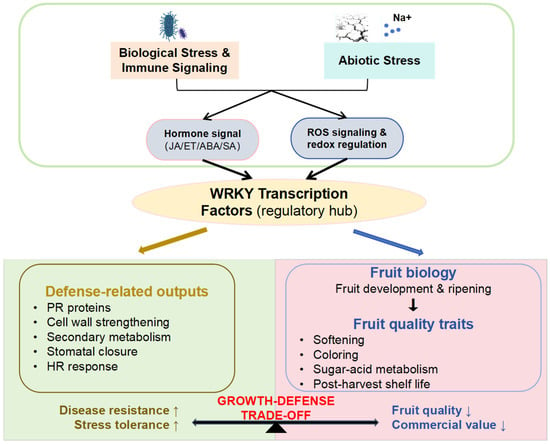
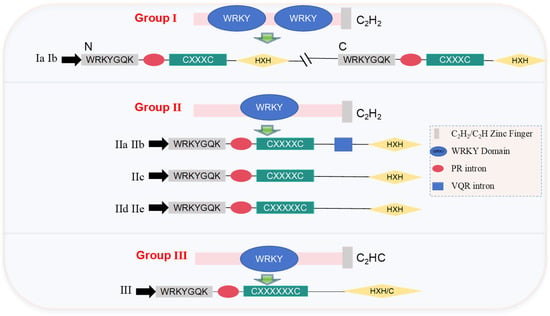
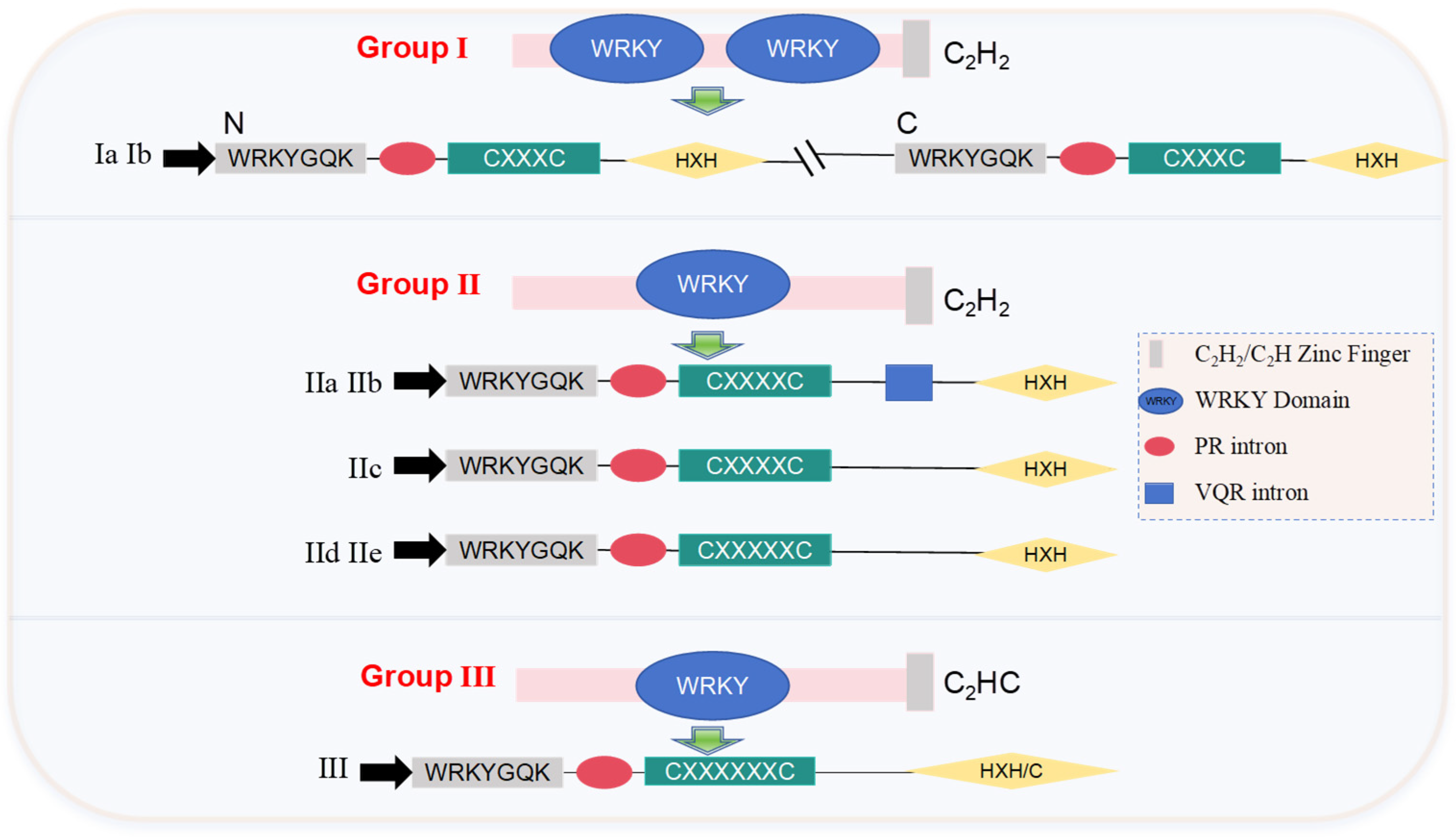
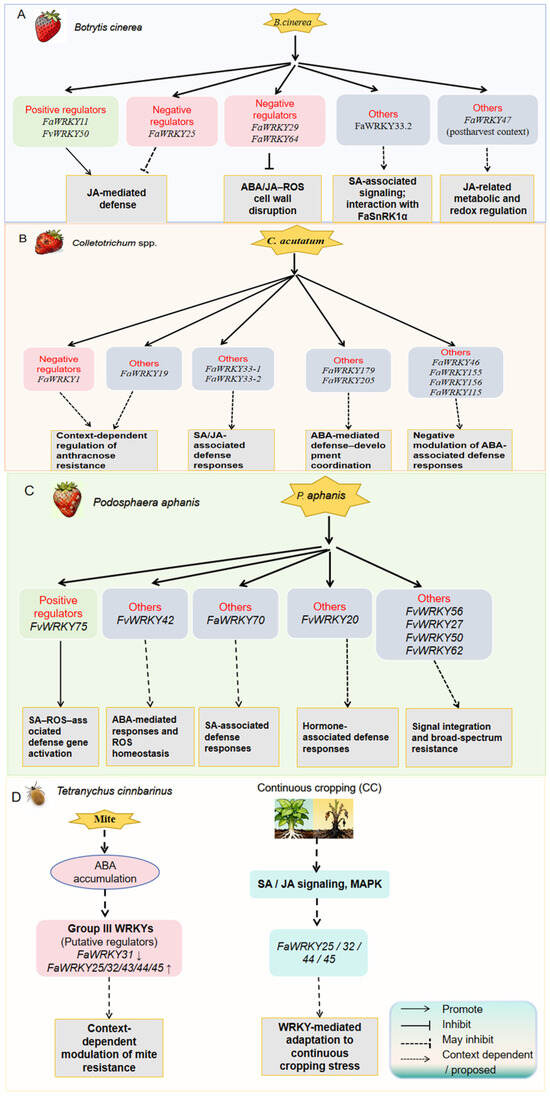
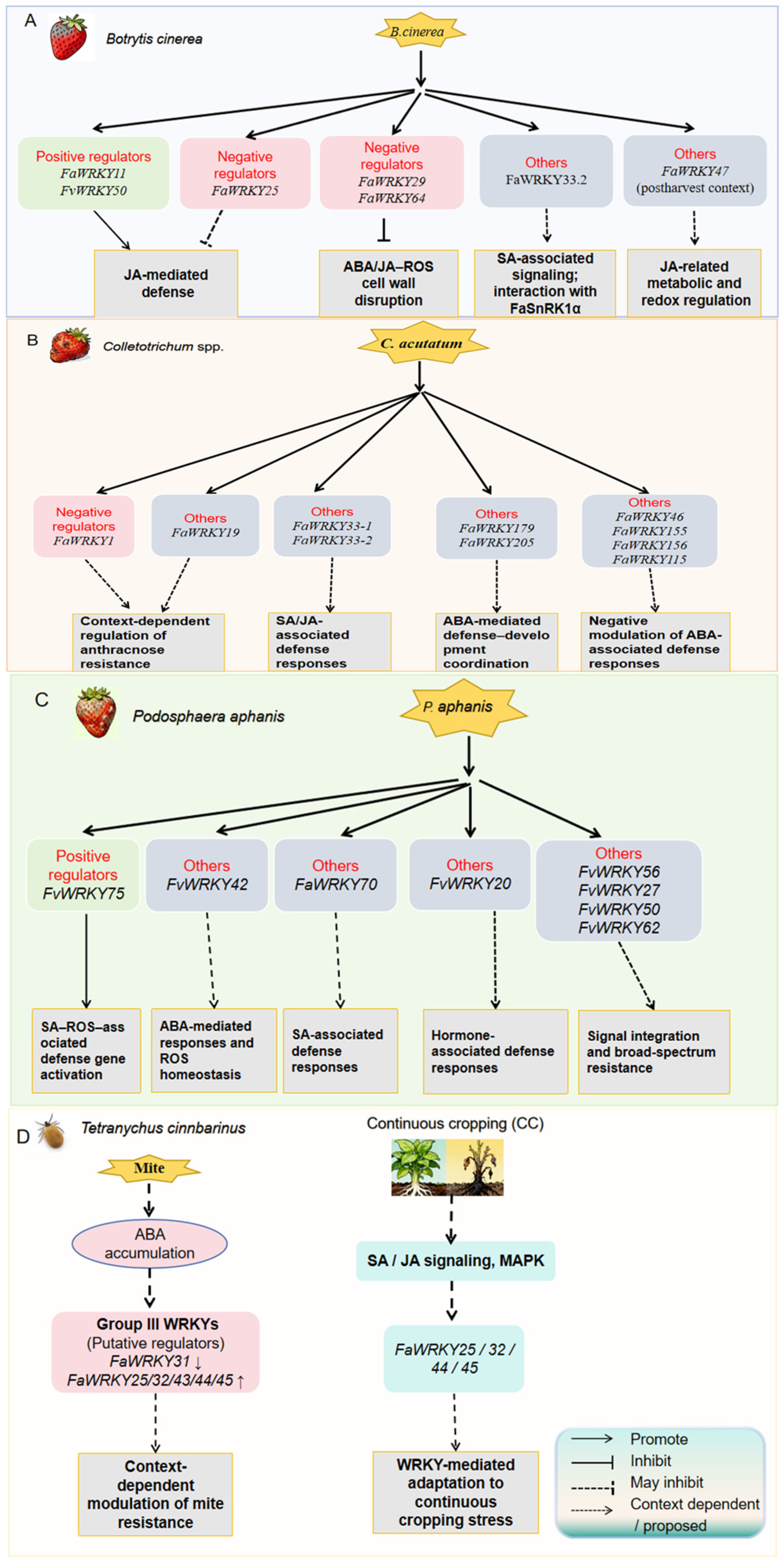
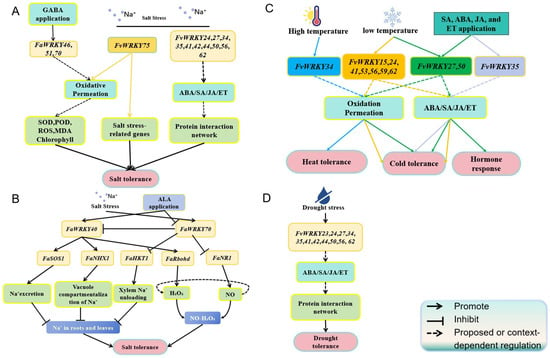
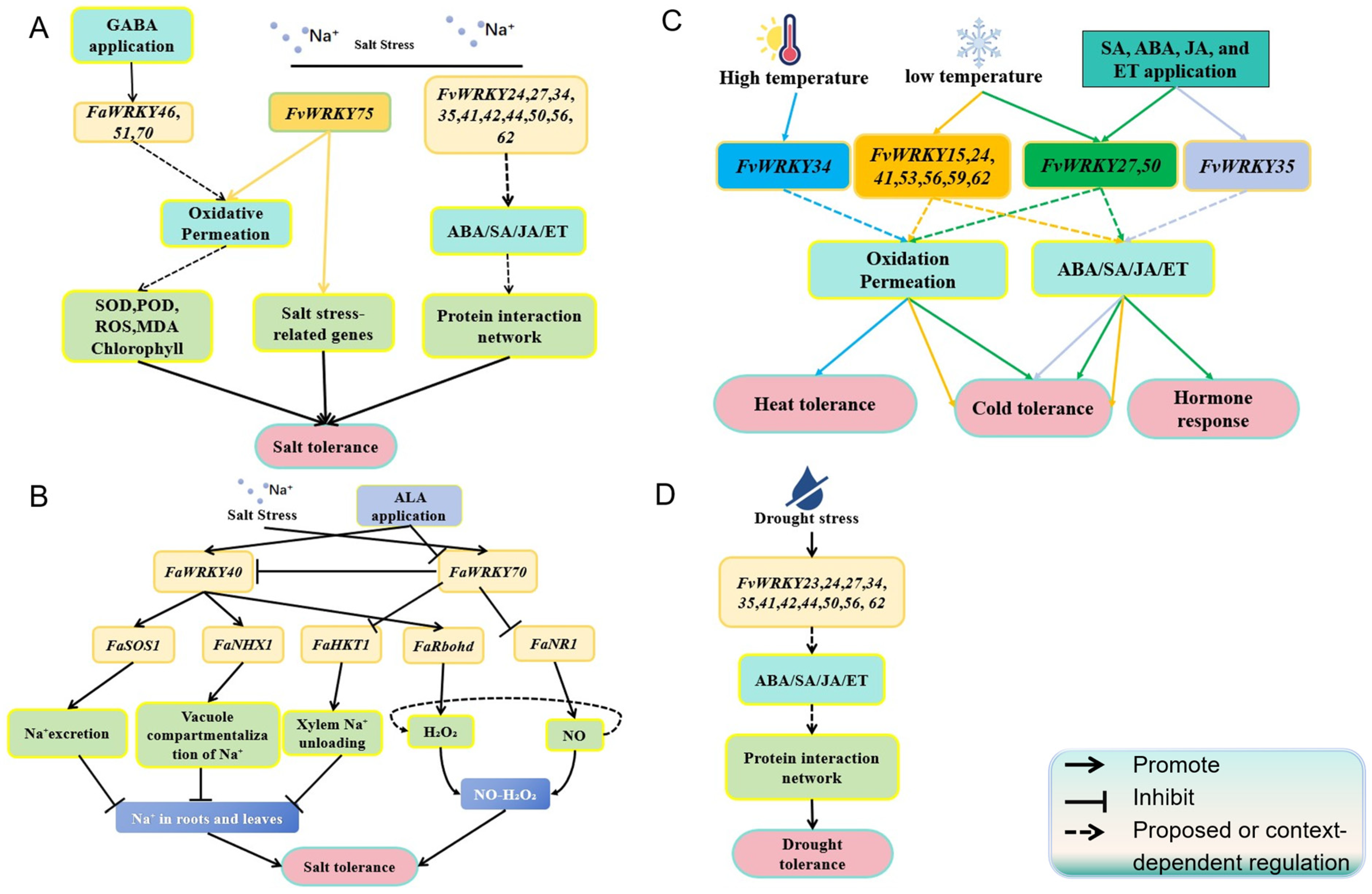

Disclaimer/Publisher’s Note: The statements, opinions and data contained in all publications are solely those of the individual author(s) and contributor(s) and not of MDPI and/or the editor(s). MDPI and/or the editor(s) disclaim responsibility for any injury to people or property resulting from any ideas, methods, instructions or products referred to in the content. |
© 2026 by the authors. Licensee MDPI, Basel, Switzerland. This article is an open access article distributed under the terms and conditions of the Creative Commons Attribution (CC BY) license.