Article

Establishing a Virus-Free Rapid Propagation System for Strawberry ‘Miaoxiang 7’ Through Anther Culture

College of Horticulture Science and Engineering, Shandong Agricultural University, Tai’an 271000, China
*
Authors to whom correspondence should be addressed.
Horticulturae 2026, 12(2), 227; https://doi.org/10.3390/horticulturae12020227
Submission received: 16 January 2026 / Revised: 7 February 2026 / Accepted: 9 February 2026 / Published: 12 February 2026
(This article belongs to the Special Issue Genome Alignment and Regulatory Genomics in Horticultural Crops)

Abstract

Shoot tip culture is currently the most widely used method for strawberry virus elimination, yet its efficiency has approached the theoretical limit of 80–85%. While anther culture offers a higher virus-free rate, it faces the technical bottleneck of low callus differentiation rates. To address this issue, this study used ‘Miaoxiang 7’ strawberry anthers as explants and systematically optimized key culture parameters. Different combinations of cytokinins and auxins were tested across various culture stages—including callus induction, adventitious bud differentiation from callus, proliferation, and rooting—to determine the most efficient plant growth regulator (PGR) formulations. This approach enhanced both the callus induction rate and differentiation efficiency. The regenerated plants obtained in this study achieved a virus-free rate of 98.39%. Flow cytometric ploidy analysis revealed that octoploids constituted the highest proportion, reaching 73.64%, among the regenerated plants. SSR molecular marker analysis indicated a genetic similarity coefficient of 0.9778–1.0000 between the regenerated plants and the maternal parent. Virus-free treatment holds potential for enhancing physiological growth indicators and fruit quality, demonstrating advantages in certain key metrics such as leaf area and soluble solids content. This technological system provides a viable approach for obtaining virus-free plants through anther culture, overcoming the technical limitation of low callus differentiation rates in anther culture. It offers reliable technical support for the sustainable development of the strawberry industry.

1. Introduction

Strawberry virus disease is a systemic infection caused by multiple viruses. It is emerging as a critical constraint to the sustainable development of the global strawberry industry. The long-term reliance on stolons for asexual propagation in strawberries facilitates the accumulation and transmission of various viruses across generations, resulting in genetic erosion [1]. Viral infection not only weakens plant vigor, but also severely impacts fruit yield and quality, often causing losses of 20–50% [2,3]. There are currently over 20 known strawberry viruses, with the strawberry mottle virus (SMoV), strawberry mild yellow-edge virus (SMYEV), strawberry vein banding virus (SVBV), and strawberry crinkle virus (SCV) being the most prevalent and damaging in production [4,5,6]. In the absence of effective chemical control methods, the fundamental strategy to block virus transmission and ensure the healthy development of the industry is to develop and promote virus-free plantlets. Currently, the most commonly used molecular biology detection method for virus testing in strawberry plants is PCR detection [7]. This method offers rapid results, high specificity, and simpler operation.
The main technologies currently used to produce virus-free plants are apical meristem culture, heat treatment, cryopreservation, chemical treatment, and anther culture [8,9]. The most widely used method in production is shoot tip culture. However, this technique has inherent limitations: its virus-free rate is inversely proportional to the size of the shoot tip culture used. Typically, meristem tissue smaller than 0.5 mm must be isolated to balance the survival and virus-free rates. This demands extremely high operator skill and means that virus-free efficiency has approached the theoretical upper limit of 80–85%, leaving limited room for improvement [10]. Therefore, exploring alternative techniques with higher virus-free efficiency and greater standardization is imperative.
In anther culture, virus-free propagation uses anthers at a specific developmental stage as explants. Virus-free plants are regenerated through callus induction and adventitious bud differentiation pathways. The technique’s main advantage is that it circumvents infection by most viruses at the cellular origin, typically yielding higher virus-free rates than traditional shoot tip culture. In 1974, Katsuji Osawa of Japan first demonstrated that anther culture could eliminate all viruses in strawberry plants with normal ploidy, rendering complex virus detection procedures unnecessary [11]. Xue Guangrong et al. conducted anther culture on eight strawberry varieties, achieving 100% virus elimination in five of them [12].
However, the large-scale application of this technology is hindered by two major bottlenecks. Firstly, there is widespread genotype dependency, with significant variations in antherium culture responses across strawberry varieties. This means that there is no universally applicable, efficient culture system [13,14,15]. Secondly, the efficiency of key technical steps is low, particularly the low and unstable differentiation rate of callus tissue. This makes it difficult to obtain sufficient regenerated plants to meet industrial demands [16]. Furthermore, genetic variations that may occur during regeneration, such as diminished fruit quality, necessitate multidimensional monitoring to ensure the agronomic traits and genetic stability of regenerated plants [16,17]. Therefore, the systematic optimization and establishment of stable, efficient, anther culture-based, virus-free, rapid propagation systems for specific important cultivars is of significant practical value.
Miaoxiang 7’ is an excellent octoploid strawberry cultivar developed by our team. It is highly favored in the market due to its excellent flavor and high economic returns. However, with the advancement of intensive cultivation, the risk of viral disease damaging this cultivar is increasing. However, the current system for the efficient, rapid propagation of virus-free plantlets of this cultivar remains incomplete, which limits large-scale supply. This study uses anthers from ‘Miaoxiang 7’ strawberries. By systematically optimizing key parameters, including explant pretreatment, medium formulation, and culture conditions, we aim to overcome the technical bottleneck of low callus induction and differentiation efficiency in anther culture. This study aims to establish a highly efficient and stable virus-free rapid propagation system. This study utilizes RT-PCR virus detection, flow cytometry ploidy analysis and SSR molecular markers to evaluate the virus-free efficiency and genetic stability of regenerated plants and, by integrating growth physiological parameters and fruit quality traits, further validates the production application value of this system. The aim of this research is to establish a technical system suitable for the industrialized production of virus-free ‘Miaoxiang 7’ strawberry plantlets and to provide a theoretical basis and technical reference for optimizing anther culture systems for other strawberry varieties.

2. Materials and Methods

2.1. Plant Materials

The experimental materials comprised octoploid cultivated strawberry (Fragaria × ananassa Duch.) cv. ‘Miaoxiang 7’ and diploid wild strawberry (Fragaria vesca) cv. ‘Yellow Wonder’, both propagated at the Facility Industry Research Institute of Shandong Agricultural University; mother plants were selected from production fields known for high strawberry virus incidence.

2.2. Selection of Explant

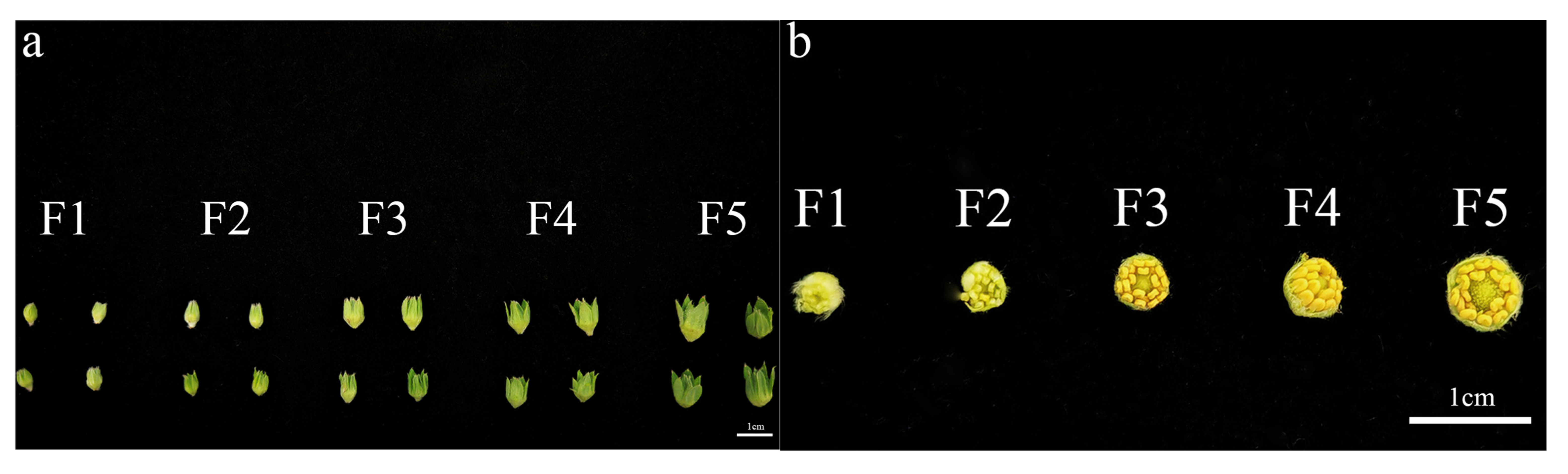
On sunny mornings between 7:00 and 9:00, flower buds were randomly collected from vigorous plants of the ‘Miaoxiang 7’ strawberry cultivar grown under controlled conditions. Bud diameter was measured using a Vernier caliper and categorized into five size intervals: 3.00–3.49 mm (F1), 3.50–3.99 mm (F2), 4.00–4.49 mm (F3), 4.50–4.99 mm (F4), and 5.00–6.50 mm (F5). Sepals and petals were removed, and anther morphology and color were observed and recorded. After separating the anthers, the conventional mounting method was employed: fixation with Carnoy’s solution followed by acetic acid-carmine staining. Microspore development stages were observed under a Nikon upright fluorescence microscope (NIKON ECLIPSE 80i, Tokyo, Japan). For each size category of flower buds, three anthers were randomly selected for microscopic observation, the primary developmental stages were documented, and photographs were taken.

2.3. Pretreatment, Disinfection, and Inoculation of Explant

Mature flower buds were selected, rinsed with ultrapure water, and placed in Petri dishes lined with moist filter paper. The flower buds were subjected to cold pretreatment at 4 °C for 0 h (T1), 24 h (T2), 48 h (T3), 72 h (T4), and 96 h (T5), maintaining filter paper moisture throughout. Approximately 100 anthers were inoculated per treatment, with each treatment replicated three times. Callus induction rates were assessed 30 days post-inoculation.
Prior to the disinfection process, it was imperative to meticulously remove the calyx and petals from the flower buds. Subsequent disinfection and inoculation procedures were then performed within a laminar flow hood. The protocol for the treatment of flower buds was as follows: firstly, they were to be rinsed three times with sterile water; secondly, they were to be disinfected by shaking in 75% ethanol for 30 s; thirdly, they were to be rinsed three times with sterile water; fourthly, they were to be disinfected by shaking in 0.1% HgCl2 solution for 7 min; and finally, they were to be rinsed five times with sterile water. The surface moisture of the disinfected flower buds was then dried using sterile filter paper. The anthers were then removed using sterilized forceps, and the filaments were discarded. Quickly inoculate the anthers onto the induction medium; simply place the anthers on the medium.

2.4. Medium Preparation, Culture Conditions, and Formula Screening

MS medium served as the base medium (1/2 MS for rooting stage), supplemented with 30.0 g·L−1 sucrose and 7.0 g·L−1 agar, maintained at pH 5.8–6.0. Except for the dark-incubation phase during callus induction and differentiation, all other stages were conducted in a light-controlled incubator under the following conditions: photoperiod 16 h·d−1, light intensity 2000 lx, temperature 25 °C, humidity 65%. Hormone ratios for each stage are detailed in Table 1.
Anthers were inoculated and subjected to dark culture for 0 d (E1), 3 d (E2), 6 d (E3), 9 d (E4), and 12 d (E5). Each treatment involved inoculating 100 anthers. After 30 days, the callus induction rates for each dark culture duration were recorded. For anther callus induction, seven culture media were prepared. Each treatment involved inoculating 100 anthers, and the callus induction rate was recorded after 30 days. For callus differentiation, 11 media types were prepared, with 50 callus pieces inoculated per treatment. Adventitious bud differentiation rates were recorded after 60 days. Four proliferation media were established, with 20 adventitious buds inoculated per treatment. Proliferation coefficients were calculated after 30 days of culture. For the rooting stage, five media were established, with 50 tissue-cultured plantlets inoculated per treatment. Root length (analyzed using a root scanner WinRHIZO (Regents Instruments Inc., Quebec, Canada)) was measured after 30 days, and rooting rates were calculated. All treatments were replicated three times.
Callus induction rate (%) = (Number of anthers forming callus/Number of inoculated anthers) × 100
Differentiation rate (%) = (Number of callus blocks differentiating adventitious buds/Total number of inoculated callus blocks) × 100
Proliferation coefficient = Total number of buds produced/Number of adventitious buds inoculated
Rooting rate (%) = (Number of rooted plants/Number of plants inoculated) × 100

2.5. Virus Detection

When tissue-cultured plantlets developed three leaves and a terminal bud, their leaves were harvested for virus testing. Total RNA was extracted using an RNA extraction kit (Tiangen, Beijing, China). cDNA was synthesized using the Perfect Real Time Reverse Transcription Kit (Takara, Dalian, China). RT-PCR was performed for SCV, SMoV, SVBV, and SMYEV amplification, with primer sequences listed in Table 2. PCR products were analyzed by 1.0% agarose gel electrophoresis and visualized using an Alphalmager EP gel imaging system to record bands. Specific amplification protocols and conditions were referenced from [18]. The presence or absence of specific bands in electrophoresis patterns determined the virus infection status. Results were statistically analyzed, and infection rates for each virus were calculated.
Virus infection rate (%) = (Number of tested plants carrying the target virus/Total number of tested plants) × 100

2.6. Ploidy Identification of Regenerated Plants

Ploidy identification was performed using flow cytometry [19]. Fresh young leaves were rapidly minced with a double-edged blade, washed and mixed with lysis buffer, filtered through a filter column, inverted and stained with propidium iodide (PI) dye prior to analysis, then analyzed using a Beckman CytoFLEX flow cytometer (Beckman Coulter, Suzhou, China). The procedure was repeated three times. Data were analyzed using FCS Express 4 software(Version 4.07.0003). Using the known diploid wild-type strawberry ‘Yellow Wonder’ as a control, the ploidy of ‘Miaoxiang 7’ anther-regenerated plants was determined by comparing the peak fluorescence intensities of nuclear DNA between samples and the control.

2.7. SSR Molecular Marker Technology

Total DNA was extracted from samples using the CTAB method. DNA purity and concentration were assessed using a CLARIOstar microplate reader (BMG LABTECH, Ortenberg, Germany), and DNA integrity was assessed using 1.0% agarose gel electrophoresis. From the 25 designed SSR primer pairs (Table 3), 10 primers yielding concentrated, clear, and reproducible amplification bands were selected through preliminary experiments for subsequent analysis. Specific PCR amplification protocols, conditions, and amplification product detection methods refer to [20,21]. Imaging was performed using the Alphalmager EP Universal Fluorescence/Visible Light Imaging System. Based on electrophoresis patterns, binary data (presence of band = 1, absence of band = 0) were recorded according to band visibility, and a 0/1 matrix was constructed. Data analysis was conducted using NTSYS-PC software (version 2.10e), with genetic similarity calculated based on the Dice coefficient.

2.8. Growth Physiology and Fruit Quality Assessment

Following hardening and transplanting of octoploid virus-free plantlets derived from anther culture, four rounds of stolons were harvested from the donor material (DM), shoot tip meristem culture (STM), and anther meristem culture (AM) tissue-cultured plantlets between April and November 2025. The number of strawberry plantlets produced was recorded to calculate their propagation coefficient. Ninety days after planting, three plants were selected from each treatment. The following measurements were taken using calipers (Deli Group Co., Ltd., Ningbo, China), vernier calipers (Mitutoyo Corporation, Kawasaki, Japan), a LI-3100C leaf area meter (LI-COR, Lincoln, NE, USA), a AUW120D analytical balance (Shimadzu, Tyoto, Japan), a Li-6400 portable photosynthesis system (LI-COR, Lincoln, NE, USA), and an SPAD-502PLUS chlorophyll meter(Konica Minolta, Tokyo, Japan): plant height, stem diameter, leaf area, above-ground and below-ground dry and fresh weights, photosynthetic parameters, and relative chlorophyll content (SPAD). A root scanner was used to quantify total root length, total root volume, total root surface area. Root activity was assessed using the Triphenyltetrazolium chloride (TTC) reduction method. In each treatment, one row (150 strawberry plants) was randomly selected to calculate total fruit yield over 30 days. Ten strawberries of consistent ripeness were selected from each treatment to measure individual fruit weight using an electronic balance and fruit diameter (transverse and longitudinal) using a vernier caliper. After thorough mixing, fruit nutritional quality was assessed: soluble solids content was measured using a handheld refractometer, while titratable acidity, soluble sugars, soluble proteins, and ascorbic acid content were determined via NaOH titration, anthrone colorimetric method, Coomassie Brilliant Blue staining, and spectrophotometry, respectively.

2.9. Statistical Analysis

Duncan’s multiple range tests implemented in IBM SPSS Statistics 25 were applied to determine statistically significant differences at the level of p < 0.05. Data represent mean ± SD. Different letters indicate significant differences between different treatments (p < 0.05). GraphPad Prism 10 was employed to generate graphs based on the results. Tables were created using Microsoft Word 2010 software, while images were processed with Adobe Photoshop.

3. Results

3.1. Selection and Pretreatment of Anther Explant

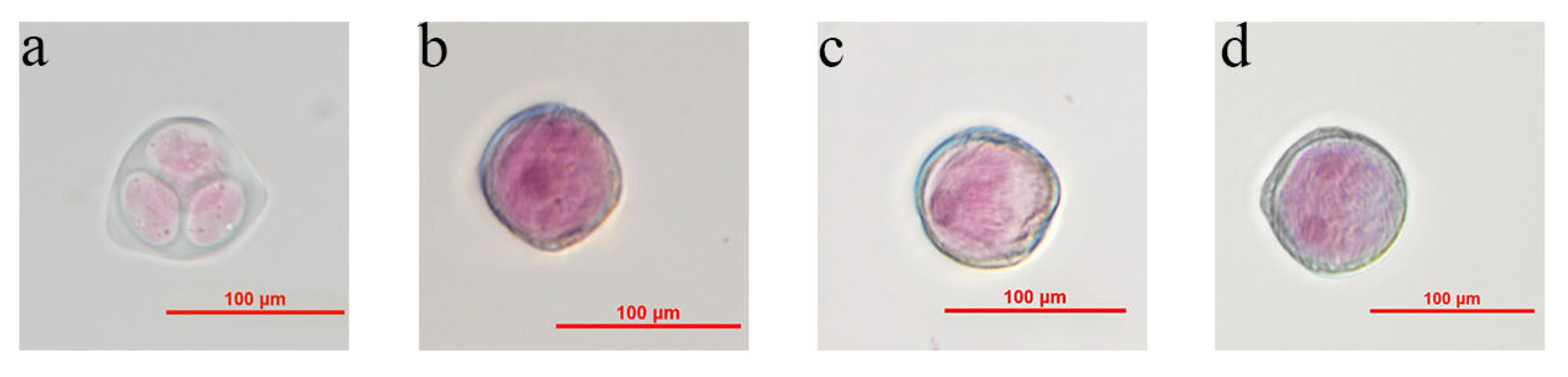
Microscopic observation identified four microspore developmental stages: tetrad stage, early- to mid-mononuclear stage, late-uninucleate stage, and binucleate pollen grain stage (Figure 1). The flower buds used in this study from F3 and F4 materials were all in the mononucleate marginal stage (Table 4). Consequently, flower buds in the ‘compact stage’ of development were selected as explants. The buds under scrutiny in this study exhibited unopened calyces, unopened petals, white or pale green corollas, and slightly yellow, plump anthers, with a diameter of approximately 4.5 mm (Figure 2).
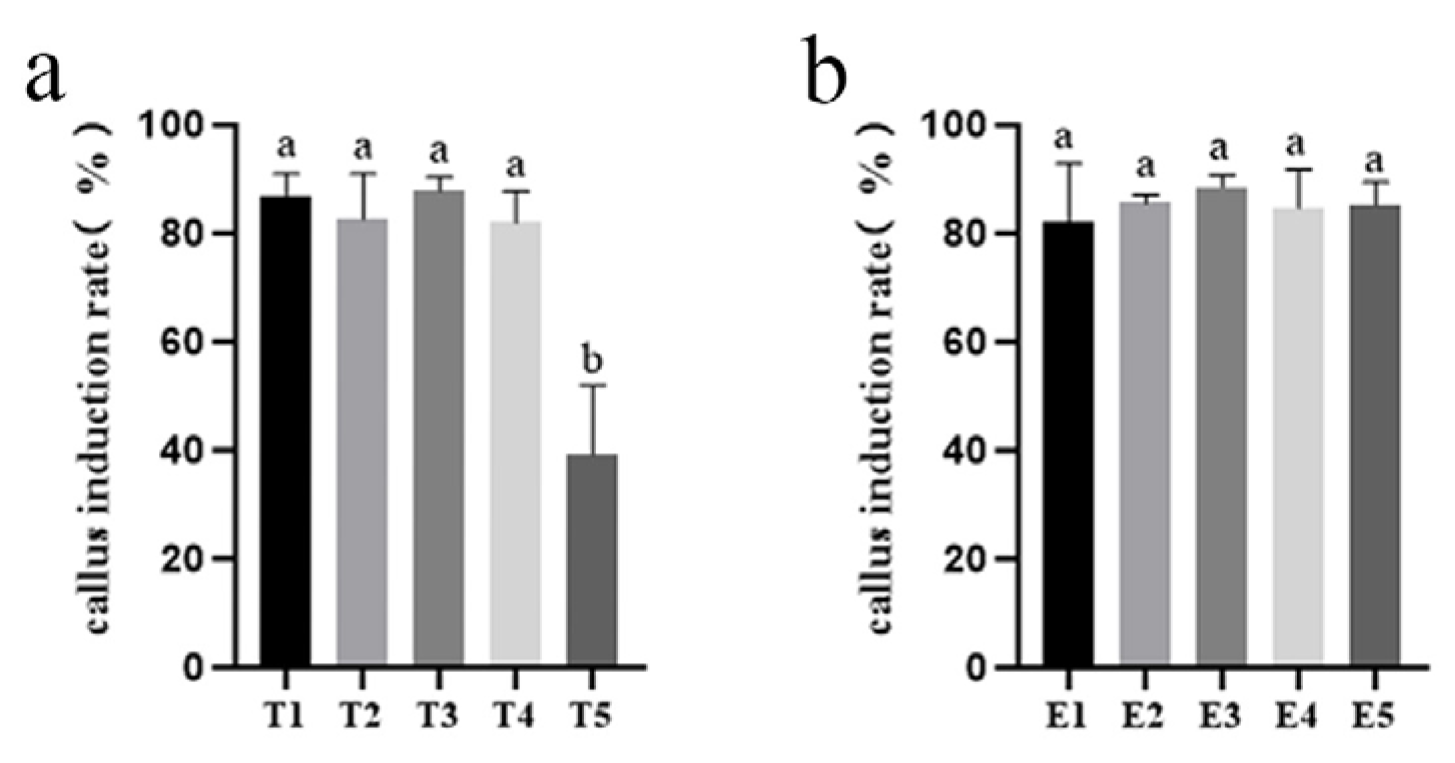
To optimize culture efficiency, flower buds underwent cold pretreatment. As shown in Figure 3a, cold pretreatment durations ranging from 0 to 72 h did not yield statistically significant differences in callus induction rates. Results indicate that the 48 h treatment (T3) exhibited the numerically highest callus induction rate, with an anther callus induction rate reaching 87.87%. When pretreatment duration was extended to 96 hours, the induction rate significantly decreased. Therefore, the buds of appropriate age were subjected to a 48 h low-temperature pretreatment at 4 °C followed by sterilization. The sterilization procedure was performed according to standard operating procedures, ensuring that the culture medium remained free of microbial contamination and achieving effective sterilization.

3.2. Optimization of Key Factors for Anther Callus Induction and Plant Regeneration

The duration of culture in darkness after anther inoculation influenced callus induction rates. As shown in Figure 3b, no significant differences were observed among treatments with different dark-cultivation periods. Among them, the induction rate for the 6-day dark-cultivation treatment (E3) was numerically the highest. Screening results for plant growth regulator combinations (Table 5) revealed that all six treatments containing 6-BA with either NAA or IBA increased induction rates compared with the control A1 (no growth regulators). Among these, the induction rate of the medium MS + 6-BA 2.0 mg/L + NAA 0.5 mg/L (A2) was numerically the highest. In summary, following a 2-day cold pretreatment at 4 °C, ‘Miaoxiang 7’ strawberry anthers inoculated onto A2 medium and cultured in darkness for 6 days (E3) achieved the induction rate of 89.47%, though differences among treatments did not reach the highly significant level (Figure 3b).
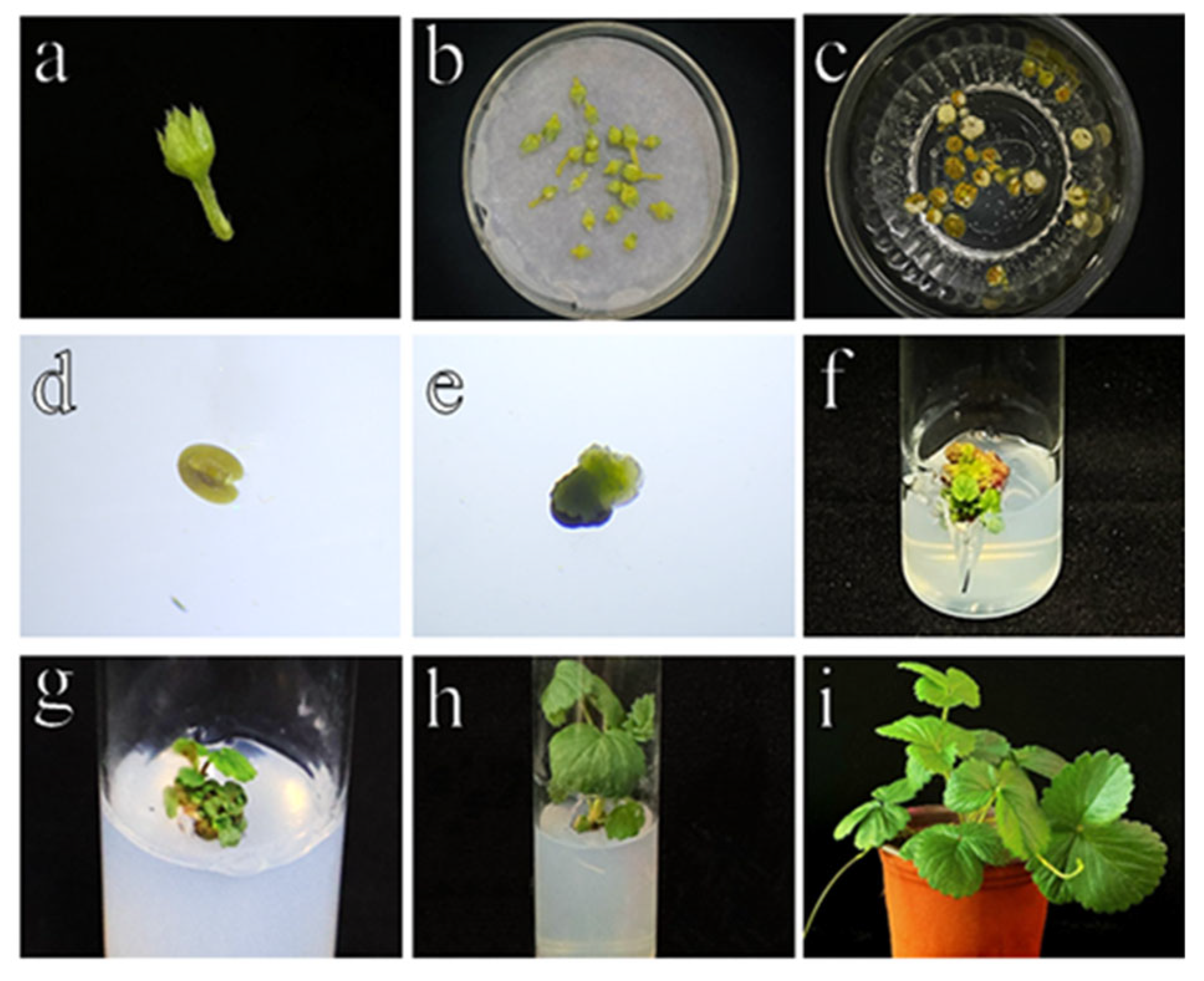
The results of the differentiation medium screening are shown in Table 6. The hormone-free B1 medium failed to induce differentiation. Among the five treatments supplemented with NAA, the differentiation rates were 0%, 4.00%, 6.67%, 4.67%, and 6.00%, respectively. while the B8 medium supplemented with IBA (MS + 6-BA 0.5 mg/L + IBA 0.3 mg/L) exhibited the best differentiation efficacy, achieving a differentiation rate of 58.67% with relatively mild callus vitrification. Therefore, B8 was determined to be the optimal differentiation medium. As shown in Table 7, all four proliferation media exhibited high proliferation coefficients for adventitious buds. Among these, the tissue-cultured seedlings grown in C2 medium supplemented with MS + 6-BA 0.5 mg/L + IBA 0.3 mg/L + GA3 0.05 mg/L exhibited robust growth with well-spread leaves. Their proliferation coefficient reached the highest value, attaining 3.18. In contrast, plantlets in C1 and C3 media showed slightly weaker vigor and slightly curled leaves. Rooting culture results (Table 8) indicated that in D2 medium (1/2 MS + IBA 0.2 mg/L), the total root length of tissue-cultured seedlings reached a maximum of 18.52 cm with a high number of lateral roots. All five rooting media achieved a 100% rooting rate, and no significant differences were observed in the number of lateral roots. This study successfully established a regeneration system from strawberry anthers to complete plants. Figure 4 visually illustrates representative morphogenesis processes throughout this procedure.

3.3. Detection of Virus Removal Efficiency in Regenerated Plants

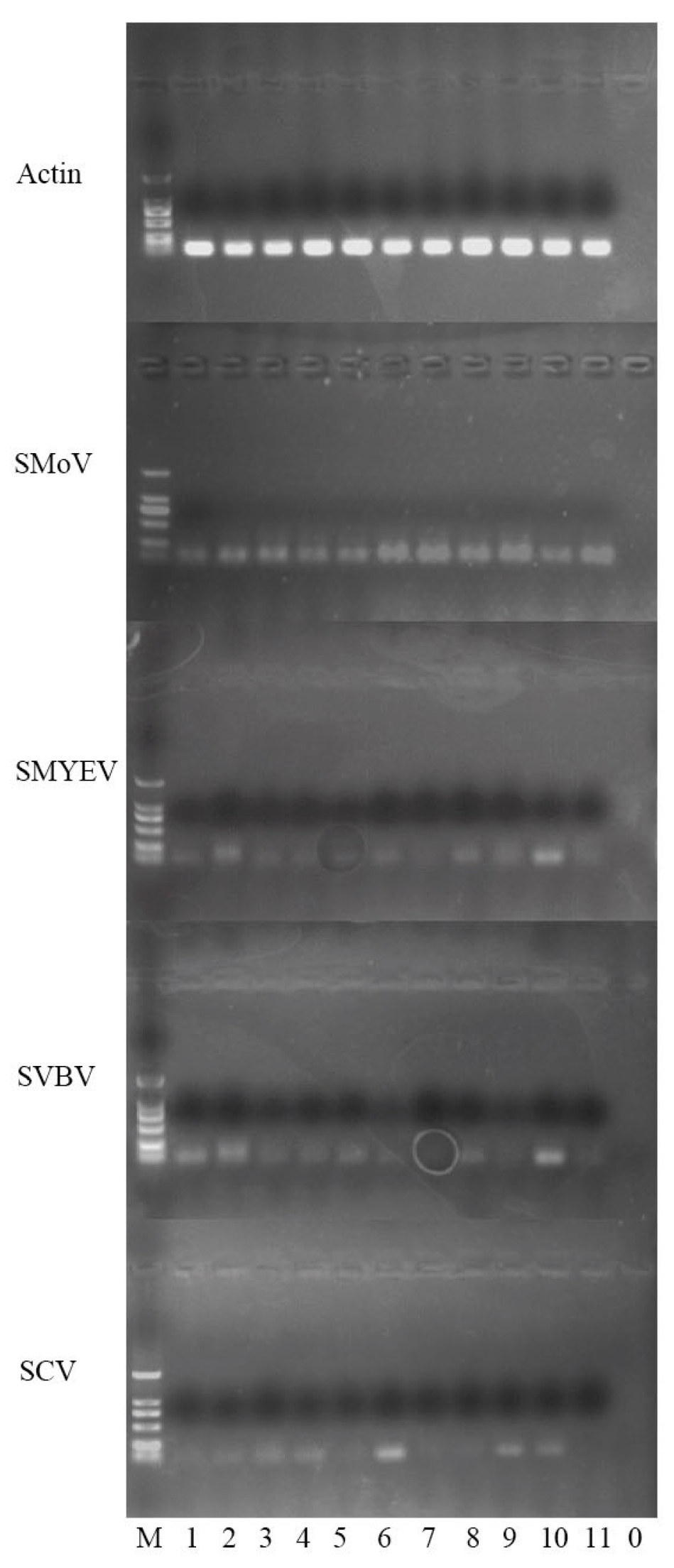
Using leaves from ‘Miaoxiang 7’ strawberry anther culture-derived regenerated plants as material, RNA was extracted and subjected to RT-PCR virus detection. Virus detection was based on the presence or absence of diagnostic bands relative to the defined controls, in accordance with the methodology described. The actin gene served as an internal control. Clear amplification bands for both positive and negative controls of the four viruses (Figure 5 and Figure S1) confirmed the reliability of RNA extraction and reverse transcription processes. Among the 186 regenerated plants tested (Table 9), the virus incidence rates were 0.00% for SMoV, 0.00% for SMYEV, 0.54% for SVBV, and 1.08% for SCV. Complete data can be found in Supplementary Table S1. Comprehensive analysis indicates that the virus-free rate of anther-derived regenerated plants is approximately 98.39%.

3.4. Evaluation of Genetic Stability in Regenerated Plants Using Ploidy Identification and Molecular Markers

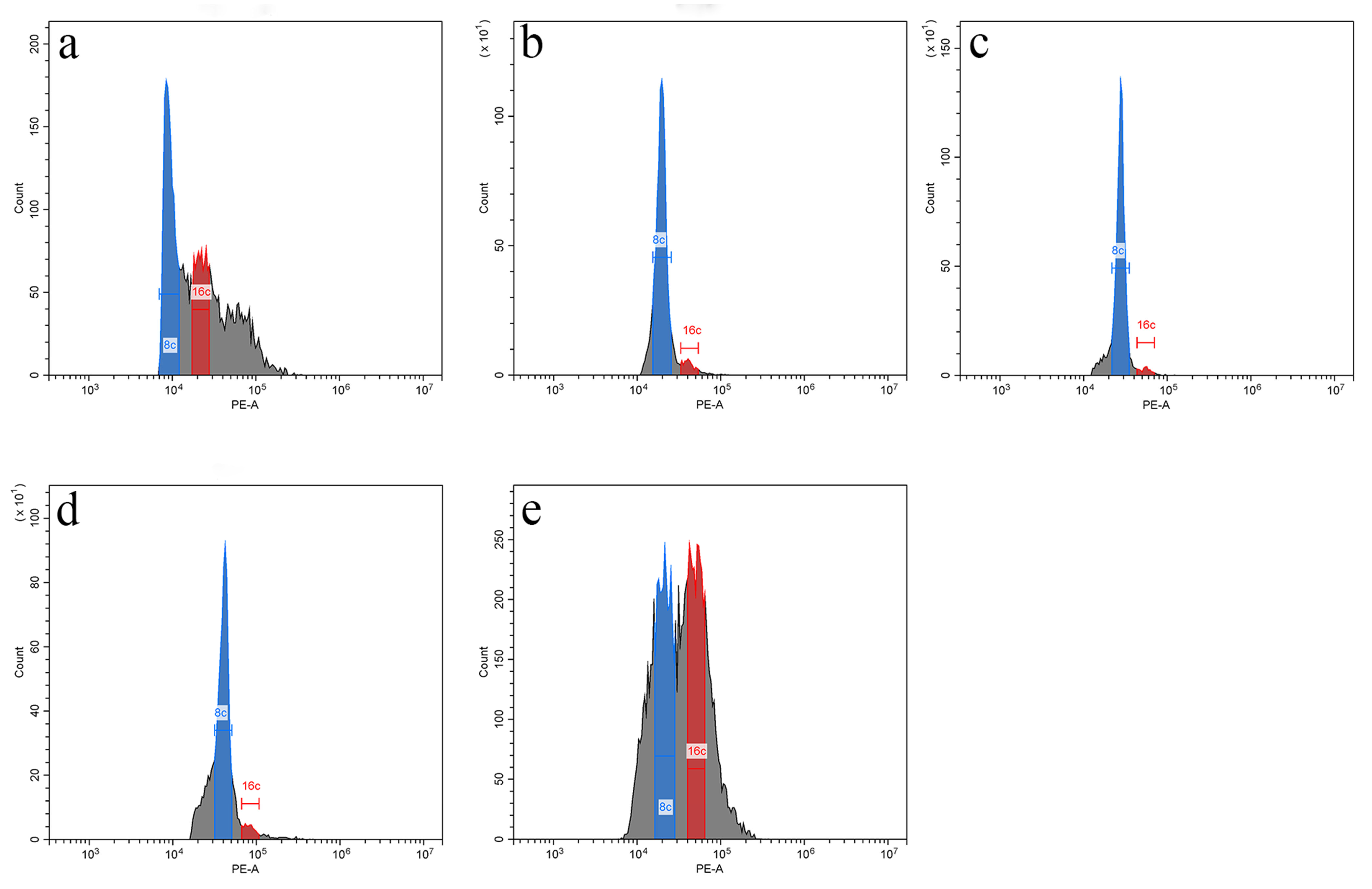
Ploidy levels of 110 anther-derived regenerants were determined by flow cytometry. Using the diploid wild strawberry (Fragaria vesca ‘Yellow Wonder’) as an internal standard, ploidy was assessed based on the ratio of the relative nuclear DNA content between the sample and the control. Peaks with ratios of approximately 2.0, 3.0, and 4.0 were classified as tetraploid, hexaploidy, and octoploid, respectively. Samples showing a bimodal distribution were recorded as mixoploid (Figure 6). As shown in Table 10, the regenerated population exhibited variation in ploidy level. Octoploids were predominant (73.64%), followed by hexaploids (16.36%), tetraploids (9.09%), and mixoploids (0.91%). The full dataset is available in Supplementary Table S2.
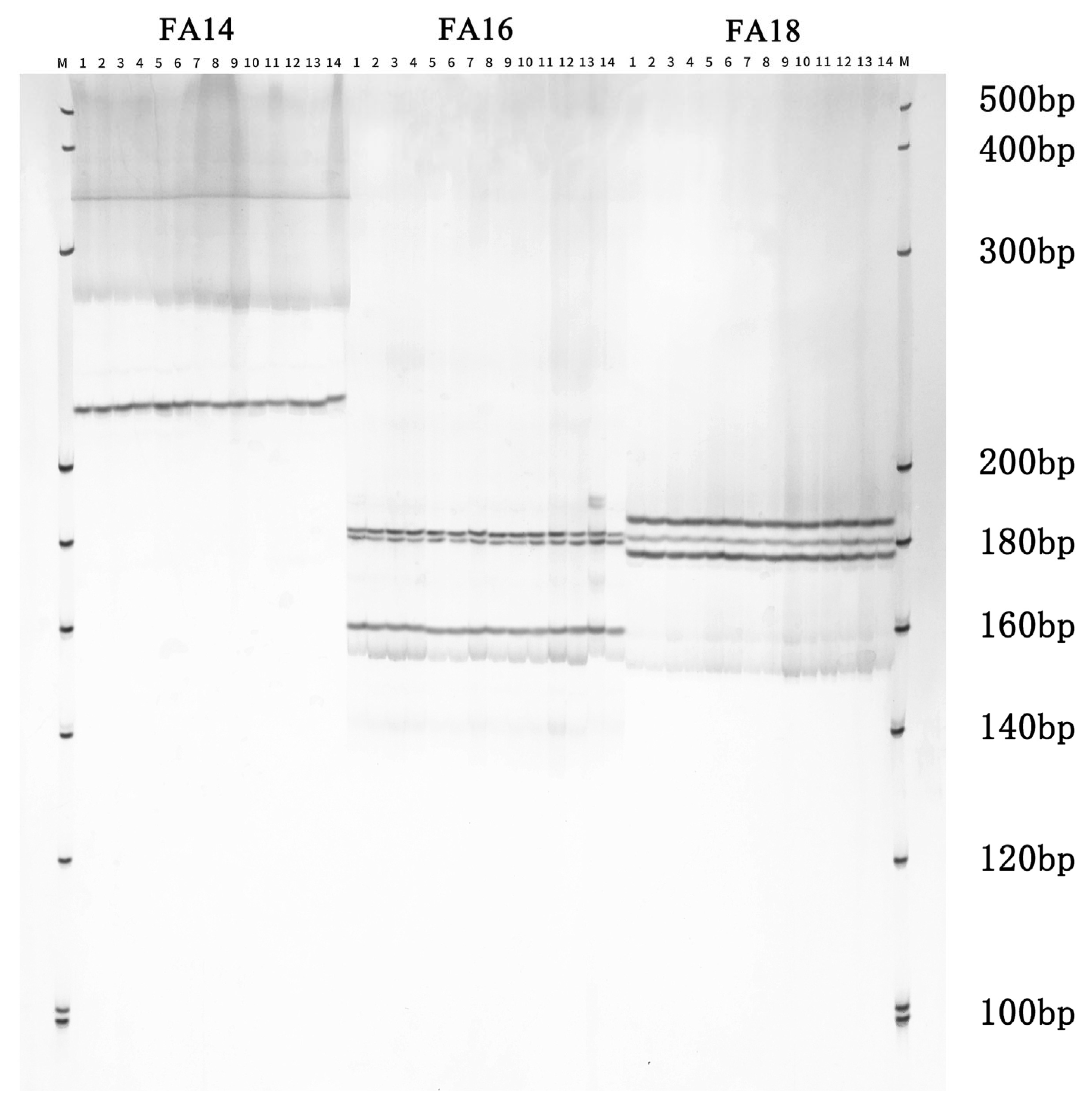
To assess the genetic stability of plants regenerated from anther cultures, 10 pairs of SSR primers with clear bands and good polymorphism were selected from 25 pairs (Supplementary Figure S2). These primers were FA2, FA4, FA12, FA14, FA16, FA18, FA22, FA23, FA24, and FA25. PCR amplification was performed on 10 octoploid regenerated plants and their donor plants, with results shown in Figure 7. Analysis revealed (Table 11) that the 10 primer pairs amplified 24 distinct bands (Supplementary Figure S3), among which only one polymorphic locus was detected, indicating a low level of polymorphism. Further calculations revealed that the genetic similarity coefficient (GS) for all tested materials ranged from 0.9778 to 1.0000, with an average GS value of 0.9956. The results above indicate that, based on a limited number of SSR markers, the octoploid regenerated plants obtained from the anther culture system established in this study preliminarily demonstrate good genetic stability at the molecular level.

3.5. Evaluation of Major Agronomic Traits and Production Performance of Virus-Free Plantlets

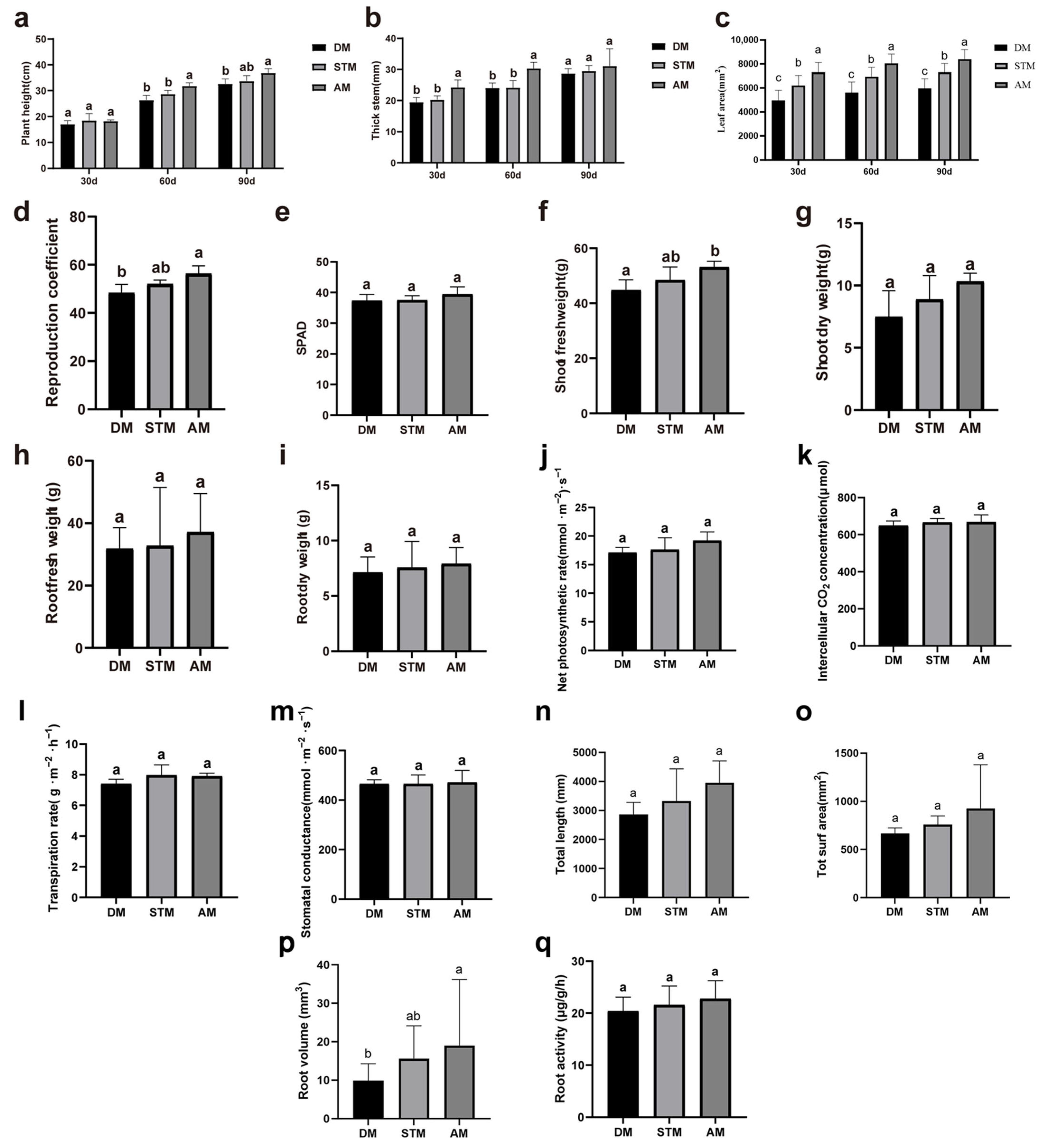
Comparative analysis of the donor material (DM), shoot tip meristem culture (STM), and anther meristem culture (AM) revealed (Figure 8) that no statistically significant differences were detected among the three groups in plant height, stem diameter, leaf area, and propagation coefficient. However, the AM treatment exhibited the highest numerical trend across these indicators. In multiple indicators, including aboveground and belowground biomass, photosynthetic parameters, chlorophyll content, root morphology, and root activity, both AM and STM significantly outperformed the DM. Furthermore, the AM significantly outperformed the STM in key root system indicators such as total root length, root surface area, and root volume. Compared with STM, AM exhibited increases of 18.91%, 21.94%, and 21.90% in total root length, root surface area, root volume, and root system activity, respectively. Collectively, these results indicate that obtaining virus-free plants (AM and STM) generally and significantly improves plant growth and physiological performance. Furthermore, under the conditions of this study, AM demonstrated specific advantages over STM in promoting root development and architecture.
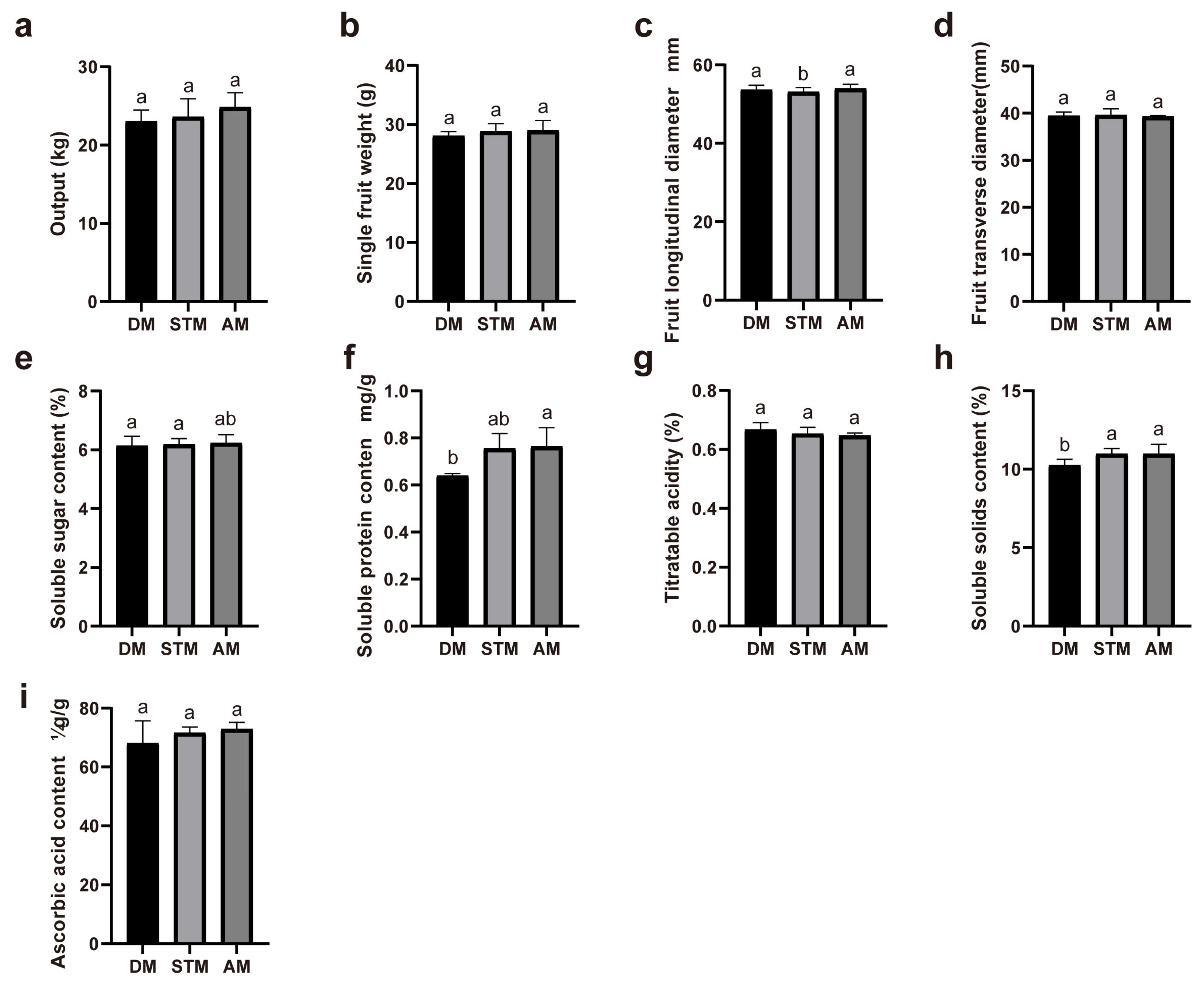
As shown in Figure 9, for most quality parameters, including yield, fruit weight, fruit diameter, soluble sugar content, and ascorbic acid content, virus-free plants (AM and STM) showed no significant difference from DM. However, their values were generally higher than DM’s. Titratable acid content exhibited the opposite trend: DM > virus-free plants (AM and STM). Collectively, these results indicate that virus-free treatment holds potential for enhancing fruit quality.

4. Discussion and Conclusions

Anther culture-based virus-free propagation technology is key to cultivating healthy strawberry plantlets and driving sustainable industrial development. However, there are still challenges to overcome in its industrial application, such as low callus redifferentiation rates and genetic instability in regenerated plants. This study optimized key factors of an anther culture-based virus-free propagation protocol and assessed genetic fidelity using SSR markers. The aim is to overcome these limitations and provide technical support for the environmentally friendly control of strawberry viral diseases and the large-scale propagation of healthy plantlets.
Based on the aforementioned demands of the strawberry industry and the technical bottlenecks in anther culture for virus elimination, this study systematically screened and determined the optimal conditions: anther cold pretreatment duration (4 °C, 48 h), induction culture conditions (dark culture, 6 d), and PGR composition ratios. The selected media for induction, differentiation, proliferation, and rooting stages were MS + 2.0 mg/L 6-BA + 0.5 mg/L NAA, MS + 0.5 mg/L 6-BA + 0.3 mg/L IBA, MS + 0.5 mg/L 6-BA + 0.3 mg/L IBA + 0.05 mg/L GA3, and 1/2 MS + 0.2 mg/L IBA. Based on these findings, we established a stable strawberry anther culture virus-free propagation technology system for strawberry anther culture. Cytokinins play a crucial role in the growth and development of plants [22]. The auxin-to-cytokinin ratio is a core factor in the regulation of organ regeneration, with a high ratio of cytokinin to auxin typically promoting primordia formation [23,24]. In our screening system (Table 6), media supplemented with different auxins (IBA and NAA) exhibited varying effects on inducing adventitious bud differentiation, with IBA-containing media achieving numerically higher differentiation rates. Both IBA and NAA are synthetic auxin-like plant growth regulators. Literature indicates that different auxin analogues may activate downstream auxin signaling pathways (e.g., ARF-Aux/IAA protein interactions) with distinct temporal and spatial distributions due to variations in receptor binding properties (e.g., TIR1/AFB family proteins) or metabolic pathways, thereby influencing organogenesis [24,25]. For example, as a precursor to the active auxin IAA, IBA’s unique metabolic pathway may enable more precise localized regulation within tissues [23]. Based on the above literature and our observations, we propose a testable hypothesis: the differential effects of IBA and NAA during strawberry anther callus differentiation may stem from their distinct regulatory patterns on specific nodes of the auxin signaling pathway or on the expression of particular target genes. This conjecture warrants further validation through molecular experiments.
The anther culture system established in this study achieved a virus-free rate of 98.39% (Table 9), effectively eliminating common strawberry viruses. Ploidy analysis of regenerated plants revealed that 73.64% were genetically stable octoploids (Table 10). The core advantage of anther culture in achieving high-efficiency virus elimination lies in its avoidance of systemic viral infection at the cellular origin. Traditional shoot tip culture relies on differentiated shoot tip culture, whose virus elimination efficiency is constrained by the virus load of the parent plant and limitations inherent to micropropagation techniques [26]. In contrast, anther culture achieves a higher virus-free rate through the synergistic action of multiple mechanisms. This highly efficient, virus-free process likely results from the combined effects of three levels: First, the starting material inherently possesses a low viral load advantage. Somatic cells, such as anther walls, the primary source of octoploid regenerated plants, exhibit high meristematic activity and underdeveloped vascular systems, leading to significantly lower viral accumulation compared with mature tissues [27], providing an excellent starting point for virus-free cultivation. Second, dedifferentiation and redifferentiation profoundly disrupt viral stability [28]. Under PGR induction, cells enter dedifferentiation accompanied by global gene expression reprogramming and metabolic shifts, destabilizing the cellular environment essential for viral replication and enabling effective virus clearance. Finally, the regeneration process imposes stringent selection [28]. Regenerating from callus tissue into meristem requires cells to possess exceptionally high metabolic and developmental potential. Virus-infected cells, severely impaired in proliferation and differentiation capacity during this process, are eliminated due to their weak adaptability, while healthy cells regenerate through their developmental totipotency advantage. In summary, the high detoxification rate (98.39%) observed in this study can be attributed to the potential synergistic effects of multiple factors within the anther culture system. We propose a plausible hypothesis: this outcome likely results from the combined effects of ‘low initial virus load in explants,’ ‘cell reprogramming during callus formation and organ regeneration interfering with viral replication’, and ‘strong selection for healthy cells during regeneration.’ This explanatory framework, grounded in existing literature and our study data, provides a clear research direction for elucidating the precise molecular mechanisms underlying this phenomenon.
Octoploid plants dominate strawberry anther culture, representing a triumph of somatic cells over haploid microspores in the struggle for in vitro growth. A combined approach of SSR molecular marker technology and agronomic trait evaluation was used to comprehensively assess the genetic stability of octoploid plants. The results suggest a high degree of genetic fidelity and phenotypic consistency within the scope of the SSR markers and agronomic parameters evaluated, indicating minimal somaclonal variation in the established anther culture system. This study established a stable strawberry anther culture and virus-free propagation technology system. The establishment of this system provides an experimental foundation for in-depth research and potential applications of anther virus-free propagation technology. This study found that virus-free seedlings derived from AM and STM showed no significant differences in most measured traits, yet both significantly outperformed virus-carrying mother plants (DM) (Figure 8 and Figure 9). This result highlights the universal enhancement of plant growth and quality achieved through virus elimination itself. Compared with apical micropropagation, which does not alter cell fate, anther culture requires undergoing a ‘dedifferentiation-redifferentiation’ process. Literature indicates that such developmental reprogramming may involve extensive gene expression resets [29,30]. We therefore hypothesize that this process may facilitate the return of regenerated plants to a vigorous growth state. Additionally, as an allopolyploid, the strawberry’s genomic architecture may provide some buffering against variation during somatic culture [31]. In summary, the technical system established in this study enables the stable production of virus-free plants with excellent trait expression, providing a valuable alternative technology option for the production of healthy strawberry plants.
Strawberry anther culture technology demonstrates potential in both applied and fundamental research. The technical system established in this study exhibits highly efficient, virus-free propagation capabilities, providing a viable technical solution for producing healthy foundation plants. The regenerated plants obtained are predominantly octoploid with high genetic consistency, exhibiting improved growth and fruit quality, demonstrating their potential as core maternal materials. Additionally, the occasional occurrence of tetraploids or other polyploid variants during culture provides unique resources for creating novel germplasm. Future research may focus on optimizing the culture system to enhance the yield of specific ploidy levels and elucidating the molecular mechanisms underlying trait formation in regenerated plants.

Supplementary Materials

The following supporting information can be downloaded at: https://www.mdpi.com/article/10.3390/horticulturae12020227/s1, Figure S1: Virus Detection Control Samples; Figure S2: PAGE electrophoresis screening of 25 primers; Figure S3: Amplification profiles for 7 primer pairs remaining from 14 samples; Table S1: Detection of disease incidence in 186 regenerated plants derived from anther culture; Table S2: The ploidy of 110 anther culture-derived regenerated plants must be determined.

Author Contributions

Writing—original draft, formal analysis, data curation: R.T.; methodology, formal analysis: S.C. and J.G.; data collection: K.L., Z.L., L.M., X.Z. and S.G.; formal analysis: H.W.; writing—review and editing: J.L. and F.P. All authors have read and agreed to the published version of the manuscript.

Funding

This research was funded by the China Agricultural Research System, grant number No. CARS-30-2-02, and the Shandong Provincial Natural Science Foundation, grant number ZR2023QC131. APC was funded by the Shandong Agricultural University Modern Facility Agriculture Industry Research Institute.

Data Availability Statement

The data presented in this study are available upon request from the corresponding author.

Conflicts of Interest

The authors declare that they have no known competing financial interests or personal relationships that could have appeared to influence the work reported in this paper.

References

  1. Rojas, P.; Almada, R.D.; Sandoval, C.; Keller, K.E.; Martin, R.R.; Caligari, P.D.S. Occurrence of aphidborne viruses in southernmost South American populations of Fragaria chiloensis ssp. chiloensis. Plant Pathol. 2013, 62, 428–435. [Google Scholar] [CrossRef]
  2. Martin, R.R.; Tzanetakis, I.E. Characterization and Recent Advances in Detection of Strawberry Viruses. Plant Dis. 2006, 90, 384–396. [Google Scholar] [CrossRef]
  3. Torrico, K.; Salazar, S.; Kirschbaum, D.; Conci, V. Yield losses of asymptomatic strawberry plants infected with Strawberry mild yellow edge virus. Eur. J. Plant Pathol. 2018, 150, 983–990. [Google Scholar] [CrossRef]
  4. Thompson, J.R.; Wetzel, S.; Klerks, M.M.; Vašková, D.; Schoen, C.D.; Špak, J.; Jelkmann, W. Multiplex RT-PCR detection of four aphid-borne strawberry viruses in Fragaria spp. in combination with a plant mRNA specific internal control. J. Virol. Methods 2003, 111, 85–93. [Google Scholar] [CrossRef] [PubMed]
  5. Bonneau, P.; Hogue, R.; Tellier, S.; Fournier, V. Evaluation of Various Sources of Viral Infection in Strawberry Fields of Quebec, Canada. J. Econ. Entomol. 2019, 112, 2577–2583. [Google Scholar] [CrossRef] [PubMed]
  6. Diaz-Lara, A.; Stevens, K.A.; Klaassen, V.; Hwang, M.S.; Al Rwahnih, M. Sequencing a Strawberry Germplasm Collection Reveals New Viral Genetic Diversity and the Basis for New RT-qPCR Assays. Viruses 2021, 13, 1442. [Google Scholar] [CrossRef]
  7. Yan, B.; Lu, M.; Han, J.; Cao, Y.; Yan, F.; Song, X. Molecular insights and diagnostic advances in strawberry-infecting viruses. Front. Microbiol. 2025, 16, 1655696. [Google Scholar] [CrossRef]
  8. Wang, P.J.; Hu, C.Y. Regeneration of virus-free plants through in vitro culture. In Advances in Biomedical Engineering; Springer: Berlin/Heidelberg, Germany, 1980; pp. 61–99. [Google Scholar] [CrossRef]
  9. Thanuja, K.; Arulmozhiyan, R.; Saraswathi, M.S.; Selvarajan, R.; Jegadeeswari, V.; Rajanbabu, V. A comprehensive review on in vitro therapies for virus elimination and novel methods for virus protection in key horticultural crops. Planta 2025, 262, 15. [Google Scholar] [CrossRef]
  10. Long, Z.C.; Guo, C.H.; Gao, Q.Y.; An, S.; Sun, X.C. Comparative Study on Several Virus-Free Techniques for Cold-Region Strawberries. For. By-Prod. Spec. China 2014, 4, 61–62. [Google Scholar] [CrossRef]
  11. Wang, Y.M. Study on Breeding Virus-Free Strawberry Plants Using Anther Culture. J. Northeast Agric. Sci. 1994, 3, 91–93. [Google Scholar] [CrossRef]
  12. Xue, G.R.; Yang, Z.Y.; Zhu, Q.Y.; Wang, G.P. Research on the Technique for Obtaining Virus-Free Plants by Anther Culture in Strawberry. Chin. Bull. Bot. 1990, 1, 22–26. [Google Scholar]
  13. Ata, A.; Keleş, D.; TAŞKIN, H.; Büyükalaca, S. Effects of season, genotype, and nutrient medium on pepper anther culture andmicrospore development. J. Agric. For. 2019, 43, 123–137. [Google Scholar] [CrossRef]
  14. Phippen, C.; Ockendon, D.J. Genotype, plant, bud size and media factors affecting anther culture of cauliflowers (Brassica oleracea var. botrytis). Theor. Appl. Genet. 1990, 79, 33–38. [Google Scholar] [CrossRef] [PubMed]
  15. Smýkal, P. Pollen Embryogenesis—The Stress Mediated Switch from Gametophytic to Sporophytic Development. Current Status and Future Prospects. Biol. Plant. 2000, 43, 481–489. [Google Scholar] [CrossRef]
  16. Palei, S.; Das, A.; Rout, G. In vitro Studies of Strawberry—An Important Fruit Crop: A Review. J. Plant Sci. Res. 2015, 31, 115–131. [Google Scholar]
  17. Haque, M.; Nath, U.; Iqbal, M.; Khatun, R.A.; Jani, A.; Khatun, R. Assessment of field performance and genetic diversity analysis of tissue culture variants of strawberry. Int. J. Agric. Technol. 2015, 11, 193–209. [Google Scholar]
  18. Yu, H.; Xiao, W.F.; Qian, L.H.; Liu, A.C.; Lai, W.G.; Wang, J.R.; Li, X.Y. Study on the Shoot Tip Tissue Culture System and Its Effect on Elimina tion of Virus for Strawberry Cultivar Fenyu No.1. South China Fruits 2024, 53, 185–191. [Google Scholar] [CrossRef]
  19. Sliwinska, E.; Loureiro, J.; Leitch, I.J.; Šmarda, P.; Bainard, J.; Bureš, P.; Chumova, Z.; Horova, L.; Koutecký, P.; Lučanová, M. Application-based guidelines for best practices in plant flow cytometry. Cytom. Part A 2022, 101, 749–781. [Google Scholar] [CrossRef]
  20. Cai, L.y.; Liu, S.; Nie, X.H.; Yang, H.Q.; Cao, Q.Q.; Li, H.C.; Xiao, T.T.; Li, R.J.; Zhang, Q. The fingerprint of main strawberry varieties in China was constructed based on SSR molecular marker. J. Beijing Univ. Agric. 2024, 39, 7–12. [Google Scholar]
  21. Huang, Z.C.; Shi, J.W.; Pang, F.H.; Wang, X.S.; Zhao, M.Z.; Chen, H.R. Construction and Application of DNA Fingerprinting of Strawberry (Fragaria ananassa Duch.) Varieties Based on SSR Markers. Mol. Plant Breed. 2017, 15, 3097–3116. [Google Scholar] [CrossRef]
  22. Zhang, J.; Sohail, H.; Xu, X.; Zhang, Y.; Zhang, Y.; Chen, Y. Unveiling tolerance mechanisms in pepper to combined low-temperature and low-light stress: A physiological and transcriptomic approach. BMC Plant Biol. 2025, 25, 171. [Google Scholar] [CrossRef] [PubMed]
  23. Damodaran, S.; Strader, L.C. Factors governing cellular reprogramming competence in Arabidopsis adventitious root formation. Dev. Cell 2024, 59, 2745–2758.e3. [Google Scholar] [CrossRef]
  24. Koike, I.; Shimomura, K.; Umehara, M. Quantification of Endogenous Auxin and Cytokinin During Internode Culture of Ipecac. J. Vis. Exp. JoVE 2018, 133, e56902. [Google Scholar] [CrossRef]
  25. Calderón Villalobos, L.I.A.; Lee, S.; De Oliveira, C.; Ivetac, A.; Brandt, W.; Armitage, L.; Sheard, L.B.; Tan, X.; Parry, G.; Mao, H.; et al. A combinatorial TIR1/AFB–Aux/IAA co-receptor system for differential sensing of auxin. Nat. Chem. Biol. 2012, 8, 477–485. [Google Scholar] [CrossRef]
  26. Bhojwani, S.S.; Dantu, P.K. Plant Tissue Culture: An Introductory Text; Springer: New Delhi, India, 2013. [Google Scholar] [CrossRef]
  27. Bhat, A.I.; Rao, G.P. Virus Elimination by Meristem-Tip Culture. In Characterization of Plant Viruses: Methods and Protocols; Springer: New York, NY, USA, 2020. [Google Scholar] [CrossRef]
  28. Wang, M.R.; Cui, Z.H.; Li, J.W.; Hao, X.Y.; Zhao, L.; Wang, Q.C. In vitro thermotherapy-based methods for plant virus eradication. Plant Methods 2018, 14, 87. [Google Scholar] [CrossRef]
  29. Germanà, M.A. Anther culture for haploid and doubled haploid production. Plant Cell Tissue Organ Cult. (PCTOC) 2011, 104, 283–300. [Google Scholar] [CrossRef]
  30. Ikeuchi, M.; Sugimoto, K.; Iwase, A. Plant Callus: Mechanisms of Induction and Repression. Plant Cell 2013, 25, 3159–3173. [Google Scholar] [CrossRef] [PubMed]
  31. Hardigan, M.A.; Feldmann, M.J.; Lorant, A.; Bird, K.A.; Famula, R.; Acharya, C.; Cole, G.; Edger, P.P.; Knapp, S.J. Genome Synteny Has Been Conserved Among the Octoploid Progenitors of Cultivated Strawberry Over Millions of Years of Evolution. Front. Plant Sci. 2019, 10, 1789. [Google Scholar] [CrossRef]
Figure 1. Cytological characteristics of strawberry pollen microspores at different developmental stages. Note: (a) Tetrad stage; (b) Early- to mid-mononuclear stage; (c) Late-uninucleate stage; (d) Binucleate pollen grain stage. (Scale bar = 100 μm).
Horticulturae 12 00227 g001
Figure 2. Morphology of buds and anthers at various developmental stages of microspores. Note: F1–F5 represent flower buds of different sizes: 3.00–3.49 mm, 3.50–3.99 mm, 4.00–4.49 mm, 4.50–4.99 mm, and 5.00–6.50 mm. (a) Morphology of the five groups of flower buds; (b) color and morphology of the five groups of anthers. (Scale bar = 1 cm).
Horticulturae 12 00227 g002
Figure 3. Effect of low-temperature pretreatment and dark culture duration on callus induction from anthers of strawberry ‘Miaoxiang 7’. Note: (a) The effect of different pretreatment durations on callus induction rates is shown, where T1–T5 denote 0, 24, 48, 72, and 96 h of pretreatment, respectively. (b) The effect of different durations of dark cultivation on callus induction rates, where E1–E5 denote 0, 3, 6, 9, and 12 days of dark cultivation. Bars represent mean ± SD. Duncan’s multiple range was applied to determine statistically significant differences at the level of p < 0.05. Different letters indicate significant differences between different treatments (p < 0.05). The same applies below.
Horticulturae 12 00227 g003
Figure 4. Morphogenesis process of completely regenerated plants obtained from anther culture of ‘Miaoxiang 7’ strawberry. Note: (a) morphology of selected flower buds; (b) morphology of flower buds during pretreatment; (c) morphology of flower buds during sterilization; (d) morphology 1 d after anther inoculation onto induction medium; (e) callus morphology induced 30 d after anther inoculation; (f) callus and adventitious bud morphology 55 d after callus transfer to differentiation medium; (g) adventitious bud morphology 30 d after transfer to proliferation medium; (h) regenerated plant 30 d after transfer to rooting medium; (i) morphology of regenerated plant 30 d after hardening and transplanting. (Scale bar = 1 cm).
Horticulturae 12 00227 g004
Figure 5. Electrophoresis patterns of four viruses. Note: M, 50 bp marker; 1–11, anther-regenerated plant test materials; 0, blank control. Figure 5 shows a representative sample.
Horticulturae 12 00227 g005
Figure 6. DNA content distribution histograms by ploidy level in strawberry plants analyzed by flow cytometry. Note: (ae) represent the histograms of different ploidy categories in Table 10 and Table S2 ((a) diploid; (b) tetraploid; (c) hexaploid; (d) octaploid; (e) mixoploid). (a) was measured from leaves of the control ‘Yellow Wonder’ (Fragaria vesca); (be) were measured from leaves of ‘Miaoxiang 7’ (Fragaria × ananassa). The fluorescence intensity of the main peak in the blue region represents the DNA content of the diploid species during the G0/G1 phase, while the fluorescence intensity of the main peak in the red region represents the DNA content of the diploid species during the G2 phase.
Horticulturae 12 00227 g006
Figure 7. Electrophoresis profiles based on 10 pairs of SSR primers for the maternal line ‘Miaoxiang 7’ and its anther culture-derived regenerated plants. Note: M, 50 bp marker; 1–14 and 1–4 are donor plants; 5–14 are anther-regenerated plant test materials. The figure shows amplification curves for only three primers: FA14, FA16, and FA18. Complete data are presented in Figure S3.
Horticulturae 12 00227 g007
Figure 8. Effects of different virus elimination techniques on growth and physiological indices of strawberry ‘Miaoxiang 7’. Note: (a) plant height; (b) thick stem; (c) leaf area; (d) SPAD; (e) reproduction coefficient; (f) shoot dry weight; (g) shoot fresh weight; (h) root fresh weight; (i) root dry weight; (j) net photosynthetic rate; (k) intercellular CO2 concentration; (l) transpiration rate; (m) stomatal conductance; (n) root activity; (o) total length; (p) total surf area; (q) root volume. DM, donor material; STM, shoot tip meristem cultured plant; AM, anther meristem cultured plant. Bars represent mean ± SD. Different letters and numbers indicate significant differences between different treatments (p < 0.05).
Horticulturae 12 00227 g008
Figure 9. Effects of different virus elimination techniques on fruit quality of strawberry ‘Miaoxiang 7’. Note: (a) output; (b) single fruit weight; (c) fruit longitudinal diameter; (d) fruit transverse diameter; (e) soluble sugar content; (f) titratable acidity; (g) soluble protein conten; (h) soluble solids content; (i) ascorbic acid content. DM, donor material; STM, shoot tip meristem cultured plant; AM, anther meristem cultured plant. Bars represent mean ± SD. Different letters and numbers indicate significant differences between different treatments (p < 0.05).
Horticulturae 12 00227 g009
Table 1. The hormone composition of the culture medium.
Culture Medium TypeCulture Medium Designation6-BA (mg/L)NAA (mg/L)IBA
(mg/L)
GA3
(mg/L)
Induction mediumA10000
A22.00.500
A31.00.500
A41.01.000
A52.000.50
A61.000.50
A71.001.00
Differentiation mediumB10000
B20.50.400
B30.50.300
B40.50.200
B50.50.100
B60.50.0500
B70.500.40
B80.500.30
B90.500.20
B100.500.10
B110.500.050
Proliferation mediumC10.500.30
C20.500.30.05
C30.500.20
C40.500.20.05
Rooting mediumD10000
D2000.20
D3000.40
D4000.60
D5000.80
Table 2. Specific primers for the detection of four strawberry viruses and the reference gene.
Name of PrimerPrimer Sequence (5′-3′)Fragment Size (bp)
SCV-F
SCV-R
CGGGGATCAGACAGGACTTG
CGGCGCTTGTAAAGGTGTTC
508
SMoV-F
SMoV-R
TCAACAGAGCCCGAGAACAC
TCAGATACCGCAATCGGTCG
509
SMYEV-F
SMYEV-R
CAACGACACTCCTCTGTGCT
TTGCTGGTGTGGGAACAACT
373
SVBV-F
SVBV-R
GAGTTCGACCTACTCGAGCG392
GGTGCTACAAGAGCCCAACT
Actin-F
Actin-R
GAGGCTCCATCTTAGCATCC87
ACAATTGAAGGGCCTGATTC
Table 3. The 25 pairs of SSR-specific primers.
Name of PrimerForward Primer Sequences (5′-3′)Reverse Primer Sequences (3′-5′)
FA1GAGCCTGCTACGCTTTTCTATGCCTCTGATTCGATGATTTGCT
FA2GCGAGGCGATCATGGAGAGAGCGTTTCCTACGTCCCAATAAATC
FA3GCGGGCTGTCCACACTCCTTTCTGCGATGCGTAAGTCTCTTCAAATA
FA4GCGAACCCCATTAACAGCTTCAGCGATCAAATTCCCCTCTAACAAT
FA5GAGCTACACAATGCCATCAAAAGCGCATTCGACTCTGTAACTCT
FA6AACAACAGCTCTCGCATATTGAACCATCCAGACTATCTCC
FA7CATTGCCCACCTCGTAACTTTGCAATCTTGCATGTAGCATAA
FA8CAAATCCTGTTCCTGCCAGTCCGGTCACTAGAACCGAAAG
FA9ACACTGCGTTTTGTGTGCTCCAGGCCGTAATCCATTTCTT
FA10ACTGGTGGAGGAGAGGACTGTATGTGGAGCAGAGAGAATTGAAG
FA11CCGGTCAAAACACCAAAACTCTGGAAAGGAAACGATTGGA
FA12TCATCCTCTTTCACCTCCACTTTCAAAAGACTTGGAAATGTTGC
FA13GGCACCACGGATTTCAAGTATGTTGCGTTTTCAAGCTCAC
FA14ATCAGATTTGGGGGTTAGGGCCCAATGGGTCCTGTTGACC
FA15TTGAAGAACTCAGAGATGTCAAGCGGATGAACAGAGAGTCCGGTA
FA16CCACCCTCCAATATAACCCAGGAGAACCAAGATTAAGCC
FA17GCATCTCCAAAGCTCTCACGGCCTAAACCAAACCCAAAATC
FA18ACGAGGCCTTGTCTTCTTTGTAGCTCCAGCTTTATTGTCTTGCT
FA19GGCAAATGAAAGTTCAATCTTTGTATGTCGTGTGTTTTAGTTCACAATG
FA20TTTGTATCGGCCCAAAAGAGGTCGTTTTCCACTGCTGGAT
FA21GGAATCCAAGTTACAGGCTTCAAAGGAGCCTCTCCAATAGCTTC
FA22CACGAGGCCTTGTCTTCTTTGTAGCTCCAGCTTTATTGTCTTGCT
FA23CCCCACCCTAAACTAACCCAACGACGAGGATGAAGAAGAGC
FA24TGACAAACATTCAACCACACGTGCCCTCAGAAGACTACC
FA25AAATCCTGTTCCTGCCAGTGTGGTGACGTATTGGGTGATG
Table 4. Pollen microspore stage at different flower bud lengths.
Flower Bud NumberDiameter
(mm)
Microspore Developmental Stage
F13.00–3.50Tetrad stage and early- to mid-mononuclear stage
F23.50–4.00Early- to mid-stage and a few cases of late-uninucleate stage
F34.00–4.50Late-uninucleate stage
F44.50–5.00Late-uninucleate stage
F55.00–6.50Minor late-uninucleate stage and binucleate pollen grain stage
Table 5. Effects of different hormone formulations on callus induction from anthers of strawberry ‘Miaoxiang 7’.
Medium NumberNumber of Inoculated Number of Induced CallusInduction Rate of Callus (%)Callus Morphology
A130000 bNo callus formed
A230026889.33 ± 7.09 aPale yellow–green, dense structure, granular surface
A330025986.33 ± 5.03 aPale yellow–green, dense structure, granular surface
A430025585.00 ± 6.25 aPale yellow–green, dense structure, granular surface
A530025785.67 ± 5.77 aPale yellow–green, dense structure, slightly granular surface
A630024682.00 ± 8.72 aPale yellow–green, dense structure, slightly granular surface
A730024280.67 ± 3.06 aPale yellow–green, dense structure, slightly granular surface
Note: A1–A7 are the codes for induction callus media, corresponding to the media codes in Table 1. The data are mean ± standard deviation. Duncan’s multiple range was applied to determine statistically significant differences at the level of p < 0.05. Different letters after the same column of numbers indicate significant differences between different treatments (p < 0.05). The same applies below.
Table 6. Effects of different hormone formulations on differentiation of adventitious buds from anther-derived callus of strawberry ‘Miaoxiang 7’.
Medium NumberNumber of Inoculated CallusNumber of ShootsDifferentiation Rate (%)
B115000 d
B215000 d
B315064.00 ± 4.00 d
B4150106.67 ± 4.16 de
B515084.67 ± 1.15 de
B615096.00 ± 3.46 de
B71501912.67 ± 5.03 d
B81508858.67 ± 7.02 a
B91506744.67 ± 7.02 b
B101508456.00 ± 6.00 a
B111504530.00 ± 4.00 c
Note: B1–B11 are differentiation medium codes, corresponding to the medium codes in Table 1. Different letters after the same column of numbers indicate significant differences between different treatments (p < 0.05).
Table 7. Effects of different hormone formulations on the proliferation of adventitious buds from anthers of strawberry ‘Miaoxiang 7’.
Medium NumberNumber of InoculatedNumber of BudsReproduction Coefficient
C1601642.73 ± 0.10 ab
C2601913.18 ± 0.32 a
C3601572.62 ± 0.33 ab
C4601502.50 ± 0.38 b
Note: C1–C4 are proliferation medium codes, corresponding to the medium codes in Table 1. Different letters after the same column of numbers indicate significant differences between different treatments (p < 0.05).
Table 8. Effects of different hormone formulations on rooting of anther-derived regenerated plants of strawberry ‘Miaoxiang 7’.
Medium NumberRooting Rate (%)Average Root Length (cm)Number of Lateral Roots
D1100%12.86 ± 3.11 ab16.50 ± 3.11 a
D2100%18.52 ± 7.71 a18.25 ± 2.22 a
D3100%15.93 ± 4.38 ab17.75 ± 3.30 a
D4100%13.02 ± 2.70 b16.75 ± 6.40 a
D5100%14.42 ± 0.72 ab17.50 ± 4.12 a
Note: D1–D5 are rooting medium codes, corresponding to the medium codes in Table 1. Different letters after the same column of numbers indicate significant differences between different treatments (p < 0.05).
Table 9. Virus rates for four viruses.
VirusQuantityVirus Infection Rate (%)
SMoV00
SMYEV00
SVBV10.54%
SCV21.08%
Table 10. Ploidy analysis of anther-derived regenerated plants of strawberry ‘Miaoxiang 7’.
PloidyQuantityProportion (%)
Tetraploid109.09%
Hexaploid1816.36%
Octoploid8173.64%
Chimeric ploidy10.91%
Table 11. SSR amplification results.
PrimerTotal BandsPolymorphic
Bands
Rate of
Polymorphic Bands (%)
PIC
FA2300.00%0.0000
FA4300.00%0.0000
FA12100.00%0.0000
FA142150.00%0.1800
FA16200.00%0.0000
FA18200.00%0.0000
FA22200.00%0.0000
FA23200.00%0.0000
FA24300.00%0.0000
FA25300.00%0.0000
Disclaimer/Publisher’s Note: The statements, opinions and data contained in all publications are solely those of the individual author(s) and contributor(s) and not of MDPI and/or the editor(s). MDPI and/or the editor(s) disclaim responsibility for any injury to people or property resulting from any ideas, methods, instructions or products referred to in the content.