
Article

Proximal and Remote Sensing Monitoring of the ‘Spinoso sardo’ Artichoke Cultivar on Organic and Conventional Management

1
Department of Agricultural Sciences, University of Sassari, Viale Italia 39 a, 07100 Sassari, Italy
2
Department of Biomedical Sciences, University of Sassari, Viale San Pietro 43/B, 07100 Sassari, Italy
3
Department of Agricultural, Food and Environmental Sciences, Marche Polytechnic University, Via Brecce Bianche 11, 60131 Ancona, Italy
4
Interdepartmental Center IA—Innovative Agriculture Loc. Surigheddu, 127 bis, Km 28,500, 07041 Alghero, Italy
*
Author to whom correspondence should be addressed.
Horticulturae 2025, 11(8), 961; https://doi.org/10.3390/horticulturae11080961

Submission received: 18 June 2025 / Revised: 30 July 2025 / Accepted: 3 August 2025 / Published: 14 August 2025
(This article belongs to the Special Issue Advances in Sustainable Cultivation of Horticultural Crops)

Abstract

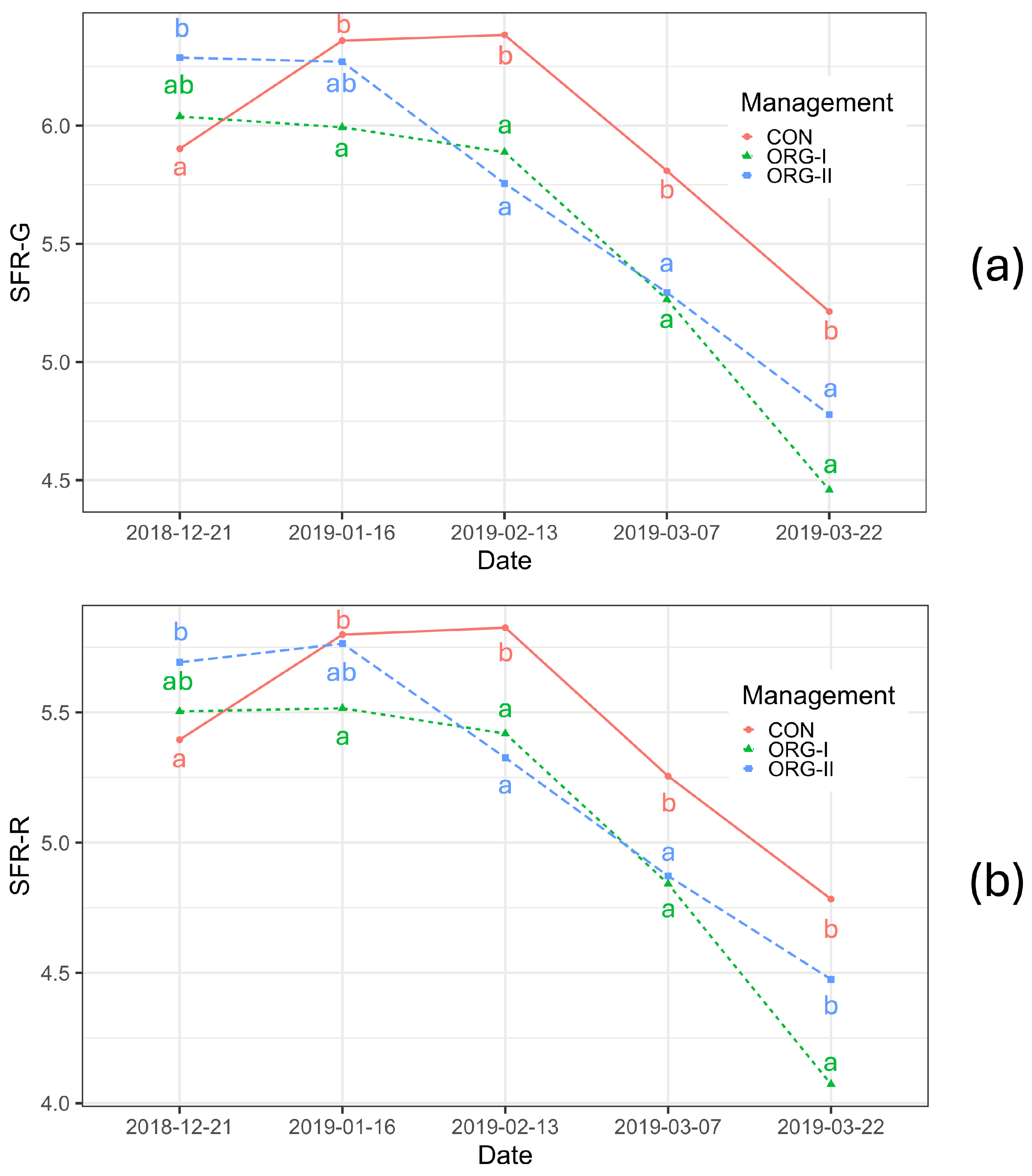
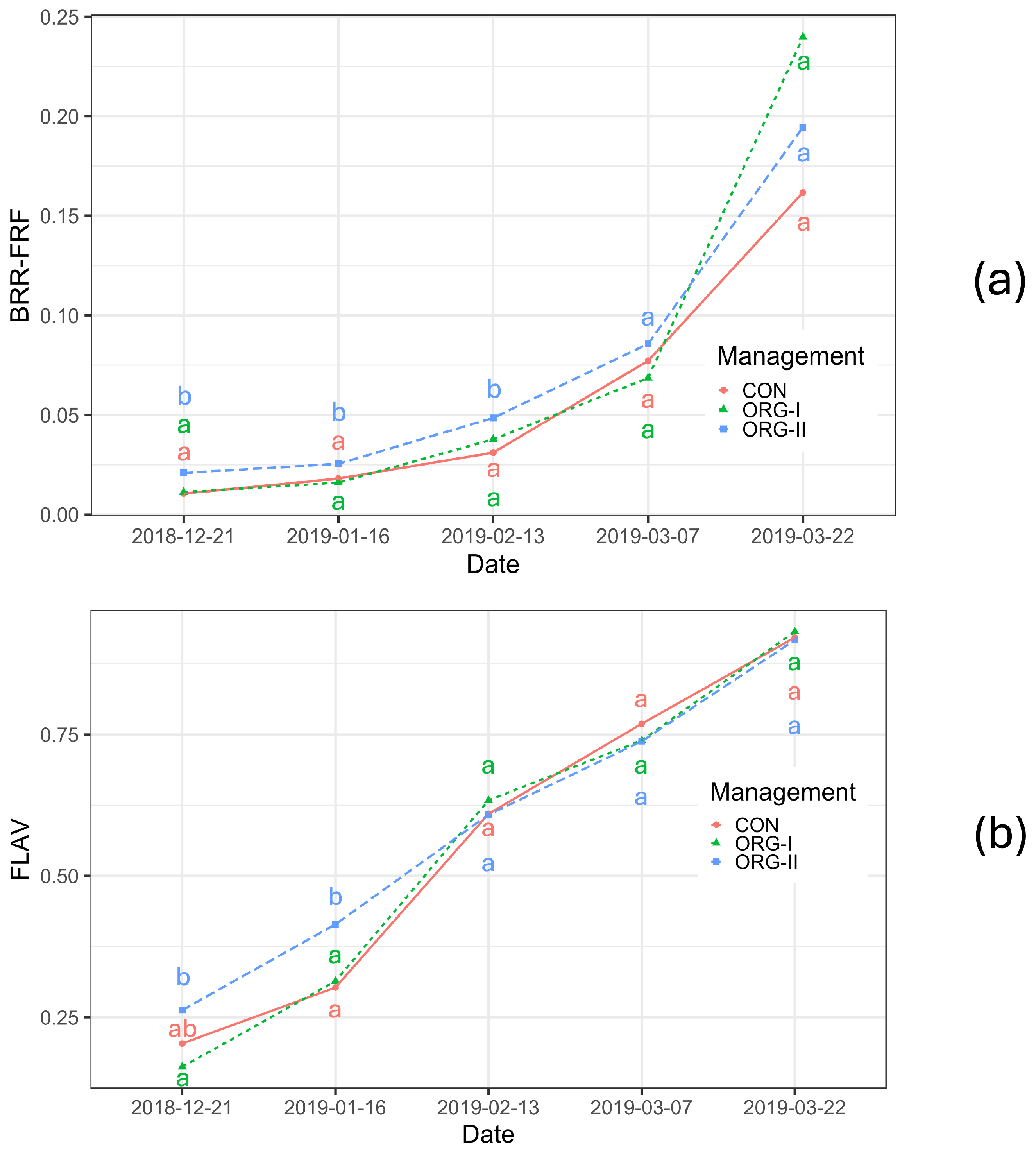
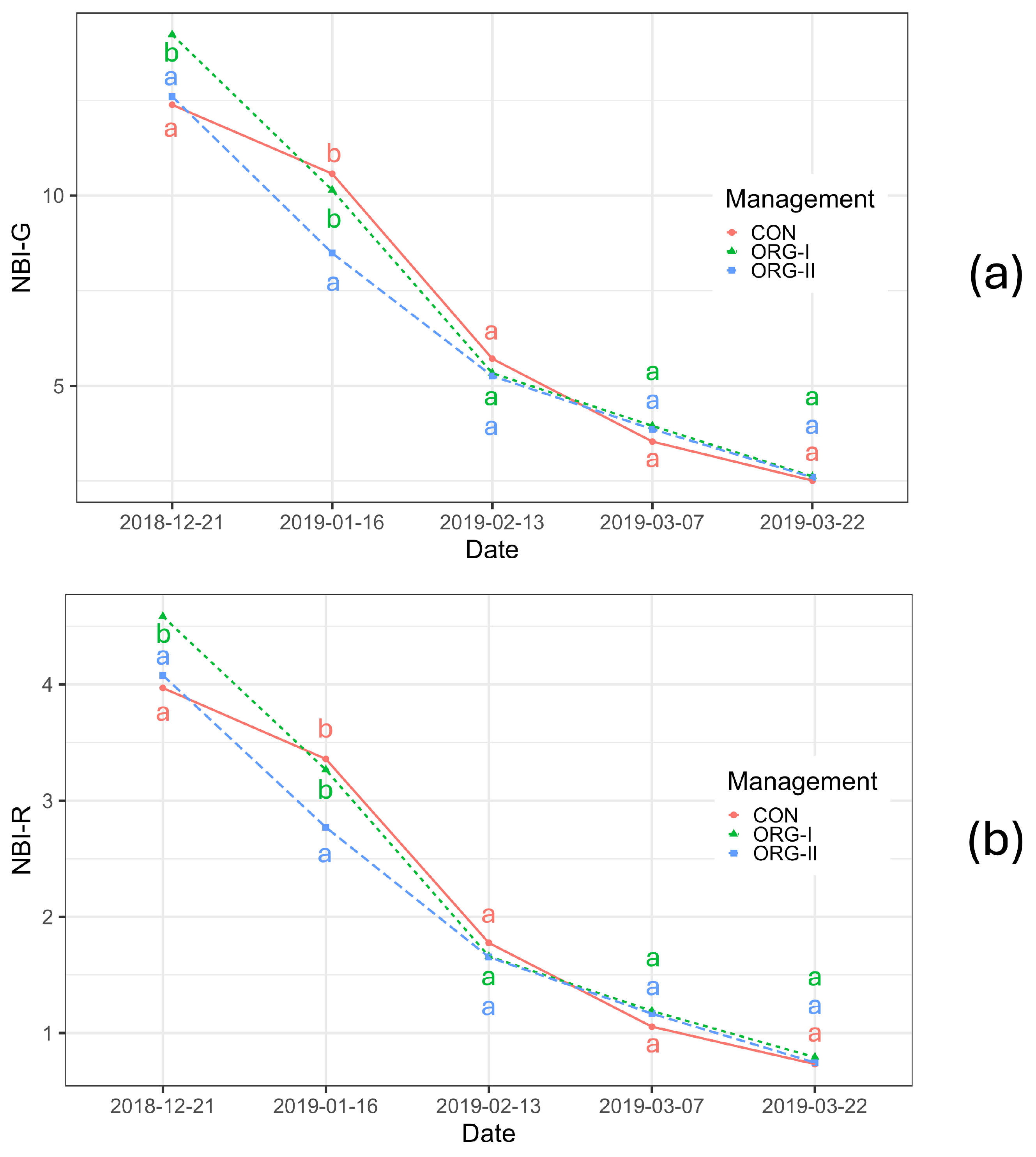
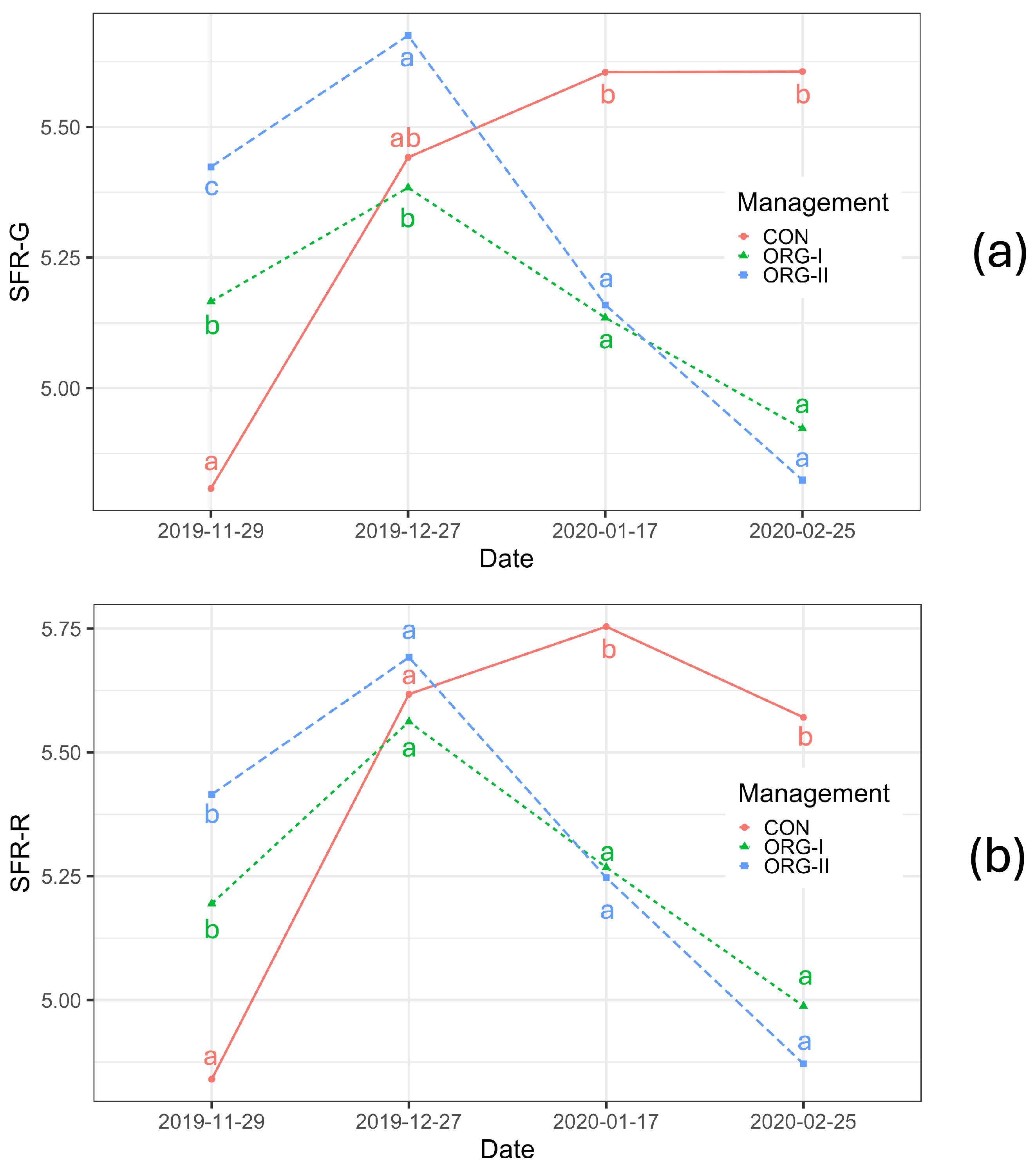
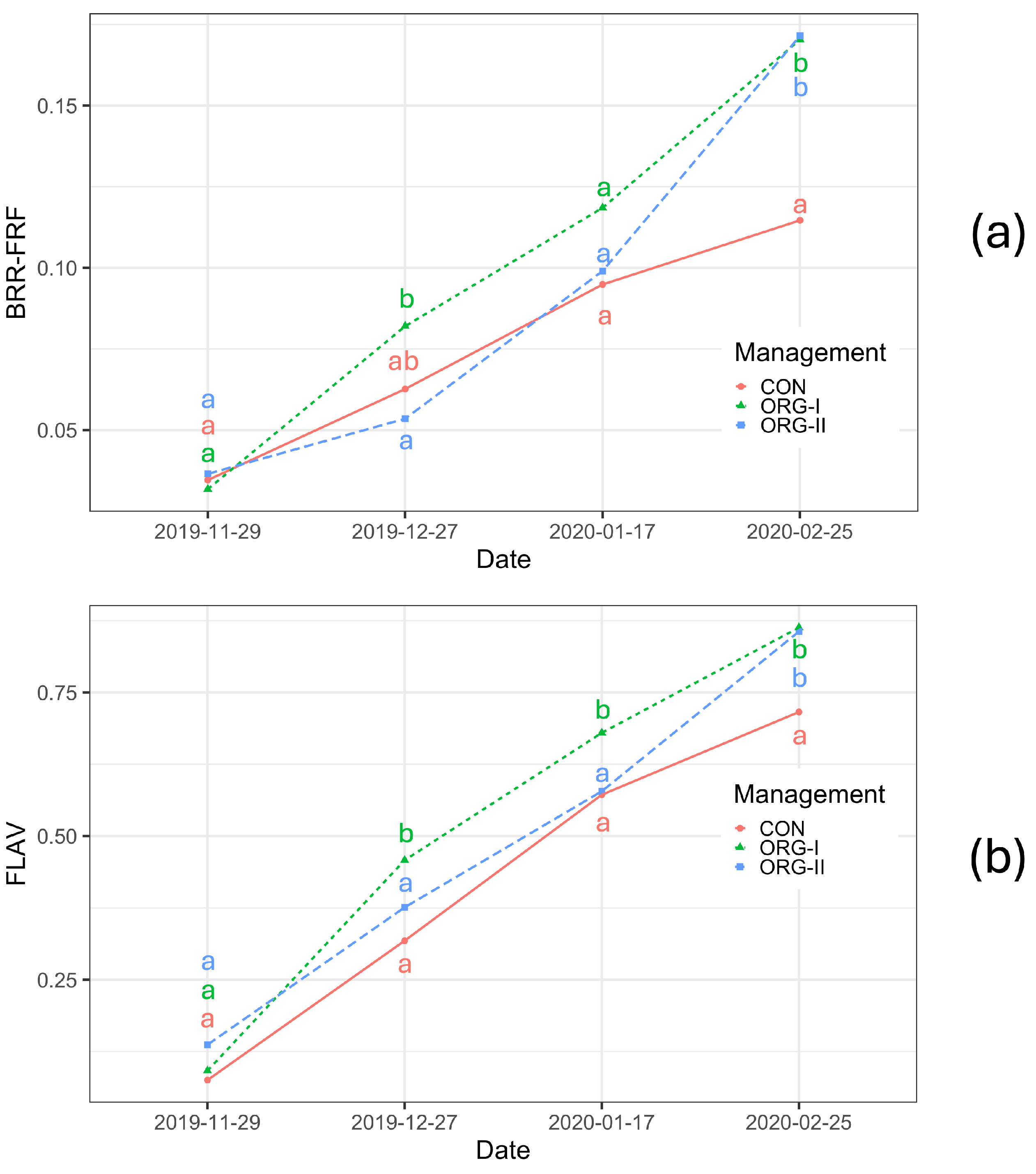
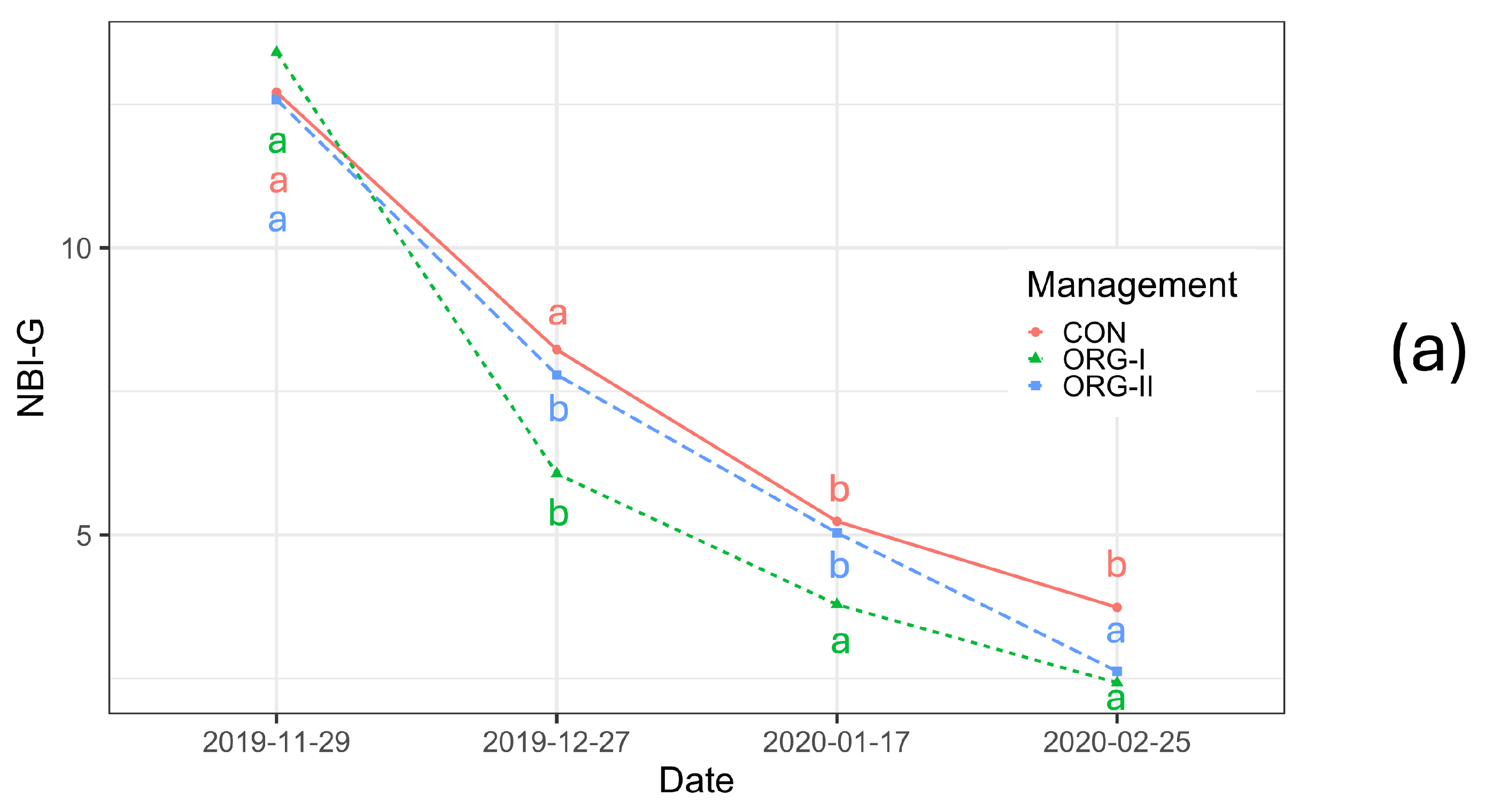
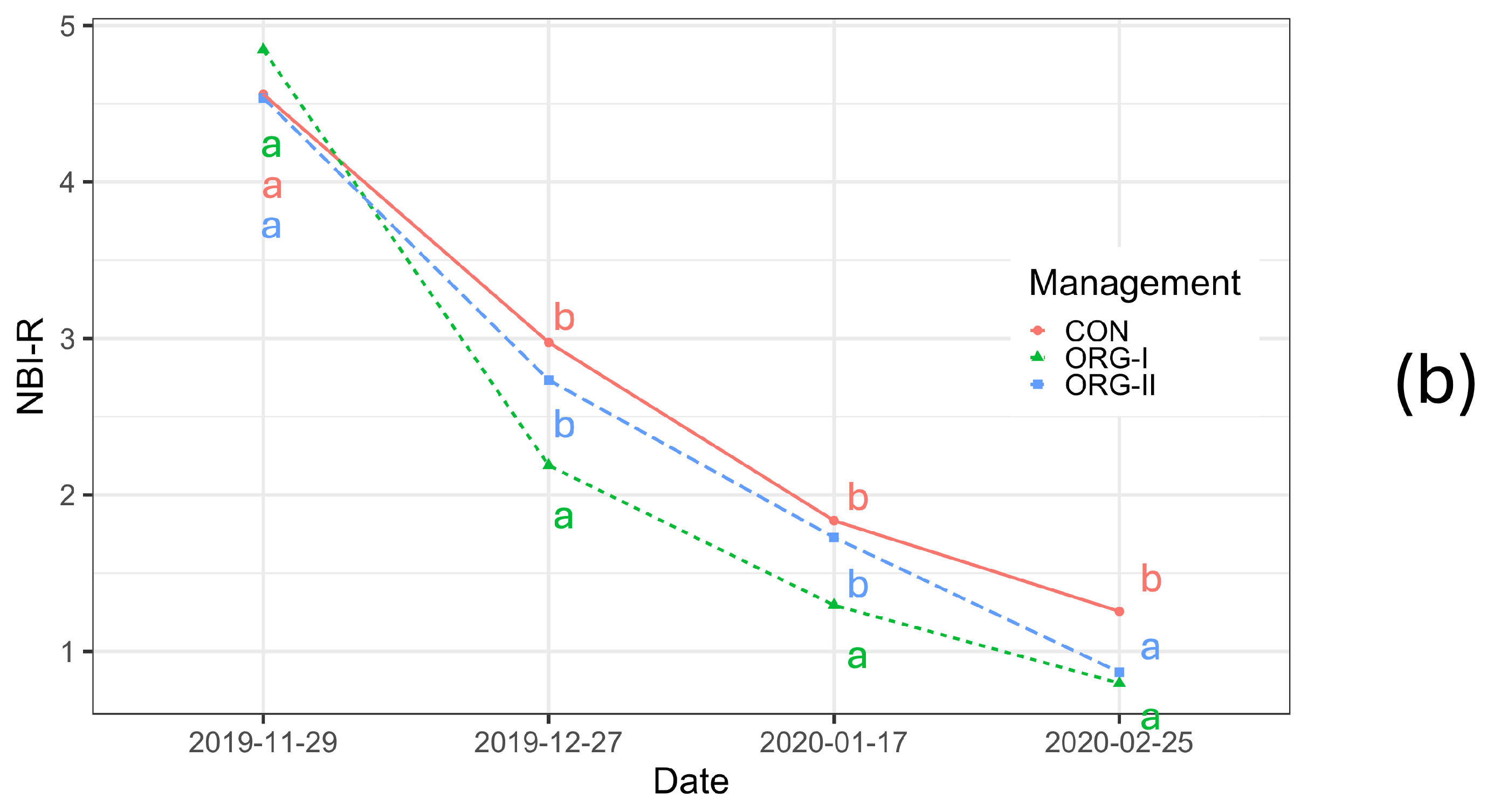
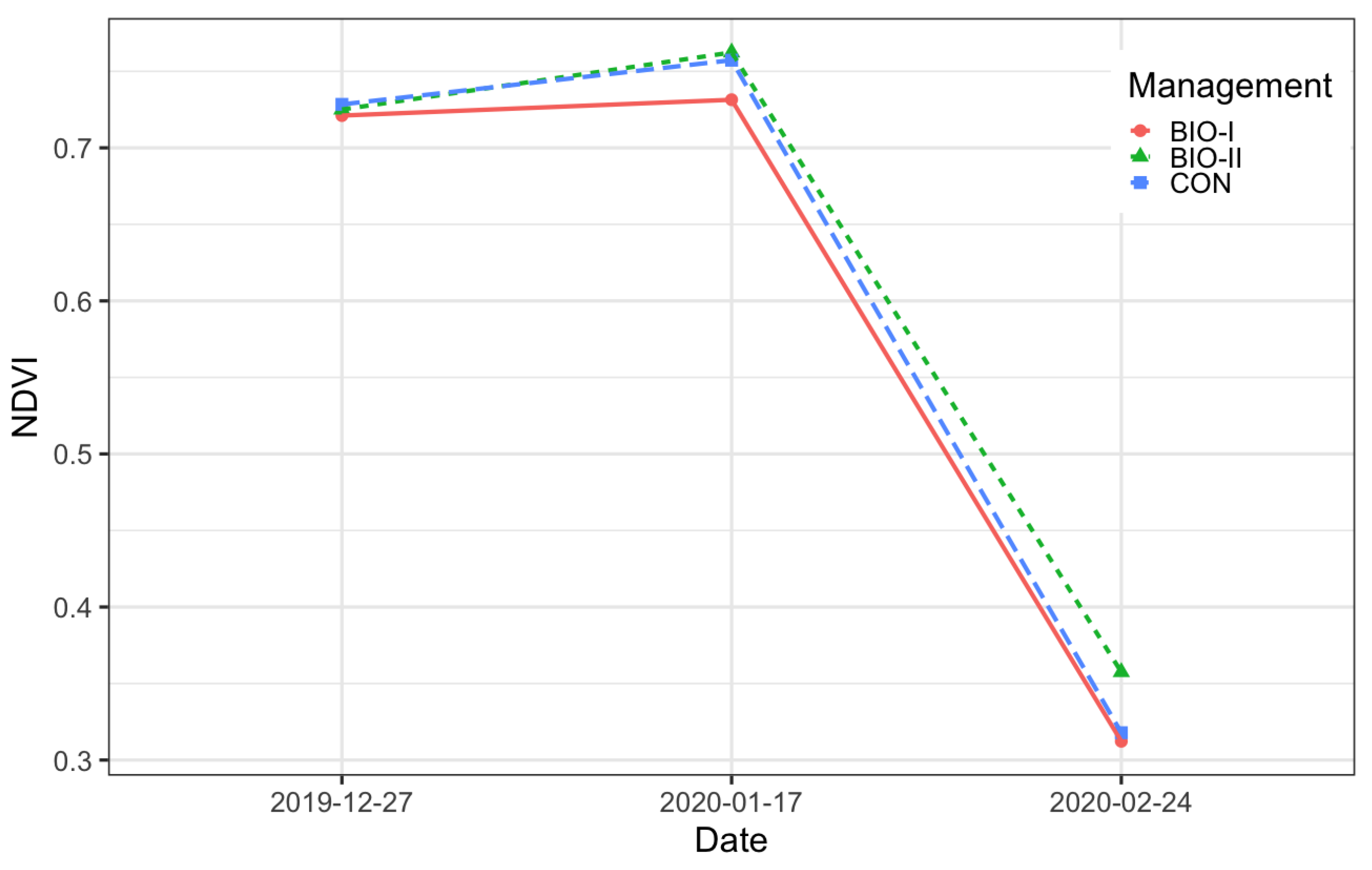
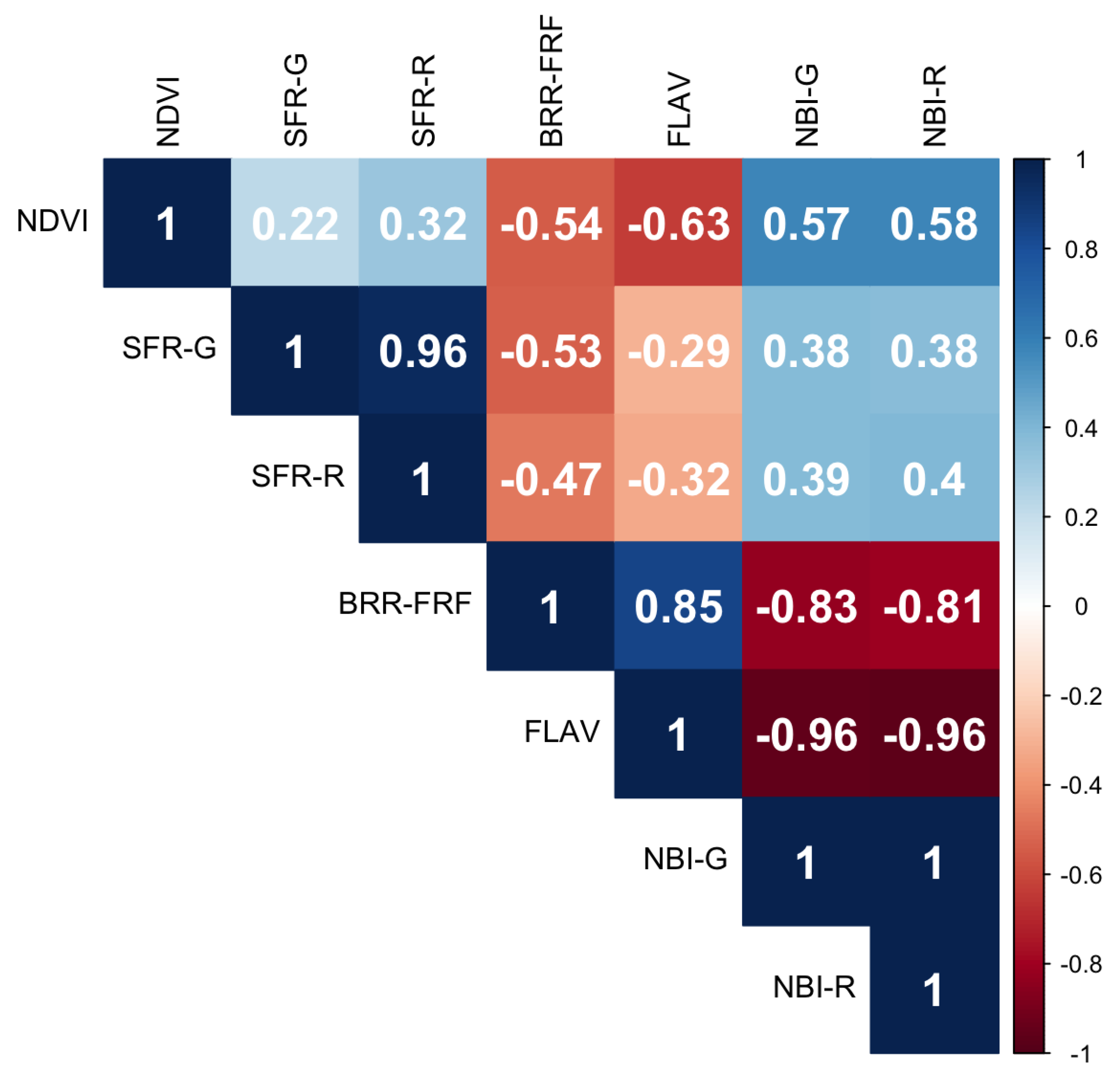
The development of new techniques to improve crop management, especially through precision agriculture methods and innovations, is crucial for increasing crop yield and ensuring high-quality production. The horticultural sector is particularly vulnerable to inefficiencies in crop management due to the complex and costly processes required for producing marketable products. Optimal nutritional inputs and effective disease management are crucial for maintaining commercial standards. This two-year study investigated the physiological differences between organic and conventional crop management of the Sardinian `Spinoso sardo’ artichoke ecotype (Cynara cardunculus var. scolymus L.) by integrating a multiplex force-A (MFA) fluorometer and unmanned aerial systems (UASs) equipped with a multispectral camera capable of analysing the NDVI vegetation index. Using both proximal and remote sensing instruments, physiological and nutritional variations in the growth cycle of artichokes were identified, distinguishing between traditional and two organic management practices. The two-year MFA experiment revealed physiological variability and different trends among the three management practices, indicating that MFA proximal sensing is a valuable tool for detecting physiological differences, particularly in chlorophyll activity and nitrogen content. In contrast, the UAS survey was less effective at distinguishing between management types, likely due to its limited use during the second year and the constrained timeframe of the multitemporal analysis. The analysis of the MFA fluorimetric indices suggested significant differences among the plots monitored due to the ANOVA statistical analysis and Tukey test, showing greater adaptability of the conventional system in managing production inputs, unlike the organic systems, which showed higher variability within the plots and across the survey years, indicating aleatory trends due to differences in crop management.
Keywords: precision agriculture; horticulture; fluorometer; UAS; organic management precision agriculture; horticulture; fluorometer; UAS; organic management