
Article

Trials of Commercial- and Wild-Type Saccharomyces cerevisiae Strains under Aerobic and Microaerophilic/Anaerobic Conditions: Ethanol Production and Must Fermentation from Grapes of Santorini (Greece) Native Varieties

by
Kalliopi Basa
,
Seraphim Papanikolaou
*,
Maria Dimopoulou
,
Antonia Terpou
,
Stamatina Kallithraka
and
George-John E. Nychas
Department of Food Science and Human Nutrition, Agricultural University of Athens, 75 Iera Odos, 11855 Athens, Greece
*
Author to whom correspondence should be addressed.
Fermentation 2022, 8(6), 249; https://doi.org/10.3390/fermentation8060249

Submission received: 6 April 2022 / Revised: 21 May 2022 / Accepted: 22 May 2022 / Published: 26 May 2022
(This article belongs to the Special Issue Yeast, Biofuels, and Value-Added Products)

Abstract

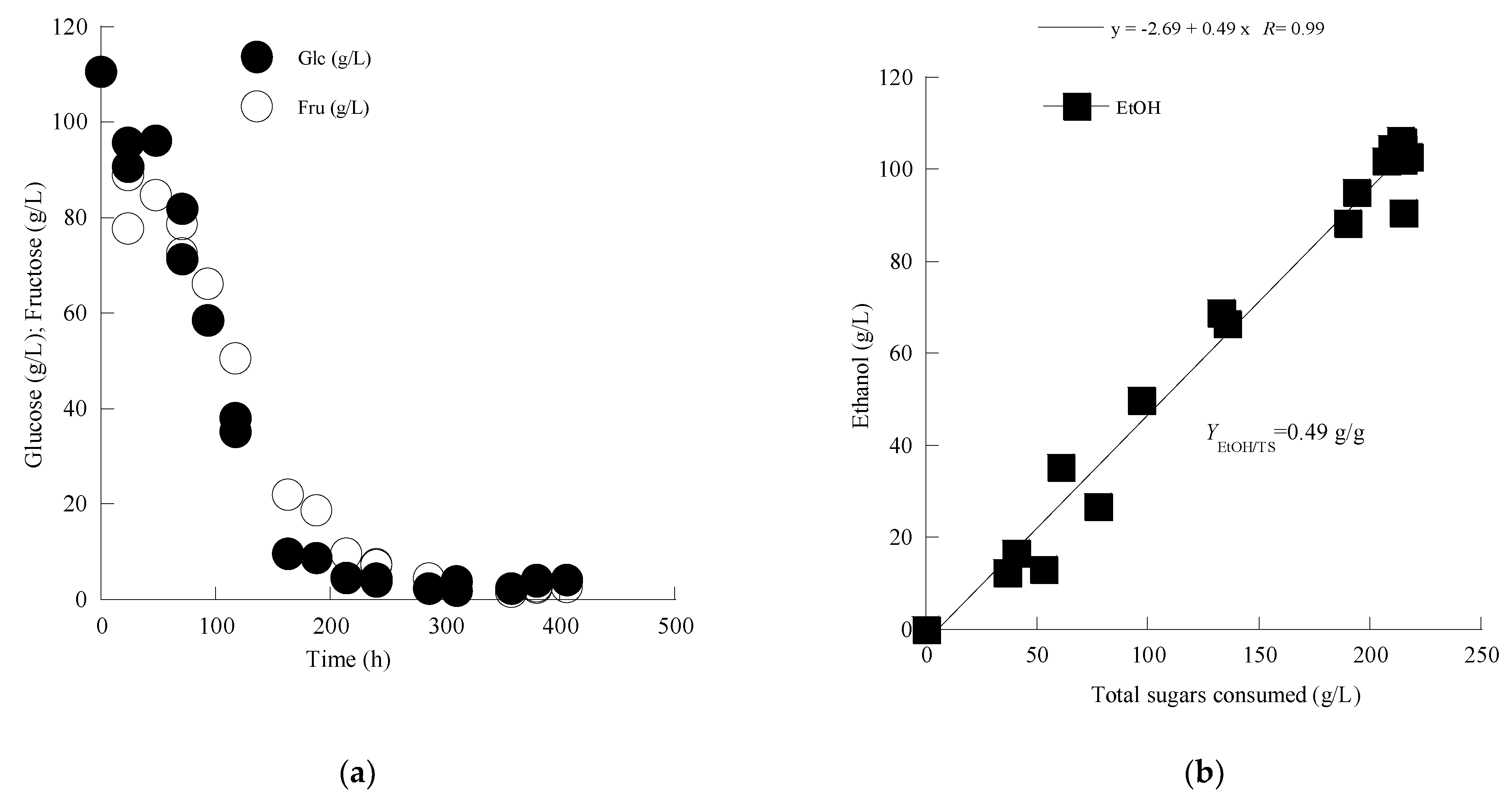
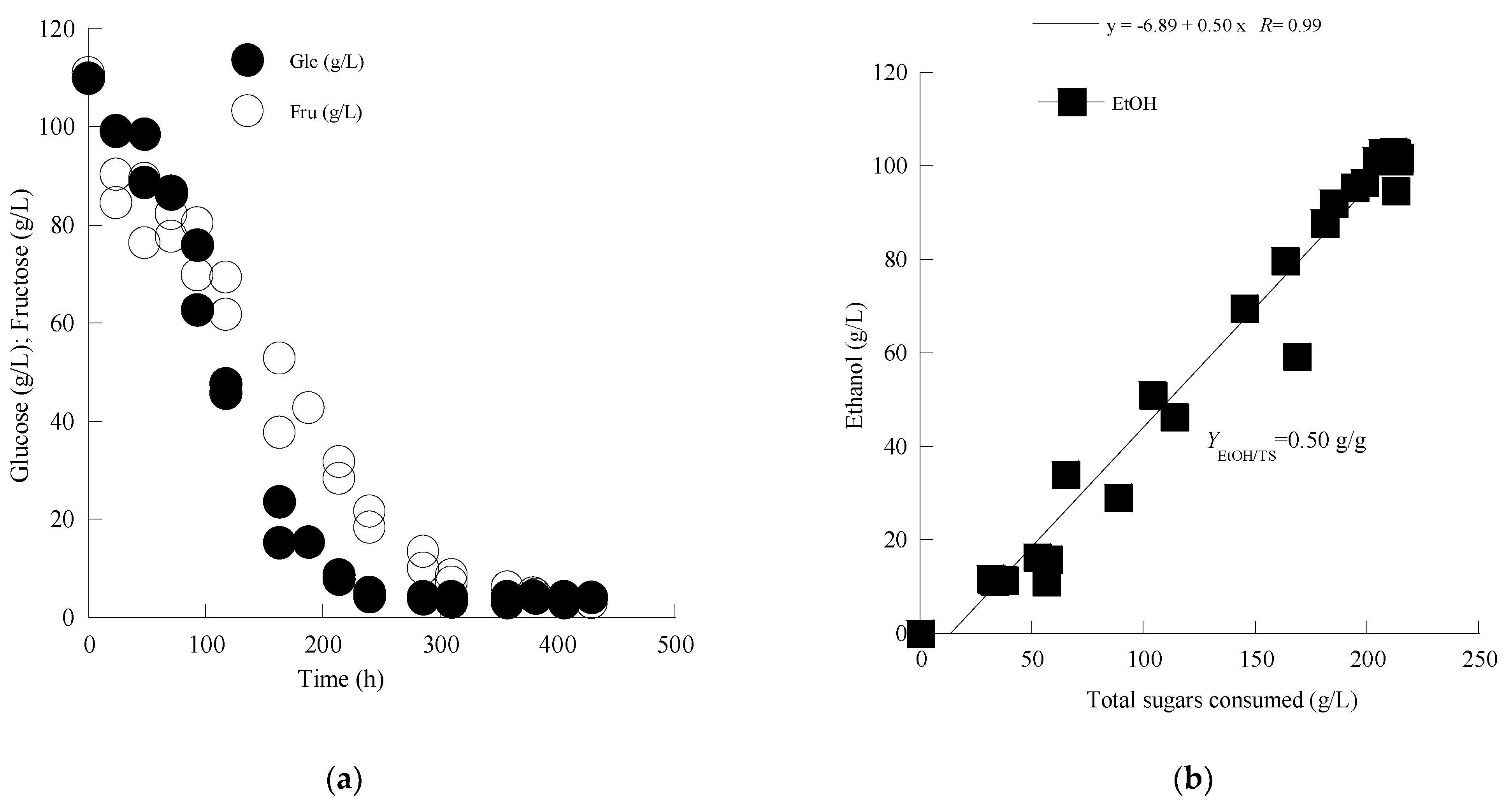
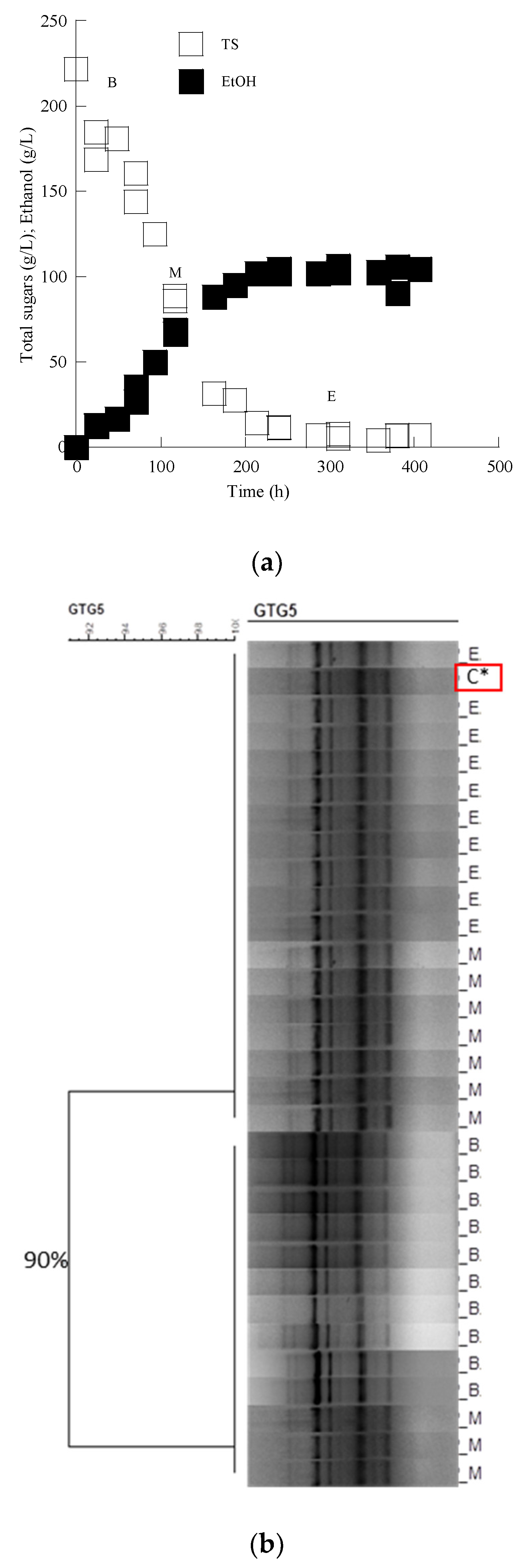
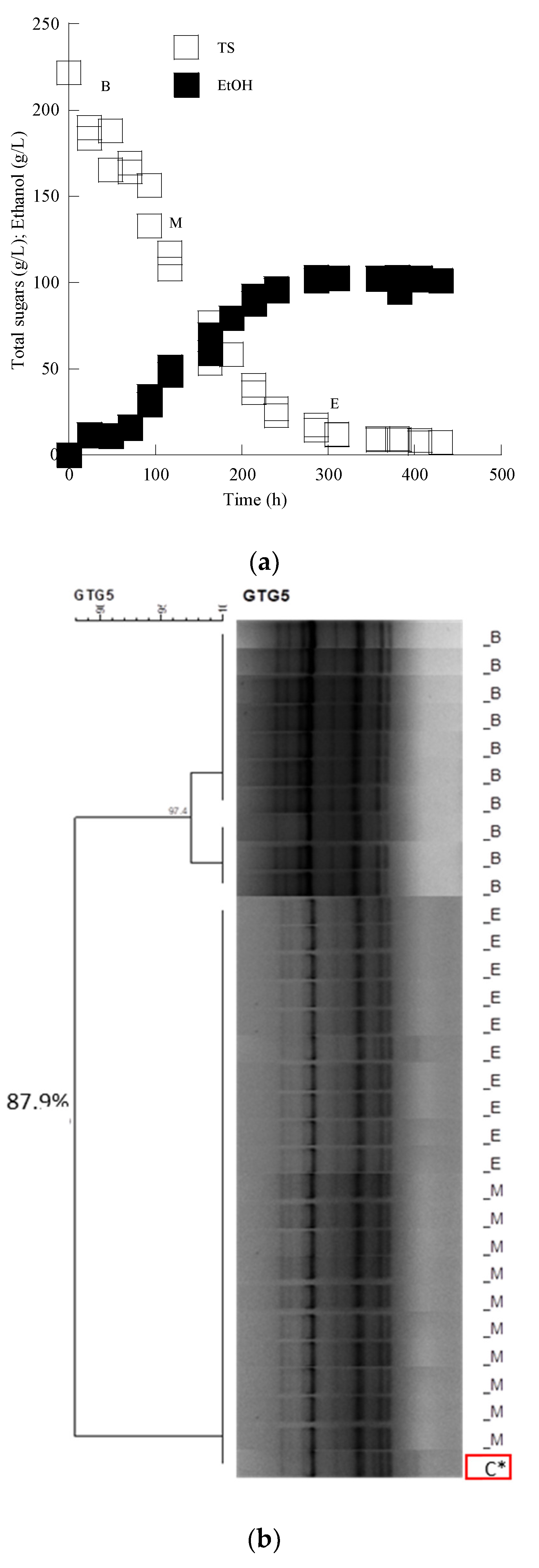
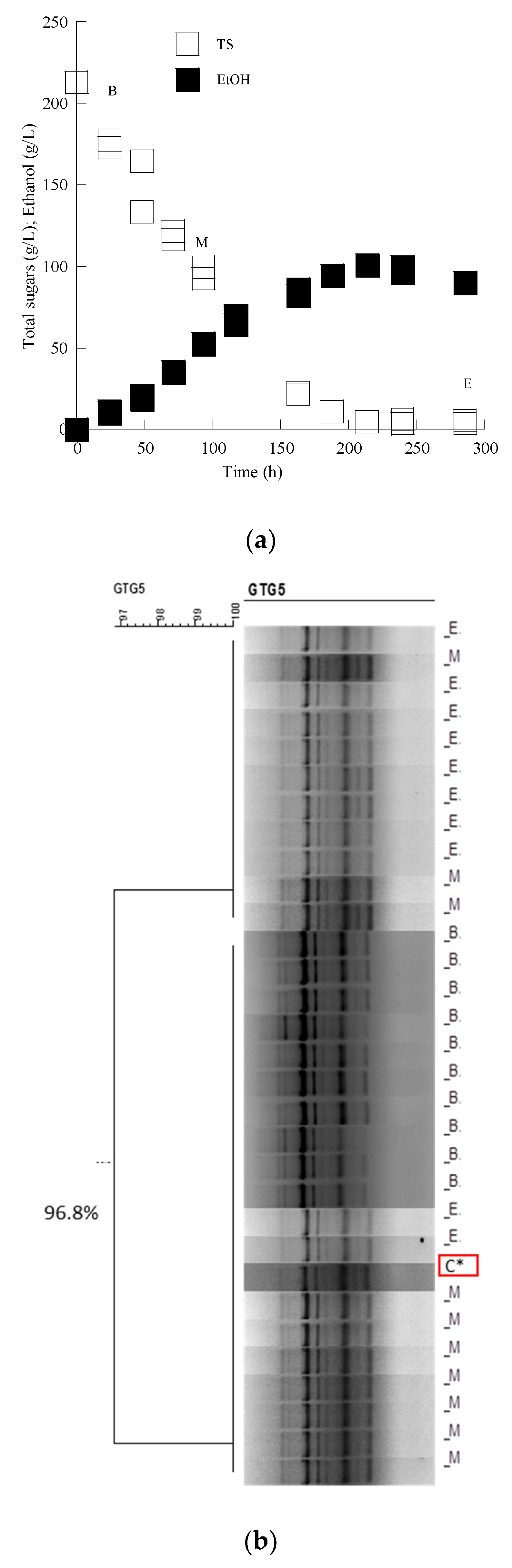
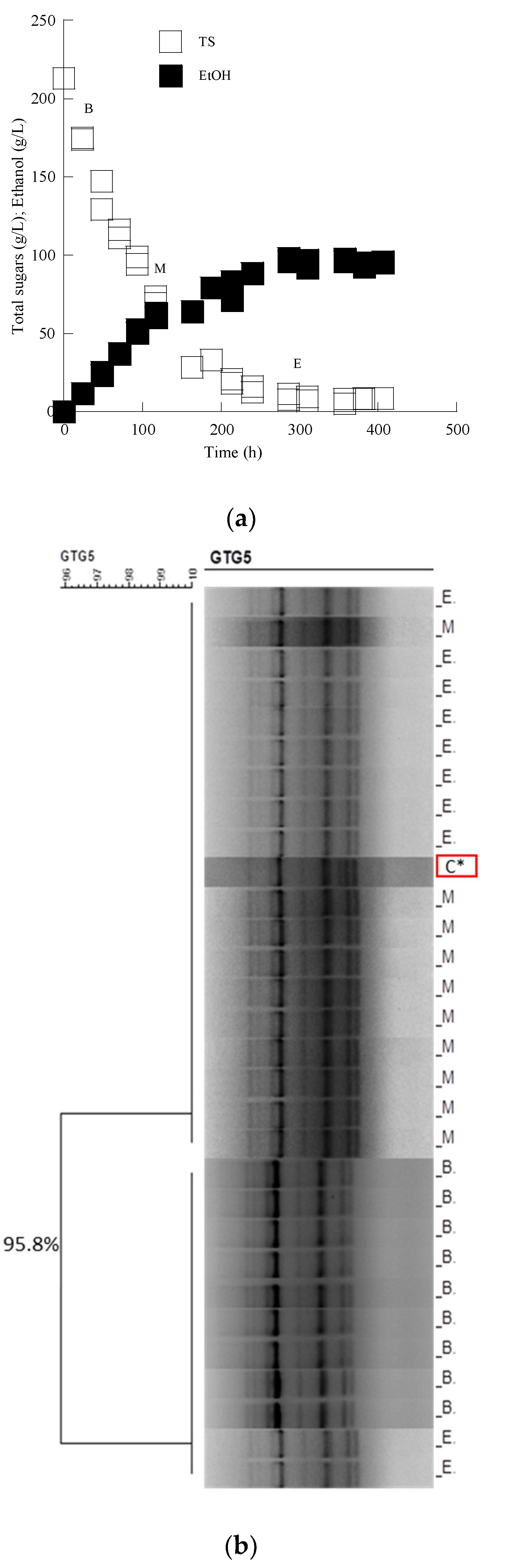
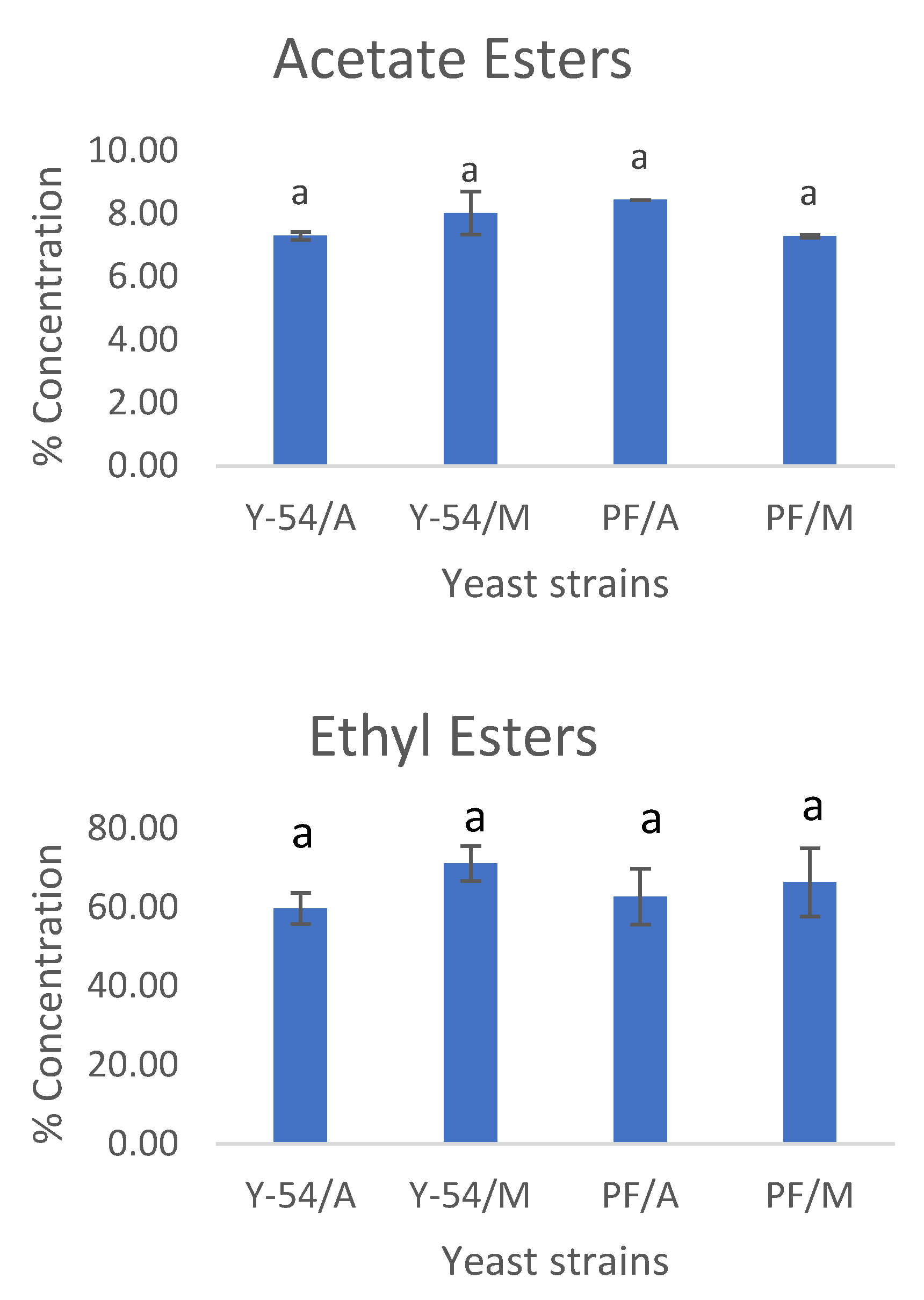
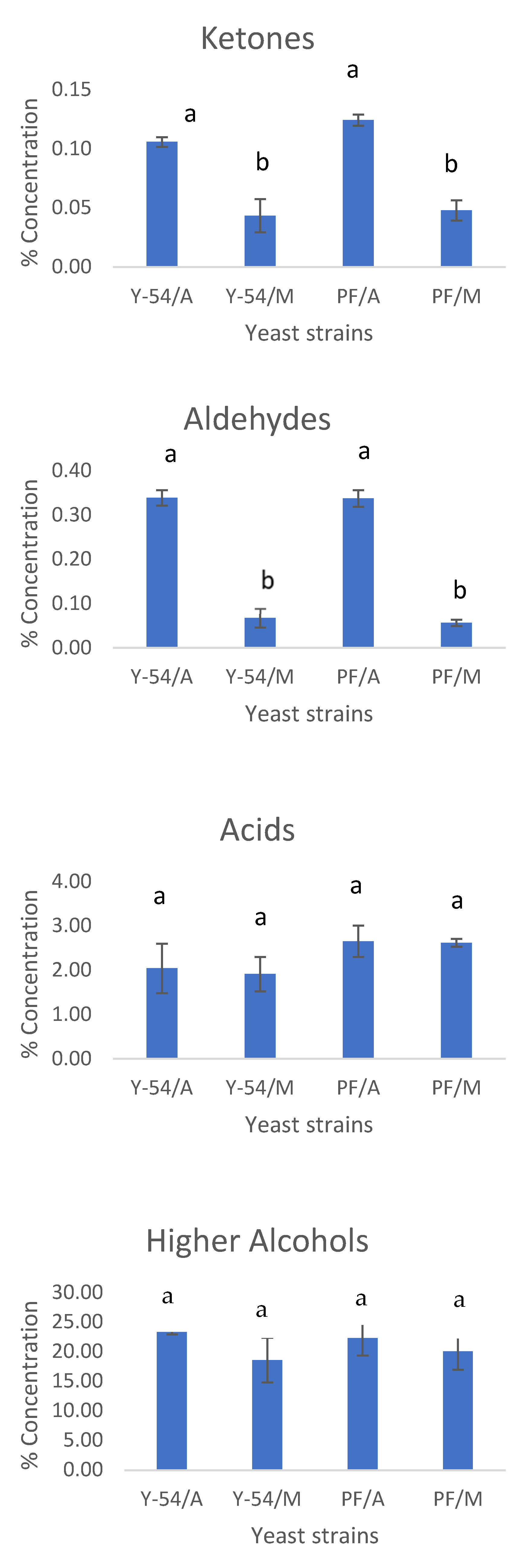
In modern wine-making technology, there is an increasing concern in relation to the preservation of the biodiversity, and the employment of “new”, “novel” and wild-type Saccharomyces cerevisiae strains as cell factories amenable for the production of wines that are not “homogenous”, expressing their terroir and presenting interesting and “local” sensory characteristics. Under this approach, in the current study, several wild-type Saccharomyces cerevisiae yeast strains (LMBF Y-10, Y-25, Y-35 and Y-54), priorly isolated from wine and grape origin, selected from the private culture collection of the Agricultural University of Athens, were tested regarding their biochemical behavior on glucose-based (initial concentrations ca 100 and 200 g/L) shake-flask experiments. The wild yeast strains were compared with commercial yeast strains (viz. Symphony, Cross X and Passion Fruit) in the same conditions. All selected strains rapidly assimilated glucose from the medium converting it into ethanol in good rates, despite the imposed aerobic conditions. Concerning the wild strains, the best results were achieved for the strain LMBF Y-54 in which maximum ethanol production (EtOHmax) up to 68 g/L, with simultaneous ethanol yield on sugar consumed = 0.38 g/g were recorded. Other wild strains tested (LMBF Y-10, Y-25 and Y-35) achieved lower ethanol production (up to ≈47 g/L). Regarding the commercial strains, the highest ethanol concentration was achieved by S. cerevisiae Passion Fruit (EtOHmax = 91.1 g/L, yield = 0.45 g/g). Subsequently, the “novel” strain that presented the best technological characteristics regards its sugar consumption and alcohol production properties (viz. LMBF Y-54) and the commercial strain that equally presented the best previously mentioned technological characteristics (viz. Passion Fruit) were further selected for the wine-making process. The selected must originated from red and white grapes (Assyrtiko and Mavrotragano, Santorini Island; Greece) and fermentation was performed under wine-making conditions showing high yields for both strains (EtOHmax = 98–106 g/L, ethanol yield = 0.47–0.50 g/g), demonstrating the production efficiency under microaerophilic/anaerobic conditions. Molecular identification by rep-PCR carried out throughout fermentations verified that each inoculated yeast was the one that dominated during the whole bioprocess. The aromatic compounds of the produced wines were qualitatively analyzed at the end of the processes. The results highlight the optimum technological characteristics of the selected “new” wild strain (S. cerevisiae LMBF Y-54), verifying its suitability for wine production while posing great potential for future industrial applications.
Keywords: wild-type yeast strains; high-gravity fermentation; Saccharomyces cerevisiae; Assyrtiko; Mavrotragano; molecular identification; wine production wild-type yeast strains; high-gravity fermentation; Saccharomyces cerevisiae; Assyrtiko; Mavrotragano; molecular identification; wine production