Review

Streptomycetes in Soil: Community Signals for Biotechnology

Microbial Communication, Institute of Microbiology, Friedrich Schiller University Jena, Neugasse 25, D-07743 Jena, Germany
*
Author to whom correspondence should be addressed.
Fermentation 2026, 12(4), 206; https://doi.org/10.3390/fermentation12040206
Submission received: 8 March 2026 / Revised: 10 April 2026 / Accepted: 17 April 2026 / Published: 19 April 2026

Abstract

The genus Streptomyces is a major driver of the soil microbial community. These filamentous, exospore-producing bacteria are copious producers of bioactive compounds that are not only used as antibiotics but also affect the soil microbial community in composition and activity. With an average of about 30 different bioactive compounds produced per species, the bacteria use complex regulatory mechanisms that respond to environmental as well as community signals. Understanding these mechanisms will be useful in harnessing the full potential of Streptomyces in biotechnology, e.g., to tackle the antibiotic resistance crisis. This includes the discovery of new antibiotics that are not produced under standard laboratory conditions, as well as being able to modulate the signaling cascades to produce other biotechnology products. As an example, the genus Streptomyces, as one of the few bacterial and archaeal taxa, produces cobalamin de novo through both the oxic and anoxic biosynthesis pathways. This feature adds to the importance of this genus for the soil microbial communities, as well as for applications in fermentation.

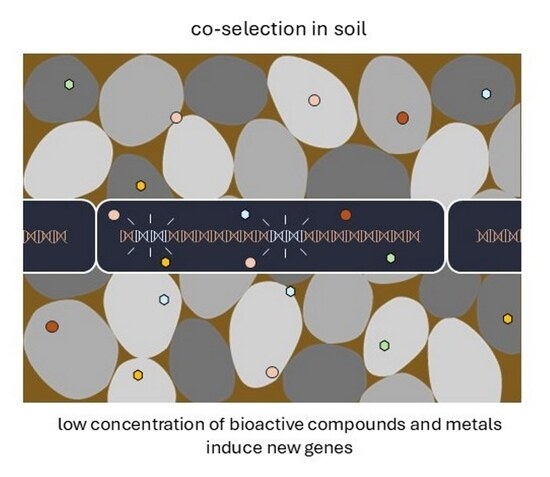
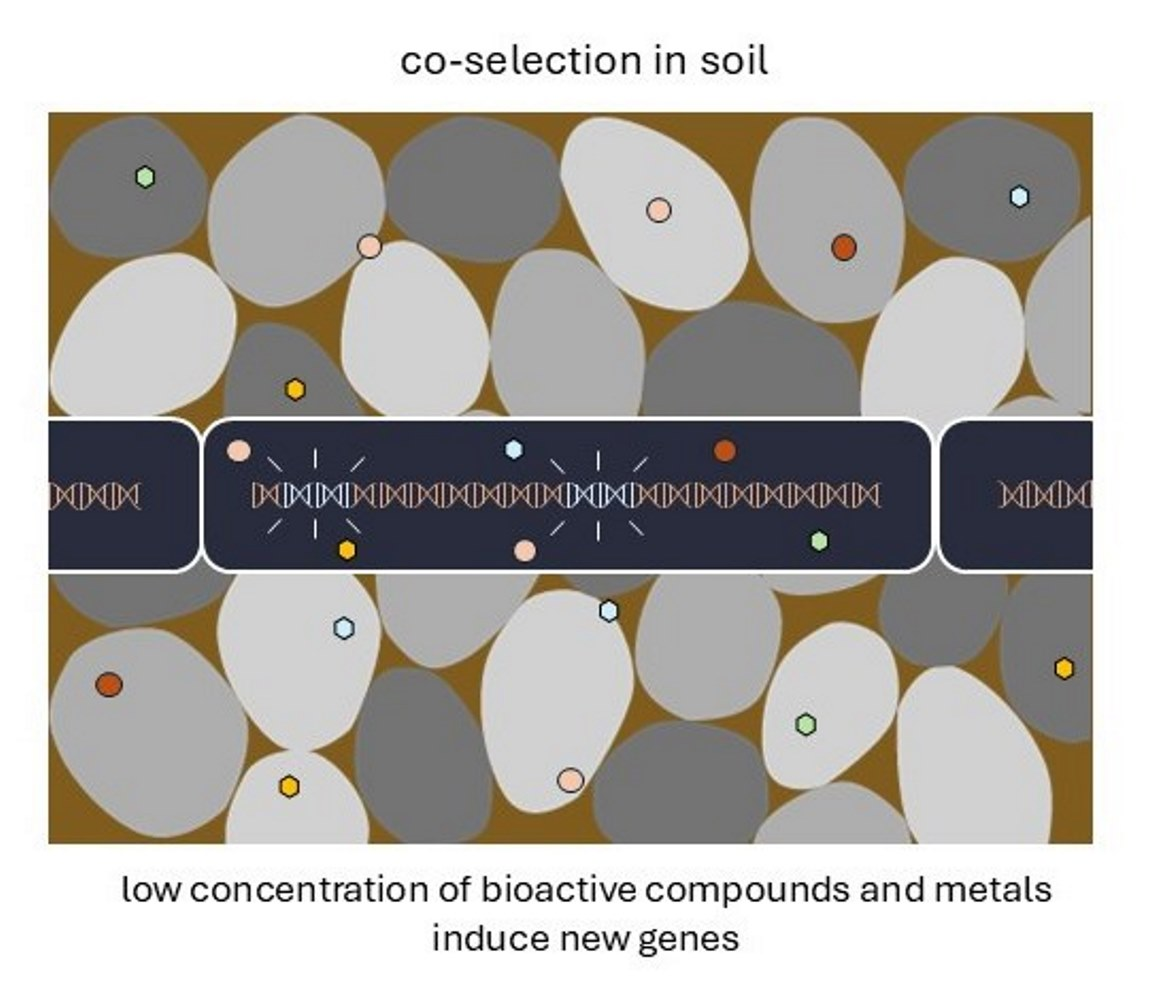
Graphical Abstract

1. Introduction

One of the most important habitats for microorganisms on earth is soil. Actinomycetota contribute significantly to decomposition and impact the global carbon cycle [1]. Depending on the geological setting, mineral composition and relief, climate and weathering, and different factors with high spatial and temporal heterogeneity impact microbial activities, fostering high biodiversity [2,3,4,5]. Combined with the high numbers of bacterial cells, reaching up to 109 per gram of soil, this environment is characterized by a high level of competition [6]. To ensure survival in this competitive environment, bacteria, and particularly the filamentous streptomycetes, produce compounds of both soluble and volatile nature that can act as signals to others and impact community structure [7,8]. This not only includes antimicrobial compounds but also metabolites that may stimulate sporulation, promote plant growth, induce motility or biofilm formation as well as modulate gene expression of other microorganisms in the soil [8].
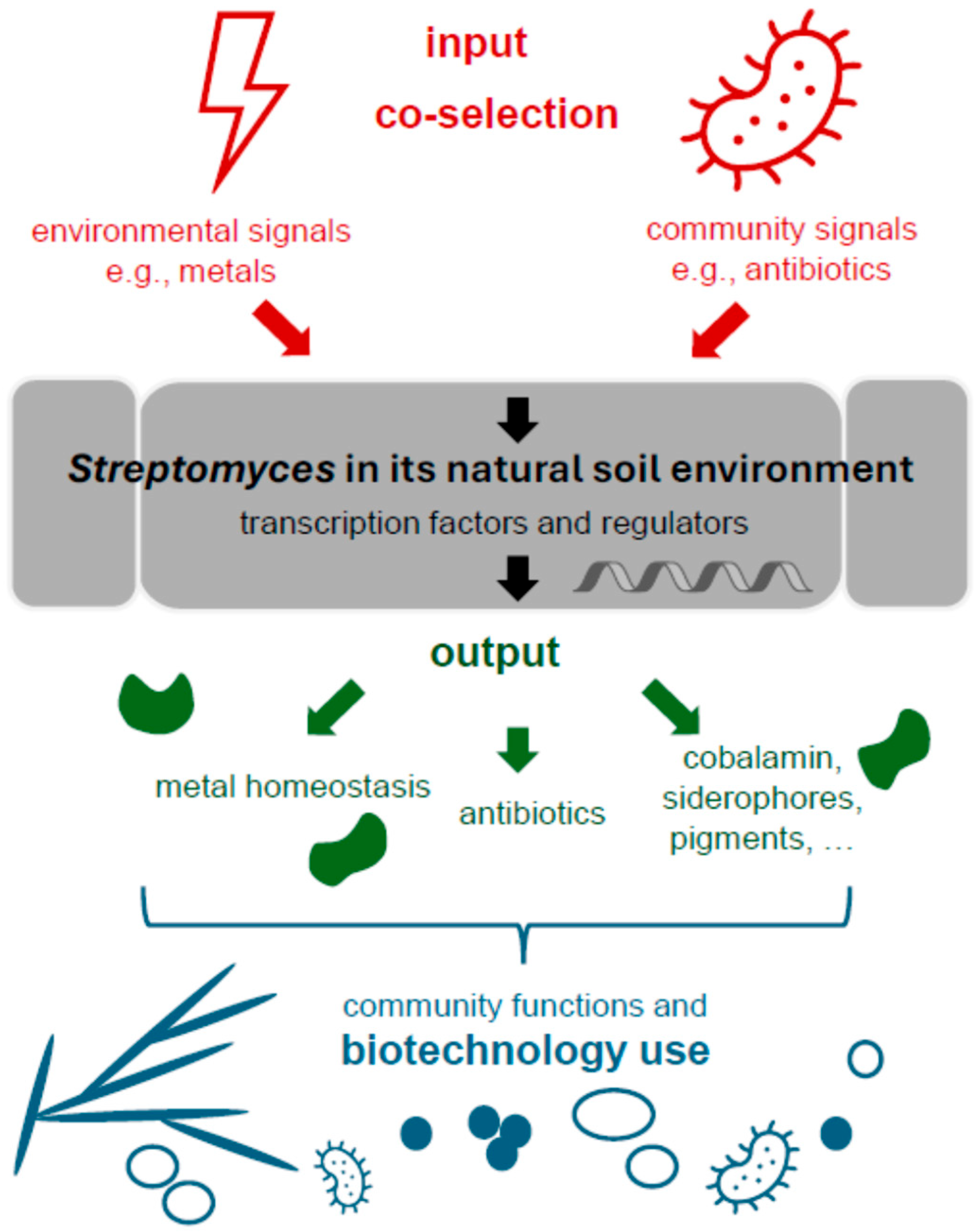
Actinomycetota can reach cell densities of 106 to 109 cells per gram of soil, amounting to 20–30% of bacterial phyla in soil [9,10]. Among them, the most abundant genus, Streptomyces, can release exoenzymes like cellulases, xylanases, or lignocellulases. With that, they are drivers of soil microbial communities [9,11]. Streptomycetes possess large, linear genomes ranging from 5.7 to 12.5 Mb for Streptomyces gobiensis and S. rapamycinicus NRRL 5491, respectively. In addition, linear or circular (mega)plasmids are often encountered, which adds to metabolic versatility and allows the bacteria to adjust to variable local conditions [12,13]. The large genome size also allows for the production of a vast repertoire of bioactive compounds that can be used for biotechnological purposes, among them most antibiotics. Further metabolites of biotechnological use include pigments, signal molecules, protective substances against environmental stress, and metabolites for scavenging metals such as siderophores [14,15,16,17,18]. The role of environmental interactions is explored here (Figure 1).
Many of these useful products are not produced under standard laboratory cultivation conditions. The idea developed in this review is to follow the concept of microbial communication of a signal. Such signals are sent by one cell and perceived by another cell, leading to an answer in the form of new compounds produced. These, in turn, may have a signaling effect on yet other microorganisms (compare Figure 1). The constant signaling in a natural environment, and specifically soil, holds potential for new discoveries beyond the well-researched, direct responses to, e.g., antibiotics or abiotic stress through (heavy) metal exposure.
Among the biotic signals, typical signaling compounds like quorum sensing are encountered, which are well researched and mainly address intra-specific communication. Other compounds that are produced may be viewed as signals between different community members. The most serious interference with the community composition would be the production of antibiotics killing (some) community members. However, even these compounds, when present at sublethal concentrations, can be recognized and responded to through metabolic shifts and new biochemical pathways becoming induced.
The integration of more than one signal in an intracellular signal transduction leading to the specific response offers the possibility to identify more general cellular regulatory responses. We thus delve into the concept of co-evolution of responses with a focus on combined metal and antibiotic resistance genes. The interference with such signaling cascades visible in changes in transcription/translation offers the potential to assess multiple biosynthetic clusters at once.
With that, not only stress response but also communication molecules to respond to the biotic signals are (newly or more copiously) produced. Their effect on the soil community members is evaluated here as well.
With this review, we thus aim at addressing key factors of streptomycete biology in soil. This includes communication with soil community members. A better understanding will allow us to assess the biotechnological potential in a more comprehensive manner. Responses to environmental signals and co-selection of different resistance mechanisms pave the road to identifying factors allowing for the expression of multiple pathways at once, producing different new bioactive compounds. Understanding the evolutionary constraints and community impact on ecology will therefore provide a good basis to guide future assessment and use the full biotechnological potential of this genus.

2. Antibiotics Can Act as Signals

Genomic analyses suggest that Streptomyces strains, on average, carry the biosynthetic gene clusters to produce up to 30 different bioactive compounds [19]. Around two-thirds of medically used antibiotics are produced by Actinomycetota, and among those, approximately 80% are produced by the genus Streptomyces [20]. This high number of antibiotics of different classes has been discussed to be related to the unavoidable competition the non-motile streptomycetes face in their soil environment.
As locally excreted organic substrates and nutrients released by lysing cells of streptomycetes potentially attract competing motile bacteria, the production of antibiotics might provide protection and nutrient procurement [9]. Over 8500 natural products are known to be produced by this genus, derived from approximately 3900 species [21]. However, due to predominantly standard screening methods in the past, only a fraction of the genetically encoded natural products have been discovered [19]. Estimates suggest these filamentous bacteria may be capable of producing antimicrobial compounds in the order of 100,000 [22,23]. The targets in bacterial cells include, but are not limited to, ribosomes, DNA and protein synthesis, maintenance of DNA, RNA polymerase, folate synthesis, ATP synthesis, riboswitches, and programmed cell death [24,25,26].
However, lethal concentrations of antibiotics are not necessarily reached in soil habitats. Diffusion of the antibiotic around a producer, as well as sequestration within the soil matrix, will produce a gradient, and depending on the distance to the producer, the potential concentration will fall below the inhibitory concentration. Since this will be the case for most encounters in soil, the evolution of responses in the responder bacterium had good chances to promote survival or even beneficial translation into mechanisms that cope with the potential stressor(s). At the same time, sublethal concentrations will elicit a specific response through activation and inactivation of genes that, in turn, alter the behavior of the producers or third parties in the direct vicinity of the perceiving strain.
This scenario draws a better picture of antibiotics in soil. In this sense, sublethal concentrations of antibiotics can be envisioned as signaling compounds or infochemicals that stimulate highly specific, dose-dependent transcriptional and metabolic modulation of co-occurring microorganisms [27,28,29]. Expression changes with 5–10% of genes in the responder genome have been reported [30], including signal transduction pathways involved in biofilm formation, motility, or induction of secondary metabolites [31,32].
Those findings support the view of antibiotics as environmental signals rather than antagonistic compounds. At concentrations near the inhibitory concentration, stress response predominates, whereas at lower concentrations (10- to 100-fold below that level), different gene sets are induced. Aside from morphological differentiation and bioactive metabolite production, horizontal gene transfer may be induced, which relates to evolution [27,30].
Understanding these dose-dependent responses at sublethal concentrations may have significant biotechnological relevance. Antibiotics at sublethal concentrations can activate silent biosynthetic gene clusters, creating opportunities for the discovery of novel natural products. Likewise, co-cultivation of streptomycetes or exposure to sublethal elicitor compounds may induce cryptic biosynthetic pathways that remain inactive under standard fermentation conditions. And finally, integration with abiotic stress response, like a combination with heavy metals, will induce yet different sets of pathways that can be harnessed for biotechnology.

3. Co-Selection of Resistance Mechanisms: A New Strategy to Counter the Resistance Crisis

The current increase in multi-resistant human pathogens warrants a closer look into the biology of producers. Only if we can understand the evolutionary boundaries that led to the selection of antibiotic production can we identify new classes of drugs that are urgently needed. And if we look at microbial communities, we might even be able to devise strategies that go beyond simple killing of bacteria to address a pathogen.
An antibiotic produced and released in soil will diffuse, creating a gradient that leads to conditions where the responder organism is perceiving sublethal concentrations. This led to the idea that antibiotics also are infochemicals, as the responder might already be changing its behavior at extremely low dosages. At the same time, this might also increase the spread of resistance mechanisms in the soil environment, a factor that should be considered when thinking of potential ways to overcome the antibiotic resistance crisis [33,34]. For this, it makes sense to investigate natural resistance strategies.
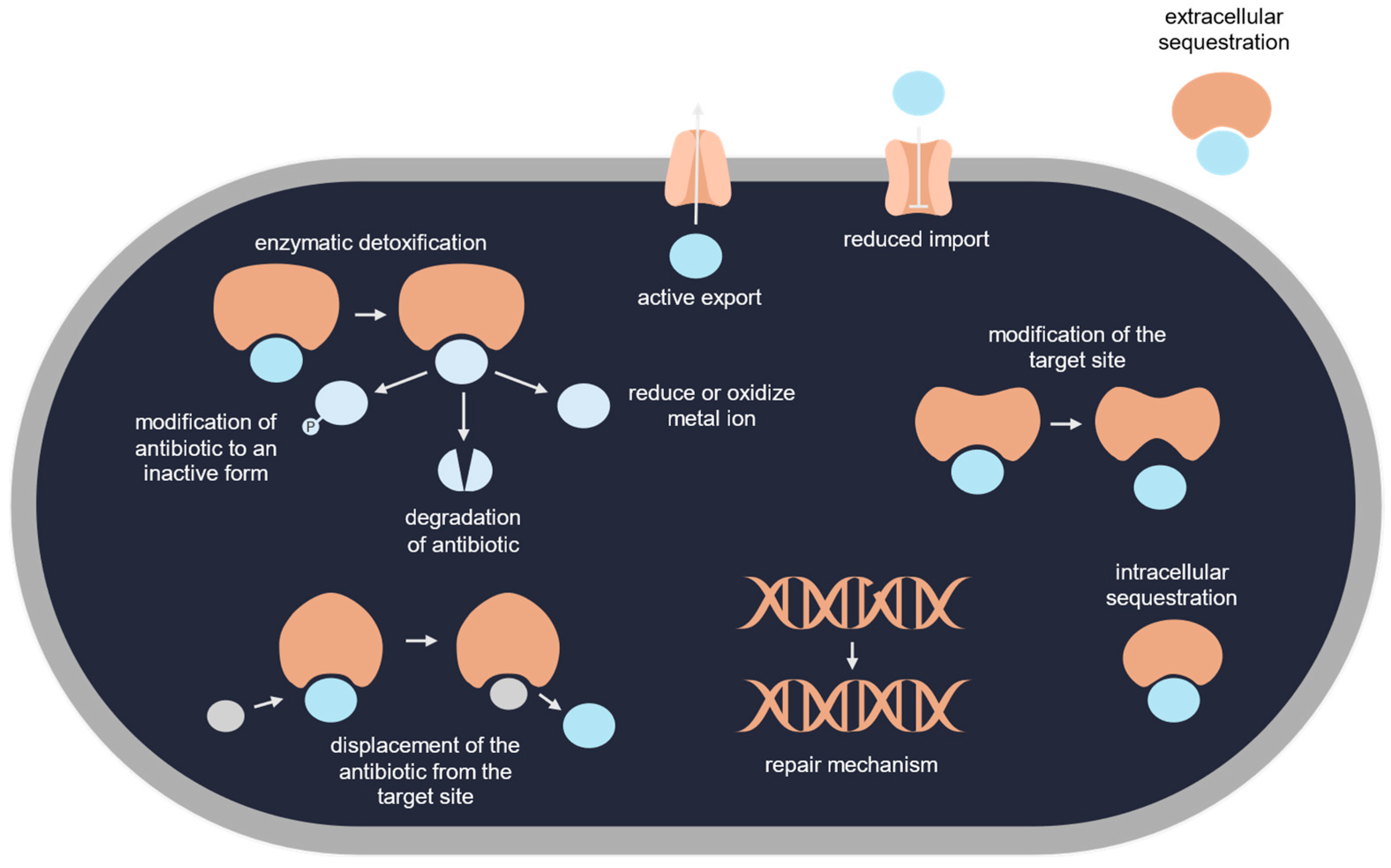
To avoid self-inhibition, antibiotic-producing bacteria must possess mechanisms to protect themselves from their own compound. Resistance in producers can be achieved through several strategies: (i) modification of the antibiotic to an inactive form, (ii) active export via efflux pumps before it reaches its intracellular target, (iii) modification of the antibiotic’s target, (iv) repair mechanisms countering the effects, or (v) preventing an antibiotic from binding to its target site either by sequestration of the antibiotic itself or displacement of the antibiotic from the target site (Table 1). Non-producing responder bacteria can employ further techniques, such as degradation of the antibiotic or reducing the import of the antibiotic. Such mechanisms can be used to mitigate antibiotic resistance. E.g., adding clavulanic acid to ß-lactam antibiotics to inhibit ß-lactamases is customary practice [35]. Other resistance mechanisms should be looked at in more detail to tackle the antibiotic resistance crisis.
The idea that microbes have learned through evolution to cope with antibiotics produced in their surrounding habitat may warrant looking out for other environmental stresses and the response to those factors. If a more general mechanism can be uncovered, antibiotic resistance may be targeted in a more comprehensive manner. Notably, the parallelism between antibiotic and heavy metal resistance provides a unique opportunity for characterizing shared regulatory systems that could potentially serve as targets for novel anti-resistance strategies.
In contrast to ever-changing conditions like temperature or humidity and the directly correlated soil water ionic strength, metals in the environment pose a stable signal. This is more like the presence of an antibiotic, which will be present if a producer is around. Therefore, it may be more relevant to investigate metal resistance to identify common resistance strategies—or cures to counter resistance.
Essential metals such as Fe, Co, Cu, Zn, or Ni are indispensable to stabilize protein structure, DNA, and cell walls and to maintain osmotic balance [49]. During evolution, bacteria have developed homeostasis, which includes coping with excess loads. High intracellular metal loads can disrupt protein functions by displacing the native metal cofactors from the active site, or metals can bind to thiol groups, altering protein structure and activity. High metal loads can also damage cell membranes or DNA or result in oxidative stress [49,50]. Interestingly, the resistance mechanisms overlap with those discussed above (Figure 2): limiting influx and active metal export [51,52,53,54], intracellular or extracellular metal sequestration [49,55,56,57,58], enzymatic detoxification (here mainly through redox reactions) [59,60,61], and modifying cellular targets to reduce metal sensitivity [49,62,63,64].
Since resistance against antibiotics needs to be addressed for public health reasons, it seems ever more important to use our newly emerging knowledge on bacterial response toward environmental signals by addressing signaling pathways rather than constantly developing new antibiotics to counter the evolution of multi-resistant strains. Co-selection describes the phenomenon in which exposure to one selective agent promotes an increase in tolerance to a second, unrelated agent. Importantly, co-selection can occur below the minimum inhibitory concentration of either compound. This perfectly relates to conditions in soil, where the antibiotic concentration is below the minimal inhibitory concentration at a distance from the producer, as well as for metal toxicity that is determined by water-soluble, bioavailable concentrations that are constantly reduced with drainage. In both instances, the resulting sublethal concentrations will already exert cellular responses and hence aid co-selection [65,66].
The selection of multiple resistance genes on one plasmid transferable in the community has been shown extensively for antibiotic resistance, with multiple antibiotic resistance genes accumulating on a single plasmid [67]. Less commonly, this has been investigated for Streptomyces metal resistance. However, in one study, the transfer of a mega-plasmid could confer resistance to increased concentrations of Ni, Co, and Cu [54]. The analysis of the actinomycete Amycolatopsis tucumanensis for its copper resistome also gave evidence of additional stressors being tolerated in dependance on copper [68]. Investigation of co-resistance between metals and antibiotics should be strengthened to address transcriptional control. For that, the community signals that may provide common goods for sustaining stressful conditions should be considered as well.

4. Assessing Gene Regulation for Synthetic Microbiology

As outlined in the above sections, both antibiotic production and antibiotic resistance and community structuring are linked via certain regulatory functions. One example would be that among the genes induced under metal stress, a cobalamin-dependent riboswitch is induced. This, in turn, is involved in transcriptional regulation of cobalamin-dependent methionine biosynthesis. Therefore, looking out for more comprehensive expression control to aid strain construction in the future is warranted. One outcome might be access to silent antibiotic biosynthesis gene clusters, a more general regulator addressing resistance and co-selection, or the production of common goods of signaling compounds.
In transcriptional control, sigma factors play a vital role. As alternative σ-factors enable adaptive responses to environmental or developmental cues [69], they may prove to be of importance to assessing the full genomic capacities of Streptomyces. Streptomycetes are particularly rich in σ factors, especially members of group 4 of the σ70 family [70]. Half or more of these σ factors typically belong to the extracytoplasmic function (ECF) class (Table 2), highlighting their remarkable capacity to sense and respond to diverse environmental conditions. Critically, many ECF sigma factors are stimulated by specific extracellular signals such as metal ions, cell wall stress, and oxidative stress, providing a direct linkage between environmental response and transcriptional regulation of bioactive metabolite production [71].
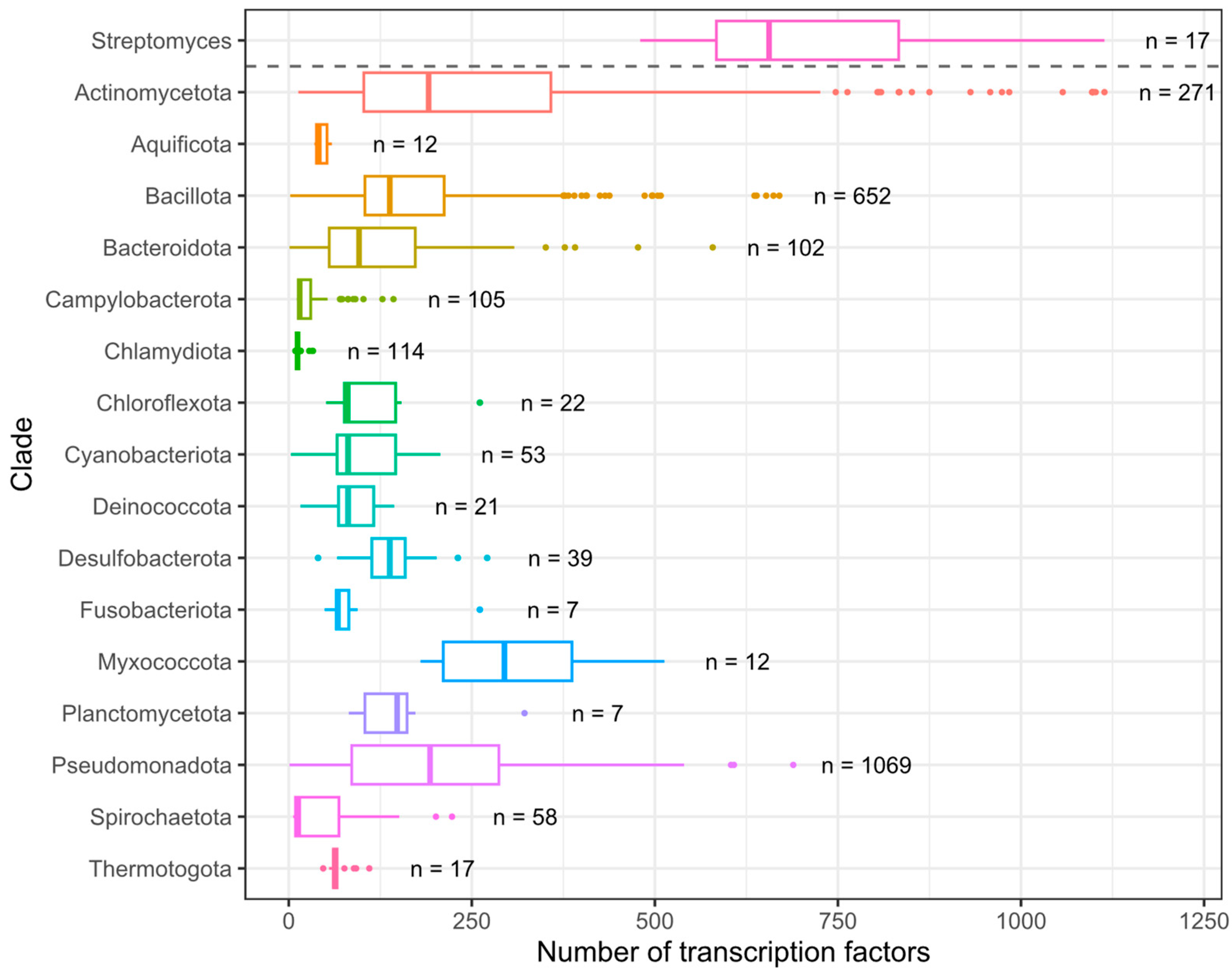
A high number of genes encoding transcription factors (TFs) is remarkable for Streptomyces, making up approximately 10% of the genomes with numbers between 500 and 1100 (Figure 3; see also Table 2), reflecting the elaborate regulatory network to control the complex life cycle, environmental adaptability, and production of bioactive compounds. The DNA-binding affinity and regulatory activity of TFs can be modulated by interactions with small molecules or by chemical modifications that induce conformational changes [72]. The number of bacterial transcription factors assigned to bacterial strains was retrieved from the P2TF database [73]. The data were filtered for bacteria, excluding plasmid and archaea entries. Lineage assignment in the database is outdated; therefore, a new taxonomic classification of the bacteria was performed with the taxonomic classification of the Genome Taxonomy Database by using the genus name of the P2TF entries. For visualization, phyla with fewer than seven entries were excluded.
As a distinct group of TFs, parts of two-component systems can transduce an extracellular signal with a signal-sensing protein. The membrane-bound sensor histidine kinase activates a cognate response regulator acting as the transcription factor [74]. Streptomyces species harbor unusually large numbers of two-component systems compared to many other bacterial genera, with up to 125 histidine kinases and 117 response regulators reported [75]. This extraordinary signaling capacity allows Streptomyces to control a wide range of environmental parameters, including metal and antibiotic concentrations and nutrient availability, which results in the formation of coordinated responses via complex signaling utilization. For instance, the CseBC two-component system in S. coelicolor, which recognizes cell envelope stress and activates a sigma-E-dependent regulon, and the AfsQ1/Q2 system that integrates nitrogen metabolism to antibiotic production [76,77]. This leads to intracellular signal transduction that also should be viewed when looking out for control elements that might be involved in co-selection.
Riboswitches constitute a distinct class of regulatory RNA elements, typically located in the untranslated regions of mRNAs. These structures undergo conformational changes upon binding specific ligands via their aptamer domains or in response to environmental parameters such as temperature or pH [72]. Ligand-induced structural rearrangements within the riboswitch expression platform then influence gene expression by modulating access to Shine–Dalgarno sequences for translation or by controlling the formation of transcription terminator structures [78]. Riboswitches regulate genes involved in a wide range of metabolic and transport processes, including those related to amino acids, cofactors, nucleotides, and metal ions [79]. In Actinomycetota, riboswitches have been identified that sense thiamine pyrophosphate, adenosylcobalamin, S-adenosylmethionine, c-di-GMP, glycine, flavin mononucleotide, divalent manganese, lysine, c-di-AMP, fluoride, 5-aminoimidazole-4-carboxamide ribonucleoside-5′-triphosphate, S-adenosylhomocysteine, guanidine, aza-aromatic compounds, and aquacobalamin [80]. Because riboswitches are encoded directly within mRNA and function without additional regulatory proteins, and because they occur across all domains of life, they are considered among the most ancient forms of gene regulation [72].
And finally, RNA-binding proteins represent a mechanism of post-transcriptional regulation. These proteins influence gene expression by modulating RNA degradation, ribosome binding to the mRNA, interactions between transcripts and effector molecules, or the formation of transcription terminator and anti-terminator structures, resulting in transcriptional attenuation (or allowing for full-length transcripts). Closely related to these mechanisms are small regulatory RNAs (sRNAs), which typically regulate gene expression by enhancing or inhibiting ribosome access to target mRNAs, often coupled with changes in transcript stability, or by inducing structural rearrangements that promote termination or antitermination [72]. More than 100 Streptomyces-specific sRNAs have been identified in S. coelicolor, S. avermitilis, and S. venezuelae, with expression patterns strongly dependent on the growth phase [81]. Taken together, this wide array of potential regulators can be harnessed to modify expression, thereby aiding informed strain development for biotechnological access to antibiotic production, suppression of resistance, and aiding or preventing co-selection at will.
Nucleotide second messengers such as the well-characterized alarmone guanosine tetra- and pentaphosphates [(p)ppGpp] regulate gene expression in response to unfavorable environmental conditions. In Streptomyces, four major nucleotide second messengers—(p)ppGpp, cyclic adenosine 3′,5′-monophosphate (cAMP), bis-(3′,5′)-cyclic di-guanosine monophosphate (c-di-GMP), and bis-(3′,5′)-cyclic di-adenosine monophosphate (c-di-AMP)—have been described, with key roles in coordinating sporulation and secondary metabolism [82]. These messengers exert broad, genome-wide effects on transcription. For example, induction of (p)ppGpp in S. coelicolor significantly altered the expression of 589 genes, including repression of the major vegetative σ factor hrdB and activation of an alternative ECF σ factor, highlighting the inter-connected nature of regulatory networks in this genus [83]. Additional examples include the involvement of cAMP in maintaining pH around the cells [84], the role of a c-di-GMP tetramer in stabilizing the dimeric form of the developmental regulator BldD, and regulation of cell wall metabolism by c-di-AMP via a riboswitch mechanism in S. coelicolor [85,86].

5. Responding with Community Signals: Providing Common Goods

Not only one-on-one interactions but also multi-species consortia will contribute to survival under stress, including metal and antibiotics in the environment. Adenosylcobalamin, commonly referred to as vitamin B12, is an essential cofactor across all domains of life. It is essential to organisms across all domains of life, necessary for methionine and deoxynucleotide biosynthesis, acetogenesis via the Wood-Ljungdahl pathway, or degradation of fatty acids, amino acids, and cholesterol [87,88,89,90,91]. The cobalamin-dependent SAM radical mutase is involved in the biosynthesis of, e.g., bacteriochlorophyll, hopanoids, and several antibiotics, including thiostrepton, gentamicin C, fosfomycin, fortimicin A, and moenomycin [92,93]. This links cobalamin to the biosynthesis. Early studies on soil bacterial nutrition requirements demonstrated that more than half of bacterial isolates requiring soil extract for growth could be supplemented by the addition of cobalamin [94]. This highlights the critical role of cobalamin producers in sustaining soil microbial diversity for ecosystem stability. While Shelton et al. [90] estimated that approximately 37% of bacterial species can produce cobalamin, only 10% of soil bacteria and archaea possess the genetic information for de novo synthesis [95]. Among the producers are the streptomycetes.
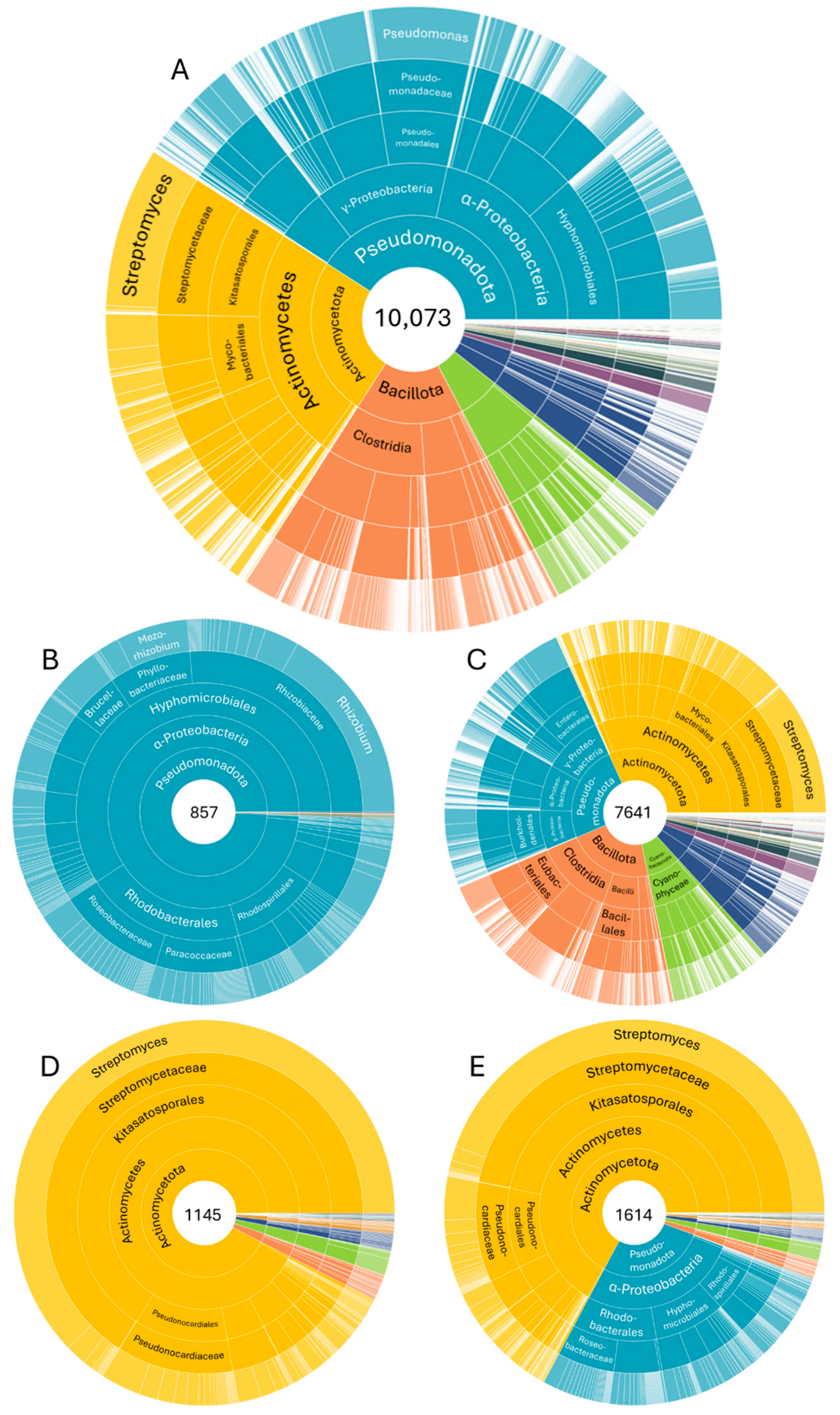
De novo cobalamin biosynthesis is possible by an oxygen-dependent pathway (ODP) or via an oxygen-independent (OIP) route, where cobalt insertion into the corrin ring is specifically distinct, while common enzymes of both pathways show high degrees of sequence similarity [96,97,98]. S. coelicolor carries genes indicative of both the oxygen-dependent and independent pathways for cobalamin synthesis, with early-stage cobaltochelatase cbiX (SCO1858) for the OIP and late-stage cobaltochelatase subunits cobN (SCO1849), chlI (SCO1850, SCO5277) replacing cobS and chlD (SCO5287) replacing cobT, as well as cobF (SCO6971) indicative of the ODP. To investigate whether this phenomenon is more widespread among Streptomyces and whether other bacterial taxa also may be able to use both pathways, analysis of the presence of early-stage (cbiX or cbiK) or late-stage cobalt chelatases (cobNST, chlI, or chlD) was performed. In total, taxonomic assignments were obtained for 32 InterPro entries involved in cobalamin synthesis. To differentiate bacteria capable of complete de novo cobalamin biosynthesis from those that rely on salvaging intermediates, a threshold of a minimum of 15 biosynthetic genes was applied. Using this criterion, 10,073 bacterial strains were identified as capable of de novo cobalamin synthesis (Figure 4). These strains predominantly belong to the phyla Pseudomonadota, Actinomycetota, and Bacillota, accounting for 41%, 25%, and 17% of the classified bacteria, respectively. At the genus level, Pseudomonas and Streptomyces were the most abundant, representing 6% and 8% of the strains, respectively. A more detailed look revealed many streptomycetes among producers, indicative of both biosynthesis pathways being present in this genus. The InterPro database was accessed to identify bacterial species with proteins involved in cobalamin synthesis. A total of 32 entries were included in the analysis (Table 3). To classify a species as capable of cobalamin biosynthesis, the presence of 15 proteins or more was defined as a requirement. Additionally, the number of bacterial species carrying genomic information for the cobalt chelatase of either the ODP, the OIP, or both was determined. Further, for the heterotrimeric chelatase of the ODP, the number of species carrying all or only some of the subunits was established (CobNST, ChlI/ChlD).
Streptomycetes traditionally are described as obligately aerobic. However, growing evidence challenges this view [99]. Given their predominantly soil-based lifestyle, exposure to oxygen-limited conditions is likely, whether due to high precipitation or irrigation or because microbial oxygen consumption outpaces diffusion to create anaerobic microsites [100,101]. Consistent with this, several Streptomyces strains were shown to be able to survive anoxic conditions for up to 21 days [102]. In S. coelicolor, both spores and vegetative mycelium can perform nitrate respiration to maintain a membrane potential under anoxic conditions, supporting survival in the absence of growth [103]. Streptomycetes, being capable of cobalamin synthesis under varying conditions by being able to switch between both pathways, may present a competitive advantage for this genus. In addition, it also suggests the importance of streptomycetes in the community to provide this important metabolite to the soil community in various environmental conditions.

6. Developing Biotechnological Potential from Community Functions

Genes that may be induced upon induction through sublethal antibiotics and metals in the environment include biotechnologically interesting products like cobalamin, described above, or siderophores. To overcome the scarcity of essential metals, especially iron, bacteria can excrete chelating agents. These bind metals in the environment and transport them to and into the cell. At the same time, uptake of toxic metal-laden siderophores may be blocked, which makes siderophores metal resistance factors at the same time as allowing for (essential) metal uptake [104,105]. As such, siderophores are available to all community members as xenosiderophores, sustaining essential metal acquisition for non-related strains, including eukaryotes. Siderophore production of Streptomyces can thus contribute to shaping microbial communities as well as influence the metabolism of community members [106]. In addition, siderophores are known to function as vehicles for antibiotic uptake via the so-called ‘Trojan horse’ strategy, in which siderophore transporters are exploited for antibiotic uptake [107].
Production of siderophores in Streptomyces, in turn, is affected by environmental signals. S. venezuelae, a desferrioxamine producer, was shown to respond with the synthesis of the alternative siderophore, foroxymithine, under glycerol-mediated exploration when grown in co-culture with ferrioxamine-exploiting Saccharomyces cerevisiae [108]. Therefore, both the production of siderophores by streptomycetes is affected by the environment, and the siderophore shapes the soil community.
As outlined above, several functions of Streptomyces that have evolved in soil may be useful for future use in biotechnology and synthetic microbiology. Complex signaling mechanisms in Streptomyces, which are shaped by various factors such as the production of bioactive molecules, heavy metal accumulation, or community metabolites, may provide novel implications for biotechnology and synthetic microbiology. Genome mining showed that a typical Streptomyces genome contains between 25 and 50 biosynthetic gene clusters; however, approximately 90% are not expressed under standard laboratory conditions [109]. Expression of these cryptic gene clusters depends on external biological stimulation, resulting in the activation of various signaling mechanisms that could potentially lead to the discovery of novel drugs or natural products. Silent clusters can also be activated by infochemicals produced by microorganisms during co-cultivation, whereas heavy metal exposure or sublethal antibiotic concentrations trigger specific regulatory cascades [32,110]. Furthermore, CRISPR-Cas systems have been successfully used in Streptomyces to activate silent gene clusters. A novel approach using the endogenous type I-E CRISPR system activated 13 out of 21 BGCs in nine different Streptomyces strains, resulting in the production of different natural products [111]. Development of such editing tools facilitates the characterization of unknown cryptic sites and accelerates bioactive compound discovery, which is likely to play a key role in translating the biosynthetic potential of Streptomyces into biotechnological solutions. With the compelling evidence assembled above, transcriptional control can now be targeted to induce multiple genes. Looking out for co-selection of genes in the natural setting in soil, which can provide a way forward to a more strategic search than the general screening of new isolates that has been used previously.

7. Conclusions

Streptomyces is a common member of the soil microbial community. The adaptation of this genus to this highly heterologous environment and its diverse microbiome includes their ability to synthesize a wide variety of bioactive compounds, such as antibiotics; various resistance mechanisms to endure both metal and antibiotic stress; or production of common goods such as pigments, protective substances, siderophores, or cobalamin. The complex cellular regulatory network to precisely control the response to environmental and community signals includes transcriptional and post-transcriptional control that can be used for further development of strains that might be useful for future biotechnology. In addition, fermentation can profit from the addition of stressors in the production of new or biotechnologically important natural compounds.
Streptomyces represents an important driver of the soil habitat and its microbiome. As the co-selection of metabolic pathways occurred in that environment, these environmental interactions can be translated into cues for the production of metabolites under varying fermentation conditions. The natural interactions in soil, therefore, provide good examples for furthering strain development and harnessing the biosynthetic capacity of these versatile producers. One example is the synthesis of cobalamin, which is essential to all domains of life. With the effect on the soil microbial community in composition and activity, Streptomyces may be used in the co-cultivation of hitherto unculturable bacteria, which in turn will be a rich source of new compounds for biotechnology. The production of antibiotics that act as signals at sublethal concentrations will, in addition, allow for the development of new drugs, targets for resistance mechanism impairment, or biotechnological development of compounds with high potential for sustaining a balanced, healthy microbiome. Being able to modulate the signaling cascades to produce biotechnology products holds potential that exemplifies why analysis of soil-derived functions in this biotechnologically important genus is ever more needed.

Author Contributions

Conceptualization, M.H. and E.K.; formal analysis, investigation, data curation, writing—original draft preparation, visualization, M.H.; writing—review and editing, M.H., E.D., K.K. and E.K.; supervision, project administration, funding acquisition, E.K. All authors have read and agreed to the published version of the manuscript.

Funding

This work was supported by the Carl Zeiss Foundation through the Jena School for Microbial Communication (JSMC). Funding was received from the DFG (CRC 1127 ChemBioSys, project number 239748522) and under Germany’s Excellence Strategy (EXC 2051, project number 390713860).

Institutional Review Board Statement

Not applicable.

Informed Consent Statement

Not applicable.

Data Availability Statement

No new data were created or analyzed in this study. Data sharing is not applicable to this article.

Conflicts of Interest

The authors declare no conflicts of interest.

References

  1. Wu, H.; Cui, H.; Fu, C.; Li, R.; Qi, F.; Liu, Z.; Yang, G.; Xiao, K.; Qiao, M. Unveiling the crucial role of soil microorganisms in carbon cycling: A review. Sci. Total Environ. 2024, 909, 168627. [Google Scholar] [CrossRef] [PubMed]
  2. Curtis, T.P.; Sloan, W.T.; Scannell, J.W. Estimating prokaryotic diversity and its limits. Proc. Natl. Acad. Sci. USA 2002, 99, 10494–10499. [Google Scholar] [CrossRef] [PubMed]
  3. Kemp, P.F.; Aller, J.Y. Bacterial diversity in aquatic and other environments: What 16S rDNA libraries can tell us. FEMS Microbiol. Ecol. 2004, 47, 161–177. [Google Scholar] [CrossRef]
  4. Thompson, L.R.; Sanders, J.G.; McDonald, D.; Amir, A.; Ladau, J.; Locey, K.J.; Prill, R.J.; Tripathi, A.; Gibbons, S.M.; Ackermann, G.; et al. A communal catalogue reveals Earth’s multiscale microbial diversity. Nature 2017, 551, 457–463. [Google Scholar] [CrossRef]
  5. Vos, M.; Wolf, A.B.; Jennings, S.J.; Kowalchuk, G.A. Micro-scale determinants of bacterial diversity in soil. FEMS Microbiol. Rev. 2013, 37, 936–954. [Google Scholar] [CrossRef] [PubMed]
  6. Voroney, R.P. The Soil Habitat. In Soil Microbiology, Ecology, and Biochemistry, 3rd ed.; Paul, E.A., Ed.; Elsevier: Oxford, UK, 2007; p. 26. [Google Scholar]
  7. Selim, M.S.M.; Abdelhamid, S.A.; Mohamed, S.S. Secondary metabolites and biodiversity of actinomycetes. J. Genet. Eng. Biotechnol. 2021, 19, 72. [Google Scholar] [CrossRef]
  8. Tyc, O.; Song, C.; Dickschat, J.S.; Vos, M.; Garbeva, P. The ecological role of volatile and soluble secondary metabolites produced by soil bacteria. Trends Microbiol. 2017, 25, 280–292. [Google Scholar] [CrossRef]
  9. Barka, E.A.; Vatsa, P.; Sanchez, L.; Gaveau-Vaillant, N.; Jacquard, C.; Klenk, H.-P.; Clément, C.; Ouhdouch, Y.; van Wezel, G.P. Taxonomy, physiology, and natural products of Actinobacteria. Microbiol. Mol. Biol. Rev. 2016, 80, 1–43. [Google Scholar] [CrossRef]
  10. Delgado-Baquerizo, M.; Oliverio, A.M.; Brewer, T.E.; Benavent-González, A.; Eldridge, D.J.; Bardgett, R.D.; Maestre, F.T.; Singh, B.K.; Fierer, N. A global atlas of the dominant bacteria found in soil. Science 2018, 359, 320–325. [Google Scholar] [CrossRef]
  11. Chater, K.F.; Biró, S.; Lee, K.J.; Palmer, T.; Schrempf, H. The complex extracellular biology of Streptomyces. FEMS Microbiol. Rev. 2010, 34, 171–198. [Google Scholar] [CrossRef]
  12. Casjens, S. The diverse and dynamic structure of bacterial genomes. Annu. Rev. Genet. 1998, 32, 339–377. [Google Scholar] [CrossRef]
  13. Hopwood, D.A. Soil to genomics: The Streptomyces chromosome. Annu. Rev. Genet. 2006, 40, 1–23. [Google Scholar] [CrossRef]
  14. Khasheii, B.; Mahmoodi, P.; Mohammadzadeh, A. Siderophores: Importance in bacterial pathogenesis and applications in medicine and industry. Microbiol. Res. 2021, 250, 126790. [Google Scholar] [CrossRef] [PubMed]
  15. Manteca, A.; Yagüe, P. Streptomyces as a source of antimicrobials: Novel approaches to activate cryptic secondary metabolite pathways. In Antimicrobials, Antibiotic Resistance, Antibiofilm Strategies and Activity Methods; Kırmusaoğlu, S., Ed.; IntechOpen: Rijeka, Croatia, 2019; p. 1. [Google Scholar]
  16. Orlandi, V.T.; Martegani, E.; Giaroni, C.; Baj, A.; Bolognese, F. Bacterial pigments: A colorful palette reservoir for biotechnological applications. Biotechnol. Appl. Biochem. 2022, 69, 981–1001. [Google Scholar] [CrossRef]
  17. Wang, M.; Li, H. Structure, function, and biosynthesis of siderophores produced by Streptomyces species. J. Agric. Food Chem. 2025, 73, 4425–4439. [Google Scholar] [CrossRef]
  18. Yi, L.; Li, J.; Liu, B.; Wang, Y. Advances in research on signal molecules regulating biofilms. World J. Microbiol. Biotechnol. 2019, 35, 130. [Google Scholar] [CrossRef] [PubMed]
  19. Craney, A.; Ahmed, S.; Nodwell, J. Towards a new science of secondary metabolism. J. Antibiot. 2013, 66, 387–400. [Google Scholar] [CrossRef]
  20. Kieser, T.; Bibb, M.J.; Chater, K.F.; Butter, M.; Hopwood, D.; Bittner, M.L.; Buttner, M.J. General introduction to actinomycete biology. In Practical Streptomyces Genetics: A Laboratory Manual; John Innes Foundation: Norwich, UK, 2000; p. 10. [Google Scholar]
  21. Feng, Y.; Qaseem, A.; Moumbock, A.F.A.; Pan, S.; Kirchner, P.A.; Simoben, C.V.; Malange, Y.I.; Babiaka, S.B.; Gao, M.; Günther, S. StreptomeDB 4.0: A comprehensive database of streptomycetes natural products enriched with protein interactions and interactive spectral visualization. Nucleic Acids Res. 2024, 53, D724–D729. [Google Scholar] [CrossRef] [PubMed]
  22. Watve, M.G.; Tickoo, R.; Jog, M.M.; Bhole, B.D. How many antibiotics are produced by the genus Streptomyces? Arch. Microbiol. 2001, 176, 386–390. [Google Scholar] [CrossRef]
  23. Waksman, S.A. What is an antibiotic or an antibiotic substance? Mycologia 1947, 39, 565–569. [Google Scholar] [CrossRef]
  24. Engelberg-Kulka, H.; Sat, B.; Reches, M.; Amitai, S.; Hazan, R. Bacterial programmed cell death systems as targets for antibiotics. Trends Microbiol. 2004, 12, 66–71. [Google Scholar] [CrossRef]
  25. Hutchings, M.I.; Truman, A.W.; Wilkinson, B. Antibiotics: Past, present and future. Curr. Opin. Microbiol. 2019, 51, 72–80. [Google Scholar] [CrossRef]
  26. Panchal, V.; Brenk, R. Riboswitches as drug targets for antibiotics. Antibiotics 2021, 10, 45. [Google Scholar] [CrossRef]
  27. Romero, D.; Traxler, M.F.; López, D.; Kolter, R. Antibiotics as signal molecules. Chem. Rev. 2011, 111, 5492–5505. [Google Scholar] [CrossRef]
  28. Linares, J.F.; Gustafsson, I.; Baquero, F.; Martinez, J.L. Antibiotics as intermicrobial signaling agents instead of weapons. Proc. Natl. Acad. Sci. USA 2006, 103, 19484–19489. [Google Scholar] [CrossRef] [PubMed]
  29. Davies, J.; Spiegelman, G.B.; Yim, G. The world of subinhibitory antibiotic concentrations. Curr. Opin. Microbiol. 2006, 9, 445–453. [Google Scholar] [CrossRef]
  30. Goh, E.B.; Yim, G.; Tsui, W.; McClure, J.; Surette, M.G.; Davies, J. Transcriptional modulation of bacterial gene expression by subinhibitory concentrations of antibiotics. Proc. Natl. Acad. Sci. USA 2002, 99, 17025–17030. [Google Scholar] [CrossRef] [PubMed]
  31. Yim, G.; Wang, H.H.; Davies, J. Antibiotics as signalling molecules. Philos. Trans. R. Soc. Lond. B Biol. Sci. 2007, 362, 1195–1200. [Google Scholar] [CrossRef]
  32. Traxler, M.F.; Watrous, J.D.; Alexandrov, T.; Dorrestein, P.C.; Kolter, R. Interspecies interactions stimulate diversification of the Streptomyces coelicolor secreted metabolome. mBio 2013, 4, e00459-13. [Google Scholar] [CrossRef] [PubMed]
  33. Vats, P.; Kaur, U.J.; Rishi, P. Heavy metal-induced selection and proliferation of antibiotic resistance: A review. J. Appl. Microbiol. 2022, 132, 4058–4076. [Google Scholar] [CrossRef]
  34. Spagnolo, F.; Trujillo, M.; Dennehy, J.J. Why do antibiotics exist? mBio 2021, 12, e01966-21. [Google Scholar] [CrossRef] [PubMed]
  35. Yahav, D.; Giske, C.G.; Grāmatniece, A.; Abodakpi, H.; Tam, V.H.; Leibovici, L. New β-lactam–β-lactamase inhibitor combinations. Clin. Microbiol. Rev. 2020, 34, e00115-20. [Google Scholar] [CrossRef]
  36. Zhang, Q.; Chi, H.-T.; Wu, L.; Deng, Z.; Yu, Y. Two cryptic self-resistance mechanisms in Streptomyces tenebrarius reveal insights into the biosynthesis of apramycin. Angew. Chem. Int. Ed. 2021, 60, 8990–8996. [Google Scholar] [CrossRef]
  37. Heinzel, P.; Werbitzky, O.; Distler, J.; Piepersberg, W. A second streptomycin resistance gene from Streptomyces griseus codes for streptomycin-3′-phosphotransferase. Arch. Microbiol. 1988, 150, 184–192. [Google Scholar] [CrossRef]
  38. Izard, T. Structural basis for chloramphenicol tolerance in Streptomyces venezuelae by chloramphenicol phosphotransferase activity. Protein Sci. 2001, 10, 1508–1513. [Google Scholar] [CrossRef]
  39. Falagas, M.E.; Athanasaki, F.; Voulgaris, G.L.; Triarides, N.A.; Vardakas, K.Z. Resistance to fosfomycin: Mechanisms, frequency and clinical consequences. Int. J. Antimicrob. Agents 2019, 53, 22–28. [Google Scholar] [CrossRef]
  40. Xu, Y.; Willems, A.; Au-Yeung, C.; Tahlan, K.; Nodwell, J.R. A two-step mechanism for the activation of actinorhodin export and resistance in Streptomyces coelicolor. mBio 2012, 3, e00191-12. [Google Scholar] [CrossRef] [PubMed]
  41. Dairi, T.; Aisaka, K.; Katsumata, R.; Hasegawa, M. A self-defense gene homologous to tetracycline effluxing gene essential for antibiotic production in Streptomyces aureofaciens. Biosci. Biotechnol. Biochem. 1995, 59, 1835–1841. [Google Scholar] [CrossRef]
  42. Yang, Y.; Mori, T. Recent advances in lincosamide biosynthetic studies. J. Antibiot. 2025, 79, 153–164. [Google Scholar] [CrossRef] [PubMed]
  43. Lomovskaya, N.; Hong, S.K.; Kim, S.U.; Fonstein, L.; Furuya, K.; Hutchinson, R.C. The Streptomyces peucetius drrC gene encodes a UvrA-like protein involved in daunorubicin resistance and production. J. Bacteriol. 1996, 178, 3238–3245. [Google Scholar] [CrossRef]
  44. Liu, M.; Douthwaite, S. Resistance to the macrolide antibiotic tylosin is conferred by single methylations at 23S rRNA nucleotides G748 and A2058 acting in synergy. Proc. Natl. Acad. Sci. USA 2002, 99, 14658–14663. [Google Scholar] [CrossRef] [PubMed]
  45. Demydchuk, J.; Oliynyk, Z.; Fedorenko, V. Analysis of a kanamycin resistance gene (kmr) from Streptomyces kanamyceticus and a mutant with increased aminoglycoside resistance. J. Basic Microbiol. 1998, 38, 231–239. [Google Scholar] [CrossRef]
  46. Thompson, J.; Schmidt, F.; Cundliffe, E. Site of action of a ribosomal RNA methylase conferring resistance to thiostrepton. J. Biol. Chem. 1982, 257, 7915–7917. [Google Scholar] [CrossRef] [PubMed]
  47. Pedrolli, D.B.; Matern, A.; Wang, J.; Ester, M.; Siedler, K.; Breaker, R.; Mack, M. A highly specialized flavin mononucleotide riboswitch responds differently to similar ligands and confers roseoflavin resistance to Streptomyces davawensis. Nucleic Acids Res. 2012, 40, 8662–8673. [Google Scholar] [CrossRef]
  48. Paradkar, A.S.; Aidoo, K.A.; Wong, A.; Jensen, S.E. Molecular analysis of a beta-lactam resistance gene encoded within the cephamycin gene cluster of Streptomyces clavuligerus. J. Bacteriol. 1996, 178, 6266–6274. [Google Scholar] [CrossRef]
  49. Bruins, M.R.; Kapil, S.; Oehme, F.W. Microbial resistance to metals in the environment. Ecotoxicol. Environ. Saf. 2000, 45, 198–207. [Google Scholar] [CrossRef]
  50. Essa, A.M.M.; Al Abboud, M.A.; Khatib, S.I. Metal transformation as a strategy for bacterial detoxification of heavy metals. J. Basic Microbiol. 2018, 58, 17–29. [Google Scholar] [CrossRef]
  51. Choi, S.-H.; Lee, K.-L.; Shin, J.-H.; Cho, Y.-B.; Cha, S.-S.; Roe, J.-H. Zinc-dependent regulation of zinc import and export genes by Zur. Nat. Commun. 2017, 8, 15812. [Google Scholar] [CrossRef]
  52. Kamala, K.; Sivaperumal, P.; Thilagaraj, R.; Natarajan, E. Bioremediation of Sr2+ ion radionuclide by using marine Streptomyces sp. CuOff24 extracellular polymeric substances. J. Chem. Technol. Biotechnol. 2020, 95, 893–903. [Google Scholar] [CrossRef]
  53. Mathivanan, K.; Chandirika, J.U.; Vinothkanna, A.; Yin, H.; Liu, X.; Meng, D. Bacterial adaptive strategies to cope with metal toxicity in the contaminated environment—A review. Ecotoxicol. Environ. Saf. 2021, 226, 112863. [Google Scholar] [CrossRef]
  54. Brangsch, H.; Höller, M.; Krauβe, T.; Waqas, M.; Schroeckh, V.; Brakhage, A.A.; Bunk, B.; Spröer, C.; Overmann, J.; Kothe, E. Extremophile metal resistance: Plasmid-encoded functions in Streptomyces mirabilis. Appl. Environ. Microbiol. 2022, 88, e0008522. [Google Scholar] [CrossRef]
  55. Schmidt, A.; Hagen, M.; Schütze, E.; Schmidt, A.; Kothe, E. In silico prediction of potential metallothioneins and metallohistins in actinobacteria. J. Basic Microbiol. 2010, 50, 562–569. [Google Scholar] [CrossRef]
  56. Straw, M.L.; Chaplin, A.K.; Hough, M.A.; Paps, J.; Bavro, V.N.; Wilson, M.T.; Vijgenboom, E.; Worrall, J.A.R. A cytosolic copper storage protein provides a second level of copper tolerance in Streptomyces lividans. Metallomics 2017, 10, 180–193. [Google Scholar] [CrossRef]
  57. Costa, F.S.; Langenhorst, F.; Kothe, E. Biomineralization of nickel struvite linked to metal resistance in Streptomyces mirabilis. Molecules 2022, 27, 3061. [Google Scholar] [CrossRef]
  58. So, N.-W.; Rho, J.-Y.; Lee, S.-Y.; Hancock, I.C.; Kim, J.-H. A lead-absorbing protein with superoxide dismutase activity from Streptomyces subrutilus. FEMS Microbiol. Lett. 2001, 194, 93–98. [Google Scholar] [CrossRef] [PubMed][Green Version]
  59. Ravel, J.; DiRuggiero, J.; Robb, F.T.; Hill, R.T. Cloning and sequence analysis of the mercury resistance operon of Streptomyces sp. strain CHR28 reveals a novel putative second regulatory gene. J. Bacteriol. 2000, 182, 2345–2349. [Google Scholar] [CrossRef] [PubMed][Green Version]
  60. Laxman, R.S.; More, S. Reduction of hexavalent chromium by Streptomyces griseus. Miner. Eng. 2002, 15, 831–837. [Google Scholar] [CrossRef]
  61. Albarracín, V.H.; Ávila, A.L.; Amoroso, M.J.; Abate, C.M. Copper removal ability by Streptomyces strains with dissimilar growth patterns and endowed with cupric reductase activity. FEMS Microbiol. Lett. 2008, 288, 141–148. [Google Scholar] [CrossRef]
  62. Schmidt, A.; Gube, M.; Schmidt, A.; Kothe, E. In silico analysis of nickel containing superoxide dismutase evolution and regulation. J. Basic Microbiol. 2009, 49, 109–118. [Google Scholar] [CrossRef]
  63. Schmidt, A.; Schmidt, A.; Haferburg, G.; Kothe, E. Superoxide dismutases of heavy metal resistant streptomycetes. J. Basic Microbiol. 2007, 47, 56–62. [Google Scholar] [CrossRef]
  64. Schmidt, M.; Zahn, S.; Carella, M.; Ohlenschläger, O.; Görlach, M.; Kothe, E.; Weston, J. Solution structure of a functional biomimetic and mechanistic implications for nickel superoxide dismutases. ChemBioChem 2008, 9, 2135–2146. [Google Scholar] [CrossRef]
  65. Heydari, A.; Kim, N.D.; Biggs, P.J.; Horswell, J.; Gielen, G.J.H.P.; Siggins, A.; Taylor, M.D.; Bromhead, C.; Palmer, B.R. Co-selection of bacterial metal and antibiotic resistance in soil laboratory microcosms. Antibiotics 2023, 12, 772. [Google Scholar] [CrossRef] [PubMed]
  66. Arya, S.; Williams, A.; Reina, S.V.; Knapp, C.W.; Kreft, J.U.; Hobman, J.L.; Stekel, D.J. Towards a general model for predicting minimal metal concentrations co-selecting for antibiotic resistance plasmids. Environ. Pollut. 2021, 275, 116602. [Google Scholar] [CrossRef] [PubMed]
  67. He, J.; Zhang, N.; Shen, X.; Muhammad, A.; Shao, Y. Deciphering environmental resistome and mobilome risks on the stone monument: A reservoir of antimicrobial resistance genes. Sci. Total Environ. 2022, 838, 156443. [Google Scholar] [CrossRef]
  68. Costa, J.S.D.; Kothe, E.; Abate, C.M.; Amoroso, M.J. Unraveling the Amycolatopsis tucumanensis copper-resistome. Biometals 2012, 25, 905–917. [Google Scholar] [CrossRef]
  69. Wösten, M.M.S.M. Eubacterial sigma-factors. FEMS Microbiol. Rev. 1998, 22, 127–150. [Google Scholar] [CrossRef]
  70. Sun, D.; Liu, C.; Zhu, J.; Liu, W. Connecting metabolic pathways: Sigma factors in Streptomyces spp. Front. Microbiol. 2017, 8, 2546. [Google Scholar] [CrossRef] [PubMed]
  71. Helmann, J.D. The extracytoplasmic function (ECF) sigma factors. Adv. Microb. Physiol. 2002, 46, 47–110. [Google Scholar] [CrossRef]
  72. Bervoets, I.; Charlier, D. Diversity, versatility and complexity of bacterial gene regulation mechanisms: Opportunities and drawbacks for applications in synthetic biology. FEMS Microbiol. Rev. 2019, 43, 304–339. [Google Scholar] [CrossRef]
  73. Ortet, P.; De Luca, G.; Whitworth, D.E.; Barakat, M. P2TF: A comprehensive resource for analysis of prokaryotic transcription factors. BMC Genom. 2012, 13, 628. [Google Scholar] [CrossRef]
  74. Mascher, T.; Helmann, J.D.; Unden, G. Stimulus perception in bacterial signal-transducing histidine kinases. Microbiol. Mol. Biol. Rev. 2006, 70, 910–938. [Google Scholar] [CrossRef]
  75. Rodríguez, H.; Rico, S.; Díaz, M.; Santamaría, R.I. Two-component systems in Streptomyces: Key regulators of antibiotic complex pathways. Microb. Cell Factories 2013, 12, 127. [Google Scholar] [CrossRef]
  76. Paget, M.S.; Chamberlin, L.; Atrih, A.; Foster, S.J.; Buttner, M.J. Evidence that the extracytoplasmic function sigma factor ςE is required for normal cell wall structure in Streptomyces coelicolor A3(2). J. Bacteriol. 1999, 181, 204–211. [Google Scholar] [CrossRef] [PubMed]
  77. Wang, R.; Mast, Y.; Wang, J.; Zhang, W.; Zhao, G.; Wohlleben, W.; Lu, Y.; Jiang, W. Identification of two-component system AfsQ1/Q2 regulon and its cross-regulation with GlnR in Streptomyces coelicolor. Mol. Microbiol. 2013, 87, 30–48. [Google Scholar] [CrossRef] [PubMed]
  78. Winkler, W.C.; Breaker, R.R. Genetic control by metabolite-binding riboswitches. ChemBioChem 2003, 4, 1024–1032. [Google Scholar] [CrossRef] [PubMed]
  79. Henkin, T.M. Riboswitch RNAs: Using RNA to sense cellular metabolism. Genes Dev. 2008, 22, 3383–3390. [Google Scholar] [CrossRef]
  80. McCown, P.J.; Corbino, K.A.; Stav, S.; Sherlock, M.E.; Breaker, R.R. Riboswitch diversity and distribution. RNA 2017, 23, 995–1011. [Google Scholar] [CrossRef]
  81. Heueis, N.; Vockenhuber, M.-P.; Suess, B. Small non-coding RNAs in streptomycetes. RNA Biol. 2014, 11, 464–469. [Google Scholar] [CrossRef][Green Version]
  82. Latoscha, A.; Wörmann, M.E.; Tschowri, N. Nucleotide second messengers in Streptomyces. Microbiology 2019, 165, 1153–1165. [Google Scholar] [CrossRef]
  83. Hesketh, A.; Chen, W.J.; Ryding, J.; Chang, S.; Bibb, M. The global role of ppGpp synthesis in morphological differentiation and antibiotic production in Streptomyces coelicolor A3(2). Genome Biol. 2007, 8, R161. [Google Scholar] [CrossRef]
  84. Süsstrunk, U.; Pidoux, J.; Taubert, S.; Ullmann, A.; Thompson, C.J. Pleiotropic effects of cAMP on germination, antibiotic biosynthesis and morphological development in Streptomyces coelicolor. Mol. Microbiol. 1998, 30, 33–46. [Google Scholar] [CrossRef]
  85. Tschowri, N.; Schumacher, M.A.; Schlimpert, S.; Chinnam, N.B.; Findlay, K.C.; Brennan, R.G.; Buttner, M.J. Tetrameric c-di-GMP mediates effective transcription factor dimerization to control Streptomyces development. Cell 2014, 158, 1136–1147. [Google Scholar] [CrossRef]
  86. St-Onge, R.J.; Haiser, H.J.; Yousef, M.R.; Sherwood, E.; Tschowri, N.; Al-Bassam, M.; Elliot, M.A. Nucleotide second messenger-mediated regulation of a muralytic enzyme in Streptomyces. Mol. Microbiol. 2015, 96, 779–795. [Google Scholar] [CrossRef]
  87. Orłowska, M.; Steczkiewicz, K.; Muszewska, A. Utilization of cobalamin is ubiquitous in early-branching fungal phyla. Genome Biol. Evol. 2021, 13, evab043. [Google Scholar] [CrossRef]
  88. Smith, A.G.; Croft, M.T.; Moulin, M.; Webb, M.E. Plants need their vitamins too. Curr. Opin. Plant Biol. 2007, 10, 266–275. [Google Scholar] [CrossRef]
  89. Danchin, A.; Braham, S. Coenzyme B12 synthesis as a baseline to study metabolite contribution of animal microbiota. Microb. Biotechnol. 2017, 10, 688–701. [Google Scholar] [CrossRef] [PubMed]
  90. Shelton, A.N.; Seth, E.C.; Mok, K.C.; Han, A.W.; Jackson, S.N.; Haft, D.R.; Taga, M.E. Uneven distribution of cobamide biosynthesis and dependence in bacteria predicted by comparative genomics. ISME J. 2018, 13, 789–804. [Google Scholar] [CrossRef] [PubMed]
  91. Jörgensen, A.M.; Joergensen, R.G. Soil contribution to the cobalamin (vitamin B12) supply of terrestrial organisms. Biol. Fertil. Soils 2024, 60, 613–625. [Google Scholar] [CrossRef]
  92. Bridwell-Rabb, J.; Drennan, C.L. Vitamin B12 in the spotlight again. Curr. Opin. Chem. Biol. 2017, 37, 63–70. [Google Scholar] [CrossRef]
  93. Bridwell-Rabb, J.; Li, B.; Drennan, C.L. Cobalamin-dependent radical S-adenosylmethionine enzymes: Capitalizing on old motifs for new functions. ACS Bio Med Chem Au 2022, 2, 173–186. [Google Scholar] [CrossRef] [PubMed]
  94. Lochhead, A.G.; Thexton, R.H. Vitamin B12 as a growth factor for soil bacteria. Nature 1951, 167, 1034. [Google Scholar] [CrossRef] [PubMed]
  95. Lu, X.; Heal, K.R.; Ingalls, A.E.; Doxey, A.C.; Neufeld, J.D. Metagenomic and chemical characterization of soil cobalamin production. ISME J. 2019, 14, 53–66. [Google Scholar] [CrossRef] [PubMed]
  96. Rodionov, D.A.; Vitreschak, A.G.; Mironov, A.A.; Gelfand, M.S. Comparative genomics of the vitamin B12 metabolism and regulation in prokaryotes. J. Biol. Chem. 2003, 278, 41148–41159. [Google Scholar] [CrossRef] [PubMed]
  97. Warren, M.J.; Raux, E.; Schubert, H.L.; Escalante-Semerena, J.C. The biosynthesis of adenosylcobalamin (vitamin B12). Nat. Prod. Rep. 2002, 19, 390–412. [Google Scholar] [CrossRef]
  98. Escalante-Semerena, J.C.; Warren, M.J. Biosynthesis and use of cobalamin (B12). EcoSal Plus 2008, 3. [Google Scholar] [CrossRef]
  99. Ciemniecki, J.A.; Newman, D.K. The potential for redox-active metabolites to enhance or unlock anaerobic survival metabolisms in aerobes. J. Bacteriol. 2020, 202, e00797-19. [Google Scholar] [CrossRef]
  100. Huang, W.; Ye, C.; Hockaday, W.C.; Hall, S.J. Trade-offs in soil carbon protection mechanisms under aerobic and anaerobic conditions. Glob. Change Biol. 2020, 26, 3726–3737. [Google Scholar] [CrossRef]
  101. Keiluweit, M.; Nico, P.S.; Kleber, M.; Fendorf, S. Are oxygen limitations under recognized regulators of organic carbon turnover in upland soils? Biogeochemistry 2016, 127, 157–171. [Google Scholar] [CrossRef]
  102. van Keulen, G.; Alderson, J.; White, J.; Sawers, R.G. The obligate aerobic actinomycete Streptomyces coelicolor A3(2) survives extended periods of anaerobic stress. Environ. Microbiol. 2007, 9, 3143–3149. [Google Scholar] [CrossRef]
  103. Sawers, R.G.; Fischer, M.; Falke, D. Anaerobic nitrate respiration in the aerobe Streptomyces coelicolor A3(2): Helping maintain a proton gradient during dormancy. Environ. Microbiol. Rep. 2019, 11, 645–650. [Google Scholar] [CrossRef]
  104. Dimkpa, C.; Svatos, A.; Merten, D.; Büchel, G.; Kothe, E. Hydroxamate siderophores produced by Streptomyces acidiscabies E13 bind nickel and promote growth in cowpea (Vigna unguiculata L.) under nickel stress. Can. J. Microbiol. 2008, 54, 163–172. [Google Scholar] [CrossRef] [PubMed]
  105. Dimkpa, C.O.; Merten, D.; Svatoš, A.; Büchel, G.; Kothe, E. Siderophores mediate reduced and increased uptake of cadmium by Streptomyces tendae F4 and sunflower (Helianthus annuus), respectively. J. Appl. Microbiol. 2009, 107, 1687–1696. [Google Scholar] [CrossRef] [PubMed]
  106. Du, X.; Liu, N.; Yan, B.; Li, Y.; Liu, M.; Huang, Y. Proximity-based defensive mutualism between Streptomyces and Mesorhizobium by sharing and sequestering iron. ISME J. 2024, 18, wrad041, Erratum in ISME J. 2025, 19, wraf008. https://doi.org/10.1093/ismejo/wraf008. [Google Scholar] [CrossRef]
  107. Mislin, G.L.A.; Schalk, I.J. Siderophore-dependent iron uptake systems as gates for antibiotic Trojan horse strategies against Pseudomonas aeruginosa. Metallomics 2014, 6, 408–420. [Google Scholar] [CrossRef]
  108. Shepherdson, E.M.F.; Baglio, C.R.; Elliot, M.A. Streptomyces behavior and competition in the natural environment. Curr. Opin. Microbiol. 2023, 71, 102257. [Google Scholar] [CrossRef] [PubMed]
  109. Nett, M.; Ikeda, H.; Moore, B.S. Genomic basis for natural product biosynthetic diversity in the actinomycetes. Nat. Prod. Rep. 2009, 26, 1362–1384. [Google Scholar] [CrossRef]
  110. Seyedsayamdost, M.R.; Traxler, M.F.; Zheng, S.L.; Kolter, R.; Clardy, J. Structure and biosynthesis of amychelin, an unusual mixed-ligand siderophore from Amycolatopsis sp. AA4. J. Am. Chem. Soc. 2011, 133, 11434–11437. [Google Scholar] [CrossRef]
  111. Zhou, Q.; Zhao, Y.; Ke, C.; Wang, H.; Gao, S.; Li, H.; Zhang, Y.; Ye, Y.; Luo, Y. Repurposing endogenous type I-E CRISPR-Cas systems for natural product discovery in Streptomyces. Nat. Commun. 2024, 15, 9833. [Google Scholar] [CrossRef]
Figure 1. The soil environment provides a rich microbial community, of which Streptomyces holds a large proportion of cells. The microbial communication between cells and with the environment provides sublethal stressor exposition that leads to co-selection, e.g., between antibiotic and metal resistance. Through common intracellular regulatory chains involving transcriptional as well as post-transcriptional regulators, the cells form new metabolites that can be useful in biotechnological applications.
Fermentation 12 00206 g001
Figure 2. Schematic overview of bacterial resistance mechanisms against metal ions or antibiotics (light blue circles).
Fermentation 12 00206 g002
Figure 3. Transcription factor encoding genes in different bacterial phyla compared to the genus Streptomyces (separated by a dashed line from other phyla). Phyla with fewer than 7 associated strains and unclassified bacteria were excluded. The numbers next to the boxplots describe the number of strains per group.
Fermentation 12 00206 g003
Figure 4. Distribution of cobalamin synthesis genes among bacterial taxa. (A) bacterial genomes with at least 15 genes for cobalamin synthesis; (B) all three subunits of the oxygen-dependent pathway chelatase, cobNST, present; (C) cbiK or cbiX are encoded; (D) cobN and chlID are present instead of cobST; (E) genes for the chelatases of both pathways (cbiX/cbiK and cobNST/cobN-chlID) are present. The number in the center stands for the number of bacterial strains representing this group. Interpro accession numbers cobN (IPR011953), cobS (IPR006537), cobT (IPR006538), cbiK (IPR010388), cbiX (IPR050963), and chlD (IPR041702) were used.
Fermentation 12 00206 g004
Table 1. Mechanism of resistance in antibiotic-producing streptomycetes.
Resistance TypeAntibioticSpeciesResistance Gene(s)MechanismReference
inactivationapramycinS. tenebrariusaprU, aprP, (aprZ)C-5 phosphorylation and N-7′ acetylation[36]
streptomycinS. griseusaphEphosphorylation[37]
chloramphenicolS. venezuelaecpt [38]
active exportfosfomycinS. fradiaefomAB [39]
actinorhodin
tetracycline
S. coelicolor
S. aureofaciens
actAB
trcC
export[40]
[41]
lincomycinS. lincolnensislmrA [42]
daunorubicinS. peucetiusdrrAB [43]
tylosinS. fradiaetlrC [44]
target modificationkanamycinS. kanamyceticuskmr16S rRNA methylation[45]
thiostrepton
lincomycin
tylosin
S. azureus
S. lincolnensis
S. fradiae
tsr
lmrB
tlrA, tlrB, tlrD
23S rRNA methylation[46]
[42]
[43]
roseoflavinS. davawensisribBriboswitch discriminating FMN from RoFMN[47]
repair mechanismdaunorubicinS. peucetiusdrrCDNA excision repair[43]
sequestrationcephamycinS. clavuligeruspcbRpenicillin binding proteins[48]
displacementoxytetracyclineS. rimosusotrArelease from ribosome[44]
Table 2. Transcription factors encoded by Streptomyces.
SpeciesGenes 1TF 2σ 3ECF 4Species
#%
S. albus J107458325249.03618
S. avermitilis MA-468076767079.26133
S. bingchenggensis BCW-110,022111411.17650
S. cattleya NRRL 8057747374410.04825
S. cattleya NRRL 8057 = DSM 4648875697349.74723
S. coelicolor A3(2)812282810.26633
S. collinus Tu 36570836188.75935
S. davawensis JCM 491386168439.87853
S. flavogriseus ATCC 3333165726019.14023
S. fulvissimus DSM 4059369256339.14627
S. griseus subsp. griseus NBRC 1335071366569.25327
S. hygroscopicus subsp. jinggangensis 500891088659.56439
S. hygroscopicus subsp. jinggangensis TL0188778489.66238
S. scabiei 87.2287298099.36939
Streptomyces sp. PAMC2650870735898.34124
Streptomyces sp. SirexAA-E63576279.93922
S. violaceusniger Tu 41138985101111.35937
Mean77747509.65632
SD11381580.81310
1 genes per genome (p2tf.org, retrieved on 19 June 2025), 2 TF (transcription factor) encoding gene numbers and percentage among all genes, 3 σ factors, 4 ECF (extracytoplasmic function) σ factors in different Streptomyces species.
Table 3. InterPro entries used for analysis of cobalamin synthesis capability among bacteria.
ProteinInterPro Entry IDProteinInterPro Entry IDProteinInterPro Entry ID
CbiDIPR002748CobK/CbiJIPR003723CysGIPR019478
CbiGIPR002750CobO/CobA/BtuRIPR003724CobFIPR012797
CobAoxIPR003043CobVIPR003805CbiETIPR012818
CobQ/CbiPIPR002586CobB/CbiAIPR004484CbiETIPR014008
CobH/CbiCIPR003722CobDox/CbiBIPR004485CobCIPR017578
CobGIPR012798CobDIPR005860CobTIPR017846
CobNIPR011953CobM/CbiFIPR006362CobTIPR023195
CobSoxIPR006537CobJ/CbiHIPR006363CbiXIPR050963
CobToxIPR006538CobIIPR006364ChlI/CobToxIPR012804
CbiKIPR010388CobLIPR006365ChlDIPR041702
CobI/CbiLIPR012382CysGIPR012409
Disclaimer/Publisher’s Note: The statements, opinions and data contained in all publications are solely those of the individual author(s) and contributor(s) and not of MDPI and/or the editor(s). MDPI and/or the editor(s) disclaim responsibility for any injury to people or property resulting from any ideas, methods, instructions or products referred to in the content.