1. Introduction
Present-day commercial bread-baking is dominated by monoculture fermentation using the bakers’ yeast
Saccharomyces cerevisiae. However, since prehistoric times, fermentative microbiomes have consisted of mixtures of fungi and bacteria worldwide [
1,
2], principally lactic acid bacteria (LAB). The benefits of mixing two domain fermentation microbiomes include an improved aroma, flavor, crust and crumb, a longer shelf life, and a lower glycemic index. The souring, due to the production of lactic acid by LAB [
3,
4], leading to an endpoint pH of 4 or slightly below, suppresses the spoilage microorganisms. Fungi produce carbon dioxide that is responsible for leavening, as well as ethanol and other volatile organics.
The stable coexistence of fungi and bacteria raises questions about their mutual benefits. Though experimentally unaddressed here, investigators using a systems-based design [
5] posited that the LAB consume the fixed carbon in the form of disaccharides and more complex carbohydrates more capably than fungi, providing the fungi with simpler forms of fixed carbon via carbon overflow. Conversely, fungi were suggested to consume fixed nitrogen from the polymeric macromolecules, such as proteins and nucleic acids, more capably than bacteria, thereby supplying the LAB with simpler forms of fixed nitrogen, such as amino acids, via nitrogen overflow. The complete analysis would include a metabolomic consideration of how each member of the mixed microbial community degrades and consumes plant material, mediates overflow, and takes up the simpler forms of fixed carbon and nitrogen.
The plant plastid DNAs, detected in overwhelming proportions alongside the bacteria in the 16S flour metagenome, substantiate the endosymbiont hypothesis for the prokaryotic origin of mitochondria and chloroplasts in the eukaryotic progenote [
6]. Fortuitously, 16S reads can be used to study the decreasing proportion of plant plastid DNAs, which were initially close to 100%, as a proxy for the consumption of flour as food by the fermentative microbiome. The ~500,000 Illumina paired-end reads also prove sufficient to analyze the endogenous bacterial microbiome in flour after the removal of plant plastid sequences from the datasets.
Grain berries and flour have similar endogenous microbiomes [
2,
3,
7], as evidenced in our unpublished observations. The microorganisms accumulate coincidentally and remain dormant on the grain surfaces and in crevices. Grain berries remain viable, and flour retains its nutritional value when stored in a cool and dry place, becoming susceptible to spoilage only if stored improperly.
A mature starter can be stored indefinitely. Both wet and gently dehydrated starters are widely available. The constituent microorganisms go dormant when a starter culture saturates, is left unfed, and is stored in a refrigerator. A dormant starter can be rejuvenated by feeding it regularly with a fresh water–flour mixture.
A periodic two-fold feeding (back-slopping) is widely employed for leaven development, maintenance and expansion, in which half the culture is discarded and the retained culture is fed with an equal mass of a 50% (
w/
v) suspension of flour in water [
1,
2]. Alternatively, Robertson describes a twenty-fold feeding for leaven preparation [
8]. For example, 1 g of a 50% (
w/
v) starter is suspended with added water to a mass of 10 g, and 10 g of dry flour mixture is mixed in. The present study, following Robertson’s feeding technique, enables a twenty-fold increase in cell densities, including an exponential growth phase, thus filling a gap in the understanding of the short-term natural history of leaven maturation. The saturation is observed after about 12 h at room temperature. The cycle begins with a high proportion of plant plastids and a low density of microorganisms endogenous to the flour, followed by a precipitous decrease in the proportion of plant material and the microbiome that is associated with the flour, corresponding with an increase in the proportion of the mature starter microbiome. The endogenous microorganisms that are present in the flour microbiome are practically absent from the 12 h culture, and conversely, the predominant microorganisms in the 12 h culture are practically absent from the flour.
2. Methods
Preparation and maintenance of a sourdough leaven or starter. A flour mixture was prepared from equal masses of all-purpose unbleached white (Heckers) and medium organic rye (King Arthur) flours. The flour mixture was initially hand mixed with an equal volume of water (e.g., 10 g flour mix, 10 g filtered water) and incubated either at home or in the laboratory until it became bubbly and started to rise. The glassware and mixing utensils at home were clean but non-sterile.
In contrast to the conventional two-fold feedings known as back-slopping [
1,
2], twenty-fold feedings were performed throughout the project [
8], allowing for several generations of log phase growth. For example, 1 g of grown-out culture was retained, suspended in filtered water to a mass of 10 g, and 10 g of the white/rye flour mix was added and mixed until uniformity using a silicone rubber spatula.
To minimize the introduction of microorganisms from the exogenous environment, a starter was prepared in the laboratory (unpublished) using sterile tubes, sterile water and a sterile spatula for mixing. The cultures were fed with a frequency based on the rise observed, and by the fourth day, a regular daily rise was observed. Within a week, these cultures could be used to leaven bread and were subsequently maintained at home.
The laboratory preparation of leaven was initially conducted with two samples, one prepared from crushed grain and the other from commercial flour. Both of the samples could be used to leaven bread, but the crushed grain leaven displayed less of a rise, and its culture was discontinued.
A dormant culture of leaven that was prepared with flour in the laboratory was stored in the home refrigerator and fed and expanded at two-to-three-week intervals, which are required for bread making. Two twenty-fold feedings were performed at 12 or 24 h intervals to rejuvenate and expand the leaven. The last feeding was made with 10 g of leaven mixed with water to make 100 g following which 100 g of white/rye flour mixture was added to create a total of 200 g. Upon maturity, this was used in the Tartine recipe [
8]; the mature culture that remained from the previous feeding was retained in the refrigerator.
Feeding and sampling over a 24 h time course. The fresh mature flour leaven was brought to the research lab, and 2 g was placed in a sterile 50 mL Falcon tube. Sterile deionized water was added to the 20 g and mixed with a sterile spatula. To create a total of 40 g, 20 g of a white/rye flour mixture was added and mixed to uniformity. Approximately 1 g of this mixture was dispensed into each of the 21 sterile 15 mL Falcon tubes, which is sufficient for seven triplicate samples, and was incubated at 27 °C. The triplicate samples of flour mixture (F) and the mature culture used for feeding (M) were also included. As presented, the samples are F, 0 h, 2 h, 4 h, 6 h, 8 h, 12 h, 24 h, and M.
In detail, ~250 mg samples were taken from the triplicate tubes at each time point for metagenomic DNA extraction and were stored frozen at −20 °C. The metagenomic DNAs were prepared after the collection of all the samples using the Qiagen Power Soil kit. The DNA concentrations, measured by Nanodrop, were typically 200 ng/μL in 70 μL.
Additionally, ~100 mg of each sample was weighed and diluted 10-fold
w/
v with sterile saline for the dilution series and plating. The fungi were grown on a potato dextrose agar (PDA) containing 200 μg/mL of chloramphenicol, incubated at 27 °C, and the bacteria were grown on a tryptic soy agar (TSA) containing cycloheximide at 200 μg/mL [
9], incubated at 37 °C. Comparable results were obtained using an MRS agar (optimized for lactic acid bacteria). For flour suspensions, 100 μL of the 10
−1, 10
−2, and 10
−3 dilutions were plated for both the fungi and the bacteria. At time = 0, for 2 h and 4 h samples, the 10
−3 and 10
−4 dilutions were plated for the fungi, and the 10
−5 and 10
−6 dilutions were plated for the bacteria. For the later time points and the mature sample, the 10
−4 and 10
−5 dilutions were plated for the fungi, and the 10
−6 and 10
−7 dilutions were plated for the bacteria. The plates were examined daily or after incubation over the weekend. Even the slowest growing colonies could be detected after three days of incubation.
Sterile water was added to the remainder of each sample to make 5 mL so that pH measurement could take place using a pH meter.
Colonies were used for wet mount microscopy and DNA extraction for PCR and Sanger sequencing. The colonies were sampled with a sterile micropipette tip and resuspended in 20 μL sterile saline for wet mount microscopy. The saline suspensions were loaded on a hemocytometer slide to provide scale markings. The best micrographs, taken at 400× for the fungi and 1000× with oil immersion for the bacteria, were obtained from colonies with actively dividing cells, after 1–3 days of incubation.
Colonies were also suspended in 50 μL 10% Chelex for DNA extraction (
https://dnabarcoding101.org/, accessed on 14 November 2023). The Chelex suspensions were heated to 100 °C for 10 min and spun for 1 min at 1000×
g in a microcentrifuge. Following this, 2 μL of the supernatant was added to the PCR tube containing a PCR bead (Cytiva) that was dissolved in a 23 μL primer mix using a 16S primer pair for the bacteria [
10] or using an ITS primer pair for the fungi [
11]. The primer sets include the M13F and R sequence tags at the 5′ ends for the Sanger sequencing. See
Table 1 for primer sequences. The amplifications were performed with 35 cycles of 94 °C and 30’, 55 °C and 30’, and 72 °C and 2’, including an initial denaturation and a final extension step preceding and following the cycles. Following this, 2 μL of each PCR sample was electrophoresed on an agarose gel; those that amplified well were sent for Sanger sequencing using M13 forward and reverse primers (Azenta, South Plainfield, NJ, USA). The forward and reverse 16S bacterial sequences were assembled to ~1450 bp full-length amplicons. The amplicon sequences were assigned to genera using NCBI BLASTn (
https://blast.ncbi.nlm.nih.gov/Blast.cgi?PAGE_TYPE=BlastSearch, accessed 14 November 2023) [
12], and multiple sequence alignments were performed using MUSCLE [
13].
Pantoea taxa, abundant in flour, possess indels close to the 5′ end of the
Pantoea 16S amplicons, necessitating the design of a
Pantoea-specific forward sequencing primer which anneals at nt 38–54 (
Table 1).
Metabarcoding and data analysis. The metagenomic DNA samples were sent to SeqCenter (Pittsburgh, PA, USA) for microbial amplicon analysis, where they were split into two fractions for V3/V4 16S (bacterial) or ITS2 (fungal) amplicon library preparation using universal primers (
Table 2). Briefly, for 16S rRNA gene analysis following the Qiime2 data analysis pipeline for microbiome data [
14], adapters were removed [
15] and sequences were denoised using QIIME2’s dada2 plugin [
16]. The denoised sequences were used to construct the amplicon sequence variant (ASV) feature tables. The taxonomic classification of ASVs was performed using the Silva 138 99% full-length sequence database and the VSEARCH utility with QIIME2’s feature-classifier plugin. For ITS gene analysis, denoising and ASV feature table construction were performed as described above. ITS sequences were taxonomically assessed using the Unite 8 99% full-length sequence database and the VSEARCH utility within the QIIME2 plugin.
The high proportion of bacterial (especially
Lactiplantibacillus plantarum) and fungal (especially
Pichia) genera, which were inaccurately or inadequately classified to genus level by SeqCenter bioinformatic analysis, were manually corrected using NCBI BLASTn [
12] with sequences obtained from the representative ASV Metadata.qzvs as queries (see Results/Interpretation). The taxonomic tables were exported to Excel and imported to MicrobiomeAnalyst v3.0 (
www.microbiomeanalyst.ca) for visualization. The selected microbial proportion plots were prepared using the ggplot library on the R platform, generated using the tidyverse suite of R packages in RStudio. The microbial composition in the Excel format was imported into R using the readxl package and processed with dplyr and tidyr for data manipulation and transformation. For microbial community plots depicting specific bacterial and fungal taxa, relative abundance values were normalized to proportions summing to 1.0 for each sample. The additional plots, including the pH values and the fungal and bacterial cell density, were visualized without normalization. All of the proportion curves, including the bacterial and fungal taxa and cell density changes across the fermentation period, were generated using ggplot2. The logarithmic scaling was applied to the
y-axis where appropriate to better visualize the rapid shifts in microbial proportions and the exponential growth in cell density.
Student participation. Concurrent with the work presented here, more than 50 high school students and undergraduates participated in this and related projects from fall 2023 until summer 2025 (
Table 3) and were drawn from the diverse racial, ethnic and cultural communities for which the Borough of Queens and the greater New York City region are known. Extramurally sponsored programs paid the student stipends, provided limited support for instructors, and funded the materials and sequencing services (see Acknowledgments). Culminating in the summer 2025 workshop, seven high school trainees worked with one instructor (LL) for the first three weeks and were joined by fifteen undergraduates with guidance from two instructors (LL and RM) and one recent undergraduate intern (MS) for the second half. Although participating students were not especially interested in the fermentative microbiomes at the outset, this project ideally integrates classical microbiological methods with bioinformatics.
The project content overlaps with the BS-level elective and the required Biology and Biotechnology major courses at York College/CUNY, including Biostatistics, Bioinformatics, Molecular Biology and Biotechnology, Microbiology, and Theory and Experimentation in Biotechnology. This project, which best fits the workshop context, helped a significant number of students by providing the opportunity for hands-on research combined with ample time for interpretation and discussion, as suggested by
Table 3. In particular, high school students in structured programs are motivated and enthusiastic about participating in what for many of them is a first hands-on research opportunity.
3. Results and Interpretation
The lactic acid bacteria (LAB), mainly
Lactiplantibacillus plantarum and
Lactobacillus brevis, predominated in a leaven prepared from flour (see below). The greater diversity was initially observed in the fungal microbiomes of leavens prepared from crushed grain and flour. After one week, the crushed grain sample fungal microbiome was dominated by
Mucor (unpublished results), a filamentous fungus prevalent in Taiwanese stinky tofu [
17], while the flour leaven microbiome was composed of three abundant taxa:
Alternaria,
Blumeria and the family
Cladosporiaceae.
Saccharomyces was initially absent from both leavens. When imported home from the laboratory for leavening and baking, with nonsterile handling,
Saccharomyces displaced the three abundant fungal taxa observed earlier in the flour leaven.
Pichia, a yeast that has been widely used as a host for protein expression [
18], later joined the fungal microbiome and gradually increased in proportion over
Saccharomyces. The changes in microbiomes apparently originate from the exogenous home environment.
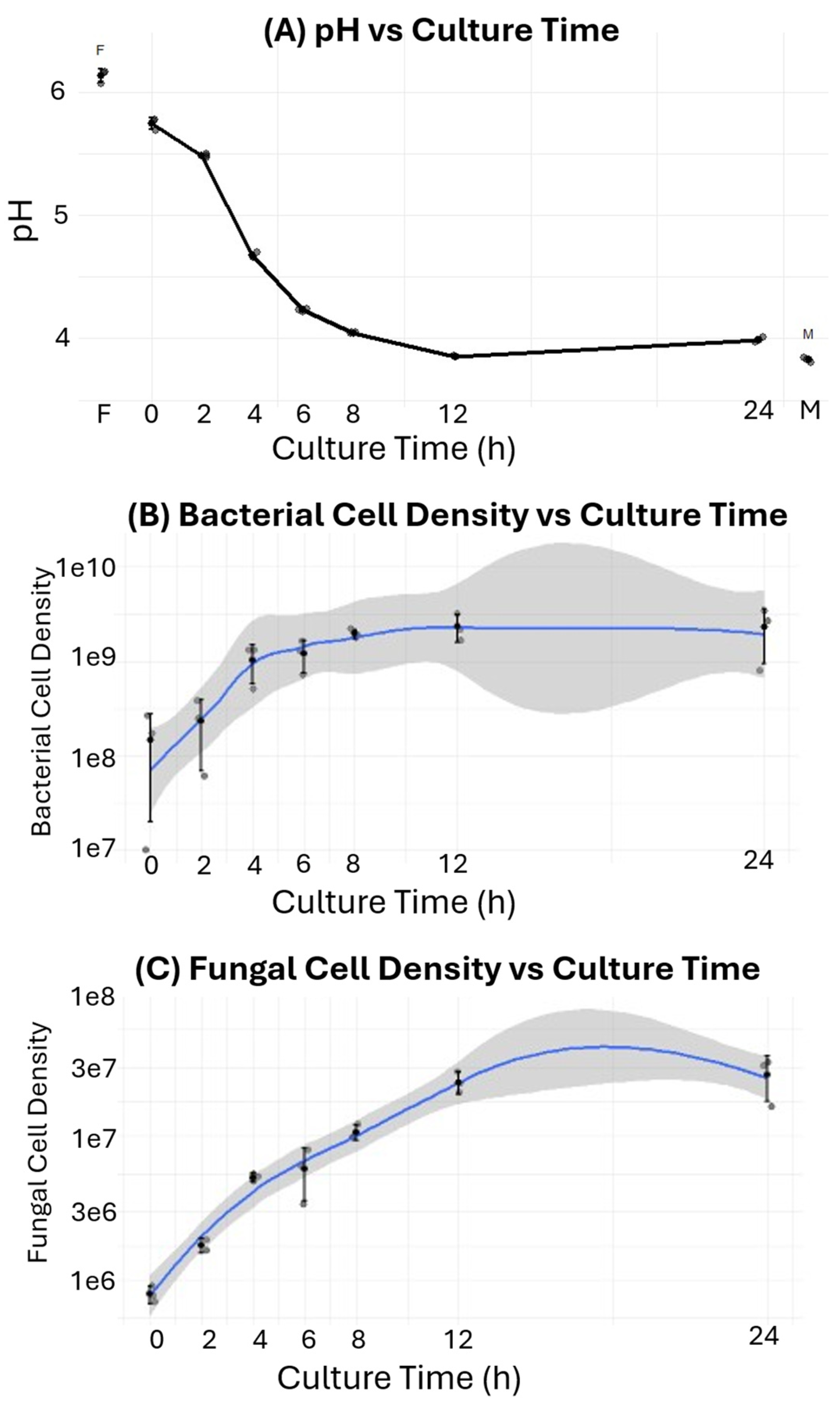
Leaven pH and cell density as a function of culture time. The flour leaven was brought back to the lab for 24 h time courses. The pH of ferments decreases with time due to the increase in density and the proportion of lactic acid bacteria (LAB) and, in some cases, acetic acid bacteria (AAB). Both bacterial and fungal microbiomes that are characteristic of the starting material (an equal mass mixture of unbleached all-purpose white and rye flours) are virtually absent from the mature leaven, and conversely, predominant genera in the mature leaven are undetected in flour.
The pH of a flour suspension is 6.2 (F in
Figure 1A). The initial decrease in pH (dashed line in
Figure 1A) from 6.2 to 5.7 at time = 0 is due to the mixture of the mature leaven at a pH of 3.85 (see below) in the mass proportion of 1:20 with flour. Subsequently, the pH decreases more slowly during the culture’s first 2 h and more rapidly over the next 10 h due to the growth of lactic acid bacteria (
Figure 1B and below). The pH plateaus at 3.85 after 12 h, close to the pkA of lactic acid that was also observed in the 12 h mature starter (M in
Figure 1A). The pH of the 24 h sample drifts up, perhaps due to the LAB earlier reaching a stationary phase (
Figure 1B).
The cell densities of the bacteria and fungi in the mature leaven used in the feeding are 2.3 × 10
9/mL and 2.5 × 10
7/mL, respectively (
Figure 1B,C), more than four orders of magnitude higher than the respective endogenous bacterial and fungal cell densities of 8 × 10
4/mL and 2 × 10
3/mL in a 50%
w/
v flour suspension (values for flour were omitted from the plots to avoid compressing the ordinate). The mixture at time = 0 is thus dominated by the bacteria and fungi from the mature leaven, with predicted cell densities of approximately 1.1 × 10
8/mL and 1.25 × 10
6/mL, respectively, which is consistent with observed values (
Figure 1B,C).
The bacteria display their maximal growth rate for the first four hours (
Figure 1B) with a generation time of 85 min; the growth rate declines between four and eight hours and plateaus between eight and twenty-four hours. The fungi also display maximal exponential growth for the first four hours (
Figure 1C) with a generation time of 106 min. The six-hour time point reproducibly falls below the smooth curve generated in R, suggesting a pause in fungal growth between four and eight hours.
The acidity of the sourdough starter limits the potential growth of foodborne pathogens (e.g.,
Listeria monocytogenes or
Bacillus cereus). In a TSB medium that was adjusted to different pHs using HCl, the germination of
B. cereus spores was largely inhibited at a pH below 4.2, while it was nearly unaffected at a pH above this value [
19]. The culture pH crosses this pH boundary between six and eight hours (
Figure 1A). The presence of lactate, a by-product of the lactic acid bacteria, limits spore germination by 50%.
Listeria Monocytogenes is more resistant to acid shock in the conditions created by the lactic acid bacteria [
20]. However, its lower limit is still a pH of 4.4–4.7. A decrease in the virulence gene transcription after 5 h at pH 4.0 was achieved with acetic acid, another fermentative byproduct [
21]. These acids make the starter naturally resistant to strains of foodborne pathogens, including those with acid tolerance responses [
22]. The same is broadly described for the bread spoilage fungi, including Aspergillus and Penicillium [
23].
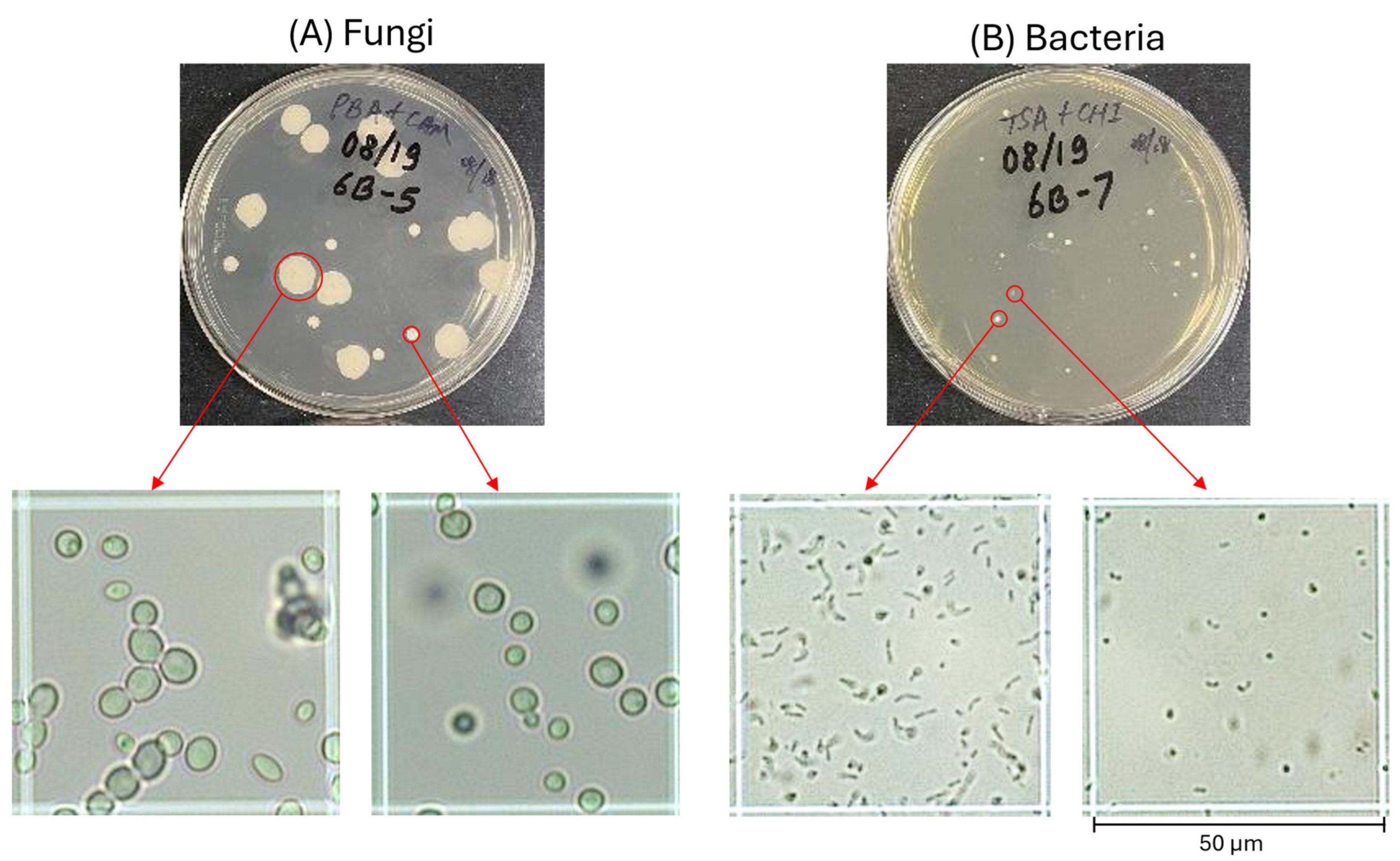
The colonial and microscopic appearance of abundant microorganisms. Distinctive colony morphologies were observed on the plates obtained from twelve-hour cultures (
Figure 2). The wet mount micrographs display the distinguishing characteristics of the cells, which were also reliably identified to a genus level by Sanger sequencing (
Figure 3).
The large fungal colonies (
Figure 2A) are
Pichia, a yeast that grows in short chains and small clusters (see micrograph, below left). Small fungal colonies are
Saccharomyces, a budding yeast that grows individually. The proportion of plate colonies favors
Pichia over
Saccharomyces by about 4:1, which is comparable to the proportions observed by metabarcoding (see below and
Section 4).
Two bacterial genera were observed in roughly equal proportions (
Figure 2B), in approximate agreement with the metabarcoding results (see below);
Lactiplantibacillus plantarum forms larger white colonies of longer rod-shaped cells than those observed in the smaller translucent colonies of
Lactobacillus brevis (see also
Figure 3).
The LAB assigned to distinct genera by PCR and Sanger sequencing. The DNAs extracted from the plate colonies (
Figure 2B) were amplified using the 16S primer pair (
Table 1) and sequenced using M13 forward and reverse primers (see
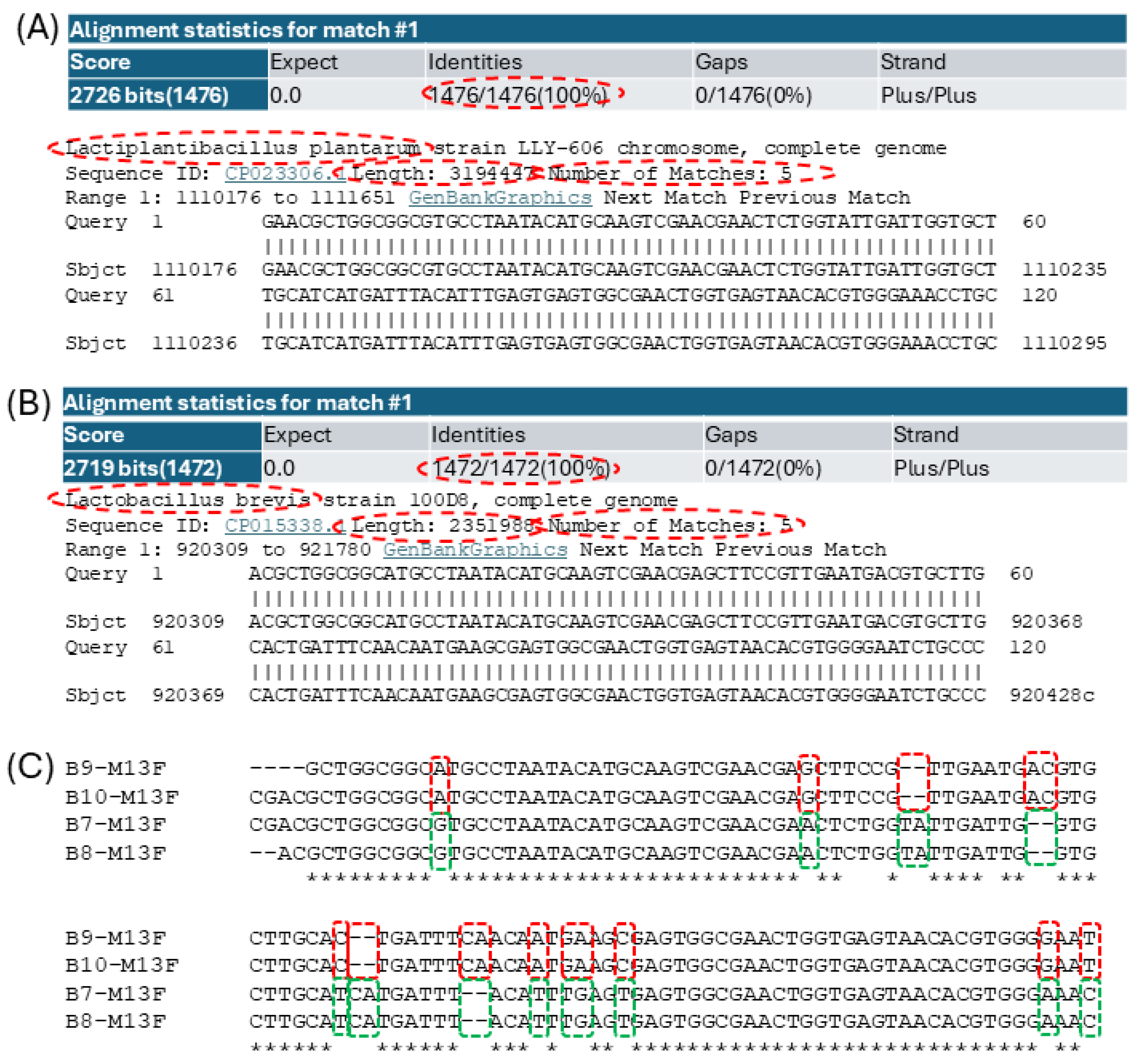
Section 2), enabling an assembly of full-length ~1450 bp amplicons. The first two lines of NCBI-BLASTn query/subject alignments are shown (
Figure 3A,B).
Lactiplantibacillus plantarum has a 3,194,447 bp genome (indicated by the dashed red ellipses) while
Lactobacillus brevis has a 2,351,988 bp genome (red ellipses in
Figure 3A,B). Both of the genera have five dispersed rRNA gene copies (ranges).
Lactobacillus taxonomy has been controversial for over a century [
25]. Most recently,
Lactiplantibacillus plantarum, often still referred to as
Lactobacillus plantarum, was authoritatively classified as a separate genus [
24]. The first two lines of a multiple sequence alignment (
Figure 3C), within which seven SNPs and four dinucleotide indels occur within the first 120 bp of the alignment, accompanying the observed differences in colony morphology, cell size (
Figure 2B) and genome size (
Figure 3A,B), amply support the assignment of
Lactiplantibacillus plantarum and
Lactobacillus brevis as separate genera.
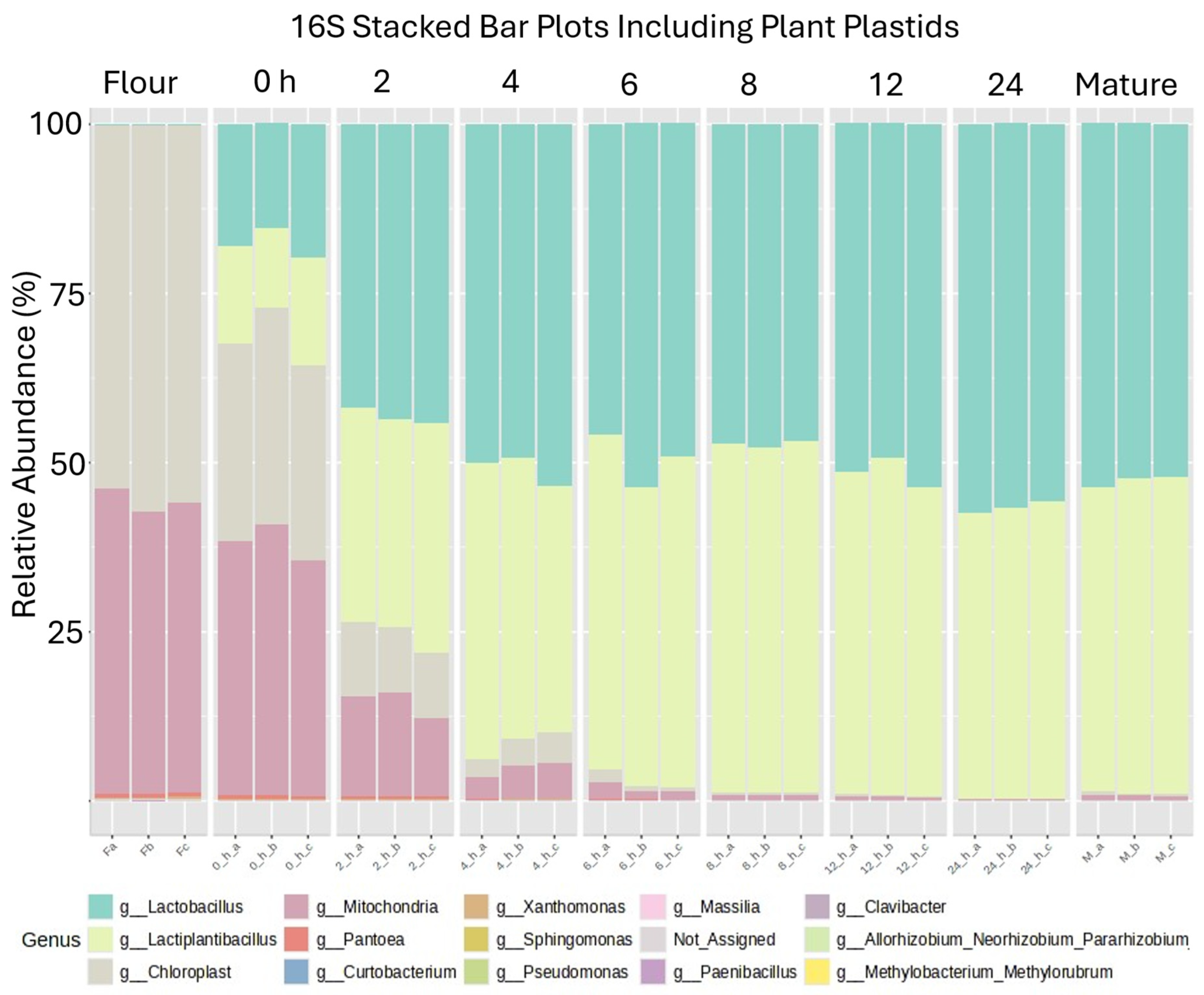
Metagenomic proportions observed in the 16S microbiome. The genera in the 16S microbiome of the starting material (Flour columns in
Figure 4) are completely different from those toward the end of the time course (12 h, 24 h and Mature). Strikingly, the plant plastid DNAs (chloroplast and mitochondria; gray and violet, respectively) swamp out the bacteria in the flour sample. Fortunately, enough bacterial reads were obtained (approximately 3000 from the representative ASV Metadata.qzv file) to determine the proportions of the bacterial genera endogenous to the flour mixture.
As the culture was started at t = 0, the abundant plant plastid material was first diluted with the LAB (
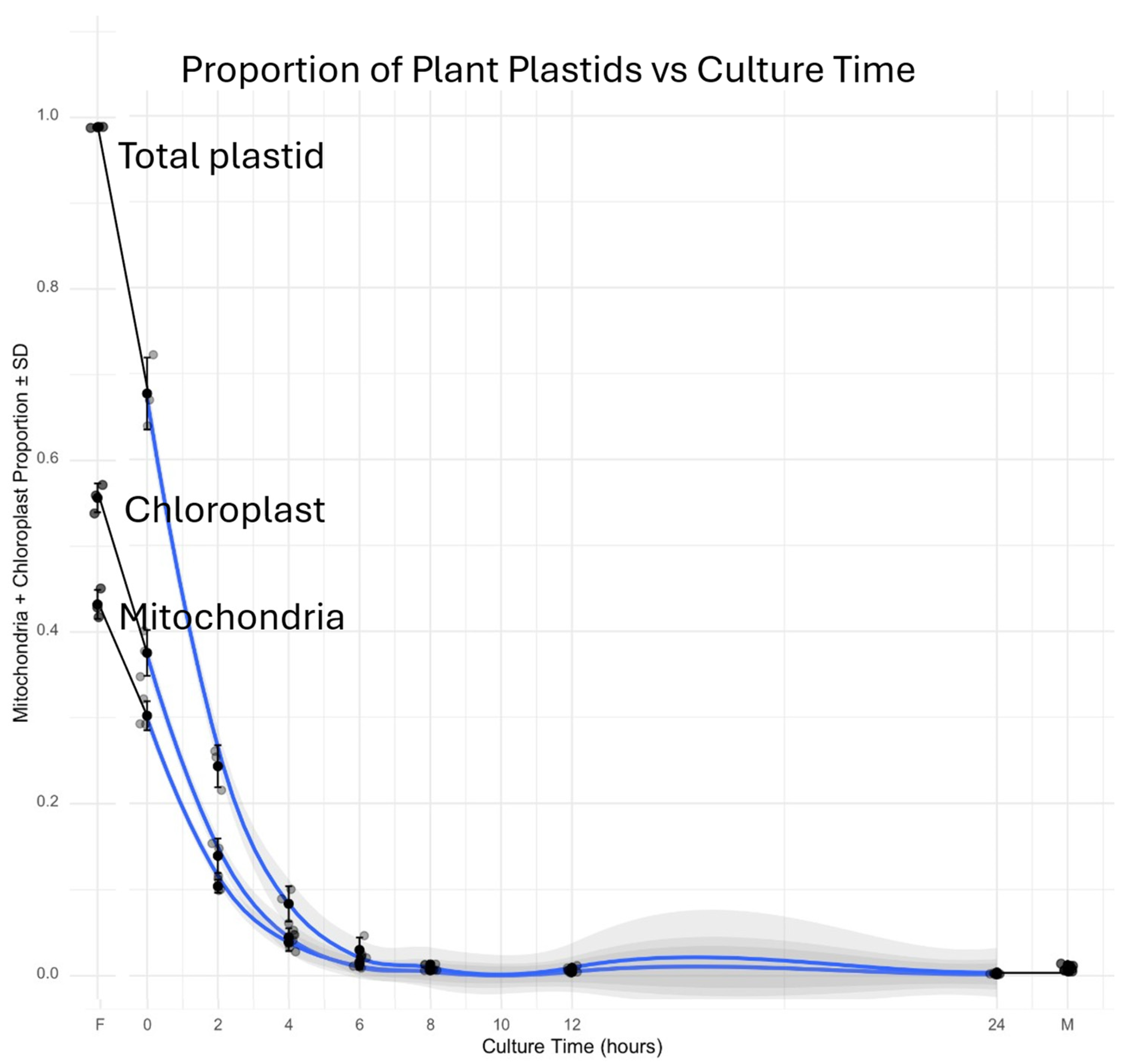
Figure 4), which was added with the mature leaven to the flour in a mass proportion of 1:20, but with approximately four orders of magnitude higher cell density. The proportion of the plant plastid material further decreases with additional culture time, as illustrated graphically in the superimposed plastid proportion plots (
Figure 5), approaching zero after 6 h of culture, presumably due to consumption during fermentation.
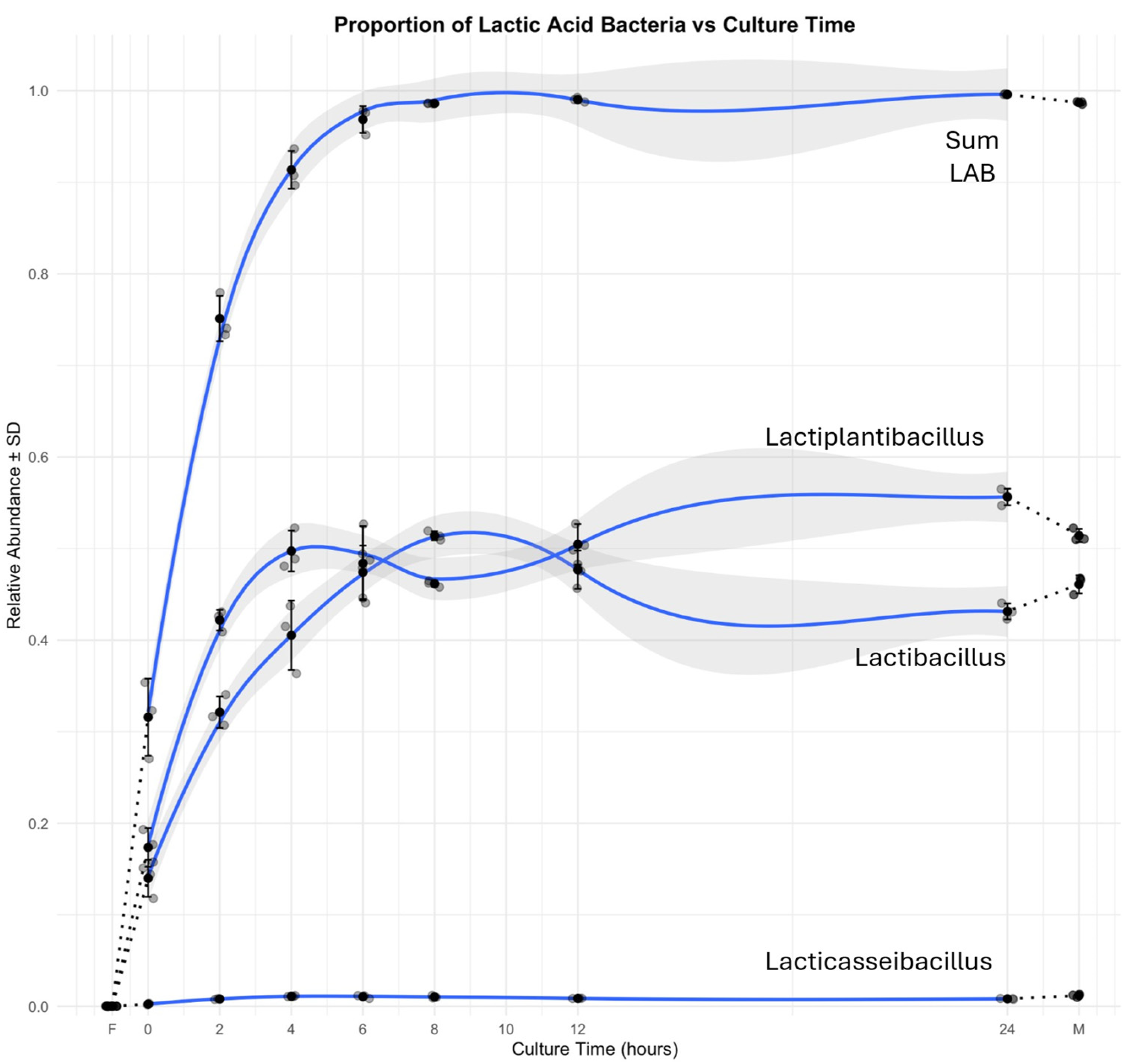
The rapid supplanting of superabundant plant plastid material (
Figure 5) by the LAB is further illustrated by the superimposed LAB proportion plots (
Figure 6). The proportions of
Lactiplantibacillus plantarum and
Lactobacillus brevis remain roughly equal throughout the growth of the culture, virtually replacing the plant plastids and bacteria endogenous to flour. A third LAB genus,
Lacticasseibacillus, persists at a proportion of 1% throughout the culture period (
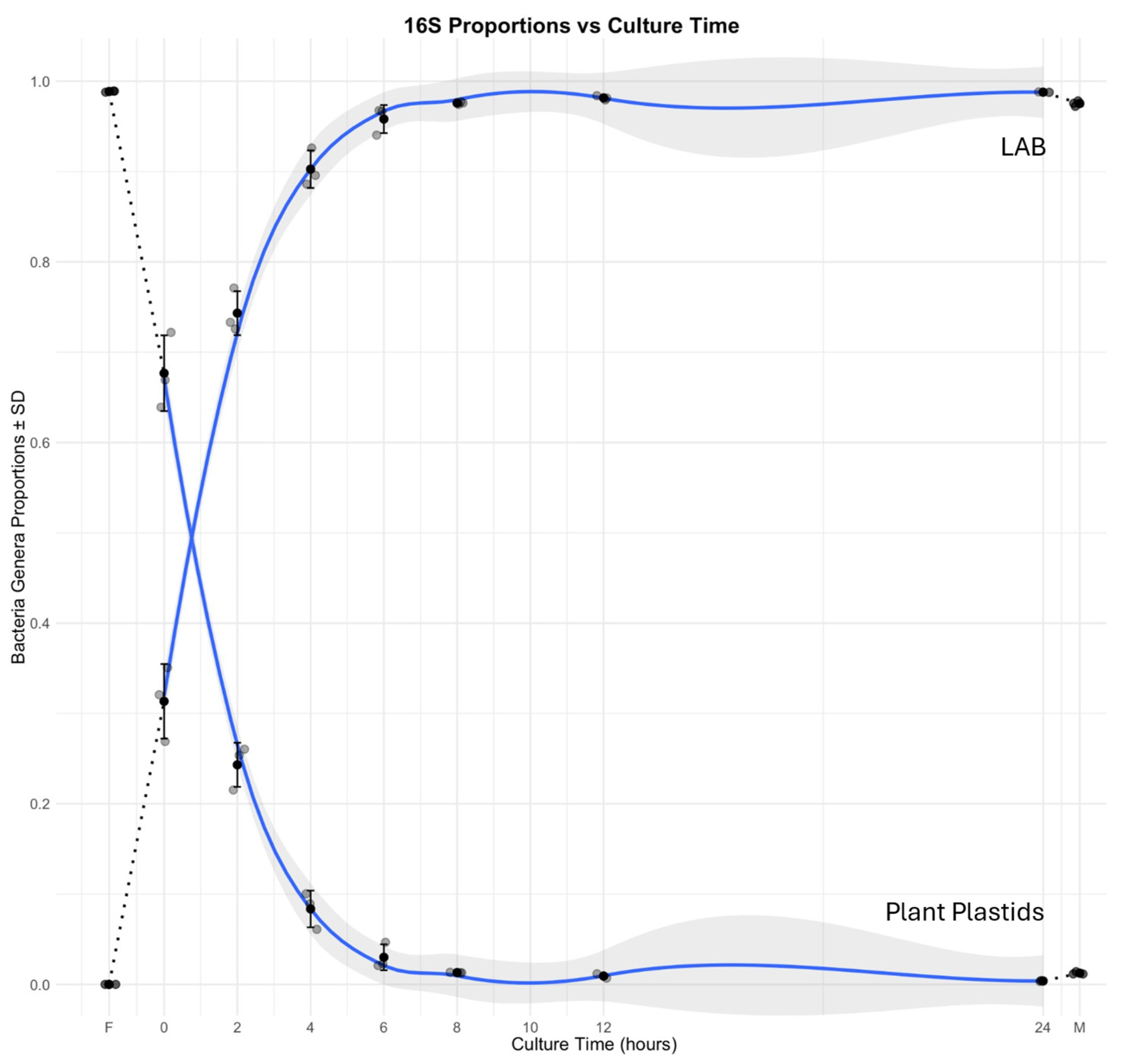
Figure 6). The decline in the proportion of plant plastids superimposed on the increasing combined proportion of the LAB suggests consumption and growth, respectively (
Figure 7).
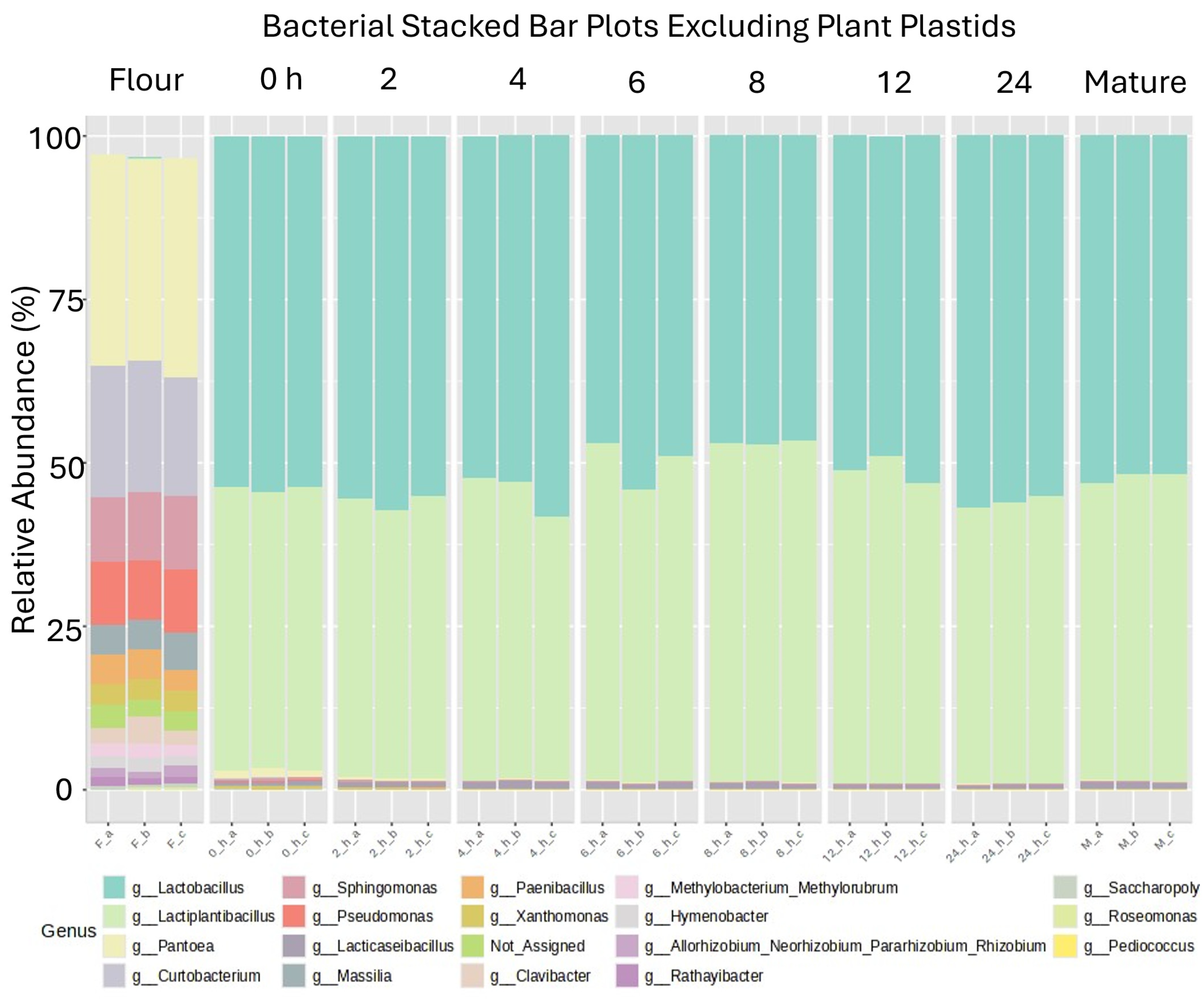
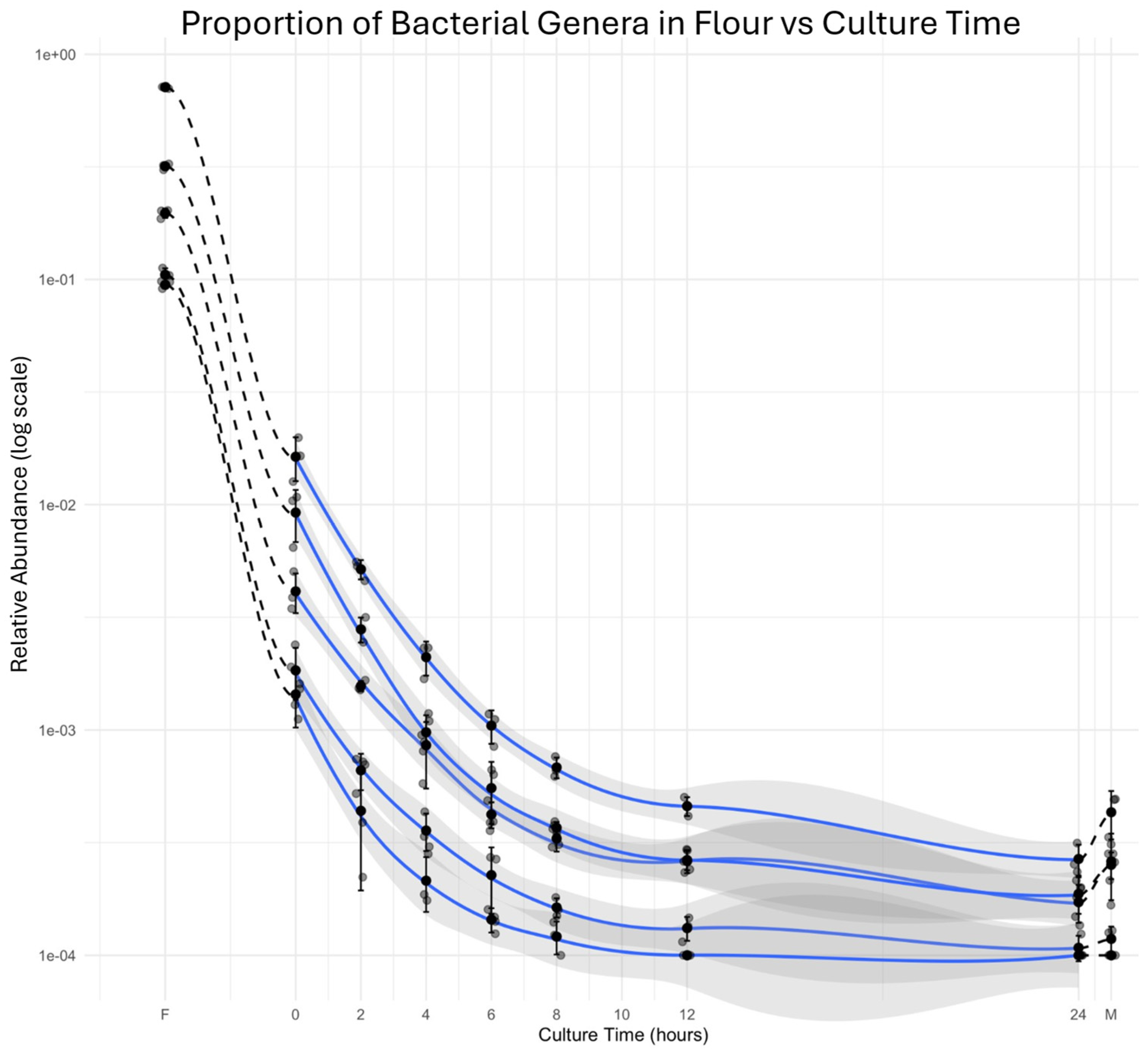
Bacterial genera endogenous to flour, first swamped out by the LAB that is added with the starter, are soon overwhelmed by the rapid growth of the LAB. The plant plastids were deleted from the microbial composition data to visualize the bacteria endogenous to flour (
Figure 8), comparable in design to the 16S proportion plots, which included the plant plastids (
Figure 4,
Figure 5,
Figure 6 and
Figure 7). A log scale was used on the ordinate of the corresponding proportion plots (
Figure 9) to visualize the rapid replacement of bacteria endogenous to flour by the LAB. Fifteen bacterial genera were identified in the flour with the exclusion of plant plastids (legend at the bottom of
Figure 8). The top four genera (
Pantoea,
Curtobacterium,
Sphingomonas and
Pseudomonas) together constitute 72% of the total bacterial genera; 11 less prominent genera constitute the remaining 28% (
Figure 9, cf
Figure 8). The LAB are practically undetectable in flour, and the bacteria endogenous to flour are negligible after outgrowth of the LAB during the time course.
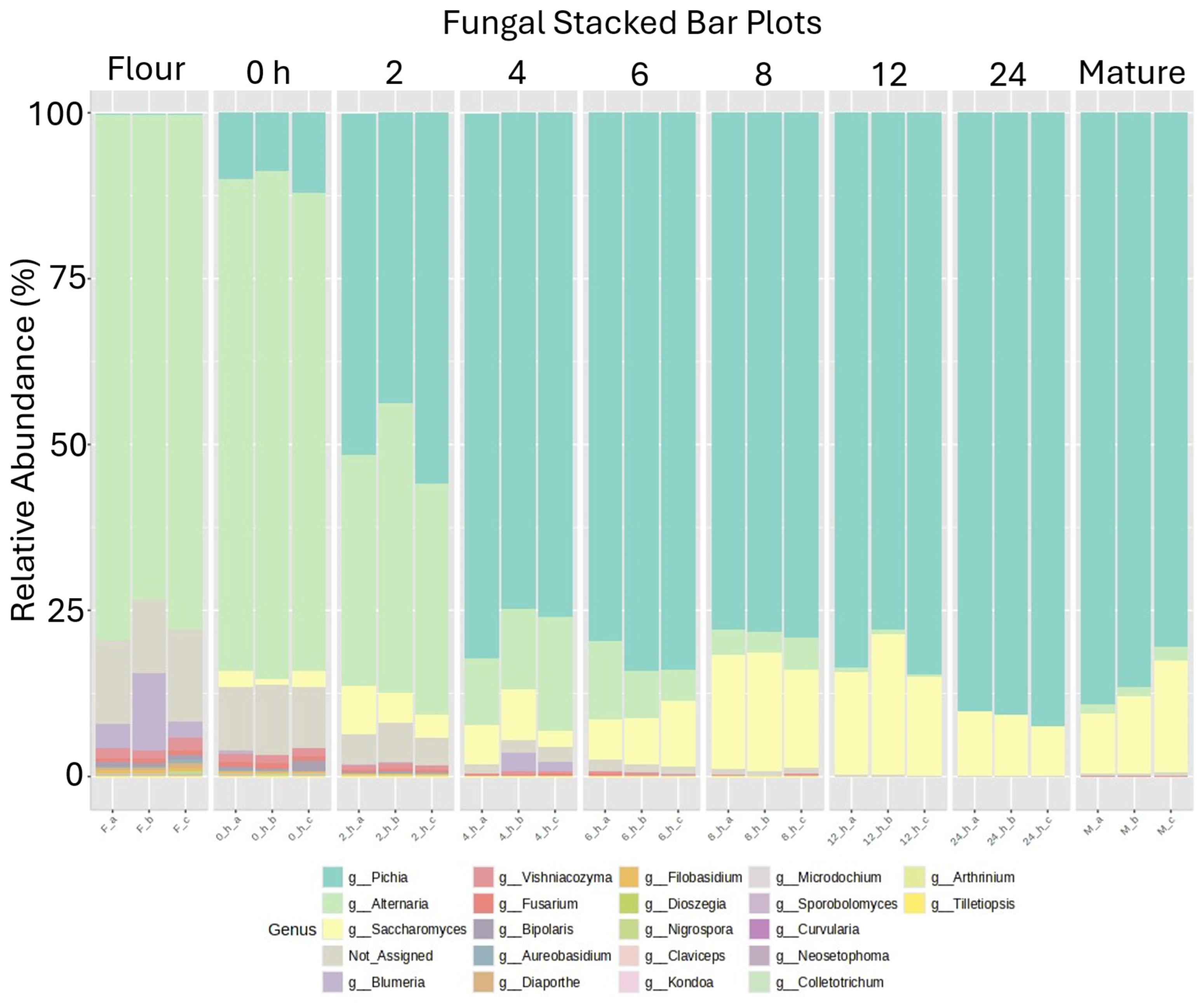
The fungal microbiome changes more gradually with the growth of the leaven.
Alternaria and
Blumeria are the most abundant fungal genera endogenous to flour, while
Pichia and
Saccharomyces, the yeast genera that dominate mature leaven, were not detected in the flour (
Figure 10,
Figure 11 and
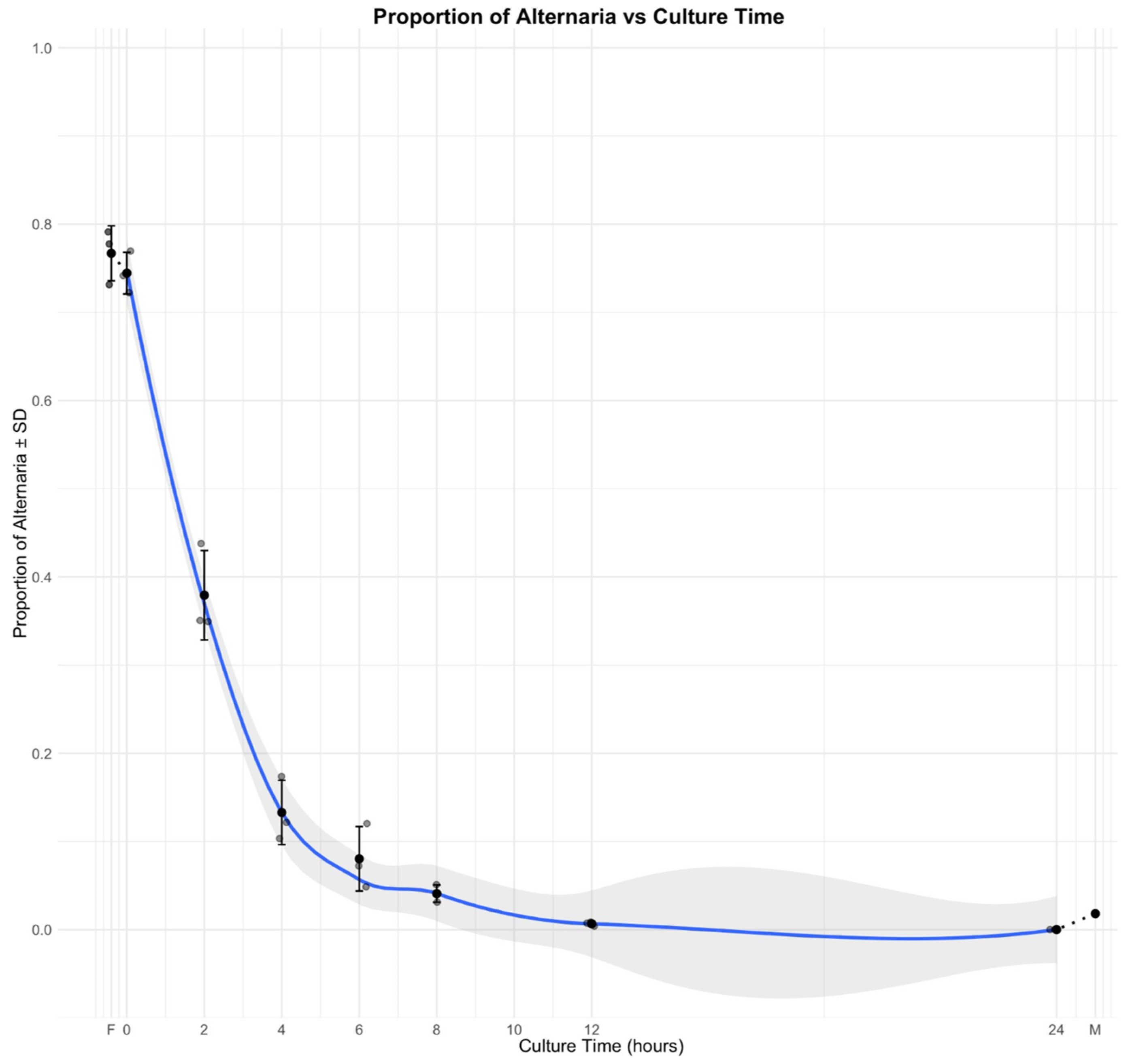
Figure 12). The
Alternaria proportionate decay curve (
Figure 11) is less steep than that of the plant plastids and the bacteria endogenous to flour;
Alternaria (light green in the stacked bar plots;
Figure 10) still represents a significant proportion of the fungal microbiome at 8 h, becoming negligible only in the 12 h culture (
Figure 10 and
Figure 11).
Alternaria may better tolerate the acidification that arises from the outgrowth of the LAB compared to the other fungal and bacterial genera endogenous to flour.
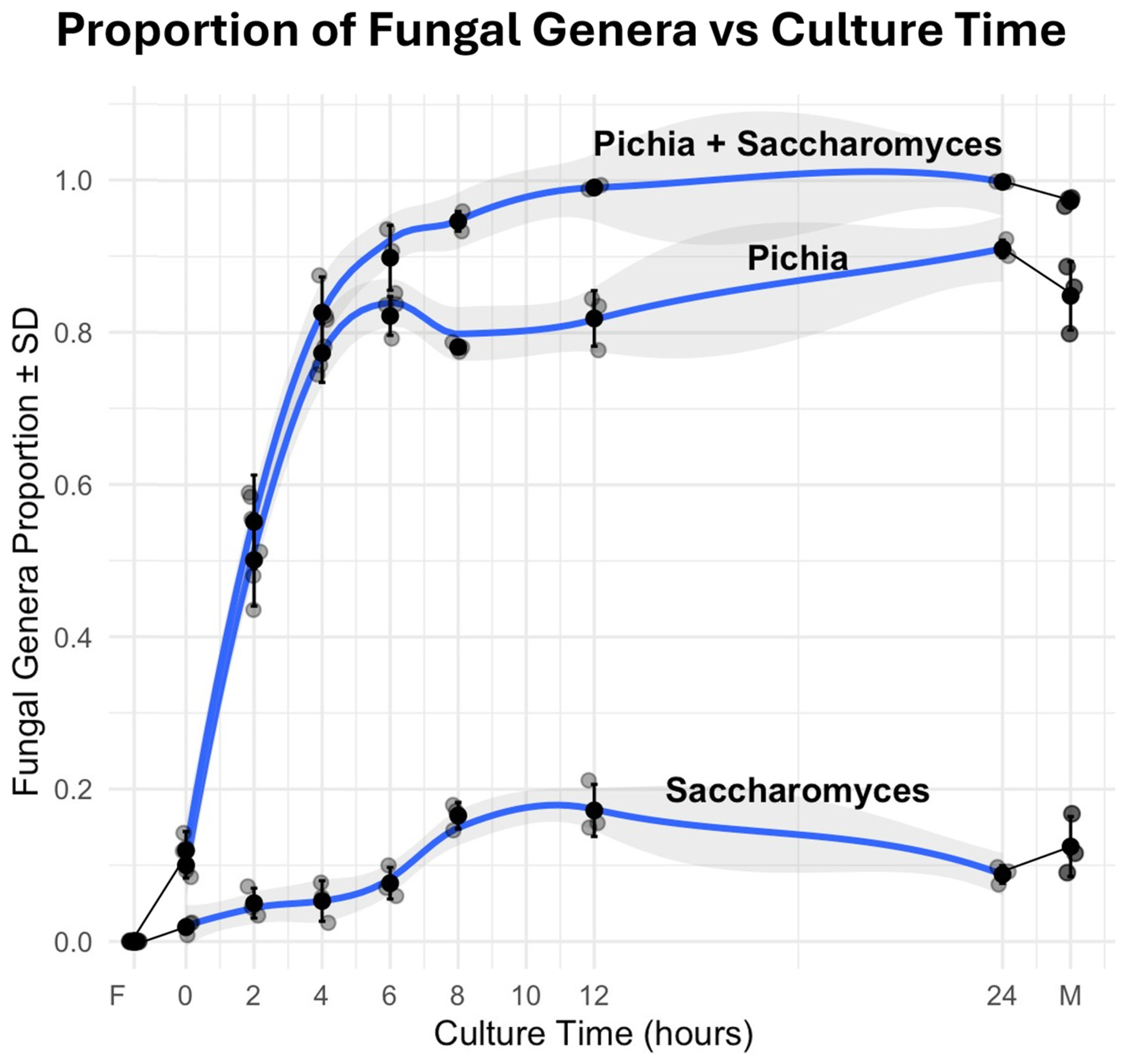
Pichia predominates over
Saccharomyces, with a proportion that fluctuates between 0.8/0.2 and 0.9/0.1 from 6 to 24 h and in the mature culture (
Figure 12).
Pichia primarily uses aerobic metabolism, while
S. cerevisiae often switches to fermentation even when oxygen is available. The predominance of
Pichia over the long term correlates with its more oxidative metabolism [
26]. As a result of its respiratory metabolism,
Pichia can be cultured to exceptionally high cell densities [
19]. The proportional advantage of
Pichia over
Saccharomyces is only observed after 24 h when the fungal cell density in the culture starts to fall (
Figure 12, cf
Figure 1C), suggesting that the proportionate increase in
Pichia over
Saccharomyces arose over a longer term, including a series of 24 h feedings combined with weeks of the culture dormant under refrigeration.
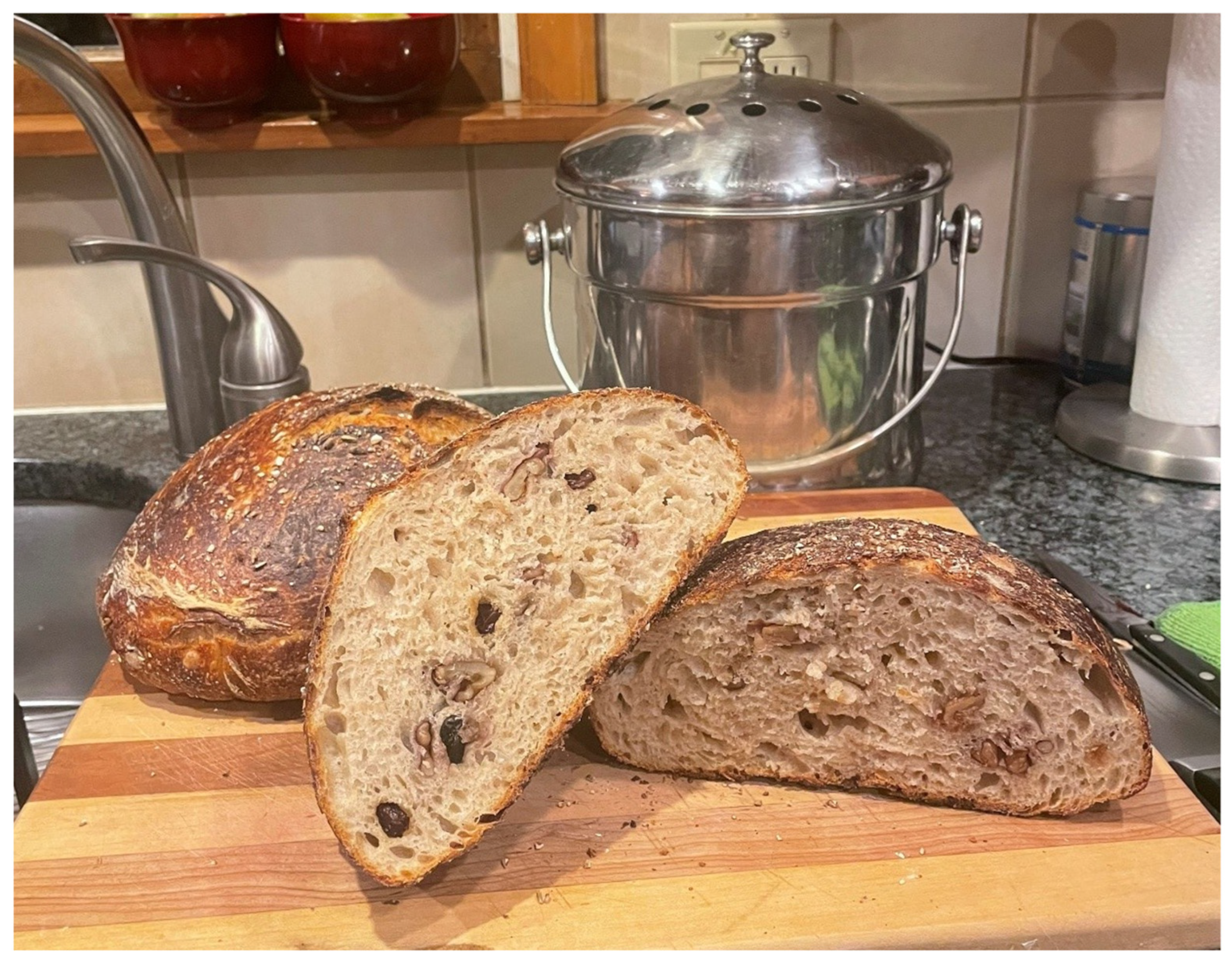
A twelve-hour culture shown above, when prepared at home, was used to leaven bread following the Tartine recipe. The foregoing illustrates the importing of home-baking materials to the research lab to investigate the changes in the fermentative microbiome during the time course of leaven maturation. While this was underway, a 12 h expanded leaven incubated at home was used in the Tartine recipe [
8], as illustrated in
Figure 13. Walnuts and black raisins were added to the dough in the last fold before proofing.
The least variable microbial component of a leaven is the LAB, although some starters also prominently display AAB [
1]. Variability is also observed in the fungal genera, and the predominance of
Pichia in our culture, although unusual, is evidently tolerable.
4. Discussion
The microbiome studies could hardly be reported without metagenomics, but classical methods, including pH measurement, plating, micrography, Sanger sequencing and multiple sequence alignment, fill the gaps left by metagenomic analysis. Metagenomics covers the breadth of genera and their relative proportions. However, bacterial and fungal amplicon libraries must be analyzed separately, without a basis for inter-domain comparisons. Although imperfect, plating thus provides needed information on the relative densities of the bacteria and fungi and their growth rates.
The plate counts may not accurately reflect the microbial proportions, and the metagenomics can reveal previously unknown microbial taxa. However, in the present study, the predominant fungi (
Pichia and
Saccharomyces) and bacteria (
Lactiplantibacillus plantarum and
Lactobacillus brevis) are readily observed on plates in proportions broadly consistent with those obtained from metagenomic analyses (
Figure 2, cf
Figure 4,
Figure 5,
Figure 6,
Figure 7,
Figure 8,
Figure 9,
Figure 10,
Figure 11 and
Figure 12). The variation in colony growth rate is a minor challenge;
Pichia colonies appear with overnight incubation at 27 °C, while
Saccharomyces colonies only reach their maximal number after incubating for three days. The LAB colonies grew slowly, but comparable colony counts were observed after incubation at 37 °C for three and seven days.
The rRNA gene sequence and copy number variation complicate the estimation of microbial proportions. Since the invention of rapid DNA sequencing and PCR five four decades ago, respectively, these methods have been used for the identification of microbial taxa using the ribosomal RNA gene repeat for both fungi [
11] and bacteria [
10]. Sanger sequencing of PCR amplicons presents technical problems due to sequence variation between the repeats of a single colony clone, especially close to the 5′ end of the amplicon, as observed with
Pantoea and various fungi. This challenge was circumvented with the design of a
Pantoea-specific internal forward sequencing primer (
Table 1, note 5) and more generally by metabarcoding, since single DNA molecules amplified in the separate clusters of an Illumina flow cell produce paired-end reads that are analogous to results that would be obtained by amplicon plasmid cloning.
The subject NCBI reports of bacterial whole chromosome sequences with a 16S amplicon sequence as queries include the number of matches (rRNA gene copy number), presented individually as ranges (
Figure 3), interspersed over the circular bacterial chromosome. When comparing bacterial taxa with different numbers of matches, a correction factor would have to be introduced to convert from a metabarcoding report of microbial composition to a true proportion, which is not, however, required for
Lactiplantibaccilus plantarum and
Lactobacillus brevis, with five matches each. Furthermore, relative plate counts based on differences in appearance of the colonies (
Figure 2B) broadly agree with the approximately 50/50 proportions obtained by metagenomic analysis (
Figure 4 and
Figure 8).
The fungal rRNA gene copy numbers vary greatly both within and between taxa. Publicly available whole genome sequences have been analyzed using a method that does not require an annotated reference genome [
27] and, more recently, using a modal frequency method specifically for
S. cerevisiae strains [
28], for which a fully annotated reference genome is available. The variation in rRNA gene copy number in
S. cerevisiae initially reported as 140 [
29], cf [
30], covers approximately an order of magnitude when numerous recorded
S. cerevisiae whole genome sequences were compared (see the violin plots in [
22]), while the rRNA gene copy number between reported fungal taxa varies over more than two orders of magnitude, from ~10 to over 1000 [
27]. A scaling factor would therefore need to be introduced to convert the amplicon observational taxonomic units (OTUs) so as to correct for variation in the number of rRNA gene repeats in fungal genera. This value would have to be experimentally determined for a statistically valid number of independent isolates of each genus present in a natural mixture, which is beyond the scope of this project. The rRNA gene copy number in
Pichia is reportedly ~35 [
31], suggesting that a conversion factor of four would have to be introduced to roughly normalize
Pichia to
Saccharomyces OTUs. The colony proportions (based on the colony count and size, microscopy and Sanger sequencing;
Figure 2A) do not, however, strikingly differ from the raw fungal OTUs shown in the stacked bar plots (
Figure 10) and proportion plots.
Microbial composition of leaven microbiomes. The LAB generally prevail in leaven bacterial microbiomes, although acetic acid bacteria (AAB) such as
Acetobacter have also been observed [
1,
2]. We found an equal proportion of the LAB
Lactiplantibacillus plantarum and
Lactobacillus brevis in the mature and 24 h cultures. Our fungal microbiome is presently dominated by
Pichia, accompanied by
Saccharomyces.
The rapid decrease in proportion of plant biological material during leaven maturation (
Figure 4,
Figure 5 and
Figure 7) and domination of the mature leaven by two LAB and two fungal taxa (
Figure 4,
Figure 6,
Figure 7,
Figure 10 and
Figure 11) illustrate both the consumption and growth characteristics of fermentation. Starting and end points have been widely reported [
1,
2,
7]. The changes in microbial composition over 24 h documented here were enabled by the twenty-fold feeding of the culture (following [
8]), which allowed cell density to increase by more than an order of magnitude, including several hours of exponential growth. This is not a feature of the two-fold feeding (back-slopping) used by others.
The microbiomes typical of flour and mature leaven are mutually exclusive. The endogenous flour microbiome, replenished upon feeding, is at first overwhelmed by the microbiome introduced with the mature starter and then is extinguished over the ensuing 12 h by rapid outgrowth of the starter microbiome.




 ,
,