Article

Functional Traits, Safety Assessment, and In Situ Storage Stability of Probiotic Candidate Lactic Acid Bacteria from Traditional Beyaz Cheese


Department of Food Engineering, Faculty of Agriculture, Ataturk University, 25240 Erzurum, Türkiye
*
Author to whom correspondence should be addressed.
Fermentation 2026, 12(3), 133; https://doi.org/10.3390/fermentation12030133
Submission received: 28 January 2026 / Revised: 24 February 2026 / Accepted: 25 February 2026 / Published: 4 March 2026
(This article belongs to the Section Probiotic Strains and Fermentation)

Abstract

This study evaluated the probiotic, technological, and safety properties of 124 lactic acid bacteria isolated from traditional Beyaz cheese, and the in situ survival of selected strains in fermented milk. Eighteen isolates showing over 80% tolerance in simulated gastric juice (pH 3.0) were subjected to further characterization. On the basis of 16S rRNA gene sequencing, most isolates belong to Lacticaseibacillus paracasei and Lactiplantibacillus plantarum, while Lactobacillus helveticus, Lentilactobacillus kefiri, and Limosilactobacillus fermentum were also identified. L. plantarum EH140 showed the greatest resistance to the simulated gastric environment (pH 2.0), whereas L. paracasei EH131 exhibited the highest bile salt tolerance. L. plantarum EH106 demonstrated strong auto-aggregation, and L. fermentum EH132 displayed notable hydrophobicity. Nine isolates exhibited bile salt hydrolase activity, but none showed γ-hemolysis, gelatinase, or DNase activity. All the isolates were susceptible to ampicillin, erythromycin, clindamycin, and chloramphenicol. Organic acid analysis revealed lactic acid as the major metabolite, followed by acetic acid. Virulence gene screening identified the efaAfs gene only in L. paracasei strains, and no biogenic amine genes were detected. The selected isolates maintained viability above 6 log CFU/mL in milk during storage. Overall, L. plantarum EH106, EH109, EH140, and EH141 were identified as the most promising candidates because of their safety and superior probiotic potential.

1. Introduction

Beyaz cheese, one of the most widely consumed brine-ripened cheeses in Türkiye, is produced from cow, sheep, or goat milk (or their mixtures) and ripens in brine for up to 90 days. Its dominant microbiota has been reported to consist mainly of lactococci, lactobacilli, enterococci, and leuconostocs [1,2]. Lactic acid bacteria (LAB) play a key role in the production of many fermented foods and are known for their probiotic properties [3,4]. Previous studies have produced probiotic Beyaz cheeses via commercial cultures [5,6]. However, commercial strains may find it difficult to survive in brined cheeses because of their high salt percentage [7]. Furthermore, these cultures may be inadequate for producing the specific taste and aroma desired in traditional products.
According to the International Scientific Association for Probiotics and Prebiotics (ISAPP), probiotics are described as “live microorganisms that, when administered in adequate amounts, confer a health benefit on the host” [8]. The FAO/WHO [9] further proposed that, to qualify as a probiotic, it must be taxonomically identified (e.g., by 16S rRNA or, ideally, whole-genome sequencing), resistant to adverse conditions of the gastrointestinal tract (such as gastric acid, bile salts, and digestive enzymes), capable of adhering to the intestinal epithelium, which can be indicated by auto-aggregation and cell surface hydrophobicity tests, and that it should exhibit bile salt hydrolase (BSH) activity. In addition, probiotic microorganisms should be able to inhibit the adhesion of pathogens, display antimicrobial activity against potential pathogens, and be safe (meaning they should lack hemolytic activity, opportunistic virulence factors, transferable antibiotic resistance genes, and the ability to produce toxic metabolites) while providing measurable health benefits to the host.
Beyaz cheese is a traditional fermented product that requires further investigation to elucidate its complex microbiota, given its high microbial diversity and status as one of the most widely consumed cheese varieties in Türkiye. However, the microbiota and characteristics of autochthonous probiotic strains of Beyaz cheese in Türkiye have not been comprehensively determined. Improving the knowledge of its indigenous microbial community may contribute to a better understanding of product distinctiveness and microbial biodiversity. The present study aimed to isolate LAB from traditional Beyaz cheese and to evaluate their in vitro probiotic potential, selected safety attributes, and technological characteristics. The identification of strains combining functional and fermentation performance traits may provide a basis for the future development of locally sourced starter or adjunct cultures and support ongoing research on traditional dairy products.

2. Materials and Methods

2.1. Isolation of LAB

Fifteen Beyaz cheese samples were obtained from various markets and retail outlets. The samples were transported to the laboratory at 4 °C and analyzed without delay. LAB were isolated on De Man-Rogosa-Sharpe (MRS) agar (Merck, Darmstadt, Germany ) at 37 °C for 48 h under anaerobic conditions [10]. Colonies with different macroscopic and microscopic shapes were subjected to Gram staining and catalase tests. A total of 124 colonies identified as presumptive LAB were selected for further testing. The isolates were maintained at −80 °C in MRS containing 40% glycerol.

2.2. Tolerance to Simulated Gastric Juice

The simulated gastric juice was prepared to contain 0.5% sodium chloride (NaCl) and 0.3% pepsin (Merck), and the pH values were 2.0, 2.5 and 3.0. The pH of the solution was adjusted with 1 N HCl, and the solution was sterilized by passing through a membrane filter with a pore diameter of 0.22 µm. LAB were grown in the respective liquid media for 24 h (fresh culture) and the supernatants were removed by centrifugation at 3000× g for 5 min. The pellet was washed with phosphate-buffered saline (PBS, Merck) and the McFarland values were adjusted to 0.5 (~108 CFU/mL). Sterile simulated gastric medium (9 mL) was mixed with the bacterial suspension (1 mL) and incubated at 37 °C for 3 h. The spread culture method was used to determine the viable cell counts before and after incubation and counting was performed after the plates were incubated at 37 °C for 48 h under anaerobic conditions [11]. Lacticaseibacillus paracasei Shirota, a commercial probiotic culture, was used as a positive control to compare gastric tolerance performance. In addition, viable cell counts at 0 h served as the baseline reference for calculating resistance percentages. The percentages of resistance to simulated gastric juice were calculated via the following formula (Z0; number of viable cells at 0 h; Z3; number of viable cells at 3 h) [11]:
Resistance   ( % )   =   log Z 3 log Z 0   ×   100

2.3. Tolerance to Bile Salts

To determine the tolerance of the isolates to bile salts, the McFarland values of fresh cultures were adjusted to 0.5 as described above. The bacterial suspensions were inoculated into a solution containing 0.5% (w/v) NaCl and 0.3% bile salt (Merck) with a pH of 8.0, shaken at 100 rpm and kept at 37 °C for 4 h. The number of microorganisms at the beginning and after 4 h was determined via the spread culture method. The results are presented as percentages [12].

2.4. Genotypic Identification of Bacteria

The identification of isolates was performed by sequencing the 16S rRNA region. DNA isolation was performed via an isolation kit (Qiagen, Valencia, CA, USA). The primers 8F (5′-AGAGTTTGATCCTGGCTCAG-3′) and 1541 R (5′-AAGGAGGTGATCCAGCCGCA-3′) were used to amplify the 16S rRNA regions. The isolated DNAs were used as templates for polymerase chain reaction (PCR) and the PCR mixture and reaction were performed as previously described [13]. The PCR products were run on a gel containing 1% agarose and SAFE DNA (Ecotech Biotechnology, Erzurum, Türkiye) dye at 80 V for 1 h. A 3 kb DNA ladder (Ecotech Biotechnology, Erzurum, Türkiye) was used as a sizer, and imaging was performed under ultraviolet light. The sequence results of the PCR products were evaluated with the National Centre for Biotechnology Information database via the Blastn program (https://www.ncbi.nlm.nih.gov/ accessed on 25 December 2025). The phylogenetic tree of the isolates was drawn with the Molecular Evolutionary Genetics Analysis (MEGA) 12 program via the Tamura-Nei gamma distribution model [14].

2.5. Auto-Aggregation and Hydrophobicity

For the determination of auto-aggregation ability, the isolates grown in MRS broth at 37 °C for 24 h were centrifuged at 9000× g for 10 min, and the supernatants were removed. The cell pellet was washed with PBS solution at a pH of 7.2 and then dissolved again in PBS with an absorbance value of 1 at 600 nm. The suspensions were mixed for 30 s and incubated for 2, 4, 6 or 24 h at 37 °C. At the end of the incubation, 200 µL of liquid was removed from the top of the suspension, and the absorbance value at 600 nm was read against the blank (PBS).
‘Auto-aggregation (%) = 1 − (At/A0) × 100’
Auto-aggregation percentage was calculated via the above formula. Where At is the absorbance value at 2, 4, 6 or 24 h and A0 is the absorbance value at 0 h [15].
To determine the hydrophobicity of the isolates, fresh cultures grown in MRS broth were centrifuged at 9000× g for 10 min, washed with PBS and then mixed with PBS again. The absorbance of this suspension was measured at 600 nm. Three mL of the bacterial suspension was removed, and 1 mL of xylene (Merck) or n-hexane (Merck) was mixed with vortexing for 2 min. The suspension was kept at room temperature for 30 min and the absorbance of the aqueous phase was measured at 600 nm. The hydrophobicity percentage values were calculated via the following formula:
‘Hydrophobicity (%) = 1 − (A1/A0) × 100’
A0 represents the absorbance value of the initial bacterial suspension, while A1 represents the absorbance value after phase separation [16].

2.6. Hemolytic, DNase, Bile Salt Hydrolase and Gelatinase Activities

To determine whether the isolates had hemolytic activity, fresh cultures were streaked on MRS medium containing 5% (w/v) defibrillated sheep blood. The Petri dishes were incubated at 37 °C for 48 h. Zone formation (clear zone; β-hemolytic, bright green zone; α-hemolytic) was considered hemolysis positive, and those that did not form a zone were considered negative (γ-hemolytic) [17].
For DNase activity, the isolates were streaked on DNase medium (Merck) and incubated at 37 °C for 48 h. Following incubation, the surface of the Petri dish was covered with 1 N HCl and incubated for 5 min. Colonies that formed clear zones at the end of the incubation period were considered DNase positive, and those that did not form zones were considered DNase negative. Staphylococcus aureus ATCC 29213 was used as a positive control and Lacticaseibacillus casei ATCC 393 was used as a negative control for both hemolytic and DNase activity tests [18].
Bile esculine agar (BEA; Condalab, Madrid, Spain) was used for BSH activity. Fresh cultures grown on liquid MRS media were spotted (10 μL) onto BEA agar and incubated at 37 °C for 48 h. At the end of the incubation, the formation of a dark brown zone was considered positive. The zone diameters were measured in millimeters (mm), and the results were evaluated as low (<10 mm), medium (≥11–15≤ mm) and high (>16 mm) activity [19]. The positive control was Enterococcus faecalis ATCC 29212.
Gelatinase activity was measured via agar containing peptone (5 g/L, Merck), yeast extract (3 g/L, Merck) and gelatin (30 g/L, Merck). Fresh cultures were spotted (10 μL) onto the medium and incubated at 37 °C for 48 h. At the end of the incubation period, Petri dishes were covered with saturated ammonium sulfate, and the formation of a transparent zone was considered positive [20]. S. aureus ATCC 29213 was used as a positive control.

2.7. Organic Acid Production

To determine the ability of the isolates to produce lactic, acetic, propionic, citric and malic acids, fresh cultures were inoculated into 10 mL of MRS broth at a rate of 1% and incubated at 37 °C for 24 h. At the end of the incubation period, the media were centrifuged at 12,000× g for 10 min, and the resulting supernatant was passed through a 0.22 μm diameter filter and transferred to high-pressure liquid chromatography (HPLC) vials. Sulfuric acid (0.005 N; Merck) was used as the mobile phase, and an Aminex HPX-87H (Bio-Rad Laboratories, Hercules, CA, USA) (300 mm × 7.8 mm) column was used. The flow rate of the pump was set to 0.6 mL/min, the column temperature was 35 °C, the injection volume was set to 10 μL, and the measurement was performed at 220 nm [21,22].

2.8. Antibiotic Resistance

The resistance of the isolates to ampicillin (Fisher Scientific, Waltham, MA, USA), vancomycin (Carl Roth, Karlsruhe, Germany), gentamicin (EsdChem, Tokyo, Japan), kanamycin (BioShop, Burlington, ON, Canada), streptomycin (Sigma-Aldrich, St. Louis, MO, USA), erythromycin (EsdChem), clindamycin (AmBeed, Buffalo Grove, IL, USA), tetracycline (Sigma-Aldrich), and chloramphenicol (Carl Roth) antibiotics was determined via the minimum inhibition concentration (MIC) method. Briefly, LAB with a cell density of approximately 1 × 10⁶ CFU/mL were inoculated into liquid MRS media containing different concentrations of the antibiotics in question and after incubation at 37 °C for 24 h, the absorbance of the media was measured at 600 nm [23]. The results were evaluated according to the thresholds recommended by the European Food Safety Authority (EFSA) [24].

2.9. Identification of Virulence and Biogenamine Genes

The virulence genes gelE (gelatinase), esp (enterococcal surface protein), cylA (cytolysin), efaAfs (E. faecalis-specific endocarditis antigen), hyl (hyaluronidase), asa (aggregation agent), and ace (collagen adhesion) were determined via PCR using the primers listed in Table S1. The PCR mixture and conditions were adjusted as described in Güler et al. [25]. After the PCR products were run on a 1% agarose gel, the amplicon lengths given in Table S1 for each gene were evaluated as positive.
The primers and amplicon lengths used for the determination of the histidine decarboxylase (hdc), tyrosine decarboxylase (tdc), ornithine decarboxylase (odc) and lysine decarboxylase (ldc) genes are given in Table S1. The PCR conditions were adjusted as described in Güler et al. [25], and the PCR products were run on a 1% agarose gel. The amplicon lengths given in Table S1 for each gene were considered positive.

2.10. In Situ Milk Fermentation

The isolates were examined for their ability to ferment milk and their viability in the fermented product during storage. Sterile reconstituted skim milk (10% w/v) was inoculated with 1% (v/v) overnight cultures (~106 CFU/mL) and incubated at 30 °C for 24 h. Following fermentation, the milk was stored at 4 °C for 28 days, and LAB counts and pH measurements were conducted on days 1, 7, 14, 21, and 28 of storage. The pH of fermented milk was measured via a pH meter (Hanna pH-211, Hanna Instruments, Inc., Woonsocket, RI, USA). LAB counts were determined via the spread plate method on MRS agar and incubated anaerobically at 37 °C for 48 h [10]. Fermented milk was employed as a controlled model system for preliminary technological assessment before testing in the target cheese matrix.

2.11. Statistical Analysis

All experiments were carried out with a minimum of two replicates, and the data are presented as the mean values accompanied by standard deviations. Differences among group means were evaluated using one-way analysis of variance (ANOVA) via IBM SPSS Statistics software (version 20.0, IBM Corp., New York, NY, USA). Post hoc comparisons were performed using Duncan’s multiple range test, with p < 0.05 considered the threshold for statistical significance. A neighbor-joining phylogenetic tree was constructed with MEGA12 software on the basis of the Tamura–Nei model incorporating a gamma distribution. Principal component analysis (PCA) was conducted via SIMCA 14.1 software (MKS Umetrics, Umeå, Sweden).

3. Results and Discussion

3.1. Isolation and Selection of LAB from Cheese

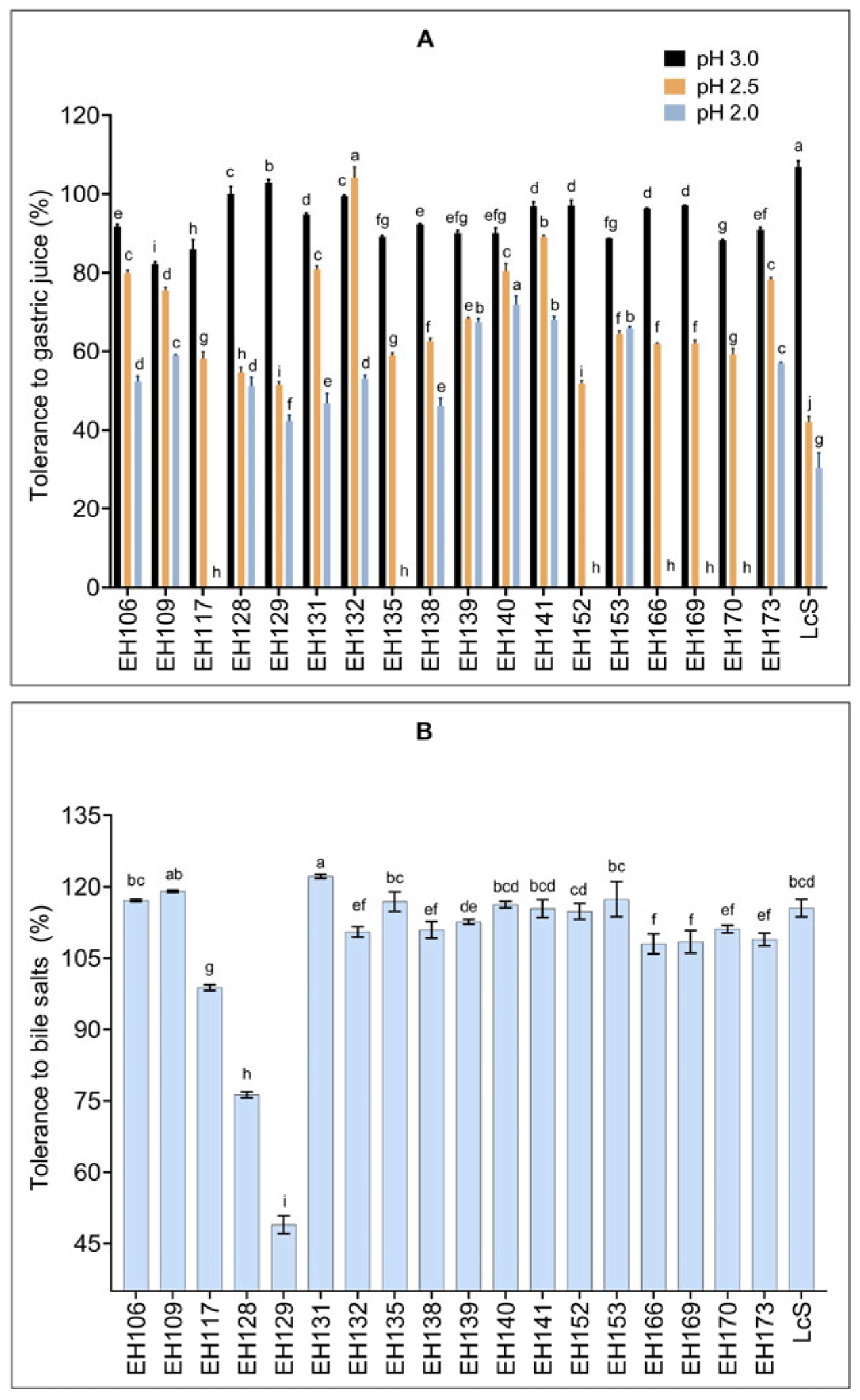
Following isolation from cheese samples, bacterial colonies were subjected to preliminary screening on the basis of Gram staining and catalase activity. Only Gram-positive and catalase-negative isolates were retained and considered as presumptive LAB. On the basis of these criteria, a total of 124 LAB isolates were obtained. These isolates were subsequently screened for tolerance to simulated gastric juice (pH 3.0), and 18 isolates exhibiting more than 80% survival were selected for further characterization. Gastric tolerance was employed as a primary screening parameter, as survival under simulated gastric conditions is considered a prerequisite for probiotic functionality. Although MRS agar is widely used for LAB isolation, the use of a single culture medium may have limited the recovery of certain fastidious or low-abundance LAB species.

3.2. Genotypic Identification of Bacteria

In this study, 18 out of 124 LAB showing more than 80% tolerance to simulated gastric juice (pH: 3) were selected for further analysis. The 16S rRNA gene sequences of the selected isolates were amplified and analyzed for taxonomic identification. According to Table 1, genotypic identification revealed nine strains as Lacticaseibacillus paracasei, five Lactiplantibacillus plantarum, two Lactobacillus helveticus, one Lentilactobacillus kefiri, and one Limosilactobacillus fermentum. The neighbor-joining phylogenetic analysis of the 16S rRNA gene sequences further revealed that the isolates clustered into five distinct groups corresponding to five species (Figure 1). While various LAB may be present in traditional Beyaz cheese, L. paracasei and L. plantarum predominated among the isolates selected for their high simulated gastric juice tolerance. Consistent with our results, Ayağ et al. [26] reported L. paracasei as the dominant LAB in traditional Beyaz cheese, with L. plantarum and L. kefiri also detected. Enterococci and lactococci were also identified as the second and third most abundant groups, respectively. Present results indicate that lactobacilli are generally more resilient than lactic cocci under simulated gastric juice conditions. Previous studies have reported that various Lactobacillus species exhibit greater survival in low pH gastric models than do Lactococcus spp. [27,28]. The presence of L. paracasei [29,30], L. plantarum [30,31], L. helveticus [32,33], L. kefiri [34], and L. fermentum [30,34] in white brined cheese microbiota has also been reported by others.

3.3. Tolerance to Simulated Gastric Juice and Bile Salts

Tolerance to gastric conditions and bile salts has been recognized by the FAO/WHO [9] as one of the most important criteria for defining probiotics. In this study, only 18 of the 124 strains presented 80% or greater resistance to simulated gastric juice (pH: 3) and were selected for further testing (Table S2, Figure 2A). In simulated gastric juice adjusted to pH 3.0, the L. paracasei Shirota strain presented the highest tolerance (106.85 ± 1.56%), followed by L. helveticus EH129 (102.76 ± 0.84%), L. helveticus EH128 (99.93 ± 1.95%), and L. fermentum EH132 (99.45 ± 0.24%) (p < 0.001). In simulated gastric juice adjusted to pH 2.5, the tolerance of the L. paracasei Shirota strain decreased to 42.08 ± 1.38%. Under these conditions, L. fermentum EH132 presented the highest resistance (104.06 ± 2.81%), followed by L. plantarum EH141 (89.01 ± 0.45%), L. paracasei EH131 (80.81 ± 0.88%), L. plantarum EH140 (80.38 ± 1.93%), L. plantarum EH106 (79.92 ± 0.66%), and L. paracasei EH173 (78.27 ± 0.47%) (p < 0.001). In simulated gastric juice at pH 2.0, L. kefiri EH117, L. paracasei EH135, EH152, EH166, EH169, and EH170 completely lost their viability, whereas the L. paracasei Shirota strain remained viable at 30.36 ± 3.82%. Under these conditions, L. plantarum EH140 (71.80 ± 2.12%), L. plantarum EH141 (68.08 ± 0.77%), L. paracasei EH139 (67.44 ± 0.93%), and L. plantarum EH153 (65.80 ± 0.50%) presented the highest survival rates (p < 0.001). As the pH of the simulated gastric juice used decreased, the resistance percentages of the strains generally decreased. When the bile salt tolerance of the isolates was evaluated (Table S2, Figure 2B), L. paracasei EH131 (122.17 ± 0.44%) exhibited the highest tolerance, whereas L. helveticus EH129 (48.98 ± 1.94%) presented the lowest tolerance. Overall, the isolates demonstrated tolerance levels exceeding 100%, suggesting that the strains likely multiplied during the 4 h incubation in the simulated bile condition. Other studies have reported that certain Lactobacillus strains can survive and multiply in simulated bile conditions, resulting in tolerance values that exceed 100%. This effect is commonly linked to BSH activity and strain-specific adaptive mechanisms [11]. Most of the tested LAB strains exhibited high tolerance to simulated gastric juice and bile salts. These results were comparable to those of the well-known probiotic L. paracasei Shirota. Moreover, our findings are consistent with previous studies conducted on LAB isolated from brined cheese and other sources [29,35].

3.4. Auto-Aggregation and Hydrophobicity

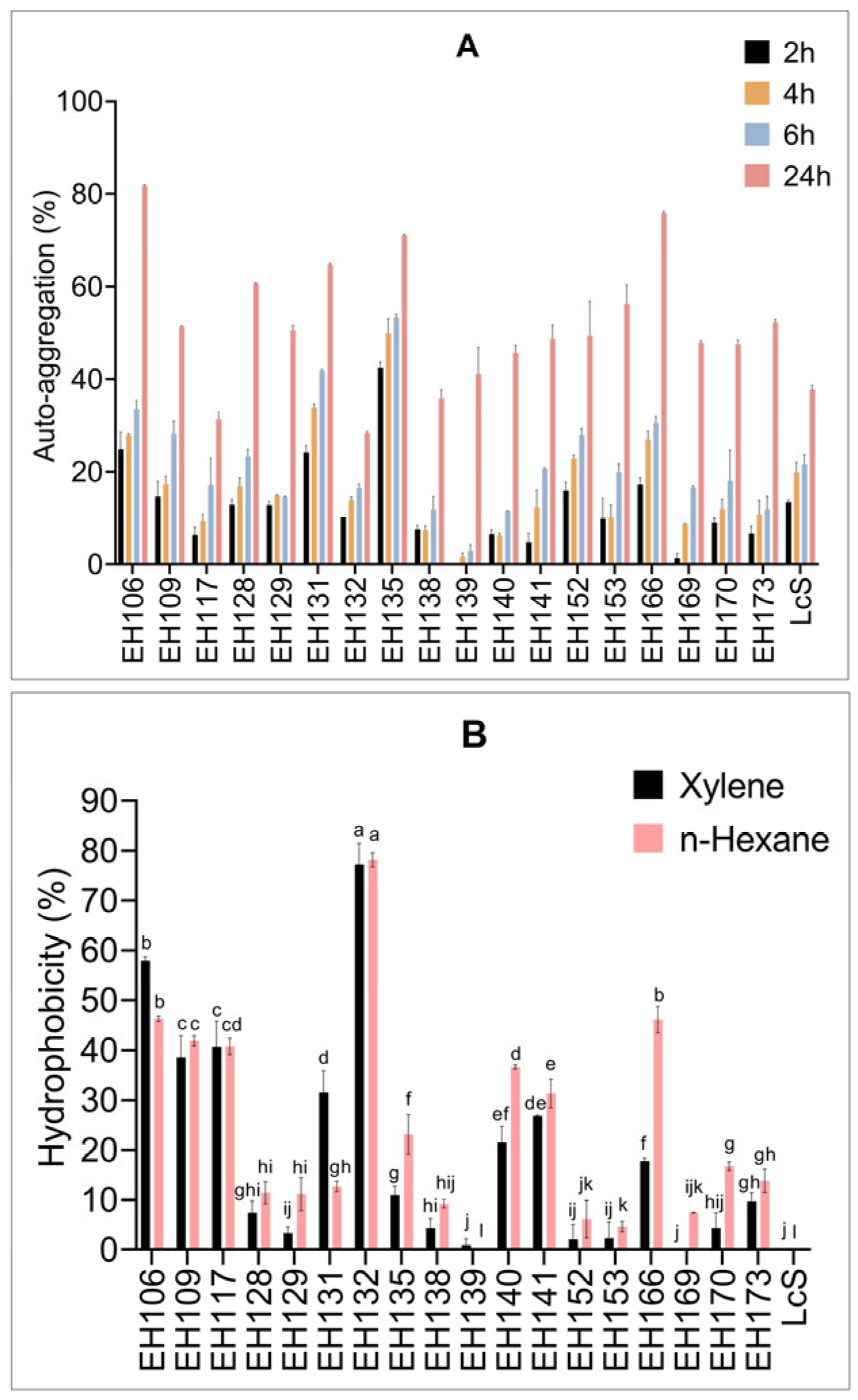
The auto-aggregation and hydrophobicity properties of LAB are shown in Figure 3A and B, respectively, and in Table S3. The auto-aggregation rates of the LAB ranged from 0.00% to 42.43% at 2 h, 1.68% to 49.91% at 4 h, 2.92% to 53.37% at 6 h, and 28.31% to 81.75% at 24 h (p < 0.001). Generally, the highest auto-aggregation values were observed for L. plantarum EH106 and L. paracasei strains EH131, EH135, and EH166, with L. plantarum EH106 showing the maximum value (81.75 ± 1.19%) at 24 h. In addition, the auto-aggregation values of L. paracasei Shirota were found to be between 13.19% (2 h) and 38.19% (24 h). Similarly, Samtiya et al. [36] reported that auto-aggregation of Lactobacillus isolates from fermented dairy products varied between 10.33% and 92.94%.
In terms of hydrophobicity, L. fermentum EH132 presented the greatest (p < 0.001) surface hydrophobicity (77.21% in xylene, 78.14% in n-hexane), whereas L. plantarum EH106 (57.95% in xylene, 46.29% in n-hexane), EH109 (38.57% in xylene, 41.87% in n-hexane), L. kefiri EH117 (40.72% in xylene, 40.74% in n-hexane), and L. paracasei EH166 (17.77% in xylene, 46.12% in n-hexane) also presented relatively high hydrophobicity. The hydrophobicity values obtained in this study were generally higher than those reported for lactic bacilli by Abouloifa et al. [37] but were comparable to or lower than those described by El Oirdi et al. [38]. Interestingly, the reference strain L. paracasei Shirota did not exhibit hydrophobicity in either xylene or n-hexane. Similarly, Melgar-Lalanne et al. [39] reported that L. paracasei Shirota exhibited low hydrophobicity toward n-hexadecane (3.97%, a nonpolar solvent) but high hydrophobicity toward chloroform (44.90%, a polar solvent). The variation in hydrophobicity may be due to differences in the hydrophobic and hydrophilic extensions of the cell wall [40]. Although auto-aggregation and cell surface hydrophobicity are both associated with bacterial surface properties, a direct linear relationship was not observed among the tested strains. This suggests that these properties are strain-dependent and governed by different surface components rather than a single shared mechanism.

3.5. Hemolytic, DNase, Bile Salt Hydrolase and Gelatinase Activities

None of the tested isolates exhibited hemolytic, DNase or gelatinase activity. The absence of these activities is considered a desirable safety feature for probiotic selection [37]. The lack of hemolytic, DNase, and gelatinase activities in these lactic bacilli strains supports their safety for use as probiotics. Present results align with earlier studies indicating that lactic bacilli lack hemolytic, gelatinase, and DNase activities [11,41].
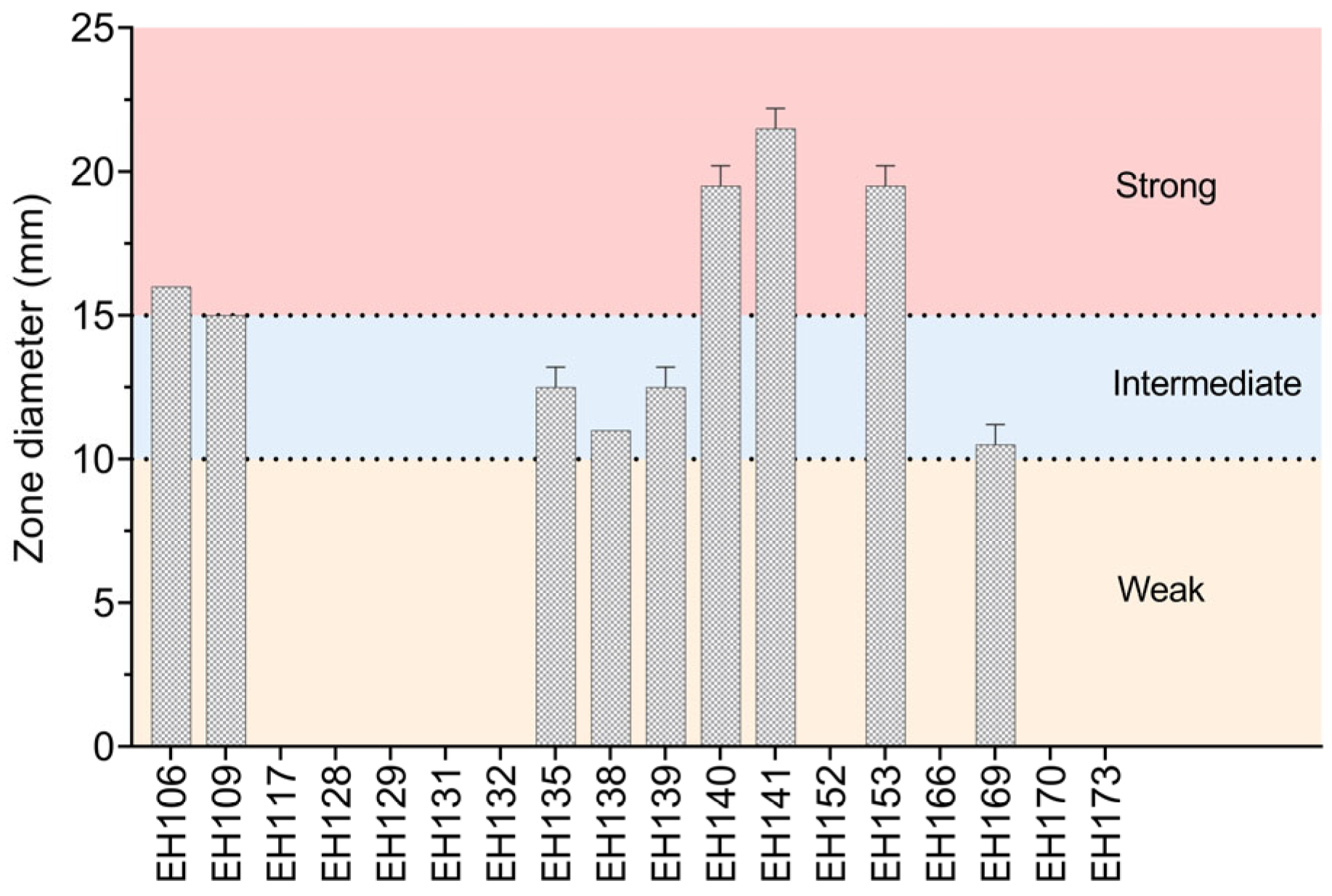
BSH activity is one of the properties that enables probiotics to survive in harsh intestinal environments, where conjugated bile salts can be toxic. L. plantarum EH106, EH140, EH141, and EH153 exhibited strong BSH activity, whereas L. plantarum EH109 and L. paracasei 135, 138, 139, and 169 presented intermediate BSH activity. The remaining strains showed no activity (Figure 4). The lack of BSH activity in L. helveticus EH128 and EH129 strains may account for the low tolerance levels of these strains observed in the bile salt tolerance test. Consistent with our findings, Kumar et al. [42] reported that BSH activity was common in L. plantarum strains. They also reported that BSH activity varied among L. paracasei, L. helveticus, and L. fermentum strains, with some exhibiting activity while others not. Bile tolerance could not be attributed solely to BSH activity, as several isolates without detectable BSH activity were still able to withstand bile salts. This observation suggests that bile resistance in LAB is a multifactorial trait. In addition to enzymatic bile salt deconjugation, adaptive mechanisms may include alterations in membrane fatty acid composition (e.g., altered saturation of fatty acids to reduce membrane permeability), activation of general stress response systems (GroEL and Dna proteases), maintenance of intracellular pH homeostasis, and the action of multidrug resistance transporters involved in bile efflux. These coordinated responses contribute to preserving membrane integrity and cellular functionality under bile stress conditions [43].

3.6. Organic Acid Production

The levels of organic acid production of the isolates are presented in Table 2 and Figure S1. Analysis of the production profiles revealed that all the strains predominantly synthesized lactic and acetic acids, while some were also able to produce malic acid. No production of propionic or citric acid was detected. The concentrations ranged from below the limit of detection (LOD) to 424 mg/L for malic acid, 12,477–31,316 mg/L for lactic acid, and 3398–5366 mg/L for acetic acid. The highest (p < 0.001) lactic acid production value was reached by L. helveticus EH129 (31,316 mg/L), followed by strains with a high production capacity, such as L. paracasei EH139 (27,088 mg/L), EH152 (26,933 mg/L), L. plantarum EH109 (26,966 mg/L), and EH141 (26,697 mg/L). In addition, L. fermentum EH132 produced the highest (p < 0.001) amount of acetic acid (5366 mg/L), followed by L. plantarum EH141 (4894 mg/L) and L. helveticus EH129 (4.892 mg/L). Only six of the strains produced malic acid, with the highest (p < 0.001) value detected in L. helveticus EH128 (424 mg/L). El Oirdi et al. [38] reported that the ability of L. plantarum and L. paracasei strains to produce lactic acid (approximately 17,000 mg/L), acetic acid (approximately 4000 mg/L) and malic acid (approximately 400 mg/L) was similar to the results reported in this study. Organic acid production may help balance the intestinal microbiota and promote gut health by enhancing the ability of these strains to lower pH and exert antimicrobial effects [44]. Furthermore, the production of organic acids during the fermentation of food contributes to taste and aroma, and inhibits spoilage and pathogen microorganisms [45,46].

3.7. Antibiotic Resistance

The results of the antibiotic resistance tests for the isolates are presented in Table 3. An examination of the antibiotic susceptibility profiles of the isolates according to the threshold values determined by the EFSA [24] revealed that all the strains were susceptible to ampicillin, erythromycin, clindamycin and chloramphenicol. Conversely, fifteen isolates were resistant to kanamycin, and seven were resistant to gentamicin. Additionally, tetracycline resistance was detected only in L. kefiri EH117 and L. fermentum EH132, whereas streptomycin resistance was observed solely in L. helveticus EH128 and L. paracasei EH135. The risk of antibiotic resistance being transferred to other microorganisms increases when it is located on mobile genetic elements; therefore, probiotics should not harbor this type of resistance gene. According to EFSA’s guidance [24], intrinsic resistance is generally not regarded as a safety concern, provided that the resistance is not located on mobile genetic elements and cannot be horizontally transferred. In fact, many lactic bacilli species are known to be intrinsically resistant to aminoglycosides such as kanamycin, gentamicin, and streptomycin, which is attributed to low cell surface permeability rather than acquired genes [47]. Many studies have reported that lactic bacilli isolated from foods and commercial probiotic products are resistant to kanamycin, gentamicin, and streptomycin [48,49,50]. Taken together, these findings suggest that while aminoglycoside resistance in lactic bacilli is largely considered intrinsic and not a safety concern, further molecular investigations are needed to clarify whether strains exhibiting resistance also carry transferable genes, particularly those associated with tetracycline and aminoglycoside resistance.

3.8. Identification of Virulence and Biogenamine Genes

Molecular analyses revealed that no gelatinase (gelE), enterococcin (esp), hemolysin (cylA, hyl), or other major virulence genes related to adhesion (asa, ace) were detected in any of the isolates. However, the efaAfs gene was identified in all L. paracasei strains (EH131, EH135, EH138, EH139, EH152, EH166, EH169, EH170, and EH173) (Table S4). This gene has been associated with host cell adhesion and infective endocarditis in some Enterococcus strains; therefore, its presence should be considered a potential safety concern. On the other hand, detecting these genes in vitro does not necessarily confirm that they are active in vivo [51]. Nevertheless, from a probiotic safety perspective, the detection of such genes highlights the importance of comprehensive genomic and functional analyses prior to technological application. Therefore, these strains should be subjected to further molecular characterization to evaluate gene expression and potential transferability. Similarly, Martín et al. [52] reported that the L. plantarum 284 strain isolated from ripened cheese did not carry the efaAfs gene, whereas the L. paracasei 185 and 262 strains were positive for this gene. The absence of the gelE gene in all the isolates is consistent with the lack of detectable gelatinase activity. On the other hand, none of the isolates harbored histidine decarboxylase (hdc), tyrosine decarboxylase (tdc), lysine decarboxylase (ldc), or ornithine decarboxylase (odc) genes. These genes are responsible for biogenic amine production. In terms of food safety, microorganisms used in foods should not produce biogenic amines. LAB strains lacking biogenic amine genes have also been reported in other studies [53,54]. Overall, except for the L. paracasei strains harboring the efaAfs gene, the tested isolates can be regarded as safe with respect to virulence factors and biogenic amine production. Further cytotoxicity tests are also necessary for strains harboring efaAfs before their probiotic application.

3.9. In Situ Milk Fermentation

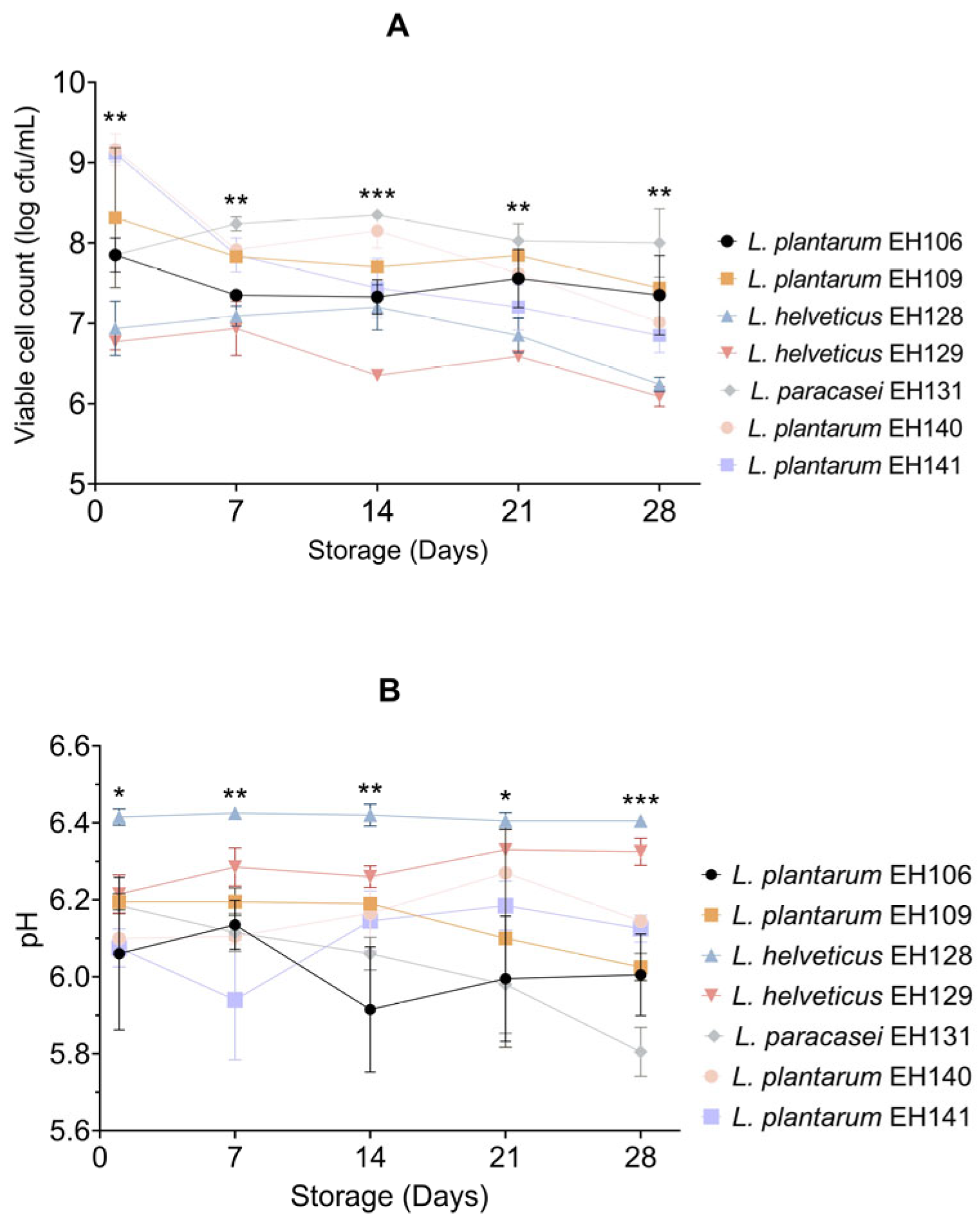
L. plantarum EH106, EH109, EH140, and EH141; L. helveticus EH128 and EH129; and L. paracasei EH131 were evaluated for their ability to ferment milk in situ (24 h) and for their survival during refrigerated storage (28 days). The pH changes in fermented milk and the results of the viable cell count are shown in Figure 5A,B, respectively, as well as in Table S5. On the first day of storage, the live cell count ranged from 6.94 to 9.16 log CFU/mL. On the 28th day, this number ranged from 6.09 to 8.00 log CFU/mL. Throughout the storage period, the live cell count of none of the strains fell below the probiotic threshold value of 6.00 log CFU/mL. The greatest number of viable cells in fermented milk was found for the L. plantarum EH140 strain on day 1 (9.16 log CFU/mL), whereas on day 28, the greatest number was found for the L. paracasei EH131 strain (8.00 log CFU/mL). The counts of the L. plantarum EH106, EH109 and L. paracasei EH131 strains remained stable during storage; however, a decrease was observed in the counts of the other strains. Consistent with our findings, Işık et al. [55] reported that the count of L. plantarum 156 remained above 6 log CFU/mL during the 28-day storage period for fermented milk produced using S. thermophilus 20S4 and L. plantarum 156 (isolated from Beyaz cheese). Another study investigating the survival of LAB isolated from fermented cereal-based foods in fermented milk reported that the L. plantarum KMUDR7 count decreased below 6 log CFU/mL on day 14 of storage, whereas the L. helveticus KMUDR14 count decreased below 6 log CFU/mL on day 7 [3]. These findings indicate that the survival of probiotic strains during storage may vary considerably depending on the species and strain. Therefore, determining the in situ fermentation characteristics and survival capacity of candidate probiotic strains is crucial.
The pH values of the fermented milk ranged from 6.06 to 6.42 on day 1, and from 5.81 to 6.41 on day 28. There was no significant change in pH during storage (p > 0.05). On day 1, the lowest pH (6.06) was recorded in milk fermented with L. plantarum EH106, whereas on day 28, the lowest value (5.84) was found in milk fermented with L. paracasei EH131. The slight increases observed in L. helveticus EH129 and L. plantarum EH141 (≤0.1 pH units) were not statistically significant (p > 0.05) and therefore do not indicate true alkalinization. González et al. [56] reported that the pH values of milk fermented for 24 h using L. paracasei and L. plantarum strains that had been isolated from cheese ranged from 5.89 to 6.29. Similarly, in a study conducted by Jitpakdee et al. [57], the pH value of fermented milk produced with L. plantarum SPS109 was found to be approximately 6.00 after 24 h. Preactivation of isolates in skim milk prior to fermentation can improve their adaptation to the milk matrix and accelerate acidification, as reported previously [58]. Strains such as L. helveticus EH129 and L. plantarum EH141, which produce high levels of organic acids, did not show similar results in the in situ milk fermentation test. Organic acid production was quantified in MRS broth, a glucose-rich medium optimized for LAB growth. However, milk fermentation depends primarily on lactose metabolism and strain-specific lactose transport and β-galactosidase activity. Therefore, a direct linear correlation between lactic acid production in MRS and acidification performance in milk may not always be observed due to substrate-specific metabolic differences.

3.10. Principal Component Analysis

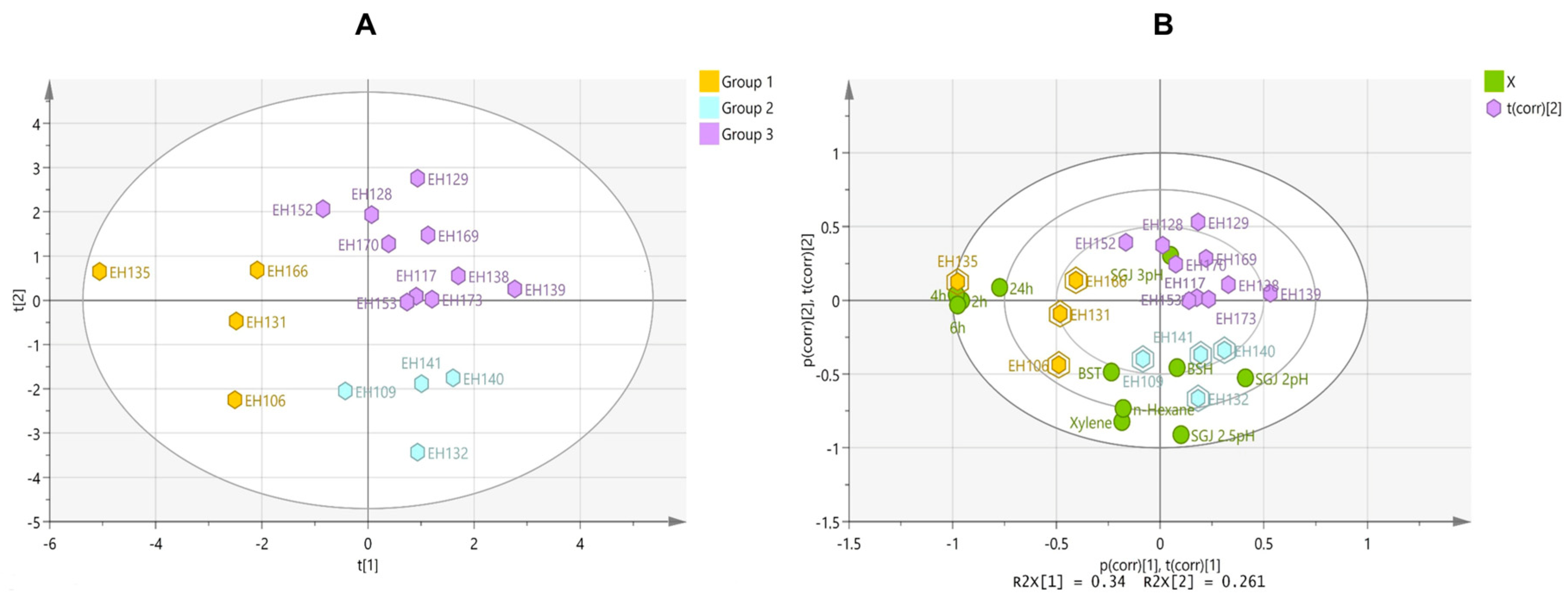
PCA of the simulated gastric juice (at pH 3.0, 2.5, and 2.0) and bile salt tolerance, auto-aggregation (at 2, 4, 6, and 24 h), hydrophobicity (xylene and n-hexane), and BSH activity of the isolates revealed three distinct groups (Figure 6A,B). R2X[1] and R2X[2] explained 60.1% of the variation. L. plantarum EH106, L. paracasei EH131, EH135, and EH166 formed the first group (yellow) and were associated mainly with auto-aggregation traits. L. plantarum EH109, EH141, EH140, and L. fermentum EH132 formed the second group (blue) and were positioned closer to bile salt tolerance, BSH activity, and simulated gastric juice (pH 2). Moreover, L. kefiri EH117; L. helveticus EH128, EH129; L. paracasei EH138, EH139, EH152, EH169, EH170, EH173; and L. plantarum EH153 formed group 3 (purple), which was associated with simulated gastric juice (pH 3). These findings indicate that the isolates can be categorized according to their predominant functional properties, suggesting that different strains may contribute to probiotic functionality through distinct mechanisms.

4. Conclusions

This study comprehensively evaluated the in vitro probiotic and safety properties of LAB isolated from traditional Beyaz cheese and tested the stability of selected strains during storage via in situ milk fermentation. Genetic identification revealed that most isolates belonged to L. paracasei and L. plantarum, while L. helveticus, L. kefiri, and L. fermentum were also identified. Compared with the commercial probiotic L. paracasei Shirota, many of the cheese isolates presented superior properties across several evaluated characteristics. The detection of the efaAfs gene in L. paracasei isolates suggests that additional genomic and functional safety assessments are required before their consideration for industrial or probiotic applications. In addition, the survival of the selected isolates during fermented milk storage confirmed their potential suitability as co-starters in fermented milk development. Upon evaluating all the data together, the L. plantarum strains EH106, EH109, EH140, and EH141 were determined to be the most promising probiotic candidates because of their high acid and bile tolerance, strong adhesion potential, high BSH activity, safe antibiotic profile and absence of virulence genes. These strains could therefore be considered for application in functional food formulations and probiotic supplement development.
The probiotic and safety assessments were primarily based on in vitro assays, which may not fully reflect in vivo functionality or host interactions. Although in situ milk fermentation provided insight into technological performance and storage stability, validation in the target cheese matrix was not performed. In addition, strain identification relied on 16S rRNA gene sequencing, and whole-genome sequencing would provide a more comprehensive evaluation of genetic determinants, including potential virulence or transferable elements. Therefore, further genomic, functional, and in vivo studies are necessary to confirm the safety and efficacy of the proposed strains.

Supplementary Materials

The following supporting information can be downloaded at: https://doi.org/10.5281/zenodo.18726988 (accesed on 20 February 2026), Table S1: Primers used in the study; Table S2: Simulated gastric juice and bile salts tolerance of isolates; Table S3: Auto-aggregation and hydrophobicity results of isolates; Table S4: Presence of virulence and biogenamin genes of isolates; Table S5: Viable cell counts and pH of fermented milk samples produced with selected LAB strains during storage. Figure S1: Chord diagram depicting the organic acid production profiles of the isolates. References [59,60,61,62,63,64] are cited in the supplementary materials.

Author Contributions

Conceptualization, H.M.-A.; Methodology, E.U. and H.M.-A.; Software, E.U. and H.M.-A.; Validation, E.U. and H.M.-A.; Formal Analysis, H.M.-A.; Investigation, E.U. and H.M.-A.; Resources, H.M.-A.; Data Curation, E.U. and H.M.-A.; Writing—Original Draft Preparation, H.M.-A.; Writing—Review and Editing, E.U. and H.M.-A.; Visualization, H.M.-A.; Supervision, H.M.-A.; Project Administration, H.M.-A.; Funding Acquisition, H.M.-A. All authors have read and agreed to the published version of the manuscript.

Funding

This research was funded by the Ataturk University Scientific Research Projects Coordination Centre (BAP) [grant number: FBA-2024-14066].

Institutional Review Board Statement

Not applicable.

Informed Consent Statement

Not applicable.

Data Availability Statement

The original contributions presented in this study are included in the article and Supplementary Materials. Further inquiries can be directed to the corresponding author.

Conflicts of Interest

The authors declare no conflicts of interest.

Abbreviations

The following abbreviations are used in this manuscript:
ANOVAAnalysis of variance
ATCCAmerican Type Culture Collection
BEABile Esculine Agar
BSHBile salt hydrolase
CFUColony-forming unit
DNADeoxyribonucleic acid
DNaseDeoxyribonuclease
EFSAEuropean Food Safety Authority
FAOFood and Agriculture Organization
HClHydrochloric acid
HPLCHigh-performance liquid chromatography
ISAPPInternational Scientific Association for Probiotics and Prebiotics
ISOInternational Standardisation Organisation
kbKilo base
LODLimit of detection
MEGAMolecular Evolutionary Genetics Analysis
MICMinimum inhibition concentration
MRSDe Man, Rogosa and Sharpe
NNormalite
NaClSodium chloride
nmnanometer
PBSPhosphate-buffered saline
PCAPrincipal component analysis
PCRPolymerase chain reaction
rpmRevolutions per minute
rRNARibosomal ribonucleic acid
VVolt
WHOWorld Health Organization

References

  1. Hayaloğlu, A.A. Cheese Varieties Ripened Under Brine. In Cheese; McSweeney, P.L.H., Fox, P.F., Cotter, P.D., Everett, D.W., Eds.; Academic Press: London, UK, 2017; pp. 997–1040. [Google Scholar]
  2. Albayrak, Ç.B.; Duran, M. Isolation and Characterization of Aroma-Producing Lactic Acid Bacteria from Artisanal White Cheese for Multifunctional Properties. LWT—Food Sci. Technol. 2021, 150, 112053. [Google Scholar] [CrossRef]
  3. Meena, K.K.; Taneja, N.K.; Jain, D.; Ojha, A.; Kumawat, D.; Mishra, V. In Vitro Assessment of Probiotic and Technological Properties of Lactic Acid Bacteria Isolated from Indigenously Fermented Cereal-Based Food Products. Fermentation 2022, 8, 529. [Google Scholar] [CrossRef]
  4. İmece, A.; Şengül, M.; Çetin, B.; Aktaş, H. Effect of Probiotic Lactiplantibacillus plantarum Strains on Some Properties of Grapefruit Juice and Naringin. J. Stored Prod. Res. 2024, 108, 102359. [Google Scholar] [CrossRef]
  5. Erkaya-Kotan, T.; Hayaloğlu, A.A. Volatilome Profile (HS-SPME/GC–MS) and Proteolysis in Beyaz Peynir (White-Brined Cheese) Made Using Different Probiotic Adjunct Cultures and Ripened under Brine or Vacuum Package Systems, and Chemometric Analysis. Int. Dairy J. 2024, 152, 105894. [Google Scholar] [CrossRef]
  6. Salık, M.A.; Çakmakçı, S. Development and Techno-Functional Characterization of Beyaz Cheese Fortified with Walnut (Juglans regia L.) Leaf Powder and Lactobacillus acidophilus LA-5. Probiotics Antimicrob. Proteins 2025, 1–19. [Google Scholar] [CrossRef] [PubMed]
  7. Rolim, F.R.; Neto, O.C.F.; Oliveira, M.E.G.; Oliveira, C.J.; Queiroga, R.C. Cheeses as Food Matrices for Probiotics: In Vitro and In Vivo Tests. Trends Food Sci. Technol. 2020, 100, 138–154. [Google Scholar] [CrossRef]
  8. Hill, C.; Guarner, F.; Reid, G.; Gibson, G.R.; Merenstein, D.J.; Pot, B.; Morelli, L.; Canani, R.B.; Flint, H.J.; Salminen, S.; et al. The International Scientific Association for Probiotics and Prebiotics Consensus Statement on the Scope and Appropriate Use of the Term Probiotic. Nat. Rev. Gastroenterol. Hepatol. 2014, 11, 506–514. [Google Scholar] [CrossRef]
  9. FAO/WHO. Guidelines for the Evaluation of Probiotics in Food; FAO: Rome, Italy, 2002; Available online: https://www.fao.org/3/a0512e/a0512e.pdf (accessed on 22 September 2025).
  10. ISO 15214:1998; Microbiology of Food and Animal Feeding Stuffs—Horizontal Method for the Enumeration of Mesophilic Lactic Acid Bacteria—Colony-Count Technique at 30 °C. International Organization for Standardization: Geneva, Switzerland, 2015.
  11. Mokhtari, H.A.E.R.; Hassaine, O.; Çetin, B.; Meral-Aktaş, H. Probiotic Potential, Safety Assessment, and Functional Properties of Lactic Acid Bacteria from Camel Milk. Enzyme Microb. Technol. 2025, 189, 110676. [Google Scholar] [CrossRef]
  12. Kumari, M.; Kumar, R.; Singh, D.; Bhatt, S.; Gupta, M. Physiological and Genomic Characterization of an Exopolysaccharide-Producing Weissella cibaria CH2 from Cheese of the Western Himalayas. Food Biosci. 2020, 35, 100570. [Google Scholar] [CrossRef]
  13. Meral-Aktaş, H.; Erdoğan, A.; Çetin, B. Bacteriocin Characterization of Autochthonous Lactococcus lactis L54 and Its Application as Starter Culture for Beyaz Cheese. Food Biosci. 2023, 53, 102739. [Google Scholar] [CrossRef]
  14. Kumar, S.; Stecher, G.; Suleski, M.; Sanderford, M.; Sharma, S.; Tamura, K. MEGA12: Molecular Evolutionary Genetic Analysis Version 12 for Adaptive and Green Computing. Mol. Biol. Evol. 2024, 41, msae263. [Google Scholar] [CrossRef]
  15. Seddik, H.A.; Ceugniez, A.; Bendali, F.; Cudennec, B.; Drider, D. Yeasts Isolated from Algerian Infants’ Feces Revealed a Burden of Candida albicans Species, Non-albicans Candida Species and Saccharomyces cerevisiae. Arch. Microbiol. 2016, 198, 71–81. [Google Scholar] [CrossRef]
  16. Rosenberg, M.; Gutnick, D.; Rosenberg, E. Adherence of Bacteria to Hydrocarbons: A Simple Method for Measuring Cell-Surface Hydrophobicity. FEMS Microbiol. Lett. 1980, 9, 29–33. [Google Scholar] [CrossRef]
  17. Pieniz, S.; Andreazza, R.; Anghinoni, T.; Camargo, F.; Brandelli, A. Probiotic Potential, Antimicrobial and Antioxidant Activities of Enterococcus durans Strain LAB18s. Food Control 2014, 37, 251–256. [Google Scholar] [CrossRef]
  18. Lavilla-Lerma, L.; Pérez-Pulido, R.; Martínez-Bueno, M.; Maqueda, M.; Valdivia, E. Characterization of Functional, Safety, and Gut Survival-Related Characteristics of Lactobacillus Strains Isolated from Farmhouse Goat’s Milk Cheeses. Int. J. Food Microbiol. 2013, 163, 136–145. [Google Scholar] [CrossRef]
  19. Byakika, S.; Mukisa, I.M.; Byaruhanga, Y.B.; Muyanja, C. Probiotic Potential of Lactic Acid Starter Cultures Isolated from a Traditional Fermented Sorghum–Millet Beverage. Int. J. Microbiol. 2020, 2020, 7825943. [Google Scholar] [CrossRef] [PubMed]
  20. Lopes, M.D.F.S.; Simões, A.P.; Tenreiro, R.; Marques, J.J.F.; Crespo, M.T.B. Activity and Expression of a Virulence Factor, Gelatinase, in Dairy Enterococci. Int. J. Food Microbiol. 2006, 112, 208–214. [Google Scholar] [CrossRef]
  21. Asarat, M.; Vasiljevic, T.; Ravikumar, M.; Apostolopoulos, V.; Donkor, O. Extraction and Purification of Short-Chain Fatty Acids from Fermented Reconstituted Skim Milk Supplemented with Inulin. Food Anal. Methods 2016, 9, 3069–3079. [Google Scholar] [CrossRef]
  22. Nagpal, R.; Wang, S.; Ahmadi, S.; Hayes, J.; Gagliano, J.; Subashchandrabose, S.; Kitzman, D.W.; Becton, T.; Read, R.; Yadav, H. Human-Origin Probiotic Cocktail Increases Short-Chain Fatty Acid Production via Modulation of Mice and Human Gut Microbiome. Sci. Rep. 2018, 8, 12649. [Google Scholar] [CrossRef]
  23. Klare, I.; Konstabel, C.; Müller-Bertling, S.; Reissbrodt, R.; Huys, G.; Vancanneyt, M.; Swings, J.; Goossens, H.; Witte, W. Evaluation of New Broth Media for Microdilution Antibiotic Susceptibility Testing of Lactobacilli, Pediococci, Lactococci, and Bifidobacteria. Appl. Environ. Microbiol. 2005, 71, 8982–8986. [Google Scholar] [CrossRef]
  24. EFSA Panel on Additives and Products or Substances Used in Animal Feed (FEEDAP). Guidance on the Assessment of Bacterial Susceptibility to Antimicrobials of Human and Veterinary Importance. EFSA J. 2012, 10, 2740. [CrossRef]
  25. Güler, M.A.; Çetin, B.; Albayrak, B.; Meral-Aktaş, H.; Tekgündüz, K.Ş.; Kara, M.; Işlek, A. Isolation, Identification, and In Vitro Probiotic Characterization of Forty Novel Bifidobacterium Strains from Neonatal Feces in Erzurum Province, Türkiye. J. Sci. Food Agric. 2024, 104, 4165–4175. [Google Scholar] [CrossRef] [PubMed]
  26. Ayağ, N.; Dağdemir, E.; Çetin, B.; Hayaloğlu, A.A. Isolation and Identification of Lactic Acid Bacteria from Artisanal Turkish Cheeses, and Evaluation of γ-Aminobutyric Acid (GABA) Production Potential. Int. Dairy J. 2025, 161, 106132. [Google Scholar] [CrossRef]
  27. Faye, T.; Tamburello, A.; Vegarud, G.E.; Skeie, S. Survival of Lactic Acid Bacteria from Fermented Milks in an In Vitro Digestion Model Exploiting Sequential Incubation in Human Gastric and Duodenum Juice. J. Dairy Sci. 2012, 95, 558–566. [Google Scholar] [CrossRef]
  28. Aktaş, H.; Çetin, B. An Investigation on Probiotic Properties, Technological Characteristics and Safety Evaluation of Yoghurt Bacteria. Biologia 2025, 80, 2913–2925. [Google Scholar] [CrossRef]
  29. Plessas, S.; Nouska, C.; Karapetsas, A.; Kazakos, S.; Alexopoulos, A.; Mantzourani, I.; Chondrou, P.; Fournomiti, M.; Galanis, A.; Bezirtzoglou, E. Isolation, Characterization and Evaluation of the Probiotic Potential of a Novel Lactobacillus Strain Isolated from Feta-Type Cheese. Food Chem. 2017, 226, 102–108. [Google Scholar] [CrossRef]
  30. Demir, F.H.; Kaptan, B. Identification of Lactic Acid Bacteria Isolated from the Protected Geographical Indication Edirne White Cheese Using MALDI-TOF MS: Impact of Ripening Time and Type of Milk on Microbial Diversity. Int. Dairy J. 2025, 162, 106156. [Google Scholar] [CrossRef]
  31. Karahan, A.G.; Kılıç, G.B.; Kart, A.; Aloğlu, Ş.H.; Öner, Z.; Aydemir, S.; Erkuş, O.; Harsa, Ş. Genotypic Identification of Some Lactic Acid Bacteria by Amplified Fragment Length Polymorphism Analysis and Investigation of Their Potential Usage as Starter Culture Combinations in Beyaz Cheese Manufacture. J. Dairy Sci. 2010, 93, 1–11. [Google Scholar] [CrossRef]
  32. Golić, N.; Čadež, N.; Terzić-Vidojević, A.; Šuranská, H.; Beganović, J.; Lozo, J.; Kos, B.; Šušković, J.; Raspor, P.; Topisirović, L. Evaluation of Lactic Acid Bacteria and Yeast Diversity in Traditional White Pickled and Fresh Soft Cheeses from the Mountain Regions of Serbia and Lowland Regions of Croatia. Int. J. Food Microbiol. 2013, 166, 294–300. [Google Scholar] [CrossRef]
  33. Cerit, Z.G.; Ilıkkan, Ö.K.; Baloğlu, M.C.; Yılmaz, R. Detection of the Lactic Acid Bacterial Community in a Small-Scale White Cheese Processing Facility Using Shotgun Metagenomics and Culturomics. Int. Dairy J. 2024, 155, 105971. [Google Scholar] [CrossRef]
  34. Dağdemir, E.; Özdemir, S. Technological Characterization of the Natural Lactic Acid Bacteria of Artisanal Turkish White Pickled Cheese. Int. J. Dairy Technol. 2008, 61, 133–140. [Google Scholar] [CrossRef]
  35. Ruiz-Ramírez, Y.; Valadez-Blanco, R.; Calderón-García, C.; Chikindas, M.L.; Ponce-Alquicira, E. Probiotic and Functional Potential of Lactic Acid Bacteria Isolated from Pulque and Evaluation of Their Safety for Food Applications. Front. Microbiol. 2023, 14, 1241581. [Google Scholar] [CrossRef] [PubMed]
  36. Samtiya, M.; Bhushan, B.; Sari, T.P.; Badgujar, P.C.; Chandratre, G.A.; Singh, P.; Kumar, A.; Dhewa, T. Characterization of Indigenous Lactobacilli from Dairy Fermented Foods of Haryana as Potential Probiotics Utilizing a Multiple Attribute Decision-Making Approach. Food Prod. Process. Nutr. 2024, 6, 81. [Google Scholar] [CrossRef]
  37. Abouloifa, H.; Rokni, Y.; Bellaouchi, R.; Ghabbour, N.; Karboune, S.; Brasca, M.; Ben Salah, R.; Chihib, N.E.; Saalaoui, E.; Asehraou, A. Characterization of Probiotic Properties of Antifungal Lactobacillus Strains Isolated from Traditionally Fermenting Green Olives. Probiotics Antimicrob. Proteins 2020, 12, 683–696. [Google Scholar] [CrossRef]
  38. El Oirdi, S.; Lakhlifi, T.; Fraberger, V.; D’Amico, S.; Kaddouri, A.C.; Bouymajane, A.; Yatim, M.; Belhaj, A. Probiotic Features of Three Lactic Acid Bacteria Strains Isolated from Foods and Characterization of Their Bioactive Molecules. Microbiology 2023, 92, 881–891. [Google Scholar] [CrossRef]
  39. Melgar-Lalanne, G.; Rivera-Espinoza, Y.; Reyes Méndez, A.I.; Hernández-Sánchez, H. In Vitro Evaluation of the Probiotic Potential of Halotolerant Lactobacilli Isolated from a Ripened Tropical Mexican Cheese. Probiotics Antimicrob. Proteins 2013, 5, 239–251. [Google Scholar] [CrossRef] [PubMed]
  40. Lakhlifi, T.; El Oirdi, S.; Maroui, I.; Zouhair, R.; Belhaj, A. Probiotic Properties and Safety Aspect of Three Antifungal Lactic Acid Bacteria Strains Isolated from Wheat and Camel Milk. Biologia 2023, 78, 1129–1139. [Google Scholar] [CrossRef]
  41. Bentahar, M.C.; Benabdelmoumene, D.; Robert, V.; Dahmouni, S.; Qadi, W.S.; Bengharbi, Z.; Langella, P.; Benbouziane, B.; Al-Olayan, E.; Mediani, A.; et al. Evaluation of Probiotic Potential and Functional Properties of Lactobacillus Strains Isolated from Dhan, Traditional Algerian Goat Milk Butter. Foods 2024, 13, 3781. [Google Scholar] [CrossRef]
  42. Kumar, R.; Grover, S.; Batish, V.K. Bile Salt Hydrolase (Bsh) Activity Screening of Lactobacillus spp.: In Vitro Selection of Indigenous Lactobacillus Strains with Potential Bile Salt Hydrolysing and Cholesterol-Lowering Ability. Probiotics Antimicrob. Proteins 2012, 4, 162–172. [Google Scholar] [CrossRef]
  43. Bustos, A.Y.; de Valdez, G.F.; Fadda, S.; Taranto, M.P. New Insights into Bacterial Bile Resistance Mechanisms: The Role of Bile Salt Hydrolase and its Impact on Human Health. Food Res. Int. 2018, 112, 250–262. [Google Scholar] [CrossRef]
  44. Chandrasekaran, P.; Weiskirchen, S.; Weiskirchen, R. Effects of Probiotics on Gut Microbiota: An Overview. Int. J. Mol. Sci. 2024, 25, 6022. [Google Scholar] [CrossRef]
  45. Chen, H.; Ju, H.; Wang, Y.; Du, G.; Yan, X.; Cui, Y.; Yue, T. Antifungal Activity and Mode of Action of Lactic Acid Bacteria Isolated from Kefir against Penicillium expansum. Food Control 2021, 130, 108274. [Google Scholar] [CrossRef]
  46. Sew, S.W.; Lu, Y.; Taniasuri, F.; Liu, S.Q. Chemical Analysis and Flavour Compound Changes of Vegetable Blend Slurry Fermented with Selected Probiotic Bacteria. Food Biosci. 2022, 47, 101784. [Google Scholar] [CrossRef]
  47. Campedelli, I.; Mathur, H.; Salvetti, E.; Clarke, S.; Rea, M.C.; Torriani, S.; Ross, R.P.; Hill, C.; O’Toole, P.W. Genus-Wide Assessment of Antibiotic Resistance in Lactobacillus spp. Appl. Environ. Microbiol. 2019, 85, e01738-18. [Google Scholar] [CrossRef]
  48. Duche, R.T.; Singh, A.; Wandhare, A.G.; Sangwan, V.; Sihag, M.K.; Nwagu, T.N.; Panwar, H.; Ezeogu, L.I. Antibiotic Resistance in Potential Probiotic Lactic Acid Bacteria of Fermented Foods and Human Origin from Nigeria. BMC Microbiol. 2023, 23, 142. [Google Scholar] [CrossRef]
  49. Shin, E.; Paek, J.J.; Lee, Y. Antimicrobial Resistance of Seventy Lactic Acid Bacteria Isolated from Commercial Probiotics in Korea. J. Microbiol. Biotechnol. 2023, 33, 500–510. [Google Scholar] [CrossRef] [PubMed]
  50. Taşdelen, E.; Arslan, S. Identification of Lactic Acid Bacteria in Bee Bread and Bee Pollen Samples Collected from Different Regions of Türkiye and Comparison of Their Probiotic Properties. Ital. J. Food Sci. 2025, 37, 354–369. [Google Scholar] [CrossRef]
  51. Sanders, M.E.; Akkermans, L.M.A.; Haller, D.; Hammerman, C.; Heimbach, J.T.; Hörmannsperger, G.; Huys, G.; Levy, D.D.; Lutgendorff, F.; Mack, D.; et al. Safety Assessment of Probiotics for Human Use. Gut Microbes 2010, 1, 164–185. [Google Scholar] [CrossRef]
  52. Martín, I.; Barbosa, J.; Pereira, S.I.; Rodríguez, A.; Córdoba, J.J.; Teixeira, P. Study of Lactic Acid Bacteria Isolated from Traditional Ripened Foods and Partial Characterization of Their Bacteriocins. LWT–Food Sci. Technol. 2023, 173, 114300. [Google Scholar] [CrossRef]
  53. Kwon, Y.J.; Chun, B.-H.; Jung, H.-S.; Chu, J.; Joung, H.; Park, S.-Y.; Kim, B.K.; Jeon, C.O. Safety Assessment of Lactiplantibacillus (formerly Lactobacillus) plantarum Q180. J. Microbiol. Biotechnol. 2021, 31, 1420. [Google Scholar] [CrossRef]
  54. Abarquero, D.; Bodelón, R.; Flórez, A.B.; Fresno, J.M.; Renes, E.; Mayo, B.; Tornadijo, M.E. Technological and Safety Assessment of Selected Lactic Acid Bacteria for Cheese Starter Cultures Design: Enzymatic and Antimicrobial Activity, Antibiotic Resistance and Biogenic Amine Production. LWT–Food Sci. Technol. 2023, 180, 114709. [Google Scholar] [CrossRef]
  55. Işık, S.; Dağdemir, E.; Tekin, A.; Hayaloğlu, A.A. Metabolite Profiling of Fermented Milks as Affected by Adjunct Cultures during Long-Term Storage. Food Biosci. 2023, 56, 103344. [Google Scholar] [CrossRef]
  56. González, L.; Sacristán, N.; Arenas, R.; Fresno, J.M.; Tornadijo, M.E. Enzymatic Activity of Lactic Acid Bacteria (with Antimicrobial Properties) Isolated from a Traditional Spanish Cheese. Food Microbiol. 2010, 27, 592–597. [Google Scholar] [CrossRef] [PubMed]
  57. Jitpakdee, J.; Kantachote, D.; Kanzaki, H.; Nitoda, T. Selected Probiotic Lactic Acid Bacteria Isolated from Fermented Foods for Functional Milk Production: Lower Cholesterol with More Beneficial Compounds. LWT–Food Sci. Technol. 2021, 135, 110061. [Google Scholar] [CrossRef]
  58. Aktaş, H.; Çetin, B. Effects of Novel Autochthonous Starter Cultures on Quality Characteristics of Yoghurt. Int. J. Food Eng. 2024, 20, 799–808. [Google Scholar] [CrossRef]
  59. Gómez, N.C.; Ramiro, J.M.P.; Quecan, B.X.V.; de Melo Franco, B.D.G. Use of Potential Probiotic Lactic Acid Bacteria (LAB) Biofilms for the Control of Listeria monocytogenes, Salmonella Typhimurium, and Escherichia coli O157:H7 Biofilm Formation. Front. Microbiol. 2016, 7, 863. [Google Scholar] [CrossRef]
  60. Padilla, C.; Lobos, O. Virulence, Bacteriocin Genes and Antibacterial Susceptibility in Enterococcus faecalis Strains Isolated from Water Wells for Human Consumption. SpringerPlus 2013, 2, 43. [Google Scholar] [CrossRef]
  61. Vankerckhoven, V.; Van Autgaerden, T.; Vael, C.; Lammens, C.; Chapelle, S.; Rossi, R.; Jabes, D.; Goossens, H. Development of a Multiplex PCR for the Detection of asa1, gelE, cylA, esp, and hyl Genes in Enterococci and Survey for Virulence Determinants among European Hospital Isolates of Enterococcus faecium. J. Clin. Microbiol. 2004, 42, 4473–4479. [Google Scholar] [CrossRef] [PubMed]
  62. Martin-Platero, A.M.; Valdivia, E.; Maqueda, M.; Martinez-Bueno, M. Characterization and Safety Evaluation of Enterococci Isolated from Spanish Goats’ Milk Cheeses. Int. J. Food Microbiol. 2009, 132, 24–32. [Google Scholar] [CrossRef]
  63. de las Rivas, B.; Marcobal, A.; Carrascosa, A.V.; Muñoz, R. PCR Detection of Foodborne Bacteria Producing the Biogenic Amines Histamine, Tyramine, Putrescine, and Cadaverine. J. Food Prot. 2006, 69, 2509–2514. [Google Scholar] [CrossRef]
  64. Botthoulath, V.; Upaichit, A.; Thumarat, U. Identification and In Vitro Assessment of Potential Probiotic Characteristics and Antibacterial Effects of Lactobacillus plantarum subsp. plantarum SKI19, a Bacteriocinogenic Strain Isolated from Thai Fermented Pork Sausage. J. Food Sci. Technol. 2018, 55, 2774–2785. [Google Scholar] [CrossRef] [PubMed]
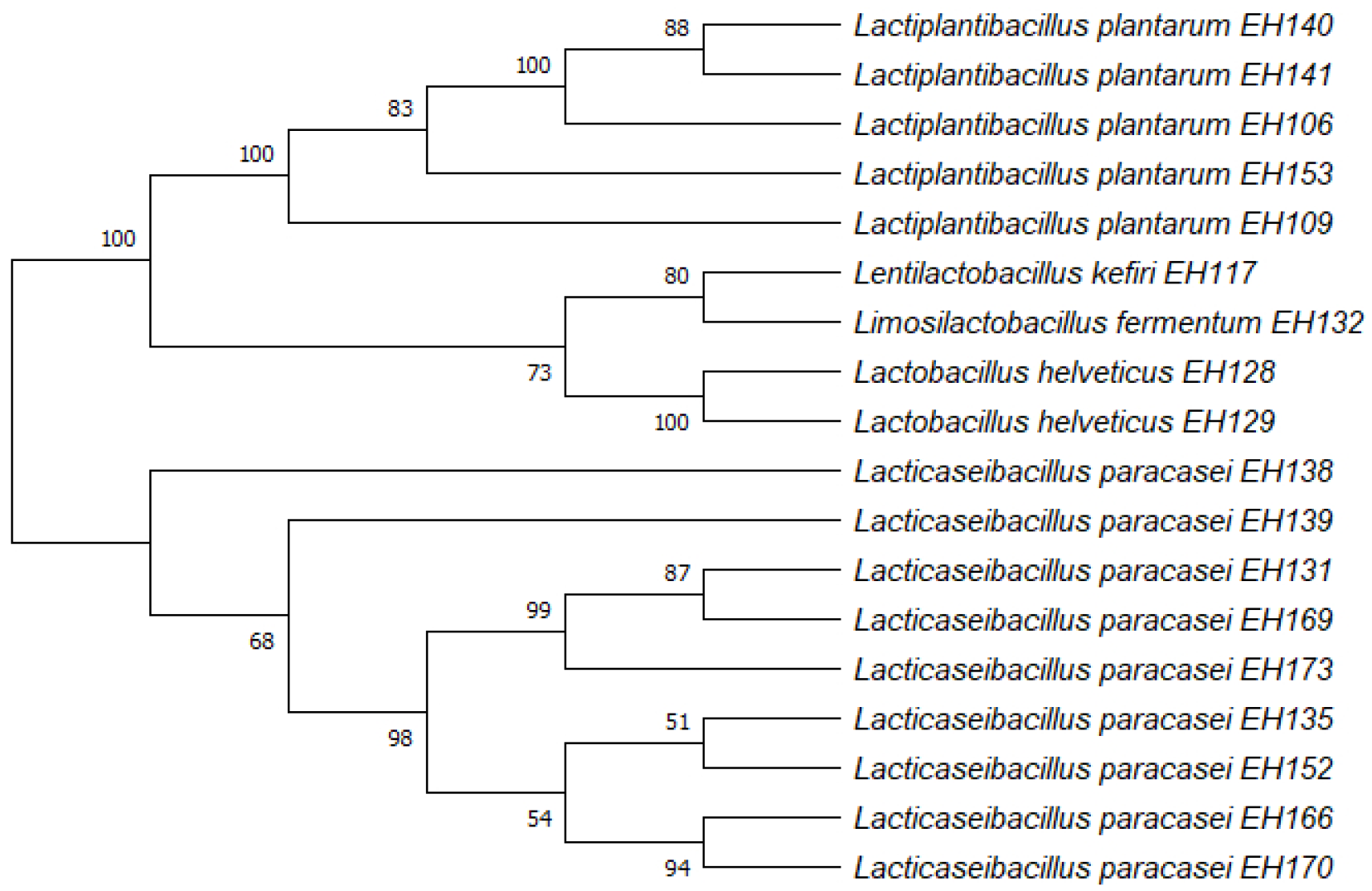
Figure 1. Phylogenetic tree of LAB isolates based on 16S rRNA gene sequences, constructed via MEGA12 software with the Tamura–Nei model and a gamma distribution.
Fermentation 12 00133 g001
Figure 2. Survival percentage of the isolates in simulated gastric juice at pH 2.0, 2.5 and 3.0 (A) and in bile salts (0.3%, w/v) (B). The results are expressed as the means ± standard deviation. In panel (A), different letters (a–j) indicate statistically significant differences among strains within the same pH range (p < 0.05). For panel (B), different letters (a–i) indicate the significant differences between the tolerances of the isolates.
Fermentation 12 00133 g002
Figure 3. Auto-aggregation (A) and cell surface hydrophobicity (B) of the isolates. All the results are presented as the means ± standard deviations. Different letters (a–l) indicate significant differences in the hydrophobicity percentages of the isolates within the same solvent.
Fermentation 12 00133 g003
Figure 4. BSH activity of the isolates. All the results are presented as the means ± standard deviations. The light yellow area represents weak activity, the light blue area represents intermediate activity and the light red area represents strong activity.
Fermentation 12 00133 g004
Figure 5. Viable cell count (A) and pH (B) of fermented milk samples during storage. *: p < 0.05, **: p < 0.01, ***: p < 0.001.
Fermentation 12 00133 g005
Figure 6. Principal component analysis of the Beyaz cheese isolates. Score scatter plot (A); Biplot (B). Abbreviations: SGJ: Simulated gastric juice tolerance, BST: Bile salt tolerance, BSH: Bile salt hydrolase, 2 h: Auto-aggregation at 2nd h, 4 h: Auto-aggregation at 4th h, 6 h: Auto-aggregation at 6th h, 24 h: Auto-aggregation at 24th h.
Fermentation 12 00133 g006
Table 1. Genotypic identification results of the LAB.
Isolate Code16S-rRNA Identification ResultSimilarity in NCBI (%)
EH106Lactiplantibacillus plantarum100
EH109Lactiplantibacillus plantarum100
EH117Lentilactobacillus kefiri99.52
EH128Lactobacillus helveticus100
EH129Lactobacillus helveticus100
EH131Lacticaseibacillus paracasei100
EH132Limosilactobacillus fermentum100
EH135Lacticaseibacillus paracasei99.85
EH138Lacticaseibacillus paracasei99.56
EH139Lacticaseibacillus paracasei99.56
EH140Lactiplantibacillus plantarum99.79
EH141Lactiplantibacillus plantarum100
EH152Lacticaseibacillus paracasei100
EH153Lactiplantibacillus plantarum99.80
EH166Lacticaseibacillus paracasei99.85
EH169Lacticaseibacillus paracasei99.09
EH170Lacticaseibacillus paracasei100
EH173Lacticaseibacillus paracasei99.80
Table 2. Organic acid production levels of the isolates.
StrainsOrganic Acids (mg/L)
MalicLacticAceticCitricPropionic
L. plantarum EH106ND d26,783.06 ± 398.54 bcd4504.83 ± 175.69 bcdNDND
L. plantarum EH109ND d26,966.41 ± 1360.44 bc4115.81 ± 216.33 cdefNDND
L. kefiri EH117ND d12,477.92 ± 205.82 i3435.31 ± 66.98 fgNDND
L. helveticus EH128424.66 ± 36.29 a24,911.42 ± 474.99 bcd3922.28 ± 46.36 defgNDND
L. helveticus EH129136.81 ± 8.93 d31,316.24 ± 42.31 a4892.65 ± 236.95 abNDND
L. paracasei EH131173.03 ± 30.47 c15,834.67 ± 996.88 h4569.82 ± 143.42 bcdNDND
L. fermentum EH132122.11 ± 4.98 d13,376.38± 796.22 i5366.95 ± 175.10 aNDND
L. paracasei EH135ND d22,296.94 ± 369.19 ef3373.84 ± 68.38 gNDND
L. paracasei EH138ND d25,977.75 ± 1081.40 bcd3468.16 ± 9.85 efgNDND
L. paracasei EH139ND d27,088.25 ± 514.79 b4058.74 ± 1085.15 cdefgNDND
L. plantarum EH140ND d24,570.16 ± 1693.42 cde3554.04 ± 0.34 efgNDND
L. plantarum EH141231.16 ± 8.57 b26,697.27 ± 323.49 bcd4894.57 ± 132.92 abNDND
L. paracasei EH152208.72 ± 19.96 b26,933.64 ± 454.33 bc4507.83 ± 61.54 bcdNDND
L. plantarum EH153ND d24,313.85 ± 1723.03 de4633.17 ± 7.24 bcNDND
L. paracasei EH166ND d18,128.65 ± 2345.34 g3435.34 ± 94.59 fgNDND
L. paracasei EH169ND d12,725.73 ± 775.87 i3398.69 ± 18.87 gNDND
L. paracasei EH170ND d21,759.33 ± 247.65 f3531.29 ± 132.73 efgNDND
L. paracasei EH173ND d26,046.04 ± 1380.44 bcd4148.06 ± 651.96 cdeNDND
Sig.*********--
The values are expressed as the means ± standard deviations. ND: Not determined, Sig.: Degree of statistical significance, ***: p < 0.001. Lowercase letters represent significant differences in the same row and column, respectively.
Table 3. Minimum inhibitory concentrations (MICs, mg/L) of LAB isolates.
StrainsAmpVanGenKanStrEryCliTetCla
L. plantarum EH106<0.125 [S]n.r.32 [R]>128 [R]n.r.1 [S]0.50 [S]8 [S]2 [S]
L. plantarum EH109<0.125 [S]n.r.16 [S]>128 [R]n.r.1 [S]0.25 [S]16 [S]1 [S]
L. kefiri EH1170.5 [S]n.r.8 [S]128 [R]32 [S]<0.125 [S]<0.125 [S]16 [R]2 [S]
L. helveticus EH128<0.125 [S]1 [S]64 [R]128 [R]128 [R]<0.125 [S]<0.125 [S]0.250 [S]2 [S]
L. helveticus EH129<0.125 [S]1 [S]8 [S]64 [R]8 [S]<0.125 [S]<0.125 [S]0.5 [S]0.5 [S]
L. paracasei EH131<0.125 [S]n.r.<0.125 [S]64 [S]<0.125 [S]<0.125 [S]<0.125 [S]0.250 [S]<0.125 [S]
L. fermentum EH132<0.125 [S]n.r.<0.125 [S]64 [R]4 [S]<0.125 [S]<0.125 [S]0.5 [R]0.5 [S]
L. paracasei EH1351 [S]n.r.64 [R]128 [R]128 [R]<0.125 [S]<0.125 [S]0.250 [S]1 [S]
L. paracasei EH138<0.125 [S]n.r.32 [S]128 [R]64 [S]<0.125 [S]<0.125 [S]0.125 [S]0.5 [S]
L. paracasei EH1391 [S]n.r.32 [S]128 [R]64 [S]<0.125 [S]<0.125 [S]0.250 [S]0.5 [S]
L. plantarum EH140<0.125 [S]n.r.32 [R]128 [R]n.r.1 [S]<0.125 [S]8 [S]2 [S]
L. plantarum EH141<0.125 [S]n.r.32 [R]>128 [R]n.r.0.5 [S]<0.125 [S]4 [S]1 [S]
L. paracasei EH152<0.125 [S]n.r.<0.125 [S]>128 [R]64 [S]0.5 [S]<0.125 [S]0.5 [S]1 [S]
L. plantarum EH153<0.125 [S]n.r.32 [R]>128 [R]n.r.0.5 [S]<0.125 [S]4 [S]1 [S]
L. paracasei EH166<0.125 [S]n.r.64 [R]128 [R]64 [S]<0.125 [S]<0.125 [S]4 [S]1 [S]
L. paracasei EH169<0.125 [S]n.r.<0.125 [S]64 [S]<0.125 [S]<0.125 [S]<0.125 [S]<0.125 [S]<0.125 [S]
L. paracasei EH170<0.125 [S]n.r.32 [S]64 [S]32 [S]<0.125 [S]<0.125 [S]<0.125 [S]1 [S]
L. paracasei EH173<0.125 [S]n.r.32 [S]128 [R]64 [S]<0.125 [S]<0.125 [S]<0.125 [S]1 [S]
Abbreviations: Amp; ampicillin, Van; vancomycin, Gen; gentamycin, Kan; kanamycin, Str; streptomycin, Ery; erythromycin, Cli; clindamycin, Tet; tetracycline, Cla; chloramphenicol, n.r.: not required. The values in square brackets are the microbial breakpoints according to the European Food and Safety Authority. Strains with MICs higher than the breakpoint are considered resistant.
Disclaimer/Publisher’s Note: The statements, opinions and data contained in all publications are solely those of the individual author(s) and contributor(s) and not of MDPI and/or the editor(s). MDPI and/or the editor(s) disclaim responsibility for any injury to people or property resulting from any ideas, methods, instructions or products referred to in the content.