Article

Use of Pichia manshurica as a Starter Culture for Spontaneous Cocoa Fermentation in Southern Bahia, Brazil


by
Adriana Barros de Cerqueira e Silva
1,2,
Eric de Lima Silva Marques
2,3,
Rachel Passos Rezende
2,*,
Cristiano Santana
4,
Angelina Moreira Freitas
2,
Maria Clara Bessa Souza
2,
Carine Martins dos Santos
2,
Adriana Cristina Reis Ferreira
4,
Marianna Ramos Soares
2,
Alberto Montejo Díaz
2,
Ádanny Maia da Cruz Santos
2,
Luan Melo Andrade
2,
Louise Pereira Ramos
2,
Carla Cristina Romano
2,
João Carlos Teixeira Dias
2 and
Sérgio Eduardo Soares
5
1
Faculdade de Ciências Farmacêuticas, Universidade Federal do Amazonas, Av. General Rodrigo Otávio, 6200, Setor Sul, Coroado I, Manaus 69077-000, AM, Brazil
2
Departamento de Ciências Biológicas, Universidade Estadual de Santa Cruz, Campus Soane Nazaré de Andrade, Rod. Jorge Amado, Km 16, Salobrinho, Ilhéus 45662-900, BA, Brazil
3
Instituto Nacional de Pesquisas da Amazônia, Av. André Araújo, 2936, Petrópolis, Manaus 69067-375, AM, Brazil
4
Centro de Inovação do Cacau, Rod. Jorge Amado, Km 16—Salobrinho, Ilhéus 45662-900, BA, Brazil
5
Faculdade de Farmácia, Universidade Federal da Bahia, Campus Ondina, Rua Barão de Jeremoabo, 147, Ondina, Salvador 40170-115, BA, Brazil
*
Author to whom correspondence should be addressed.
Fermentation 2025, 11(12), 694; https://doi.org/10.3390/fermentation11120694
Submission received: 20 July 2025 / Revised: 18 August 2025 / Accepted: 29 August 2025 / Published: 16 December 2025

Abstract

To improve cocoa fermentation and the quality of its final products, microbial cultures with potential as starters were investigated. Yeasts were considered a promising option due to their adaptability to biotechnological processes and ease of laboratory manipulation. From 185 strains previously isolated from spontaneous cocoa fermentation, those producing protease, amylase, and cellulase were identified. Strain CII87b (Pichia manshurica) exhibited the most favorable results and was evaluated for cytotoxicity using the MTT assay, showing no adverse effects. This culture was subsequently inoculated into freshly harvested cocoa almonds during the secondary (winter) harvest. The inoculum accelerated and increased the average fermentation temperature from 25 to 50 °C, reduced internal mold incidence, decreased defect rates, increased total fermentation, and resulted in a more desirable pH compared to the control. These findings demonstrate that the use of P. manshurica CII87b as a starter culture in winter harvests can improve fermentation efficiency and product quality, offering a biotechnological tool with potential benefits for cocoa producers and the chocolate industry.

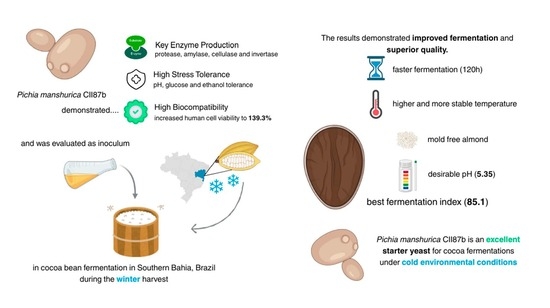
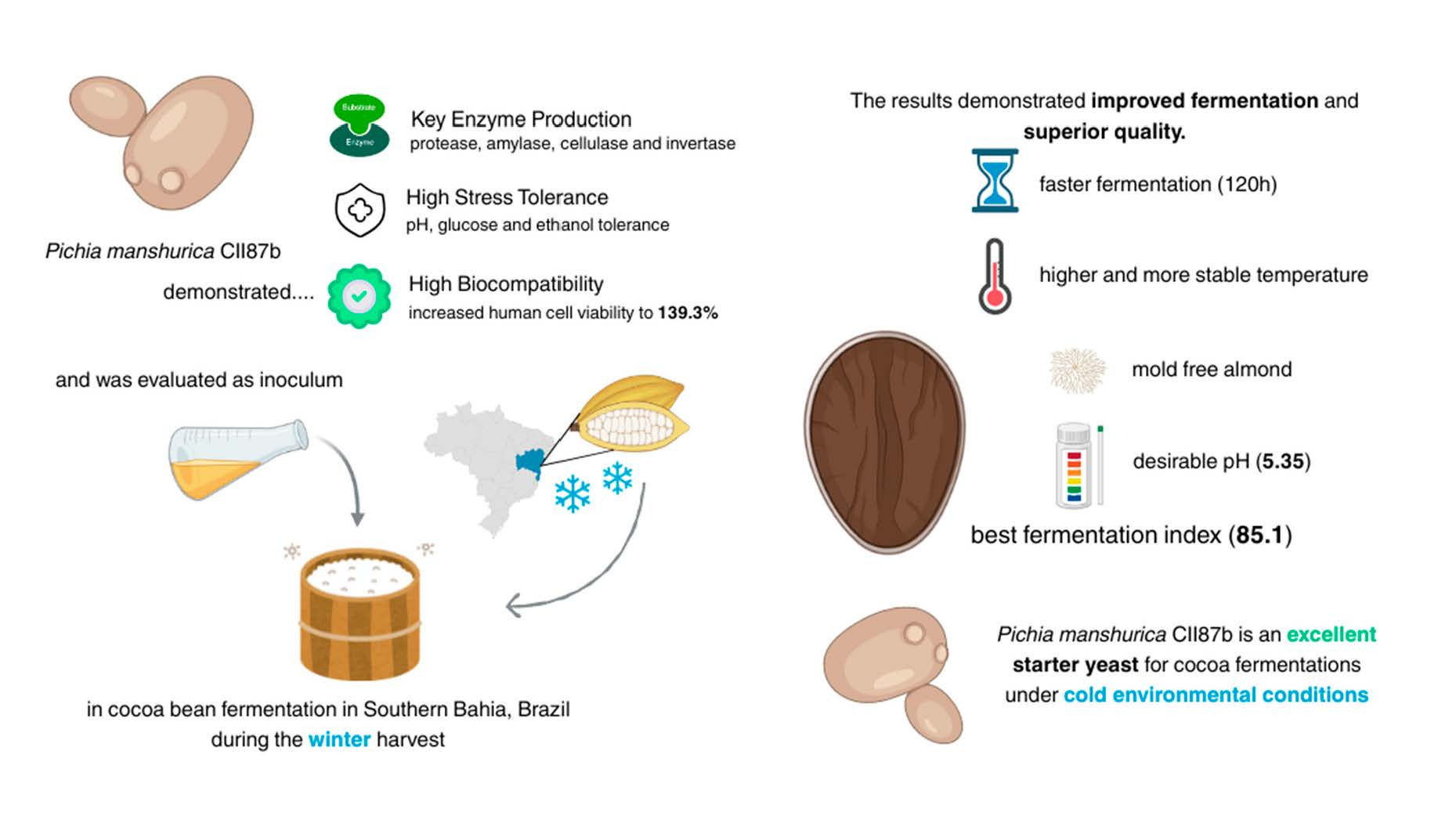
Graphical Abstract

1. Introduction

Yeasts play a fundamental role as starter organisms in spontaneous cocoa fermentation. They are primarily responsible for the degradation of citric acid in the pulp, increasing the pH from approximately 3.5 to 4.2 and creating favorable conditions for the growth of bacterial communities. Under low-oxygen and high-sugar conditions, yeasts produce ethanol, organic acids (such as oxalic, phosphoric, succinic, malic, and acetic acids), and volatile organic compounds that serve as precursors of chocolate flavor compounds [1]. Additionally, some yeast species contribute to the degradation of pectin in the pulp, improving seed aeration and promoting the growth of acetic acid bacteria [1]. Variations in the concentration of reducing sugars and shifts in the metabolic profile of the microbial community during fermentation have also been reported [2].
Pichia manshurica is a yeast commonly found in fermented products, including Daqu [3], wines [4], animal feed, silage, Ishizuchi-kurocha tea, and decomposing plant matter. Its genome is closely linked to species such as P. membranifaciens and P. kudriavzevii [5]. P. manshurica has been used in cocoa fermentation processes across several cocoa-producing regions worldwide, including Cuba, Ghana, Ivory Coast, Colombia, Malaysia, and the Brazilian Amazon [6,7,8,9,10]. More recently, this species has been successfully used as an inoculum in cocoa fermentations conducted in the Brazilian Amazon [11].
Cocoa fermentation can be performed using different methods, including stacked methods using wooden boxes (square or circular), boxes composed of alternative materials (Styrofoam or plastic), and even in trays made from different materials. In southern Bahia, the traditional method involves the use of square wooden boxes covered with banana leaves [12].
Since the first reports on the use of microbial inoculants in cocoa fermentation, significant efforts have been made to develop starter cultures aimed at improving process control and final product quality. Several studies have demonstrated the effectiveness of this strategy [13,14,15,16]. Criteria commonly used for the selection of potential starter strains include their prevalence in spontaneous fermentations [17,18], their ability to accelerate the fermentation process [19], microbial diversity, and enzymatic production capacity [20,21]. Additional considerations include the microorganisms’ resistance to high temperatures and elevated ethanol and acid concentrations, as well as their ability to degrade the pectin layer surrounding pulp sugars [22].
Inoculating microorganisms in cocoa fermentation can lead to several consequences, including possible acceleration of fermentation [19,23], increased levels of volatile compounds [23,24], changes in the levels of phenolic compounds [19,24], control of the growth of filamentous fungi [18,25], improved quality of fermented almonds [24], products with high antioxidant potential [20], and improved flavor precursors in the fermented product [21]. These outcomes aim to improve the sensory characteristics of chocolate and/or achieve greater control of the fermentation process. Thus, the present study aimed to evaluate the biotechnological potential of inoculating native starter yeasts in the cocoa fermentation process in southern Bahia during the secondary harvest.

2. Materials and Methods

2.1. Yeast Reactivation

The yeasts used in this study were obtained from the Cacao Fermentation Yeast Bank of the Microbial Biotechnology Laboratory at the State University of Santa Cruz. Dextrose Sabouraud broth with chloramphenicol (0.05 g/L) was used to reactivate the yeasts. The flasks (Erlenmeyer 125 mL) were incubated at 28 °C with constant agitation at 200 rpm for up to 120 h. Yeasts that showed growth were cultivated on Petri dishes containing Sabouraud agar with chloramphenicol at the same concentration and incubated at 28 °C for the same period to observe the morphological characteristics of the colonies. The yeasts were then subcultured again to ensure the purity of the culture.

2.2. Enzyme Production Evaluation

A previous study by the research group evaluated the enzymatic activities (protease, lipase, and amylase) of these yeasts [26]. Cellulase was evaluated in yeasts that tested positive for protease and amylase in the previous study [26]. The evaluation was performed in YNB Difco™ medium containing sucrose (0.5%) as a carbon source and carboxymethylcellulose (0.5%) as a cellulose source and incubated in an oven at 28 °C for 5, 10, and 15 days. Plates were washed with 1M NaCl and developed with 0.1% Congo red. Positive halos were then measured.
Invertase was quantitatively evaluated using the DNS method. In this method, 1 unit of enzymatic activity was defined as the amount of enzyme capable of releasing 1 µmol of reducing sugars per minute using glucose as a standard [27]. The positive control used was a commercial Saccharomyces cerevisiae.

2.3. Assessment of Resistance to Stress Conditions

The yeasts that showed the best enzymatic results were submitted to a qualitative evaluation of growth on Sabouraud agar under different conditions of pH (2.5, 3.5, and 4.5), glucose concentrations (5%, 15%, and 30%), and ethanol concentrations (8%, 10%, and 12%), simulating possible environmental conditions present in the fermentation box. The presence of growth was evaluated qualitatively at 24 and 48 h.

2.4. Evaluation of the Cytotoxicity of Pichia manshurica

To evaluate whether the yeast chosen for inoculum was cytotoxic to a HMVII cell line (BCRJ 0316) and to assess the maintenance of their viability, the MTT cell proliferation test was performed. This test measures the reduction of MTT to formazan crystals. The yeasts were first cultivated in Sabouraud broth for 48 h at 28 °C. After this period, 10 mL of the broth was transferred to a 15 mL sterile tube and centrifuged for 15 min at 5000× g. The supernatant was discarded, and the yeast extract was resuspended with a 0.9% saline solution. The suspension was centrifuged again for 15 min at 5000× g to remove any possible residues from the culture medium. The contents were then resuspended once more with 0.9% saline, and the optical density was adjusted at 600 nm.
Next, the yeast extract was inoculated in RPMI medium supplemented with 5% fetal bovine serum and placed in contact with human cells in 96-well plates. The plates were then incubated in an incubator at 37 °C with 5% CO2 for 24 h to allow for confluence and cell adhesion at the bottom of the plate. After this period, 50 µL of MTT reagent at 5 mg/mL diluted in RPMI was added to the medium, and the plate was again incubated in the incubator at 37 °C for 4 h and protected from light. MTT crystals that formed were dissolved with the addition of DMSO, and the plate was incubated again at 37 °C for another 15 min before being read in a spectrophotometer at 540 nm. The percentage of cell viability was calculated using the following equation: % viability = [(O.D. tested yeast − O.D. blank)/(O.D. negative control − O.D. blank)] × 100.

2.5. Yeast Inoculum

2.5.1. Preparation of the Inoculum

The cultivation process was performed as described by Santos et al., 2020 [21] with modifications. Yeasts were cultivated in 250 Erlenmeyer flasks with YEPD medium (peptone 2%; yeast extract 1%; dextrose 2%; chloramphenicol 0.05 g/L) for 48 h at 200 rpm at room temperature. This culture was then used as a pre-inoculum for 3 L of YEPD medium under the same conditions. The mixture was subjected to centrifugation (3000× g at 28 °C for 10 min), and the pellet was resuspended in 2 L of 1% peptone water. The inoculum reached to 108 cells mL−1 (OD approximately 0.5 at 600 nm), and 1 L of this suspension mixture was inoculated in each experimental fermentation box.

2.5.2. Fermentation Box Inoculation

The experiment was conducted at Fazenda Luz do Vale (14°42′51.17″ S—39°16′28.76″ W), Agrícola Conduru, which belongs to the municipality of Ilhéus, BA, in July 2019 (secondary harvest). The study began with selective harvesting of only fully ripe, undamaged cocoa pods free from disease. A standardized fermentation blend (18°Brix) was created using Parazinho (Brazilian Forastero amelonado) and PS1319 (hybrid) beans, which were then allocated to the fermentation boxes.
Three square fermentation boxes measuring 50 × 50 × 50 cm and containing 80 kg of wet cocoa mass from a varietal mix were used for each box, including one control and two experimental replicates. Yeast was added at time 0 h, and fermentation was performed according to the protocol described by Ferreira, 2017 [12]. Temperature measurements were taken at three different points of the boxes (lower, central, and upper part) three times a day using a long-stem thermometer Gulton® model GULterm 180 (Gulton, São Paulo, Brazil). Measurements of soluble solids were also taken in the first 36 h using an Instrutherm® portable refractometer model RT-30ATC (Instrutherm, São Paulo, Brazil). In addition, 300 g of samples was collected every 12 h throughout the fermentation for further analysis. At the end of the process, the almonds were dried in a transparent oven with a UV filter given the rains that occurred during the period. A total of 6 kg of dried almonds was collected for further analysis.

2.5.3. pH Analysis

The pH of the pulp and cotyledon were evaluated every 12 h during the fermentation using the potentiometry technique with a Tecnal® model TEC-51 pH meter (Tecnal, Piracicaba, Brazil). The pH of the pulp was measured directly. The methodology described by the Association of Official Analytical Chemists [28] was used to obtain the pH of the cotyledon. For this method, 10 g of the almonds, manually separated from the testa and pulp was crushed with 90 mL of water, and the pH of the resulting solution was measured.

2.5.4. Assessment of Almond Cut Quality

The evaluation of the cut quality of the almonds and the pH of the dried beans were performed using the ISO 2451/2014 methods (ISO, 2014) [29] at the Cocoa Innovation Center (CIC) in Ilhéus, Bahia, Brazil.

2.5.5. Assessment of Microbiological Quality of Almonds

The evaluation of the microbiological quality of the beans was performed after the cocoa was dried by counting coliforms at 45 °C and searching for Salmonella sp., as recommended for this type of food by Resolution RDC nº12/2001 of the National Health Surveillance Agency (ANVISA) [30]. Both protocols were performed as recommended by the American Public Health Association.

3. Results and Discussion

3.1. Enzyme Production

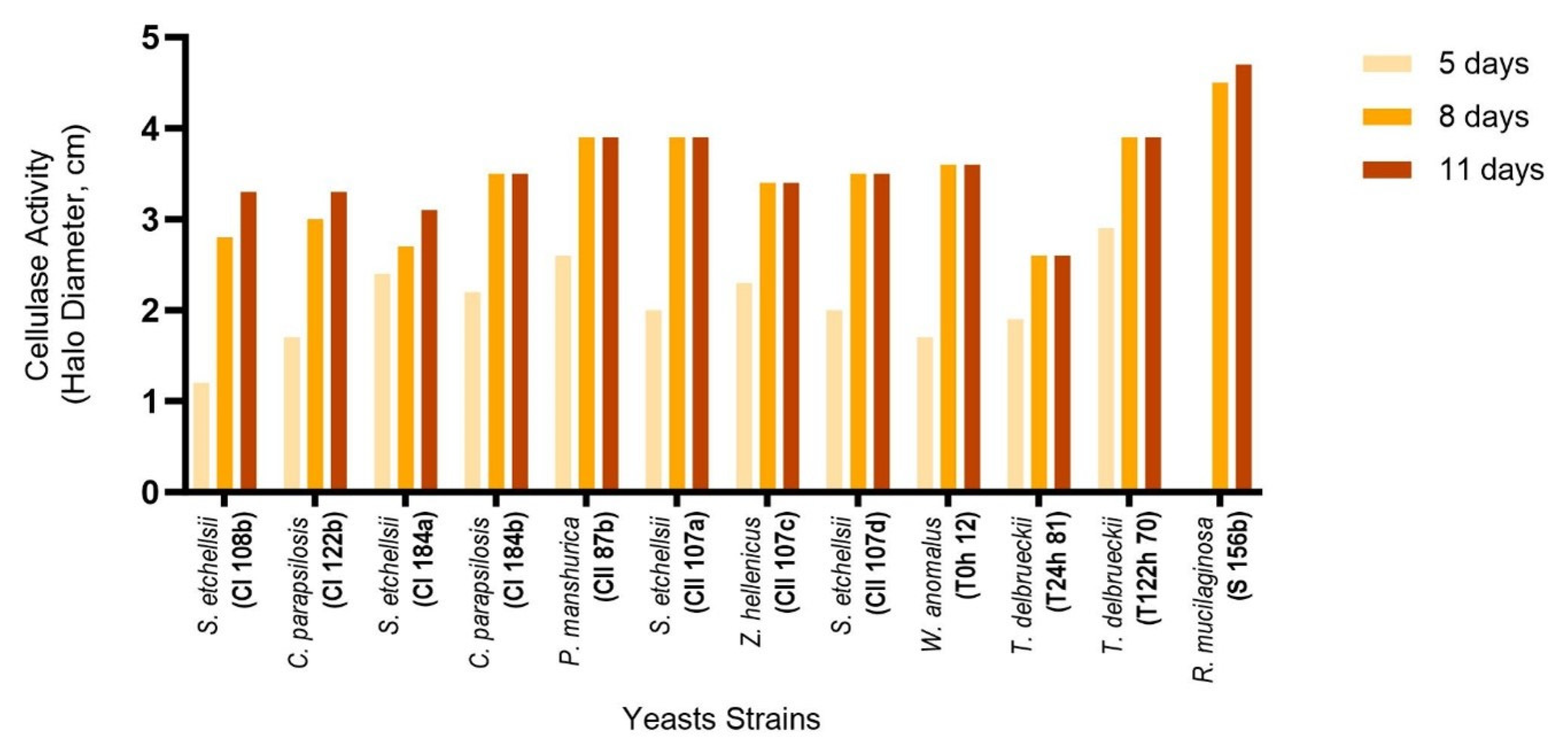
To identify yeast strains with the highest biotechnological potential for cocoa fermentation, isolates that previously tested positive for protease activity [26] were subjected to quantitative assays for invertase production. Additionally, positive strains for both protease and amylase were assessed qualitatively for cellulase production, as shown in Figure 1 and Figure 2.
Among all candidate inoculants, strains CII87b and S156B exhibited the highest levels of invertase production. The most prominent cellulolytic halos (greater than 3.5 cm in diameter after 8 days of incubation) were observed with strains CII87b, CII107a, T0h 12, T122h 70, and S156B. High invertase activity was expected, given the presence of microorganisms capable of producing this enzyme in the fermentation environment, which is rich in sucrose, its preferred substrate. Moreover, the production of invertase by fungi has been previously reported [31]. Cellulase production is particularly important in this context because it enables the hydrolysis of cellulose- and hemicellulose-rich biomass into fermentable sugars [8], thereby enhancing ethanol production during the initial and critical stages of cocoa fermentation (within the first 48 h).

3.2. Resistance to Stressful Conditions

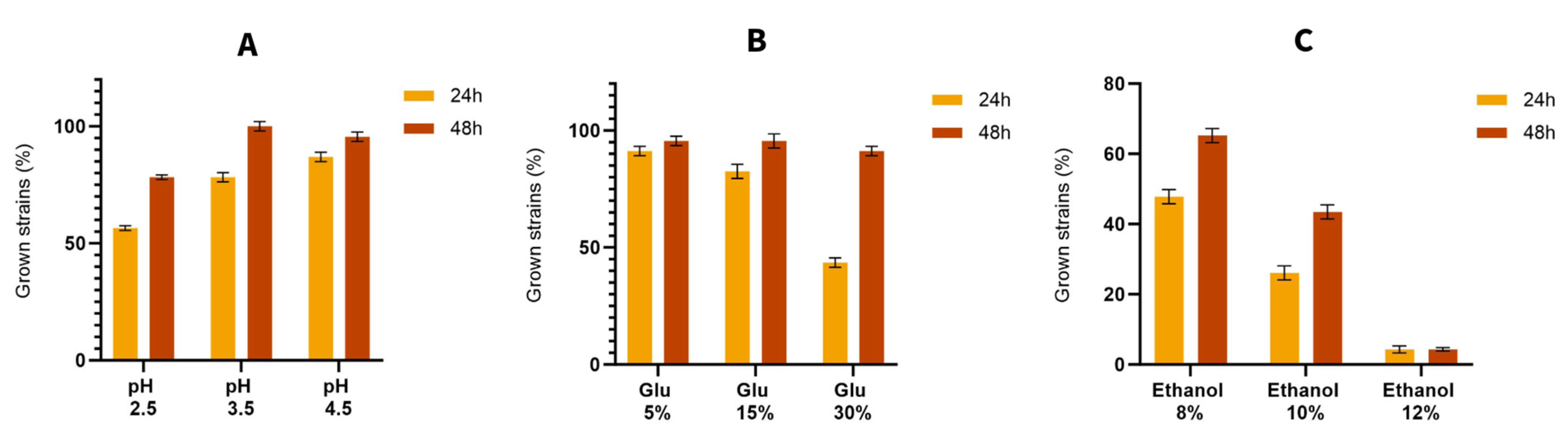
After identifying strains with desirable enzymatic profiles, we evaluated their resistance to conditions that mimic those encountered during the cocoa fermentation process. Yeasts previously identified as positive for protease and amylase activity [26] were tested for growth under varying pH levels (2.5, 3.5, and 4.5), glucose concentrations (5%, 15%, and 30%), and ethanol concentrations (8%, 10%, and 12%) at both 24 h and 48 h intervals, as illustrated in Figure 3.
Regarding pH, over 78% of strains showed growth under all tested conditions (Figure 3A). However, at the most acidic pH (2.5), this level of growth was only achieved after 48 h. This delay is not necessarily problematic, as studies on cocoa fermentation in southern Bahia [32] have shown that the pH of cocoa pulp typically ranges from 4.0 to 5.0, a range similar to that observed in the present study (3.6 to 4.6).
Regarding glucose concentrations, more than 82% of the yeasts demonstrated growth under all tested conditions. At the highest glucose concentration (30%), this was only achieved after 48 h, likely associated with the Crabtree effect (Figure 3B) [33]. Such a delay may be attributed to metabolic adjustments that occur in response to stress caused by increased osmotic pressure from high sugar concentrations [34].
In contrast, ethanol concentrations had a more pronounced inhibitory effect (Figure 3C). In 8% ethanol, 65.2% growth was noted after 48 h. This value dropped to 43.5% in 10% ethanol and further to below 4.3% in 12% ethanol, with minimal variation between 24 and 48 h. The extent of stress-induced damage depends on various factors, including the yeast cell cycle stage at the time of exposure [35]. Alcoholic fermentation is itself a stressful process, involving elevated osmotic pressure and increasing ethanol concentrations [36]. Ethanol can alter membrane polarity and, at higher concentrations, reduce both the growth rate and cell viability [37]. This decline in growth at ethanol concentrations above 10% has been reported in other fermentation processes, such as those involving sugarcane juice and cocoa of various origins [38,39]. However, ethanol concentrations above 10% are rarely observed during cocoa fermentation [38,40].

3.3. Inoculum Selection

Following the identification process [26] and based on the results described previously, the selected inoculum was CII87b (Pichia manshurica). This strain was the only strain to exhibit positive activity in all enzymatic assays. Moreover, it demonstrated one of the highest enzymatic indices for invertase. Notably, species of the genus Pichia are widely regarded as microorganisms with high potential for use in fermentation processes [41].

3.4. Cytotoxicity Evaluation of Pichia manshurica

To assess the cytotoxicity of the selected yeast inoculum, the MTT cell proliferation assay was performed to evaluate the viability of human HMVII cells exposed to P. manshurica extract. This assay measures mitochondrial dehydrogenase activity through the conversion of the yellow salt MTT into purple formazan crystals, serving as an indicator of cellular metabolic activity [42].
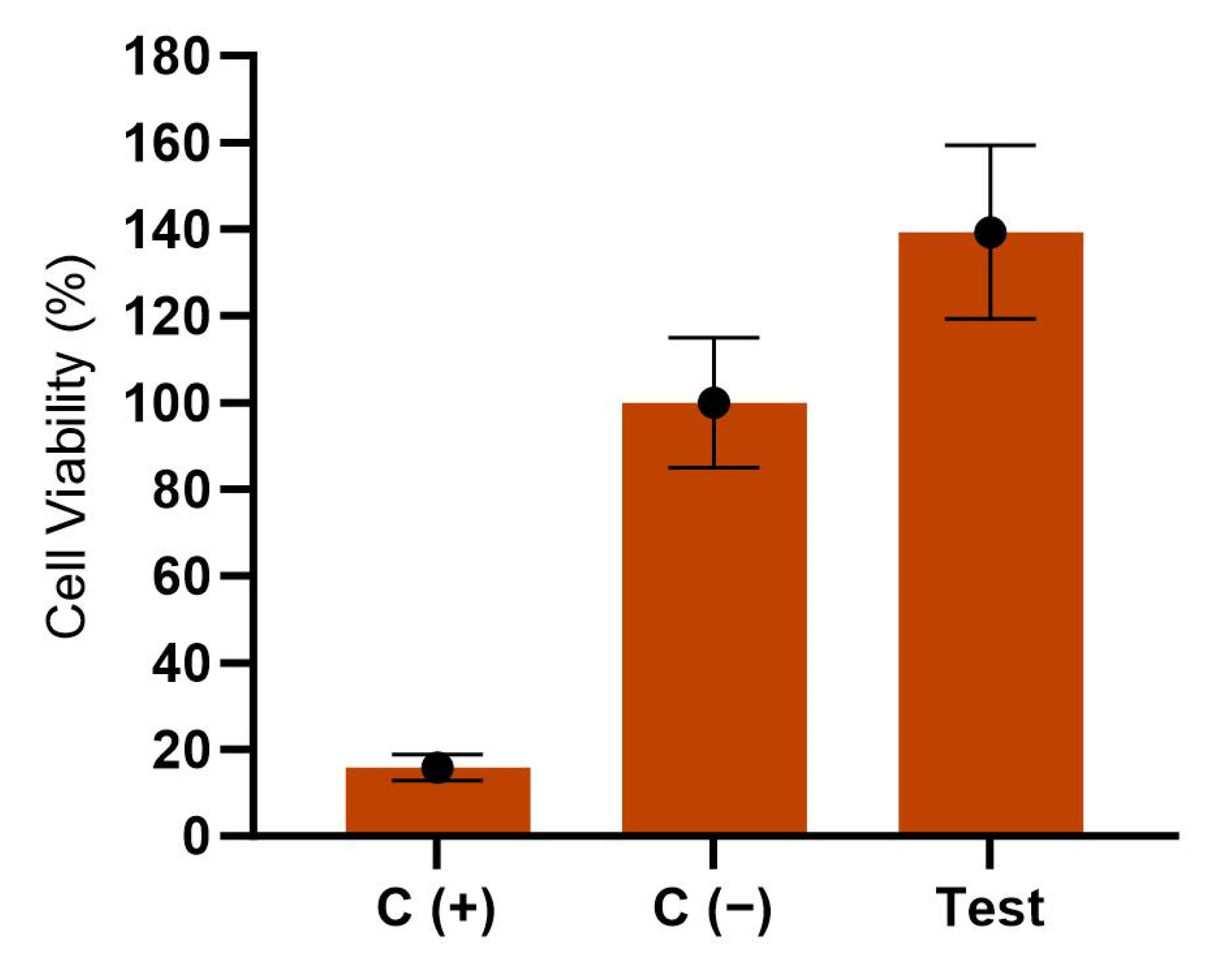
Figure 4 presents the cell viability results for the treatment group (cells + P. manshurica) compared to positive and negative controls. The results provide compelling evidence for the safety profile of P. manshurica CII 87b, a critical prerequisite for its application as a starter culture. Although the positive control (cells + DMSO) exhibited only 15.84% cell viability, cells exposed to the yeast extract not only maintained full viability relative to the negative control but demonstrated a remarkable increase to 139.3%. This finding indicates that the strain is not merely non-cytotoxic, but that it may possess biocompatible or even proliferative-stimulating properties.
Our results are consistent with findings from diverse ecosystems, as exemplified by the low cytotoxicity observed in mangrove yeasts (Candida albicans and Saccharomyces cerevisiae) cultured with VERO cells [43]. Such a robust safety profile is paramount for the development of commercial inoculants and aligns with previous findings where phylogenetically related yeasts, such as Saccharomyces cerevisiae strains isolated from wine fermentation, also showed minimal effects on macrophage viability [44]. This positions P. manshurica CII 87b as a highly promising and safe candidate for further development in controlled cocoa fermentation and potentially other food applications.

3.5. Inoculum Application in Fermentation Boxes

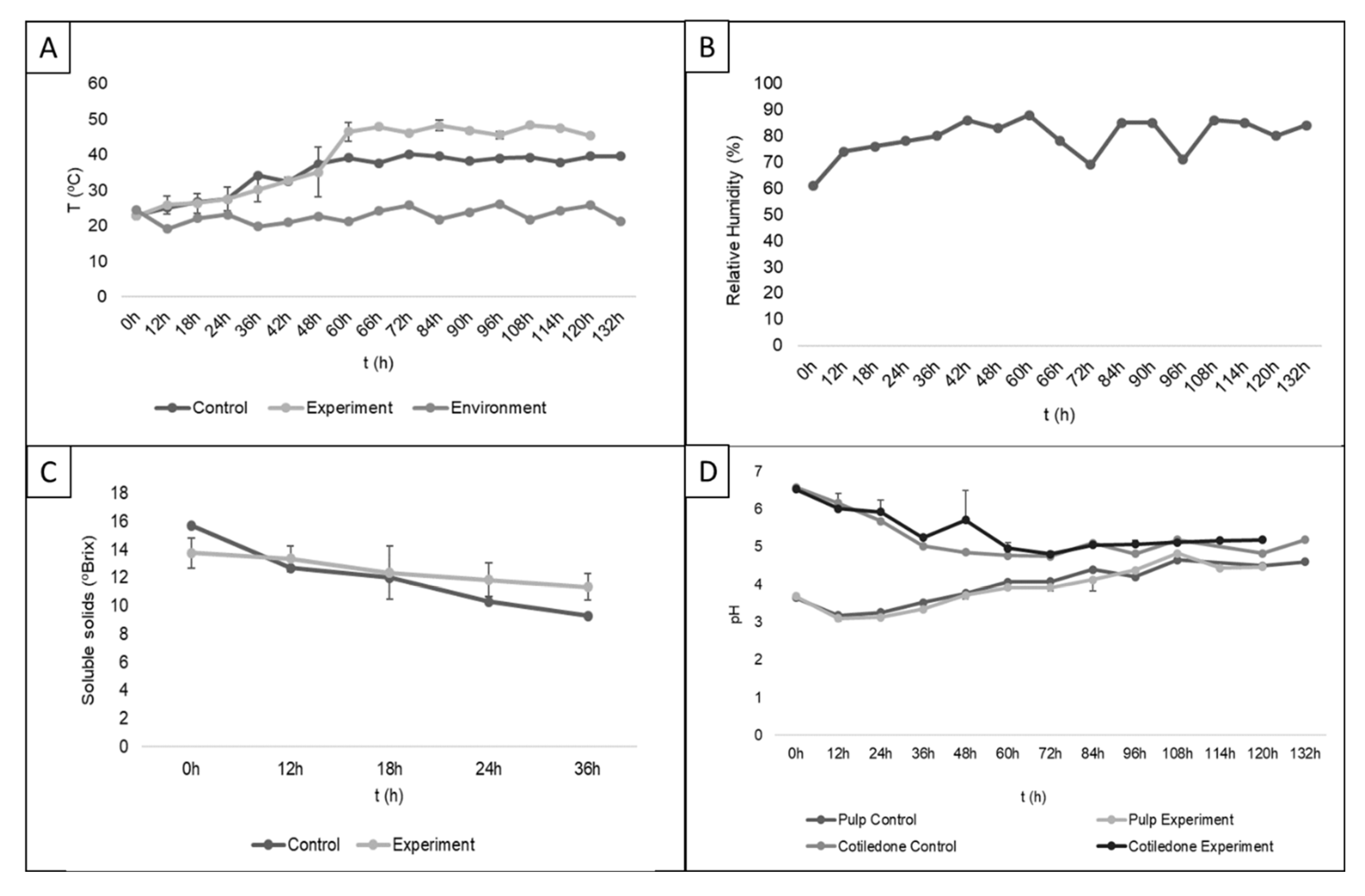
Figure 5 presents the physicochemical parameters monitored during experimental fermentation. In Figure 5A, t = 0 marks the start of the fermentation process. Here, t = 114 and t = 120 h indicate the endpoint for the experimental replicates, and t = 132 h represents the endpoint for the control group (without inoculum).
During the initial 48 h, the temperature profiles of the experimental and control boxes were similar. However, beyond this period, the experimental boxes consistently exhibited higher internal temperatures than the control group. The ambient temperature remained significantly lower than the internal temperature of the fermentation mass, reflecting the climatic conditions of the region during the study period.
The control group maintained the lowest temperatures throughout fermentation, peaking at 40.2 °C at 72 h. In contrast, the experimental group reached a maximum temperature of 48.3 °C at 108 h, indicating a more robust thermogenic response. These results demonstrate that the introduction of the starter culture effectively elevated the fermentation temperature, even under challenging environmental conditions, specifically the low ambient temperatures (19.1 °C minimum, 26.1 °C maximum), high rainfall, and elevated humidity typical of the winter season in the southern region of Bahia, Brazil.
The external environment has a direct influence on the cocoa mass in the fermentation box, and during summer, the mass temperature is always higher than during the colder seasons of the year [12]. Moreover, fermentation boxes with small dimensions, such as those used in this experiment, tend to lose temperature more easily than larger boxes due to the smaller volume of cocoa mass they store. However, the inoculated boxes still had temperatures comparable to those of fermentations conducted under more favorable climatic conditions. The addition of the inoculum accelerated the fermentation of the secondary harvest by 12 h compared to the control group, consistent with previous studies involving Saccharomyces cerevisiae in cocoa from southern Bahia [45]. Additionally, fermentation temperatures ranging from 25 °C to 50 °C during summer fermentations in the southern Bahia region have been reported [46], which closely match the temperature range observed in this study.
Figure 5B shows that relative humidity during fermentation remained consistently above 60%, as expected for the region and season. The soluble solids (°Brix) of the samples were measured during the first 36 h of fermentation (Figure 5C), a period in which the pulp was still present. A progressive decrease in the values was observed throughout the evaluated period for both the control and the experimental boxes. The fermentable sugars decrease during the fermentation process due to their transformation into alcohol and CO2 by yeasts, as well as the production of pectinolytic enzymes that hydrolyze the polysaccharides present in the pulp [47].
Figure 5D shows the measurements of pulp and cotyledon pH values throughout the fermentation process. The pH of the pulps from both the control and the experiment exhibited similar behavior, starting at 3.6 and increasing during the process and ending at 4.6 (control) and 4.46 (experiment). The high pulp acidity at the beginning of the process is due to the presence of 2 to 2.5% citric acid, which degrades during the process and justifies the increase in pH to values close to 5.0 [48]. During the first 36 h, there was a slight decline in the pH of both pulp samples, followed by a progressive increase. This behavior has also been observed in previous works, which can be explained by the proliferation of microorganisms in the cocoa mass at low pH [46,49,50,51].
Similar behavior between the control and experiment samples was also observed in the cotyledon pH, with the samples starting at a pH of approximately 6.5 and decreasing during the process, ending at 5.18. This decay is expected and occurs due to the acidification of the almond after embryo death caused by the activity of microorganisms, which leads to the penetration of ethanol and acetic acid mainly through the testa into the cotyledon. This results in a decrease in the internal pH, which, together with the increase in temperature, leads to the development of flavor precursors and pigment degradation by endogenous enzymes, such as invertase, glycosidases, proteases, and polyphenoloxidase [52,53,54].

3.6. Impact of Starter Culture on the Final Quality and Safety of Cocoa Beans

All samples showed moisture values within the expected range, thus avoiding the loss of edible material and minimizing the risk of fungal and bacterial growth. Such growth compromises the food safety, flavor, and quality of the final product. However, the control sample showed a moisture content between 6.0% and 6.5%, which is also undesirable because it can make the beans brittle. According to ISO (2017) [55], the moisture content of almonds should be around 7%, with a maximum of 7.5%.
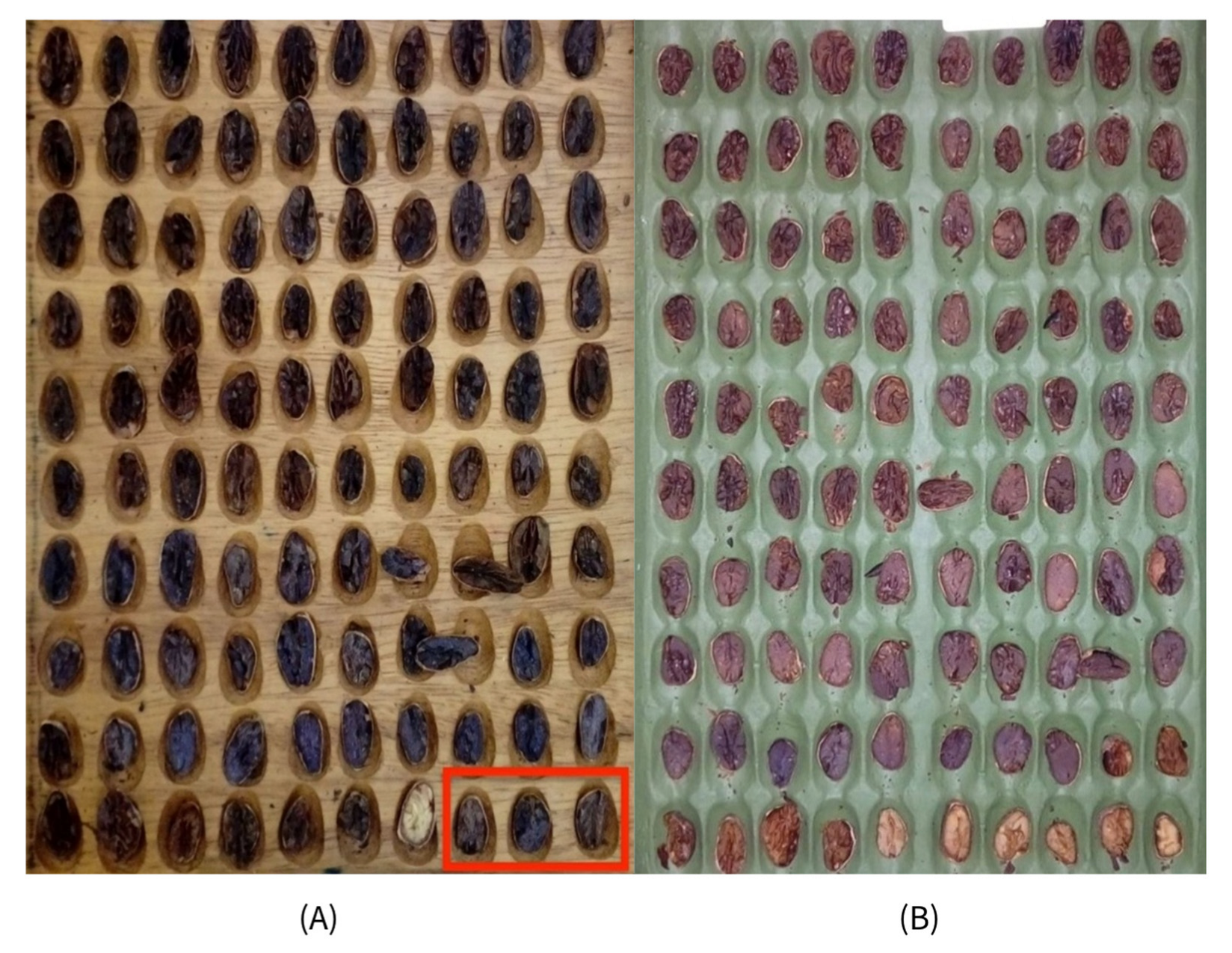
Furthermore, all samples displayed a typical external appearance of brown cocoa beans, without visible signs of contamination, and the aroma of both samples was deemed characteristic (Figure 6). The absence of external mold in both samples suggests that drying was adequately performed during both harvests, despite the challenging environmental conditions in southern Bahia, such as high rainfall and humidity, which favor fungal growth.
It should also be noted that the final percentage of brown beans, a key factor in the cut test’s colorimetric evaluation, can be influenced by factors other than fermentation effectiveness, such as the cocoa’s genetic variety and its initial phenolic compound content [55].
The subjectivity of the cut test [56] is particularly evident when assessing almonds in intermediate states of fermentation, which complicates consistent interpretation across different analysts. For this reason, complementing the visual cut test with objective analytical methods is crucial for a more robust assessment of cocoa quality [21,55].
According to Table 1, starter culture inoculation led to a marked improvement in the final quality and safety of fermented beans when compared to the control group. The most significant impact was observed in the reduction of critical defects, as the experimental samples showed a notably lower incidence of internal mold (Figure 6). Although the control sample had a slightly higher well-fermented bean index based on color (70.3% vs. 62.5%), this single metric should be interpreted with caution. The cut test is a subjective method with known limitations and does not consider key physicochemical properties that strongly influence flavor. In this context, the more favorable pH of the experimental beans (5.35 vs. 5.20 in the control) is a more objective and arguably more important indicator of a well-controlled fermentation, as excessive acidity is known to negatively impact chocolate quality. Therefore, when considering the combined benefits of significant defect reduction and superior physicochemical balance, inoculated fermentation represents a clear improvement over the spontaneous process.

3.7. Microbiological Safety Assessment of Cocoa Beans

Both the control and experimental samples were assessed for microbiological quality using coliform counts at 45 °C (<3.0 MPN/g) and testing for Salmonella spp. (absent). The results were within the standards set by ANVISA Resolution RDC No. 12/2001 [29], which stipulates that dried in natura cocoa beans must not exceed 102 MPN/g for coliforms at 45 °C, and Salmonella must be absent in 25 g of sample. Thus, both samples were deemed suitable for human consumption.
It is widely accepted that food microbiological quality is closely tied to the adoption of Good Manufacturing Practices. Satisfactory final product outcomes are typically the result of a well-managed production chain, encompassing harvesting, pod breaking, bean fermentation, drying, packaging, and transportation. Although fermentation in cocoa relies on a succession of microbial activity to develop desirable physicochemical and sensory properties, it is essential to prevent cross-contamination by pathogenic microorganisms to ensure product safety, as demonstrated by the results obtained in this study.

4. Conclusions

The use of Pichia manshurica as an inoculum was effective in accelerating fermentation and increasing the average temperature of cocoa mass during the secondary harvest, a period when achieving optimal fermentation conditions is more challenging due to cooler regional climates. The use of starter yeast leads to increased productivity, allowing producers to process more cocoa in a shorter period, thereby improving efficiency and quality while reducing costs. The inoculum also helped reduce internal mold formation, improved the total fermentation index, and resulted in a more desirable pH with lower acidity.
Future studies should jointly evaluate how different inoculum concentrations affect fermentation time, comparing the production of higher alcohols and acetate esters when using the inoculum. Additionally, research should focus on achieving more precise control over the final product quality. Experiments using single cocoa varieties or different inoculum concentrations could help optimize its effects.

Author Contributions

Conceptualization, A.B.d.C.e.S., E.d.L.S.M., R.P.R., A.C.R.F., J.C.T.D. and S.E.S.; methodology, A.B.d.C.e.S., E.d.L.S.M., R.P.R., A.C.R.F., C.C.R., J.C.T.D. and S.E.S.; validation, all authors; formal analysis, A.B.d.C.e.S., E.d.L.S.M., C.M.d.S., M.R.S. and A.M.D.; investigation, A.B.d.C.e.S., C.M.d.S., M.R.S., A.M.D., C.S., Á.M.d.C.S., L.M.A., L.P.R., M.C.B.S. and A.M.F.; resources, R.P.R., A.C.R.F., C.C.R., J.C.T.D. and S.E.S.; writing—original draft preparation, A.B.d.C.e.S. and E.d.L.S.M.; writing—review and editing, all authors; visualization, A.B.d.C.e.S., E.d.L.S.M., C.M.d.S., M.R.S., A.M.D., Á.M.d.C.S., L.M.A., L.P.R., M.C.B.S. and A.M.F.; supervision, R.P.R., C.C.R., J.C.T.D. and S.E.S.; project administration, A.B.d.C.e.S., E.d.L.S.M., R.P.R. and A.C.R.F.; funding acquisition, R.P.R., A.C.R.F., C.C.R., J.C.T.D. and S.E.S. All authors have read and agreed to the published version of the manuscript.

Funding

We would like to thank Coordenação de Aperfeiçoamento de Pessoal de Nível Superior (CAPES; financial code: 001) and Fundação de Amparo à Pesquisa do Estado da Bahia (FAPESB).

Data Availability Statement

Data are contained within the article.

Acknowledgments

We would like to thank Fazenda Luz do Vale–Agrícola Conduru, especially the agronomist Marina Oliveira Paraiso Martins, Centro de Inovação do Cacau (CIC), and Universidade Estadual de Santa Cruz for making the work possible.

Conflicts of Interest

The authors declare no conflicts of interest. The funders had no role in the design of the study; in the collection, analyses, or interpretation of data; in the writing of the manuscript; or in the decision to publish the results.

References

  1. Ho, V.T.T.; Zhao, J.; Fleet, G. Yeasts Are Essential for Cocoa Bean Fermentation. Int. J. Food Microbiol. 2014, 174, 72–87. [Google Scholar] [CrossRef]
  2. da Veiga Moreira, I.M.; Miguel, M.G.d.C.P.; Duarte, W.F.; Dias, D.R.; Schwan, R.F. Microbial Succession and the Dynamics of Metabolites and Sugars during the Fermentation of Three Different Cocoa (Theobroma cacao L.) Hybrids. Food Res. Int. 2013, 54, 9–17. [Google Scholar] [CrossRef]
  3. Zhang, Q.; Huo, N.; Wang, Y.; Zhang, Y.; Wang, R.; Hou, H. Aroma-Enhancing Role of Pichia manshurica Isolated from Daqu in the Brewing of Shanxi Aged Vinegar. Int. J. Food Prop. 2017, 20, 2169–2179. [Google Scholar] [CrossRef]
  4. Perpetuini, G.; Tittarelli, F.; Battistelli, N.; Suzzi, G.; Tofalo, R. Contribution of Pichia manshurica Strains to Aroma Profile of Organic Wines. Eur. Food Res. Technol. 2020, 246, 1405–1417. [Google Scholar] [CrossRef]
  5. Toyotome, T.; Yamamoto, M.; Horie, M. Draft Genome Sequence of the Yeast Pichia Manshurica YM63, a Participant in Secondary Fermentation of Ishizuchi-Kurocha, a Japanese Fermented Tea. Microbiol. Resour. Announc. 2019, 8. [Google Scholar] [CrossRef]
  6. Almeida, S.d.F.O.d.; Silva, L.R.C.; Junior, G.C.A.C.; Oliveira, G.; Silva, S.H.M.d.; Vasconcelos, S.; Lopes, A.S. Diversity of Yeasts during Fermentation of Cocoa from Two Sites in the Brazilian Amazon. Acta Amaz. 2019, 49, 64–70. [Google Scholar] [CrossRef]
  7. Daniel, H.-M.; Vrancken, G.; Takrama, J.F.; Camu, N.; De Vos, P.; De Vuyst, L. Yeast Diversity of Ghanaian Cocoa Bean Heap Fermentations. FEMS Yeast Res. 2009, 9, 774–783. [Google Scholar] [CrossRef]
  8. Delgado-Ospina, J.; Triboletti, S.; Alessandria, V.; Serio, A.; Sergi, M.; Paparella, A.; Rantsiou, K.; Chaves-López, C. Functional Biodiversity of Yeasts Isolated from Colombian Fermented and Dry Cocoa Beans. Microorganisms 2020, 8, 1086. [Google Scholar] [CrossRef]
  9. Koff, O.; Samagaci, L.; Goualie, B.; Niamke, S. Diversity of Yeasts Involved in Cocoa Fermentation of Six Major Cocoa-Producing Regions in Ivory Coast. Eur. Sci. J. ESJ 2017, 13, 496. [Google Scholar] [CrossRef][Green Version]
  10. Meersman, E.; Steensels, J.; Mathawan, M.; Wittocx, P.-J.; Saels, V.; Struyf, N.; Bernaert, H.; Vrancken, G.; Verstrepen, K.J. Detailed Analysis of the Microbial Population in Malaysian Spontaneous Cocoa Pulp Fermentations Reveals a Core and Variable Microbiota. PLoS ONE 2013, 8, e81559. [Google Scholar] [CrossRef]
  11. Ferreira, O.d.S.; Chagas-Junior, G.C.; Chisté, R.C.; Martins, L.H.d.S.; Andrade, E.H.d.A.; Nascimento, L.D.d.; Lopes, A.S. Saccharomyces cerevisiae and Pichia manshurica from Amazonian Biome Affect the Parameters of Quality and Aromatic Profile of Fermented and Dried Cocoa Beans. J. Food Sci. 2022, 87, 4148–4161. [Google Scholar] [CrossRef]
  12. Ferreira, A.C.R. Beneficiamento de Cacau de Qualidade Superior, 1st ed.; PTCSB: Ilheus, Brazil, 2017. [Google Scholar]
  13. Crafack, M.; Mikkelsen, M.B.; Saerens, S.; Knudsen, M.; Blennow, A.; Lowor, S.; Takrama, J.; Swiegers, J.H.; Petersen, G.B.; Heimdal, H.; et al. Influencing Cocoa Flavour Using Pichia Kluyveri and Kluyveromyces Marxianus in a Defined Mixed Starter Culture for Cocoa Fermentation. Int. J. Food Microbiol. 2013, 167, 103–116. [Google Scholar] [CrossRef] [PubMed]
  14. Leal, G.A.; Gomes, L.H.; Efraim, P.; de Almeida Tavares, F.C.; Figueira, A. Fermentation of Cacao (Theobroma cacao L.) Seeds with a Hybrid Kluyveromyces Marxianus Strain Improved Product Quality Attributes. FEMS Yeast Res. 2008, 8, 788–798. [Google Scholar] [CrossRef] [PubMed]
  15. Lefeber, T.; Papalexandratou, Z.; Gobert, W.; Camu, N.; De Vuyst, L. On-Farm Implementation of a Starter Culture for Improved Cocoa Bean Fermentation and Its Influence on the Flavour of Chocolates Produced Thereof. Food Microbiol. 2012, 30, 379–392. [Google Scholar] [CrossRef]
  16. Schwan, R.F. Cocoa Fermentations Conducted with a Defined Microbial Cocktail Inoculum. Appl. Environ. Microbiol. 1998, 64, 1477–1483. [Google Scholar] [CrossRef]
  17. Ho, V.T.T.; Fleet, G.H.; Zhao, J. Unravelling the Contribution of Lactic Acid Bacteria and Acetic Acid Bacteria to Cocoa Fermentation Using Inoculated Organisms. Int. J. Food Microbiol. 2018, 279, 43–56. [Google Scholar] [CrossRef]
  18. Ruggirello, M.; Nucera, D.; Cannoni, M.; Peraino, A.; Rosso, F.; Fontana, M.; Cocolin, L.; Dolci, P. Antifungal Activity of Yeasts and Lactic Acid Bacteria Isolated from Cocoa Bean Fermentations. Food Res. Int. 2019, 115, 519–525. [Google Scholar] [CrossRef]
  19. Assi-Clair, B.J.; Koné, M.K.; Kouamé, K.; Lahon, M.C.; Berthiot, L.; Durand, N.; Lebrun, M.; Julien-Ortiz, A.; Maraval, I.; Boulanger, R.; et al. Effect of Aroma Potential of Saccharomyces Cerevisiae Fermentation on the Volatile Profile of Raw Cocoa and Sensory Attributes of Chocolate Produced Thereof. Eur. Food Res. Technol. 2019, 245, 1459–1471. [Google Scholar] [CrossRef]
  20. Ooi, T.S.; Ting, A.S.Y.; Siow, L.F. Influence of Selected Native Yeast Starter Cultures on the Antioxidant Activities, Fermentation Index and Total Soluble Solids of Malaysia Cocoa Beans: A Simulation Study. LWT 2020, 122, 108977. [Google Scholar] [CrossRef]
  21. Santos, D.S.; Rezende, R.P.; dos Santos, T.F.; Marques, E.d.L.S.; Ferreira, A.C.R.; e Silva, A.B.D.C.; Romano, C.R.; de Cerqueira e Silva, A.B.; da Cruz Santos, D.W.; Texeira Dias, J.C.; et al. Fermentation in Fine Cocoa Type Scavina: Change in Standard Quality as the Effect of Use of Starters Yeast in Fermentation. Food Chem. 2020, 328, 127110. [Google Scholar] [CrossRef]
  22. Leroy, F.; De Vuyst, L. Lactic Acid Bacteria as Functional Starter Cultures for the Food Fermentation Industry. Trends Food Sci. Technol. 2004, 15, 67–78. [Google Scholar] [CrossRef]
  23. Mota-Gutierrez, J.; Botta, C.; Ferrocino, I.; Giordano, M.; Bertolino, M.; Dolci, P.; Cannoni, M.; Cocolin, L. Dynamics and Biodiversity of Bacterial and Yeast Communities during Fermentation of Cocoa Beans. Appl. Environ. Microbiol. 2018, 84, e01164-18. [Google Scholar] [CrossRef]
  24. Saunshia, Y.; Sandhya, M.V.S.; Lingamallu, J.M.R.; Padela, J.; Murthy, P. Improved Fermentation of Cocoa Beans with Enhanced Aroma Profiles. Food Biotechnol. 2018, 32, 257–272. [Google Scholar] [CrossRef]
  25. Romanens, E.; Freimüller Leischtfeld, S.; Volland, A.; Stevens, M.J.A.; Krähenmann, U.; Isele, D.; Fischer, B.; Meile, L.; Miescher Schwenninger, S. Screening of Lactic Acid Bacteria and Yeast Strains to Select Adapted Anti-Fungal Co-Cultures for Cocoa Bean Fermentation. Int. J. Food Microbiol. 2019, 290, 262–272. [Google Scholar] [CrossRef]
  26. dos Santos, C.M.; E Silva, A.B.d.C.; Marques, E.d.L.S.; Rezende, R.P.; Pirovani, C.P.; Ferreira, A.C.R.; Andrade, L.M.; Santos, D.W.d.C.; Díaz, A.M.; Soares, M.R.; et al. Biotechnological Starter Potential for Cocoa Fermentation from Cabruca Systems/Potencial Biotecnológico de Leveduras Starter Na Fermentação Do Cacau de Sistema Cabruca. Braz. J. Dev. 2021, 7, 60739–60759. [Google Scholar] [CrossRef]
  27. Ekunsanmi, T.J.; Odunfa, S.A. Ethanol Tolerance, Sugar Tolerance and Invertase Activities of Some Yeast Strains Isolated from Steep Water of Fermenting Cassava Tubers. J. Appl. Bacteriol. 1990, 69, 672–675. [Google Scholar] [CrossRef]
  28. AOAC. Official Methods of Analysis of Aoac International, 18th ed.; Latimer, G.W., Ed.; Association of Official Analytical Chemists: Gaithersburgs, MD, USA, 2006. [Google Scholar]
  29. ISO 2451:2014; Cocoa Beans—Specification. International Organization for Standardization: Geneva, Switzerland, 2014.
  30. Brasil Ministério Da Saúde, Agência Nacional de Vigilância Sanitária (ANVISA). Regulamento Técnico Sobre Os Padrões Microbiológicos Para Alimentos; Resolução RDC No 12 de 02 de Janeiro de 2001; Brasil Ministério Da Saúde, Agência Nacional de Vigilância Sanitária (ANVISA): Brasília, Brazil, 2001. [Google Scholar]
  31. De Vuyst, L.; Leroy, F. Functional Role of Yeasts, Lactic Acid Bacteria and Acetic Acid Bacteria in Cocoa Fermentation Processes. FEMS Microbiol. Rev. 2020, 44, 432–453. [Google Scholar] [CrossRef]
  32. E Silva, A.B.d.C.; e Silva, M.B.d.C.; de Souza Silveira, P.T.d.S.; Marques, E.d.L.S.; Soares, S.E. Extraction and Determination of Invertase and Polyphenol Oxidase Activities during Cocoa Fermentation/Extração e Determinação Da Atividade de Invertase e Polifenoloxidase Durante Fermentação de Cacau. Braz. J. Dev. 2021, 7, 80316–80330. [Google Scholar] [CrossRef]
  33. Dashko, S.; Zhou, N.; Compagno, C.; Piškur, J. Why, When, and How Did Yeast Evolve Alcoholic Fermentation? FEMS Yeast Res. 2014, 14, 826–832. [Google Scholar] [CrossRef]
  34. Attfield, P. V Stress Tolerance: The Key to Effective Strains of Industrial Baker’s Yeast. Nat. Biotechnol. 1997, 15, 1351–1357. [Google Scholar] [CrossRef]
  35. Ivorra, C.; Pérez-Ortín, J.E.; del Olmo, M. An Inverse Correlation between Stress Resistance and Stuck Fermentations in Wine Yeasts. A Molecular Study. Biotechnol. Bioeng. 1999, 64, 698–708. [Google Scholar] [CrossRef]
  36. Lynd, L.R.; Ahn, H.-J.; Anderson, G.; Hill, P.; Sean Kersey, D.; Klapatch, T. Thermophilic Ethanol Production Investigation of Ethanol Yield and Tolerance in Continuous Culture. Appl. Biochem. Biotechnol. 1991, 28–29, 549–570. [Google Scholar] [CrossRef]
  37. da Silva, R.O.; Batistote, M.; Cereda, M.P. Alcoholic Fermentation by the Wild Yeasts under Thermal, Osmotic and Ethanol Stress. Braz. Arch. Biol. Technol. 2013, 56, 161–169. [Google Scholar] [CrossRef]
  38. Kouamé, C.; Loiseau, G.; Grabulos, J.; Boulanger, R.; Mestres, C. Development of a Model for the Alcoholic Fermentation of Cocoa Beans by a Saccharomyces Cerevisiae Strain. Int. J. Food Microbiol. 2021, 337, 108917. [Google Scholar] [CrossRef]
  39. Samagaci, L.; Ouattara, H.; Goualie, B.; Niamke, S. Growth Capacity of Yeasts Potential Starter Strains under Cocoa Fermentation Stress Conditions in Ivory Coast. Emir. J. Food Agric. 2014, 26, 861. [Google Scholar] [CrossRef]
  40. de Melo Pereira, G.V.; Magalhães, K.T.; de Almeida, E.G.; da Silva Coelho, I.; Schwan, R.F. Spontaneous Cocoa Bean Fermentation Carried out in a Novel-Design Stainless Steel Tank: Influence on the Dynamics of Microbial Populations and Physical–Chemical Properties. Int. J. Food Microbiol. 2013, 161, 121–133. [Google Scholar] [CrossRef]
  41. Vicente, J.; Calderón, F.; Santos, A.; Marquina, D.; Benito, S. High Potential of Pichia kluyveri and Other Pichia Species in Wine Technology. Int. J. Mol. Sci. 2021, 22, 1196. [Google Scholar] [CrossRef]
  42. Li, J.; Song, L. Applicability of the MTT Assay for Measuring Viability of Cyanobacteria and Algae, Specifically for Microcystis Aeruginosa (Chroococcales, Cyanobacteria). Phycologia 2007, 46, 593–599. [Google Scholar] [CrossRef]
  43. Senthilraja, P.; Kathiresan, K. In Vitro Cytotoxicity MTT Assay in Vero, HepG2 and MCF -7 Cell Lines Study of Marine Yeast. J. Appl. Pharm. Sci. 2015, 28, 080–084. [Google Scholar] [CrossRef]
  44. Guerrini, S.; Mangani, S.; Romboli, Y.; Luti, S.; Pazzagli, L.; Granchi, L. Impact of Saccharomyces Cerevisiae Strains on Health-Promoting Compounds in Wine. Fermentation 2018, 4, 26. [Google Scholar] [CrossRef]
  45. Batista, N.N.; Ramos, C.L.; Ribeiro, D.D.; Pinheiro, A.C.M.; Schwan, R.F. Dynamic Behavior of Saccharomyces Cerevisiae, Pichia Kluyveri and Hanseniaspora Uvarum during Spontaneous and Inoculated Cocoa Fermentations and Their Effect on Sensory Characteristics of Chocolate. LWT–Food Sci. Technol. 2015, 63, 221–227. [Google Scholar] [CrossRef]
  46. Ferreira, A.C.R.; Marques, E.L.S.; Dias, J.C.T.; Rezende, R.P. DGGE and Multivariate Analysis of a Yeast Community in Spontaneous Cocoa Fermentation Process. Genet. Mol. Res. 2015, 14, 18465–18470. [Google Scholar] [CrossRef]
  47. Thompson, S.S.; Miller, K.B.; Lopes, A.S. Cocoa and Coffee. In Food Microbiology, Fundamentals and Frontiers; Doyle, M.P., Beuchat, L.R., Montville, T.J., Eds.; American Society for Microbiology Press: Washington, DC, USA, 2001; pp. 721–733. [Google Scholar]
  48. Lehrian, D.W.; Patterson, G.R. Cocoa Fermentation. In Biotechnology, a Comprehensive Treatise; Rehm, H.J., Reed, G., Eds.; Wiley-VCH: Berlin, Germany, 1983; Volume 5, pp. 529–575. [Google Scholar]
  49. Ardhana, M.M.; Fleet, G.H. The Microbial Ecology of Cocoa Bean Fermentations in Indonesia. Int. J. Food. Microbiol. 2003, 86, 87–99. [Google Scholar] [CrossRef]
  50. Jespersen, L.; Nielsen, D.S.; Hønholt, S.; Jakobsen, M. Occurrence and Diversity of Yeasts Involved in Fermentation of West African Cocoa Beans. FEMS Yeast Res. 2005, 5, 441–453. [Google Scholar] [CrossRef] [PubMed]
  51. Abdul Samah, O.; Ibrahim, N.; Alimon, H.; Abdul Karim, M.I. Fermentation Studies of Stored Cocoa Beans. World J. Microbiol. Biotechnol. 1993, 9, 603–604. [Google Scholar] [CrossRef] [PubMed]
  52. Biehl, B.; Brunner, E.; Passern, D.; Quesnel, V.C.; Adomako, D. Acidification, Proteolysis and Flavour Potential in Fermenting Cocoa Beans. J. Sci. Food Agric. 1985, 36, 583–598. [Google Scholar] [CrossRef]
  53. Hansen, C.E.; del Olmo, M.; Burri, C. Enzyme Activities in Cocoa Beans during Fermentation. J. Sci. Food Agric. 1998, 77, 273–281. [Google Scholar] [CrossRef]
  54. Misnawi; Jinap, S.; Jamilah, B.; Nazamid, S. Sensory Properties of Cocoa Liquor as Affected by Polyphenol Concentration and Duration of Roasting. Food Qual Prefer. 2004, 15, 403–409. [Google Scholar] [CrossRef]
  55. ISO 2451:2017; Cocoa Beans—Requirements. International Organization for Standardization: Geneva, Switzerland, 2017.
  56. Lima, L.J.R.; Almeida, M.H.; Nout, M.J.R.; Zwietering, M.H. Theobroma cacao L., “The Food of the Gods”: Quality Determinants of Commercial Cocoa Beans, with Particular Reference to the Impact of Fermentation. Crit. Rev. Food Sci. Nutr. 2011, 51, 731–761. [Google Scholar] [CrossRef]
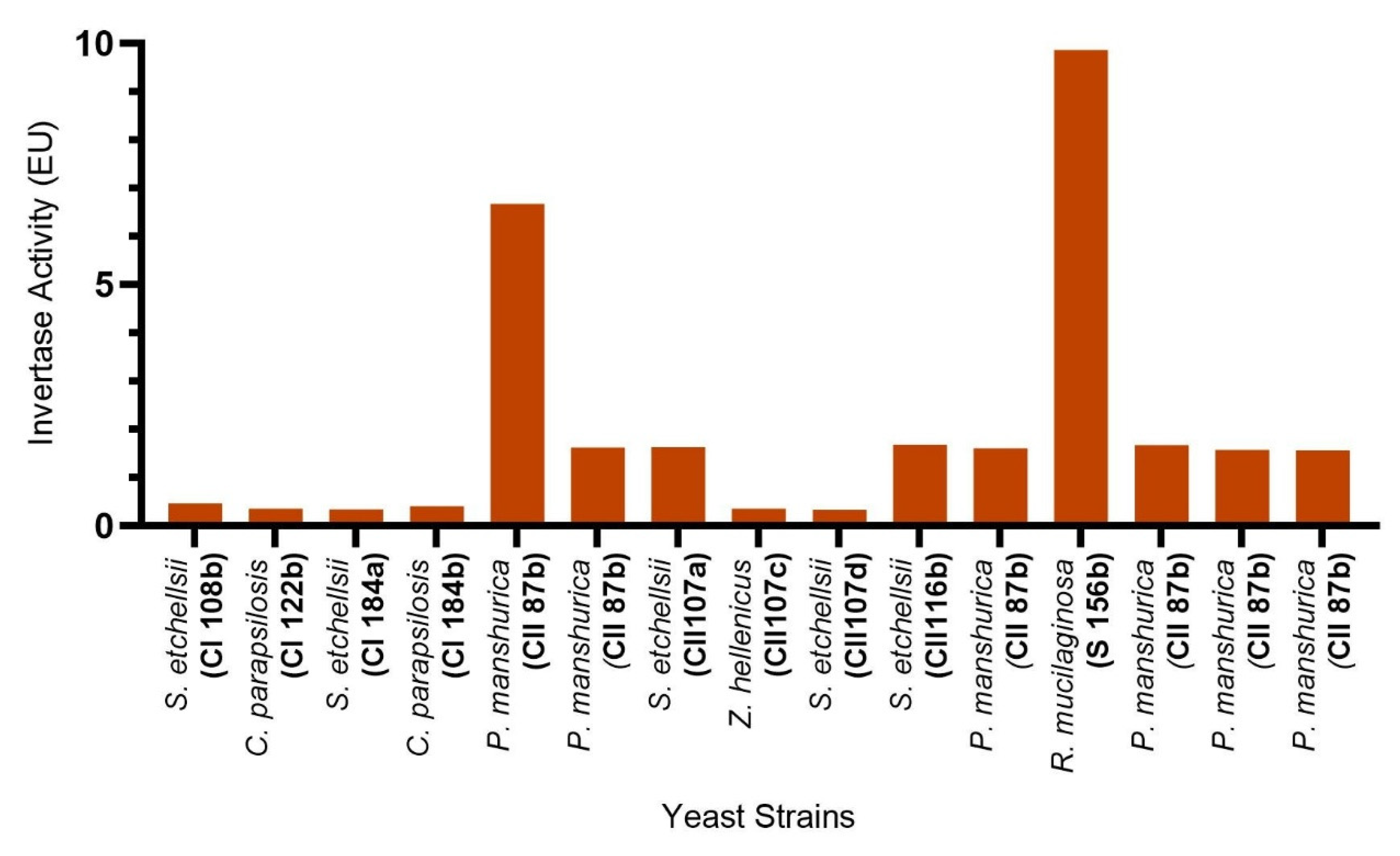
Figure 1. Quantitative evaluation of invertase production by yeast strains that tested positive for protease. Invertase activity is expressed in enzyme units (EUs), defined as the amount of enzyme capable of releasing 1 µmol of reducing sugars per minute using glucose as a standard.
Fermentation 11 00694 g001
Figure 2. Qualitative evaluation of cellulase production by yeast strains that tested positive for protease and amylase. The evaluation was based on the halo diameter (cm) after 5, 8, and 11 days of incubation. The graph includes only strains that tested positive for cellulase.
Fermentation 11 00694 g002
Figure 3. Stress assays. The graphs show the percentage of yeast strains that showed growth on Sabouraud agar medium under conditions of stress. (A) The percentage of strains that grew at different pH values (2.5, 3.5, and 4.5) at 24 and 48 h. (B) The percentage of strains that grew under different glucose concentrations (5%, 15%, and 30%) at 24 and 48 h. (C) The percentage of strains that grew under different alcoholic concentrations (8%, 10%, and 12%) at 24 and 48 h. The presence of growth was evaluated to simulate environmental conditions within the fermentation box. Error bars indicate the standard deviation of the mean of the experimental replicates.
Fermentation 11 00694 g003
Figure 4. Percentage of HMVII line cell viability after exposure to the yeast Pichia manshurica. Cell viability was assessed using the MTT assay, which measures mitochondrial dehydrogenase activity through the conversion of the yellow MTT salt into purple formazan crystals. The graph compares the viability of the treatment group (HMVII cells + yeast extract), which showed a notable increase to 139.3%, with the positive C (+) and negative C (−) controls. The positive control C (+) showed only 15.84% cell viability. Error bars indicate the standard deviation of the mean of the experimental replicates.
Fermentation 11 00694 g004
Figure 5. Physicochemical parameters monitored during cocoa fermentation in the secondary harvest. (A) The average temperature in the fermentation boxes and the environment throughout the process, highlighting that the experimental boxes consistently showed higher internal temperatures after 48 h. (B) The percentage of relative air humidity during fermentation, which remained consistently above 60%. (C) The progressive decrease in soluble solids (°Brix) in the control and experimental boxes during the first 36 h. (D) The pH measurements of the pulp and cotyledon throughout the process. The pulp pH increased from 3.6 to 4.46 (experiment) and 4.6 (control), whereas the cotyledon pH decreased to 5.18.
Fermentation 11 00694 g005
Figure 6. Photograph of the cut test plate of 100 almonds showing the cut test for the control (A) and the experiment (B) samples according to the ISO 2014 standard [29] for robust assessment of cocoa quality. The image shows the typical external appearance of brown cocoa beans, with no visible defects. A rectangle highlights the presence of internal mold as a defect in the control (A), whereas the experiment with the starter yeast shows no such defect.
Fermentation 11 00694 g006
Table 1. Almond cut quality.
ParameterControl SampleExperimental Sample
DefectsHigher rate (internal mold, flattened, insect-damaged, germinated, and violet kernels > 50%)Lower defect rate
Fermentation-RelatedHigher % of compartmentation (white/brown almonds) and well-fermented almonds (70.3%)Higher % of flat white, partially/sub-fermented almonds; fermentation index (85.1%)
pHMore acidic (5.20)Less acidic (5.35)—more desirable
External AppearanceBrown almonds, no contaminationBrown almonds, no contamination
AromaCharacteristicCharacteristic
Mold PresenceNo external mold (drying well conducted)No external mold (drying well conducted)
Key NotesHigher % brown almondsHigher fermentation index
Disclaimer/Publisher’s Note: The statements, opinions and data contained in all publications are solely those of the individual author(s) and contributor(s) and not of MDPI and/or the editor(s). MDPI and/or the editor(s) disclaim responsibility for any injury to people or property resulting from any ideas, methods, instructions or products referred to in the content.