Review

Comprehensive Advances on Probiotic-Fermented Medicine and Food Homology

1
School of Pharmaceutical Sciences and Food Engineering, Liaocheng University, Liaocheng 252000, China
2
State Key Laboratory of Macromolecular Drugs and Large-Scale Preparation, Liaocheng University, Liaocheng 252000, China
3
Shandong Key Laboratory of Applied Technology for Protein and Peptide Drugs, Liaocheng University, Liaocheng 252000, China
*
Author to whom correspondence should be addressed.
These authors contributed equally to this work.
Fermentation 2025, 11(12), 682; https://doi.org/10.3390/fermentation11120682

Submission received: 24 October 2025 / Revised: 2 December 2025 / Accepted: 4 December 2025 / Published: 8 December 2025
(This article belongs to the Section Probiotic Strains and Fermentation)

Abstract

In China, the concept of Medicine and Food Homology (MFH) is deeply rooted in the ancient practices of Traditional Chinese Medicine (TCM). Nonetheless, challenges persist regarding the low levels of bioactive compounds and limited absorption efficiency associated with MFH, as well as the potential toxic side effects of certain MFH substances. Probiotic fermentation emerges as a promising strategy to address these issues, as it can effectively transform and enhance the active components of MFH through specific metabolic processes. This review provides a comprehensive analysis of the interactions between MFH and probiotics, the pharmacological benefits of probiotic-fermented MFH, the development of efficient probiotic fermentation systems, and the quality control measures necessary for MFH fermentation. Furthermore, the article discusses the challenges and future directions for MFH fermentation. The integration of artificial intelligence (AI) and synthetic biology techniques holds the potential to significantly enhance the efficiency and efficacy of probiotic-fermented MFH. In conclusion, this article offers an in-depth examination of the potential for probiotic-fermented MFH to contribute to the modernization of TCM.

1. Introduction

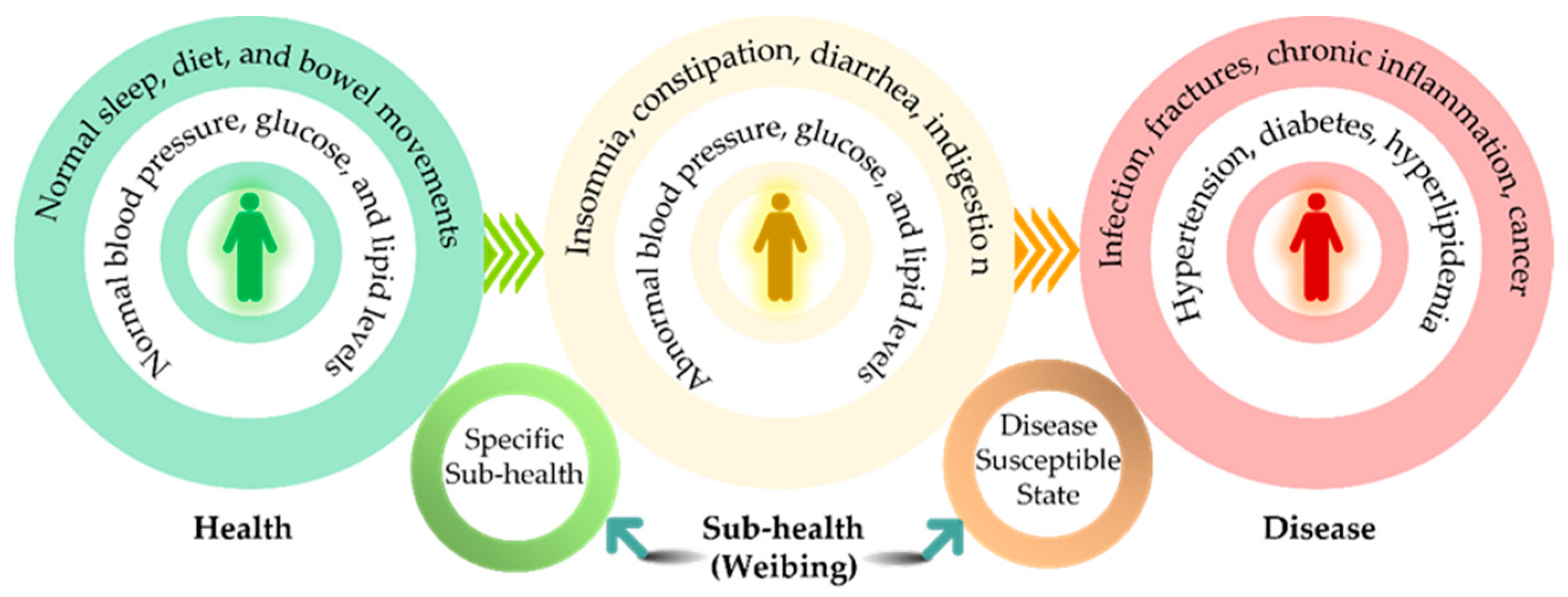
Suboptimal Health Status (SHS) is a contemporary medical concept that originated in China during the late 1980s and early 1990s. Commonly referred to as ‘suboptimal health,’ ‘sub-health,’ or ‘subhealth,’ this concept encompasses a spectrum of subjective physical symptoms, including fatigue, drowsiness, and headaches, which persist over an extended period [1]. Similarly, the term “Weibing” (transliterated in pinyin) represents a fundamental concept in Traditional Chinese Medicine (TCM). “Wei Bing,” which translates to “unmanifested disease,” refers to a pre-pathological state characterized by a disruption in the balance of physiological functions within the human body, despite the absence of overt clinical symptoms of disease [2]. The traditional “Weibing” theory is centered on four fundamental principles: the prevention of disease onset, the interruption of disease progression, the alleviation of exacerbation, and the prevention of recurrence [3] (Figure 1).
For instance, TCM conceptualizes “Shang Huo” as a syndrome characterized by the retention of internal heat resulting from the disharmony of Yin and Yang. This condition is manifested through a constellation of heat-related symptoms that do not correspond to identifiable organic lesions as understood within the framework of Western medicine [4].
Medicine and food homology (MFH), a contemporary concept and theoretical framework, has its origins in the ancient Chinese medical text, the “Huangdi Neijing Taisu,” which articulates the principle that “when consumed on an empty stomach, it is food; when consumed by the sick, it is medicine.” This foundational idea has evolved over time and has been recognized by the National Health Commission of the People’s Republic of China, which has identified and publicized a selection of 110 medicinal food homology materials (MFHMs) derived from TCM. These materials, which have been utilized for thousands of years in China, play a significant role in health care. By integrating the therapeutic properties of TCM with the nutritional benefits of food, MFHMs are capable of preventing, alleviating, and treating physical dysfunctions and disorders classified as subhealth. Consequently, MFH has gained popularity among consumers globally as a natural product that promotes health and mitigates the risk of chronic diseases.
MFHs and their fermentation products are grounded in TCM principles, including the “Four Properties, Five Tastes, and Meridian Tropism”, “Yin-Yang balance”, and “Reducing Toxicity and Enhancing Efficacy”. These principles emphasize the compatibility between medicinal materials and human constitution, aiming for holistic regulation in the “preventive treatment of disease”. In contrast, Western functional foods, such as health supplements and plant-fermented products, are based on modern disciplines like nutrition, biochemistry, and molecular biology, with “reductionism” at their core. They focus on isolated or well-defined functional components, and their efficacy is substantiated by detailed research into component-specific mechanisms of action.
Fermentation is a biochemical process in which microorganisms utilize their metabolic activities to convert raw materials into desired metabolites. This process is characterized by its complexity, natural occurrence, and significant technological value. Probiotics are defined as living microorganisms that confer beneficial effects on the host when administered in adequate quantities. It is important to emphasize that the health effects associated with probiotics are specific to individual strains [5]. During probiotic fermentation, the metabolism of probiotics alters the composition of MFHs, resulting in an increase in beneficial active ingredients, a reduction in toxic compounds, and modifications in flavor profile. Recent studies have indicated that MFHs subjected to probiotic fermentation exhibit enhanced efficacy in the prevention and management of human diseases compared to their unfermented counterparts [6,7]. Furthermore, MFH fermented with probiotics serves as a novel source of bioactive compounds, encompassing secondary metabolites and biotransformants, which contribute to the maintenance of physiological homeostasis and the prevention of disease [8]. Therefore, the probiotic fermentation of MFH represents an innovative approach to enhancing its medicinal value and facilitating its commercialization.
This review presents a comprehensive analysis of the benefits and synergistic interactions between MFHs and probiotics, as well as the pharmacological activities associated with the fermentation products of MFHs. It also discusses the establishment of a scientifically grounded probiotic fermentation system for MFHs and the quality control measures necessary for probiotic-fermented MFHs. Additionally, the review addresses the challenges associated with MFH probiotic fermentation and offers future perspectives on the application of modern technologies, including artificial intelligence (AI) and synthetic biology. The literature cited in this review is exclusively sourced from the PubMed and Web of Science databases. The selected studies pertain specifically to the microbial fermentation of MFH, while literature addressing the fermentation of TCM that does not involve MFH has been excluded.

2. The Reciprocal Impact of Fermented MFHs and Probiotics

2.1. The Impact of Probiotics on MFHs

2.1.1. Changes in the Active Ingredients of MFHs

The concentration of active ingredients in certain MFHs is generally low, which limits their application. Accumulated research evidence suggests that the enhancement of active components is primarily attributed to the degradation of cell walls by various hydrolytic enzymes produced by probiotics, facilitating the release of bioactive natural compounds. For instance, a study revealed that the solid-state fermentation of Castilla Rose using A. niger GH1 led to an increase in polyphenolic content through enzymatic breakdown by the fungus [9]. Another study demonstrated that the polyphenol content of rose residue significantly increased from 16.37 ± 1.51 mg/100 mL to 41.02 ± 1.68 mg/100 mL following liquid fermentation with L. plantarum B7 and B. subtilis natto [10]. Solid-state fermentation of coix seed with M. purpureus led to an approximate enhancement of 4-fold, 25-fold, and 2-fold in the concentrations of lipophilic tocols, λ-oryzanol, and coixenolide, respectively [11]. The fermentation of Bifidobacterium breve strain CCRC 14061 led to a 785% and 1010% increase in daidzein and genistein contents, respectively, thereby enhancing skin health by stimulating hyaluronic acid production in normal human epidermal keratinocytes (NHEK) cells [12].
Moreover, the diverse metabolic capabilities and high abundance of probiotics significantly contribute to their exceptional bio-transformation capacity, which facilitates the generation of novel active compounds from probiotic-fermented MFHs. For instance, compound K (C-K), recognized as one of the most bioactive ginsenosides, is efficiently bio-transformed through the hydrolysis of glycoside moieties in protopanaxadiol (PPD)-type glycosylated ginsenosides derived from American ginseng extract, utilizing fed-batch fermentation with A. tubingensis [13,14]. Following the optimization of feeding strategies in fed-batch fermentation of A. tubingensis, the concentration of C-K increased to 3.94 g/L and productivity reached 27.4 mg/L/h, representing a 3.1-fold enhancement compared to the values observed in batch fermentation (1.29 g/L and 8.96 mg/L/h, respectively) [13]. Furthermore, the fermentation of Dioscorea opposita in conjunction with S. boulardii resulted in the production of a novel array of low-molecular-weight polysaccharides. These polysaccharides are characterized by their digestibility and exhibit enhanced antioxidant activity and radioprotective effects [15].
In general, MFHs are characterized by volatile off-flavor compounds and an unpleasant odor. Previous research has demonstrated that probiotic fermentation can enhance or modify the flavor profile of MFHs. For instance, Pueraria lobata (PL), an edible plant renowned for its substantial nutritional benefits, contains a variety of bioactive compounds such as flavones, isoflavones, and their derivatives. The fermentation of PL with L. fermentum NCU001464 has been shown to enhance its flavor, notably increasing the sweet fruit aroma [16].

2.1.2. Changes in the Toxins, Heavy Metals, and Pesticides of MFHs

Certain MFHs, including almond, cassia seed, ginkgo biloba, sword bean, and peach kernel, possess inherent toxicities that may limit their consumption. For example, cassia seed contains free anthraquinones, which serve as the primary active ingredients and are recognized for their potent antioxidant properties. However, conjugated anthraquinones present in cassia seed are considered toxic and can induce severe diarrhea when consumed in excessive amounts. A study has demonstrated that the fermentation of rhubarb using K. marxianus KM12 can facilitate the conversion of conjugated anthraquinones into free anthraquinones [17]. The application of probiotic fermentation techniques may similarly be employed to diminish the levels of conjugated anthraquinones in cassia seed. Additionally, a separate study demonstrated that fermentation with probiotics resulted in a reduction in conjugated anthraquinone derivatives, while concurrently increasing the concentration of free anthraquinones with antitumor properties by six-fold [18]. Furthermore, the fermentation of Ginkgo biloba using B. subtilis natto has been shown to significantly reduce ginkgolic acid content to safe levels. This reduction is likely attributable to the enzymatic degradation facilitated by the probiotic bacteria [19].
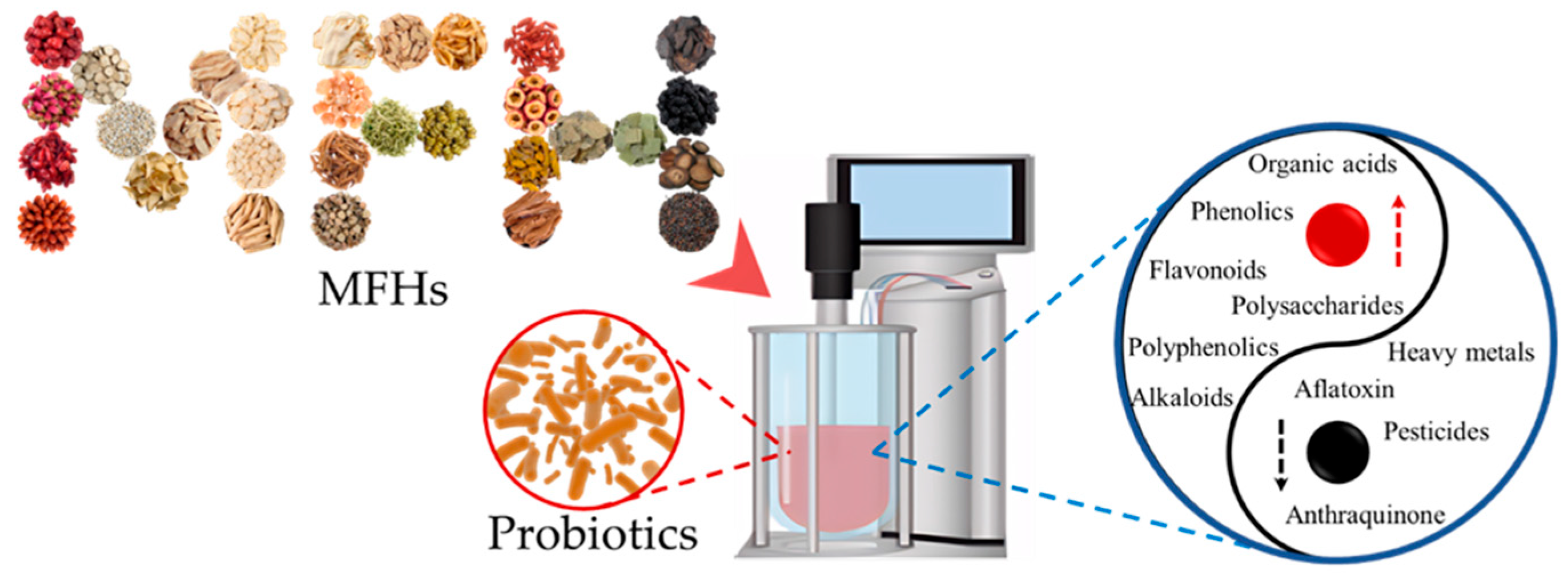
The presence of pesticide and heavy metal residues in TCM, including MFH, constitutes a significant safety concern that substantially impedes the utilization of TCM in China. The application of probiotic-fermented MFH presents an effective strategy for the reduction or elimination of these harmful residues (Figure 2). The biosorption of heavy metals by probiotic bacteria is a passive, non-metabolic process that primarily involves mechanisms such as chelation, complexation, metal adsorption, ion exchange, and microprecipitation [20,21,22]. Gram-positive bacteria represent the predominant category of probiotics, characterized by cell walls composed of thick layers of negatively charged peptidoglycans and teichoic acids. These components play a crucial role in the interactions between probiotics and heavy metals in vitro. Specifically, the peptidoglycans and teichoic acid polymers found on the surfaces of L. rhamnosus and B. longum exhibit a notable capacity for the absorption of metal cations [23,24,25,26]. Several studies have shown that specific species of Lactobacillus, including L. rhamnosus, L. plantarum, and L. brevis, are capable of binding cadmium (Cd), lead (Pb), and copper (Cu II) heavy metal ions in vitro [20,27]. In a similar vein, lactic acid bacteria are employed as probiotics in the fermentation of MFH to break down pesticides [28]. For example, a high population density of lactic acid bacteria has been found to effectively degrade flubendiamide in the soil environment [29].

2.2. The Impact of MFHs on Probiotics

The viability and population dynamics of probiotics in MFH are significantly influenced by the prebiotic components present, including oligosaccharides, polysaccharides, dietary fibers, peptides, and proteins. For instance, the fermentation of wolfberry with lactic acid bacteria (LAB) has been shown to markedly enhance the cell density of LAB, attributable to the nutrient-rich profile of wolfberry, which includes amino acids and polysaccharides [30]. Furthermore, the probiotics L. plantarum BC114 and S. cerevisiae SC125 exhibited distinct fermentation responses when applied to mulberry, with the latter demonstrating a higher colony count [31]. Beyond promoting probiotic growth, MFH has the potential to enhance the biosynthesis and accumulation of bioactive metabolites, such as organic acids, amino acids, vitamins, and biotin. Notably, a study indicated that gamma-aminobutyric acid (GABA) was synthesized in substantial quantities following fermentation of mulberry juice with L. brevis F064A [32]. GABA, a metabolite of LAB, serves as a crucial inhibitory neurotransmitter involved in various metabolic processes within the human body, exerting effects such as sedation, anxiolysis, reduction in blood ammonia levels, enhancement of cognitive function, and facilitation of alcohol metabolism [33].

3. Pharmacological Activities of MFH Fermentation Product

Complex biochemical catalytic reactions and metabolic processes are integral to the fermentation of MFH using probiotics. Throughout the fermentation process, microorganisms metabolize polysaccharides, fibers, proteins, and other bioactive compounds, converting low-activity constituents into high-activity derivatives. This transformation significantly enhances the efficacy of MFH in the prevention and treatment of suboptimal health conditions and diseases.

3.1. Anti-Inflammation and Antibacterial Activity

Inflammation represents an adaptive protective response by the human body to infection and tissue injury. The process of anti-inflammation involves the elimination of infectious agents and the repair of damaged tissue. Substantial evidence suggests that the fermentation of MFH with probiotics may potentiate its anti-inflammatory properties. This study aimed to examine the impact of LAB-fermented turmeric on the concentration of the bioactive compound curcumin and its anti-inflammatory activity in RAW 264.7 cells stimulated with lipopolysaccharide (LPS). The findings indicated that fermentation of turmeric with L. fermentum led to a significant enhancement in curcumin content and exhibited promising 2,2-diphenyl-1-picrylhydrazyl (DPPH) scavenging and anti-inflammatory activities by reducing nitrite levels and inhibiting tumor necrosis factor-alpha and Toll-like receptor-4 [34]. Platycodon grandiflorum (PG), commonly referred to as the dry root of the species, is characterized by the presence of active compounds, including platycodon D, platycodin A, and platycodon C. Fermentation of PG using L. rhamnosus has been shown to significantly enhance the concentration of platycodin D and other bioactive compounds. Furthermore, the resulting fermentation broth demonstrated the potential to mitigate ulcerative colitis (UC) in murine models by decreasing the levels of inflammatory mediators associated with the nuclear factor kappa B (NF-κB) signaling pathway [35]. Similarly, another study revealed that Astragalus membranaceus, when fermented by L. plantarum, demonstrated improved anti-inflammatory properties through the inhibition of nitric oxide production and the downregulation of inflammatory factors in RAW 264.7 cells exposed to LPS [36]. Additionally, L. plantarum KP-4, isolated from Korean kimchi, was employed to ferment ginseng. The fermentation process utilizing L. plantarum KP-4 resulted in an increase in the concentration of minor ginsenosides while simultaneously reducing the levels of major ginsenosides in ginseng. Furthermore, the fermented ginseng demonstrated the ability to mitigate LPS-induced inflammation via the TLR4/MAPK signaling pathway [37]. Liu et al. utilized the probiotics L. plantarum, L. royale, and Streptococcus spp. to ferment Lycium barbarum juice, aiming to ameliorate inflammation in a dextran sodium sulfate-induced ulcerative colitis mouse model [38]. Additionally, Morus alba extract, fermented by L. acidophilus A4, was employed to address intestinal mucositis in a rat model induced by 5-fluorouracil. This intervention was achieved by upregulating the expression of MUC2 and MUC5AC, thereby enhancing mucin production and reducing IL-1β expression [39].
A study was undertaken to investigate the antibacterial properties of fermented Hippophae rhamnoides (HR) juice against ten foodborne pathogens. The findings revealed that the antimicrobial efficacy was significantly enhanced following fermentation with L. plantarum RM1. It is posited that the increased phenolic content and acidity resulting from the fermentation process may contribute to the enhanced antimicrobial potential of fermented HR juice [40]. In addition to facilitating the release of antibacterial compounds from MFH, probiotics are known to synthesize a diverse array of metabolites, such as acetic acid, lactic acid, bacteriocins, diacetyl, and hydrogen peroxide, all of which possess inherent antibacterial properties [41]. For instance, nisin, a metabolite produced by L. lactis and certain Streptococcus species, exhibits antibacterial efficacy against both spore-forming and Gram-positive bacteria [42].

3.2. Regulation of Hyperlipidemia, Hypertension, and Hyperglycemia

Panax ginseng fermented with Monascus spp. demonstrated an enhanced anti-obesity effect in female ICR (Institute of Cancer Research) rats subjected to a high-fat diet (HFD). The underlying mechanism for ameliorating hyperlipidemia was attributed to a significant reduction in adipocyte diameter per ovary, as well as decreases in abdominal fat pads and abdominal fat thickness, observed in a dose-dependent manner [43]. The study conducted by Liu et al. revealed that Gynostemma pentaphyllum (GP) fermented with Lactobacillus spp. Y5 exhibited higher concentrations of anthraquinones, polysaccharides, and cyclic allyl glycosides compared to its unfermented counterpart. Administration of the fermented GP over an 8-week period in diabetic rats led to a reduction in blood glucose levels and an increase in body weight [44]. A study was conducted to assess the hypoglycemic and hypolipidemic effects of Polygonatum sibiricum (PS) fermented with L. brevis YM 1301 in a murine model of type 2 diabetes mellitus (T2DM) induced by streptozotocin and a high-fat diet. The findings indicated that the fermented Polygonatum sibiricum (FPS) significantly reduced blood glucose levels, insulin, total cholesterol, triglycerides, and low-density lipoprotein cholesterol in diabetic mice. Furthermore, FPS demonstrated a greater efficacy in decreasing homeostasis model assessment-insulin resistance and glycated hemoglobin levels compared to unfermented PS. Additionally, a high dosage of FPS conferred protection against glucose intolerance and insulin resistance by enhancing the ratio of phosphor-AKT/AKT [45]. Furthermore, the fermentation of Panax ginseng with Monascus has been shown to counteract the reduction in species abundance and diversity of intestinal microbiota in rats subjected to a high-fat diet, thereby facilitating the biotransformation of ginsenosides to modulate lipid metabolism [46]. Similarly, Panax ginseng fermented with L. fermentum has been demonstrated to promote the proliferation of Lactobacillus and Bifidobacterium, which ameliorates alcoholic liver injury in a murine model [47]. Additionally, Laminaria japonica fermented by L. shortcombicus FZU0713 has been found to influence primary and secondary bile acid biosynthesis in a rat model of hyperlipidemia by modulating the gut microbiota.
Radix astragali has been extensively utilized in the treatment of kidney disease. A recent study explored the potential roles and molecular mechanisms of the solid-state fermentation products of Radix astragali and Paecilomyces cicadidae (RPF) in the context of diabetic nephropathy (DN). The findings indicated that RPF significantly reduced urinary protein levels, serum creatinine, and blood urea nitrogen in murine models of DN, while also enhancing autophagy and providing protective effects on podocytes through the inhibition of the PI3K/AKT/mTOR signaling pathway [48].

3.3. Antioxidation, Immune Enhancement, and Antitumor

The active constituents of jujube include polysaccharides, dietary fiber, total flavonoids, and carotene, among others. In TCM, jujube is believed to invigorate “Qixue”, nourish the blood, and calm the nerves. A study explored the potential anti-neurodegenerative effects of yeast-fermented Ziziphus jujuba (ZJ) utilizing an amyloid β-protein (25–35)-induced rat model. The results suggest that fermented ZJ enhances cognitive function and memory by mitigating oxidative stress. Notably, the antioxidant properties of fermented ZJ were found to be more potent than those of its unfermented counterpart [49].
A fermented goji berry (Lycium barbarum L.) juice was produced utilizing multiple bacterial strains, including B. velezensis, B. licheniformis, L. reuteri, L. rhamnosus, and L. plantarum. The results indicated that fermentation significantly increased the concentrations of lactic acid, proteins, volatile compounds, and phenolic compounds. Furthermore, the antioxidant capacity of the juice exhibited a strong correlation with its phenolic composition [50]. Additionally, the fermentation of Dimocarpus longan using lactic acid bacteria (LAB) strains L. plantarum and L. mesenteroides resulted in improved antioxidant activity, which was associated with an increase in alkaline amino acids and a reduction in the concentration of free amino acids that contribute to bitterness [51]. Moreover, the fermentation of Hippophae rhamnoides juice by L. plantarum led to an increase in the content of phenolic compounds, specifically 2,2-diphenyl-1-picrylhydrazyl (DPPH) and 2,2′-azobis-(3-ethylbenzothiazoline-6-sulfonic acid) (ABTS), both of which exhibited significant free radical scavenging activity through hydrogen atom donation or direct electron transfer [40].
The antioxidant mechanism of probiotic-fermented MFH may be associated with the PI3K/AKT signaling pathway. Specifically, in an H2O2-induced cellular model, oxidative stress alleviation was observed following treatment with fermented C. lacrymajobi in conjunction with L. reuteri. The administration of this treatment markedly stimulated the PI3K/AKT signaling pathway, resulting in a decrease in intracellular reactive oxygen species (ROS) levels. This effect was mediated by the upregulation of the COL-I and the downregulation of MMP-1 expression [52].
Neurodegenerative diseases (NDs) are characterized by neuronal dysfunction resulting from the loss of neurons and their myelin sheaths. These diseases primarily encompass Alzheimer’s disease and Parkinson’s disease and manifest clinical symptoms such as motor dysfunction, cognitive decline, and dementia, contingent upon the specific brain regions affected. Research has demonstrated that the fermentation of ginseng with L. paracasei can ameliorate spatial memory deficits induced by cerebral ischemia and beta-amyloid injection, in addition to safeguarding hippocampal neurons from apoptosis in rat models [53]. Furthermore, another study revealed that fermented Zingiber officinale extracts with A. niger exhibited superior neuroprotective properties compared to their unfermented counterparts. This enhancement was attributed to the biotransformation of α, β-unsaturated ketones into 6-paradol during fermentation, which increased the bioavailability of 6-paradol and thereby augmented its neuroprotective effects [54].
Ganoderma lucidum, a species of fungus classified as an MFH, has been the subject of various studies exploring its potential health benefits. Li and colleagues conducted research to assess the effects of G. lucidum fermented with L. acidophilus and B. bifidum on dexamethasone (DEX)-induced immunosuppression in a rat model. Their findings indicated that the fermentation broth significantly enhanced immune function and ameliorated intestinal flora dysbiosis in DEX-treated rats [55]. Furthermore, Liu and their team examined the impact of LAB-fermented Astragalus membranaceus and Raphani Semen on the immune function of immunosuppressed mice. Their results revealed that probiotic fermentation increased the abundance of beneficial gut bacteria and the production of short-chain fatty acids, thereby restoring intestinal microecology and improving immunosuppression [56].
The fermentation of coix seed with M. purpureus exhibited significant antioxidant and anticancer properties, attributable to the enhanced levels of lipophilic tocols, γ-oryzanol, and coixenolide. Notably, the fermentation product resulted in a 42% reduction in the inhibitory concentration required for 50% cell survival (IC50) in the treatment of human laryngeal carcinoma cells (Hep2), compared to the unprocessed product [11].

3.4. Regulation of Intestinal Microecology

Numerous studies have demonstrated that fermented MFHs can positively influence intestinal microecology and promote intestinal health. For instance, research conducted by the Shi group revealed that fermented Astragalus polysaccharides (APS) with L. rhamnosus significantly modulated the microbial composition and diversity in fecal samples from six healthy volunteers through anaerobic in vitro incubation [57]. Additionally, another study indicated that fermented Hippophae rhamnoides with probiotics substantially increased the levels of total flavonoids, total triterpenes, and short-chain fatty acids. This enhancement effectively ameliorated alcohol-induced liver injury by reversing the alcohol-induced decline in the Firmicutes/Bacteroidetes (F/B) ratio of the gut microbiota [58].
Furthermore, the administration of fermented raspberry juice (FRJ) was observed to elevate the levels of valeric and isovaleric acids in vitro, while enhancing the production of acetic, butyric, and isovaleric acids, as well as the expression of genes related to cell adhesion molecules in vivo. Notably, low and medium doses of FRJ were more effective at modulating the microbiota towards a healthier composition compared to high-dose supplementation [59]. Fermentation of L. barbarum juice with LAB, including L. paracasei E10, L. plantarum M, and L. rhamnosus LGG, was shown to improve intestinal integrity and restructure the gut microbiota by increasing the presence of beneficial LAB and their metabolites [60]. Similarly, A. membranaceus fermented by L. plantarum was found to mitigate colitis and modify the gut microbiota composition, resulting in increased levels of Akkermansia and Alistipes, which are associated with the production of short-chain fatty acids [61].

4. Establishment of the Effective Probiotic Fermentation System

4.1. Selection of MFHs

Following millennia of inheritance and development, the fermentation practices associated with TCM have evolved beyond the fermentation of select medicinal varieties, such as Massa Medicata Fermentata (MMF), Monascus, Semen Sojae Preparatum, Pinellia Fermentata, and Arisaema cum bile. This practice has now expanded to encompass a broader range of TCM, particularly MFHs. Among the 110 species of MFHs, approximately 40 are utilized for probiotic fermentation, as detailed in Supplementary Table S1, representing roughly one-third of the total MFH items. The MFHs that are particularly amenable to fermentation predominantly include fruits, rhizomatous roots, and seeds, such as Crataegus pinnatifida, Dioscorea opposita, Panax ginseng, Polygonatum sibiricum, Polygonatum odoratum, Astragalus membranaceus, Asparagus cochinchinensis, Lycium barbarum, Dimocarpus longan, Rubus chingii, Morus alba, Curcuma longa, and Cornus officinalis, among others.

4.2. Determination of Probiotics

4.2.1. Experimental and Empirical Method

In the process of screening and selecting probiotic microorganisms for MFH fermentation, the initial phase involves evaluating the safety, physiological, and functional characteristics of the target probiotics. These microorganisms must adhere to fundamental principles that ensure their safety and efficacy. Regarding safety, probiotics must belong to species approved for food use by governmental authorities. In China, 41 species or subspecies have been authorized as edible probiotics, encompassing both bacterial and fungal species such as Lactobacillus, Bifidobacterium, Lacticaseibacillus, Limosilactobacillus, Lactiplantibacillus, Ligilactobacillus, Latilactobacillus, Streptococcus, Lactococcus, Propionibacterium, Acidipropionibacterium, Leuconostoc, Pediococcus, Weizmannia, Mammaliicoccus, Staphylococcus, Saccharomyces, and Kluyveromyces. These probiotics are recognized as safe, as they do not produce mycotoxins, bacterial toxins, or other harmful metabolites [62].
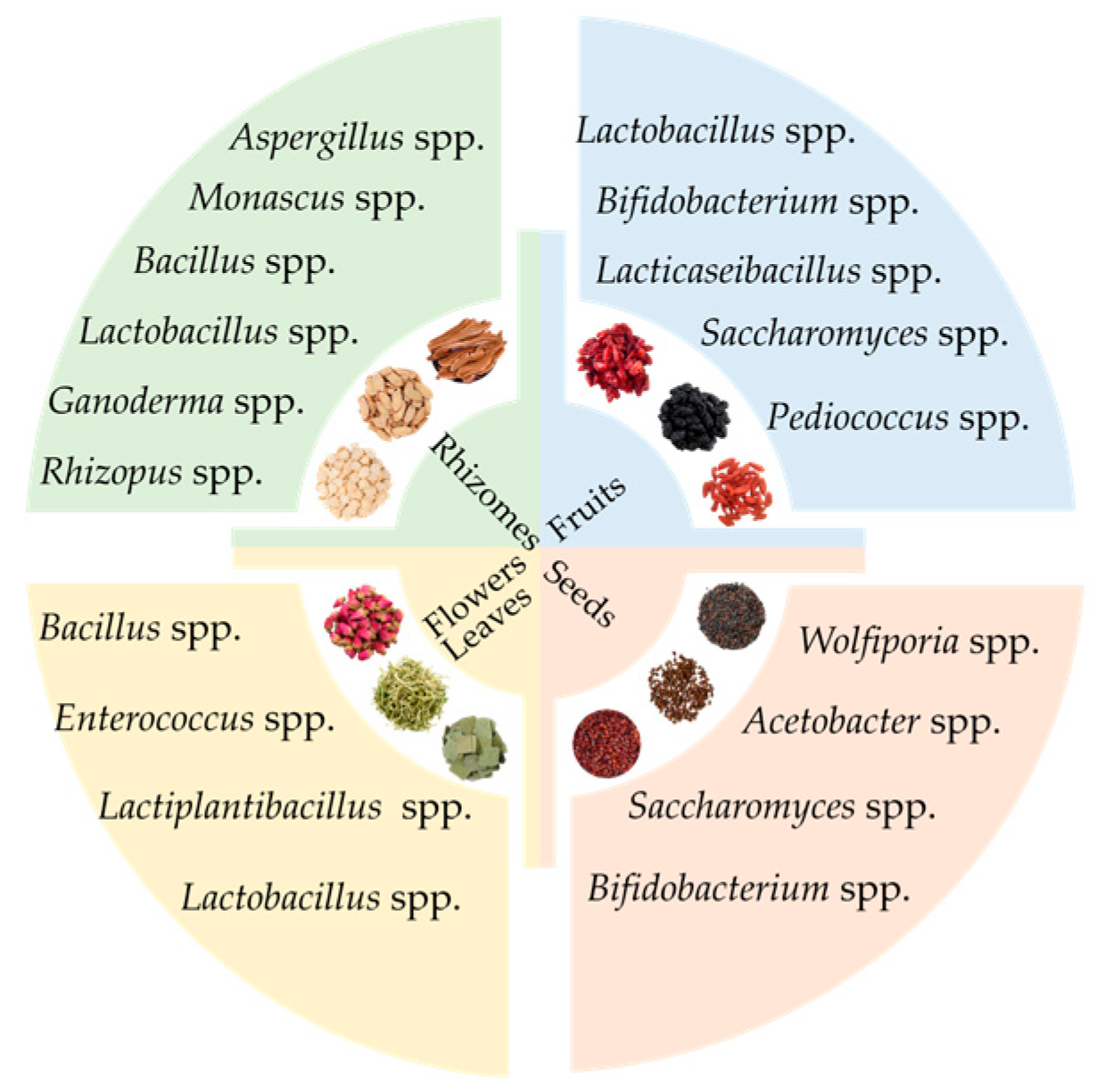
Secondly, probiotics should possess a specialized and highly active enzymatic system, including cellulase, pectinase, protease, amylase, and esterase, to effectively decompose the cell wall of MFH and facilitate the dissolution, transformation, and release of their active constituents. For instance, the filamentous fungus Aspergillus spp. is capable of producing a diverse array of cellulases, proteases, and glucoamylase, making it particularly suitable for rhizome MFHs such as Ginseng, American ginseng, and Codonopsis pilosula [13,63,64]. Furthermore, LAB possess the capability to degrade botanical polysaccharides, thereby facilitating their dissolution. These microorganisms are particularly well-suited for the fermentation of MFHs that include polysaccharide-rich species such as Astragalus, Polygonatum sibiricum, Chinese Wolfberry, Mulberry, Ginseng, Eucommia ulmoides, Longan pulp, Longan, and Jujube [28,36,45,65,66,67].
In summary, rhizome MFHs such as Astragalus root, Codonopsis pilosula, Ganoderma lucidum, and American ginseng are typically fermented using microorganisms from the genera Aspergillus, Monascus, and Bacillus. In contrast, aromatic MFHs, including Rose, Honeysuckle, Citrus aurantium, and Sophora flower, generally utilize probiotics such as Bacillus spp., Enterococcus spp., Lactiplantibacillus spp., and Lactobacillus spp. to convert glycoside components and release volatile compounds. Fruit-based MFHs are fermented with LAB probiotics to modulate intestinal microbiota and enhance the absorption of polysaccharides (Figure 3).
In addition to the aforementioned characteristics, probiotics should exhibit genetic stability, demonstrating resistance to mutation and degradation throughout the fermentation process. Furthermore, they should possess the capacity to adapt to the unique environmental conditions present in MFHs. For instance, numerous bioactive compounds found in MFHs, such as alkaloids, flavonoids, and volatile oils, exhibit significant antibacterial properties [68,69]. Consequently, it is imperative that probiotics can tolerate these antibacterial components and utilize them as nutrient sources for growth and reproduction. Additionally, probiotics should exhibit robust environmental adaptability, enabling them to thrive under specified fermentation parameters, including temperature, pH, oxygen levels, relative humidity, and redox potential.

4.2.2. AI Assistant Selection of Probiotics

Artificial intelligence (AI) has substantially transformed the assessment of probiotics within relevant research and application domains. The Zhang group has developed an innovative and freely accessible online platform, iProbiotics, which proficiently screens and identifies probiotics from LAB with a high prediction accuracy of 97.77%. This bioinformatics algorithm tool employs machine learning to analyze the k-mer composition (where a k-mer is a substring of length K in DNA sequence data) derived from whole-genome primary sequences. This approach significantly enhances the efficiency of evaluating individual probiotic strains, reducing the time required from the conventional 3–6 months to merely 2 h per strain, thereby eliminating the need for extensive time and effort typically associated with experimental validation [70]. Moreover, an AI-based approach for screening interactive starter combinations in dairy fermentation has been developed. This method has undergone validation through humidity experiments and is capable of accurately predicting interactions between two probiotics, achieving a high precision rate of 85%. Such advancements have the potential to enhance the quality and production of dairy products [71]. Consequently, the application of AI and machine learning facilitates the efficient and accurate screening and evaluation of probiotics for MFH fermentation.

4.3. Fermentation Mode

4.3.1. Solid-State Fermentation (SSF)

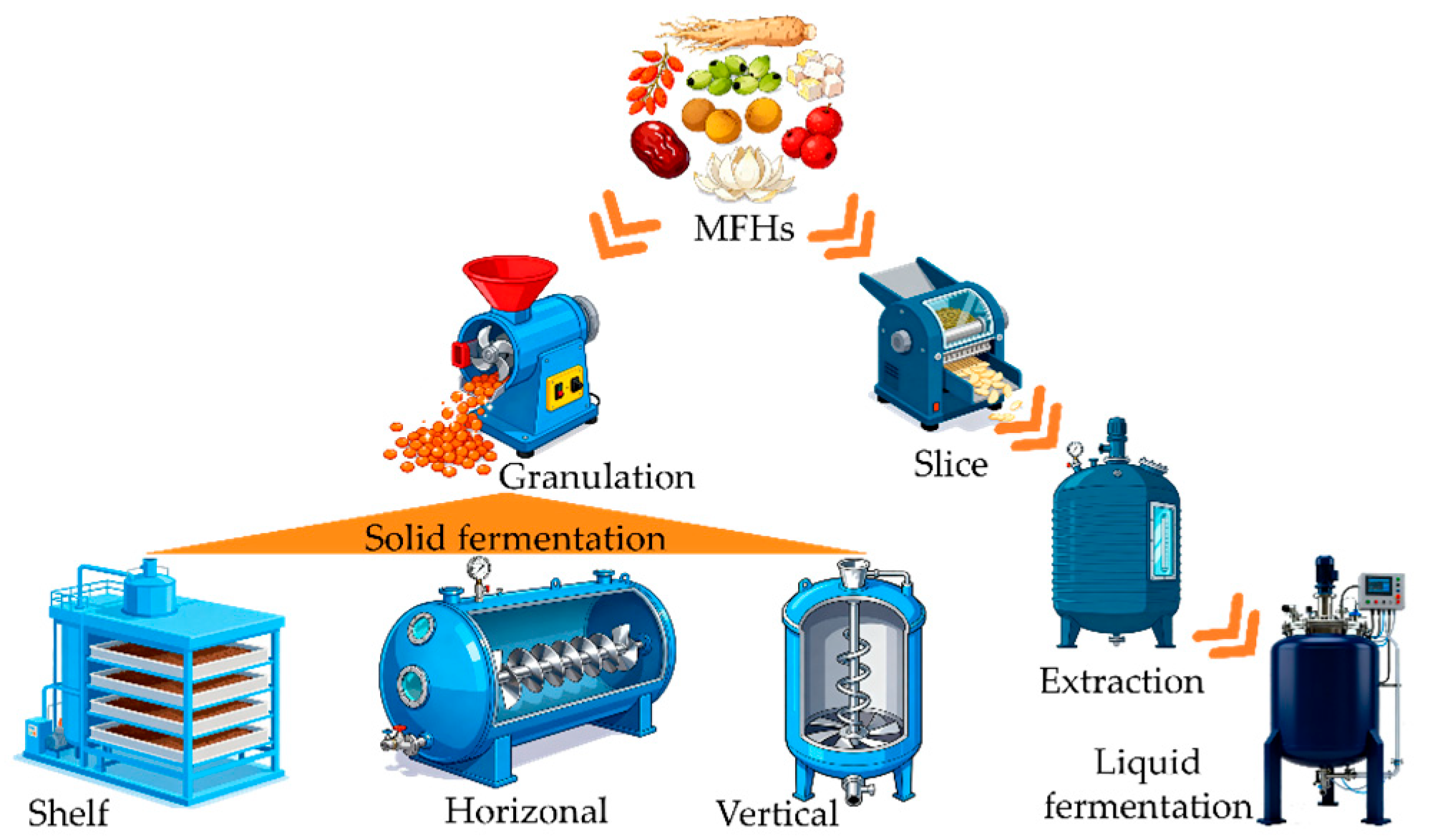
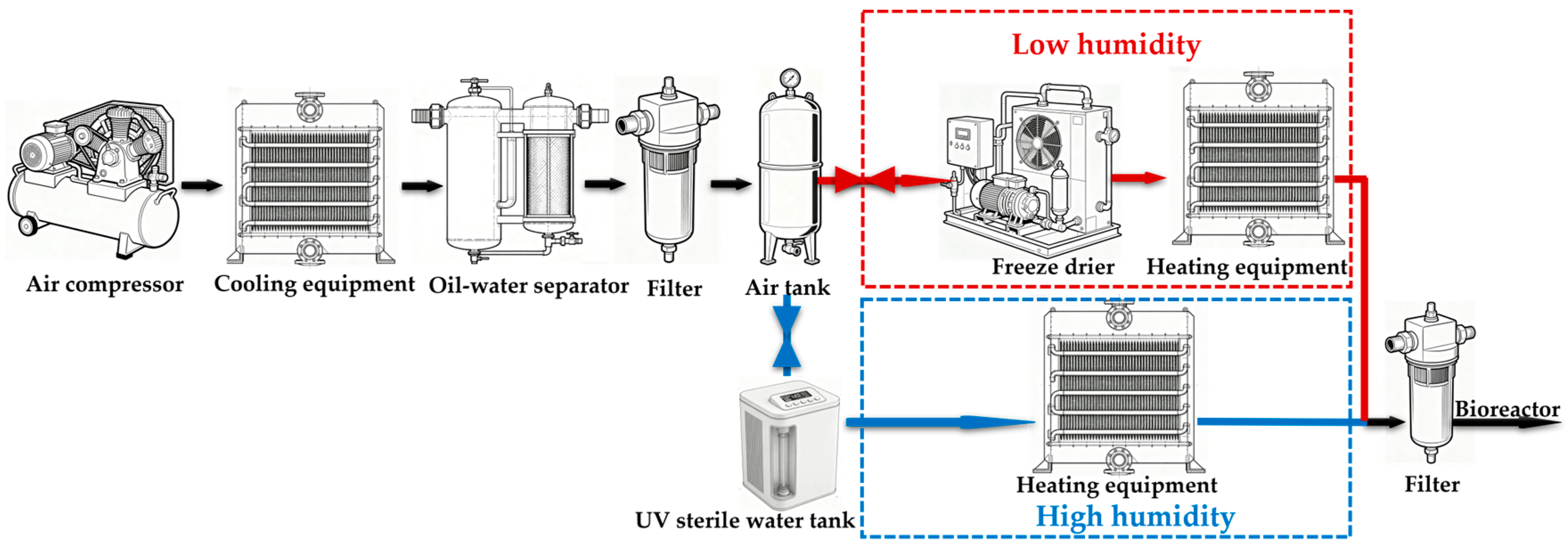
Currently, SSF and liquid fermentation represent the primary methodologies for microbial fermentation of MFH. SSF, which has a long-standing history in China, is distinguished by its low humidity, reduced water activity, and discontinuous physical phase. This method is particularly well-suited for microorganisms such as Aspergillus, Mucor, Ganoderma lucidum, Cordyceps militaris, Rhizopus, and certain yeasts [9,72,73,74]. Typically, substrates for MFH solid fermentation are granulated prior to fermentation, as illustrated in Figure 4. In industrial applications, scaling up SSF for MFH presents significant challenges, often confining operations to flask or laboratory bioreactor scales. The shelf or bed approach is favored for MFH solid fermentation due to its scalability (Figure 4). Moreover, at the pilot scale, several considerations become critical that are not as prominent at the laboratory scale. For instance, a pilot bioreactor necessitates a meticulously designed air preparation system. Mitchell et al. have designed an efficient air supply system that incorporates temperature control mechanisms [75]. This air system is limited to regulating air temperature alone, without the capability to simultaneously manage both humidity and temperature. To address this limitation, we developed an innovative air humidity and temperature control system (Figure 5). This system initially purifies the air by eliminating particles and oily substances using an oil-water separator and a precision filter. Subsequently, high or low humidity control is achieved through a combination of humidification and freeze-drying techniques, respectively, while temperature regulation is effectively managed via a heat exchange device.

4.3.2. Liquid Fermentation

In comparison to SSF, liquid fermentation offers several advantages, including higher levels of automation, more efficient substrate and oxygen transfer rates, and greater consistency in batch production. Consequently, MFH fermentation is more compatible with contemporary liquid fermentation technologies. For instance, medicinal fungi such as G. lucidum, P. cocos, and C. militaris have been utilized to produce biomass and medicinal compounds, including polysaccharides, ganoderic acid, cordycepin, and pachyman, within large-scale liquid fermentation tanks [76]. As illustrated in Figure 4, the raw materials for MFH must be processed by cutting prior to extraction with a water solvent. Liquid fermentation of MFH significantly enhances the production of active ingredients and allows for easy scalability of the fermentation process. However, bacterial contamination poses a significant challenge to the continuous liquid fermentation of MFH, as most MFH lack inherent antibacterial properties. Therefore, stringent sterilization protocols are essential for liquid fermentation.

4.3.3. Single-, Bidirectional-, and Multispecies-Probiotic Fermentation

The predominant method of fermentation is single-strain probiotic fermentation, attributed to its well-defined metabolic characteristics, predictable metabolic components, and ease of fermentation control. This approach is typically applied to modify the structure of specific substrates derived from MFH via the enzymatic catalysis of a single probiotic strain. Commonly utilized probiotic strains for single-strain MFH fermentation include Lactobacillus, Pediococcus, Bifidobacterium, Streptococcus, Bacillus, yeast, and certain medicinal fungi. For instance, the metabolites produced from the fermentation of Lonicera japonica with L. plantarum have been shown to mitigate osteoporosis through interactions with intestinal microbiota and serum metabolites [77]. Furthermore, the SSF of Purshia plicata with A. niger GH1 has been shown to increase the concentration of bioactive polyphenol compounds and exhibit significant antioxidative properties [9]. Beyond single-strain fermentation, alternative fermentation methodologies, such as bidirectional fermentation and multispecies fermentation, exist. Bidirectional fermentation is a specialized technique that employs medicinal fungi to ferment MFH substrates, thereby providing synergistic and complementary benefits and enhancing pharmacological effects. During bidirectional fermentation of MFH substrates, medicinal fungi assimilate various nutrients, and the process boosts the production of bioactive components within the substrates. Additionally, this fermentation approach can generate a substantial number of novel bioactive metabolites throughout the fermentation process. For example, the bidirectional SSF involving fresh ginseng and G. lucidum mycelium has been shown to enhance immunomodulatory activity [78]. Similarly, another study indicated that the bidirectional fermentation of Monascus and mulberry leaves increases the production of γ-aminobutyric acid and Monascus pigments, which are known to regulate blood lipid levels and improve sleep quality by reducing blood lipid concentrations [79].
The synergistic effects of multiple probiotic strains have led to increased interest in the multi-species fermentation approach, which has been extensively applied in MFH fermentation. This approach facilitates the production of a wide range of enzymes, including amylase, protease, lipase, cellulase, hemi-cellulase, chitinase, glucoamylase, pectinase, isomerase, and oxidoreductase. These enzymes enable the efficient decomposition of the MFH substrate, enhance the production of bioactive compounds, and facilitate the creation of novel pharmacological substances. For instance, the fermentation of rose petals with L. plantarum B7 and B. subtilis natto significantly increased the levels of phenolic compounds, enzyme activity, and antioxidant capacity [10]. Similarly, the multispecies fermentation of Cornus officinalis fruit (COF) with B. bifidum and B. subtilis markedly elevated the concentration of gallic acid in the COF culture broth [80]. Furthermore, a research group successfully produced high-quality mulberry juice with enhanced antioxidant properties by employing fermentation with five distinct probiotic strains [81].

5. Quality Control of MFH Fermentation

Ensuring controllable quality and safety is of utmost importance in the probiotic fermentation of MFH to avert incidents similar to the “Red Yeast Rice” event associated with Kobayashi Pharmaceutical in Japan. Consequently, it is essential to implement a robust process quality and risk management system. This can be effectively accomplished by incorporating or integrating Hazard Analysis and Critical Control Points (HACCP) into the MFH fermentation process.

5.1. Quality Control of MFH Raw Materials

While MFHs are classified as food products, they do not undergo the same rigorous quality control measures as pharmaceuticals, as stipulated by the Pharmacopeia of China. It is strongly recommended that the most recent edition of the China Pharmacopeia be utilized in probiotic fermentation processes to ensure compliance with quality standards concerning origin identification, heavy metal residues, mycotoxins, and pesticide residues. Furthermore, enterprises should enhance the audit and investigation protocols for MFH suppliers and standardize MFH management practices throughout their entire life cycle, which encompasses purchasing, transportation, acceptance, inspection, transfer, and storage. For instance, DNA barcoding technology has been extensively employed to verify the origin of TCM products [82,83]. To evaluate the consistency of chemical quality in Panax ginseng, a novel gene-based quality control method was developed through the analysis of the whole genome, chloroplast genome, and internal transcribed spacer 2 (ITS2) DNA barcode [84]. In addition, a portable near-infrared spectrometer was employed to detect the primary bioactive compounds in blueberry leaves, thereby determining the optimal harvest time [85]. The implementation of modern detection techniques and quality standards can effectively ensure the quality of MFH. Moreover, the “nine cycles of steaming-drying” process applied to Polygonati Rhizoma enhances health-promoting activities due to the presence of abundant active metabolites, including alkaloids, amino acids and derivatives, flavonoids, organic acids, phenolic acids, and saccharides, as detected by UPLC-MS/MS. The traditional processing of Polygonati Rhizoma has been confirmed as both necessary and more efficient [86].
In conclusion, it is imperative to establish a comprehensive evaluation standard for assessing the applicability of probiotic fermentation in MFH. Furthermore, stringent criteria must be implemented for critical control points, including the source of MFH, the content of active components, limitations on heavy metals, microbial presence, and pesticide residue thresholds.

5.2. Screening of Adaptive Probiotics

Different types of MFH necessitate the adaptation of distinct probiotic strains. Consequently, screening for suitable probiotics emerges as a fundamental and critical task. Initially, the candidate probiotic strain must adhere to safety standards, indicating that it requires approval and recognition from regulatory authorities. In the case of novel species, it is imperative to identify and assess them through comprehensive genomic sequencing, followed by validation of their safety via experimental animal studies. For example, phenotypic and genomic analyses were employed to verify and characterize the newly isolated L. rhamnosus strain 484, which was derived from human milk. Furthermore, research indicates that L. rhamnosus strain 484 is a promising and safe probiotic candidate with potential applications in both the medical and food industries [87].
To produce an effective fermented MFH product, it is essential to utilize probiotics that are both active and adaptable. LAB are the primary microorganisms employed in the production of yogurt and other fermented foods due to their specific health benefits and well-established safety profile. Furthermore, LAB have the capacity to withstand low pH environments and survive the acidic conditions of the stomach. Notably, certain strains of Lactobacillus also exhibit antibiotic resistance [88]. In the foreseeable future, LAB are expected to remain the predominant choice for MFH fermentation. Additionally, filamentous fungi and yeast play significant roles as probiotics in the fermentation of MFH.
In 2022, the Chinese Institute of Food Science and Technology promulgated a group standard entitled “General Standard of Probiotics for Food Use”. According to this standard, probiotics must undergo identification and evaluation at the strain level, with safety and health functions being assessed accordingly. The selection of evaluation items and methods should be tailored to the specific characteristics of each strain. The biological properties of probiotics, including gastric acid tolerance, bile acid tolerance, adhesion to human epithelial cells, antagonistic resistance to conditional pathogenic bacteria, and bile salt hydrolase activity, must be evaluated. For safety assessment, strains must be subjected to tests for antibiotic resistance, pathogenicity, hemolysis, toxin production, and other bioactive substances through both animal and clinical trials [89].

5.3. Development of Fine-Regulated Fermentation

The regulation of fermentation technology in a single-probiotic system is relatively straightforward and well-established. In contrast, the process of bidirectional or multispecies-probiotic fermentation presents a higher level of complexity. The design of multispecies probiotic fermentation is informed by ecological theory, which considers the interactions between strains as either antagonistic or synergistic. For example, one species may inhibit the growth of another due to competition for nutrients or the presence of inhibitory metabolites. Conversely, a strain may promote the growth of another by enhancing nutrient availability or creating new ecological niches. These interactions are typically unidirectional and encompass mechanisms such as cross-feeding, functional complementarity, and niche competition, among others [90]. Cross-feeding denotes a symbiotic interaction wherein one microorganism relies on the metabolic processes of another to acquire essential growth factors. For example, the co-cultivation of specific bifidobacterial strains with B. bifidum PRL2010 enhances metabolic activity, leading to increased production of lactate and/or acetate. The presence of additional bifidobacterial strains is advantageous for PRL2010 cells [91]. Moreover, the engraftment of B. infantis, which is contingent upon human milk oligosaccharides (HMOs), is associated with elevated levels of lactate-consuming Veillonella, accelerated acetate recovery, and alterations in metabolites such as indolelactate and p-cresol sulfate, which influence host inflammatory status. Furthermore, in both in vitro and in vivo co-cultures with B. infantis and HMOs, Veillonella converts lactate produced by B. infantis into propionate, a crucial mediator of host physiological processes [92]. High-density fermentation has shifted from being the primary focus of optimization in probiotic-fermented MFH. Instead, the current objective is to explore the interactions between probiotics and MFH, as well as the interactions among different probiotic strains, to enhance the physiological functions of the resulting fermented products. In this context, ecological interaction theory offers a valuable theoretical framework for guiding the probiotic fermentation of MFH.

6. Challenges of MFH Fermentation

While probiotic-fermented MFH offers distinct advantages over traditional MFH and provides enhanced health benefits, the presence of exogenous contaminants such as pesticide residues, heavy metals, mycotoxins, sulfur dioxide residues, and microbial contamination presents significant challenges to its application. Environmental pollution, encompassing soil, water, and air, is the primary contributor to the high levels of residues found in MFH. A study analyzing 1773 batches of samples from 86 types of TCM found that 30.51% exceeded the Pharmacopeia limits for at least one heavy metal, with the rates of exceedance ranked as follows: Pb > Cd > As > Hg > Cu [93]. The main types of pesticide residues identified in MFH cultivation include organochlorines, organophosphates, pyrethroids, carbamates, and neonicotinoids. Organochlorine and organophosphate pesticides exhibited the highest detection frequencies among MFHs. Organochlorine residues predominantly accumulate in perennial roots and rhizomes, whereas organophosphate residues are primarily found in above-ground plant parts, including flowers, leaves, and fruits [94]. The accumulation of pesticides and heavy metals may lead to physiological dysfunction in the human body, potentially resulting in various health issues such as cancer, genetic mutations, asthma, leukemia, and other diseases [95].
The absolute predominance of the target bacterial community is essential for the successful fermentation of MFH, akin to classical microbial fermentation processes. Consequently, maintaining sterile conditions during MFH fermentation presents a significant challenge. A notable example is the “Red Yeast Rice” incident at Kobayashi Pharmaceutical in Japan, which served as a cautionary tale. “Red Yeast Rice”, a typical fermentation product utilizing rice as the primary raw material, was found to contain the toxic compound ‘penicillic acid’ during its fermentation process, likely due to Penicillium contamination. This contamination resulted in severe kidney damage and even fatalities among consumers [96]. Additionally, it has been reported that fruit enzymes, commonly referred to as Jiaosu in Chinese, have caused diarrhea, a typical symptom of contamination by miscellaneous bacteria [97].
The identification of optimal fermentation systems and parameters remains a significant challenge, particularly in the context of exogenous contamination. The dynamic nature of probiotic fermentation of MFH is complex, as it is influenced by various factors, including the specific type of probiotic used, the composition of the supplemental medium, fermentation duration, temperature, pH, ventilation levels, and inoculum size. Effectively determining the optimal fermentation conditions for each specific case of probiotic-MFH fermentation presents a formidable and intricate task, necessitating a thorough investigation into the most favorable conditions.

7. Perspective of MFH Fermentation

7.1. From Screening to Creating Probiotics for Fermentation

The majority of probiotics employed in the fermentation of MFH originate from traditional fermented foods and the gut microbiota of livestock. The diversity of these probiotics is notably restricted, predominantly consisting of LAB, edible filamentous fungi, and yeasts. However, advancements in synthetic biology and AI have facilitated the emergence and application of innovative microbiological technologies, including integrated AI design, genetic editing, and high-throughput screening, which are experiencing continuous growth [98,99]. Consequently, traditional methods of probiotic screening are anticipated to be supplanted by the direct creation and development of engineered probiotics. For instance, phage RecT/RecE-mediated recombineering and CRISPR/Cas counter-selection techniques enable precise genetic modifications such as scarless point edits, seamless deletions, and multi-kilobase insertions in probiotics for therapeutic purposes [100,101]. An example of this is the engineered probiotic E. coli Nissle 1917 (EcN), which has been modified to stably express interleukin-18 binding protein (IL-18BP) and has shown efficacy in the treatment of human ulcerative colitis [102]. Therefore, the development of efficient and safe probiotic strains is of paramount importance.

7.2. Establishment of a Quality Standard System

The global recognition of TCM for the prevention and treatment of health issues and diseases has increased following the COVID-19 pandemic. An innovative and effective health product in this context is the probiotic-fermented MFH, which seamlessly integrates modern biotechnology with TCM. This represents a significant step towards the modernization of TCM. However, the absence of a standardized quality system poses a substantial challenge to the development of MFH fermentation. Recently, several standards and expert consensus documents related to probiotics have been released and published. According to expert consensus, the combination of Bifidobacterium, Lactobacillus, and Enterococcus in powder or capsule form is recommended for the treatment of digestive system diseases [103]. Furthermore, the Ministry of Industry and Information Technology of the People’s Republic of China has established the industry standard for “Edible Composite Jiaosu” (QB/T 5760-2023) [104], which serves as a guideline for the fermentation of MFH. It is essential to develop innovative fermentation strategies to regulate the biosynthetic pathways of active probiotic ingredients during MFH fermentation. Additionally, there is a need to establish a standardized fermentation protocol that encompasses process parameters, product quality, and inspection methodologies.

7.3. Application of AI in MFH Fermentation

AI technology has exerted a profound transformative impact on probiotic fermentation research and practical applications, particularly in overcoming the limitations of traditional empirical experiments. For instance, the prompt and non-destructive quantification of catechins in fermented black tea is essential for assessing the quality of black tea. Addressing the challenge posed by limited sample sizes in the regression analysis of catechins, this study introduces an enhanced deep convolutional generative adversarial network with a labeling module, referred to as DCGAN-L, designed for the augmentation of hyperspectral data [105]. Moreover, a deep learning approach was employed to develop a method for predicting metabolite responses to dietary interventions based on the gut microbial compositions of individuals. This method, termed McMLP (Metabolite Response Predictor Utilizing Coupled Multilayer Perceptrons), was developed through the integration of a microbial consumer-resource model with empirical data derived from six dietary intervention studies. It was employed to infer tripartite interactions among food, microbes, and metabolites with high sensitivity [106]. Additionally, a study established an artificial intelligence model aimed at recommending optimal combinations of probiotic strains to enhance individual intestinal health by analyzing the correlation patterns between an individual’s intestinal flora composition and specific metabolite short-chain fatty acids [107]. Furthermore, AI technology has the capability to integrate metagenomics and metatranscriptomics data, facilitating predictions regarding the expression of microbial functional genes, which is instrumental in assessing the effects of probiotics across various physiological conditions [108].
AI has significantly transformed probiotic fermentation research and its practical applications, particularly by addressing the limitations inherent in traditional empirical experiments and facilitating predictive analyses of complex interactions between microbial communities and substrates. To further advance this field, a well-defined research roadmap is proposed, which integrates multi-omics technologies with process simulation. The initial step involves establishing a multi-omics integration framework to systematically collect and standardize data on metagenomics, metatranscriptomics, metabolomics (e.g., short-chain fatty acid profiles), and fermentative processes (e.g., temperature, pH, and substrate consumption rates) in probiotic fermentation of MFH. This framework will utilize machine learning algorithms to develop a comprehensive “microbe-substrate-function” interaction network, thereby elucidating the regulatory mechanisms by which key functional genes influence metabolite synthesis. Second, it is essential to develop a mechanistic-empirical hybrid modeling system for the simulation of fermentation processes. This system should integrate regulatory rules derived from multi-omics data with traditional fermentation kinetic models. Furthermore, deep learning techniques should be employed to optimize model parameters in real time based on online monitoring data. The implementation of this system will facilitate predictive simulations of critical indicators, such as probiotic viable count and metabolite yield, across varying process parameters, thereby enabling the precise optimization of fermentation conditions. Third, the proposed roadmap must be validated through scaled-up fermentation trials. This involves applying the multi-omics-based interaction network and the process simulation model to the probiotic fermentation of specific substrates. The accuracy of the model’s predictions should be verified through offline detection methods, such as high-performance liquid chromatography for metabolite quantification, and the model should be further refined using data obtained from these trials.
In summary, numerous prior studies have demonstrated that probiotic-fermented MFH exerts significant effects on human health. These benefits cannot be exclusively attributed to MFH or functional probiotics; rather, the interaction between probiotics and MFH plays a crucial role. Nonetheless, systematic and comprehensive research is necessary to enhance the efficacy of MFH post-fermentation. The utilization of diverse probiotics during MFH fermentation results in a variety of compositions and functional changes, necessitating further investigation to establish their regularity. Additionally, fermented MFH is susceptible to health and safety risks, particularly during the fermentation process, including the potential production of hazardous substances or microbiological contamination. This underscores the need for improved safety assessments and quality control measures throughout the fermentation process. The integration of contemporary technologies facilitates the overcoming of the constraints associated with traditional methodologies. This includes the synergistic application of high-throughput screening, synthetic biology, and artificial intelligence techniques to discover or engineer novel probiotic strains aimed at enhancing fermentation efficiency. Furthermore, the utilization of molecular biology and deep learning approaches is anticipated to enable the personalization of probiotic-fermented MFH-based functional foods tailored to individual preferences.
Probiotic-fermented MFH extends its utility beyond merely enhancing the safety and efficacy of MFH, as it challenges and redefines the traditional demarcation between ‘food’ and ‘medicine’. It is anticipated that probiotic-fermented MFH will transition from niche products to mainstream functional foods, thereby enabling individuals to derive health benefits from their regular dietary intake.

Supplementary Materials

The following supporting information can be downloaded at: https://www.mdpi.com/article/10.3390/fermentation11120682/s1. Table S1: Summary of the probiotic-fermented MFHs.

Author Contributions

Conceptualization, D.B., Y.C. and H.D.; methodology, D.B. and Y.C.; writing—original draft preparation, D.B., Y.C. and W.G.; writing—review and editing, F.H. and H.D.; supervision, H.D.; project administration, F.H. and H.D.; funding acquisition, H.D. All authors have read and agreed to the published version of the manuscript.

Funding

This research was funded by the Shandong Province Science and Technology-based Small and Medium-sized Enterprises Innovation Capacity Enhancement Project (2024TSGC0896).

Institutional Review Board Statement

Not applicable.

Informed Consent Statement

Not applicable.

Data Availability Statement

No new data were created or analyzed in this study. Data sharing is not applicable to this article.

Acknowledgments

We are grateful to the Department of Science & Technology of Shandong Province for their funding support.

Conflicts of Interest

The authors declare no conflicts of interest.

References

  1. Cheng, L. “Am I in ‘Suboptimal Health’?”: The Narratives and Rhetoric in Carving out the Grey Area Between Health and Illness in Everyday Life. Sociol. Health Illn. 2025, 47, e70005. [Google Scholar] [CrossRef]
  2. Li, R.; Wang, Z.; Kong, K.W.; Xiang, P.; He, X.; Zhang, X. Probiotic fermentation improves the bioactivities and bioaccessibility of polyphenols in Dendrobium officinale under in vitro simulated gastrointestinal digestion and fecal fermentation. Front. Nutr. 2022, 9, 1005912. [Google Scholar] [CrossRef] [PubMed]
  3. Sun, W.; Wang, R.; Ouyang, S.; Liang, W.; Duan, J.; Gong, W.; Hu, L.; Chen, X.; Li, Y.; Kurihara, H.; et al. “Weibing” in traditional Chinese medicine—Biological basis and mathematical representation of disease-susceptible state. Acta Pharm. Sin. B 2025, 15, 2363–2371. [Google Scholar] [CrossRef] [PubMed]
  4. Pan, M.-H.; Zhu, S.-R.; Duan, W.-J.; Ma, X.-H.; Luo, X.; Liu, B.; Kurihara, H.; Li, Y.-F.; Chen, J.-X.; He, R.-R. “Shanghuo” increases disease susceptibility: Modern significance of an old TCM theory. J. Ethnopharmacol. 2020, 250, 112491. [Google Scholar] [CrossRef] [PubMed]
  5. Hill, C.; Guarner, F.; Reid, G.; Gibson, G.R.; Merenstein, D.J.; Pot, B.; Morelli, L.; Canani, R.B.; Flint, H.J.; Salminen, S.; et al. Expert consensus document: The International Scientific Association for Probiotics and Prebiotics consensus statement on the scope and appropriate use of the term probiotic. Nat. Rev. Gastroenterol. Hepatol. 2014, 11, 506–514. [Google Scholar] [CrossRef]
  6. He, Y.; Tao, Y.; Qiu, L.; Xu, W.; Huang, X.; Wei, H.; Tao, X. Lotus (Nelumbo nucifera Gaertn.) Leaf-Fermentation Supernatant Inhibits Adipogenesis in 3T3-L1 Preadipocytes and Suppresses Obesity in High-Fat Diet-Induced Obese Rats. Nutrients 2022, 14, 4348. [Google Scholar] [CrossRef]
  7. Shen, F.; Zhuang, J.; Wang, Q.; Zhang, J.; Huang, Y.; Mo, Q.; Zhao, M.; Wang, J.; Zhong, H.; Feng, F. Enhancement in the metabolic profile of sea buckthorn juice via fermentation for its better efficacy on attenuating diet-induced metabolic syndrome by targeting gut microbiota. Food Res. Int. 2022, 162, 111948. [Google Scholar] [CrossRef]
  8. Ibrahim, S.A.; Yeboah, P.J.; Ayivi, R.D.; Eddin, A.S.; Wijemanna, N.D.; Paidari, S.; Bakhshayesh, R.V. A review and comparative perspective on health benefits of probiotic and fermented foods. Int. J. Food Sci. Technol. 2023, 58, 4948–4964. [Google Scholar] [CrossRef]
  9. Jose Carlos, D.L.-M.; Leonardo, S.; Jesús, M.-C.; Paola, M.-R.; Alejandro, Z.-C.; Juan, A.-V.; Cristobal Noe, A. Solid-State Fermentation with Aspergillus niger GH1 to Enhance Polyphenolic Content and Antioxidative Activity of Castilla Rose (Purshia plicata). Plants 2020, 9, 1518. [Google Scholar] [CrossRef]
  10. Hu, Y.; Wang, X.-Y.; Qin, C.-Q.; Li, T.-T.; Liu, W.-H.; Ren, D.-F. Fermentation of rose residue by Lactiplantibacillus plantarum B7 and Bacillus subtilis natto promotes polyphenol content and beneficial bioactivity. J. Biosci. Bioeng. 2022, 134, 501–507. [Google Scholar] [CrossRef]
  11. Zeng, H.; Qin, L.; Liu, X.; Miao, S. Increases of Lipophilic Antioxidants and Anticancer Activity of Coix Seed Fermented by Monascus purpureus. Foods 2021, 10, 566. [Google Scholar] [CrossRef]
  12. Wen, K.-C.; Lin, S.-P.; Yu, C.-P.; Chiang, H.-M. Comparison of Puerariae Radix and Its Hydrolysate on Stimulation of Hyaluronic Acid Production in NHEK Cells. Am. J. Chin. Med. 2010, 38, 143–155. [Google Scholar] [CrossRef] [PubMed]
  13. Song, W.-S.; Shin, K.-C.; Oh, D.-K. Production of ginsenoside compound K from American ginseng extract by fed-batch culture of Aspergillus tubingensis. AMB Express 2023, 13, 64. [Google Scholar] [CrossRef] [PubMed]
  14. Song, W.-S.; Kim, M.-J.; Shin, K.-C.; Oh, D.-K. Increased Production of Ginsenoside Compound K by Optimizing the Feeding of American Ginseng Extract during Fermentation by Aspergillus tubingensis. J. Microbiol. Biotechnol. 2022, 32, 902–910. [Google Scholar] [CrossRef] [PubMed]
  15. Shao, Y.; Kang, Q.; Zhu, J.; Zhao, C.; Hao, L.; Huang, J.; Lu, J.; Jia, S.; Yi, J. Antioxidant properties and digestion behaviors of polysaccharides from Chinese yam fermented by Saccharomyces boulardii. LWT 2022, 154, 112752. [Google Scholar] [CrossRef]
  16. Huang, S.; Yin, X.; Fang, Y.; Xiong, T.; Peng, F. Effect of Limosilactobacillus fermentum NCU001464 fermentation on physicochemical properties, xanthine oxidase inhibitory activity and flavor profile of Pueraria Lobata. Food Chem. 2025, 476, 143490. [Google Scholar] [CrossRef]
  17. Ma, C.; Hu, S.; Li, X.; Zhang, B.; Meng, T. Study on Conversion of Conjugated Anthraquinone in Radix et Rhizoma Rhei by Yeast Strain. Mod. Tradit. Chin. Med. Mater. Medica-World Sci. Technol. 2013, 15, 1333–1337. [Google Scholar]
  18. Dai, W.S.; Zhao, R.H. Effect of fermentation on the anthraquinones content in Radix et Rhizoma Rhei. Yunnan J. Tradit. Chin. Med. Mater. Medica 2005, 26, 38–39. [Google Scholar]
  19. Guo, N.; Song, X.-R.; Kou, P.; Zang, Y.-P.; Jiao, J.; Efferth, T.; Liu, Z.-M.; Fu, Y.-J. Optimization of fermentation parameters with magnetically immobilized Bacillus natto on Ginkgo seeds and evaluation of bioactivity and safety. LWT 2018, 97, 172–179. [Google Scholar] [CrossRef]
  20. Lee, S.-W.; Lim, J.-M.; Jeong, H.-J.; Lee, G.-M.; Seralathan, K.-K.; Park, J.-H.; Oh, B.-T. Lead (Pb) removal and suppression of Pb-induced inflammation by Lacticaseibacillus rhamnosus A6-6. Lett. Appl. Microbiol. 2025, 78, ovaf039. [Google Scholar] [CrossRef]
  21. Kinoshita, H. Biosorption of Heavy Metals by Lactic Acid Bacteria for Detoxification. In Lactic Acid Bacteria Methods and Protocols, 2nd ed.; Kanauchi, M., Ed.; Humana: New York, NY, USA, 2025; Volume 2851, pp. 201–212. [Google Scholar] [CrossRef]
  22. Wang, Y.; Han, J.; Ren, Q.; Liu, Z.; Zhang, X.; Wu, Z. The Involvement of Lactic Acid Bacteria and Their Exopolysaccharides in the Biosorption and Detoxication of Heavy Metals in the Gut. Biol. Trace Elem. Res. 2024, 202, 671–684. [Google Scholar] [CrossRef]
  23. Halttunen, T.; Salminen, S.; Tahvonen, R. Rapid removal of lead and cadmium from water by specific lactic acid bacteria. Int. J. Food Microbiol. 2007, 114, 30–35. [Google Scholar] [CrossRef] [PubMed]
  24. Teemu, H.; Seppo, S.; Jussi, M.; Raija, T.; Kalle, L. Reversible surface binding of cadmium and lead by lactic acid and bifidobacteria. Int. J. Food Microbiol. 2008, 125, 170–175. [Google Scholar] [CrossRef] [PubMed]
  25. Mishra, R.; Sinha, V.; Kannan, A.; Upreti, R.K. Reduction of Chromium-VI by Chromium Resistant Lactobacilli: A Prospective Bacterium for Bioremediation. Toxicol. Int. 2012, 19, 25–30. [Google Scholar] [CrossRef] [PubMed]
  26. Yu, L.; Zhai, Q.; Liu, X.; Wang, G.; Zhang, Q.; Zhao, J.; Narbad, A.; Zhang, H.; Tian, F.; Chen, W. Lactobacillus plantarum CCFM639 alleviates aluminium toxicity. Appl. Microbiol. Biotechnol. 2015, 100, 1891–1900. [Google Scholar] [CrossRef]
  27. Mirza Alizadeh, A.; Hosseini, H.; Mohseni, M.; Mohammadi, M.; Hashempour-Baltork, F.; Hosseini, M.-J.; Eskandari, S.; Sohrabvandi, S.; Aminzare, M. Bioremoval of lead (pb) salts from synbiotic milk by lactic acid bacteria. Sci. Rep. 2025, 15, 9101. [Google Scholar] [CrossRef]
  28. Labus, J.; Tang, K.; Henklein, P.; Krüger, U.; Hofmann, A.; Hondke, S.; Wöltje, K.; Freund, C.; Lucka, L.; Danker, K. The α1 integrin cytoplasmic tail interacts with phosphoinositides and interferes with Akt activation. Biochim. Biophys. Acta (BBA)-Biomembr. 2024, 1866, 184257. [Google Scholar] [CrossRef]
  29. Gopal, A.; Swamidason, J.T.E.Y.; Mariappan, P.; Bojan, V. Microbial degradation of flubendiamide in different types of soils at tropical region using lactic acid bacteria formulation. Sci. Rep. 2025, 15, 29271. [Google Scholar] [CrossRef]
  30. Qiang, X.; Zhao, M.; Xia, T.; Wang, Q.; Yu, J.; Qiao, C.; Zhang, H.; Lv, S.; Liu, Y.; Wang, M. Effect of Different Fermentation Methods on the Physicochemical, Bioactive and Volatile Characteristics of Wolfberry Vinegar. Foods 2025, 14, 1078. [Google Scholar] [CrossRef]
  31. Zhang, Q.; Sun, Q.; Tan, X.; Zhang, S.; Zeng, L.; Tang, J.; Xiang, W. Characterization of γ-aminobutyric acid (GABA)-producing Saccharomyces cerevisiae and coculture with Lactobacillus plantarum for mulberry beverage brewing. J. Biosci. Bioeng. 2020, 129, 447–453. [Google Scholar] [CrossRef]
  32. Kanklai, J.; Somwong, T.C.; Rungsirivanich, P.; Thongwai, N. Screening of GABA-Producing Lactic Acid Bacteria from Thai Fermented Foods and Probiotic Potential of Levilactobacillus brevis F064A for GABA-Fermented Mulberry Juice Production. Microorganisms 2020, 9, 33. [Google Scholar] [CrossRef] [PubMed]
  33. Godfrey, K.; Douglass, H.; Erritzoe, D.; Muthukumaraswamy, S.; Nutt, D.; Sumner, R. The role of GABA, glutamate, and Glx levels in treatment of major depressive disorder: A systematic review and meta-analysis. Prog. Neuro-Psychopharmacol. Biol. Psychiatry 2025, 141, 111455. [Google Scholar] [CrossRef] [PubMed]
  34. Yong, C.C.; Yoon, Y.; Yoo, H.S.; Oh, S. Effect of Lactobacillus fermentation on the anti-inflammatory potential of turmeric. J. Microbiol. Biotechnol. 2019, 29, 1561–1569. [Google Scholar] [CrossRef] [PubMed]
  35. Wang, Z.; Li, C.; He, X.; Xu, K.; Xue, Z.; Wang, T.; Xu, Z.; Liu, X. Platycodon grandiflorum root fermentation broth reduces inflammation in a mouse IBD model through the AMPK/NF-κB/NLRP3 pathway. Food Funct. 2022, 13, 3946–3956. [Google Scholar] [CrossRef]
  36. Park, H.M.; Lee, J.Y.; Kim, M.Y.; Kang, C.-H.; Hwang, H.S. Anti-Oxidative and Anti-Inflammatory Activities of Astragalus membranaceus Fermented by Lactiplantibacillus plantarum on LPS-Induced RAW 264.7 Cells. Fermentation 2021, 7, 252. [Google Scholar] [CrossRef]
  37. Fan, J.; Liu, S.; Ai, Z.; Chen, Y.; Wang, Y.; Li, Y.; Li, X.; Xiao, S.; Wang, Y. Fermented ginseng attenuates lipopolysaccharide-induced inflammatory responses by activating the TLR4/MAPK signaling pathway and remediating gut barrier. Food Funct. 2021, 12, 852–861. [Google Scholar] [CrossRef]
  38. Liu, Y.; Fang, H.; Liu, H.; Cheng, H.; Pan, L.; Hu, M.; Li, X. Goji berry juice fermented by probiotics attenuates dextran sodium sulfate-induced ulcerative colitis in mice. J. Funct. Foods 2021, 83, 104491. [Google Scholar] [CrossRef]
  39. Oh, N.S.; Lee, J.Y.; Lee, J.M.; Lee, K.W.; Kim, Y. Mulberry leaf extract fermented with Lactobacillus acidophilus A4 ameliorates 5-fluorouracil-induced intestinal mucositis in rats. Lett. Appl. Microbiol. 2017, 64, 459–468. [Google Scholar] [CrossRef]
  40. El-Sohaimy, S.A.; Shehata, M.G.; Mathur, A.; Darwish, A.G.; Abd El-Aziz, N.M.; Gauba, P.; Upadhyay, P. Nutritional Evaluation of Sea Buckthorn “Hippophae rhamnoides” Berries and the Pharmaceutical Potential of the Fermented Juice. Fermentation 2022, 8, 391. [Google Scholar] [CrossRef]
  41. Arena, M.P.; Capozzi, V.; Russo, P.; Dridier, D.; Spano, G.; Fiocco, D. Immunobiosis and probiosis: Antimicrobial activity of lactic acid bacteria with a focus on their antiviral and antifungal properties. Appl. Microbiol. Biotechnol. 2018, 102, 9949–9958, Erratum in Appl. Microbiol. Biotechnol. 2018, 102, 9871. [Google Scholar] [CrossRef]
  42. O’cOnnor, P.M.; Ross, R.P.; Hill, C.; Cotter, P.D. Antimicrobial antagonists against food pathogens: A bacteriocin perspective. Curr. Opin. Food Sci. 2015, 2, 51–57. [Google Scholar] [CrossRef]
  43. Kim, C.M.; Yi, S.J.; Cho, I.J.; Ku, S.K. Red-Koji Fermented Red Ginseng Ameliorates High Fat Diet-Induced Metabolic Disorders in Mice. Nutrients 2013, 5, 4316–4332. [Google Scholar] [CrossRef] [PubMed]
  44. Liu, S.; Li, K.; Zhao, Y.; Wang, W.; Bao, J.; Wang, X.; Shi, L.; Zhou, L.; Fu, Q. Fermented Gynochthodes officinalis (F.C.How) Razafim. & B.Bremer alleviates diabetic erectile dysfunction by attenuating oxidative stress and regulating PI3K/Akt/eNOS pathway. J. Ethnopharmacol. 2023, 307, 116249. [Google Scholar] [CrossRef] [PubMed]
  45. Li, C.; Li, J.; Shang, Y.; Wang, Y.; Gao, J.; Xue, N.; Huang, C.; Li, F.; Li, J. Hypoglycemic and Hypolipidemic Activity of Polygonatum sibiricum Fermented with Lactobacillus brevis YM 1301 in Diabetic C57BL/6 Mice. J. Med. Food 2021, 24, 720–731. [Google Scholar] [CrossRef]
  46. Zhao, C.; Qu, Q.; Yang, F.; Li, Z.; Yang, P.; Han, L.; Shi, X. Monascus ruber fermented Panax ginseng ameliorates lipid metabolism disorders and modulate gut microbiota in rats fed a high-fat diet. J. Ethnopharmacol. 2021, 278, 114300. [Google Scholar] [CrossRef]
  47. Fan, J.; Wang, Y.; You, Y.; Ai, Z.; Dai, W.; Piao, C.; Liu, J.; Wang, Y. Fermented ginseng improved alcohol liver injury in association with changes in the gut microbiota of mice. Food Funct. 2019, 10, 5566–5573. [Google Scholar] [CrossRef]
  48. Yang, F.; Qu, Q.; Zhao, C.; Liu, X.; Yang, P.; Li, Z.; Han, L.; Shi, X. Paecilomyces cicadae-fermented Radix astragali activates podocyte autophagy by attenuating PI3K/AKT/mTOR pathways to protect against diabetic nephropathy in mice. Biomed. Pharmacother. 2020, 129, 110479. [Google Scholar] [CrossRef]
  49. Kim, M.J.; Jung, J.E.; Lee, S.; Cho, E.J.; Kim, H.Y. Effects of the fermented Zizyphus jujuba in the amyloid β25-35-induced Alzheimer’s disease mouse model. Nutr. Res. Pr. 2021, 15, 173–186. [Google Scholar] [CrossRef]
  50. Liu, Y.; Cheng, H.; Liu, H.; Ma, R.; Ma, J.; Fang, H. Fermentation by Multiple Bacterial Strains Improves the Production of Bioactive Compounds and Antioxidant Activity of Goji Juice. Molecules 2019, 24, 3519. [Google Scholar] [CrossRef]
  51. Khan, S.A.; Liu, L.; Lai, T.; Zhang, R.; Wei, Z.; Xiao, J.; Deng, Y.; Zhang, M. Phenolic profile, free amino acids composition and antioxidant potential of dried longan fermented by lactic acid bacteria. J. Food Sci. Technol. 2018, 55, 4782–4791. [Google Scholar] [CrossRef]
  52. Fang, J.; You, S.; Sun, Q.; Wang, Z.; Wang, C.; Wang, D.; Li, M. Protection Impacts of Coix lachryma-jobi L. Seed Lactobacillus reuteri Fermentation Broth on Hydrogen Peroxide-Induced Oxidative Stress in Human Skin Fibroblasts. Appl. Sci. 2022, 13, 540. [Google Scholar] [CrossRef]
  53. Nagao, M.; Yamano, S.; Imagawa, N.; Igami, K.; Miyazaki, T.; Ito, H.; Watanabe, T.; Kubota, K.; Katsurabayashi, S.; Iwasaki, K. Effect of Lactobacillus paracasei A221-fermented ginseng on impaired spatial memory in a rat model with cerebral ischemia and β-amyloid injection. Tradit. Kamp-Med. 2019, 6, 96–104. [Google Scholar] [CrossRef]
  54. Park, H.-Y.; Choi, J.W.; Park, Y.; Oh, M.S.; Ha, S.K. Fermentation enhances the neuroprotective effect of shogaol-enriched ginger extract via an increase in 6-paradol content. J. Funct. Foods 2016, 21, 147–152. [Google Scholar] [CrossRef]
  55. Li, Y.; Liu, H.; Qi, H.; Tang, W.; Zhang, C.; Liu, Z.; Liu, Y.; Wei, X.; Kong, Z.; Jia, S.; et al. Probiotic fermentation of Ganoderma lucidum fruiting body extracts promoted its immunostimulatory activity in mice with dexamethasone-induced immunosuppression. Biomed. Pharmacother. 2021, 141, 111909. [Google Scholar] [CrossRef]
  56. Chen, Y.; Wei, X.; Rui, B.; Du, Y.; Lei, Z.; Guo, X.; Wang, C.; Yuan, D.; Wang, X.; Li, M.; et al. Probiotic Fermentation of Astragalus membranaceus and Raphani Semen Ameliorates Cyclophosphamide-Induced Immunosuppression Through Intestinal Short-Chain Fatty Acid-Dependent or -Independent Regulation of B Cell Function. Biology 2025, 14, 312. [Google Scholar] [CrossRef]
  57. Yang, P.; Zhou, Q.; Zhang, Y.; Jia, M.; Li, R.; Qu, Q.; Li, Z.; Feng, M.; Tian, Y.; Ren, W.; et al. Exploring the Prebiotic Potential of Fermented Astragalus Polysaccharides on Gut Microbiota Regulation In Vitro. Curr. Microbiol. 2024, 82, 52. [Google Scholar] [CrossRef]
  58. Ran, B.; Guo, C.-E.; Li, W.; Li, W.; Wang, Q.; Qian, J.; Li, H. Sea buckthorn (Hippophae rhamnoides L.) fermentation liquid protects against alcoholic liver disease linked to regulation of liver metabolome and the abundance of gut microbiota. J. Sci. Food Agric. 2020, 101, 2846–2854. [Google Scholar] [CrossRef]
  59. Wu, T.; Chu, X.; Cheng, Y.; Tang, S.; Zogona, D.; Pan, S.; Xu, X. Modulation of Gut Microbiota by Lactobacillus casei Fermented Raspberry Juice In Vitro and In Vivo. Foods 2021, 10, 3055. [Google Scholar] [CrossRef]
  60. Duan, W.; Zhou, L.; Ren, Y.; Liu, F.; Xue, Y.; Wang, F.-Z.; Lu, R.; Zhang, X.-J.; Shi, J.-S.; Xu, Z.-H.; et al. Lactic acid fermentation of goji berries (Lycium barbarum) prevents acute alcohol liver injury and modulates gut microbiota and metabolites in mice. Food Funct. 2024, 15, 1612–1626. [Google Scholar] [CrossRef]
  61. Li, J.; Ma, Y.; Li, X.; Wang, Y.; Huo, Z.; Lin, Y.; Li, J.; Yang, H.; Zhang, Z.; Yang, P.; et al. Fermented Astragalus and its metabolites regulate inflammatory status and gut microbiota to repair intestinal barrier damage in dextran sulfate sodium-induced ulcerative colitis. Front. Nutr. 2022, 9, 1035912. [Google Scholar] [CrossRef]
  62. Ratzinger, S.; Grässel, S.; Dowejko, A.; Reichert, T.E.; Bauer, R.J. Induction of type XVI collagen expression facilitates proliferation of oral cancer cells. Matrix Biol. 2011, 30, 118–125. [Google Scholar] [CrossRef] [PubMed]
  63. Lee, Y.-I.; Song, W.-S.; Oh, D.-K. Enhanced production of ginsenoside compound K by synergistic conversion of fermentation with Aspergillus tubingensis and commercial cellulase. Front. Bioeng. Biotechnol. 2024, 12, 1538031. [Google Scholar] [CrossRef] [PubMed]
  64. Lodi, R.S.; Dong, X.; Jiang, C.; Sun, Z.; Deng, P.; Sun, S.; Wang, X.; Wang, H.; Mesa, A.; Huang, X.; et al. Antimicrobial activity and enzymatic analysis of endophytes isolated from Codonopsis pilosula. FEMS Microbiol. Ecol. 2023, 99, fiad071. [Google Scholar] [CrossRef] [PubMed]
  65. Liu, S.; He, Y.; He, W.; Song, X.; Peng, Y.; Hu, X.; Bian, S.; Li, Y.; Nie, S.; Yin, J.; et al. Exploring the Biogenic Transformation Mechanism of Polyphenols by Lactobacillus plantarum NCU137 Fermentation and Its Enhancement of Antioxidant Properties in Wolfberry Juice. J. Agric. Food Chem. 2024, 72, 12752–12761. [Google Scholar] [CrossRef]
  66. Zhang, Y.; Fang, H.; Wang, T.; Zhang, Z.; Zhu, T.; Xiong, L.; Hu, H.; Liu, H. Lactobacillus acidophilus-Fermented Jujube Juice Ameliorates Chronic Liver Injury in Mice via Inhibiting Apoptosis and Improving the Intestinal Microecology. Mol. Nutr. Food Res. 2024, 68, e2300334. [Google Scholar] [CrossRef]
  67. Duan, Y.; Guo, F.; Li, C.; Xiang, D.; Gong, M.; Yi, H.; Chen, L.; Yan, L.; Zhang, D.; Dai, L.; et al. Aqueous extract of fermented Eucommia ulmoides leaves alleviates hyperlipidemia by maintaining gut homeostasis and modulating metabolism in high-fat diet fed rats. Phytomedicine 2024, 128, 155291. [Google Scholar] [CrossRef]
  68. Jia, C.-F.; Yu, W.-N.; Zhang, B.-L. Manufacture and antibacterial characteristics of Eucommia ulmoides leaves vinegar. Food Sci. Biotechnol. 2020, 29, 657–665. [Google Scholar] [CrossRef]
  69. Li, G.-H.; Zhang, K.-Q.; Shen, Y.-M. The fermentation of 50 kinds of TCMs by Bacillus subtilis and the assay of antibacterial activities of fermented products. Zhong Yao Cai 2006, 29, 154–157. [Google Scholar]
  70. Sun, Y.; Li, H.; Zheng, L.; Li, J.; Hong, Y.; Liang, P.; Kwok, L.-Y.; Zuo, Y.; Zhang, W.; Zhang, H. iProbiotics: A machine learning platform for rapid identification of probiotic properties from whole-genome primary sequences. Brief. Bioinform. 2022, 23, bbab477. [Google Scholar] [CrossRef]
  71. Yang, S.; Bai, M.; Liu, W.; Li, W.; Zhong, Z.; Kwok, L.-Y.; Dong, G.; Sun, Z. Predicting Lactobacillus delbrueckii subsp. bulgaricus-Streptococcus thermophilus interactions based on a highly accurate semi-supervised learning method. Sci. China Life Sci. 2025, 68, 558–574. [Google Scholar] [CrossRef]
  72. Liu, N.; Song, M.; Wang, N.; Wang, Y.; Wang, R.; An, X.; Qi, J. The effects of solid-state fermentation on the content, composition and in vitro antioxidant activity of flavonoids from dandelion. PLoS ONE 2020, 15, e0239076. [Google Scholar] [CrossRef] [PubMed]
  73. Cheng, H.; Du, Y.; Hu, J.; Cao, J.; Zhang, G.; Ling, J. New flavonoid and their anti-A549 cell activity from the bi-directional solid fermentation products of Astragalus membranaceus and Cordyceps kyushuensis. Fitoterapia 2024, 176, 106013. [Google Scholar] [CrossRef] [PubMed]
  74. Selvaraj, S.; Gurumurthy, K. An overview of probiotic health booster-kombucha tea. Chin. Herb. Med. 2023, 15, 27–32. [Google Scholar] [CrossRef] [PubMed]
  75. Mitchell, D.A.; Pitol, L.O.; Biz, A.; Finkler, A.T.J.; de Lima Luz, L.F.; Krieger, N. Design and Operation of a Pilot-Scale Packed-Bed Bioreactor for the Production of Enzymes by Solid-State Fermentation. In Advances in Biochemical Engineering/Biotechnology; Steudler, S., Werner, A., Cheng, J., Eds.; Springer: Cham, Switzerland, 2019; Volume 169, pp. 27–50. [Google Scholar] [CrossRef]
  76. Guo, Y.; Xu, M.; Zhang, J.; Ma, Z.; Cui, J.; Zhao, L.; Chen, L.; Shi, G.; Ding, Z. Refined regulation of polysaccharide biosynthesis in edible and medicinal fungi: From pathways to production. Carbohydr. Polym. 2025, 358, 123560. [Google Scholar] [CrossRef]
  77. Chen, Z.; Xu, W.; Luo, J.; Liu, L.; Peng, X. Lonicera japonica Fermented by Lactobacillus plantarum Improve Multiple Patterns Driven Osteoporosis. Foods 2024, 13, 2649. [Google Scholar] [CrossRef]
  78. Kim, H.; Suh, H.J.; Kang, C.-M.; Lee, K.-H.; Hwang, J.-H.; Yu, K.-W. Immunological Activity of Ginseng Is Enhanced by Solid-State Culture with Ganoderma lucidum Mycelium. J. Med. Food 2014, 17, 150–160. [Google Scholar] [CrossRef]
  79. Wang, B.; Wang, Q.; Yang, Y.; Zhang, X.; Wang, J.; Jia, J.; Wu, Q. Bidirectional fermentation of Monascus and Mulberry leaves enhances GABA and pigment contents: Establishment of strategy, studies of bioactivity and mechanistic. Prep. Biochem. Biotechnol. 2024, 54, 73–85. [Google Scholar] [CrossRef]
  80. Zhou, X.; Zhao, Y.; Dai, L.; Xu, G. Bacillus subtilis and Bifidobacteria bifidum Fermentation Effects on Various Active Ingredient Contents in Cornus officinalis Fruit. Molecules 2023, 28, 1032. [Google Scholar] [CrossRef]
  81. Yaqoob, S.; Gouda, M.M.; Mubeen, B.; Imtiaz, A.; Murtaza, M.S.; Awan, K.A.; Rehman, A.; Alsulami, T.; Khalifa, I.; Ma, Y. Synergistic enhancement in the mulberry juice’s antioxidant activity by using lactic acid bacteria co-culture fermentation. Sci. Rep. 2025, 15, 19453. [Google Scholar] [CrossRef]
  82. Jiang, F.; Yan, L.; Jing, X.; Chen, G.; Wang, Y.; Zhao, C.; Huang, Y. Insights into traditional Chinese medicine: Molecular identification of black-spotted tokay gecko, Gekko reevesii, and related species used as counterfeits based on mitochondrial 16S rRNA gene sequences. Mitochondrial DNA Part A 2025, 35, 176–183. [Google Scholar] [CrossRef]
  83. Wang, Q.; Wu, Y.; Wang, Y.; Mei, R.; Zhao, R.; Wang, X.; Chen, L. Surface enhanced Raman scattering tag enabled ultrasensitive molecular identification of Hippocampus trimaculatus based on DNA barcoding. Talanta 2025, 294, 128289. [Google Scholar] [CrossRef] [PubMed]
  84. Cai, S.; Liao, X.; Xi, Y.; Chu, Y.; Liu, S.; Su, H.; Dou, D.; Xu, J.; Xiao, S. Screening and Application of DNA Markers for Novel Quality Consistency Evaluation in Panax ginseng. Int. J. Mol. Sci. 2025, 26, 2701. [Google Scholar] [CrossRef] [PubMed]
  85. Qi, J.; Sun, S.; Zhang, L.; Zhu, Y.; Zhou, H.; Gan, X.; Li, B.; Chen, Y.; Li, W.; Li, T.; et al. Seasonal variation of antioxidant bioactive compounds in southern highbush blueberry leaves and non-destructive quality prediction in situ by a portable near-infrared spectrometer. Food Chem. 2024, 457, 139925. [Google Scholar] [CrossRef] [PubMed]
  86. Wang, S.; He, F.; Hu, R.; Wan, X.; Wu, W.; Zhang, L.; Ho, C.-T.; Li, S. Dynamic Variation of Secondary Metabolites from Polygonatum cyrtonema Hua Rhizomes During Repeated Steaming–Drying Processes. Molecules 2025, 30, 1923. [Google Scholar] [CrossRef]
  87. Czarnecka, N.; Jankowska, M.; Nawrot, S.; Nogal-Nowak, K.; Wąsik, S.; Czerwonka, G. Phenotypic and Genetic Characterization and Production Abilities of Lacticaseibacillus rhamnosus Strain 484—A New Probiotic Strain Isolated From Human Breast Milk. Food Sci. Nutr. 2025, 13, e70980. [Google Scholar] [CrossRef]
  88. Li, R.; Bi, C. Comparative Genomic Analysis of Lactiplantibacillus plantarum: Insights into Its Genetic Diversity, Metabolic Function, and Antibiotic Resistance. Genes 2025, 16, 869. [Google Scholar] [CrossRef]
  89. CIFST Notice: Group Standard “General Principles for Probiotics in Food”. Available online: https://www.cifst.org.cn/a/ttbzglxt/bzfb/20220616/2478.html (accessed on 16 June 2022).
  90. Walter, J.; Maldonado-Gómez, M.X.; Martínez, I. To engraft or not to engraft: An ecological framework for gut microbiome modulation with live microbes. Curr. Opin. Biotechnol. 2018, 49, 129–139. [Google Scholar] [CrossRef]
  91. Turroni, F.; Özcan, E.; Milani, C.; Mancabelli, L.; Viappiani, A.; van Sinderen, D.; Sela, D.A.; Ventura, M. Glycan cross-feeding activities between bifidobacteria under in vitro conditions. Front. Microbiol. 2015, 6, 1030. [Google Scholar] [CrossRef]
  92. Button, J.E.; Cosetta, C.M.; Reens, A.L.; Brooker, S.L.; Rowan-Nash, A.D.; Lavin, R.C.; Saur, R.; Zheng, S.; Autran, C.A.; Lee, M.L.; et al. Precision modulation of dysbiotic adult microbiomes with a human-milk-derived synbiotic reshapes gut microbial composition and metabolites. Cell Host Microbe 2023, 31, 1523–1538.e10. [Google Scholar] [CrossRef]
  93. Luo, L.; Wang, B.; Jiang, J.; Fitzgerald, M.; Huang, Q.; Yu, Z.; Li, H.; Zhang, J.; Wei, J.; Yang, C.; et al. Heavy Metal Contaminations in Herbal Medicines: Determination, Comprehensive Risk Assessments, and Solutions. Front. Pharmacol. 2020, 11, 595335. [Google Scholar] [CrossRef]
  94. Li, H.-J.; Zhang, W.-S.; Wu, J.-S.; Xin, W.-F. Research progress of pesticide residues in traditional Chinese medicines. Zhongguo Zhong Yao Za Zhi 2019, 44, 48–52. [Google Scholar] [CrossRef] [PubMed]
  95. Sharma, A.; Pant, K.; Brar, D.S.; Thakur, A.; Nanda, V. A review on Api-products: Current scenario of potential contaminants and their food safety concerns. Food Control 2022, 145, 109499. [Google Scholar] [CrossRef]
  96. Sato, K.; Kodama, K.; Sengoku, S. The Co-Evolution of Markets and Regulation in the Japanese Functional Food Industry: Balancing Risk and Benefit. Foods 2025, 14, 1581. [Google Scholar] [CrossRef] [PubMed]
  97. Galai, K.E.; Dai, W.; Qian, C.; Ye, J.; Zhang, Q.; Gao, M.; Yang, X.; Li, Y. Isolation of an endophytic yeast for improving the antibacterial activity of water chestnut Jiaosu: Focus on variation of microbial communities. Enzym. Microb. Technol. 2025, 184, 110584. [Google Scholar] [CrossRef]
  98. Gong, X.; Zhang, J.; Gan, Q.; Ruan, W.; Liu, T.; Yan, Y. Leveraging artificial intelligence for efficient microbial production. Bioresour. Technol. 2025, 439, 133286. [Google Scholar] [CrossRef]
  99. Hu, S.; Wang, Q.; Wu, J.; Zhang, H.; Yin, J.; Ding, L.; Li, P.; Xiao, H.; Gu, Q.; Han, J. New perspectives on key bioactive molecules of lactic acid bacteria: Integrating targeted screening, key gene exploration and functional evaluation. Crit. Rev. Food Sci. Nutr. 2025, 1–18. [Google Scholar] [CrossRef]
  100. Shaposhnikov, L.A.; Rozanov, A.S.; Sazonov, A.E. Genome-Editing Tools for Lactic Acid Bacteria: Past Achievements, Current Platforms, and Future Directions. Int. J. Mol. Sci. 2025, 26, 7483. [Google Scholar] [CrossRef]
  101. Rahmati, R.; Zarimeidani, F.; Ghanbari Boroujeni, M.R.; Sadighbathi, S.; Kashaniasl, Z.; Saleh, M.; Alipourfard, I. CRISPR-Assisted Probiotic and In Situ Engineering of Gut Microbiota: A Prospect to Modification of Metabolic Disorders. Probiotics Antimicrob. Proteins 2025. [Google Scholar] [CrossRef]
  102. Qiao, G.; Li, S.; Liu, J.; Pan, X.; Gong, Z.; Jiang, J.-H.; Chu, X. Engineered Probiotics Secreting IL-18BP and Armed with Dual Single-Atom Catalysts for Synergistic Therapy in Ulcerative Colitis. ACS Appl. Mater. Interfaces 2025, 17, 50337–50348. [Google Scholar] [CrossRef]
  103. Fang, J.; Yang, Y.; Xie, W. Chinese expert consensus on the application of live combined Bifidobacterium, Lactobacillus, and Enterococcus powder/capsule in digestive system diseases (2021). J. Gastroenterol. Hepatol. 2023, 38, 1089–1098. [Google Scholar] [CrossRef]
  104. QB/T 5760-2023; Edible Composite Jiaosu. China Light Industry Press: Beijing, China, 2023.
  105. Zhu, F.; Zhang, Y.; Wang, J.; Luo, X.; Liu, D.; Jin, K.; Peng, J. An improved deep convolutional generative adversarial network for quantification of catechins in fermented black tea. Spectrochim. Acta Part A Mol. Biomol. Spectrosc. 2025, 327, 125357. [Google Scholar] [CrossRef]
  106. Wang, T.; Holscher, H.D.; Maslov, S.; Hu, F.B.; Weiss, S.T.; Liu, Y.-Y. Predicting metabolite response to dietary intervention using deep learning. Nat. Commun. 2025, 16, 815. [Google Scholar] [CrossRef]
  107. Ma, J.; Piao, X.; Mahfuz, S.; Long, S.; Wang, J. The interaction among gut microbes, the intestinal barrier and short chain fatty acids. Anim. Nutr. 2022, 9, 159–174. [Google Scholar] [CrossRef]
  108. Bikel, S.; Valdez-Lara, A.; Cornejo-Granados, F.; Rico, K.; Canizales-Quinteros, S.; Soberón, X.; Del Pozo-Yauner, L.; Ochoa-Leyva, A. Combining metagenomics, metatranscriptomics and viromics to explore novel microbial interactions: Towards a systems-level understanding of human microbiome. Comput. Struct. Biotechnol. J. 2015, 13, 390–401. [Google Scholar] [CrossRef]
Figure 1. The precise quadrant division of health states.
Fermentation 11 00682 g001
Figure 2. The effects of probiotic fermentation on MFHs.
Fermentation 11 00682 g002
Figure 3. The adaptive species of probiotics for different kinds of MFHs.
Fermentation 11 00682 g003
Figure 4. The program and types of solid and liquid MFH fermentation.
Fermentation 11 00682 g004
Figure 5. The air preparation system for the pilot solid bioreactor.
Fermentation 11 00682 g005
Disclaimer/Publisher’s Note: The statements, opinions and data contained in all publications are solely those of the individual author(s) and contributor(s) and not of MDPI and/or the editor(s). MDPI and/or the editor(s) disclaim responsibility for any injury to people or property resulting from any ideas, methods, instructions or products referred to in the content.