1. Introduction
The transition toward sustainable energy solutions has intensified global interest in photovoltaic technologies that balance cost, adaptability, and material sustainability. Among emerging alternatives, dye-sensitized solar cells (DSSCs) are especially attractive due to their low fabrication cost, mechanical flexibility, and semi-transparent characteristics [
1]. These third-generation photovoltaics operate through light absorption by dye molecules followed by interfacial charge-transfer reactions within a multilayer structure [
2], setting them apart from conventional silicon-based devices.
Carbon nanomaterials have also reshaped materials research since the discovery of carbon nanotubes (CNTs) [
3]. CNTs possess excellent electrical and thermal conductivities and high mechanical strength [
4,
5], yet their nanoscale form complicates direct handling and device integration. To overcome these challenges, we previously developed CNT composite paper (CNTCP) by combining CNTs with pulp through a washi-inspired papermaking method [
6]. This CNTCP offers low weight, flexibility, and high conductivity. It has since been applied in various flexible electronic and energy devices, including paper-based photovoltaics [
7], demonstrating the strong structural and functional compatibility between CNT networks and cellulose fibers.
Our earlier work showed that CNTCP can serve as both the photoelectrode and counter electrode in paper DSSCs [
7,
8]. Replacing liquid electrolytes with gel electrolytes extended device operation from approximately 20 min to over 2 h by reducing solvent evaporation [
8], but the improvement in power conversion efficiency (PCE) remained modest. Limited I
−/I
3− concentration, restricted ion mobility, and interfacial charge-transfer resistances in the gel phase were identified as the primary factors constraining performance [
9]. Subsequent incorporation of metal oxides such as TiO
2 and ZnO into semiconducting CNTCP improved dye adsorption and electron extraction, yet the overall efficiency continued to be dominated by the properties of the gel electrolyte rather than the electrode architecture.
In this study, we focus on optimizing gel electrolytes through controlled co-solvent selection and polymer composition. CNTCP modified with TiO2 or ZnO are employed as photoelectrodes to directly assess how each formulation interacts with different semiconductor environments. By systematically evaluating photovoltaic output and wetting behavior, we examine how electrolyte formulation is associated with device performance. These insights provide preliminary practical guidelines for designing gel electrolytes for paper DSSCs, while detailed electrochemical and transport mechanisms require further investigation.
2. Materials and Methods
2.1. Method of Making Carbon-Nanotube Composite Papers
CNTCPs were prepared using a papermaking-inspired filtration method. Metallic CNTCPs were used as counter electrodes, and semiconducting CNTCPs served as photoanodes.
2.1.1. Preparation of CNTCP Electrodes
In this study, we used two types of CNTs metallic and semiconducting types—to fabricate CNT composite papers (CNTCPs) for constructing our paper DSSCs. Specifically, the metallic CNTCP was used as the counter electrode, whereas the semiconducting CNTCP served as the photoelectrode in our solar cell assemblies.
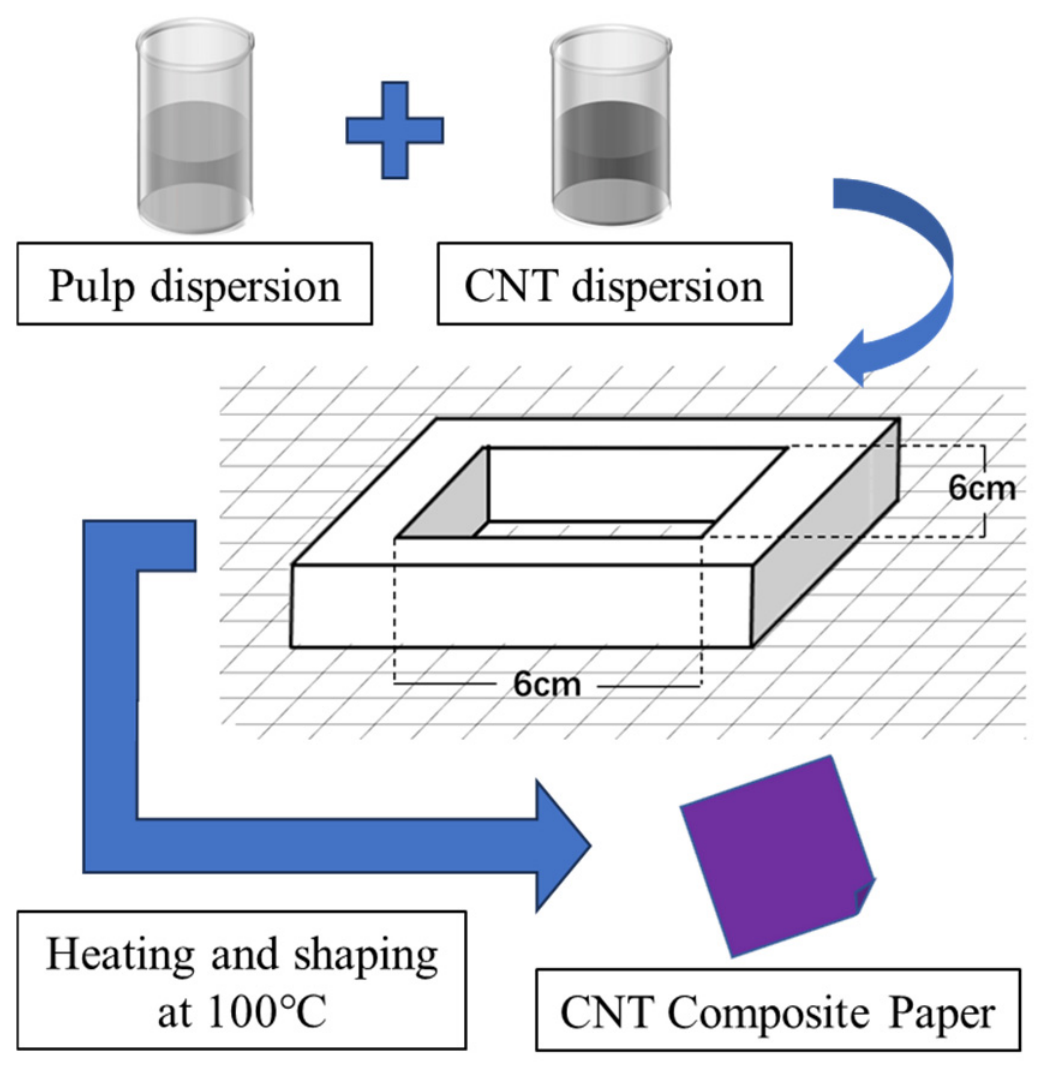
Figure 1 shows the fabrication process of the composite papers. Both types of composite paper (metallic or semiconducting) were produced through the same basic fabrication route, with the CNT type in the dispersion being the only variable.
The specific process of CNTCP fabrication is as follows:
A predetermined mass of cellulose pulp is dispersed in pure water under mechanical agitation until achieving homogeneous fibril distribution.
The selected CNTs, namely metallic CNTs (SWCNTs, HiPco, NanoIntegris Inc., Quebec, Canada) or semiconducting CNTs ((6,5)-chirality CNT, SG65i, CHASM, Boston, MA, USA), were combined with the dispersant at an optimized mass ratio in the corresponding solvent. Use an ultrasonic homogenizer (UX-50, Mitsui Electric Co., Ltd., Tokyo, Japan) to irradiate the mixture with ultrasonication for 90 min to prepare a CNT dispersion.
The CNT dispersion was mixed thoroughly with the pulp dispersion, and the resulting suspension was processed according to the procedure shown in
Figure 1. After dehydration through a fine mesh, the material was dried and hot-pressed to form metallic or semiconducting CNTCP. The detailed composition used for metallic CNTCP is summarized in
Table 1.
Based on the above method, poly(3,4-ethylenedioxythiophene):polystyrene sulfonate (PEDOT:PSS, conductivity grade, 1.1% in H
2O, Sigma-Aldrich/Merck, Darmstadt, Germany) was introduced into the metallic-type CNT-composite paper used as the positive electrode in order to improve the interfacial contact between the electrode and the electrolyte. As described in the Introduction, PEDOT:PSS is a conductive polymer with a conductivity exceeding 200 S/cm and is widely used as an electrode material and charge-transfer layer because of its high conductivity and stability [
10,
11]. When combined with CNTs, PEDOT:PSS can further enhance the electrical conductivity of CNT-based devices [
12,
13]. In addition, PEDOT:PSS is expected to form an effective charge-transfer layer on the surface of the CNT-composite paper, thereby facilitating charge exchange with the electrolyte [
14]. Since the relatively high resistance of metallic-type CNT-composite paper can reduce the output current and increase energy loss during power conversion, the incorporation of PEDOT:PSS was expected to mitigate these limitations.
Next, the semiconducting CNTCPs for paper DSSC fabrication were further prepared. Purple sweet potato dye (anthocyanin dye, PSP-135P, Kiriya Chemical Co., Ltd., Osaka, Japan) was introduced into the semiconducting CNT system. In addition to its relevance as a natural dye for photovoltaic applications [
15], anthocyanin contains conjugated aromatic structures and multiple hydroxyl groups, which can assist CNT dispersion through π-π interactions and hydrogen bonding [
16]. In addition, the incorporation of metal oxide particles into CNT-based materials has been reported to reduce interfacial defects and improve charge-transfer behavior [
17]. In contrast, introducing metal oxide particles into CNTs can effectively improve interfacial defects and further enhance charge-transfer efficiency [
17,
18]. Therefore, to further improve the performance of our paper DSSCs.
For the preparation of TiO
2-applied semiconducting CNT composite paper, TiO
2 nanoparticles were generated through the hydrolysis of titanium butoxide (TBOT, Tokyo Chemical Industry Co., Ltd., Tokyo, Japan), according to the following reaction:
In this process, the semiconducting CNTs and the dye were first dispersed in ethanol by ultrasonication. TBOT was then added dropwise under continuous stirring at 50 °C in order to control the hydrolysis process. Subsequently, pure water was introduced dropwise to initiate TiO2 formation. The pH of the system was adjusted to 7–8 to complete the reaction and obtain a stable CNT/TiO2 dispersion. The obtained TiO2 nanoparticles were synthesized in situ via the hydrolysis of TBOT, with the particle size controlled by the reaction temperature and pH during the process. This dispersion was then used to fabricate semiconducting CNT/TiO2 composite paper following the standard CNTCP preparation procedure.
ZnO-applied semiconducting CNT composite paper was prepared by a different route while keeping the ZnO fraction equivalent to that of TiO2. First, a ZnO dispersion was prepared from Zinc oxide (ZnO, nanopowder, Sigma-Aldrich/Merck, Darmstadt, Germany) by ultrasonic treatment. The ZnO nanopowder had a particle size of <100 nm with 99.9% purity. The ZnO dispersion was then mixed with the CNT dispersion, after which the composite paper was fabricated using the same papermaking-based procedure described above. The fabricated CNT composite paper has a porous structure, which provides sufficient space for electrolyte infiltration. The pulp dispersion composition for CNT/ZnO composite paper was the same as that used for the CNT/TiO2 system.
2.1.2. Dye Treatment
Efficient sensitization across a broad range of the solar spectrum is essential for improving the overall performance of DSSCs [
18]. In our previous study, the photovoltaic performance obtained using only purple sweet potato-derived natural dye was found to be insufficient for paper DSSCs. Therefore, several dye systems and dye combinations were examined, and the comparison of device performance suggested that co-sensitization could occur during device operation [
19]. Although N719 (Di-tetrabutylammonium-bis(isothiocyanato)bis(2,2′-bipyridyl-4,4′-dicarboxylato) ruthenium (II), Sigma-Aldrich/Merck, Darmstadt, Germany) did not provide the highest performance among the tested dye systems, it was selected as the primary sensitizer in the present study because of its well-established adsorption behavior on metal oxide semiconductors and its wide use as a benchmark dye in DSSCs. This choice also allowed the present work to focus on the effect of gel electrolyte composition on the photovoltaic performance of CNT/TiO
2- and CNT/ZnO-based paper DSSCs. Photoanodes were sensitized using N719 dye (0.5 mM in acetonitrile:tert-butanol = 1:1), drop-cast onto each composite electrode (CNT/TiO
2 or CNT/ZnO) and dried under ambient conditions.
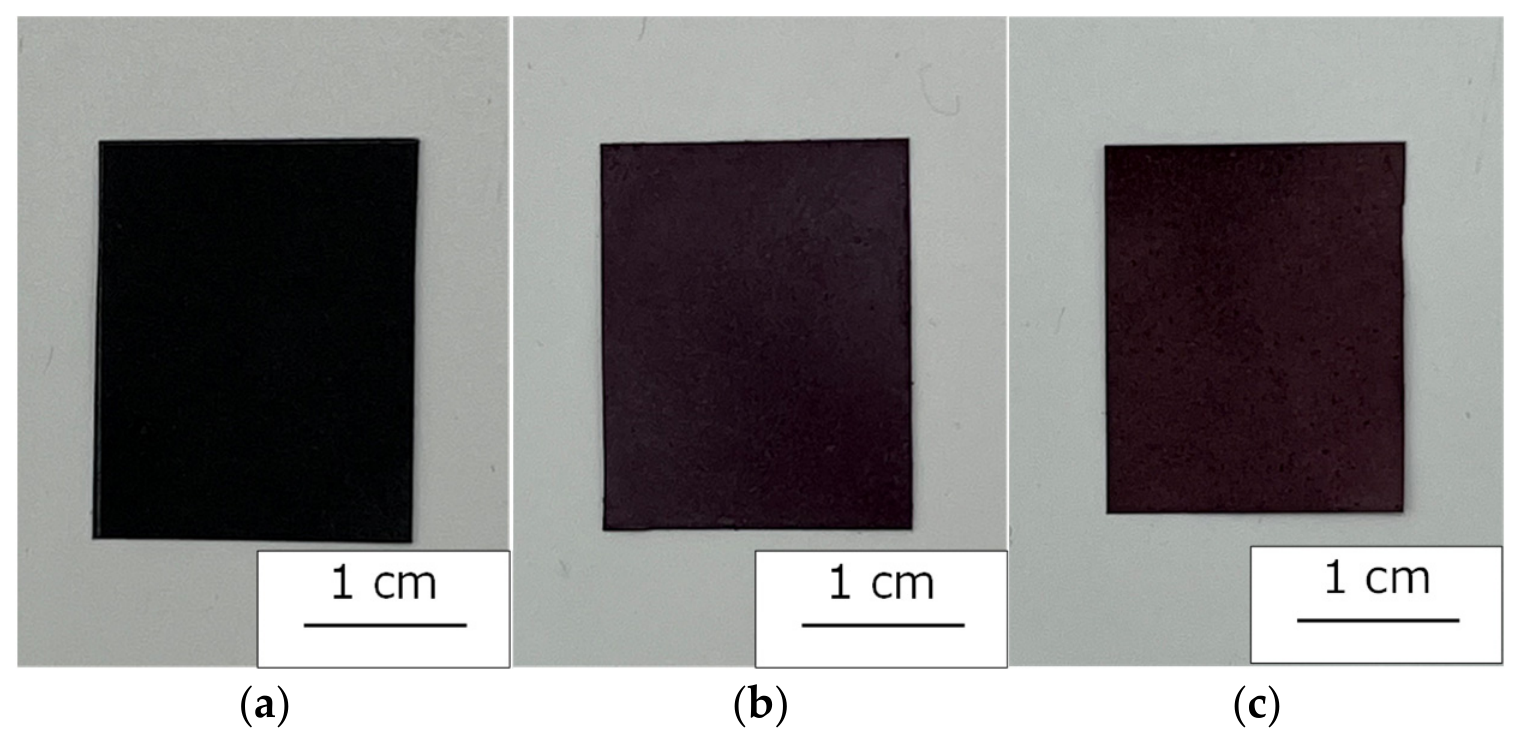
Shown in
Figure 2 are the fabricated metallic-CNTCP, the semiconducting-CNT/TiO
2 CP and the CNT/ZnO CP. The size of each CNTCP was 2 × 2.5 cm
2.
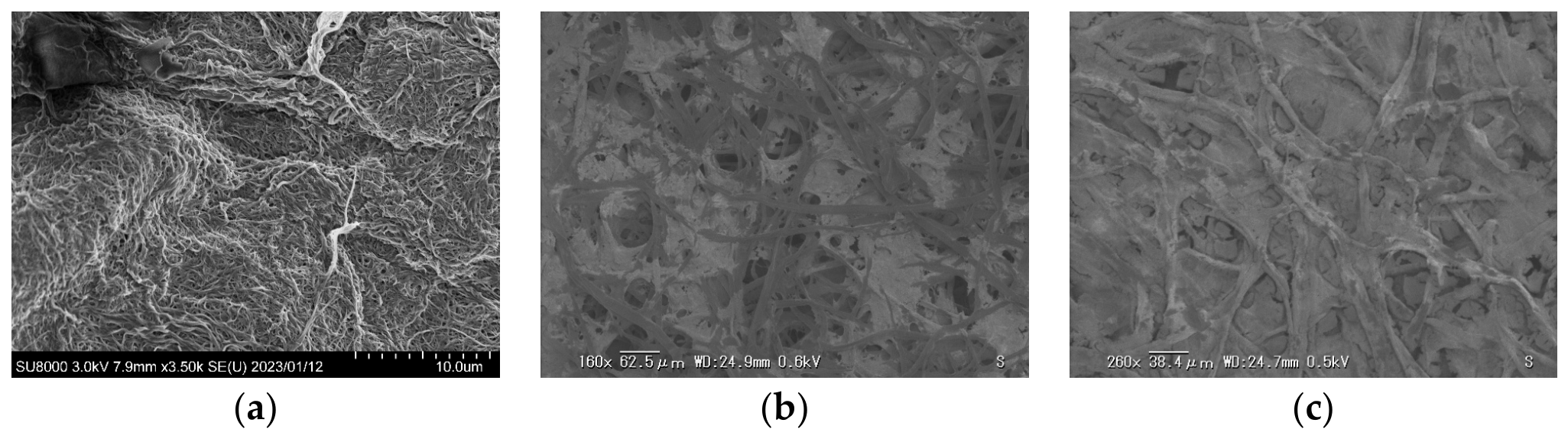
The morphology of the as-prepared CNT composite papers was characterized by scanning electron microscopy (SEM, FlexSEM 1000 II, Hitachi High-Tech Corporation, Tokyo, Japan).
Figure 3a shows the surface morphology of the bare CNT composite paper, revealing a highly porous, interconnected network structure formed by randomly entangled CNT bundles. This structure provides abundant pathways for electrolyte penetration and charge transport. After coating with TiO
2 and ZnO photoactive materials, the composite papers retain their fibrous network architecture while showing significant changes in surface coverage. In the CNT/TiO
2 composite paper (
Figure 3b), TiO
2 particles are uniformly distributed on the CNT network, with some open pores still visible. In contrast, the CNT/ZnO composite paper (
Figure 3c) exhibits a more continuous and dense surface layer of ZnO, with fewer exposed CNT fibers and reduced porosity compared to the TiO
2-modified sample. These morphological differences may influence the dye adsorption, electrolyte infiltration, and interfacial charge transfer behavior in the resulting DSSCs.
2.2. Methods of Making Gel Electrolytes
Gel electrolytes were prepared following our previously reported polyethylene glycol (PEG average Mn = 20,000, Sigma-Aldrich/Merck, Darmstadt, Germany)/polyvinylidene fluoride (PVDF average Mw = 400,000, average Mn = 130,000, Sigma-Aldrich/Merck, Darmstadt, Germany) formulation protocol [
19], with further optimization using polyethylene oxide (PEO, average Mw = 100,000, Sigma-Aldrich/Merck, Darmstadt, Germany) as a structural modifier.
The baseline PEG-PVDF gel electrolyte (Sample A) was synthesized by dissolving iodine (I2, 99.8% purity, Nacalai Tesque, Kyoto, Japan) and potassium iodide (KI, 99.5% purity, Nacalai Tesque, Kyoto, Japan) in anhydrous acetonitrile (ACN, for HPLC, for UV, ≥99.9% purity, Sigma-Aldrich/Merck, Darmstadt, Germany) under magnetic stirring at 60 °C, followed by sequential addition of PEG and PVDF. The mixture was stirred for 2 h and 4 h respectively to ensure complete dissolution. Subsequent solvent evaporation at 80 °C for 15 h yielded a viscous gel precursor, which gelled spontaneously upon aging at ambient conditions.
To increase iodide concentration and improve the wettability of the gel electrolyte, co-solvents N, N-dimethylformamide (DMF, anhydrous, 99.8% purity, Sigma-Aldrich/Merck, Darmstadt, Germany) and ethylene glycol (EG, extra pure, Nacalai Tesque, Kyoto, Japan) were introduced to obtain Sample B and Sample C. DMF provides strong solvating ability for iodide species, while EG contributes hydrogen bonding and increases the plasticity of the polymer matrix.
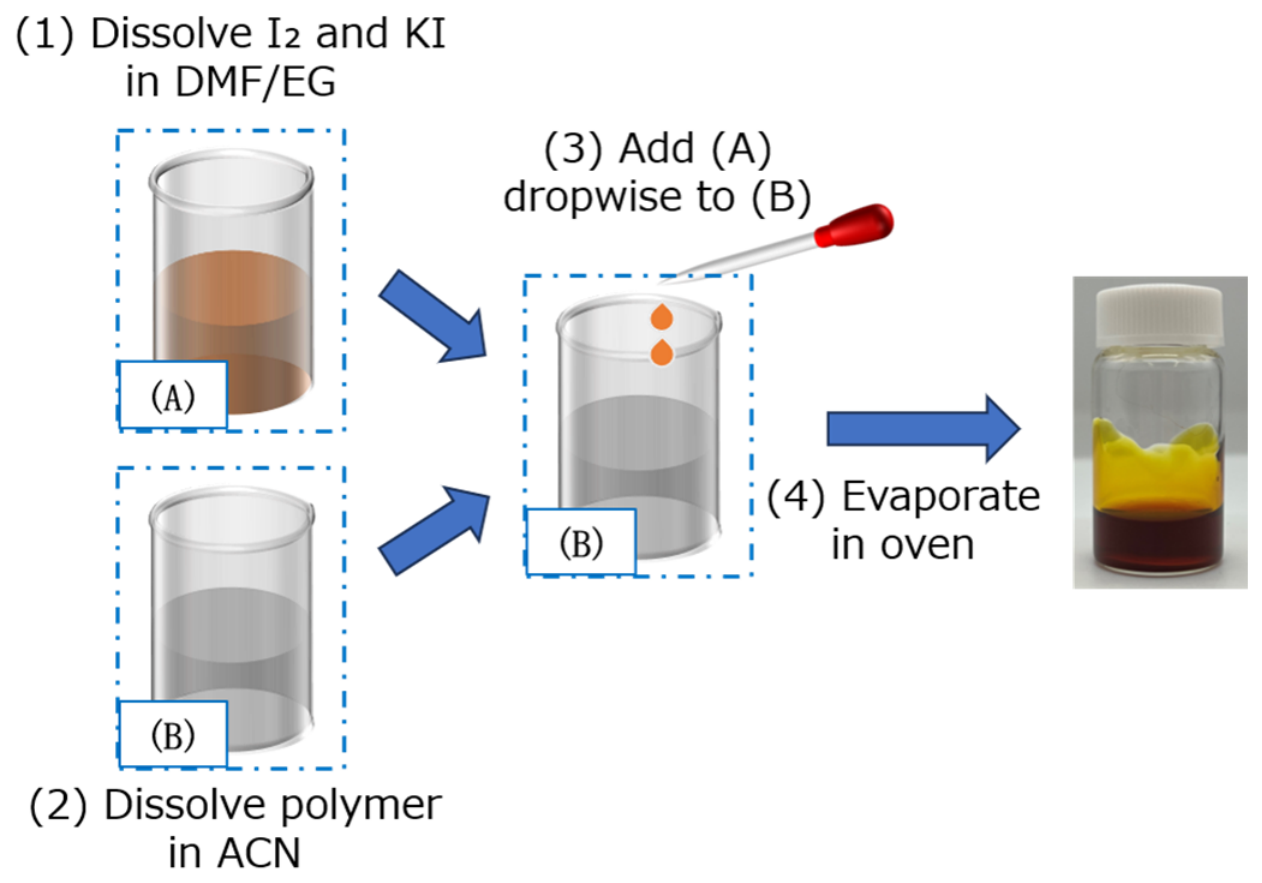
As shown in
Figure 4, the specific process of gel electrolytes fabrication is as follows:
I2 and KI were dissolved in DMF (or EG) under continuous magnetic stirring, with the reaction vessel maintained at 60 °C using a thermostatic water bath.
Following complete dissolution of iodide species, PEG (or PEO) was introduced under sustained thermal conditions. Continuous magnetic stirring took place for 2 h until the PEG is fully dissolved. Subsequent addition of PVDF pellets at 60 °C over 4 h of stirring resulted in the formation of the electrolyte solution.
Following polymer dissolution, the precursor solution underwent thermal conditioning in an oven at 80 °C for 15 h to evaporate most of the acetonitrile, yielding a viscous electrolyte solution. Ambient aging of the viscous solution induced spontaneous gelation, forming a stable electrolyte integrated with CNT-composite paper as detailed in the following sections.
Although DMF and EG promote KI/I
2 dissolution and ion mobility, their strong plasticizing effects reduce the viscosity and mechanical strength of the PEG/PVDF matrix [
20,
21]. To compensate for this loss in viscosity and cohesion, poly (ethylene oxide) (PEO) was introduced as a structural modifier. Owing to its high molecular weight and chain entanglement capability, PEO effectively reinforces the gel framework while maintaining ionic pathways for I
−/I
3− transport [
22]. Moreover, the introduction of PEO significantly influences the coordination environment and ionic transport within the PEG/PVDF gel matrix. PEO also influences the coordination environment within the gel; its chain flexibility and ability to complex with alkali cations and polyiodide species enhance KI dissociation and stabilize I
3− ions [
23]. This interaction facilitates efficient I
−/I
3− ion migration along the amorphous polymer regions, leading to improved redox ion diffusion and interfacial charge transfer.
Furthermore, the combined incorporation of PEO and PEG forms a semi-interpenetrating polymer network, where PEG contributes to mechanical integrity and plasticization, while PEO provides dynamic coordination sites that promote ionic mobility [
22]. This combined effect improves both ionic conductivity and long-term stability of the gel electrolyte.
Table 2 lists the specific amounts of the materials used to prepare the gel electrolytes.
2.3. Assembly and Performance-Evaluation Method of Paper Dye-Sensitized Solar Cells
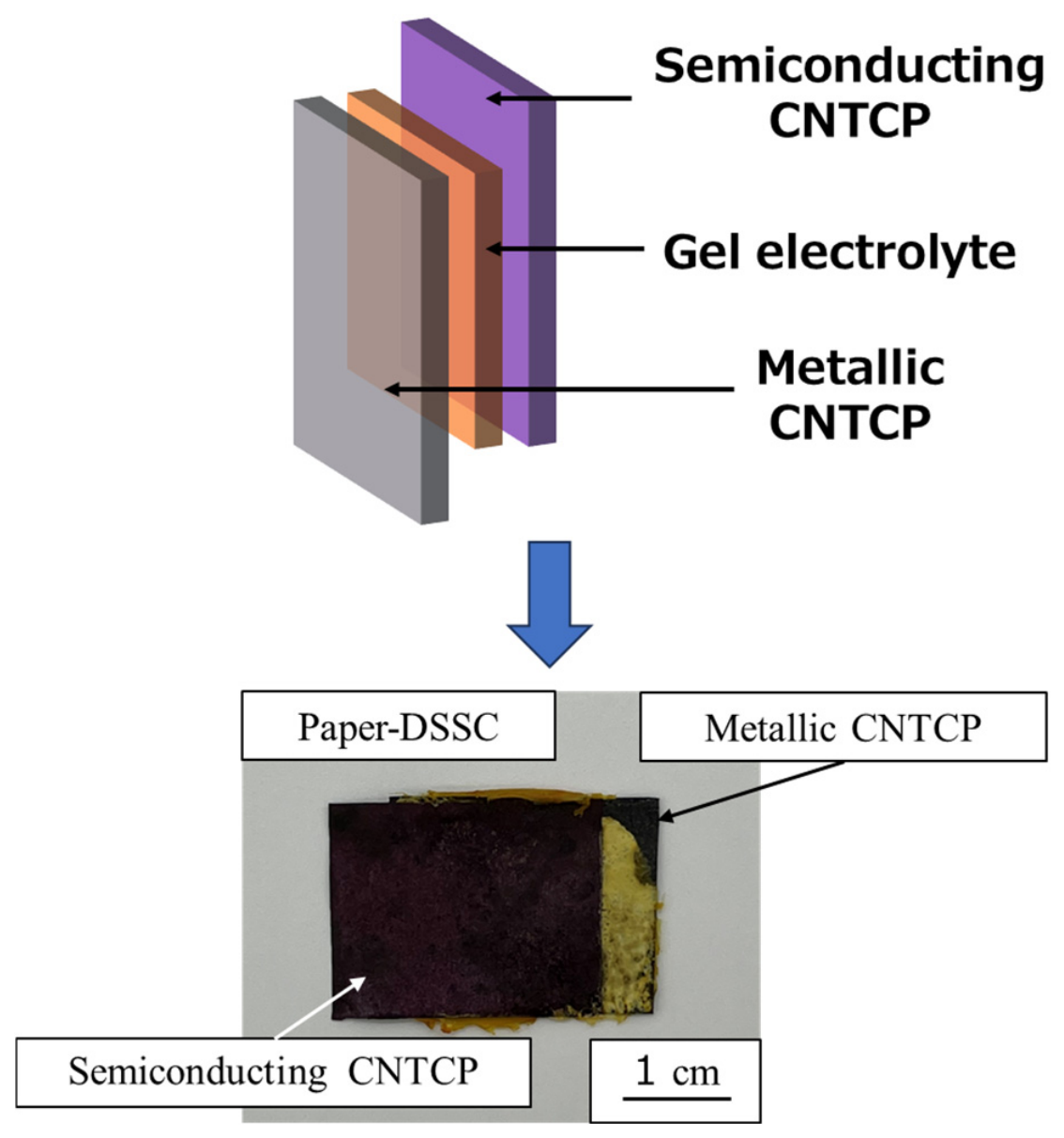
For the assembly of the paper DSSCs, the positive electrode was prepared using a metallic CNTCP, whereas the negative electrode was composed of a semiconducting CNTCP. Both electrodes were uniformly coated with 400 μL of the pre-prepared gel electrolyte and left at room temperature under static conditions until the electrolyte layer solidified. A schematic illustration of the fabrication process is provided in
Figure 5, depicting the stepwise procedure for the paper DSSC assembly.
The photovoltaic performance of the devices was evaluated from key parameters such as the short-circuit current (ISC) and the open-circuit voltage (VOC). In this study, the operational efficiency of the fabricated paper DSSCs was examined through current–voltage (I–V) characterization. The measurements were conducted under simulated AM 1.5 G sunlight at an irradiance of 1000 W/m2, and the corresponding I–V curves were obtained using a semiconductor parameter analyzer (Keithley 4200A-SCS, Tektronix Inc., Beaverton, OR, USA).
The fill factor (FF) and PCE—two critical parameters for assessing DSSC performance—were calculated according to the following established equations:
where P
in is the input power and S
active denotes the illuminated area, which was 4 cm
2 in this study. These parameters were used to assess the performance of the paper DSSCs incorporating the optimized gel electrolytes and CNT composite electrodes.
2.4. Wettability Evaluation by Contact Angle Measurement
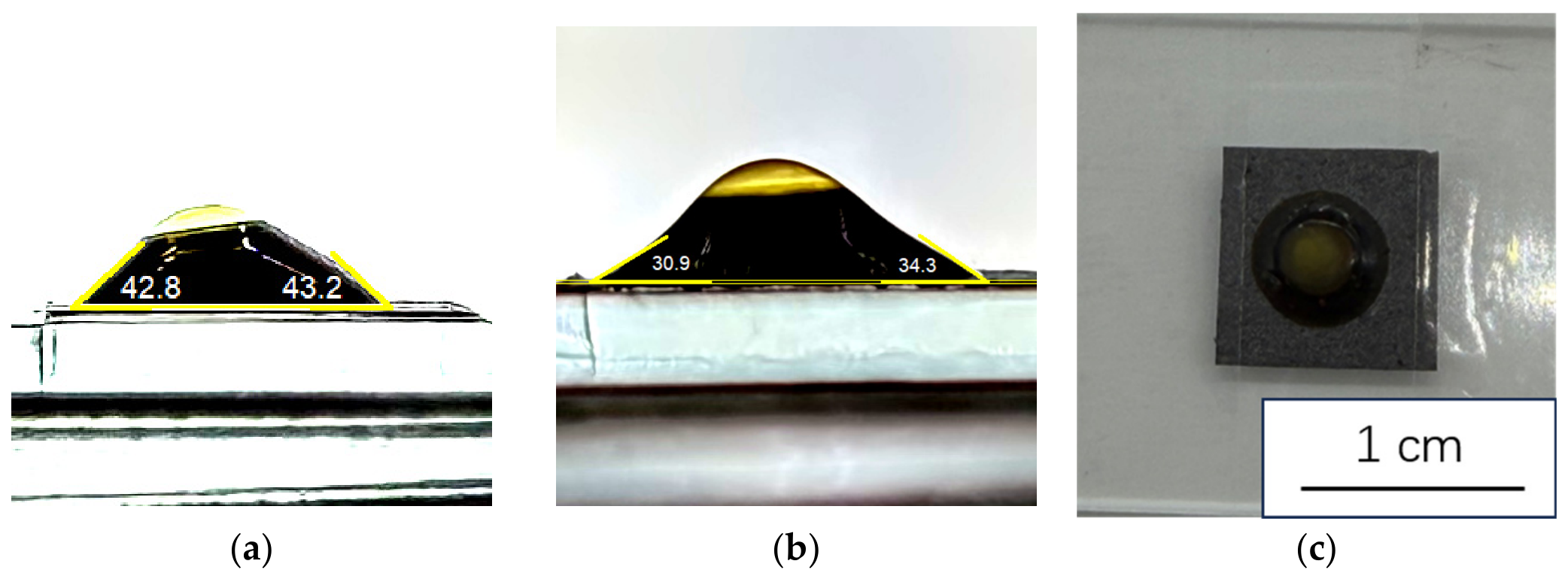
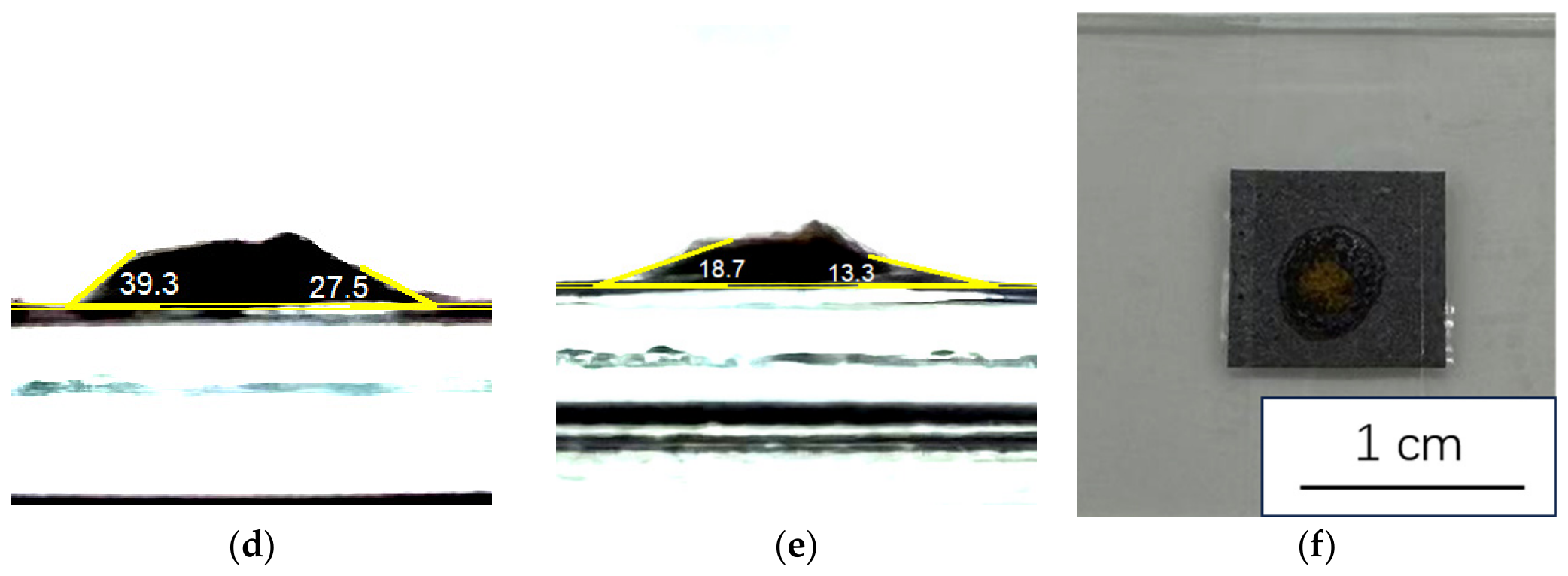
The wettability of gel electrolytes on CNT composite paper electrodes was evaluated using the static sessile drop method. A digital smartphone camera was used to capture side-view images of 5 μL electrolyte droplets placed on the paper surface at room temperature. Contact angle values were quantified using ImageJ software (version 1.54g, National Institutes of Health, Bethesda, MD, USA) with the Drop Snake plugin for accurate analysis.
For Samples D–G, contact angles were measured at three different positions, and the average values were reported. For Samples B and C, the droplets spread completely within seconds and no stable sessile-drop profile could be obtained; therefore, their wettability was evaluated qualitatively based on the rapid spreading behavior.
3. Results
In previous work, two metal oxides—TiO
2 and ZnO—were employed as negative electrodes in paper DSSCs. TiO
2, owing to its well-established processing and chemical stability, served as a reliable reference material, while ZnO, with its much higher electron mobility (≈205–300 cm
2 V
−1 s
−1), enabled more efficient charge transport and improved photoconversion performance [
17]. Both metal oxides enhanced device performance relative to the metal-oxide-free configuration (using the gel-electrolyte Sample A). The introduction of TiO
2 improves the FF from 0.034 to 0.082 and the PCE from 0.164 × 10
−3% to 0.865 × 10
−3% [
19]. In contrast, ZnO produced a larger improvement, raising the FF to 0.175 and the PCE to 1.34 × 10
−3%. These findings confirm that integrating metal oxides into semiconducting CNTCPs is an effective strategy for improving the photovoltaic performance of paper DSSCs.
Based on the previous research findings, the incorporation of metal oxides into semiconducting CNTCPs has been demonstrated to effectively enhance the performance of paper DSSCs. Nevertheless, the overall device efficiency remained limited by the insufficient concentration of I−/I3− redox species within the gel electrolyte. To overcome this issue, DMF and EG were respectively introduced as co-solvents with ACN in the electrolyte formulation, aiming to improve ion dissolution and transport behavior.
3.1. Preparation of Iodine Solution Using DMF/EG
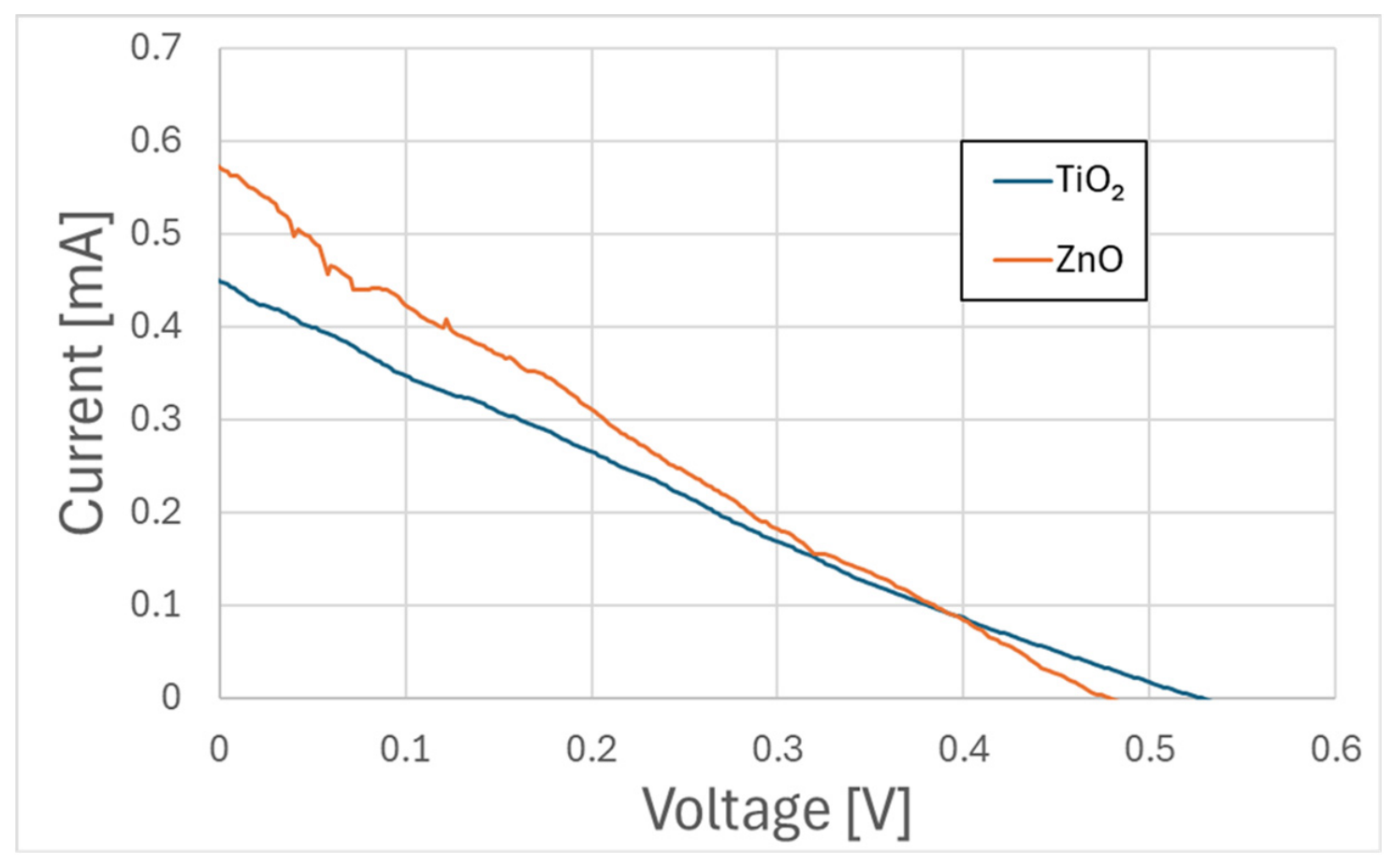
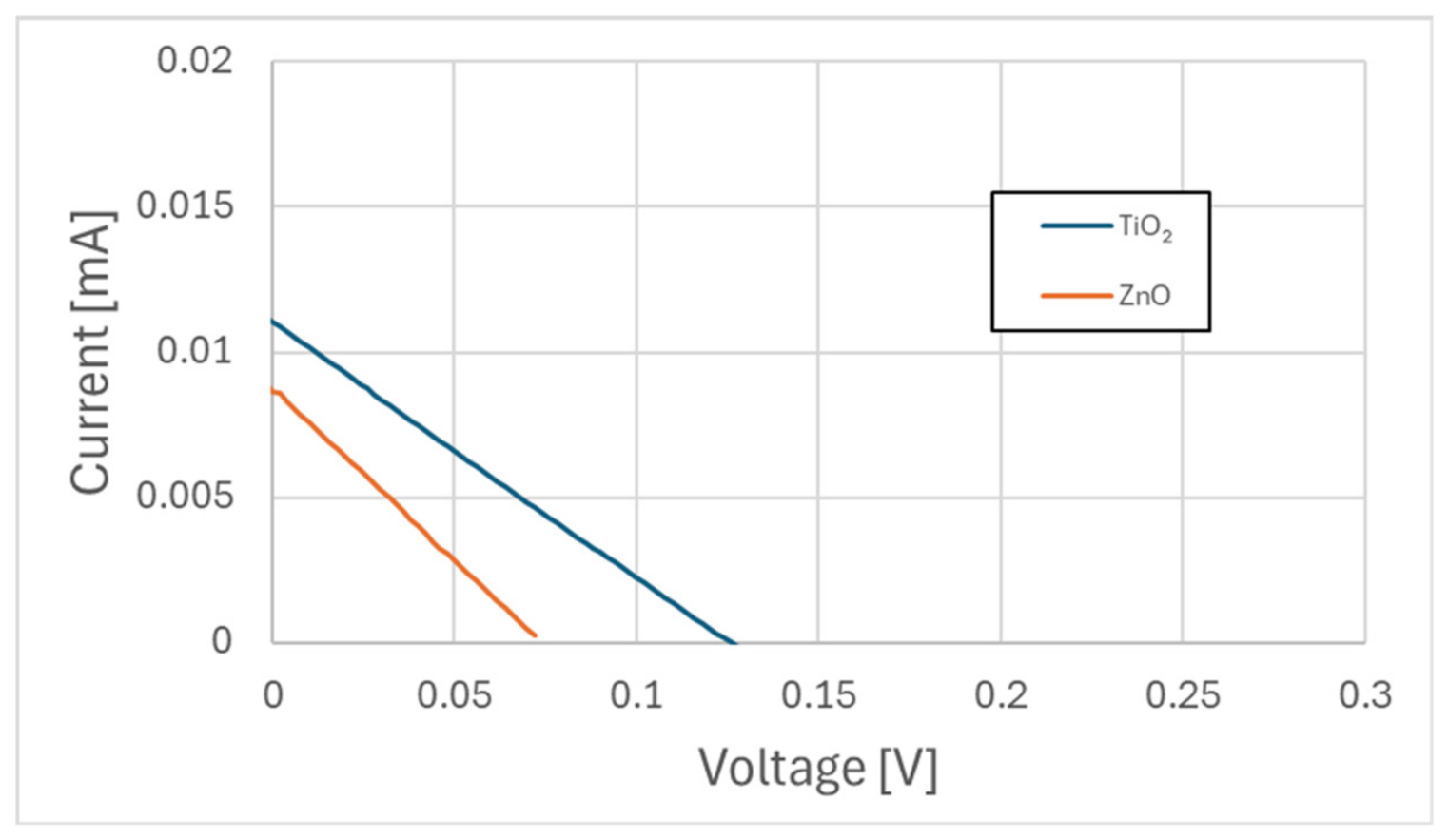
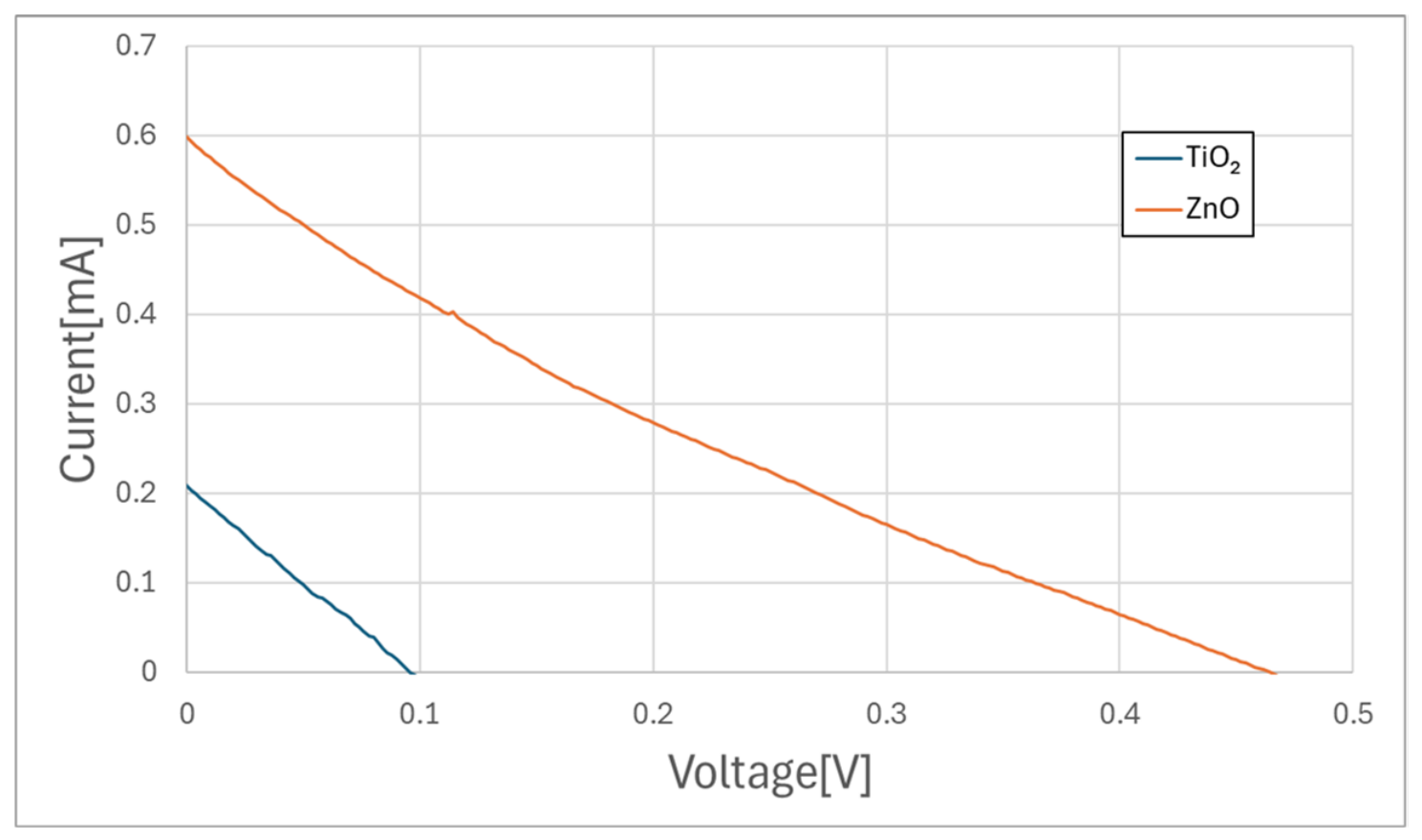
Figure 6 shows the photovoltaic characteristics of Sample B in paper DSSCs employing metal oxide-semiconducting CNTCP photoanodes. Incorporating DMF as a co-solvent significantly improved both PCE and FF. Specifically, for the CNT/ZnO composite paper, the PCE increased from 1.34 × 10
−3% to 14.14 × 10
−3%, accompanied by an FF improvement from 0.175 to 0.203. In contrast, the CNT/TiO
2 composite paper exhibited a PCE increase from 0.865 × 10
−3% to 1.23 × 10
−3%, together with an FF enhancement from 0.082 to 0.245. As in previous results, the ZnO-based electrode delivered higher overall performance than TiO
2 under the DMF-assisted electrolyte condition.
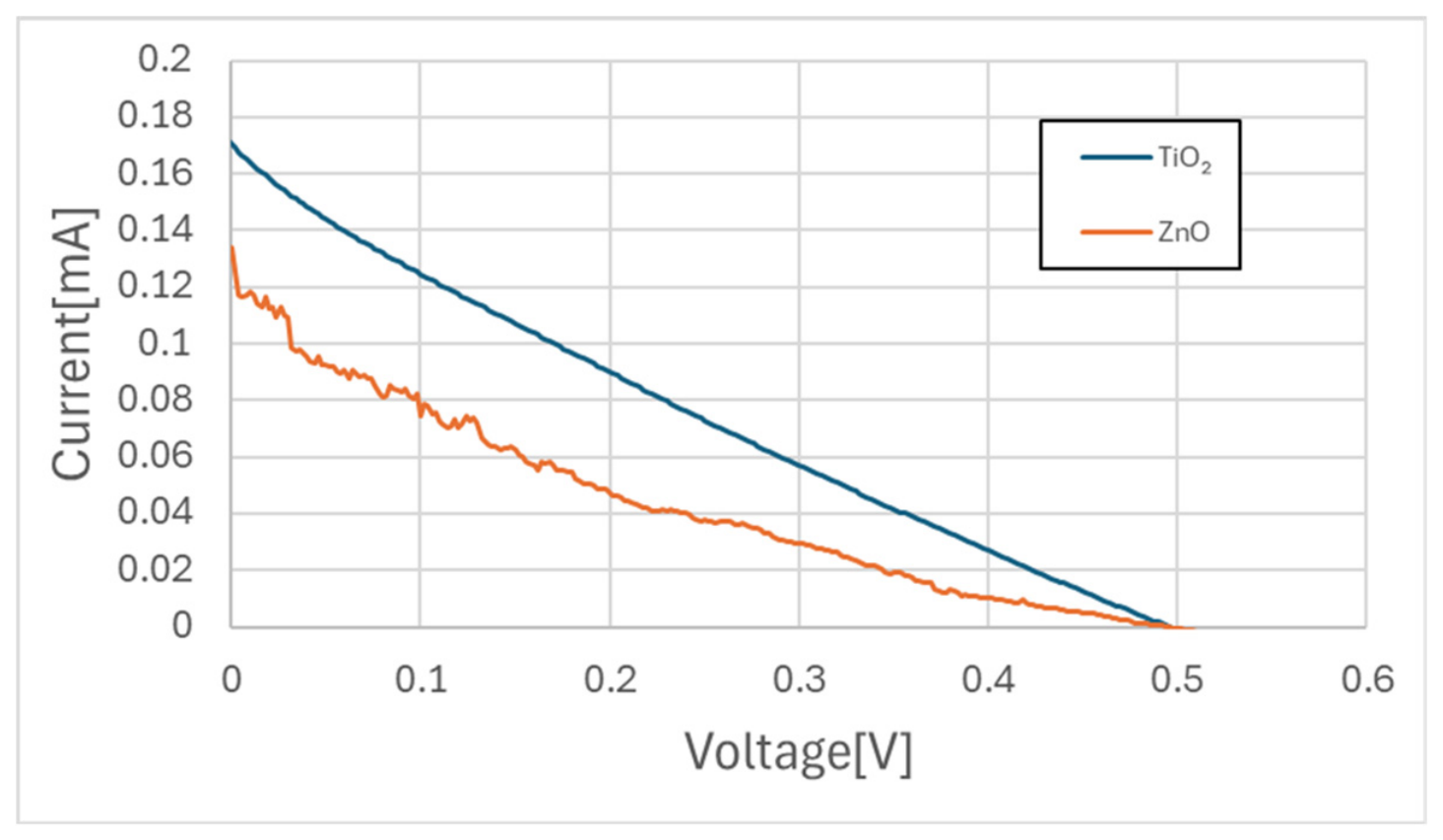
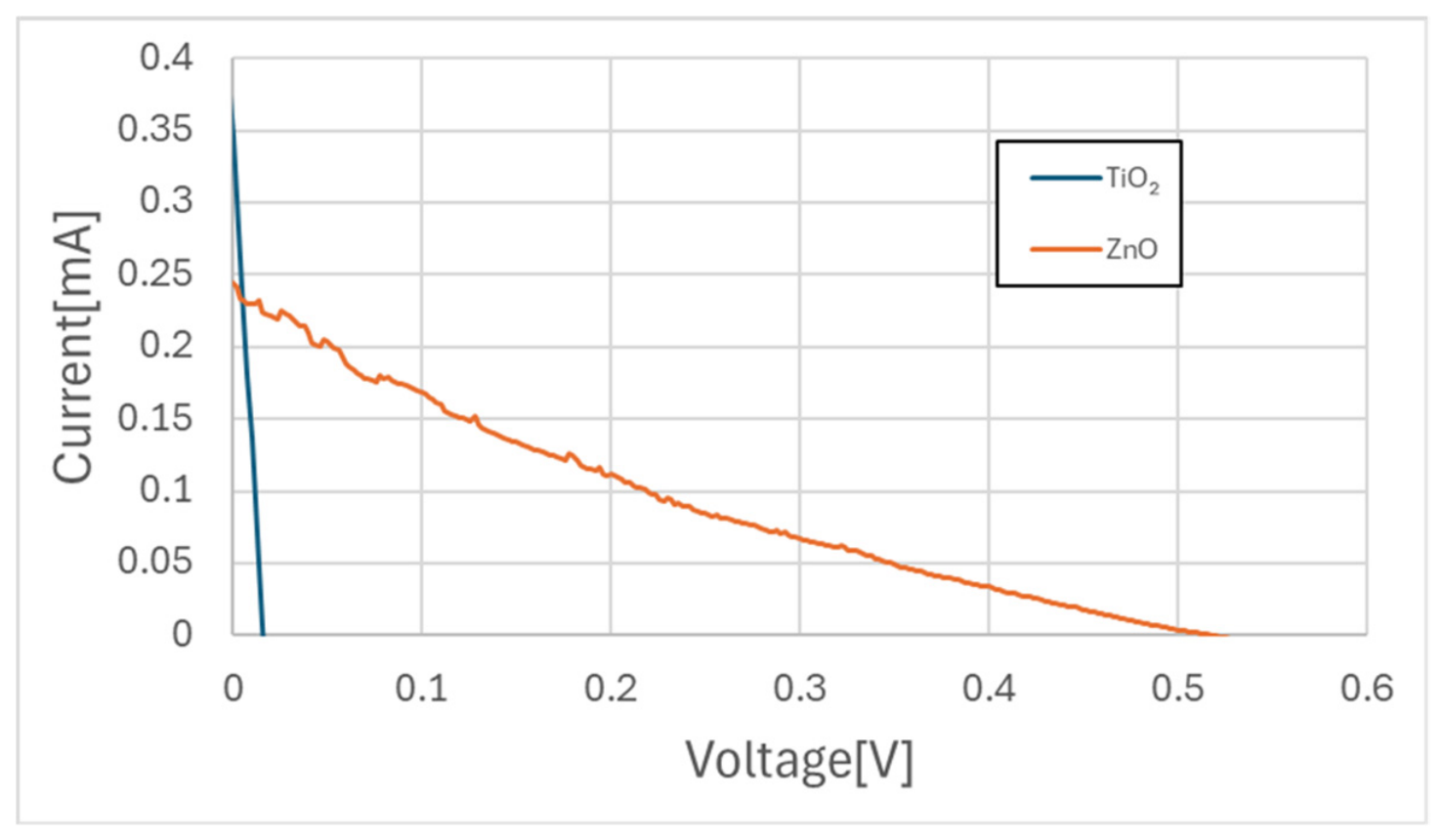
Figure 7 shows the photovoltaic performance of Sample C under similar conditions, where EG was employed as a co-solvent in the gel electrolyte. The addition of EG produced a clear improvement in both PCE and FF. For the CNT/ZnO composite paper, the PCE rose from 1.34 × 10
−3% to 15.58 × 10
−3%, while the FF improved from 0.175 to 0.226. Meanwhile, the CNT/TiO
2 composite paper showed a significant PCE increase from 0.865 × 10
−3% to 13.76 × 10
−3%, with a corresponding FF enhancement from 0.082 to 0.231. Compared with DMF, EG resulted in a smaller performance difference between ZnO and TiO
2, indicating better overall compatibility. However, ZnO still exhibited slightly higher efficiencies under both co-solvent conditions.
During contact angle measurements, the electrolyte droplets of Samples B and C spread out completely within seconds upon contact with the CNT composite paper, forming a thin film rather than a stable sessile drop. This rapid spreading behavior indicates extremely high wettability but prevents accurate contact angle quantification. As a result, only qualitative comparison with other samples is possible.
3.2. Preparation of Gel Electrolyte by Replacing PEG with PEO
For Sample D using the DMF co-solvent, the CNT/TiO2 composite paper achieved a PCE of 4.58 × 10⁻³% with an FF of 0.215, whereas the CNT/ZnO device produced a PCE of 2.48 × 10⁻³% and an FF of 0.149. This opposite trend suggests that PEO interacts more favorably with TiO2 than with ZnO under DMF-rich conditions.
In Sample E employing the EG co-solvent, replacing PEG with PEO led to a decrease in performance for both metal oxides compared with the PEG-containing Sample C. The CNT/TiO2 electrode achieved a PCE of 0.36 × 10⁻³% with an FF of 0.260, whereas the CNT/ZnO counterpart reached a PCE of 5.68 × 10⁻³% and an FF of 0.180. Despite these decreases, all PEO-containing devices still outperformed the baseline Sample A, indicating that the co-solvents continued to promote ion transport even when polymer compatibility was limited.
Overall, replacing PEG with PEO resulted in a noticeable decline in FF and PCE across all conditions, except for the TiO2-based device in Sample D, which exhibited an improvement due to the enhanced compatibility between TiO2 and the PEO–DMF gel electrolyte environment. Even under these less favorable conditions, the increased I−/I3− concentration and the solvating effects of DMF and EG enabled all devices to surpass the performance of Sample A, showing that the co-solvents maintain sufficient redox activity within the gel electrolyte.
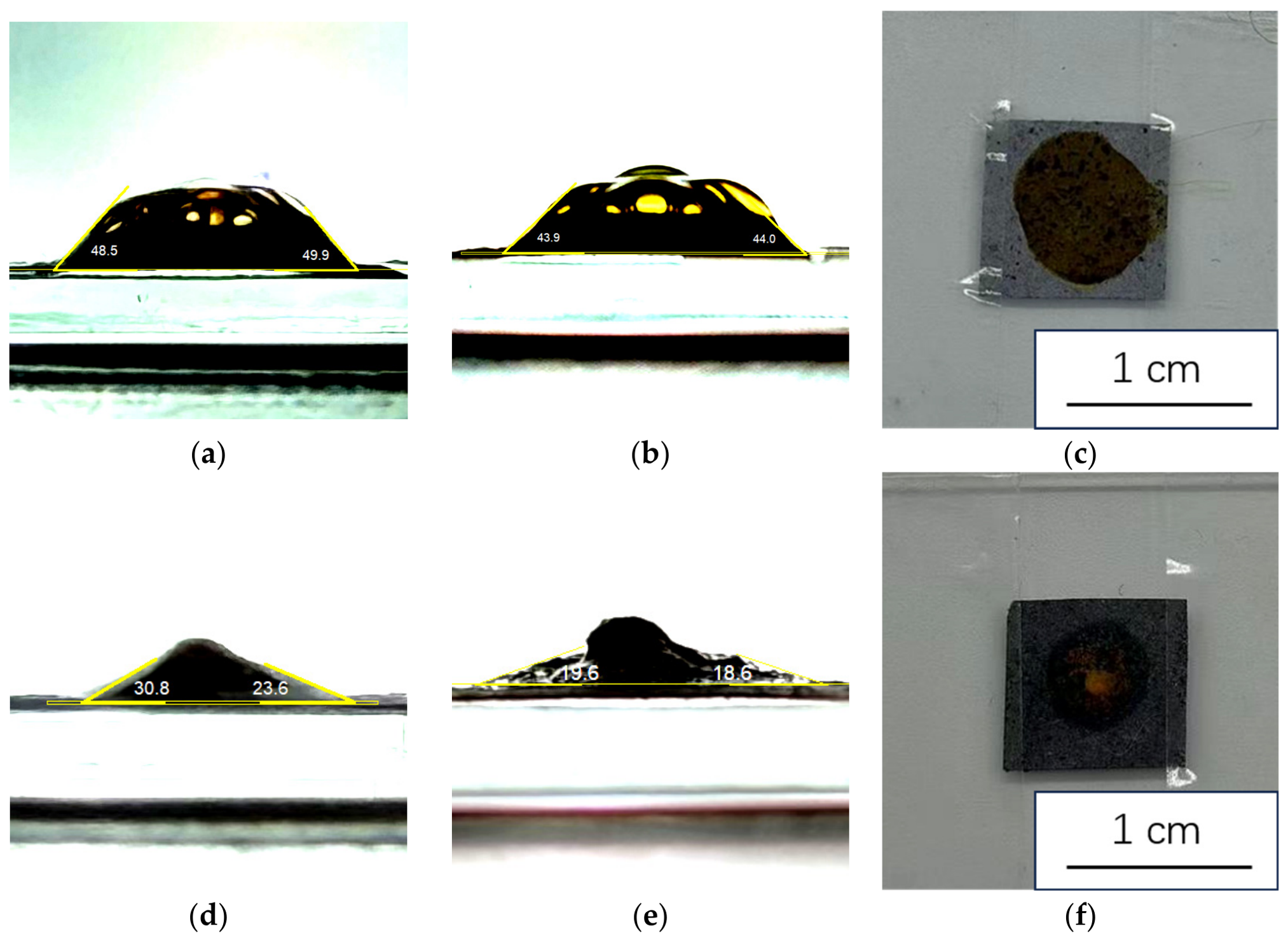
The contact angle evolution of PEO-based electrolytes (Samples D and E) on CNT composite paper is shown in
Figure 10. The slightly irregular droplet shape is likely related to the rough and heterogeneous surface morphology of the CNT composite paper, while the bubble-like bright regions may originate from illumination and reflection during image acquisition. At 1 s, Sample D exhibited a high initial contact angle, with values of 48.5° and 49.9° on the left and right sides, respectively. Even after 60 s, the angle only slightly decreased to 43.9° and 44.0°, giving an average steady-state contact angle of 44.0°, which indicates poor wettability. However, after several minutes, the droplet gradually spread over the CNTCP surface and eventually formed a thin electrolyte film. In contrast, Sample E showed significantly better wettability, with initial angles of 30.8° and 23.6° that rapidly decreased to 19.6° and 18.6° at 60 s, resulting in an average angle of 19.1°. The difference in wetting behavior suggests that the EG co-solvent improves the wettability of PEO-based electrolytes more effectively than DMF. The increased contact angle corresponds to weaker wettability, which limits electrolyte infiltration into the CNT composite paper and results in lower device performance.
3.3. Preparation of Iodine Solution Using DMF/EG with PEG + PEO
To examine whether combining PEG and PEO could produce synergistic effects, equal-ratio mixtures were tested in Samples F and G.
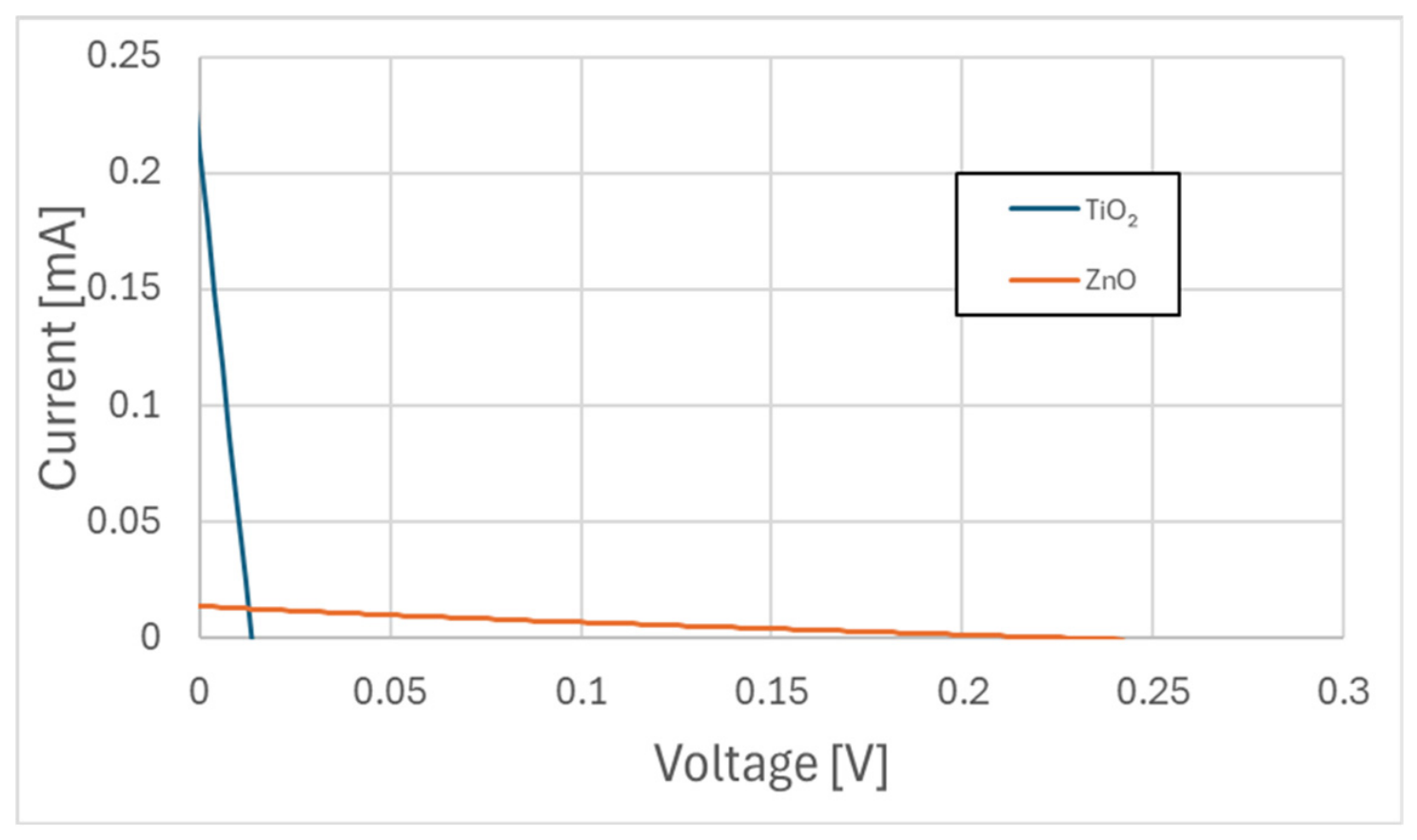
Figure 11 shows that Sample F (DMF + PEG/PEO) resulted in substantial performance degradation for both metal oxides. The CNT/TiO
2 device exhibited a PCE decrease from 4.58 × 10
−3% to 0.18 × 10
−3%, with the FF from 0.215 to 0.238. The CNT/ZnO device showed a similar decline, with the PCE decreasing from 2.48 × 10
−3% to 0.18 × 10
−3% and the FF from 0.149 to 0.214. These results suggest that the PEG/PEO blended formulation was less favorable for device operation, possibly due to changes in gel structure, wetting behavior, and electrolyte–electrode contact.
Figure 12 shows that Sample G (EG + PEG/PEO) also suffered performance reductions. For the CNT/TiO
2 composite paper, the PCE declined from 0.36 × 10
−3% to 0.09 × 10
−3%, while the FF decreased from 0.26 to 0.246. The CNT/ZnO device also exhibited a PCE reduction from 5.68 × 10
−3% to 0.04 × 10
−3%, with a corresponding FF from 0.18 to 0.261. Although the performance drop in the EG-containing sample was slightly less severe than in its DMF counterpart, both systems showed lower photovoltaic output when compared with Samples C and E that employed PEG-based or PEO-based electrolytes.
The contact angle behavior of blended PEO/PEG electrolytes (Samples F and G) is presented in
Figure 13. Sample F (DMF + PEO/PEG) showed a large initial contact angle (42.8° and 43.2°) that decreased to 30.9° and 34.3° at 60 s, with an average angle of 32.6°. This indicates moderate wettability. Sample G (EG + PEO/PEG) demonstrated superior wettability at the liquid stage, with initial angles of 39.3° and 27.5° that dropped to 18.7° and 13.3° at 60 s, yielding an average steady-state contact angle of 16.0°. Notably, when EG is combined with the PEO/PEG blend, the electrolyte tends to form a heterogeneous gel structure, which may affect long-term infiltration and stability despite the favorable initial wetting behavior.
This weaker wettability may hinder effective electrolyte contact with the porous electrode and may contribute to the reduced device efficiency.
Overall, replacing PEG with a PEG + PEO combination resulted in a consistent decrease in PCE and FF across both metal oxide electrodes and both co-solvents. This downward trend contrasts with Sample D, where PEO exhibited enhanced compatibility with TiO2 in the presence of DMF, but aligns with the performance reductions observed in Sample E. The collective results suggest that the mixed-polymer network may have affected the wetting behavior, solvent–polymer interactions, and electrolyte–electrode compatibility, thereby contributing to the reduced device performance. Although the co-solvents (DMF and EG) still improved iodide solvation compared with the original formulation, these effects were not sufficient to raise Sample F or Sample G above the performance of Sample A.
To advance the development of high-performance paper DSSCs, comprehensive exploration of interfacial compatibility between optimized metal oxide semiconductors and tailored gel electrolytes remains imperative.
3.4. Statistical Summary of Photovoltaic Parameters
To evaluate the effect of electrolyte formulation on the performance of CNTCP-based DSSCs, we measured the I–V characteristics of all devices, and the summarized photovoltaic parameters are shown in
Table 3.
For the baseline Sample A (without co-solvent), the devices showed the lowest performance, with PCEs of only 0.865 × 10⁻³% for TiO2/CNTCP and 1.340 × 10⁻³% for ZnO/CNTCP. This relatively low performance may be associated with the limited wetting behavior of the pure PEG-based gel on the porous CNTCP electrode, which could hinder effective electrolyte contact with the internal structure of the electrode.
After introducing co-solvents, the performance of the devices showed different trends for the two electrodes. For Sample B (DMF + PEG), the ZnO/CNTCP device achieved a PCE of 10.770 × 10⁻³%, which is nearly eight times higher than the baseline, while the TiO2/CNTCP device showed a slight decrease to 0.536 × 10⁻³%. This different trend may be related to the different compatibility of the DMF-containing electrolyte with the two modified electrodes. The DMF-containing gel may wet the ZnO/CNTCP surface more favorably than the TiO2-modified CNT network under the present fabrication conditions.
For Sample C (EG + PEG), the performance of both electrodes was improved: the TiO2/CNTCP device reached 7.021 × 10⁻³%, and the ZnO/CNTCP device reached a PCE of 10.276 × 10⁻³%. This result is consistent with the favorable wetting behavior observed for the EG-containing PEG electrolyte on CNTCP electrodes. EG has strong hydrophilicity, which may improve the electrolyte–electrode contact and thereby contribute to the improved Jsc and FF of the devices.
When we replaced PEG with PEO, the performance of the devices decreased significantly. For Sample D (DMF + PEO), the PCE of ZnO/CNTCP dropped to only 0.047 × 10⁻³%, and the TiO2/CNTCP device decreased to 2.956 × 10⁻³%. For Sample E (EG + PEO), the PCE of TiO2/CNTCP reached 4.718 × 10⁻³%, and ZnO/CNTCP reached 3.391 × 10⁻³%. This may be related to the much higher molecular weight of PEO (Mw = 100,000) compared with PEG (Mn = 20,000), which can affect the viscosity-related behavior and spreading characteristics of the gel electrolyte. Such changes may hinder effective electrolyte contact with the small pores of the CNTCP electrode, resulting in lower device performance. We also noticed that the Voc of TiO2/CNTCP in Sample E showed a large standard deviation, which may be associated with unstable electrolyte–electrode contact and the inherent variability of manually fabricated paper-based devices.
For the samples with blended PEG and PEO (Samples F and G), the performance dropped to the lowest level. The PCE of all devices was below 0.2 × 10⁻³%. This result suggests that the blended-polymer gel was less favorable for device operation under the present conditions. The decrease may be associated with changes in gel structure, wetting behavior, and electrolyte–electrode contact, but further viscosity, ionic conductivity, and EIS measurements are required to clarify the detailed mechanism.
These results suggest that the formulation of the gel electrolyte has an important empirical influence on the performance of CNTCP-based DSSCs. The observed trends are associated with wetting behavior, polymer composition, and possible viscosity-related effects. However, the detailed contributions of electrolyte infiltration, ion transport, and interfacial charge transfer need to be further clarified by direct characterization. The relatively large standard deviations observed in some photovoltaic parameters are attributed to the manual preparation process of paper-based electrodes and gel electrolyte coating, which is common in low-cost, flexible paper-based device fabrication.
4. Discussion
The results indicate that the electrolyte composition has a clear empirical influence on the performance of CNTCP-based paper DSSCs. The co-solvents also helped to increase the amount of dissolved I2/KI redox species in the gel electrolyte formulation, which may have contributed to the performance improvement. Unlike traditional rigid DSSCs, porous paper-based electrodes are strongly affected by electrolyte–electrode compatibility. Therefore, in this work, the wettability and viscosity-related behavior of the gel electrolyte are discussed as important possible factors associated with device performance.
In the PEG-based systems (Samples B and C), introducing DMF or EG allowed a higher amount of I2/KI redox species to be incorporated into the gel electrolyte formulation. These samples also showed rapid spreading on the CNTCP surface, indicating favorable wetting behavior. This behavior may have improved electrolyte–electrode contact on the porous CNTCP electrode and thereby contributing to the improvement in FF and PCE. Among the two co-solvents, EG showed favorable performance with both TiO2- and ZnO-modified CNTCP electrodes. Its hydrophilic nature may be beneficial for electrolyte wetting on the CNTCP surface. In contrast, DMF showed a more electrode-dependent performance trend, with better performance for ZnO/CNTCP than for TiO2/CNTCP. This suggests that the compatibility between the gel electrolyte and the modified CNTCP electrode depends on both the co-solvent and the metal oxide surface.
Replacing PEG with PEO generally led to a decrease in device performance, although the TiO
2-based device with Sample D showed a relatively improved result compared with some other PEO-containing systems. This may be related to the much higher molecular weight of PEO than PEG, which can affect the viscosity-related behavior, spreading characteristics, and compatibility of the gel electrolyte with the porous CNTCP electrode. However, because viscosity and direct infiltration were not measured in this study, this interpretation should be regarded as a possible explanation rather than a confirmed mechanism. In the presence of DMF (Sample D), PEO improved the performance of TiO
2 but reduced that of ZnO, suggesting that the coordination behavior of PEO depends strongly on the surface chemistry of the metal oxide [
24]. Under EG conditions (Sample E), replacing PEG with PEO lowered performance for both TiO
2 and ZnO, demonstrating that increases in viscosity and polymer–solvent interactions can also negatively affect the device performance even when solubility remains high [
25]. We also noticed that the Voc of TiO
2/CNTCP in Sample E showed a large standard deviation, which may be associated with unstable electrolyte–electrode contact and the inherent variability of manually fabricated paper-based devices.
These limitations became more pronounced in the mixed PEG + PEO systems (Samples F and G). The blended-polymer gel showed very low PCE values for both TiO2- and ZnO-modified CNTCP electrodes, indicating that this formulation was less favorable for device operation under the present fabrication conditions. This may be associated with changes in gel structure, wetting behavior, and electrolyte–electrode contact. However, further viscosity, ionic conductivity, EIS, and direct infiltration measurements are required to clarify the detailed origin of the performance loss. In future work, we will investigate the molecular-level interaction between the polymer and the co-solvent using FTIR and XRD characterization. In addition, EIS, ionic conductivity, viscosity, and direct infiltration measurements will be necessary to clarify the transfer, recombination, ion-transport, and electrolyte-penetration processes in CNTCP-based paper DSSCs.
To explain our results,
Table 4 compares our devices with other reported DSSCs. Previous studies have shown that DSSCs employing CNT electrodes, low-temperature TiO
2, and gel electrolytes generally exhibit low efficiencies [
8,
26]. In most cases, the efficiency of such cells remains below 0.3%, indicating that our results are consistent with the expected performance range for this type of material system and device structure.
In this study, the relatively low PCE of the paper DSSCs can be explained by several factors. Unlike FTO glass, paper substrates cannot tolerate high temperatures or harsh solvents. This restricts the processing of the TiO2/ZnO layer, which may result in lower crystallinity and slower electron transport. In addition, although the photoanode structure used here is suitable for paper-based devices, it cannot achieve the same dye-loading capacity or light-scattering effect as the thicker TiO2/ZnO layers used in higher-performance cells.
Gel electrolytes are generally safer and more stable than liquid electrolytes, but their ionic transport is usually slower. This can make charge transfer more difficult and reduce the overall device performance [
37]. However, this limitation is commonly observed in paper-based and flexible DSSCs. EG has strong hydrophilicity, which can effectively improve the wettability of the gel on both types of CNTCP electrodes, while DMF only shows good compatibility with ZnO modified CNTCP, which explains why EG leads to better overall device performance.
In this study, CNT composite paper was used for both the photoanode and the counter electrode. The low fill factor and photocurrent suggest that charge recombination, slow ion diffusion, and interfacial resistance may contribute to the limited device performance. However, these processes were not directly measured in this work and will be further studied via electrochemical impedance spectroscopy (EIS) in future work. Although this structure is flexible and compatible with paper-based devices, CNT networks may still contain discontinuous electron-transport pathways and exhibit relatively high resistance, especially when CNT composite paper is employed on both sides.
This work suggests that electrolyte wettability and wetting/spreading behavior are closely associated with the performance of paper DSSCs, providing practical guidance for low-cost, flexible, and biodegradable photovoltaic devices.
5. Conclusions
In this work, we systematically investigated the empirical effect of gel electrolyte formulation on CNTCP-based DSSCs and found that electrolyte wetting behavior and viscosity-related properties are important factors associated with device performance, in addition to the amount of dissolved redox species within the gel electrolyte.
The EG–PEG electrolyte produced the best single-device PCE of 15.58 × 10⁻³% for the CNT/ZnO photoelectrode. However, based on the averaged results from independent devices, the DMF–PEG and EG–PEG systems showed comparable high performance for CNT/ZnO, with PCE values of 10.770 ± 3.079 × 10⁻³% and 10.276 ± 5.372 × 10⁻³%, respectively. The EG–PEG formulation also showed better compatibility with the CNT/TiO2 photoelectrode. This trend is consistent with the strong hydrophilicity of EG and the favorable wetting behavior observed for the EG-containing PEG electrolyte on the porous CNTCP electrode. This may have contributed to improved electrolyte–electrode contact and device performance.
Replacing PEG with PEO generally led to a decrease in device performance, regardless of the co-solvent. This may be related to the much higher molecular weight of PEO than PEG, which can affect the viscosity-related behavior and spreading characteristics of the gel electrolyte. Such changes may hinder effective electrolyte contact with the small pores of the CNTCP electrode, resulting in lower device performance. The mixed PEG + PEO systems showed the lowest efficiencies, suggesting that the blended-polymer electrolyte was less favorable for device operation under the present fabrication conditions.
It should be noted that the power conversion efficiency of our CNTCP-based DSSCs is in the range of 10
−3%, which is fully consistent with the previous reports of paper-based CNT composite DSSCs [
8,
19]. Compared with the traditional FTO-based rigid DSSCs, the paper-based CNTCP devices have lower efficiency, but they have unique advantages of flexibility, low cost, and biodegradability, which make them suitable for disposable and flexible energy applications.
Overall, our results suggest that for CNTCP-based DSSCs, electrolyte wetting behavior and electrolyte–electrode compatibility are closely associated with device performance. Optimizing the polymer/co-solvent formulation of the gel electrolyte may improve device performance by promoting more favorable wetting and contact with the porous electrode. Notably, the long-term operational stability of the gel electrolyte used in this work has been verified in our previous studies [
8,
19], which demonstrated that the optimized gel electrolyte exhibits significantly improved durability compared with the liquid electrolyte. Although the PCE remains at the 10
−3% level, this work provides preliminary practical guidance for electrolyte design in paper DSSCs, which may be useful for low-cost, flexible, and biodegradable photovoltaics. The core contribution of this work is identifying the empirical relationship between gel electrolyte formulation, wetting behavior, and photovoltaic performance in paper DSSCs. Future work should focus on EIS, ionic conductivity, viscosity, and direct infiltration measurements to clarify the detailed mechanism and to further improve the efficiency of paper DSSCs.