Carbon nano-onions (CNOs) are concentric multilayer fullerene-like spheres with unique structural and electronic properties. CNOs exhibit excellent electrical conductivity, high surface area, catalytic activity, and biocompatibility, making them promising for energy storage devices, including wearable devices, biosensors, supercapacitors, and batteries. CNOs are widely used in biomedical applications, including drug delivery, bioimaging, tissue engineering, and targeted cancer treatment, due to their low toxicity and dispersibility [
1,
2,
3,
4]. CNOs range from electrochemical sensors to non-invasive therapeutic agents and photothermal therapy, as well as multifunctional nanomaterials for diverse technological advancements. As of now, CNOs are synthesized via the chemical vapor deposition (CVD) technique, which is the most versatile and controllable method for large-scale production. In this approach, hydrocarbon precursors such as methane, acetylene, or ethylene are decomposed over transition-metal catalysts (Ni, Fe, Co, Si) supported on oxides at temperatures typically between 600 °C and 900 °C [
5]. The catalytic dissolution–precipitation of carbon and subsequent diffusion processes lead to the formation of concentric graphitic shells, often accompanied by hollow cores due to the Kirkendall effect [
6]. Recent studies demonstrate that CVD enables precise control over particle size, shell number, and porosity by adjusting catalyst composition, gas flow, and reaction temperature [
7]. Plasma-enhanced CVD further reduces the growth temperature to ~400 °C and enables the formation of aligned arrays, while oxygen-assisted CVD improves crystallinity by selectively removing amorphous carbon [
8]. Due to their scalability, reproducibility, and compatibility with composite fabrication, CVD-derived CNOs are widely employed as electrode materials in supercapacitors and sodium-ion batteries, where they exhibit high conductivity and fast ion-diffusion pathways. CNOs synthesized via CVD exhibit uniform dimensions of 20–50 nm and tunable hollow cores, which are accessible to ions, making them ideal for supercapacitor applications [
9]. Specifically, Ni/Al
2O
3-catalyzed CNOs achieve capacitance values of 250–350 F/g and retain 95% of their capacity after 10,000 charge–discharge cycles when electrodes are used in composite form [
10]. In sodium-ion battery applications, CVD-synthesized CNOs serve as anodes, offering a discharge capacity of around 300 mAh/g and leveraging radial diffusion pathways for improved performance [
11]. The arc-discharge synthesis method is the most established route for producing highly crystalline CNOs [
12]. In this method, a high-current electric arc is generated between graphite electrodes in an inert atmosphere or a liquid medium, leading to the sublimation of carbon and its rapid condensation into onion-like structures [
13]. CNOs synthesized via the arc-discharge technique typically exhibit excellent graphitization, narrow interlayer spacing, and low defect density, making them attractive for applications that require high electrical conductivity and thermal stability [
14]. However, the process often yields a mixture of carbon nanostructures, including nanotubes and amorphous carbon, necessitating extensive purification. Recent improvements, such as liquid-phase arc-discharge and catalyst-assisted electrodes, have enhanced yield control and reduced structural heterogeneity [
13]. Nevertheless, high energy consumption and limited tunability are achieved compared to CVD and remain as challenging for industrial-scale deployment. The polydisperse CNOs produced possess fullerene-like cores, making them suitable for high-power applications [
9]. Underwater arc techniques also yield pure, water-dispersible CNOs that exhibit low toxicity and fluorescence, serving as functional agents in bioimaging and drug delivery [
15,
16]. Additionally, they exhibit electrocatalytic activity, boosting the performance of Oxygen Reduction Reactions (ORRs) in fuel cells (onset potential ~0.9 V) and acting effectively as cathodes in lithium–sulfur batteries, effectively trapping polysulfides, achieving an energy density of up to 800 Wh/kg [
17]. Pyrolysis-based synthesis offers a simpler, cost-effective alternative, relying on the thermal decomposition of carbon-rich precursors, such as polymers, hydrocarbons, biomass derivatives, or metal–organic frameworks, under inert atmospheres [
18]. Depending on the precursor and heating protocol, CNOs can form through carbonization followed by self-organization into concentric shells. Recent work highlights the use of polymeric resins and organic salts to produce metal-free or metal-templated CNOs at temperatures ranging from 700 to 1100 °C [
19]. Although pyrolysis generally results in broader size distributions and lower crystallinity than arc-discharge and CVD, it offers significant advantages in precursor flexibility, lower equipment costs, and sustainable production. Overall, each synthesis method offers distinct advantages and disadvantages: CVD excels in structural control and scalability, arc discharge provides superior crystallinity, and pyrolysis enables economical, versatile production. Continued optimization of these techniques is essential to tailor CNO properties for next-generation energy storage and functional nanomaterial applications. Among the various synthesis routes, flame synthesis has emerged as a promising technique for producing high-purity CNOs in a rapid, continuous, and scalable manner, making it well-suited for energy-storage applications [
20]. Flame synthesis relies on the complete combustion of hydrocarbon fuels, such as acetylene, ethylene, or propane, in an oxygen-deficient environment. This process leads to the formation of carbon vapor species that nucleate and reorganize into onion-like graphitic shells [
21]. Extremely high-temperature flame environments (typically 1200–2000 °C) promote rapid carbonization and graphitization, enabling the direct formation of well-ordered multilayer CNOs without the need for metal catalysts. This catalyst-free nature is a key advantage for electrochemical applications, as it eliminates the need for post-treatment such as acid washing and prevents metal contamination that can degrade cycling stability and electrolyte compatibility in device applications [
1,
9]. The spherical morphology and turbostratic shell arrangement provide short ion-diffusion pathways and an abundant electrochemically accessible surface site, which are crucial for forming efficient electric double layers in supercapacitor electrodes [
22]. Furthermore, the synthesis process allows partial control over shell number, defect density, and surface functionalization by adjusting flame temperature, fuel-to-oxygen ratio, and residence time [
23]. Combustion techniques use different oils and fats, which are cost-effective and readily available. Among such sources of carbon, ghee is an anhydrous dairy-based fat produced by heating butter above 100 °C to remove moisture, followed by filtration of the residual solids. It provides a clean, non-toxic flame and emits a pleasant aroma. Chemically, ghee consists mainly of triglycerides, free fatty acids, phospholipids, sterols, fat-soluble vitamins (A, D, E, and K), tocopherols, carbonyl compounds, and hydrocarbons [
24]. Previous studies have reported global preparation methods for cow and buffalo ghee, as well as their fatty acid compositions, which are dominated by saturated and unsaturated species [
25]. It is reported that the low moisture content and high hydrocarbon fraction in ghee favor the formation of high-quality soot during combustion. As ghee is a non-hydrogenated, animal-derived saturated fat, it serves as a unique carbon precursor; however, its systematic exploration for carbon nanoparticle synthesis and energy-storage applications remains largely unexplored. Despite its long-standing use in food and its cultural impact in India, ghee remains largely unexplored as a feedstock for the synthesis of carbon nanomaterials. In this study, we utilize ghee to produce carbon nanoparticles and assess their performance in energy storage, transforming a traditional material into a functional carbon source. A brief summary of synthesis techniques, precursor sources, and potential applications of carbon nano-onions is presented in
Table 1.
1.3. Short Review of Purification Processes of Carbon Nano-Onions
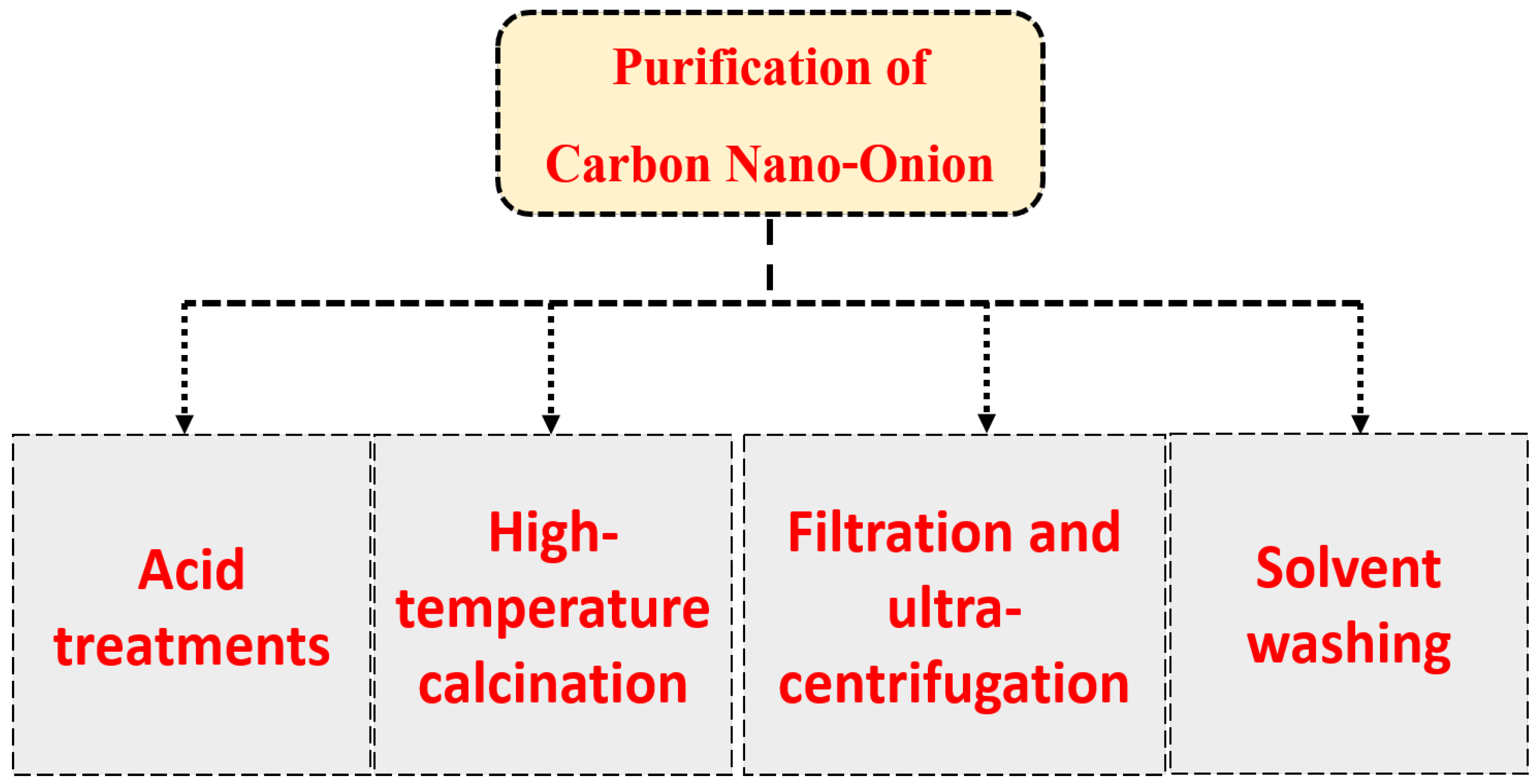
The purification of carbon nano-onions (CNOs) is a crucial step in their synthesis, aimed at enhancing their structural integrity and overall purity for various applications. Several conventional methods are employed in the purification process.
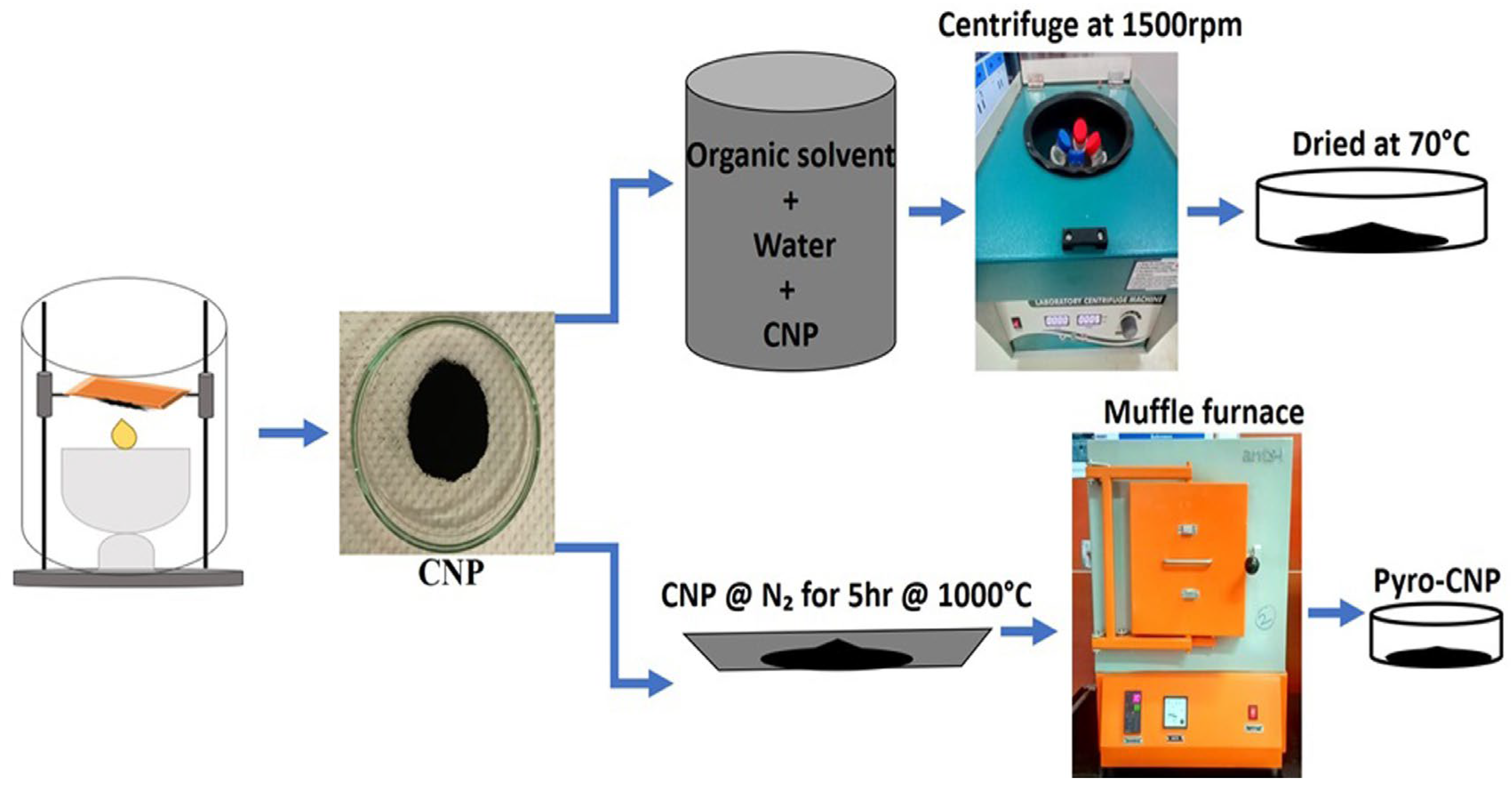
Figure 1 summarizes various purification processes of carbon particles. The acid treatment often uses strong acids, such as nitric acid, to dissolve metal catalysts and other unwanted inorganic materials. The acid refluxing technique enables the effective removal of these contaminants, although it may also alter the surface properties of CNOs [
49]. High-temperature calcination involves heating the CNOs to high temperatures to eliminate amorphous carbon and other residues. The thermal treatment helps maintain the structural integrity of the CNOs, but precise temperature control is necessary to prevent structural damage. Filtration and ultracentrifugation are mechanical methods used to separate CNOs from larger impurities. Filtration can effectively remove particulates, while ultracentrifugation can be used to segregate particles based on size and density [
50] The use of organic solvents is another practical approach; here, the choice of solvent is crucial to ensure that CNOs retain their unique properties after purification [
51].
The solvent-assisted purification method uses mild solvents to remove impurities. This approach is characterized by low toxicity, rapid processing, and compatibility with other processing techniques. Among various purification methods, acetone purification stands out as a preferred choice as it helps retain the intrinsic structure and physicochemical properties of carbon nanomaterials (CNOs) [
52]. It aims to preserve the unique properties of nanomaterials while ensuring high-quality outputs. Further, cost-effectiveness is an essential feature for large-scale production, as it is readily available and relatively inexpensive compared to specialized solvents or complex acid treatments [
4]. This approach has gained significant attention because it yields shorter processing times than more complicated methods, making it a safer choice for laboratory personnel and suitable for potential biomedical applications where toxicity is a concern [
53].
The primary objective of the high-temperature calcination process is to enhance graphitization, which significantly improves electrical conductivity. This process reorganizes carbon nano-onions by transforming their carbon atoms from disordered, amorphous structures into highly ordered, graphitized forms, particularly under elevated temperatures and in the presence of catalysts. The structural evolution of carbon–nitrogen–oxygen (CNO) compounds occurs through two main mechanisms, leading to the formation of graphitic carbon within the samples. Initially, amorphous carbon spheres present a smooth surface and distinct microporosity. Previous studies have shown that temperature and catalyst pathways can retain oxygen and hydrogen functional groups, enhancing polarity while reducing conductivity [
54,
55]. This process facilitates elemental carbonization and fosters a gradual transition towards sp
2 graphitic domains. Under optimal conditions, the process drives graphitization, promoting a shift from disordered amorphous carbon to well-ordered sp
2-bonded graphitic domains, suitable for various applications. Notably, amorphous carbon undergoes a transition from sp
3 to sp
2 hybridization at temperatures between 900 and 1100 °C, with variations in temperature affecting oxygen content and surface area. The introduction of metal catalysts further promotes effective graphitization, leading to the formation of mesoporous structures and increased carbon content while concurrently reducing oxygen and hydrogen levels as temperatures rise [
1,
56,
57,
58].
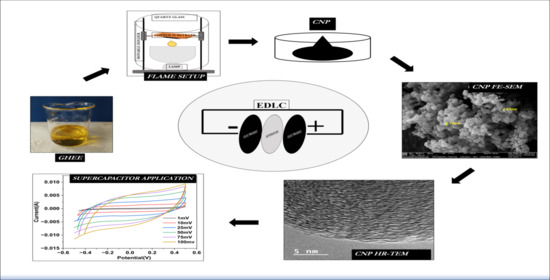
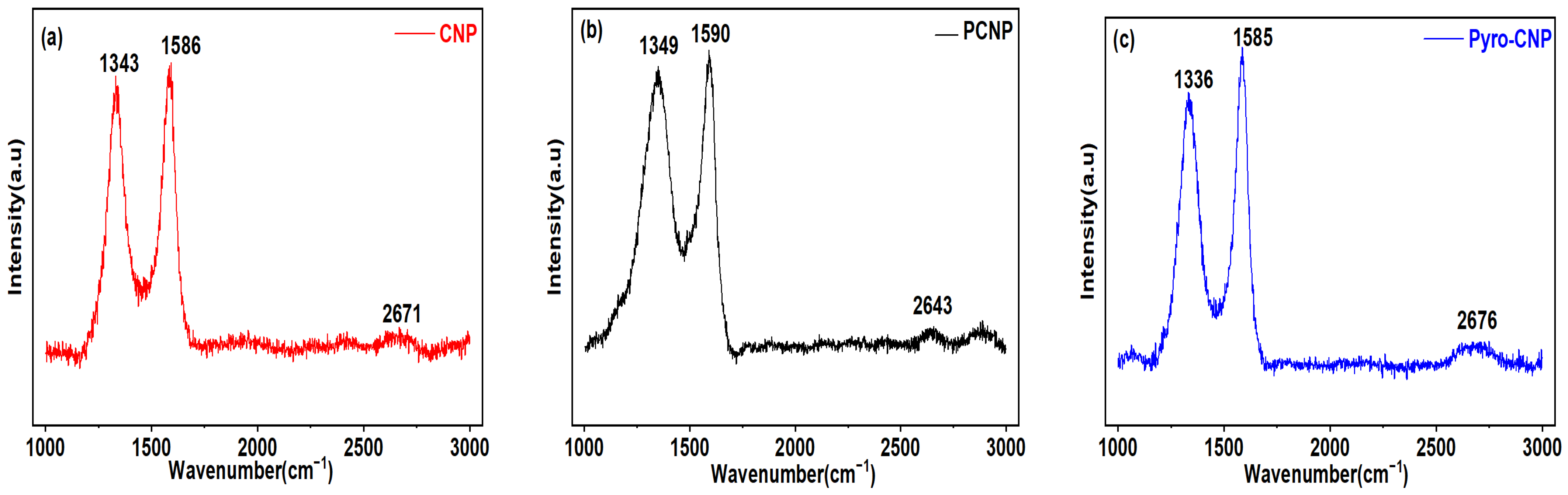
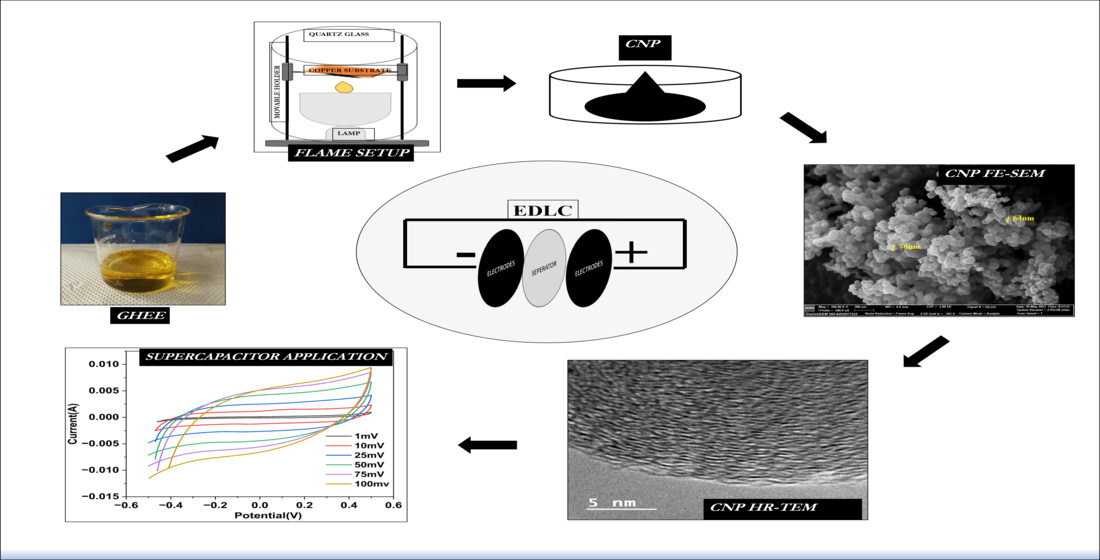
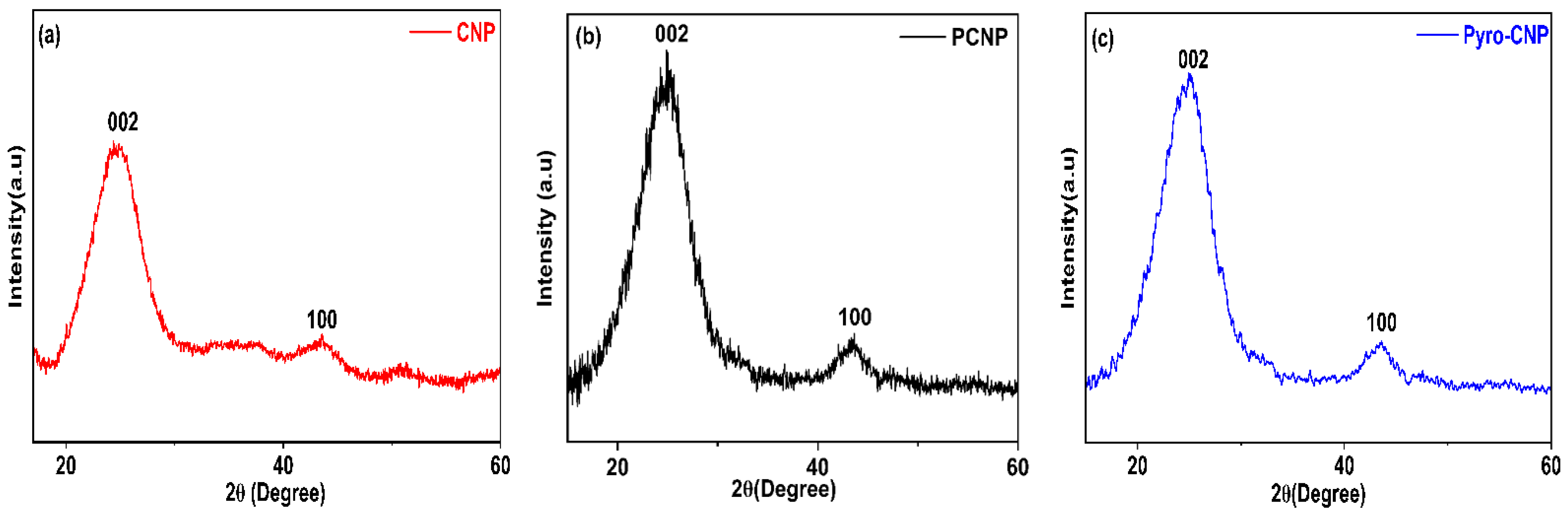
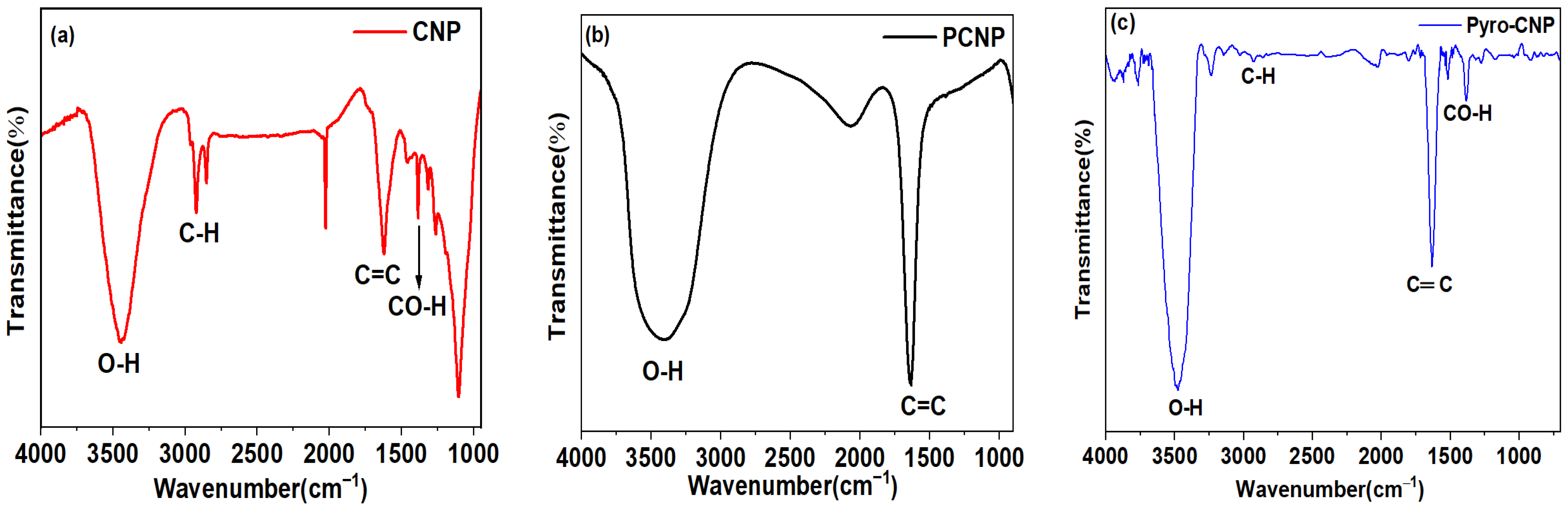
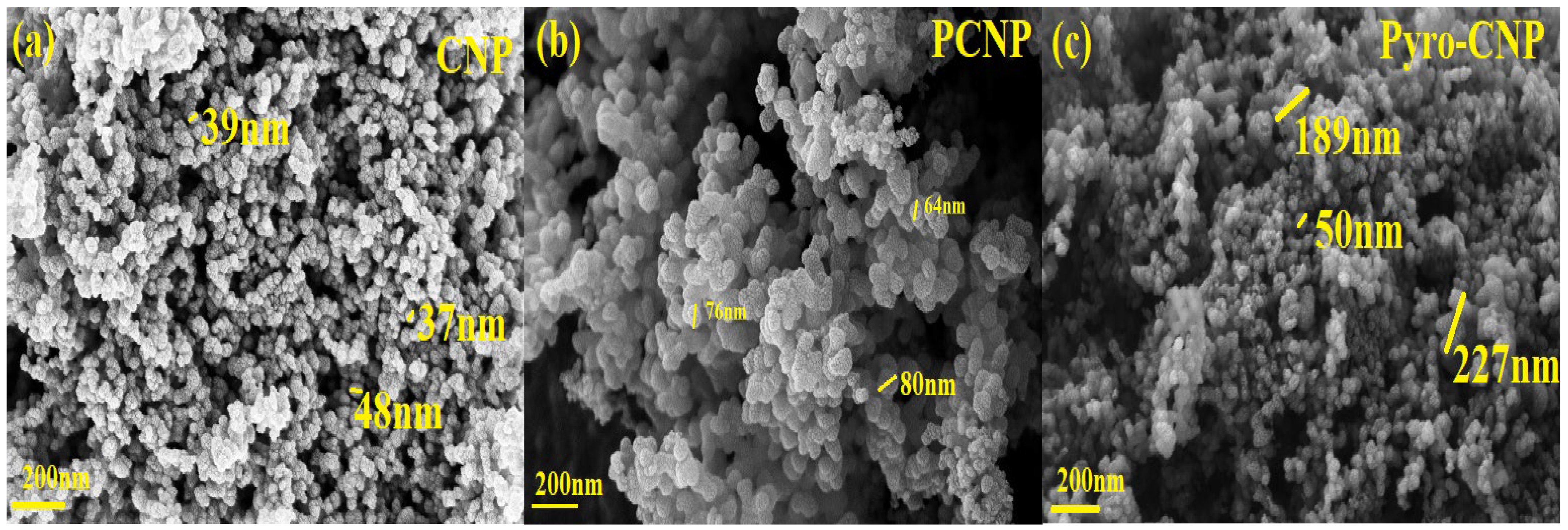
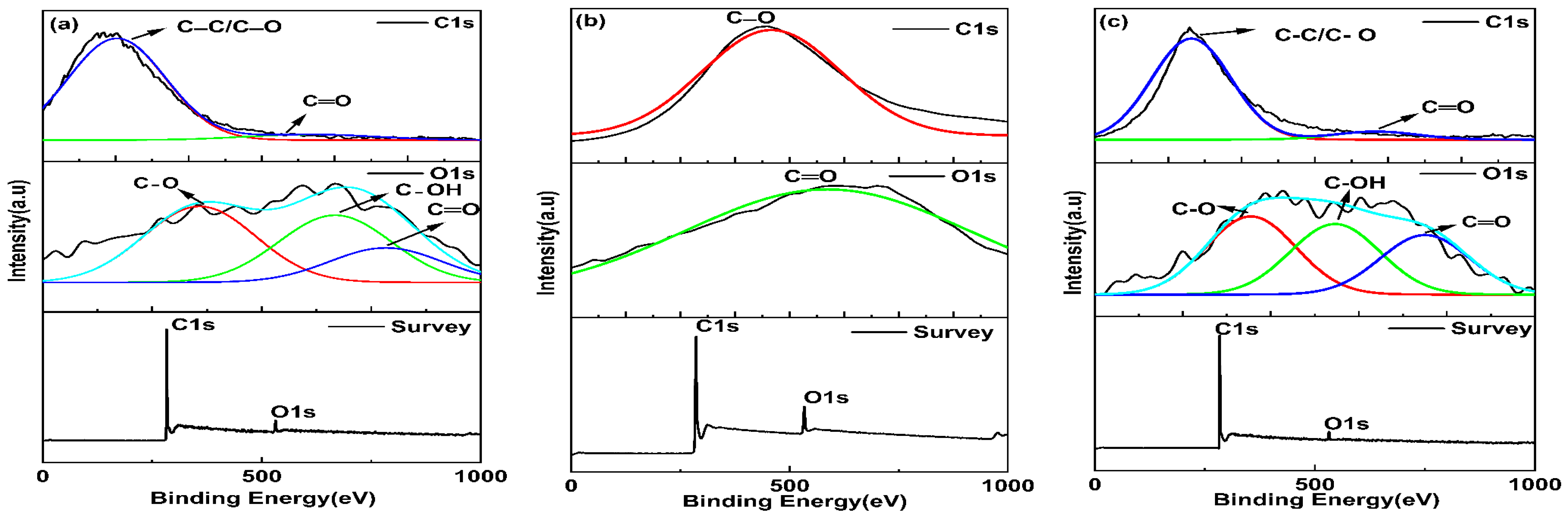
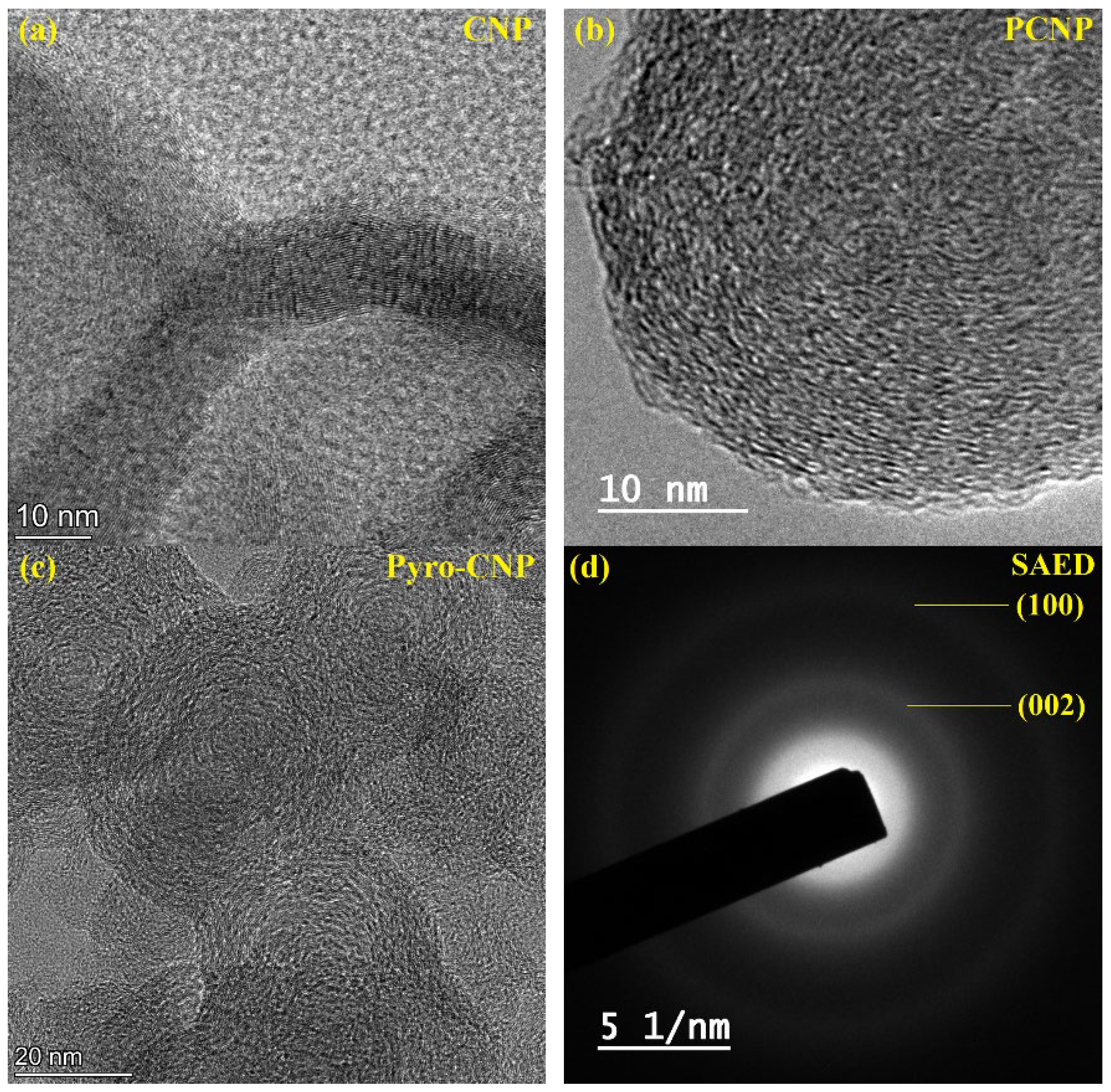
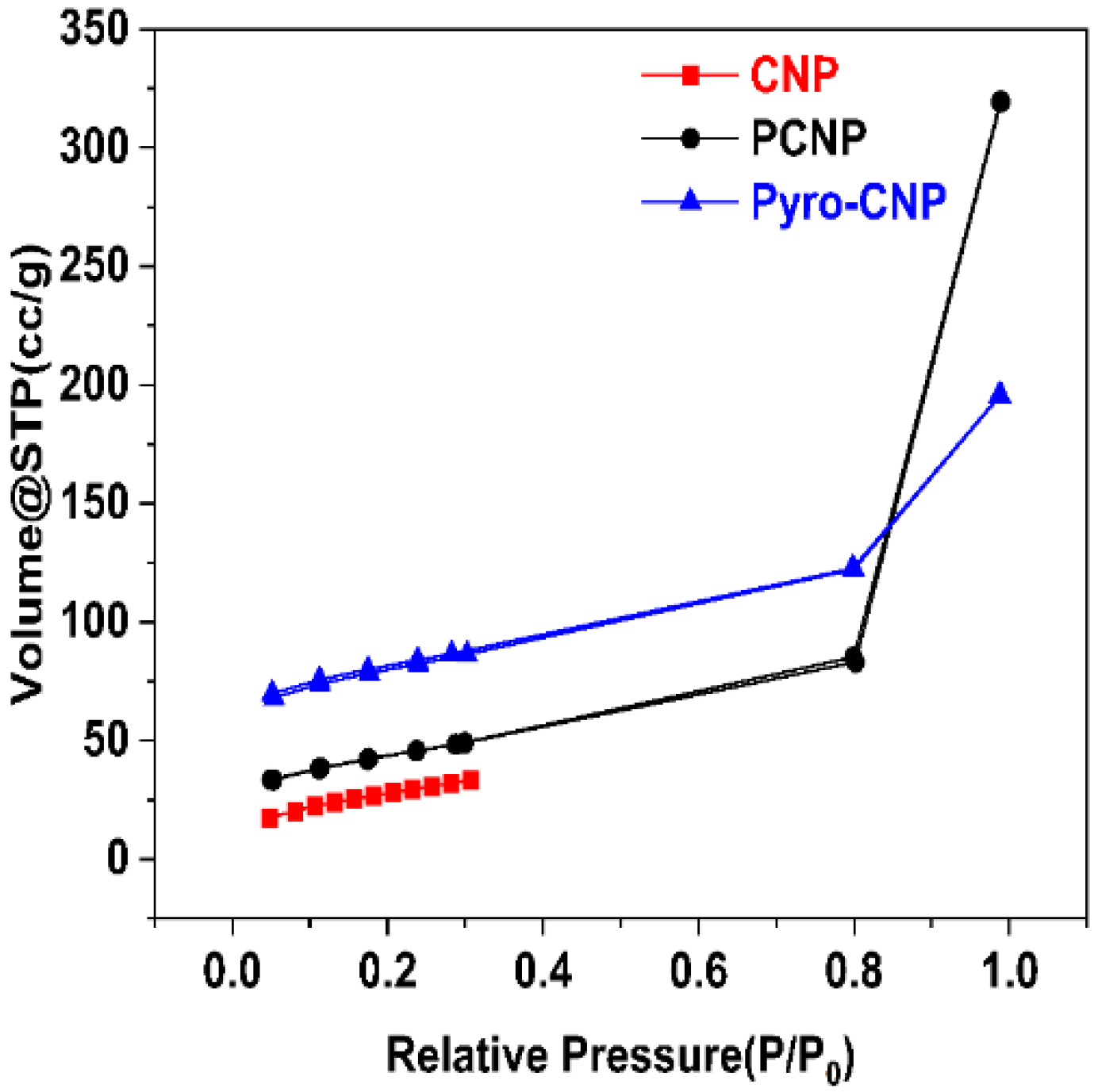
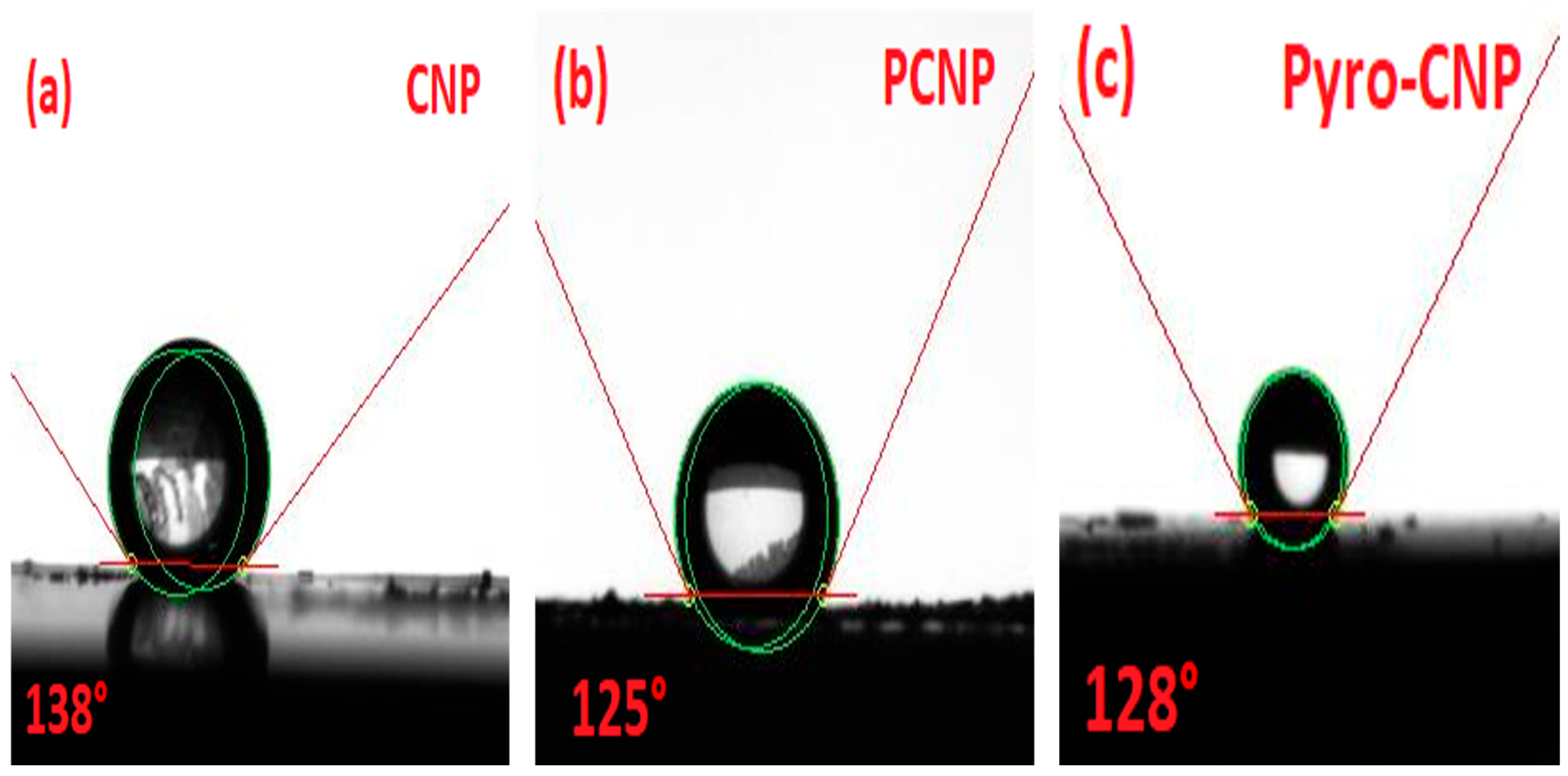
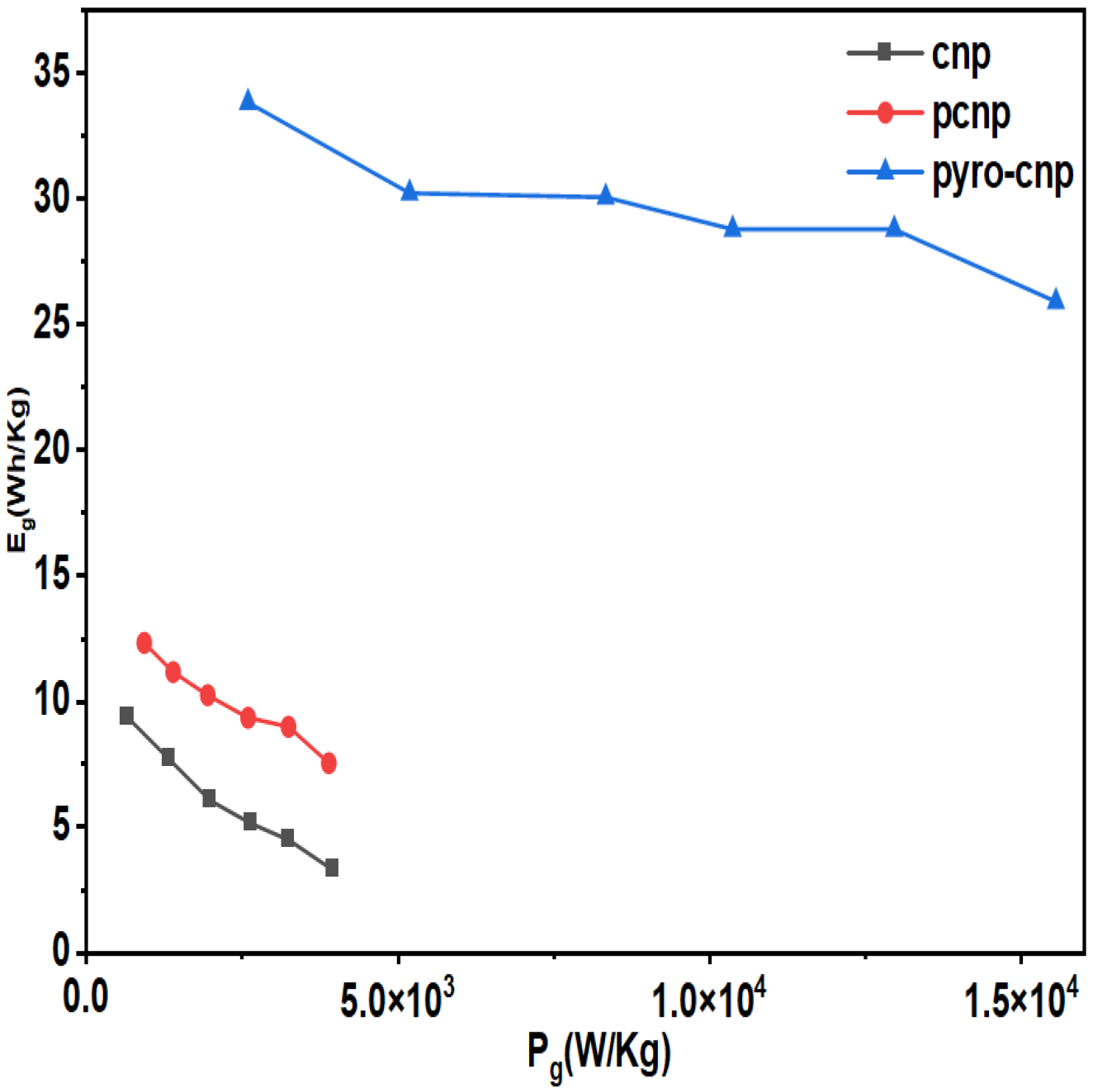
This article mainly focused on the insightful physicochemical characteristics of pristine CNO obtained from the combustion of ghee, coded as carbon nanoparticle (CNP), acetone-assisted purified carbon nanoparticle (PCNP), and pyrolyzed carbon nanoparticle (Pyro-CNP), and their applications in electric double-layer capacitors (EDLCs).




 ,
,