1. Introduction
Fine bubbles—commonly defined as gas bubbles with diameters below 100 μm—exhibit a high specific interfacial area and distinct physicochemical effects that have strong cleaning, sterilizing, and physiologically active effects and are applied in various industrial fields [
1]. Among various generation methods, Venturi tube bubble generators are particularly attractive because they combine a simple structure with low energy consumption while producing fine bubbles through rapid pressure reduction at the throat, followed by pressure recovery in the divergent section. The sudden pressure drop promotes air entrainment, and the subsequent shear, turbulence, and gas–liquid interfacial instabilities drive bubble breakup and the formation of smaller bubbles in two-phase flow [
2,
3]. As shown in
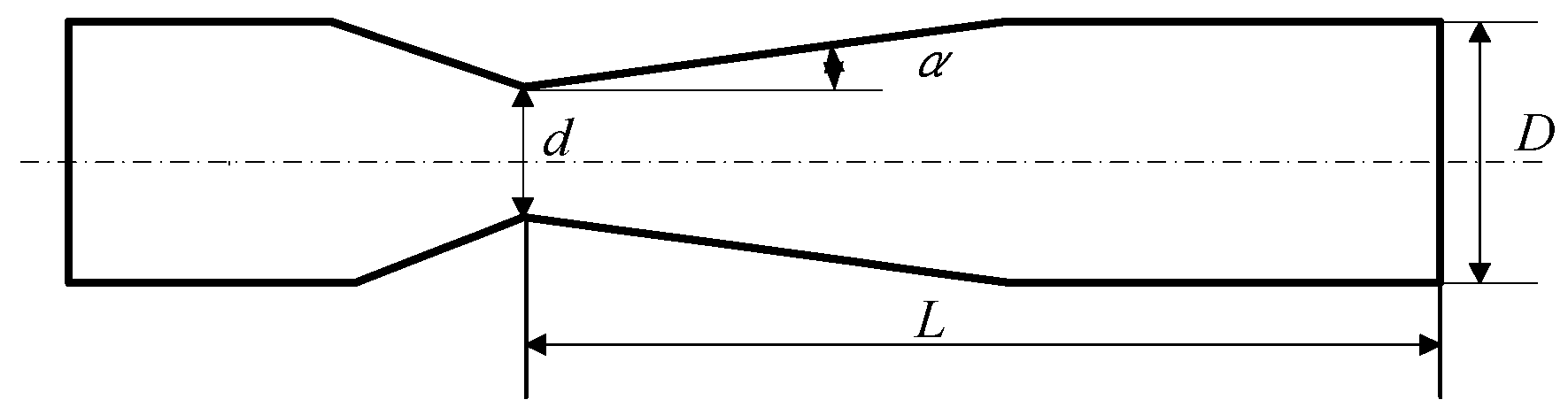
Figure 1, a Venturi tube is composed of three parts: the convergent, throat, and divergent parts.
The geometry of a Venturi tube is a primary determinant of bubble formation characteristics. Prior studies have shown that geometric parameters—such as the throat diameter, the divergent angle, and the length of the divergent section—influence local turbulence intensity and the spatial distribution of breakup/coalescence events, thereby controlling both the volume and the size distribution of generated bubbles [
4,
5,
6]. Many studies [
7,
8,
9,
10] have proved that the performance of the generator is highly dependent on the geometric parameters, especially the divergent angle α and the throat ratio. The throat ratio is defined as the ratio of the throat diameter
to the outlet (or downstream) diameter
, i.e.,
While some works report modest sensitivity to diffuser geometry for specific operating ranges, others demonstrate sizeable reductions in mean bubble size as the divergent angle or liquid Reynolds number increases, underscoring that scale, operating regime, and air–water loading critically mediate geometric effects [
10,
11]. Nevertheless, most investigations to date have focused on relatively large-scale configurations, and systematic evidence for miniature Venturi tubes intended for compact devices remains limited.
Fine-bubble-assisted oral cleaning devices, such as oral irrigators, demand compact generators that can produce high concentrations of small bubbles under strict constraints on nozzle diameter and overall length. Clinical literature shows mixed but relevant evidence regarding oral irrigators’ cleansing efficacy relative to flossing—often depending on anatomical accessibility and user compliance—highlighting the need to better link bubble attributes to cleaning outcomes [
12,
13]. Despite rising interest, the influence of miniature Venturi geometry on fine bubble generation for oral irrigators has not been sufficiently clarified. In particular, quantitative relationships between bubble attributes (e.g., size and concentration) and cleaning performance remain under-established due to limited coupled experimental–numerical datasets [
12,
13].
Therefore, the objective of this study is to elucidate how the geometric parameters of miniature Venturi tubes affect fine bubble generation and surface cleaning performance under the dimensional constraints of an oral irrigator. We designed Venturi tubes with different geometrical combinations to improve the performance of fine bubble generation, including bubble size and volume. To be embedded in the oral irrigator, the nozzle diameter should be within 20 mm, and the total length should be 50 mm or less. In order to find the effect of the geometric parameters on the fine bubble generation performance, we designed Venturi tubes with different parameter combinations. We fix the throat diameter to 1 mm and change the divergent angles from 1.2° to 12.5°, and the throat downstream length is changed L from 10 mm to 40 mm, and the diameter of the outlet D and the throat ratio are changed correspondingly. The geometric parameters tested in this work are shown in
Table 1.
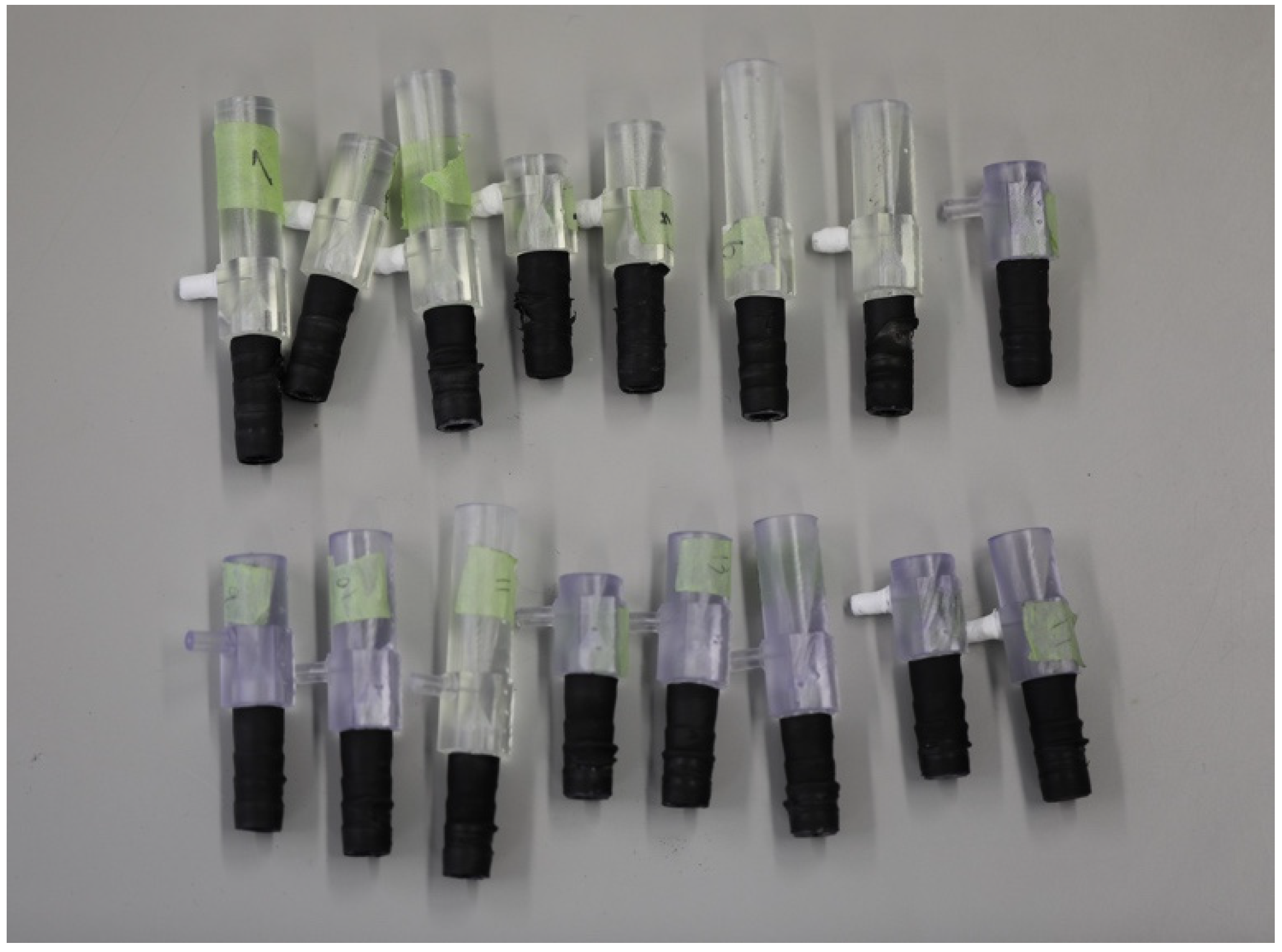
The Venturi tube nozzles were produced using a Form 3B 3D printer with transparent resin, and experiments were conducted to visualize the generated fine bubbles and evaluate their cleaning performance. The produced nozzles for the experiment are shown in
Figure 2. The experimental program quantifies visible and invisible bubbles through image-based bubble area ratios, minimum visible diameters, and NanoSight-based [
14] nanobubble concentrations, following nanoparticle tracking analysis (NTA) protocols, and evaluates cleaning performance via removal efficiency tests [
15,
16]. In parallel, we performed three-dimensional, two-phase flow simulations using a volume-of-fluid framework coupled with a population balance model (PBM) employing a widely used breakup kernel (Luo model) to analyze the internal flow state, breakup dynamics, and turbulence distribution [
17,
18,
19,
20,
21]. By correlating experimental observations with numerical predictions, this study identifies geometry combinations that enhance generation efficiency and cleaning performance, providing actionable guidance for designing fine-bubble-based oral cleaning devices.
3. Experimental Results and Analysis
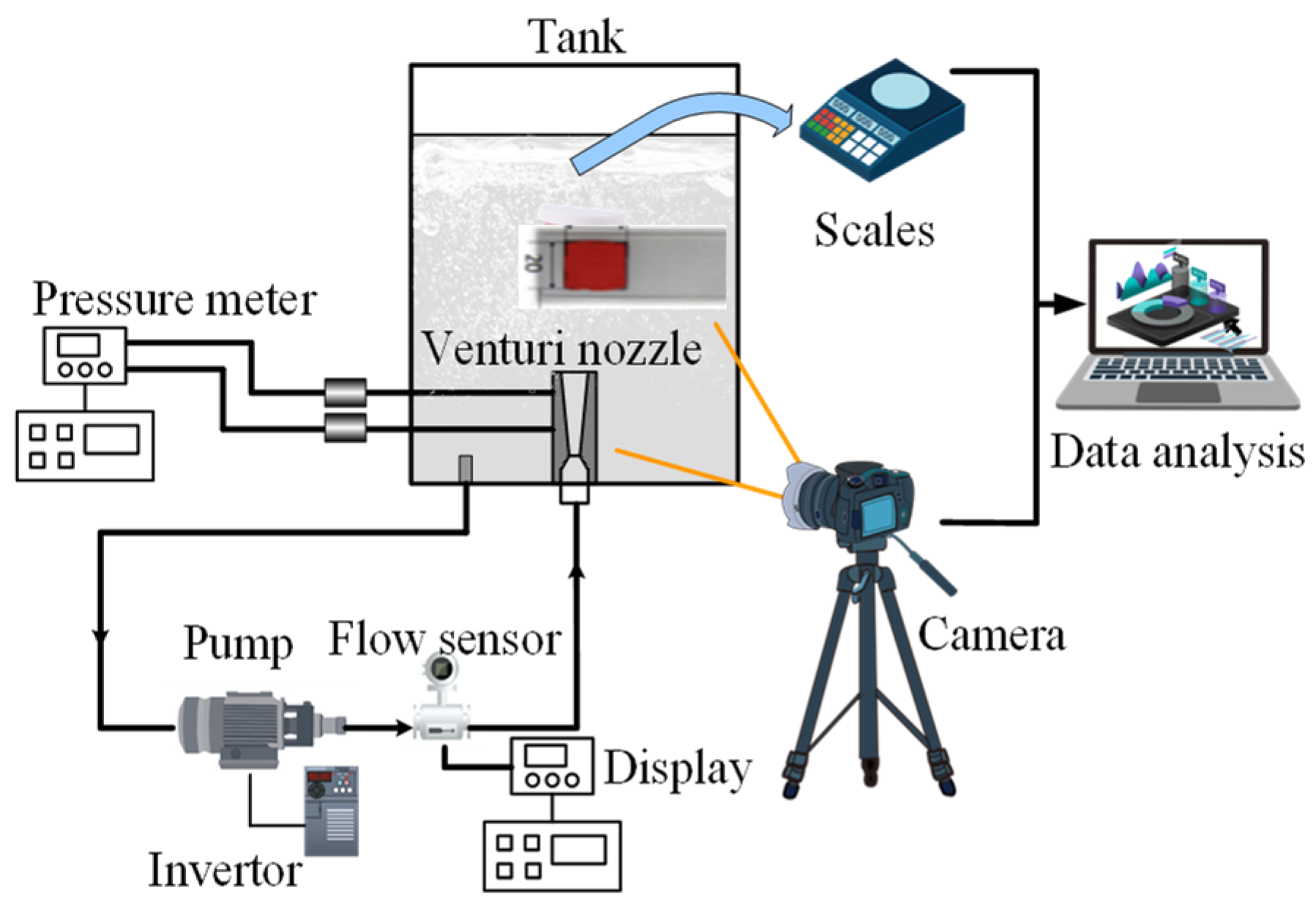
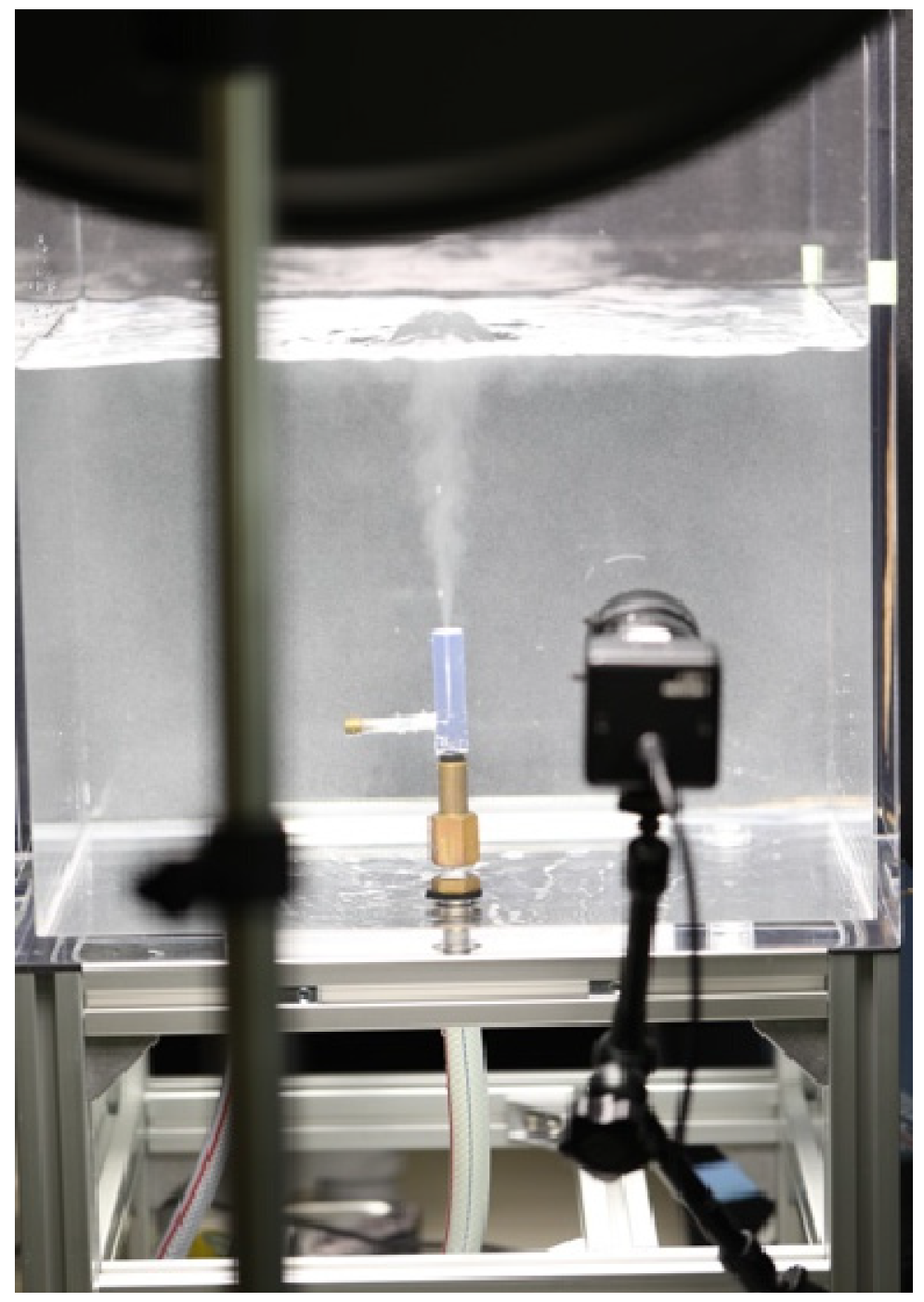
We conducted several experiments on the Venturi tube nozzles with different geometric parameters. First, to analyze the relationship between the parameters and the bubble volume, we placed different nozzles in the tank, and the area ratios of the bubbles were calculated. Then, the particle properties of nanobubbles were tested and analyzed. Finally, the cleaning performance of fine bubbles was evaluated through a cleaning experiment. For several figures, replicate measurements could not be recovered at the time of revision due to data management issues. To avoid reporting misleading statistics, these results are presented as single-point estimates without error bars. Where applicable for image-based metrics, we additionally report a threshold-sensitivity analysis that reflects methodological uncertainty rather than experimental variability.
3.1. Experiments of Visible Bubble Measurement
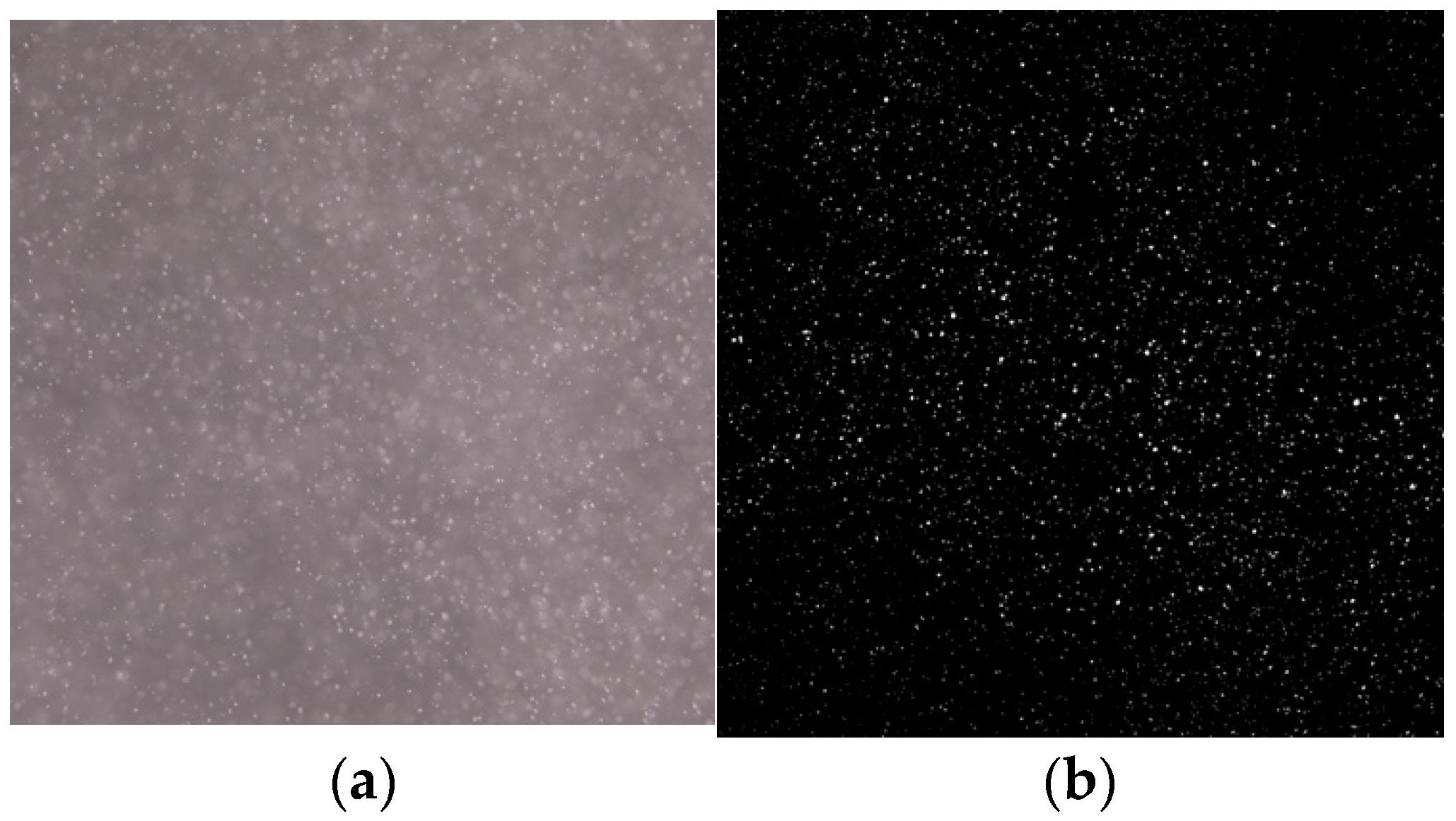
To quantify the visible bubble volume, the captured tank images were binarized, with white pixels representing bubbles and black pixels representing water. The bubble area ratio is defined as the ratio of the projected bubble area to the projected water area. Although this is a two-dimensional projection, all images were recorded at a fixed measurement time (t = 60 s), which was verified in preliminary tests to avoid time-dependent variations in the results. All bubble images were obtained at a fixed measurement time to avoid temporal fluctuations. The projected bubble-to-water area ratio was calculated from binarized images using consistent threshold values.
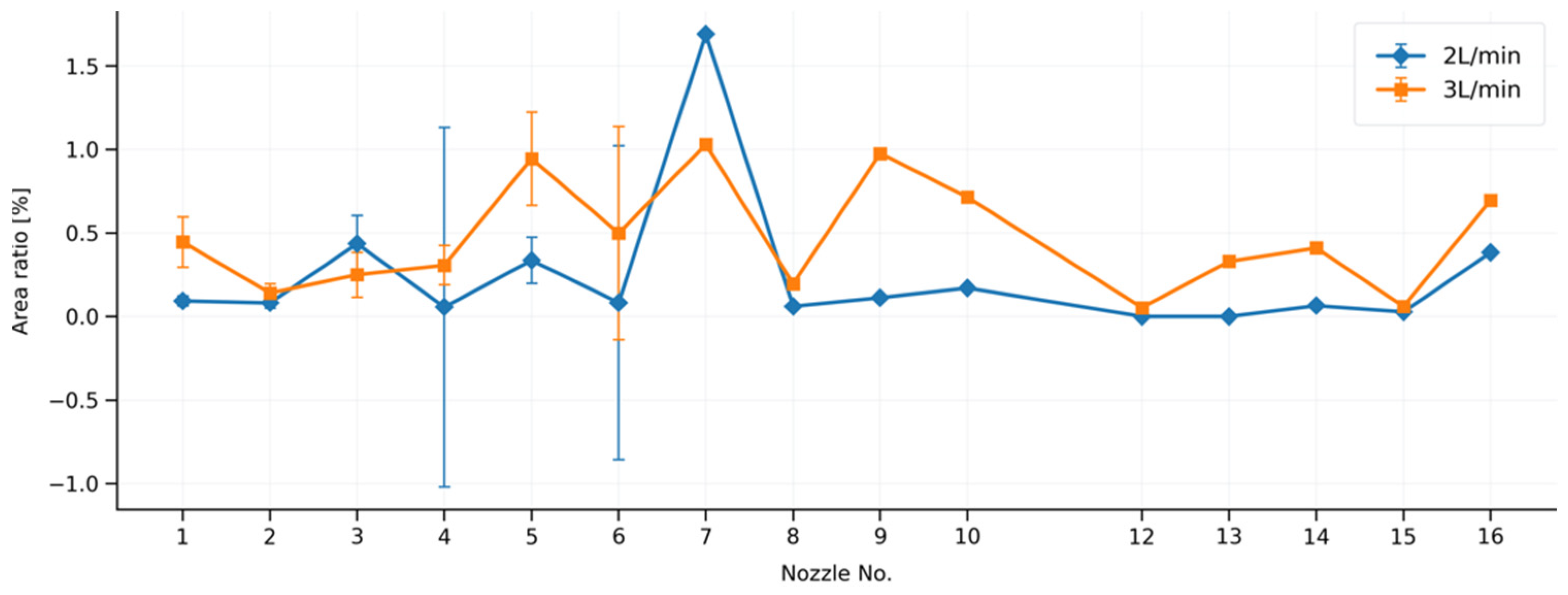
A* is defined as the ratio between the area of bubbles generated and the water in the tank. The relationship between the different nozzles and the bubble area ratio
A* is shown in
Figure 6. The inlet flow rate
Qw of the water pump is changed by 2 L/min and 3 L/min. The vertical axis in
Figure 6 represents the projected bubble-to-water area ratio, which is defined as:
where
and
denote the white (bubbles) and black (water) pixel areas, respectively, in the binarized images. This metric is a two-dimensional projection-based ratio and is therefore presented as a dimensionless value rather than a percentage. All measurements were performed at a fixed time [t = 60 s], and additional tests confirmed that the observed trends are independent of the measurement time.
In the figure, at the flow rate of Qw = 2 L/min, the area ratio A* is relatively large for Venturi tubes No. 3 and 6. However, at the flow rate of Qw = 3 L/min, A* is the largest for Venturi tube No. 6, followed by No. 9 and 5. Also, if we focus on Venturi tube No. 6 in the figure, the area ratio at Qw = 2 L/min is larger than the one at Qw = 3 L/min, which differs from the results of the other Venturi tubes. This is due to the larger size of the bubbles generated at a flow rate of Qw = 2 L/min.
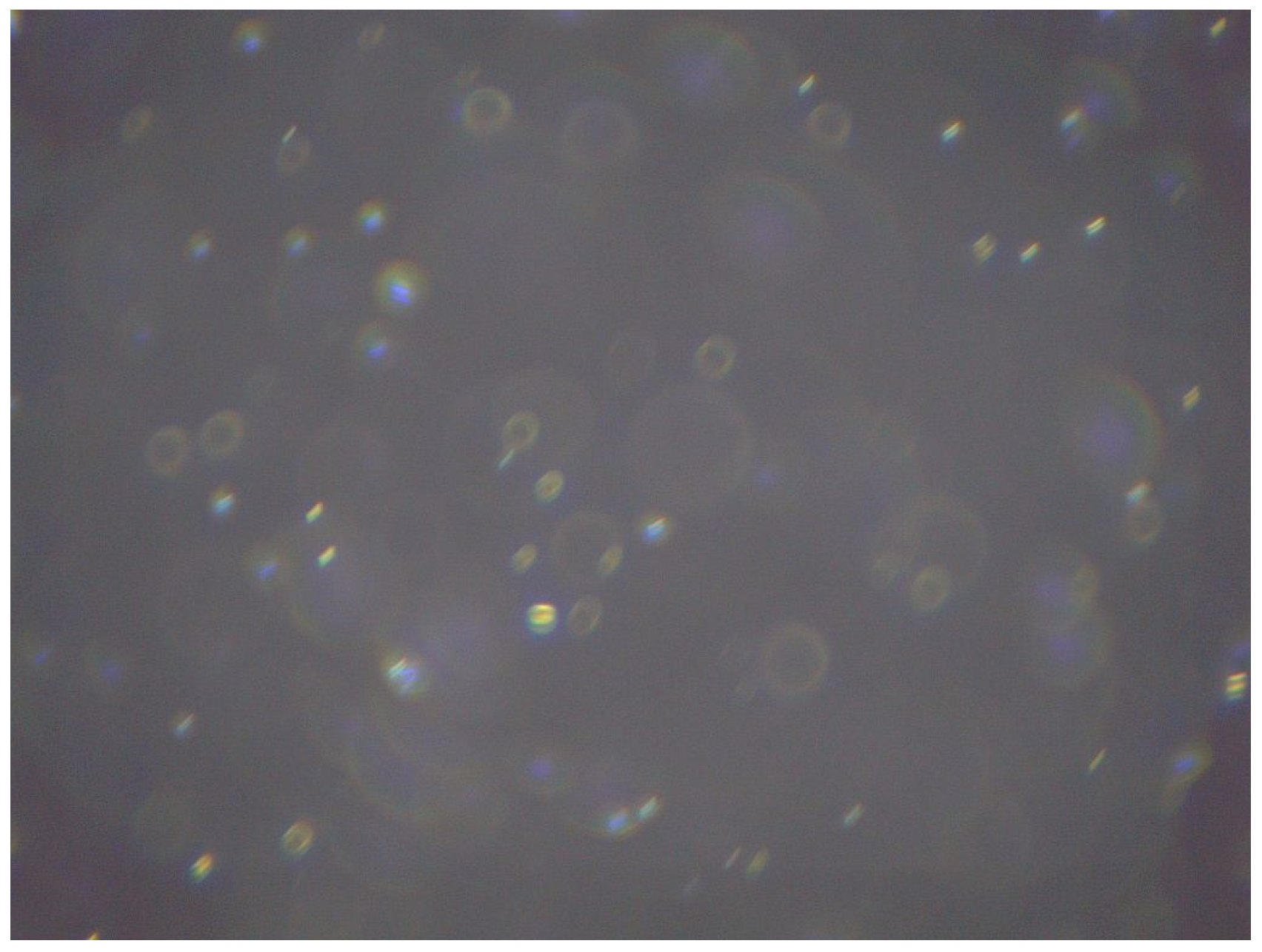
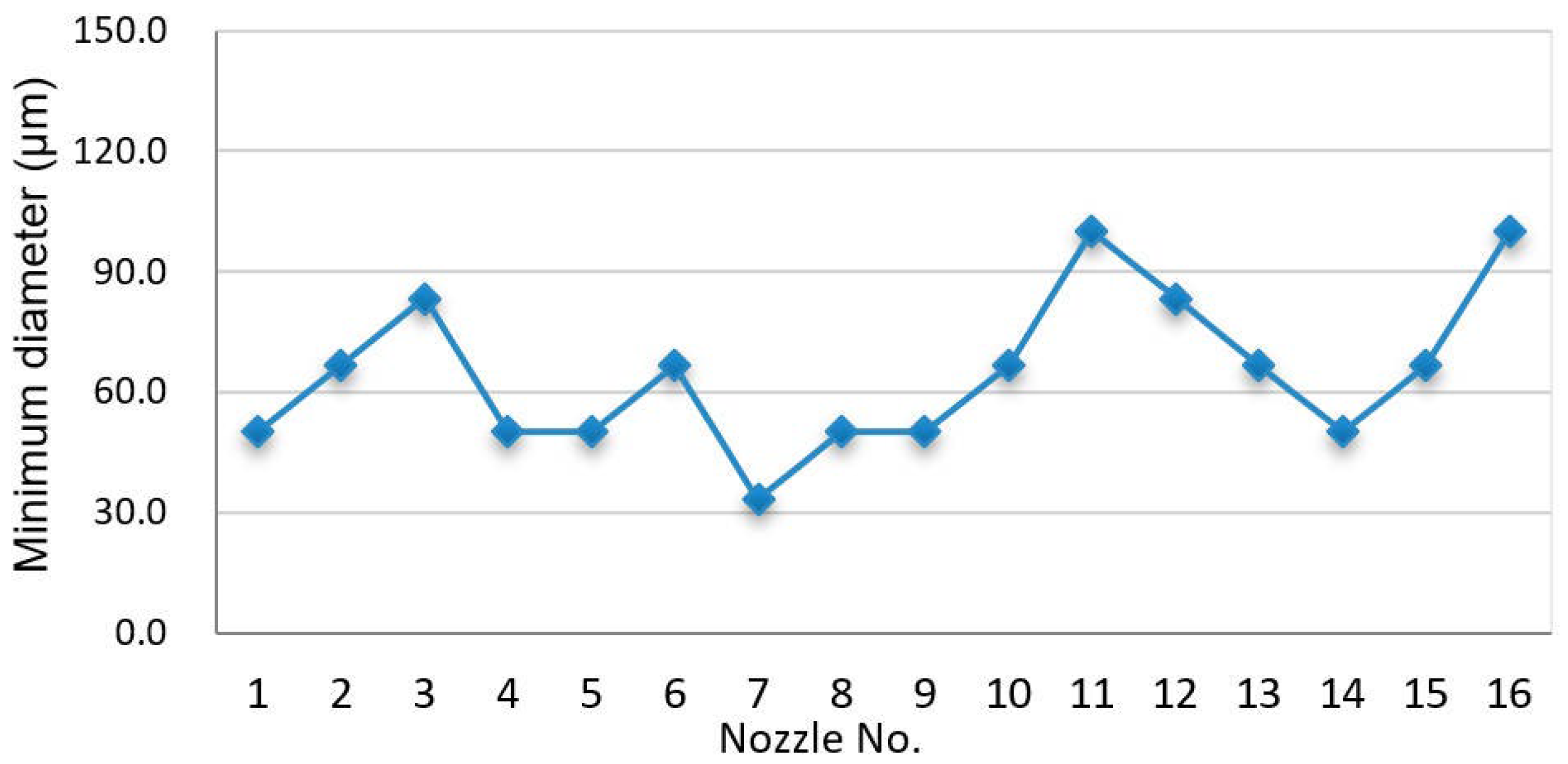
To investigate the minimum size of visual fine bubbles, a microscope is used to photograph the tank filled with fine bubbles, and the minimum diameters of the generated bubbles are calculated by analyzing the sample images. An example of an image taken by the microscope is shown in
Figure 7, and the result of the minimum diameters by each nozzle is shown in
Figure 8.
Based on the comparison of the minimum diameters of each nozzle, the minimum diameter of fine bubbles generated by No. 6 is the smallest among them. By simultaneously comparing the volume and particle size of the fine bubbles generated by each nozzle, the No. 6 nozzle achieves the best performance with the largest bubble volume and the smallest particle size. Furthermore, the No. 5 nozzle also shows good performance in terms of volume and bubble size, although it is slightly inferior to No. 6.
3.2. Experiments of Invisible Bubble Measurement
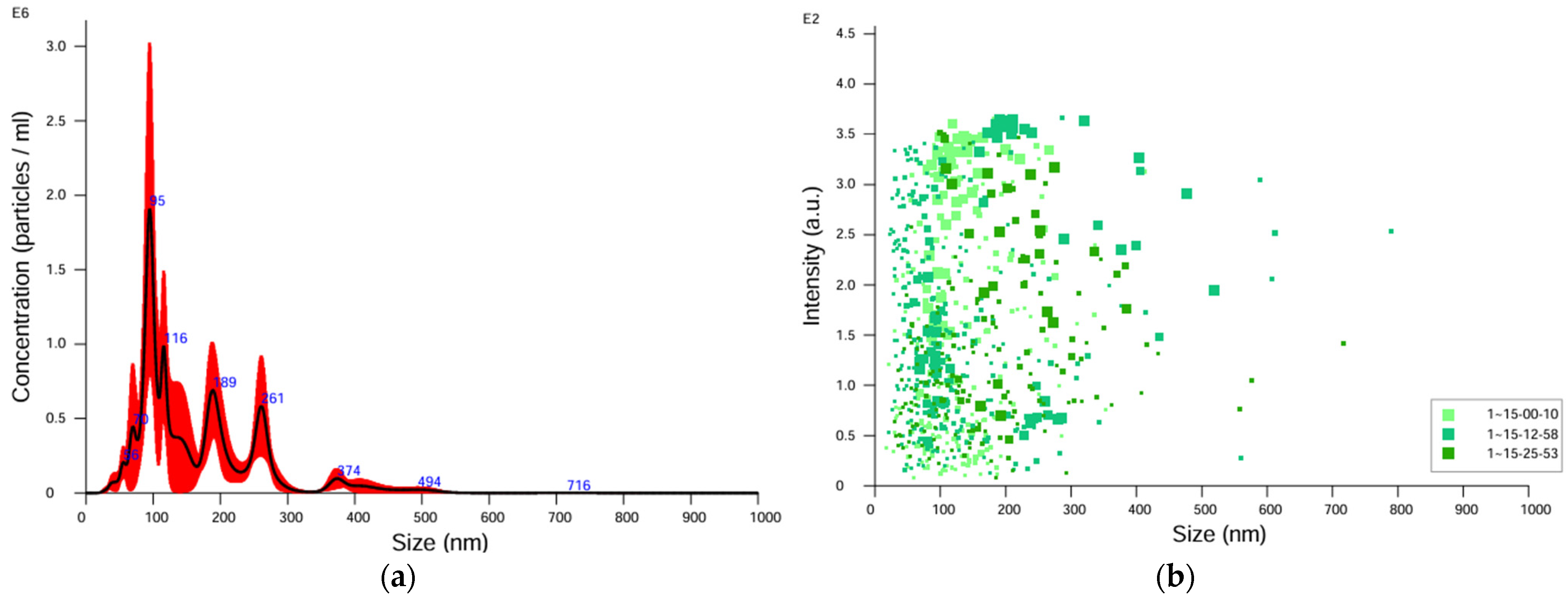
We then focused on the nanobubbles generated by each nozzle. Nanobubble size and concentration were measured using a calibrated Nanosight system following standard NTA procedures. An example of the particle distribution (a) and concentration distribution (b) of nanobubbles generated by the No. 1 nozzle is shown in
Figure 9. In the figures, nanobubbles with a size of from 10 to 500 nm are generated with a certain intensity.
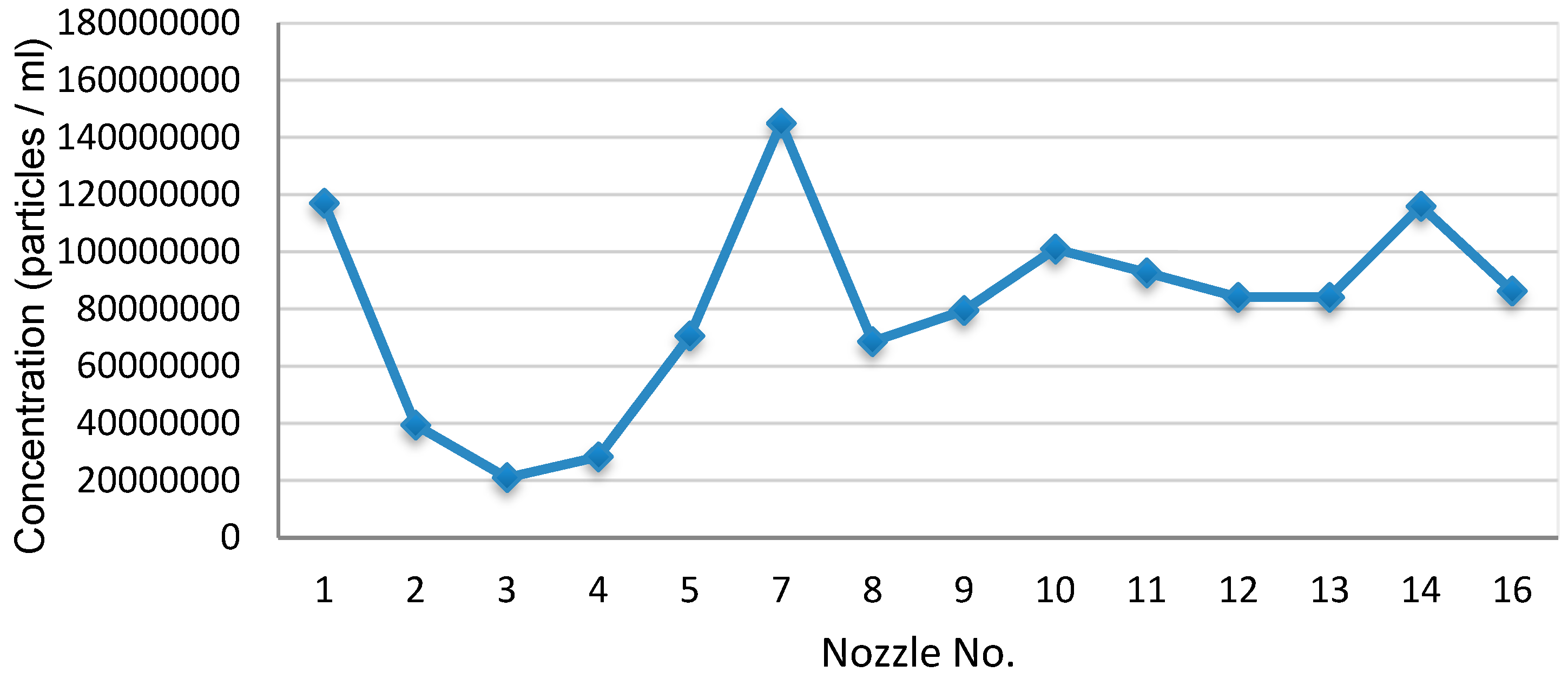
The comparison of nanobubble concentrations for each nozzle is shown in
Figure 10. From this result, the concentration of nanobubbles generated by the No. 6 nozzle is the highest among all. It also infers that regardless of whether the bubbles are visible, fine, or invisible, the No. 6 nozzle exhibits the highest value compared to the others.
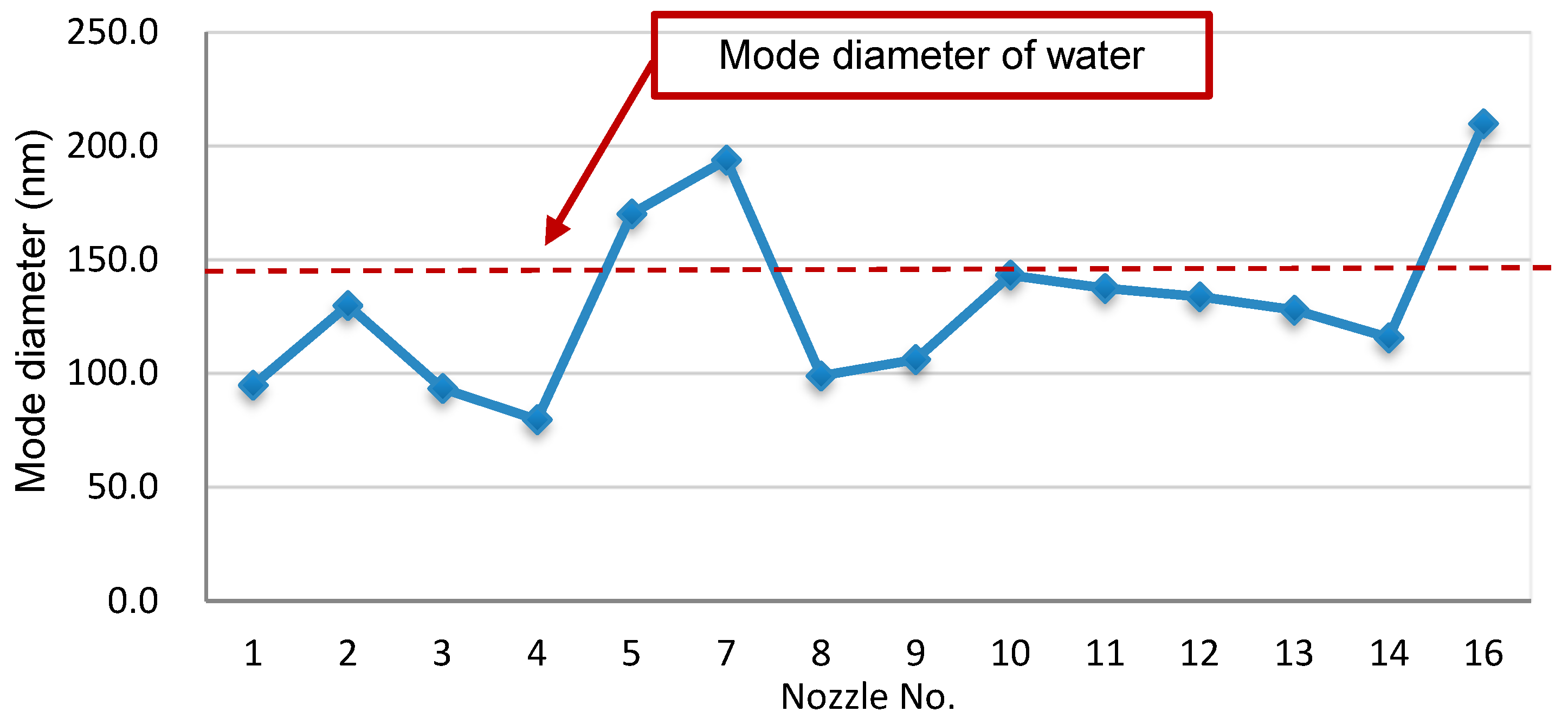
The distribution of particle size of the nanobubbles by each nozzle is shown in
Figure 11. The particle size is evaluated by the mode diameter, which is defined as the particle size where the probability density distribution reaches its maximum value. In all of the nozzles except for No. 10, the mode diameters are significantly different from those of tap water. This indicates that the observed bubbles are nanobubbles generated by the nozzles, and not existing bubbles or fine dust in the tap water.
3.3. Experiments on Cleaning Performance
To evaluate the cleaning performance of the fine bubbles, we applied 0.3 g of poster color to the preparation and placed it in the fine bubble water for 1 min at a flow rate of 1 L/min. Then, the weight of the preparation was measured, and the removal rate of the poster color was calculated. In this study, the cleaning performance is defined as the removal efficiency of the colored material deposited on the test plate. The removal efficiency η is calculated as:
where
and
represent the mass of the plate before and after the cleaning test, respectively. This metric is used in previous experimental studies of bubble-assisted cleaning and represents a widely accepted measure of cleaning performance [
15,
16].
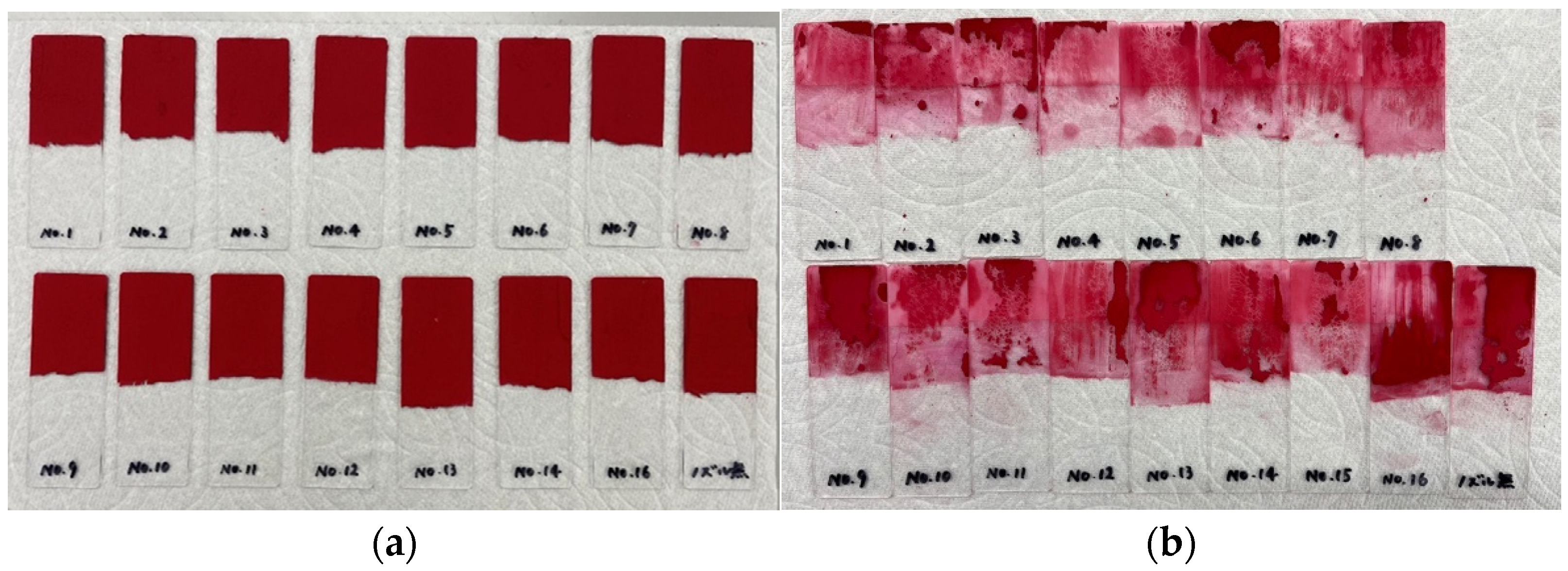
The images of preparations with poster color before cleaning and after cleaning are shown in
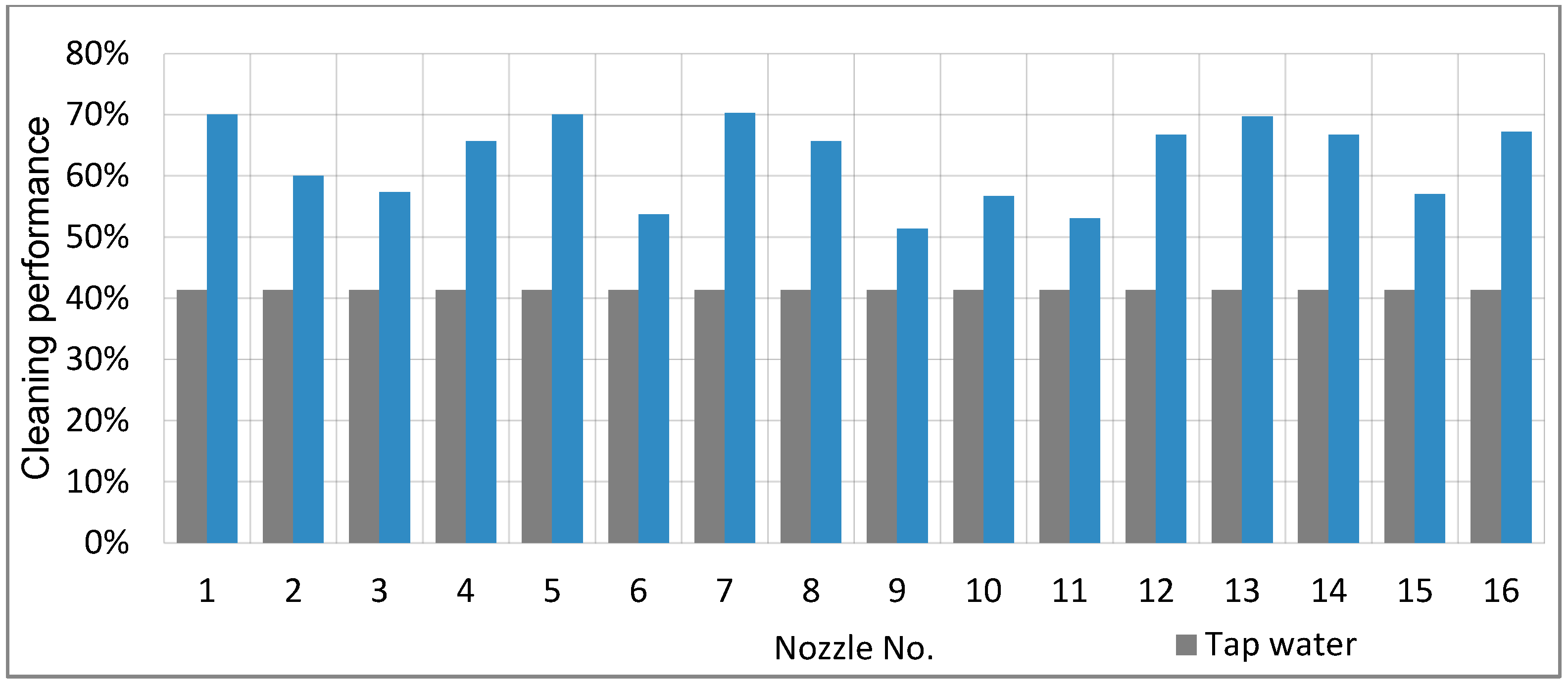
Figure 12a,b. The comparison of the removal rates of the fine bubbles from each nozzle and from water is shown in
Figure 13.
Based on the results, the removal rate of bubbles by the No. 6 nozzle achieves 70.3%, which is the highest among all the nozzles. Additionally, the No. 1, No. 5, and No. 13 nozzles show a relatively high removal rate of 70%. When compared to tap water, the cleaning performance of fine bubble water is nearly twice as high as that of tap water.
We can infer that water with fine bubbles can achieve a remarkable cleaning effect. The cleaning performance depends on the performance of the fine bubbles, including their volume and size, and the geometric parameters have a critical influence on the performance and cleaning performance of fine bubbles. Among all the Venturi tube nozzles, the No. 5, No. 6, and No. 7 nozzles, with a divergent angle of 5°, exhibit better performance than the others.
Configurations that produce smaller, more numerous bubbles increase the liquid–gas interfacial area and near-wall shear fluctuations in the vicinity of adhered contaminants, which enhances detachment and transport. Consistent with this mechanism, the 5°–30° mm nozzle yields both a high and small bubble sizes (visible and nano-scale), and correspondingly, the highest removal efficiency in our cleaning tests. This link between geometry → bubble population → cleaning performance supports the use of moderate diffuser angles and intermediate lengths in compact oral irrigators.
4. Simulation Results and Analysis
4.1. Void Fraction Distributions
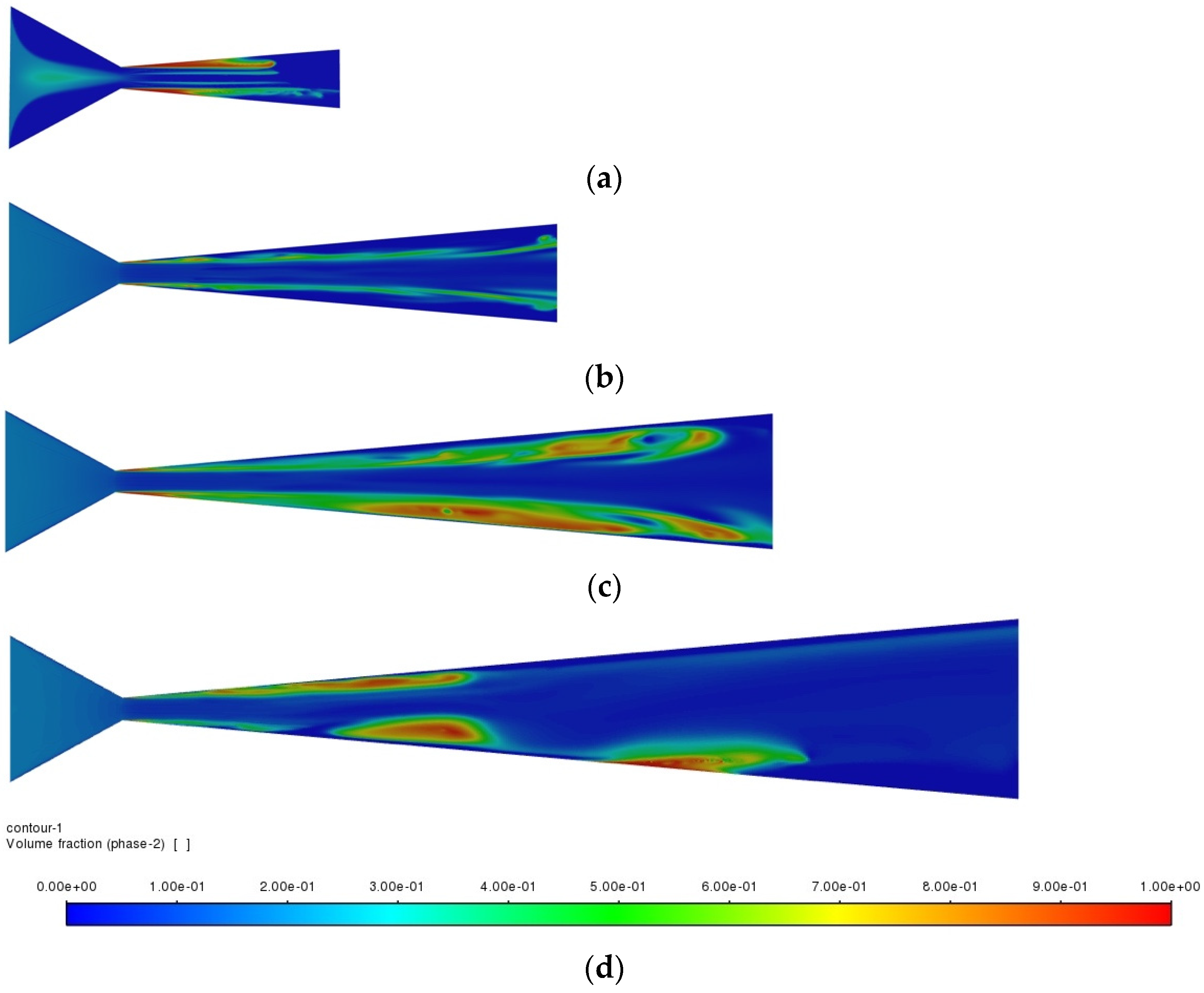
To analyze the flow state inside the Venturi tube for fine bubble generation, we conducted numerical simulations under the same conditions as the experiments. Based on the experimental results, nozzles with a divergent angle of 5°demonstrate better performance compared to others. Therefore, further investigations using simulations were conducted on nozzles No. 4 to No. 7 with a divergent angle of 5°. The simulation results of distributions of void fraction are shown in
Figure 14.
The areas filled with blue represent water with a void fraction of 0, while the darker-colored areas represent air with a void fraction ranging from 0 to 1. It can be observed that when the gas–liquid two-phase flow passes through the throat part, many bubbles separate from the water and accumulate near the wall in the downstream section of the throat. Then, the bubbles are broken up into numerous tiny fragments due to strong deformation of phase boundaries under various kinds of force, including pressure gradient force, drag force, buoyancy, lift, and virtual mass force [
10]. Among all the Venturi tube nozzles, No. 6 produces the largest volume of bubbles, which is consistent with the experimental results. Furthermore, the locations where bubbles accumulate vary with changes in the length of the downstream section. In Nozzle No. 4, a large number of bubbles are generated immediately after the throat, near the downstream wall of the throat. While in No. 6, the bubbles are distributed throughout the downstream part of the throat.
4.2. Turbulence Energy Distributions
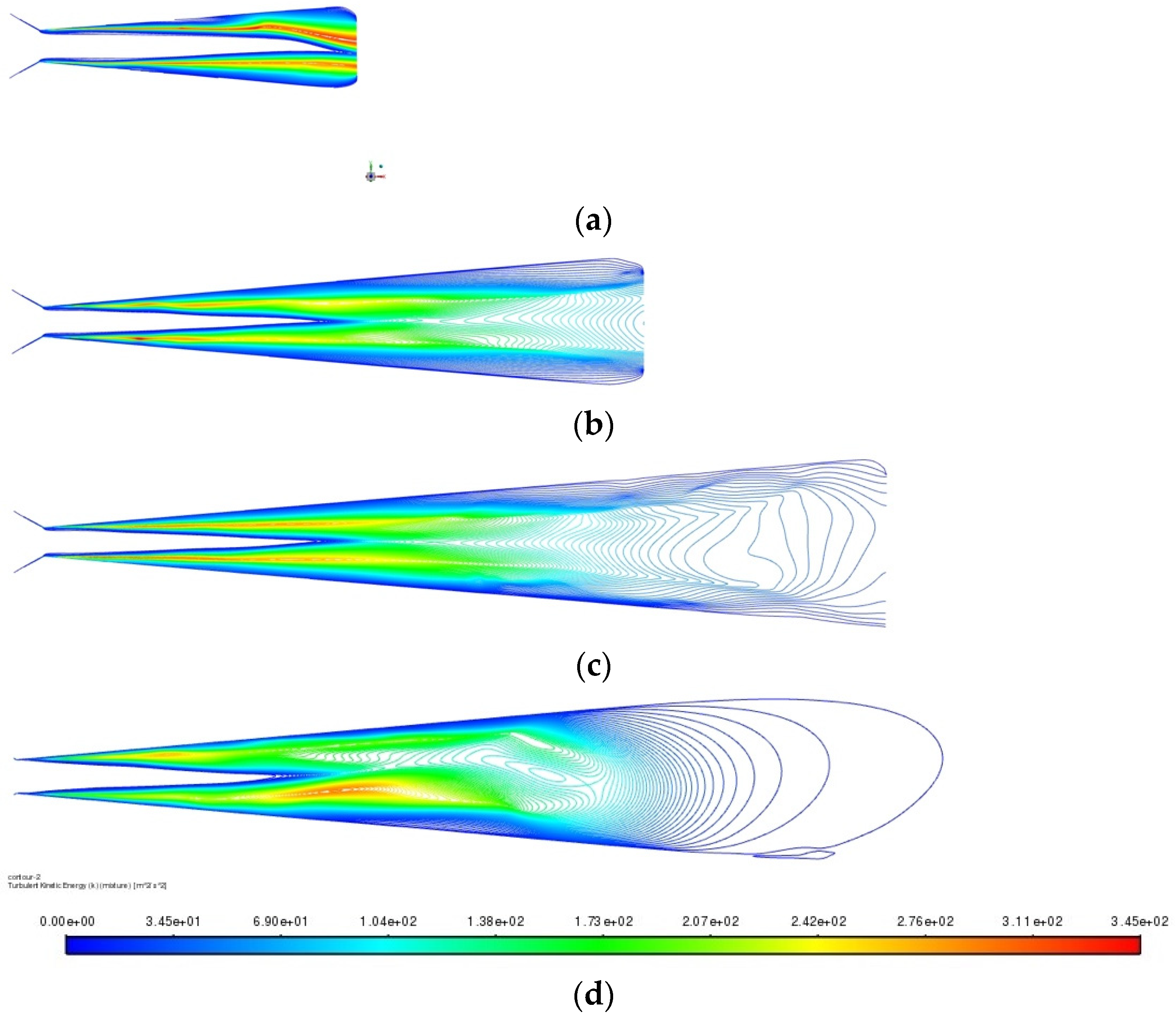
The turbulence energy distributions that promote the breakup of bubbles at different nozzles are illustrated in
Figure 15. The turbulence energy increases as the color changes from blue to red. In
Figure 15, we can see that when the divergent angle is the same, the distribution of turbulence energy is similar, and the position of the strongest turbulence energy is almost identical. Compared to the void fraction distribution, when a large number of bubbles gather in the strong turbulent area, bubble breakup becomes intense, and a lot of tiny bubbles are generated. However, in Nozzle No. 4, the bubble gathering location is different from the area with the strongest turbulence energy. Therefore, the breakup of bubbles is not as intense, and the volume of fine bubbles is small. On the other hand, in Nozzle No. 6, a lot of bubbles are generated in the downstream section, and the bubble gathering location aligns with the area of strongest turbulence energy. As a result, a large number of small fine bubbles are generated. The geometric parameters determine both the bubble generation location and the distribution of turbulence energy, indicating that there are optimized geometric parameters for Venturi tubes in fine bubble generation.
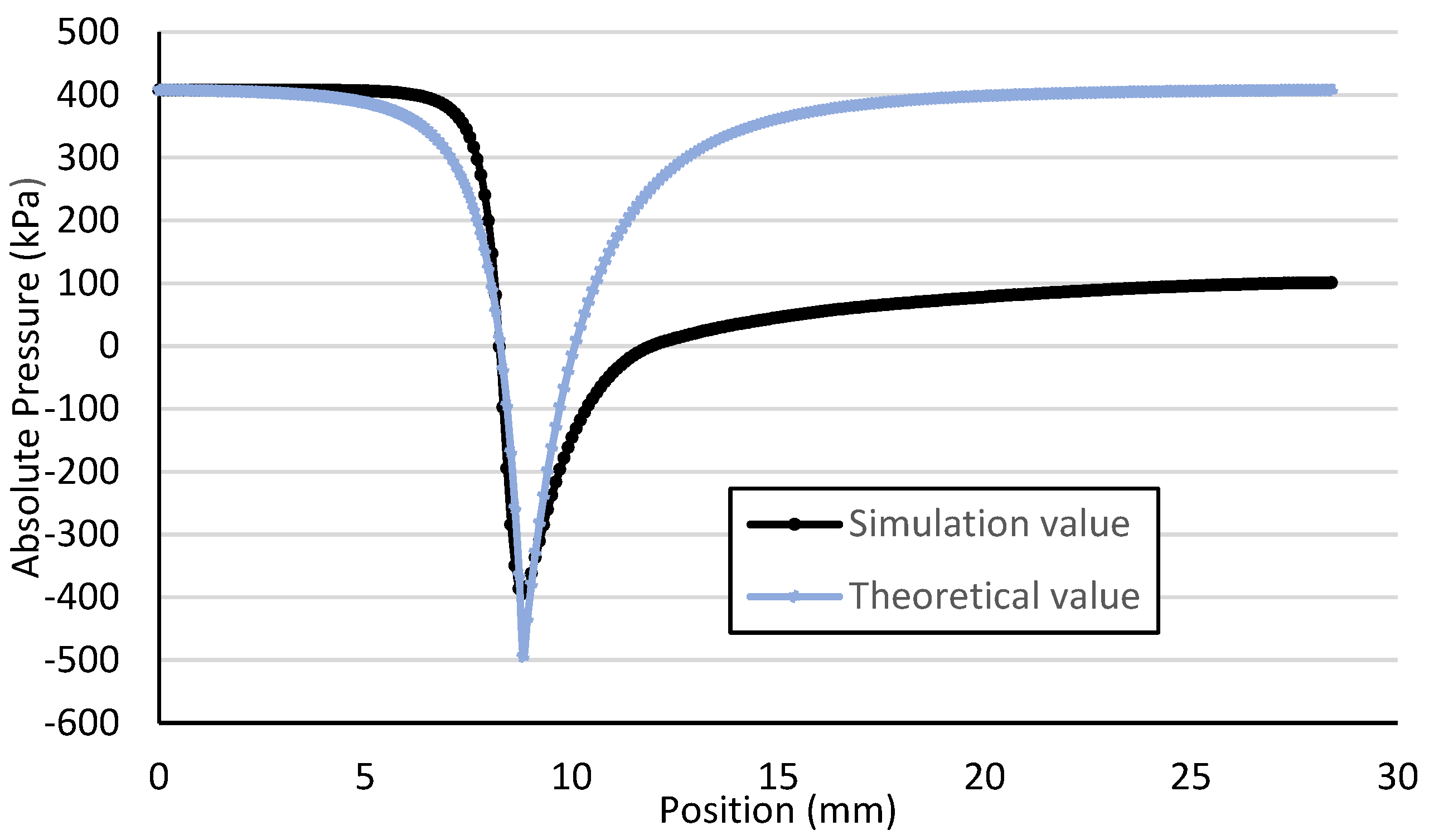
An example of the wall pressure distribution in Nozzle No. 5 is shown in
Figure 16. The theoretical value is calculated by the following Equation (6) of Bernoulli’s principle [
11]. In this figure, there is a pressure loss in the outlet between the theoretical value and the simulation value, which is considered the energy for bubble breakup. The pressure loss is also affected by the geometric parameters of Venturi tubes.
4.3. Bubble Diameter Distributions
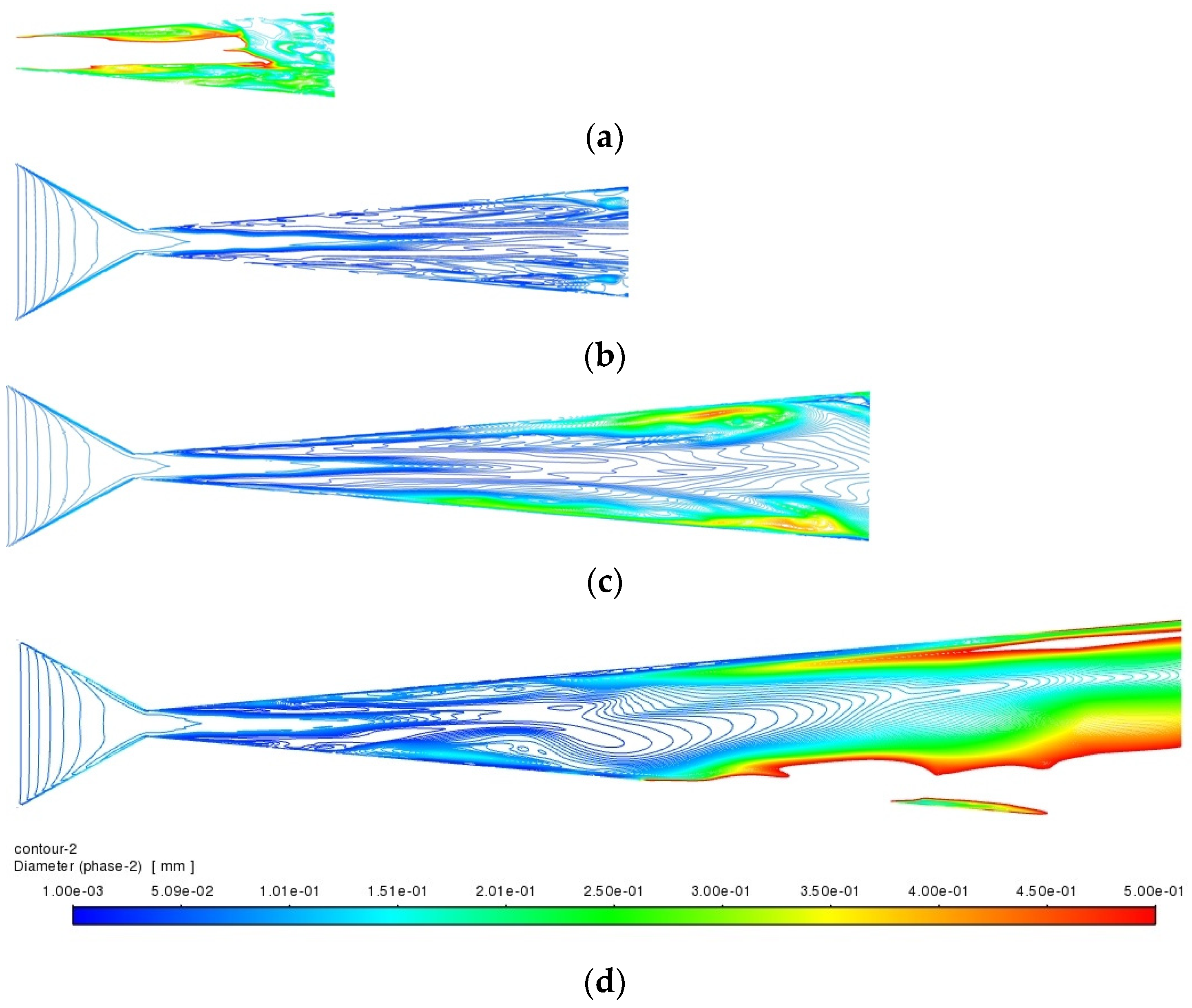
The distributions of bubble diameters in the central cross-section of each nozzle are shown in
Figure 17. The color change from blue to red corresponds to the variation in diameters from the minimum to the maximum. The results show that the coalescence and breakup of bubbles occur in the divergent section of each nozzle. In addition, the locations of coalescence and breakup are different when the length of the divergent part changes, even though the divergent angle remains the same.
4.4. General Effects of Micro-Nozzle Geometry
When comparing nozzles at a fixed downstream length, increasing the divergent angle from ~2.5° to ~5° increased the projected bubble-to-water area ratio (A*) and decreased both the minimum visible diameter and the nanobubble mode diameter. Further increasing the angle to ≧7.5–12.5°reduced A* and enlarged the characteristic bubble sizes, indicating performance degradation at higher angles.
At a fixed angle, extending the downstream length from 10 mm to 30 mm improved A* and reduced bubble sizes; extending further to 40 mm did not yield additional gains and in some cases slightly worsened the metrics. The 5°–30° mm configuration reproducibly delivered a high A* together with small visible and nano-scale bubbles, suggesting that moderate diffusion (angle) over an intermediate residence length enhances breakup while avoiding premature coalescence.
The void fraction and turbulence energy fields show that, for 5°–30° mm, bubble clusters form and persist within a high-turbulence corridor downstream of the throat, promoting repeated breakup. In contrast, shorter lengths shift clusters upstream where the energy peak is misaligned, while larger angles promote rapid expansion and weakened shear, both of which limit sustained breakup and favor coalescence. This alignment between bubble cluster location and turbulence peak explains the observed geometry–performance trends.
Taken together, the general effect of micro-nozzle geometry can be summarized as follows:
- (i)
Too small a divergent angle or too short a downstream length under-utilizes turbulent breakup.
- (ii)
Too large an angle or too long a length weakens shear and/or increases coalescence probability.
- (iii)
A moderate angle (~5°) and an intermediate length (~30 mm) balance shear-induced breakup and residence time, yielding higher bubble production (A*) and smaller sizes across both visible and nano-scales in our operating range.