Article

Evaluation and Experiment of High-Strength Temperature- and Salt-Resistant Gel System

1
School of Petroleum Engineering, Xi’an Shiyou University, Xi’an 710065, China
2
Engineering Research Center for Development and Control of Low-Permeability and Ultra-Low-Permeability Reservoirs in Western China, Ministry of Education, Xi’an 710065, China
3
China National Petroleum Chang Qing Oilfield Company’s New Energy Division, Xi’an 710016, China
*
Author to whom correspondence should be addressed.
Gels 2025, 11(8), 669; https://doi.org/10.3390/gels11080669
Submission received: 30 June 2025 / Revised: 11 August 2025 / Accepted: 18 August 2025 / Published: 21 August 2025
(This article belongs to the Special Issue Applications of Gels for Enhanced Oil Recovery)

Abstract

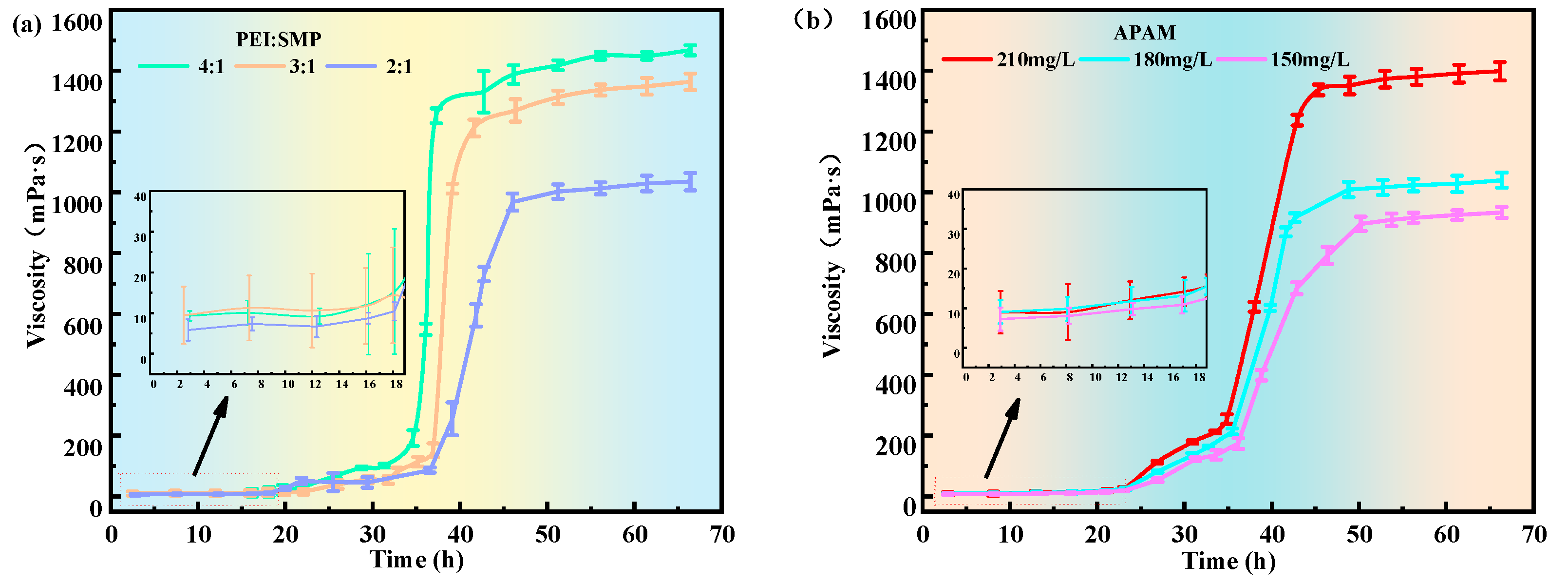
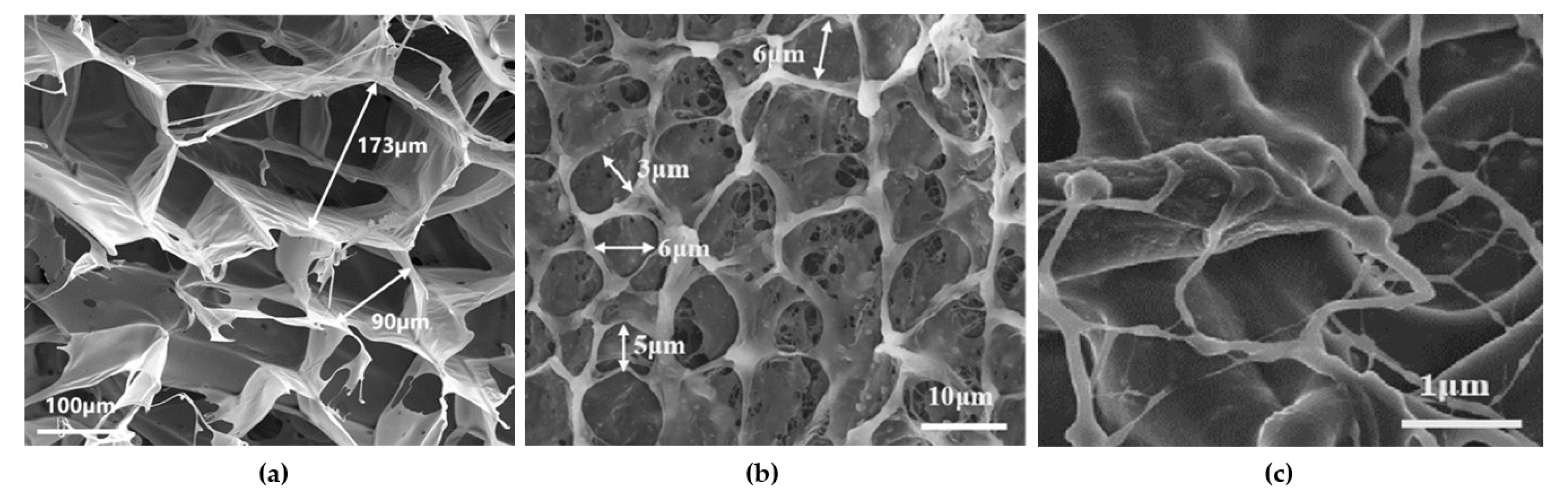
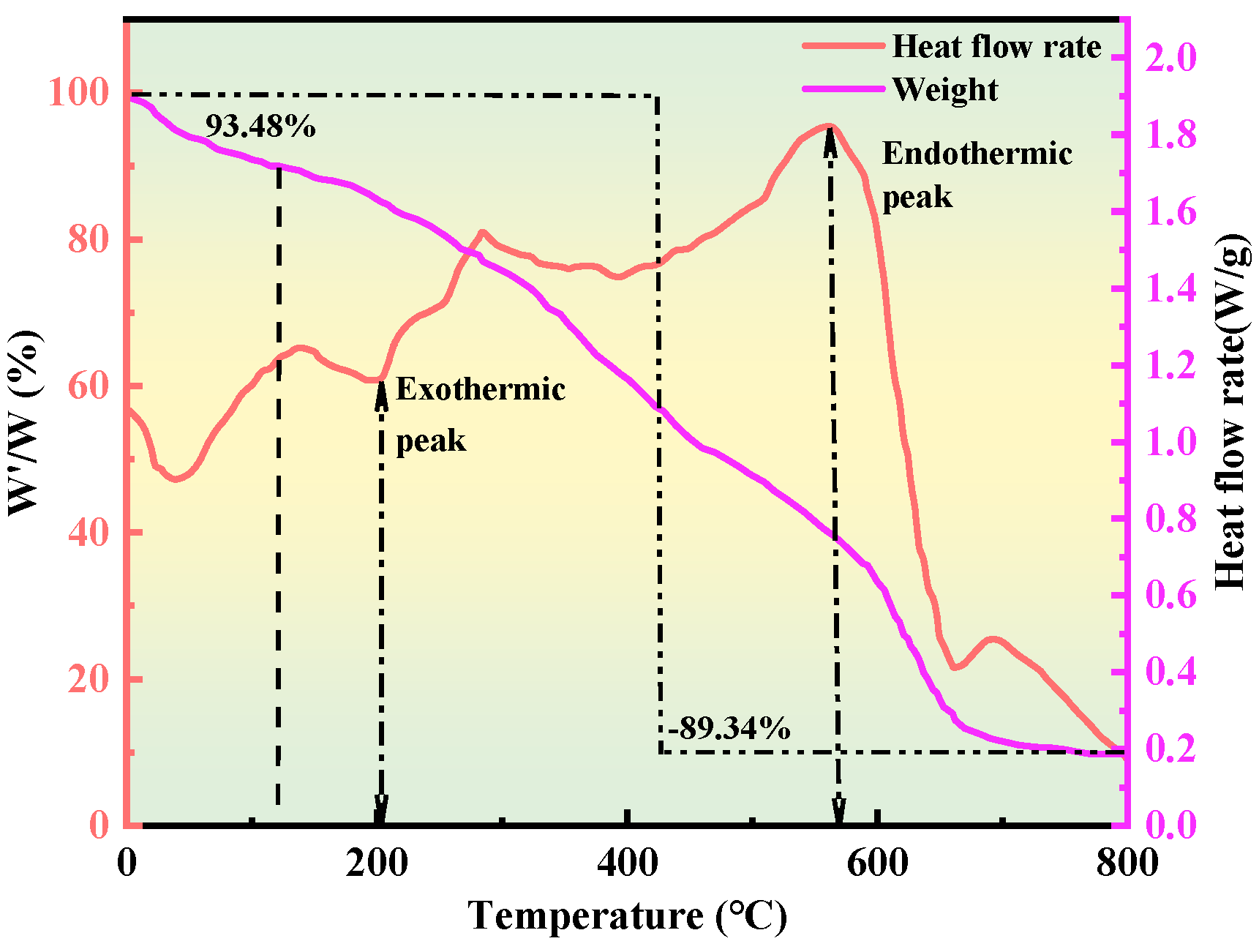
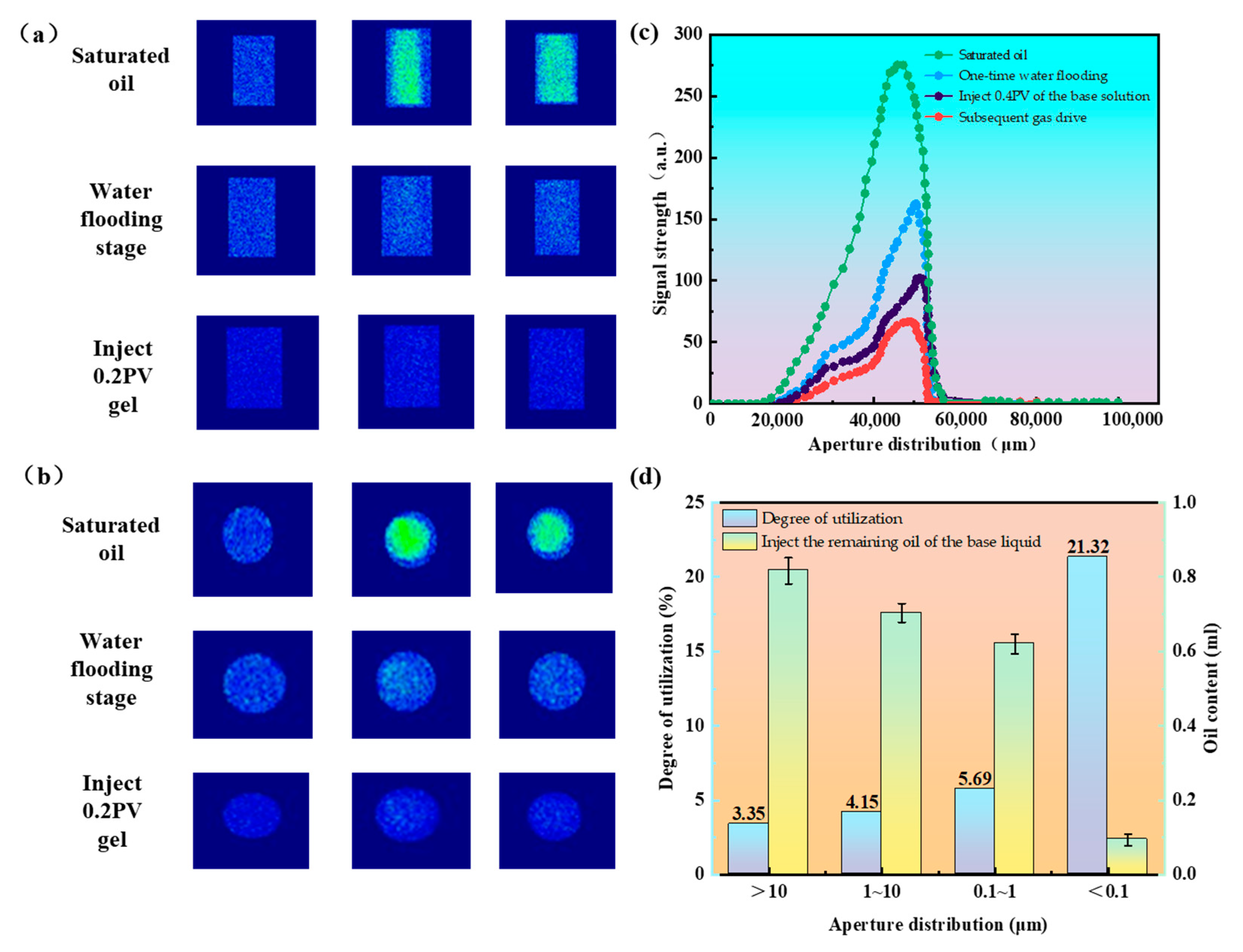
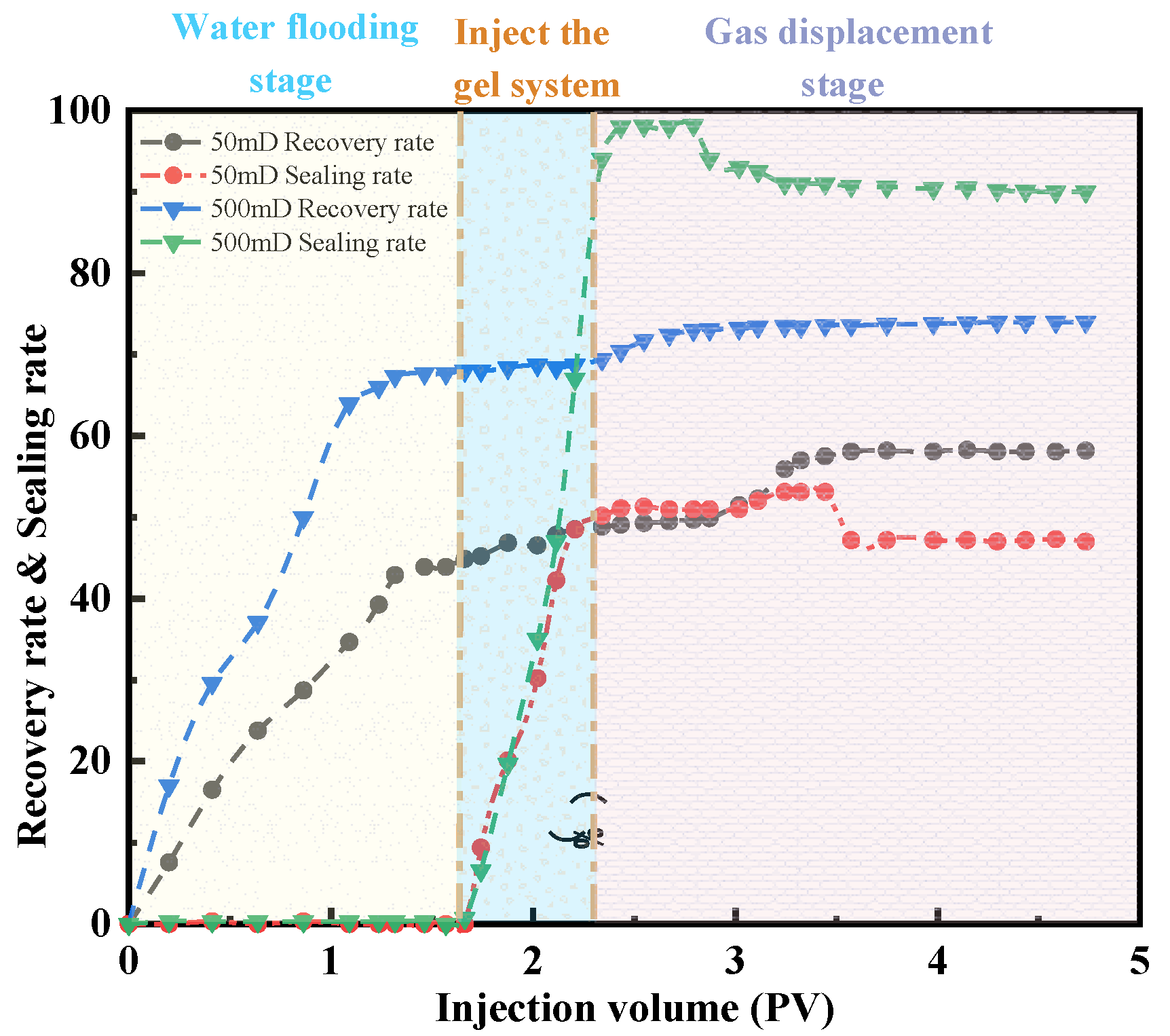
To address the issues of poor thermal stability, inadequate salt tolerance, and environmental risks in conventional gel systems for the development of high-temperature, high-salinity heterogeneous reservoirs, a triple-synergy gel system comprising anionic polyacrylamide (APAM), polyethyleneimine (PEI), and phenolic resin (SMP) was developed in this study. The optimal synthesis parameters—APAM of 180 mg/L, PEI:SMP = 3:1, salinity of 150,000 ppm, and temperature of 110 °C—were determined via response surface methodology, and a time–viscosity model was established. Compared with existing binary systems, the proposed gel exhibited a mass retention rate of 93.48% at 110 °C, a uniform porous structure (pore size of 2–8 μm), and structural stability under high salinity (150,000 ppm). Nuclear magnetic resonance displacement tests showed that the utilization efficiency of crude oil in 0.1–1 μm micropores increased to 21.32%. Parallel dual-core flooding experiments further confirmed the selective plugging capability in heterogeneous systems with a permeability contrast of 10:1: The high-permeability layer (500 mD) achieved a plugging rate of 98.7%, while the recovery factor of the low-permeability layer increased by 13.6%. This gel system provides a green and efficient profile control solution for deep, high-temperature, high-salinity reservoirs.
Keywords: response surface method; thermogravimetric analysis; microscopic visualization; nuclear magnetic analysis; parallel displacement response surface method; thermogravimetric analysis; microscopic visualization; nuclear magnetic analysis; parallel displacement