
Article

Paraphysoderma sedebokerense GlnS III Is Essential for the Infection of Its Host Haematococcus lacustris


1
Microalgal Biotechnology Laboratory, French Associates Institute for Agriculture and Biotechnology of Drylands, The Jacob Blaustein Institutes for Desert Research, Sede-Boker Campus Ben Gurion University of the Negev, Beersheba 8499000, Israel
2
Departamento de Biología y Químicas, Facultad de Recursos Naturales, Campus San Juan Pablo II, Universidad Católica de Temuco, Temuco 478 0694, Chile
3
Department of Ecology and Evolutionary Biology, University of Michigan, Ann Arbor, MI 48109, USA
*
Authors to whom correspondence should be addressed.
J. Fungi 2022, 8(6), 561; https://doi.org/10.3390/jof8060561
Submission received: 1 April 2022 / Revised: 11 May 2022 / Accepted: 14 May 2022 / Published: 25 May 2022

Abstract

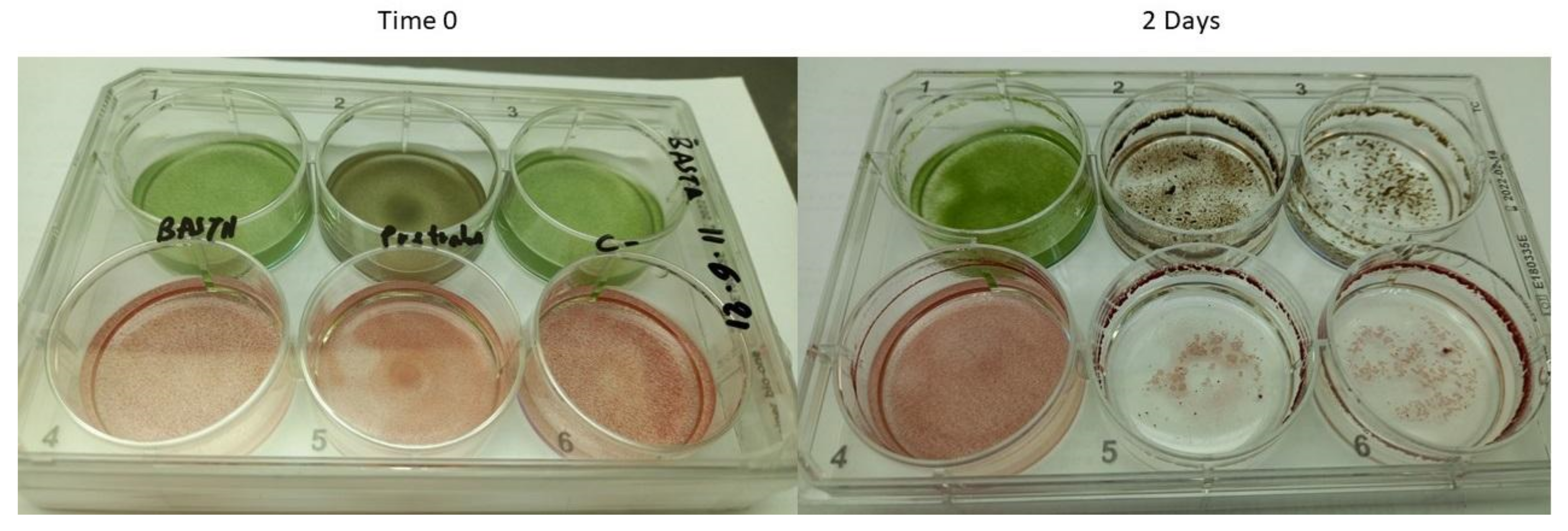
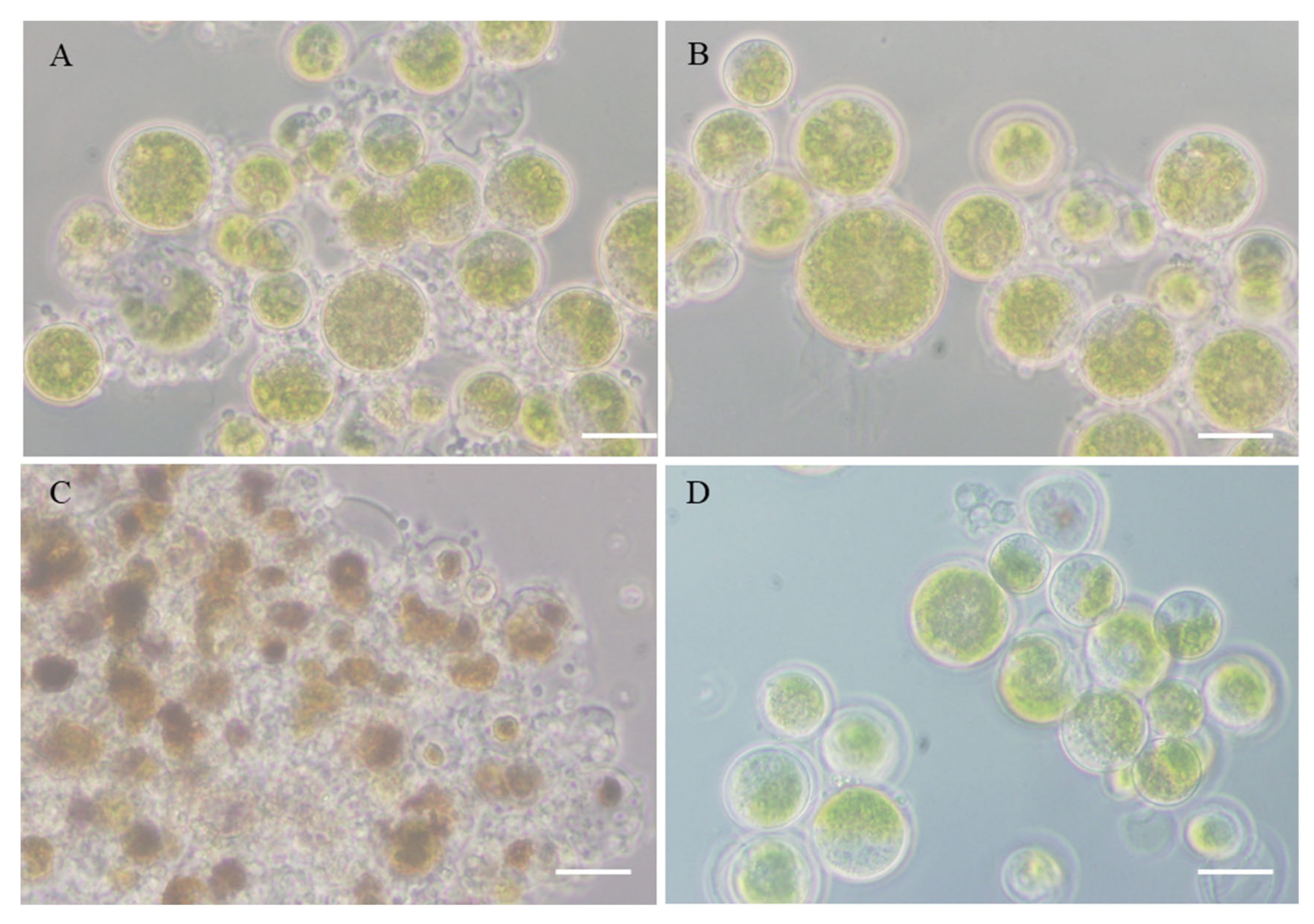
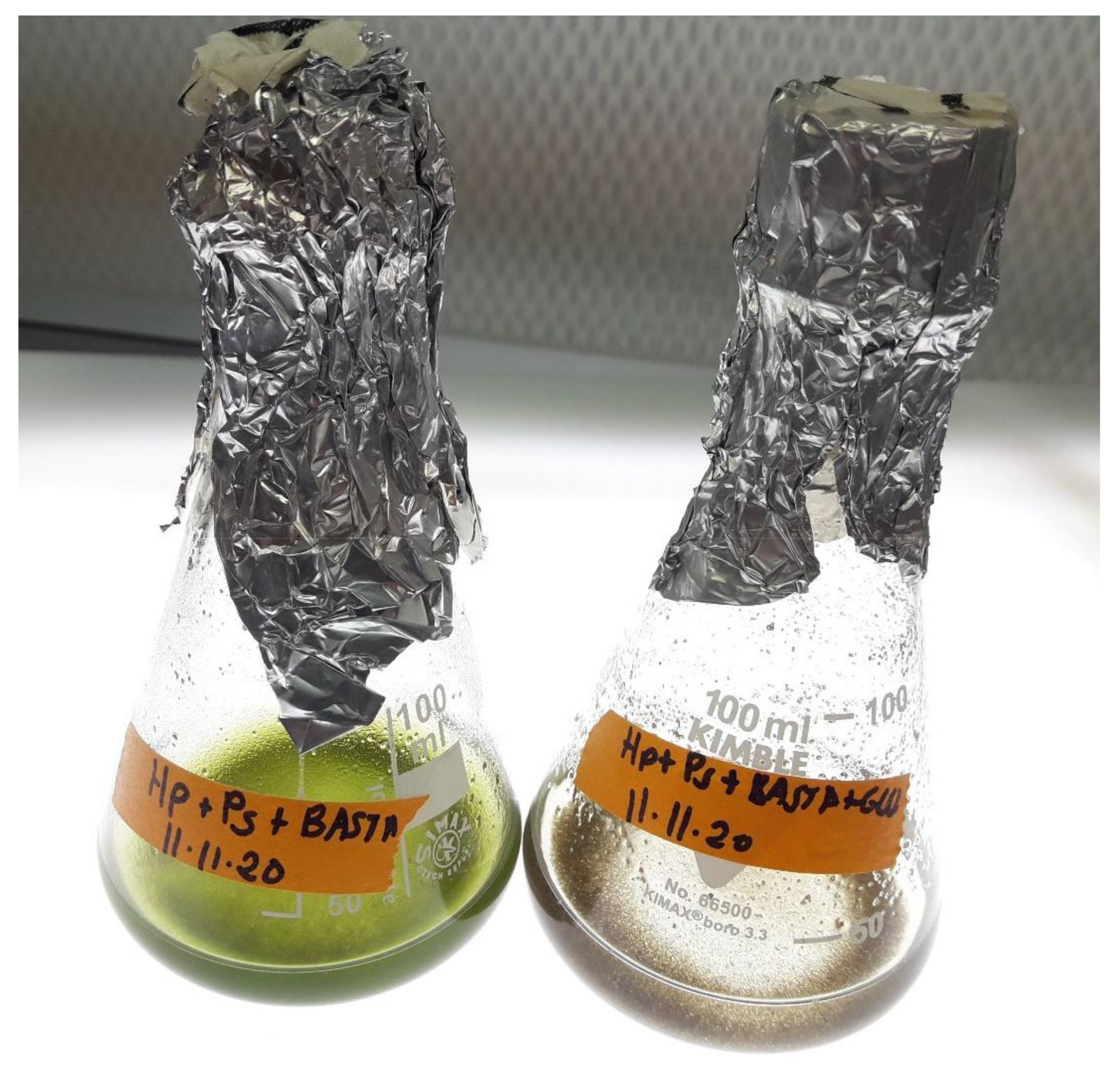
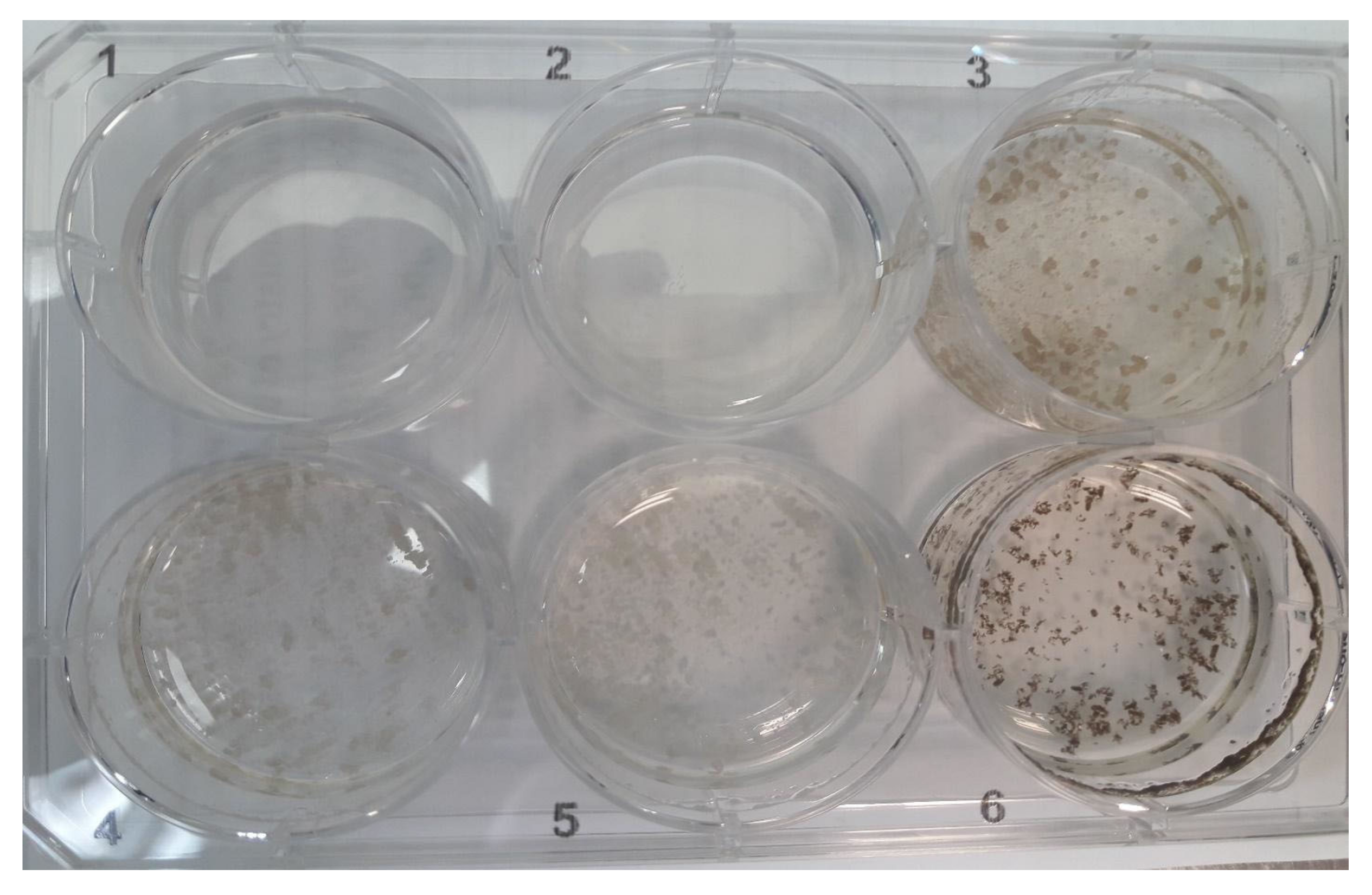
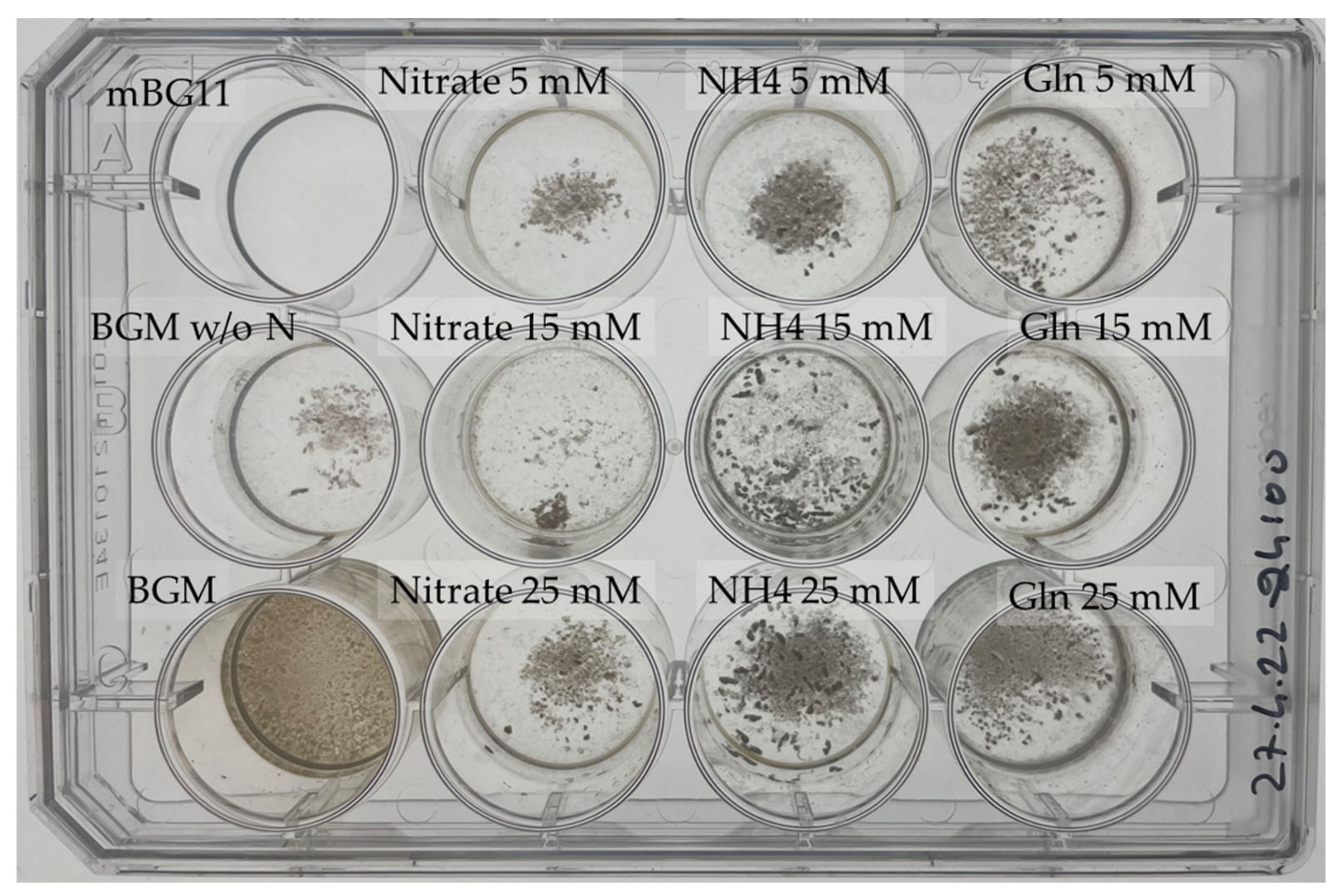
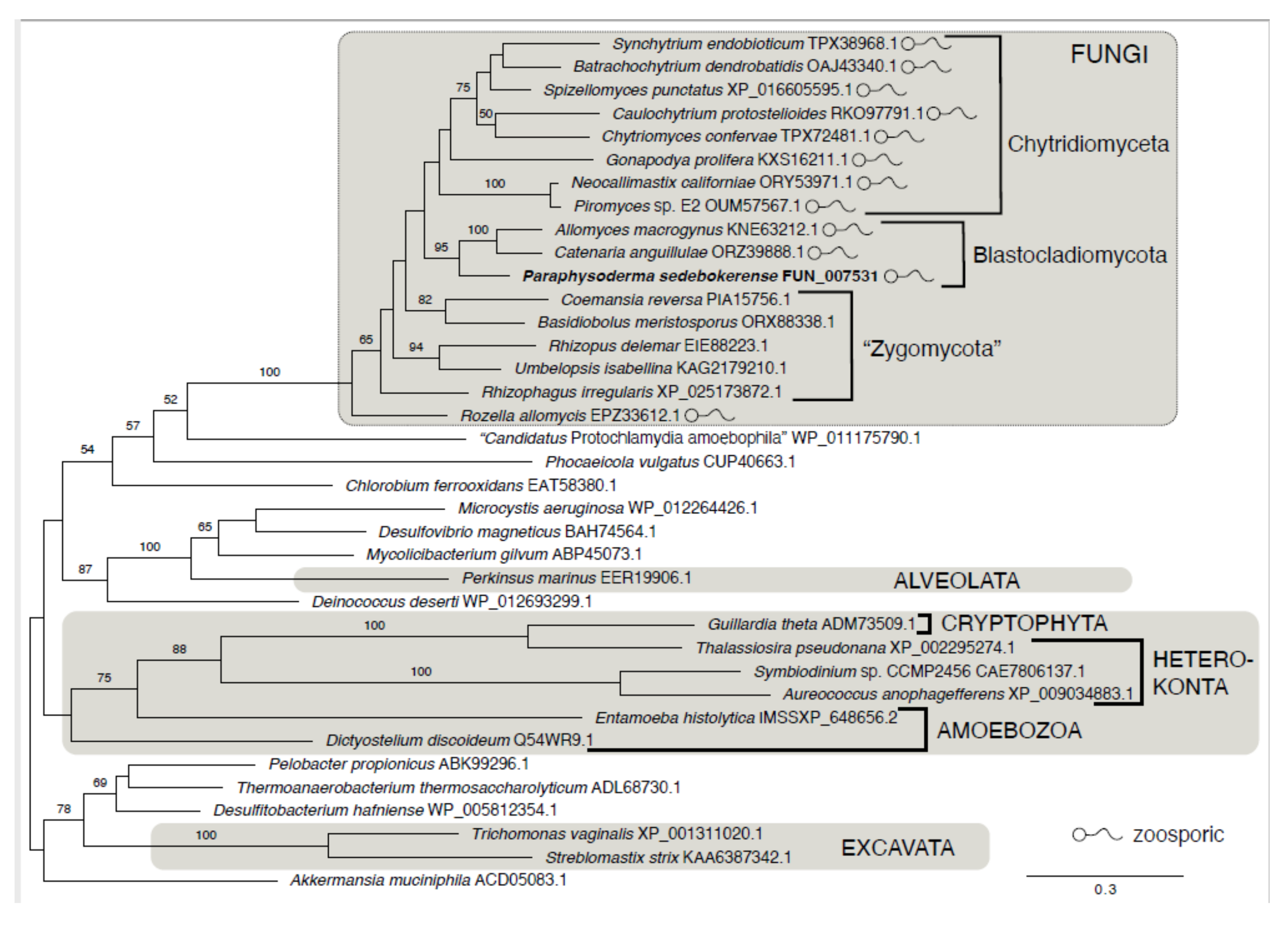
Glutamine synthetase (GlnS) is a key enzyme in nitrogen metabolism. We investigated the effect of the GlnS inhibitor glufosinate on the infection of H. lacustris by the blastocladialean fungus P. sedebokerense, assuming that interfering with the host nitrogen metabolism will affect the success of the parasite. Complete inhibition of infection, which could be bypassed by the GlnS product glutamine, was observed at millimolar concentrations of glufosinate. However, this effect of glufosinate was attributed to its direct interaction with the blastoclad and not the host, which results in development and growth inhibition of the blastoclad. In our P. sedebokerense draft genome, we found that the sequence of GlnS is related to another fungal GlnS, type III, found in many poor known phyla of fungi, including Blastocladiomycota and Chytridiomycota, and absent in the main subkingdom of fungi, the Dikarya. We further tested the ability of the blastoclad to utilize nitrate and ammonia as inorganic nitrogen sources and glutamine for growth. We found that P. sedebokerense equally use ammonia and glutamine and use also nitrate, but with less efficiency. Altogether, our results show that GlnS type III is mandatory for the development and growth of P. sedebokerense and could be an efficient target to develop strategies for the control of the fungal parasite of H. lacustris.
Keywords: Paraphysoderma sedebokerense; Haematococcus lacustris; glutamine synthetase; nitrogen metabolism; fungi; glufosinate Paraphysoderma sedebokerense; Haematococcus lacustris; glutamine synthetase; nitrogen metabolism; fungi; glufosinate