Article

Trichoderma asperellum and T. asperelloides: Comparative Genomic Study for Genes Implicated in Biocontrol and Biofertilizer Activities

Sustainable Agricultural Systems Laboratory, The United States Department of Agriculture-Agricultural Research Service, Beltsville, MD 20705, USA
*
Authors to whom correspondence should be addressed.
J. Fungi 2026, 12(6), 418; https://doi.org/10.3390/jof12060418 (registering DOI)
Submission received: 10 April 2026 / Revised: 3 June 2026 / Accepted: 5 June 2026 / Published: 9 June 2026
(This article belongs to the Special Issue Biotechnological Applications of Fungi)

Abstract

Trichoderma asperellum and T. asperelloides are two cryptic species that have potential for use as biocontrol and biofertilizer (B&B) agents. Comparison of the reference genomes of the two species revealed that each species had seven chromosomes, but Trichoderma asperellum has about 1000 more genes than T. asperelloides. The number of genes coding for chitinases, cellulases, xylanases, secreted proteases, and genes involved in soil and plant health was slightly greater in T. asperellum than in T. asperelloides. Moreover, T. asperellum had five more genes than T. asperelloides involved in the synthesis of secondary metabolites like peptaibols and siderophores. The B&B genes were distributed on all the chromosomes. No duplicate genes were found for any of the enzymes searched. The investigation also revealed that T. asperellum had 15 copies of the internal transcribed spacer (ITS) region of ribosomal DNA compared to only seven copies in T. asperelloides. Further transcriptomic, proteomic, and efficacy studies are needed to determine the impact of the missing genes in T. asperelloides on its B&B activities compared to those of T. asperellum. The search for B&B genes in T. asperelloides was hindered by the lack of annotation for the genome. Thus, comparison only involves B&B genes searched in T. asperellum and whether homologs to the genes were available or missing in T. asperelloides. A comparison between additional strains of the two species is essential to show whether the data in this study apply to all intraspecies strains of the two species.

1. Introduction

Species in the genus Trichoderma are cosmopolitan in soil and are known for various biochemical and biological activities significant in agriculture [1], industry [2], and medical fields [3]. In this study, the focus is on the use of Trichoderma in agriculture as biocontrol against a wide range of plant fungal pathogens and as a promoter of plant growth and health. Biocontrol has gained increased attention due to the adverse effects of synthetic pesticides on the environment and health, such as resistance to chemical pesticides, the modification or eradication of natural microbiota, the distortion of the natural habitats of plants, soil contamination, and the bioaccumulation of hazardous chemicals [4].
Since the early 1930s, the importance of Trichoderma for biological control against fungal diseases has been known when Trichoderma lignorum (later recognized as T. atroviride) was revealed as a parasite of other fungi [5]. About four decades later, Trichoderma was also reported to enhance plant growth and yield. Lindsey and Baker [6] reported increased weight and height of dwarf tomato plants after treatment with T. viride. Similarly, Chang et al. [7] reported enhanced germination, rapid flowering, and increased height and weight of three different plants upon treatment of their soil with T. harzianum. In the 1990s, Trichoderma-based products, such as bio-fungicide and biofertilizer, were commercialized in both developed and developing countries with reasonable success [8,9].
Selecting effective species/strains from among the more than 550 species of Trichoderma (based on data in www.SpeciesFungorum.org, accessed on 11 May 2026) requires significant experimental effort to screen the performance of numerous isolates. Genomic comparison of key activities associated with biocontrol can aid selection of superior strains and thereby accelerate the introduction of more Trichoderma-based products in agriculture. Ismaiel et al. [10] analyzed data from 23 survey studies of Trichoderma species isolated from soil spanning different global regions, showing that the well-recognized species for biocontrol use, such as T. atroviride and T. virens, are also the dominant and commonly isolated species from soil. Such findings suggest that successful competition for space and nutrients in situ may be an important mechanism in the biocontrol activity of these species. The two cryptic species, T. asperellum and T. asperelloides, described by Samuels et al. [11,12], were also commonly isolated from soil [10]. In a survey study of Trichoderma from South and Central America, 60 of 183 isolates were T. asperellum/T. asperelloides, which was more than all other species isolated in the study [13]. In another large-scale study on the presence of Trichoderma species in soils from a different region, China, T. asperellum strains were the second most frequently isolated (425) compared to T. harzianum (429) [14]. The two species, T. asperellum and T. asperelloides, were designated as sister cryptic species because there were no phenotypic differences between them, such as growth on two media, shape of conidia, and other fungal structures. However, cryptic species may differ in their activities, biogeographic distribution, and host [15]. Both T. asperellum and T. asperelloides species are cosmopolitan. However, based on data for deposited sequences in GenBank, the most prevalent countries of origin for the isolates of these two species were tropical regions in Malaysia, Brazil, China, and India [10]. Samuels and Hebbar [16] reported that T. asperellum grew better at 35 °C than one of the most widely used species in biocontrol, T. atroviride. The maximum radial growth at 35 °C on potato dextrose agar and spezieller nährstoffarmer agar (synthetic nutrient-deficient agar) in Petri dishes was 43–45 mm for T. asperellum after 72 h of incubation versus 7–8 mm for T. atroviride [16]. The higher growth rate in the media could provide an explanation for the high frequency of isolation of T. asperellum/T. asperelloides in warm climates relative to T. atroviride.
Both T. asperellum and T. asperelloides exhibit antifungal activities, plant growth promotion, and stress resistance in various crops, as summarized in Table 1. Additional biocontrol study data for T. asperellum are available [17]. Consequently, there are three commercially available products with T. asperellum as the active ingredient in European markets with trade names: Remedier, Tenet, and Tusal [18].
The mechanisms used by the Trichoderma species for biocontrol include antibiosis, mycoparasitism, induced systemic resistance, and competition for space and nutrients [40,41,42,43]. Regardless of the mechanism, Trichoderma species apply lytic cell wall-degrading enzymes (CWDEs), e.g., chitinases, cellulases, proteases, and secondary metabolites as active measures against their prey. Trichoderma spp. are well-known for the production of various secondary metabolites. Non-ribosomal peptides and polyketides represent a major portion of these products [44]. Peptaibols are a large family of linear, amphipathic polypeptides consisting of 5–20 amino acid residues synthesized from the fungal non-ribosomal peptide synthetases (NRPS) pathway [45]. Additionally, Hou et al. [45] provided a list of peptaibols from different species of Trichoderma with antimicrobial activities against various fungi and bacteria. Peptaibols have also been implicated in plant defense-stimulating activities [46]. Specifically, T. asperellum produces at least two peptaibols identified as acid trichotoxin and neutral trichotoxin, which have an inhibitory effect on the growth of Bacillus stearothermophilus [47]. Trichoderma spp. are also known to a lesser extent for the production of polyketides (PKs), which are synthesized by the action of multifunctional enzymes polyketide synthases (PKSs). Direct impact of PKS in biocontrol was evident as deletion of the Pks4 gene in T. reesei reduced its antifungal ability on three fungal pathogens [44]. In a recent report, genes coding for chitinases, glucanases (cellulases), β-glucosidases, and genes involved in antibiosis, e.g., NRPS, PKS, in T. harezianum T4 were all found to be significantly upregulated during and after contact with the phytopathogen Rhizoctonia solani compared to the period before contact, revealing their direct role in mycoparasitism [48].
Isolation, identification, and manipulation of lytic enzymes and secondary metabolites involved in biocontrol via mutants is one way to assess the biocontrol potential of Trichoderma strains [49,50,51,52]. Another alternative method is to search the whole genome for the genes coding for CWDEs and for the synthesis of secondary metabolites involved in biocontrol, with the premise that more of these genes enhance possible biocontrol effects of these species or strains. In this investigation, a comparative study of the genome assembly of T. asperellum and T. asperelloides was conducted with a focus on genes coding for enzymes involved in B&B, specifically, chitinases, cellulases, proteases, xylanases, enzymes for the synthesis of non-ribosomal peptides and polyketides, and genes coding for enzymes involved in soil improvement and plant growth promotion.
Additionally, it is well-known that in fungi, including Trichoderma, the ITS region of the rDNA exists in tandem with all the genes for rRNA: 18S, 5.8S, and 28S on the genome. Thus, the number of ITS copies in the genome is proportional to the rRNA genes involved in the synthesis of ribosome sites needed for protein synthesis. We determined the copy number of the ITS region in the genomes of T. asperellum and T. asperelloides, their locations, and examined the possibility of a positive correlation between the copy number of the ITS region and their biocontrol activities.

2. Materials and Methods

2.1. Comparison of the Whole Genomes

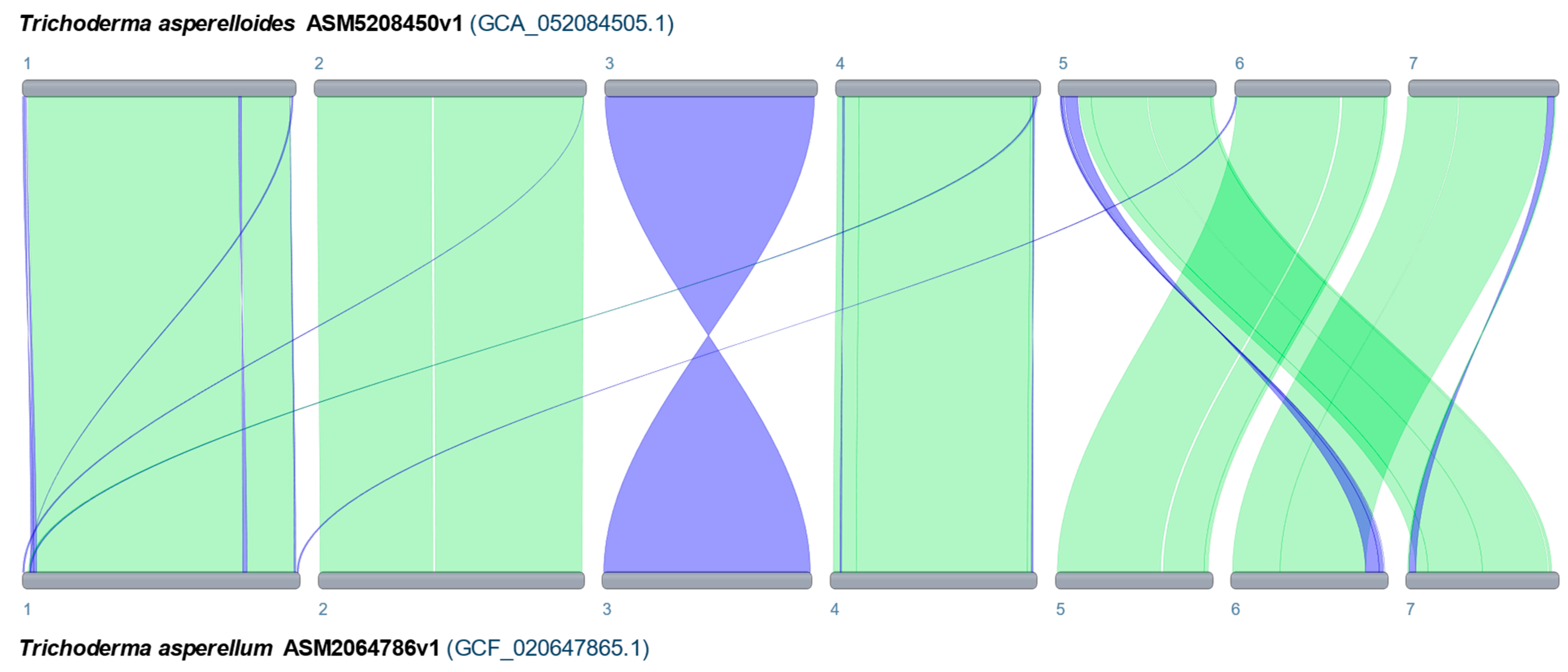
The genomes of Trichoderma asperellum and T. asperelloides available in GenBank were compared using the Comparative Genome Viewer (CGV) tool of the National Center for Biotechnology Information (NCBI) available at https://www.ncbi.nlm.nih.gov/cgv (23 March 2026) (Figure S1) with the default parameters. The two whole-genome assemblies available in GenBank used in the comparison were: Trichoderma asperellum ASM2064786v1 for strain FT101 isolated from soil, Taiwan, in 2004 [53], and Trichoderma asperelloides ASM5208450v1 strain X01119, isolated from soil in the Yancheng region, China, in 2022. Both assemblies are reference genomes for the two species that have been assembled to the chromosome level. A diagram of the comparison was created (see Figure 1), revealing the homology and differences between the chromosomes of the two species. Then the seven homologous chromosome pairs were aligned, and % identities between them were determined using the Basic Local Alignment Search tool (BLAST) of the NCBI available at https://blast.ncbi.nlm.nih.gov/Blast.cgi (5 January 2026). Other general comparisons, like the size of the genomes and chromosomes, GC content, and total number of genes, were obtained when assemblies were viewed using the NCBI’s datasets tool available at https://www.ncbi.nlm.nih.gov/datasets/genome (20 March 2026).

2.2. Chitinases

The genome assembly for T. asperellum referred to above was opened in the NCBI tool “Genome Data Viewer (GDV)” available at https://www.ncbi.nlm.nih.gov/gdv (5 January 2026) (Figure S2). We entered the term “Chitinase” in the search bar. The search returned 22 genes along with information about the genes, e.g., code name, the chromosome location, the nucleotide range on the chromosome, and the number of amino acids. From the GenBank record of each gene, the glycosyl hydrolase (GH) family of genes was recorded and was cross-checked at the “Glycoside Hydrolase family classification” website available at https://www.cazy.org/Glycoside-Hydrolases.html (5 January 2026). Selecting (by double clicking on any gene code name) displayed the gene exons in thick green lines with arrows and introns in thin black lines. Selecting the gene (thick green line) displayed other options, allowing the choice of BLAST nucleotide at https://blast.ncbi.nlm.nih.gov/Blast.cgi (5 January 2026) (Figure S3). Within BLAST (under default parameters), we selected the option “Align two or more sequences”. Chromosome accession number for T. asperellum with the nucleotide range for the gene was used as a query against the whole sequence of corresponding homologous chromosomes in T. asperelloides (Figure S3). Once BLAST finished, we selected the results and, if present, we recorded the location of the gene on the chromosome, the nucleotide range, percent identity, and direction, with Plus/Plus used to designate that the genes in both species are in the same direction, whereas Plus/Minus was used to indicate that the two genes in the two species were in different directions. In all cases, the BLAST showed that there was one homolog for each gene with an E value of zero, a cover of 100%, and that the identities were above 95%. To determine if the different chitinase genes were homologous, the DNA sequences of all chitinase genes in T. asperellum were downloaded in a FASTA format and aligned using the Clustal Omega multiple sequence alignment tool available at https://www.ebi.ac.uk/jdispatcher/msa/clustalo (5 January 2026).

2.3. Cellulases, Xylanases, and Secreted Proteases

The genome of T. asperellum referenced above (opened in GDV) was searched for cellulase, 1, 4-beta-D-glucanase, endoglucanase, and exoglucanase (all synonyms of cellulases). We selected all matches that represented glycosyl hydrolases (GH) from different families of cellulases based on the Glycoside Hydrolases family classification available at https://www.cazy.org/Glycoside-Hydrolases.html (5 January 2026). We BLAST searched each gene sequence as a query against corresponding homologous chromosomes in T. asperelloides (accession numbers in Table 2) as the subject to determine the availability of the T. asperellum cellulase genes in T. asperelloides. The BLAST results were recorded as in the above section. To determine if the different cellulase genes in T. asperellum were homologous, the gene sequences of all the cellulases were downloaded in FASTA format and aligned using the Clustal Omega multiple sequence alignment (MSA) tool available as indicated in the above section.
The search for xylanases and secreted proteases in both Trichoderma species genomes was performed as described above for cellulases.

2.4. NRPS, PkS, and PkS-NRPS

Genes coding for nonribosomal protein synthetase (NRPS), polyketide synthase (PKS), and fused PKS-NRPS were searched in the T. asperellum genome using the abbreviations NRPS, PKS, and PKS-NRPS in the search, and then homologs to the genes in T. asperelloides were obtained following the steps described in the search for chitinases. We searched the GenBank record for every gene found in T. asperellum to determine if the record shows the words NRPS, PKS, and PKS-NRPS in it. We also looked at the GenBank record for each gene to see if the gene codes for a domain involved in the synthesis of siderophores. DNA sequences of different genes for NRPS, PKS, and PKS-NRPS in T. asperellum were downloaded and aligned as previously described (Section 2.3) to search for homology within the different genes or determine if any gene existed as duplicates.
Similarly, we compared the two species for genes coding for enzymes involved in soil improvement and plant growth. The genes compared were NADPH oxidase, involved in root growth; laccases, supporting lignin metabolism and assisting in biodegradation, including the detoxification of phenolic pollutants and dyes; urease, converting urea into nitrogen forms usable by plants; and acyl esterases, participating in the degradation of dead plant biomass in soil. In this study, all the genes of biocontrol and biofertilizer were searched in the T. asperellum genome, and then all the sequences of genes were BLAST searched separately against the sequences of T. asperelloides chromosomes to determine their presence or absence in the T. asperelloides genome.

2.5. Internal Transcribed Spacer (ITS) Region of Ribosomal DNA

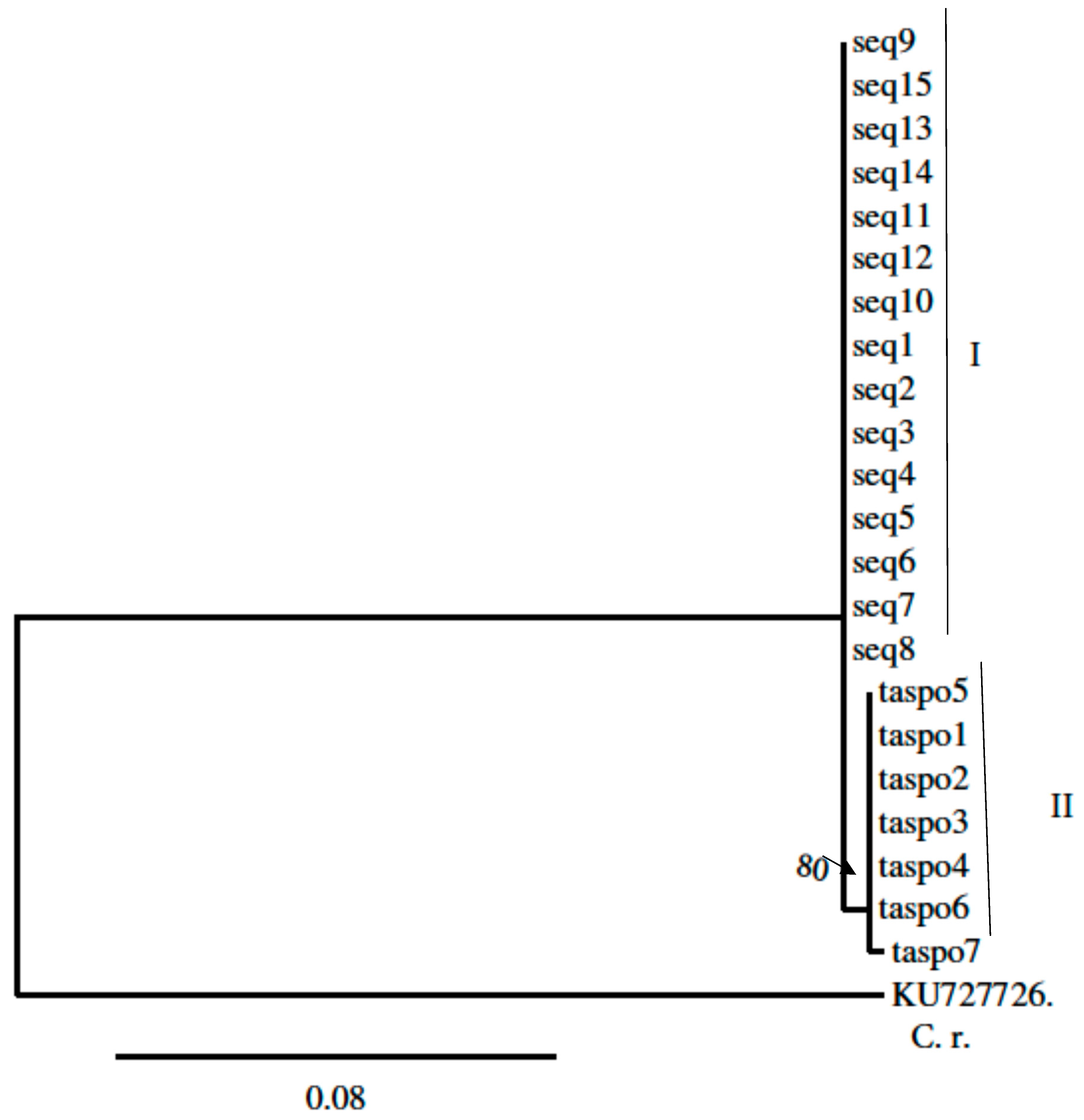
The number of internal transcribed spacer (ITS) regions of rDNA was determined in the T. asperellum genome using the following steps: (1) In GenBank, we searched for “Trichoderma asperellum ITS.” The first match was the ITS sequence for the type strain of T. asperellum, strain CBS 433.97 (accession number: NR_130668.1). (2) The genome assembly indicated in Section 2.1 for T. asperellum (ASM2064786v1) was searched in GenBank and opened (https://www.ncbi.nlm.nih.gov/datasets/genome/GCF_020647865.1/, 5 January 2026). (3) We selected the “BLAST the reference genome” option (Figure S4), which takes the assembly sequence to BLAST at the NCBI website (https://blast.ncbi.nlm.nih.gov/Blast.cgi, 5 January 2026) (Figure S5) as the database for the BLAST (Subject). In the space for a query sequence, we entered NR_130668.1, the accession number for the ITS region for the T. asperellum-type strain (CBS 443.97) determined in step 1. Then BLAST was selected. (4) Once BLAST processing was executed, we selected the results line and observed all the sequences of all the regions of the assembly sequence aligned with the ITS query sequence. (5) The sequences of all the copies were downloaded using the option “download in aligned FASTA format” and viewed with Mesquite, a modular system for evolutionary analysis, version 2.75 software. (6) Steps 1–5 were repeated to determine the ITS copies of T. asperelloides. (7) The sequences of all the ITS regions for both species were combined using Mesquite, and a phylogenetic tree was obtained by MEGA version 11.0.8 [54].
We emphasize here that for all the genes that were compared in this study (Section 2.2, Section 2.3, Section 2.4 and Section 2.5), we searched the genome of T. asperellum for those genes and then looked for their homologs in T. asperelloides using a BLAST search. Thus, the tables show only the genes present in T. asperellum and whether their homologs were present or missing in T. asperelloides. However, searching in the opposite direction (in T. asperelloides) was not possible due to a lack of annotation of the genome, and thus, the genes present in T. asperelloides but present or missing in T. asperellum were not studied.

3. Results

3.1. Comparison of T. asperellum and T. asperelloides Genomes

The whole genomes of the two species, T. asperellum and T. asperelloides, had sizes of 37.3 and 36.9 Mb, respectively (Table 2). Each genome consisted of seven chromosomes. The sizes of homologous chromosomes in the two genomes were comparable (Table 2). The total number of genes in the genomes of T. asperellum and T. asperelloides was 12,041 and 11,096, respectively. The identity between any two homologous chromosomes was about 95%. Similarly, the GC% content of any two homologous chromosomes was comparable and ranged between 44.5 and 48 (Table 2).
Using the Comparative Genome Viewer tool of NCBI, the two reference genomes were compared (Figure 1).
Chromosomes 1–4 of the two species were homologous, but with chromosome number 3 being inverted, i.e., the sequences of chromosome 3 were in two different directions. Chromosome 5 of T. asperellum is homologous to chromosome 6, chromosome 6 is homologous to chromosome 7, and chromosome 7 is homologous to chromosome 5 in T. asperelloides [Table 2; Figure 1]. We also observed clusters, mainly from the ends of the chromosomes, translocated to the ends or beginning of the same or different chromosomes, with the inversion highlighted by purple coloring (Figure 1).

3.2. Genes Coding for Lytic Enzymes and Secondary Metabolites

When the T. asperellum assembly genome was searched for chitinase using GDV, 22 hits were returned. The chitinase genes were present on all seven chromosomes (Table 3). Chromosome 7 had the most (five genes). The T. asperelloides chromosomes had 20 out of 22 T. asperellum hits, with homology between 93 and 97. The asperelloides lacked 9% of the chitinase genes present in T. asperellum. The genes are coding for proteins with mean sizes of 427, and a range of 309–947 amino acids. The chitinases belong to GH F18 according to the GenBank record for each gene. All GH F18 are chitinases according to the Glycoside Hydrolases family classification at https://www.cazy.org/Glycoside-Hydrolases.html (5 January 2026). The sequences of the chitinase genes from T. asperellum were downloaded, and alignments were attempted to determine if there are genes that exist as two copies. We found no similarities between the different genes, thus every gene is present as a single copy.
Searching the T. asperellum genome for cellulases, endoglucanase, exoglucanase, and 1,4 beta glucanase yielded 15 matches (Table 4). For each gene, a homologous gene was present in T. asperelloides, except for one case. The genes were distributed on all the chromosomes, except for chromosome number 3 (Table 4). The sizes of the putative proteins ranged from 246 to 739 amino acids.
Four and six genes were reported as endoglucanase and exoglucanase, respectively. Five genes were reported as 1,4-beta-D-glucanases. Among the latter, one gene was not present in T. asperelloides. The cellulases were from different Glycosyl Hydrolase (GH) families (Table 4). The DNA sequences of the cellulase genes were unrelated, and there were no duplicate genes.
The search for Xylanases in T. asperellum yielded two genes, XYN3 and XYN2. The two genes belong to the family of GH10 and GH11, respectively, and were located on chromosomes 6 and 3. Homologs to these two genes were present in T. asperelloides as well. Based on the Glycoside Hydrolases family, all the GH family numbers in Table 4 belong to cellulases and xylanases.
The search for secreted proteases in the genome of T. asperellum yielded 11 genes distributed on all the chromosomes (Table 5). The putative protein sizes ranged from 387 to 913 amino acids. Homologs to these genes were present in T. asperelloides with average identities of about 93–98% between any two corresponding genes. Alignment of the DNA sequences of these proteases showed no significant homology between them.

3.3. Genes Coding for NRPS, PkS, PkS-NRPS

The search in the genome of T. asperellum for genes coding for NRPS, PKS, and PKS-NRPS yielded a total of 54 matches for the three types of genes that were verified based on information in their GenBank records (Table 6). T. asperelloides lacked five (9%) of these genes involved in the biosynthesis of these specific secondary metabolites compared to T. asperellum. Within the NRPS and PKS-NRPS putative proteins in T. asperellum, six were implicated in the synthesis of siderophores based on the information in the GenBank record for those genes (Table 5). Siderophores have an affinity for turning insoluble iron (III) into a soluble complex available for the fungus and plants. Two of these genes were missing in T. asperelloides (Table 5). The DNA sequences of the T. asperellum genes, when aligned with the whole T. asperellum genome, showed no homology, meaning there were no duplicate genes.
The two species were also compared for genes involved in soil improvement and plant growth promotion. These genes were strongly conserved in the two species. The genome of T. asperellum had 26 genes coding for NADPH oxidase, laccases, urease, and acyl esterases. Homologs to these genes existed in one copy in the genome of T. asperelloides for 24 out of 26 genes (Table 7). The two missing genes were one for NADPH oxidase and one for laccases. The identity between homologous genes of the two species ranged from 91 to 98, and the description of the function of the enzymes coded by the genes has been given in the Material and Methods.
The summarized data for comparison of the genomes of T. asperellum and T. asperelloides for different genes involved in B&B activities are shown in Table 8. The two species have a comparable number of genes implicated in different activities, with a slight edge for T. asperellum. However, the total number of genes in the genome of T. asperellum was higher than that of T. asperelloides by about 1000 genes. However, as indicated in the methods, the data do not completely represent the differences in the number of genes involved in B&B activities in the two species, as the search for the genes in the T. asperelloides genome was not possible due to an unannotated genome.

3.4. Internal Transcribed Spacer (ITS) Region of rDNA

The search in the T. asperellum genome for the ITS region yielded 15 copies. All the copies were located on chromosome number seven. Eight of the copies had identical sequences. The rest of the copies (7) differed from the eight identical copies by one to four gaps, in different positions (Figure 2). Surprisingly, the genome of T. asperelloides only had seven copies of the ITS region, all located on chromosome number five. Four copies had identical sequences. The other three differed from the identical group of four by two gaps each in two different copies and by two nucleotides in another copy (Figure 2). The phylogenetic tree (Figure 2) also showed that T. asperelloides is derived relative to T. asperellum and thus T. asperellum is the more ancient species relative to T. asperelloides.

4. Discussion

Mycoparasitism has been found to be the original trait of Trichoderma, and it is the strategy for biocontrol when the prey is a plant pathogen [55]. Moreover, some Trichoderma species can infect or colonize the outer layers of roots or the rhizosphere region, which leads to positive responses in plants, such as growth promotion. This is the basis for the use of Trichoderma as a biofertilizer [55]. Trichoderma is likely the most studied of all biocontrol agents, with Trichoderma atroviride and Trichoderma virens being among the best mycoparasitic biocontrol agents used in agriculture [40] and among the most successful species in soil [10]. Like these two species, the two cryptic species T. asperellum and T. asperelloides are also dominant in soil and have been shown to be effective against various pathogens and in plant growth promotion based on previous research (Table 1). However, it is not clear which one of them has better biocontrol traits. In this study, the genomes of the two species were compared. The seven chromosomes were homologous with a 95% identity. We found chromosome number three for the two species to be homologous but inverted. This is due to the submission of the chromosome sequences in two different directions (note: GenBank staff, when consulted about this type of problem, confirmed that submitters can submit sequences in either direction, and there are no rules from GenBank on the subject, but only the submitters can change the sequence direction). The two genomes had sizes of 37.3 and 36.9 Mb for T. asperellum and T. asperelloides, respectively. They were comparable in size with two species, T. virens and T. atroviride, that are well-known for B&B activities [56]. However, the T. asperellum strain FT101 had 12,041 genes, whereas the T. asperelloides strain X01119 had 11,096 genes.
The two genomes were searched for genes coding for lytic enzymes implicated in mycoparasitism, such as chitinases, cellulases, xylanases, and proteases. These lytic enzymes have been reported as inducible during the interaction of Trichoderma with pathogenic fungi [57] and are the dynamic players in mycoparasitism or degradation of the host cell wall [58]. Results showed that T. asperellum had 22 genes coding for different chitinases. Homologs to 20 chitinase genes of T. asperellum were detected in T. asperelloides. All the genes belonged to the Glycosyl Hydrolase family 18 (GH18). Kubicek et al. [56] reported that T. atroviride and T. virens had 16 and 11 GH18 genes, respectively. The different chitinases in T. asperellum had no significant homology, indicating that each existed as one copy in the genome. Previously, chitinase inhibitory activity from the supernatant of cultures of T. asperellum against fungal pathogens was observed in in vivo and in vitro studies, implying direct roles of the chitinases in the biocontrol of T. asperellum [49].
In comparison to T. asperellum, T. asperelloides lacked only one out of 17 genes coding for different cellulases and xylanases; these two enzymes are used for breaking down the cellulose and hemicellulose, respectively, in cell walls of plants when living saprophytically. Cellulases are also used when Trichoderma infects and colonizes the outer layers of the roots and subsequently establishes communication with the plant, leading to induced systemic disease resistance [9]. Specifically, T. asperellum has been shown to induce systemic resistance (ISR) against Pseudomonas syringae pv. Lachrymans, the causative agent of angular leaf spot of cucumber. The ISR was associated with an arrest in the proliferation of the bacteria, increased phenolic secondary metabolites, and induced expression of two defense genes in the cucumber seedlings [19].
Pathogens belonging to Oomycetes, like Phytophthora and Pythium, have cellulose in their cell walls [59]. Cellulase activity was produced by Trichoderma spp. During the mycoparasitism of Phytophthora capsici, the causative agent of root rot of black pepper [60].
We limited the comparison of proteases to secreted proteases that are used in mycoparasitism. The two species had the same number (11 in each) of secreted protease genes of different types and sizes. Secreted proteases have been implicated in the degradation of the cell wall of nematodes at different growth stages [61].
Nonribosomal peptide synthetases (NRPSs), polyketide synthases (PKSs), and fused PKS-NRPS synthases are multi-enzymatic, multi-domain mega-synthases involved in the biosynthesis of non-ribosomal peptides and polyketides, e.g., peptaibols and siderophores. These secondary metabolites exhibit a remarkable array of biological activity, and many of them are clinically valuable anti-microbial, anti-fungal, anti-parasitic, anti-tumor, and immunosuppressive agents [62]. The total number of NRPS, PKS, and PKS-NRPS genes was 54 and 49 in T. asperellum and T. asperelloides, respectively. Five genes present in T. asperellum were missing in T. asperelloides. T. virens and T. atroviride had 50 and 35 of these genes, respectively [56]. The putative proteins for six genes (Table 6) were implicated for the synthesis of iron (III) chelating proteins, siderophores, according to the GenBank record, associated with the genes. Thus, the success of T. asperellum and T. asperelloides in soil could involve limiting the availability of iron for pathogens and competitor fungi. These siderophores would also render iron available for plant growth. Surprisingly, two of the five missing secondary metabolite coding genes (40%) in T. asperelloides were among the six genes involved in siderophore synthesis. More efficacy experiments under different iron conditions are needed to prove whether the two missing genes implicated in the siderophore synthesis could cause any difference in the B&B activities of T. asperelloides compared to T. asperellum. T. asperellum strain Q1 was shown to be a siderophore producer that had high affinity for iron (III) and promoted growth of Arabidopsis thaliana in an iron-deficient or insoluble iron-containing (Fe2O3) medium [63]. The biocontrol and biofertilizer effects of siderophores have been studied in other species of Trichoderma. T. harzianum has been shown to produce a siderophore that inhibited the growth of Rhizoctonia solani [64]. In T. virens, on the other hand, the fungus produced siderophores, which inhibited infection of Fusarium oxysporum and promoted growth in banana plants [65].
Like the genes involved in biocontrol, the genes involved in soil and plant health were highly conserved between the two species, T. asperellum and T. asperelloides. The two species shared 24 out of 26 genes (92%). Many mechanisms for improved plant growth by Trichoderma have been proposed, including production of phytohormones, the solubilization of sparingly soluble minerals, the induction of systemic resistance in the host plant, a reduction in pollutant toxicity, organic or heavy metal, and the regulation of rhizospheric microflora [66,67,68,69,70]. Therefore, it appears there are many genes involved in the process without dominant genes involved, such as in mycoparasitism and antibiosis.
As the results showed, there are many different chitinases, cellulases, proteases, and other enzymes involved in the biosynthesis of secondary metabolites and those involved in soil and plant health. Even though the genes encoding them were located on different chromosomes, a study showed that many of them could be transcribed together. When Trichoderma asperellum interacted with the plant (Populus davidiana × P. alba var. pyramidalis), in one of the four transcriptomes, 12 chitinases and five glucanase genes were highly expressed, indicating that mycoparasitism genes could be expressed upon exposure to plants and before interacting with the pathogens [71]. In another study, the treatment of tomato plants with T. asperelloides under drought conditions caused increased expression of secondary metabolite genes, implying that secondary metabolites are not only involved in biocontrol against pathogens, but can help plants under abiotic stress conditions like water deficit [72]. Transcriptome studies have also revealed that biocontrol strategies differ in different Trichoderma species. Upon confrontations with Rhizoctonia solani, T. atroviride had differential expressions of genes involved in the production of secondary metabolites, GH16 ß-glucanases, various proteases, and small secreted cysteine-rich proteins. T. virens, on the other hand, had a higher expression of genes coding for the synthesis of gliotoxin, its precursors, and glutathione, which is necessary for the synthesis of gliotoxin. In contrast, T. reesei increased the expression of genes encoding cellulases and hemicellulases, and of the genes involved in solute transport [73].
We also analyzed the number of ITS regions of the rDNA cluster. T. asperellum has 15 ITS regions, all on chromosome seven, compared to seven regions in T. asperelloides on chromosome five. The number of ITS region copies for the T. atroviride assembly genome (ASM2064779v1) was 10, which is lower than that of T. asperellum but greater than for T. asperelloides. The genomes of T. reesei (GCF_001167675.1), a cellulolytic industrial species, and T. longibrachiatum (ASM2625927v1) (not known for biocontrol purposes) had one and four copies of the ITS locus, respectively. These numbers are substantially fewer than the copy number for the known biocontrol species. It is noteworthy to mention that the whole-genome sequences above for T. longibrachiatum and T. reesei were not assembled to the chromosome level, and the ITS copy numbers may not be reliable. Further comparisons between different strains for these two species are needed to show if the number of ITS regions observed in this study is valid for all the strains. At this stage, there are not enough whole-genome sequences from both species, especially T. asperelloides, to make such a comparison. The large-scale comparisons between species in different sections of the genus may reveal phylogenetic and biological significance of the ITS/rDNA copy number.
This study also showed that not all the ITS copies in one species are identical in DNA sequence, even though all the ITS sequences deposited in GenBank for Trichoderma fungi report the ITS sequence for any strain as one sequence, identical for all the copies in the genome. For those involved in phylogenetic studies of closely related species or cryptic species, we suggest that they look at the ITS in the whole genomes as well.
In summary, the genomic comparison of the two cryptic species T. asperellum and T. asperelloides revealed that T. asperellum had a greater number of total genes and a slightly higher number of genes encoding enzymes involved in mycoparasitism, the synthesis of secondary metabolites, and soil and plant health, along with a higher ITS/rDNA copy number than that of T. asperelloides. However, the data collected in this study may not reflect the full comparison of key genes in B&B since the number of genes present in T. asperelloides—but not in T. asperellum—was not evaluated due to a lack of annotation of the T. asperelloides genome. The slight differences in genes coding for B&B enzymes between these two species may be resolved by future functional studies.
To connect the number of strains reported in GenBank with the data in this study, we searched GenBank (accessed on 15 April 2026) for Trichoderma asperellum and T. asperelloides separately, and the number of matches for the two species was 24,233 and 1144, respectively. Even though these numbers were not part of a statistically designed survey study, the huge difference (21-fold) may point to T. asperellum being more frequently isolated from soil and other environmental niches than T. asperelloides. Whether the genomic differences observed in this study have an effect on the dominance of one species over the other in their habitats (especially soil) remains to be answered in future studies on transcriptomes, proteomes, ribosome biogenesis, enzyme activity, or biological efficacy studies of the two species.
Are all strains of T. asperellum or T. asperelloides equally good for biocontrol? According to Harman [9], the answer is no, not all strains of a species are good for biocontrol. The phylogenetic analyses of populations of T. asperellum strains [10,11] clearly reveal high diversity within this species, as shown by the many clades and subclades in the tree. It is possible that those clades/subclades will exhibit biocontrol specificity with certain plants and diseases because of adaptation and co-evolution. Phylogenetically, T. asperelloides strains are less diverse than T. asperellum [10], which could be due to the fact that T. asperellum is the more ancient of the two species.
We also emphasize that the genomic comparison presented in this study was based on sequences of one strain for each species. However, the two sequences were assembled to the chromosome level and are considered reference sequences for the two species in GenBank. There are hundreds of sequences of whole genomes for Trichoderma in GenBank; however, sequences assembled to the chromosome level are rare and do not exceed 20. Among the chromosome-level sequences, other unresolved concerns remain, for example, chromosome numbering and the direction of the sequences. To correct these issues, we suggest that rules for chromosome sequence direction and chromosome numbering be established based on specific gene(s) in each chromosome to avoid random numbering or numbering based on the sizes of chromosomes.
The homology between the chromosome sequences of the two strains of T. asperellum that were assembled to the chromosome level was evaluated using BLAST as described in Section 2.1 to determine intraspecies variability in T. asperellum. Identities between the five homologous chromosomes of T. asperellum FT101 (used in this study) and T. asperellum DQ-1 assembly number (ASM17945596v1) were 98%. Based on previous studies, the diversity within the population of T. asperelloides strains was lower than the diversity within the population of T. asperellum strains. Therefore, chromosome sequence identity between T. asperelloides strains could be as high as the identity within T. asperellum strains (98%). Consequently, we feel that the results of this study on the genomic comparison of two strains can be extended to all the strains of the two species. However, further comparisons of whole genomes of more strains will be essential to prove whether the differences in the number of genes obtained in this study will be valid for all the strains of the two species. Such comparisons will be possible when more whole-genome sequences assembled to the chromosome level are available in GenBank.


5. Conclusions

This is the first comparative genomic study to focus exclusively on genes involved in B&B activities of Trichoderma species. The study revealed that within Trichoderma, cryptic species may differ genomically in general and in B&B-involved genes, as evidenced by the greater number of total genes and slightly higher genes involved in biocontrol in T. asperellum than were present in T. asperelloides. Further transcriptomic, proteomic, ribosome biogenesis, enzyme activity, or biological efficacy studies can elucidate the significance of the differences. The methods used in this comparative study are reproducible and do not require any specific software other than that freely available in NCBI. Specifically, the methods can be used to differentiate other cryptic species in the Trichoderma, particularly in the Harzianum Clade, the position of one of the most important biocontrol species, T. afroharzianum T 22 [74]. This is also the first study to reveal differences in ITS/rDNA copy numbers in the genomes of the two cryptic species, though the biological and phylogenetic significance of the finding needs further study. The study had two limitations. First, the search for B&B genes in T. asperelloides was not possible due to a lack of annotation of the genome. Thus, the study only shows comparisons between B&B genes present in T. asperellum and whether the homologs of each gene were present or not in T. asperelloides. Second, GenBank lacks high-quality genomes (assembled to the chromosome level and annotated) of Trichoderma species for more strains of these two species to show if the comparison applies to all the strains of the two species. Therefore, we conclude that there is an urgent need for more Trichoderma whole-genome sequences assembled to the chromosome level and annotated in GenBank.

Supplementary Materials

The following supporting information can be downloaded at https://www.mdpi.com/article/10.3390/jof12060418/s1. Figure S1. Comparison of genomes of T. asaperellum and T. asperelloides using Comparative Genome Viewer tool of NCBI. Figure S2. T. asperellume genome opened in Genome Data Viewer of NCBI then search for “chitinase” and click on any hit e.g., CHI2_4 and the gene appears in green. Figure S3. BLAST with a chitinase encoding gene in T. asperellum on chromosome 4 as Query Sequence against entire chromosome 4 in T. asperelloides as Subject sequence. Figure S4. The first step in search for ITS regions in T. asperellum genome is selection of BLAST the reference genome. Figure S5. Search for ITS regions in genome of T. asperellum.

Author Contributions

A.I., conceptualization, data generation, analysis, interpretation, writing—original draft preparation and editing; J.M., data generation, interpretation, writing, and editing; P.M., conceptualization, analysis, interpretation, writing, and editing. All authors have read and agreed to the published version of the manuscript.

Funding

This research was funded by USDA-ARS projects 8042-21600-002-000D and 8042-32420-009-000D.

Institutional Review Board Statement

Not applicable.

Informed Consent Statement

Not applicable.

Data Availability Statement

Data is contained within the article and Supplementary Materials.

Conflicts of Interest

The authors declare no conflicts of interest.

References

  1. Peng, H.; Cong, Y.; Zhao, Y.; Liu, Z.; Li, Y. Trichoderma gamsii, a new pathogen causing disease on cultivated mushroom Cordyceps militaris in China. Crop Prot. 2024, 184, 106864. [Google Scholar] [CrossRef]
  2. Kubicek, C.P. Systems biological approaches towards understanding cellulase production by Trichoderma reesei. J. Biotechnol. 2013, 163, 133–142. [Google Scholar] [CrossRef]
  3. Akagi, T.; Kawamura, C.; Terasawa, N.; Yamaguchi, K.; Kubo, K. Suspected pulmonary infection with Trichoderma longibrachiatum after allogeneic stem cell transplantation. Intern. Med. 2017, 56, 215–219. [Google Scholar] [CrossRef] [PubMed]
  4. Ons, L.; Bylemans, D.; Thevissen, K.; Cammue, B. Combining biocontrol agents with chemical fungicides for integrated plant fungal disease control. Microorganisms 2020, 8, 1930. [Google Scholar] [CrossRef]
  5. Weindling, R. Trichoderma lignorum as a parasite of other soil fungi. Phytopathology 1932, 22, 837–845. [Google Scholar]
  6. Lindsey, D.L.; Baker, R. Effect of certain fungi on dwarf tomatoes grown under gnotobiotic conditions. Phytopathology 1967, 57, 1262–1263. [Google Scholar]
  7. Chang, Y.-C.; Chang, Y.-C.; Baker, R.; Kleifeld, O.; Chet, I. Increased growth of plants in the presence of the biological control agent Trichoderma harzianum. Plant Dis. 1986, 70, 145–148. [Google Scholar] [CrossRef]
  8. Harman, G.E. Myths and Dogmas of Biocontrol: Changes in perceptions derived from research on Trichoderma harzianum T-22. Plant Dis. 2000, 84, 377–393. [Google Scholar] [CrossRef]
  9. Harman, G.E. Trichoderma—Not just for biocontrol anymore. Phytoparasitica 2011, 39, 103–108. [Google Scholar] [CrossRef]
  10. Ismaiel, A.; Lakshman, D.K.; Jambhulkar, P.P.; Roberts, D.P. Trichoderma: Population structure and genetic diversity of species with high potential for biocontrol and biofertilizer applications. Appl. Microbiol. 2024, 4, 875–893. [Google Scholar] [CrossRef]
  11. Samuels, G.J.; Lieckfeldt, E.; Nirenberg, H.I. Trichoderma asperellum, a new species with warted conidia, and redescription of T. viride. Sydowia 1999, 51, 71–88. [Google Scholar]
  12. Samuels, G.J.; Ismaiel, A.; Bon, M.C.; De Respinis, S.; Petrini, O. Trichoderma asperellum sensu lato consists of two cryptic species. Mycologia 2010, 102, 944–966. [Google Scholar] [CrossRef]
  13. Hoyos-Carvajal, L.; Orduz, S.; Bissett, J. Genetic and metabolic biodiversity of Trichoderma from Colombia and adjacent neotropic regions. Fungal Genet. Biol. 2009, 46, 615–631. [Google Scholar] [CrossRef]
  14. Jiang, Y.; Wang, J.L.; Chen, J.; Mao, L.J.; Feng, X.X.; Zhang, C.L.; Lin, F.C. Trichoderma biodiversity of agricultural fields in East China reveals a gradient distribution of species. PLoS ONE 2016, 11, e0160613. [Google Scholar] [CrossRef]
  15. Shivas, R.G.; Cai, L. Cryptic fungal species unmasked. Microbiol. Aust. 2012, 33, 36–37. [Google Scholar] [CrossRef]
  16. Samuels, G.J.; Hebbar, P.K. Trichoderma: Identification and Agricultural Application, 1st ed.; The American Phytopathological Society: St. Paul, MN, USA, 2015; pp. 82–84. [Google Scholar]
  17. Guzmán-Guzmán, P.; Kumar, A.; de los Santos-Villalobos, S.; Parra-Cota, F.I.; Orozco-Mosqueda, M.d.C.; Fadiji, A.E.; Hyder, S.; Babalola, O.O.; Santoyo, G. Trichoderma species: Our best fungal allies in the biocontrol of plant diseases—A review. Plants 2023, 12, 432. [Google Scholar] [CrossRef]
  18. Martinez, Y.; Ribera, J.; Schwarze, F.W.M.R.; De France, K. Biotechnological development of Trichoderma-based formulations for biological control. Appl. Microbiol. Biotechnol. 2023, 107, 5595–5612. [Google Scholar] [CrossRef]
  19. Yedidia, I.; Shoresh, M.; Kerem, Z.; Benhamou, N.; Kapulnik, Y.; Chet, I. Concomitant induction of systemic resistance to Pseudomonas syringae pv. lachrymans in cucumber by Trichoderma asperellum (T-203) and accumulation of phytoalexins. Appl. Environ. Microbiol. 2003, 69, 7343–7353. [Google Scholar] [CrossRef]
  20. Mbarga, J.B.; Martijn Ten Hoopen, G.; Kuaté, J.; Adiobo, A.; Ngonkeu, M.E.L.; Ambang, Z.; Begoude, B.A.D. Trichoderma asperellum: A potential biocontrol agent for Pythium myriotylum, causal agent of cocoyam root rot disease in Cameroon. Crop Prot. 2012, 36, 18–22. [Google Scholar] [CrossRef]
  21. Rosmana, A.; Samuels, G.J.; Ismaiel, A.; Ibrahim, E.S.; Chaverri, P.; Herawati, Y.; Asman, A. Trichoderma asperellum: A dominant endophyte species in cacao grown in Sulawesi with potential for controlling vascular streak dieback disease. Trop. Plant Pathol. 2015, 40, 19–25. [Google Scholar] [CrossRef]
  22. El Komy, M.H.; Saleh, A.A.; Eranthodi, A.; Molan, Y.Y. Characterization of novel Trichoderma asperellum isolates to select effective biocontrol agents against tomato Fusarium wilt. Plant Pathol. J. 2015, 31, 50–60. [Google Scholar] [CrossRef]
  23. Rivera-Méndez, W.; Obregón, M.; Morán-Diez, M.E.; Hermosa, R.; Monte, E. Trichoderma asperellum biocontrol activity and induction of systemic defenses against Sclerotium cepivorum in onion plants. Biol. Control 2020, 141, 104145. [Google Scholar] [CrossRef]
  24. Xue, M.; Wang, R.; Zhang, C.; Wang, W.; Zhang, F.; Chen, D.; Ren, S.; Hou, J.; Liu, T. Screening and identification of Trichoderma strains isolated from natural habitats in China with potential agricultural applications. Biomed. Res. Int. 2021, 2021, 7913950. [Google Scholar] [CrossRef]
  25. Al-Askar, A.A.; Saber, W.; Ghoneem, K.M.; Hafez, E.E.; Ibrahim, A.A. Crude citric acid of Trichoderma asperellum: Tomato growth promotor and suppressor of Fusarium oxysporum f. sp. lycopersici. Plants 2021, 10, 222. [Google Scholar] [CrossRef]
  26. Degani, O.; Rabinovitz, O.; Becher, P.; Gordani, A.; Chen, A. Trichoderma longibrachiatum and Trichoderma asperellum confer growth promotion and protection against late wilt disease in the field. J. Fungi 2021, 7, 444. [Google Scholar] [CrossRef]
  27. Rahman, S.S.M.B.S.; Mohd Zainudin, N.A.I. Evaluation of Trichoderma asperellum B1902 in controlling Fusarium wilt of Cavendish banana cultivar. Sains Malays. 2021, 50, 2549–2561. [Google Scholar] [CrossRef]
  28. Khadka, R.B.; Miller, S.A. Synergy of anaerobic soil disinfestation and Trichoderma spp. in Rhizoctonia root rot suppression. Front. Sustain. Food Syst. 2021, 5, 645736. [Google Scholar] [CrossRef]
  29. Wang, H.; Zhang, R.; Mao, Y.; Jiang, W.; Chen, X.; Shen, X.; Yin, C.; Mao, Z. Effects of Trichoderma asperellum 6S-2 on apple tree growth and replanted soil microbial environment. J. Fungi 2022, 8, 63. [Google Scholar] [CrossRef]
  30. Zhang, Y.; Xiao, J.; Yang, K.; Wang, Y.; Tian, Y.; Liang, Z. Transcriptomic and metabonomic insights into the biocontrol mechanism of Trichoderma asperellum M45a against watermelon Fusarium wilt. PLoS ONE 2022, 17, e0272702. [Google Scholar] [CrossRef]
  31. Shanmugaraj, C.; Kamil, D.; Parimalan, R.; Singh, P.K.; Shashank, P.R.; Iquebal, M.A.; Hussain, Z.; Das, A.; Gogoi, R.; Nishmitha, K. Deciphering the defense response in tomato against Sclerotium rolfsii by Trichoderma asperellum strain A10 through gene expression analysis. 3 Biotech 2024, 14, 210. [Google Scholar] [CrossRef] [PubMed]
  32. Boukaew, S.; Chumkaew, K.; Petlamul, W.; Srinuanpan, S.; Nooprom, K.; Zhang, Z. Biocontrol effectiveness of Trichoderma asperelloides SKRU-01 and Trichoderma asperellum NST-009 on postharvest anthracnose in chili pepper. Food Control 2024, 163, 110490. [Google Scholar] [CrossRef]
  33. Xu, X.; Yang, C.; Xu, Z.; Jiao, C.; Yang, X.; Wang, Y.; Ma, S.; Xiang, W.; Wang, X.; Zhao, J. Trichoderma asperellum 2-X-3-3 as a sustainable biocontrol alternative to fungicides for postharvest pear diseases. Food Microbiol. 2026, 134, 104934. [Google Scholar] [CrossRef]
  34. Sumida, C.H.; Daniel, J.F.S.; Araujod, A.P.C.S.; Peitl, D.C.; Abreu, L.M.; Dekker, R.F.H.; Canteri, M.G. Trichoderma asperelloides antagonism to Sclerotinia sclerotiorum and biological control of white mold disease in soybean plants. Biocontrol Sci. Technol. 2018, 28, 142–156. [Google Scholar] [CrossRef]
  35. Phoka, N.; Suwannarach, N.; Lumyong, S.; Ito, S.-I.; Matsui, K.; Arikit, S.; Lumyong, S. Role of volatiles from the endophytic fungus Trichoderma asperelloides PSU-P1 in biocontrol potential and in promoting the plant growth of Arabidopsis thaliana. J. Fungi 2020, 6, 341. [Google Scholar] [CrossRef]
  36. Ruangwong, O.-U.; Wonglom, P.; Phoka, N.; Suwannarach, N.; Lumyong, S.; Ito, S.-I.; Sunpapao, A. Biological control activity of Trichoderma asperelloides PSU-P1 against gummy stem blight in muskmelon (Cucumis melo). Physiol. Mol. Plant Pathol. 2021, 115, 101663. [Google Scholar] [CrossRef]
  37. Ruangwong, O.U.; Wonglom, P.; Suwannarach, N.; Kumla, J.; Thaochan, N.; Chomnunti, P.; Pitija, K.; Sunpapao, A. Volatile organic compound from Trichoderma asperelloides TSU1: Impact on plant pathogenic fungi. J. Fungi 2021, 7, 187. [Google Scholar] [CrossRef] [PubMed]
  38. Pollard-Flamand, J.; Boulé, J.; Hart, M.; Úrbez-Torres, J.R. Biocontrol activity of Trichoderma species isolated from grapevines in British Columbia against Botryosphaeria dieback fungal pathogens. J. Fungi 2022, 8, 409. [Google Scholar] [CrossRef] [PubMed]
  39. Rawal, R.; Scheerens, J.C.; Fenstemaker, S.M.; Francis, D.M.; Miller, S.A.; Benitez, M.S. Novel Trichoderma isolates alleviate water deficit stress in susceptible tomato genotypes. Front. Plant Sci. 2022, 13, 869090. [Google Scholar] [CrossRef]
  40. Harman, G.E.; Howell, C.R.; Viterbo, A.; Chet, I.; Lorito, M. Trichoderma species—Opportunistic, avirulent plant symbionts. Nat. Rev. Microbiol. 2004, 2, 43–56. [Google Scholar] [CrossRef]
  41. Benítez, T.; Rincón, A.M.; Limón, M.C.; Codón, A.C. Biocontrol mechanisms of Trichoderma strains. Int. Microbiol. 2004, 7, 249–260. [Google Scholar] [PubMed]
  42. Shoresh, M.; Harman, G.E.; Mastouri, F. Induced systemic resistance and plant responses to fungal biocontrol agents. Annu. Rev. Phytopathol. 2010, 48, 21–43. [Google Scholar] [CrossRef]
  43. Asad, S. Mechanisms of action and biocontrol potential of Trichoderma against fungal plant diseases—A review. Ecol. Complex. 2022, 49, 100978. [Google Scholar] [CrossRef]
  44. Atanasova, L.; Knox, B.P.; Kubicek, C.P.; Druzhinina, I.S.; Baker, S.E. The polyketide synthase gene pks4 of Trichoderma reesei provides pigmentation and stress resistance. Eukaryot. Cell 2013, 1499–1508. [Google Scholar] [CrossRef] [PubMed] [PubMed Central]
  45. Hou, X.; Sun, R.; Feng, Y.; Zhang, R.; Zhu, T.; Che, Q.; Zhang, G.; Li, D. Peptaibols: Diversity, bioactivity, and biosynthesis. Eng. Microbiol. 2022, 2, 100026. [Google Scholar] [CrossRef]
  46. Mukherjee, P.K.; Horwitz, B.A.; Kenerley, C.M. Secondary metabolism in Trichoderma: A genomic perspective. Microbiology 2012, 158, 35–45. [Google Scholar] [CrossRef]
  47. Chutrakul, C.; Alcocer, M.; Bailey, K.; Peberdy, J.F. The production and characterisation of trichotoxin peptaibols, by Trichoderma asperellum. Chem. Biodivers. 2008, 5, 1694–1706. [Google Scholar] [CrossRef] [PubMed]
  48. Wang, Y.; Wang, J.; Zhu, X.; Wang, W. Genome and transcriptome sequencing of Trichoderma harzianum T4, an important biocontrol fungus of Rhizoctonia solani, reveals genes related to mycoparasitism. Can. J. Microbiol. 2024, 70, 86–101. [Google Scholar] [CrossRef] [PubMed]
  49. Loc, N.H.; Huy, N.D.; Quang, H.T.; Lan, T.T.; Ha, T.T.T. Characterisation and antifungal activity of extracellular chitinase from a biocontrol fungus, Trichoderma asperellum PQ34. Mycology 2019, 11, 38–48. [Google Scholar] [CrossRef]
  50. Walia, A.; Sharma, S.K.; Gupta, B.K.; Rana, N.; Sharma, A.; Verma, P. Biocontrol potential of Trichoderma-derived chitinase: Optimization, purification, and antifungal activity against soilborne pathogens of apple. Front. Fungal Biol. 2025, 6, 1618728. [Google Scholar] [CrossRef]
  51. De Marco, J.L.; Felix, C.R. Characterization of a protease produced by a Trichoderma harzianum isolate which controls cocoa witches’ broom disease. BMC Biochem. 2002, 3, 3. [Google Scholar] [CrossRef]
  52. Harman, G.E.; Hayes, C.K.; Lorito, M.; Boadway, R.M.; Di Pietro, A.; Peterbauer, C.; Tronsmo, A. Chitinolytic enzymes of Trichoderma harzianum: Purification of chitobiosidase and endochitinase. Phytopathology 1993, 83, 313–318. [Google Scholar] [CrossRef]
  53. Li, W.C.; Lin, T.C.; Chen, C.L.; Liu, H.C.; Lin, H.N.; Chao, J.L.; Hsieh, C.H.; Ni, H.F.; Chen, R.S.; Wang, T.F. Complete genome sequences and genome-wide characterization of Trichoderma biocontrol agents provide new insights into their evolution and variation in genome organization, sexual development, and fungal–plant interactions. Microbiol. Spectr. 2021, 9, e0066321. [Google Scholar] [CrossRef]
  54. Tamura, K.; Stecher, G.; Kumar, S. MEGA11: Molecular evolutionary genetics analysis version 11. Mol. Biol. Evol. 2021, 38, 3022–3027. [Google Scholar] [CrossRef]
  55. Kubicek, C.P.; Steindorff, A.S.; Chenthamara, K.; Manganiello, G.; Henrissat, B.; Zhang, J.; Cai, F.; Kopchinsky, A.G.; Kubicek, E.M.; Kuo, A.; et al. Evolution and comparative genomics of the most common Trichoderma species. BMC Genom. 2019, 20, 485. [Google Scholar] [CrossRef]
  56. Kubicek, C.P.; Herrera-Estrella, A.; Seidl-Seiboth, V.; Martinez, D.A.; Druzhinina, I.S.; Thon, M.; Zeilinger, S.; Casas-Flores, S.; Horwitz, B.A.; Mukherjee, P.K.; et al. Comparative genome sequence analysis underscores mycoparasitism as the ancestral lifestyle of Trichoderma. Genome Biol. 2011, 12, R40. [Google Scholar] [CrossRef]
  57. Wonglom, P.; Daengsuwan, W.; Ito, S.-I.; Sunpapao, A. Biological control of Sclerotium fruit rot of snake fruit and stem rot of lettuce by Trichoderma sp. T76-12/2 and the mechanisms involved. Physiol. Mol. Plant Pathol. 2019, 107, 1–7. [Google Scholar] [CrossRef]
  58. Gruber, S.; Seidl-Seiboth, V. Self versus non-self: Fungal cell wall degradation in Trichoderma. Microbiology 2012, 158, 26–34. [Google Scholar] [CrossRef]
  59. Aronson, J.M.; Barbara, A.; Cooper, B.A.; Fuller, M.S. Glucans of oomycete cell walls. Science 1967, 155, 332–335. [Google Scholar] [CrossRef]
  60. Diby, P.; Saju, K.A.; Jisha, P.J.; Ramalinga Sarma, Y.; Muthu Kumar, A.; Anandaraj, M. Mycolytic enzymes produced by Pseudomonas fluorescens and Trichoderma spp. against Phytophthora capsici, the foot rot pathogen of black pepper (Piper nigrum L.). Ann. Microbiol. 2005, 55, 129–133. Available online: https://api.semanticscholar.org/CorpusID:86025107 (accessed on 28 February 2026).
  61. Li, J.; Philp, J.; Li, J.; Wei, Y.; Li, H.; Yang, K.; Ryder, M.; Toh, R.; Zhou, Y.; Denton, M.D.; et al. Trichoderma harzianum inoculation reduces the incidence of Clubroot disease in Chinese cabbage by regulating the rhizosphere microbial community. Microorganisms 2020, 8, 1325. [Google Scholar] [CrossRef]
  62. Ansari, M.Z.; Yadav, G.; Gokhale, R.S.; Mohanty, D. NRPS-PKS: A knowledge-based resource for analysis of NRPS/PKS megasynthases. Nucleic Acids Res. 2004, 32, W405–W413. [Google Scholar] [CrossRef]
  63. Zhao, L.; Wang, Y.; Kong, S. Effects of Trichoderma asperellum and its siderophores on endogenous auxin in Arabidopsis thaliana under iron-deficiency stress. Int. Microbiol. 2020, 23, 501–509. [Google Scholar] [CrossRef]
  64. Manganiello, G.; Sacco, A.; Ercolano, M.R.; Vinale, F.; Lanzuise, S.; Pascale, A.; Napolitano, M.; Lombardi, N.; Lorito, M.; Woo, S.L. Modulation of tomato response to Rhizoctonia solani by Trichoderma Harzianum and its secondary metabolite harzianic acid. Front. Microbiol. 2018, 9, 1966. [Google Scholar] [CrossRef]
  65. Cui, H.; Cheng, Q.; Jing, T.; Chen, Y.; Li, X.; Zhang, M.; Qi, D.; Feng, J.; Vafadar, F.; Wei, Y.; et al. Trichoderma virens XZ11-1 producing siderophores inhibits the infection of Fusarium oxysporum and promotes plant growth in banana plants. Microb. Cell Fact. 2025, 24, 22. [Google Scholar] [CrossRef] [PubMed] [PubMed Central]
  66. Altomar, C.; Tringovska, I. Beneficial soil microorganisms, an ecological alternative for soil fertility management. In Genetics, Biofuels and Local Farming Systems; Lichtfouse, E., Ed.; Springer: Heidelberg, Germany, 2011; pp. 161–214. [Google Scholar]
  67. Vinale, F.; Marra, R.; Scala, F.; Ghisalberti, E.L.; Lorito, M.; Sivasithamparam, K. Major secondary metabolites produced by two commercial Trichoderma strains active against different phytopathogens. Lett. Appl. Microbiol. 2006, 43, 143–148. [Google Scholar] [CrossRef] [PubMed]
  68. Cai, F.; Yu, G.; Wang, P.; Wei, Z.; Fu, L.; Shen, Q.; Chen, W. Harzianolide, a novel plant growth regulator and systemic resistance elicitor from Trichoderma harzianum. Plant Physiol. Biochem. 2013, 73, 106–113. [Google Scholar] [CrossRef] [PubMed]
  69. Adams, P.; de Leij, F.A.A.M.; Lynch, J.M. Trichoderma harzianum rifai 1295–22 mediates growth promotion of crack willow (Salix fragilis) saplings in both clean and metal-contaminated soil. Microb. Ecol. 2007, 54, 306–313. [Google Scholar] [CrossRef] [PubMed]
  70. Huang, X.; Chen, L.; Ran, W.; Shen, Q.; Yang, X. Trichoderma harzianum strain SQR-T37 and its bioorganic fertilizer could control Rhizoctonia solani damping-off disease in cucumber seedlings mainly by the mycoparasitism. Appl. Microbiol. Biotechnol. 2011, 91, 741–755. [Google Scholar] [CrossRef] [PubMed]
  71. Ji, S.; Liu, Z.; Liu, B.; Wang, Y. Comparative analysis of biocontrol agent Trichoderma asperellum ACCC30536 transcriptome during its interaction with Populus davidiana × P. alba var. pyramidalis. Microbiol. Res. 2019, 227, 126294. [Google Scholar] [CrossRef] [PubMed]
  72. Rawal, R.; Poelstra, J.W.; Scheerens, J.C.; Benítez, M. Inoculation of Trichoderma asperelloides NT33 causes minor transcriptional changes in tomato plants under water deficit stress conditions. agriRxiv 2023. [Google Scholar] [CrossRef]
  73. Atanasova, L.; Le Crom, S.; Gruber, S.; Coulpier, F.; Seidl-Seiboth, V.; Kubicek, C.P.; Druzhinina, I.S. Comparative transcriptomics reveals different strategies of Trichoderma mycoparasitism. BMC Genom. 2013, 14, 121. [Google Scholar] [CrossRef] [PubMed] [PubMed Central]
  74. Ismaiel, A.; Jambhulkar, P.P.; Sinha, P.; Lakshman, D.K. Trichoderma: Harzianum Clade in Soils from Central and South America. J. Fungi 2024, 10, 813. [Google Scholar] [CrossRef]
Figure 1. Comparison of T. asperelloides and T. asperellum chromosomes DNA sequences (diagram generated by Comparative Genome Viewer of NCBI). Green and purple refer to homology in the same and opposite directions, respectively. The white lines represent unaligned regions.
Jof 12 00418 g001
Figure 2. Maximum likelihood tree depicting the relationship of internal transcribed spacer (ITS) of the T. asperellum strain FT101 (Clade I) and the T. asperelloides strain X01119 (Clade II). The tree was rooted to the ITS of Clonostachys rosa (C. r.). = The number above the branch refers to the bootstrap value from 500 pseudo runs.
Jof 12 00418 g002
Table 1. Biocontrol studies on T. asperellum and T. asperelloides.
FunctionPlantsReference
T. asperellum
-
Induction of systemic resistance against angular leaf spot caused by (Pseudomonas syringae pv. lachrymans)
Cucumber[19]
-
Control of root rot disease caused by Pythium myriotylum
Cocoyam[20]
-
Controlling vascular dieback streak disease caused by Ceratobasidium theobromae
Theobroma cacao[21]
-
Controlling wilt caused by Fusarium oxysporum
Tomato[22]
-
Reducing white rot caused by Sclerotium cepivorum
Onion[23]
-
Inhibitory activity (in vitro) against fungal pathogens
NA[24]
-
Promoted growth of roots
Watermelon, tomato, eggplant, chili
-
Increased seed germination
Rice, cucumber, tomato, melon, pak choi
-
Plant growth promoter, suppressor of wilt caused by F. oxysporum
Tomato[25]
-
Plant growth promotion, antifungal against wilt disease
Maize[26]
-
Controlling wilt caused by F. oxysporum
Cavendish banana[27]
-
Effective in reducing rhizoctonia root rot and clubroot severity in greenhouse
Radish[28]
-
Plant growth promotion
Apple[29]
-
Fusarium wilt control
Watermelon[30]
-
Controlling collar rot caused by Agroathelia rolfsii
Tomato[31]
-
Effective against anthracnose caused by Colletotrichum gleosporioides
Chili pepper[32]
-
Control of black spot disease caused by Alternaria alternata
Pear[33]
T. asperelloides
-
Control of white mold disease caused by Sclerotinia sclerotiorum
Soybean[34]
-
Biocontrol and promotion of growth
Arabidopsis thaliana[35]
-
Control of gummy stem blight caused by Stagonosporopsis cucurbitacearum
Muskmelon[36]
-
In vitro suppression of five emerging fungal pathogens by volatile metabolites
N/A[37]
-
Effective in controlling Grapevine dieback of the trunk caused by Botryosphaeria
Grapevine[38]
-
Effective in reducing Rhizoctonia root rot and clubroot severity in greenhouse
Radish[28]
-
Induced water stress tolerance
Tomato[39]
-
Effective against anthracnose caused by C. gleosporioides
Chili pepper[32]
Table 2. General comparison of Trichoderma asperellum and Trichoderma asperelloides genome.
T. asperellumT. asperelloidesComparison
Chro. #Chro. Accession #Size (nt)GC%Chro. Accession #Size (nt)GC%Identity%
1CP084943.17,308,20948CM125459.17,077,4264895.43
2CP084944.17,001,25648.5CM125460.17,036,1274894.94
3CP084945.15,512,73848CM125461.15,492,7704895.00
4CP084946.15,435,62646.5CM125462.15,294,1824794.98
5CP084947.1 a4,134,28346CM125463.14,073,9444695.08
6CP084948.14,132,11046.5CM125464.1 a4,017,4424795.22
7CP084949.14,021,15844.5CM125465.13,875,43446.594.64
MT bCP084950.130,28528
Total size (mB)37.3 36.9
Total genes12,041 11,096
a chromosomes with the same color in the two species are homologous. b MT refers to mitochondria.
Table 3. Chitinase coding genes present in Trichoderma asperellum and their homologs in Trichoderma asperelloides.
T. asperellumT. asperelloidesComparison
Gene CodeGene TypeChro d. #Length (aa)Chro. #IdentityDirection
CHIT46GH 184424497%P/P b
CHIT33GH 181322196%P/P
CHI3_2GH 187410597%P/P
CHI3_1GH182309296%P/P
CHI2_3 aGH 184404494%P/P
493%P/P
CHI2_4 aGH 184326494%P/P
493%P/P
CHI2_1GH 181416195%P/P
CHIB1GH 182397297%P/P
CHIT37GH 185344696%P/P
CHI2_2GH 183408397%P/P
TrAFT101_008694GH 185337692%P/P
TrAFT101_003388GH 182538297%P/P
TrAFT101_004622GH 183397394%P/M
TrAFT101_010304GH 186947794%P/P
TrAFT101_010810GH 1873925 (- c)
TrAFT101_010889GH 187362592%P/P
TrAFT101_011632GH 187397595%P/P
TrAFT101_005436GH 183395395%P/M
TrAFT101_005299GH 183357398%P/M
TrAFT101_003370GH 182371294%P/P
TrAFT101_011669GH 187688594%P/P
TrAFT101_009462GH 1854576 (-)
a BLAST showed two regions of homology; b P/P, genes in the two species are in the same direction, and P/M, genes in the two species are in opposite directions; c -, no homolog detected in T. asperelloides; d chrom., chromosome number.
Table 4. Cellulase coding genes in Trichoderma asperellum and their homologs in Trichoderma asperelloides.
T. asperellumT. asperelloidesComparison
GeneGene FamilyChro. #Length (aa)Chro. #IdentityDirection
Endoglucanase
EGL2_1GH5 a4425498%P/P b
EGL1GH76467792%P/P
EGL2_2GH54418496%P/P
EGL5GH452248295%P/P
Exoglucanase
CBH2GH64470496%P/P
CBH1GH76507797%P/P
TrAF101-010989GH57442593%P/P
TrAF101-008251GH125327694%P/P
TrAF101-010504GH126234790%P/P
TrAF101-009491GH126246795%P/P
1,4-beta-D-glucanase
TrAFT101_001003GH161739193%P/P
TrAFT101_007062GH164751496%P/P
TrAFT101_003630GH162335294%P/P
TrAFT101_010800GH1673375 (- c)
TrAFT101_008744GH165367693%P/P
Xylanase
XYN3GH106346793%P/P
XYN2GH113223394%P/M
a GH refers to Glycosyl Hydrolase; b P/P, genes in the two species are in the same direction, and P/M, genes in the two species are in opposite direction; and c -, no homolog gene detected in T. asperelloides.
Table 5. Secreted protease coding genes in Trichoderma asperellum and their homologs in Trichoderma asperelloides.
T. asperellumT. asperelloidesComparison
Gene CodeGene TypeChro. #Length (aa)Chro. #IdentityDirection
KEX1Serine carboxypeptidase4630496%P/P a
TrAFT101_004526Peptidase S82882298%P/P
TrAFT101_000377Peptidase S81924194%P/P
TrAFT101_003852Peptidase S82913294%P/P
TrAFT101_001752Serine protease1255196%P/P
TrAFT101_011675Pepsin-retropepsin-like7355596%P/P
TrAFT101_000300Pepsin-retropepsin-like1387196%P/P
TrAFT101_002525Protease-like-domain2824295%P/P
TrAFT101_009555Zinc-peptidase-like6760793%P/P
TrAFT101_004497Zinc-peptidase-like2492293%P/P
TrAFT101_005887Peptidase S8 3444395%P/M
a P/P, genes in the two species are in the same direction, and P/M, genes in the two species are in opposite directions.
Table 6. Genes coding for PKS, NRPS, and Fused PKS-NRPS in Trichoderma asperellum and their homologs in Trichoderma asperelloides.
T. asperellumT. asperelloidesComparison
Gene CodeGeneChro. #Length (aa)Chro. #IdentityDirection
TrAFT101_004419NRPS21285296%P/P a
TrAFT101_008186NRPS51020695%P/P
TrAFT101_010145 cNRPS61812796%P/P
TrAFT101_004574 cNRPS23267296%P/P
TrAFT101_011349NRPS7527592%P/P
TrAFT101_009885NRPS67417796%P/P
TrAFT101_004573NRPS22912295%P/P
TrAFT101_009644NRPS68245794%P/P
TrAFT101_008129NRPS4927494%P/P
TrAFT101_011936NRPS75894596%P/P
TrAFT101_004614NRPS328103 (- b)
TrAFT101_008346NRPS52148794%P/P
TrAFT101_000035 cNRPS154581 (-)
TrAFT101_008259NRPS54551694%P/P
TrAFT101_006466NRPS41687495%P/P
TrAFT101_006548NRPS44870495%P/P
TrAFT101_003860NRPS23143293%P/P
TrAFT101_111350NRPS7552592%P/P
TrAFT101_005171NRPS31591398%P/M
TrAFT101_008191NRPS5189698%P/P
TrAFT101_002349NRPS2380295%P/P
TrAFT101_010456NRPS6599793%P/P
TrAFT101_011231NRPS71223594%P/P
TrAFT101_011933NRPS7581595%P/P
TrAFT101_010144NRPS6574796%P/P
TrAFT101_002348NRPS2524295%P/P
TrAFT101_002608NRPS21169296%P/P
TrAFT101_000168NRPS11159195%P/P
TrAFT101_000108NRPS11621194%P/P
TrAFT101_002088NRPS1848196%P/P
TrAFT101_002272NRPS11010194%P/P
TrAFT101_011006 cNRPS711605 (-)
TrAFT101_006496NRPS41055497%P/P
TrAFT101_008343NRPS51051694%P/P
TrAFT101_000207Iterative PKS13133193%P/P
TrAFT101_010457Iterative PKS62442792%P/P
TrAFT101_000373Iterative PKS12317194%P/P
TrAFT101_011200Iterative PKS72341595%P/P
TrAFT101_009627Iterative PKS61268794%P/P
TrAFT101_006398Iterative PKS31799394%P/M
TrAFT101_012069Iterative PKS72437596%P/P
TrAFT101_008352Iterative PKS52489696%P/P
TrAFT101_010217Iterative PKS62364794%P/P
TrAFT101_008421Iterative PKS52530696%P/P
PKS1PKS621547 (-)
TrAFT101_008181PKS51786695%P/P
FUB1_2PKS21112297%P/P
TrAFT101_000134PKS1407188%P/P
TrAFT101_009882 cPKS-NRPS610,410795%P/P
TrAFT101_006283 cPKS-NRPS312,227396%P/M
TrAFT101_012067PKS-NRPS623067 (-)
TrAFT101_000054PKS-NRPS14070199%P/M
TrAFT101_011929PKS-NRPS7768593%P/P
TrAFT101_011931PKS-NRPS71627595%P/P
a P/P, genes in the two species are in the same direction, and P/M, genes in the two species are in opposite directions. b -, no homolog gene detected in T. asperelloides. c putative protein involved in the synthesis of siderophores.
Table 7. Genes involved in biofertilizer function in Trichoderma asperellum and their homologs in Trichoderma asperelloides.
T. asperellumT. asperelloidesComparison
Gene CodeChro. #Length (aa)Chro. #IdentityDirection
NADPH oxidase
TrAFT101_0027432570296%P/P a
TrAFT101_0058353557397%P/M
TrAFT101_0116477506596%P/P
TrAFT101_0064374539498%P/P
TrAFT101_00642043524 (- b)
TrAFT101_0031122737296%P/P
TrAFT101_0071824695493%P/P
TrAFT101_0096836634791%P/P
TrAFT101_0099066621796%P/P
TrAFT101_0099396831797%P/P
TrAFT101_0029642590296%P/P
TrAFT101_0055873790396%P/M
TrAFT101_0110627644595%P/P
TrAFT101_0093865731696%P/P
TrAFT101_0072804554493%P/P
TrAFT101_0045042637292%P/P
Laccases
TrAFT101_0064624566497%P/P
TrAFT101_0110887603595%P/P
TrAFT101_097906590795%P/P
MLAC166147 (-)
Urease
URE13835393%P/M
TrAFT101_0089525330695%P/P
TrAFT101_0013801560196%P/P
Acyl esterases
TrAFT101_0071094407495%P/P
TrAFT101_00042711055197%P/P
TrAFT101_0085685339694%P/P
a P/P, genes in the two species are in the same direction, and P/M, genes in the two species are in opposite directions. b -, no homolog detected in T. asperelloides.
Table 8. Comparison of the number of genes for different biocontrol and biofertilizer activities in two cryptic species of Trichoderma.
ActivityT. asperellumT. asperelloides
Mycoparasitism a4845
Antibiosis b5449
Soil and plant health c2624
Total d12,04111,096
a the mycoparasitism genes included: chitinases, cellulases, xylanases, and secreted proteases from Table 3, Table 4 and Table 5. b the antibiosis genes included: NRPS, PKS, and PKS-NRPS in Table 6. c the soil and plant health genes included: NADPH oxidase, laccases, urease, acyl esterases in Table 7. d the total genes obtained from Table 2.
Disclaimer/Publisher’s Note: The statements, opinions and data contained in all publications are solely those of the individual author(s) and contributor(s) and not of MDPI and/or the editor(s). MDPI and/or the editor(s) disclaim responsibility for any injury to people or property resulting from any ideas, methods, instructions or products referred to in the content.