Article

Identification of the Biocontrol Effect of Bacillus velezensis LYH8 Against Fusarium Head Blight of Wheat

Key Laboratory of Green and Efficient Production of Crops in the Middle Reaches of the Yangtze River (Co-Constructed by the Ministry and the Province), Ministry of Agriculture and Rural Affairs, College of Agriculture, Yangtze University, Jingzhou 434025, China
*
Authors to whom correspondence should be addressed.
These authors contributed equally to this work.
J. Fungi 2026, 12(3), 199; https://doi.org/10.3390/jof12030199
Submission received: 8 February 2026 / Revised: 5 March 2026 / Accepted: 6 March 2026 / Published: 10 March 2026
(This article belongs to the Special Issue Growth and Virulence of Plant Pathogenic Fungi, 2nd Edition)

Abstract

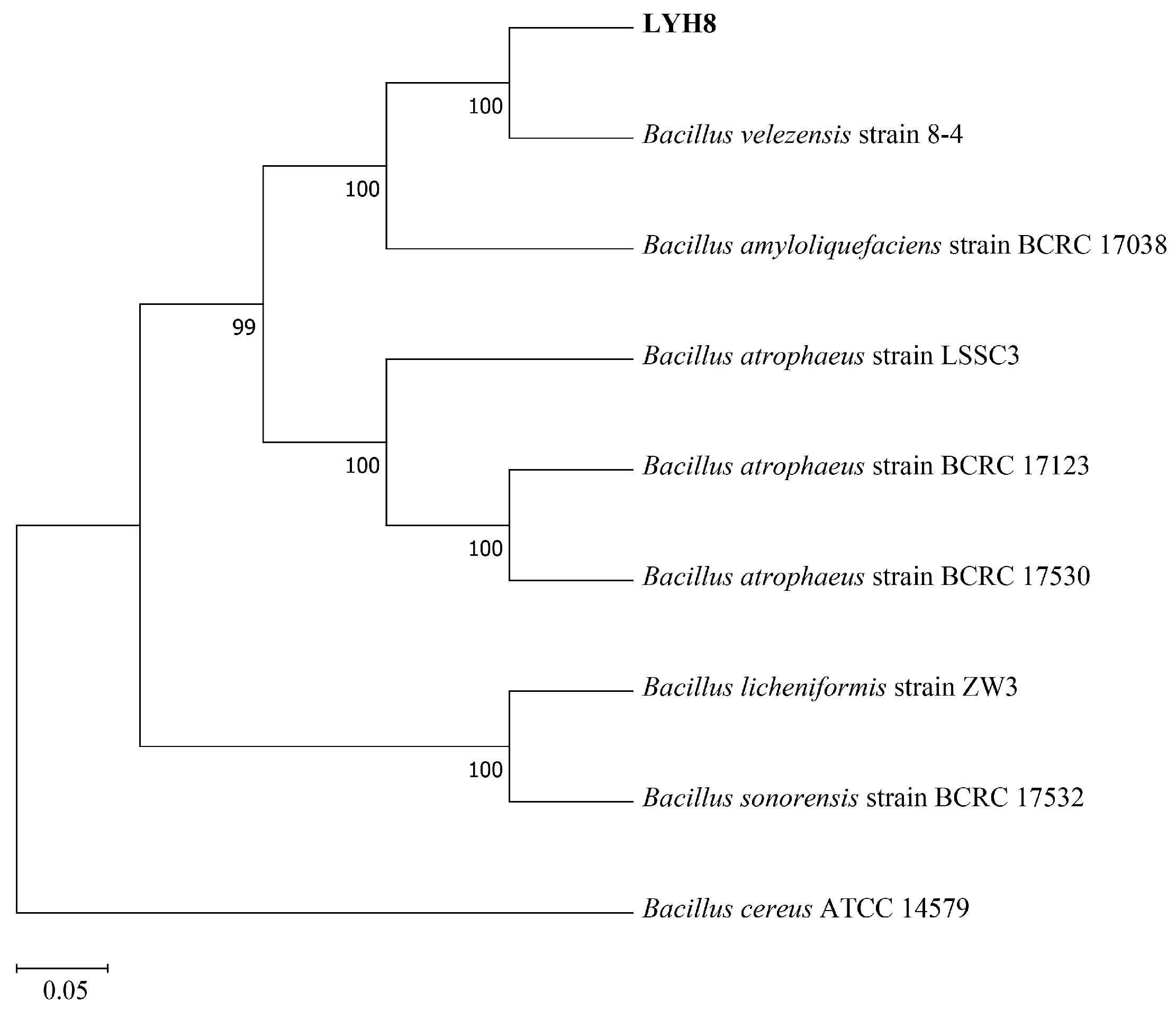
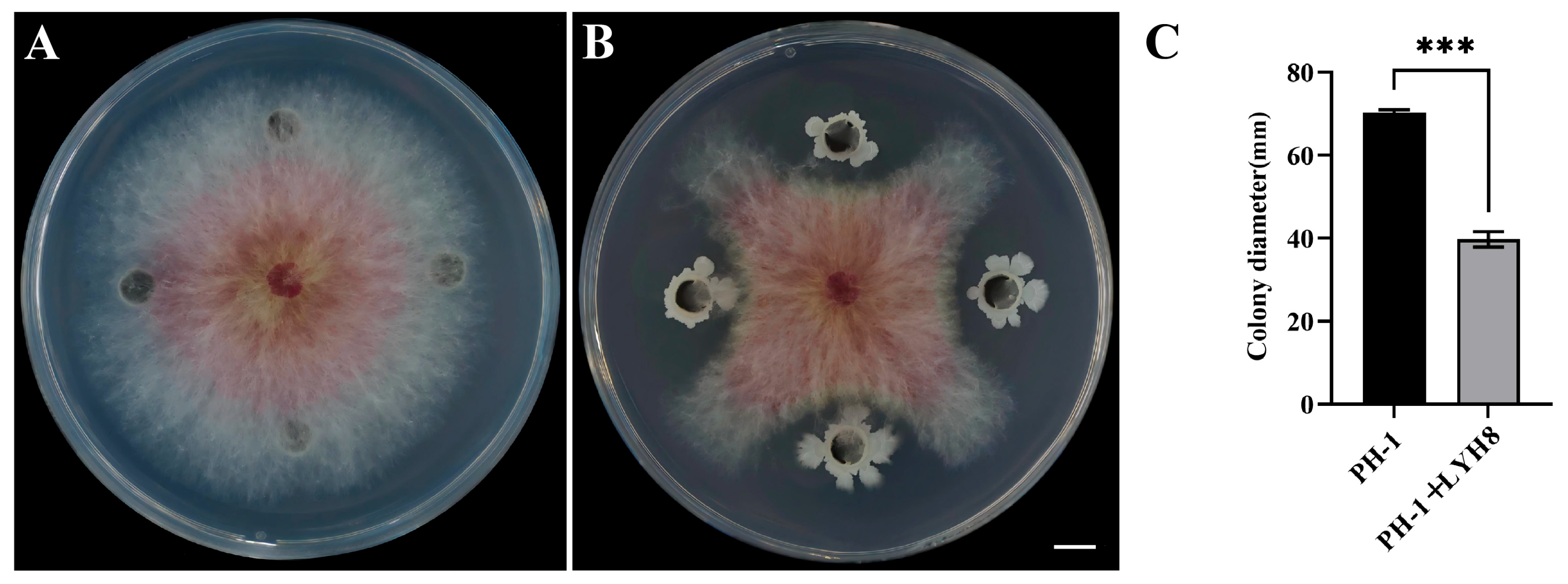
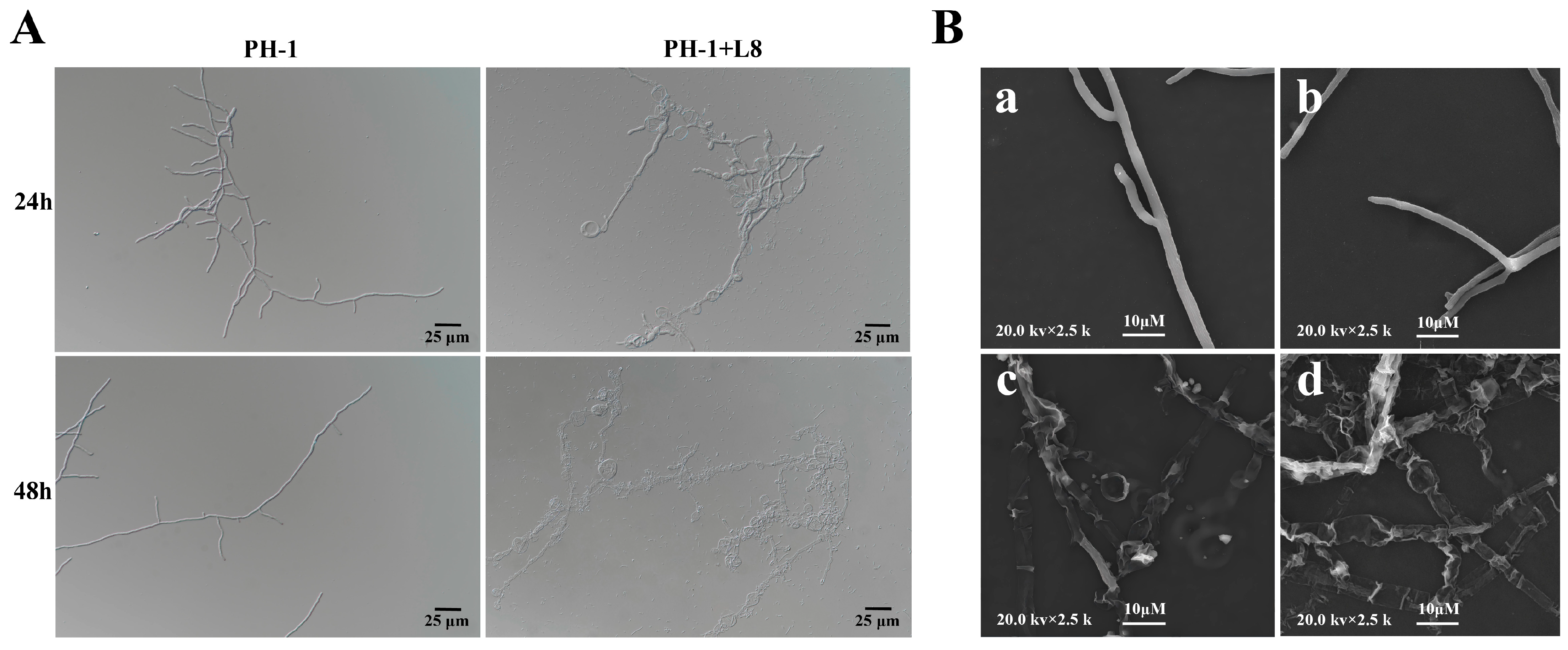
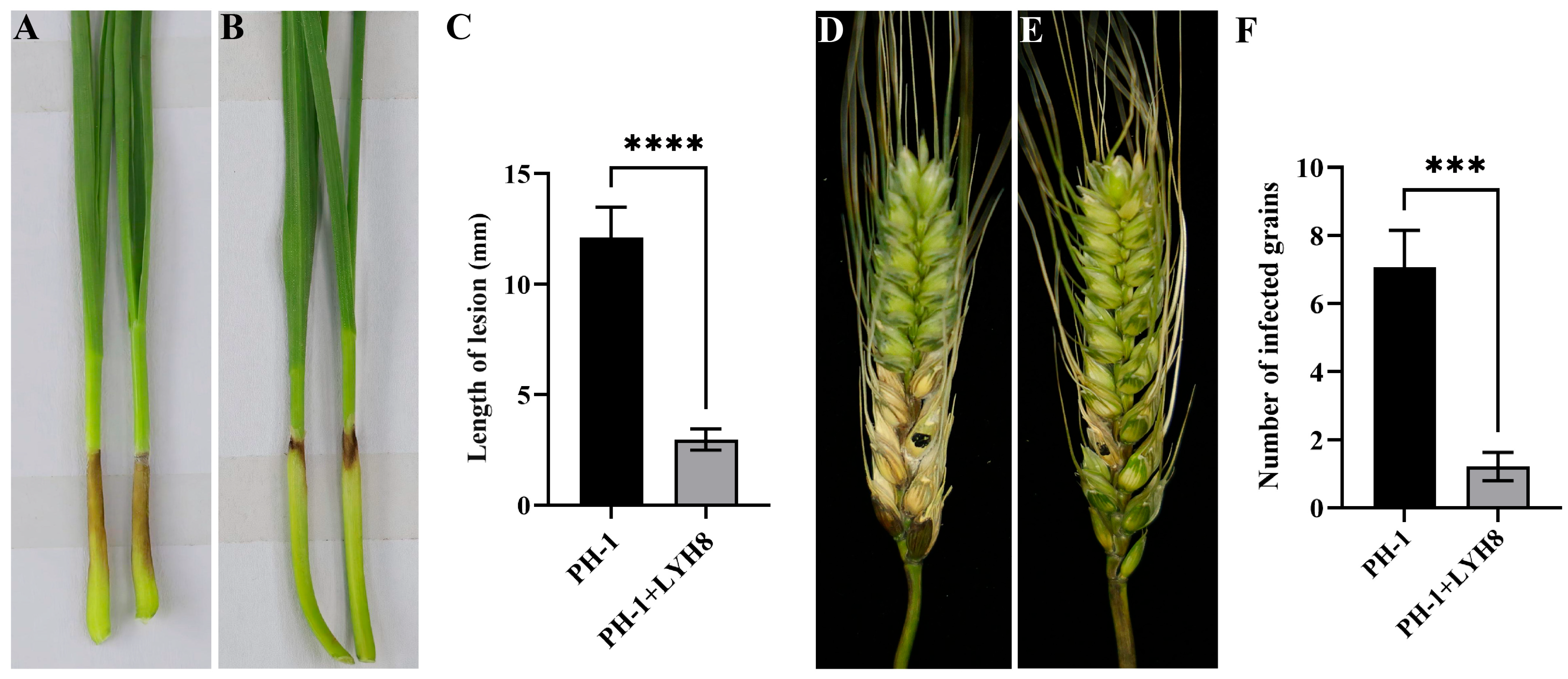
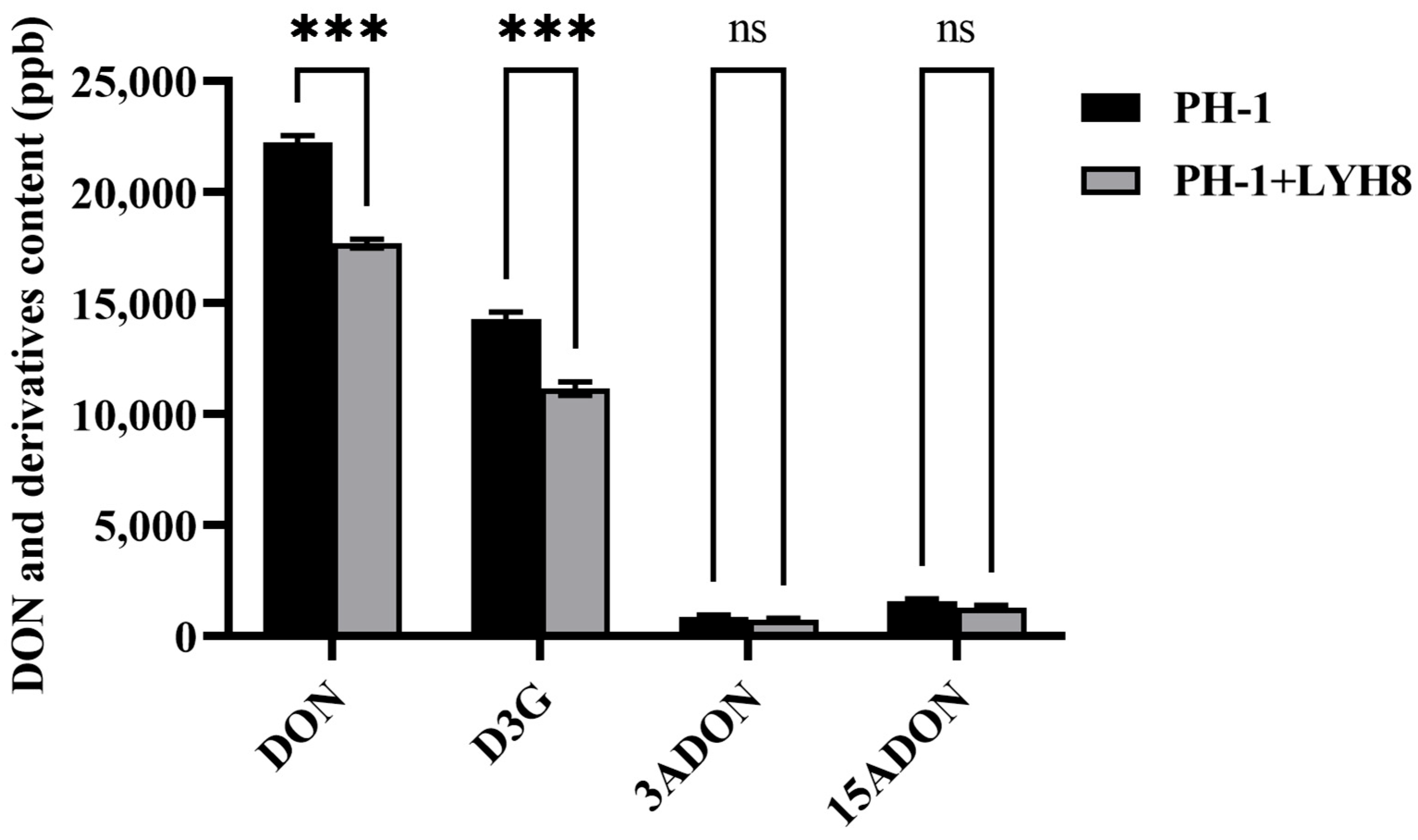
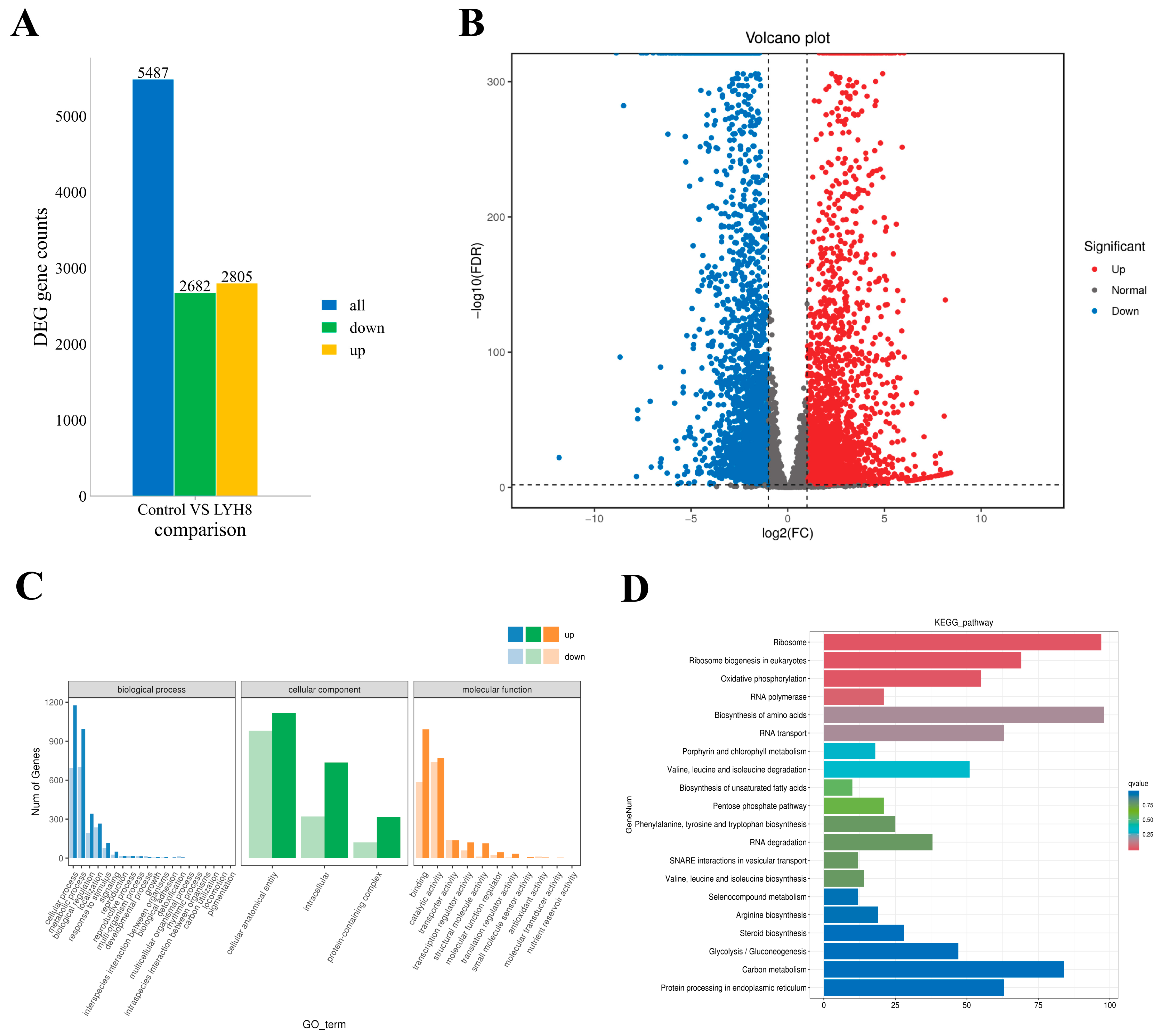
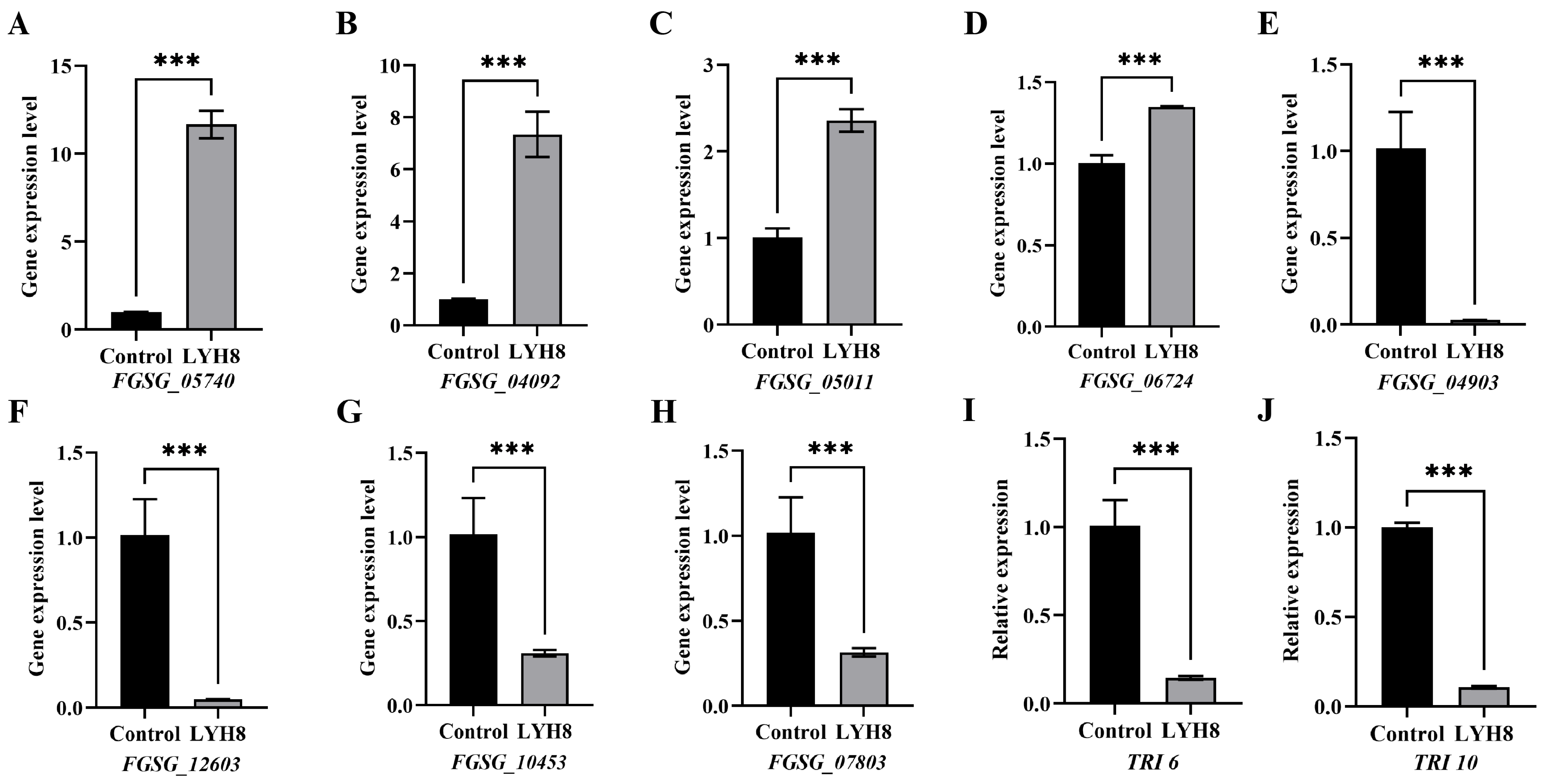
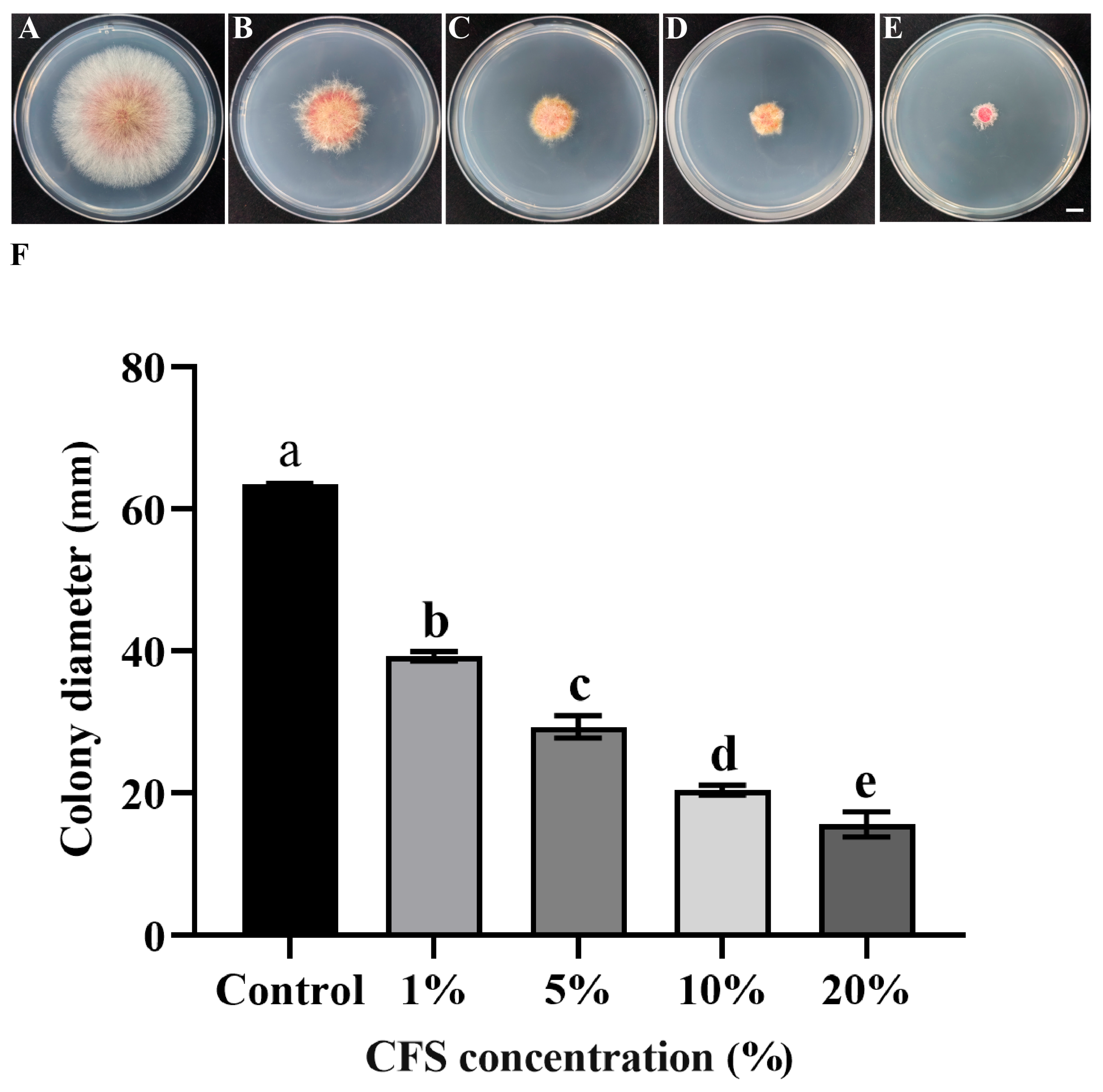
Fusarium head blight (FHB), caused by Fusarium graminearum, is a fungal disease that severely affects wheat. The mycotoxins it produces, such as deoxynivalenol (DON), pose serious risks to human and animal health. In this study, a biocontrol strain, LYH8, was isolated from local sources in Jingzhou, Hubei Province. Plate confrontation assays demonstrated that LYH8 effectively inhibited the mycelial growth of F. graminearum, with an inhibition rate of 43%, and induced morphological abnormalities such as hyphal swelling and shrinkage. Based on 16S rRNA and gyrB gene sequencing and phylogenetic analysis, LYH8 was identified as Bacillus velezensis. In vivo experiments showed that disease severity in wheat coleoptiles and spikes was significantly reduced by treatment with LYH8 by 75–85%, and the accumulation of DON and its deoxynivalenol-3-glucoside (D3G) in grains was decreased by 20–22%. Further transcriptome analysis revealed that it affects pathogen growth by regulating amino acid biosynthesis, ribosomal biosynthesis, carbon metabolism pathways, and the catalytic activities of related genes. In summary, LYH8 significantly controlled FHB through multiple mechanisms, including inhibiting mycelial growth, reducing infection, and blocking toxin synthesis, demonstrating strong biocontrol potential.
Keywords: Fusarium graminearum; Bacillus velezensis LYH8; antifungal activity; deoxynivalenol; Fusarium head blight management Fusarium graminearum; Bacillus velezensis LYH8; antifungal activity; deoxynivalenol; Fusarium head blight management