


Simple Summary
Improving broiler productivity while reducing the use of antibiotics is one of the major challenges facing modern poultry production. The community of microorganisms living in the chicken gut, known as the gut microbiome, has a profound influence on digestion, nutrient utilization, immunity, and resistance to disease. Although many nutritional strategies have been developed to modify the gut microbiome, their effects are often inconsistent because they are influenced by the bird, its diet, and the surrounding production environment. This review brings together current knowledge on these interacting factors and presents an integrated framework that explains how the microbiome, host, and environment work together to influence broiler performance. It also discusses emerging technologies, including multi-omics, artificial intelligence, precision nutrition, and next-generation microbiome-based interventions that have the potential to enable more precise, effective, and sustainable microbiome management strategies for commercial poultry production.
Abstract
The gut microbiome plays a central role in regulating nutrient utilization, immune function, and disease resistance, thereby directly influencing growth performance and feed efficiency. Existing microbiome modulation strategies, including probiotics, prebiotics, dietary interventions, and antibiotic alternatives, are critically evaluated. Despite their reported benefits, the effectiveness of these approaches often remains inconsistent across production systems. Evidence suggests that this variability is largely driven by complex interactions among microbial communities, host factors, and environmental and management conditions, which are frequently overlooked in conventional intervention-based approaches. To address this gap, this review proposes an integrated microbiome–host–environment framework that links microbial ecology with host physiology and production conditions. The framework provides a systems-level perspective for understanding the factors governing microbiome stability and production responses, offering a basis for more targeted and reliable microbiome management strategies. Finally, current challenges and future research priorities are discussed, including the integration of multi-omics technologies, precision nutrition, and data-driven approaches to support next-generation poultry production systems. By emphasizing the interconnected nature of microbiome regulation, this review contributes a conceptual foundation for improving broiler productivity and sustainability through more consistent and effective microbiome optimization.
1. Introduction
The global population is growing rapidly and is projected to increase by approximately 2 billion people, reaching 9.7 billion by 2050. In 2020, poultry meat accounted for nearly 40% of global meat production, and its production has increased substantially over the past 30 years [1]. This growth in the poultry industry is due to an increasing human population, economic development and urbanization. Poultry is a major contributor to food and nutrition security, supplying energy, protein and micro-nutrients to humans, with a short production cycle, requiring a large variety of agri-food by-products and waste as inputs to produce human-edible meat and eggs [2]. According to the recent FAO/FAOSTAT statistics, poultry production remains one of the fastest-growing livestock sectors worldwide, driven by increasing demand for affordable animal protein, efficient feed conversion, and relatively low environmental impacts compared with other livestock species [3]. Global poultry meat production has continued to increase during 2023–2025, highlighting the growing importance of optimizing bird health, productivity, and sustainability through improved nutritional and microbiome-based management strategies. The Food and Agriculture Organization of the United Nations (FAO) reported a huge increase in chicken meat production over the past decades. Broilers, specifically bred for rapid growth and efficient feed-to-meat conversion, have revolutionized the poultry industry, enabling large-scale, cost-effective meat production [4,5].
The gut microbiota is closely integrated with host physiology and plays a crucial role in maintaining health and productivity. Under normal conditions, these microbial communities support the host through several key functions. They act as a defensive barrier against pathogenic organisms, help preserve the integrity of the intestinal mucosal lining, contribute to the digestion and metabolism of nutrients, and regulate immune responses. Through these combined actions, the gut microbiota promotes proper growth and development while also protecting the host from harmful pathogens and toxic compounds [6,7]. The digestive process is strongly linked to gut microbiota; nutrient absorption, feed digestibility, energy harvest and therefore productivity are influenced by microbiota composition and diversity [8,9]. The chicken gut microbiota includes hundreds of bacterial species dominated at the phylum level by Firmicutes, Bacteroidetes, Proteobacteria and Actinobacteria [10]. Microbial communities vary along the intestinal tract of chickens, with distinct populations found in different segments such as the crop, gizzard, ileum, cecum, and colon of broiler chickens [11,12]. The gastrointestinal tract of broilers hosts a diverse microbial community that aids in the fermentation of non-digestible carbohydrates, synthesizes essential vitamins, and influences the host’s metabolic processes [13].
Dysbiosis, an imbalance in the gut microbial composition, has been associated with impaired growth, intestinal disorders, and increased susceptibility to infections such as necrotic enteritis, a major concern in commercial poultry production [14]. These changes often result in poor feed efficiency, slower growth rates, greater susceptibility to enteric pathogens, and increased mortality, leading to substantial economic losses for the poultry industry [15]. One of the most important diseases associated with gut microbiota imbalance is necrotic enteritis, a multifactorial intestinal disorder primarily caused by the overgrowth of Clostridium perfringens. Necrotic enteritis is responsible for significant production losses worldwide. The incidence of this disease has become a major concern, particularly following restrictions on the use of antibiotic growth promoters, highlighting the critical role of maintaining a balanced gut microbiota in modern poultry production [16]. Factors such as diet (including fiber, prebiotics, and probiotics), antimicrobial use, and environmental stressors can significantly alter the gut microbiota composition, with direct implications for broiler health and productivity [17]. Beneficial microbes play an important role in breaking down complex carbohydrates, fibers, and proteins, leading to the production of short-chain fatty acids (SCFAs) such as acetate and butyrate. These metabolites support gut health and improve energy utilization, ultimately enhancing feed efficiency and promoting better growth performance [18]. The microbiome also influences host metabolism by synthesizing essential vitamins and amino acids, contributing to muscle growth and overall performance. Additionally, a balanced microbiota supports immune function by maintaining intestinal barrier integrity and reducing inflammation, thereby preventing energy loss to infections [19].
With the ubiquitous need to produce poultry in a sustainable manner in the absence of antibiotics, there is a growing interest in strategies that can modulate the gut microbiome. Probiotics, prebiotics, dietary approaches and other alternatives to antibiotics have shown great promise to improve gut health and production efficiency. New data now indicate that these discrepancies are brought about by multifaceted interactions between microbial communities, host physiology, host genetics, nutrients and environment, which are often studied independently in existing research. Therefore, this review does not focus on the effects of the individual microbiome interventions, but instead suggests a framework of microbiome–host–environment to better elucidate the mechanisms associated with production response variations. This review offers a conceptual basis for more efficient solutions related to microbiome management and creates a new production system for poultry with precision, sustainability, and without the use of antibiotics.
2. Data Collection and Selection Criteria
This review was conducted using a structured narrative approach to synthesize current knowledge on the gut microbiome–host–environment axis in broiler chickens. Relevant literature was identified through searches of major scientific databases, including PubMed, Scopus, ScienceDirect, Web of Science, Google Scholar, and Research Gate. Search terms included combinations of keywords such as “broiler gut microbiome,” “gut microbiota,” “microbial metabolites,” “microbiome–host–environment axis,” “antibiotic alternatives,” “probiotics,” “prebiotics,” “synbiotics,” “gut dysbiosis,” “host genetics,” “feed efficiency,” “immune modulation,” and “sustainable poultry production.” Peer-reviewed articles published in English up to 2026 were considered. Priority was given to studies conducted in broiler chickens, particularly controlled experimental trials, field studies, and commercial production investigations that evaluated microbiome composition, function, health outcomes, or production performance. Additional studies involving other poultry species, including turkeys, ducks, and quail, were included when they provided relevant insights into avian microbiome biology. Studies conducted in non-avian species, including pigs, mice, and humans, were not a primary focus of the review. However, such studies were considered when discussing fundamental microbiome mechanisms, host–microbe interactions, or molecular signaling pathways for which poultry-specific evidence remains limited. In these cases, evidence derived from non-poultry models should be interpreted as supportive rather than directly transferable to broiler production systems. The review excluded non-peer-reviewed publications, conference abstracts lacking full data, non-English publications, and studies that did not address microbiome-related outcomes relevant to poultry health, nutrition, immunity, or production performance. Preference was given to recent literature and studies providing mechanistic or applied insights relevant to sustainable and antibiotic-free broiler production.
3. Gut Microbiome in Broilers: Composition and Core Functions
3.1. Microbial Composition
The chicken gastrointestinal tract harbors a dynamic and complex microbial community composed of bacteria, archaea, fungi, viruses, and other microorganisms. Commonly reported bacterial genera include Lactobacillus, Bacteroides, Bifidobacterium, Clostridium, Faecalibacterium, and Ruminococcus, although their relative abundances differ across studies [20,21]. Microbial composition varies considerably among different segments of the gastrointestinal tract due to differences in pH, oxygen availability, nutrient supply, and transit time. The broiler gastrointestinal tract is functionally compartmentalized, resulting in marked differences in microbial composition and activity among gut segments, as shown in Table 1.
The crop is dominated by Lactobacillus species that ferment soluble carbohydrates and contribute to pathogen exclusion [22]. The small intestine, particularly the duodenum, jejunum, and ileum, is primarily responsible for nutrient digestion and absorption and therefore contains microbial communities adapted to rapid nutrient turnover [23]. The ileum generally exhibits lower microbial diversity than the cecum and is commonly enriched with Lactobacillus, Enterococcus, and another facultative anaerobic bacterium involved in nutrient metabolism. In contrast, the ceca harbor the most diverse and metabolically active microbial ecosystem, functioning as the principal site of anaerobic fermentation, fiber degradation, vitamin synthesis, and SCFA production [24]. Cecal microorganisms are responsible for the breakdown of complex carbohydrates and non-starch polysaccharides, producing SCFAs that contribute to host nutrition and intestinal health. The colon plays a comparatively minor role and is mainly involved in water reabsorption and final microbial processing of digesta [25]. These regional differences are important when interpreting microbiome studies, as microbial functions and production outcomes are highly dependent on sampling location.
Microbial diversity and population density generally increase toward the distal intestinal tract, with the cecum representing the most complex microbial ecosystem. However, the relative abundance of specific bacterial taxa varies according to age, diet, environment, production system, intestinal sampling site, and analytical methodology. Most gut microbial populations are predominantly grouped into two major phyla; the Gram-positive Firmicutes and the Gram-negative Bacteroidetes. The high abundance and diversity of these groups underscore their vital roles in digestion and overall gut health. A well-balanced microbial community, particularly within the cecum, is widely recognized as essential for maintaining optimal gut function [23]. In addition to these dominant phyla, smaller proportions of microbes belong to Actinobacteria (Gram-positive) and Proteobacteria (Gram-negative). In adult hens, Firmicutes and Bacteroidota generally constitute the majority of the adult chicken gut microbiota, whereas Actinobacteriota and Proteobacteria are present in comparatively lower proportions [26]. Nevertheless, these proportions may vary substantially among flocks and experimental conditions, highlighting the importance of considering host, environmental, and methodological factors when characterizing gut microbiota composition.
Table 1.
Segment-Specific Gut Microbiota and Their Relevance to Broiler Performance.
3.2. Microbiome-Mediated Metabolism, Immunity, and Disease Resistance
3.2.1. Intestinal Barrier Function
Commensal bacteria generate SCFAs and lactate within the gastrointestinal tract, thereby enhancing barrier function and pathogen resistance [31]. For example, xylanase genes have recently been identified and overproduced from the cecum of chickens, facilitating the breakdown and digestion of complex substrates such as non-starch polysaccharides [32]. In addition to these multifunctional functions, the gut microbiota inhibits the colonization of the intestinal tract by pathogens and other non-native microorganisms by competitive exclusion [33,34]. The adhesion of non-pathogenic bacteria to the brush border of intestinal cells inhibits the attachment and invasion of infections. Also, the indigenous gut microbiota inhibits pathogen development by secreting organic acids and bacteriocins, directly stimulating the immune system, and competing for nutrients and adhesion sites on the mucosal membrane [35]. Lactobacillus that produces the bacteriocin, Reuterin, was found to be beneficial in preventing the development of Salmonella, Shigella, Clostridium, and Listeria in an in vitro experiment conducted [36]. Increasing these beneficial bacteria, as well as the substrates for their growth and metabolism, improves the host’s feed intake and nutrient utilization. The development of the intestinal host defenses, such as the mucus layer, epithelial layer, and lamina propria, as well as the maintenance of host physiological homeostasis, are all influenced by commensal bacteria, according to experiments comparing conventionally raised with germ-free animals [37].
3.2.2. Immune Development and Regulation
Immune modulation; the intestinal flora is helpful in the training of the immune system to differentiate between normal and pathogenic bacteria, which affects both local and systemic immunity and improves the way a host reacts to pathogens [38]. Consequently, microbiota specifically utilizes IgA and IgG production, which alone may be a reason for several hundred grams of protein during a lifetime, not contributing to the growth of chickens. Another study asserted that IgA targets specifically established gut flora and regulates its abundance by managing species introduced by diet and the environment [39]. In chickens, a considerable amount of total energy expenditure is mainly a result of gut metabolism, predominantly associated with the cellular turnover produced by bacteria [40]. The gut microbiota enhances disease resistance by limiting pathogen colonization through competitive exclusion, competition for ecological niches, and the production of antimicrobial compounds. This protective function is closely linked to microbial metabolic activity, as the gut microbiota provides the host with nutritional molecules via fermentation by-products and other secreted compounds, enzymes, amino acids, and vitamins such as vitamin B and vitamin K [41].
3.3. Gut Dysbiosis: Causes and Consequences
Gut dysbiosis refers to any disturbance in the balance, composition, or function of the gastrointestinal microbiota [42]. Moreover, intestinal inflammation may function as both a driver and a consequence of dysbiosis, depending on the physiological context. Factors influencing the equilibrium and progression of the gut microbial ecology can be categorized as external (environmental or management- related) and internal (host-related) [22]. The major causes of gut dysbiosis include overgrowth of pathogens, nutritional imbalance, mycotoxin, antibiotic therapy, improper management, removal of feed supplements, vaccines, infections, stressing factors, harmful chemicals, and genetic predisposition [43]. Dietary factors play a central role in dysbiosis development. Excessive dietary protein or poorly digestible protein sources can induce intestinal inflammation and disrupt gut flora, resulting in dysbiosis. Moreover, intestinal inflammation may function as both a driver and a consequence of dysbiosis. Inadequate digestion and absorption of feed protein provide a substrate for gut microbiota, facilitating the growth of proinflammatory bacterial populations [44]. Mycotoxins produced by fungi represent one of the major anti-nutritional factors in poultry diets and are strongly associated with dysbiosis [45]. Mycotoxins represent one of the most prominent anti-nutritional agents in chicken diets, presenting considerable obstacles to avian health and performance [46]. The increasing interest in implementing the One Health concept for non-antibiotic alternatives seeks to restore and sustain gut health in animal production, consequently markedly impacting the health and wellbeing of broiler chickens [47].
4. Microbiome and Broiler Performance
4.1. Role of the Intestinal Microbiome in Modulating Performance
The intestinal microbiome is now widely recognized in broiler chicken as a key biological factor influencing growth performance and feed efficiency [48,49]. Increasing evidence shows that both the composition and functional activity of gut microbes are closely linked to important production traits, including body weight gain (BWG), average daily gain (ADG), and feed conversion ratio (FCR) [50]. Recent integrative studies using host genomics and microbiome profiling have shown that gut microbial communities contribute to variation in growth performance and feed efficiency in broilers. Although host genetics may influence microbiome composition, the magnitude of this effect varies across studies and production conditions. Therefore, the gut microbiome is increasingly recognized as a modifiable factor that may contribute to broiler productivity [51]. However, the practical impact of microbiome-associated improvements in traits such as FCR and BWG may vary depending on diet, management practices, environmental conditions, and the consistency of microbiome-targeted interventions. The microbiome is associated with improving nutrient digestibility and intestinal absorption, which is mechanistically how the microbiome increases feed efficiency. Microbial enzymes help to break down otherwise indigestible feed substances, such as non-starch polysaccharides (NSPs), proteins, and lipids. This enzyme activity enhances the availability of metabolizable energy and decreases nutrient losses [52]. Taken together, these results suggest the gut microbiome is a metabolic organ that improves the efficiency of feed utilization and growth performance in a complex of interrelated pathways, such as nutrient digestion, intestinal development, and immune regulation.
4.2. Immunomodulatory, Antioxidant, and Anti-Inflammatory Functions of SCFAs
SCFAs not only serve as an energy source for host epithelium but also as bioactive metabolites that shape intestinal physiology by promoting renewal of epithelium, strengthening the barrier integrity, and modulating mucosal immune response [53,54]. As a result, alterations in the composition of the cecal microbiota and fermentative activity can have a direct effect on the availability of SCFA and the underlying host signaling because SCFA production is a key point of interface between diet, microbiota, and host health [55], as shown in Figure 1. SCFA regulation of gut immunity is primarily based on immune cell differentiation and recruitment and immune factor down-regulation. SCFAs are significant in preventing inflammation of the gut in that they have the capability of transforming T cells into Tregs [56]. Butyrate regulation is attributed to the differentiation and metabolism of macrophages and an increase in antibacterial peptide genes expression [57]. Butyrate contributes to the regulation of IgA synthesis and helps in the elevated IL-10 expression [58]. In broilers, a previous study showed supplementation with Clostridium butyricum or sodium butyrate led to upregulation of tight junction proteins like ZO-1, Occludin, and Claudin-1, as well as improved the villus structure of the intestine [59]. The mechanisms of action of SCFAs on intestinal immunity are poorly understood because of the complex relationship with different signaling molecules. There are two major host health/disease control mechanisms with SCFAs. One of them is the regulation of the epigenetics of the target cell, when SCFAs are introduced into the cells, e.g., the repression of histone deacetylase (HDACs) with SCFAs that control the expression of these genes [60]. SCFAs are signaling molecules binding the G-protein-coupled receptors (GPRs; also called FFARs) and it is later applied in the control of various host physiology [61]. In addition, GPRs differ in their tissue distribution and responsiveness to SCFAs. Propionate is a potent agonist of GPR43 (FFAR2), which is primarily expressed in immune cells, enteroendocrine cells, and adipocytes. GPR109A, which is highly expressed in adipocytes, immune cells, and the colon, can also be activated by butyrate and mediates several of its biological effects [62,63]. The impact of SCFAs in immunoregulation through GPRs activation and cytokine regulation has been confirmed in many studies. One study has discovered that GPR41 stimulation by SCFAs enhanced the production of IL-22 that defends against inflammation and promotes gut homeostasis [38]. In chickens, SCFA-related signaling is still under investigation, but similar immune modulation has been suggested. In addition to demonstrating the significance of SCFAs in activating GPR43 on the production of microbiota antigen-specific Th1 cell IL-10, another researcher found that Gpr43−/− mice exhibited more severe intestinal inflammation induced by Dextran Sulfate Sodium than wild-type mice [64].
Figure 1.
Schematic overview of SCFAs-mediated regulation of intestinal health in avian species. SCFAs produced by cecal microbial fermentation enhance barrier integrity and epithelial function by improving tight junction expression, mucus secretion, and villus morphology. They also maintain immune homeostasis by promoting regulatory T cell differentiation, increasing anti-inflammatory cytokines and IgA production, and suppressing pro-inflammatory responses. At the molecular level, SCFAs act through FFAR2/FFAR3 signaling, epigenetic regulation via HDAC inhibition, and AHR activation. Additionally, they regulate redox balance and inflammation by activating the AMPK/SIRT1–Nrf2 pathway and inhibiting NF-κB signaling.
The antioxidant function of SCFAs is associated with their ability to inhibit the production of oxygen free radicals and mitigate oxidative stress [65,66]. When ROS accumulate beyond the cell’s capacity to neutralize them, oxidative stress can occur, leading to damage of critical cellular components such as proteins, lipid membranes, and DNA. This imbalance has been associated with a range of pathological conditions in livestock and poultry, including intestinal inflammation, impaired digestive function, weakened immune responses, reproductive abnormalities, as well as muscle development disorders, and growth delays [67,68]. Oxidative stress is fundamentally characterized by a disruption of the equilibrium between the generation of free radicals and the organism’s ability to eliminate them, resulting in excessive oxidative burden. To counteract the detrimental effects of ROS, living organisms have evolved a sophisticated antioxidant defense network organized across multiple levels.
The anti-inflammatory pathways of SCFAs, NF-κB regulates gene expression through conventional and noncanonical pathways [69]. Inflammatory and immunological signals activate the classical pathway of NF-κB, utilizing the IKK complex (comprising IKKγ, IKKα, and IKKβ) to phosphorylate IκB, thereby liberating NF-κB dimers that regulate the transcription of proinflammatory cytokines, such as IL-1β and TNF-α [70,71]. The NF-κB pathway is an important regulator of intestinal inflammation and activation of the immune system. Much evidence proves that metabolites of gut microbiota such as SCFAs lead to suppressed activation of the NF-κB pathway in direct or indirect ways through modulation of upstream signaling pathways [72,73]. Also, PRRs such as Toll-like receptors (TLR5 and TLR2) act as the gut’s early warning sensors. They pick up specific signals from bacteria and immediately alert the immune system, triggering the NF-κB pathway to start an inflammatory response when required [74,75]. The regulation of these pathways helps to decrease the inflammatory signaling and enhance intestinal immune homeostasis. Therefore, regulation of NF-κB, TLR-dependent signaling and inflammasome activation is a major way by which SCFA-mediated microbiota remodeling can reduce intestinal inflammation [76,77].
Besides SCFAs, there is a large number of other microbial metabolites that contribute to the improvement of broiler performance. These consist of organic acids like lactate that help in reducing intestinal pH and preventing the proliferation of the pathogenic organisms, and microbial enzymes that aid digestion of complex carbohydrates and proteins, hence the availability of nutrients [37,78]. Moreover, intestinal microbiota produces the necessary vitamins, such as B-complex vitamins and vitamin K, sustaining an important metabolic activity in the host [79]. Notably, these microbial metabolites not only improve nutrient use and growth performance, but also help in disease resistance [80,81].
4.3. Sources of Variability and Standardization Challenges in Poultry Microbiome Research
Although the relationship between the gut microbiome and broiler performance is well-established, its outcomes across studies are extremely inconsistent. This inconsistency reflects the complex and multifactorial nature of microbiome-host interactions. This variability in microbiome-mediated responses across studies is driven by multiple interacting host, dietary, environmental, and methodological factors, which collectively determine microbial structure, function, and production outcomes (Table 2). Host genetics is one of the most important sources of variability that affects the microbial composition and metabolic responses [82]. Recent studies that combine genomic and microbiome data have shown that the genotype-microbial community interaction has a major impact on feed efficiency and growth phenotype, implying that microbiome effects cannot be universal and universally applicable [83]. Another key factor that contributes to the variability is diet composition. Feed ingredient (e.g., corn- vs. wheat-based feeds), fiber, and nutrient composition changes in microbial substrates and fermentation patterns, resulting in different microbiome structure and functional products [84]. Minor modifications in diet formulation may lead to major changes in microbial structure and the production of metabolites. Microbial colonization and stability can be affected by housing conditions, stocking density, hygiene, stress and antibiotic use [85]. Also, variation in microbiome modulation strategies- such as the choice of probiotic strain, dose and time shows inconsistencies in the results of the studies. Not every probiotic strain has the same effect and the effect is conditional on the compatibility of the probiotic strain with the host microbiome and the environment [86,87].
Lastly, microbiome research is subject to substantial variability due to methodological differences. The microbiome composition and function of broilers is dynamic and varies greatly during their development. Age at sampling can have a significant effect on the results obtained [88]. Similarly, the location of the sampling (crop, ileum, cecum or fecal samples) can yield significantly different microbial profiles, due to different microbial communities in each section of the gut [89]. There is also some variation in how samples are handled, in the method used to extract DNA from the samples, in the type of DNA sequencing platform used, in the region of the 16S rRNA gene chosen for sequencing, in the depth of the sequencing process, and in the bioinformatics pipelines used for data processing and taxonomic classification [90]. In addition, the use of taxonomic profiling alone might miss certain functional differences between microbial communities. The expansion of functional metagenomics and other multi-omics techniques has shown that microbial function may play a more important role than taxonomic composition in explaining production outcomes, especially when these are increased.
There is a huge methodological variability among poultry microbiome studies, which calls for some standardization. Harmonized protocols for sample collection, preservation, DNA extraction, sequencing, and data analysis would be helpful for future research. But as important is a full description of the metadata, such as detailed genetic information on the host, diet formulation, environmental conditions, housing systems, management practices, health status and antibiotic exposure. Such standardized reporting of dietary composition and environmental variables would help ensure the reproducibility of studies and allow for meaningful comparisons [90]. This model can be used to develop standardized experimental designs, integrative multi-omics analyses and precision nutrition approaches to enhance poultry productivity.
Table 2.
Context-dependent drivers of variability in broiler gut microbiome and production responses.
5. Microbiome-Targeted Strategies for Enhancing Broiler Productivity and Health
5.1. Probiotics
The idea that gut microbes influence host health dates back to the early 20th century, when the future Nobel laureate Elie Metchnikoff first proposed a beneficial role for intestinal microbiota. Interest in this concept was revived decades later by a short report published in Nature in 1973 by Nurmi and Rantala [111], who demonstrated the use of bacterial cultures to control Salmonella infections in poultry. This work helped lay the foundation for the use of direct-fed microbials, or probiotics, in animal production. Since then, numerous studies have shown that probiotics can help restore microbial balance in the gut and introduce beneficial functions within the microbial community, leading to decreased gut inflammation and infections while improving overall performance in poultry [37,112,113]. The principal mechanisms through which probiotics enhance gut health and broiler performance are summarized in Figure 2, including competitive exclusion of pathogens, reinforcement of intestinal barrier integrity, immunomodulation, production of beneficial microbial metabolites, and regulation of gut–brain signaling. Probiotics are live microorganisms and referred to as direct-fed microbials because they have beneficial effects on the host by improving the gut health and nutrient utilization of the animal [114,115,116].
Figure 2.
Mechanisms of probiotic action in broiler chickens. Probiotics improve host health and performance through multiple pathways: (1) inhibition of pathogen colonization via competitive exclusion and antimicrobial production; (2) reinforcement of intestinal barrier integrity by enhancing mucus secretion and tight junction expression; (3) immunomodulation through activation and regulation of immune cells; (4) metabolic regulation via production of bioactive metabolites such as SCFAs; and (5) modulation of the gut–brain axis through microbial signaling pathways.
For example, probiotic supplementation has been shown to improve the immune response, structure and cytokine production in farm animals, which has a positive effect on intestinal mucosal barrier against pathogens [117]. Probiotics can be sourced from a variety of origins, including milk, fermented foods, fecal material, and the gastrointestinal tract of different animals [118]. Among these, traditional fermented foods are one of the most common sources, particularly for lactic acid bacteria and Bifidobacterium species, although a wider range of probiotic strains is now commercially available [119,120]. The production of enzymes by different bacterial strains has led to the rapid expansion and development of probiotics. Bacillus licheniformis strains have been widely used in the industry for their amylase, alkaline, protease, keratinase and B-mannanase production [121]. The feeding of B. subtilis strains to poultry has been reported to enhance gut health, IgAs (immunoglobulin A) production in the duodenum and FCR [122]. Selected Lactobacillus strains have been reported to enhance intestinal immunity against coccidiosis infection by affecting the intraepithelial lymphocyte population with surface marker cluster of differentiation 4 (CD4) [123]. Probiotics’ enteric immunostimulatory effect could also be due to their capacity to stimulate T lymphocytes in the gut immune system through increasing Toll-like receptor (TLR) activity [124].
5.2. Prebiotics and Synbiotics
Dietary fiber (DF) includes a wide range of non-digestible carbohydrates, such as cellulose, hemicellulose, pectins, and non-starch polysaccharides (NSPs) [17,125]. However, not all dietary fibers act as prebiotics. Prebiotics are specific substrates that can be selectively utilized by beneficial gut microorganisms, thereby promoting host health. In addition, the breakdown of NSPs by exogenous enzymes can generate oligosaccharides that may also exhibit prebiotic properties, depending on their structure and susceptibility to microbial fermentation [126]. Several of these fiber-derived oligosaccharides have been reported to promote beneficial gut bacteria, enhance immune function, improve intestinal health, and increase the production of SCFAs in poultry [17]. These approaches help supply fermentable substrates that support the growth and activity of beneficial gut microorganisms [32,127]. It has been observed that DF is fermented by lower gut microbes to form SCFA [128]. But due to their indigestibility, they decrease the apparent metabolizable energy (AME) of feed, and therefore increase the viscosity of digesta, which in turn will decrease the digestibility of other nutrients [129]. Thus, processing and enzyme addition to enhance the digestibility of fiber will also enhance the digestibility of other nutrients in the feed and increase fermentable substrate for the gut microbes. The fermentable substrate could be complex fragments or simply oligomers that could play the role of prebiotics [17,130,131].
The impact of oligosaccharides on the gut microbiota of poultry depends on several factors, including their inclusion level and molecular structure. In general, oligosaccharides with a lower degree of polymerization tend to be fermented more readily by intestinal microorganisms than longer-chain carbohydrates. However, responses are not always consistent across studies, as the effects may vary with the amount supplemented and the characteristics of the basal diet. Therefore, both the dosage and structural properties of prebiotic compounds should be carefully considered when evaluating their potential benefits in poultry nutrition [132]. DF in poultry diet can help cellulolytic and beneficial bacteria (such as Lactobacillus and Bifidobacterium) and increase the SCFA produced, and the synergism of both avoids digestive disorders and wet litter [133]. The feed ingredients containing fiber with prebiotic potential have the benefit of stimulating such commensal and beneficial microbes that are resident in the GIT of the host [134,135]. Although dietary fiber can provide important benefits for gut health, its effects are not always positive and largely depend on the type and amount included in the diet. For example, high levels of soluble NSPs may increase digesta viscosity, which can interfere with nutrient digestion and absorption and ultimately reduce bird performance. In addition, the effects of fiber and prebiotic supplementation can vary according to the composition of the basal diet, including the cereal source, NSP content, protein level, and the availability of other fermentable substrates. Therefore, the successful use of dietary fiber in poultry nutrition requires careful consideration of both fiber characteristics and overall diet composition [136]. Therefore, the fermentable DF can alter the gut microbiome and enhance the growth of beneficial bacteria which would be needed to enhance the performance of broilers in the absence of AGP. However, further research is required to better understand how different components of dietary fiber interact with gut microbes within the highly competitive intestinal environment.
5.3. Antibiotic Alternatives
Antimicrobial resistance (AMR) is a global catastrophic threat to modern medicine and its successes and is a serious health concern [137,138]. There have been a lot of studies seeking to identify natural products with the same positive impact as growth promoters. Among the most widely used are probiotics, prebiotics, exogenous enzymes, organic acids, immunostimulants, bacteriocins, bacteriophages, phytogenic feed additives, plant-derived compounds (phytocides), nanoparticles, and essential oils [139,140], as shown in Table 3. Plant-derived feed additives are obtained from herbs and other botanical sources and are widely used to support animal production. Their use has increased due to reported beneficial effects on growth performance, immune function, and stress resilience, although responses are variable. Recent studies suggest that these phytogenic additives can serve as effective alternatives to antibiotic growth promoters while also improving growth outcomes in broiler chickens [141,142]. Nevertheless, their effects are not always consistent and are influenced by factors such as plant source, chemical composition, processing methods, dosage, encapsulation techniques, basal diet, and experimental challenge conditions. Therefore, their application should be interpreted cautiously, particularly in terms of reproducibility under commercial production systems. Recent evidence further supports the use of phytogenic compounds and probiotics as sustainable alternatives to antibiotic growth promoters in poultry production. Curcumin, the principal bioactive compound of turmeric (Curcuma longa), has attracted considerable attention due to its antimicrobial, antioxidant, anti-inflammatory, and immunomodulatory properties [143]. Consequently, curcumin has been proposed as a promising green antibiotic substitute in modern poultry production systems [144]. Similarly, probiotic supplementation with Clostridium butyricum has emerged as an effective strategy for promoting intestinal health in poultry. Recent findings indicate that C. butyricum supplementation improves gut microbial balance, intestinal barrier function, and overall health status, highlighting its potential as a viable alternative to antibiotic growth promoters in poultry diets [145].
Essential oils are the oily liquids of fragrant and volatile aromatic substances of a plant. Essential oils may be derived from plant sources or produced synthetically, although only a limited number exhibit strong antimicrobial activity [135]. Common examples include thymol, trans-cinnamaldehyde, carvacrol, and eugenol. These compounds exert their effects by disrupting bacterial enzyme systems and by modulating immune responses and inflammatory processes [139]. Organic acids are preservatives preventing microbial and fungal invasion in feed. They are mostly carboxylic acids with a hydroxyl group on their alpha carbon like malic, lactic and tartaric acid. Organic acids’ addition to drinking water has a protective effect on young chicks from Campylobacter infection [146,147,148]. The poultry gut ecosystem is crucial in the detoxification and removal of pathogens from the poultry gut. The gut microbial population is highly influenced by various factors such as feed additives (phytobiotics, prebiotics, probiotics, feed enzymes, organic acids), feed formulation, genetics, heat stress, and feed management, as shown Figure 3. Dietary addition of bioactive compounds of cinnamon helps in the creation and maintenance of microflora and digestive functions in poultry. They found that dietary cinnamon increased the growth of beneficial bacteria and decreased the pathogenic bacteria load in comparison to the control [139,149]. They observed that the dietary cinnamon enhanced the growth of Lactobacillus spp. and inhibited Campylobacter spp. and E. coli in the ileum and cecum of chickens. The SCFAs production is due to the fermentation of the Lactobacillus spp. and is responsible for maintaining the gut environment and inhibiting the pathogenic bacteria that are sensitive to pH. The phytochemicals of cinnamon may have anti-microbial properties against Enterococcus faecalis, Vibrio parahaemolyticus, Pseudomonas aeruginosa, Salmonella spp., Klebsiella pneumoniae, Staphylococcus epidermis, Staphylococcus aureus and E. coli [150]. Flavanols are abundant in cinnamon, which have high antioxidant and anti-microbial activities. Flavanols, such as quercetin were reported to suppress the growth of bacteria, Salmonella enterica serotype Typhimurium, E. coli, Staphylococcus aureus, and Pseudomonas aeruginosa in the poultry gut [151,152]. Also, anthocyanins and their metabolites influence the gut by increasing Lactobacillus spp., Enterococcus spp., Bifidobacterium spp. in the poultry gut. Anthocyanins can inhibit the growth of pathogenic bacteria and enhance the organ functions in poultry and can be used as a heat stress mitigating agent [153]. Moreover, these supplements may even improve the gene expression of immune and intestinal barrier function, resulting in improved gut health [154].
Figure 3.
Mechanisms of microbiome modulation strategies in broiler chickens. Probiotics, prebiotics/synbiotics, and antibiotic alternatives modulate the gut microbiome through complementary mechanisms, including promotion of beneficial bacteria, inhibition of pathogens, and production of SCFAs.
Table 3.
Mechanistic overview of antibiotic alternatives in poultry and their effects on gut microbiota, intestinal integrity, and immune function.
6. Environmental and Management Factors Affecting the Microbiome
6.1. Impact of Housing, Lighting, and Stocking Density on the Gut Microbiota
The housing environment is a critical determinant of the gut microbiome in broiler chickens, influencing microbial diversity, pathogen load, and overall gut health. Housing systems vary widely, ranging from conventional intensive systems (high-density, controlled-environment barns) to free-range or organic systems, each exerting distinct effects on the microbial ecology of the gut [176,177]. Stocking density is a major factor; overcrowding increases stress levels, fecal-oral contamination, and ammonia concentrations, which can disrupt the gut microbiota by favoring pathogenic bacteria such as Clostridium perfringens and Escherichia coli while suppressing beneficial microbes like Lactobacillus spp. High ammonia levels, a byproduct of poor ventilation and wet litter, damage the respiratory and intestinal epithelium, compromising gut barrier function and altering microbial composition [178,179].
Litter quality and management also play a pivotal role; wet or caked litter promotes the proliferation of harmful bacteria and fungi, whereas dry, well-maintained litter with proper aeration supports a more balanced microbiome. The type of litter material (e.g., wood shavings, rice hulls, or straw) further influences microbial populations due to differences in moisture retention and microbial load [180]. Ventilation and temperature control are crucial, as poor airflow leads to heat stress and humidity buildup, both of which negatively impact gut microbiota. Heat stress, in particular, reduces gut integrity, increases intestinal permeability, and shifts microbial communities toward pathogenic species [157,181]. Conversely, well-ventilated houses with optimal temperature and humidity levels promote microbial stability and reduce disease incidence. Lighting regimens (e.g., continuous vs. intermittent lighting) also affect gut microbiota by altering feeding patterns and stress responses, which in turn influence microbial metabolism. Additionally, biosecurity measures, such as disinfection protocols and rodent/pest control, prevent the introduction of external pathogens that could disrupt the gut microbiome. Alternative housing systems, such as free-range or pasture-raised setups, generally foster greater microbial diversity due to exposure to soil-based microbes and varied foraging materials, which can enhance immune development and gut resilience [182,183]. However, these systems also pose challenges, including higher exposure to environmental pathogens like Campylobacter and Salmonella. Modern advancements, such as automated environmental controls (e.g., precision ventilation, heating, and cooling systems), help maintain stable conditions that support a healthy microbiome [184]. The transition to antibiotic-free production has further emphasized the need for optimal housing conditions to prevent dysbiosis and disease outbreaks [185]. Future strategies may include microbiome-friendly housing designs, such as enriched environments with probiotics in litter or water systems, to promote beneficial microbial colonization. Overall, optimizing housing conditions is essential for maintaining a stable and beneficial gut microbiome in broilers, which directly correlates with growth performance, feed efficiency, and disease resistance.
6.2. Feed Management
One of the strongest factors that determines the gut microbiome is the feed composition and feeding methods. Substrate availability due to the type, quality, and processing of feed affects microbial fermentation, and thus, microbial composition and metabolic products [186,187]. The components of the diet, including fiber, protein and fat have different roles to play in the modulation of microbes. Non-digestible carbohydrates stimulate the development of the beneficial bacteria and the generation of the SCFAs, and the surplus protein can support the proliferation of proteolytic and, possibly, detrimental bacteria [188]. The feeding methods, such as the form of feed (pellet or mash), the frequency of feeding and the nutrient content in the feed also determine the microbial colonization and activity [189]. Also, there are a plethora of feed additives like probiotics, prebiotics, enzymes, and phytogenics that are commonly used to regulate the microbiome. They are effective, however, depending on several factors such as dosage, strain specificity, and interaction with existing microbial communities. Differences in feed management practices among production systems lead to significant differences in microbiome composition and performance outcome [190].
6.3. Stress Factors
Stress is a significant modulator of the gut microbiome and it is capable of severely affecting the performance of broilers. As environmental stressors, heat, overcrowding, transportation, and handling disturb the homeostasis of the gut by altering the microbial composition, and enhancing the intestinal permeability [191]. Heat stress leads to dysbiosis which is commonly marked by loss of microbial diversity and an overabundance of pathogenic microbes [14]. For instance, alpha diversity has been extensively studied across various trials focusing on the impact of heat stress on chicken microbiota. Commonly utilized indices, such as observed species, Chao1, Faith’s phylogenetic diversity, Pielou’s evenness, Shannon, and Simpson indices, were employed to describe species richness and evenness [191,192]. Indeed, other experimental variables with a more substantial impact on gut microbiota may have been the primary cause [192]. For example, factors such as the initial state of the microbiota before heat exposure should not be disregarded. Evidence suggests that microbial communities exhibit varying levels of resilience, depending on their composition. Studies found evidence of significant beta diversity differences between the control and heat stress treatment groups [193]. Notably, this difference in beta diversity was observed even in trials that did not demonstrate differences in alpha diversity or abundance of microbes at higher taxonomic ranks. For instance, beta diversity analyses revealed heat-induced microbial shifts in the cecum of broilers; however, no significant effect on the abundance of Bacteroidetes and Firmicutes was observed. Similarly, Wang et al. [194] found a limited influence of heat stress on the relative abundance of major phyla in the ileum of broilers; however, significant clustering related to ambient temperature was observed. One potential explanation for this phenomenon is that heat stress affects the abundance of microbial taxa to varying degrees, with lower taxonomic ranks, such as species and genera, being more susceptible. It is well established that HS leads to an increased heat load within the internal organs of birds. Shi et al. [195] demonstrated that the cecal microbiota of broilers exhibits stronger heat-induced shifts with increasing age. Indeed, heat stress had little effect on the microbial structure of 15-day-old broilers but resulted in completely distinct clusters in 42-day-old birds. It is well established that older birds are more susceptible to heat stress owing to their body weight and feather coverage, which affect their ability to dissipate heat [196].
High stocking density induces chronic stress, poor air quality, and limited movement in poultry, triggering gut dysbiosis (an imbalance in the microbial community). This ultimately causes a decrease in nutrient absorption, compromised intestinal barrier integrity, and reduced growth performance [179]. Transportation induces significant stress on poultry, triggering a “fight-or-flight” hormonal response (elevated corticosterone) that alters the gut environment. This stress leads to stress-associated dysbiosis, a reduction in beneficial bacteria (such as Lactobacillus spp.), and a corresponding increase in potential pathogens (like E. coli and Clostridium spp.) [197].
7. Toward an Integrated Microbiome-Host-Environment Framework
Current strategies for managing the microbiome in broiler production tend to rely on individual interventions probiotics, dietary changes, or adjustments to the rearing environment without considering how these factors might interact. Yet in practice, the success of such approaches varies widely from one study to the next, and even among commercial systems. A key shortcoming of these existing methods is the implicit assumption that microbiome-targeted strategies work independently of the host animal and its surroundings. In reality, broiler performance is shaped by a tangled web of ongoing interactions among the gut microbiome, the bird’s own physiology, and the production environment [198,199]. The framework we present in this review moves beyond conventional intervention-based models by bringing these three domains together into one coherent conceptual system, as shown in Figure 4.
Figure 4.
Integrated microbiome–host–environment axis in broiler chickens. This schematic illustrates the dynamic interactions between the gut microbiota, host physiology, and environmental factors in broiler chickens. A balanced microbiome enhances nutrient digestion, SCFA production, gut barrier integrity, and immune function, thereby improving growth performance and FCR. In contrast, environmental stressors such as heat stress, poor management, and suboptimal feed can disrupt microbial balance, leading to gut dysbiosis, pathogen overgrowth, and reduced performance. Bidirectional crosstalk between the microbiome, host, and environment is mediated through microbial metabolites, immune signaling, and nutrient exchange, ultimately influencing health, productivity, and disease resistance.
What makes this framework particularly useful is that it helps explain a long-standing puzzle: why responses to probiotics, prebiotics, phytogenic additives, and similar microbiome-targeted interventions are so often inconsistent. The same product or treatment can yield very different results depending on the setting, simply because its effectiveness is shaped by how microbial ecology, host traits, and environmental factors play out together in a given situation. This means we need to stop thinking about microbiome optimization as a matter of tweaking individual bacterial groups or feed additives in isolation. Instead, it calls for a systems-level approach that recognizes the whole picture. This conceptual framework also establishes a foundation for future precision poultry production. By integrating microbiome profiling, host phenotyping, environmental monitoring, and data-driven decision support systems, it may become possible to develop predictive models capable of identifying optimal intervention strategies for specific production settings. Such an approach would improve the consistency and effectiveness of microbiome-based solutions while supporting sustainable and antibiotic-free poultry production.
From a practical perspective, the proposed framework can serve as a guide for integrating microbiome data with nutritional, environmental, health, and production parameters in broiler systems. Researchers and producers may use this approach to identify microbial signatures associated with desirable outcomes such as improved FCR, growth performance, disease resistance, and animal welfare. Furthermore, the framework can support the development and evaluation of targeted interventions, including dietary modifications, probiotics, prebiotics, and management strategies aimed at optimizing gut health. The framework may also assist in the design of future experimental studies by encouraging the simultaneous assessment of microbiome composition, microbial metabolites, intestinal morphology, immune responses, production performance, mortality, and welfare indicators. Such integrated approaches can improve understanding of causal relationships between the gut microbiome and broiler productivity under commercial production conditions.
8. Challenges and Future Perspective
Despite substantial advances in the characterization of the broiler gut microbiome, significant challenges remain in translating microbiome research into practical applications for poultry production. Multiple issues remain to be explored to allow for implementing the findings in commercial production practices. It is essential to identify and validate robust biomarkers of microbial communities reflecting feed efficiency, growth, resistance to diseases, and poultry welfare. Thus, future research should use standardized experimental design and datasets obtained from multiple locations to identify whether some microbial taxa, microbial consortia, or metabolome profiles can serve as reliable predictors of production outcomes in different strains of birds and management regimes.
It is also necessary to switch from merely descriptive taxonomy to functional microbiomics. This involves using such molecular techniques as metagenomics, meta-transcriptomics, metabolomics, and host transcriptomics to identify the microbe-related pathways, metabolites, and microbes themselves that positively affect nutrition, immune regulation, and gut health. Of special interest is the study of the mechanism by which microbiota produce metabolic products influencing the resistance to diseases like necrotic enteritis. Precision poultry farming and precision nutrition are emerging concepts that may contribute to improving poultry production through data-driven optimization of feeding strategies, environmental management, and microbiome modulation.
Future studies should also focus on standardizing sampling and analytical protocols to reduce variability across studies. Longitudinal studies tracking birds from hatch to slaughter are needed to better understand microbiome development over time. In addition, controlled challenge experiments should be conducted to establish causal relationships between microbial changes and health or performance outcomes, rather than relying solely on correlation-based observations. Field validation under commercial production conditions, along with economic evaluations of microbiome-targeted interventions, will be essential to determine their practical feasibility and scalability. Furthermore, future research should integrate microbiome data with host phenotypes, welfare indicators, and sustainability metrics to provide a more comprehensive assessment of production systems.
Artificial intelligence and machine learning can also contribute to solving the problems of precision poultry production. Future research should apply these computational techniques to develop predictive models combining information about the microbiome, nutrition, environment, and production metrics to predict indicators such as feed conversion rate, body weight, or risk of diseases. The models need to be tested in practice at commercial farms to prove their effectiveness. Future research should include controlled feeding trials where dietary interventions are guided by microbiome monitoring to evaluate their effects on growth performance, feed efficiency, and disease resistance under defined experimental conditions. In addition, there is a need to develop and validate next-generation microbiome-based interventions, including defined microbial consortia, synbiotics, postbiotics, and microbial metabolites, to achieve consistent and reproducible benefits across diverse production systems.
9. Conclusions
The evidence now available very clearly shows that the gut microbiome plays a critical role in broiler health and productivity, such as in nutrient digestion, production of microbial metabolites, regulation of the immune system, intestinal barrier function, and disease resistance. An extensive body of research has also demonstrated that dietary changes, probiotics, prebiotics and other antibiotic alternatives can impact microbial structure and function, which in turn can impact growth performance and feed efficiency. In addition, environmental and management influences, including housing, feed management and stress exposure, have been shown to be key factors in the structure and stability of the microbiome. In spite of these developments, the mechanisms of how the microbiome influences the highly variable responses to microbiome-targeted interventions are not well understood. These inconsistencies have been increasingly attributed to the interactions between complex microbial communities, host physiology, genetic makeup, nutrition, and environment. In this review, a new conceptual model of the interaction between the microbiome and host and environment is proposed, which will help to better understand these interactions and their combined effect on broiler productivity. This systems-level view offers optimistic roadmap for some of the future poultry production systems, but there are some aspects with which we are only beginning to hypothesize. Specifically, techniques of multi-omics technologies, predictive microbiome modelling, artificial intelligence and precision nutrition for real-time micro-biome management are in a nascent stage of development. These methods should be tested under commercial production conditions in the future and robust biomarkers should be identified that can predict the functionality of the microbiome and the production outcomes. In summary, the combination of microbiome science and host physiology and environmental management presents a strong potential to decrease dependence on antibiotics and enhance the sustainability of poultry production. However, shifting from descriptive microbiome studies to mechanistic, predictive, and systems-based approaches that enable the translation of microbiome knowledge to consistent on-farm outcomes will be a challenge to achieve.
Author Contributions
N.N.: Conceptualization, writing—original draft preparation, software, Writing—review and editing; M.T. (Mohamed Tharwat): Writing—review and editing, Data curation, Supervision, Formal analysis, Visualization; M.T. (Muhammad Tariq) and A.T.: Investigation, Formal analysis; Y.M.K.: data curation; F.A.A.: Writing—review and editing, Project administration, Resources, Funding acquisition; I.M.K.: supervision, Conceptualization, Writing—review & editing. All authors have read and agreed to the published version of the manuscript.
Funding
The researchers would like to thank the Deanship of Graduate Studies and Scientific Research at Qassim University (www.qu.edu.sa) for financial support (QU-APC-2026).
Institutional Review Board Statement
Not applicable.
Informed Consent Statement
Not applicable.
Data Availability Statement
No new data were generated for this review article. Data sharing is not applicable to this article.
Conflicts of Interest
The authors declare no conflicts of interest.
References
- Bist, R.B.; Bist, K.; Poudel, S.; Subedi, D.; Yang, X.; Paneru, B.; Mani, S.; Wang, D.; Chai, L. Sustainable poultry farming practices: A critical review of current strategies and future prospects. Poult. Sci. 2024, 103, 104295. [Google Scholar] [CrossRef] [Scilit] [PubMed]
- Mottet, A.; Tempio, G. Global poultry production: Current state and future outlook and challenges. World’s Poult. Sci. J. 2017, 73, 245–256. [Google Scholar] [CrossRef] [Scilit]
- Caisin, L.; Scripnic, E. Poultry Farming in the Republic of Moldova: Current Trends, Best Practices, Product Quality Assurance, and Sustainable Development Strategies. Sustainability 2026, 18, 626. [Google Scholar] [CrossRef] [Scilit]
- Barbut, S.; Mitchell, R.; Hall, P.; Bacon, C.; Bailey, R.; Owens, C.M.; Petracci, M. Review: Myopathies in broilers: Supply chain approach to provide solutions to challenges related to raising fast growing birds. Poult. Sci. 2024, 103, 103801. [Google Scholar] [CrossRef] [Scilit] [PubMed]
- Siegel, P.B. Evolution of the Modern Broiler and Feed Efficiency. Annu. Rev. Anim. Biosci. 2014, 2, 375–385. [Google Scholar] [CrossRef] [Scilit] [PubMed]
- Khan, I.M.; Nassar, N.; Chang, H.; Khan, S.; Cheng, M.; Wang, Z.; Xiang, X. The microbiota: A key regulator of health, productivity, and reproductive success in mammals. Front. Microbiol. 2024, 15, 1480811. [Google Scholar] [CrossRef] [Scilit] [PubMed]
- Zhang, Y.; Chen, R.; Zhang, D.; Qi, S.; Liu, Y. Metabolite interactions between host and microbiota during health and disease: Which feeds the other? Biomed. Pharmacother. 2023, 160, 114295. [Google Scholar] [CrossRef] [Scilit] [PubMed]
- Stanley, D.; Geier, M.S.; Denman, S.E.; Haring, V.R.; Crowley, T.M.; Hughes, R.J.; Moore, R.J. Identification of chicken intestinal microbiota correlated with the efficiency of energy extraction from feed. Vet. Microbiol. 2013, 164, 85–92. [Google Scholar] [CrossRef] [Scilit] [PubMed]
- Mancabelli, L.; Ferrario, C.; Milani, C.; Mangifesta, M.; Turroni, F.; Duranti, S.; Lugli, G.A.; Viappiani, A.; Ossiprandi, M.C.; van Sinderen, D.; et al. Insights into the biodiversity of the gut microbiota of broiler chickens. Environ. Microbiol. 2016, 18, 4727–4738. [Google Scholar] [CrossRef] [Scilit] [PubMed]
- Clavijo, V.; Flórez, M.J.V. The gastrointestinal microbiome and its association with the control of pathogens in broiler chicken production: A review. Poult. Sci. 2018, 97, 1006–1021. [Google Scholar] [CrossRef] [Scilit] [PubMed]
- Stamilla, A.; Ruiz-Ruiz, S.; Artacho, A.; Pons, J.; Messina, A.; Lucia Randazzo, C.; Caggia, C.; Lanza, M.; Moya, A. Analysis of the microbial intestinal tract in broiler chickens during the rearing period. Biology 2021, 10, 942. [Google Scholar] [CrossRef] [Scilit] [PubMed]
- Yan, W.; Sun, C.; Yuan, J.; Yang, N. Gut metagenomic analysis reveals prominent roles of Lactobacillus and cecal microbiota in chicken feed efficiency. Sci. Rep. 2017, 7, 45308. [Google Scholar] [CrossRef] [Scilit] [PubMed]
- Pan, D.; Yu, Z. Intestinal microbiome of poultry and its interaction with host and diet. Gut Microbes 2013, 5, 108–119. [Google Scholar] [CrossRef] [Scilit] [PubMed]
- Salahi, A.; Abd El-Ghany, W.; Attia, Y.; Zabermawi, N.; Bovera, F.; Tufarelli, V. Gut dysbiosis: Nutritional causes and risk prevention in poultry, with reference to other animals. S. Afr. J. Anim. Sci. 2025, 55, 32–63. [Google Scholar] [CrossRef] [Scilit]
- Hofacre, C.L.; Smith, J.A.; Mathis, G.F. An optimist’s view on limiting necrotic enteritis and maintaining broiler gut health and performance in today’s marketing, food safety, and regulatory climate. Poult. Sci. 2018, 97, 1929–1933. [Google Scholar] [CrossRef] [Scilit] [PubMed]
- Bindari, Y.R.; Gerber, P.F. Centennial Review: Factors affecting the chicken gastrointestinal microbial composition and their association with gut health and productive performance. Poult. Sci. 2022, 101, 101612. [Google Scholar] [CrossRef] [Scilit] [PubMed]
- Singh, A.K.; Kim, W.K. Effects of dietary fiber on nutrients utilization and gut health of poultry: A review of challenges and opportunities. Animals 2021, 11, 181. [Google Scholar] [CrossRef] [Scilit] [PubMed]
- Markowiak-Kopeć, P.; Śliżewska, K. The Effect of Probiotics on the Production of Short-Chain Fatty Acids by Human Intestinal Microbiome. Nutrients 2020, 12, 1107. [Google Scholar] [CrossRef] [Scilit] [PubMed]
- Liu, J.; Tan, Y.; Cheng, H.; Zhang, D.; Feng, W.; Peng, C. Functions of Gut Microbiota Metabolites, Current Status and Future Perspectives. Aging Dis. 2022, 13, 1106. [Google Scholar] [CrossRef] [Scilit] [PubMed]
- Mancabelli, L.; Milani, C.; Lugli, G.A.; Turroni, F.; Mangifesta, M.; Viappiani, A.; Ticinesi, A.; Nouvenne, A.; Meschi, T.; Van Sinderen, D.; et al. Unveiling the gut microbiota composition and functionality associated with constipation through metagenomic analyses. Sci. Rep. 2017, 7, 9879. [Google Scholar] [CrossRef] [Scilit] [PubMed]
- Darbandi, A.; Asadi, A.; Mahdizade Ari, M.; Ohadi, E.; Talebi, M.; Halaj Zadeh, M.; Darb Emamie, A.; Ghanavati, R.; Kakanj, M. Bacteriocins: Properties and potential use as antimicrobials. J. Clin. Lab. Anal. 2022, 36, e24093. [Google Scholar] [PubMed]
- Fathima, S.; Shanmugasundaram, R.; Adams, D.; Selvaraj, R.K. Gastrointestinal Microbiota and Their Manipulation for Improved Growth and Performance in Chickens. Foods 2022, 11, 1401. [Google Scholar] [CrossRef] [Scilit] [PubMed]
- Aruwa, C.E.; Pillay, C.; Nyaga, M.M.; Sabiu, S. Poultry gut health—Microbiome functions, environmental impacts, microbiome engineering and advancements in characterization technologies. J. Anim. Sci. Biotechnol. 2021, 12, 119. [Google Scholar] [CrossRef] [Scilit] [PubMed]
- Józefiak, D.; Rutkowski, A.; Martin, S.A. Carbohydrate fermentation in the avian ceca: A review. Anim. Feed Sci. Technol. 2004, 113, 1–15. [Google Scholar] [CrossRef] [Scilit]
- Bajagai, Y.S.; Van, T.T.H.; Joat, N.; Chousalkar, K.; Moore, R.J.; Stanley, D. Layer chicken microbiota: A comprehensive analysis of spatial and temporal dynamics across all major gut sections. J. Anim. Sci. Biotechnol. 2024, 15, 20. [Google Scholar] [CrossRef] [Scilit] [PubMed]
- Yue, Y.; Luasiri, P.; Li, J.; Laosam, P.; Sangsawad, P. Research advancements on the diversity and host interaction of gut microbiota in chickens. Front. Vet. Sci. 2024, 11, 1492545. [Google Scholar] [CrossRef] [Scilit] [PubMed]
- Wu, B.; Hu, Z.; Wei, M.; Yong, M.; Niu, H. Effects of inoculation of Lactiplantibacillus plantarum and Lentilactobacillus buchneri on fermentation quality, aerobic stability, and microbial community dynamics of wilted Leymus chinensis silage. Front. Microbiol. 2022, 13, 928731. [Google Scholar] [CrossRef] [Scilit] [PubMed]
- Bedford, M.R.; Apajalahti, J.H. The role of feed enzymes in maintaining poultry intestinal health. J. Sci. Food Agric. 2021, 102, 1759–1770. [Google Scholar] [CrossRef] [Scilit] [PubMed]
- Ding, S.; Yan, W.; Ma, Y.; Fang, J. The impact of probiotics on gut health via alternation of immune status of monogastric animals. Anim. Nutr. 2021, 7, 24–30. [Google Scholar] [CrossRef] [Scilit] [PubMed]
- Xiao, Y.; Xiang, Y.; Zhou, W.; Chen, J.; Li, K.; Yang, H. Microbial community mapping in intestinal tract of broiler chicken. Poult. Sci. 2017, 96, 1387–1393. [Google Scholar] [CrossRef] [Scilit] [PubMed]
- Vernocchi, P.; Del Chierico, F.; Putignani, L. Gut Microbiota Metabolism and Interaction with Food Components. Int. J. Mol. Sci. 2020, 21, 3688. [Google Scholar] [CrossRef] [Scilit] [PubMed]
- Nguyen, H.; Wu, S.-B.; Bedford, M.; Nguyen, X.; Morgan, N. Dietary soluble non-starch polysaccharide level and xylanase influence the gastrointestinal environment and nutrient utilisation in laying hens. Br. Poult. Sci. 2022, 63, 340–350. [Google Scholar] [PubMed]
- Ortiz, A.; Vega, N.M.; Ratzke, C.; Gore, J. Interspecies bacterial competition regulates community assembly in the C. elegans intestine. ISME J. 2021, 15, 2131–2145. [Google Scholar] [CrossRef] [Scilit] [PubMed]
- Bai, X.; Huang, Z.; Duraj-Thatte, A.M.; Ebert, M.P.; Zhang, F.; Burgermeister, E.; Liu, X.; Scott, B.M.; Li, G.; Zuo, T. Engineering the gut microbiome. Nat. Rev. Bioeng. 2023, 1, 665–679. [Google Scholar] [CrossRef] [Scilit]
- Anjana, A.; Tiwari, S.K. Bacteriocin-Producing Probiotic Lactic Acid Bacteria in Controlling Dysbiosis of the Gut Microbiota. Front. Cell. Infect. Microbiol. 2022, 12, 851140. [Google Scholar] [CrossRef] [Scilit] [PubMed]
- Naidu, A.S.; Bidlack, W.R.; Clemens, R.A. Probiotic Spectra of Lactic Acid Bacteria (LAB). Crit. Rev. Food Sci. Nutr. 1999, 39, 13–126. [Google Scholar] [CrossRef] [Scilit] [PubMed]
- Yadav, S.; Jha, R. Strategies to modulate the intestinal microbiota and their effects on nutrient utilization, performance, and health of poultry. J. Anim. Sci. Biotechnol. 2019, 10, 2. [Google Scholar] [CrossRef] [Scilit] [PubMed]
- Zhou, B.; Yuan, Y.; Zhang, S.; Guo, C.; Li, X.; Li, G.; Xiong, W.; Zeng, Z. Intestinal flora and disease mutually shape the regional immune system in the intestinal tract. Front. Immunol. 2020, 11, 575. [Google Scholar] [CrossRef] [Scilit] [PubMed]
- Macpherson, A.J.; Gatto, D.; Sainsbury, E.; Harriman, G.R.; Hengartner, H.; Zinkernagel, R.M. A Primitive T Cell-Independent Mechanism of Intestinal Mucosal IgA Responses to Commensal Bacteria. Science 2000, 288, 2222–2226. [Google Scholar] [CrossRef] [Scilit] [PubMed]
- Yin, Z.; Ji, S.; Yang, J.; Guo, W.; Li, Y.; Ren, Z.; Yang, X. Cecal Microbial Succession and Its Apparent Association with Nutrient Metabolism in Broiler Chickens. mSphere 2023, 8, e0061422. [Google Scholar] [CrossRef] [Scilit] [PubMed]
- Bakkeren, E.; Piskovsky, V.; Foster, K.R. Metabolic ecology of microbiomes: Nutrient competition, host benefits, and community engineering. Cell Host Microbe 2025, 33, 790–807. [Google Scholar] [CrossRef] [Scilit] [PubMed]
- Wei, L.; Singh, R.; Ro, S.; Ghoshal, U.C. Gut microbiota dysbiosis in functional gastrointestinal disorders: Underpinning the symptoms and pathophysiology. JGH Open 2021, 5, 976–987. [Google Scholar] [CrossRef] [Scilit] [PubMed]
- Rinninella, E.; Raoul, P.; Cintoni, M.; Franceschi, F.; Miggiano, G.A.D.; Gasbarrini, A.; Mele, M.C. What is the Healthy Gut Microbiota Composition? A Changing Ecosystem across Age, Environment, Diet, and Diseases. Microorganisms 2019, 7, 14. [Google Scholar] [CrossRef] [Scilit] [PubMed]
- Gilbert, M.S.; Ijssennagger, N.; Kies, A.K.; van Mil, S.W.C. Protein fermentation in the gut; implications for intestinal dysfunction in humans, pigs, and poultry. Am. J. Physiol. Gastrointest. Liver Physiol. 2018, 315, G159–G170. [Google Scholar] [CrossRef] [Scilit] [PubMed]
- Attia, Y.A.; Helal, I.E.; Nagadi, S.A.; Khafaga, A.F.; Taha, A.E.; Asiry, K.A.; Abdulsalam, N.M.; Zabermawi, N.M.; Shafi, M.E.; Zakaria, H.A.; et al. Gut dysbiosis: Causes and prevention Strategies–A review. Ann. Anim. Sci. 2025, 25, 1297–1311. [Google Scholar]
- Yunus, A.W.; Razzazi-Fazeli, E.; Bohm, J. Aflatoxin B1 in Affecting Broiler’s Performance, Immunity, and Gastrointestinal Tract: A Review of History and Contemporary Issues. Toxins 2011, 3, 566–590. [Google Scholar] [CrossRef] [Scilit] [PubMed]
- Shehata, A.A.; Attia, Y.; Khafaga, A.F.; Farooq, M.Z.; El-Seedi, H.R.; Eisenreich, W.; Tellez-Isaias, G. Restoring healthy gut microbiome in poultry using alternative feed additives with particular attention to phytogenic substances: Challenges and prospects. Ger. J. Vet. Res. 2022, 2, 32–42. [Google Scholar] [CrossRef] [Scilit]
- Zhang, W.; Jian, X.; Ding, S.; Chang, J.; Ji, S.; Chi, Y. Insights into the gut microbiota characteristics between the organic and traditional feeding chickens based on amplicon and metagenomic sequencing. Front. Microbiol. 2025, 15, 1509461. [Google Scholar] [CrossRef] [Scilit] [PubMed]
- Cheng, Y.-C.; Krieger, M.; Korves, A.-M.; Camarinha-Silva, A. The chicken gut microbiome in conventional and alternative production systems. J. Anim. Sci. Biotechnol. 2025, 16, 153. [Google Scholar] [CrossRef] [Scilit] [PubMed]
- Xiong, X.; Yu, C.; Qiu, M.; Zhang, Z.; Hu, C.; Zhu, S.; Yang, L.; Peng, H.; Song, X.; Chen, J.; et al. Genomic and Gut Microbiome Evaluations of Growth and Feed Efficiency Traits in Broilers. Animals 2024, 14, 3615. [Google Scholar] [CrossRef] [Scilit] [PubMed]
- He, Z.; Liu, R.; Wang, M.; Wang, Q.; Zheng, J.; Ding, J.; Wen, J.; Fahey, A.G.; Zhao, G. Combined effect of microbially derived cecal SCFA and host genetics on feed efficiency in broiler chickens. Microbiome 2023, 11, 198. [Google Scholar] [CrossRef] [Scilit] [PubMed]
- Predescu, N.C.; Stefan, G.; Rosu, M.P.; Papuc, C. Fermented Feed in Broiler Diets Reduces the Antinutritional Factors, Improves Productive Performances and Modulates Gut Microbiome—A Review. Agriculture 2024, 14, 1752. [Google Scholar] [CrossRef] [Scilit]
- Cuciniello, R.; Di Meo, F.; Filosa, S.; Crispi, S.; Bergamo, P. The Antioxidant Effect of Dietary Bioactives Arises from the Interplay between the Physiology of the Host and the Gut Microbiota: Involvement of Short-Chain Fatty Acids. Antioxidants 2023, 12, 1073. [Google Scholar] [CrossRef] [Scilit] [PubMed]
- Zang, J.; Xiao, L.; Shi, Y.; Kou, Y.; Ma, K.; Zhang, C.; Rui, X.; Lin, T.; Li, W. Advances in Dietary Modulation of the Intestinal Barrier: Mechanistic, Structural, and Functional Insights. Compr. Rev. Food Sci. Food Saf. 2026, 25, e70383. [Google Scholar] [CrossRef] [Scilit] [PubMed]
- Cong, J.; Zhou, P.; Zhang, R. Intestinal Microbiota-Derived Short Chain Fatty Acids in Host Health and Disease. Nutrients 2022, 14, 1977. [Google Scholar] [CrossRef] [Scilit] [PubMed]
- Park, J.; Kim, M.; Kang, S.G.; Jannasch, A.H.; Cooper, B.; Patterson, J.; Kim, C.H. Short-chain fatty acids induce both effector and regulatory T cells by suppression of histone deacetylases and regulation of the mTOR–S6K pathway. Mucosal Immunol. 2015, 8, 80–93. [Google Scholar] [CrossRef] [Scilit] [PubMed]
- Schulthess, J.; Pandey, S.; Capitani, M.; Rue-Albrecht, K.C.; Arnold, I.; Franchini, F.; Chomka, A.; Ilott, N.E.; Johnston, D.G.W.; Pires, E.; et al. The Short Chain Fatty Acid Butyrate Imprints an Antimicrobial Program in Macrophages. Immunity 2019, 50, 432–445.e7. [Google Scholar] [CrossRef] [Scilit] [PubMed]
- Zhang, T.; Ding, C.; Zhao, M.; Dai, X.; Yang, J.; Li, Y.; Gu, L.; Wei, Y.; Gong, J.; Zhu, W.; et al. Sodium Butyrate Reduces Colitogenic Immunoglobulin A-Coated Bacteria and Modifies the Composition of Microbiota in IL-10 Deficient Mice. Nutrients 2016, 8, 728. [Google Scholar] [CrossRef] [Scilit] [PubMed]
- Liu, L.; Ling, H.; Zhang, W.; Zhou, Y.; Li, Y.; Peng, N.; Zhao, S. Functional Comparison of Clostridium butyricum and Sodium Butyrate Supplementation on Growth, Intestinal Health, and the Anti-inflammatory Response of Broilers. Front. Microbiol. 2022, 13, 914212. [Google Scholar] [CrossRef] [Scilit] [PubMed]
- Chriett, S.; Dąbek, A.; Wojtala, M.; Vidal, H.; Balcerczyk, A.; Pirola, L. Prominent action of butyrate over β-hydroxybutyrate as histone deacetylase inhibitor, transcriptional modulator and anti-inflammatory molecule. Sci. Rep. 2019, 9, 742. [Google Scholar] [CrossRef] [Scilit] [PubMed]
- van der Hee, B.; Wells, J.M. Microbial Regulation of Host Physiology by Short-chain Fatty Acids. Trends Microbiol. 2021, 29, 700–712. [Google Scholar] [CrossRef] [Scilit] [PubMed]
- Park, B.-O.; Kim, S.H.; Kim, J.H.; Kim, S.-Y.; Park, B.C.; Han, S.-B.; Park, S.G.; Kim, J.-H.; Kim, S. The Short-Chain Fatty Acid Receptor GPR43 Modulates YAP/TAZ via RhoA. Mol. Cells 2021, 44, 458–467. [Google Scholar] [CrossRef] [Scilit] [PubMed]
- Moniri, N.H.; Farah, Q. Short-chain free-fatty acid G protein-coupled receptors in colon cancer. Biochem. Pharmacol. 2021, 186, 114483. [Google Scholar] [CrossRef] [Scilit] [PubMed]
- Yang, W.; Yu, T.; Huang, X.; Bilotta, A.J.; Xu, L.; Lu, Y.; Sun, J.; Pan, F.; Zhou, J.; Zhang, W.; et al. Intestinal microbiota-derived short-chain fatty acids regulation of immune cell IL-22 production and gut immunity. Nat. Commun. 2020, 11, 4457. [Google Scholar] [CrossRef] [Scilit] [PubMed]
- Sun, M.; Wu, W.; Chen, L.; Yang, W.; Huang, X.; Ma, C.; Chen, F.; Xiao, Y.; Zhao, Y.; Ma, C.; et al. Microbiota-derived short-chain fatty acids promote Th1 cell IL-10 production to maintain intestinal homeostasis. Nat. Commun. 2018, 9, 3555. [Google Scholar] [CrossRef] [Scilit] [PubMed]
- Ansari, W.A.; Srivastava, K.; Nasibullah, M.; Khan, M.F. Reactive oxygen species (ROS): Sources, generation, disease pathophysiology, and antioxidants. Discov. Chem. 2025, 2, 191. [Google Scholar] [CrossRef] [Scilit]
- Üremiş, N.; Üremiş, M.M. Oxidative/Nitrosative Stress, Apoptosis, and Redox Signaling: Key Players in Neurodegenerative Diseases. J. Biochem. Mol. Toxicol. 2025, 39, e70133. [Google Scholar] [CrossRef] [Scilit] [PubMed]
- Vietri, M.; Miranda, M.R.; Amodio, G.; Ciaglia, T.; Bertamino, A.; Campiglia, P.; Remondelli, P.; Vestuto, V.; Moltedo, O. The Link Between Endoplasmic Reticulum Stress and Lysosomal Dysfunction Under Oxidative Stress in Cancer Cells. Biomolecules 2025, 15, 930. [Google Scholar] [CrossRef] [Scilit] [PubMed]
- Liu, Q.; Ma, L.; Liu, L.; Guan, D.; Zhu, Z.; Hu, X. Molecular Pathogenesis of Avian Splenic Injury Under Thermal Challenge: Integrated Mitigation Strategies for Poultry Heat Stress. Curr. Issues Mol. Biol. 2025, 47, 410. [Google Scholar] [CrossRef] [Scilit] [PubMed]
- Zhang, S.; Zhao, T.; Wang, Y.; Mi, J.; Liu, J.; Fan, X.; Niu, R.; Sun, Z. Intestinal microbiota regulates colonic inflammation in fluorosis mice by TLR/NF-κB pathway through short-chain fatty acids. Food Chem. Toxicol. 2023, 178, 113866. [Google Scholar] [CrossRef] [Scilit] [PubMed]
- Sun, S.-C. The non-canonical NF-κB pathway in immunity and inflammation. Nat. Rev. Immunol. 2017, 17, 545–558. [Google Scholar] [CrossRef] [Scilit] [PubMed]
- Zhang, T.; Ma, C.; Zhang, Z.; Zhang, H.; Hu, H. NF-κB signaling in inflammation and cancer. MedComm 2021, 2, 618–653. [Google Scholar] [CrossRef] [Scilit] [PubMed]
- Peng, C.; Ouyang, Y.; Lu, N.; Li, N. The NF-κB Signaling Pathway, the Microbiota, and Gastrointestinal Tumorigenesis: Recent Advances. Front. Immunol. 2020, 11, 1387. [Google Scholar] [CrossRef] [Scilit] [PubMed]
- Hosseinkhani, F.; Heinken, A.; Thiele, I.; Lindenburg, P.W.; Harms, A.C.; Hankemeier, T. The contribution of gut bacterial metabolites in the human immune signaling pathway of non-communicable diseases. Gut Microbes 2021, 13, 1882927. [Google Scholar] [CrossRef] [Scilit] [PubMed]
- Li, X.; Hu, X.; You, H.; Zheng, K.; Tang, R.; Kong, F. Regulation of pattern recognition receptor signaling by palmitoylation. iScience 2025, 28, 111667. [Google Scholar] [CrossRef] [Scilit] [PubMed]
- Hug, H.; Mohajeri, M.; La Fata, G. Toll-Like Receptors: Regulators of the Immune Response in the Human Gut. Nutrients 2018, 10, 203. [Google Scholar] [CrossRef] [Scilit] [PubMed]
- Zimbru, E.-L.; Zimbru, R.-I.; Bojin, F.-M.; Chiriac, S.D.; Haidar, L.; Andor, M.; Tănasie, G.; Tatu, C.; Georgescu, M.; Uța, C.; et al. Microbiota-Driven Immune Dysregulation Along the Gut–Lung–Vascular Axis in Asthma and Atherosclerosis. Biomedicines 2025, 14, 73. [Google Scholar] [CrossRef] [Scilit] [PubMed]
- Thapa, R.; Magar, A.T.; Shrestha, J.; Panth, N.; Idrees, S.; Sadaf, T.; Bashyal, S.; Elwakil, B.H.; Sugandhi, V.V.; Rojekar, S.; et al. Influence of gut and lung dysbiosis on lung cancer progression and their modulation as promising therapeutic targets: A comprehensive review. MedComm 2024, 5, e70018. [Google Scholar] [CrossRef] [Scilit] [PubMed]
- Abd El-Ghany, W.A. Applications of organic acids in poultry production: An updated and comprehensive review. Agriculture 2024, 14, 1756. [Google Scholar] [CrossRef] [Scilit]
- Wilson, V. Evaluating Specific B Vitamins Concentration on Growth Performance, Digestibility and Intestinal Integrity in Poultry. Doctoral Dissertation, Kansas State University, Manhattan, KS, USA, 2026. [Google Scholar]
- Maki, J.J.; Klima, C.L.; Sylte, M.J.; Looft, T. The microbial pecking order: Utilization of intestinal microbiota for poultry health. Microorganisms 2019, 7, 376. [Google Scholar] [CrossRef] [Scilit] [PubMed]
- Oke, O.E.; Fasasi, L.; Opowoye, I.; Akosile, O. The role of gut microbiota-derived metabolites in modulating poultry immunometabolism. Front. Physiol. 2025, 16, 1700406. [Google Scholar] [CrossRef] [Scilit] [PubMed]
- Polansky, O.; Sekelova, Z.; Faldynova, M.; Sebkova, A.; Sisak, F.; Rychlik, I. Important metabolic pathways and biological processes expressed by chicken cecal microbiota. Appl. Environ. Microbiol. 2016, 82, 1569–1576. [Google Scholar] [CrossRef] [Scilit]
- Wen, C.; Yan, W.; Mai, C.; Duan, Z.; Zheng, J.; Sun, C.; Yang, N. Joint contributions of the gut microbiota and host genetics to feed efficiency in chickens. Microbiome 2021, 9, 126. [Google Scholar] [CrossRef] [Scilit] [PubMed]
- Lin, Y.; Karrar, E.; Islam, S.; Jin, Z.; Muhammad, U.; Xu, M. Microbial fermentation of cereals: Nutritional, techno-functional, and compositional transformations toward data-driven process optimization. Crit. Rev. Food Sci. Nutr. 2026, 1–28. [Google Scholar] [PubMed]
- Kim, E.B.; Choi, S.; Park, J.; Xuan, B. Effects of Increased Housing Space Without Altering Stocking Density on Body Weight, Stress, and Gut Microbiome in Broiler Chickens. Animals 2025, 15, 441. [Google Scholar] [CrossRef] [Scilit] [PubMed]
- Bubnov, R.V.; Babenko, L.P.; Lazarenko, L.M.; Mokrozub, V.V.; Spivak, M.Y. Specific properties of probiotic strains: Relevance and benefits for the host. EPMA J. 2018, 9, 205–223. [Google Scholar] [CrossRef] [Scilit] [PubMed]
- Jiang, S.; Zhang, C.; Han, Z.; Ma, W.; Wang, S.; Huo, D.; Cui, W.; Zhai, Q.; Huang, S.; Zhang, J. Native microbiome dominates over host factors in shaping the probiotic genetic evolution in the gut. NPJ Biofilms Microbiomes 2023, 9, 80. [Google Scholar] [CrossRef] [Scilit] [PubMed]
- De Jong, I.C.; Schokker, D.; Gunnink, H.; Van Wijhe, M.; Rebel, J.M. Early life environment affects behavior, welfare, gut microbiome composition, and diversity in broiler chickens. Front. Vet. Sci. 2022, 9, 977359. [Google Scholar] [CrossRef] [Scilit] [PubMed]
- Yan, W.; Sun, C.; Zheng, J.; Wen, C.; Ji, C.; Zhang, D.; Chen, Y.; Hou, Z.; Yang, N. Efficacy of fecal sampling as a gut proxy in the study of chicken gut microbiota. Front. Microbiol. 2019, 10, 2126. [Google Scholar] [CrossRef] [Scilit] [PubMed]
- Abdel-Wareth, A.A.; Ahmed, A.A. Advancing Poultry Nutrition: AI Innovations for Sustainable Nutrient Requirements of Poultry: A Review. Agriculture 2026, 16, 450. [Google Scholar] [CrossRef] [Scilit]
- Chen, L.; Bai, X.; Wang, T.; Liu, J.; Miao, X.; Zeng, B.; Li, D. Gut Microbial Diversity Analysis of Different Native Chickens and Screening of Chicken-Derived Probiotics. Animals 2023, 13, 3672. [Google Scholar] [CrossRef] [Scilit] [PubMed]
- Huang, P.; Zhang, Y.; Xiao, K.; Jiang, F.; Wang, H.; Tang, D.; Liu, D.; Liu, B.; Liu, Y.; He, X.; et al. The chicken gut metagenome and the modulatory effects of plant-derived benzylisoquinoline alkaloids. Microbiome 2018, 6, 211. [Google Scholar] [CrossRef] [Scilit] [PubMed]
- Zhao, L.; Wang, G.; Siegel, P.; He, C.; Wang, H.; Zhao, W.; Zhai, Z.; Tian, F.; Zhao, J.; Zhang, H.; et al. Quantitative Genetic Background of the Host Influences Gut Microbiomes in Chickens. Sci. Rep. 2013, 3, srep01163. [Google Scholar] [CrossRef] [Scilit] [PubMed]
- Mateos, G.; Guzman, P.; Saldana, B.; Bonilla, A.P.; Lazar, R.; Jimenez-Moreno, E. Relevance of dietary fiber in poultry feeding. In Proceedings of the 19th European Symposium on Poultry Nutrition, Potsdam, Germany, 26–29 August 2013. [Google Scholar]
- Nabizadeh, A. The effect of inulin on broiler chicken intestinal microflora, gut morphology, and performance. J. Anim. Feed. Sci. 2012, 21, 725–734. [Google Scholar] [CrossRef] [Scilit]
- Walugembe, M.; Hsieh, J.C.; Koszewski, N.J.; Lamont, S.J.; Persia, M.E.; Rothschild, M. Effects of dietary fiber on cecal short-chain fatty acid and cecal microbiota of broiler and laying-hen chicks. Poult. Sci. 2015, 94, 2351–2359. [Google Scholar] [CrossRef] [Scilit] [PubMed]
- de Souza Leite, B.G.; Granghelli, C.A.; de Arruda Roque, F.; Carvalho, R.S.B.; Lopes, M.H.S.; Pelissari, P.H.; Dias, M.T.; da Silva Araújo, C.S.; Araújo, L.F. Evaluation of dietary lignin on broiler performance, nutrient digestibility, cholesterol and triglycerides concentrations, gut morphometry, and lipid oxidation. Poult. Sci. 2024, 103, 103518. [Google Scholar] [CrossRef] [Scilit]
- Wang, L.; Lilburn, M.; Yu, Z. Intestinal microbiota of broiler chickens as affected by litter management regimens. Front. Microbiol. 2016, 7, 593. [Google Scholar] [CrossRef] [Scilit] [PubMed]
- Taherparvar, G.; Seidavi, A.; Asadpour, L.; Payan-Carreira, R.; Laudadio, V.; Tufarelli, V. Effect of litter treatment on growth performance, intestinal development, and selected cecum microbiota in broiler chickens. Rev. Bras. Zootec. 2016, 45, 257–264. [Google Scholar] [CrossRef] [Scilit]
- Cressman, M.D.; Yu, Z.; Nelson, M.C.; Moeller, S.J.; Lilburn, M.S.; Zerby, H.N. Interrelations between the Microbiotas in the Litter and in the Intestines of Commercial Broiler Chickens. Appl. Environ. Microbiol. 2010, 76, 6572–6582. [Google Scholar] [CrossRef] [Scilit] [PubMed]
- Han, H.; Zhou, Y.; Liu, Q.; Wang, G.; Feng, J.; Zhang, M. Effects of Ammonia on Gut Microbiota and Growth Performance of Broiler Chickens. Animals 2021, 11, 1716. [Google Scholar] [CrossRef] [Scilit] [PubMed]
- Zhou, Q.; Lan, F.; Li, X.; Yan, W.; Sun, C.; Li, J.; Yang, N.; Wen, C. The Spatial and Temporal Characterization of Gut Microbiota in Broilers. Front. Vet. Sci. 2021, 8, 712226. [Google Scholar] [CrossRef] [Scilit] [PubMed]
- Robinson, K.; Yang, Q.; Stewart, S.; Whitmore, M.A.; Zhang, G. Biogeography, succession, and origin of the chicken intestinal mycobiome. Microbiome 2022, 10, 55. [Google Scholar] [CrossRef] [Scilit] [PubMed]
- Lu, J.; Idris, U.; Harmon, B.; Hofacre, C.; Maurer, J.J.; Lee, M.D. Diversity and Succession of the Intestinal Bacterial Community of the Maturing Broiler Chicken. Appl. Environ. Microbiol. 2003, 69, 6816–6824. [Google Scholar] [CrossRef] [Scilit] [PubMed]
- Abadi, M.H.M.G.; Moravej, H.; Shivazad, M.; Torshizi, M.A.K.; Kim, W.K. Effects of feed form and particle size, and pellet binder on performance, digestive tract parameters, intestinal morphology, and cecal microflora populations in broilers. Poult. Sci. 2019, 98, 1432–1440. [Google Scholar] [CrossRef] [Scilit]
- Engberg, R.M.; Hedemann, M.S.; Jensen, B.B. The influence of grinding and pelleting of feed on the microbial composition and activity in the digestive tract of broiler chickens. Br. Poult. Sci. 2002, 43, 569–579. [Google Scholar] [CrossRef] [Scilit] [PubMed]
- Sheets, T.R.; Wickware, C.L.; Snyder, A.M.; Weimer, S.L.; Johnson, T.A. Ileal and cecal microbiota response to Salmonella Typhimurium challenge in conventional and slow-growing broilers. Front. Physiol. 2022, 13, 971255. [Google Scholar] [CrossRef] [Scilit] [PubMed]
- Kiu, R.; Brown, J.; Bedwell, H.; Leclaire, C.; Caim, S.; Pickard, D.; Dougan, G.; Dixon, R.A.; Hall, L.J. Genomic analysis on broiler-associated Clostridium perfringens strains and exploratory caecal microbiome investigation reveals key factors linked to poultry necrotic enteritis. Anim. Microbiome 2019, 1, 12. [Google Scholar] [CrossRef] [Scilit] [PubMed]
- Wei, S.; Morrison, M.; Yu, Z. Bacterial census of poultry intestinal microbiome. Poult. Sci. 2013, 92, 671–683. [Google Scholar] [CrossRef] [Scilit] [PubMed]
- Nurmi, E.; Rantala, M. New Aspects of Salmonella Infection in Broiler Production. Nature 1973, 241, 210–211. [Google Scholar] [CrossRef] [Scilit] [PubMed]
- Zaghari, M.; Sarani, P.; Hajati, H. Comparison of two probiotic preparations on growth performance, intestinal microbiota, nutrient digestibility and cytokine gene expression in broiler chickens. J. Appl. Anim. Res. 2020, 48, 166–175. [Google Scholar] [CrossRef] [Scilit]
- Pereira, R.; Bortoluzzi, C.; Durrer, A.; Fagundes, N.S.; Pedroso, A.A.; Rafael, J.M.; Perim, J.E.d.L.; Zavarize, K.C.; Napty, G.S.; Andreote, F.D.; et al. Performance and intestinal microbiota of chickens receiving probiotic in the feed and submitted to antibiotic therapy. J. Anim. Physiol. Anim. Nutr. 2018, 103, 72–86. [Google Scholar] [CrossRef] [Scilit] [PubMed]
- Khalid, A.; Huang, Z.; Khan, I.M.; Khalid, F.; Nassar, N.; Jiang, X.; Cheng, M.; Zhan, K.; Wang, Z. Improving broiler health through cecal microbiota transplantation: A comprehensive study on growth, immunity, and microbial diversity. J. Anim. Sci. 2024, 102, skae131. [Google Scholar] [CrossRef] [Scilit] [PubMed]
- Gheith, I.; Fararh, K.; Bakry, H.; Hosney, G. Clinicopathological effect of probiotics on enteric diseases in broiler chicks. J. Benha Vet. Med. 2011, 22, 25–34. [Google Scholar]
- Li, Z.-t.; Rafique, M.S.; Li, A.-y.; Yuan, H.-m. Effects of probiotics on carcass, gut microbiota, and immunity of broilers. Pak. Vet. J. 2025, 45, 1514–1523. [Google Scholar]
- Abd El-Hack, M.E.; El-Saadony, M.T.; Shafi, M.E.; Qattan, S.Y.A.; Batiha, G.E.; Khafaga, A.F.; Abdel-Moneim, A.M.E.; Alagawany, M. Probiotics in poultry feed: A comprehensive review. J. Anim. Physiol. Anim. Nutr. 2020, 104, 1835–1850. [Google Scholar] [CrossRef] [Scilit] [PubMed]
- Khushboo; Karnwal, A.; Malik, T. Characterization and selection of probiotic lactic acid bacteria from different dietary sources for development of functional foods. Front. Microbiol. 2023, 14, 1170725. [Google Scholar] [CrossRef] [Scilit] [PubMed]
- Al-Yami, A.M.; Al-Mousa, A.T.; Al-Otaibi, S.A.; Khalifa, A.Y. Lactobacillus species as probiotics: Isolation sources and health benefits. J. Pure Appl. Microbiol. 2022, 16, 1761–1770. [Google Scholar] [CrossRef] [Scilit]
- Ran, T.; Gomaa, W.M.S.; Shen, Y.Z.; Saleem, A.M.; Yang, W.Z.; McAllister, T.A. Use of naturally sourced feed additives (lactobacillus fermentation products and enzymes) in growing and finishing steers: Effects on performance, carcass characteristics and blood metabolites. Anim. Feed Sci. Technol. 2019, 254, 114190. [Google Scholar] [CrossRef] [Scilit]
- Letti, L.A.J.; Herrmann, L.W.; de Oliveira Penha, R.; de Mello, A.F.M.; Karp, S.G.; Soccol, C.R. Enzymes from Bacillus spp. for Nutraceutical Production. In Microbial Enzymes in Production of Functional Foods and Nutraceuticals; CRC Press: London, UK, 2023; pp. 65–88. [Google Scholar]
- Amerah, A.M.; Quiles, A.; Medel, P.; Sánchez, J.; Lehtinen, M.J.; Gracia, M.I. Effect of pelleting temperature and probiotic supplementation on growth performance and immune function of broilers fed maize/soy-based diets. Anim. Feed Sci. Technol. 2013, 180, 55–63. [Google Scholar] [CrossRef] [Scilit]
- Castillo, N.A.; Perdigón, G.; de Moreno de LeBlanc, A. Oral administration of a probiotic Lactobacillus modulates cytokine production and TLR expression improving the immune response against Salmonella enterica serovar Typhimurium infection in mice. BMC Microbiol. 2011, 11, 177. [Google Scholar] [CrossRef] [Scilit] [PubMed]
- Llewellyn, A.; Foey, A. Probiotic Modulation of Innate Cell Pathogen Sensing and Signaling Events. Nutrients 2017, 9, 1156. [Google Scholar] [CrossRef] [Scilit] [PubMed]
- Dinsa, N.G. Review on fiber digestion in non ruminant animals and effect of dietary fiber. Int. J. Res. Stud. Agric. Sci. 2017, 3, 37–44. [Google Scholar] [CrossRef] [Scilit]
- Yoo, S.; Jung, S.-C.; Kwak, K.; Kim, J.-S. The role of prebiotics in modulating gut microbiota: Implications for human health. Int. J. Mol. Sci. 2024, 25, 4834. [Google Scholar] [CrossRef] [Scilit] [PubMed]
- Xue, Y.; Sun, H.; Guo, H.; Nie, C.; Nan, S.; Lu, Q.; Chen, C.; Zhang, W. Effect of the supplementation of exogenous complex non-starch polysaccharidases on the growth performance, rumen fermentation and microflora of fattening sheep. Front. Vet. Sci. 2024, 11, 1396993. [Google Scholar] [CrossRef] [Scilit] [PubMed]
- Teng, P.-Y.; Kim, W.K. Review: Roles of Prebiotics in Intestinal Ecosystem of Broilers. Front. Vet. Sci. 2018, 5, 245. [Google Scholar] [CrossRef] [Scilit] [PubMed]
- Aftab, U.; Bedford, M.R. The use of NSP enzymes in poultry nutrition: Myths and realities. World’s Poult. Sci. J. 2018, 74, 277–286. [Google Scholar] [CrossRef] [Scilit]
- Dahiya, D.; Nigam, P.S. Probiotics, prebiotics, synbiotics, and fermented foods as potential biotics in nutrition improving health via microbiome-gut-brain axis. Fermentation 2022, 8, 303. [Google Scholar] [CrossRef] [Scilit]
- Gao, Y.; Liu, Y.; Ma, T.; Liang, Q.; Sun, J.; Wu, X.; Song, Y.; Nie, H.; Huang, J.; Mu, G. Fermented dairy products as precision modulators of gut microbiota and host health: Mechanistic insights, clinical evidence, and future directions. Foods 2025, 14, 1946. [Google Scholar] [CrossRef] [Scilit] [PubMed]
- Khosravi, A.; Boldaji, F.; Dastar, B.; Torshizi, M.A.K.; Alemi, M.; Hoseinifar, S.H. A synbiotic improves performance and gut health in broiler chickens. Sci. Rep. 2025, 15, 19164. [Google Scholar] [CrossRef] [Scilit] [PubMed]
- Sánchez, B.; Delgado, S.; Blanco-Míguez, A.; Lourenço, A.; Gueimonde, M.; Margolles, A. Probiotics, gut microbiota, and their influence on host health and disease. Mol. Nutr. Food Res. 2016, 61, 1600240. [Google Scholar] [CrossRef] [Scilit] [PubMed]
- Yaqoob, M.U.; El-Hack, M.E.A.; Hassan, F.; El-Saadony, M.T.; Khafaga, A.F.; Batiha, G.E.; Yehia, N.; Elnesr, S.S.; Alagawany, M.; El-Tarabily, K.A.; et al. The potential mechanistic insights and future implications for the effect of prebiotics on poultry performance, gut microbiome, and intestinal morphology. Poult. Sci. 2021, 100, 101143. [Google Scholar] [CrossRef] [Scilit] [PubMed]
- Alharbi, A.; Fekry, N.M.; Osailan, R.; Bahshwan, S.M.; Al-Ghamdi, F.A.; Al Ghamdi, M.; Al-Otaibi, A.M.; Albalawi, M.A.; Alfaleh, A.A.; Alowaidi, S.A.; et al. Combinatorial Effects of Ginger and Garlic Essential Oils on Broiler Chicken Performance, Digestive Functions, Immunity, Organ Function, Oxidative Stress and Defense Genes under Heat Stress. Pak. Vet. J. 2025, 45, 1806–1816. [Google Scholar] [CrossRef] [Scilit]
- Cronin, P.; Joyce, S.A.; O’Toole, P.W.; O’Connor, E.M. Dietary Fibre Modulates the Gut Microbiota. Nutrients 2021, 13, 1655. [Google Scholar] [CrossRef] [Scilit] [PubMed]
- Salam, M.A.; Al-Amin, M.Y.; Salam, M.T.; Pawar, J.S.; Akhter, N.; Rabaan, A.A.; Alqumber, M.A. Antimicrobial resistance: A growing serious threat for global public health. Healthcare 2023, 11, 1946. [Google Scholar] [CrossRef] [Scilit] [PubMed]
- Coque, T.M.; Cantón, R.; Pérez-Cobas, A.E.; Fernández-de-Bobadilla, M.D.; Baquero, F. Antimicrobial resistance in the global health network: Known unknowns and challenges for efficient responses in the 21st century. Microorganisms 2023, 11, 1050. [Google Scholar] [CrossRef] [Scilit] [PubMed]
- Mehdi, Y.; Létourneau-Montminy, M.-P.; Gaucher, M.-L.; Chorfi, Y.; Suresh, G.; Rouissi, T.; Brar, S.K.; Côté, C.; Ramirez, A.A.; Godbout, S. Use of antibiotics in broiler production: Global impacts and alternatives. Anim. Nutr. 2018, 4, 170–178. [Google Scholar] [CrossRef] [Scilit] [PubMed]
- Mohammed, L.S.; Kamel, E.R.; Abo-Salem, M.; ST, A.; RM, E.S. Effect of Probiotics, Prebiotics, Synbiotics, Organic Acids and Enzymes Supplementation on broiler Chicks’ Immunity in relation to the Economic Performance. Benha Vet. Med. J. 2016, 30, 34–44. [Google Scholar] [CrossRef] [Scilit]
- Ayalew, H.; Zhang, H.; Wang, J.; Wu, S.; Qiu, K.; Qi, G.; Tekeste, A.; Wassie, T.; Chanie, D. Potential feed additives as antibiotic alternatives in broiler production. Front. Vet. Sci. 2022, 9, 916473. [Google Scholar] [CrossRef] [Scilit] [PubMed]
- Ghasemi, H.A.; Kasani, N.; Taherpour, K. Effects of black cumin seed (Nigella sativa L.), a probiotic, a prebiotic and a synbiotic on growth performance, immune response and blood characteristics of male broilers. Livest. Sci. 2014, 164, 128–134. [Google Scholar] [CrossRef] [Scilit]
- Jantan, I.; Rohani, A.S.; Sumantri, I.B. Immunomodulatory effects and mechanisms of curcuma species and their bioactive compounds: A review. Front. Pharmacol. 2021, 12, 643119. [Google Scholar] [CrossRef] [Scilit]
- Tang, X.; Zhang, B.; Yang, J.; Xie, Y.; Xiong, K. Curcumin as a Green Antibiotic Substitute: Mechanisms and Applications in Poultry Production and Health Promotion. Animals 2026, 16, 1242. [Google Scholar] [CrossRef] [Scilit] [PubMed]
- Tang, X.; Zeng, Y.; Li, M. Clostridium butyricum: A promising approach to enhancing intestinal health in poultry. Front. Vet. Sci. 2025, 12, 1544519. [Google Scholar] [CrossRef] [Scilit] [PubMed]
- Serrano-Gamboa, M.Y.; Arce-Menocal, J.; Ávila-González, E.; López-Coello, C.; Garibay-Torres, L.; Herrera-Camacho, J. Organic acids for broilers: Effects on intestinal morphology and growth performance. Rev. Colomb. Cienc. Pecu. 2023, 36, 55–65. [Google Scholar]
- Nava, G.M.; Attene-Ramos, M.S.; Gaskins, H.R.; Richards, J.D. Molecular analysis of microbial community structure in the chicken ileum following organic acid supplementation. Vet. Microbiol. 2009, 137, 345–353. [Google Scholar] [CrossRef] [Scilit] [PubMed]
- Hassan, H.M.A.; Mohamed, M.A.; Youssef, A.W.; Hassan, E.R. Effect of Using Organic Acids to Substitute Antibiotic Growth Promoters on Performance and Intestinal Microflora of Broilers. Asian-Australas. J. Anim. Sci. 2010, 23, 1348–1353. [Google Scholar] [CrossRef] [Scilit]
- Rashid, Z.; Mirani, Z.A.; Zehra, S.; Gilani, S.M.H.; Ashraf, A.; Azhar, A.; Al-Ghanim, K.A.; Al-Misned, F.; Al-Mulahim, N.; Mahboob, S.; et al. Enhanced modulation of gut microbial dynamics affecting body weight in birds triggered by natural growth promoters administered in conventional feed. Saudi J. Biol. Sci. 2020, 27, 2747–2755. [Google Scholar] [CrossRef] [Scilit] [PubMed]
- Ali, A.; Ponnampalam, E.N.; Pushpakumara, G.; Cottrell, J.J.; Suleria, H.A.; Dunshea, F.R. Cinnamon: A natural feed additive for poultry health and production—A review. Animals 2021, 11, 2026. [Google Scholar] [CrossRef] [Scilit] [PubMed]
- Ali, A.; Wu, H.; Ponnampalam, E.N.; Cottrell, J.J.; Dunshea, F.R.; Suleria, H.A.R. Comprehensive Profiling of Most Widely Used Spices for Their Phenolic Compounds through LC-ESI-QTOF-MS2 and Their Antioxidant Potential. Antioxidants 2021, 10, 721. [Google Scholar] [CrossRef] [Scilit] [PubMed]
- Ribeiro-Santos, R.; Andrade, M.; Madella, D.; Martinazzo, A.P.; de Aquino Garcia Moura, L.; de Melo, N.R.; Sanches-Silva, A. Revisiting an ancient spice with medicinal purposes: Cinnamon. Trends Food Sci. Technol. 2017, 62, 154–169. [Google Scholar] [CrossRef] [Scilit]
- Iqbal, Y.; Cottrell, J.J.; Suleria, H.A.R.; Dunshea, F.R. Gut Microbiota-Polyphenol Interactions in Chicken: A Review. Animals 2020, 10, 1391. [Google Scholar] [CrossRef] [Scilit] [PubMed]
- Lazar, V.; Holban, A.-M.; Curutiu, C.; Ditu, L.M. Modulation of Gut Microbiota by Essential Oils and Inorganic Nanoparticles: Impact in Nutrition and Health. Front. Nutr. 2022, 9, 920413. [Google Scholar] [CrossRef] [Scilit] [PubMed]
- Aminullah, N.; Mostamand, A.; Zahir, A.; Mahaq, O.; Azizi, M.N. Phytogenic feed additives as alternatives to antibiotics in poultry production: A review. Vet. World 2025, 18, 141–154. [Google Scholar] [CrossRef] [Scilit] [PubMed]
- Wang, J.; Deng, L.; Chen, M.; Che, Y.; Li, L.; Zhu, L.; Chen, G.; Feng, T. Phytogenic feed additives as natural antibiotic alternatives in animal health and production: A review of the literature of the last decade. Anim. Nutr. 2024, 17, 244–264. [Google Scholar] [CrossRef] [Scilit] [PubMed]
- Khan, I.M.; Gul, H.; Khan, S.; Nassar, N.; Khalid, A.; Swelum, A.A.; Wang, Z. Green tea polyphenol epigallocatechin-3-gallate mediates an antioxidant response via Nrf2 pathway in heat-stressed poultry: A review. Poult. Sci. 2025, 104, 105071. [Google Scholar] [CrossRef] [Scilit] [PubMed]
- Abdelli, N.; Solà-Oriol, D.; Pérez, J.F. Phytogenic feed additives in poultry: Achievements, prospective and challenges. Animals 2021, 11, 3471. [Google Scholar] [CrossRef] [Scilit] [PubMed]
- Basiouni, S.; Tellez-Isaias, G.; Latorre, J.D.; Graham, B.D.; Petrone-Garcia, V.M.; El-Seedi, H.R.; Yalçın, S.; El-Wahab, A.A.; Visscher, C.; May-Simera, H.L.; et al. Anti-Inflammatory and Antioxidative Phytogenic Substances against Secret Killers in Poultry: Current Status and Prospects. Vet. Sci. 2023, 10, 55. [Google Scholar] [CrossRef] [Scilit] [PubMed]
- Reis, J.H.; Gebert, R.R.; Barreta, M.; Baldissera, M.D.; dos Santos, I.D.; Wagner, R.; Campigotto, G.; Jaguezeski, A.M.; Gris, A.; de Lima, J.L.F.; et al. Effects of phytogenic feed additive based on thymol, carvacrol and cinnamic aldehyde on body weight, blood parameters and environmental bacteria in broilers chickens. Microb. Pathog. 2018, 125, 168–176. [Google Scholar] [CrossRef] [Scilit] [PubMed]
- Nazzaro, F.; Fratianni, F.; Coppola, R.; Feo, V.D. Essential Oils and Antifungal Activity. Pharmaceuticals 2017, 10, 86. [Google Scholar] [CrossRef] [Scilit] [PubMed]
- Yammine, J.; Chihib, N.-E.; Gharsallaoui, A.; Dumas, E.; Ismail, A.; Karam, L. Essential oils and their active components applied as: Free, encapsulated and in hurdle technology to fight microbial contaminations. A review. Heliyon 2022, 8, e12472. [Google Scholar] [CrossRef] [Scilit] [PubMed]
- Zhou, Z.; Wang, X.; Zhong, Y.; Cai, S.; Liu, Z.; Wang, Y.; Hu, X.; Wang, T.; Yi, J. Recent advancements in butyric acid research: Health effects, sources, and high-efficiency bioconversion production strategies. Food Sci. Hum. Wellness 2026, 15, 9250384. [Google Scholar] [CrossRef] [Scilit]
- Kumar, A.; Toghyani, M.; Kheravii, S.K.; Pineda, L.; Han, Y.; Swick, R.A.; Wu, S.-B. Organic acid blends improve intestinal integrity, modulate short-chain fatty acids profiles and alter microbiota of broilers under necrotic enteritis challenge. Anim. Nutr. 2022, 8, 82–90. [Google Scholar] [CrossRef] [Scilit] [PubMed]
- Kulkarni, R.R.; Gaghan, C.; Gorrell, K.; Sharif, S.; Taha-Abdelaziz, K. Probiotics as Alternatives to Antibiotics for the Prevention and Control of Necrotic Enteritis in Chickens. Pathogens 2022, 11, 692. [Google Scholar] [CrossRef] [Scilit] [PubMed]
- Mârza, S.M.; Munteanu, C.; Papuc, I.; Radu, L.; Purdoiu, R.C. The Role of Probiotics in Enhancing Animal Health: Mechanisms, Benefits, and Applications in Livestock and Companion Animals. Animals 2025, 15, 2986. [Google Scholar] [CrossRef] [Scilit] [PubMed]
- Sapsuha, Y.; Sundari, S.; Nur, A. Using Lactobacillus plantarum and Tomi-Tomi fruit extract synbiotics as a natural supplement in broiler chickens: Impact on blood profile, gut microbiota, and performance. Int. J. Vet. Sci. 2025, 14, 1130–1136. [Google Scholar]
- Azad, M.A.K.; Gao, J.; Ma, J.; Li, T.; Tan, B.; Huang, X.; Yin, J. Opportunities of prebiotics for the intestinal health of monogastric animals. Anim. Nutr. 2020, 6, 379–388. [Google Scholar] [CrossRef] [Scilit] [PubMed]
- Smolinska, S.; Popescu, F.-D.; Zemelka-Wiacek, M. A Review of the Influence of Prebiotics, Probiotics, Synbiotics, and Postbiotics on the Human Gut Microbiome and Intestinal Integrity. J. Clin. Med. 2025, 14, 3673. [Google Scholar] [CrossRef] [Scilit] [PubMed]
- Ma, W.; Lian, L.; Guo, L.; Wu, Y.; Huang, L. A synbiotic combination of mixed probiotics and oligofructose restores intestinal microbiota disturbance in DSS-induced colitis in mice. Front. Microbiol. 2025, 16, 1582155. [Google Scholar] [CrossRef] [Scilit] [PubMed]
- Muneeb, M.; Ullah Khan, E.; Ahmad, S.; Hussain, I.; Batool, S.; Fatima, A.; Soumeh, E.A.; Al Sulaiman, A.R.; Abudabos, A.E. A Comprehensive Review of the Application of Bacteriophages Against Enteric Bacterial Infection in Poultry: Current Status, Challenges, and Future Prospects. Antibiotics 2025, 14, 1207. [Google Scholar] [CrossRef] [Scilit] [PubMed]
- Fathima, S.; Shanmugasundaram, R.; Sifri, M.; Selvaraj, R. Yeasts and yeast-based products in poultry nutrition. J. Appl. Poult. Res. 2023, 32, 100345. [Google Scholar] [CrossRef] [Scilit]
- Tan, Z.; Halter, B.; Liu, D.; Gilbert, E.R.; Cline, M.A. Dietary Flavonoids as Modulators of Lipid Metabolism in Poultry. Front. Physiol. 2022, 13, 863860. [Google Scholar] [CrossRef] [Scilit] [PubMed]
- Kholif, A.E.; Anele, A.; Chahine, M.; Anele, U.Y. Applications of Nanotechnology in Ruminant Animal Production: Advances, Challenges, and Future Prospects. Nanomaterials 2025, 15, 1773. [Google Scholar] [CrossRef] [Scilit] [PubMed]
- Bello, A.; Giménez-Rico, R.D.; Gilani, S.; Hillen, B.C.; Venter, K.M.; Plumstead, P.; Dersjant-Li, Y. Application of enzyme matrix values for energy and nutrients to a wheat-corn-soybean meal-based broiler diet supplemented with a novel phytase, with or without a xylanase–β-glucanase, achieved a production benefit over a nutritionally adequate unsupplemented diet. Poult. Sci. 2023, 102, 103131. [Google Scholar] [CrossRef] [Scilit] [PubMed]
- Pires, P.G.S.; Oliveira, G.S.; McManus, C.; Santos, V.M.; Moraes, P.O. Impact of housing system on intestinal microbiota of laying hens—A systematic review. Res. Vet. Sci. 2024, 170, 105184. [Google Scholar] [CrossRef] [Scilit] [PubMed]
- Campbell, Y.L.; Walker, L.L.; Bartz, B.M.; Eckberg, J.O.; Pullin, A.N. Outdoor access versus conventional broiler chicken production: Updated review of animal welfare, food safety, and meat quality. Poult. Sci. 2025, 104, 104906. [Google Scholar] [CrossRef] [Scilit] [PubMed]
- Delaroque, C.; Chervy, M.; Gewirtz, A.T.; Chassaing, B. Social overcrowding impacts gut microbiota, promoting stress, inflammation, and dysglycemia. Gut Microbes 2021, 13, 2000275. [Google Scholar] [CrossRef] [Scilit] [PubMed]
- Dong, Y.; Zheng, Y.; Liu, H.; Wang, Y.; Cui, J.; Wu, Y.; Yan, L.; Miao, Z.; Han, M.; Huang, C.; et al. Effects of high stocking density on the growth performance, intestinal health and bile salts composition of broiler chickens. Front. Microbiol. 2025, 16, 1542059. [Google Scholar] [CrossRef] [Scilit] [PubMed]
- Kers, J.G.; Velkers, F.C.; Fischer, E.A.J.; Hermes, G.D.A.; Lamot, D.M.; Stegeman, J.A.; Smidt, H. Take care of the environment: Housing conditions affect the interplay of nutritional interventions and intestinal microbiota in broiler chickens. Anim. Microbiome 2019, 1, 10. [Google Scholar] [CrossRef] [Scilit] [PubMed]
- Liu, X.; Ma, Z.; Wang, Y.; Jia, H.; Wang, Z.; Zhang, L. Heat stress exposure cause alterations in intestinal microbiota, transcriptome, and metabolome of broilers. Front. Microbiol. 2023, 14, 1244004. [Google Scholar] [CrossRef] [Scilit] [PubMed]
- McMullin, P. Infectious diseases in free-range compared to conventional poultry production. Avian Pathol. 2022, 51, 424–434. [Google Scholar] [CrossRef] [Scilit] [PubMed]
- Adeboye, O.A.; Kwofie, M.K.; Bukari, N. Campylobacter, Salmonella and Escherichia coli Food Contamination Risk in Free-Range Poultry Production System. Adv. Microbiol. 2020, 10, 525–542. [Google Scholar] [CrossRef]
- Gottel, N.R.; Hill, M.S.; Neal, M.J.; Allard, S.M.; Zengler, K.; Gilbert, J.A. Biocontrol in built environments to reduce pathogen exposure and infection risk. ISME J. 2024, 18, wrad024. [Google Scholar] [CrossRef] [Scilit] [PubMed]
- Haque, M.H.; Sarker, S.; Islam, M.S.; Islam, M.A.; Karim, M.R.; Kayesh, M.E.H.; Shiddiky, M.J.; Anwer, M.S. Sustainable antibiotic-free broiler meat production: Current trends, challenges, and possibilities in a developing country perspective. Biology 2020, 9, 411. [Google Scholar] [CrossRef] [Scilit] [PubMed]
- Uyeno, Y.; Shigemori, S.; Shimosato, T. Effect of Probiotics/Prebiotics on Cattle Health and Productivity. Microbes Environ. 2015, 30, 126–132. [Google Scholar] [CrossRef] [Scilit] [PubMed]
- Wei, J.; Wei, L.; Ullah, A.; Geng, M.; Zhang, X.; Wang, C.; Khan, M.Z.; Wang, C.; Zhang, Z. Metagenomic Applications to Herbivore Gut Microbiomes: A Comprehensive Review of Microbial Diversity and Host Interactions. Animals 2025, 15, 2938. [Google Scholar] [CrossRef] [Scilit] [PubMed]
- Zong, X.; Luo, S.; Liu, S.; Deehan, E.C.; Wang, Y.; Jin, M. Nondigestible carbohydrates and gut microbiota: A dynamic duo in host defense. Anim. Nutr. 2024, 1, e7. [Google Scholar] [CrossRef] [Scilit]
- Boazar, E.; Salari, S.; Erfanimajd, N.; Fakhr, K.M. Effect of mash and pellet diets containing different sources of fiber on the growth performance and cecal microbial population of broiler chickens. J. Livest. Sci. Technol. 2021, 9, 9–22. [Google Scholar]
- Idowu, P.A.; Mbambalala, L.; Akinmoladun, O.F.; Idowu, A.P. Gut Microbiome Modulation by Probiotics: Implications for Livestock Growth Performance and Health—Narrative Review. Appl. Microbiol. 2025, 5, 149. [Google Scholar] [CrossRef] [Scilit]
- Oke, O.; Oni, A.; Akosile, O.; Oliyide, K.; Ishola, C.; Logunleko, M.; Jimoh, O.; Njoku, C.; Fasasi, L.; Uyanga, V. Heat Stress and Gut Microbiome Dynamics in Poultry: Interplay, Consequences, and Mitigation Strategies. Anim. Res. One Health 2025. [Google Scholar] [CrossRef] [Scilit]
- Ncho, C.M. Heat stress and the chicken gastrointestinal microbiota: A systematic review. J. Anim. Sci. Biotechnol. 2025, 16, 85. [Google Scholar] [CrossRef] [Scilit] [PubMed]
- Xing, S.; Wang, X.; Diao, H.; Zhang, M.; Zhou, Y.; Feng, J. Changes in the cecal microbiota of laying hens during heat stress is mainly associated with reduced feed intake. Poult. Sci. 2019, 98, 5257–5264. [Google Scholar] [CrossRef] [Scilit] [PubMed]
- Wang, X.; Feng, J.; Zhang, M.; Li, X.; Ma, D.; Chang, S. Effects of high ambient temperature on the community structure and composition of ileal microbiome of broilers. Poult. Sci. 2018, 97, 2153–2158. [Google Scholar] [CrossRef] [Scilit] [PubMed]
- Shi, D.; Bai, L.; Qu, Q.; Zhou, S.; Yang, M.; Guo, S.; Li, Q.; Liu, C. Impact of gut microbiota structure in heat-stressed broilers. Poult. Sci. 2019, 98, 2405–2413. [Google Scholar] [CrossRef] [Scilit] [PubMed]
- Goel, A. Heat stress management in poultry. J. Anim. Physiol. Anim. Nutr. 2021, 105, 1136–1145. [Google Scholar] [CrossRef] [Scilit]
- Bello, A.U.; Idrus, Z.; Yong Meng, G.; Awad, E.A.; Soleimani Farjam, A. Gut microbiota and transportation stress response affected by tryptophan supplementation in broiler chickens. Ital. J. Anim. Sci. 2018, 17, 107–113. [Google Scholar]
- Azizi, M.N.; Aminullah, N.; Alam, S.; Faisal, D. Poultry gut health: Industry drivers, management determinants, and emerging research directions. Vet. Anim. Sci. 2026, 31, 100566. [Google Scholar] [CrossRef] [Scilit] [PubMed]
- Aruwa, C.; Sabiu, S. Interplay of poultry–microbiome interactions–influencing factors and microbes in poultry infections and metabolic disorders. Br. Poult. Sci. 2024, 65, 523–537. [Google Scholar] [CrossRef] [Scilit] [PubMed]
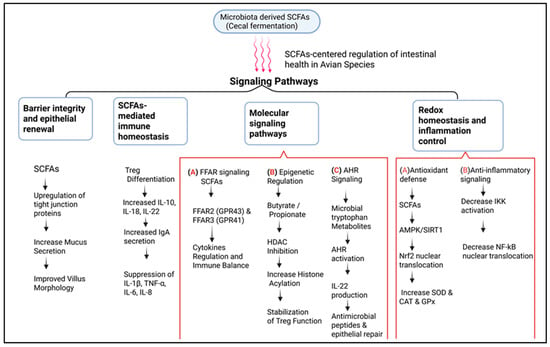
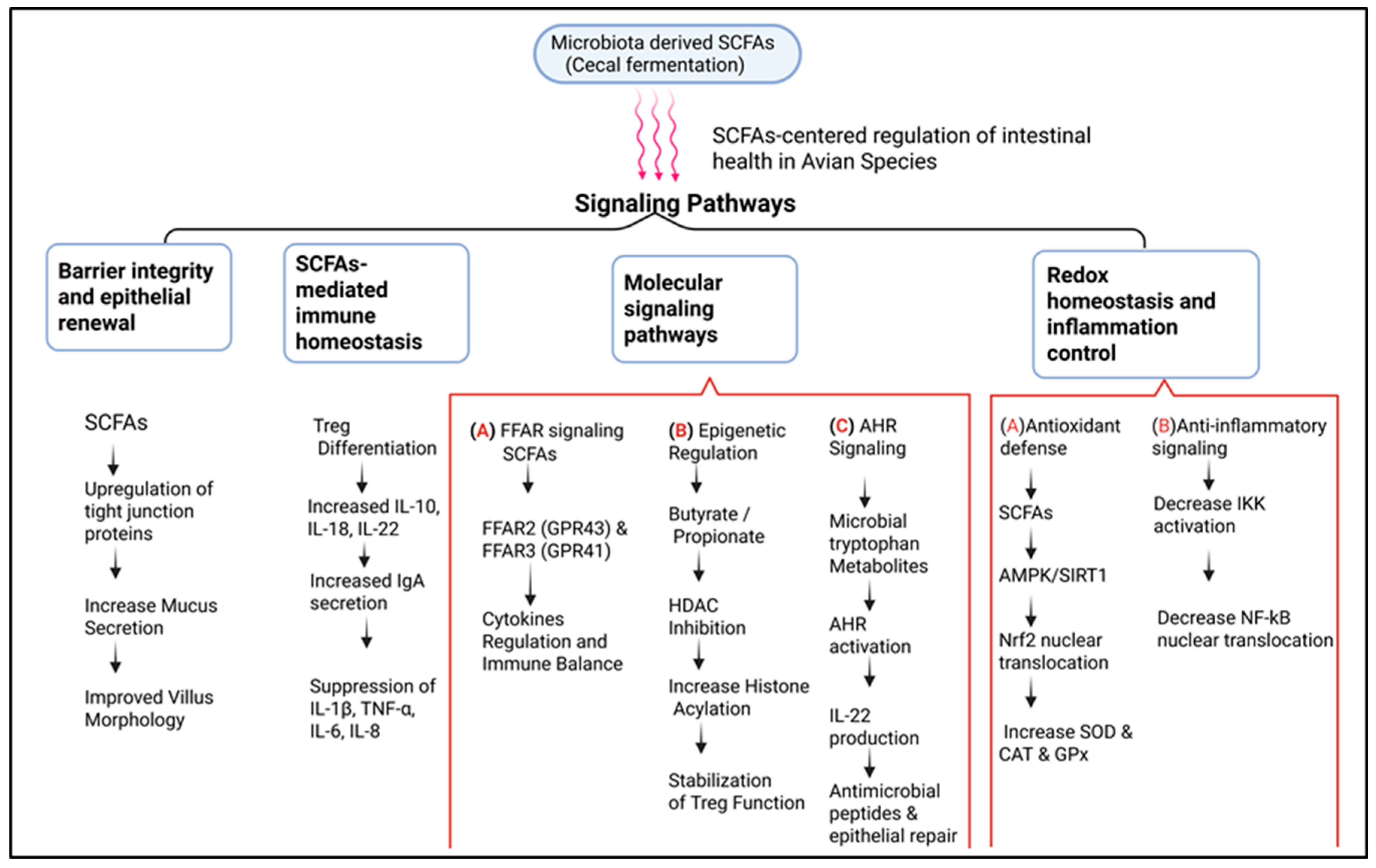
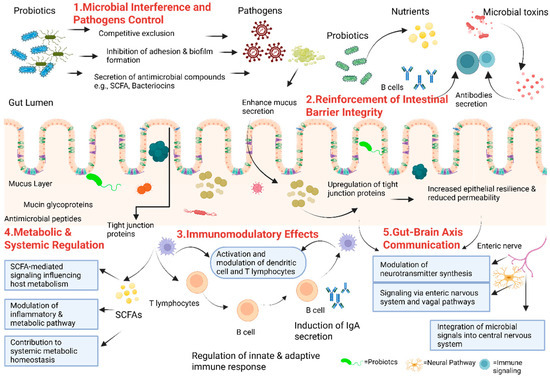
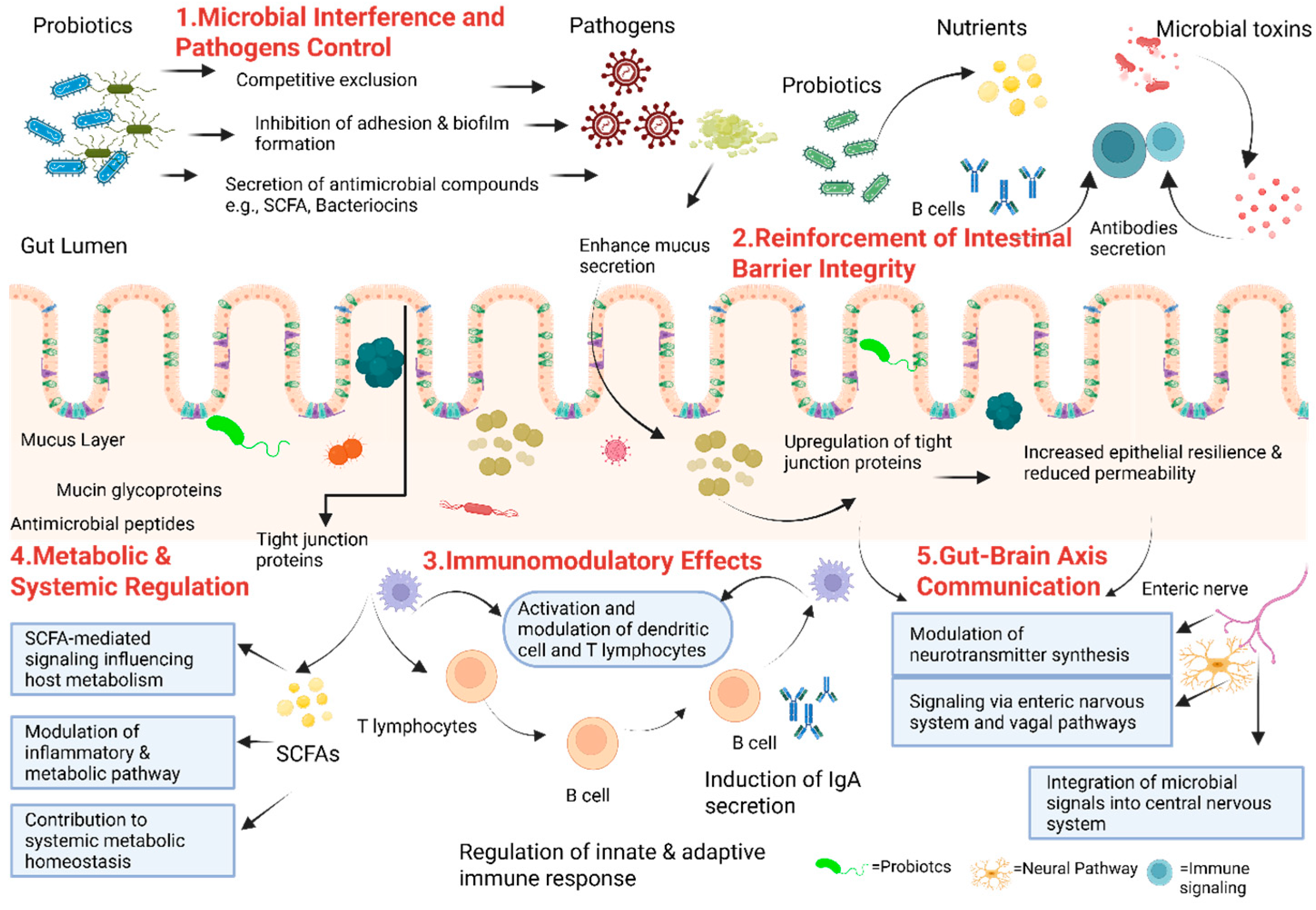
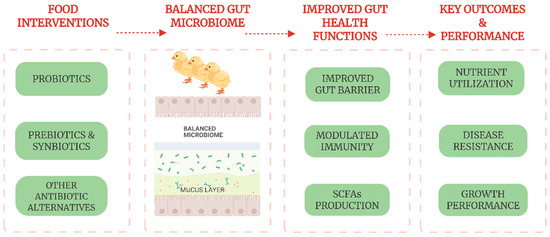
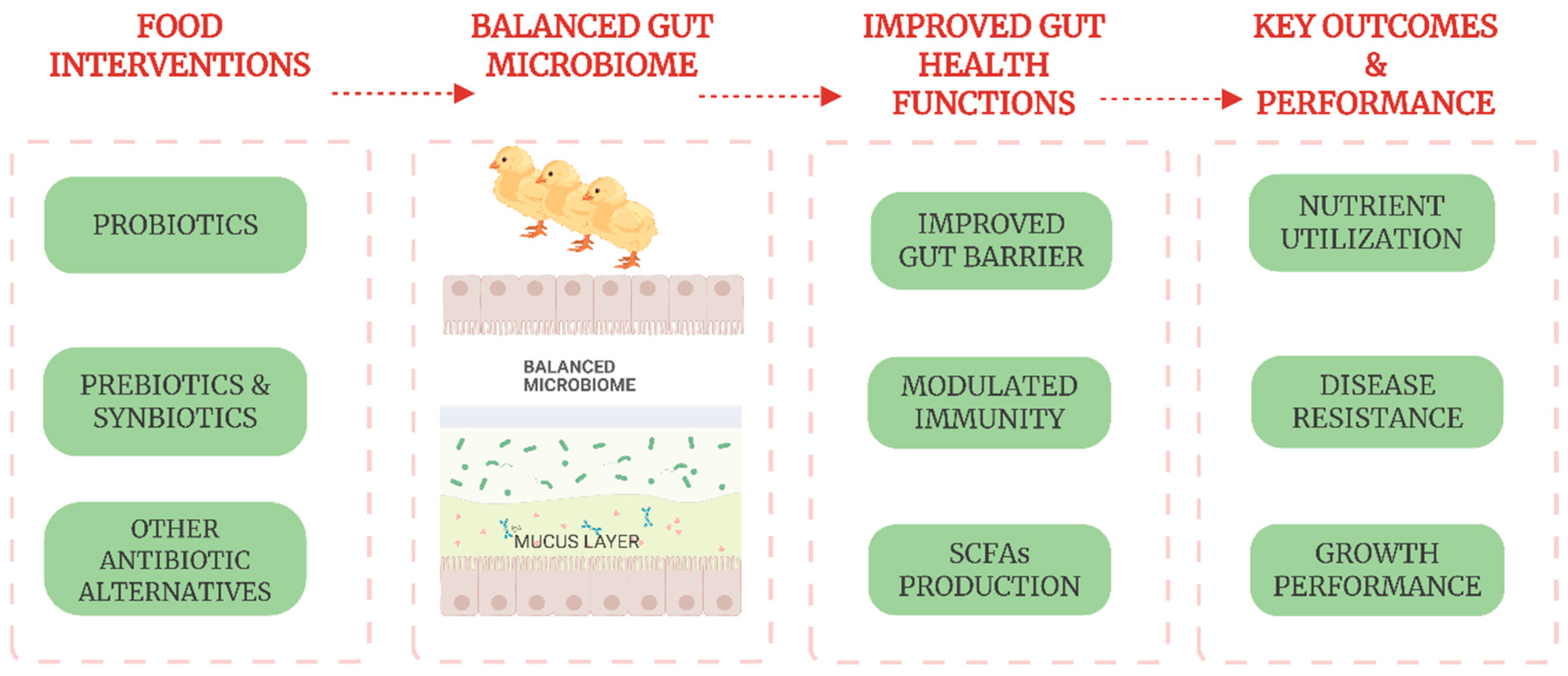
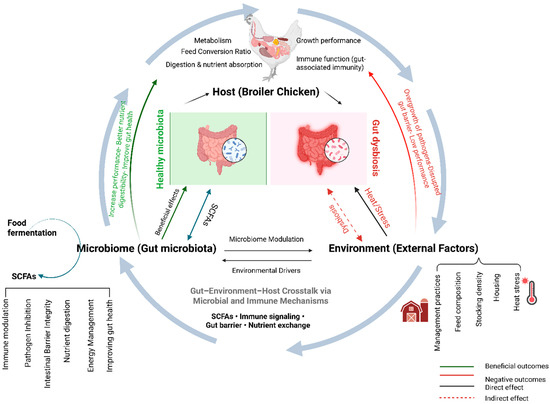
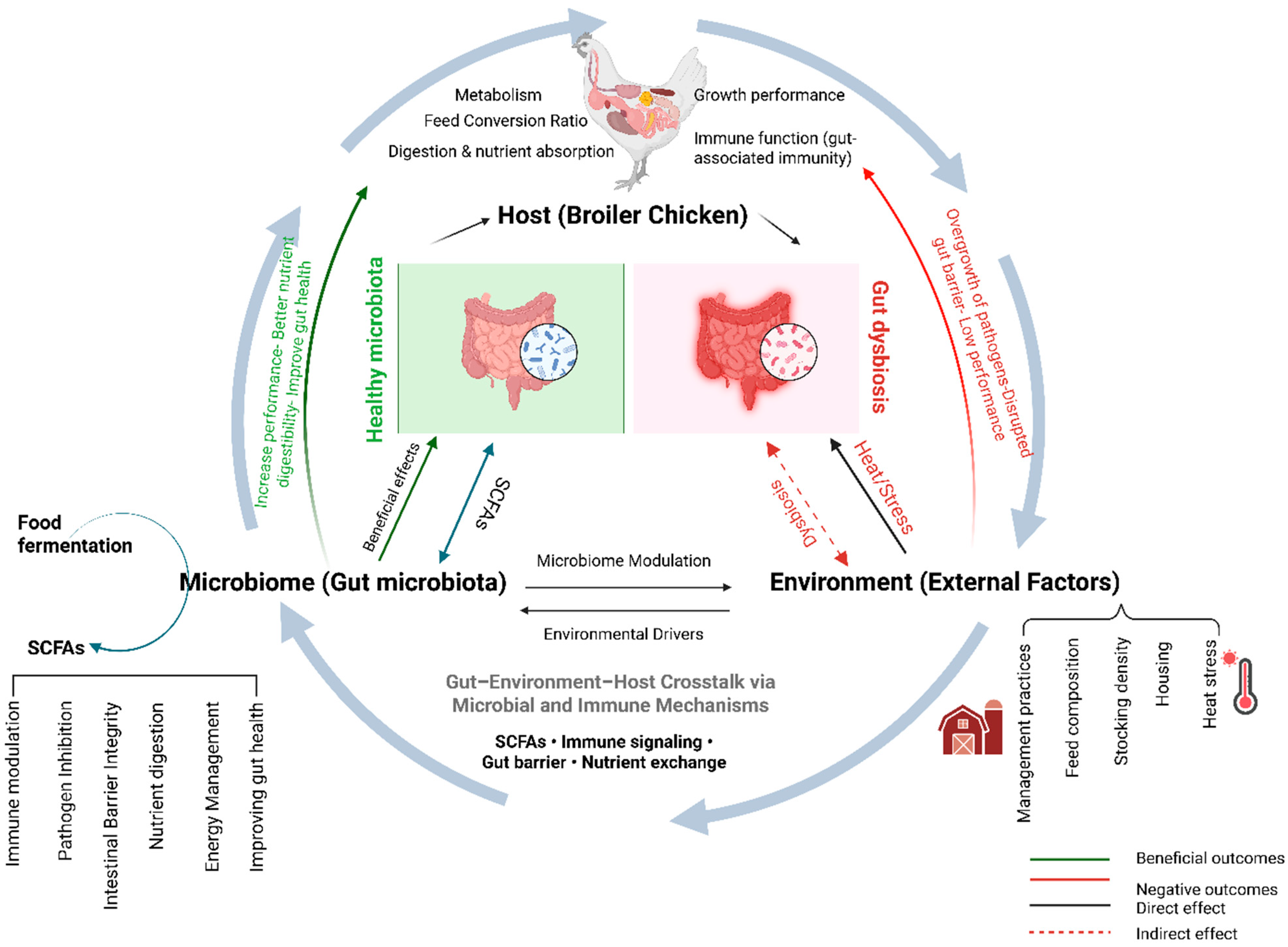
Disclaimer/Publisher’s Note: The statements, opinions and data contained in all publications are solely those of the individual author(s) and contributor(s) and not of MDPI and/or the editor(s). MDPI and/or the editor(s) disclaim responsibility for any injury to people or property resulting from any ideas, methods, instructions or products referred to in the content. |
© 2026 by the authors. Licensee MDPI, Basel, Switzerland. This article is an open access article distributed under the terms and conditions of the Creative Commons Attribution (CC BY) license.