1. Introduction
Social Determinants of Health (SDHs) refer to a broad range of factors, including “social, economic, and environmental conditions in which individuals are born, live, work, and grow older” [
1]. These determinants impact quality of life, overall health, and risks of disease and potentially contribute to early death [
1]. SDHs identify factors such as employment conditions and income; access to and level of education, including language and literacy skills; housing; neighborhood environments, including whether individuals live in rural or urban communities; reliable transportation; healthcare services; the availability of social support networks; food security; gender; and more [
2]. Evidence from human medicine shows a strong relationship between food and housing insecurity and reduced medication adherence, which can lead to negative health outcomes, particularly in individuals managing long term chronic conditions [
3]. Education, including both access to and level of education, is another critical SDH that is directly linked to income levels and access to stable health insurance, making it a foundational factor in promoting overall health outcomes and cancer survival [
4,
5]. Not surprisingly, it has been shown that individuals that live in low-income communities experience significant health disadvantages, which can also be associated with shorter life expectancy [
1,
6]. The development of cancer is one contributor to this shorter life expectancy. There are strong relationships between income levels, disadvantaged neighborhoods, and home types, as well as other SDHs such as access to reliable transportation and renting a home, which have been documented to impact human cancer risk, treatment, and survival [
5,
7,
8].
Because companion animals share their environments and lifestyles with their owners, SDHs may similarly influence canine cancer risk. The 2024 AVMA Pet Ownership and Demographic Sourcebook reports that there are 89.7 million dogs and 73.8 million cats in the U.S., with 45.5% of households owning a dog and 32.1% owning a cat [
9]. Additional evidence shows that 97% of pet owners consider their pets to be part of the family, with nearly half viewing them as equivalent to a human family member [
10]. This interconnection is further reflected in the way that SDHs that affect human health and well-being often parallel the challenges experienced in animals, impacting both their health and welfare [
1,
6]. Evidence from rural, remote, and low-income communities highlights the pressing need for additional and affordable veterinary services. These areas frequently report a higher number of stray animals and animal shelter intake, increased transmission of zoonotic diseases, elevated rates of preventable diseases, and premature animal deaths [
11]. Blackwell et al., 2023 [
12] reported that one out of four households in the United States had not sought veterinary care for a period of two years due to issues with affordability. A study using data from the Dog Aging Project (DAP) investigated age-related changes in canine health, mobility, and disease in relation to the animal’s social and environmental conditions. The findings of the study revealed that higher household income, social companionship, and environmental enrichment were associated with improved health outcomes in dogs. Interestingly, a positive correlation was observed between an owner’s wealth and the number of diseases diagnosed. The study also found that younger dogs living with older owners had better health outcomes compared to older dogs with older owners. Conversely, younger dogs that lived with owners that experienced housing insecurity exhibited poorer health outcomes compared to older dogs living in secure and stable environments. As expected, older dogs in high-income households were reported to be in better health than those in lower income households; however, income was a less significant predictor of health outcomes in younger animals. Additionally, the neighborhood environment influenced mobility, with older dogs experiencing reduced mobility when living in less stable communities [
13].
Given these links between social determinants and health outcomes in both humans and animals, examining modifiable behaviors is essential and may give insight on how to develop effective strategies to improve health and reduce cancer risks by changing behaviors. It is well established that owning a dog can influence an owner’s behavior by increasing physical activity, specifically the amount of time spent walking [
14]. The promotion of dog walking has been used as a strategy in several interventional studies with outcomes suggesting these strategies are effective in some populations for increasing and maintaining regular physical activity [
15]. Increased physical activity has been shown to reduce the risk of certain types of cancer in humans by up to 50 percent [
16], in part due to a reduction in obesity, one of the major risk factors for developing cancer [
17].
Beyond cancer, it is widely recognized that physical activity has protective effects against chronic illness [
18,
19], with financial factors, owner age, household stability, and social time being SDHs identified as increasing physical activity in humans [
20,
21,
22,
23] as well as in dogs enrolled in the Dog Aging Project [
10]. However, physical activity performed outdoors may increase exposure to environmental risk factors such as ultraviolet radiation (UV). A human case-controlled study showed that increased physical activity was linked to an increased melanoma risk, which the authors hypothesized to be from greater incidental sun exposure given that the physical activity–melanoma association was stronger in high-UV areas [
24].
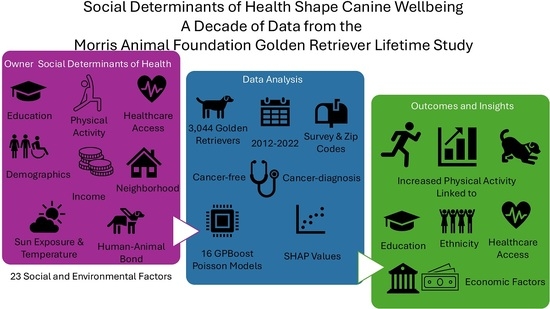
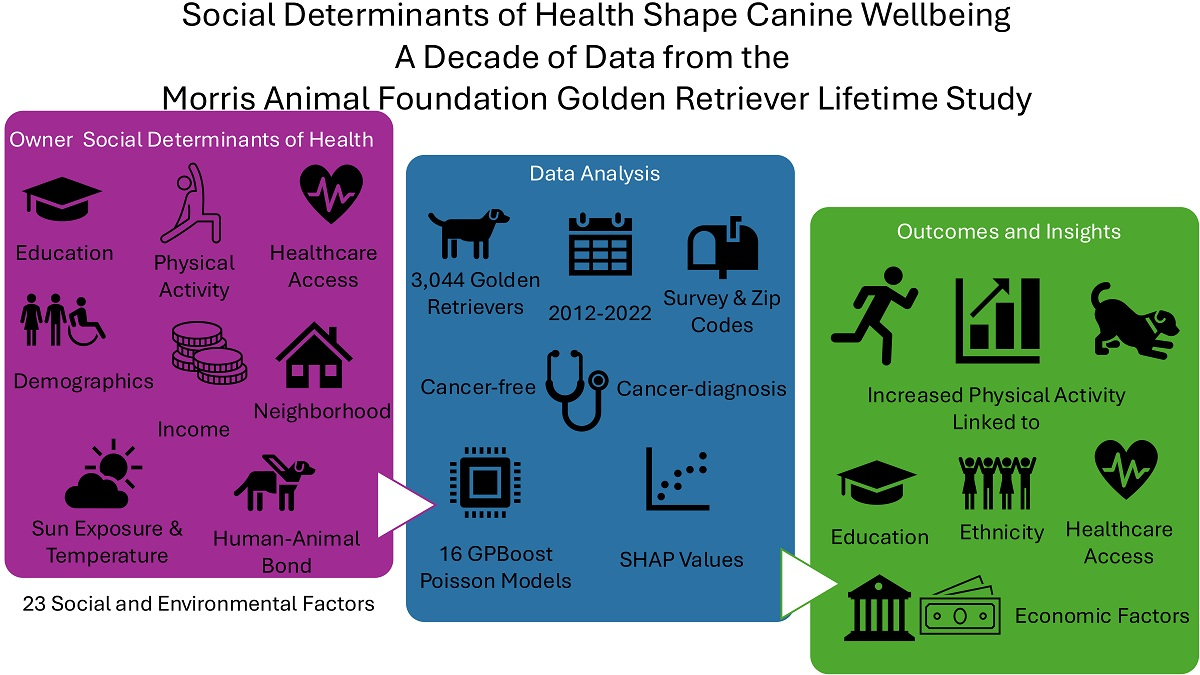
However, limited research has explored how SDH shapes exercise behaviors in dogs and their owners—such as frequency and type of physical activity—and whether these patterns are associated with chronic health conditions such as cancer. This study utilized SDHs based on owner-provided zip codes linking to physical activity in cancer-free and cancer-diagnosed Golden Retrievers enrolled in the Morris Animal Foundation (MAF) Golden Retriever Lifetime Study (GRLS). We hypothesized that owners with higher income, greater education level, and better access to healthcare services would self-report higher levels of canine physical activity, which would be linked with improved animal health outcomes, including a greater likelihood of remaining cancer-free, and an increased lifespan among Golden Retrievers diagnosed with cancer enrolled in the study.
4. Discussion
Over the initial eleven years of the GRLS, only a single peer-reviewed study incorporated SDHs [
37]. This helps to highlight the larger research gap that exists surrounding SDHs and health outcomes in companion animals—it mostly remains unknown. We selected SDHs recorded by the owners along with zip code-level demographics, income, and education from the US Census Bureau ACS. The selected SDHs can be grouped by five commonly recognized domains of social determinants of health: (1) economic stability, (2) access to and quality of health care, (3) access to and quality of education, (4) neighborhood and built environment, and (5) social and community context [
38].
In evaluating economic stability as an important domain of health outcomes, our study incorporated several key socioeconomic predictors. These included median household income (source: ACS), type of home (e.g., single family unit, apartment, etc. source: MAF Annual Owner Survey), and housing amenities (source: MAF Annual Owner Survey), with particular attention to central air-conditioning as a proxy for home quality and socioeconomic status.
Evidence from prior research in human medicine links lower socioeconomic status with poorer outcomes in cases with lymphoma [
39]. Smith et al., 2012 [
40] reported that individuals from lower socioeconomic backgrounds were significantly more likely to be diagnosed at a later stage of Hodgkin lymphoma, a factor that can negatively affect prognosis and treatment outcomes. In parallel, individuals with lower socioeconomic status, especially women, are more likely to engage in lower levels of physical activity compared to individuals with higher socioeconomic status [
41]. Physical activity itself is a well-established protective factor, with higher activity levels associated with a reduced risk of lymphoma development [
42].
Together, this literature informed our analysis approach. We proactively constructed separate models for the cancer-free and cancer-diagnosed Golden Retriever populations for each physical activity variable. By keeping the two populations separate, it allowed us to evaluate whether associations between socioeconomic determinants and canine physical activity patterns differed between cancer-free dogs and dogs diagnosed with cancer.
Recognizing that the risk of canine lymphoma is multifactorial, influenced by both genetic predispositions and environmental exposures, and often associated with pet owner behaviors, it is not surprising that socioeconomic factors can also impact the diagnosis and management of cancer disease in dogs [
43]. Confirmed cases of multicentric lymphoma were more commonly observed among pet owners residing in more affluent areas [
44]. Additionally, Stoewen et al. examined the factors influencing veterinarians’ decision to refer patients to a veterinary oncologist, and while several variables play a key role, including distance to the specialty referral center, confidence in the referral practice, and experience with chemotherapy treatments, two key factors highlighted were the owner’s financial capacity and the strength of the human–animal bond [
45]. These findings are consistent with the results of our study, particularly in cases involving a cancer diagnosis, and provide further support for our hypothesis that socioeconomic factors, such as higher income, may influence owner behaviors that shape a dog’s daily activity patterns.
Another study supporting our hypothesis and findings found neighborhood disadvantage, defined as a combination of ACS variables related to income, poverty line, employment, education, and household composition, was found to significantly negatively impact on-leash dog walking [
46]. While most studies investigating dog walking and physical activity focus on comparing dog owners to nondog walkers, a few studies suggest that dog walking is determined by social support [
47,
48], time availability [
49], and neighborhood [
15,
46,
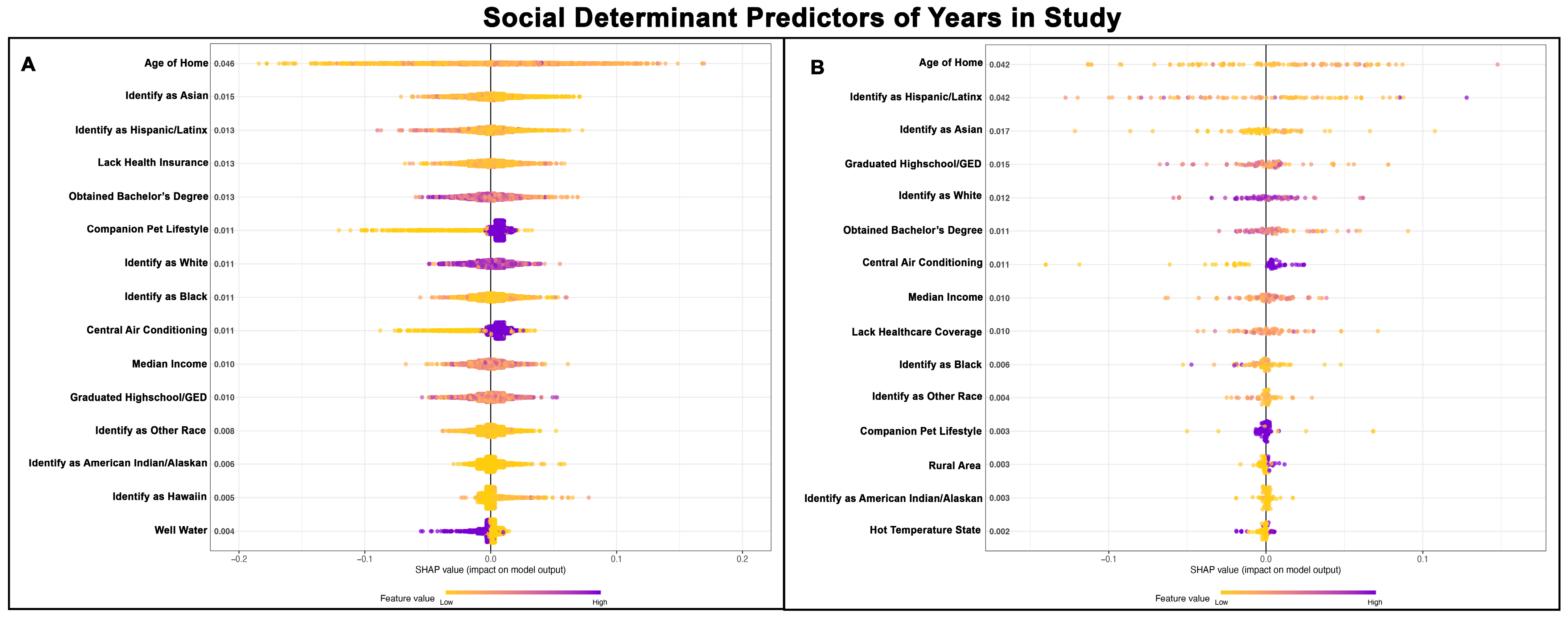
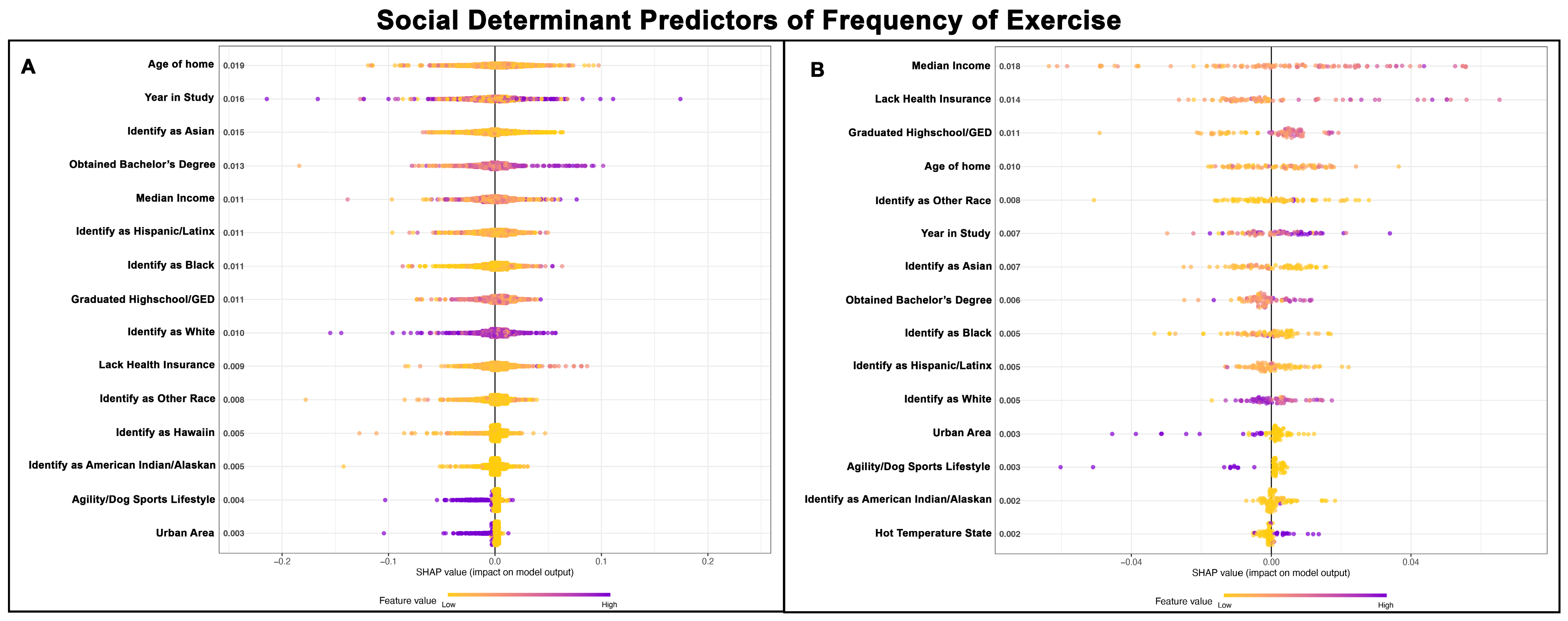
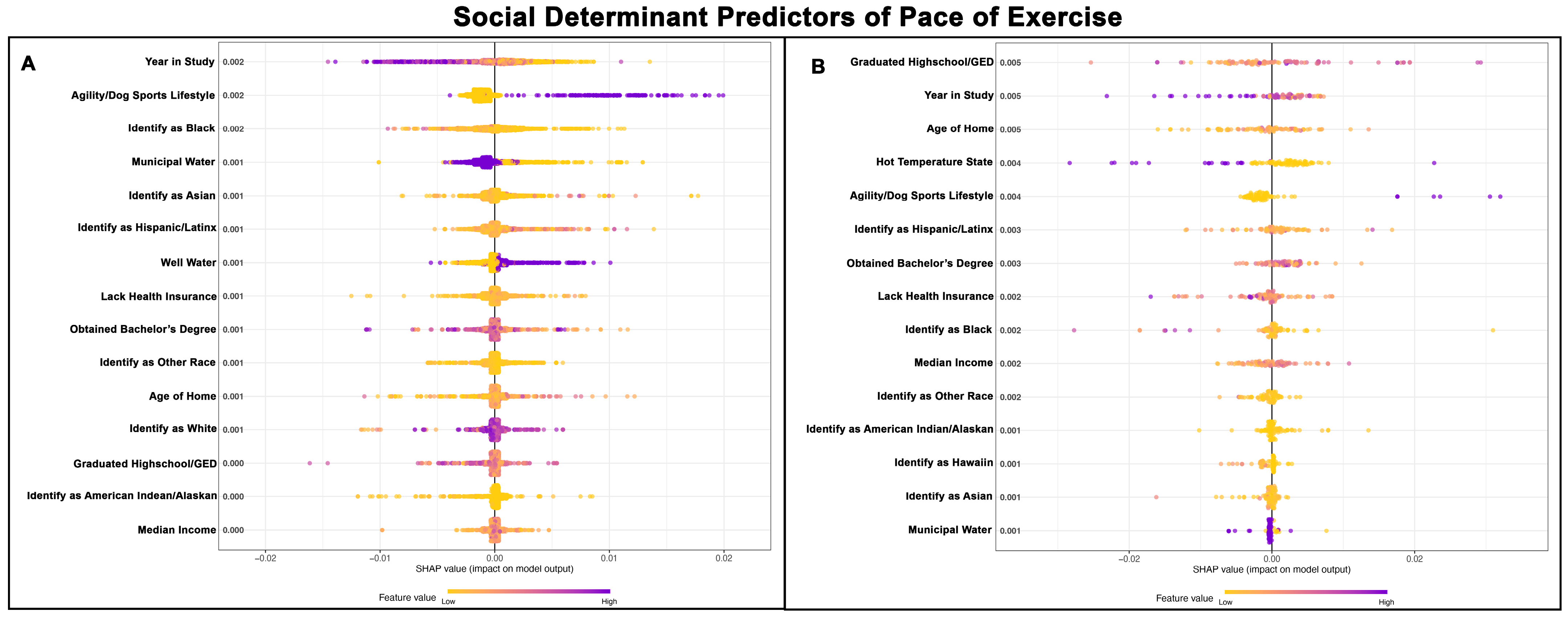
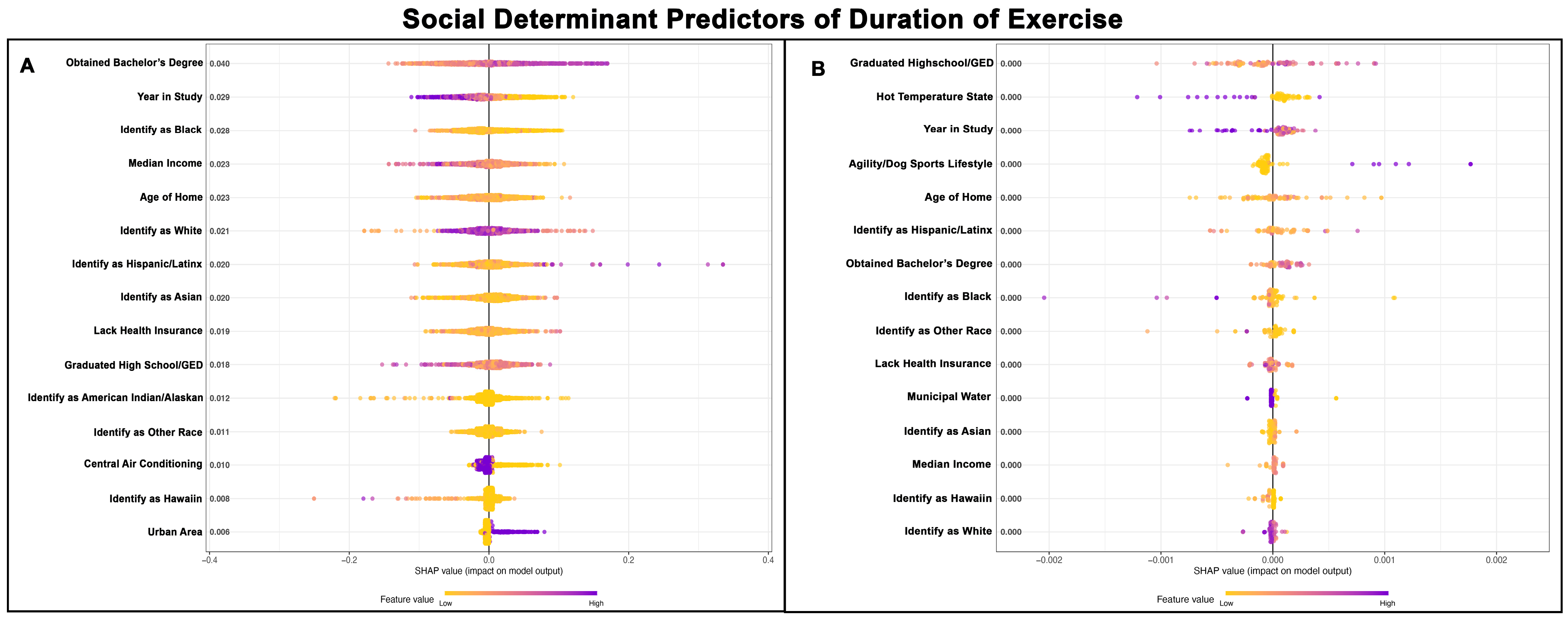
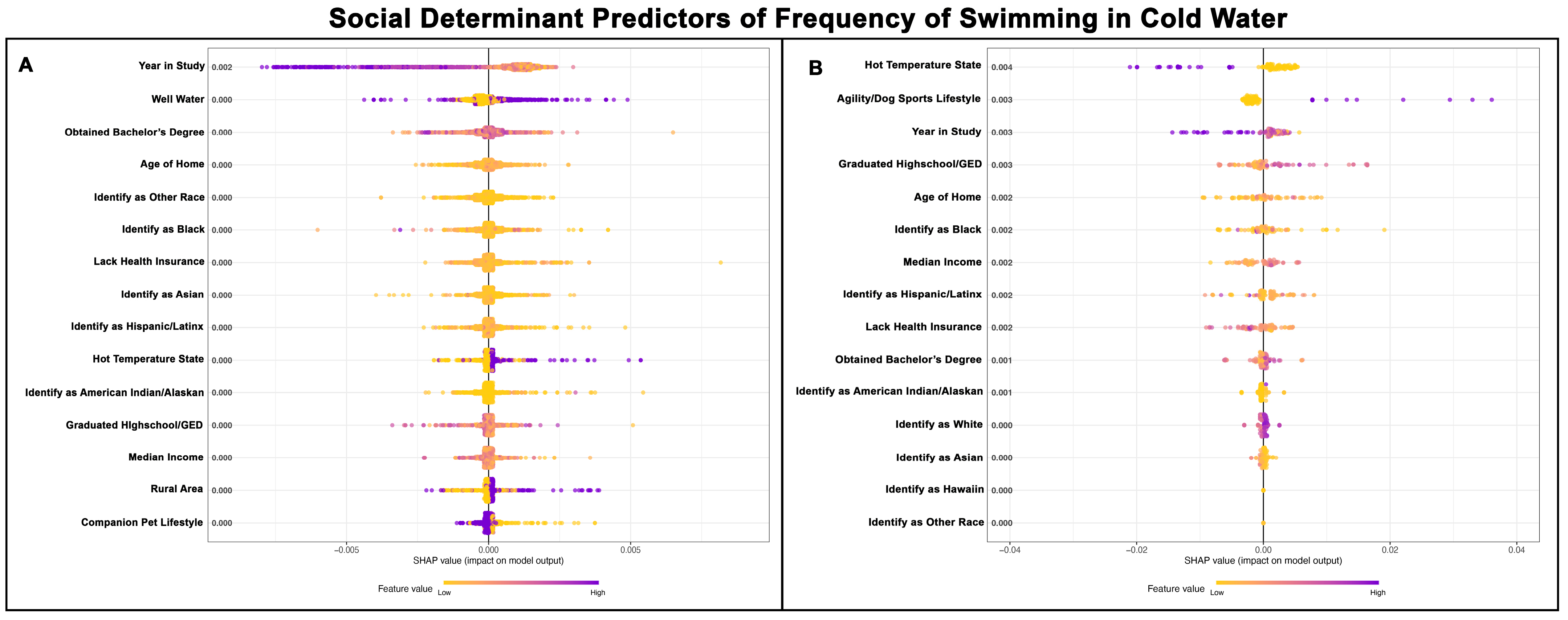
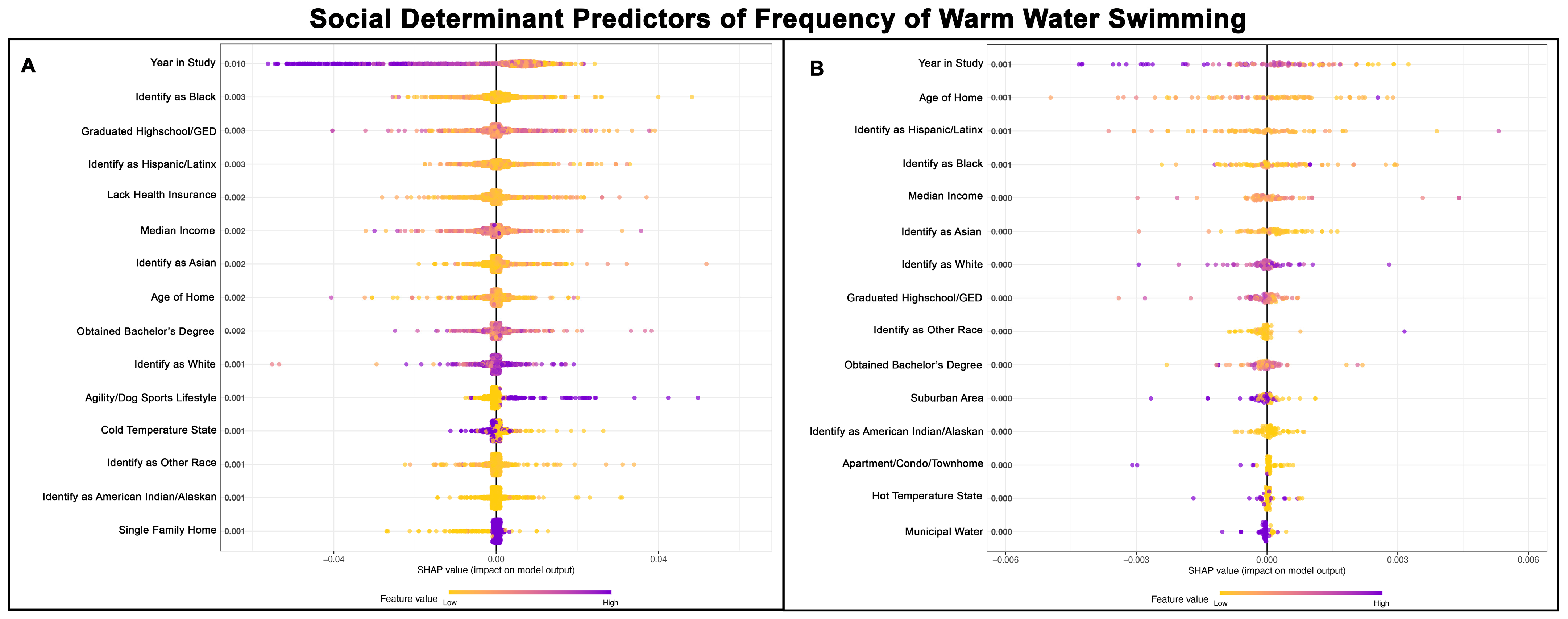
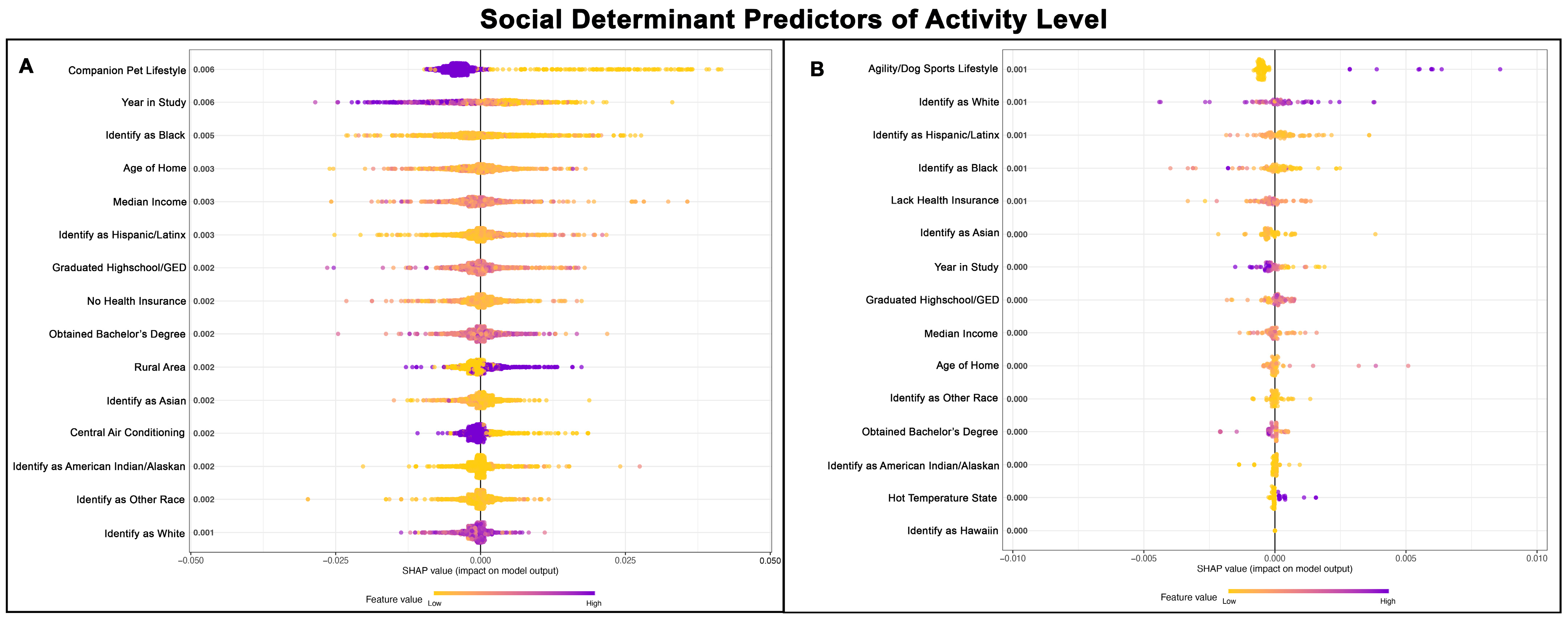
50]. Our best performing models, year in study and frequency of exercise, both revealed that neighborhood-linked variables such as age of home, access to health insurance, and median household income impacted both canine physical activity patterns and continued enrollment in the study. Age of home was consistently highly associated with both of these models, suggesting that neighborhood context and residential stability translate into measurable variation in activity levels among dogs, regardless of cancer status, and impact the participation in longitudinal studies.
While background education and information giving play a critical role in understanding a cancer diagnosis, they can also significantly influence an owner’s willingness to pursue treatment and adhere to veterinary recommendations [
45]. In veterinary medicine, adherence is closely tied to both the perceived role of the animal within the household and the owner’s understanding of the diagnosis and its implications for the animal’s quality of life [
51]. In our study, Golden Retrievers without a cancer diagnosis whose primary role was that of a companion pet were more likely to remain enrolled for longer periods and exhibited longer lifespans, suggesting that owner engagement and study adherence may be linked to perceptions of the human–animal bond.
Across models for both dogs with and without cancer diagnoses, owners with higher levels of education (source: ACS), particularly those holding a bachelor’s degree, were more likely to remain engaged in the study and to exercise more frequently. This suggests that educational background may be an important predictor of continued participation and adherence in veterinary medicine and supports our hypothesis that owners with higher education levels would self-report higher levels of canine physical activity and improved health outcomes.
Access to veterinary care is financially challenging, with a recent study finding 52% of pet parents not seeking veterinary care or declining veterinary care, in large part due to the inability to afford the cost [
52]. Socioeconomic factors such as income and education also appear to influence broader patterns of health-related decision-making. For example, owners who obtained health insurance for their pets had at least a high school education and an income of
$55,000 or more, and those owners with pet health insurance spent more on their pet’s healthcare and unexpected expenses such as cancer treatment compared to non-insured owners [
53], highlighting that both finances and education were important. While it is unknown if canine cancer diagnosis and treatment success are linked to health insurance, studies consistently document lower survival in humans afflicted with lymphoma, osteosarcomas, and other cancers in populations who lack health insurance or are insured through Medicare [
54,
55,
56]. In our study, the rate of health insurance coverage (source: ACS) was consistently predictive for canine physical activity patterns across many of the models. Most pronounced was the finding that owners living in areas with a high percentage of individuals who lacked health insurance were found to more frequently exercise their Golden Retrievers. While the relationship between health insurance coverage and physical activity has not been well characterized in veterinary medicine nor human medicine, the few human studies suggest the interaction between health insurance coverage and exercise is complex and sometimes counterintuitive. A single study by Foute et al. (2015) found that patients with health insurance with a drug plan were less likely to exercise regularly [
57]. While those whose health care providers discuss physical activity and exercise typically increase their activity levels, most health care providers infrequently discuss physical activity and exercise with their patients [
58] and, combined with other barriers such as culture and environment, there may be a complex interaction of factors that should be explored by future studies.
Previous studies have also shown that dogs living in industrial areas or in households where potentially hazardous chemicals are used are at an increased risk for cancer, particularly canine lymphoma [
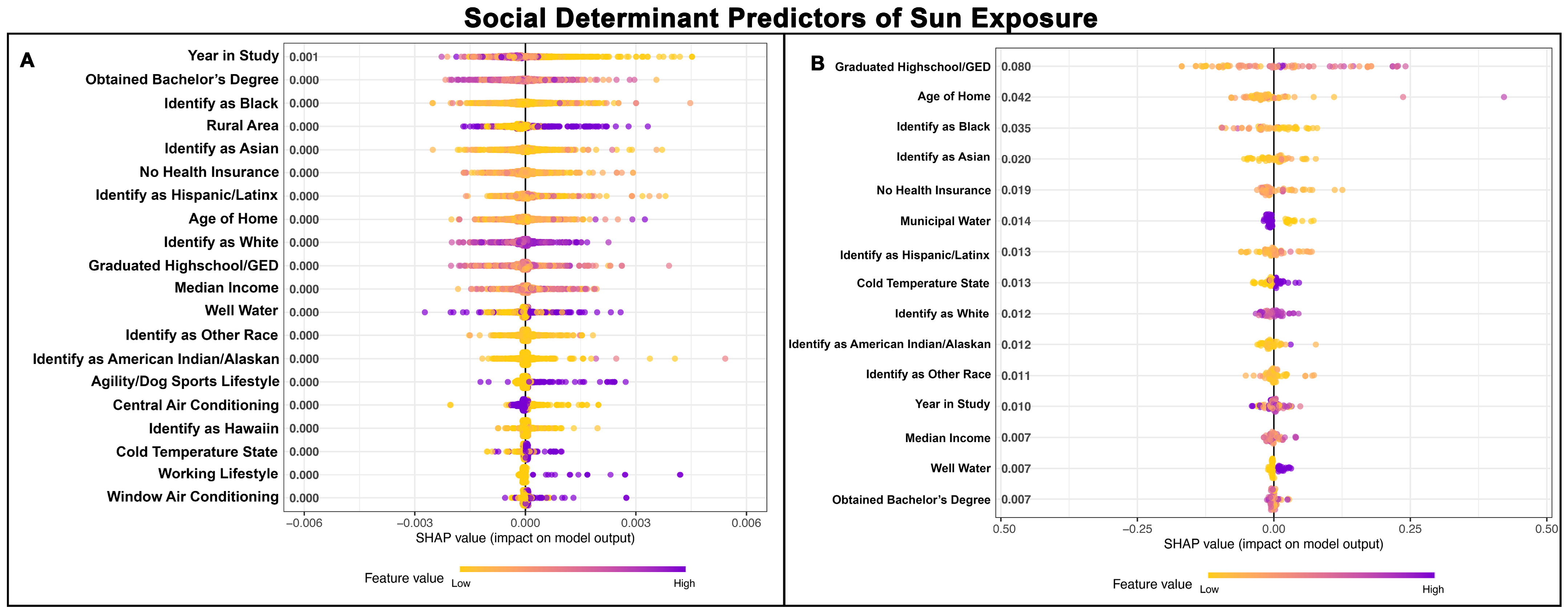
59]. In our study, we identified several interesting environmental factors (source: MAF Annual Owners Survey). For example, swimming frequency in both cold and warm water emerged as a relevant physical activity outcome, with Golden Retrievers without a cancer diagnosis exhibiting more frequent swimming in cold water compared to dogs diagnosed with cancer. Among dogs without a cancer diagnosis, residing in rural areas and drinking well water were associated with higher reported swimming frequency. These findings reflect SDH impacting physical activity patterns differently based upon the canine population’s cancer status. However, it should be noted it is well established that exposure to contaminated tap water as well as environmental pollutants can increase the risk of lymphoma and other cancers in dogs [
39].
Beyond the financial challenges, it is well established that different populations face both economic and cultural barriers to healthcare [
60]. Consistently, the percentage of the population that identified as either Asian, Black, Hispanic/Latinx, or White (source: ACS) were identified as important to the model. Our results were unclear as to how the ethnicities were linked to the dependent variable, and this suggests that there may be complex interactions between ethnicities and the other social determinants for models with an overall good fit; however, some of our models demonstrated an overall poor fit—with little of the observed variability explained. While this is a limitation of our study, it also further supports that there may be complex interactions between ethnicities and variables not investigated. A limitation of our study was not assessing complex interactions. Future studies should take this into consideration, and researchers should consider developing a validated, composite score system that accounts for multiple indicators of a sole SDH when designing studies focused on assessing the impact of SDHs on longitudinal data. It is possible this could help improve model performance. The data source should also be considered, as zip code-level SDHs may be less accurate than owner-reported SDHs. Additionally, some variables, such as “identify as White” and “companion pet lifestyle”, were overrepresented in the data and indicate a potential bias when recruiting participants or a hesitancy in participating in the study. This bias is often seen in the recruitment of human participants for health research studies [
61], and innovative ways to increase participation of underrepresented populations should be considered in future companion animal studies.
In summary, our study results highlight SDHs and explain several key factors, including year in study, frequency, duration, and pace, as important predictors for health outcomes in Golden Retrievers, both with and without a cancer diagnosis. However, further research is needed to clearly establish the dose and response of their influence while also accounting for the interrelationships among these factors.