
Network Pharmacology and Molecular Docking: Exploring the Mechanism of Peppermint in Mastitis Prevention and Treatment in Dairy Cows


1
National Feed Drug Reference Laboratories, Institute of Feed Research, Chinese Academy of Agricultural Sciences, Beijing 100081, China
2
College of Animal Science and Medicine, Shenyang Agricultural University, Shenyang 110866, China
*
Authors to whom correspondence should be addressed.
Vet. Sci. 2025, 12(2), 129; https://doi.org/10.3390/vetsci12020129
Submission received: 18 December 2024
/
Revised: 3 February 2025
/
Accepted: 3 February 2025
/
Published: 5 February 2025
(This article belongs to the Special Issue Antimicrobial Compounds as Potential Veterinary Drugs and Their Effectiveness Assessment)
Simple Summary
Bovine mastitis is a common condition in dairy production units that has serious productive consequences. However, due to the current limitations in the use of antibiotics, alternatives have been sought to counteract the consequences of this pathology, where mint (Mentha spp.) has proven to be a viable option. Therefore, this study is designed to elucidate the active ingredients, targets, and mechanisms of action of peppermint in treating bovine mastitis using network pharmacology and molecular docking methods. The findings indicate that the key targets of mint in treating bovine mastitis include Tumor Necrosis Factor (TNF), Interleukin–6 (IL–6), signal transducer and activator of transcription 3 (STAT–3), Interleukin–1 beta (IL–1β), Recombinant Fibroblast Growth Factor 2 (FGF–2), Interferon gamma (IFNG), and Estrogen Receptor 1 (ESR–1), with the primary signaling pathways being the Advanced Glycation End–products–Receptor for Advanced Glycation End–products pathway (AGEs–RAGE), Interleukin–17 (IL–17), the Nuclear Factor kappa–light–chain–enhancer of activated B cells pathway (NF–κB), the Toll–like receptor (TLR) pathway, the hypoxia–inducible factor–1 (HIF–1) pathway, the Transforming Growth Factor–beta pathway (TGF–β), the Phosphatidylinositol 3–kinase–Protein Kinase B pathway (PI3K–Akt), and the mitogen–activated protein kinase pathway (MAPK). Molecular docking results revealed that ursolic acid from mint has good binding activity with all core targets, and other constituents also form stable complexes with some of the core targets. These results suggest that active compounds such as ursolic acid in mint possess positive anti–inflammatory properties. Therefore, mint is considered to have a promising therapeutic effect on bovine mastitis.
Abstract
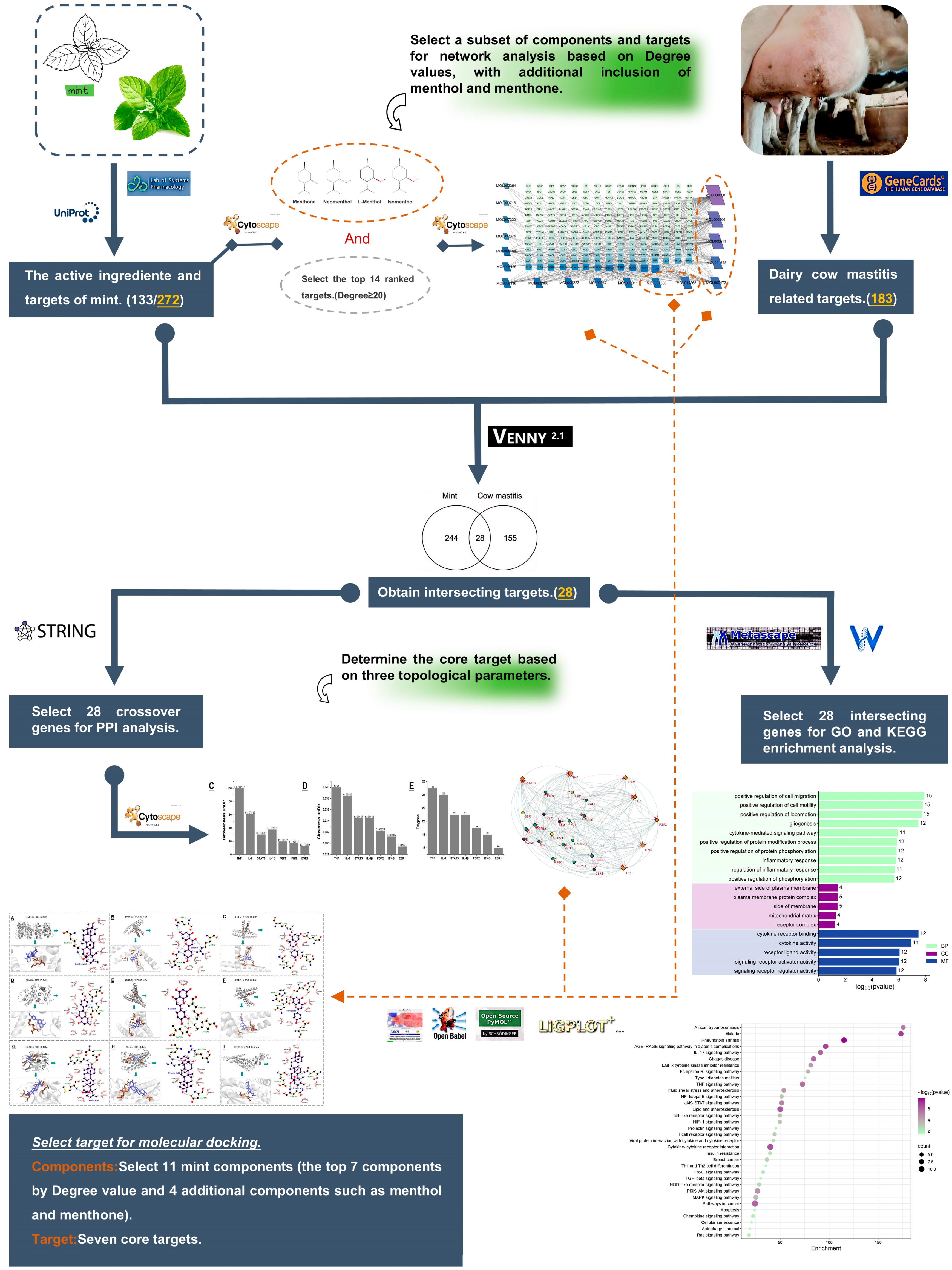
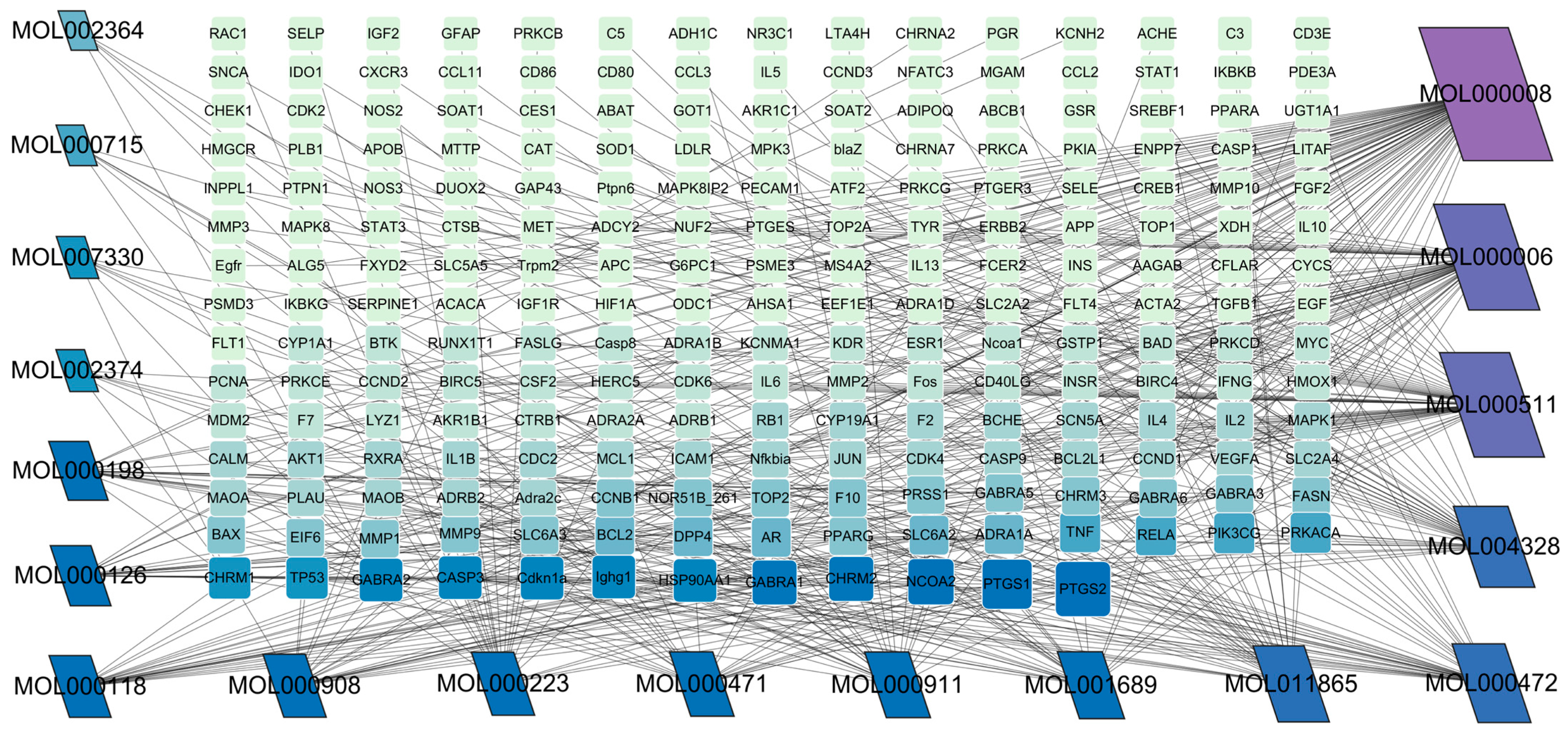
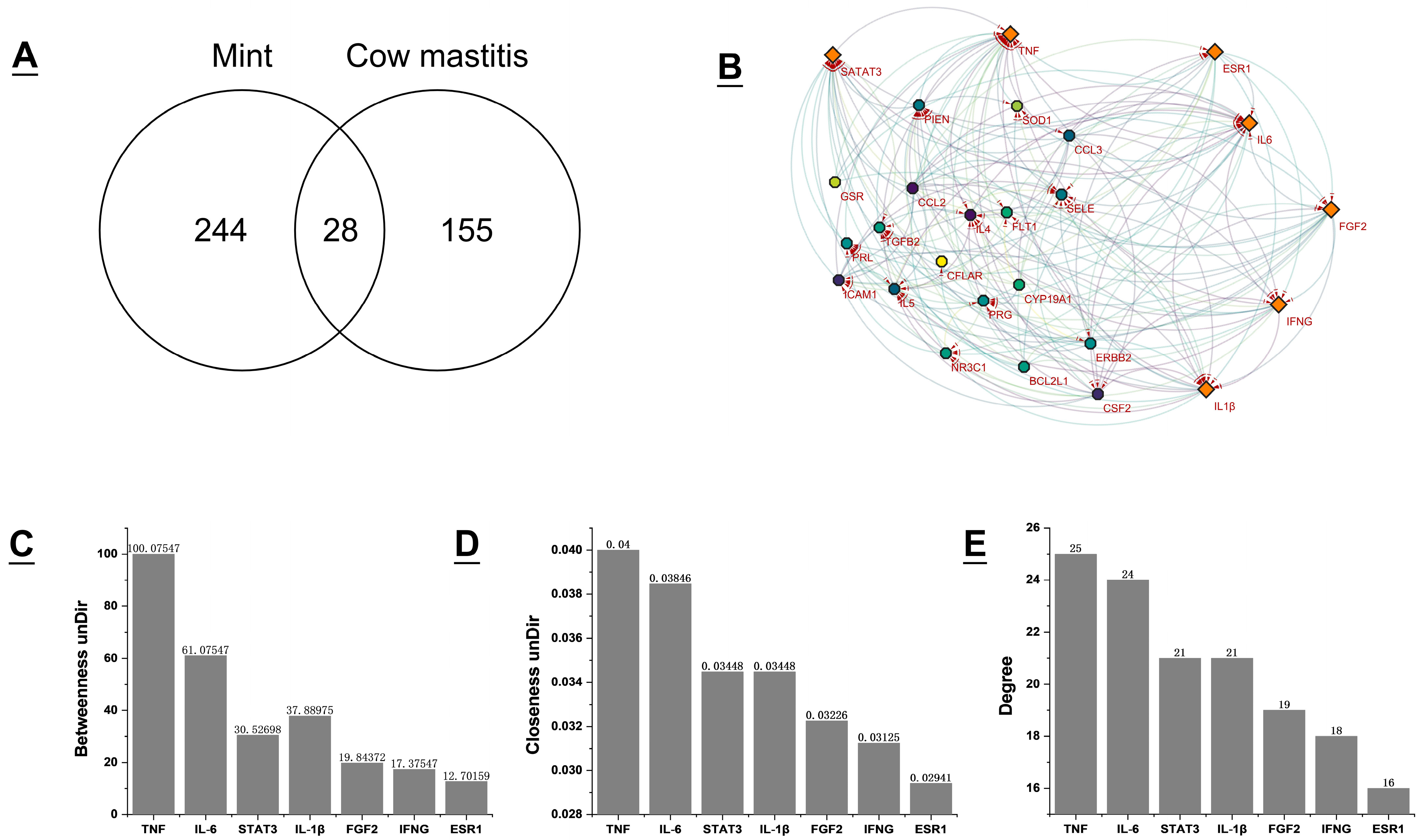
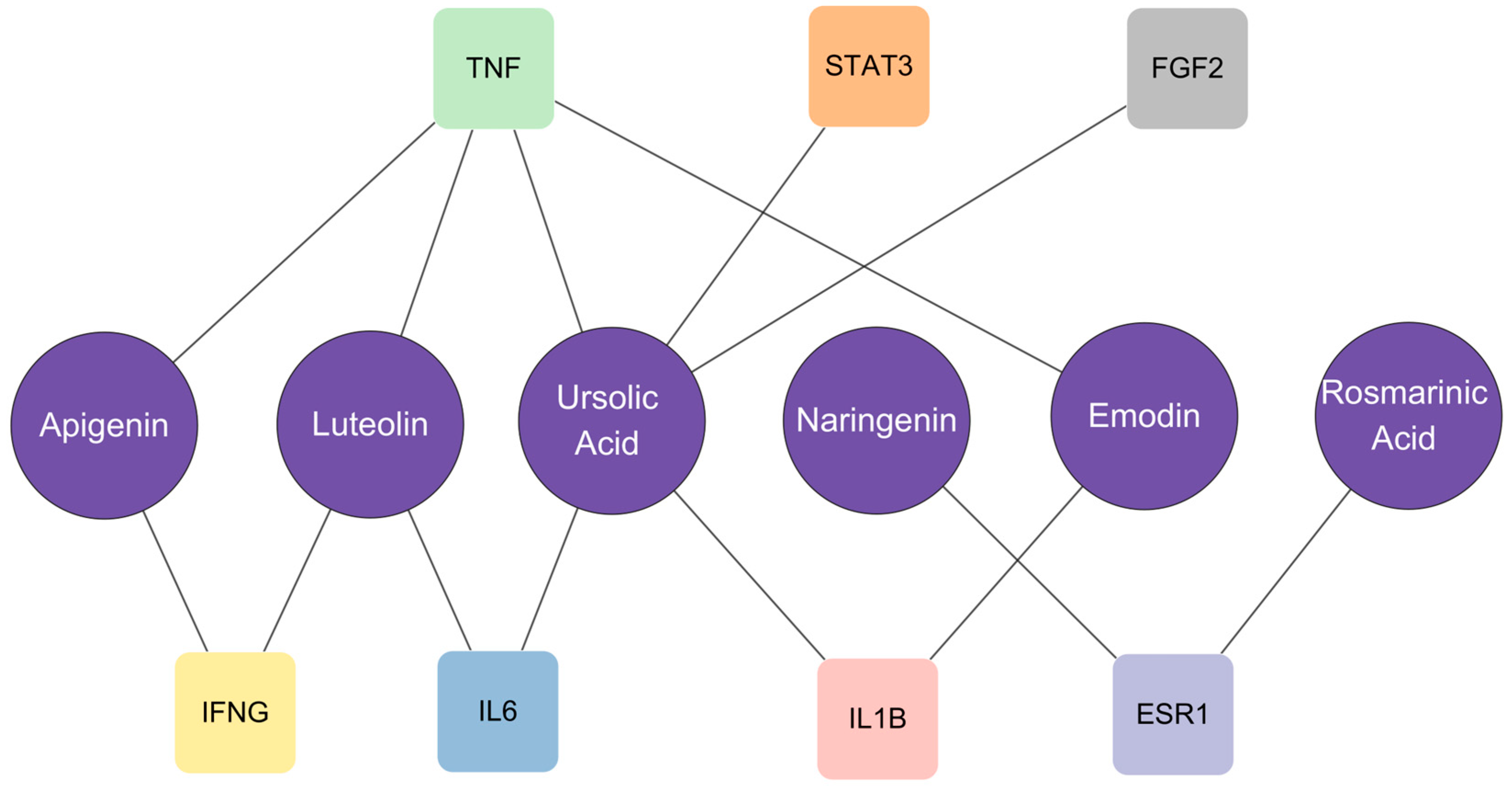
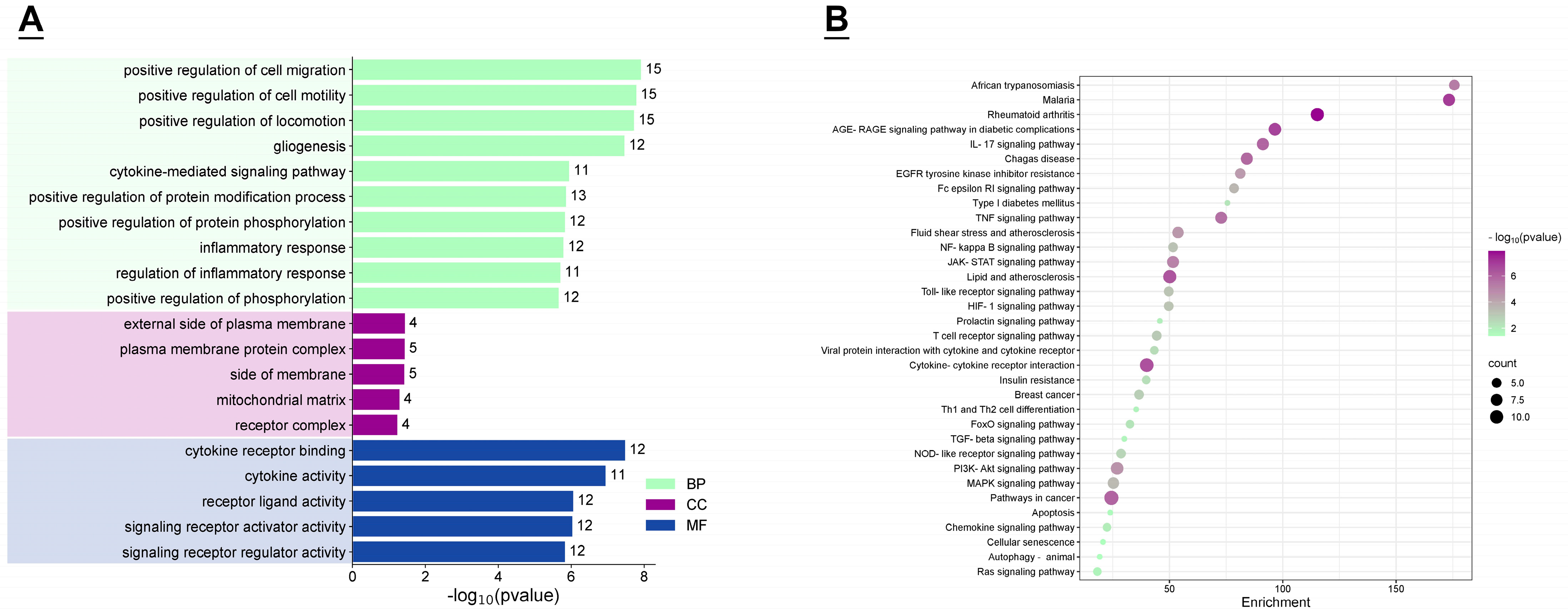
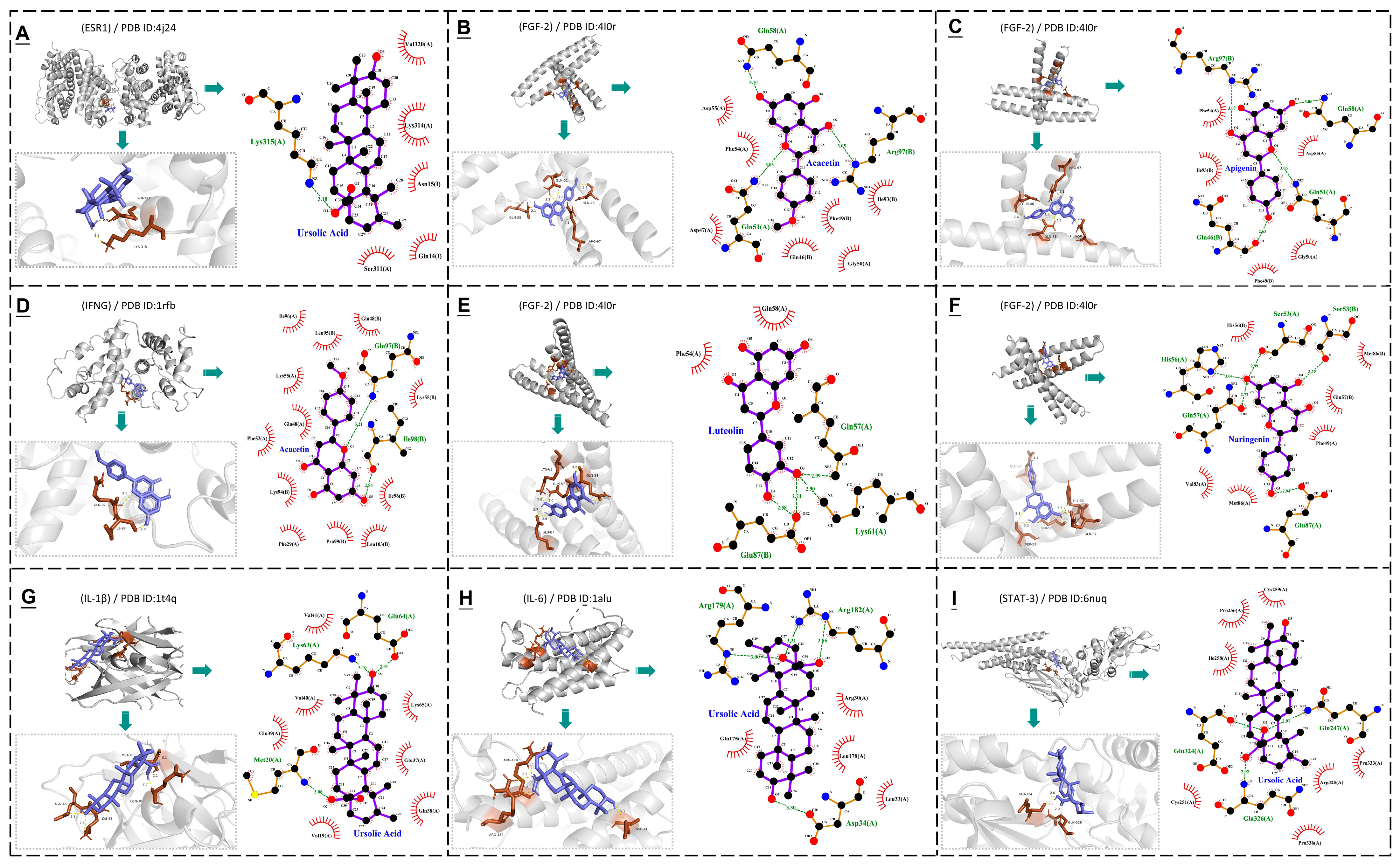
In order to elucidate the active ingredients, potential targets, and mechanisms of action of peppermint in treating bovine mastitis, this study utilized network pharmacology analysis and molecular docking to conduct an exploratory, prospective investigation. Using the Traditional Chinese Medicine Systems Pharmacology (TCMSP) database, all compounds and targets of peppermint were retrieved. After removing duplicates, a total of 133 compounds and 272 targets were obtained. Targets were then standardized to gene names using the UniProt database to construct a drug–component-target network. A total of 183 disease targets related to bovine mastitis were retrieved from the GeneCards database. We obtained 28 cross targets of peppermint targets and bovine mastitis targets, and constructed a protein–protein interaction (PPI) network using the STRING database. A visual network was built using Cytoscape 3.10.0 software, and seven core targets were analyzed and obtained. GO and KEGG pathway enrichment analysis was performed using the Metascape database. Molecular docking was conducted using AutoDockTools–1.5.6 software on some small–molecule compounds and the seven targets to evaluate the stability of binding between peppermint and core targets. Apigenin, luteolin, and ursolic acid are the three main components in peppermint. Core targets (TNF, IL–6, STAT–3, IL–1β, FGF–2, IFNG, and ESR–1) were selected based on the PPI network. The enrichment analysis suggested that the major signaling pathways in network pharmacology may include AGEs–RAGE, IL–17, NF–κB, TLRs, HIF–1, TGF–β, PI3K–Akt, and MAPK. The molecular docking results showed that one of the main components of mint, ursolic acid, exhibited good binding activity with all core targets of bovine mastitis. Other constituents also produced favorable binding with some core targets. This study elucidates the mechanisms of mint in treating bovine mastitis, providing data to support the potential development of new therapies for bovine mastitis using mint and its constituents.
Keywords:
mint; bovine mastitis; network pharmacology; molecular docking; action mechanism