Data Descriptor

Comparative Data Analysis of Non-Destructive Testing for Hollow Heart in Potatoes

Department of Mechanical and Measurement & Control Engineering (MMCE), Idaho State University, Pocatello, ID 83209, USA
*
Author to whom correspondence should be addressed.
Data 2025, 10(10), 163; https://doi.org/10.3390/data10100163
Submission received: 3 September 2025 / Revised: 4 October 2025 / Accepted: 6 October 2025 / Published: 14 October 2025

Abstract

Hollow heart, and other crop defects, can be devastating to farmers. Hollow heart is not a disease but a physiological disorder affected by temperature, soil moisture, plant density, and other factors. These defects can cause substantial annual losses for farmers. Currently, potatoes are shipped and inspected from producers to shipping points and markets. At these facilities, samples are inspected for defects. Detection of hollow heart consists of halving potatoes and visually inspecting for defects. The defect size is compared to USDA hollow heart classification charts for acceptance or rejection. An automatic, non-destructive system to identify hollow heart has the potential to improve quality. Two methods have been developed to collect data for such a system: acoustic signal capture and visual/vibration signal capture. Data is collected and stored for one potato at a time. The procedure includes the collection of weight, proportional size, and volume, as well as the generation of an acoustic sound signal through a drop test and a motion signal captured through a vision system. To simulate hollow heart, potatoes are cored and retested by producing a new set of data. Each potato is manually cut and inspected for true hollow heart. The generated data includes over 1000 samples, each comprising proportional volume, weight, proportional size, motion, and acoustic data. Such a dataset does not exist in the current literature and can serve for the development of machine learning algorithms to detect hollow heart nondestructively. In this paper, the data is also analyzed in terms of its statistical properties, as applied for possible feature engineering in machine learning.
Dataset: Dataset published on figshare, identifier: 10.6084/m9.figshare.30058180
Dataset License: license under which the dataset is made available (CC-BY)

1. Summary

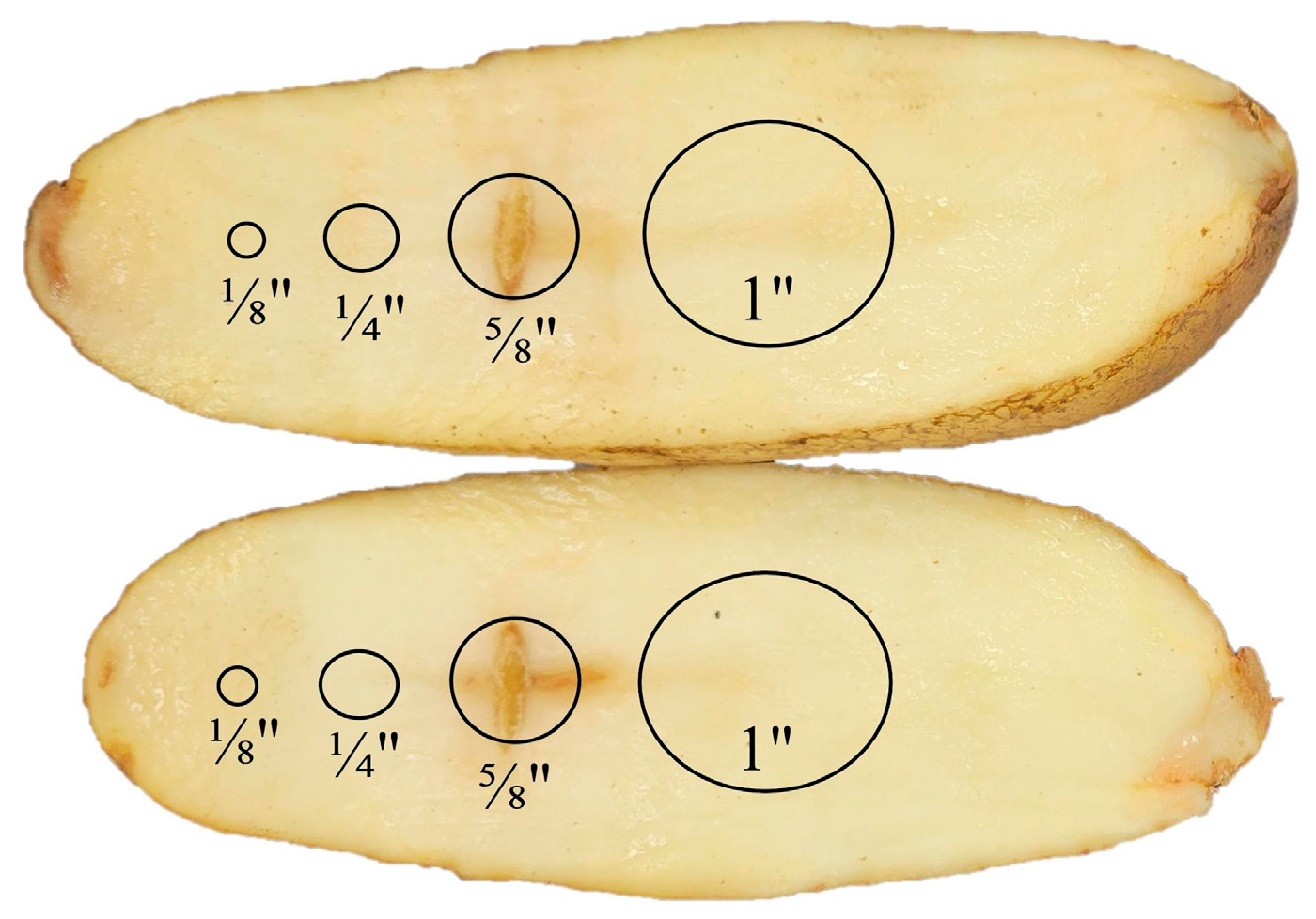
North America is one of the leading potato producers in the world, with approximately 1.3 million acres (526,500 hectares) of potatoes, of which 315,000 acres (127,575 hectares) are in Idaho. Current statistical measures to be used as specified by the USDA require 1% of each lot to be examined at the market, and for lots less than 300 packages, a minimum of three samples must be provided [1,2]. If defects are found per USDA classification (defect inside circle—pass, defect outside circle—reject), additional samples are inspected with tighter tolerances applied to the defect, see Figure 1. In 2022, Idaho potato industry annual losses totaled USD 86 million (assuming an average cost of USD 12.5 per 100 pounds (45.4 kg)), affecting approximately 6% of the crop, or 312,752,000 kg out of a total production of 2.66 × 10¹⁰ kg [3,4]. It has been noted that the incidence of hollow heart can vary from 3 to 15% [5].
An automatic, non-destructive inspection system, employing artificial intelligence would allow potatoes to be evaluated for hollow heart, or other internal defects based on their individual characteristics, without physically cutting the samples. This type of system could be deployed not just at inspection/market stations, but has the potential to be used in the field during harvest. However, the development of such a system depends heavily on data to train such a system. Two methods to collect the necessary data have been designed and built: 1—an acoustic system [6,7] and 2—a vision/vibration system.
The potatoes used for these tests were purchased at two local grocery stores. All potatoes (russet only) purchased commercially have gone through the USDA inspection process. As a result, the potatoes were assumed to have no hollow heart. To be able to compare non-hollow heart to hollow heart incidence, artificial hollow heart cavities were made in the potatoes. The description of the cavity process, data collection, and test systems will be discussed in the following sections. To the best of the authors knowledge, a dataset that features the characteristics of artificial hollow heart and non-hollow heart potatoes does not exist in the current literature.

2. Data Description

Table 1 identifies the data being collected, the units applied to each data item, and the data type. The video/vibration tests are performed using a sine wave input signal.
Table 2 shows the structure of the comma-separated value (.csv) data file. Each row holds the data for one potato, and each column, 1 through 17, contains one piece of data for that potato.
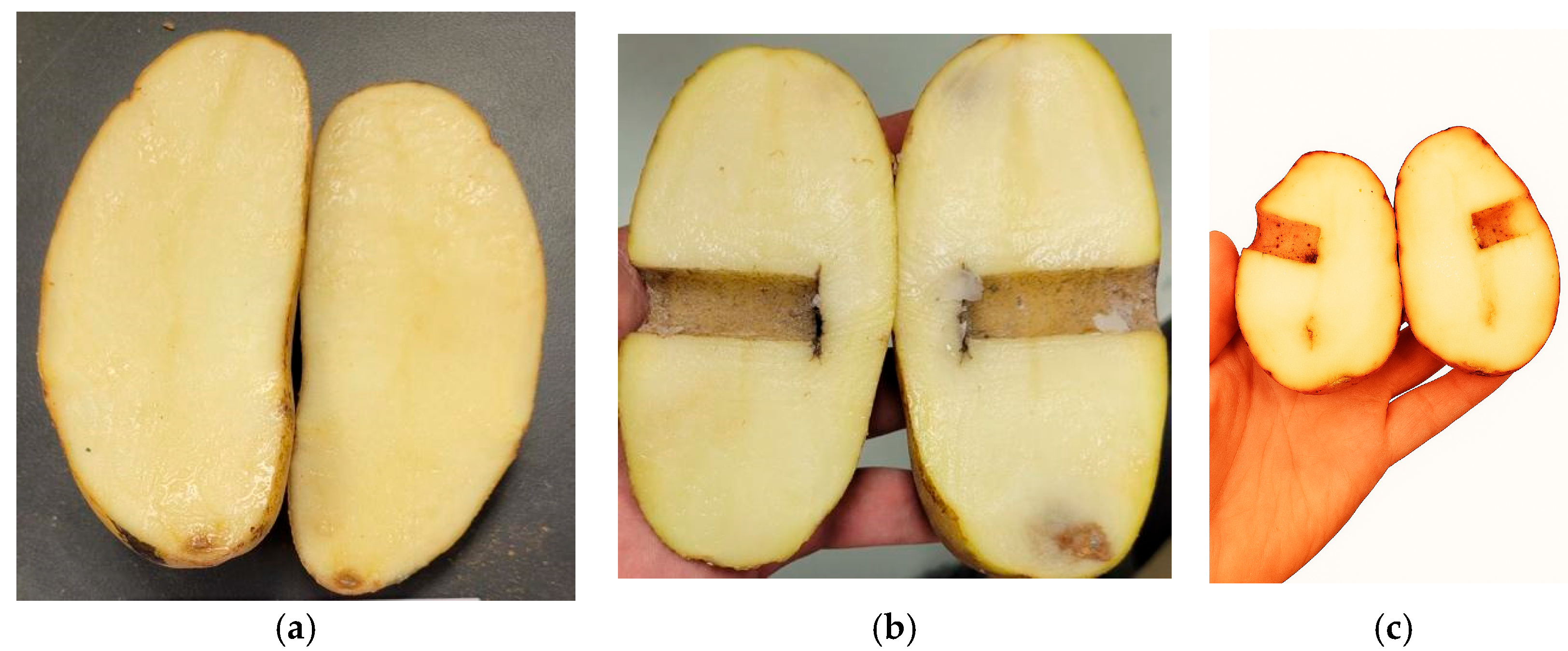
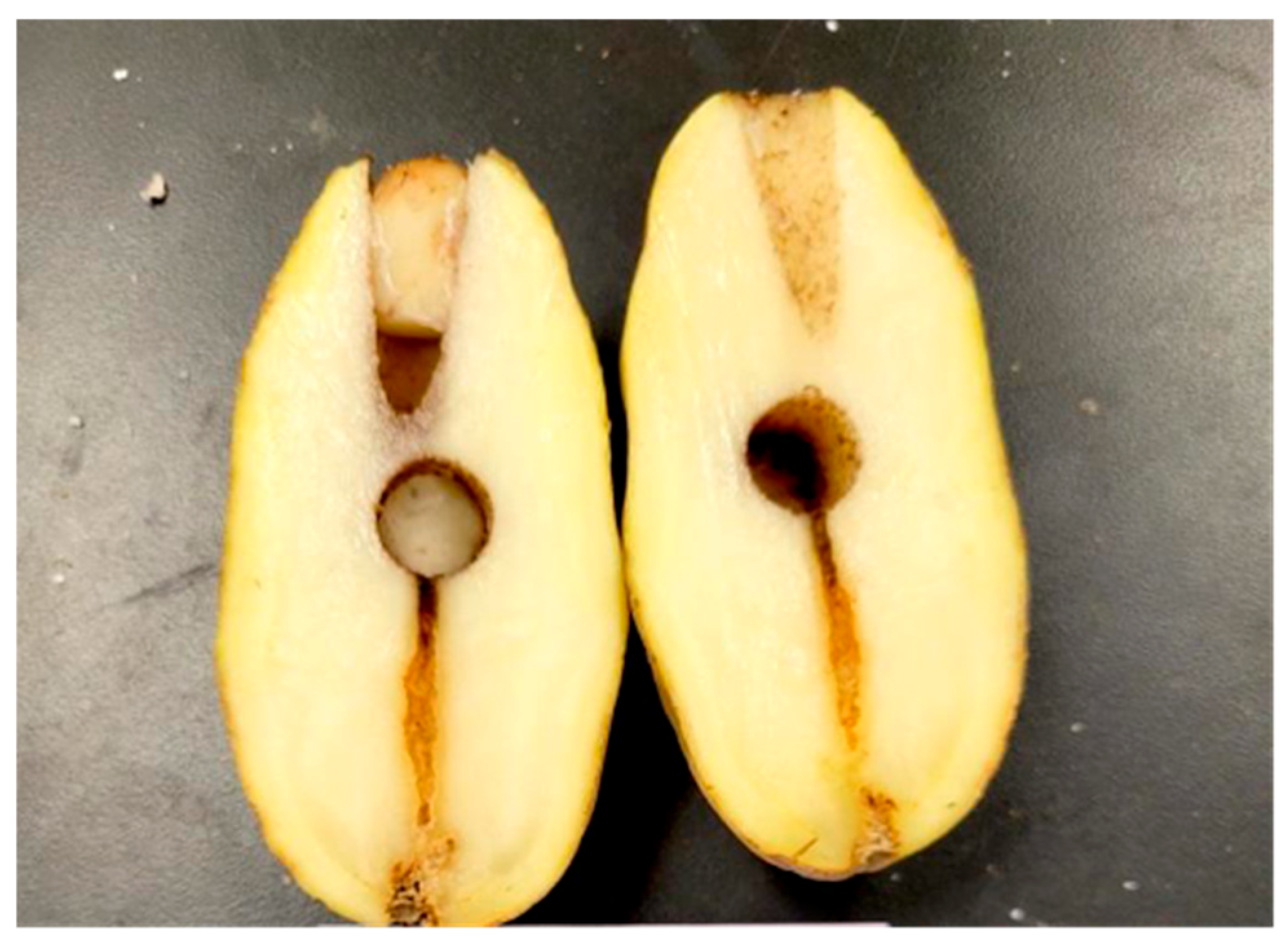
Figure 2a–c show examples of a potato with no hollow heart (actual or artificial), one with an artificial hollow heart, and one with both an actual and an artificial hollow heart, respectively.

3. Materials and Methods

The following sections describe the equipment needed to produce the data. The dimensioning system uses two image cameras to capture approximate spatial characterizations of the potatoes. The vision/vibration system employs a video camera that tracks the approximate centroid of the potato. The approximation is computed based on a two-dimensional projection of the moving potato. Accurate tracking is not required for feature engineering. Note that the dimensioning and vision/vibration systems have two different cameras and two different setups. The acoustic system uses a mechanical setup including a stationary large-diaphragm condenser microphone.

3.1. Equipment and Experimental Setup

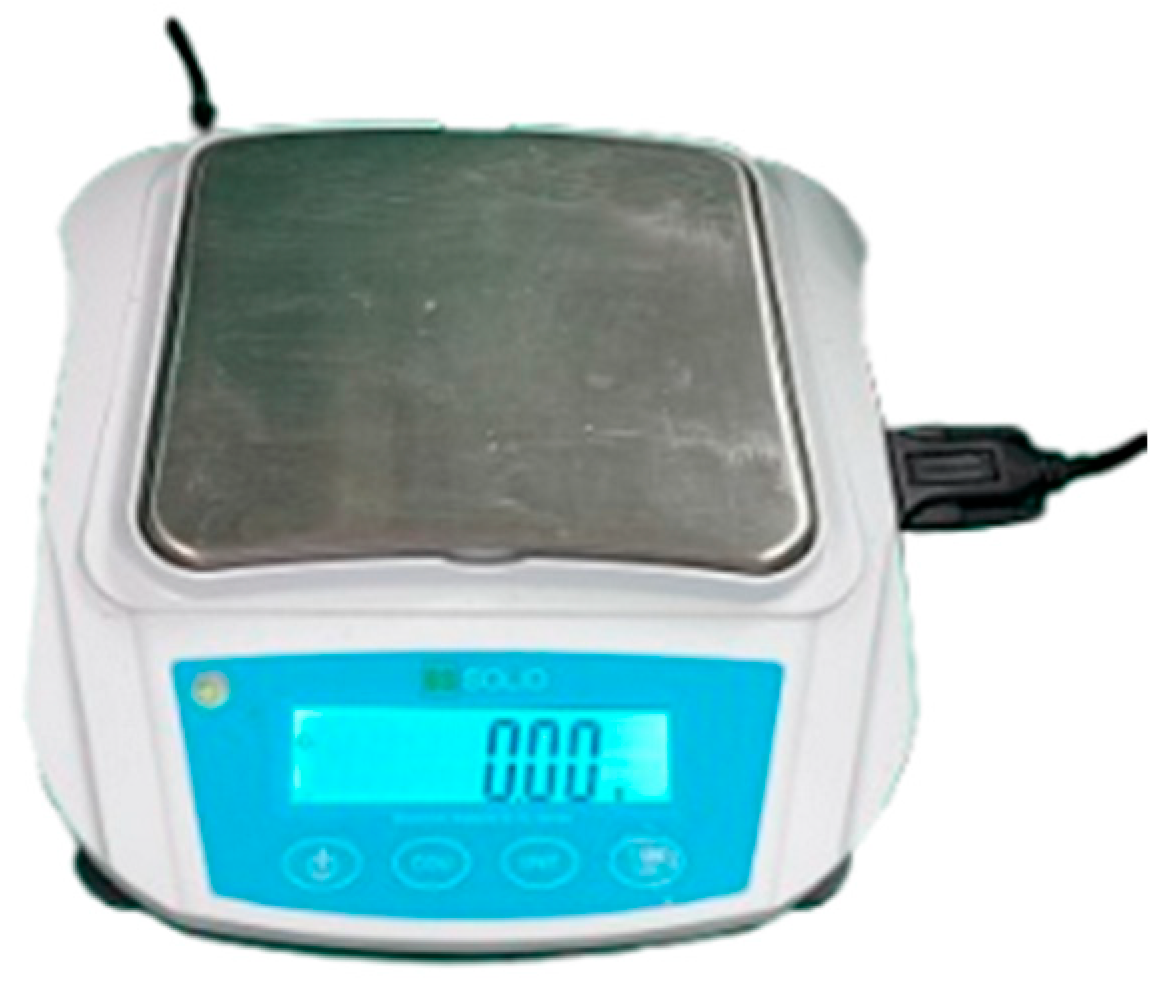
Scale: The weighing system uses a SLSC Series electronic scale (US Solid, Cleveland, OH, USA), Figure 3, connected to a computer via a USB cable.
The scale provides high-accuracy (±0.01 g) measurements while reducing the time required to be compared to manual weighing. The scale transmits weight data through a live USB feed, which is read directly into a MATLAB® code (Version 2019a). To account for occasional incorrect outputs caused by timing delays or internal hardware/software issues, the system is programmed to record three consecutive values. This ensures stable measurement, with the most recent valid value selected for use. Additional safeguards allow for manual entry if an unusable value is detected or if no sample is present at the time of measurement.
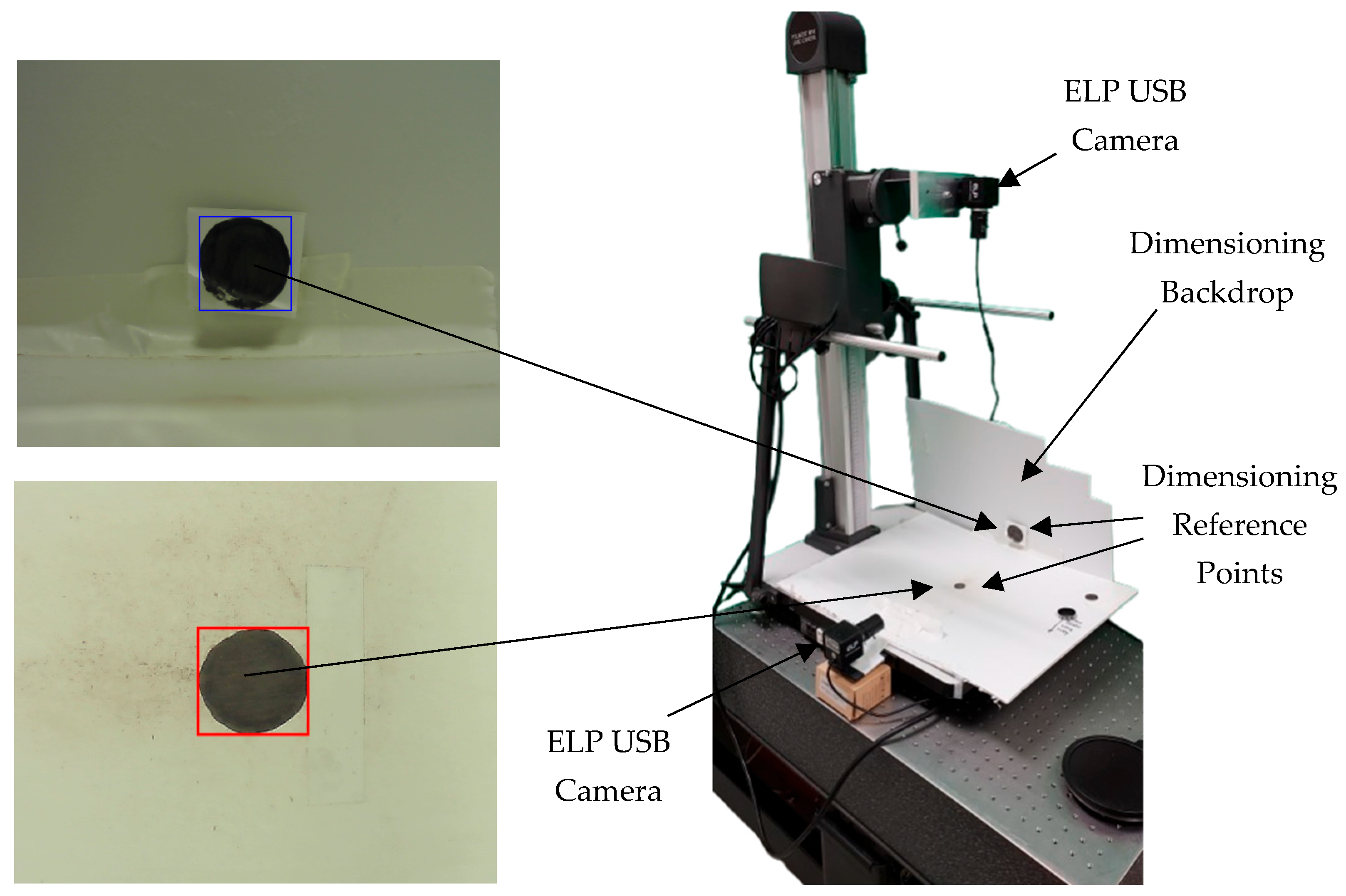
Dimensioning System: An image-based dimensioning system was developed to expedite the process of finding the length, width, and height of each potato. The system consists of a photo station with a white background providing a strong contrast for detecting potato boundaries. Two USB-connected 1080P, 16MP C-mount cameras (ELP, Shenzhen, China) are mounted at fixed positions: one directly above the viewing platform and one from the side. One U.S. quarter, painted black for contrast, and one black circle are fixed in the center of both backgrounds to provide an initial approximate calibration of 25.5 mm in diameter (Figure 4). This calibration allows pixel-to-millimeter conversions for both camera perspectives.
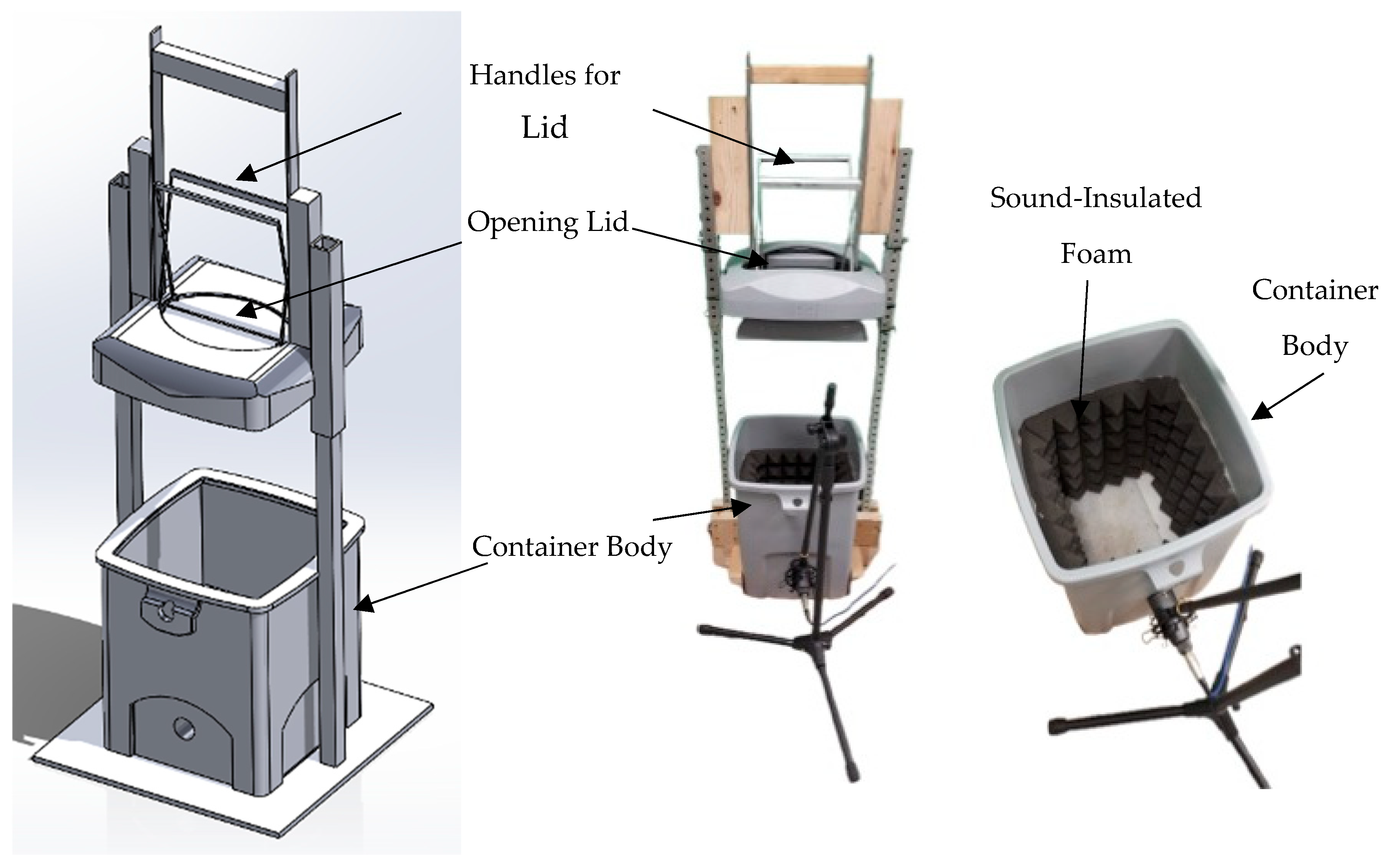
Acoustic System: The acoustic system setup looks for differences in the sound signature between the original potato and the artificial hollow heart [8]. The acoustic system equipment includes the PreSonus AudioBox 96 Audio Interface with a PreSonus M7 large diaphragm condenser microphone (PreSonus Audio Electronics, Baton Rouge, LA, USA), (range: 20 Hz–18 kHz, sensitivity: −38 dB–3 dB, maximum sound pressure level: 134 dB). The microphone is connected to the audio interface, with both components connected to the computer via USB 3.0. The potato drop system, Figure 5, is made from a modified 30.5 by 30.5 cm squared container with spring-loaded lid doors. An adjustable frame is attached to the lid, allowing for drop height changes. A scissor handle is attached to the lid doors to maintain the opening when dropping potatoes by hand. Potatoes are dropped lengthwise by hand from the lid opening. The minimum height for dropping potatoes is 98 cm. The potatoes land on a 0.95 cm thick steel plate covered with a 0.64 cm thick sheet of polyethylene foam to prevent potato bruising. Acoustic insulation lines the interior of the container to dampen any outside noise and any noise due to potatoes hitting the sides of the can or microphone. The microphone is located 15.24 cm above the base of the container. The container is secured to a weighted wooden base to prevent any movement.
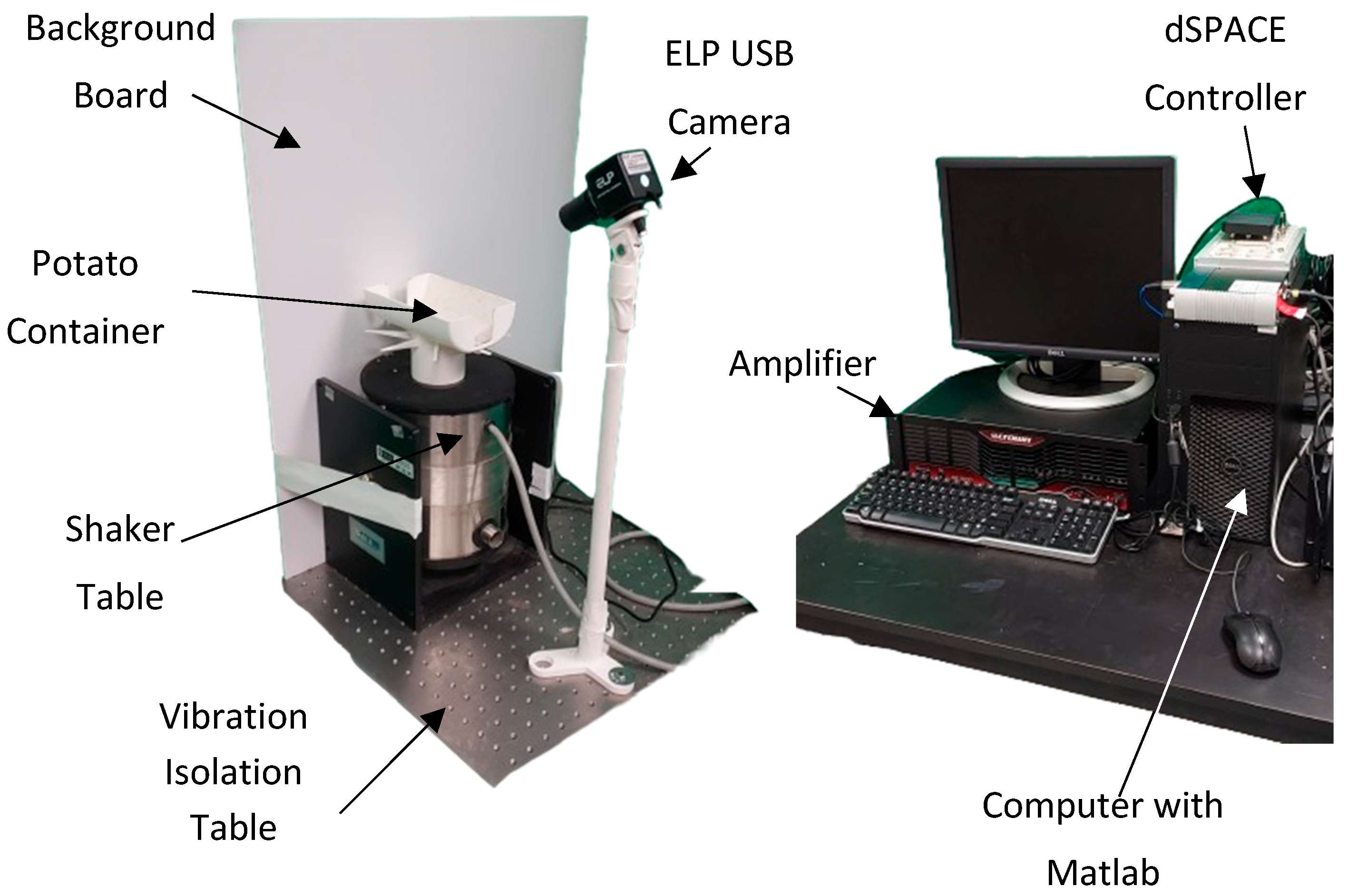
Vision/Vibration Equipment: One of the hypotheses tested in this work is that the structural alterations associated with hollow heart in potatoes lead to changes in their dynamic response. To examine this hypothesis, experimental data is acquired to characterize these effects. The experimental arrangement, Figure 6, consists of a small shaker table (VTS-40), which is operated using MATLAB/Simulink in combination with a dSPACE controller board. A tray, mounted on the shaker table, holds a single potato and provides vertical excitation. The vibration is applied at predetermined frequencies and amplitudes, i.e., a random sinusoidal input, varying from 5% to 20% of the amplifier’s maximum amplitude. A high-speed ELP 16MP C-mount camera is positioned to record the motion of the potato sample in the bowl. The camera is configured to record at 240 frames per second, 640 × 480 resolution, and uncompressed video.

3.2. Data Collection Process

Layout of Data Collection Process: The data collection process begins with the collection of physical data, weight, size, and volume. Potatoes (out of the bag) are used for the first set of tests. The potatoes are assumed to have no hollow heart at this point. The acoustic test is performed by dropping a potato into the bin, where it hits the steel plate at the bottom. The microphone picks up the sound produced, and the MATLAB code saves the signal as a *.wav file. The same potato is then moved to the vision/vibration system for testing using a sine wave input signal with a frequency of 16 π . The information from each test is again saved as an *.avi file.
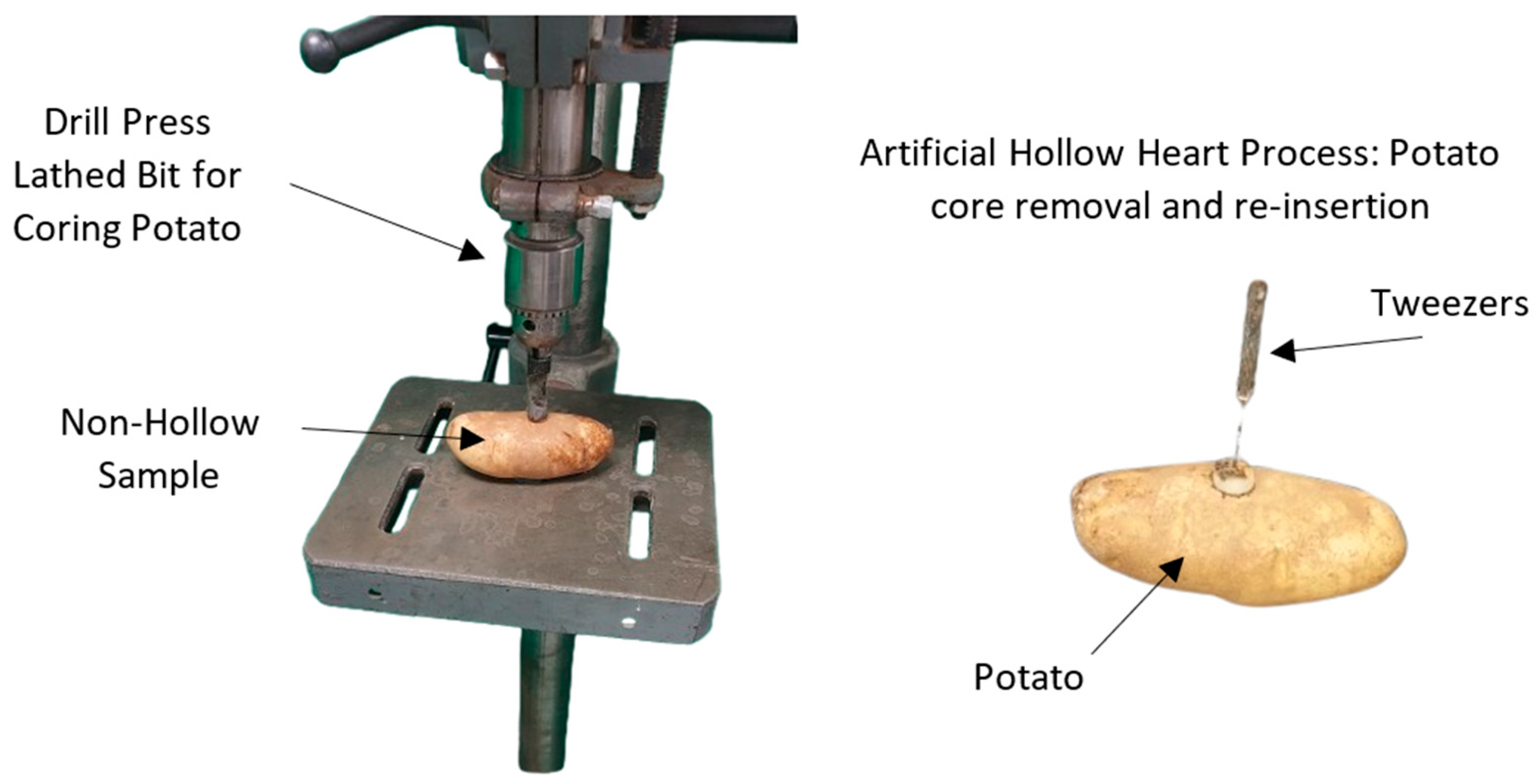
Potatoes are then cored to produce an artificial hollow heart. During the testing, a small number of potatoes were damaged/rotted or accidentally thrown away prior to being cored. Only the acoustic data was included in the dataset for these potatoes. Figure 7 shows the process for altering the potato. A core is removed lengthwise or crosswise into the potato. A piece of the core from the inside of the potato is cut from the end. The core is then replaced into the potato and sealed with wax. Figure 8 shows an example. The potato is then weighed again to record any change in weight. The dimension, size, and volume are re-measured to match the data collected from the corresponding non-hollow heart potato. The potato is then tested again using both methods. At the end of the entire testing procedure, the potato is manually cut in half and inspected for actual hollow heart. All the information can then be used in the development of a non-destructive artificial intelligence system.
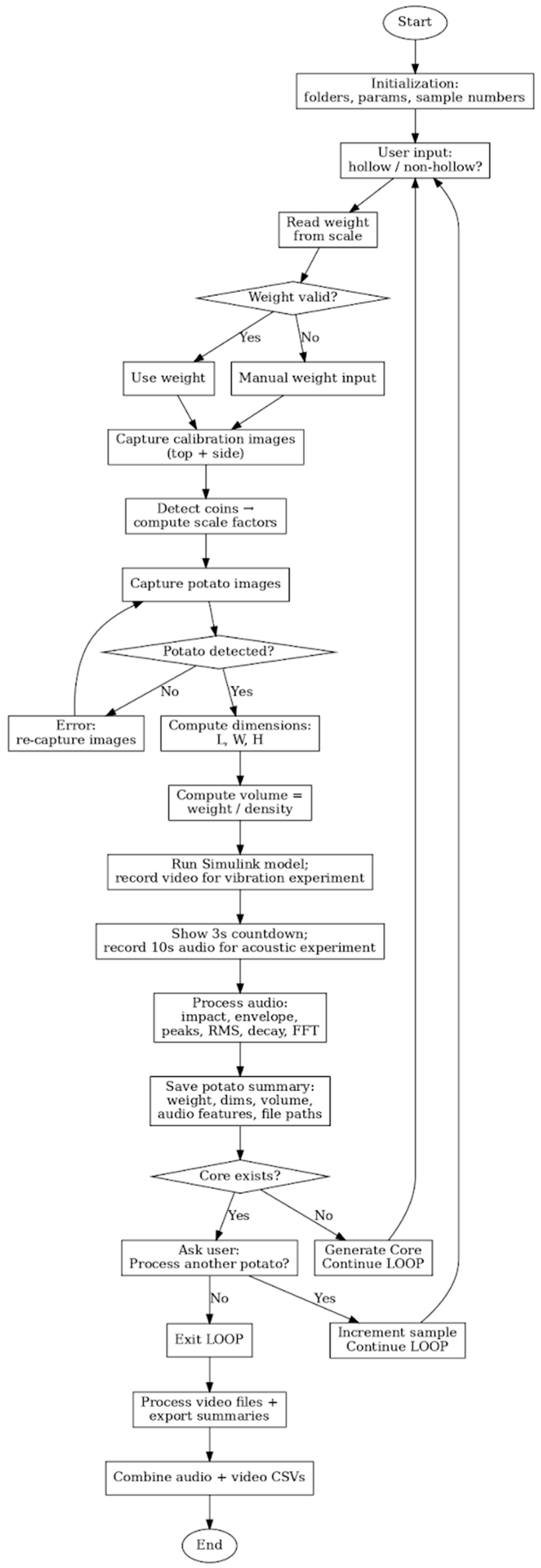
The process flow diagram is shown in Figure 9. Once all the potatoes in a batch run have been processed through both testing procedures, the video files are processed, summaries are exported, and audio and video files are combined into .csv files.
The pseudo-code is shown in Algorithm 1 below:
Algorithm 1 Overall Data Collection and Processing Workflow
Input: Batch of potatoes
Output: Combined CSV dataset, archived raw audio and video files
Initialize data collection system
for each potato in the batch do
    Record static features: weight (W), dimensions (DS), volume (V)
    Perform acoustic test (drop test); save signal as .wav
    Perform vision/vibration test (shaker table); save video as .avi
    if potato is selected for artificial hollow heart simulation, then
         Remove cylindrical core, trim, reinsert, and seal with wax
         Re-measure static features (W, DS, V)
         Repeat acoustic and vision/vibration tests
     end if
     Manually cut potato and inspect for actual hollow heart
     Record ground-truth label (HH = yes/no)
    end for
Process video files to extract motion trajectories
Extract vibrational features: RMSx, RMSy, PeakAmpx, PeakAmpy
Extract acoustic features: Amax, RMS, Decay time, fpeak
Combine all features and labels into a master CSV file
Export summaries and archive raw .wav and .avi data
Acoustic Feature Extraction Data Collection: Feature extraction was conducted to transform the raw acoustic recordings obtained from drop-impact experiments into quantifiable descriptors that can distinguish between hollow heart and non-hollow heart potatoes. Each sound recording was analyzed in both the time and frequency domains to capture amplitude, temporal decay, bounce dynamics, and spectral properties. The extracted features serve as the primary input for non-destructive identification methods using machine learning models.
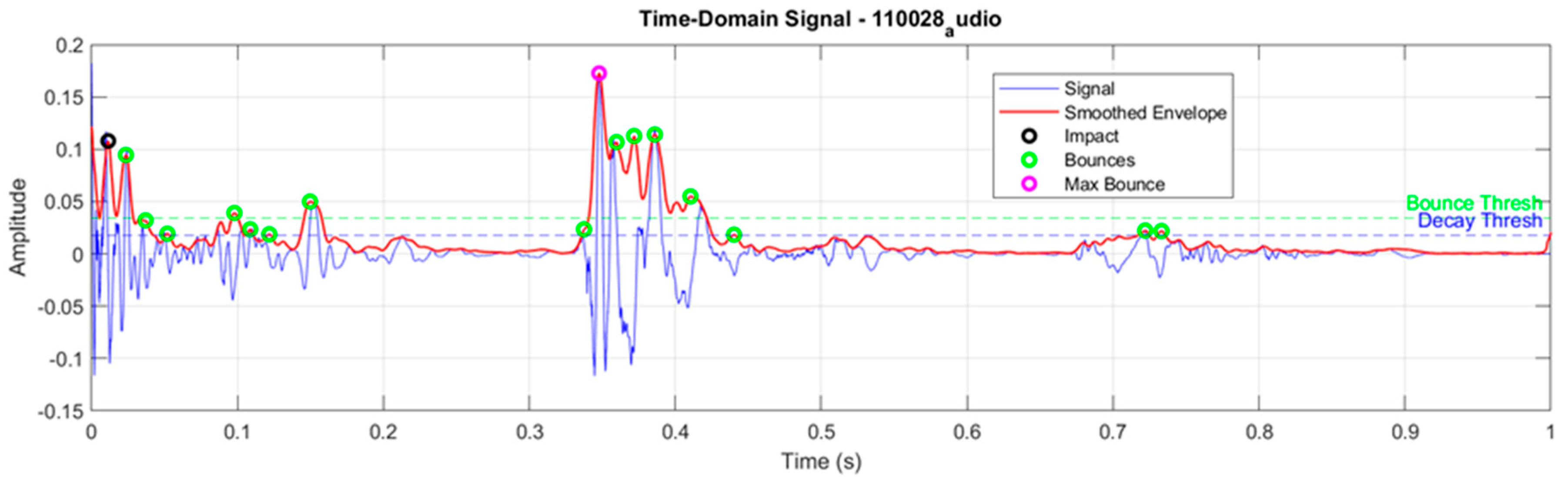
The following time-domain features were extracted from each acoustic impact segment, Figure 10.
  • Max Amplitude: highest value in the envelope during the impact segment
RMS Amplitude (root mean square of the impact segment) as follows:
R M S = 1 N n = 1 N y ( n ) 2
N is the number of discrete samples in the 1 s impact window and y ( n ) is the amplitude of the nth sample.
  • Decay Time.
  • Bounce Count.
For each audio recording y t , the impact instant was identified as the sample index as follows:
i * = a r g | y t  
corresponding to the maximum absolute amplitude. A fixed analysis window of T w = 1.0   s starting at i * was extracted to ensure consistency across samples.
The Hilbert transform [9] was applied to obtain the amplitude envelope of the impact signal as follows:
e t = H y t
where H is the Hilbert transform and y(t) the time-domain signal. A moving average filter with a 5 ms window smoothed the envelope to suppress minor fluctuations.
Local maxima in the smoothed envelope t were detected using a minimum peak height of 0.1   ( t ) a minimum spacing of 10 ms. The first peak represented the primary impact, while subsequent peaks corresponded to bounces. The maximum bounce amplitude is A m a x . The decay time was computed as the first time τ where
  τ < 0.1 · A m a x .
The following two frequency–domain features were calculated using the Fast Fourier Transform (FFT).
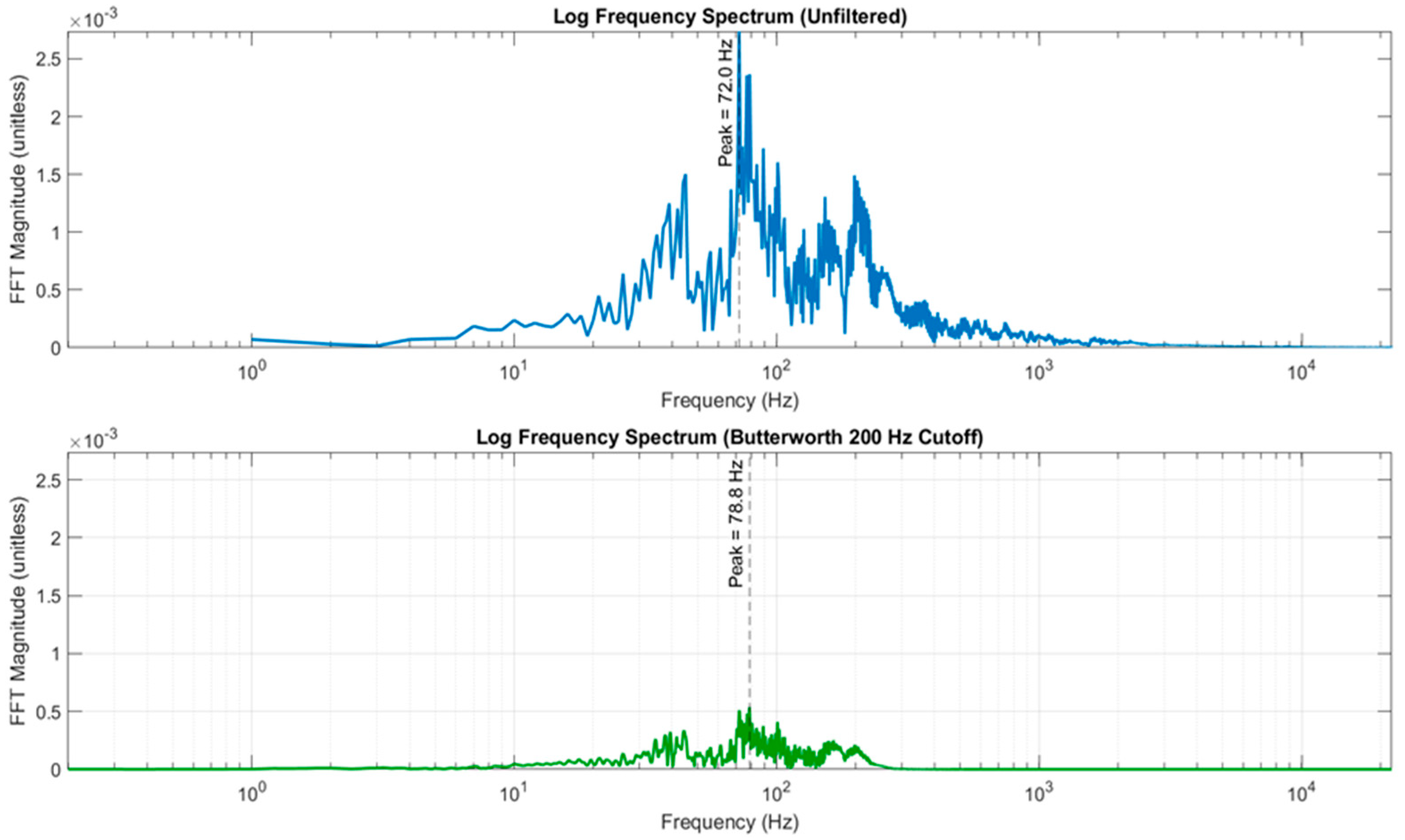
  • Unfiltered Peak Frequency ( f p e a k ) : frequency corresponding to the maximum magnitude in the FFT spectrum of the raw impact signal.
  • Butterworth Filtered Peak Frequency f p e a k 200 : calculated after applying a 4th-order zero-phase (with cutoff frequency, f c = 200 Hz, normalized by the Nyquist frequency) implemented using a standard Butterworth design [8]. The filter’s transfer function is given by the following:
H z = b 0 + b 1 z 1 + + b n z n 1 + a 1 z 1 + + a n z n
where b 0 , b 1 ,   , b n and a 0 , a 1 ,   , a n are the filter coefficients determined by the Butterworth design specifications. This filter offers a maximally flat frequency response in the passband, allowing the dominant resonance frequency to be isolated while high-frequency noise is suppressed.
This feature was engineered to remove high-frequency noise and enhance resonance-based separation between hollow heart and non-hollow classes. Plots of both the unfiltered and Butterworth-filtered log–magnitude spectra for representative samples are shown in Figure 11.
Vibrational Feature Extraction Data Collection: Feature extraction for vibrational analysis transforms raw high-speed video recordings obtained from controlled vibration experiments into quantifiable descriptors that can distinguish between hollow heart and non-hollow heart potatoes. Each video recording is analyzed through computer vision techniques to extract centroid motion trajectories, from which displacement-based features are computed in both time and frequency domains. The extracted vibrational features serve as complementary input to the acoustic features for non-destructive methods using machine learning models.
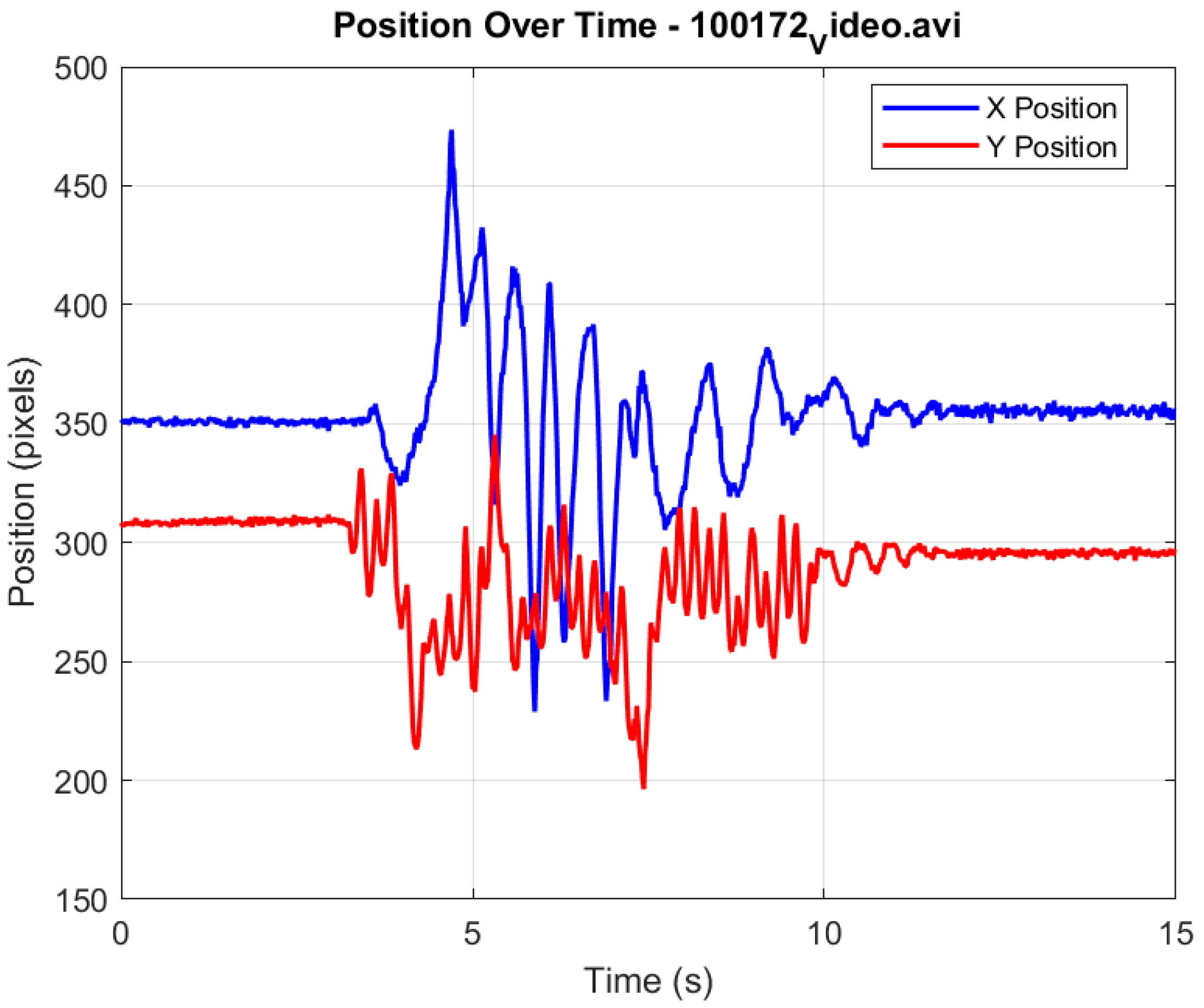
The following time-domain vibrational features were extracted from each displacement trajectory, Figure 12. These extracted vibrational features— R M S x , R M S y ,   P e a k A m p x , and P e a k _ A m p y were stored in a structured table for each sample.
RMS Displacement X: root mean square of the horizontal displacement during the vibration segment as follows:
R M S x = 1 N n = 1 N d x ( n ) 2
where d x represents the horizontal displacement at sample n .
RMS Displacement Y: root mean square of the vertical displacement during the vibration segment as follows:
R M S y = 1 N n = 1 N d y ( n ) 2
where d y represents the vertical displacement at sample n .
Peak Amplitude X: maximum absolute displacement in the X direction as follows:
P e a k A m p x = m a x n d x n
Peak Amplitude Y: maximum absolute displacement in the Y direction as follows:
P e a k _ A m p y = m a x n | d y n |
The videos needed to be preprocessed prior to feature extraction. For each video recording v x , y , t the vibration onset was identified as the frame index as follows:
t * = a r g   m a x t v ( x , y , t )
corresponding to the maximum temporal gradient across the image sequence. A fixed analysis window of T w = 5.0   s starting at t * was extracted to ensure consistency across samples.
The centroid position, C t = [ x t , y ( t ) ] , was computed for each frame using the following:
C t = x , y x , y I ( x , y , t ) x , y I ( x , y , t )
where I x , y , t represents the binary mask of the potato obtained through adaptive thresholding. The numerator calculates the weighted sum of pixel coordinates and the denominator calculates the total mass (sum of all pixel intensities).
A 5-point moving average filter smoothed the trajectory to suppress minor pixel-level fluctuations as follows:
C ~ t = 1 5 k = 2 2 C ( t + K )
The centroid displacement relative to the equilibrium position was calculated as follows:
x t x _ d y t = y t y _
where x _ and y _ represent the mean centroid position during the pre-vibration period (first 2 s of the recording).

4. Discussion and Conclusions

Potatoes are a major commercial crop in the U.S. Removing defects early in the process (as early as at the time of harvest) has the potential to increase the quality and quantity of potatoes. Currently, potatoes are inspected by the USDA at inspection stations across the country. The inspection process includes destructive methods to evaluate internal defects. Eliminating the defects prior to inspection reduces the risk of rejection of entire potato shipments. The research performed investigated using acoustic and vision methods to collect data that could be used to develop a non-destructive inspection system using artificial intelligence. The data includes over 1000 samples, each comprising volume, weight, size, motion, and acoustic data.
Each potato was characterized using each experimental system set and using each set of process parameters required for each experiment. For feature engineering/machine learning, the resulting characterization is sufficient.

4.1. Discussion of Acoustic Dataset

The acoustic experiment dataset contained 1048 potato samples. Each potato in the dataset is described by multiple features: acoustic features captured during a drop test (e.g., maximum impact amplitude, RMS amplitude, sound decay time, number of bounces, and dominant frequency content) and physical attributes (weight and three-dimensional size). Prior to analysis, the data underwent cleaning steps using an interquartile range (IQR) filter (with a 2 × IQR cutoff) and z-score normalization [ z = x μ σ ] to remove and mitigate the influence of extreme outliers. This ensured that feature distributions are on comparable scales and roughly centered. The class balance in the acoustic dataset is moderately skewed, with fewer hollow heart cases than non-hollow (as is typical for this defect).
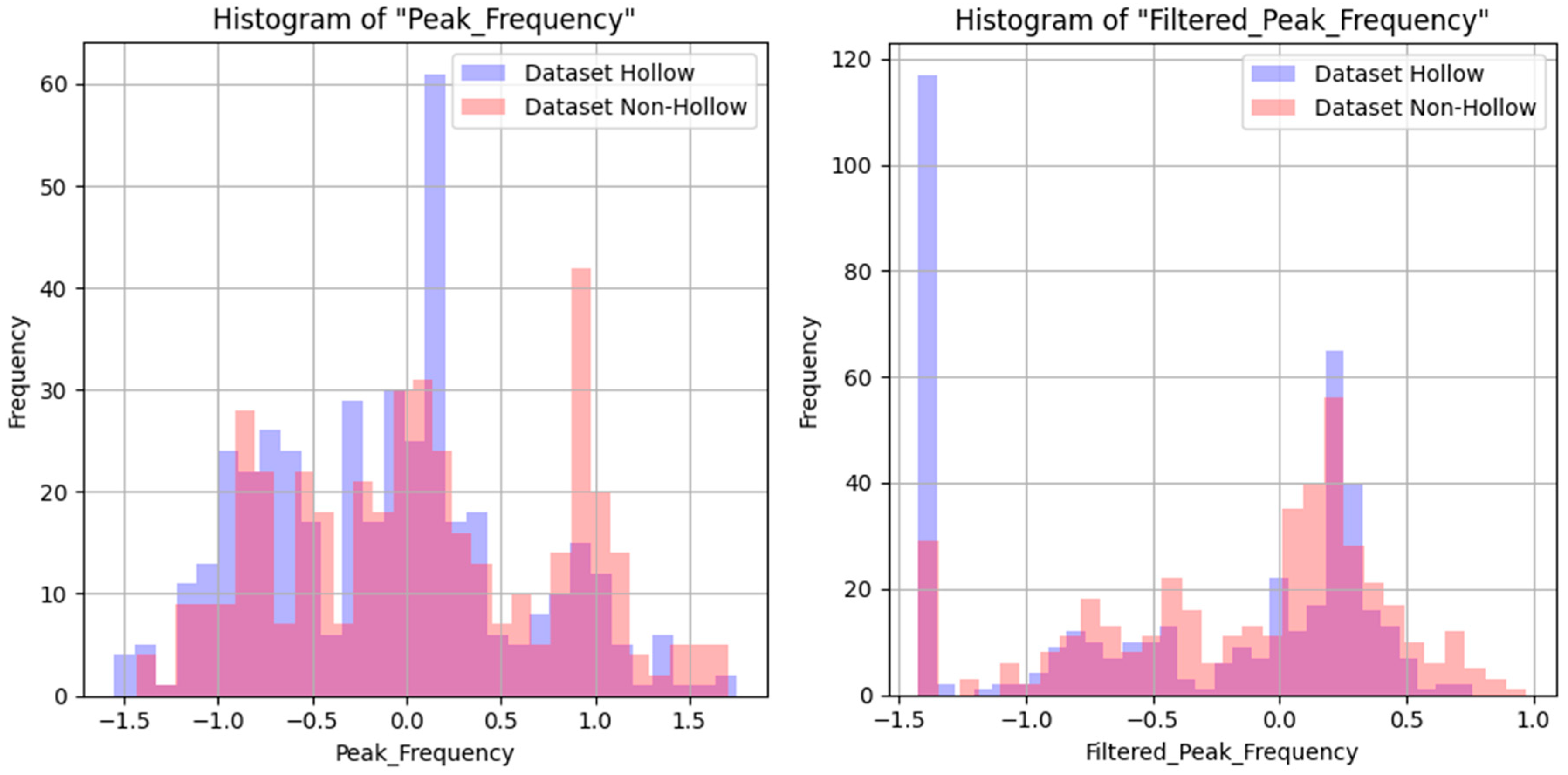
Potatoes with hollow heart have a distinct acoustic signature, producing lower frequency signals versus a non-hollow heart potato [7,10], providing valuable information for classification. The filtered peak frequency shows clear shifts between classes (e.g., hollow potatoes skew to low resonance frequency), making them strong individual predictors. In contrast, some features (like raw impact amplitude or unfiltered frequency) exhibit broad overlaps and high variability, contributing more noise than signal if used in isolation. Thus, filtering out extraneous high-frequency content allowed us to isolate a property directly influenced by the internal cavity, enhancing class separability, see Figure 13.
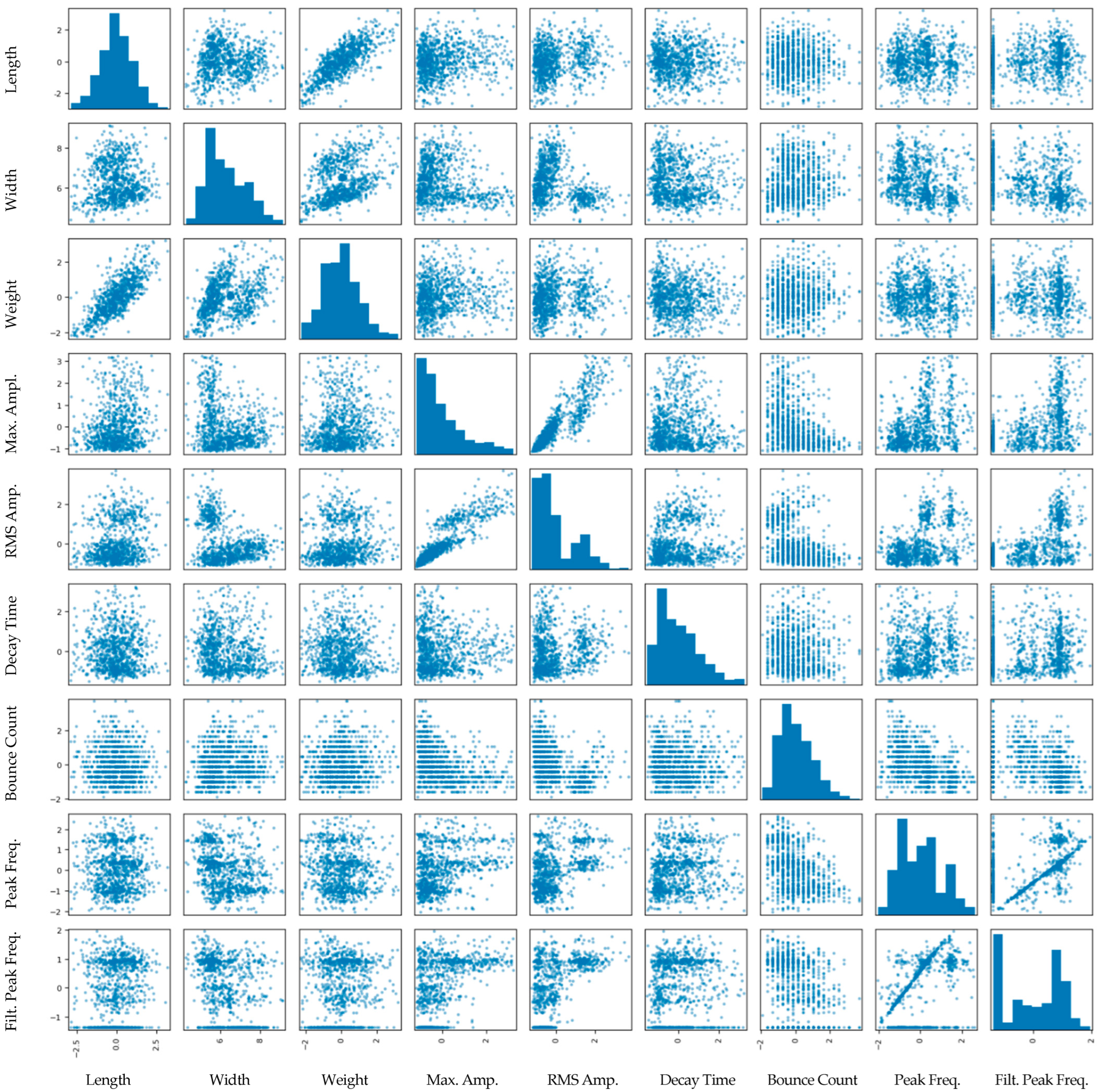
A scatterplot matrix was developed to visualize the relationships between the features. Patterns within the data show varying correlations.
Strong correlations are seen in the physical measurements, weight, length, and width, as well as between max amplitude and RMS amplitude. The comparison of max and RMS amplitude indicates that the higher the peak amplitude, the higher the overall acoustic energy. Moderate to low correlations indicate the independence of these features, Figure 14.

4.2. Discussion of Vision/Vibration Dataset

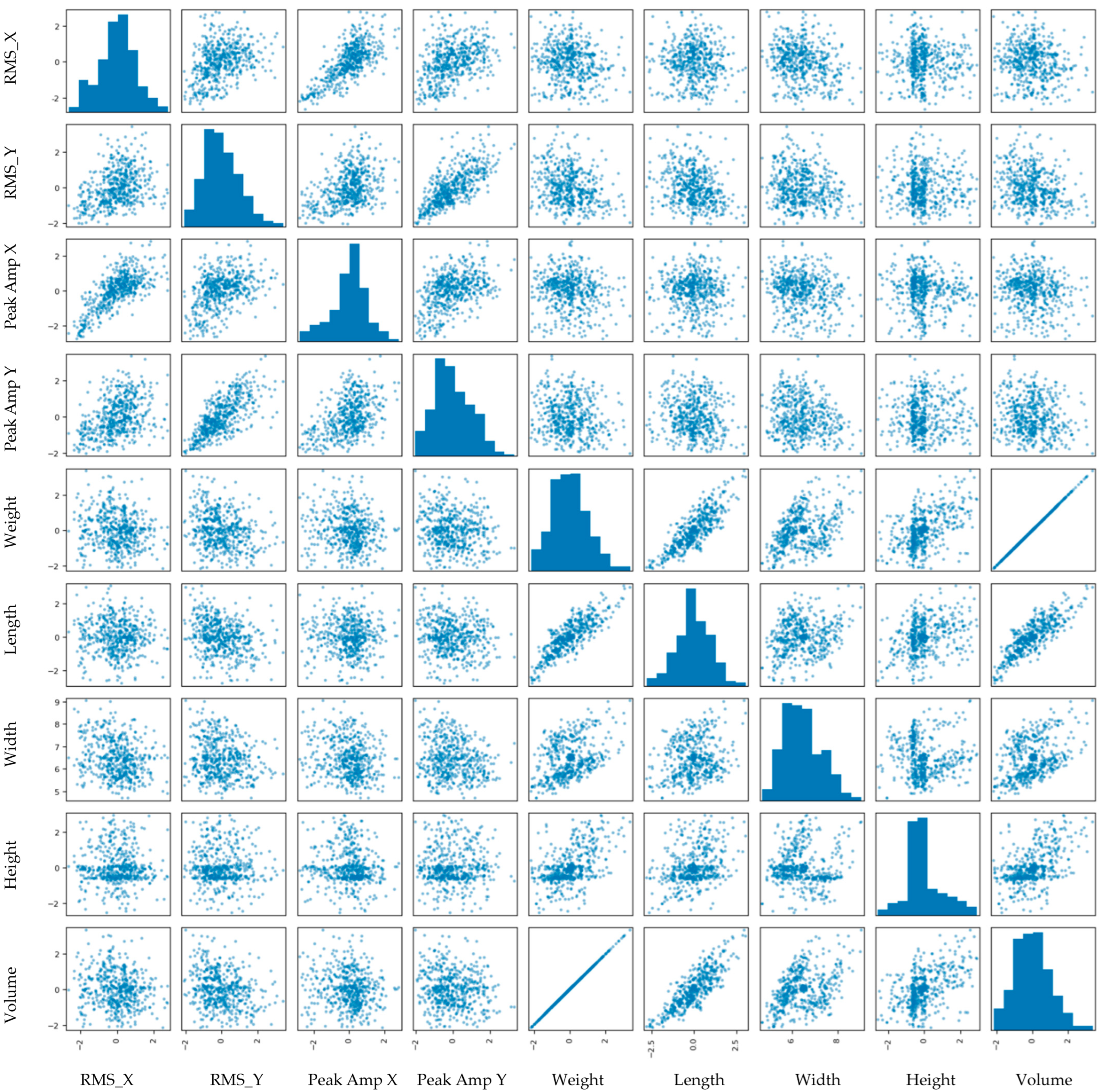
Each potato’s centroid motion trajectory in the X and Y directions is extracted and characterizes the potato’s vibrational response. The peak-to-peak displacement (amplitude range) and the root-mean-square (RMS) displacements are computed in the X direction and Y directions. The peak-to-peak displacement features capture the extreme movement of the potato during vibration (how far it travels from its equilibrium position), while the RMS features represent the overall energy of the motion signal. The RMS features measure the average magnitude of oscillation over time. These features have the potential to differentiate hollow vs. non-hollow heart potatoes: for example, a hollow-hearted potato (with an internal cavity and often lower mass) might exhibit larger and more prolonged movements under the same vibration input, whereas a solid potato might not move as erratically. See Figure 15.

5. Conclusions

This study represents the most comprehensive—to our knowledge—dataset available to study both non-hollow heart and hollow heart data. The hollow heart data is comprising of artificially created hollow heart potatoes. The presented dataset is suitable for machine learning algorithm development. The data does not contain any Bayes and is independent from calibration accuracies as the data focuses on discriminative feature development.
The presented experimental methods and analysis can serve as the basis for the development of novel online inspection methods. These systems could be implemented in field operations. As potatoes are processed using conveyers and storage facilities that include vibration and off-loading from heights, the methods and extracted data correlated directly with these types of systems. In particular, using advanced machine learning algorithms based on the presented data can serve as a means to detect hollow heart during these processes.

Author Contributions

Conceptualization, M.M.H. and M.P.S.; methodology, M.M.H., M.P.S., N.F., M.Z.S., E.D.M., and K.C.H.; software, M.Z.S., N.F., E.D.M., and K.C.H.; validation, M.P.S., N.F., E.D.M., and K.C.H.; formal analysis, N.F.; investigation, M.Z.S., N.F., E.D.M., and K.C.H.; resources, M.M.H., M.P.S., N.F., M.Z.S., E.D.M., and K.C.H.; data curation, M.Z.S., N.F., E.D.M., and K.C.H.; writing—original draft preparation, M.M.H., M.P.S., N.F., M.Z.S., E.D.M., and K.C.H.; writing—review and editing, M.M.H. and M.P.S.; visualization, M.M.H., M.P.S., N.F., M.Z.S., E.D.M., and K.C.H.; supervision M.M.H. and M.P.S.; funding acquisition, M.M.H. and M.P.S. All authors have read and agreed to the published version of the manuscript.

Funding

This research was partially funded by the State of Idaho through IGEM-HERC, grant number IGEM25-03. The support is greatly appreciated.

Informed Consent Statement

Not applicable.

Data Availability Statement

The data presented in this study are available on request from the authors.

Conflicts of Interest

The authors declare no conflicts of interest.

References

  1. Watts, K.C.; Russell, L.T. A Review of Techniques for Detecting Hollow Heart In Potatoes. Can. Agric. Eng. 1985, 27, 1985. [Google Scholar]
  2. Index of Official Visual Aids for Potatoes (POT-L-1); SCI Division Inspection Series Crops Inspection Division; USDA: Washington, DC, USA, 2017.
  3. USDA. Potatoes—Shipping Point and Market Inspection Instructions; USDA: Washington, DC, USA, 2012. [Google Scholar]
  4. AGPROUD.com. Available online: https://www.agproud.com/articles/58402-idaho-annual-potato-summary-2022 (accessed on 19 March 2024).
  5. AGPROUD.com. Available online: https://www.agproud.com/articles/60785-the-financial-condition-of-idaho-agriculture-2024 (accessed on 22 March 2025).
  6. Karimi, R.; Aboonajmi, M.; Hasanbeygi, S.R. Detection Of Hollow Heart In Potatoes Using Sound Signal Processing. In Proceedings of the 5th Iranian International NDT Conference, Tehran, Iran, 4–5 November 2018. IRNDT 2018. [Google Scholar]
  7. Elbatawi, I.E. An acoustic impact method to detect hollow heart of potato tubers. Biosyst. Eng. 2008, 100, 206–213. [Google Scholar] [CrossRef]
  8. Oppenheim, A.V.; Schafer, R.W.; Buck, J.R. Discrete-Time Signal Processing, 3rd ed.; Pearson: London, UK, 2010; ISBN 978-0-13-198842-2. [Google Scholar]
  9. Li, J.; Jia, J.; Qin, Z.; Liu, X.; Xin, M. Advances on the formation and detection of hollow heart in vegetable crops. Veg. Res. 2025, 5, e005. [Google Scholar] [CrossRef]
  10. Cohen, L. Time-Frequency Analysis: Theory and Applications; Prentice Hall PTR: Englewood Cliffs, NJ, USA, 1995; ISBN 0135945321. Available online: https://books.google.com/books/about/Time_frequency_Analysis.html?id=CSKLQgAACAAJ (accessed on 5 October 2025).
Figure 1. Classification pictures of hollow heart top (pass) and bottom (reject).
Data 10 00163 g001
Figure 2. (a) No hollow heart, (b) artificial hollow heart, (c) actual and artificial hollow heart.
Data 10 00163 g002
Figure 3. Electronic scale.
Data 10 00163 g003
Figure 4. Calibration circles and Image-based dimensioning system.
Data 10 00163 g004
Figure 5. Three-dimensional model of the acoustic system and the actual acoustic system. The acoustic system consists of a drop mechanism that allows the placed potato to fall from a manually activated lid into the container body, which is sound insulated and houses a stationary microphone.
Data 10 00163 g005
Figure 6. Vision/vibration system setup.
Data 10 00163 g006
Figure 7. Potato coring, plug removal and reinsertion.
Data 10 00163 g007
Figure 8. Example showing coring, core trimmed, and plug-sealed with wax.
Data 10 00163 g008
Figure 9. Flow diagram of overall process.
Data 10 00163 g009
Figure 10. Time–domain signal.
Data 10 00163 g010
Figure 11. Frequency–domain signal.
Data 10 00163 g011
Figure 12. Displacement trajectory.
Data 10 00163 g012
Figure 13. Peak frequency versus filtered peak frequency.
Data 10 00163 g013
Figure 14. Scatterplot of acoustic data.
Data 10 00163 g014
Figure 15. Scatterplot of vibration data.
Data 10 00163 g015
Table 1. Data Types.
DataVariable NameUnitsUnit VariableType
WeightWgrams[g]float
Dimension/SizeDScentimeters[cm]float
VolumeVcubic millimeters[mm3]float
AudioA .wav
VideoVS .avi
Artificial Hollow HeartHH yes/nochar
Table 2. Data file structure and actual sample data.
Sample Tracking 10XXXX—HH, 11XXXX—Non HHSound Test Max AmplitudeSound Test RMS AmplitudeSound Test Decay TimeSound Test Bounce CountSound Test Peak FrequencySound Test Filtered Peak
Frequency
Video Test RMS x-axisVideo Test RMS y-axisVideo Test Peak Amplitude
from NA in X-Dir
Video Test Peak Amplitude
from NA in Y-Dir
Weight (g)Length (cm)Width (cm)Height (cm)Volume (cm3)Testing—Original Potato
(No HH), Cored potato (HH)
1102750.270.040.0281730.234.7036.06109.62138.10226.5310.508.856.36302.04No
1102760.110.030.0071790.237.7849.55120.25172.45194.049.967.955.66258.72No
1102770.230.020.0141050.243.5432.99144.46116.91186.2311.108.015.67248.31No
1002750.130.030.0211690.22.300.759.362.31213.679.976.406.30284.89Yes
1002760.180.020.024990.232.7123.67151.57121.91181.689.837.545.61242.24Yes
1002770.280.040.015103100.833.6236.73131.21113.11175.5710.575.755.73234.09Yes
Disclaimer/Publisher’s Note: The statements, opinions and data contained in all publications are solely those of the individual author(s) and contributor(s) and not of MDPI and/or the editor(s). MDPI and/or the editor(s) disclaim responsibility for any injury to people or property resulting from any ideas, methods, instructions or products referred to in the content.