

Growth Characteristics and Adaptability of Probiotics Using Almond Hull as a Fermentation Substrate

 , , , , ,
Abstract
1. Introduction
2. Materials and Methods
2.1. Probiotic Strains
2.2. Preparation of Plant Medium
2.3. Investigation of Probiotic Proliferation Characteristics Under Single-Factor Conditions
2.3.1. Sterilization of Substrate and Preparation of Inoculum
2.3.2. Single-Factor Experimental Design
2.4. Response Surface Optimization Experimental Design
2.5. Organoleptic Investigation
2.6. Determination of Viable Cell Count
2.7. Determination of pH
2.8. Determination of Reducing Sugars
2.9. Determination of Soluble Protein
2.10. Determination of Total Flavonoids
2.11. Determination of Total Polyphenols
2.12. Determination of Total Antioxidant Capacity
2.12.1. Determination of DPPH Radical Scavenging Capacity
2.12.2. Determination of TRAP Ferric Reducing Antioxidant Power
2.13. High-Performance Liquid Chromatography–Tandem Mass Spectrometry
2.14. Statistical Analysis
3. Results
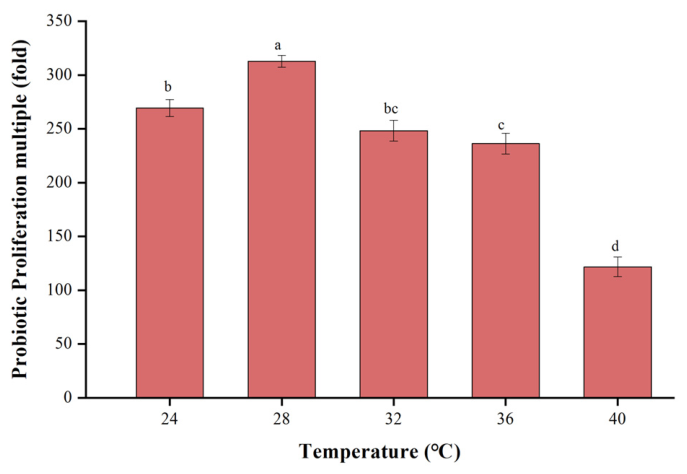
3.1. Effect of Temperature on the Proliferation Characteristics of Probiotics
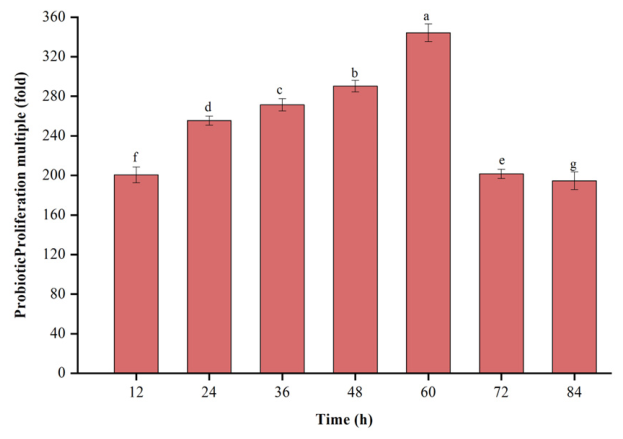
3.2. Effect of Fermentation Time on the Proliferation Characteristics of Probiotics
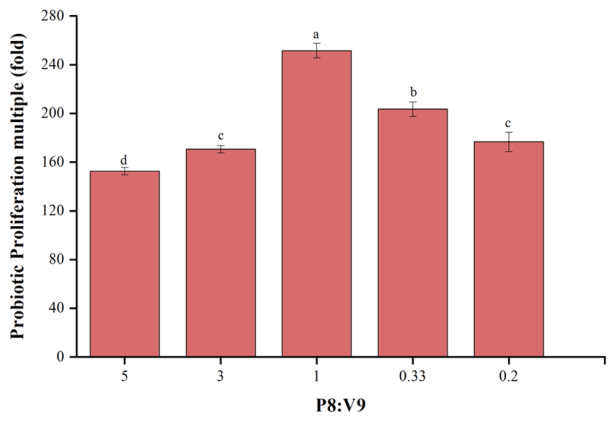
3.3. Effect of the Proportion of Compound Bacteria on the Proliferation Characteristics of Probiotics
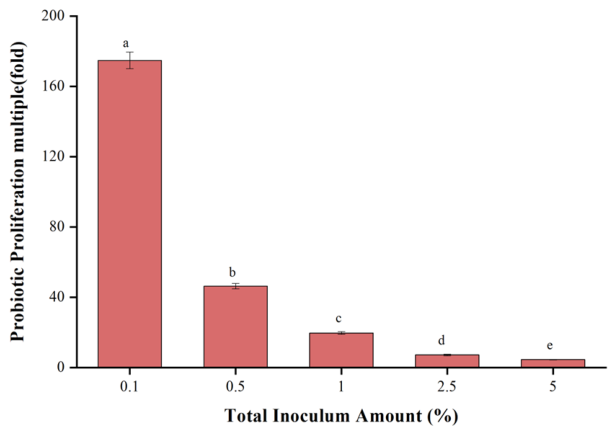
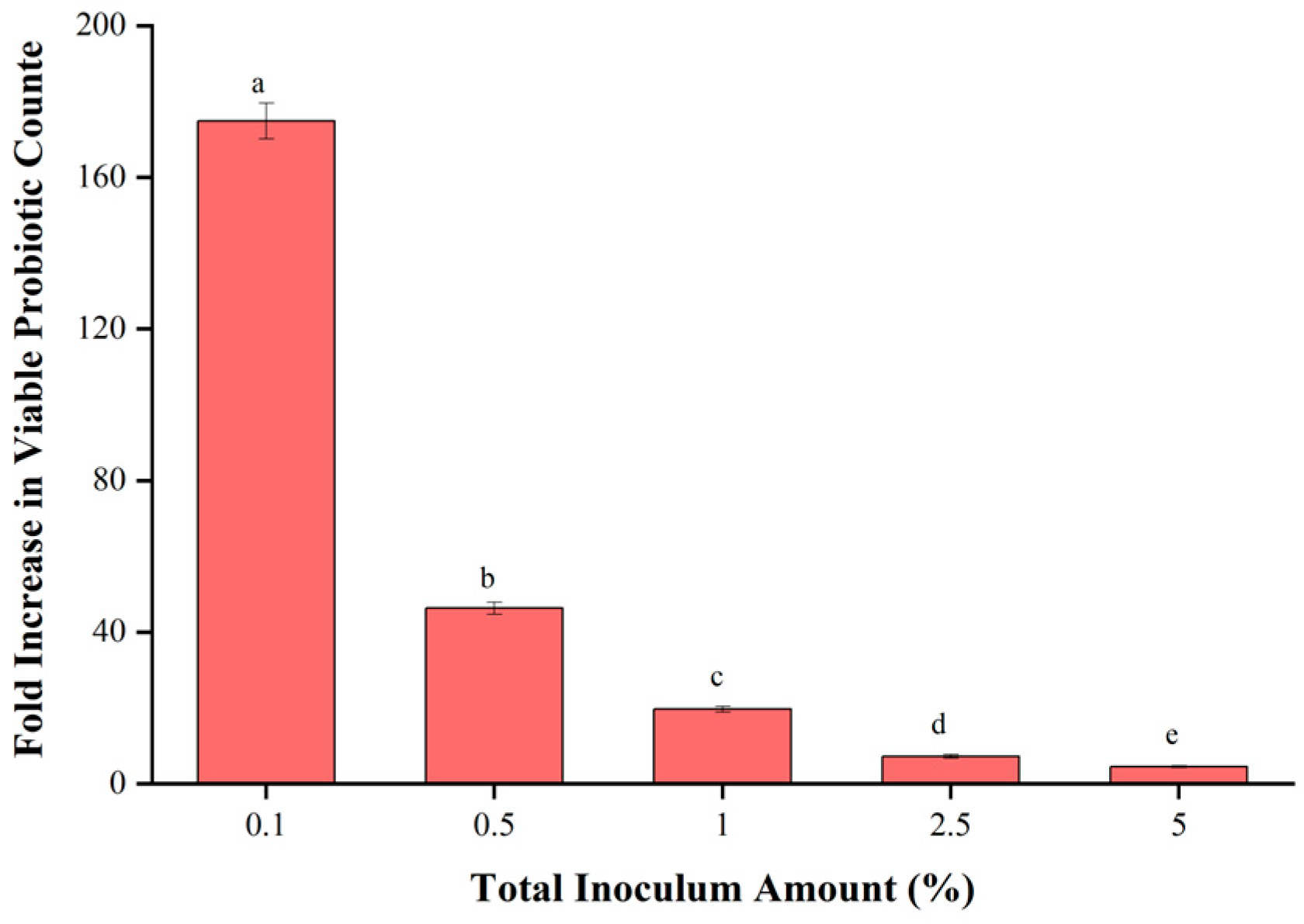
3.4. Effect of the Inoculation Amount of Compound Bacteria on the Proliferation Characteristics of Probiotics
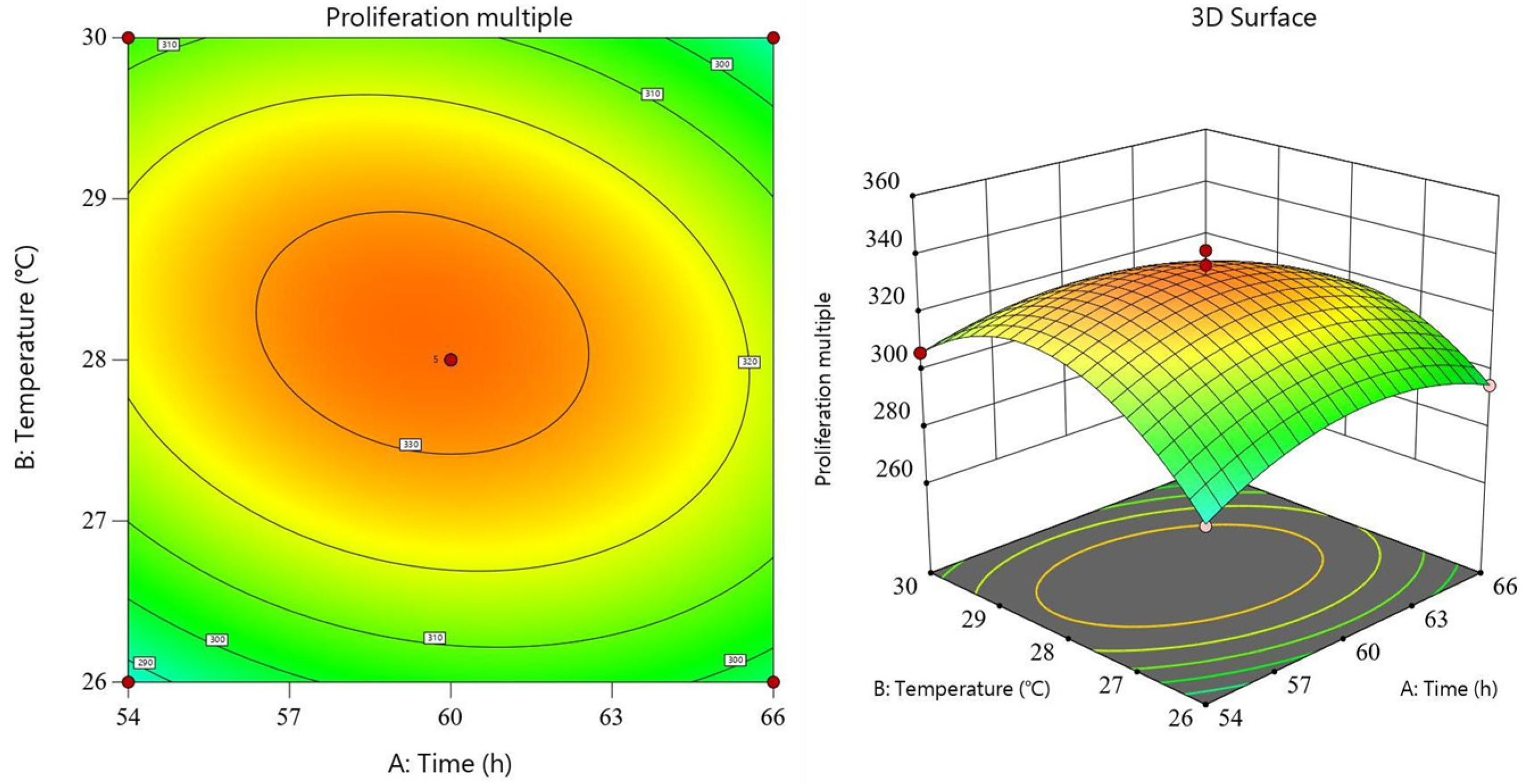
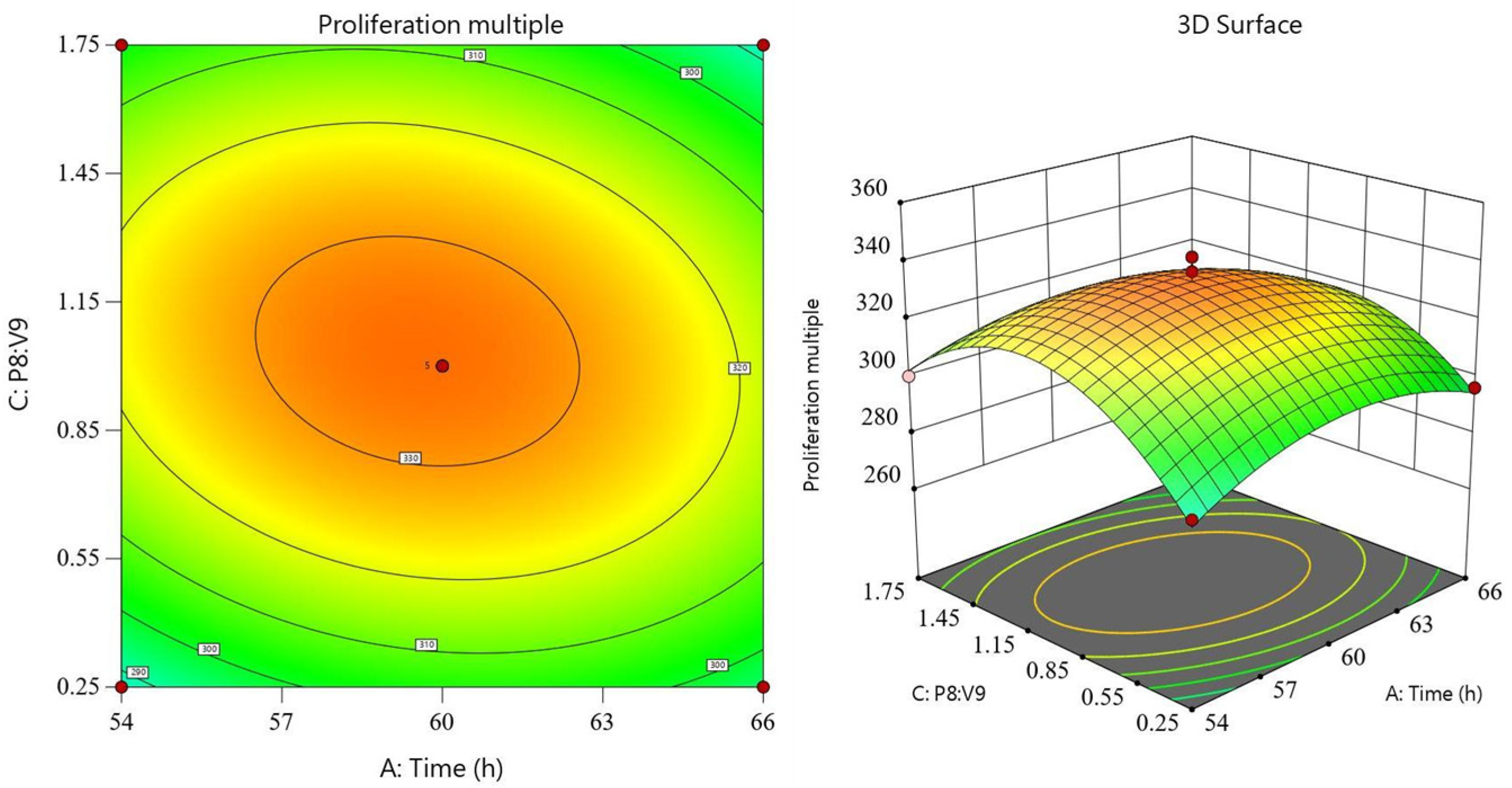
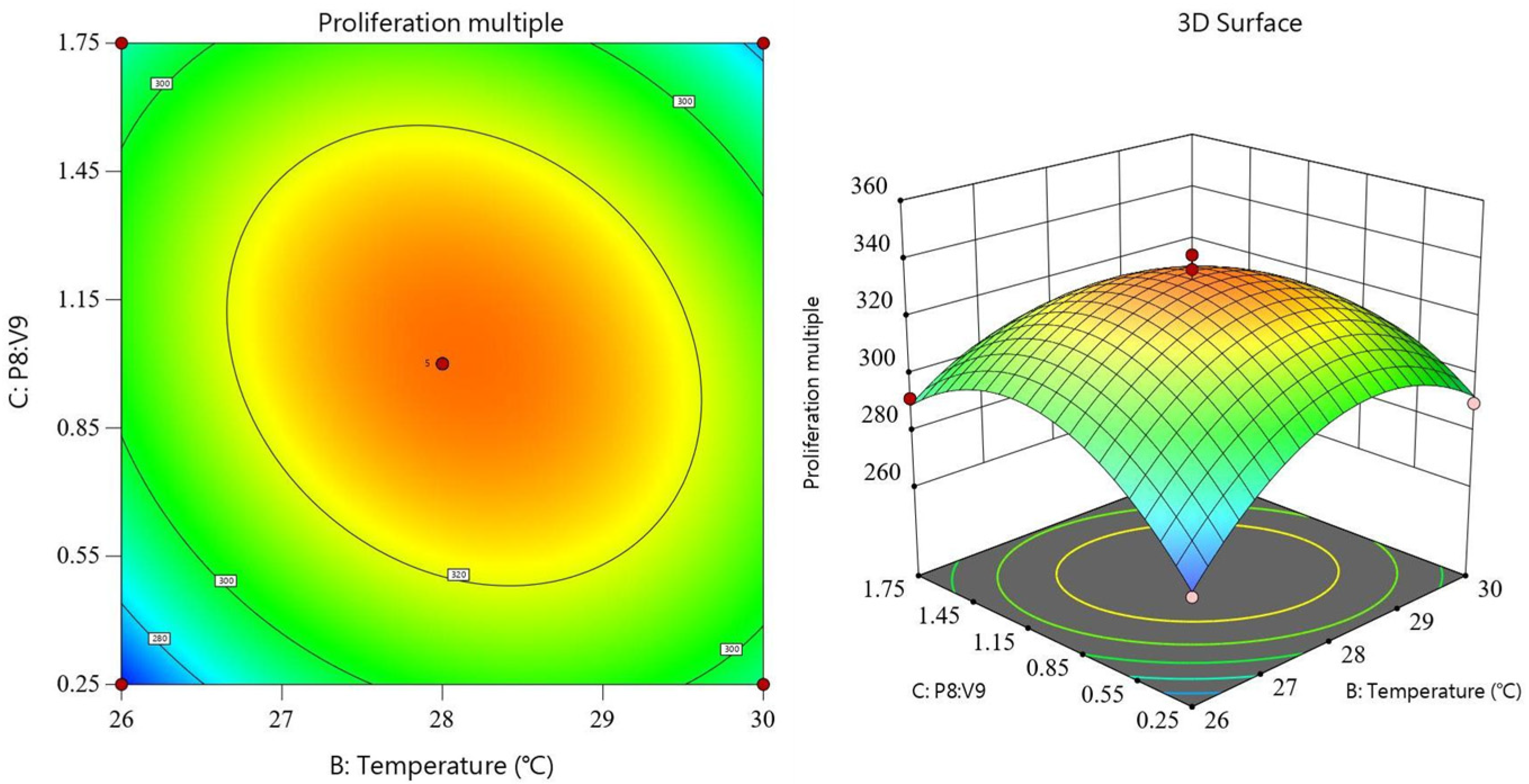
3.5. Optimization of Response Surface Experiment Results
3.6. Organoleptic Investigation
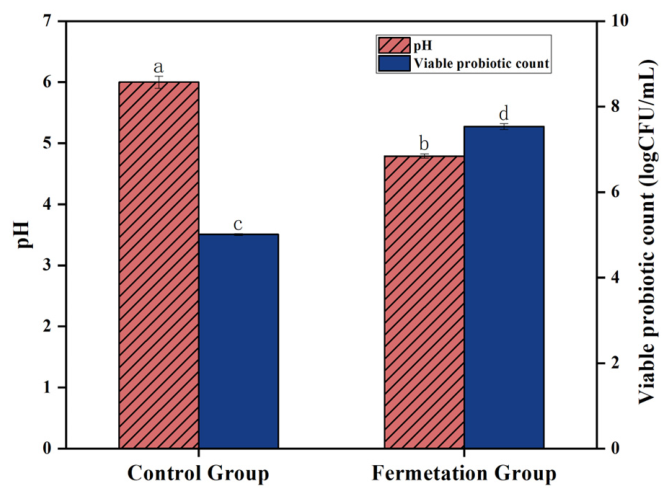
3.7. Changes in pH and Probiotic Count of Fermentation Broth
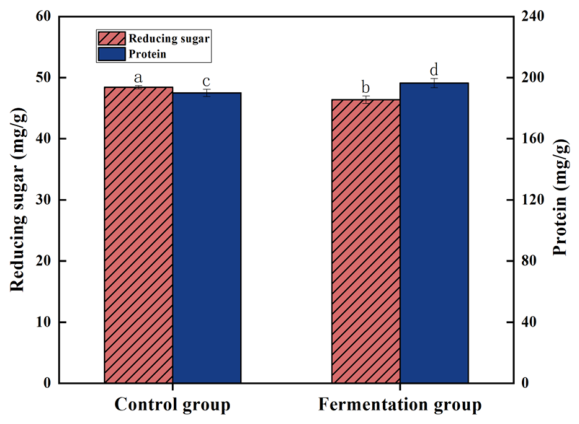
3.8. Reducing Sugars and Soluble Protein
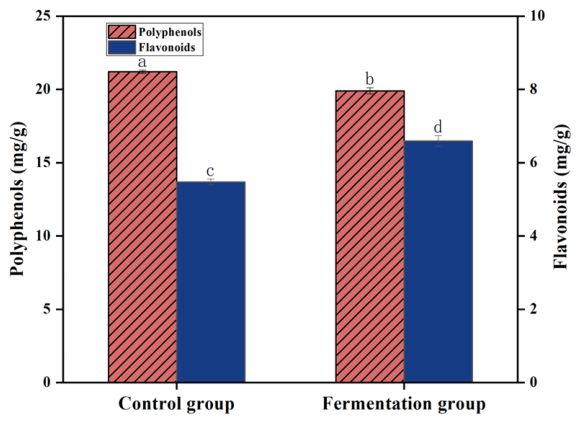
3.9. Total Polyphenols and Total Flavonoids
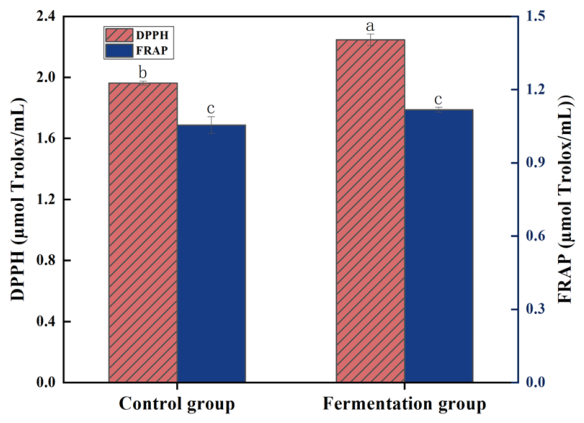
3.10. Total Antioxidant Capacity
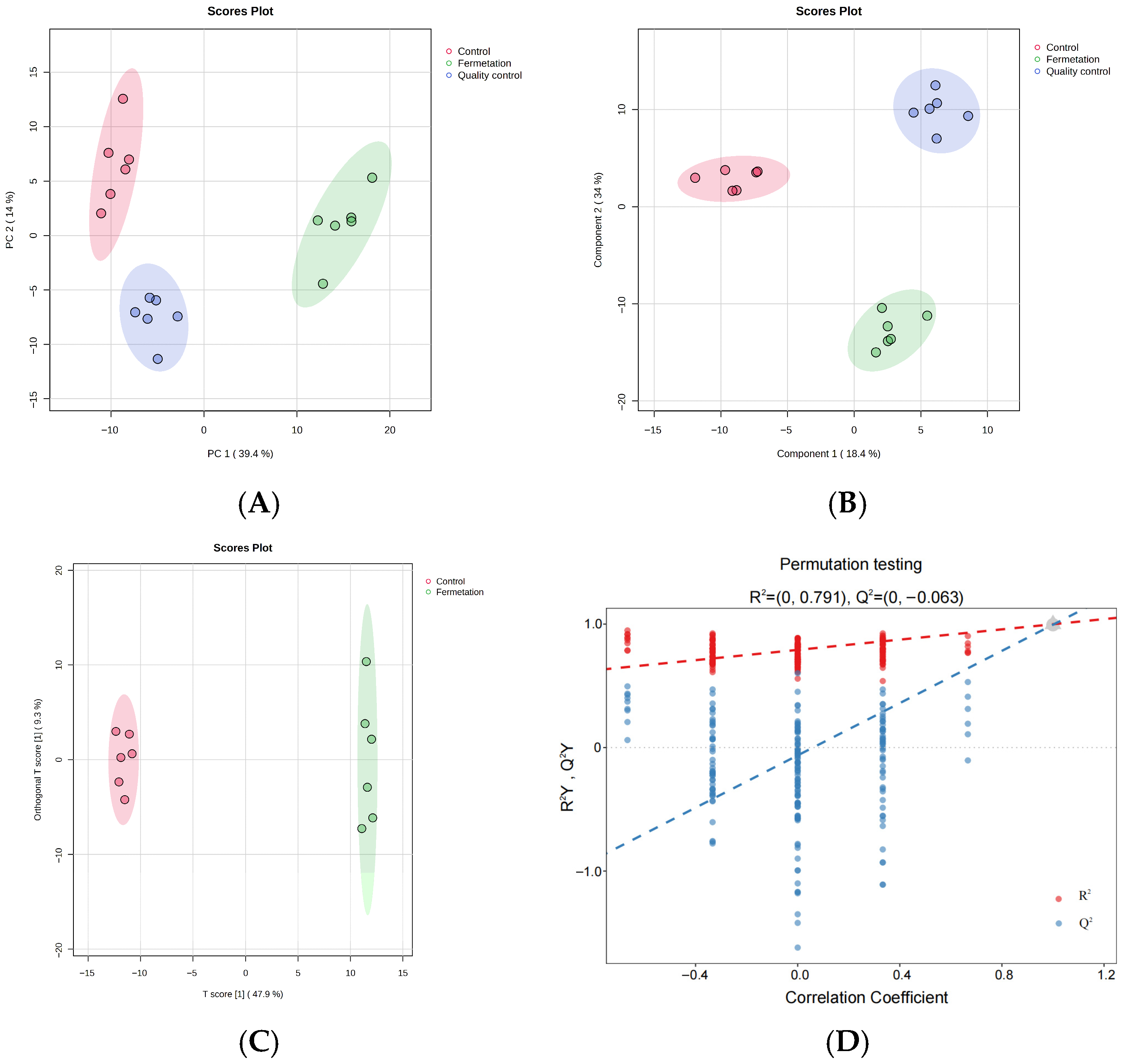
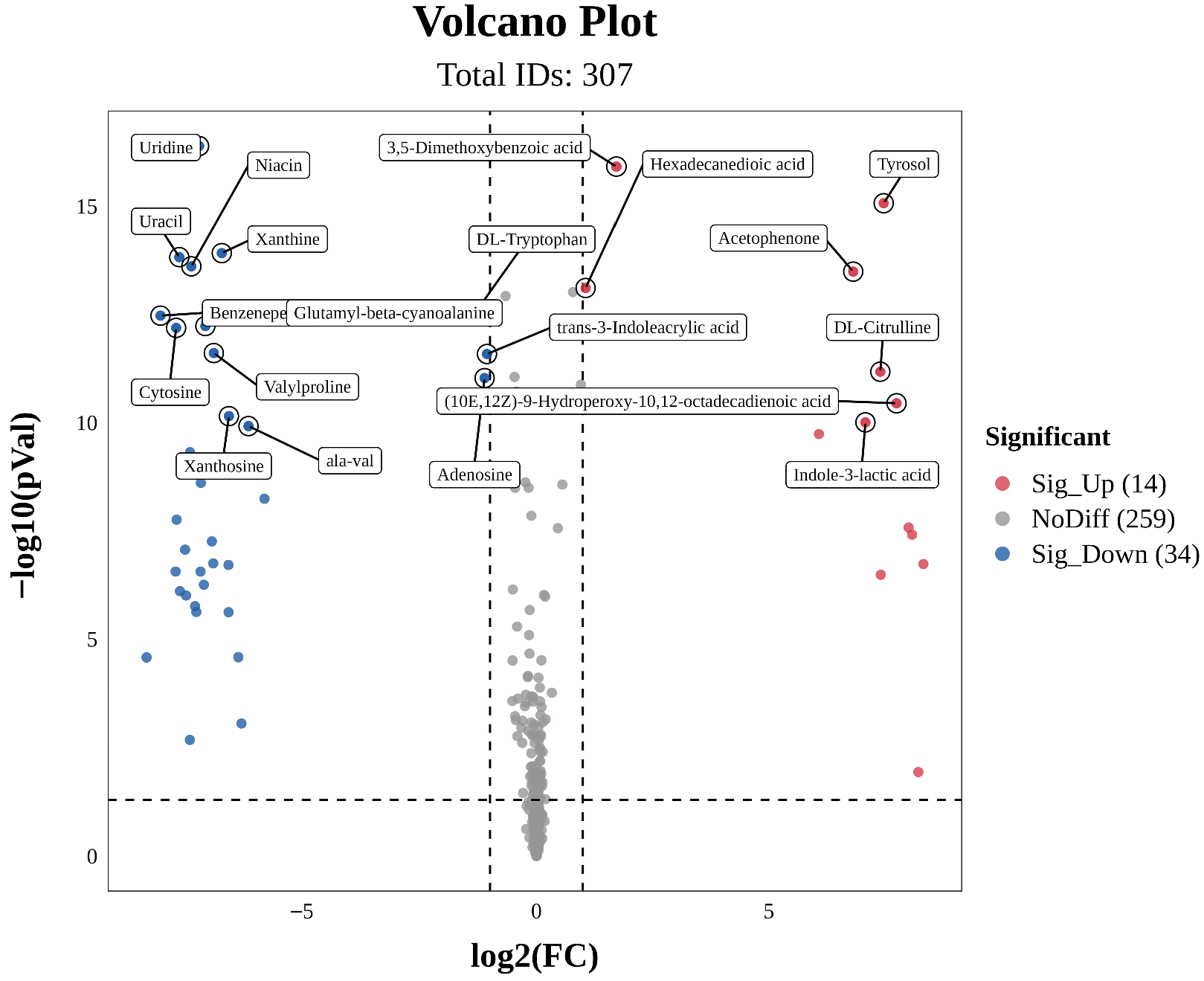
3.11. Results of Liquid Chromatography–Mass Spectrometry Analysis of Polyphenols in Fermentation Broth of Almond Hull
4. Discussion
5. Conclusions
6. Limitations
Author Contributions
Funding
Institutional Review Board Statement
Informed Consent Statement
Data Availability Statement
Acknowledgments
Conflicts of Interest
References
- Hill, C.; Guarner, F.; Reid, G.; Gibson, G.R.; Merenstein, D.J.; Pot, B.; Morelli, L.; Canani, R.B.; Flint, H.J.; Salminen, S.; et al. Expert consensus document: The International Scientific Association for Probiotics and Prebiotics Consensus Statement on the Scope and Appropriate Use of the Term Probiotic. Nat. Rev. Gastroenterol. Hepatol. 2014, 11, 506–514. [Google Scholar] [CrossRef]
- Nelwan, E.J.; Herdiman, A.; Kalaij, A.G.I.; Lauditta, R.K.; Yusuf, S.M.; Suarthana, E. Role of Probiotic as Adjuvant in Treating Various Infections: A Systematic Review and Meta-Analysis. BMC Infect. Dis. 2024, 24, 505. [Google Scholar] [CrossRef]
- Oudat, Q.; Okour, A. The Role of Probiotics in Modulating Gut Microbiota and Metabolic Health for Weight Management: A Mini Review. Acta Microbiol. Hell. 2025, 70, 5. [Google Scholar] [CrossRef]
- Pan, I.; Umapathy, S. Probiotics an Emerging Therapeutic Approach Towards Gut-Brain-Axis Oriented Chronic Health Issues Induced by Microplastics: A Comprehensive Review. Heliyon 2024, 10, e32004. [Google Scholar] [CrossRef]
- Şengün, İ.Y.; Güney, D. Probiotic Potential of Fermented Foods and Their Effects on Immune System. Turk. J. Agric. Food Sci. Technol. 2021, 9, 1744–1750. [Google Scholar] [CrossRef]
- Sionek, B.; Szydłowska, A.; Küçükgöz, K.; Kołożyn-Krajewska, D. Traditional and New Microorganisms in Lactic Acid Fermentation of Food. Fermentation 2023, 9, 1019. [Google Scholar] [CrossRef]
- Soemarie, Y.B.; Milanda, T.; Barliana, M.I. Fermented Foods as Probiotics: A Review. J. Adv. Pharm. Technol. Res. 2021, 12, 335–339. [Google Scholar] [CrossRef]
- Hidalgo-Fuentes, B.; De Jesús-José, E.; Cabrera-Hidalgo, A.D.J.; Sandoval-Castilla, O.; Espinosa-Solares, T.; González-Reza, R.M.; Zambrano-Zaragoza, M.L.; Liceaga, A.M.; Aguilar-Toalá, J.E. Plant-Based Fermented Beverages: Nutritional Composition, Sensory Properties, and Health Benefits. Foods 2024, 13, 844. [Google Scholar] [CrossRef] [PubMed]
- Rachtan-Janicka, J.; Gajewska, D.; Szajewska, H.; Włodarek, D.; Weker, H.; Wolnicka, K.; Wiśniewska, K.; Socha, P.; Hamulka, J. The Role of Plant-Based Beverages in Nutrition: An Expert Opinion. Nutrients 2025, 17, 1562. [Google Scholar] [CrossRef]
- Gonçalves, G.C.V.; Catharina Weis, C.M.S.; Wolff, É.R.; Alves, V.; Sanches, F.L.; Tormen, L.; Treichel, H.; Bertan, L.C. Vegan Fermented Drinks as an Alternative to Milk: Trend or Challenge? Food Sci. Eng. 2024, 6, 1–26. [Google Scholar] [CrossRef]
- Maftei, N.-M.; Raileanu, C.R.; Balta, A.A.; Ambrose, L.; Boev, M.; Marin, D.B.; Lisa, E.L. The Potential Impact of Probiotics on Human Health: An Update on Their Health-Promoting Properties. Microorganisms 2024, 12, 234. [Google Scholar] [CrossRef]
- Peng, B.; Nie, P.; Xu, H. Plant-Based Fermented Foods: Classification, Biochemical Transformations, and Health Benefits. Fermentation 2025, 11, 364. [Google Scholar] [CrossRef]
- Thivya, P.; Bhanu Prakash Reddy, N.; Deotale, S.; Vanmathi Mugasundari, A. Fermentation of Pseudocereals: Exposing Innovative Prospects in the Development of Plant-Based Dairy Alternatives. Food Rev. Int. 2025, 42, 920–956. [Google Scholar] [CrossRef]
- Criste, A.D.; Urcan, A.C.; Coroian, C.O.; Copolovici, L.; Copolovici, D.M.; Burtescu, R.F.; Oláh, N.K. Plant-Based Beverages from Germinated and Ungerminated Seeds, as a Source of Probiotics, and Bioactive Compounds with Health Benefits—Part 1: Legumes. Agriculture 2023, 13, 1185. [Google Scholar] [CrossRef]
- Abbaspour, N. Fermentation’s Pivotal Role in Shaping the Future of Plant-Based Foods: An Integrative Review of Fermentation Processes and Their Impact on Sensory and Health Benefits. Appl. Food Res. 2024, 4, 100468. [Google Scholar] [CrossRef]
- Kaur, M.; Gray, C.; Barringer, S. Controlling Off-Odors in Plant Proteins Using Sequential Fermentation. Foods 2025, 15, 39. [Google Scholar] [CrossRef]
- Oh, Y.J.; Kim, T.S.; Moon, H.W.; Lee, S.Y.; Lee, S.Y.; Ji, G.E.; Hwang, K.T. Lactobacillus plantarum PMO 08 as a Probiotic Starter Culture for Plant-Based Fermented Beverages. Molecules 2020, 25, 5056. [Google Scholar] [CrossRef] [PubMed]
- Racioppo, A.; Corbo, M.R.; Guerrieri, A.; Sinigaglia, M.; Bevilacqua, A.; Caporizzi, R.; Derossi, A.; Speranza, B. In Vitro Assessment of Gut Microbiota Modulation Through Functional Biscuits Enriched with Almond By-Products. Foods 2026, 15, 313. [Google Scholar] [CrossRef] [PubMed]
- Yao, Y.; Liu, J.; Miao, Q.; Zhu, X.; Hua, W.; Zhang, N.; Huang, G.; Lin, X.; Mi, S.; Cheng, Y.; et al. Evaluation of the Genotoxicity of Almond Hull: Implications for Its Use as a Novel Food Ingredient. Foods 2024, 13, 1404. [Google Scholar] [CrossRef]
- Apa, C.A.; Mancini, L.; Calabrese, F.M.; Celano, G.; De Angelis, M. Almond Skin Spontaneous Fermentation Promotes the Selection of Lactic Acid Bacteria Starters with Exopolysaccharide-Producing Activities to Be Used as by-Product Industry Applications. Future Foods 2025, 11, 100552. [Google Scholar] [CrossRef]
- Şahin, A.; Buran, İ.; Akal, C. Use of Almond Milk, Almond Skin and Plant Based Probiotics on Newly Developed Kefir: Physical, Chemical, Microbiological, and Functional Properties. Food Sci. Nutr. 2025, 13, e70719. [Google Scholar] [CrossRef]
- Silva, V.; Oliveira, I.; Pereira, J.A.; Gonçalves, B. Almond By-Products: A Comprehensive Review of Composition, Bioactivities, and Influencing Factors. Foods 2025, 14, 1042. [Google Scholar] [CrossRef]
- Al-Habsi, N.; Al-Khalili, M.; Haque, S.A.; Elias, M.; Olqi, N.A.; Al Uraimi, T. Health Benefits of Prebiotics, Probiotics, Synbiotics, and Postbiotics. Nutrients 2024, 16, 3955. [Google Scholar] [CrossRef]
- Gibson, G.R.; Hutkins, R.; Sanders, M.E.; Prescott, S.L.; Reimer, R.A.; Salminen, S.J.; Scott, K.; Stanton, C.; Swanson, K.S.; Cani, P.D.; et al. Expert Consensus Document: The International Scientific Association for Probiotics and Prebiotics (ISAPP) Consensus Statement on the Definition and Scope of Prebiotics. Nat. Rev. Gastroenterol. Hepatol. 2017, 14, 491–502. [Google Scholar] [CrossRef]
- Goderska, K.; Obey, P.O. Characteristics of Synbiotics and Lactobionic Acid. J. Funct. Foods 2025, 134, 107058. [Google Scholar] [CrossRef]
- Davani-Davari, D.; Negahdaripour, M.; Karimzadeh, I.; Seifan, M.; Mohkam, M.; Masoumi, S.; Berenjian, A.; Ghasemi, Y. Prebiotics: Definition, Types, Sources, Mechanisms, and Clinical Applications. Foods 2019, 8, 92. [Google Scholar] [CrossRef] [PubMed]
- Smolinska, S.; Popescu, F.-D.; Zemelka-Wiacek, M. A Review of the Influence of Prebiotics, Probiotics, Synbiotics, and Postbiotics on the Human Gut Microbiome and Intestinal Integrity. J. Clin. Med. 2025, 14, 3673. [Google Scholar] [CrossRef]
- Guo, S.; Li, B.; Wang, D.; Li, L.; Chen, Y.; Menghe, B. Metabolomic Analysis of Cooperative Adaptation Between Co-Cultured Lacticaseibacillus Casei Zhang and Lactiplantibacillus plantarum P8. LWT 2022, 170, 114105. [Google Scholar] [CrossRef]
- ISO 8589:2007; Sensory Analysis—General Guidance for the Design of Test Rooms. International Organization for Standardization: Geneva, Switzerland, 2007.
- GB/T 31326-2014; Botanical Beverages. General Administration of Quality Supervision, Inspection and Quarantine of the People’s Republic of China, Standardization Administration of China: Beijing, China, 2014.
- National Health and Family Planning Commission. Measures for Ethical Review of Biomedical Research Involving Humans: Order No. 11; National Health and Family Planning Commission: Beijing, China, 2016. [Google Scholar]
- National Health Commission, Ministry of Education; Ministry of Science and Technology, National Administration of Traditional Chinese Medicine. Measures for Ethical Review of Life Science and Medical Research Involving Human Being; Guowei Kejiao Fa No.4; National Health Commission, Ministry of Education: Beijing, China; Ministry of Science and Technology, National Administration of Traditional Chinese Medicine: Beijing, China, 2023. [Google Scholar]
- Mantzourani, I.; Nikolaou, A.; Kourkoutas, Y.; Alexopoulos, A.; Dasenaki, M.; Mastrotheodoraki, A.; Proestos, C.; Thomaidis, N.; Plessas, S. Chemical Profile Characterization of Fruit and Vegetable Juices after Fermentation with Probiotic Strains. Foods 2024, 13, 1136. [Google Scholar] [CrossRef]
- Lee, H.-Y.; Cho, D.-Y.; Jeong, J.-B.; Lee, J.-H.; Lee, G.-Y.; Jang, M.-Y.; Lee, J.-H.; Cho, K.-M. Chemical Compositions Before and After Lactic Acid Fermentation of Isoflavone-Enriched Soybean Leaves and Their Anti-Obesity and Gut Microbiota Distribution Effects. Nutrients 2024, 16, 1693. [Google Scholar] [CrossRef] [PubMed]
- Naseem, A.; Akhtar, S.; Ismail, T.; Qamar, M.; Sattar, D.; Saeed, W.; Esatbeyoglu, T.; Bartkiene, E.; Rocha, J.M. Effect of Growth Stages and Lactic Acid Fermentation on Anti-Nutrients and Nutritional Attributes of Spinach (Spinacia oleracea). Microorganisms 2023, 11, 2343. [Google Scholar] [CrossRef]
- Wen, J.; Sui, Y.; Li, S.; Shi, J.; Cai, S.; Xiong, T.; Cai, F.; Zhou, L.; Zhao, S.; Mei, X. Phenolic Profile and Bioactivity Changes of Lotus Seedpod and Litchi Pericarp Procyanidins: Effect of Probiotic Bacteria Biotransformation. Antioxidants 2023, 12, 1974. [Google Scholar] [CrossRef]
- Kothari, D.; Lee, W.-D.; Jung, E.S.; Niu, K.-M.; Lee, C.H.; Kim, S.-K. Controlled Fermentation Using Autochthonous Lactobacillus plantarum Improves Antimicrobial Potential of Chinese Chives Against Poultry Pathogens. Antibiotics 2020, 9, 386. [Google Scholar] [CrossRef]
- Yan, X.-T.; Zhang, Z.; Wang, Y.; Zhang, W.; Zhang, L.; Liu, Y.; Chen, D.; Wang, W.; Ma, W.; Qian, J.-Y.; et al. Antioxidant Capacity, Flavor and Physicochemical Properties of FH06 Functional Beverage Fermented by Lactic Acid Bacteria: A Promising Method to Improve Antioxidant Activity and Flavor of Plant Functional Beverage. Appl. Biol. Chem. 2023, 66, 7. [Google Scholar] [CrossRef] [PubMed]
- Guo, Z.; Wang, Y.; Wang, C.; Guo, J.; Wang, X.; Xu, H.; Lei, H. Synergistic Effects of Combinatorial Lactiplantibacillus plantarum Fermentation and Vegetable Oils Supplementation on the Lycopene Level, Antioxidant Capacities and Flavor Volatiles of Tomato Pulp. Innov. Food Sci. Emerg. Technol. 2022, 82, 103206. [Google Scholar] [CrossRef]
- Wang, J.; Wei, B.; Xu, J.; Jiang, H.; Xu, Y.; Wang, C. Influence of Lactic Acid Fermentation on the Phenolic Profile, Antioxidant Activities, and Volatile Compounds of Black Chokeberry (Aronia melanocarpa) Juice. J. Food Sci. 2024, 89, 834–850. [Google Scholar] [CrossRef] [PubMed]







| Factor | Level | ||
|---|---|---|---|
| −1 | 0 | 1 | |
| Fermentation time (h, A) | 54 | 60 | 66 |
| Culture temperature (°C, B) | 26 | 28 | 30 |
| P8:V9 (v/v, C) | 0.25 | 1 | 1.75 |
| Evaluation Item | Single Score | Marking Criterion | Sensory Scores |
|---|---|---|---|
| Appearance | 20 | Orange-brown, uniform color, opaque. | 16–20 |
| Orange-brown, slightly uniform, slightly clear. | 10–15 | ||
| Other colors, not opaque. | 0–9 | ||
| Texture | 30 | Natural stratification, the upper layer is clear and transparent, the lower layer shows material precipitation. | 20–30 |
| Layers visible, upper layer opaque. | 10–19 | ||
| Turbid, layers unclear. | 0–9 | ||
| Tasted | 20 | Suitable balance of sweet and sour, soft taste, smooth and refreshing. | 16–20 |
| The taste is neutral, the sour taste is slightly prominent. | 10–15 | ||
| The taste is harsh and astringent-heavy with a sour/unpleasant mouthfeel. | 0–9 | ||
| Flavour | 30 | The plant has a strong aroma and moderate taste. | 20–30 |
| The plant aroma is light and the sour taste is obvious. | 10–19 | ||
| No plant aroma, with a sour and astringent taste, rancid taste or other peculiar smell. | 0–9 |
| Source | Sum of Squares | Degree of Freedom | Mean Square | F Value | p Value | Significance |
|---|---|---|---|---|---|---|
| Model | 8128.06 | 9 | 903.12 | 33.88 | <0.0001 | significant |
| A | 27.05 | 1 | 27.05 | 1.01 | 0.3473 | |
| B | 110.41 | 1 | 110.41 | 4.14 | 0.0813 | |
| C | 34.32 | 1 | 34.32 | 1.29 | 0.2939 | |
| AB | 166.15 | 1 | 166.15 | 6.23 | 0.0412 | * |
| AC | 127.80 | 1 | 127.80 | 4.79 | 0.0647 | |
| BC | 400.00 | 1 | 400.00 | 15.01 | 0.0061 | ** |
| A2 | 772.92 | 1 | 772.92 | 28.99 | 0.0010 | ** |
| B2 | 2726.36 | 1 | 2726.36 | 102.28 | <0.0001 | ** |
| C2 | 3066.92 | 1 | 3066.92 | 115.05 | <0.0001 | ** |
| Residual | 186.60 | 7 | 26.66 | |||
| Lack of Fit | 36.67 | 3 | 12.22 | 0.3262 | 0.8079 | not significant |
| Pure Error | 149.92 | 4 | 37.48 | |||
| Cor Total | 8314.66 | 16 | ||||
| R2 | 0.9776 | |||||
| Adjusted R2 | 0.9487 |
| Peer Group | Appearance (0–20) | Texture (0–30) | Taste (0–20) | Flavor (0–30) | Aggregate Score (0–100) |
|---|---|---|---|---|---|
| Control group | 6.6 | 6.2 | 5 | 6.1 | 23.9 |
| 1.0-day fermentation group | 13.1 | 15.1 | 13.4 | 16.3 | 57.9 |
| 2.5-day fermentation group | 16.7 | 26.1 | 16.4 | 26.3 | 85.5 |
| 4.0-day fermentation 4.0 group | 16.9 | 24.5 | 15.4 | 22.4 | 79.2 |
| Common Polyphenols | Specific Compounds |
|---|---|
| Simple phenols | 2,6-Dimethoxyphenol, 2-Methoxy-phloroglucinol, 4-aminocatechol, Apocynin, Catechol, diacetylphloroglucinol, Hydroquinone, p-Cresol, Phenol, p-Hydroxybenzalacetone, Pyrogallol, salicyl alcohol, Tyrosol, Vanillin, |
| Phenolic acids | (2E)-3-(3,4-Dimethoxyphenyl)acrylic acid, (E)-Ferulic acid, (E)-Isoferulic acid, (E)-p-coumaric acid, 3,4-dihydroxyphenylacetic acid, 3,5-Dimethoxybenzoic acid, 3-Phenyllactic acid, 4-Amino-3-hydroxybenzoic acid, 4-Methoxysalicylic acid, 4-O-feruloyl-D-quinic acid, 5-Methoxysalicylic acid, Benzoic acid, Benzoic acid, Caffeic acid, Chlorogenic acid, DL-4-Hydroxyphenyllactic acid, Ferulic acid, Gallic acid, Gentisic acid, Homovanillic acid, Isovanillic acid, Methyl caffeate, Neochlorogenic acid, Protocatechuic acid, Salicylic acid, Sinapinic acid, Syringic acid, Vanillyl mandelic acid, β-Resorcylic acid |
| Flavonoids | 2-(3,4-Dihydroxyphenyl)-5H-chromene-3,5,7-triol, Catechin, Cianidanol, isoquercetin, Quercetin, Quercetin-3β-D-glucoside, Rhamnetin, Rutin, Tangeritin, Taxifolin, Trifolin, 2-Hydroxy-2,3-dihydrogenistein, Daidzin, |
| Phenylpropanoids | 3,6-Dihydroxy-2H-chromen-2-one, 4-Methoxycinnamaldehyde, 7,8-Dihydroxy-4-methylcoumarin, 7-Hydroxycoumarine, Asaronaldehyde, Cinnamaldehyde, Cinnamic acid, Coumarin, Fraxetin, Imperatorin, Melilotoside, Safrole, Scopoletin, Scopolin, Sinapyl alcohol, Eugenol, |
| Lignin class | Balanophonin, Lariciresinol 4-O-glucoside, Coniferyl ferulate, |
| Other polyphenols | 1-O-(2-Hydroxybenzoyl)-β-D-glucopyranose, 1-O-(4-Hydroxybenzoyl)-β-D-glucopyranose, 1-O-[(2E)-3-(3,4-Dihydroxyphenyl)-2-propenoyl]-β-D-glucopyranuronic acid, 2-O-caffeoylglucaric acid, 3-[2-(β-D-Glucopyranosyloxy)-4-methoxyphenyl]propanoic acid, D-(-)-Salicin, Glucogallin, 1,3,5-trihydroxy-4-{[(2E)-3-(3-hydroxy-4-methoxyphenyl)prop-2-enoyl]oxy}cyclohexane-1-carboxylic acid, 3,4-dihydroxyphenylpyruvic acid, (R)-(−)-6-methoxymellein, 6-methoxymellein, Cinnamoyl glycine, p-Cresol glucuronide, vanilloloside, 4-Methoxybenzaldehyde, Acetovanillin |
Disclaimer/Publisher’s Note: The statements, opinions and data contained in all publications are solely those of the individual author(s) and contributor(s) and not of MDPI and/or the editor(s). MDPI and/or the editor(s) disclaim responsibility for any injury to people or property resulting from any ideas, methods, instructions or products referred to in the content. |
© 2026 by the authors. Licensee MDPI, Basel, Switzerland. This article is an open access article distributed under the terms and conditions of the Creative Commons Attribution (CC BY) license.
Share and Cite
Li, Y.; Ma, H.; Huang, G.; Ruan, R.; Mi, S.; Wang, W.; Wu, S.; Zhang, N.; Zhou, C.; Hua, W.; et al. Growth Characteristics and Adaptability of Probiotics Using Almond Hull as a Fermentation Substrate. Beverages 2026, 12, 61. https://doi.org/10.3390/beverages12050061
Li Y, Ma H, Huang G, Ruan R, Mi S, Wang W, Wu S, Zhang N, Zhou C, Hua W, et al. Growth Characteristics and Adaptability of Probiotics Using Almond Hull as a Fermentation Substrate. Beverages. 2026; 12(5):61. https://doi.org/10.3390/beverages12050061
Chicago/Turabian StyleLi, Yuna, Hongyu Ma, Guangwei Huang, Roger Ruan, Shengquan Mi, Wanqing Wang, Shuang Wu, Na Zhang, Cheng Zhou, Wei Hua, and et al. 2026. "Growth Characteristics and Adaptability of Probiotics Using Almond Hull as a Fermentation Substrate" Beverages 12, no. 5: 61. https://doi.org/10.3390/beverages12050061
APA StyleLi, Y., Ma, H., Huang, G., Ruan, R., Mi, S., Wang, W., Wu, S., Zhang, N., Zhou, C., Hua, W., Wu, H., Liu, J., & Cheng, Y. (2026). Growth Characteristics and Adaptability of Probiotics Using Almond Hull as a Fermentation Substrate. Beverages, 12(5), 61. https://doi.org/10.3390/beverages12050061