Article

Surgical Robots Improve Tunnel Angle and Graft Bending Angle in Anatomic ACL Reconstruction: A Multicenter Study

1
School of Exercise and Health, Shanghai University of Sport, 200 Hengren Road, Shanghai 200438, China
2
Department of Orthopedics and Sports Medicine, Northern Jiangsu People’s Hospital Affiliated to Yangzhou University, 98 Nantong West Road, Yangzhou 225001, China
3
Department of Radiological Sciences, Northern Jiangsu People’s Hospital Affiliated to Yangzhou University, Yangzhou 225001, China
4
Department of Sports Medicine, Shanghai Sixth People’s Hospital, Shanghai Jiao Tong University, Shanghai 200233, China
*
Authors to whom correspondence should be addressed.
Bioengineering 2025, 12(4), 338; https://doi.org/10.3390/bioengineering12040338

Submission received: 8 February 2025 / Revised: 17 March 2025 / Accepted: 18 March 2025 / Published: 24 March 2025
(This article belongs to the Special Issue Advanced Engineering Technologies in Orthopaedic Research)

Abstract

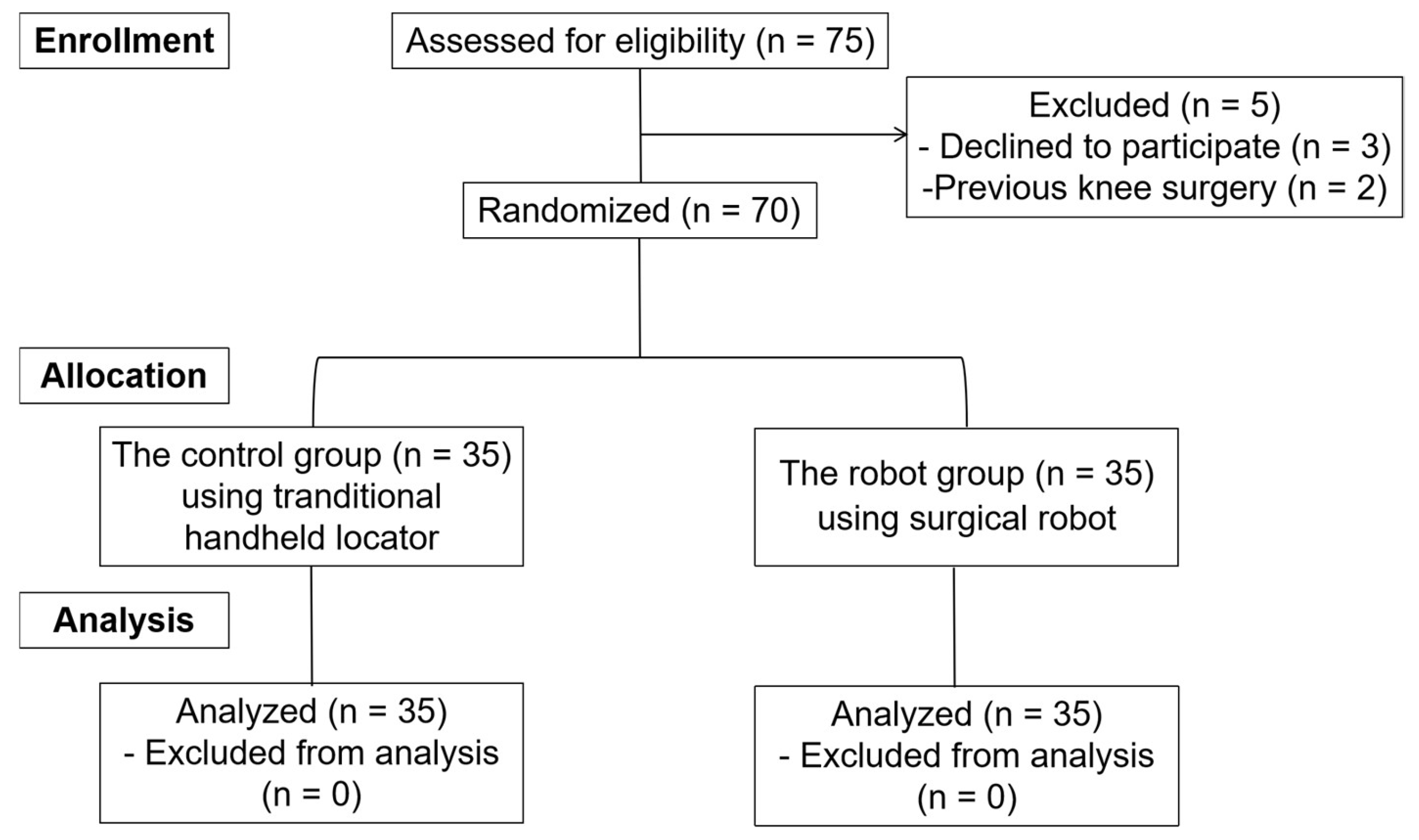
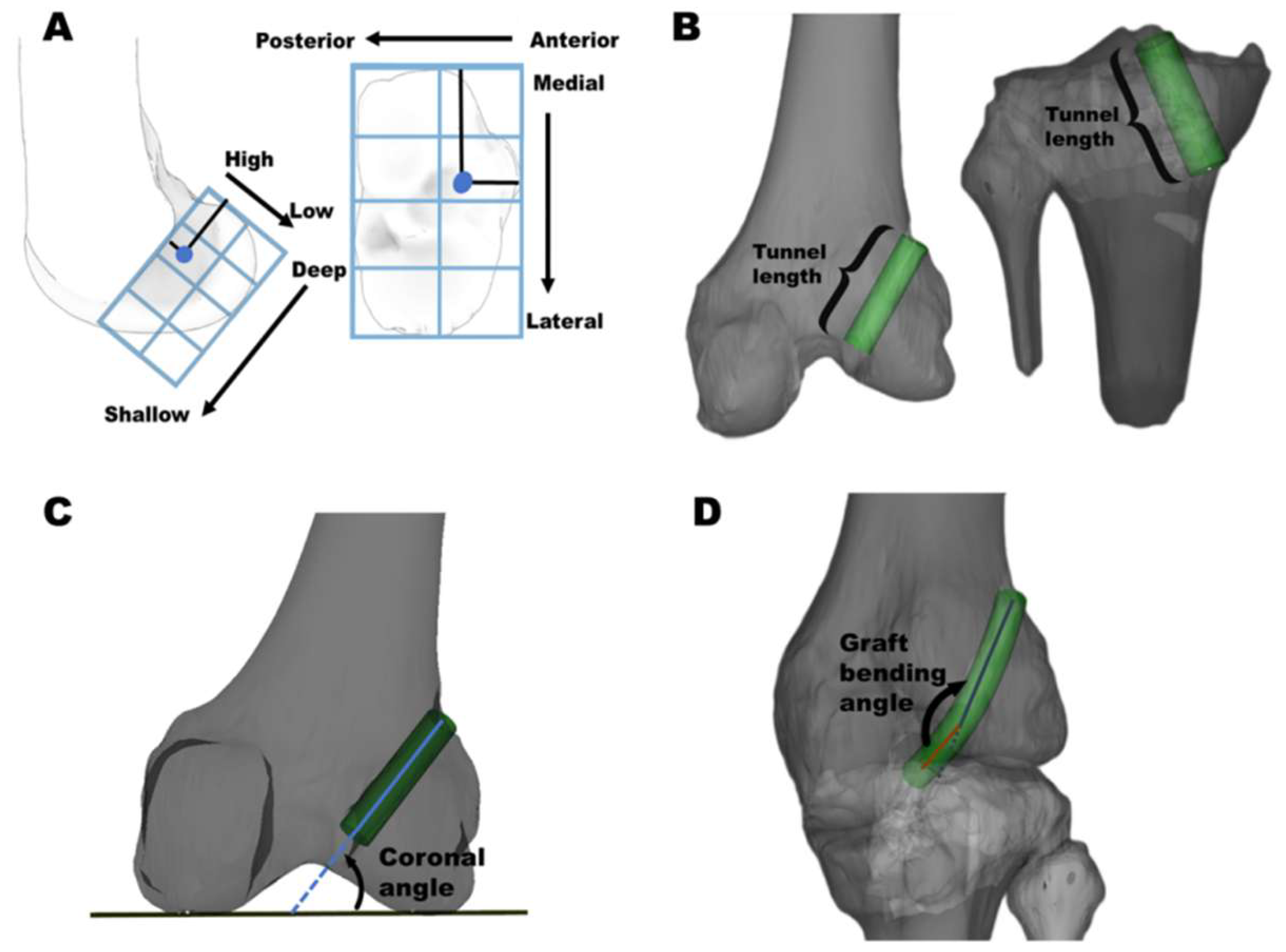
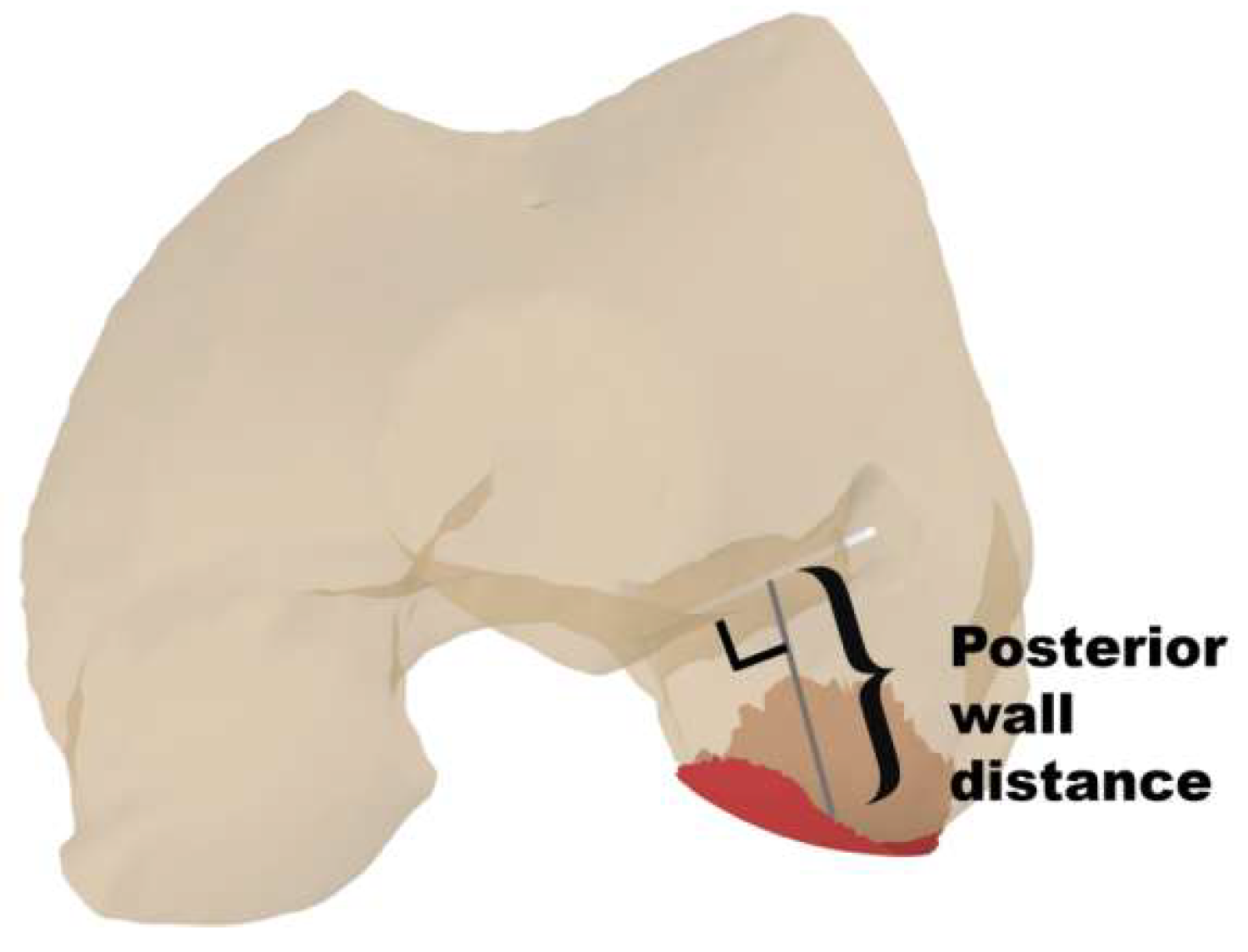
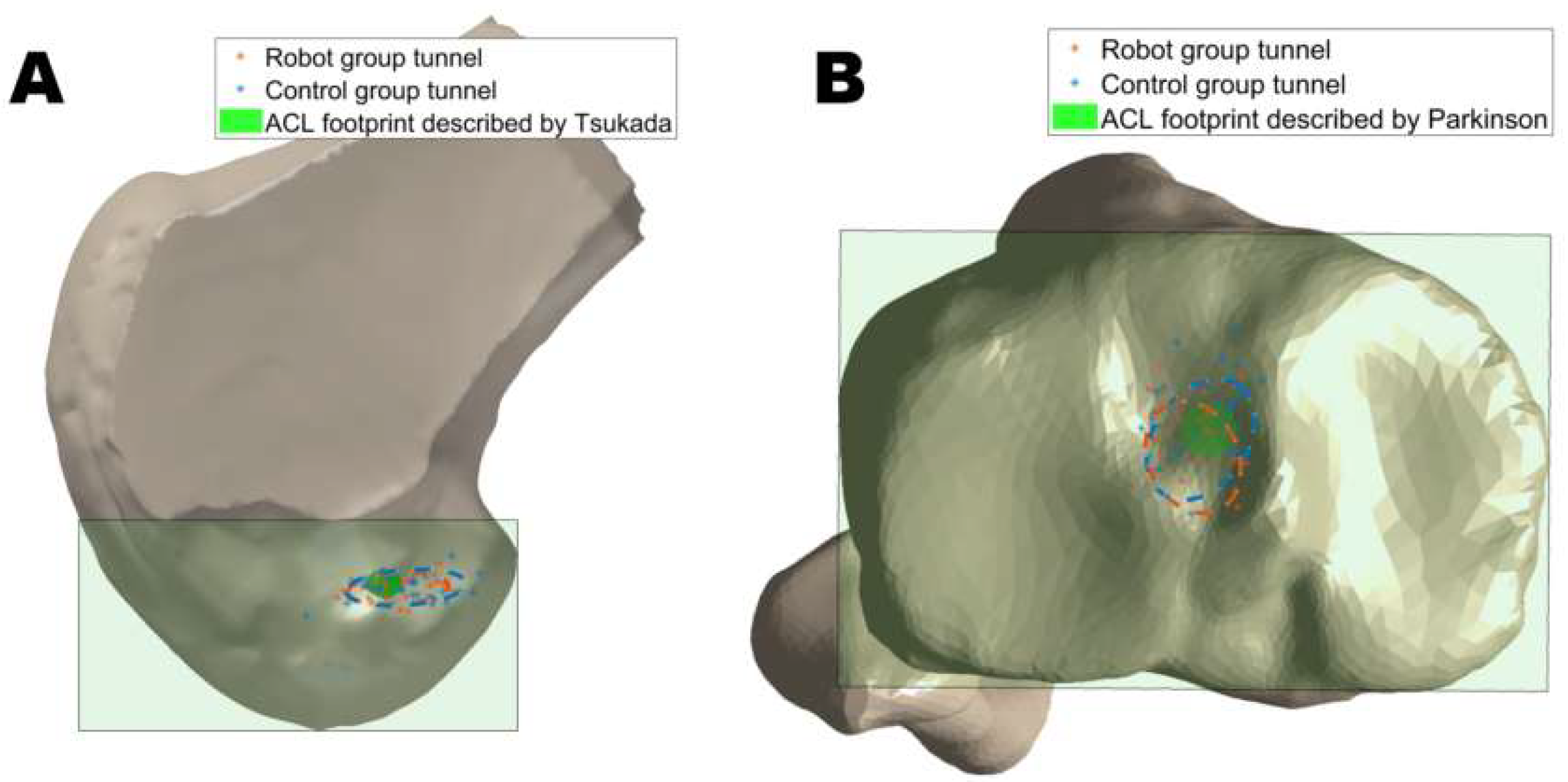
The anatomic characteristics of the graft and tunnel, i.e., the tunnel position, angle, length, and the graft bending angle, influence knee joint stability and postoperative functional recovery. The purpose of this study was to evaluate the tunnel position, length and angle, as well as graft bending angle after ACL reconstruction assisted by a surgical robot. A total of 70 patients were randomized into two groups: the surgical robot group (robot group, n = 35) and the traditional handheld locator group (control group, n = 35). Postoperative computed tomography (CT) was employed to assess the positions and lengths of the tunnels, as well as the tunnel angle and the graft bending angle. Additionally, the posterior wall distance was measured by determining the minimum vertical distance from the long axis of the tunnel to the posterior wall region. There were no significant differences between the two groups in the mean position or length of the femoral and tibial tunnel (p > 0.05). However, the femoral tunnel angle was significantly larger in the robot group compared to the handheld locator group (p = 0.012). The graft bending angle was significantly less acute in the robot group than in the control group (p = 0.008). Additionally, the posterior wall distance was significantly greater in the robot group compared to the control group (p < 0.001). The results suggest that surgical robot-assisted ACL reconstruction enhances safety in the inclination of the tunnel and graft, helping to avoid potential biomechanical issues such as the wiper effect and the bungee effect, which may lead to tunnel widening and surgical failure.
Keywords: knee; robot; anatomical reconstruction; tunnel angle; graft bending angle knee; robot; anatomical reconstruction; tunnel angle; graft bending angle