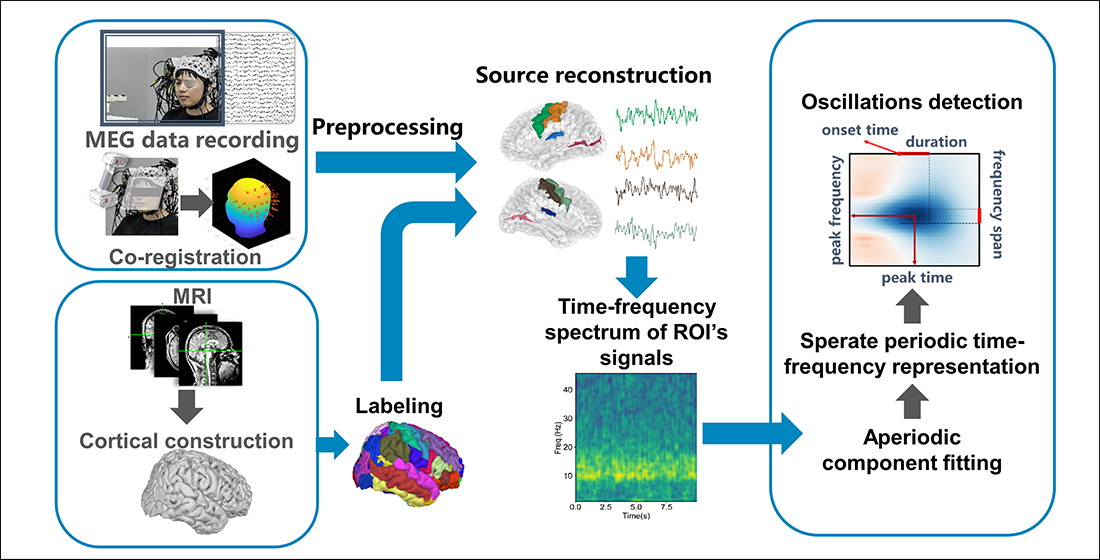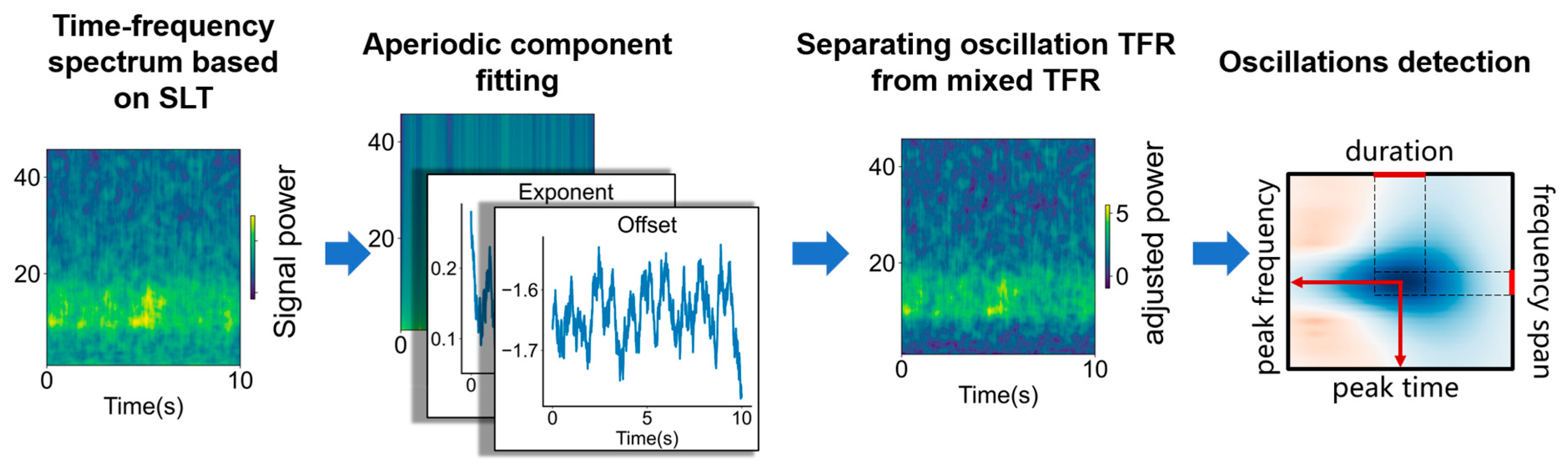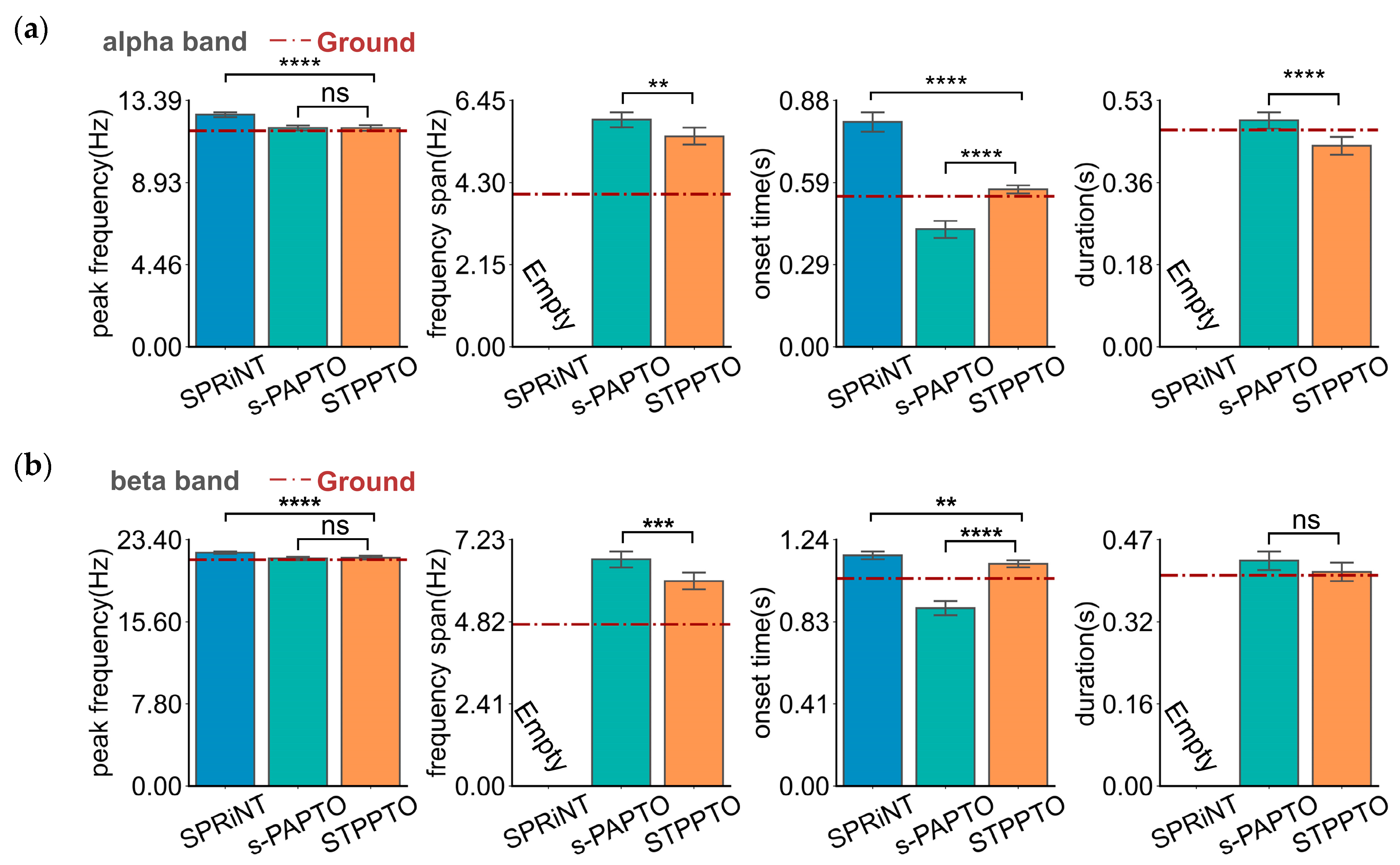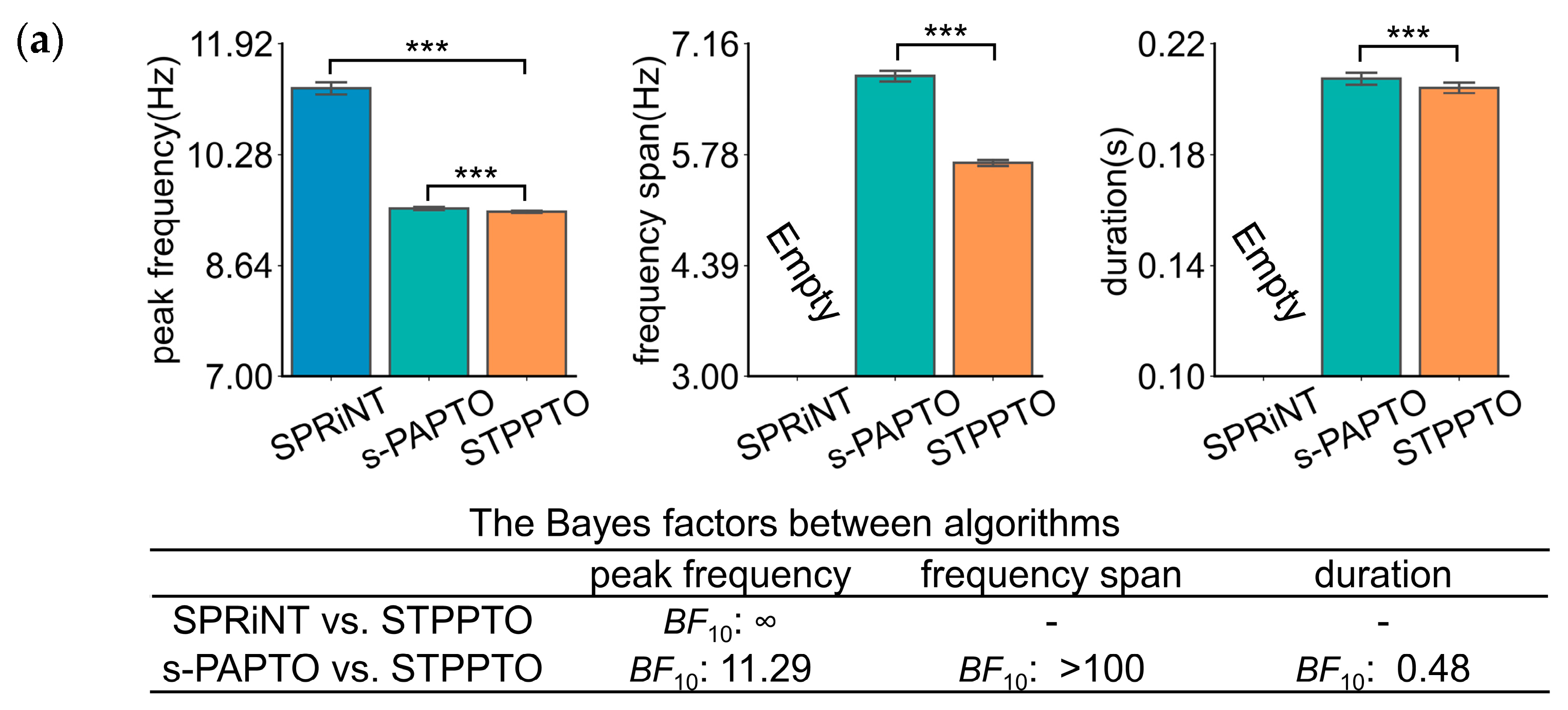


A Novel Time–Frequency Parameterization Method for Oscillations in Specific Frequency Bands and Its Application on OPM-MEG

 , , ,
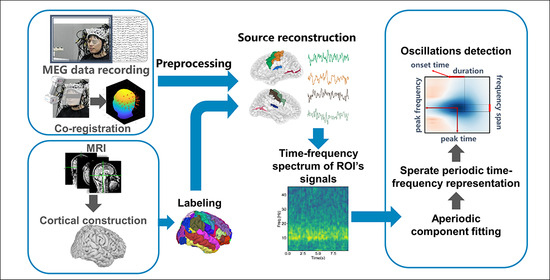
, , , Abstract
Share and Cite
Liang, X.; Wang, R.; Wu, H.; Ma, Y.; Liu, C.; Gao, Y.; Yu, D.; Ning, X. A Novel Time–Frequency Parameterization Method for Oscillations in Specific Frequency Bands and Its Application on OPM-MEG. Bioengineering 2024, 11, 773. https://doi.org/10.3390/bioengineering11080773
Liang X, Wang R, Wu H, Ma Y, Liu C, Gao Y, Yu D, Ning X. A Novel Time–Frequency Parameterization Method for Oscillations in Specific Frequency Bands and Its Application on OPM-MEG. Bioengineering. 2024; 11(8):773. https://doi.org/10.3390/bioengineering11080773
Chicago/Turabian StyleLiang, Xiaoyu, Ruonan Wang, Huanqi Wu, Yuyu Ma, Changzeng Liu, Yang Gao, Dexin Yu, and Xiaolin Ning. 2024. "A Novel Time–Frequency Parameterization Method for Oscillations in Specific Frequency Bands and Its Application on OPM-MEG" Bioengineering 11, no. 8: 773. https://doi.org/10.3390/bioengineering11080773
APA StyleLiang, X., Wang, R., Wu, H., Ma, Y., Liu, C., Gao, Y., Yu, D., & Ning, X. (2024). A Novel Time–Frequency Parameterization Method for Oscillations in Specific Frequency Bands and Its Application on OPM-MEG. Bioengineering, 11(8), 773. https://doi.org/10.3390/bioengineering11080773