
Article

Liver Ultrasound Histotripsy: Novel Analysis of the Histotripsy Site Cell Constituents with Implications for Histotripsy Application in Cell Transplantation and Cancer Therapy

1
Department of HPB & Liver Transplantation Surgery, Royal Free London NHS Foundation Trust, Pond Street, Hampstead, London NW3 2QG, UK
2
Centre for Surgical Innovation, Organ Regeneration and Transplantation, UCL Division of Surgery & Interventional Sciences, Royal Free Hospital Campus, Pond Street, Hampstead, London NW3 2QG, UK
3
Ultrasonics Group, Department of Mechanical Engineering, Roberts Engineering Building, University College London, Torrington Place, London WC1E 7JE, UK
4
Stem Cell & Regenerative Medicine Section, UCL Great Ormond Street Institute of Child Health, London WC1N 1EH, UK
5
Department of Cellular Pathology, Royal Free London NHS Foundation Trust, Pond Street, Hampstead, London NW3 2QG, UK
*
Author to whom correspondence should be addressed.
Bioengineering 2023, 10(2), 276; https://doi.org/10.3390/bioengineering10020276

Submission received: 30 November 2022 / Revised: 14 January 2023 / Accepted: 9 February 2023 / Published: 20 February 2023

Abstract

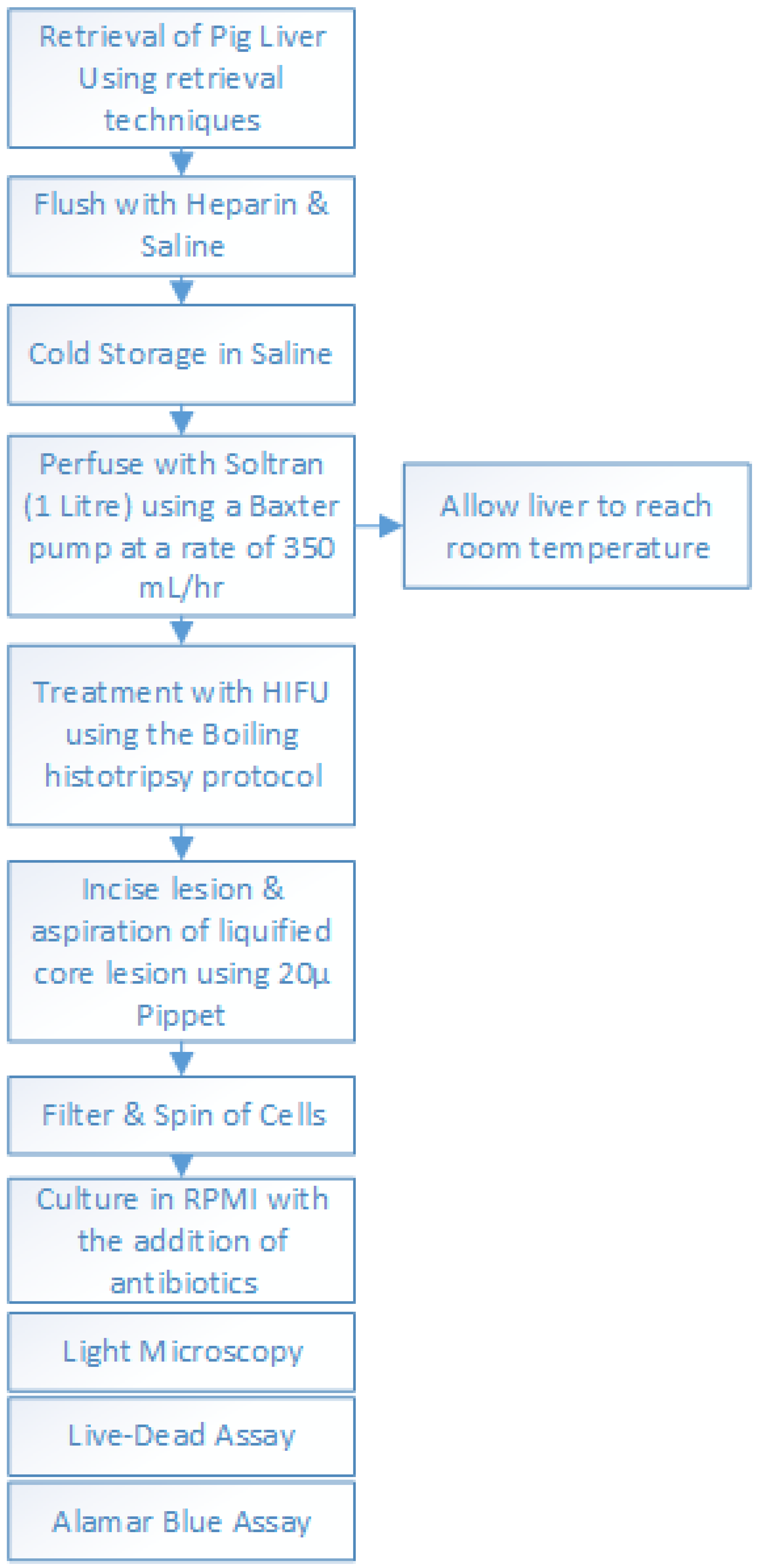
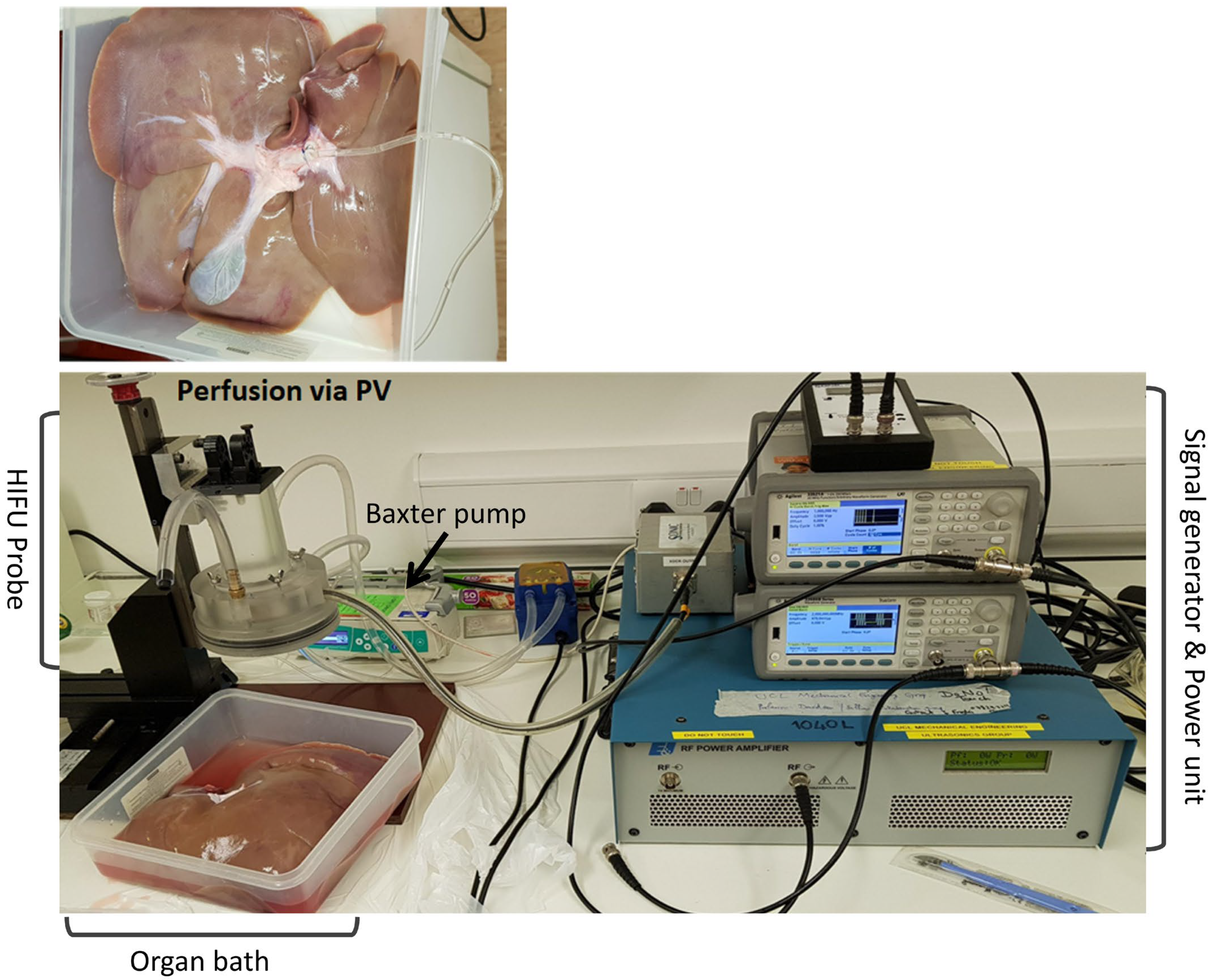
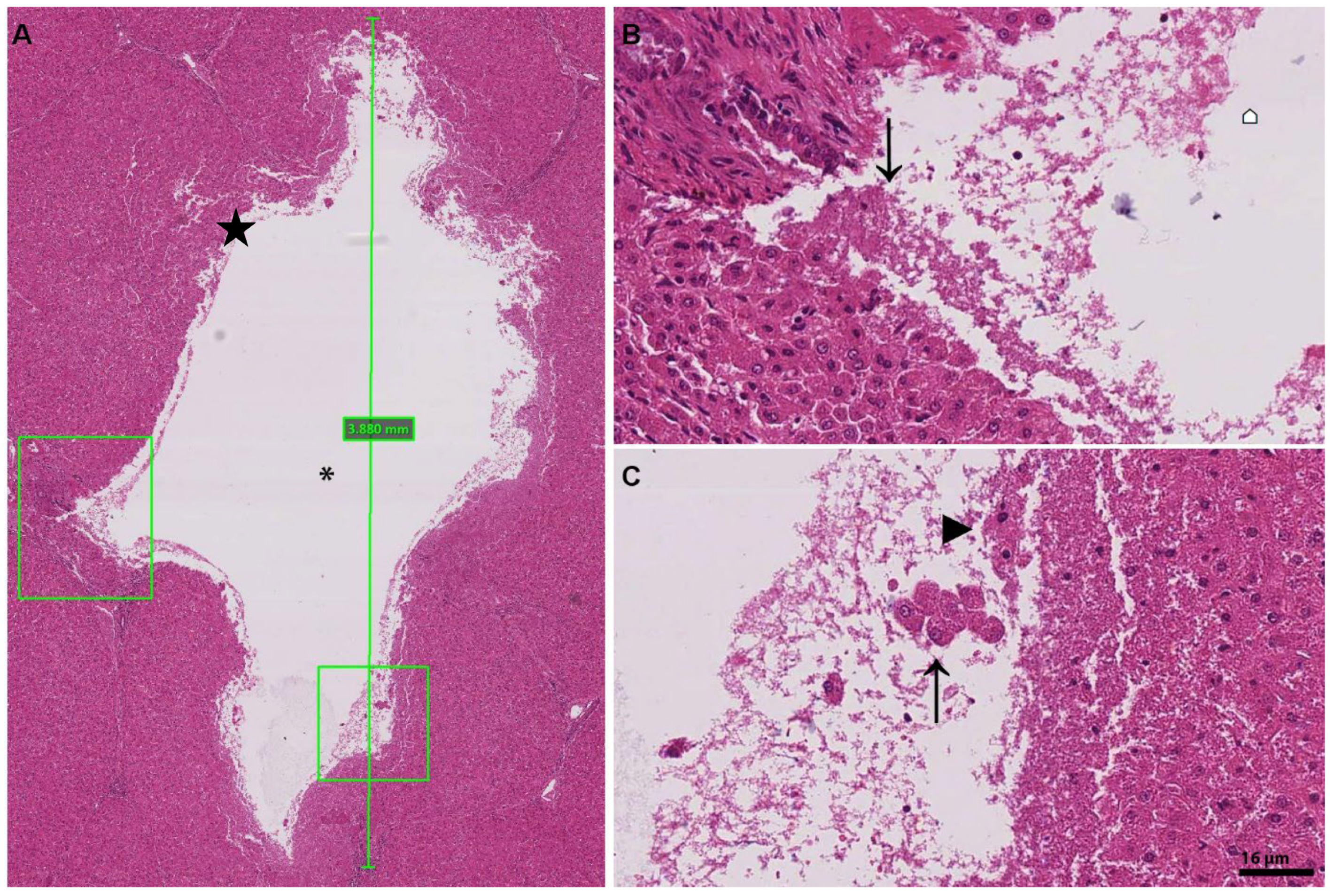
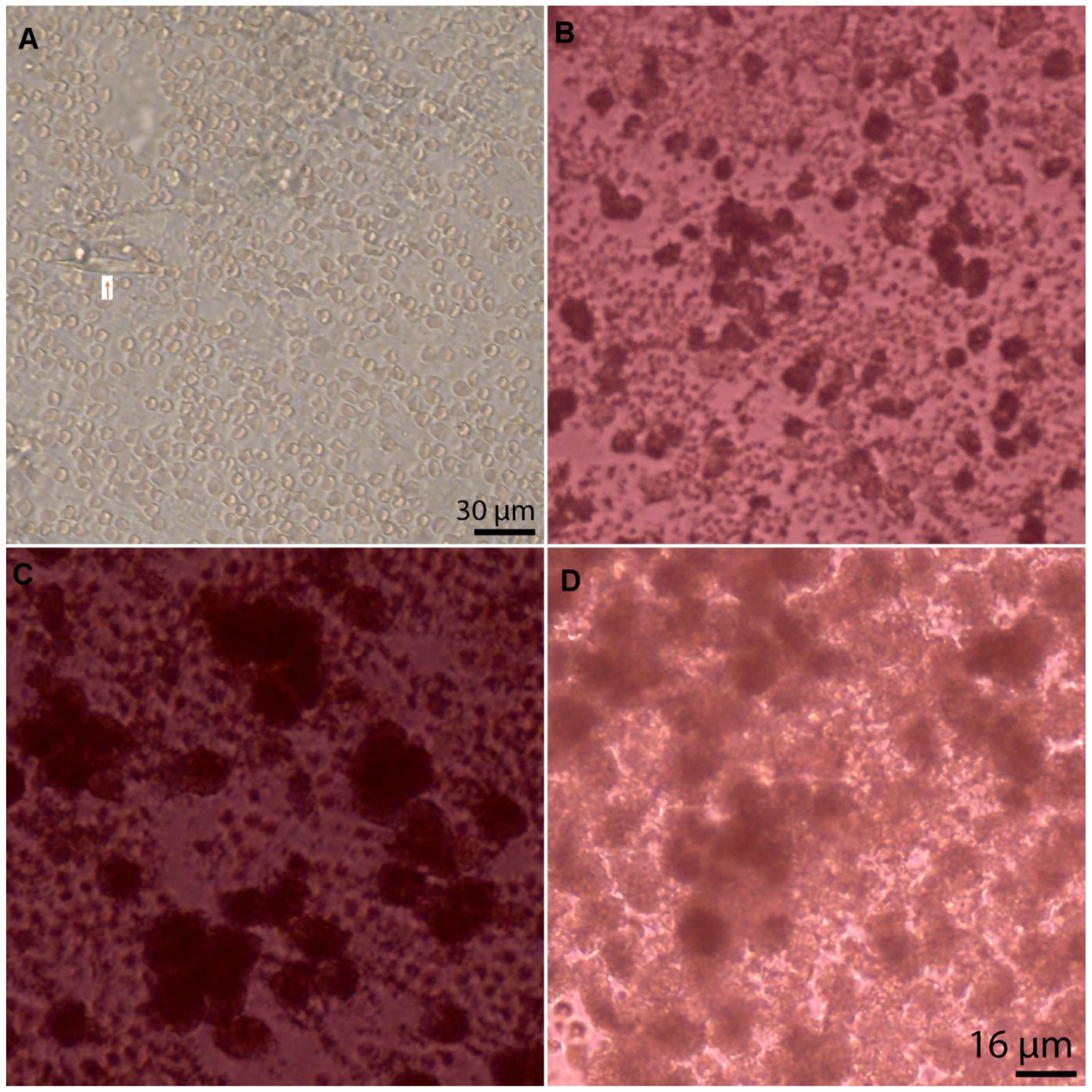
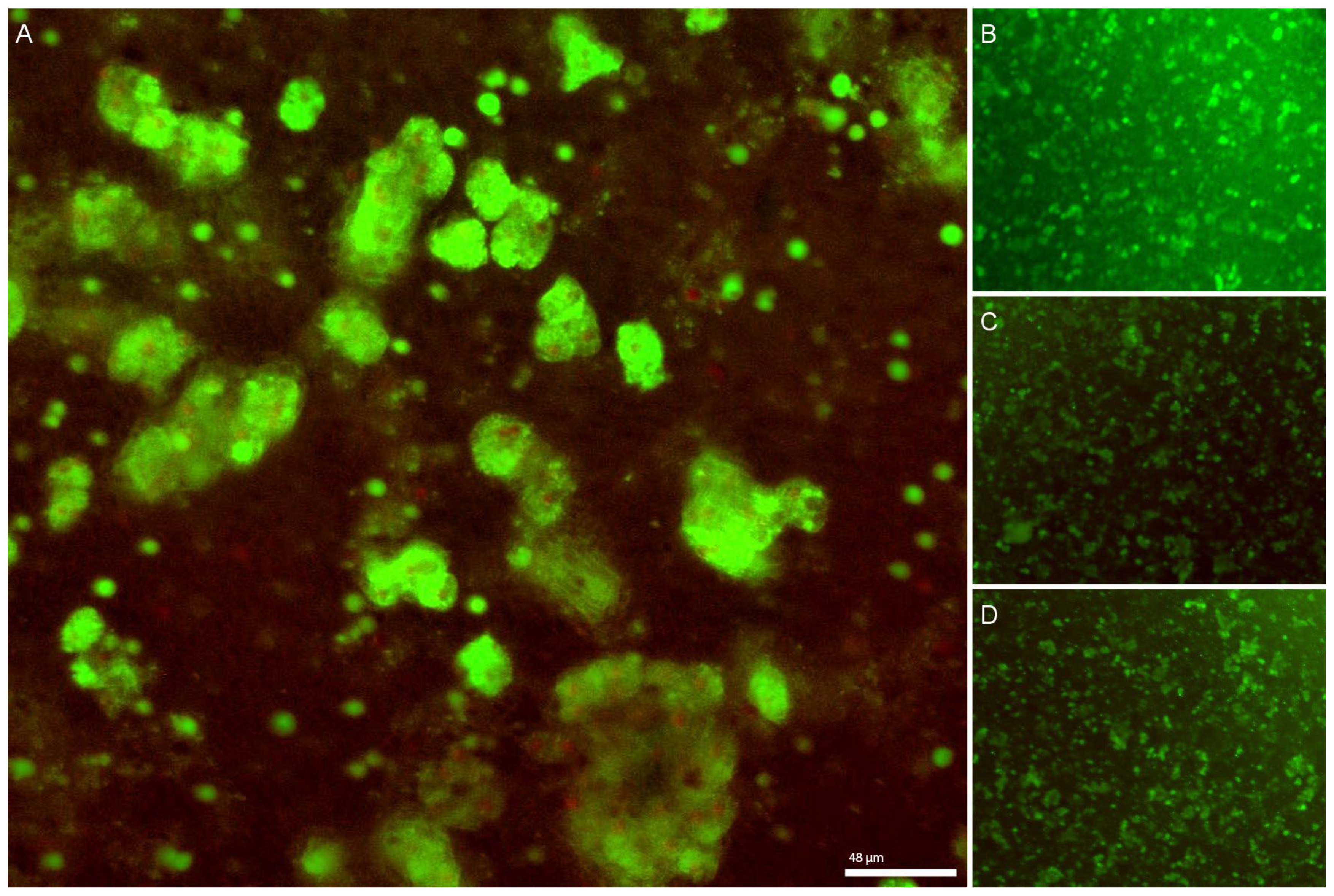
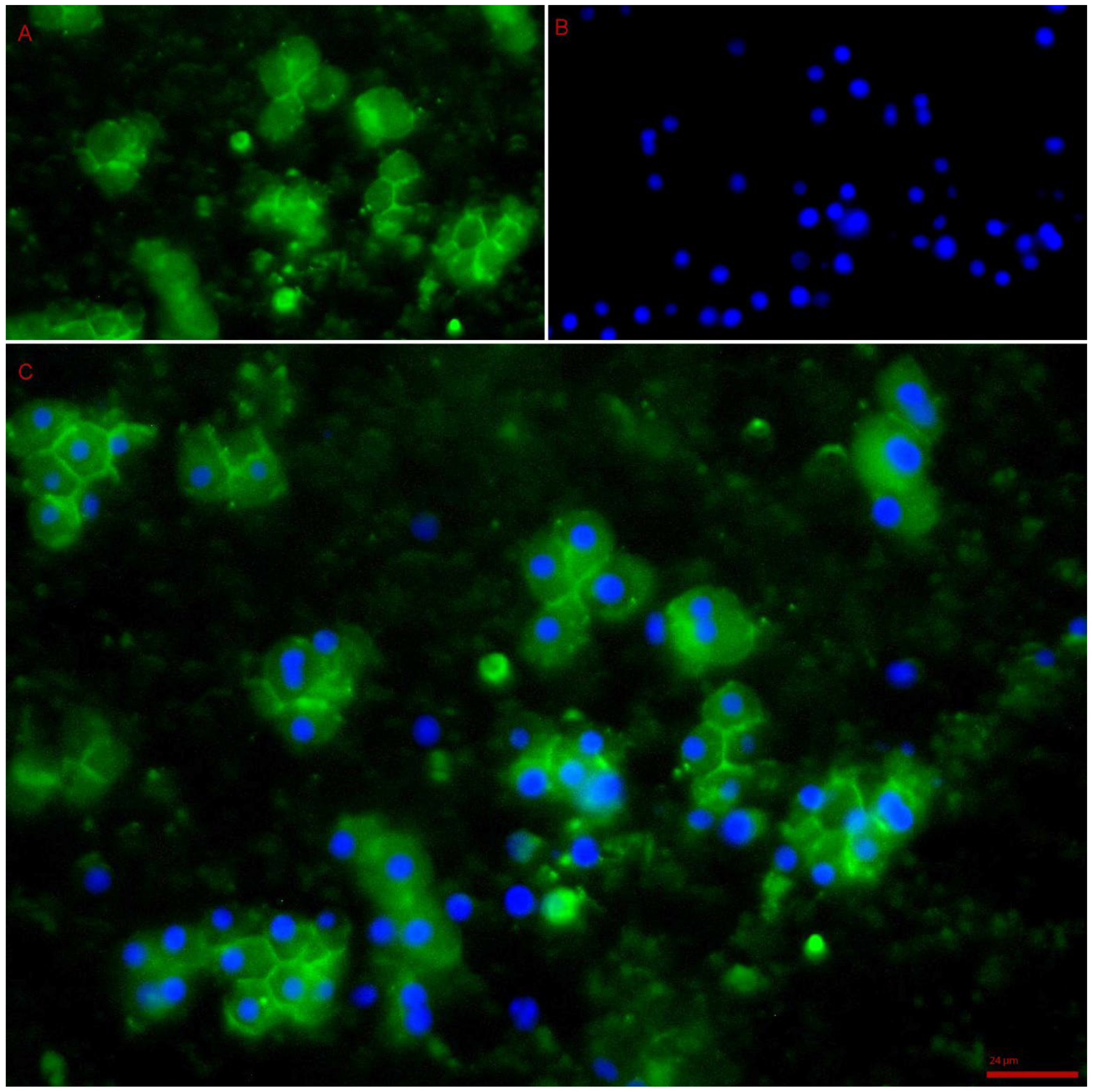
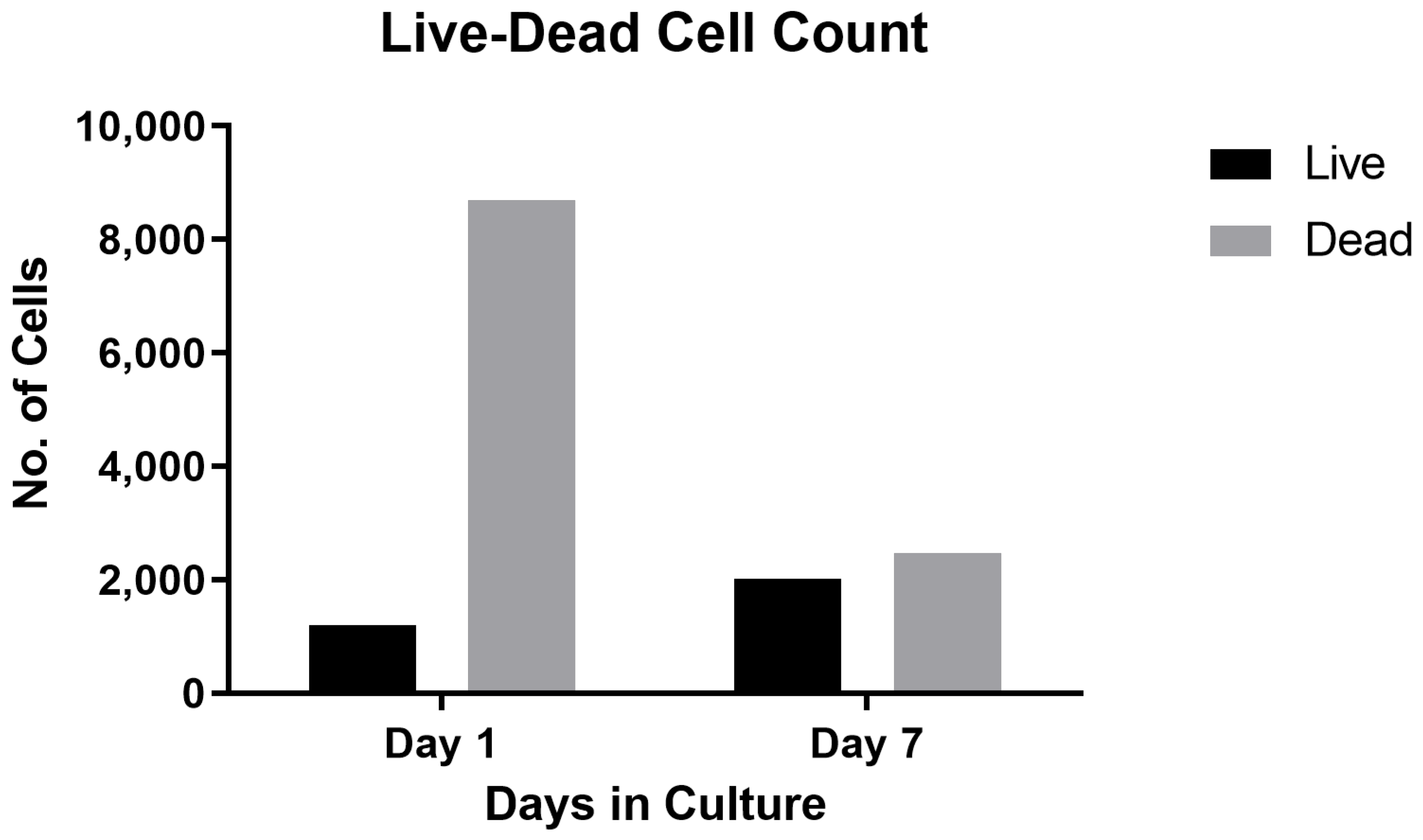
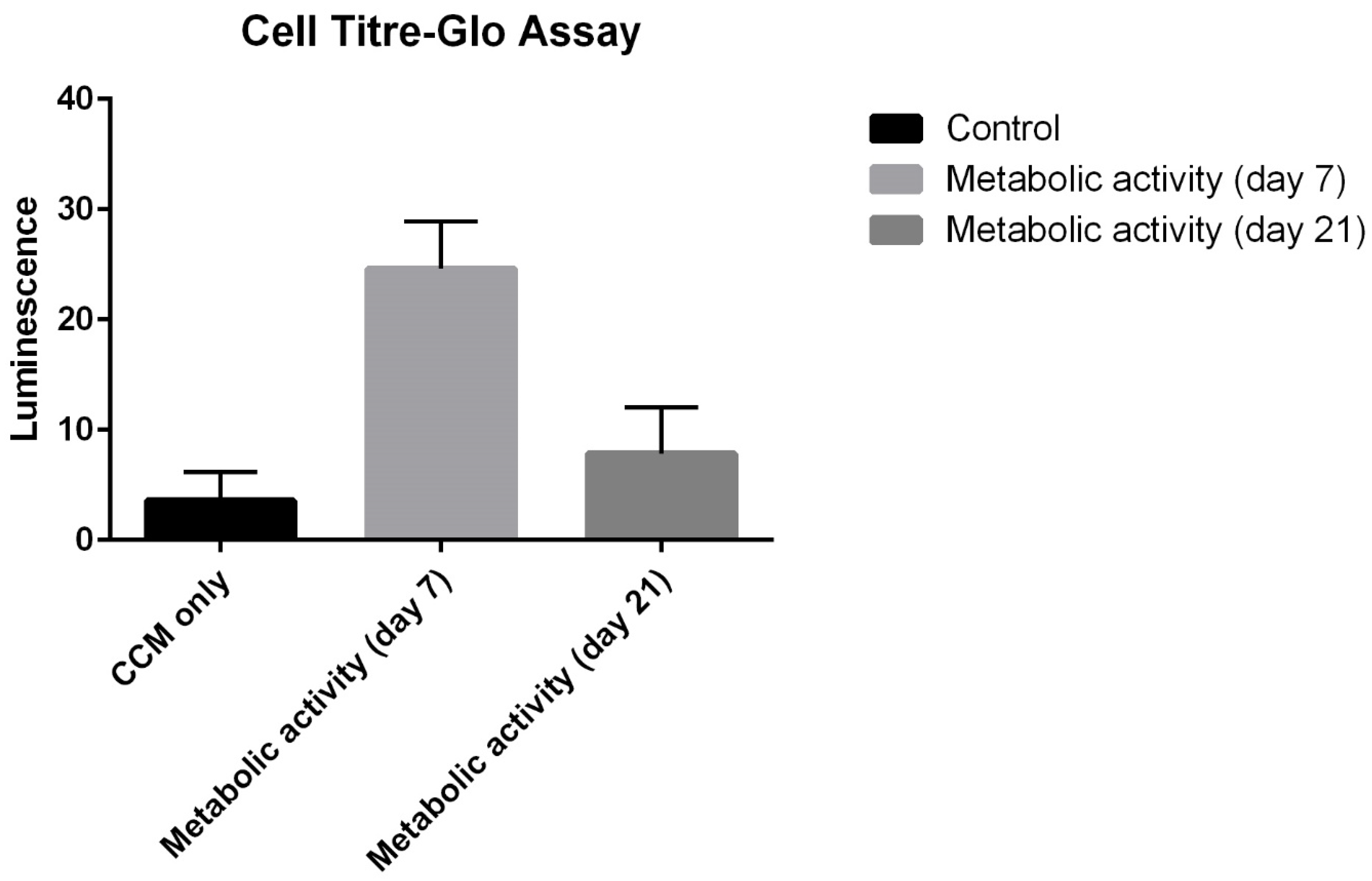
Introduction: Allogenic hepatocyte transplantation is an attractive alternative to whole-organ transplantation, particularly for the treatment of metabolic disorders and acute liver failure. However, the shortage of human donor organs for cell isolation, the low cell yield from decellularisation regimes, and low engraftment rates from portal administration of donor cells have restricted its clinical application. Using ultrasound histotripsy to provide a nidus in the liver for direct cell transplantation offers a new approach to overcoming key limitations in current cell therapy. We have analysed the liver cavity constituents to assess their potential as a site for cell delivery and implantation. Methods: Using human organ retrieval techniques, pig livers were collected from the abattoir and transported in ice-cold storage to the laboratory. Following 2 h of cold storage, the livers were flushed with organ preservation solution and placed on an organ perfusion circuit to maintain viability. Organs were perfused with Soltran™ organ preservation solution via the portal vein at a temperature of 24–30 °C. The perfusion circuit was oxygenated through equilibration with room air. Perfused livers (n=5) were subjected to ultrasound histotripsy, producing a total of 130 lesions. Lesions were generated by applying 50 pulses at 1 Hz pulse repetition frequency and 1% duty cycle using a single element 2 MHz bowl-shaped transducer (Sonic Concepts, H-148). Following histotripsy, a focal liver lesion was produced, which had a liquid centre. The fluid from each lesion was aspirated and cultured in medium (RPMI) at 37 °C in an incubator. Cell cultures were analysed at 1 and 7 days for cell viability and a live-dead assay was performed. The histotripsy sites were excised following aspiration and H&E staining was used to characterise the liver lesions. Cell morphology was determined by histology. Results: Histotripsy created a subcapsular lesion (~5 mm below the liver capsule; size ranging from 3 to 5 mm), which contained a suspension of cells. On average, 61×104 cells per mL were isolated. Hepatocytes were present in the aspirate, were viable at 24 h post isolation and remained viable in culture for up to 1 week, as determined by phalloidin/DAPI cell viability stains. Cultures up to 21 days revealed metabolically active live hepatocyte. Live-dead assays confirmed hepatocyte viability at 1 week (Day 1: 12% to Day 7: 45% live cells; p < 0.0001), which retained metabolic activity and morphology, confirmed on assay and microscopy. Cell Titre-GloTM showed a peak metabolic activity at 1 week (average luminescence 24.6 RLU; p < 0.0001) post-culture compared with the control (culture medium alone), reduced to 1/3 of peak level (7.85 RLU) by day 21. Conclusions: Histotripsy of the liver allows isolation and culture of hepatocytes with a high rate of viability after 1 week in culture. Reproducing these findings using human livers may lead to wide clinical applications in cell therapy.
Keywords: HIFU; high-intensity focused ultrasound; boiling histotripsy; liver transplantation; cell transplantation; adult hepatocyte; cell isolation HIFU; high-intensity focused ultrasound; boiling histotripsy; liver transplantation; cell transplantation; adult hepatocyte; cell isolation