
Article

Integrated Hydrological Modeling to Analyze the Effects of Precipitation on Surface Water and Groundwater Hydrologic Processes in a Small Watershed


1
Department of Civil Engineering, Southern Illinois University Edwardsville, Edwardsville, IL 62026, USA
2
Prairie Research Institute, University of Illinois at Urbana-Champaign, Champaign, IL 61820, USA
*
Author to whom correspondence should be addressed.
Hydrology 2022, 9(2), 37; https://doi.org/10.3390/hydrology9020037

Submission received: 8 January 2022 / Revised: 14 February 2022 / Accepted: 14 February 2022 / Published: 17 February 2022

Abstract

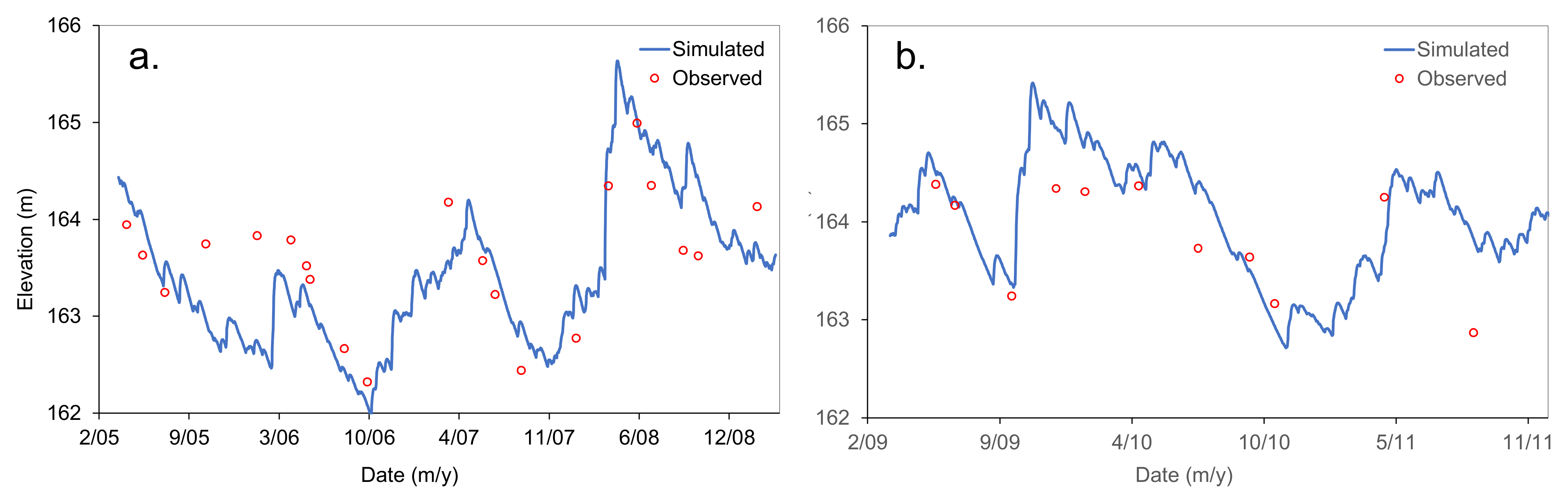
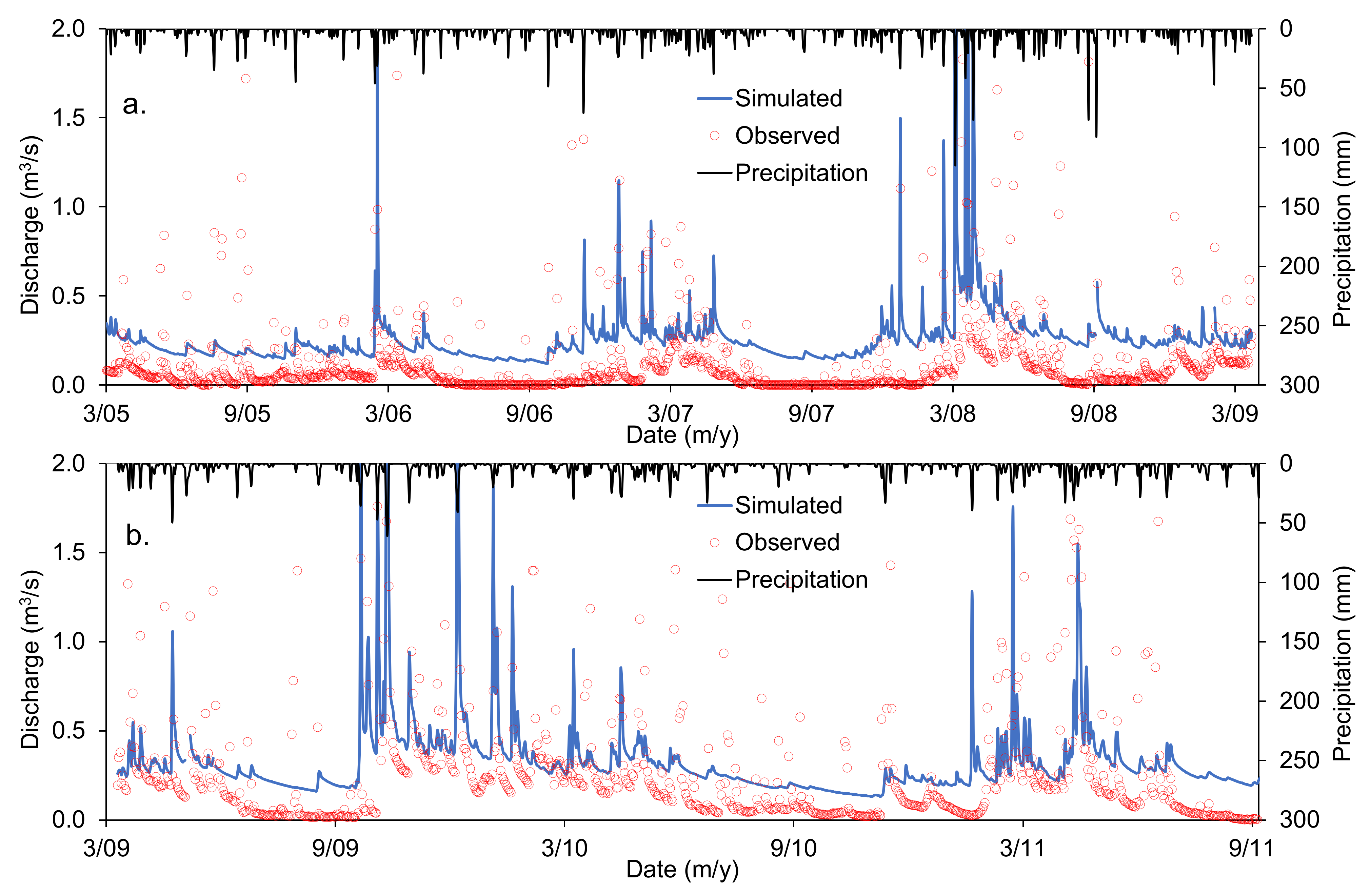
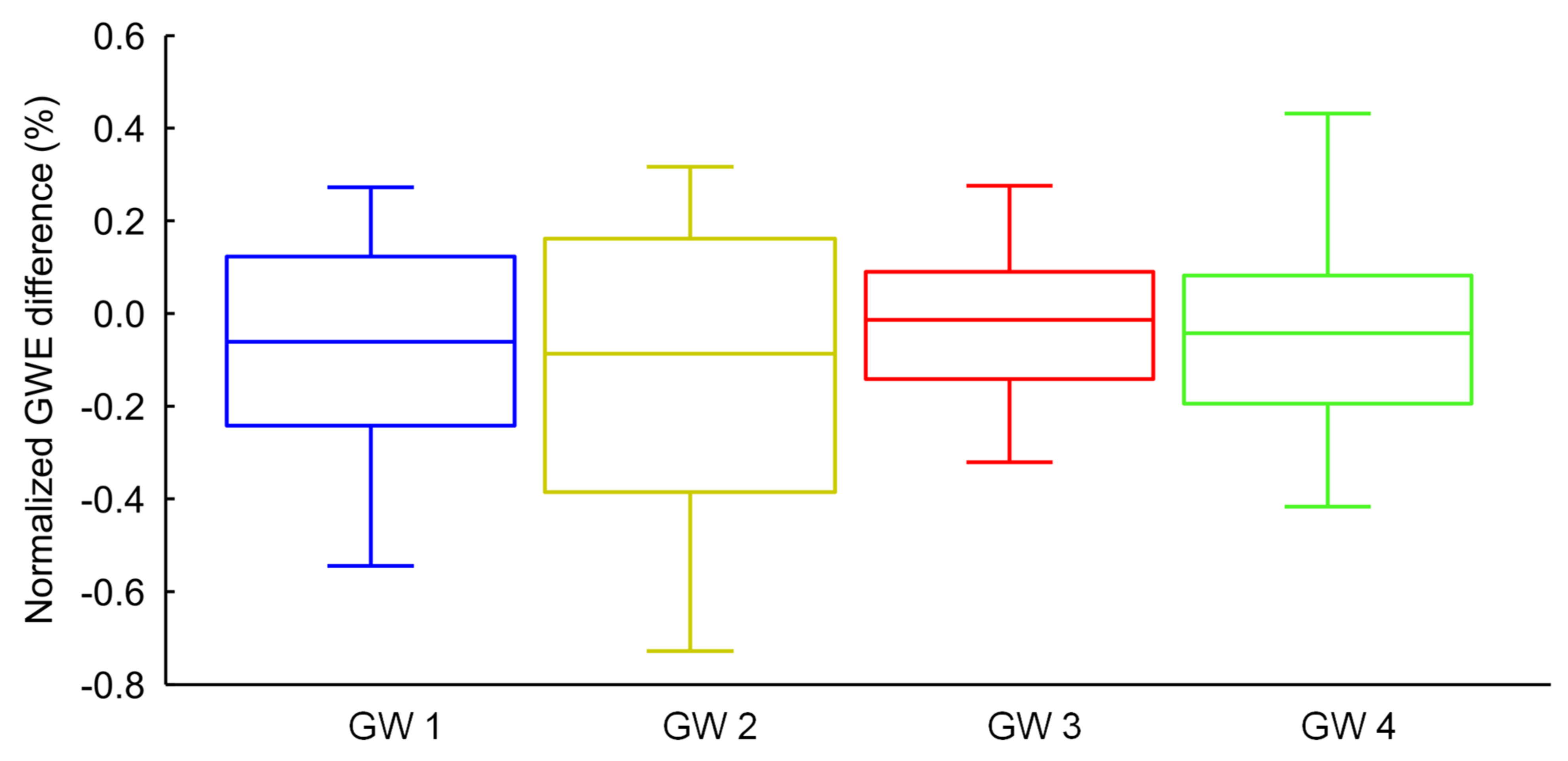
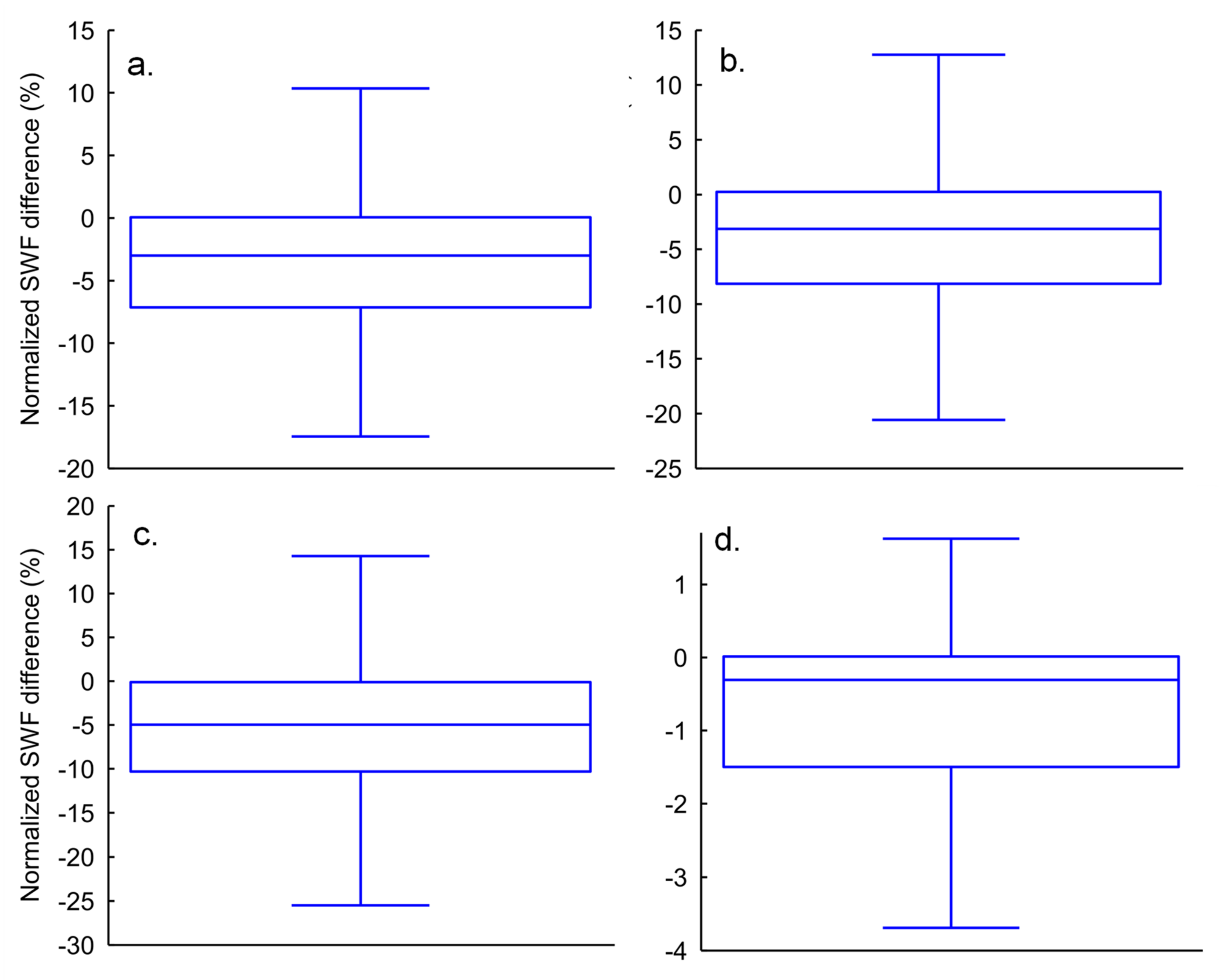
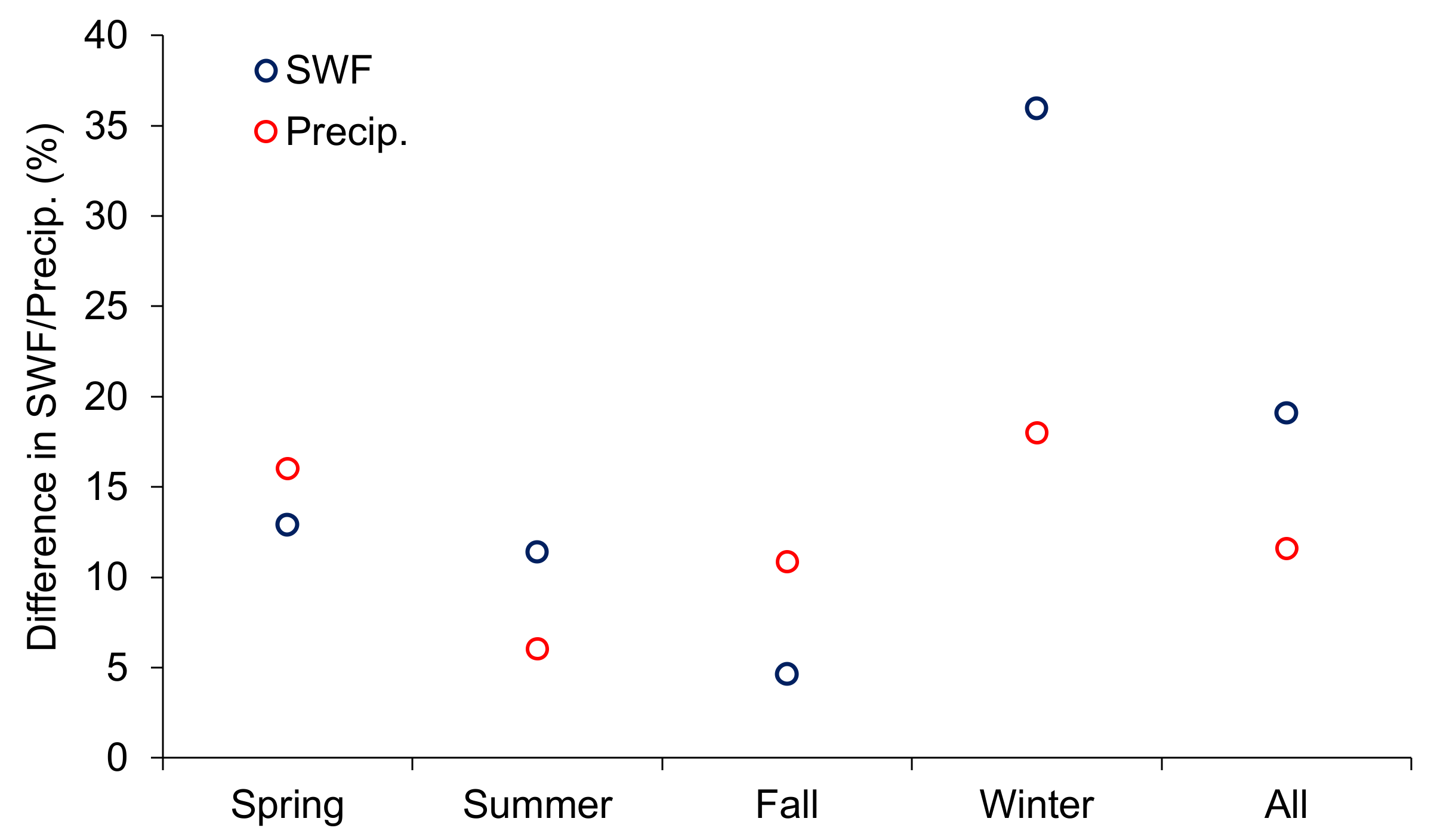
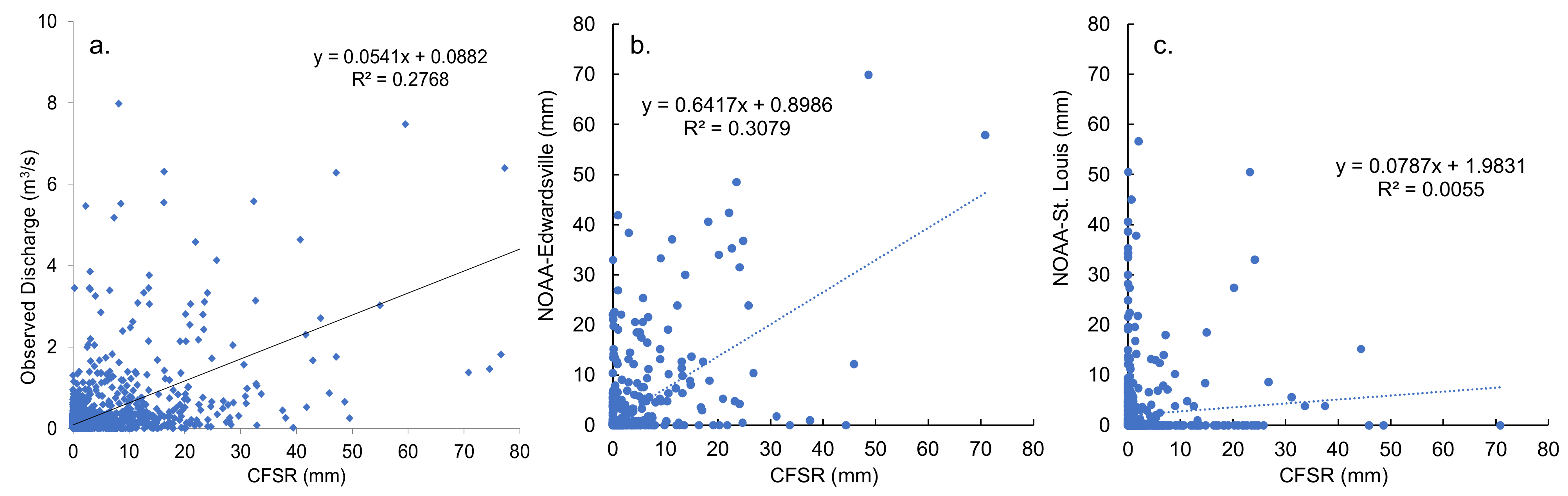
The main objective of this study is to evaluate the performance of the integrated hydrological model, MIKE SHE in a small watershed to analyze the effect of two different precipitation sources on model outputs (groundwater elevation and surface water flows). The model was calibrated and validated with observed groundwater elevations and surface water flows measured at the United States Geological Survey (USGS) gage stations in the basin. The model calibration performance for surface water flows (R = 0.80, MAE= 0.20 m3/s, BIAS = −0.14 m3/s, NSE = 0.59) and groundwater elevations (R = 0.74, MAE = 0.45 m, BIAS = 0.08 m, NSE = 0.35) showed that the model was able to predict hydrological processes based on forcing variables in a small watershed. The analysis did not show the model with precipitation at the nearer (NOAA-Edwardsville) gauge station has better performance than the farther gauge station (NOAA-St. Louis). The quantitative analyses for the most sensitive model output variable suggested that precipitation uncertainties had noticeable impacts on surface water flows (0.81% to 11.19%), than groundwater elevations (0.06% to 0.07%), with an average of 6.71% and 0.66%, respectively. Our results showed noticeable differences in simulated surface water flows in spring (12.9%) and winter (36%) seasons compared to summer (11.4%) and fall (4.6%) as a result of difference (6% to 18%) in precipitation, which indicated that uncertainties in precipitation impact simulated surface water flows in a small watershed vary with different seasons. Our analyses have shown that precipitation affects the simulated hydrological processes and care should be taken while selecting input datasets (i.e., precipitation) for better hydrological model performance, specifically for surface water flows.
Keywords: integrated hydrological modeling; groundwater; surface water; MIKE SHE; precipitation sources; watershed integrated hydrological modeling; groundwater; surface water; MIKE SHE; precipitation sources; watershed