
Article

Late Summer Water Sources in Rivers and Lakes of the Upper Yana River Basin, Northern Eurasia, Inferred from Hydrological Tracer Data


by
Nikita Tananaev
1,2
1
Permafrost Groundwater and Geochemistry Lab, P.I. Melnikov Permafrost Institute, Siberian Branch, Russian Academy of Sciences, 36 Merzlotnaya Str., 677010 Yakutsk, Russia
2
Climate and Northern Regions Ecosystems Lab, Institute of Natural Sciences, North-Eastern Federal University, 677013 Yakutsk, Russia
Hydrology 2022, 9(2), 24; https://doi.org/10.3390/hydrology9020024

Submission received: 9 January 2022 / Revised: 2 February 2022 / Accepted: 3 February 2022 / Published: 5 February 2022

Abstract

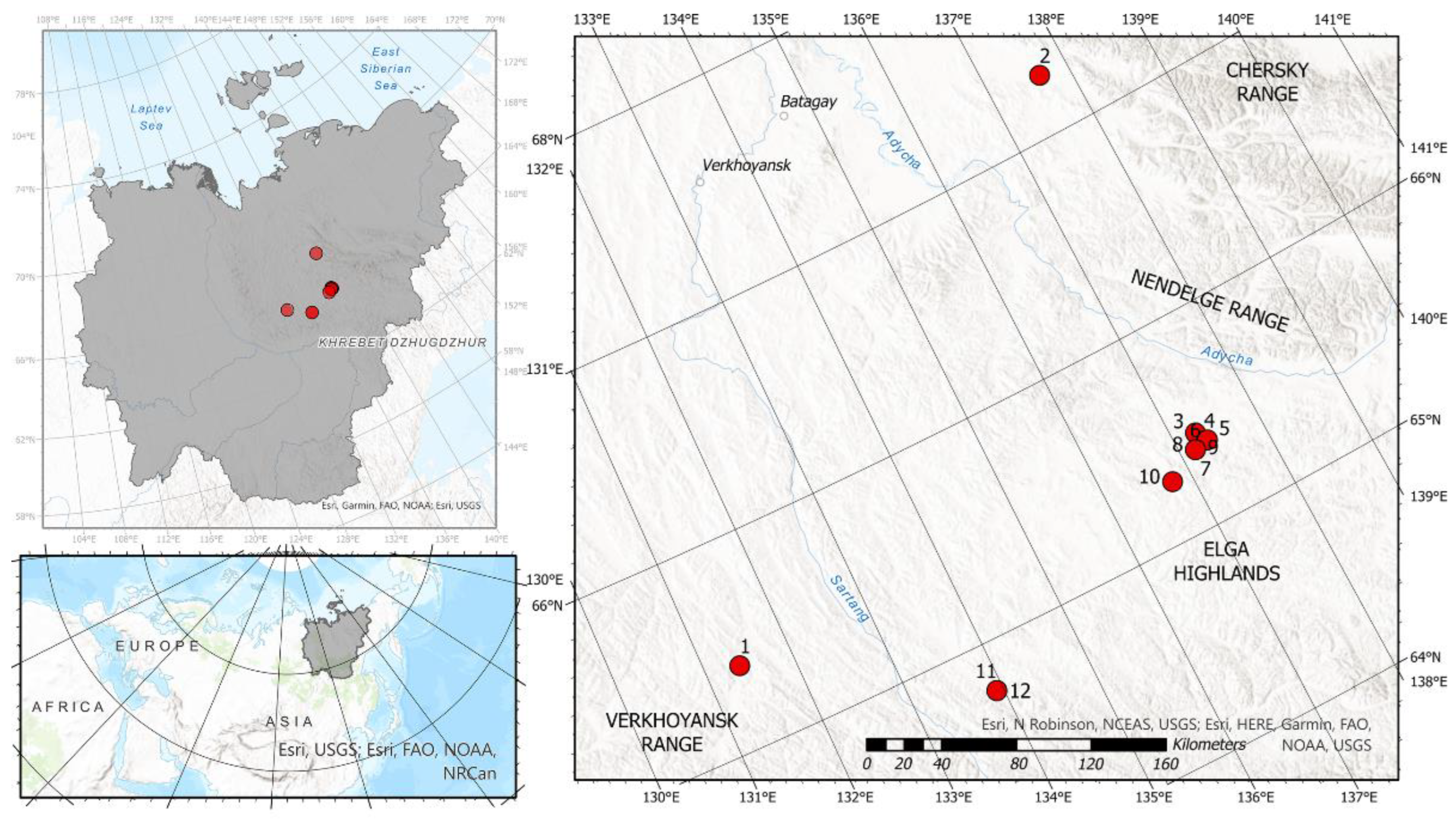
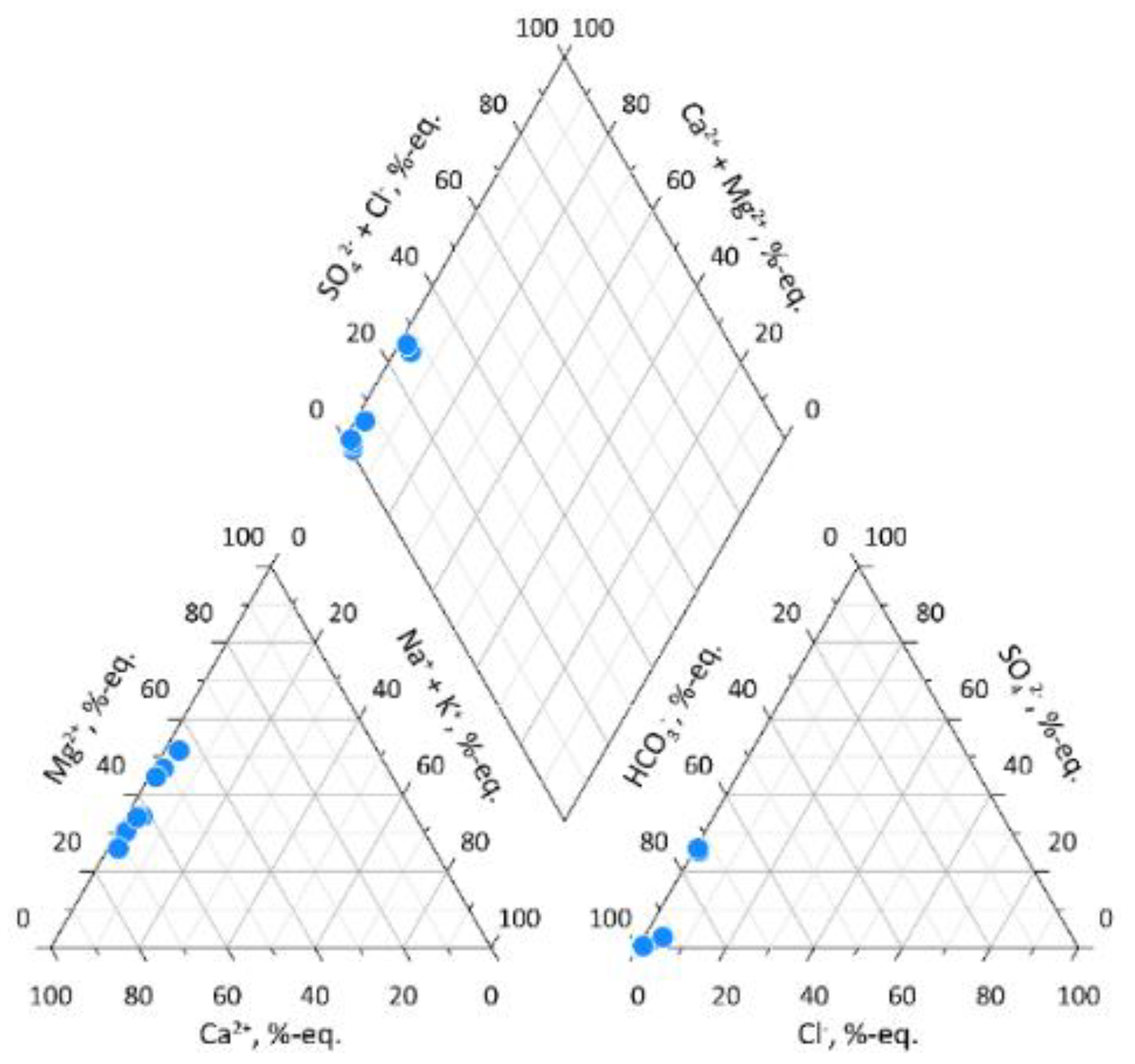
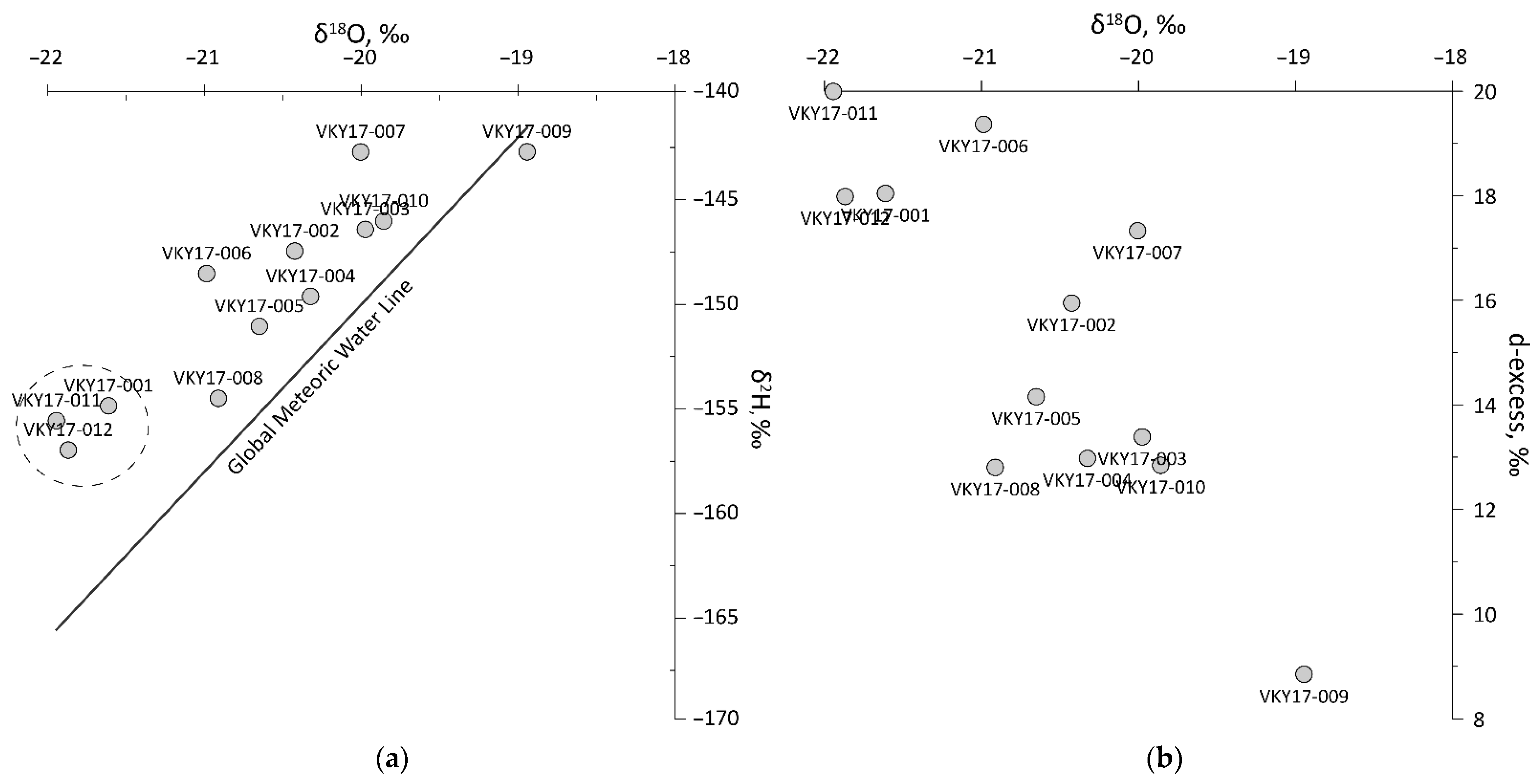
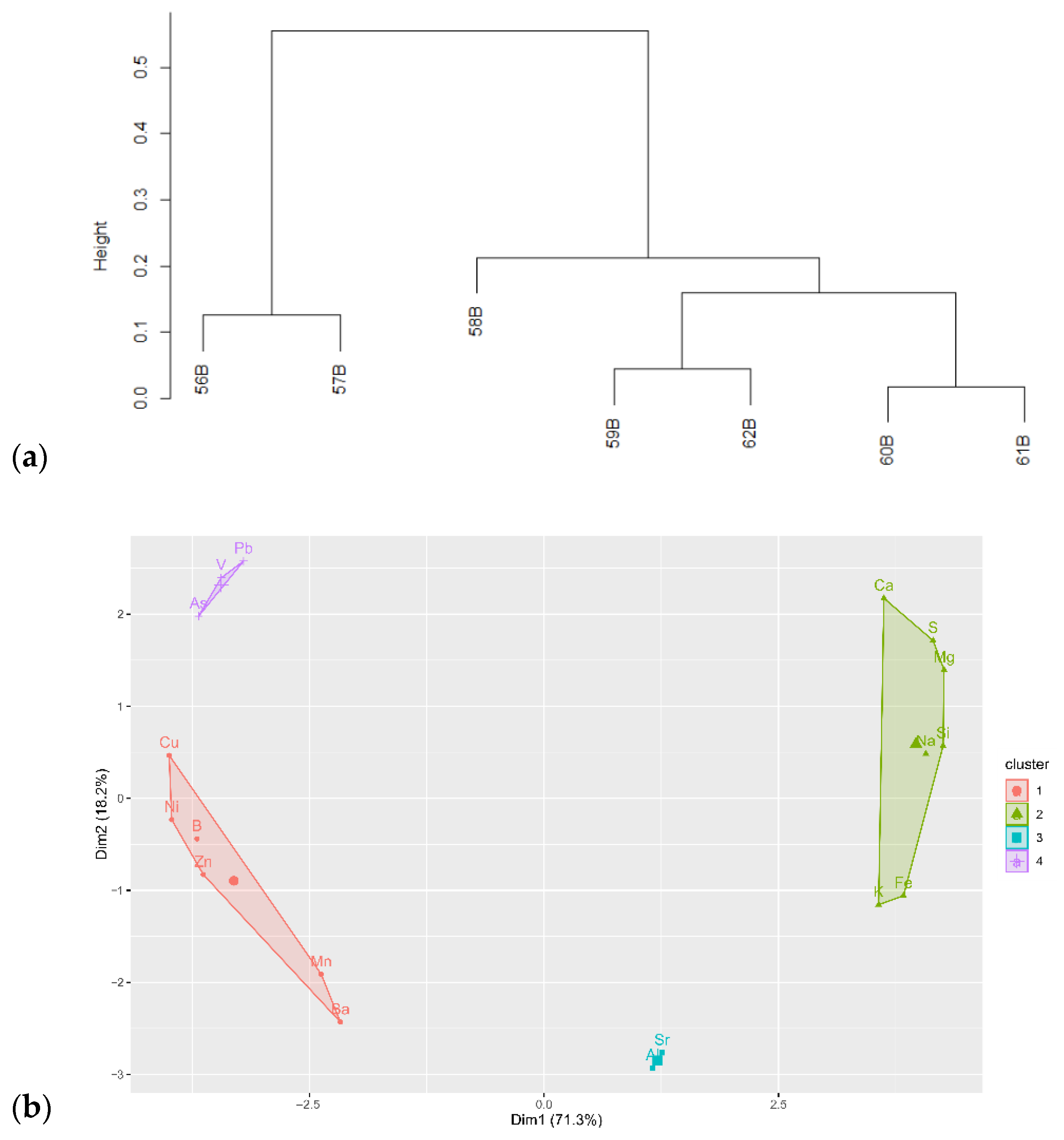
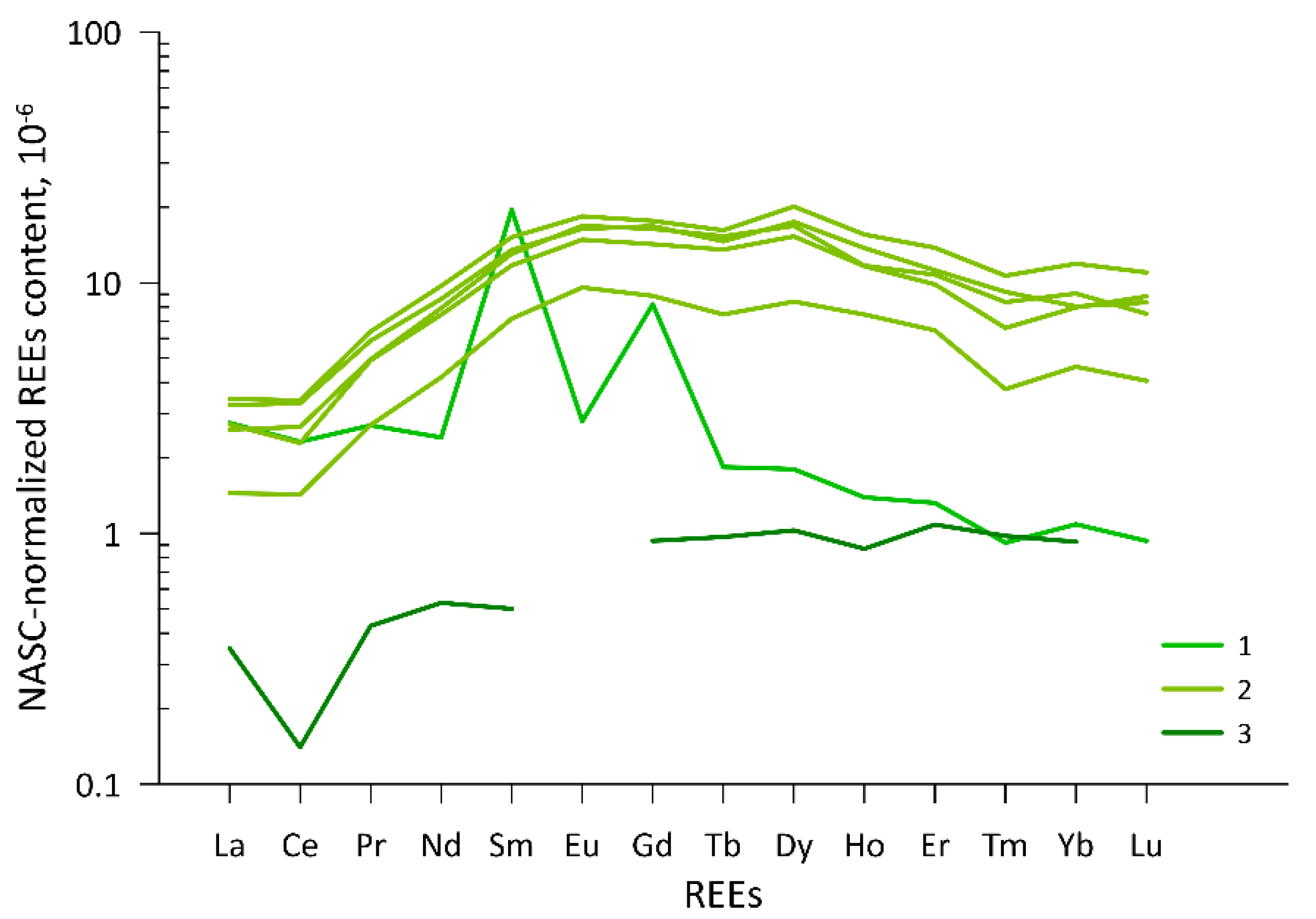
Major ions, stable isotopes, and trace elements, including rare earth elements (REEs), are used as natural tracers in the qualitative assessment of potential water sources in lakes and rivers of the upper Yana River basin, between Verkhoyansk and Chersky Ranges, during the late summer period. Three distinct regions were sampled, and a dominant water source in each region was qualitatively inferred from water chemistry data. The REE distribution pattern was found to be highly regional and controlled by pH and carbonate contents. Mountain headwater stream at the Verkhoyansk Range north slope, the Dulgalakh River, shows an input from a mixture of shallow groundwater and icing meltwater, with a depleted isotopic signature (δ18O below –21‰), d-excess (dex = δ2H − 8·δ18O) above 18, enrichment in Mg and Sr, and depletion in heavy REEs. The Derbeke Depression lakes and streams are fed by rainfall having ultra-low total dissolved solids (TDS) content, below 25 mg/L, and a convex-up REE pattern. In a medium mountainous river at the Chersky Range flank, the Dogdo River, leaching through fissured Jurassic carbonates is a dominant runoff pathway. Riverine water is heavily depleted in light REEs, but enriched in Mo, Rb, Sb, W and U. In the Dulgalakh River water, high positive Sm and Gd anomalies were observed, attributed either to local geology (greenshists), historical mining legacy, or contemporary winter road operations.
Keywords: permafrost hydrology; hydrological tracers; major ions; rare earth elements; stable water isotopes; Verkhoyansk Range permafrost hydrology; hydrological tracers; major ions; rare earth elements; stable water isotopes; Verkhoyansk Range