Article

Can a Calibration-Free Dynamic Rainfall‒Runoff Model Predict FDCs in Data-Scarce Regions? Comparing the IDW Model with the Dynamic Budyko Model in South India


1
Department of Civil Engineering, Indian Institute of Technology Hyderabad, Sangareddy, Telangana 502285, India
2
Department of Civil Engineering, Indian Institute of Technology Bombay, Powai, Mumbai 400076, India
3
The Interdisciplinary Programme in Climate Studies, Indian Institute of Technology Bombay, Powai, Mumbai 400076, India
*
Author to whom correspondence should be addressed.
Hydrology 2019, 6(2), 32; https://doi.org/10.3390/hydrology6020032

Submission received: 20 March 2019 / Revised: 11 April 2019 / Accepted: 12 April 2019 / Published: 22 April 2019

Abstract

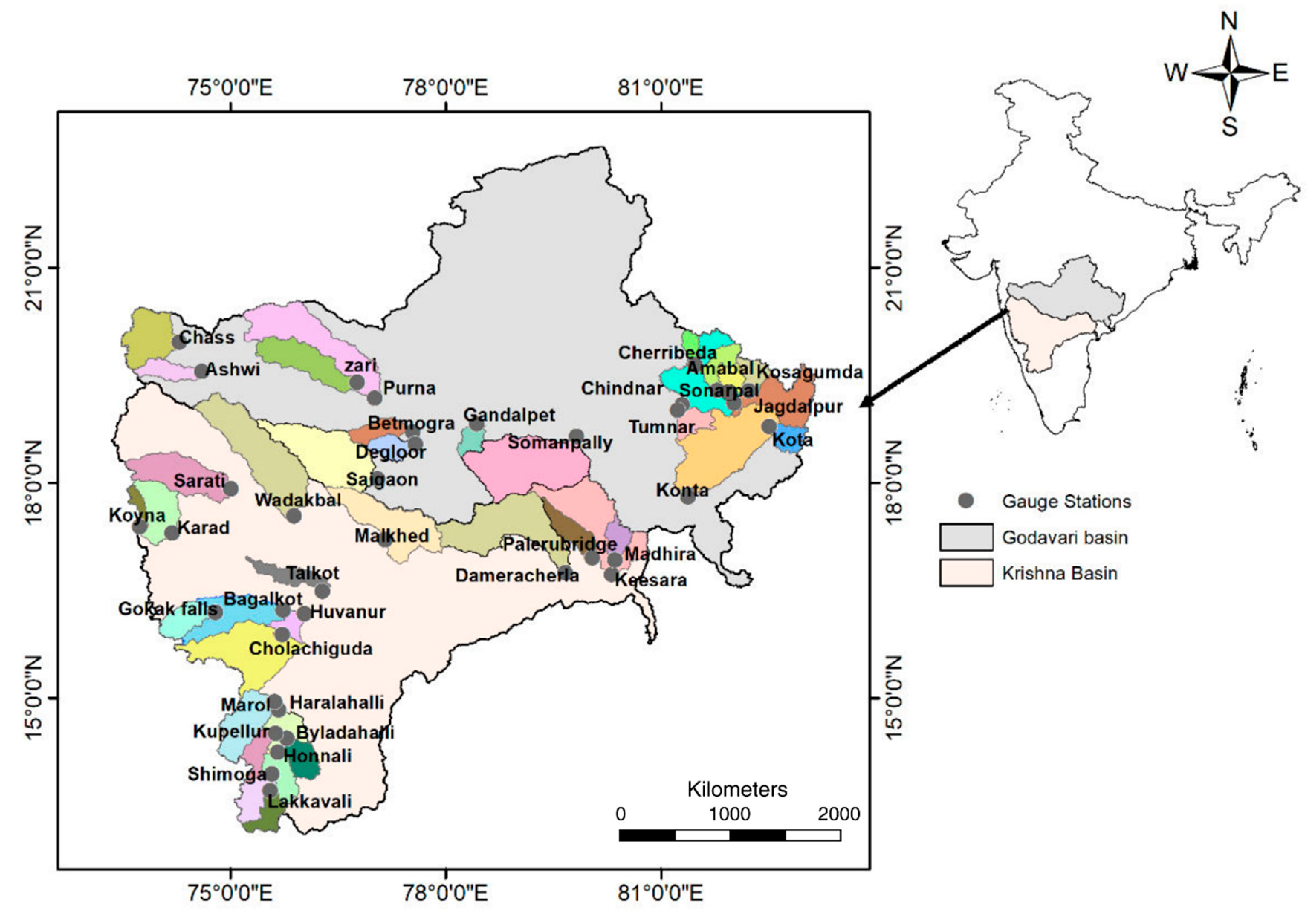
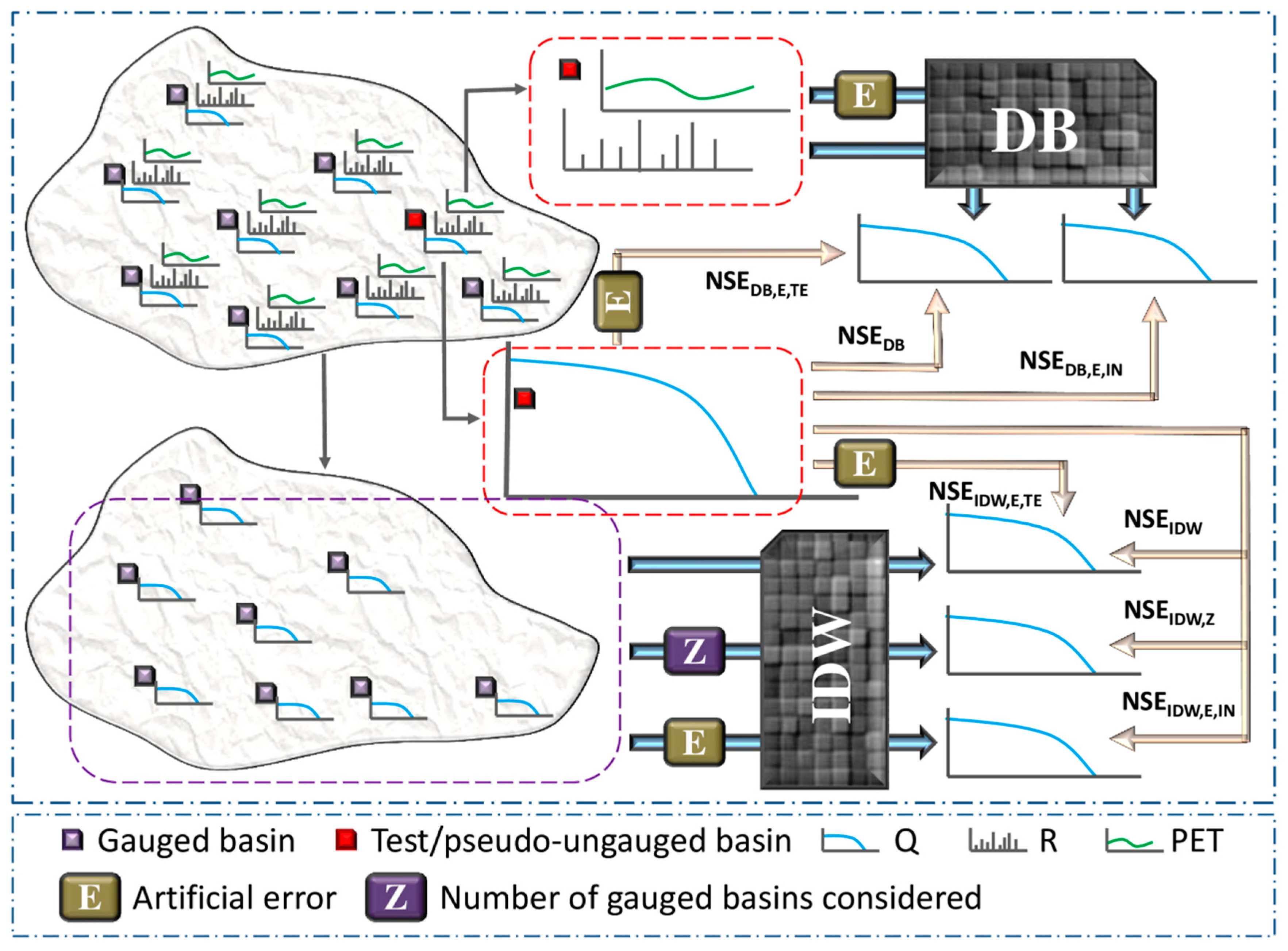
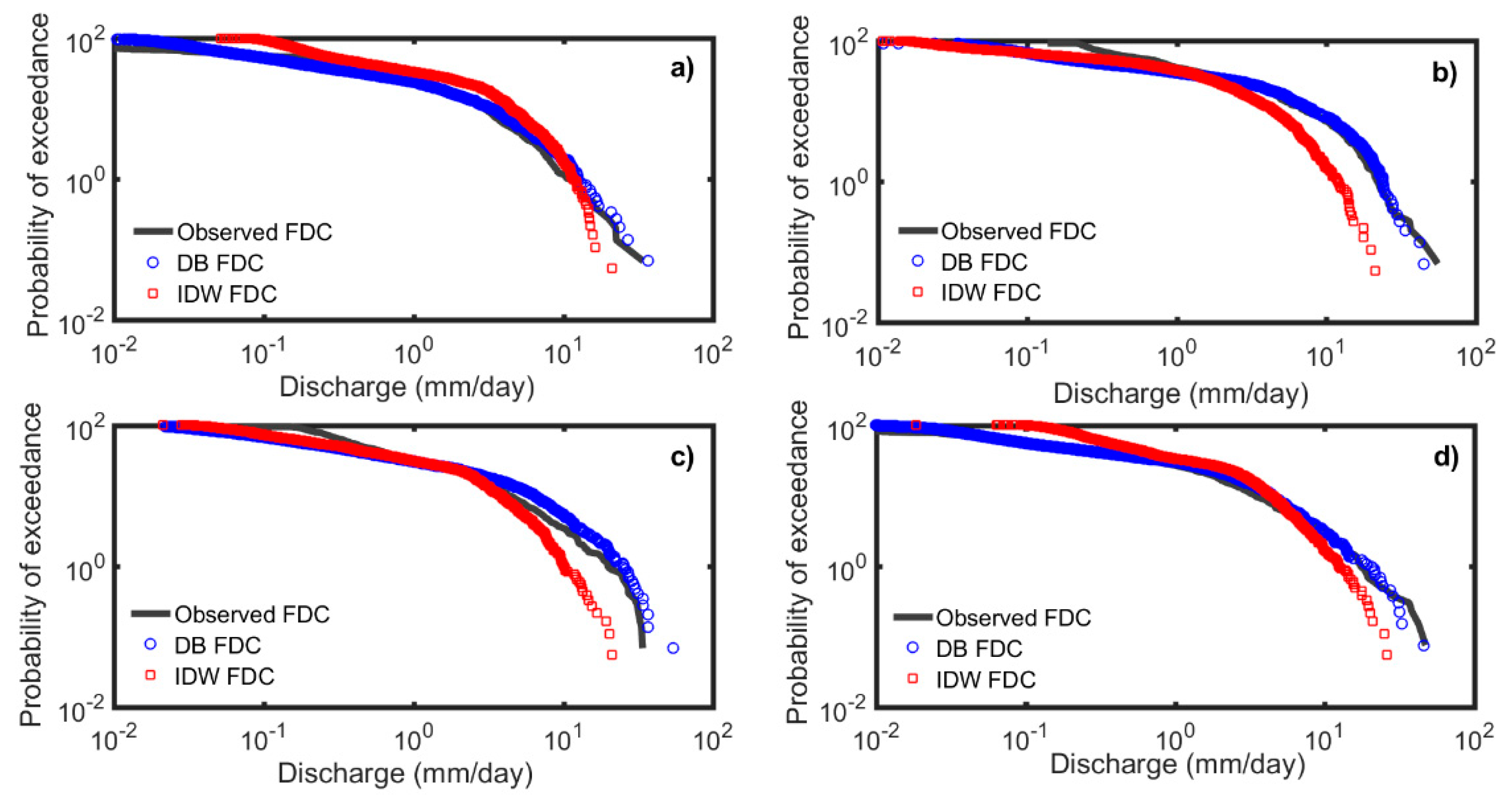
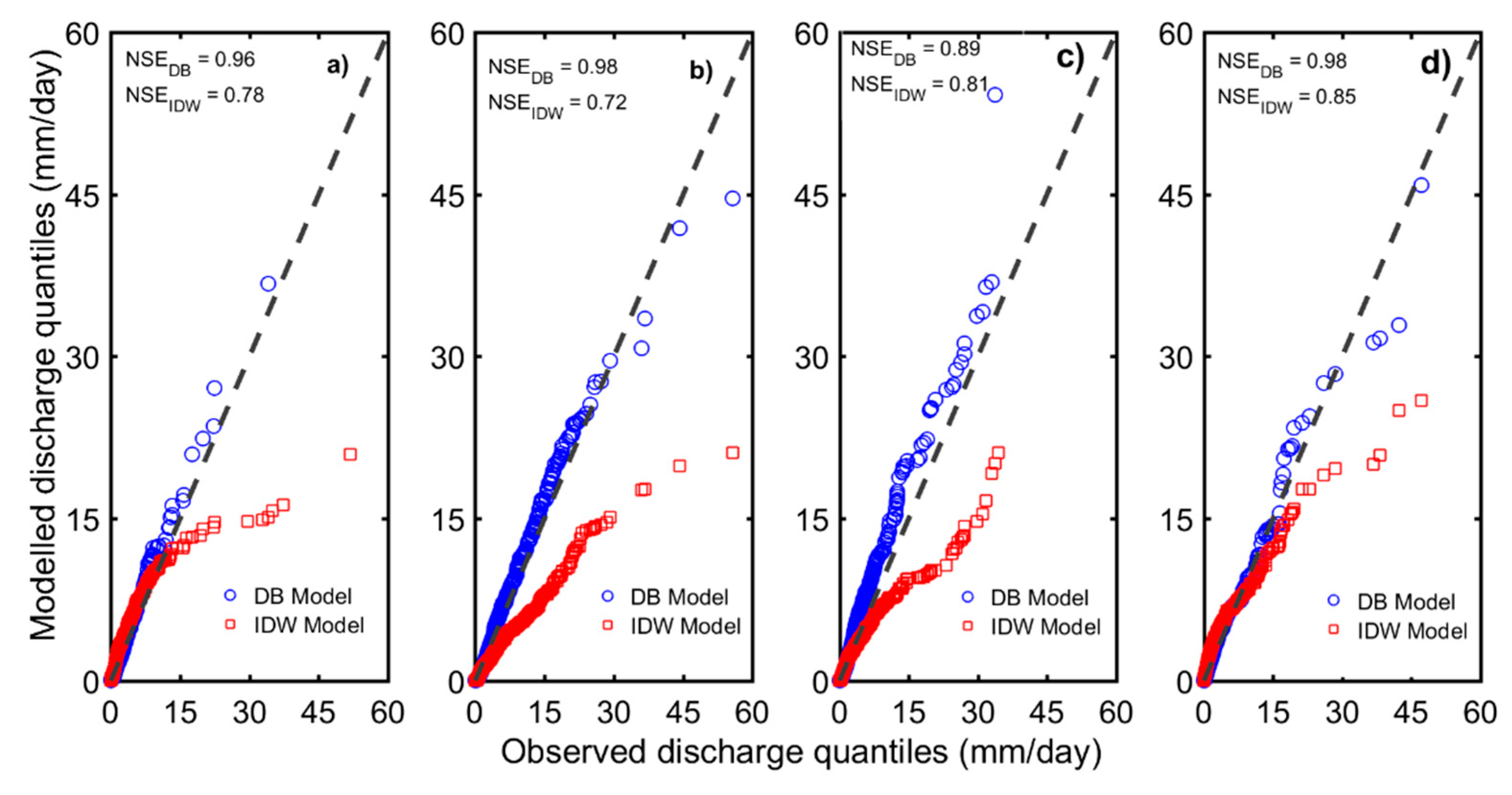
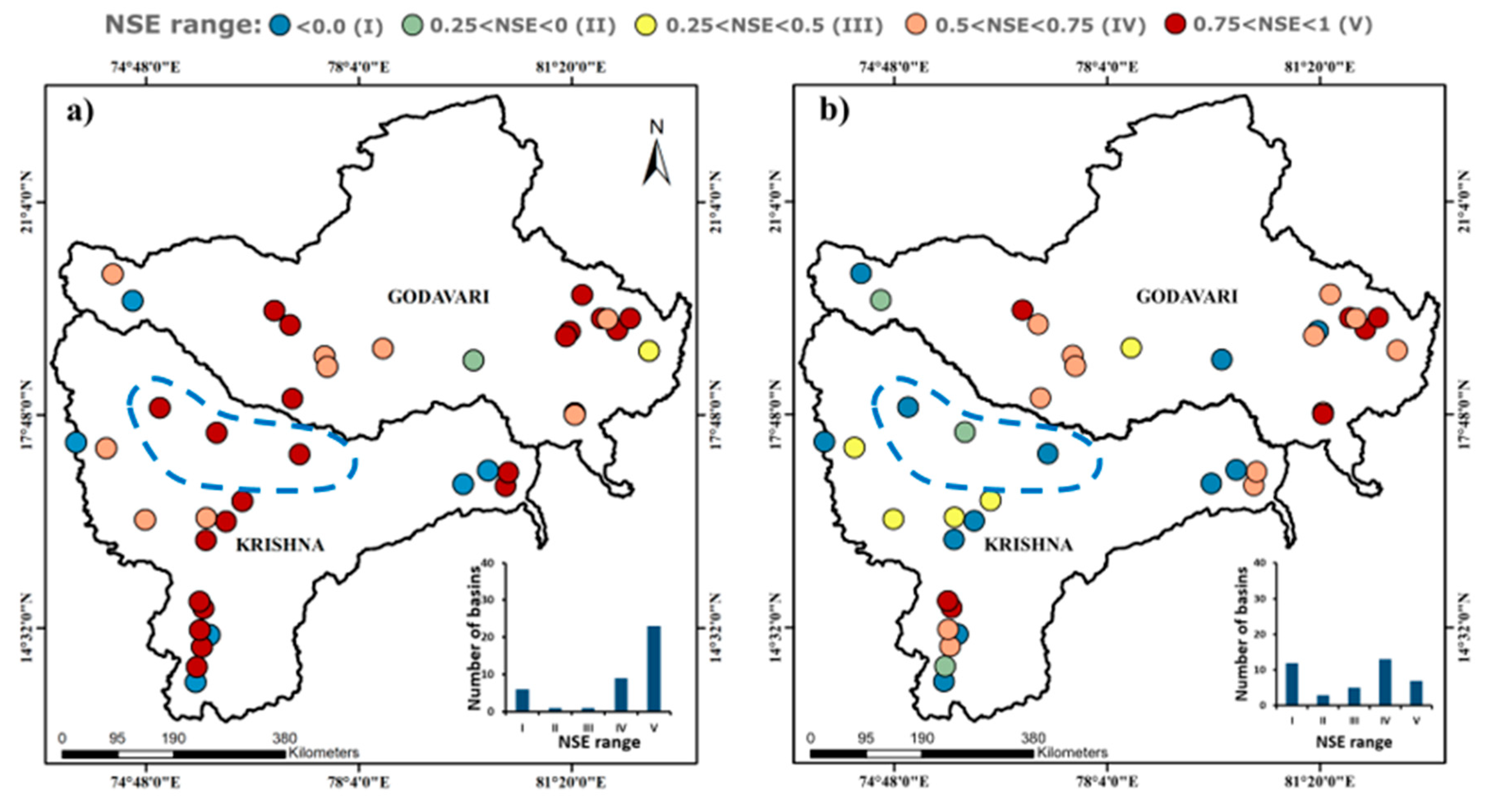
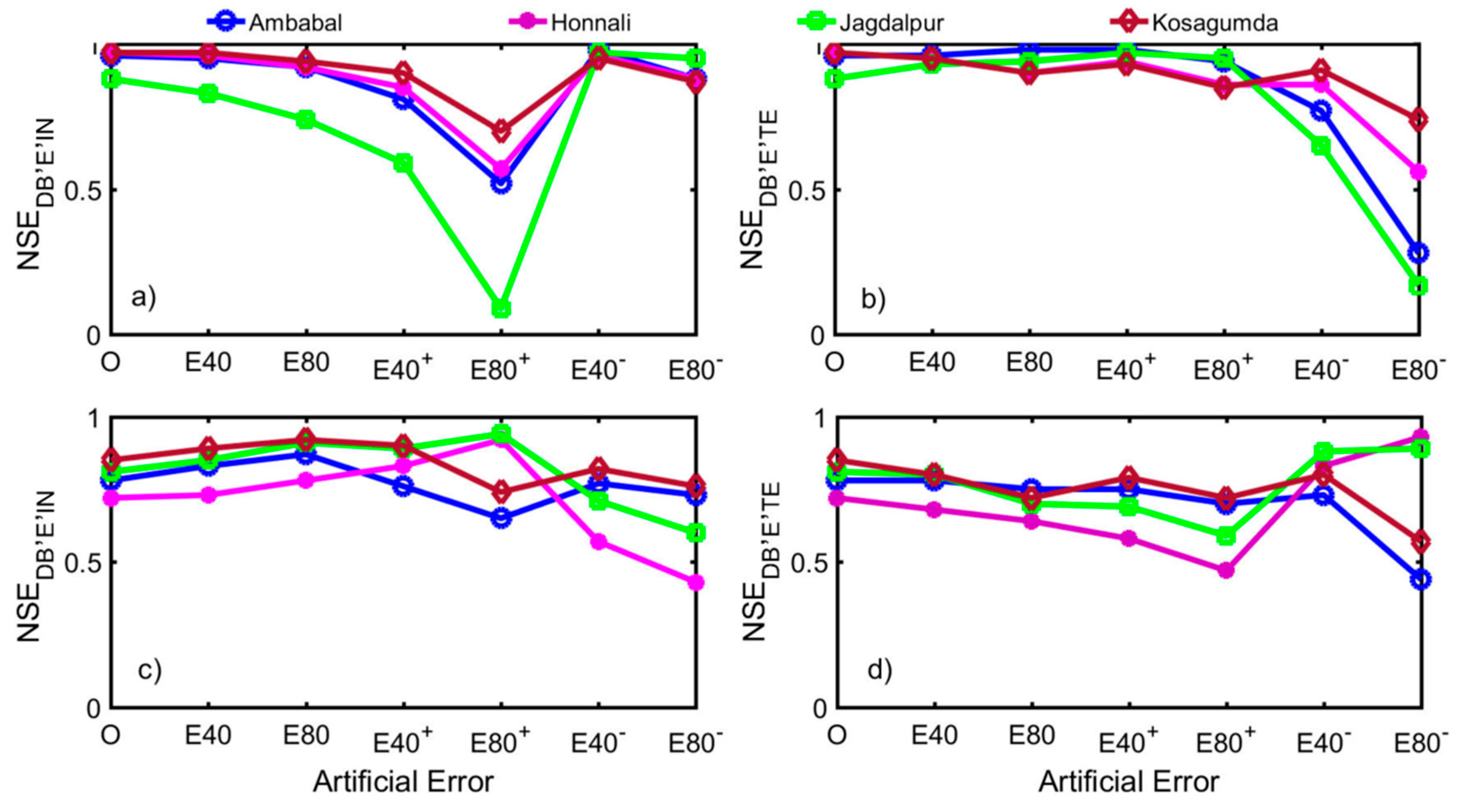
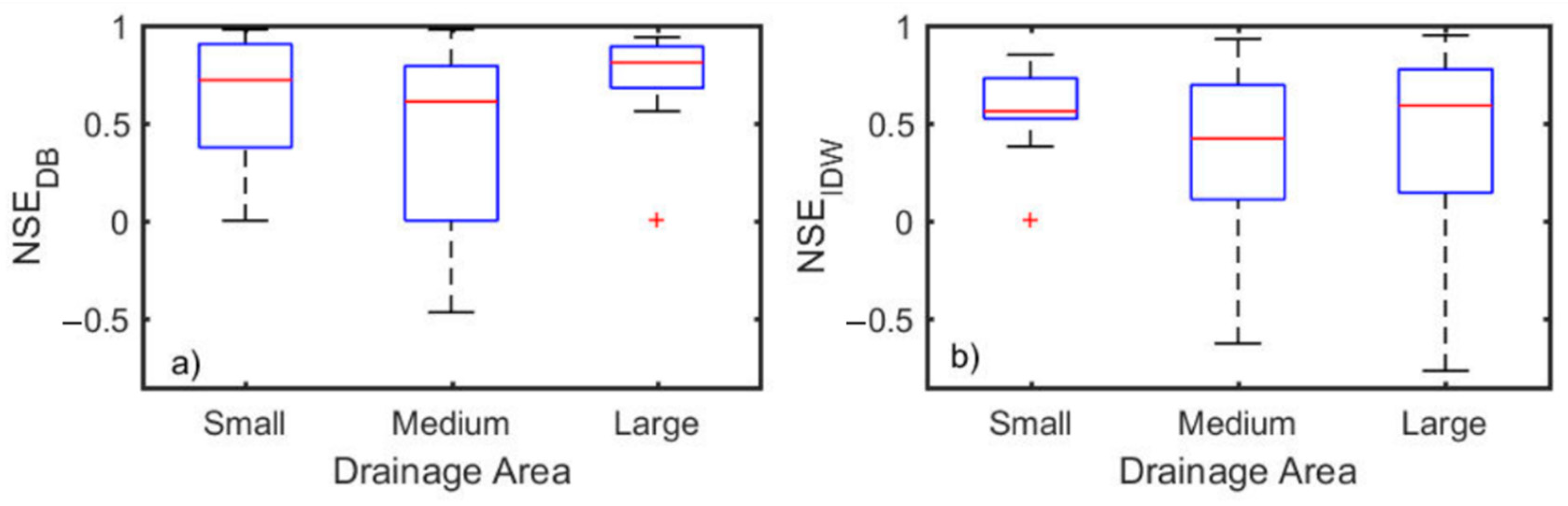
Construction of flow duration curves (FDCs) is a challenge for hydrologists as most streams and rivers worldwide are ungauged. Regionalization methods are commonly followed to solve the problem of discharge data scarcity by transforming hydrological information from gauged basins to ungauged basins. As a consequence, regionalization-based FDC predictions are not very reliable where discharge data are scarce quantitatively and/or qualitatively. In such a scenario, it is perhaps more meaningful to use a calibration-free rainfall‒runoff model that can exploit easily available meteorological information to predict FDCs in ungauged basins. This hypothesis is tested in this study by comparing a well-known regionalization-based model, the inverse distance weighting (IDW) model, with the recently proposed calibration-free dynamic Budyko model (DB) in a region where discharge observations are not only insufficient quantitatively but also show apparent signs of observational errors. The DB model markedly outperformed the IDW model in the study region. Furthermore, the IDW model’s performance sharply declined when we randomly removed discharge gauging stations to test the model in a variety of data availability scenarios. The analysis here also throws some light on how errors in observational datasets and drainage area influence model performance and thus provides a better picture of the relative strengths of the two models. Overall, the results of this study support the notion that a calibration-free rainfall‒runoff model can be chosen to predict FDCs in discharge data-scarce regions. On a philosophical note, our study highlights the importance of process understanding for the development of meaningful hydrological models.
Keywords: flow duration curve (FDC); prediction in ungauged basins; discharge data scarcity; regionalization; dynamic Budyko model flow duration curve (FDC); prediction in ungauged basins; discharge data scarcity; regionalization; dynamic Budyko model