
Article

Spatiotemporal Evolution Characteristics and Associated Factors Identification of Meteorological Drought in Huaihe River Basin

1
School of Water Conservancy, North China University of Water Resources and Electric Power, Zhengzhou 450046, China
2
Henan Water Valley Innovation Technology Research Institute Co., Ltd., Zhengzhou 450002, China
*
Author to whom correspondence should be addressed.
Hydrology 2026, 13(9), 255; https://doi.org/10.3390/hydrology13090255 (registering DOI)

Submission received: 30 July 2026 / Revised: 13 September 2026 / Accepted: 17 September 2026 / Published: 19 September 2026

Abstract

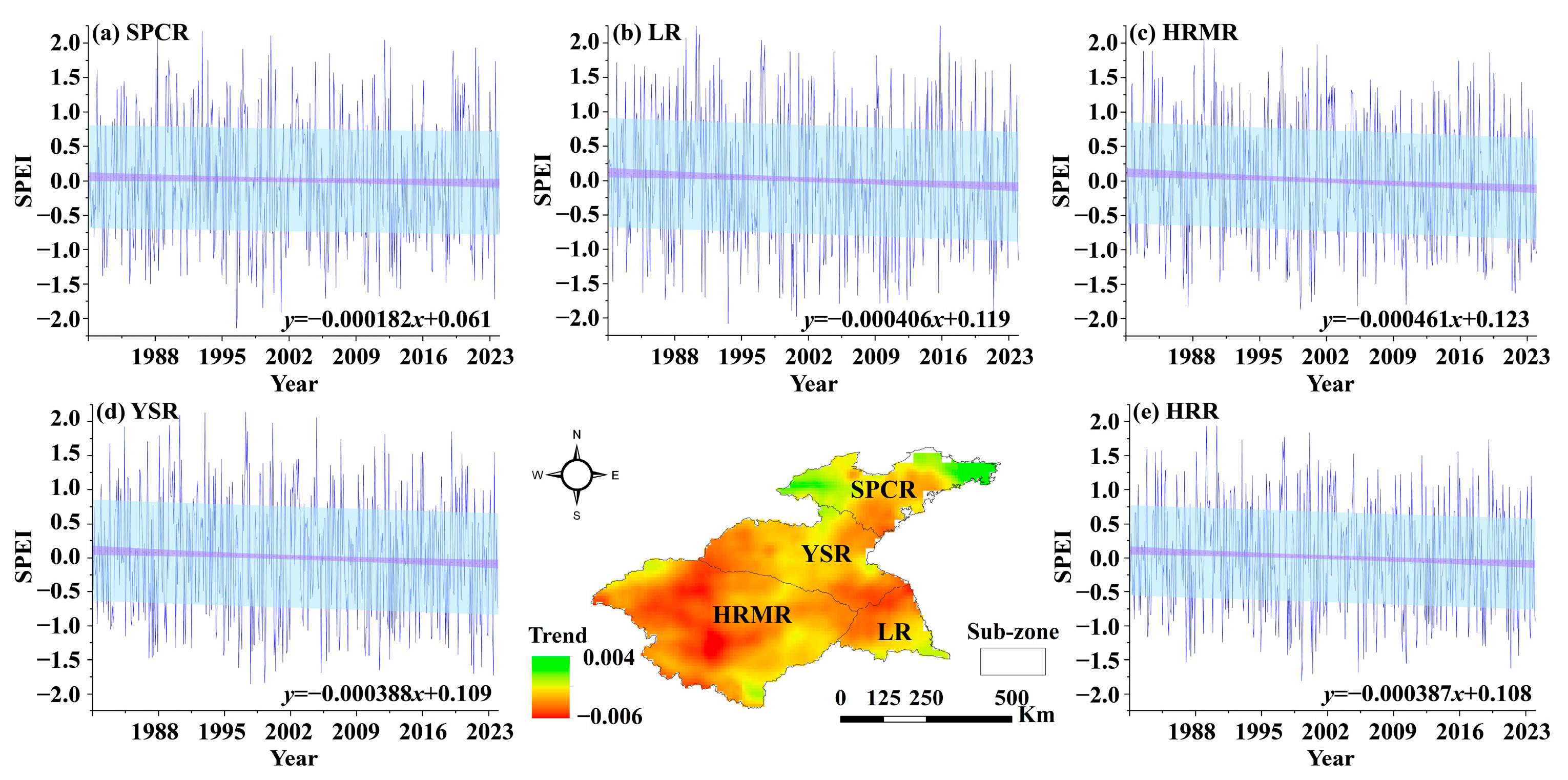
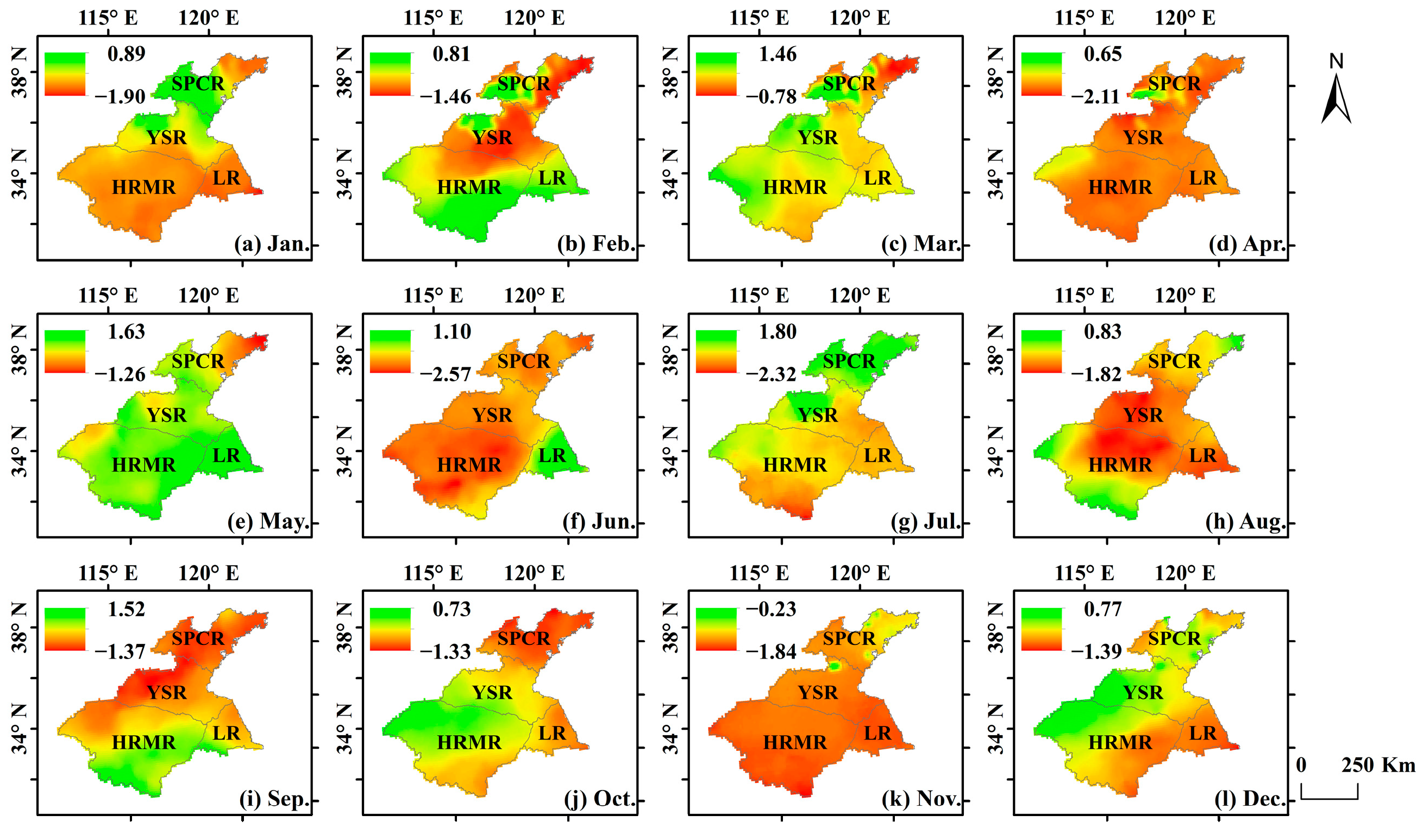
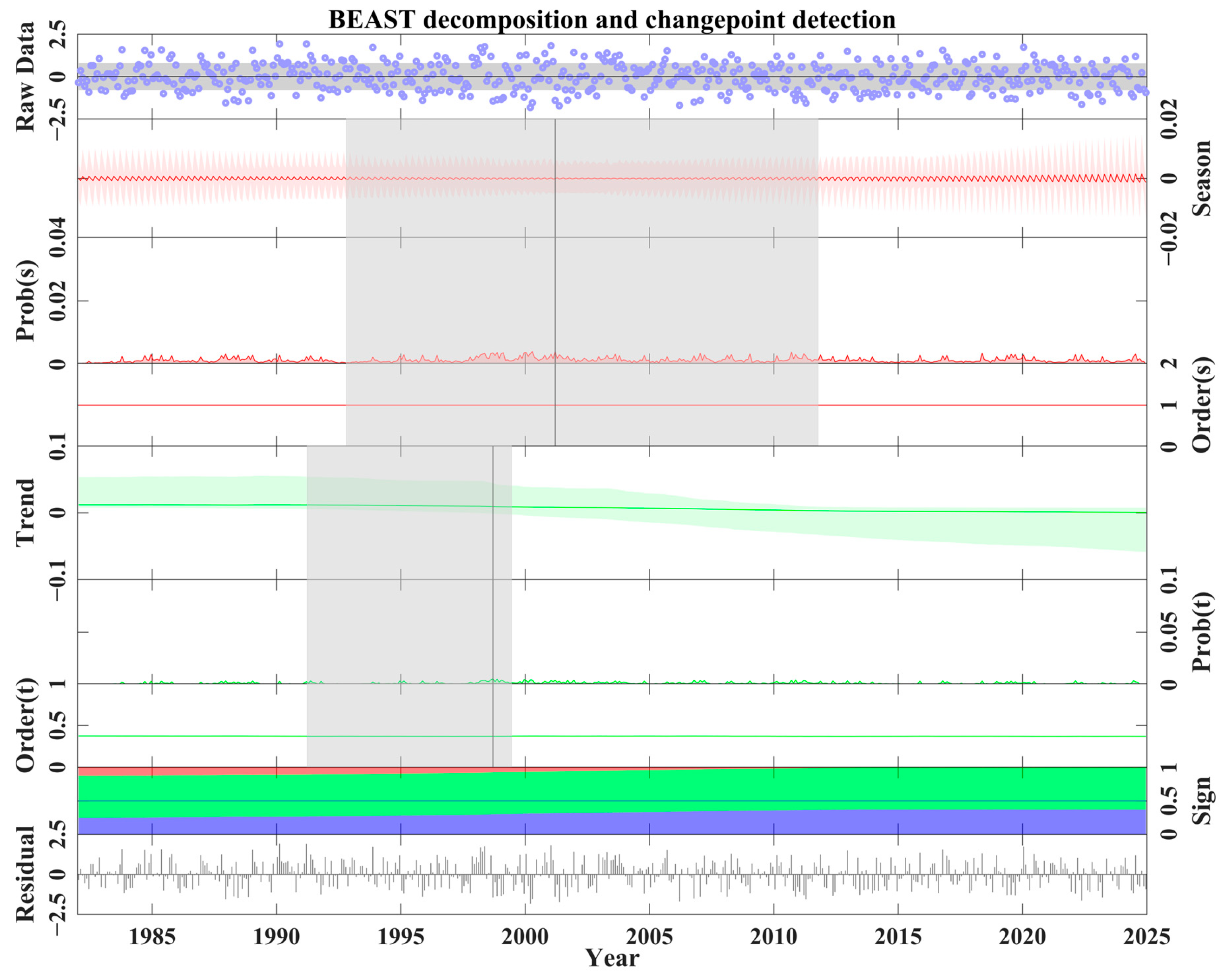
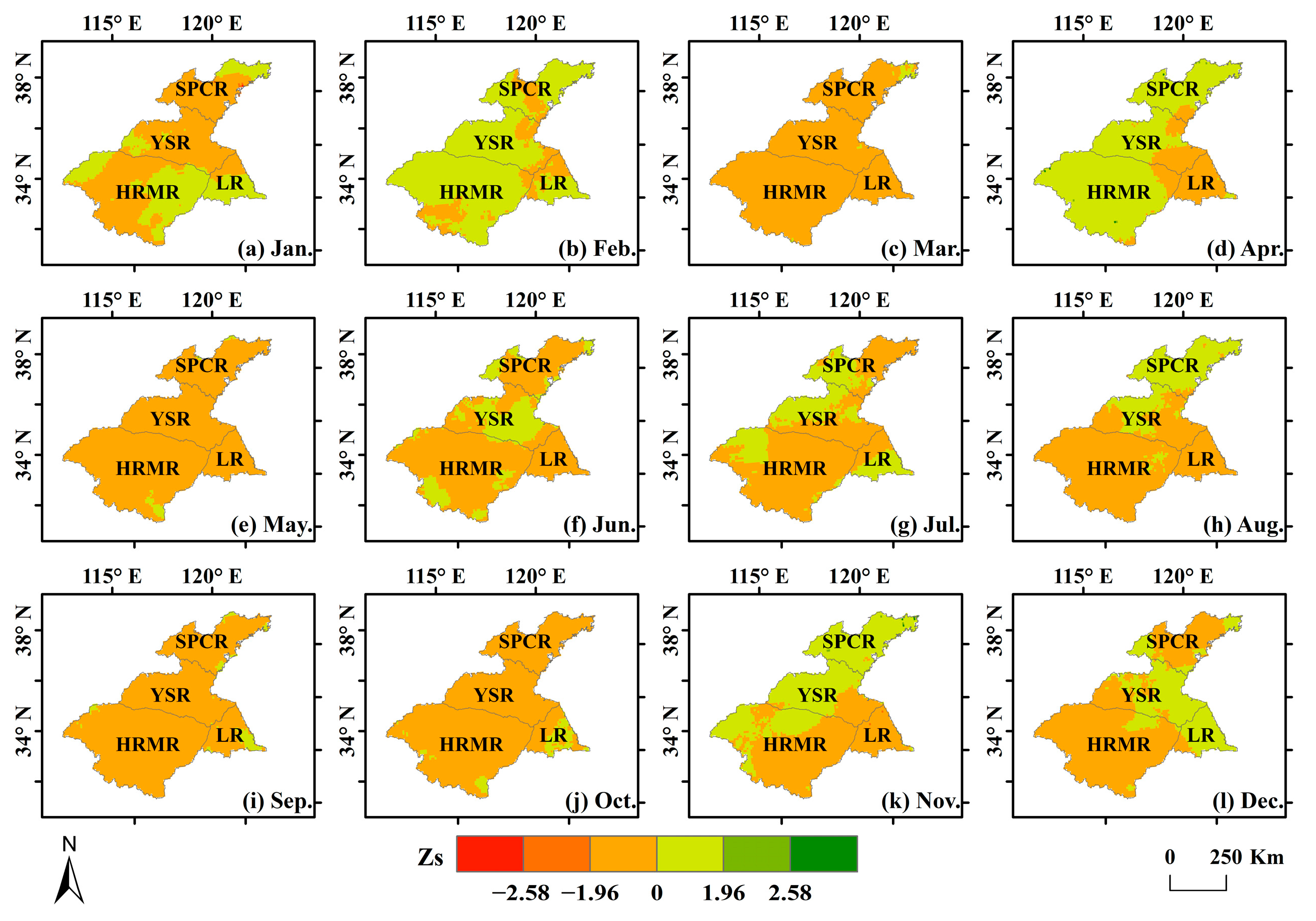
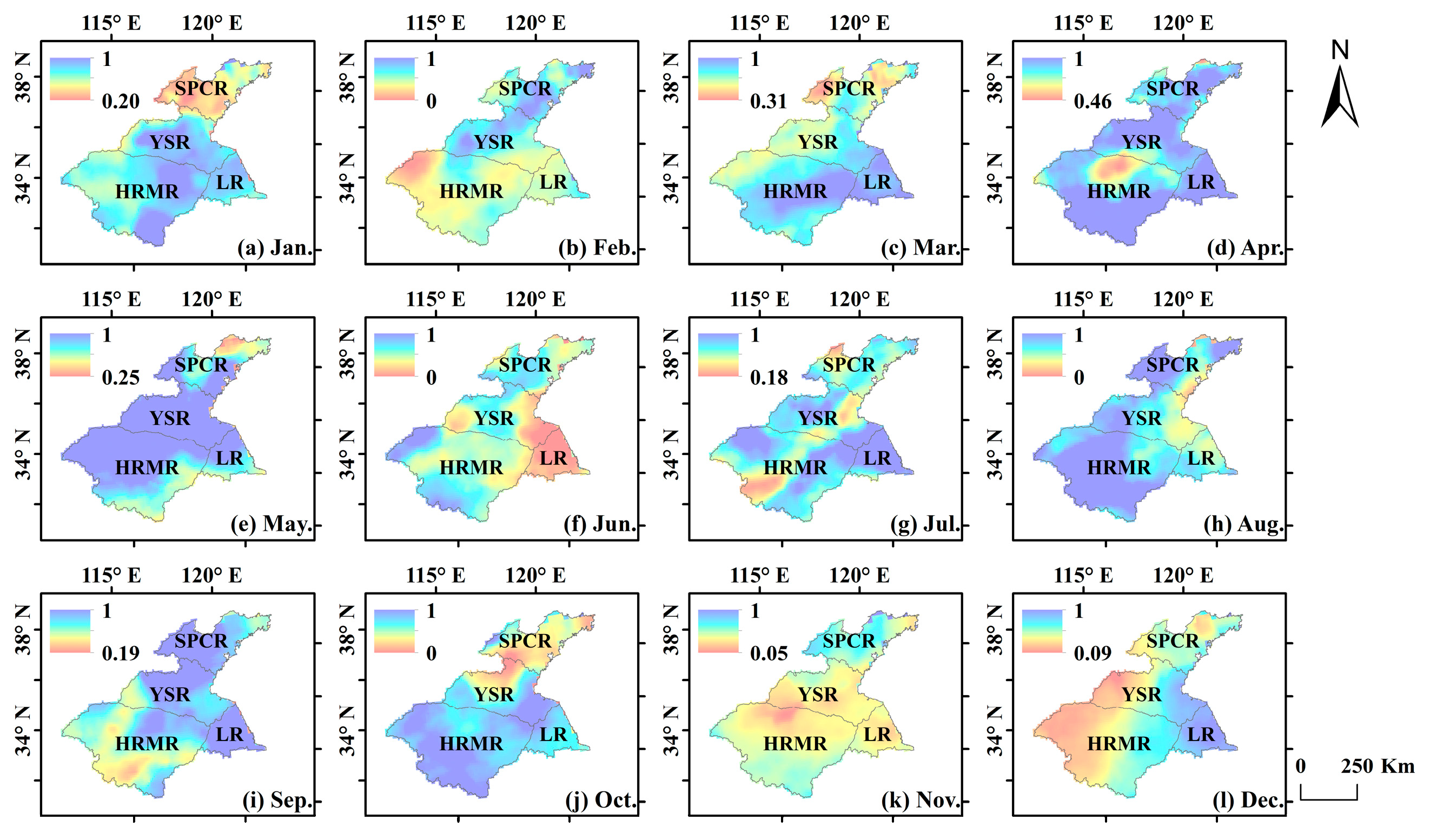
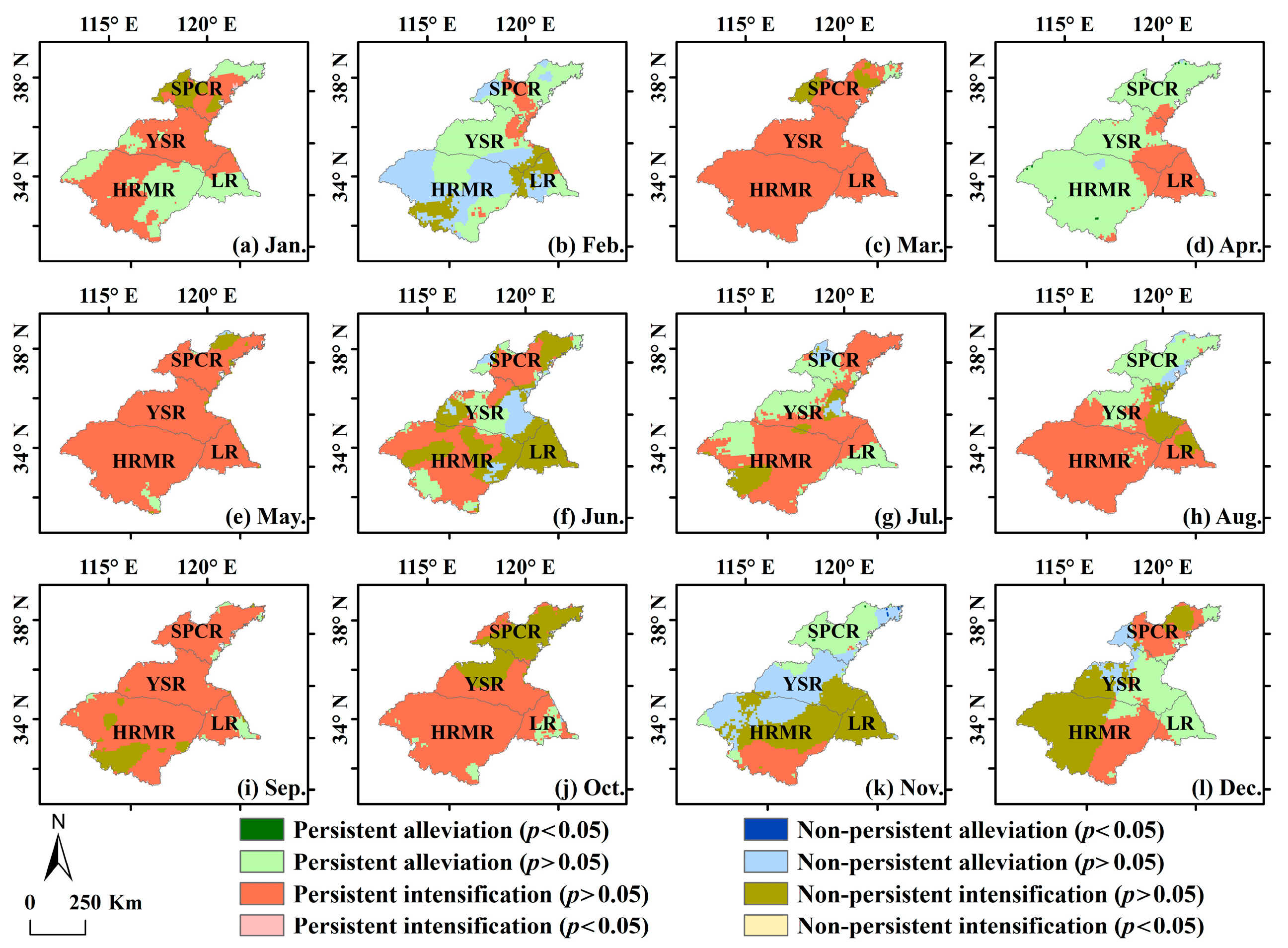
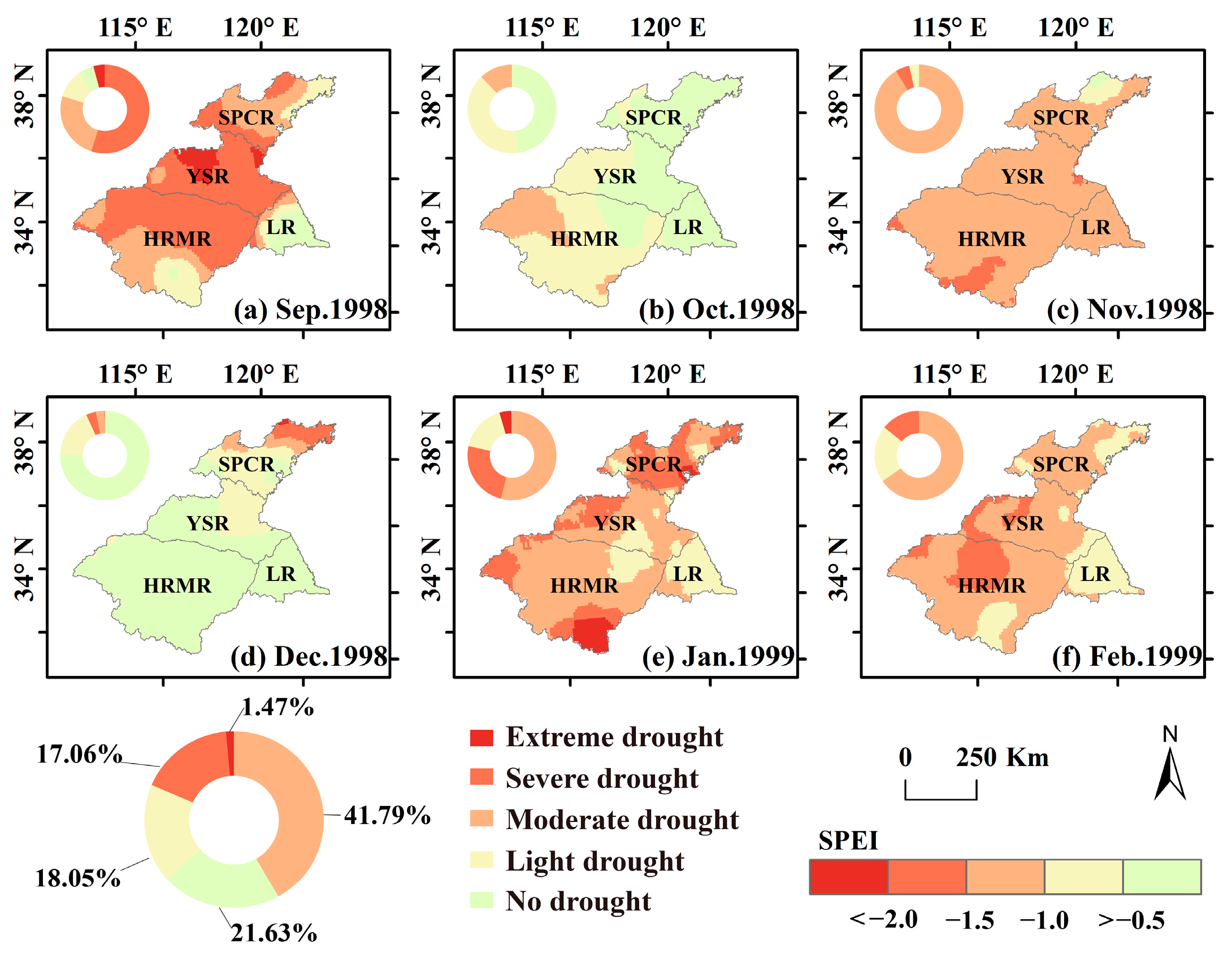
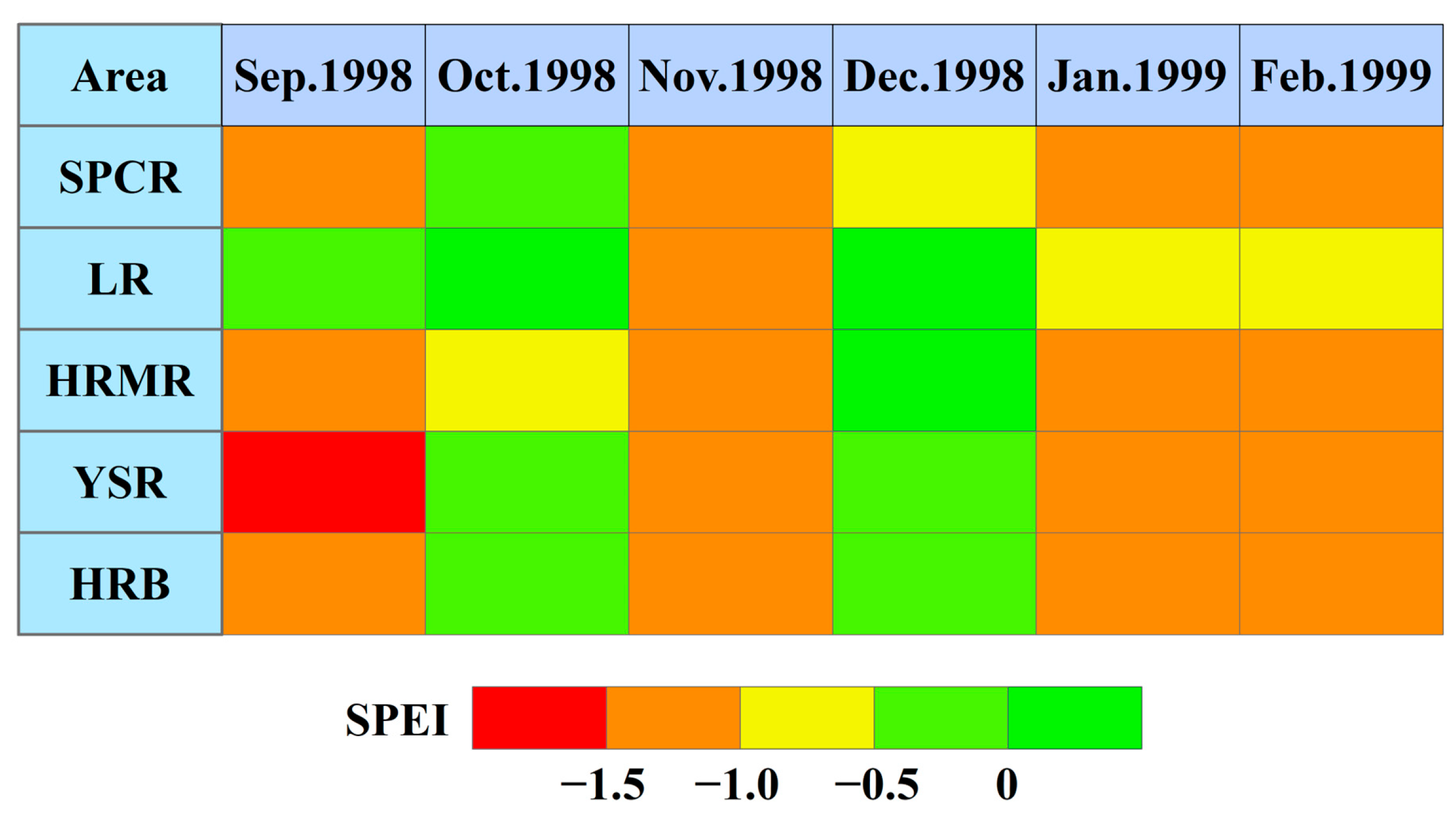
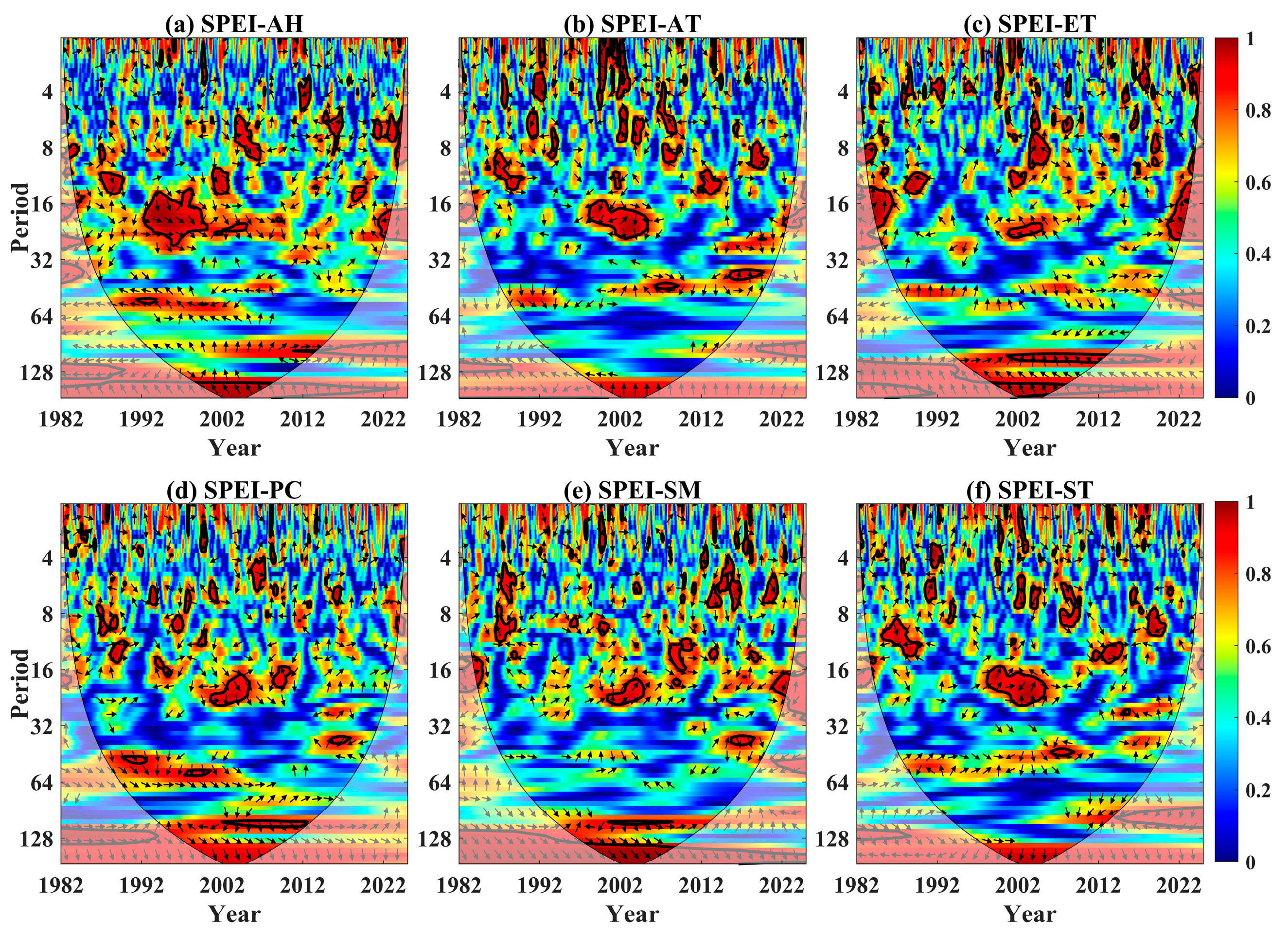
The Huaihe River Basin (HRB) lies in the climatic transition zone between northern and southern China. Its precipitation shows obvious spatiotemporal heterogeneity, and frequent meteorological droughts seriously threaten regional food and water security. Clarifying the spatiotemporal variations, non-linear abrupt changes and multi-scale driving mechanisms of meteorological droughts in the basin is of great significance for regional drought risk prevention and control, as well as the optimized allocation of water resources. In this study, the one-month time scale Standardized Precipitation Evapotranspiration Index (SPEI-1) was adopted as the primary indicator for quantifying meteorological drought. An analytical workflow integrating Bayesian Estimator of Abrupt Change, Seasonality, and Trend (BEAST), MMK–Hurst coupling trend and persistence discrimination, Three-Threshold Run Theory and Partial Wavelet Coherence (PWC) is constructed. The framework systematically investigates drought spatiotemporal evolution, abrupt change features, persistent trend patterns and climatic driving effects over 1982–2024. The results indicate the following: (1) In 1982–2024, the drought in the whole basin showed a slight aggravating trend, with an average drought trend rate of −0.000387. Spatially, this trend varied, with faster progression in the west and slower in the east, and more severe conditions in the west and milder conditions in the east. (2) 1988 was the driest year within the study period, with three drought peaks occurring in April, June and November. Annual mean SPEI-1 values indicated the severest drought in the Yishu-Si River system (YSR, −0.62), followed by the Shandong Peninsula and Coastal River systems (SPCR, −0.56), Huai River Mainstream River system (HRMR, −0.55), and the Lixia River system (LR, −0.52). (3) The probability that the mutation point for the seasonal component of the SPEI occurred in March 2001 was 74%, whilst the probability that the potential mutation signal for the trend component occurred in September 1998 was 44.1%. (4) Within the HRB, droughts covering over 95% of the basin intensified in spring and autumn. A mean Hurst index of 0.70 implies overall persistent drought evolution. MMK–Hurst coupled analysis revealed that the basin was predominantly dominated by mild, non-significant, persistent drought. (5) The typical cross-seasonal drought event of 1998–1999 exhibited multi-stage fluctuations, with the central and western hilly regions constituting the core cluster of extreme droughts. During this event, areas experiencing moderate drought accounted for 41.79%, whilst those experiencing extreme drought accounted for only 1.47%, and drought intensity diminished progressively from west to east. (6) Air-specific humidity (AH) constitutes an Average Wavelet Coherence (AWC) of 0.94 and a Percentage of Significant Power (POSP) of 12.20%. AH achieves the highest total POSP with only a marginal advantage relative to SM. The multi-method coupled analysis framework established in this study provides theoretical support for regionalized drought early warning, water resource regulation, and disaster prevention and mitigation in the HRB.
Keywords: SPEI; run theory; abrupt change analysis; partial wavelet coherence; drought persistence SPEI; run theory; abrupt change analysis; partial wavelet coherence; drought persistence