3.1. Sensitivity Analysis
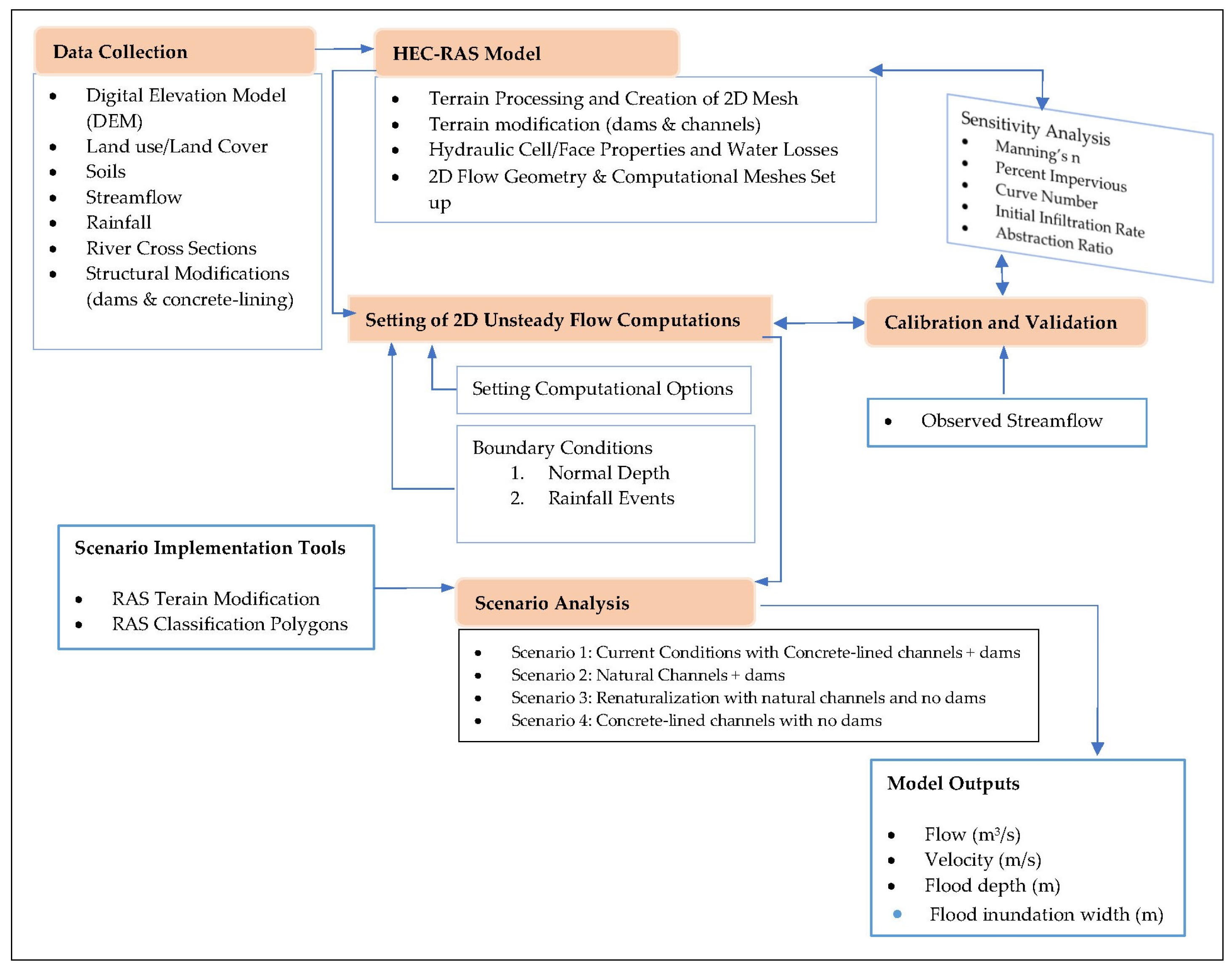
Sensitivity analysis was conducted using a local one-factor-at-a-time approach by evaluating the normalized relative effect, defined as the ratio of the relative change in simulated peak flow to the relative change in each perturbed parameter. Each parameter was perturbed individually while holding all others constant, and the resulting changes in peak flow at the catchment outlet were quantified following each 48 h HEC-RAS 2D simulation. While previous flood and inundation modelling studies have largely focused on the sensitivity of hydraulic parameters such as Manning’s roughness coefficient during model calibration and inundation mapping, this study extends the analysis by evaluating hydrologic and surface-runoff–related parameters including curve number, percent impervious area, abstraction ratio and infiltration characteristics under event-based rainfall conditions [
66,
67]. The results of the relative effect analysis are presented in
Table 6. Under this approach, parameters with larger absolute values of the normalized relative effect exert a stronger influence on simulated peak flow. The results indicate that curve number exhibited the highest sensitivity, with a normalized relative effect substantially larger than that of the other parameters, and was therefore classified as very highly sensitive based on the threshold criteria presented in
Table 7. This highlights the strong influence of runoff generation processes on peak discharge under the applied parameter perturbation.
Percent impervious area, Manning’s roughness coefficient, and abstraction ratio exhibited moderate sensitivity, indicating a meaningful but secondary influence on peak flow magnitude. In contrast, the initial infiltration rate showed low sensitivity, suggesting that short-duration peak flows in the modelled event were relatively insensitive to moderate changes in infiltration capacity. Overall, the sensitivity results show that, under short-duration and high-intensity rainfall conditions, parameters controlling surface runoff generation and surface connectivity exert a dominant influence on simulated peak flow. In particular, curve number and percent impervious area exhibited the highest relative effects, indicating that peak discharge during event-based simulations is primarily governed by excess rainfall production rather than subsurface losses. Routing-related parameters, such as Manning’s roughness coefficient and abstraction ratio, showed a moderate influence, while the initial infiltration rate had a comparatively low effect on peak flow magnitude.
3.2. Model Calibration and Validation
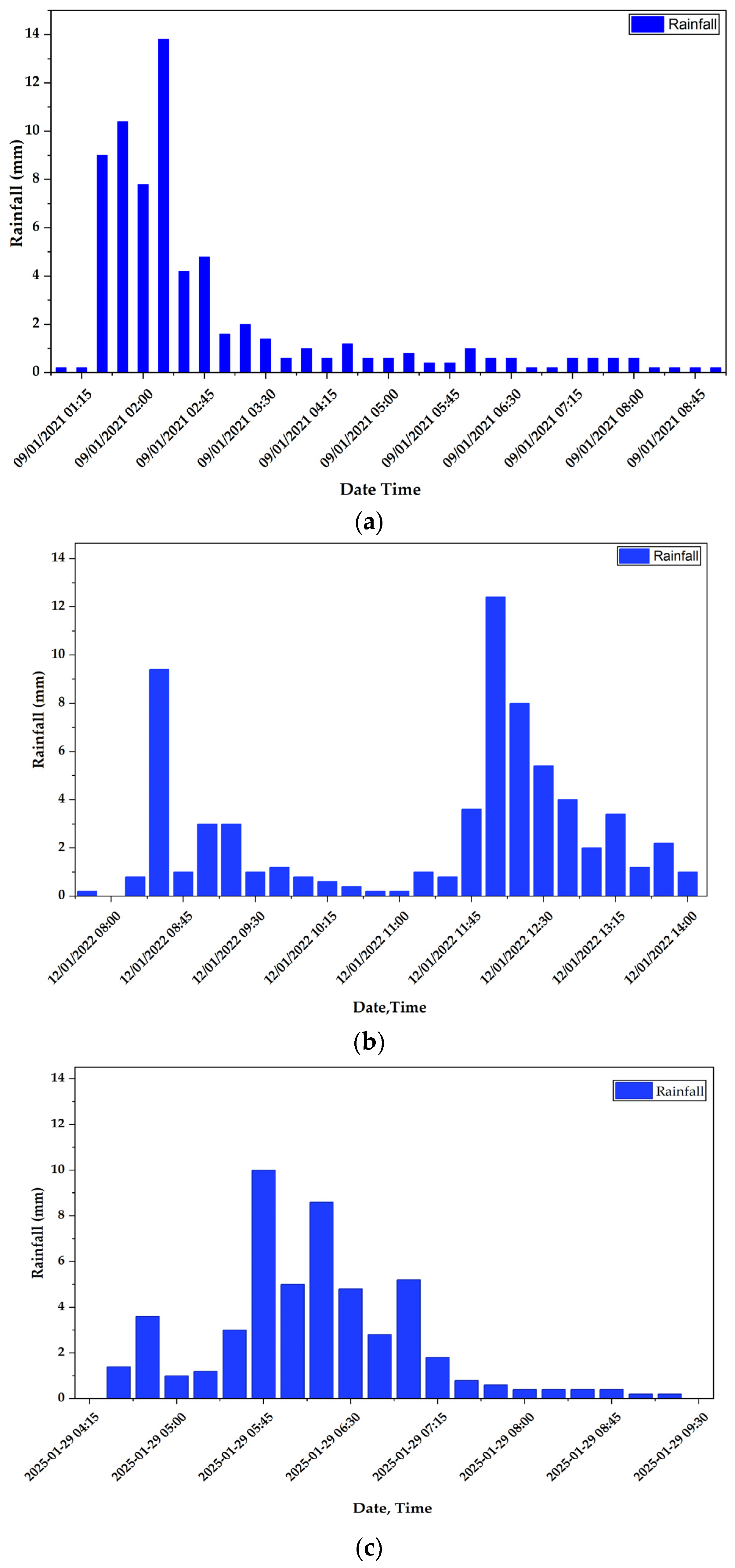
The HEC-RAS 2D model was calibrated over a simulation period of 48 h following a 15 min interval rainfall event using Manning’s n and percent impervious for the hydraulic face properties under LULC classes and curve number, initial infiltration rate and abstraction rate under the infiltration layer. The model was evaluated against a continuous hydrograph comprising multiple time steps at 15 min intervals over the flood event, allowing for parameter adjustments to reflect model performance across a range of flow conditions, including the rising and falling limbs and peak flows. This ensured that calibration was not based on a single discharge value, but rather on the ability of the model to reproduce the full temporal dynamics of streamflow at the outlet.
Table 8 presents the initial and calibrated Manning’s n and percent impervious values (Land cover layer parameters), while
Table S2 in the Supplementary Material presents the initial and calibrated values of curve number, initial infiltration rate and abstraction rate assigned to the infiltration layer.
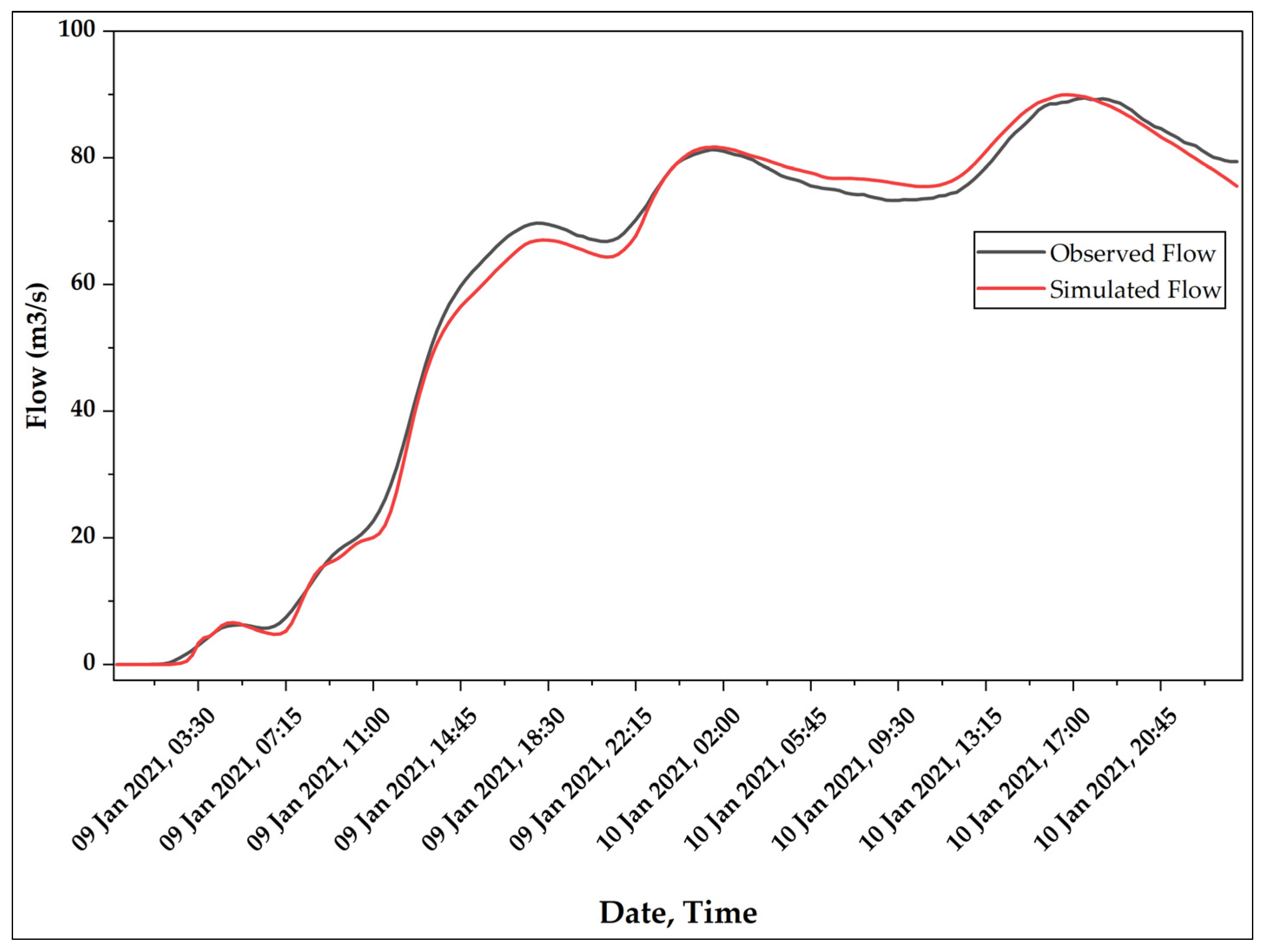
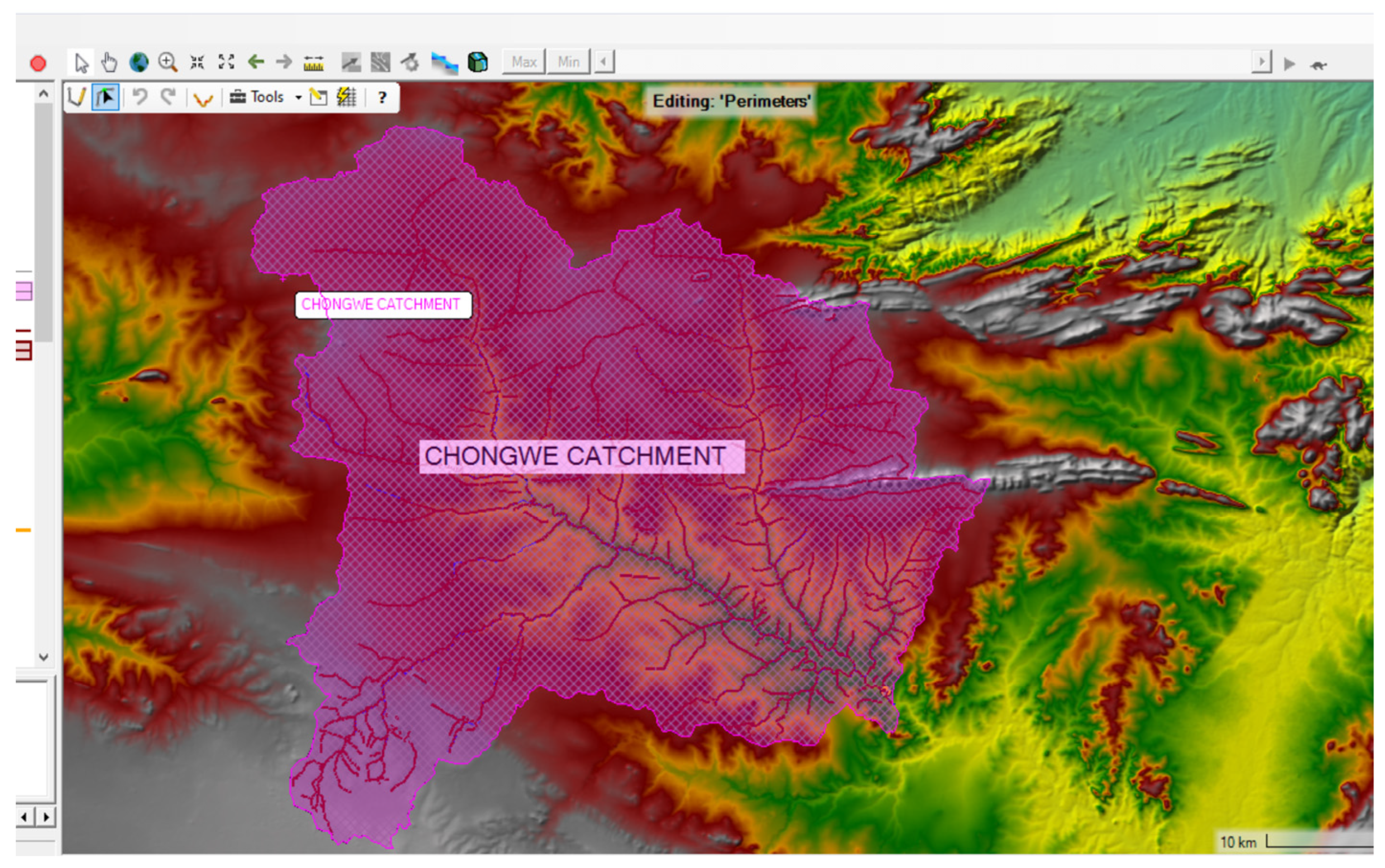
A graphical comparison of the simulated flow and the observed flow at the outlet of the Chongwe Catchment, shown in
Figure 11, shows a good model prediction of the observed flow. The statistical computations of model performance during calibration were also conducted, in which R
2, NSE and PBIAS were found to be 0.99, 0.75 and −0.68% respectively. The R
2 value of 0.99 indicates that the model closely followed the overall temporal pattern of the hydrograph, capturing the trends of flood [
68]. The NSE value of 0.75 obtained shows that the model reproduced observed flow magnitudes with reasonable accuracy, though it also suggests moderate discrepancies during peak flows [
64]. The negative value of PBIAS indicates that the model overestimated the peak flows [
68]; however, all the results of statistics obtained fall within the good to very good thresholds defined by Moriasi et al. [
64].
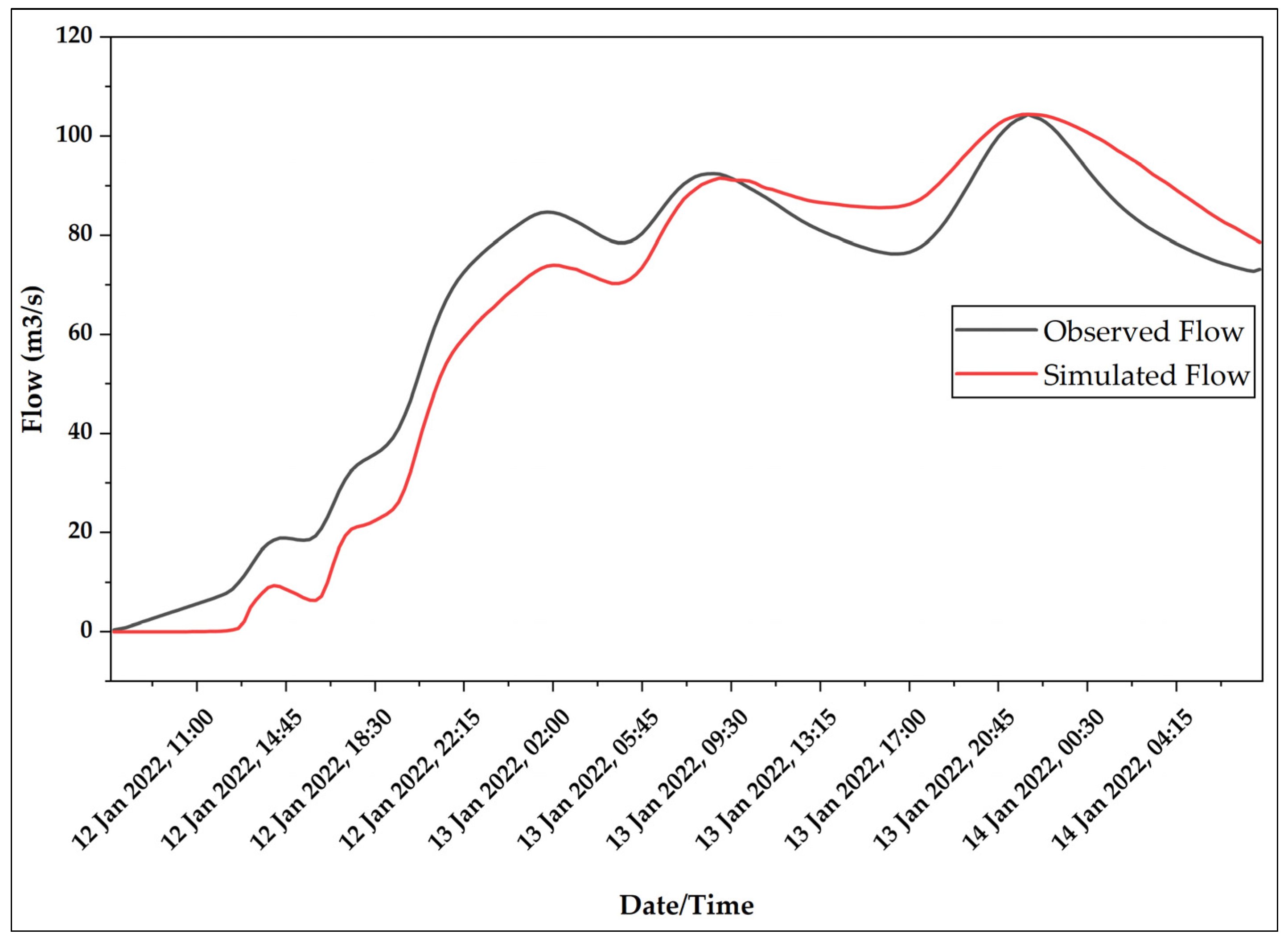
The calibrated model parameters were used for the validation of flow using an independent rainfall event which occurred on 12 January 2022 and the corresponding observed flow event and the results are presented in
Figure 12. The validation exercise achieved R
2, NSE and PBIAS of 0.95, 0.75, and −2.49%, respectively. R
2 and NSE were similar to calibration results; however, PBIAS shows that the model further overestimated the peak flows during validation compared to calibration. Overall, the HEC-RAS 2D simulations seem to capture the observed flow well, both during calibration and validation runs based on the recommendations of Moriasi et al. [
64]. Although peak flows are slightly overestimated, the PBIAS values remain within acceptable limits for hydrological model performance and the bias is systematic across all scenarios. Therefore, relative differences between scenarios remain meaningful for comparative assessment of the effects of channel concrete-lining and dam storage on high-flow behaviour.
3.3. Effects of Concrete-Lining of Natural Channels on High Flows
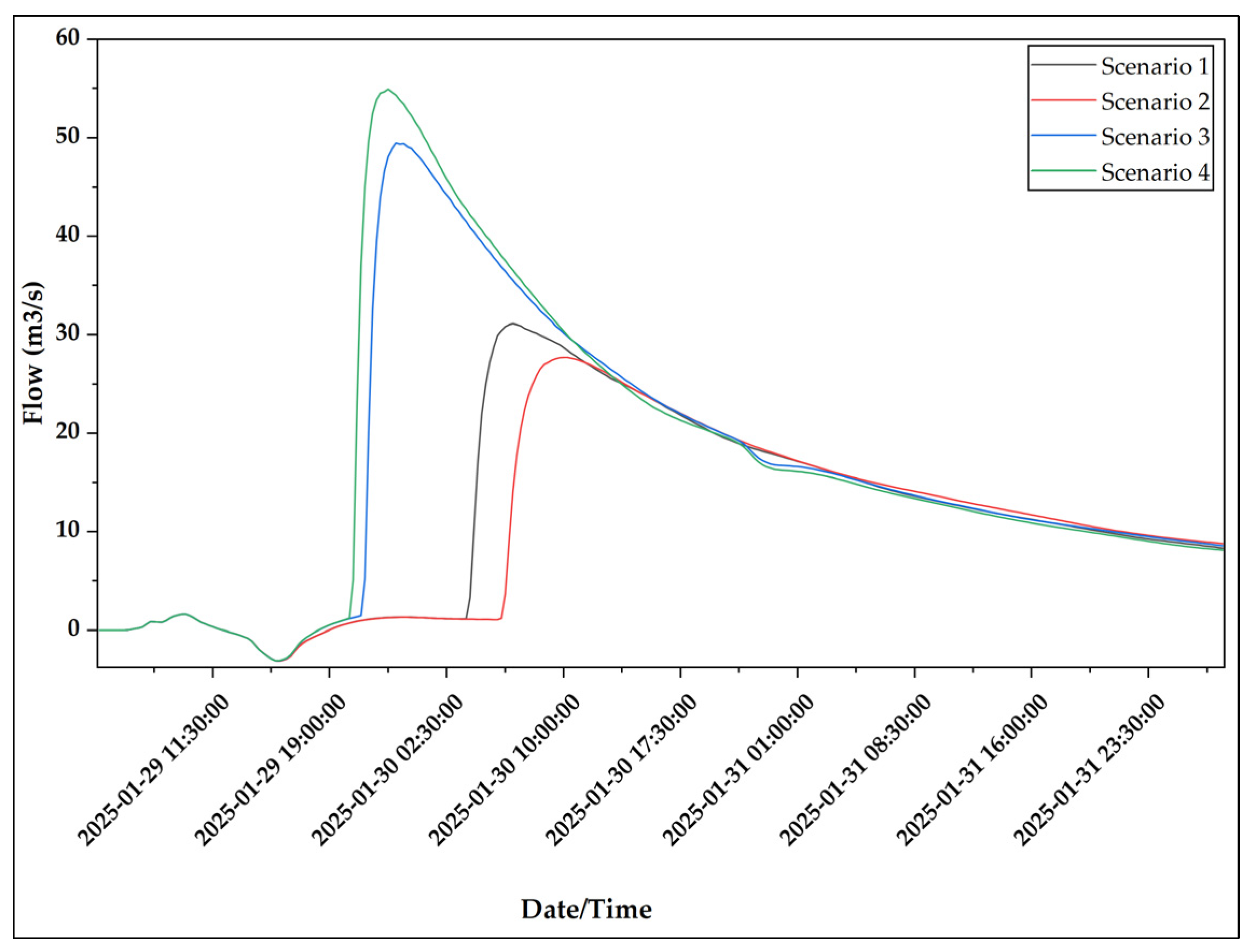
To segregate the hydrological effects of urban channel modification, Scenario 3, which represents a naturalized condition with unlined channels and no dam under the simulated rainfall event, was used as the baseline for comparison. Scenario 4 simulates the same catchment for the same rainfall event, but with 21 km of urban headwater channels of the Ngwerere River in Lusaka replaced by a concrete-lined drainage channel. The difference between these two event-based scenarios, therefore, captures the response of the catchment to concrete-lining during an extreme rainfall event, rather than long-term hydrological change. The results showed that concrete-lining of 21 km of urban headwater channels significantly altered event-scale flood flows at the outlet of the Ngwerere sub-catchment, where urban drainage upgrades were implemented. A comparison between Scenario 3 (natural channels, no dams) and Scenario 4 (concrete-lined channels, no dams) showed that peak flow increased by 11% (from 49.44 m
3/s to 54.91 m
3/s), flood depth rose from 3.79 m to 3.88 m and flood inundation width expanded from 114 m to 117 m. Lag time decreased by 0.20 h, indicating faster runoff concentration response to a rainfall event. These changes are presented in
Figure 13 and
Table 9. It should be noted that the brief negative discharges observed at the initial stage of
Figure 13 are associated with common numerical instability near wetting–drying fronts in 2D shallow-water solvers, where exaggerated friction forces under vanishing depths may even reverse the computed flow [
69].
Historically, flooding has been a recurrent problem in Lusaka due to rapid urban expansion, encroachment into floodplains and inadequate stormwater drainage infrastructure [
37,
70]. Prior to the concrete-lining of natural urban channels, flood events were frequently reported during intense rainfall events, causing damage to roads, informal settlements, and public infrastructure [
70]. These challenges prompted the adoption of channel-lining as a means of rapidly conveying stormwater through densely urbanized areas during storm events [
36]. However, while channel concrete-lining improves flow conveyance within modified reaches, it also fundamentally alters natural flow resistance. Therefore, under the model set-up, the observed increases in peak flow and flood inundation width under scenario 4 can be attributed to the reduction in channel surface roughness and the lack of natural detention associated with concrete-lining. Natural channels typically slow flow through resistance provided by vegetation and irregular geometry and they also facilitate infiltration and temporary storage [
71]. In contrast, concrete-lined channels are hydraulically efficient, allowing rapid flow conveyance while limiting infiltration and subsurface storage interactions [
20].
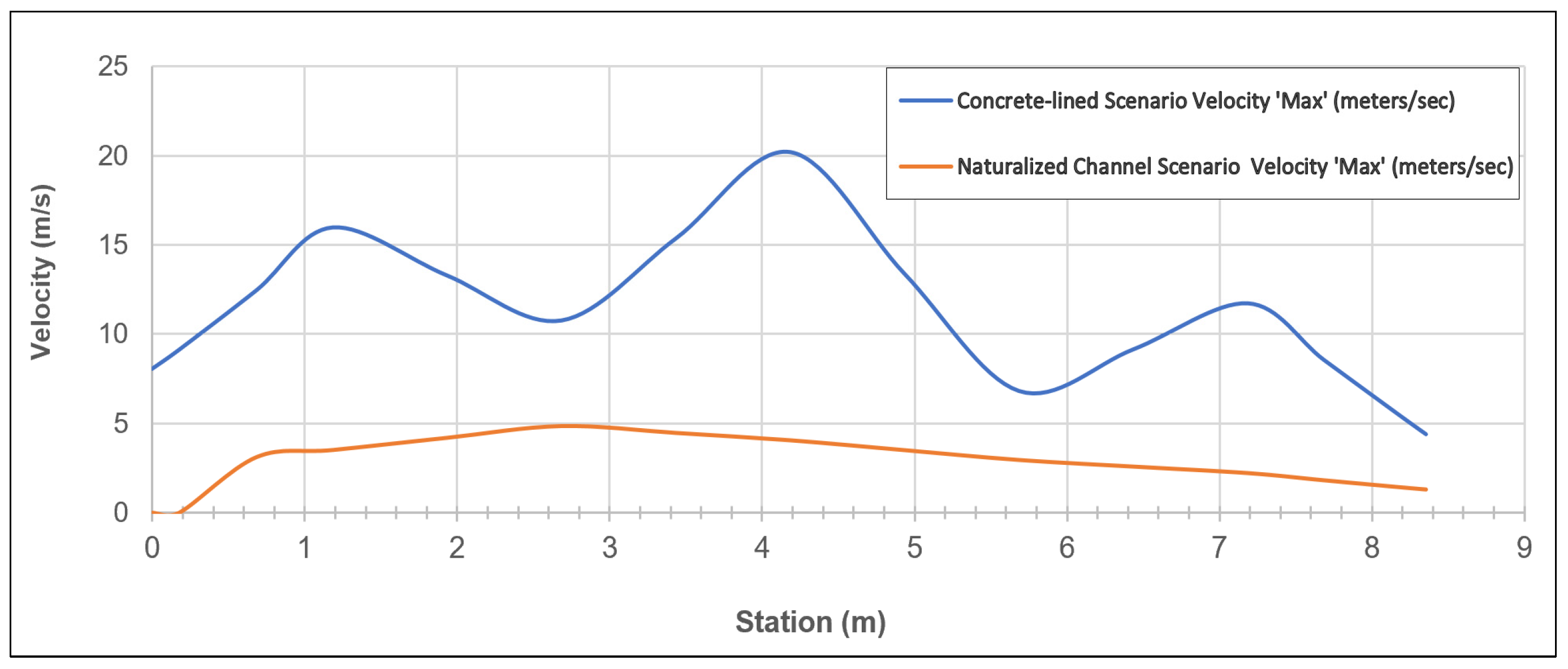
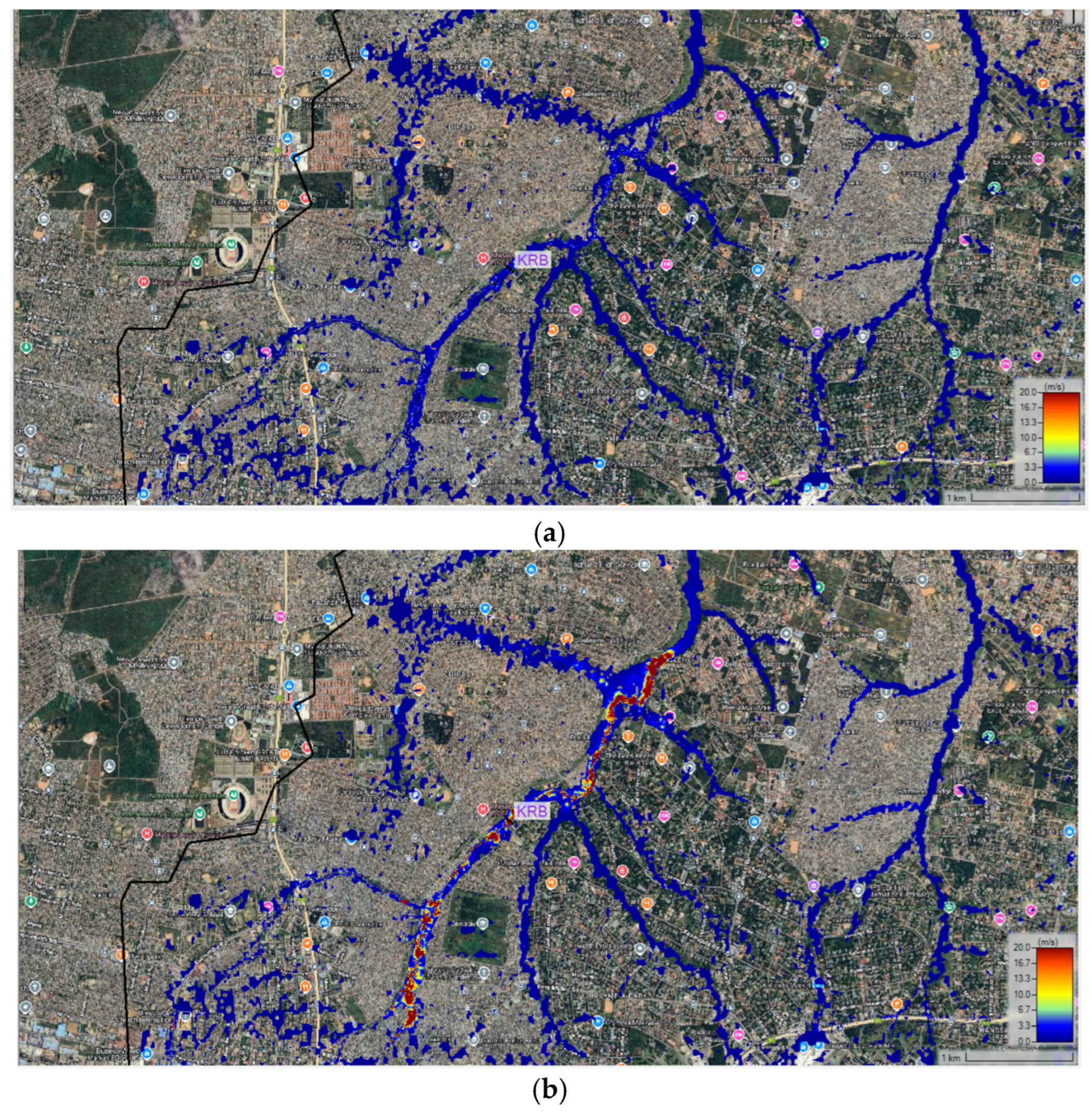
This is supported by the results shown in
Figure 14 and
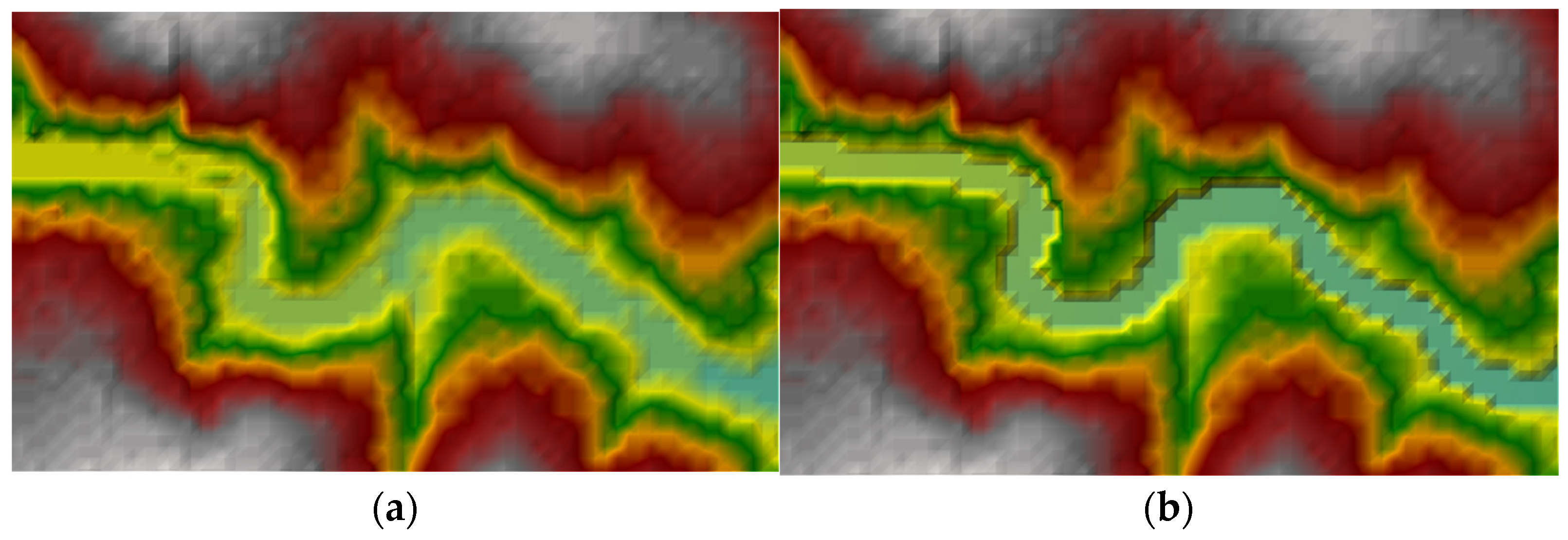
Figure 15, in which the localized instantaneous maximum velocity outputs across the concrete-lined main drainage channel were extracted for both the concrete-lined and natural channel scenarios and compared. Minor discontinuities are observed in the results at some junctions in
Figure 15a,b, likely due to the exclusion of secondary drainage features not captured in the river network datasets used in terrain modification. These visual discontinuities did not affect the hydraulic continuity of the main channels and had no notable impact on the overall simulation results. The results showed that in the concrete-lined channels, instantaneous maximum velocities increased and ranged between approximately 8 m/s and 20 m/s across the channel width. In the natural channel scenario, instantaneous maximum velocities were lower than 5 m/s.
The 2D model was executed using a stable timestep of 1 min that satisfied the Courant–Friedrichs–Lewy (CFL) stability condition with a computational mesh designed to balance numerical stability and representation of key hydraulic features. A coarser grid of 100 m was applied across the wider floodplain, while locally refined cells of 2 m resolution were introduced along river channels and concrete-lined drainage channels using breaklines to better resolve channel geometry and flow acceleration. Under these conditions, the reported velocities of up to approximately 20 m/s represent localized instantaneous maximum values occurring within confined, smooth concrete-lined sections during high flow conditions. Such increases in instantaneous maximum flow velocity are in line with the reported findings of Fletcher et al. [
72], who presented that increased imperviousness and enhanced hydraulic connectivity in urban areas lead to elevated stream power and rapid flow acceleration during extreme rainfall events. Although these velocities exceed typical natural-channel conditions, they are physically plausible for short-duration peak flows in confined concrete-lined channels and indicate elevated erosive and structural risk associated with such drainage systems.
Similar hydrological responses to concrete-lining have been reported in other highly urbanized catchments. For example, in the Bukit Timah catchment in Singapore, Palanisamy and Chui [
73] showed that concrete-lined drainage canals increased runoff volumes contributing to downstream flood risk. Their study demonstrated that such hydraulic efficiency necessitates complementary mitigation measures, such as low-impact development techniques to restore infiltration and reduce peak flows. Beyond hydrological impacts, studies in other urban catchments have shown that concrete drainage infrastructure can also alter runoff water quality through geochemical interactions between stormwater and concrete surfaces. For example, Wright et al. [
74], based on observations from urban catchments in Melbourne, Australia, reported elevated pH, alkalinity, and calcium concentrations in streams receiving runoff conveyed through concrete-lined drainage systems. This suggests that, in addition to increased flood magnitudes downstream, concrete-lining in the Chongwe Catchment may also have implications for runoff quality and stream health, necessitating further investigation in future studies.
The observed increase in instantaneous maximum velocities in the concrete-lined channel can be explained by Manning’s equation, which relates velocity to the roughness coefficient, channel slope, and hydraulic radius [
75]. When the Manning’s n value is lowered, the flow experiences less frictional loss and accelerates accordingly. In addition, smoother channel geometry reduces small-scale surface irregularities and localized storage effects relative to natural channels, contributing to more efficient flow conveyance [
48]. Furthermore, concrete channels are often more directly connected to impervious urban surfaces, which increases both the velocity and volume of runoff entering the drainage channel system. As a result, the flow becomes more concentrated, contributing to elevated flood levels and wider flood inundation widths at the catchment outlet under the modelled conditions.
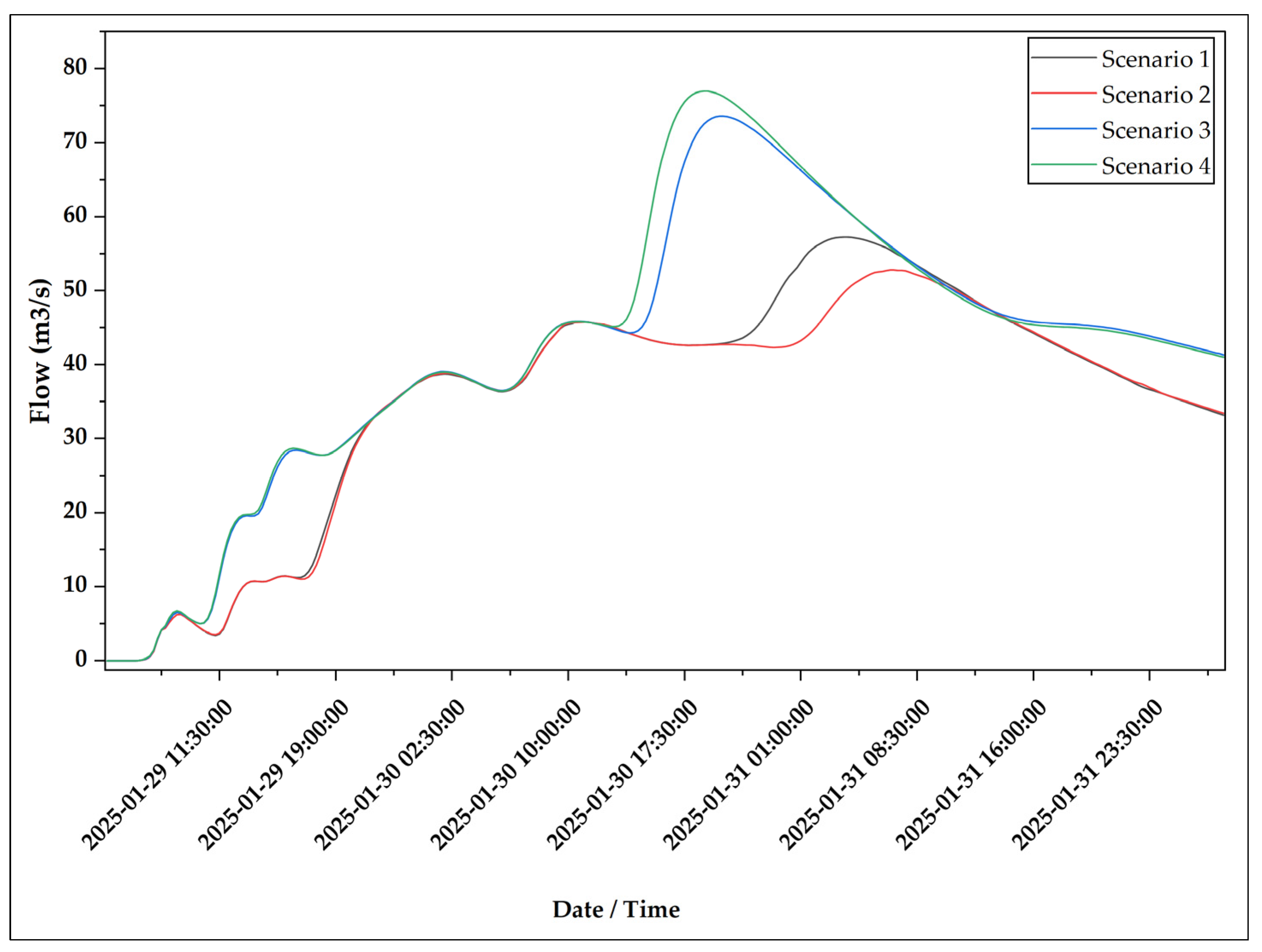
At the main Chongwe River outlet, the downstream influence of upstream concrete-lining was also evident, although the magnitude of hydrological changes was less pronounced. Comparing Scenario 4 (concrete-lined, no dams) with Scenario 3 (natural channels, no dams) showed that peak flow increased by 4.6% from 73.60 m
3/s to 77.00 m
3/s, while lag time decreased by approximately 1.25 h (
Figure 16 and
Table 10). The smaller change at the main outlet reflects the larger catchment size and longer flow routing distance, which reduces the influence of localized urban channel modifications. Under the same scenario comparisons, the maximum flood depth increased slightly from 1.99 m to 2.22 m, while the flood inundation width expanded from 102 m to 104 m. The spatial differences in flood depth distribution and inundation width along the Chongwe outlet reach are illustrated in
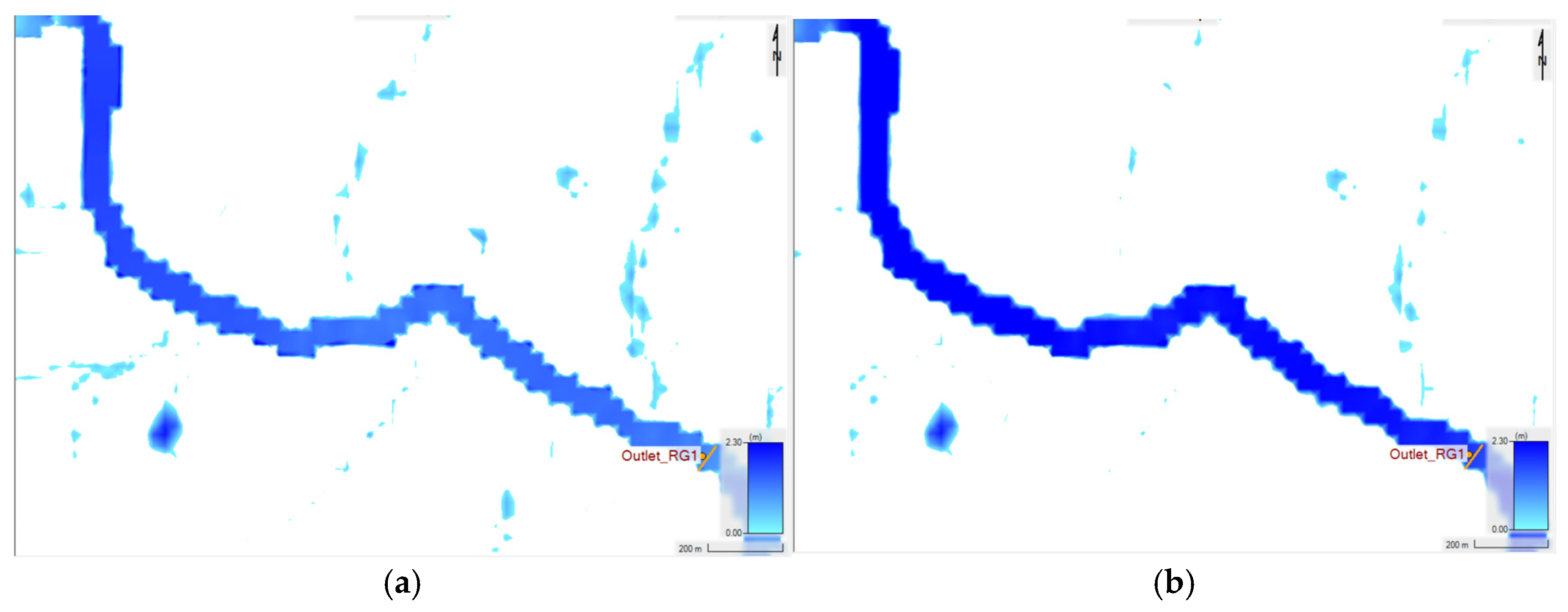
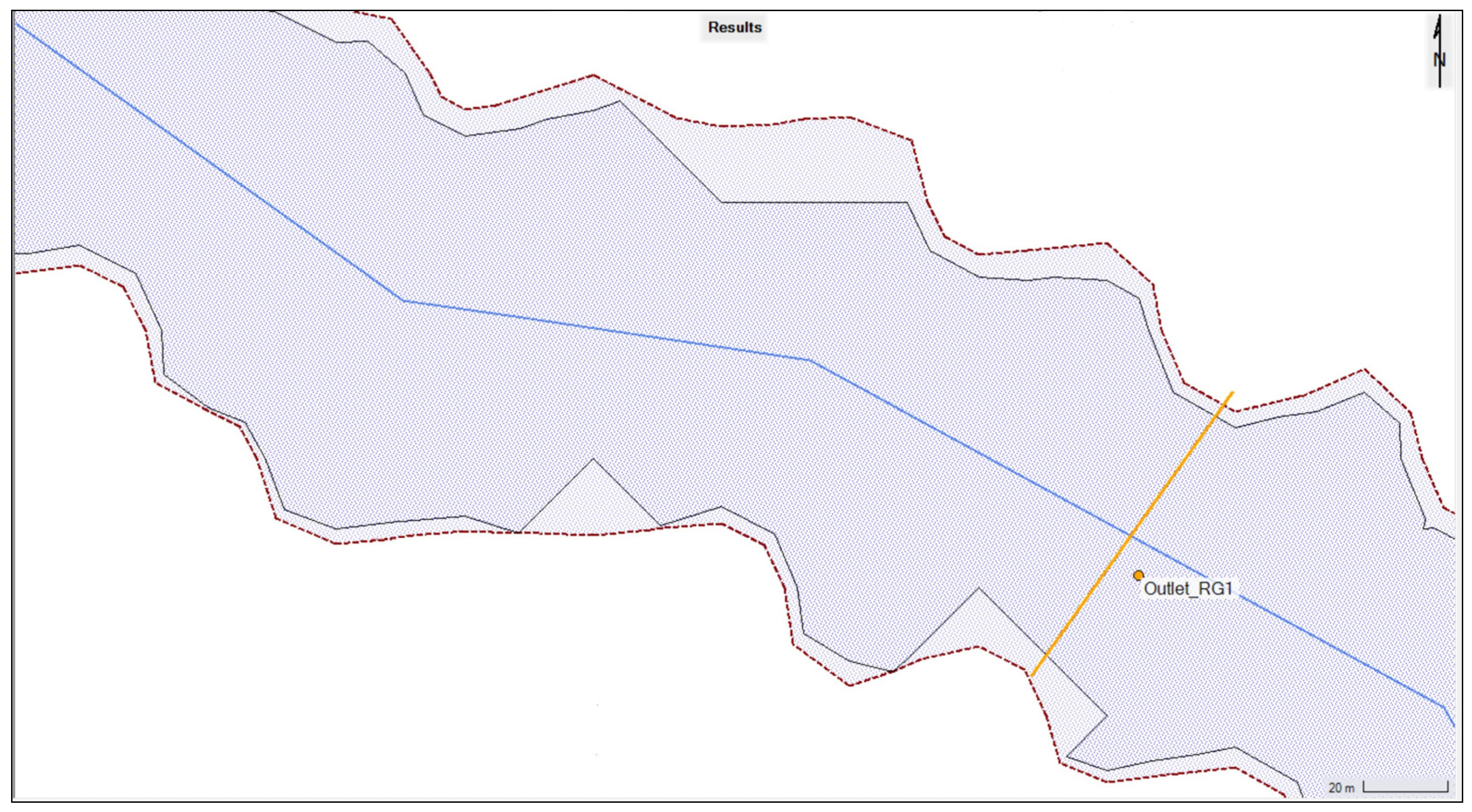
Figure 17 and
Figure 18, respectively. The quantitative changes are summarized in
Table 10.
The simulated downstream changes in the high flows (
Figure 15) suggest that even localized structural modifications, such as concrete-lining within a single urban sub-catchment, can have cascading effects at the catchment scale. The accelerated routing of stormwater reduces the time available for the natural hydrological processes, thereby increasing the timing and inundation widths of downstream flooding during high-flow conditions. This effect is further reflected in the flood depth and inundation maps (
Figure 17 and
Figure 18), where concrete-lined channels are associated with increased flow movement leading to increases in flood depth and inundation width at the Chongwe River outlet reach. These findings highlight the importance of considering system-wide hydrologic connectivity when designing urban drainage interventions. Our findings are consistent with studies such as Ress et al. [
7], who reported increased peak flows when natural channels are replaced by engineered stormwater drainage systems. While these findings are out of a 15 min interval rainfall event-based modelling, they support the findings of Chisola and Kuráž [
45] who analyzed long-term streamflow time-series and reported an increase in streamflow during wet seasons and a reduction in dry season, suggesting a decrease in lag time, similar to our results. Tena et al. [
37] attributed rising wet-season flows to the rapid expansion of buildings and road infrastructure in Lusaka. Our study adds new evidence by showing that the observed increases in flow in wet seasons may further be linked to the construction of the 21 km concrete-lined drainage system (the Bombay drain) in Lusaka, which enhances runoff concentration and accelerates peak-flow delivery to the Chongwe River.
3.4. Effects of Dam Storage on High-Flows
To evaluate the effects of dam storage on high flows, Scenario 2 (natural channels with dams) was compared with Scenario 3 (natural channels without dams) at the outlets. This comparison isolates the hydrological influence of existing irrigation and water supply dams while keeping the surface channel characteristic constant. The results showed that dam presence reduced peak flows and delayed flood wave propagation across the Chongwe River Catchment. At the Ngwerere outlet, peak flow decreased by 44%, from 49.44 m
3/s in Scenario 3 to 27.72 m
3/s in Scenario 2. Lag time increased by approximately 11 h, from 17.05 to 27.93 h, while flood depth and inundation width decreased by 11% and 8%, respectively (
Figure 13 and
Table 9). These changes can be attributed to the presence of the Kasisi Dam on the Ngwerere River, which stores stormwater and thus delays and reduces downstream flow volumes during high-flow conditions. The dams temporarily store inflowing stormwater during peak rainfall periods and release it gradually through outlet structures [
76]. Consequently, when dams are removed under Scenarios 3 and 4, this attenuation effect is lost and a larger proportion of event runoff is transmitted directly downstream, leading to higher and earlier peak discharges, reduced lag time, and increased flood depths and inundation width. As defined in the model setup, if a comparable rainfall event were to occur when the reservoirs are already at or near full supply level, the available storage for flood attenuation would be substantially reduced and a greater proportion of inflowing floodwaters would be routed downstream, resulting in increased peak discharge, reduced lag time, and enhanced downstream flood depths and inundation width [
77].
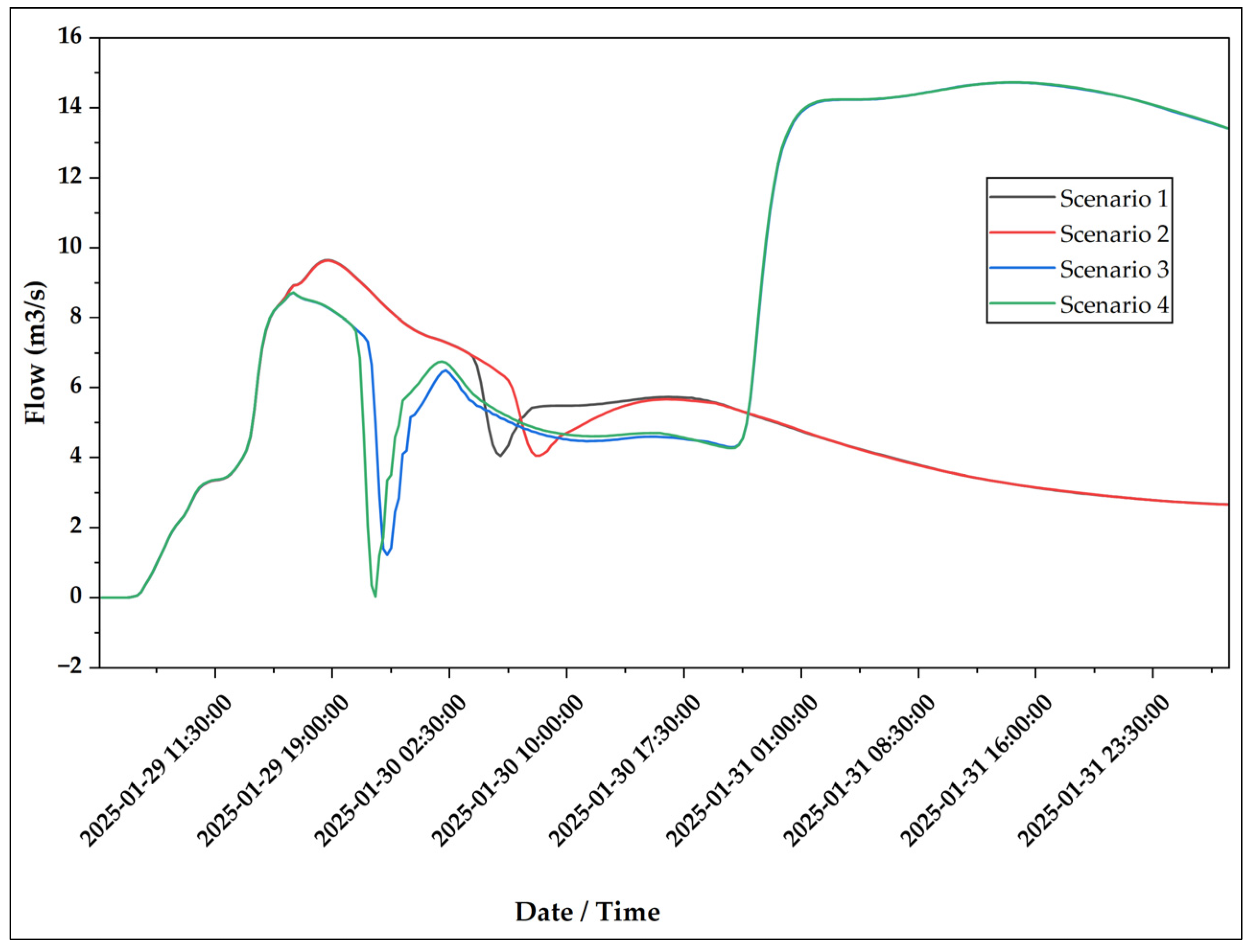
A similar pattern was observed at the Upper Chongwe outlet, where the presence of upstream dams reduced high-flow magnitudes. Peak flow decreased by 35%, from 14.73 m
3/s under Scenario 3 (no dams) to 9.64 m
3/s under Scenario 2 (with dams), as shown in
Figure 19 and
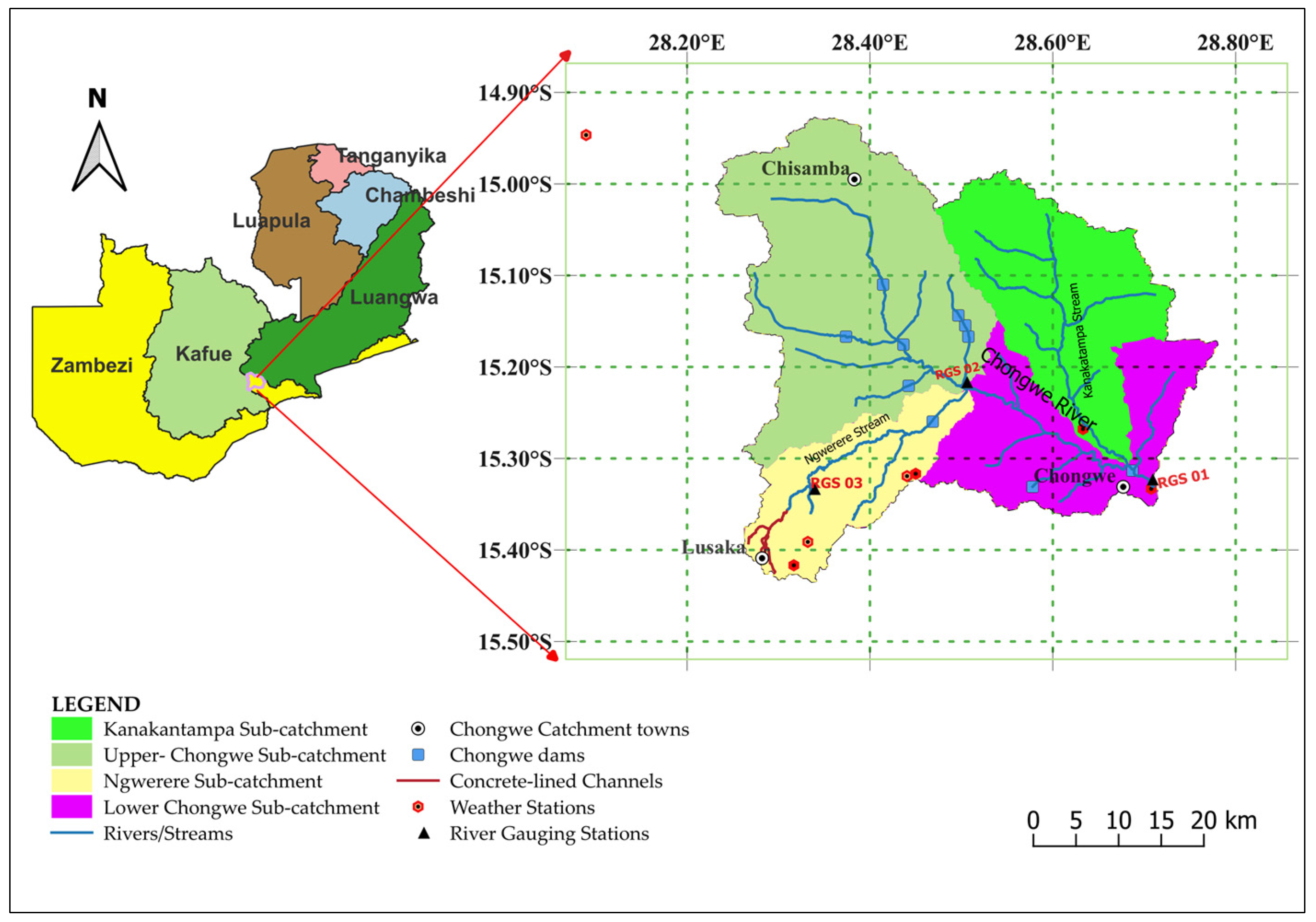
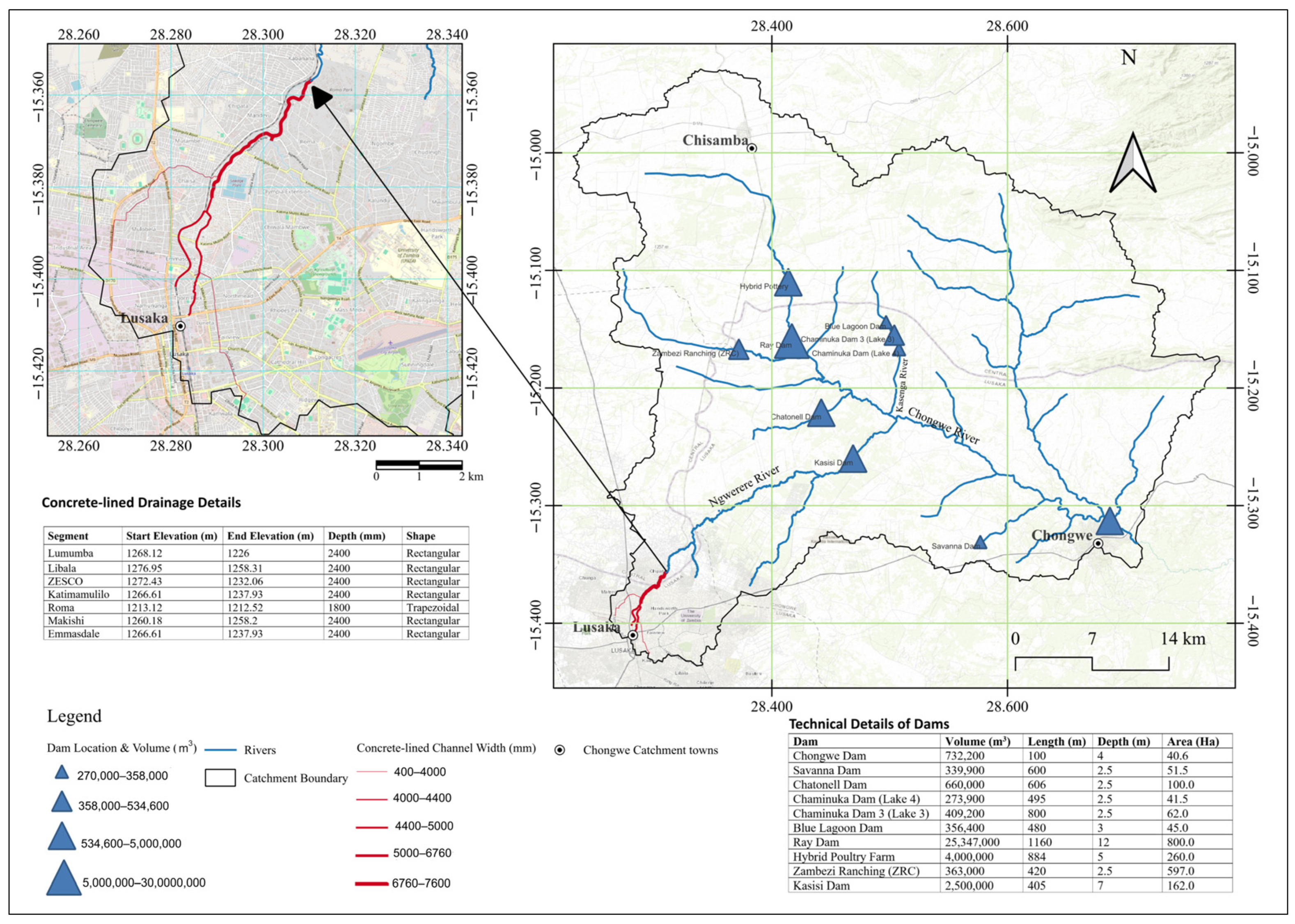
Table 11. The sharp rise in flow observed when dams are removed in Scenarios 3 and 4 reflects the loss of upstream storage, particularly following the removal of seven major irrigation dams with a storage capacity of over 31.4 million cubic metres (
Figure 5). Under dam-present conditions, the runoff is stored and released more gradually, which smooths the hydrograph and reduces peak flows. In contrast, when there are no dams, runoff generated by the rainfall event is routed directly downstream, resulting in a faster and more abrupt increase in discharge at the outlet. In addition, the maximum flood depth decreased from 1.71 m to 1.52 m, while flood inundation width contracted from 89 m to 80 m, demonstrating the capacity of upstream storage to reduce flood levels and downstream flood inundation. In contrast to other sub-catchments, the lag-time response at the Upper Chongwe outlet showed a marked decrease, from 56.45 h in the no-dam scenario to approximately 13 h when dams were present. This behaviour reflects the proximity of multiple dams, including the Ray Dam, to the outlet. Under the present dam conditions, flows reaching the outlet are dominated by outflows from the dam that respond more rapidly once reservoir levels rise. When the dam is removed in the simulation, inflows must travel the entire natural channel system, resulting in longer flood-wave travel times. Under full-reservoir conditions, spillway-controlled outflows would be initiated earlier and convey higher downstream discharges, thereby diminishing the flood-attenuation benefits observed under the low initial reservoir conditions assumed in this study.
This finding is similar to the findings of Olariu et al. [
78] in the Siret River Basin, who demonstrated that the influence of dams is strongest closest to the dam, then decreases downstream as the river system recovers its natural state. Therefore, the hydrograph is dominated by dam releases rather than natural channel routing. This finding calls for the need for multiple hydrograph observation points along the river; otherwise, near-dam outlets observations only can give a misleading picture of catchment response in structurally modified basins [
79].
At the Main Chongwe outlet, the combined effect of all the 10 upstream dams produced a 28% reduction in peak flow from 73.60 m
3/s (Scenario 3) to 52.82 m
3/s (Scenario 2). Lag time increased from 38.25 h to 49.25 h, a 29% delay in flood wave arrival at the outlet. The maximum flood depth decreased by 11% and the flood inundation width narrowed by 4% (
Figure 16,
Table 10). Under the simulated conditions, these results show that 10 dams across the Chongwe Catchment play a substantial role in attenuating extreme flow events during short-duration, high-intensity rainfall. While previous assessments in the catchment have focused primarily on monthly or annual streamflow trends [
37,
80], the present event-based simulation highlights the sub-hourly influence of dam infrastructure on high-flow regulation rather than long-term hydrological change. The findings suggest that current dams provide effective mitigation of flash flood peaks and that their hydrological influence is both location-dependent and event-specific.
3.5. Integrated Effects of Concrete-Lining of Natural Channels and Dam Storage
The integrated effects of urban concrete-lining and dam storage were assessed by comparing Scenario 1 (concrete-lined channels with existing dams) against the naturalized Scenario 3. This comparison captures the effect of structural modifications introduced for flood management in the Chongwe Catchment. At the Ngwerere outlet, peak flow decreased by 43%, from 54.91 m3/s in Scenario 3 to 31.14 m3/s in Scenario 1. Flood depth dropped by 11%, from 3.88 m to 3.44 m, and flood inundation width narrowed by 6% from 117 m to 110 m. Lag time increased by 43%, suggesting a delayed runoff response despite the presence of the 21 km of concrete-lined drains in Lusaka. This shows that dam storage plays a significant role in reducing the peak-increasing effects associated with channel concrete-lining and in moderating the downstream flood response.
At the Main Chongwe outlet, the integrated influence of structural measures was similarly evident (
Figure 16 and
Table 10). Peak flow decreased from 76.99 m
3/s (Scenario 3) to 57.25 m
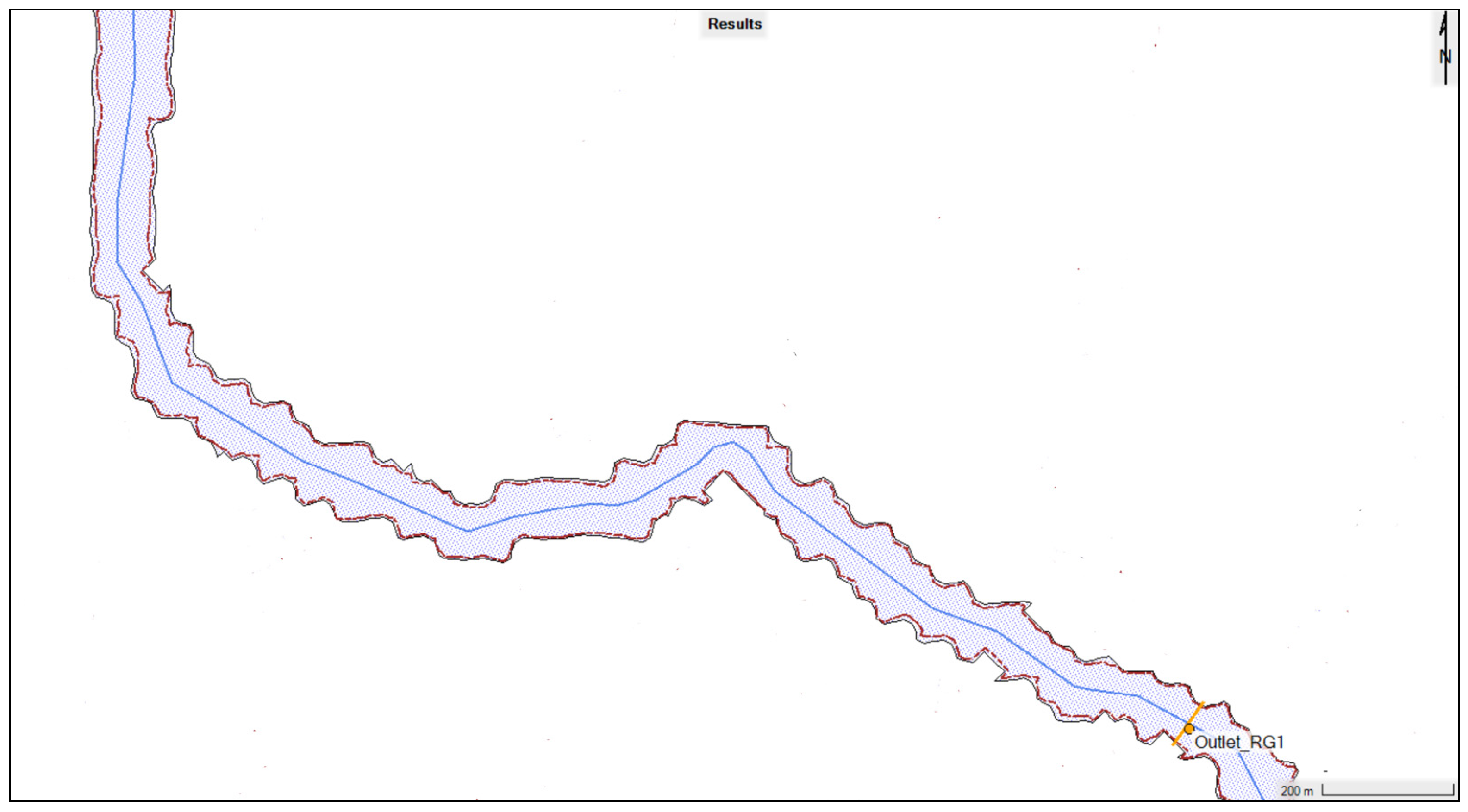
3/s (Scenario 1), representing a 26% reduction. Lag time increased by 24%, while flood depth and flood inundation width reduced by 10% and 4%, respectively. The overlay comparison of the flood inundation boundaries depicting the integrated influence of concrete-lining and dams is shown in
Figure 20. These results reflect the cumulative regulating effect of multiple dams situated in the Ngwerere, Upper Chongwe and Lower Chongwe sub-catchments, which capture and store water over time and thus lessen the flood wave arriving at the outlet for the simulated event [
76]. It should be noted that if similar rainfall events were to occur under full-reservoir conditions, the flood storage effects would be reduced, resulting in higher peak flows, shorter lag times and increased flood depth and inundation width as spillway-controlled outflows become dominant under such conditions [
77].
The overall hydrological behaviour across all four scenarios demonstrated that although concrete-lining alone tends to accelerate and increase flow magnitudes, dam storage counteracts these effects by storing some volume of the flow [
81]. This hydraulic buffering effect is supported by previous studies [
82,
83], which demonstrate that dams reduce both the magnitude and timing of peak flows, particularly when positioned close to areas of rapid runoff generation. Despite these reductions, flow velocities within the concrete-lined sections remained high, ranging from 8 to 20 m/s, far exceeding those recorded under natural-channel conditions. This presents a continued risk of downstream erosion and structural damage during high-flow conditions, even when peak volumes are reduced downstream. This underscores the need for a hybrid flood management approach, which includes Nature-based Solutions (NbS) such as vegetated swales, wetlands and green spaces to reduce instantaneous maximum velocities, enhance infiltration, and increase catchment resilience. Integrating NbS alongside existing hard infrastructure may offer a more sustainable solution to managing urban flood risks in rapidly developing catchments like Chongwe [
17].