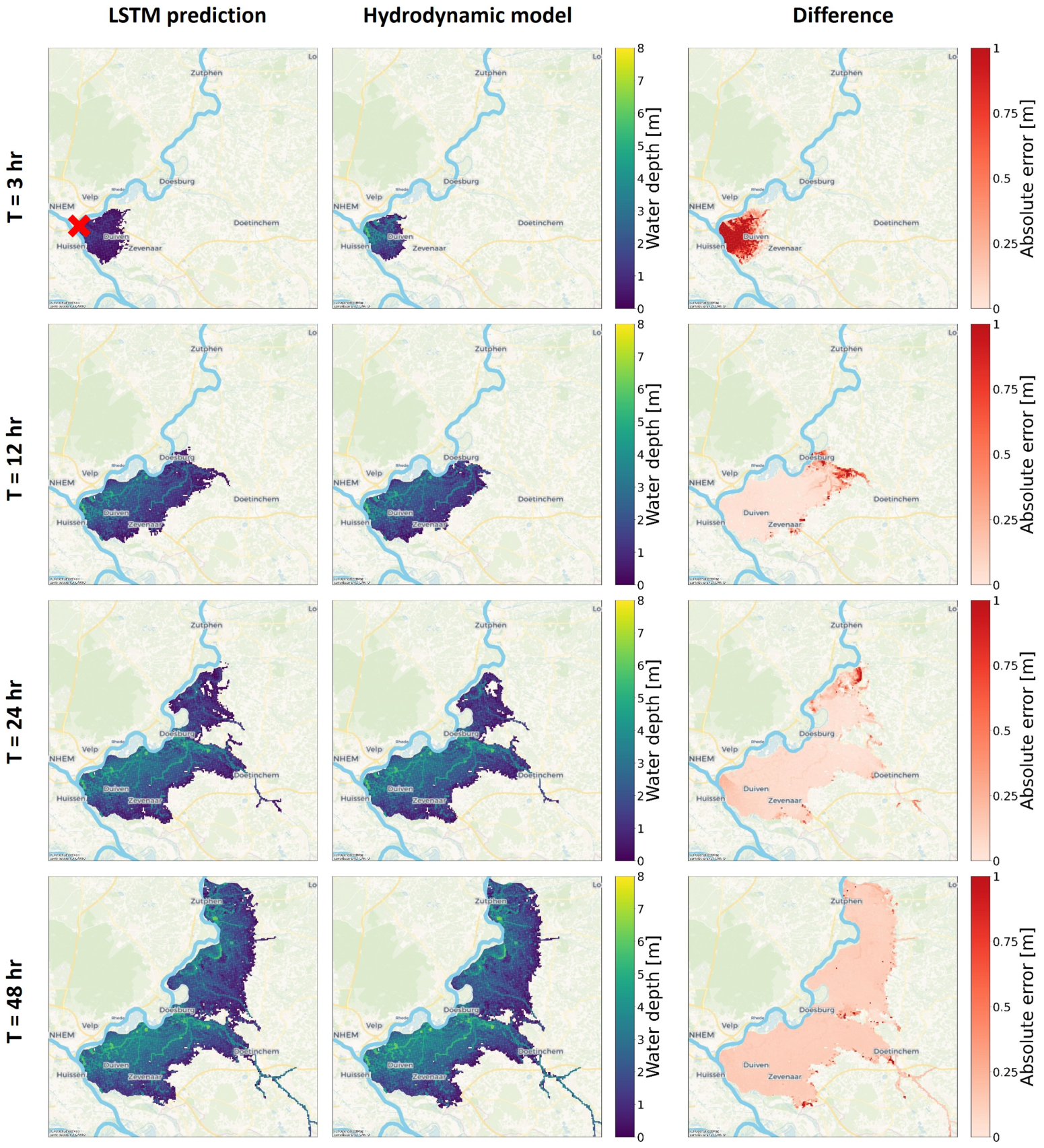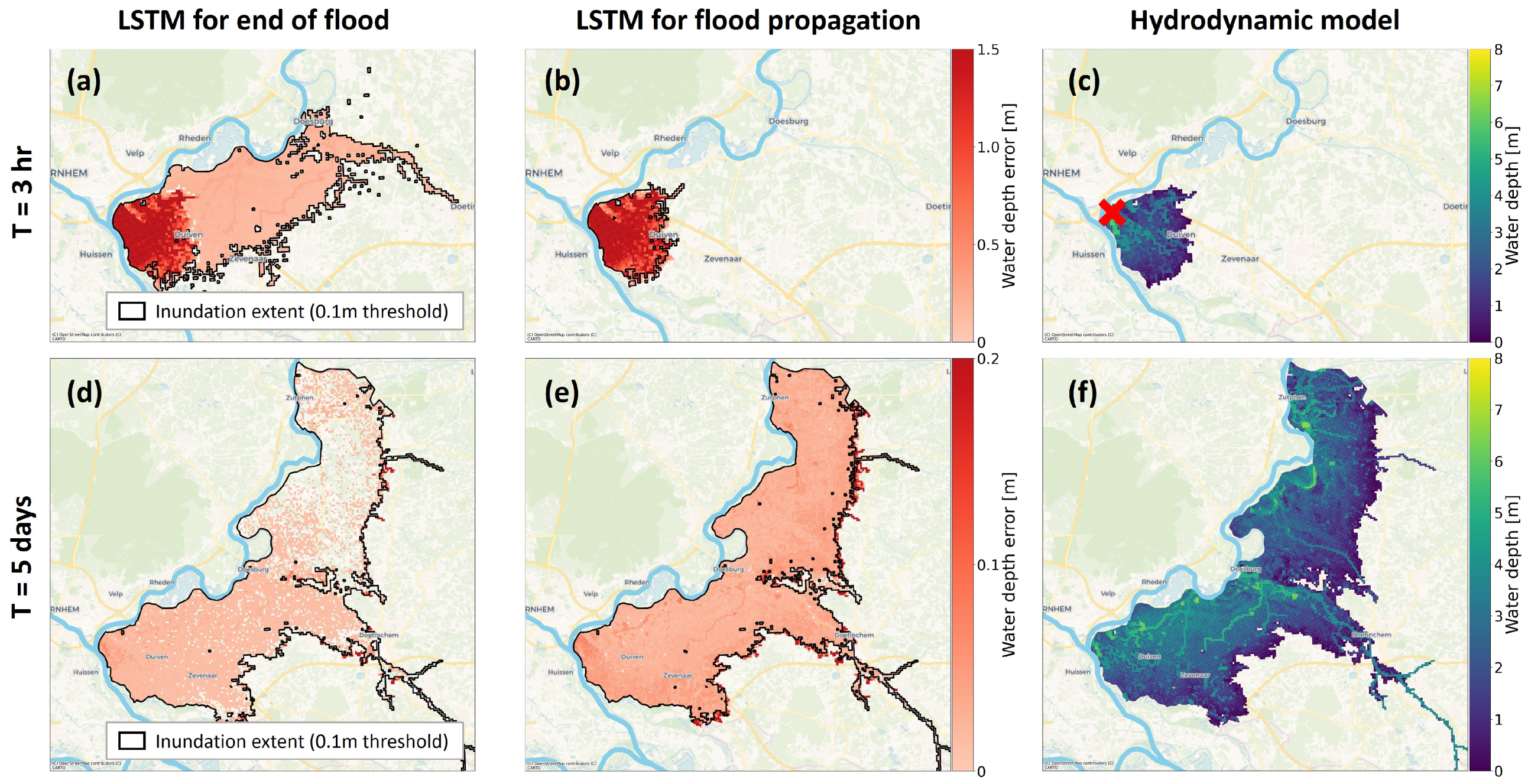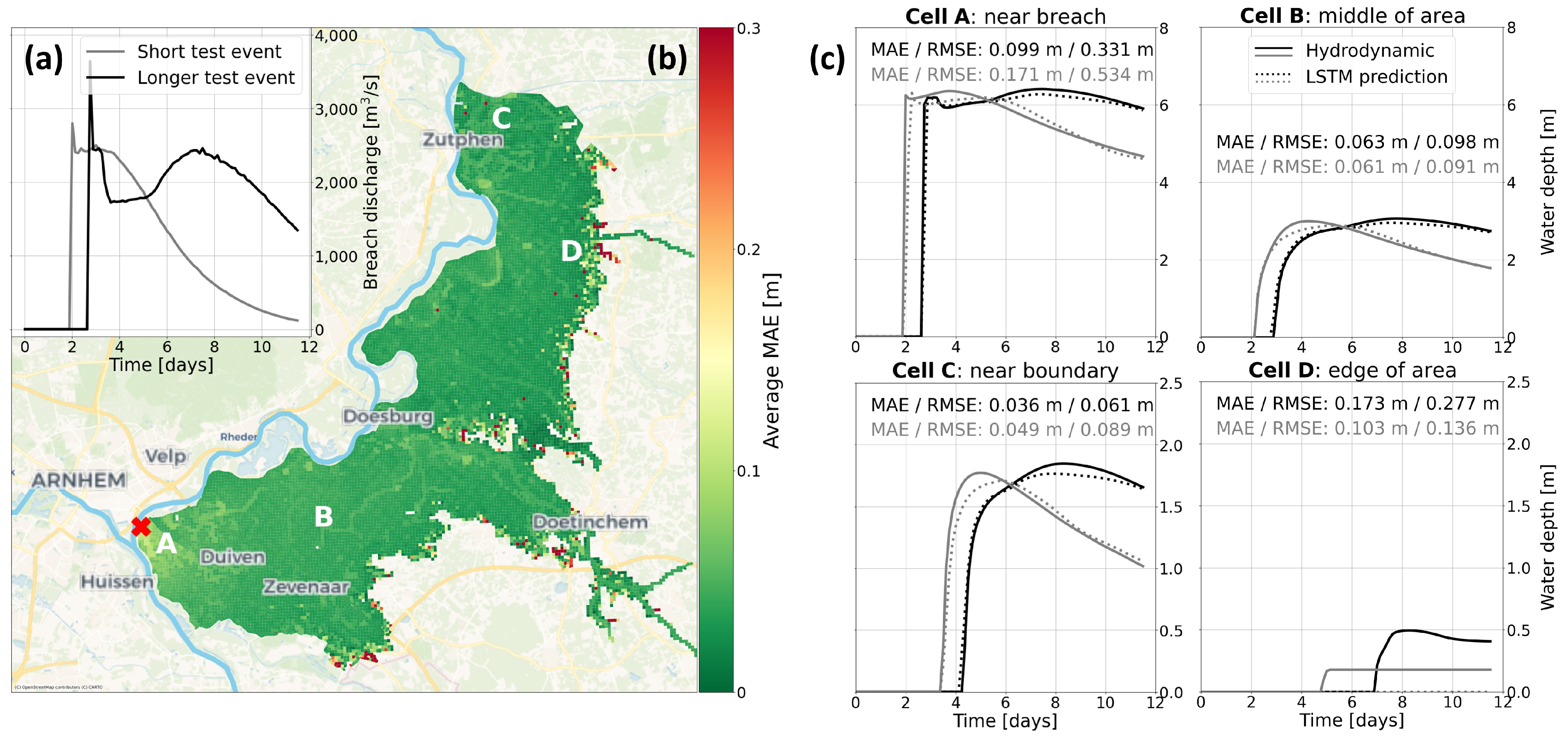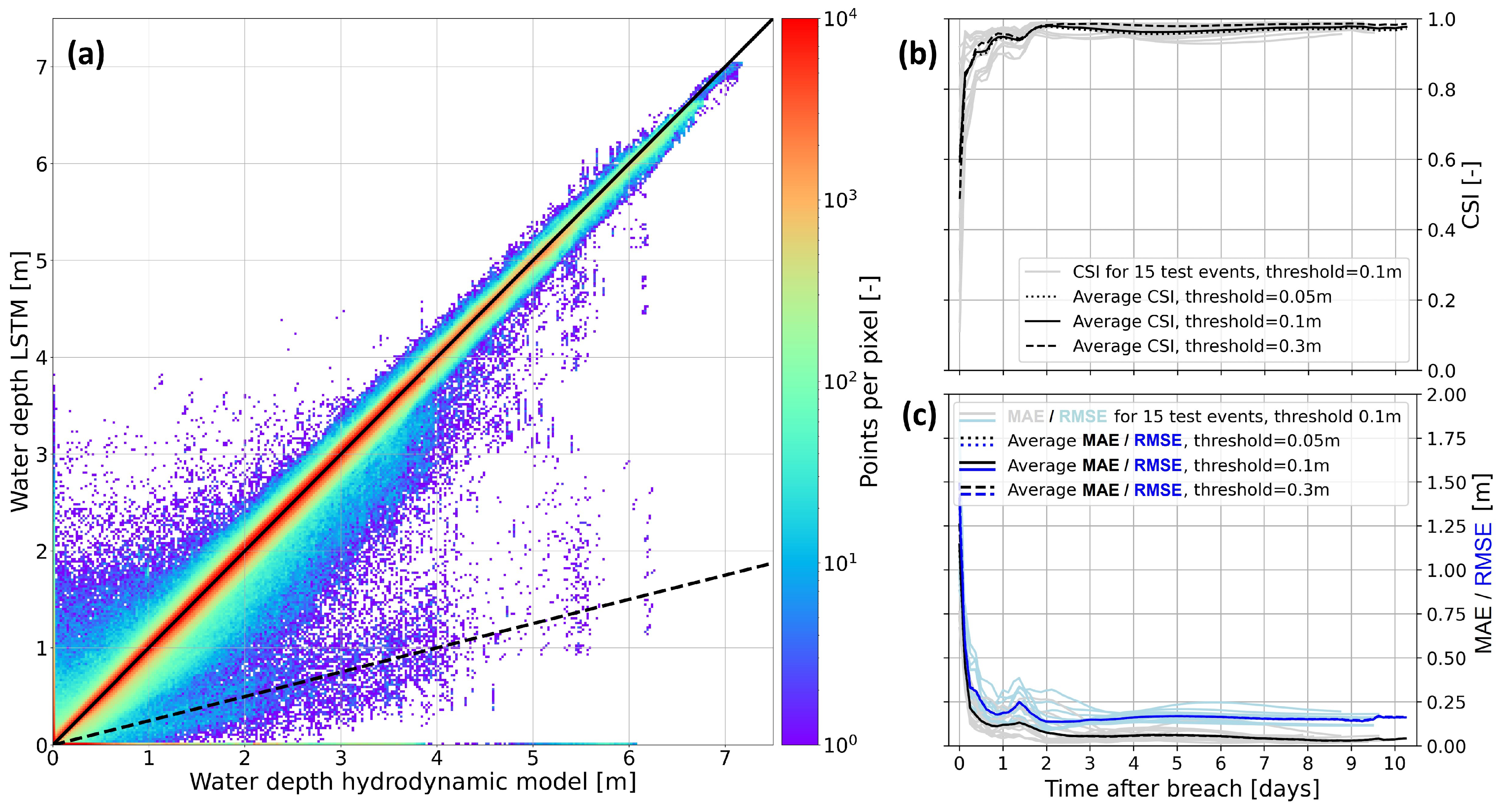

Predicting Flood Inundation after a Dike Breach Using a Long Short-Term Memory (LSTM) Neural Network




Abstract
Share and Cite
Besseling, L.S.; Bomers, A.; Hulscher, S.J.M.H. Predicting Flood Inundation after a Dike Breach Using a Long Short-Term Memory (LSTM) Neural Network. Hydrology 2024, 11, 152. https://doi.org/10.3390/hydrology11090152
Besseling LS, Bomers A, Hulscher SJMH. Predicting Flood Inundation after a Dike Breach Using a Long Short-Term Memory (LSTM) Neural Network. Hydrology. 2024; 11(9):152. https://doi.org/10.3390/hydrology11090152
Chicago/Turabian StyleBesseling, Leon S., Anouk Bomers, and Suzanne J. M. H. Hulscher. 2024. "Predicting Flood Inundation after a Dike Breach Using a Long Short-Term Memory (LSTM) Neural Network" Hydrology 11, no. 9: 152. https://doi.org/10.3390/hydrology11090152
APA StyleBesseling, L. S., Bomers, A., & Hulscher, S. J. M. H. (2024). Predicting Flood Inundation after a Dike Breach Using a Long Short-Term Memory (LSTM) Neural Network. Hydrology, 11(9), 152. https://doi.org/10.3390/hydrology11090152