Distribution, Source Apportionment, and Risk Assessment of Heavy Metals in Surface Waters from a Glacier Basin on the Southeastern Tibetan Plateau

Highlights
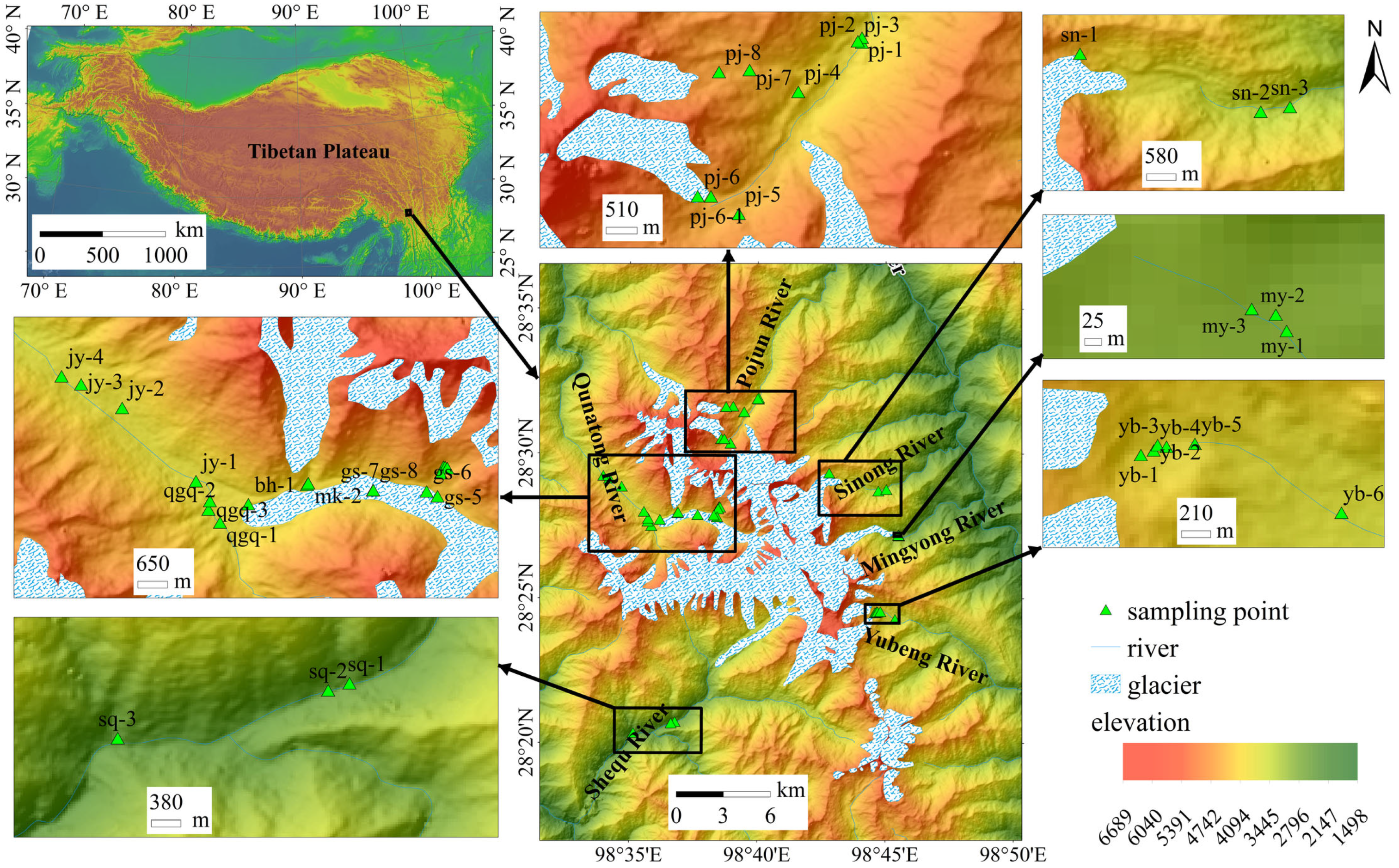
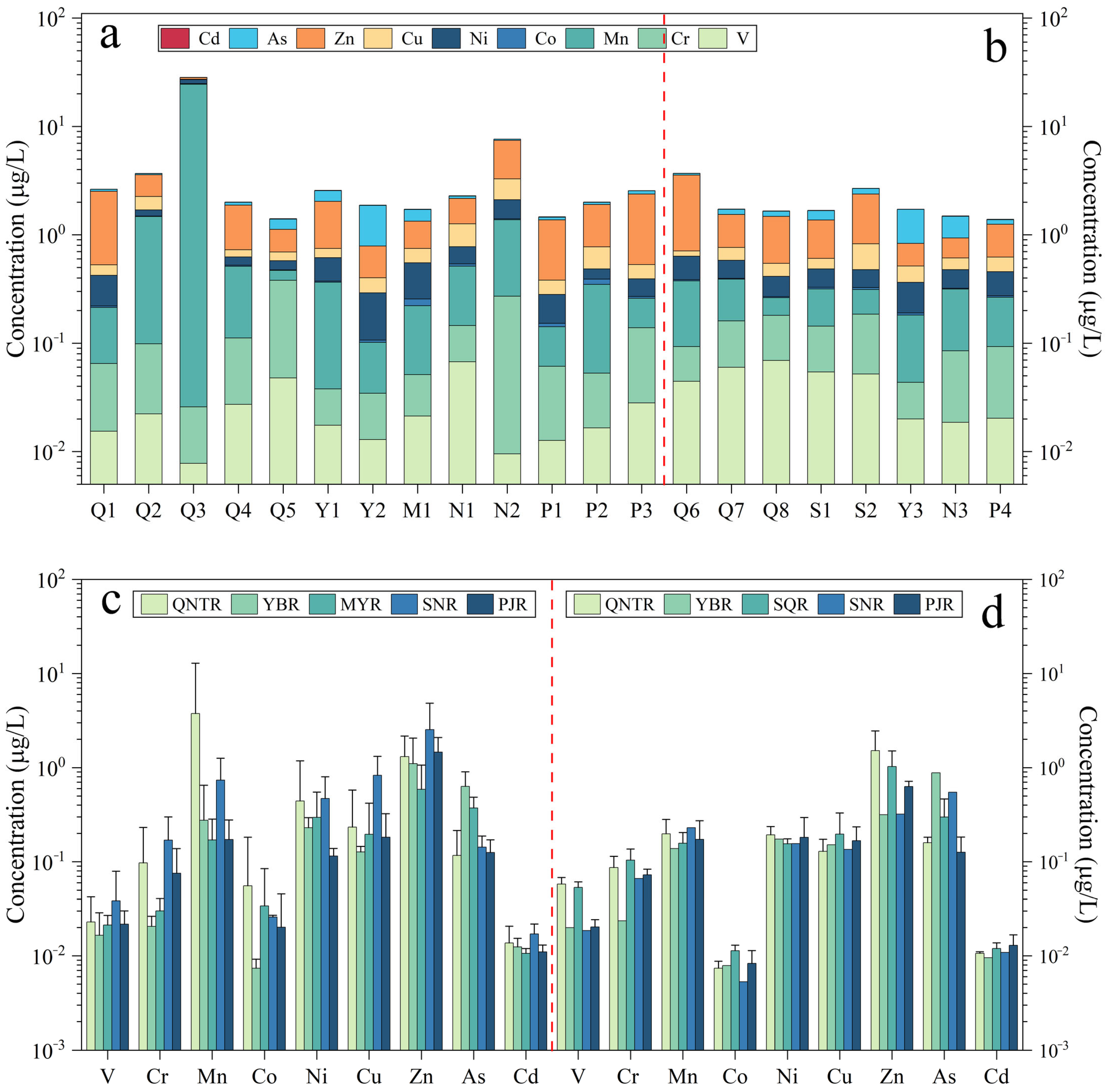
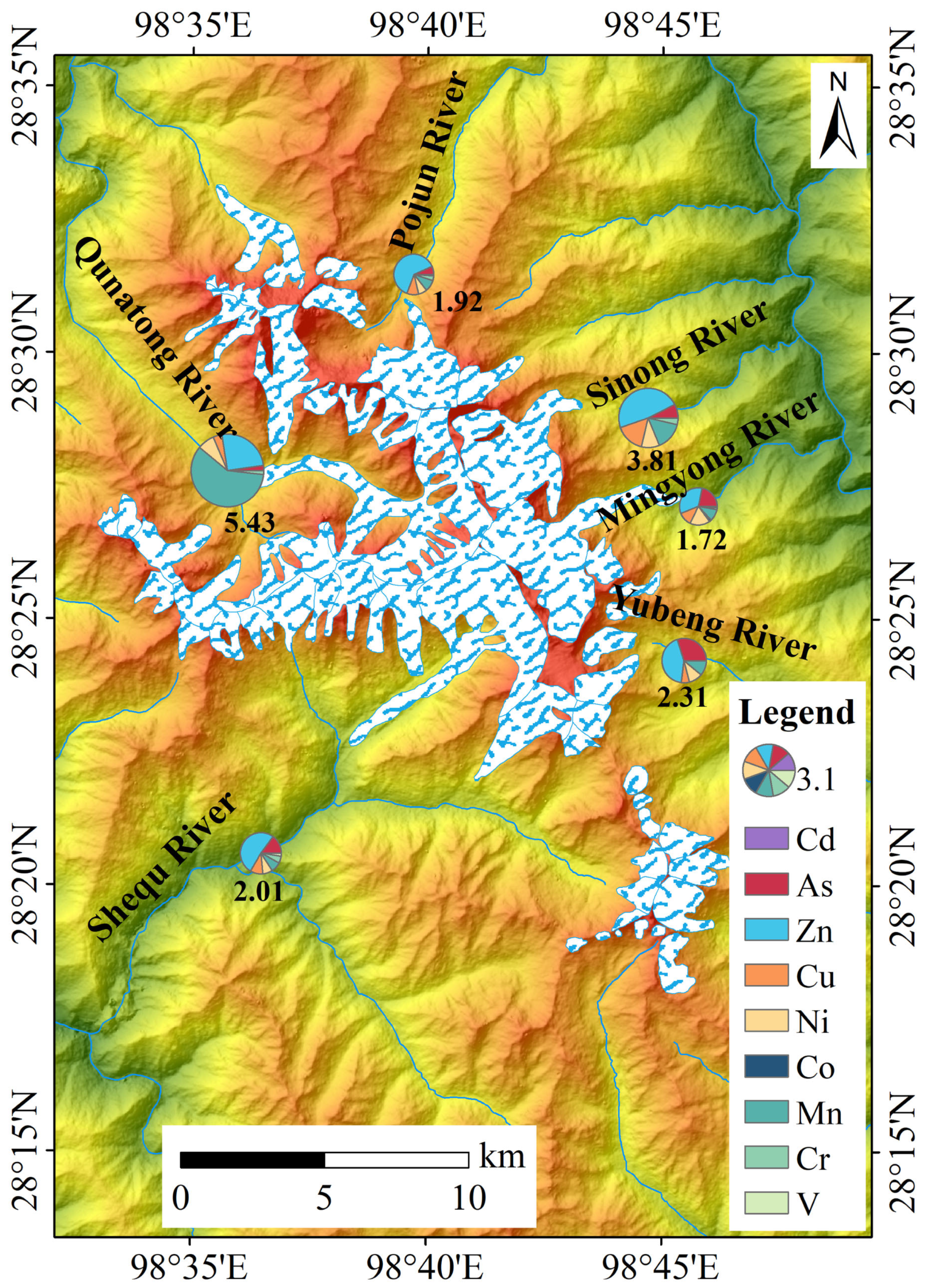
- Spatial differentiation: Heavy metal concentrations decreased significantly from the glacier basin to downstream rivers, with marked differences among the six river basins.
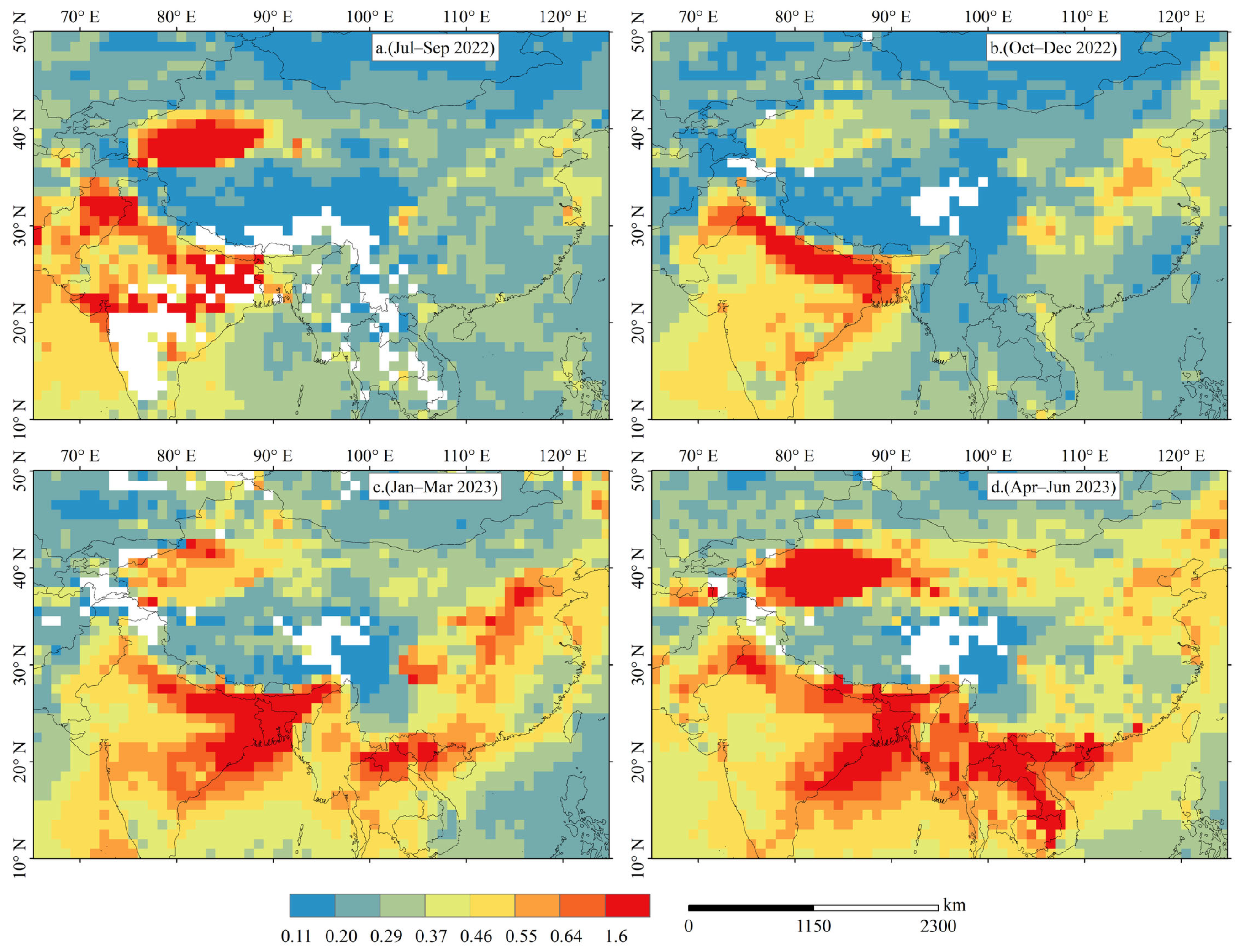
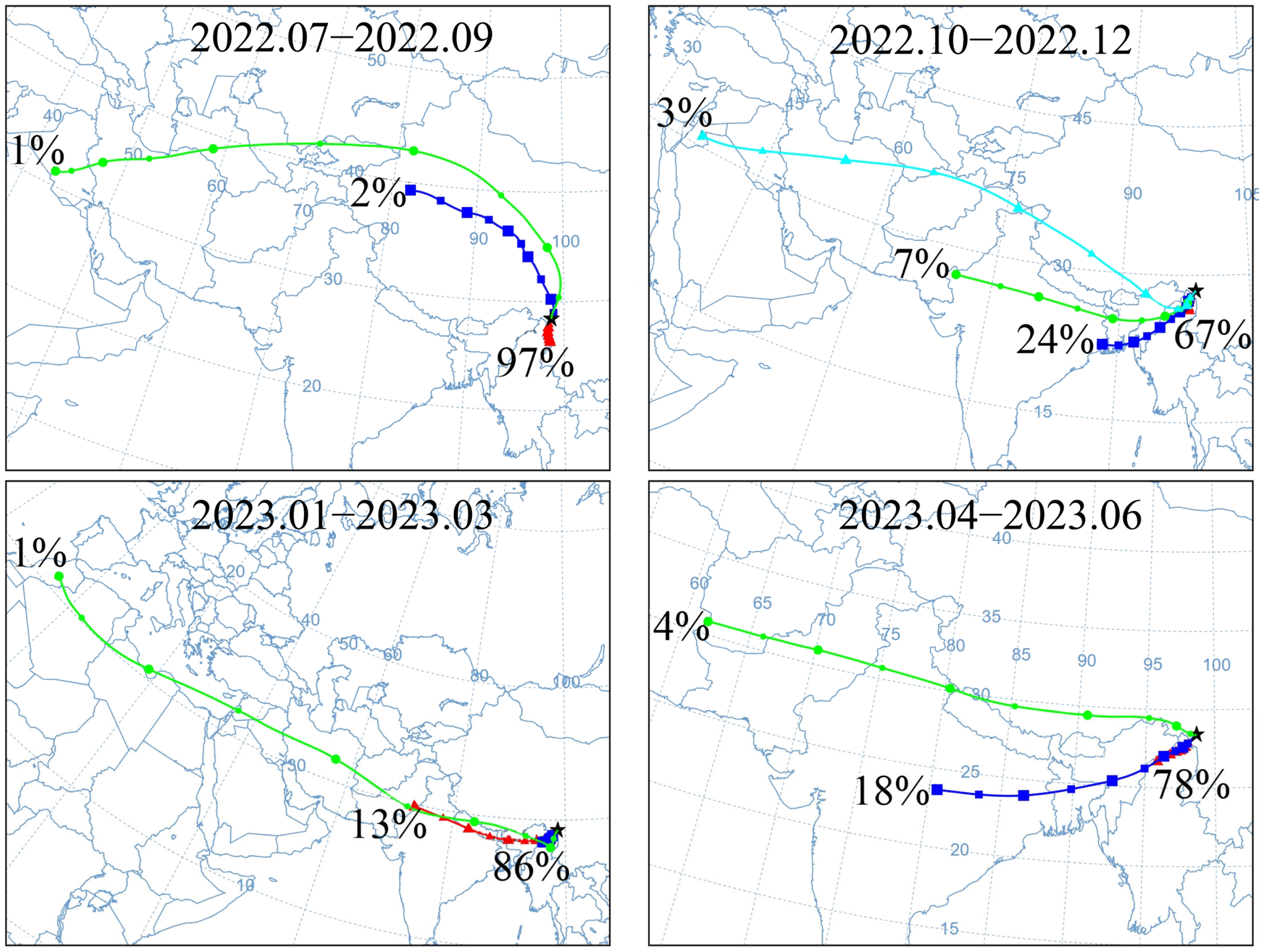
- Source apportionment: PCA identified three groups of heavy metal associations (Mn–Co–Ni–Cd, Cu–Zn, V–Cr), indicating mixed natural and anthropogenic sources; long range atmospheric transport is an important external input pathway.
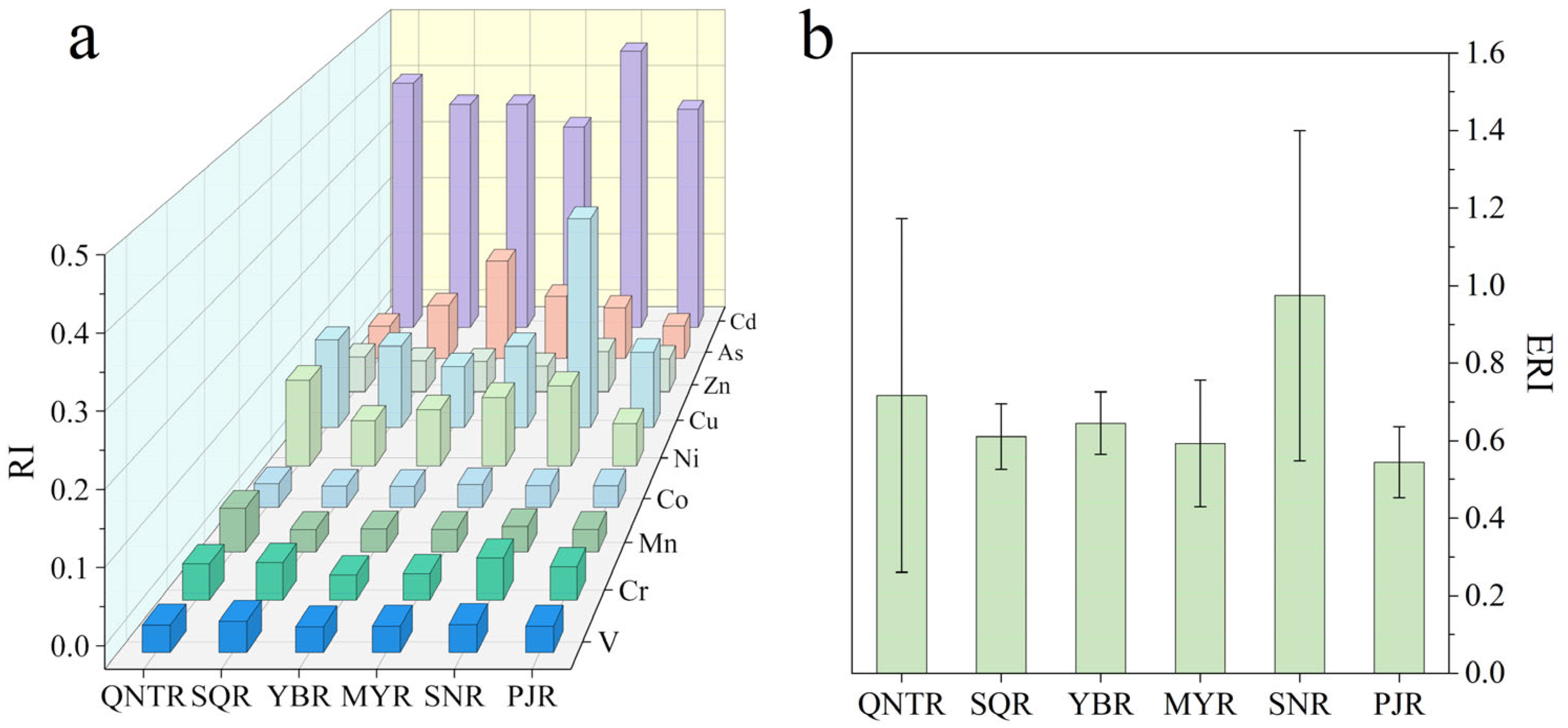
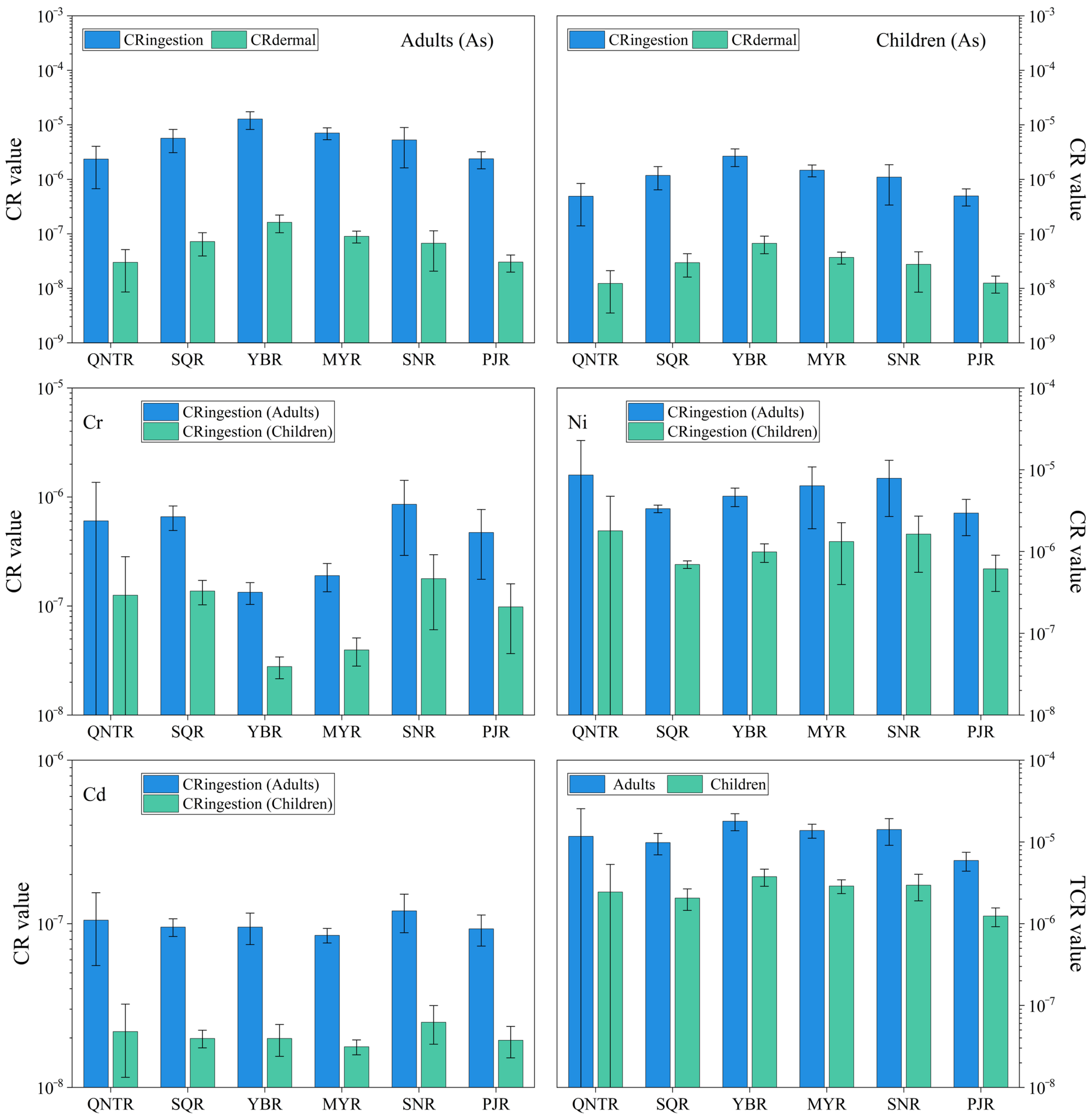
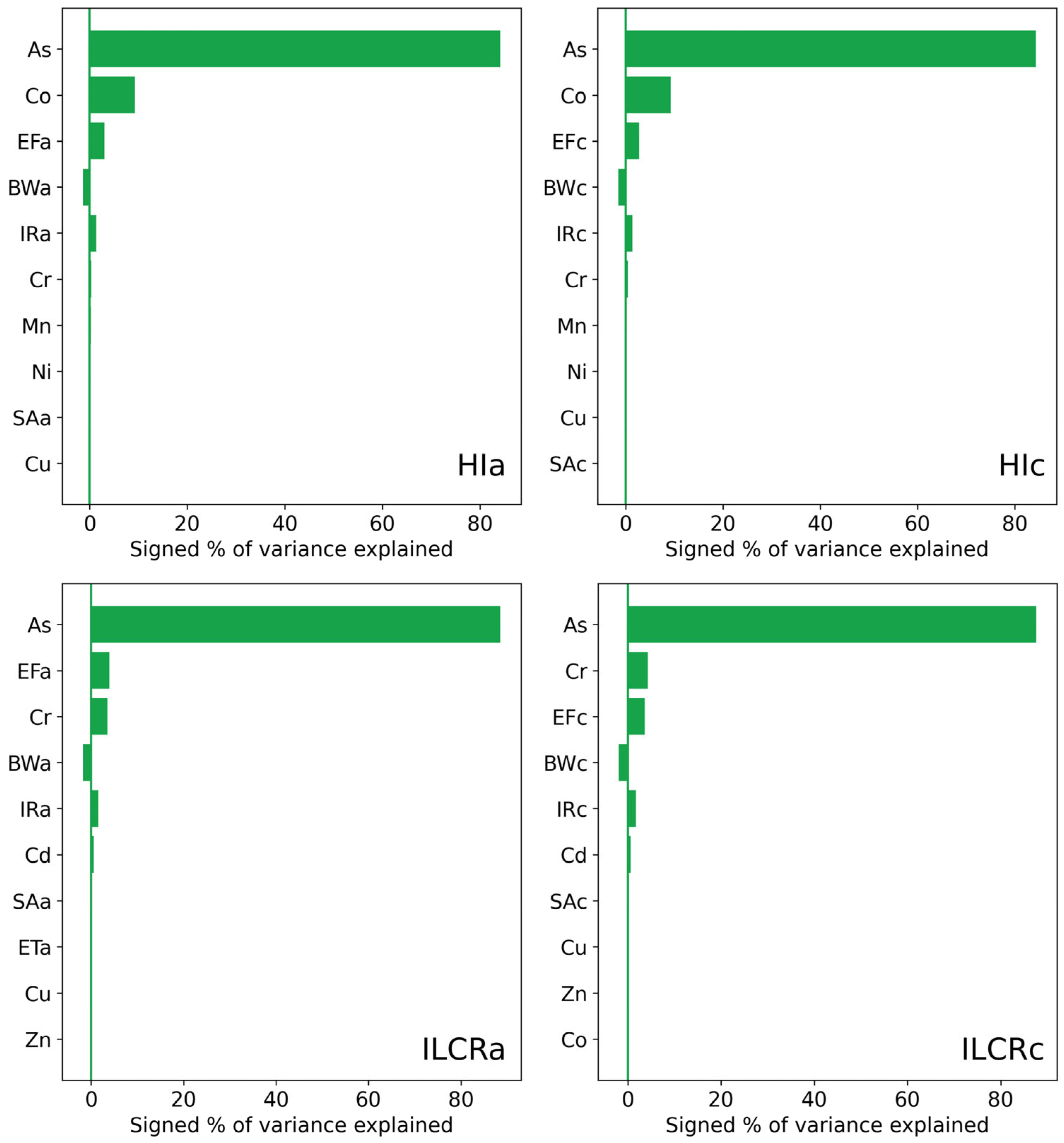
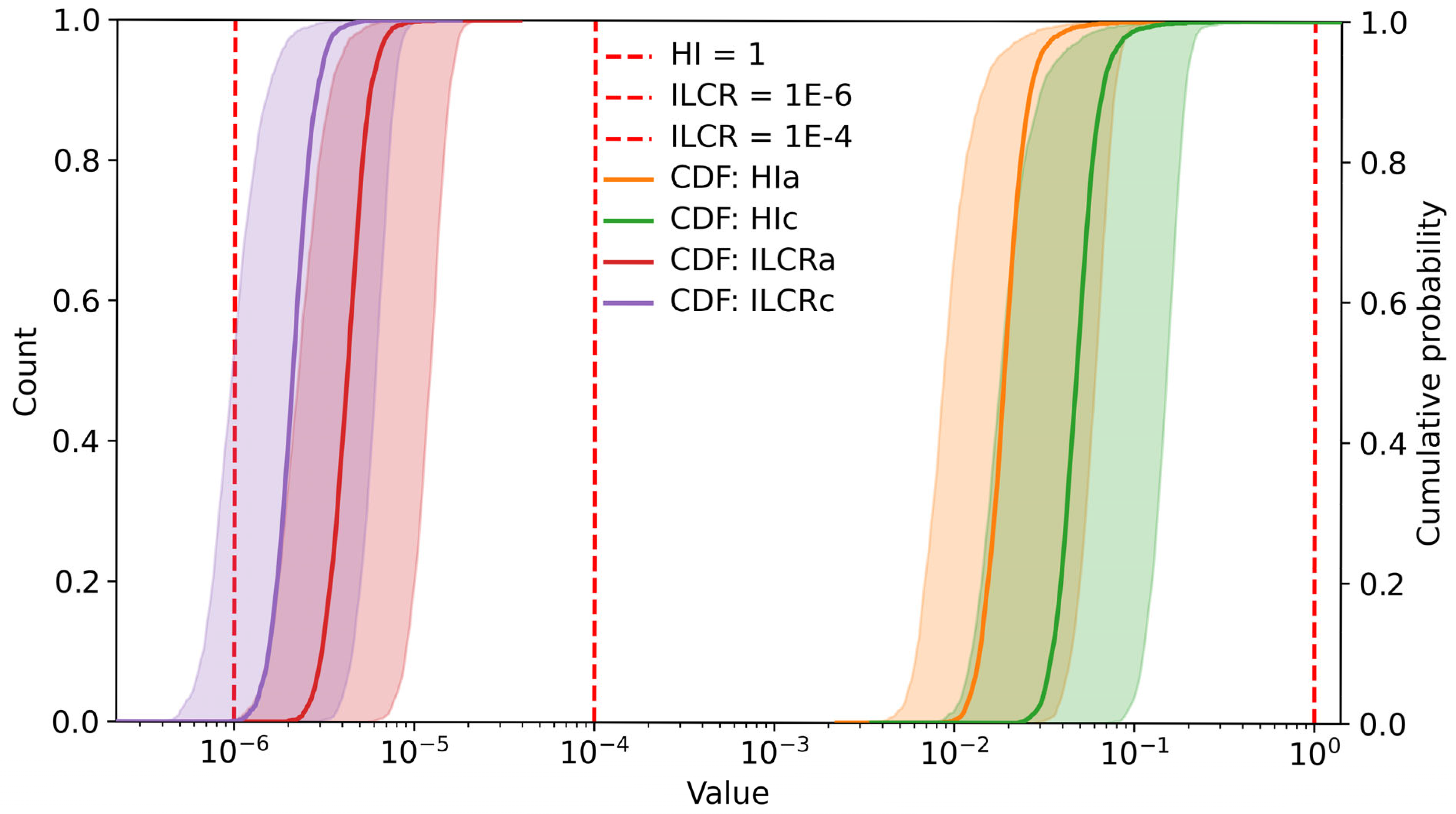
- Risk characteristics: Ecological risk is low; non carcinogenic risk is within safe limits, but children are more sensitive than adults, with arsenic (As) as the main contributor. Carcinogenic risk is acceptable, but the ingestion risks of arsenic and nickel are relatively higher for adults in the Yubeng River basin.
- These findings provide a crucial baseline for pollution prevention, water resource management, and public health protection on the Tibetan Plateau, underscoring the need for source specific mitigation measures and strengthened monitoring.
Abstract
Share and Cite
Wen, X.; Zhang, R.; Hong, Q.; Li, H.; Yao, Y.; Mo, M.; Ren, B.; Zhang, H. Distribution, Source Apportionment, and Risk Assessment of Heavy Metals in Surface Waters from a Glacier Basin on the Southeastern Tibetan Plateau. Toxics 2026, 14, 672. https://doi.org/10.3390/toxics14080672
Wen X, Zhang R, Hong Q, Li H, Yao Y, Mo M, Ren B, Zhang H. Distribution, Source Apportionment, and Risk Assessment of Heavy Metals in Surface Waters from a Glacier Basin on the Southeastern Tibetan Plateau. Toxics. 2026; 14(8):672. https://doi.org/10.3390/toxics14080672
Chicago/Turabian StyleWen, Xinyu, Rui Zhang, Qianli Hong, Hui Li, Yan Yao, Meixian Mo, Binbin Ren, and Huawei Zhang. 2026. "Distribution, Source Apportionment, and Risk Assessment of Heavy Metals in Surface Waters from a Glacier Basin on the Southeastern Tibetan Plateau" Toxics 14, no. 8: 672. https://doi.org/10.3390/toxics14080672
APA StyleWen, X., Zhang, R., Hong, Q., Li, H., Yao, Y., Mo, M., Ren, B., & Zhang, H. (2026). Distribution, Source Apportionment, and Risk Assessment of Heavy Metals in Surface Waters from a Glacier Basin on the Southeastern Tibetan Plateau. Toxics, 14(8), 672. https://doi.org/10.3390/toxics14080672