Systematic Review

Per- and Polyfluoroalkyl Substances and Endometriosis: A Systematic Review and Meta-Analysis
by
Sarah Pilling
,
Kerry Mitchell
and
Prakash V. A. K. Ramdass
*
Department of Public Health and Preventive Medicine, St. George’s University School of Medicine, St. George FZ818, Grenada
*
Author to whom correspondence should be addressed.
Toxics 2026, 14(4), 337; https://doi.org/10.3390/toxics14040337

Submission received: 3 March 2026 / Revised: 13 April 2026 / Accepted: 15 April 2026 / Published: 17 April 2026
(This article belongs to the Special Issue Molecular Mechanisms of PFAS-Induced Toxicity and Carcinogenicity)

Abstract

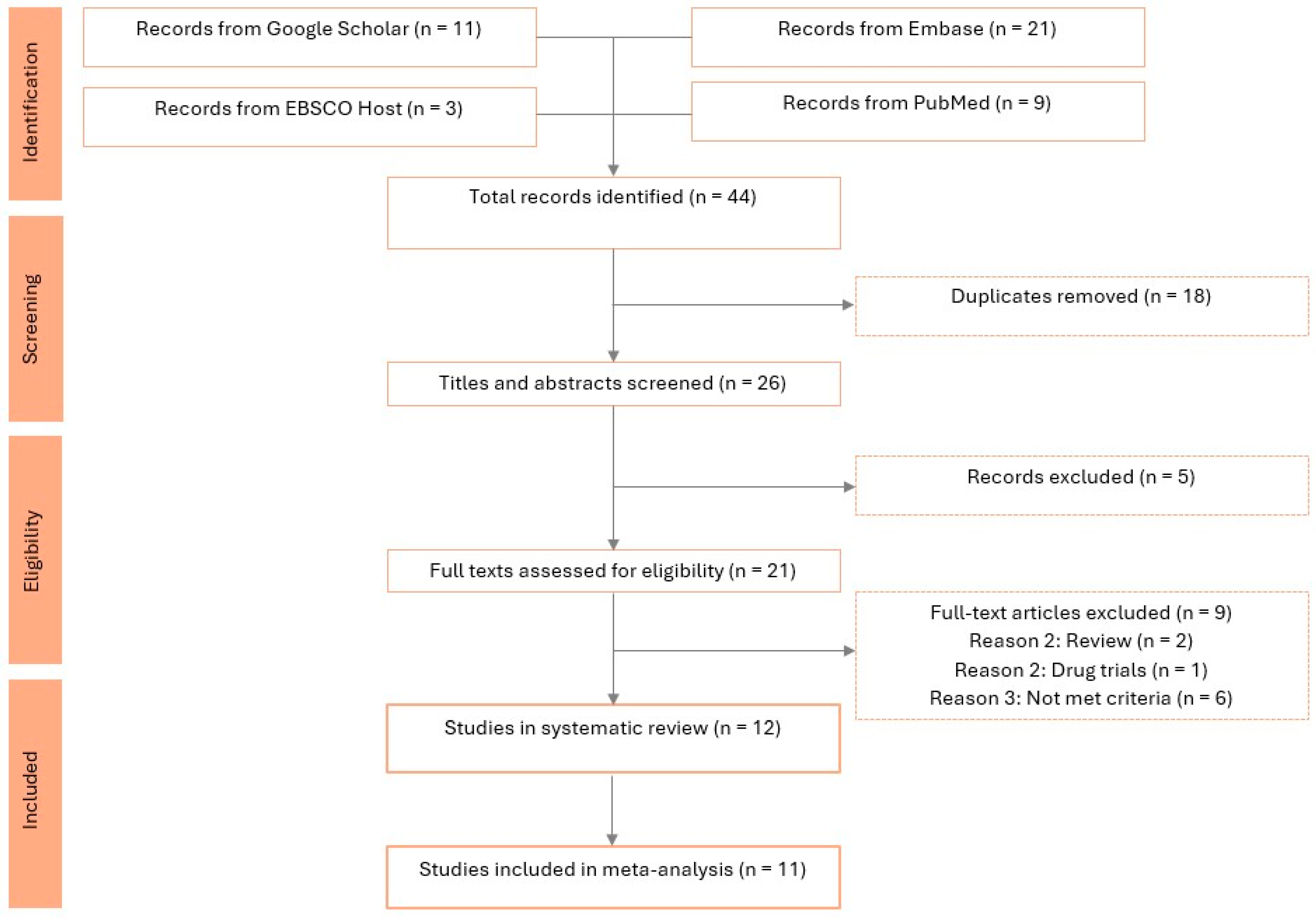
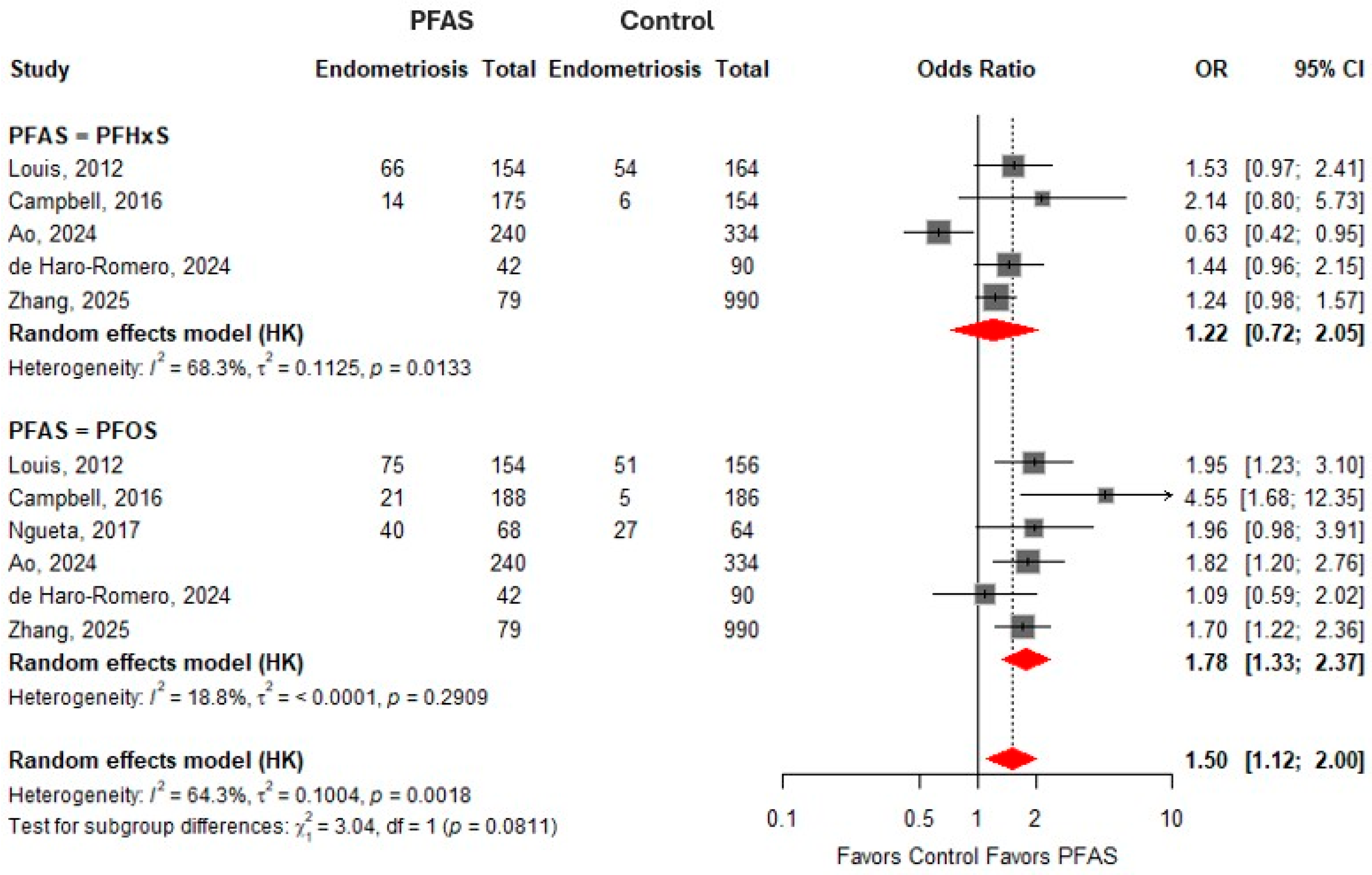
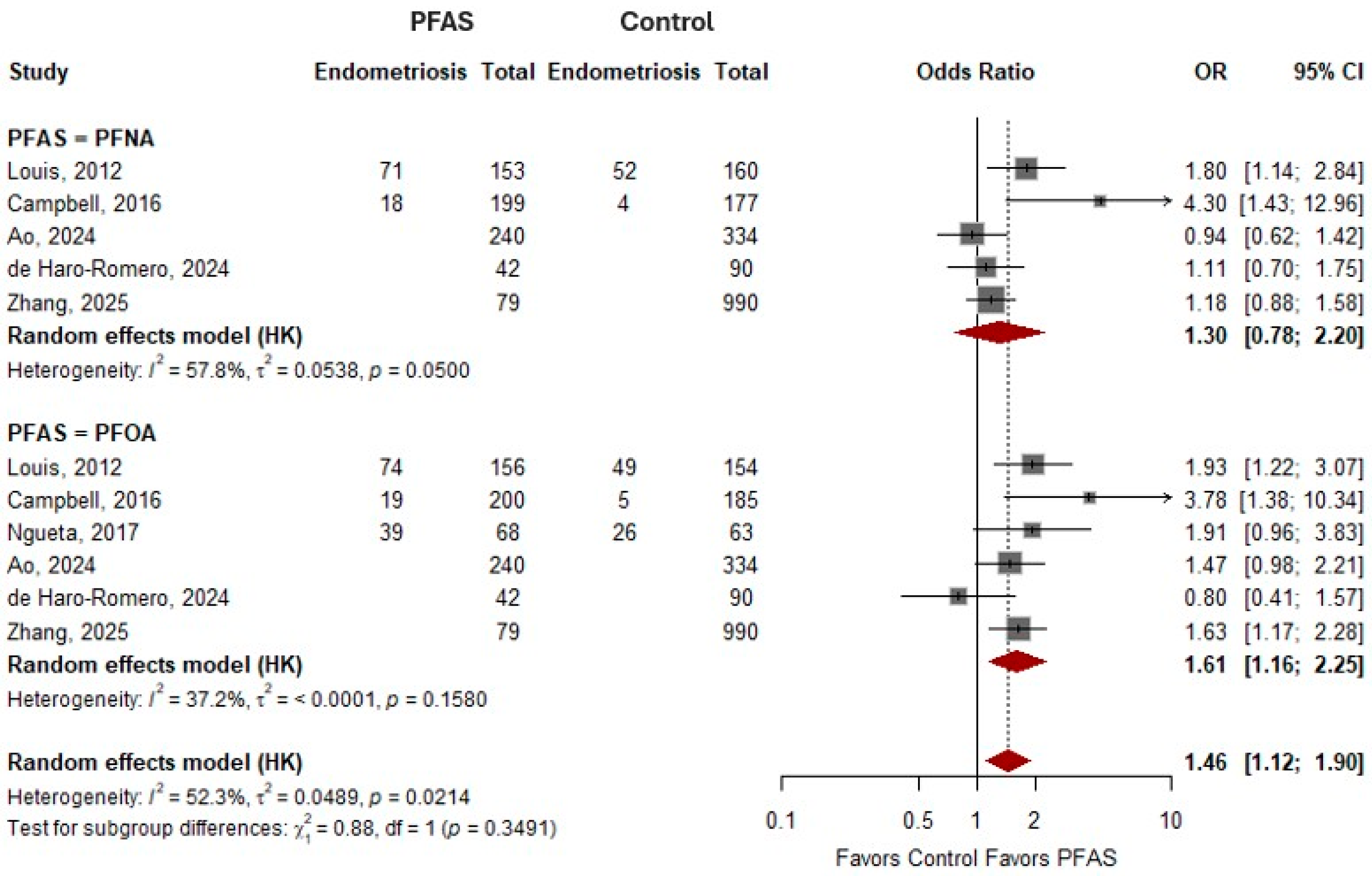
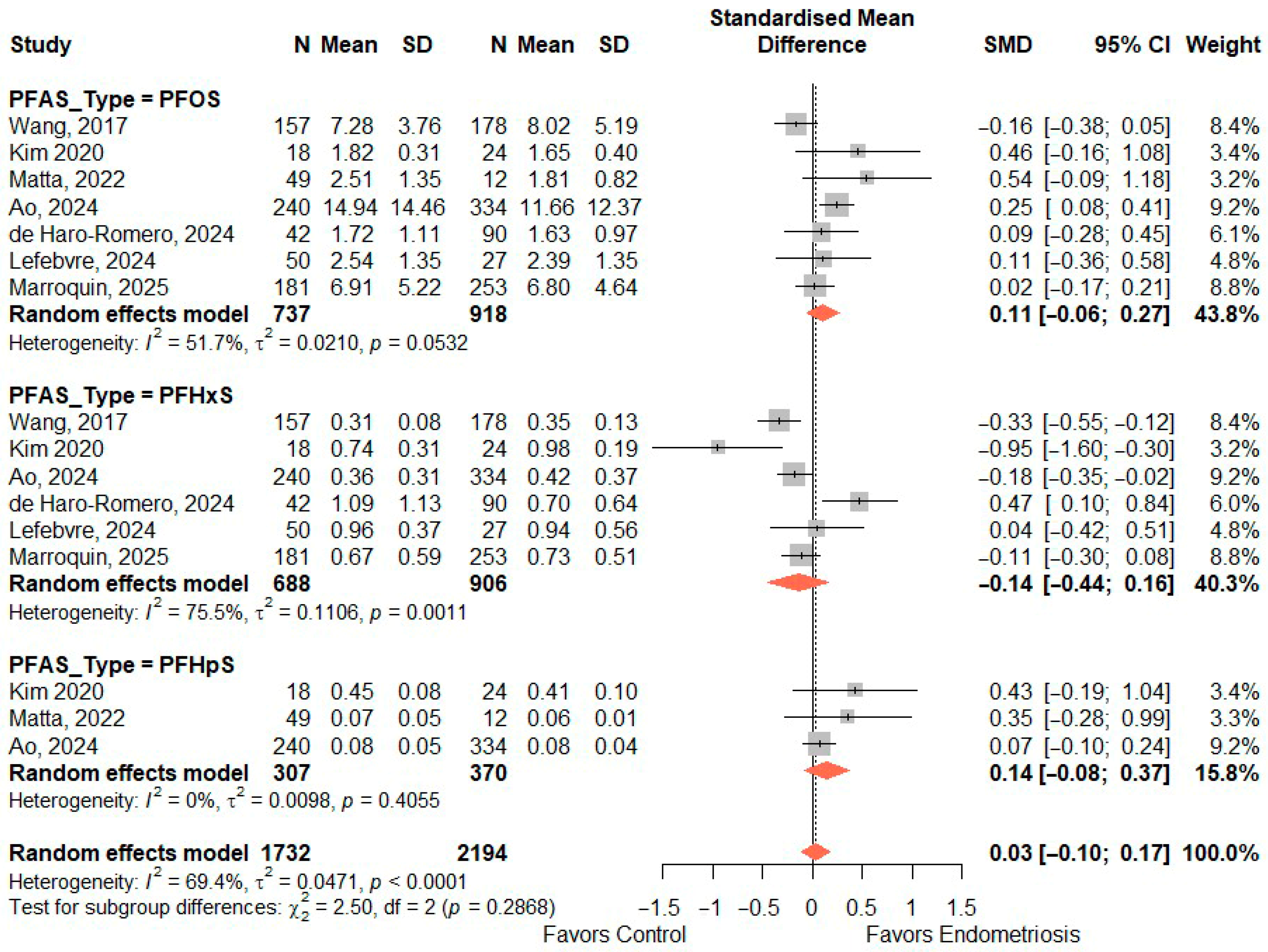
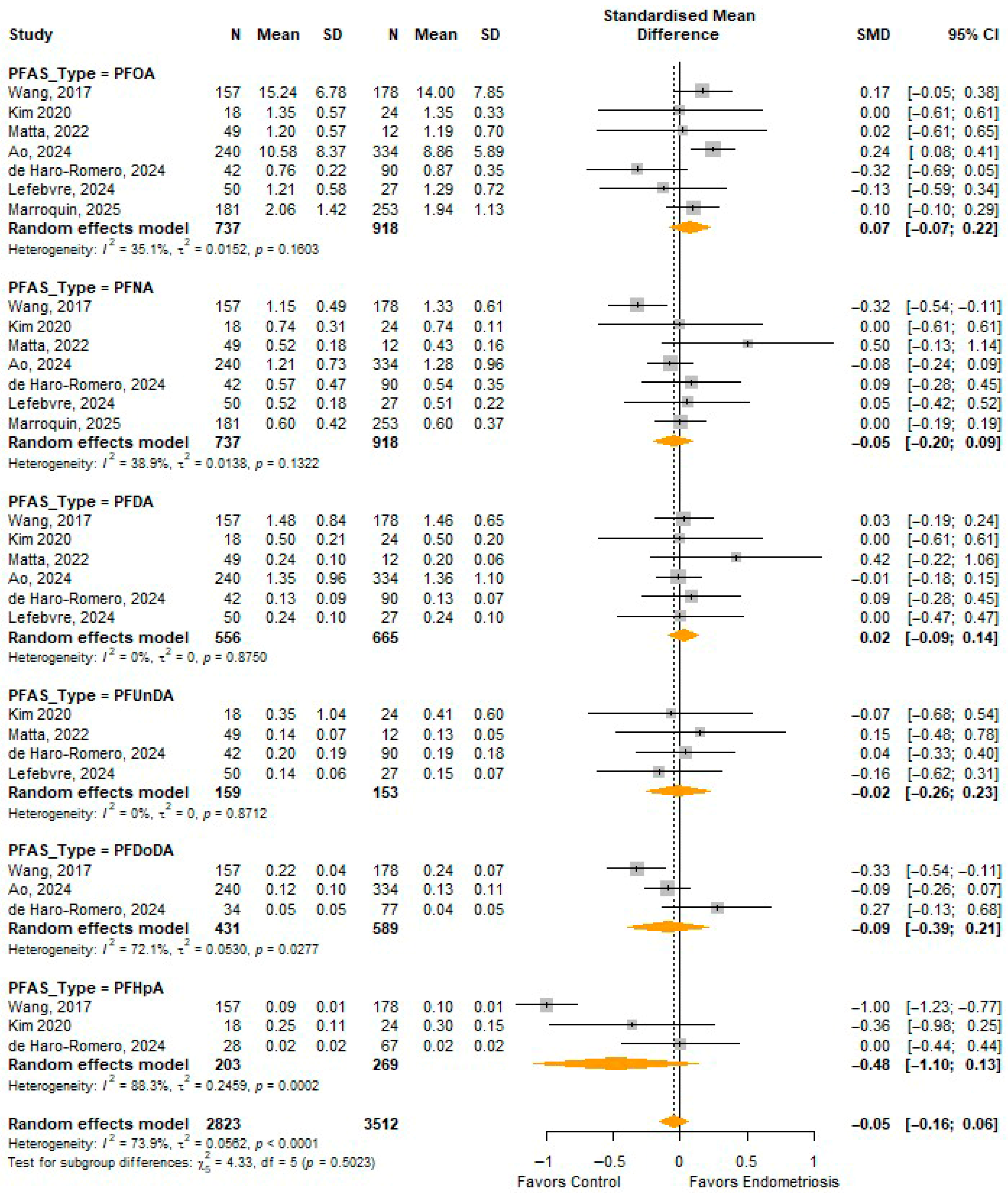
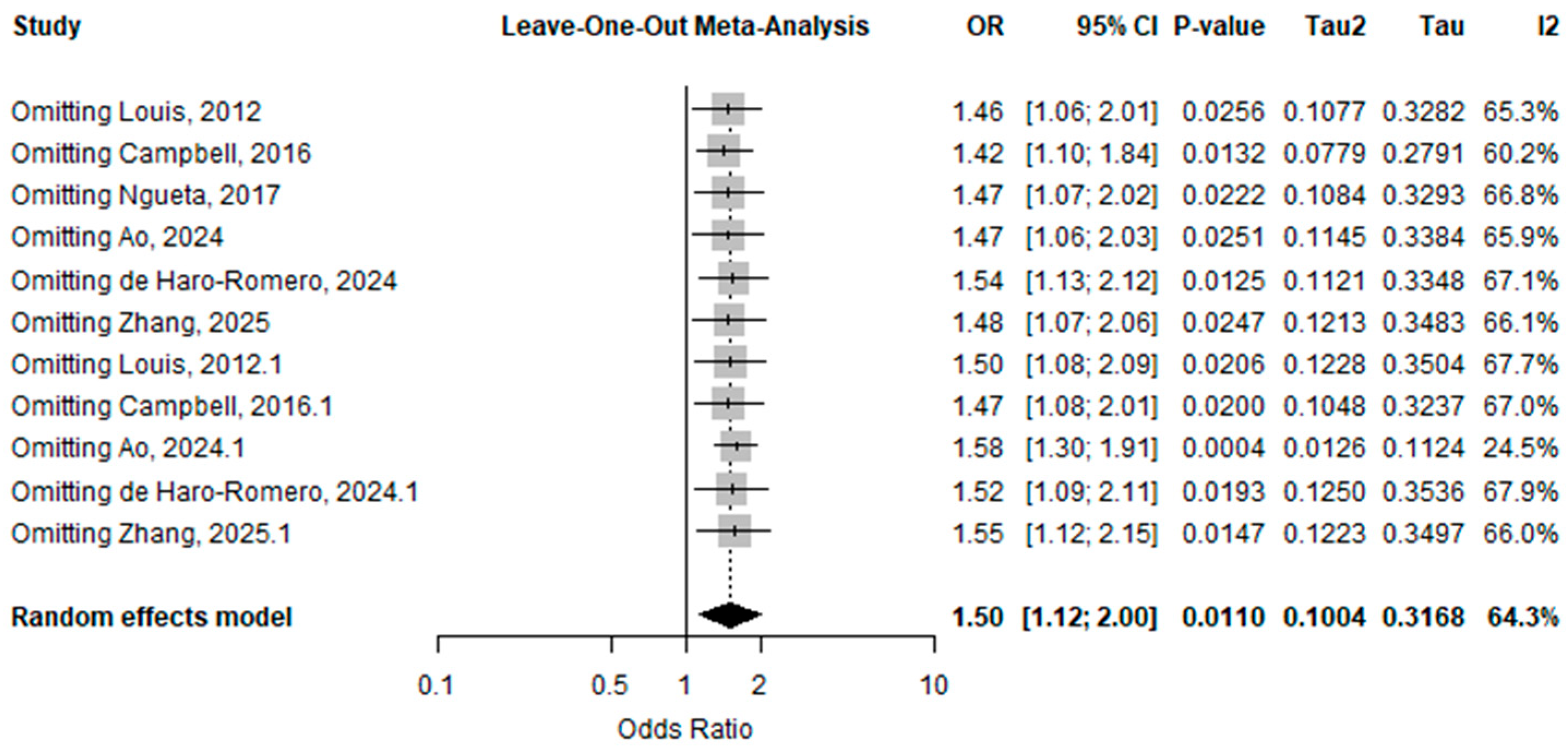
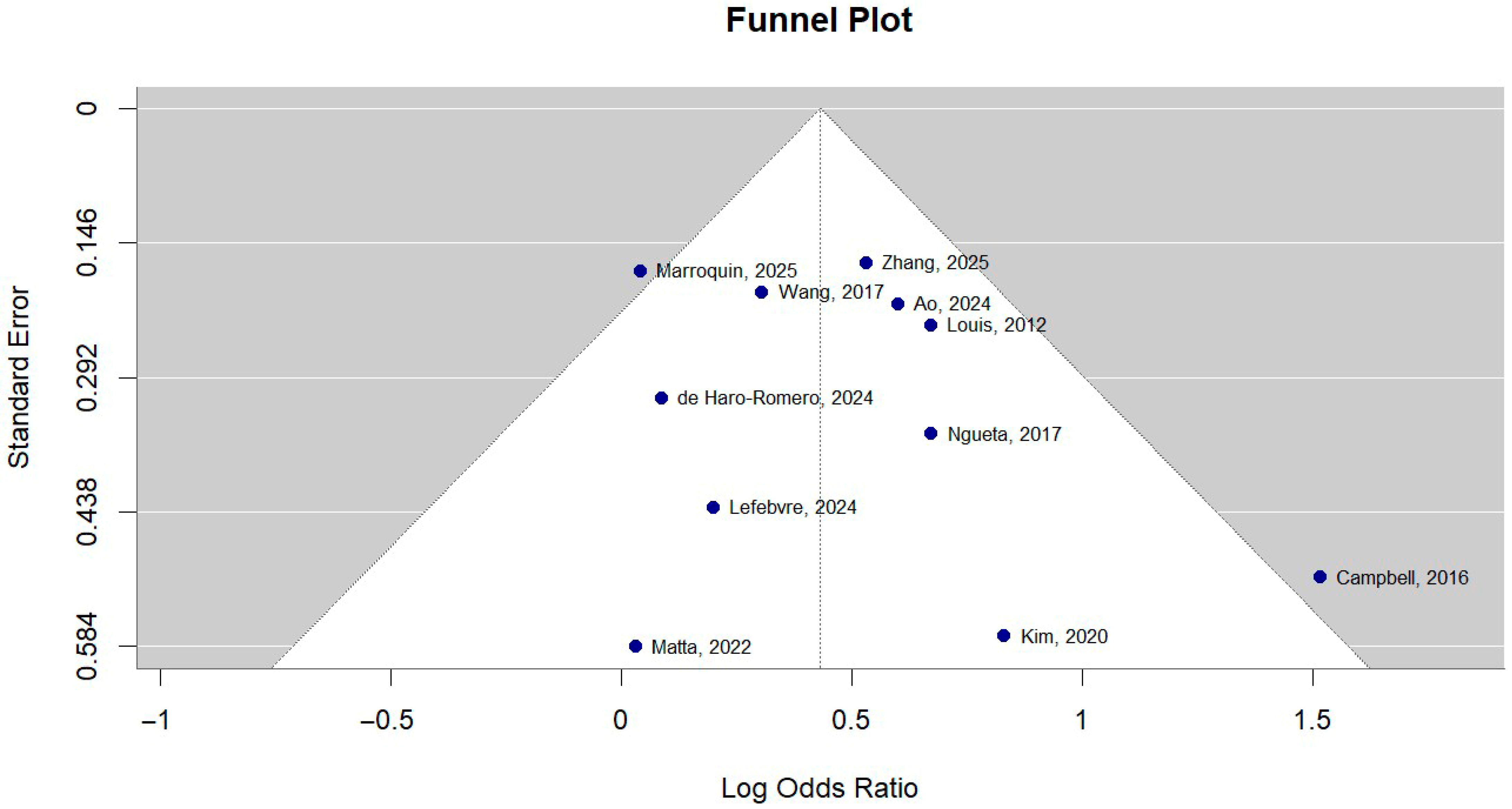
Per- and polyfluoroalkyl substances (PFASs) are persistent endocrine-disrupting chemicals implicated in reproductive dysfunction. Epidemiologic evidence examining their association with endometriosis remains inconsistent. Thus, we conducted a PRISMA-compliant systematic review and meta-analysis using PubMed, Embase, EBSCO Host, and Google Scholar databases. RStudio software was used for all analyses. Random-effects or fixed-effects model was applied to estimate pooled odds ratios (ORs) and standardized mean difference (SMD) in PFAS levels between endometriosis patients and controls. Heterogeneity was assessed using I2 statistics. Publication bias was evaluated using funnel plots, and Egger’s and Begg’s tests. Twelve studies met the inclusion criteria for the systematic review and eleven were included in the quantitative synthesis. Overall, PFSAs (OR: 1.50; 95% CI: 1.12–2.00) and PFCAs (OR: 1.46; 95% CI: 1.12–1.90) were significantly associated with increased odds of endometriosis, particularly PFOS and PFOA. However, analyses of pooled SMD did not demonstrate consistent concentration differences between endometriosis cases and controls. Heterogeneity was moderate to high for most compounds. Funnel plot symmetry and Egger’s and Begg’s tests suggest no publication bias. Exposure to PFASs, particularly PFOS and PFOA, may be associated with increased odds of endometriosis. Further prospective studies incorporating mixture modeling and emerging PFASs are warranted.
Keywords: perfluoroalkyl substances; polyfluoroalkyl substances; PFASs; PFSAs; PFCAs; endometriosis; endometrioma; meta-analysis perfluoroalkyl substances; polyfluoroalkyl substances; PFASs; PFSAs; PFCAs; endometriosis; endometrioma; meta-analysis
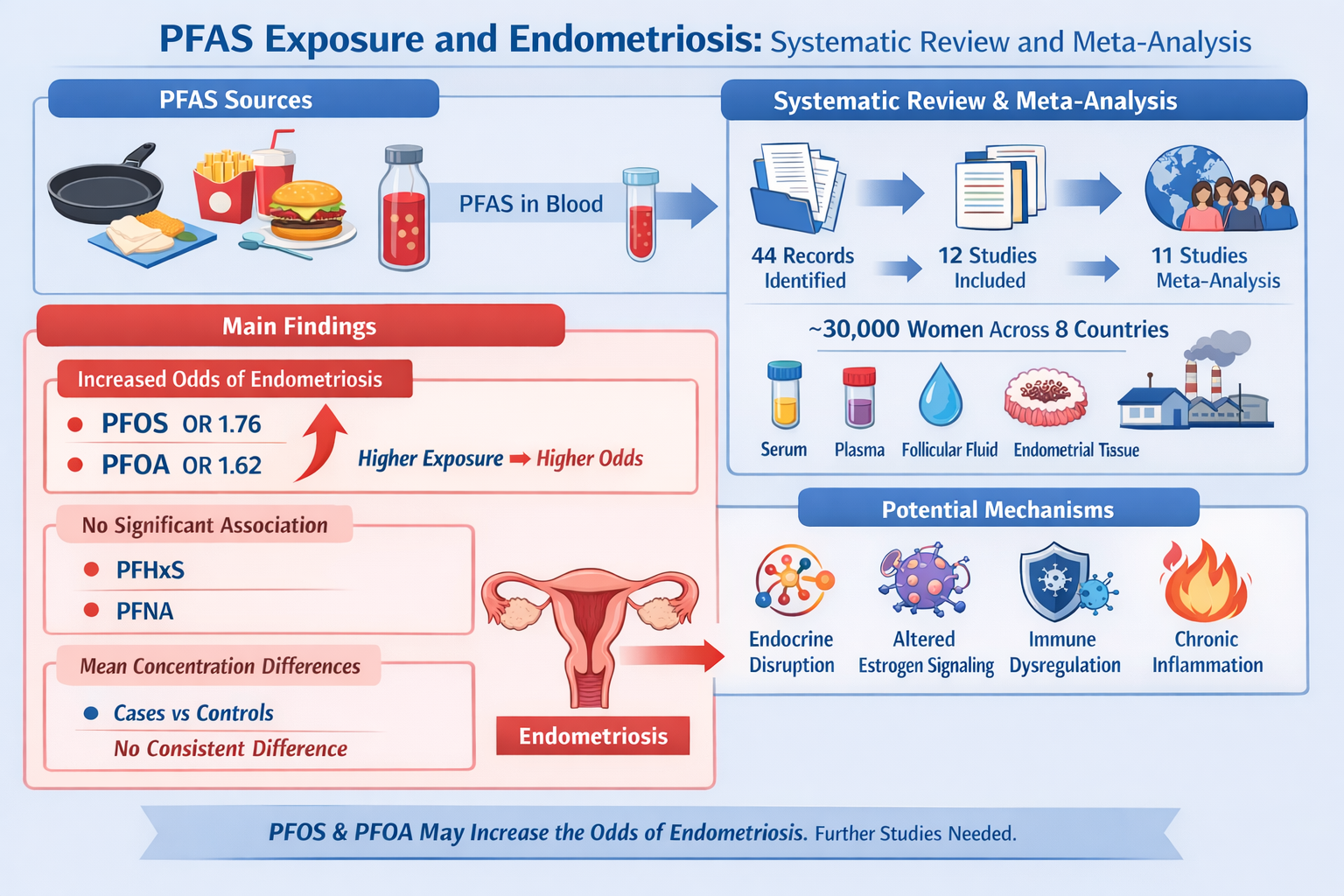
Graphical Abstract