Article

What Is Missing in Offshore Explosive Ordnance Disposal Risk Assessment?

GEOMAR Helmholtz Centre for Ocean Research Kiel, 24148 Kiel, Germany
Toxics 2024, 12(7), 468; https://doi.org/10.3390/toxics12070468

Submission received: 30 April 2024 / Revised: 10 June 2024 / Accepted: 19 June 2024 / Published: 27 June 2024

Abstract

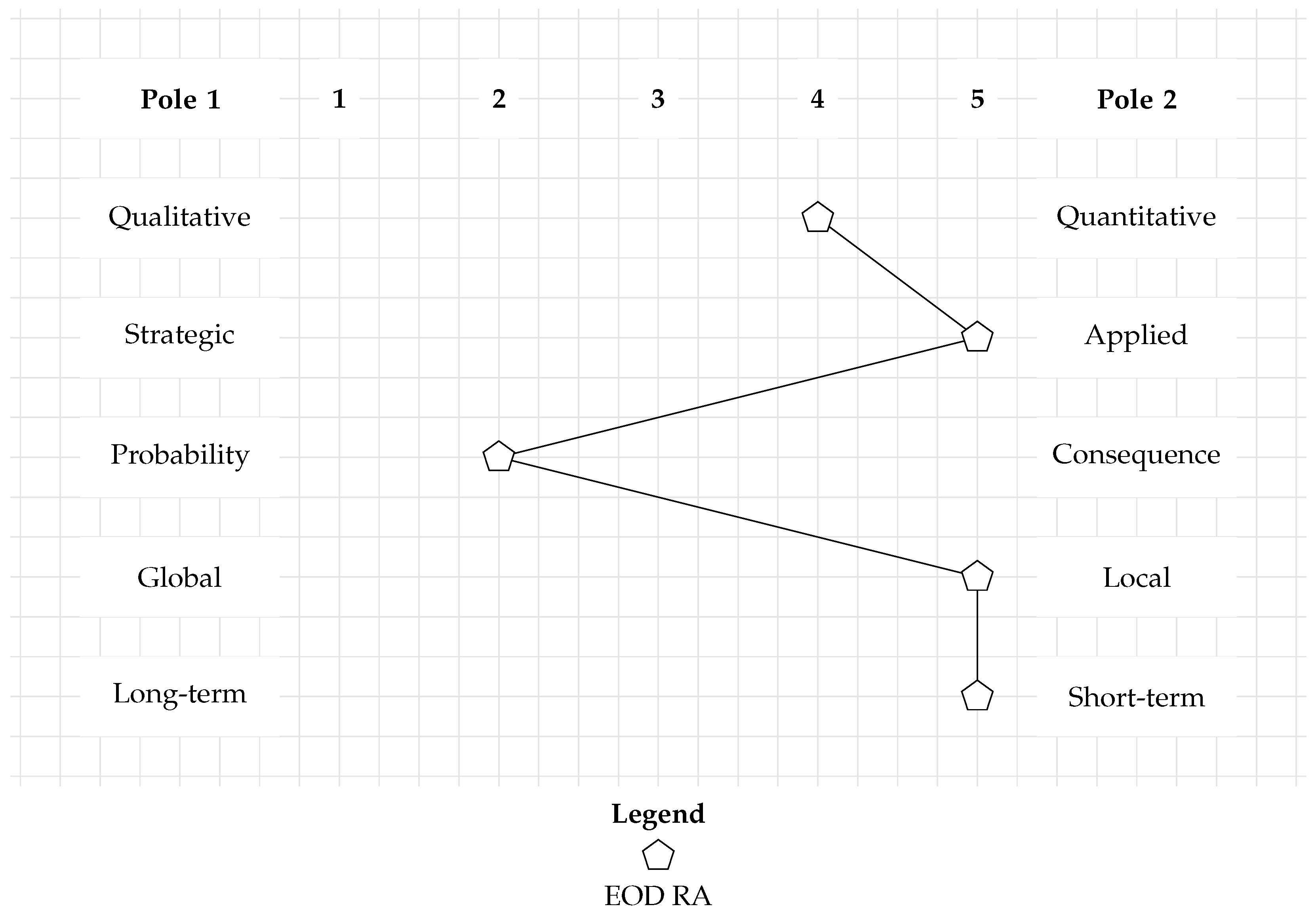
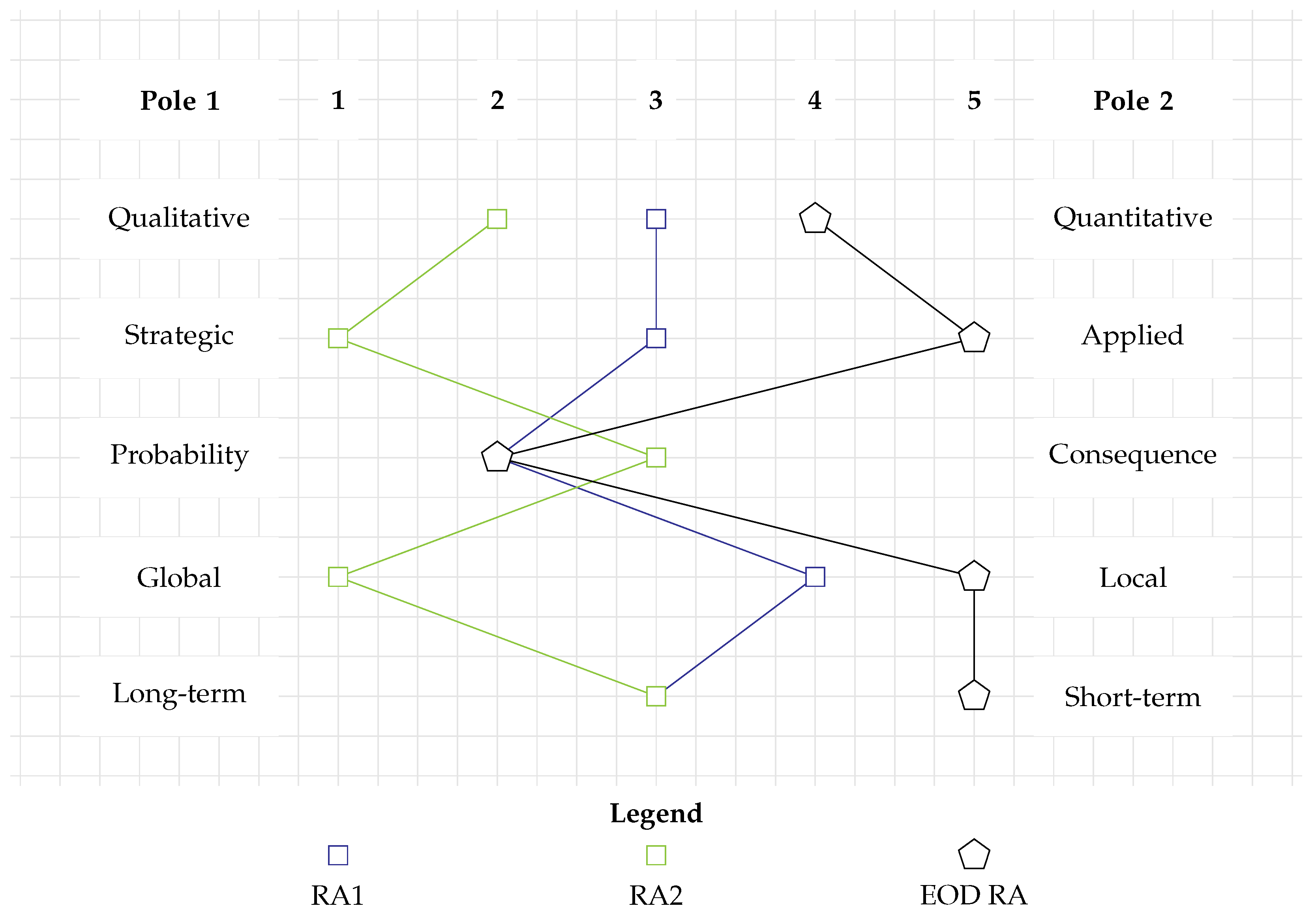
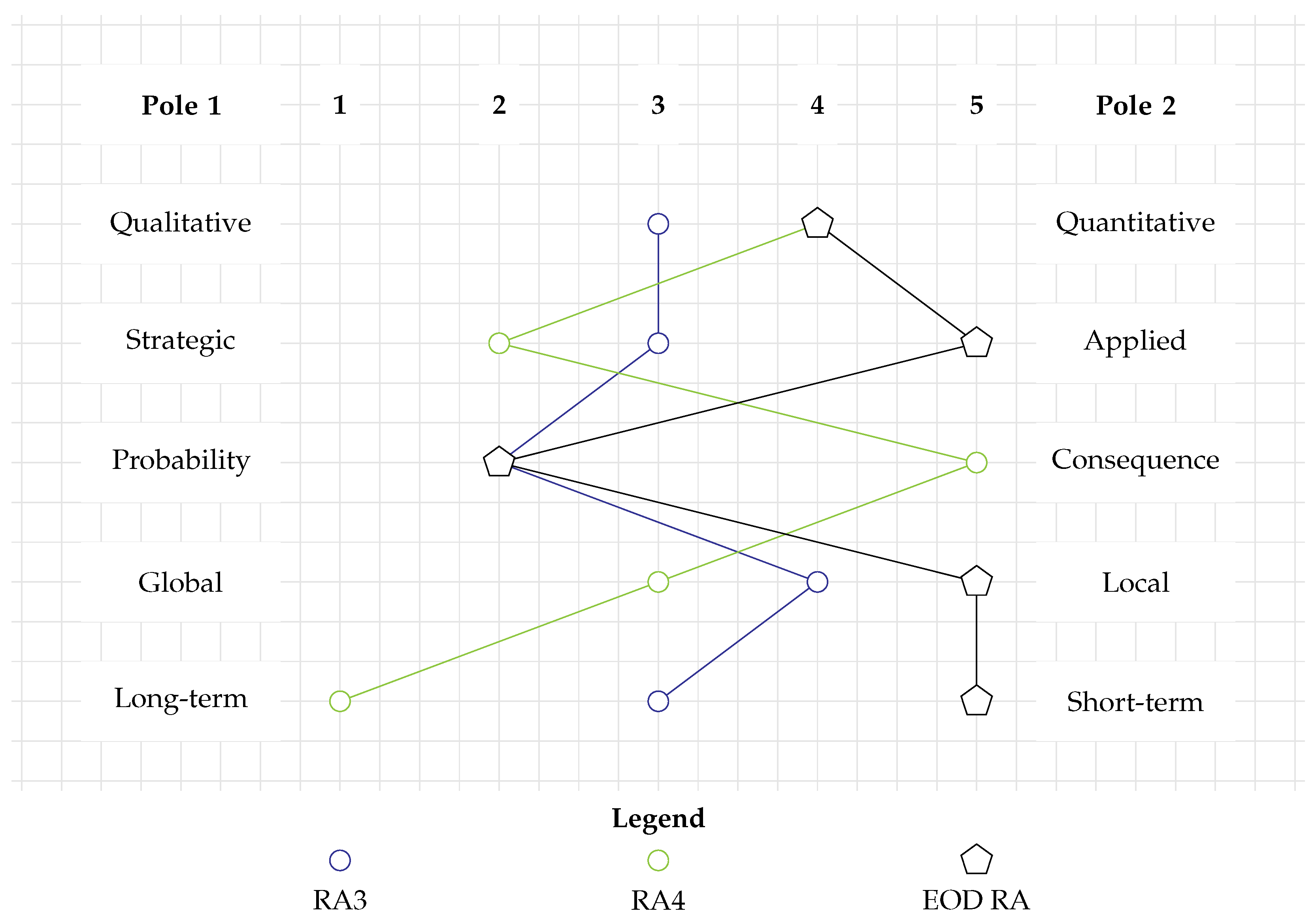
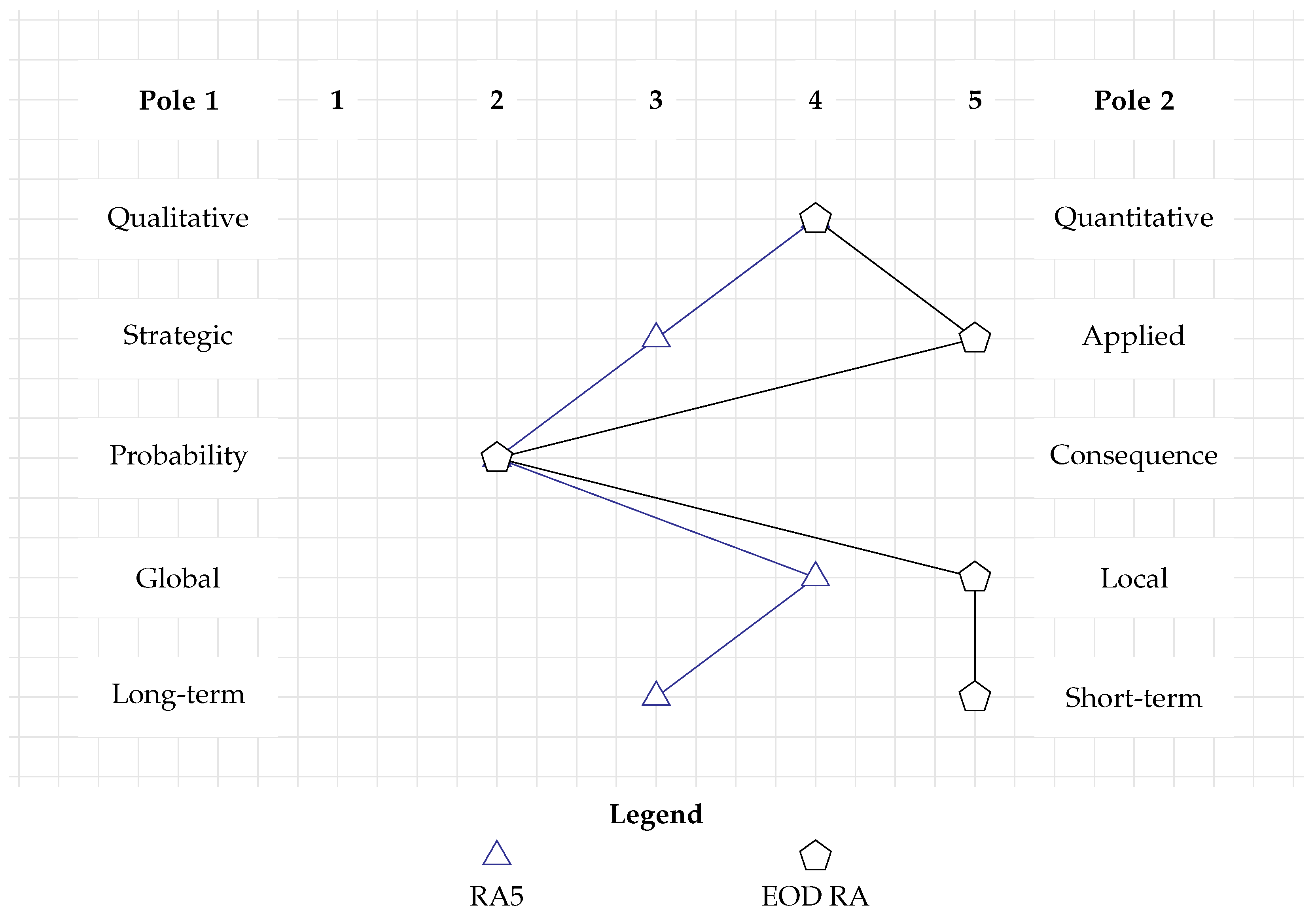
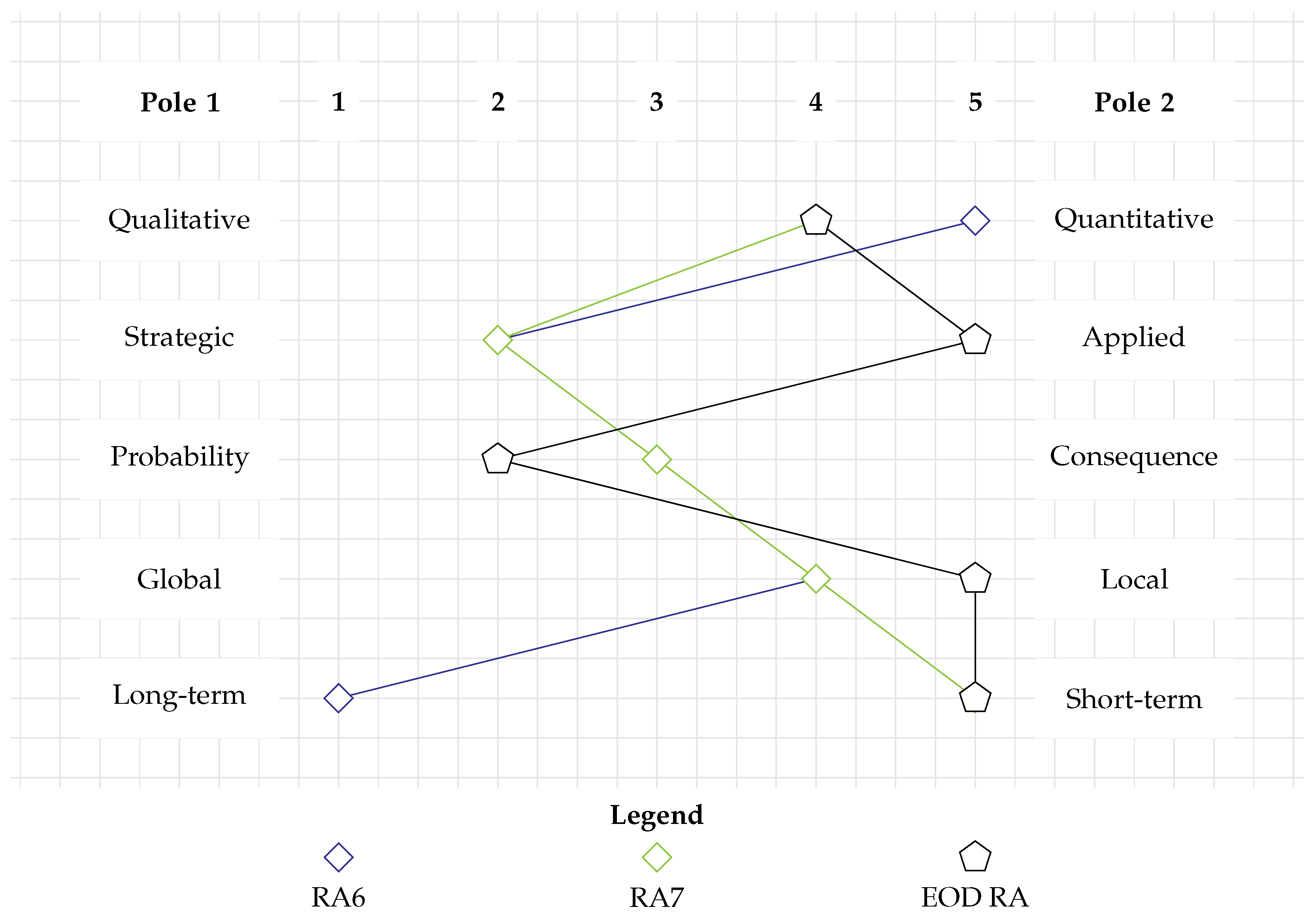
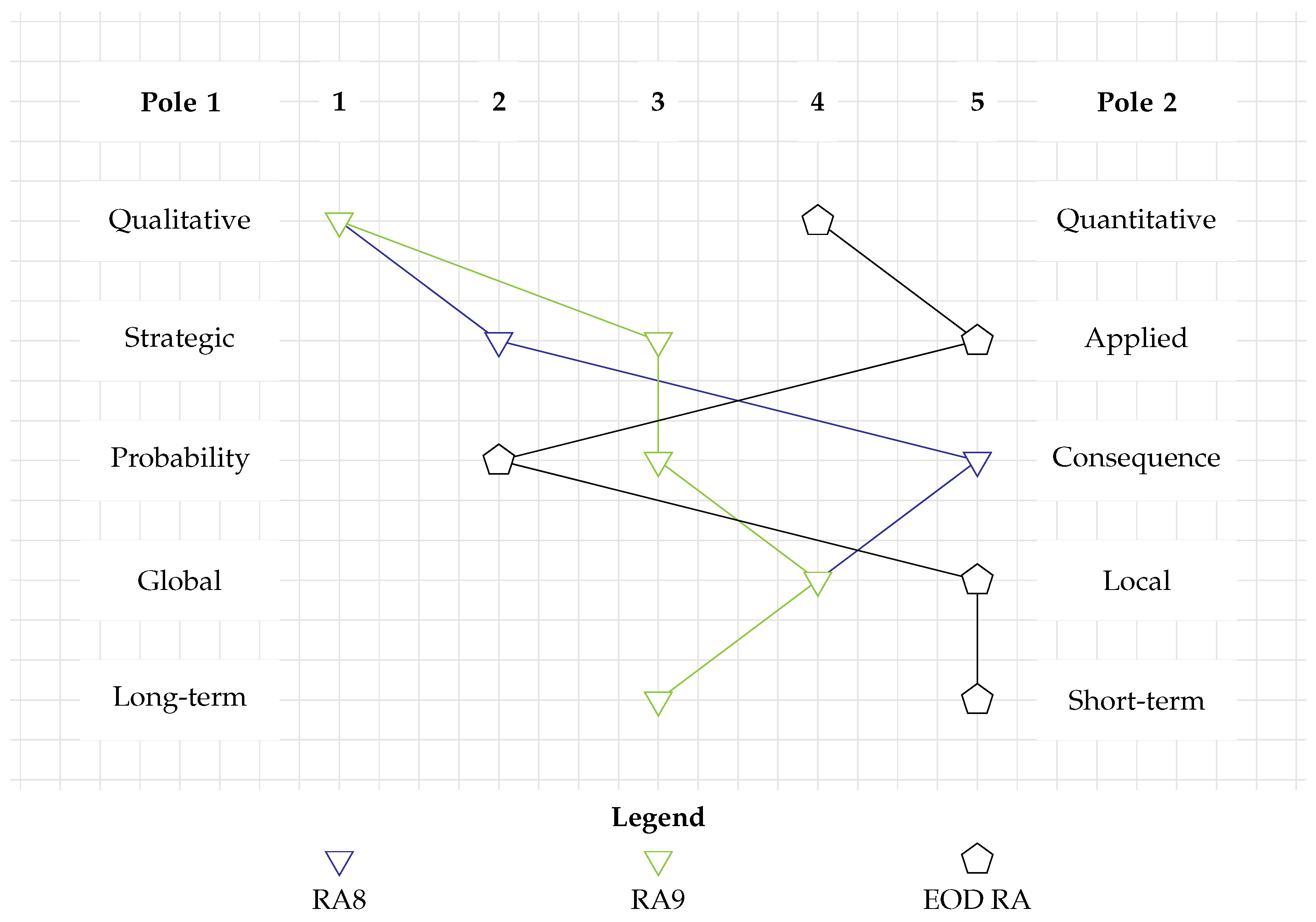
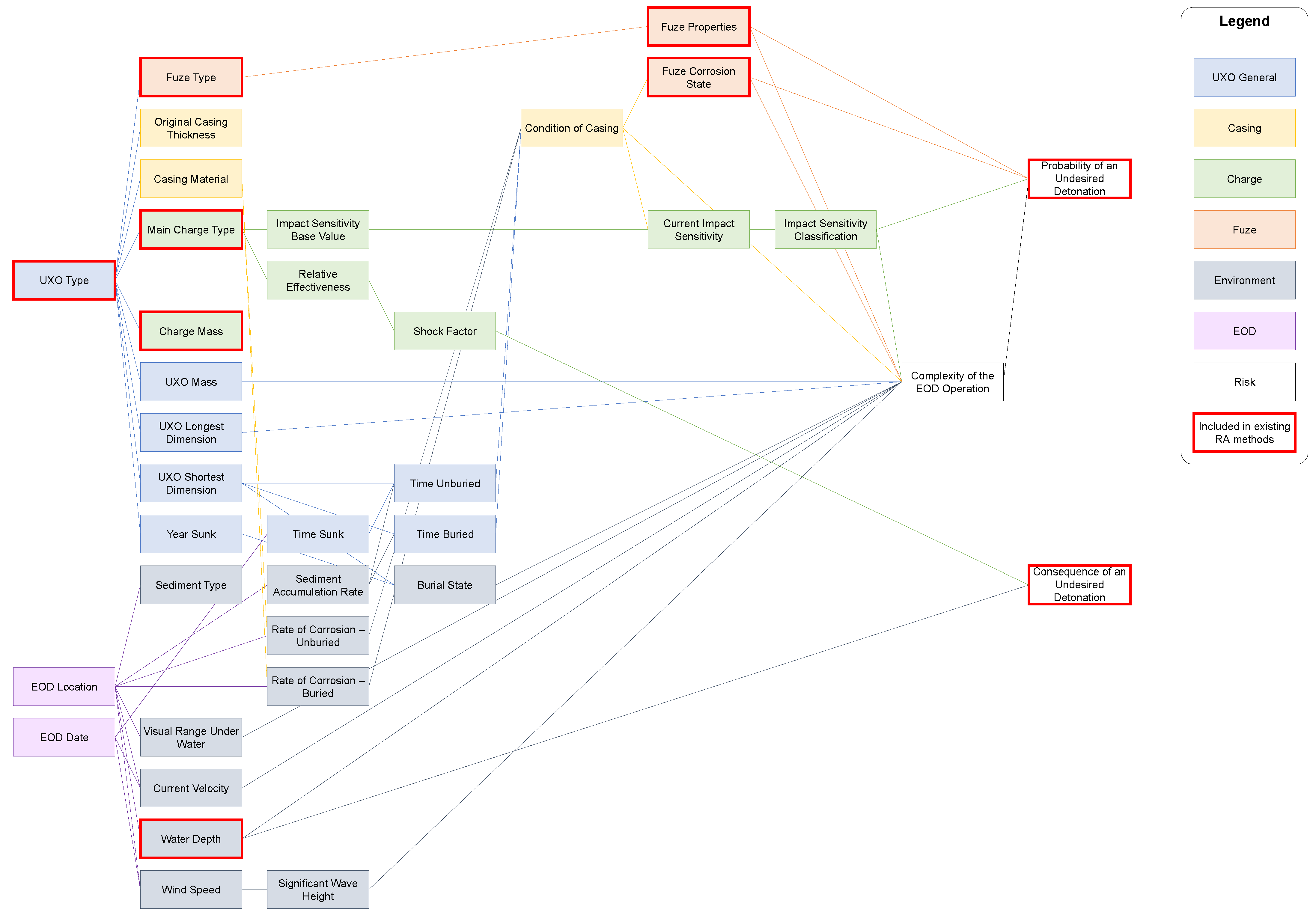
Offshore explosive ordnance disposal (EOD) in the marine environment is a high-risk activity. Structured risk assessment (RA) can be a helpful tool to provide EOD experts with decision-making support. This paper hypothesizes that existing RA approaches that address unexploded ordnance (UXO) in the sea do not meet the requirements of EOD RA. To test this hypothesis, the paper proposes a novel categorization tool. It uses five review criteria: study type (qualitative vs. quantitative), level of decision-making (strategic vs. applied), risk component (probability vs. consequence), spatial scale (global vs. local), and temporal scale (long-term vs. short-term). The categorization tool is used to identify the requirements of EOD RA and to test whether nine existing RA methods fulfill these requirements. The study finds that none of the investigated RAs meets the requirements and, hence, concludes that a new method should be developed. However, some aspects of the existing studies should be considered when designing a new method. This includes using risk factors (type and mass of explosive material, type and state of the fuze, and water depth) that are relevant for EOD RA. It also involves setting up a directed graph to assess the complex interdependencies between these risk factors.
Keywords: unexploded ordnance (UXO); explosive ordnance disposal (EOD); risk assessment unexploded ordnance (UXO); explosive ordnance disposal (EOD); risk assessment