Article

Environmental Evaluation in Bakery and Brewing Sectors in a Circular Economy Context

1
Oniris, GEPEA, UMR6144, 44000 Nantes, France
2
IRSTV—Institut de Recherche en Sciences et Techniques de la Ville, FR CNRS 2488, CEDEX 3, 44321 Nantes, France
3
Rennes Institute of Political Studies, ARENES UMR CNRS 6051, 35700 Rennes, France
4
French National Institute for Agriculture, Food, and Environment (INRAE), UR OPAALE, 35044 Rennes, France
*
Author to whom correspondence should be addressed.
Foods 2026, 15(9), 1611; https://doi.org/10.3390/foods15091611
Submission received: 11 March 2026 / Revised: 17 April 2026 / Accepted: 28 April 2026 / Published: 6 May 2026

Abstract

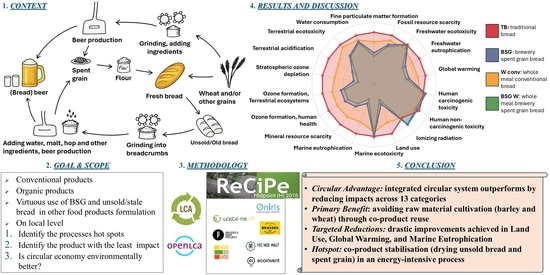
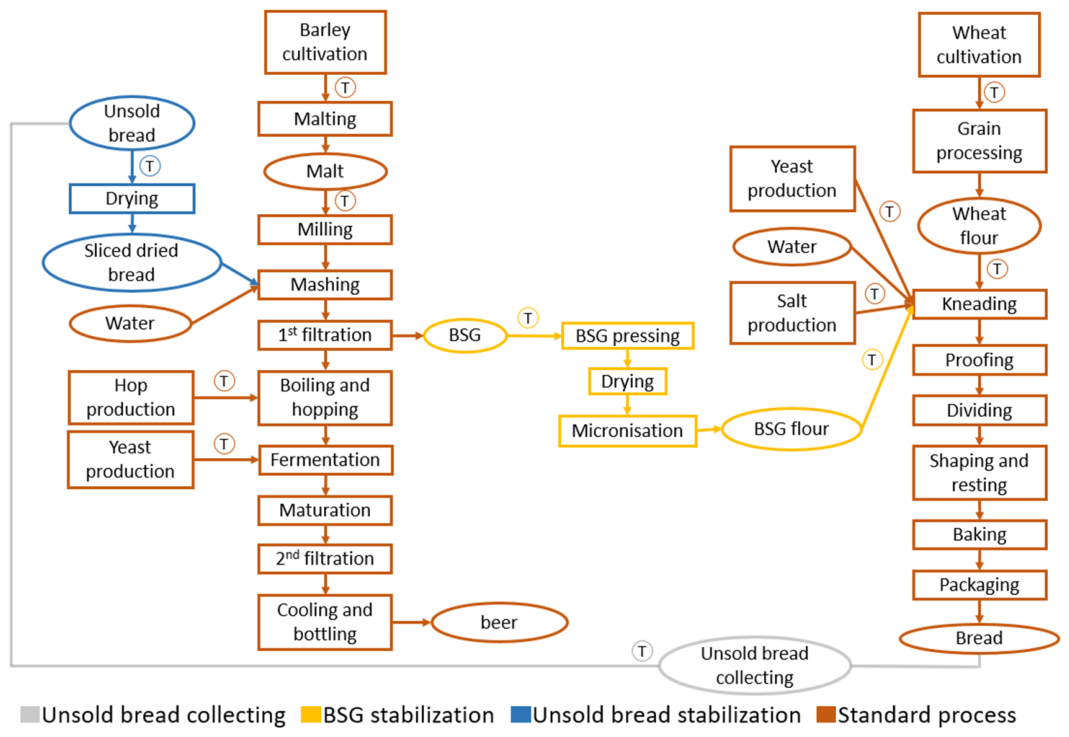
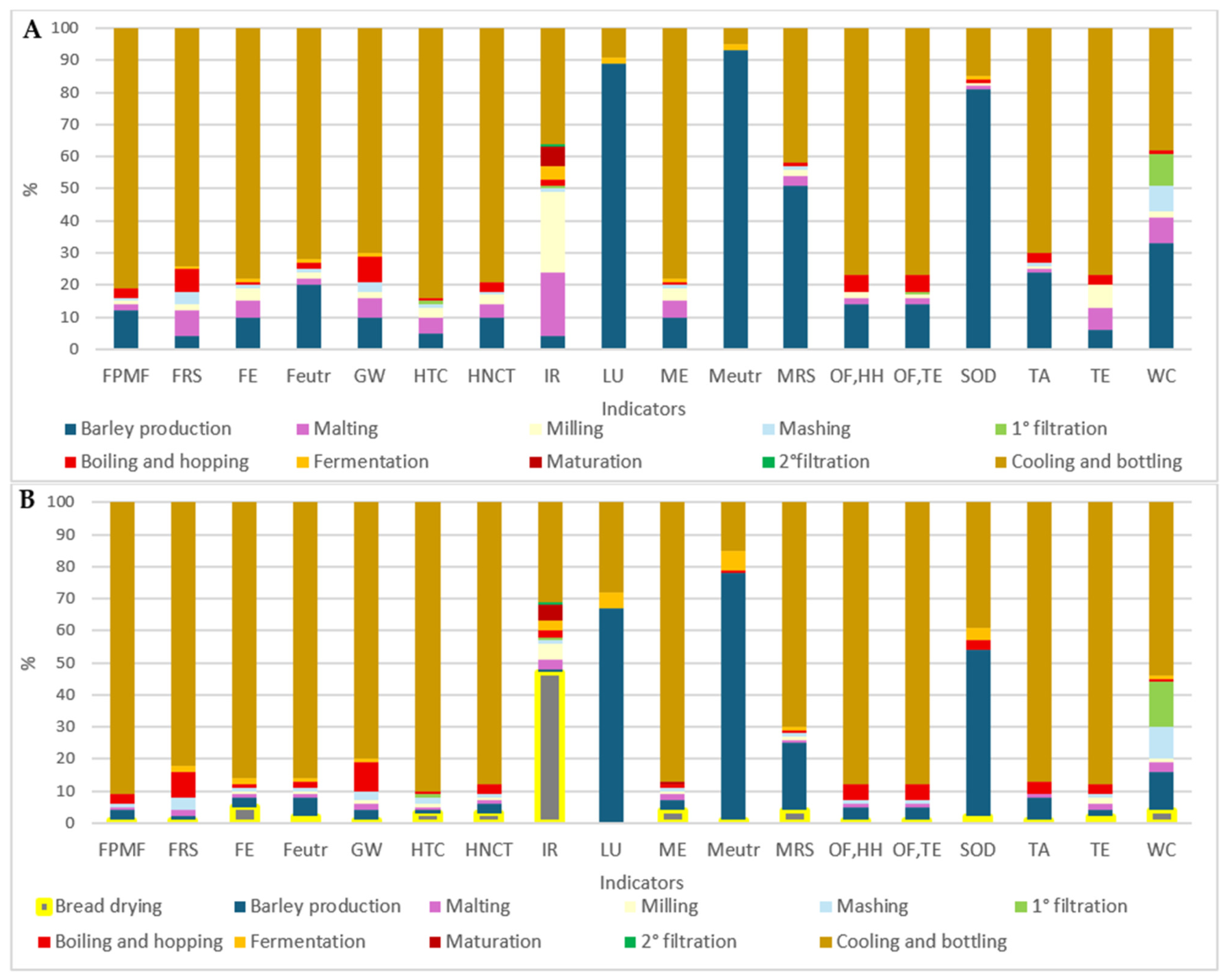
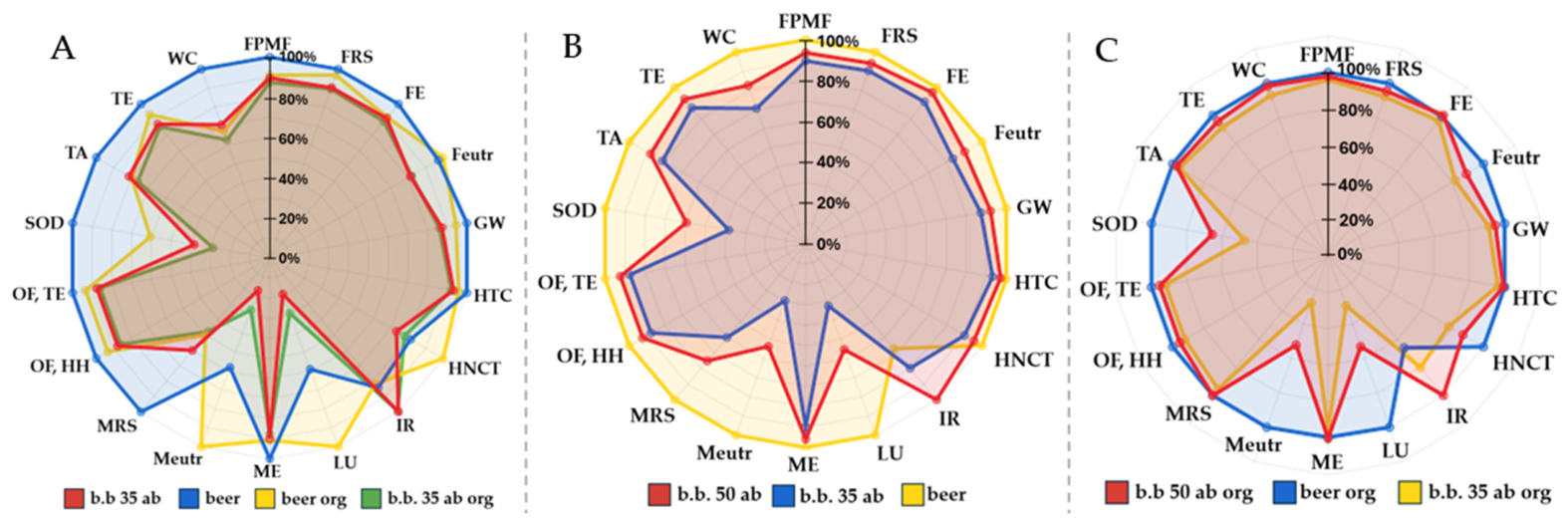
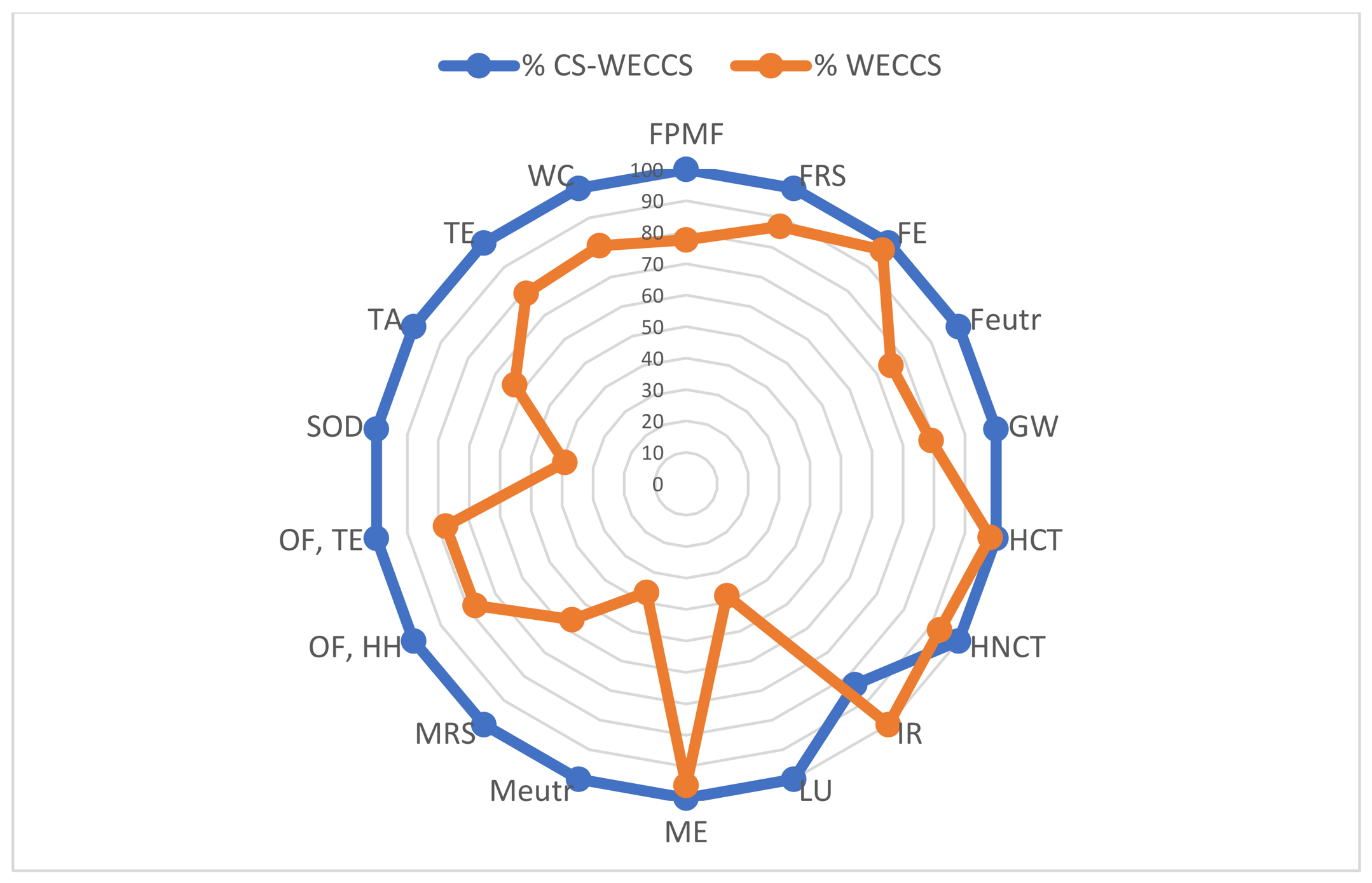
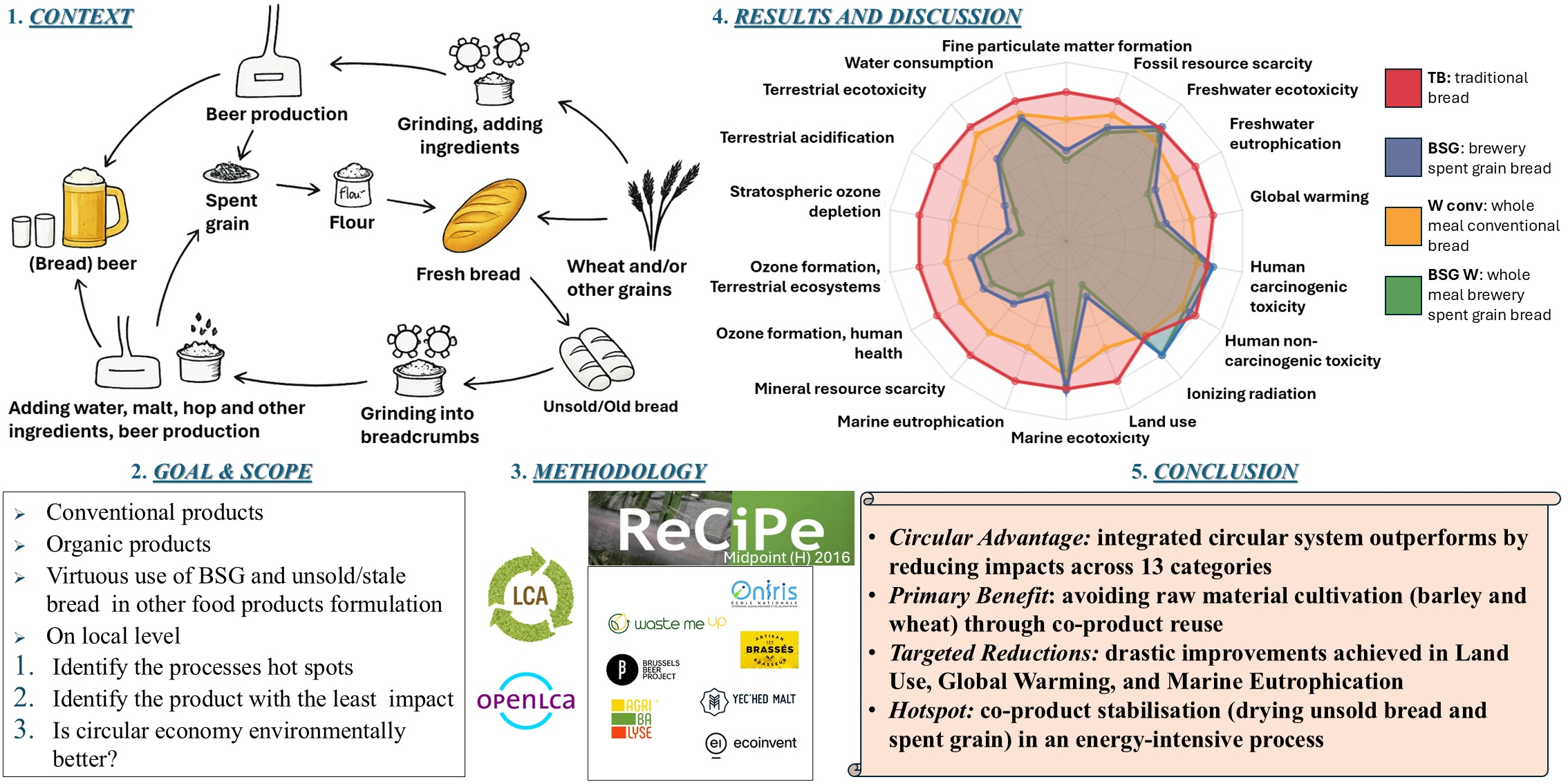
Ensuring sustainable food production for a growing population requires robust tools like the Life Cycle Assessment (LCA), despite the fundamental complexities characterising the agri-food sector. This study evaluates the environmental impacts of beer and bread production, two important sectors, within a circular economy framework using the LCA. The analysis focuses on innovative products: bread incorporating brewery-spent grain and beer brewed from unsold bread. The study follows a cradle-to-gate approach, covering the entire upstream supply chain, including cultivation, milling, malting, and ingredient production. Cultivation emerges as the primary environmental hotspot in both systems. In bread production, the bakery and proofing phases also show high impacts, while in brewing, packaging is the dominant contributor, followed by boiling and hopping. For co-product processing, drying and transport are critical hotspots. Compared with conventional products, innovative circular products generally show lower environmental impacts, with exceptions related to organic cultivation and allocation constraints. Circular strategies notably reduce land use and marine eutrophication in most organic cases. Overall, the fully circular scenario outperforms the Conventional System in 13 impact categories, supporting the environmental potential of circular approaches in both sectors.
Keywords: bread; beer; life cycle assessment; life cycle thinking; upcycling; sustainable agri-food chains bread; beer; life cycle assessment; life cycle thinking; upcycling; sustainable agri-food chains
Graphical Abstract