Article

Comparative Microbiota and Metabolite Profiles of Undried and Dried Typica Luwak (Civet) Coffee Beans

1
College of Food Science and Nutritional Engineering, China Agricultural University, Beijing 100083, China
2
Baoshan Inspection and Testing Institute, Baoshan 678000, China
3
Key Laboratory of Coffee Quality and Safety, State Administration for Market Regulation, Baoshan 678000, China
4
Key Laboratory of Safety Assessment of Genetically Modified Organism (Food Safety), The Ministry of Agriculture and Rural Affairs of the People’s Republic of China, Beijing 100083, China
5
Beijing Laboratory for Food Quality and Safety, Beijing 100083, China
*
Author to whom correspondence should be addressed.
Foods 2026, 15(8), 1334; https://doi.org/10.3390/foods15081334
Submission received: 3 March 2026 / Revised: 7 April 2026 / Accepted: 9 April 2026 / Published: 11 April 2026
(This article belongs to the Section Food Microbiology)

Abstract

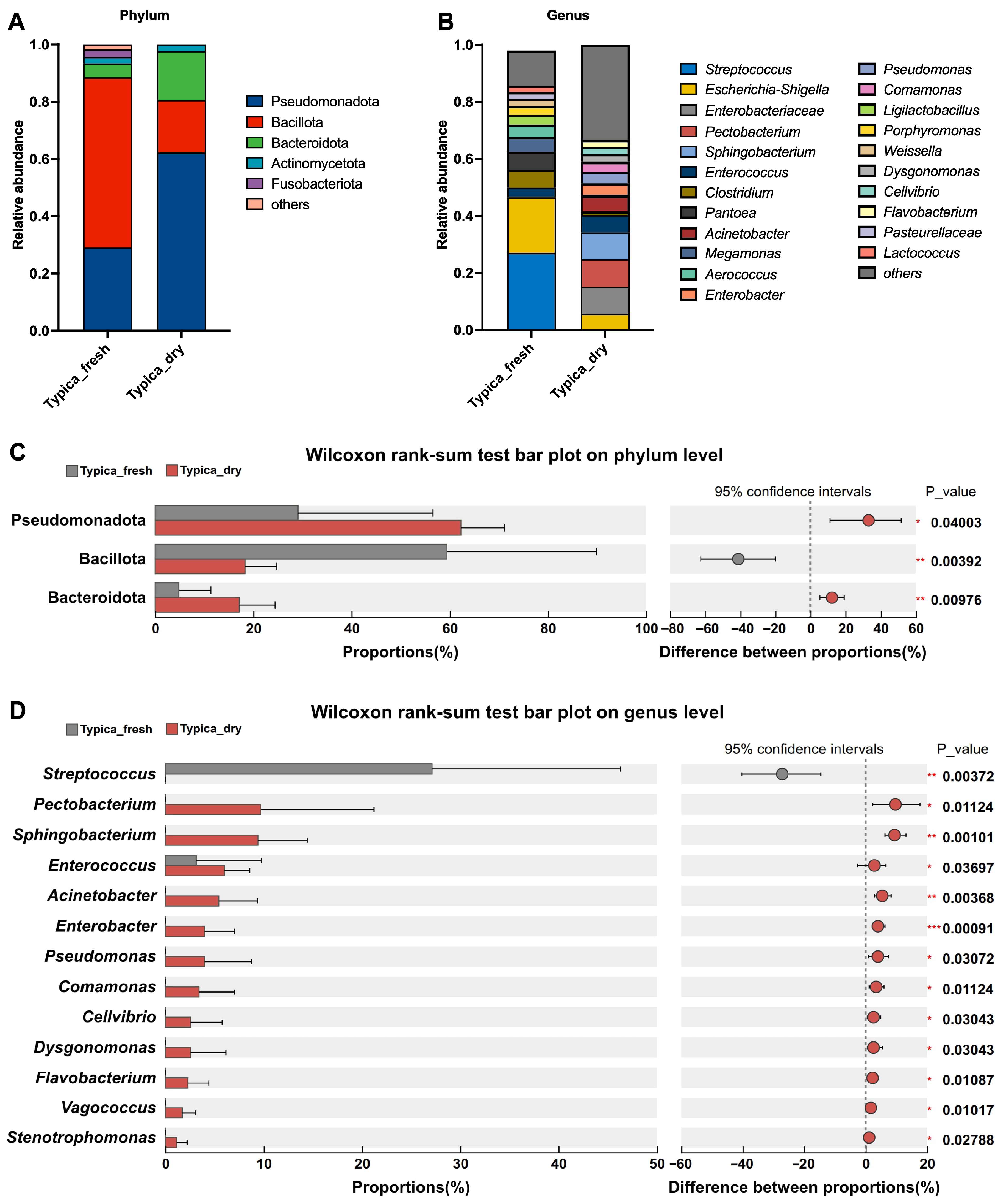
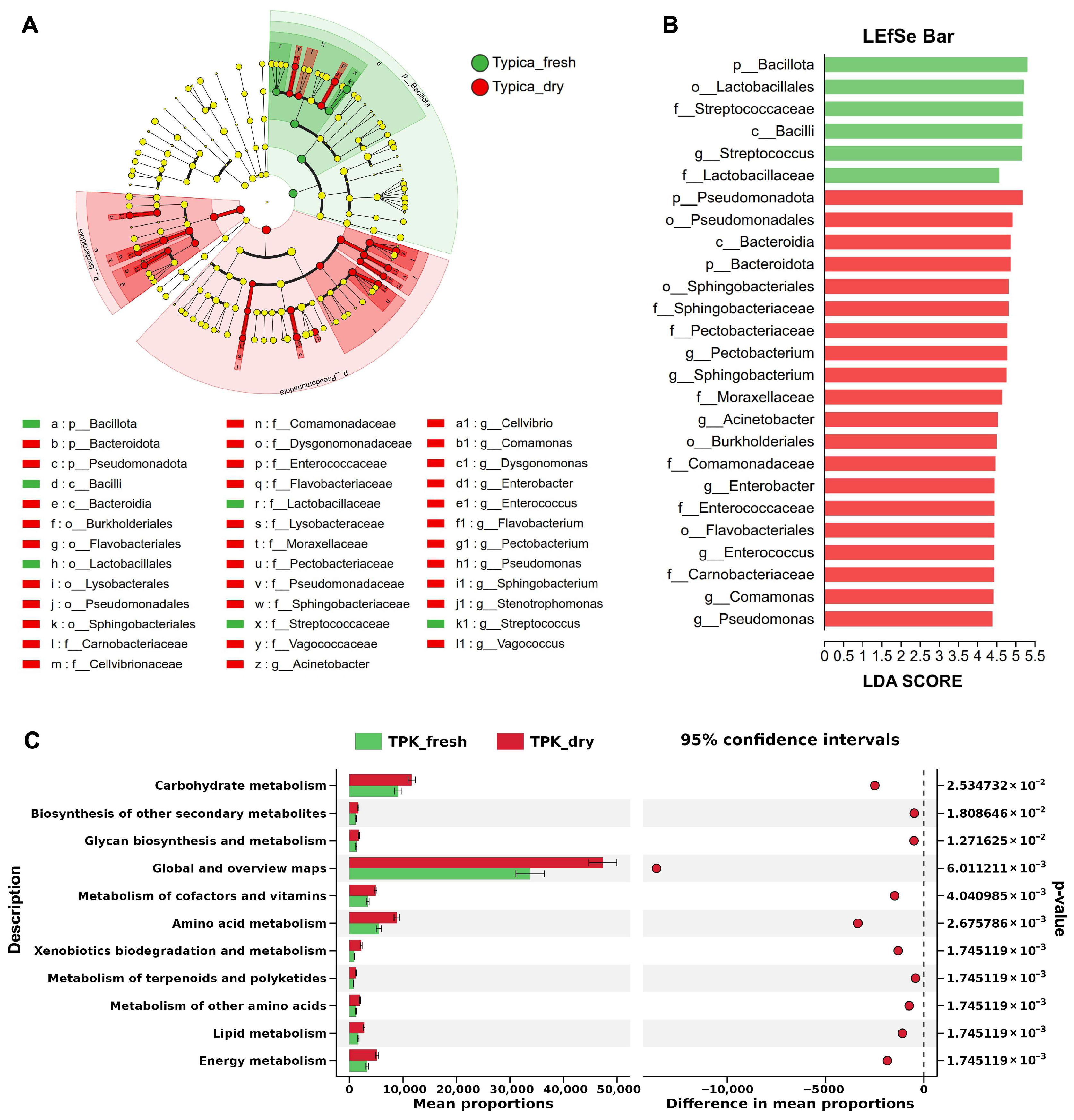
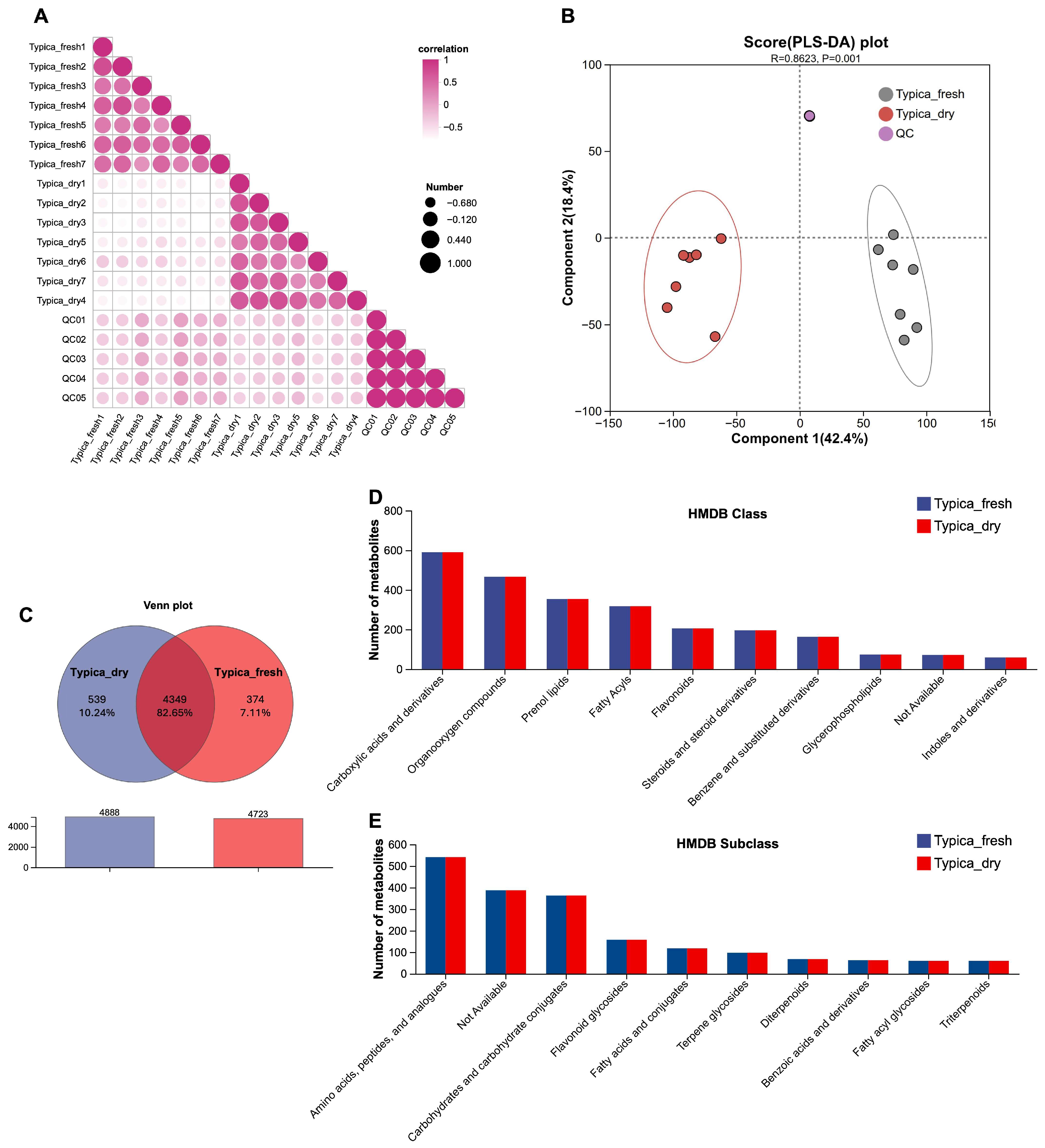
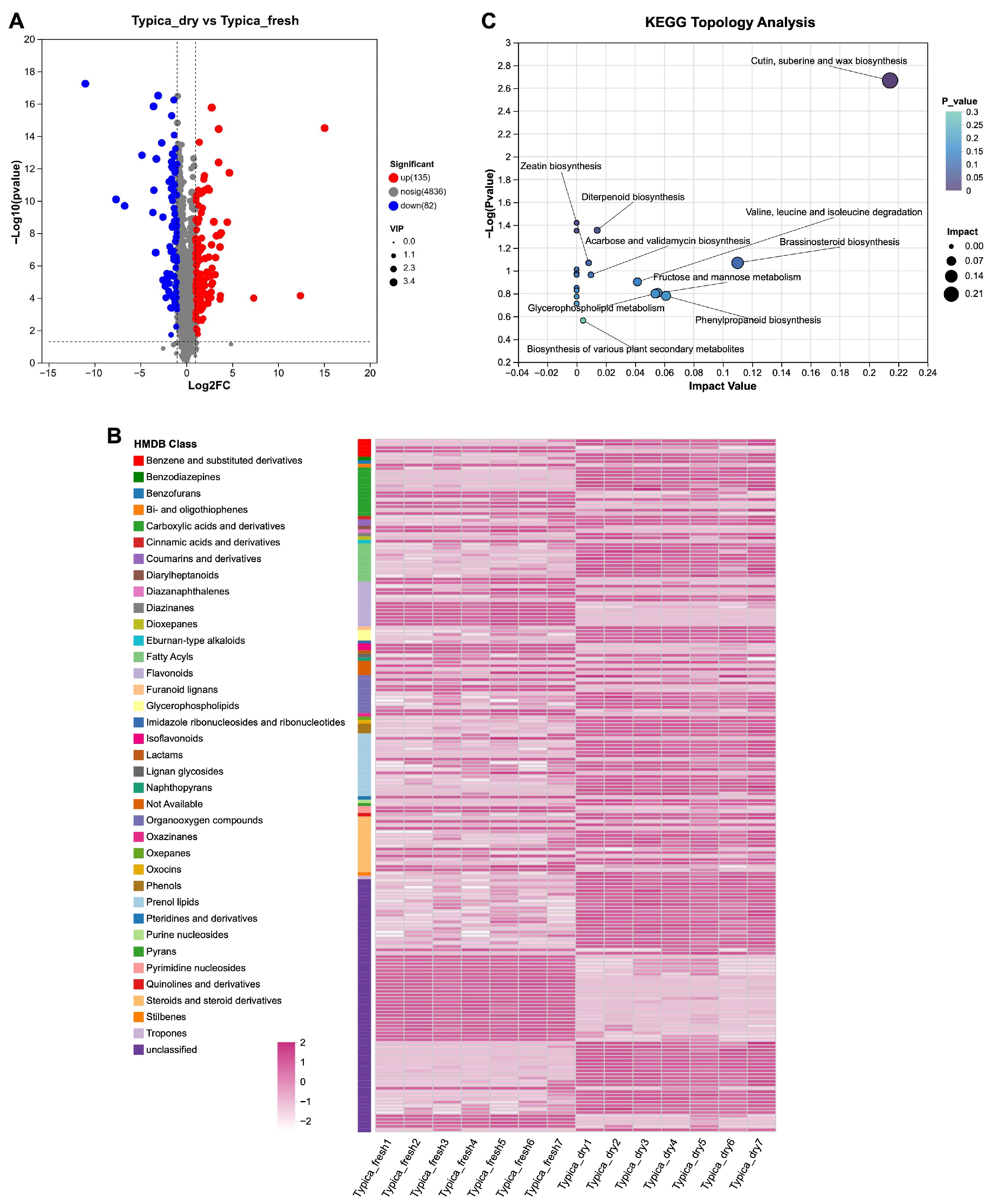
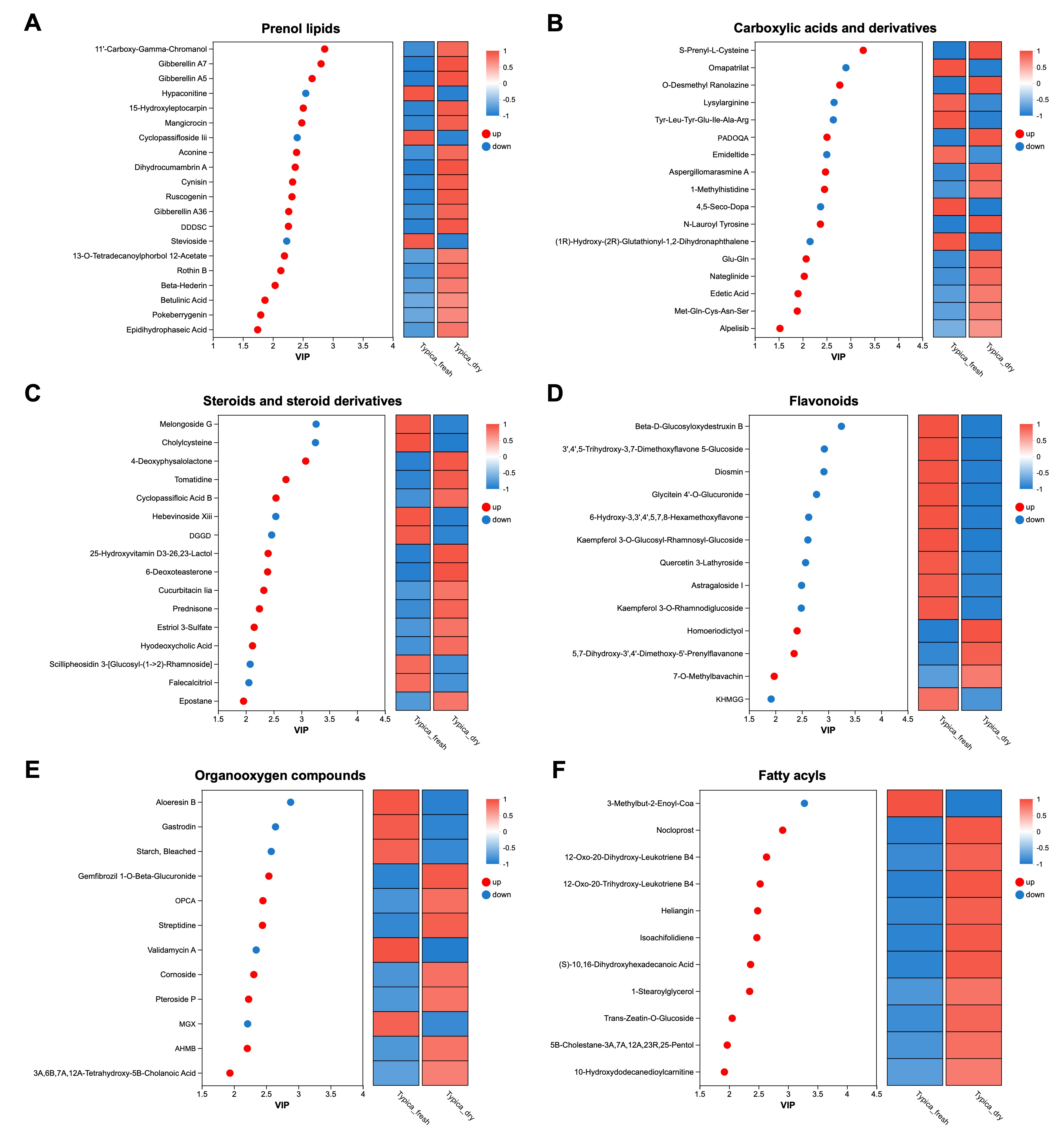
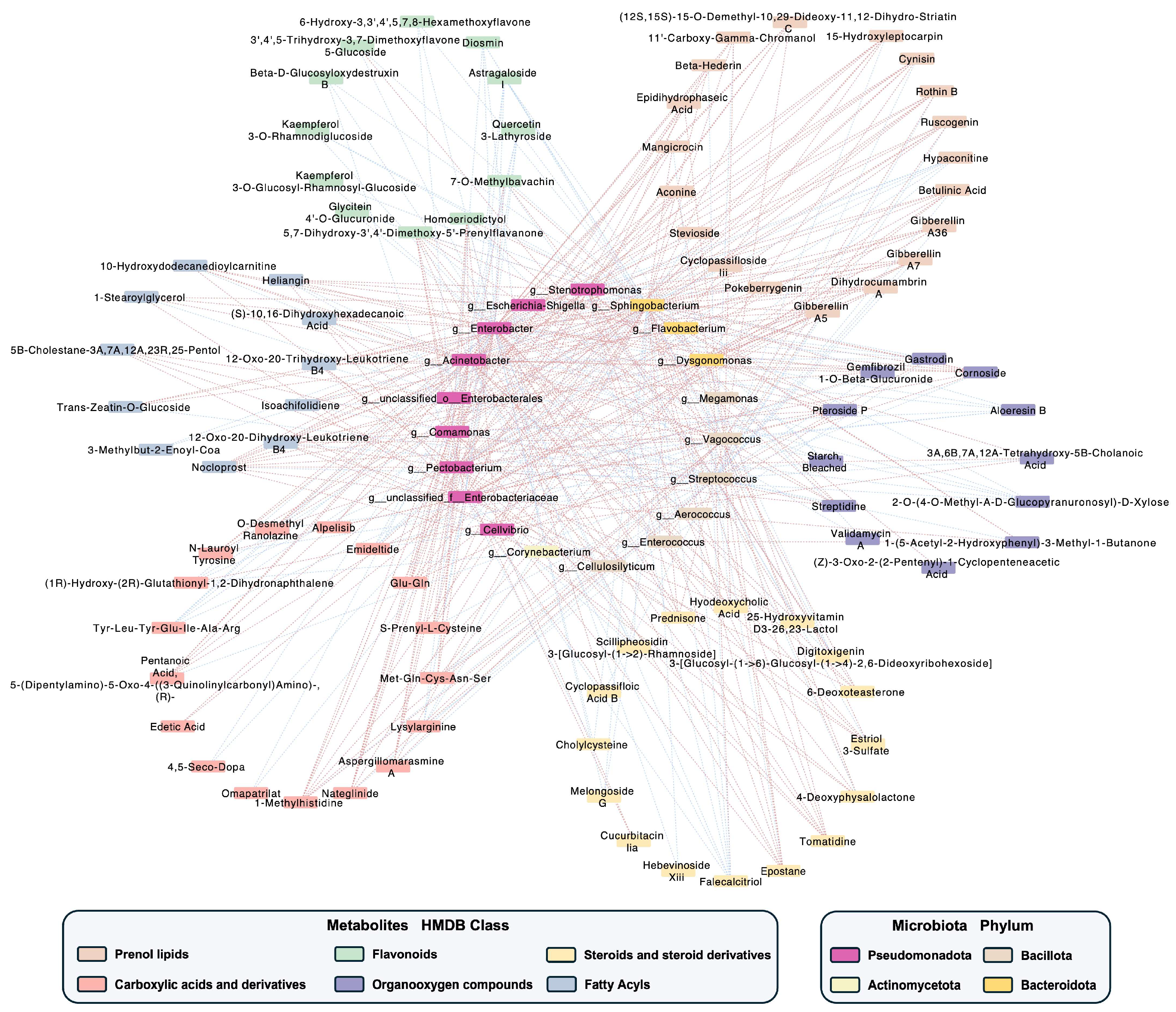
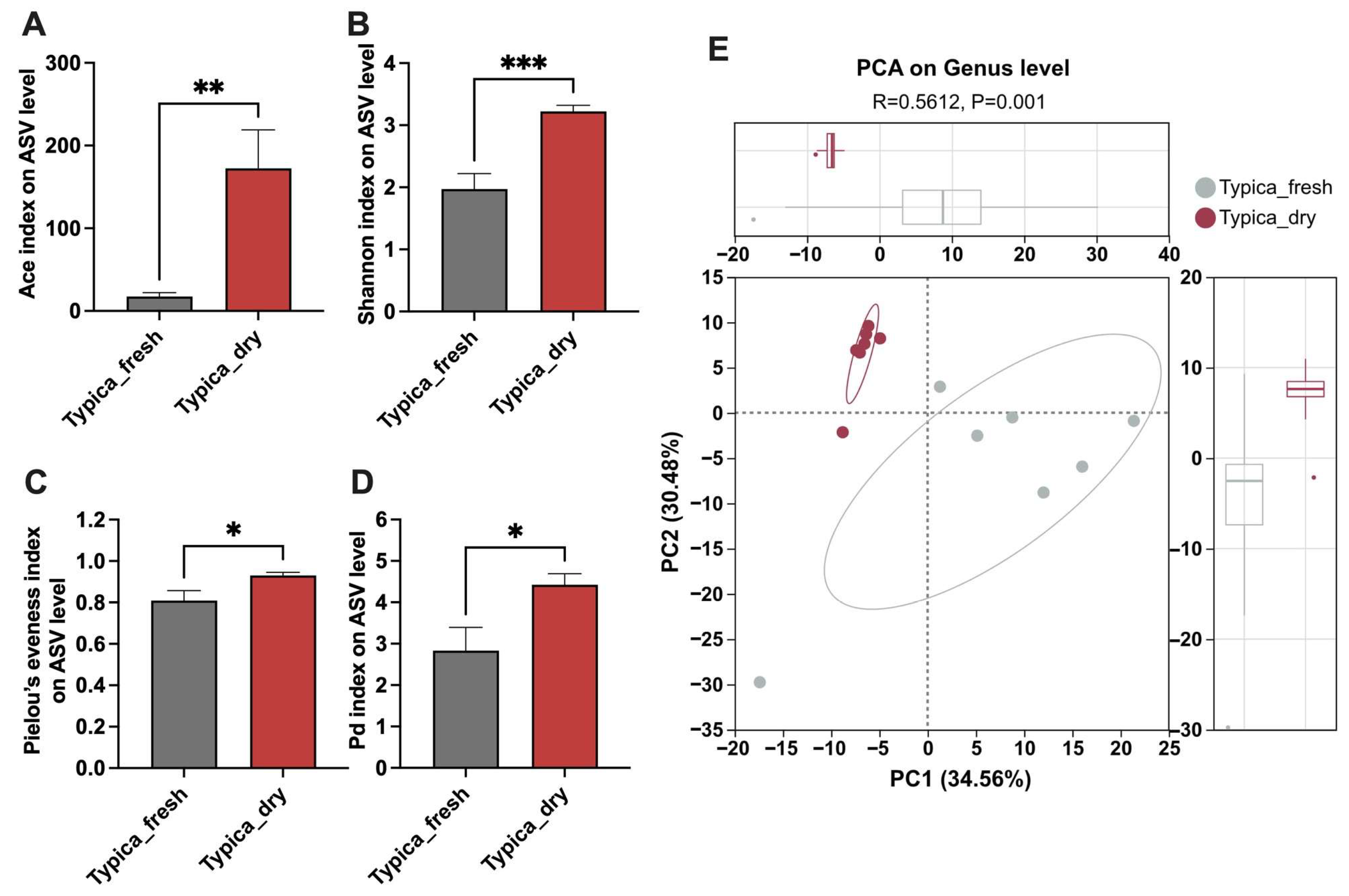
Kopi Luwak (civet coffee), produced from coffee beans recovered from the feces of the Asian palm civet, is among the most expensive specialty coffees worldwide for its unique sensory characteristics. In this study, a multi-omics strategy was employed to elucidate the impact of drying on the microbial community structure and metabolic profiles of Typica Kopi Luwak beans. Drying induced pronounced shifts in the microbial composition, with a significant enrichment of Sphingobacterium and depletion of Streptococcus at the genus level. Concurrently, drying resulted in substantial metabolic remodeling, characterized by increased levels of prenol lipids, fatty acyls, carboxylic acids and derivatives, steroids and steroid derivatives, and organooxygen compounds, accompanied by a marked reduction in flavonoids. KEGG pathway analysis indicated that both altered microbial taxa and metabolites were associated with lipid metabolism, carbohydrate metabolism, amino acid metabolism, and the biosynthesis of other secondary metabolites. Correlation network analysis further revealed the associations between key microbial genera and specific classes of differential metabolites. Collectively, these findings suggest the potential role of post-excretion sun-drying in shaping the microbiome and metabolome of Typica Kopi Luwak beans, offering a scientific basis for controlled or in vitro fermentation strategies to produce coffees with reproducible quality attributes.
Keywords: Kopi Luwak (civet coffee); typica coffee; dry processing; microbiome; metabolome Kopi Luwak (civet coffee); typica coffee; dry processing; microbiome; metabolome