
Comparative Metabolomics and Network Pharmacology Study Reveals Chemopreventive Potential of Wild Soybean (Glycine soja)

Abstract
1. Introduction
2. Materials and Methods
2.1. Plant Materials
2.2. Untargeted Metabolomic Profiling of Soybean Seeds
2.2.1. Sample Preparation
2.2.2. Chromatography and Mass Spectrometry Parameters
2.2.3. Data Processing and Quantification
2.2.4. Data Analysis
2.3. Network Pharmacology Analysis Methods
2.3.1. Metabolite and Disease Target Identification
2.3.2. Construction of Protein Interaction Networks and Metabolite–Target–Disease Networks
2.3.3. GO and KEGG Pathway Enrichment Analysis
2.4. Molecular Docking
3. Results
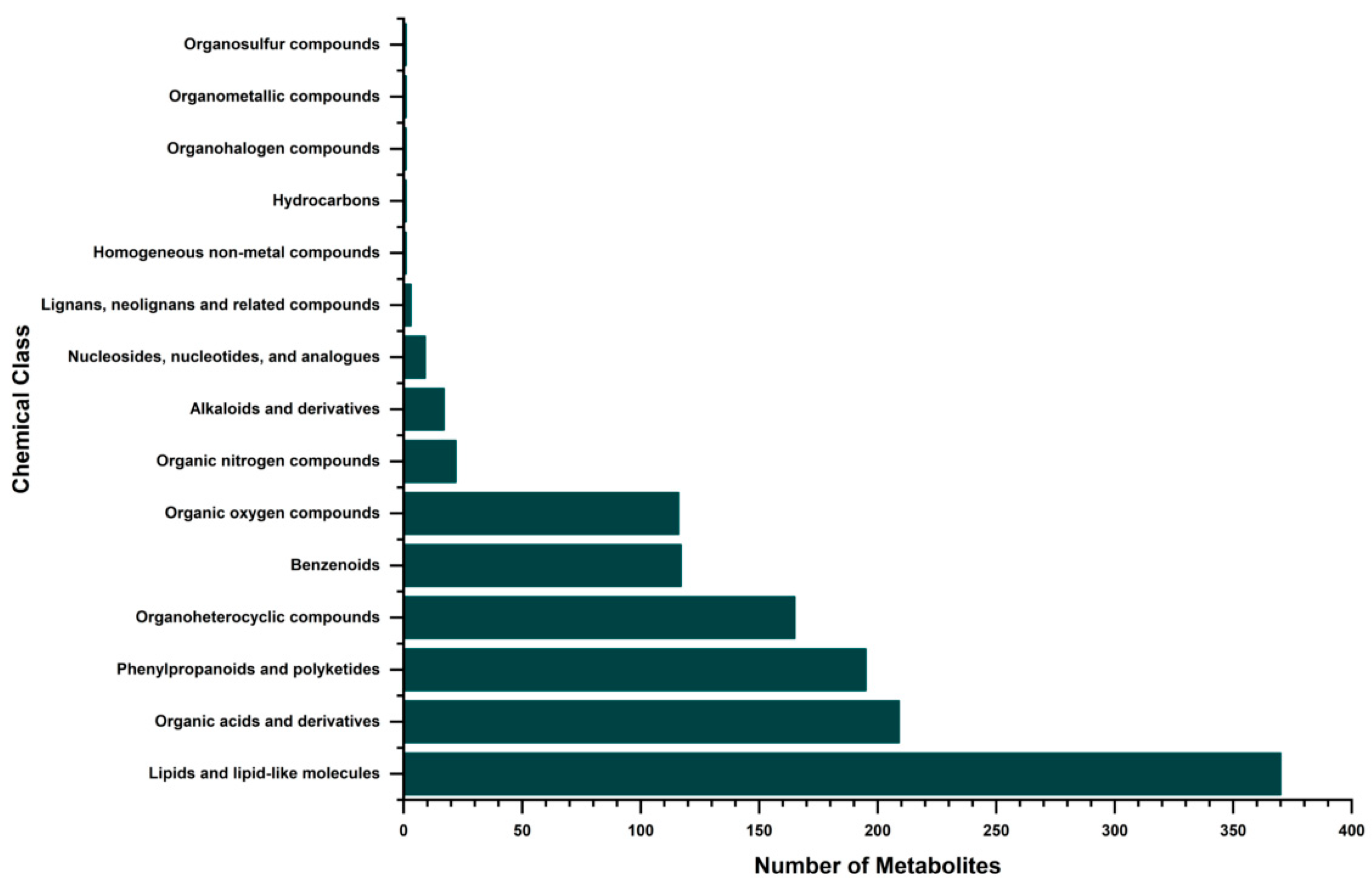
3.1. Metabolomics Data Quality Assessment and Sample Metabolic Profile Characteristics
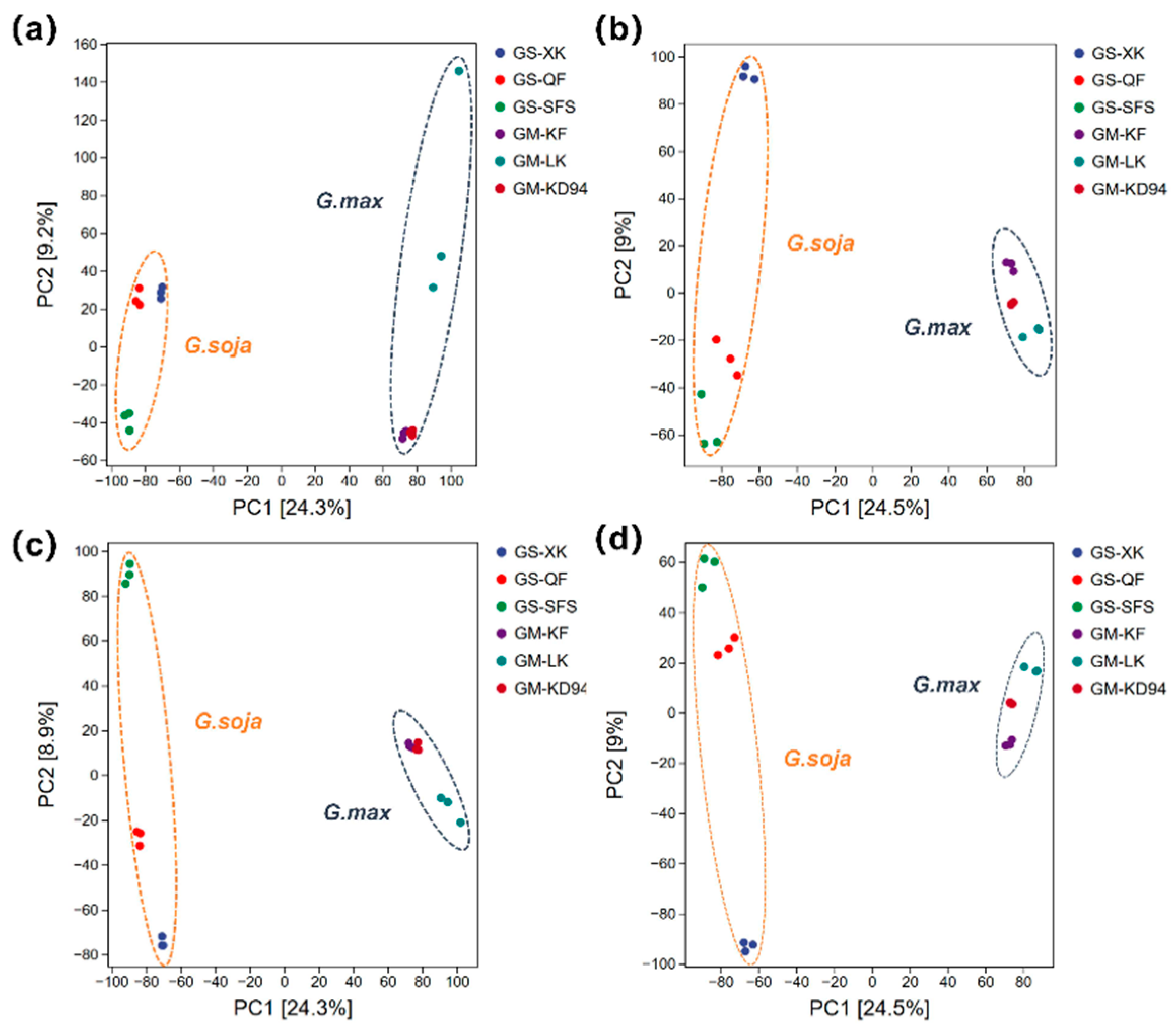
3.2. Multivariate Statistical Analysis of Metabolic Profiles
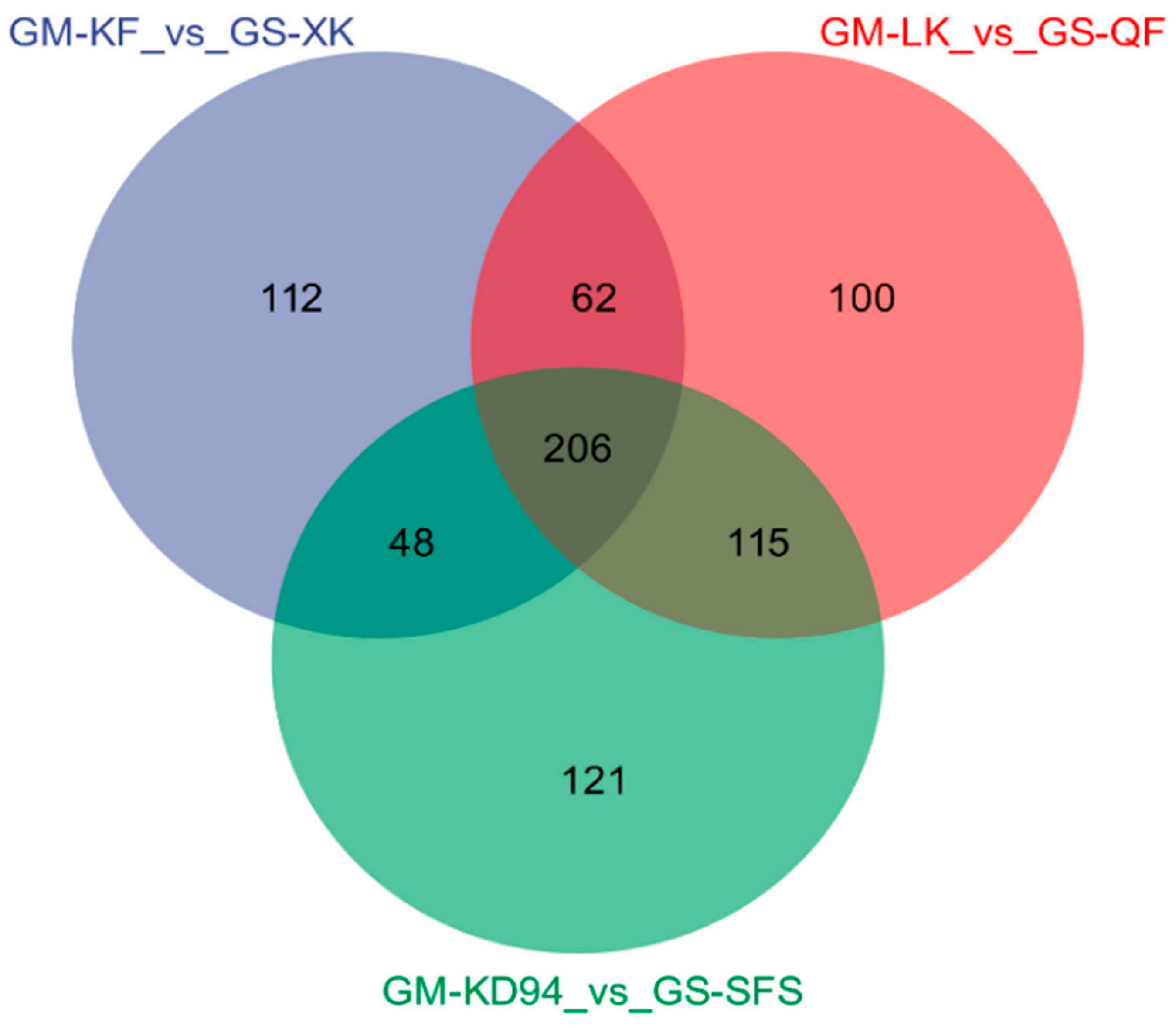
3.3. Identification and Characterization of Differential Metabolites
3.4. Network Pharmacology Analysis
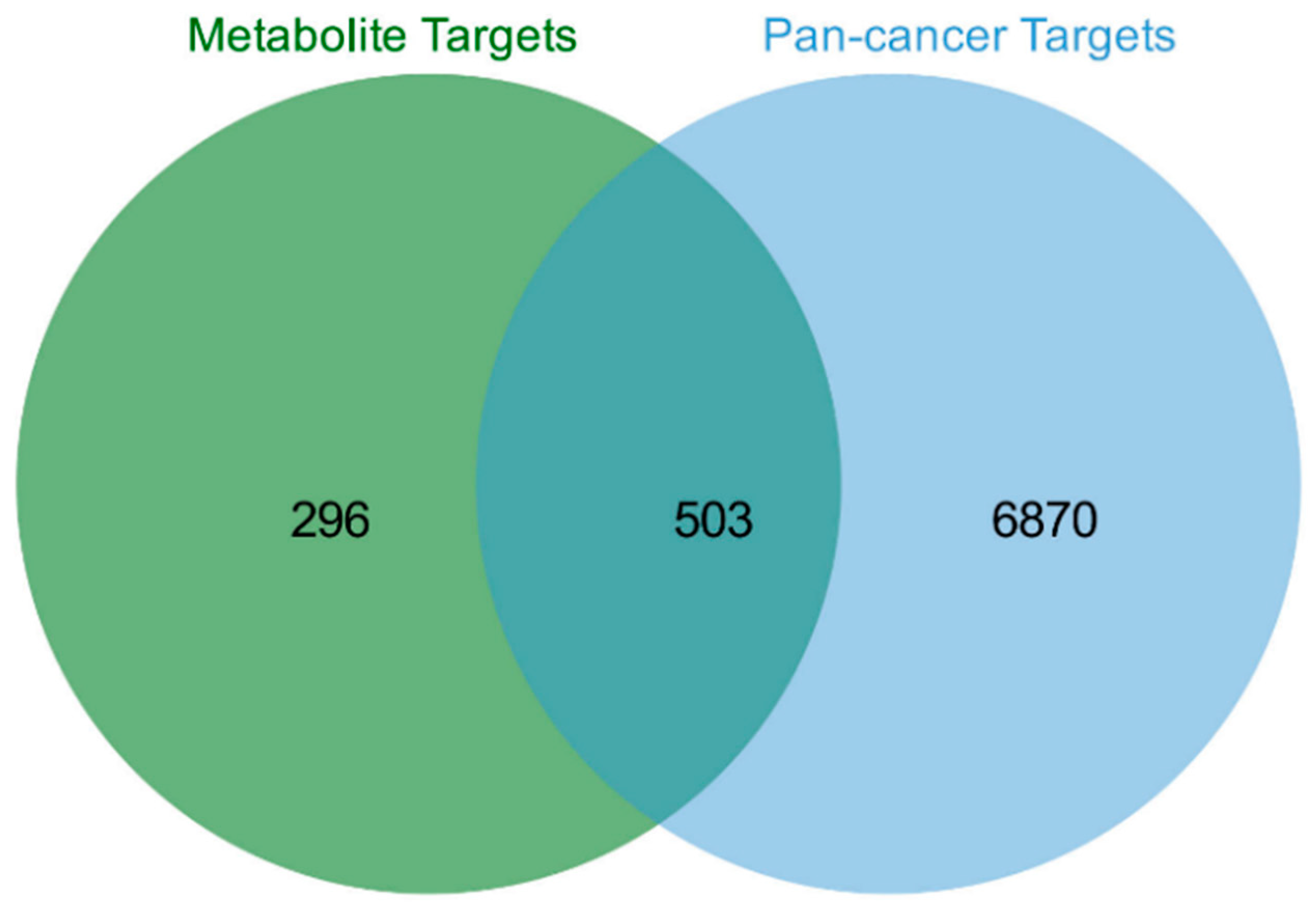
3.4.1. Screening of Potential Therapeutic Targets
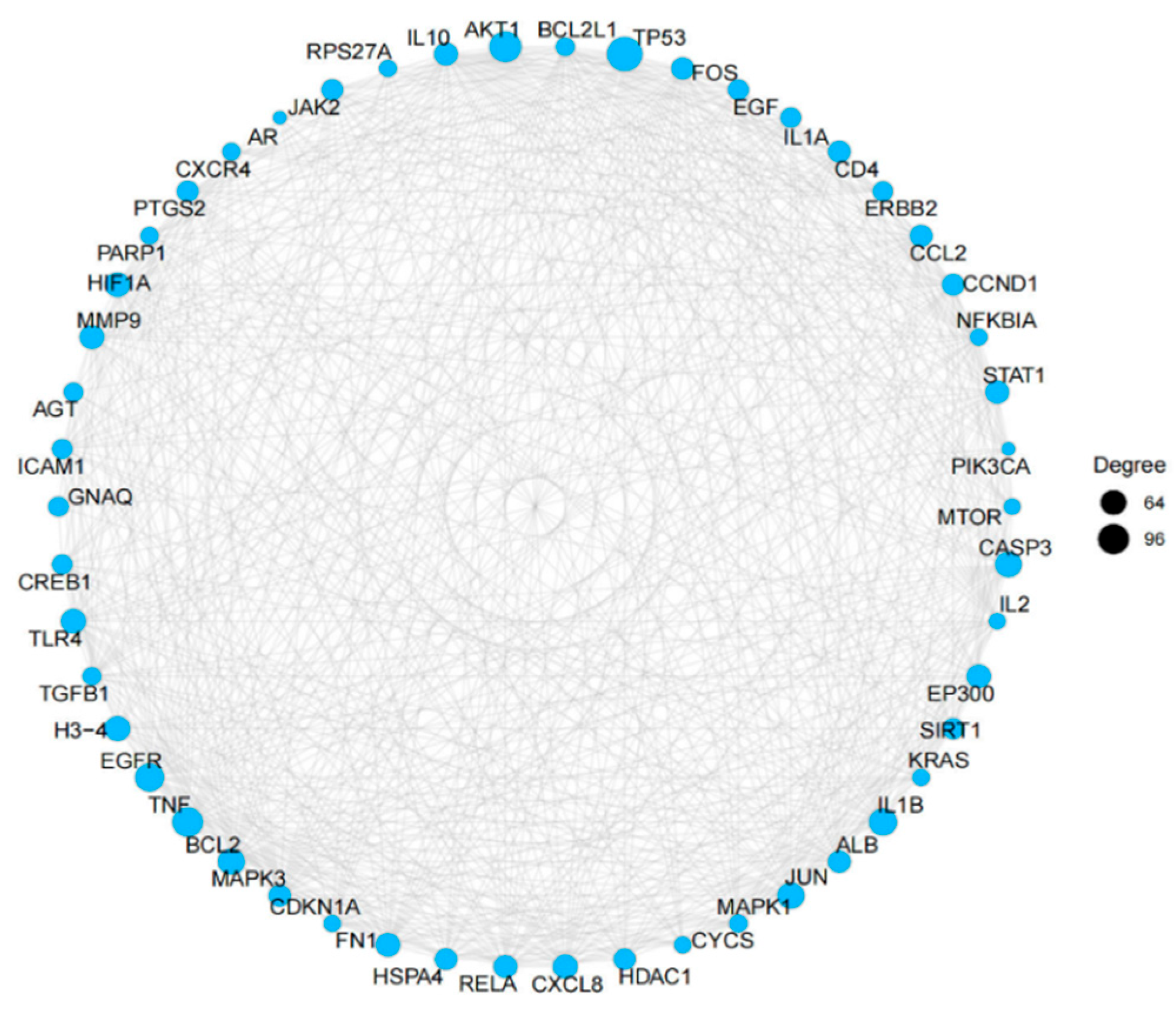
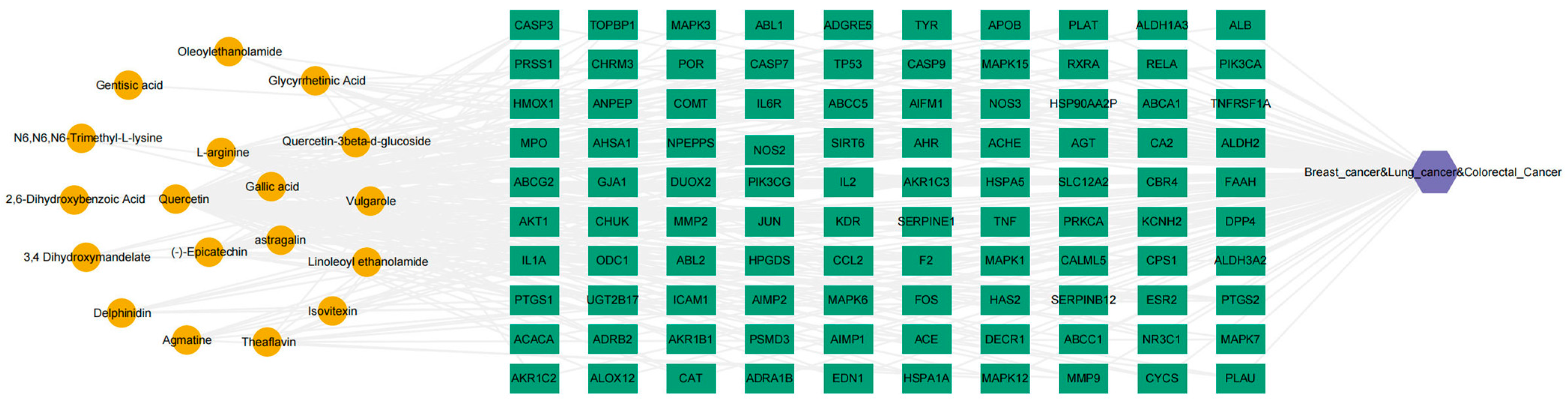
3.4.2. PPI Network and “Metabolite–Target–Disease” Network Construction
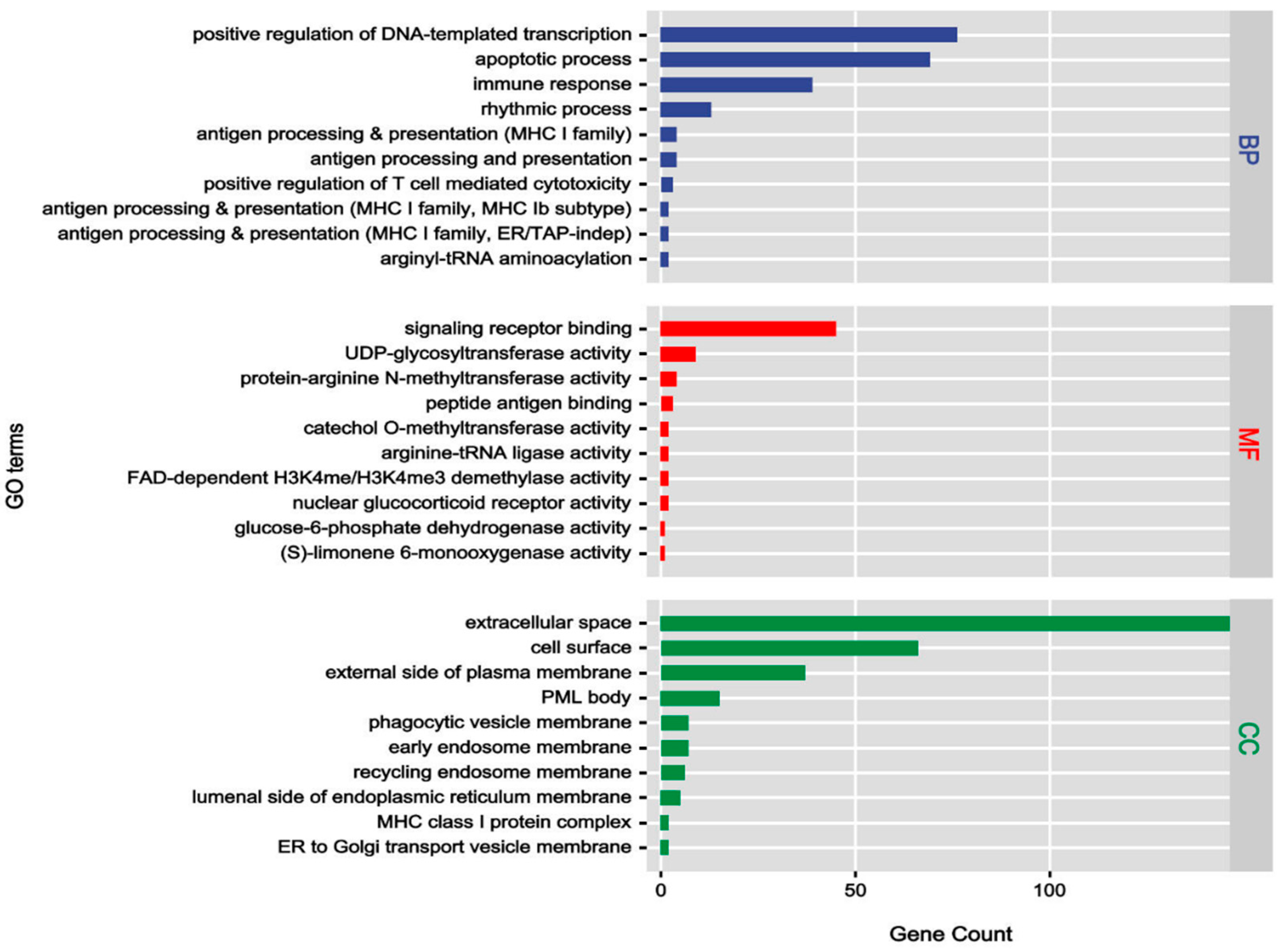
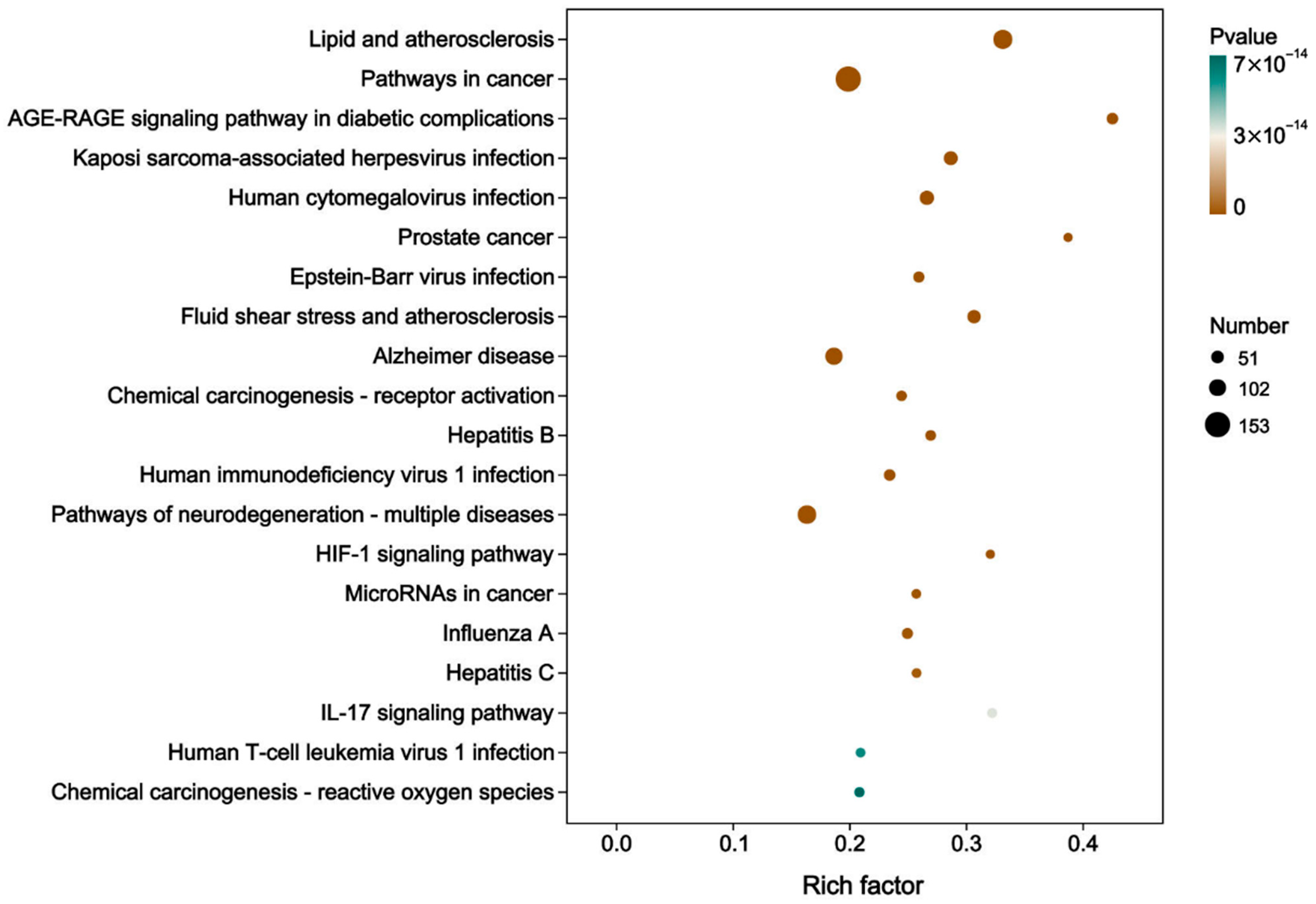
3.4.3. GO Functional Enrichment Analysis and KEGG Pathway Analysis
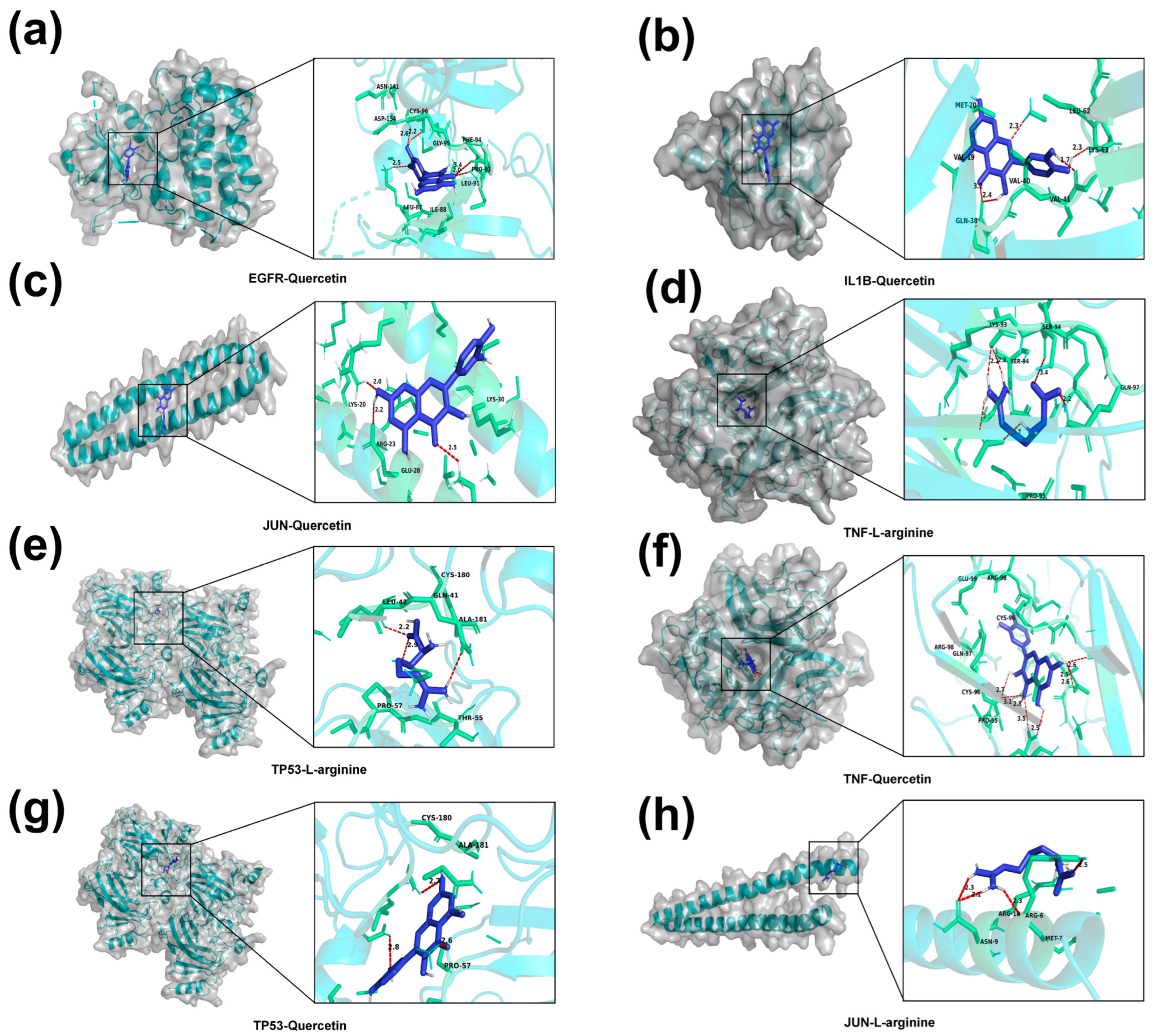
3.5. Molecular Docking Validation
4. Discussion
5. Conclusions
Supplementary Materials
Author Contributions
Funding
Institutional Review Board Statement
Informed Consent Statement
Data Availability Statement
Conflicts of Interest
References
- Liu, W.-T.; Huang, C.-L.; Liu, R.; Yang, T.-C.; Lee, C.-L.; Tsao, R.; Yang, W.-J. Changes in isoflavone profile, antioxidant activity, and phenolic contents in taiwanese and canadian soybeans during tempeh processing. LWT-Food Sci. Technol. 2023, 186, 115207. [Google Scholar] [CrossRef]
- Liu, Y.; Zhang, S.; Li, J.; Muhammad, A.; Feng, Y.; Qi, J.; Sha, D.; Hao, Y.; Li, B.; Sun, J. An r2r3-type myb transcription factor, gmmyb77, negatively regulates isoflavone accumulation in soybean [Glycine max (L.) Merr.]. Plant Biotechnol. J. 2024, 23, 824–838. [Google Scholar] [CrossRef]
- Lin, X.; Zhang, C.; Huang, B. Hepatoprotective action mechanism and quantification of soyasaponin bb in abri herba by hplc and network pharmacology. J. Ethnopharmacol. 2025, 337, 118850. [Google Scholar] [CrossRef] [PubMed]
- Liu, X.; Meng, X.; Liu, D.; Liu, J.; Lan, M.; Kang, W. A rapid analysis method to discover antioxidant active components and mechanisms in soybean: Untargeted metabolomics combined with network pharmacology and spectrum-effect relationship-component knockout-identification techniques. Food Sci. Hum. Wellness 2025, 14, 9250620. [Google Scholar] [CrossRef]
- Park, S.H.; Seo, J.H.; Kim, M.Y.; Yun, H.J.; Kang, B.K.; Kim, J.H.; Heo, S.V.; Lee, Y.H.; Park, H.R.; Choi, M.S.; et al. Enhanced antitumor activity of korean black soybean cultivar ‘soman’ by targeting stat-mediated aerobic glycolysis. Antioxidants 2025, 14, 228. [Google Scholar] [CrossRef] [PubMed]
- Wu, Y.; Ling, Y.; Yang, Y.; Long, H.; Kong, L.; Song, P.; Lu, Y.; Zhao, W.; Wang, W.; Zhu, J.; et al. Soybean sprout peptides alleviate obesity via pi3k-akt and jak-stat pathway modulation, gut microbiota regulation, and metabolic reprogramming. J. Agric. Food Chem. 2025, 73, 9662–9676. [Google Scholar] [CrossRef] [PubMed]
- Jiang, L.; Yang, X.; Gao, X.; Yang, H.; Ma, S.; Huang, S.; Zhu, J.; Zhou, H.; Li, X.; Gu, X.; et al. Multiomics analyses reveal the dual role of flavonoids in pigmentation and abiotic stress tolerance of soybean seeds. J. Agric. Food Chem. 2024, 72, 3231–3243. [Google Scholar] [CrossRef] [PubMed]
- Hyeon, H.; Xu, J.L.; Kim, J.K.; Choi, Y. Comparative metabolic profiling of cultivated and wild black soybeans reveals distinct metabolic alterations associated with their domestication. Food Res. Int. 2020, 134, 109290. [Google Scholar] [CrossRef] [PubMed]
- Ren, Z.; Yin, X.; Liu, L.; Zhang, L.; Shen, W.; Fang, Z.; Yu, Q.; Qin, L.; Chen, L.; Jia, R.; et al. Flavonoid localization in soybean seeds: Comparative analysis of wild (Glycine soja) and cultivated (Glycine max) varieties. Food Chem. 2024, 456, 139883. [Google Scholar] [CrossRef]
- Chen, Q.; Wang, X.; Yuan, X.; Shi, J.; Zhang, C.; Yan, N.; Jing, C. Comparison of phenolic and flavonoid compound profiles and antioxidant and α-glucosidase inhibition properties of cultivated soybean (Glycine max) and wild soybean (Glycine soja). Plants 2021, 10, 813. [Google Scholar] [CrossRef]
- Chang, C.; Tian, L.; Ma, L.; Li, W.; Nasir, F.; Li, X.; Tran, L.S.P.; Tian, C. Differential responses of molecular mechanisms and physiochemical characters in wild and cultivated soybeans against invasion by the pathogenic Fusarium oxysporum Schltdl. Physiol. Plant. 2018, 166, 1008–1025. [Google Scholar] [CrossRef] [PubMed]
- Li, X.; Li, S.; Wang, J.; Chen, G.; Tao, X.; Xu, S. Metabolomic analysis reveals domestication-driven reshaping of polyphenolic antioxidants in soybean seeds. Antioxidants 2023, 12, 912. [Google Scholar] [CrossRef]
- Tareq, F.S.; Kotha, R.R.; Natarajan, S.; Sun, J.; Luthria, D.L. An untargeted metabolomics approach to study the variation between wild and cultivated soybeans. Molecules 2023, 28, 5507. [Google Scholar] [CrossRef]
- Sung, H.; Ferlay, J.; Siegel, R.L.; Laversanne, M.; Soerjomataram, I.; Jemal, A.; Bray, F. Global cancer statistics 2020: Globocan estimates of incidence and mortality worldwide for 36 cancers in 185 countries. CA Cancer J. Clin. 2021, 71, 209–249. [Google Scholar] [CrossRef]
- Afshin, A.; Sur, P.J.; Fay, K.A.; Cornaby, L.; Ferrara, G.; Salama, J.S.; Mullany, E.C.; Abate, K.H.; Abbafati, C.; Abebe, Z.; et al. Health effects of dietary risks in 195 countries, 1990–2017: A systematic analysis for the global burden of disease study 2017. Lancet 2019, 393, 1958–1972. [Google Scholar] [CrossRef]
- Alseekh, S.; Aharoni, A.; Brotman, Y.; Contrepois, K.; D’Auria, J.; Ewald, J.; Ewald, J.C.; Fraser, P.D.; Giavalisco, P.; Hall, R.D.; et al. Mass spectrometry-based metabolomics: A guide for annotation, quantification and best reporting practices. Nat. Methods 2021, 18, 747–756. [Google Scholar] [CrossRef]
- Want, E.J.; Masson, P.; Michopoulos, F.; Wilson, I.D.; Theodoridis, G.; Plumb, R.S.; Shockcor, J.; Loftus, N.; Holmes, E.; Nicholson, J.K. Global metabolic profiling of animal and human tissues via uplc-ms. Nat. Protoc. 2012, 8, 17–32. [Google Scholar] [CrossRef] [PubMed]
- Tsugawa, H.; Cajka, T.; Kind, T.; Ma, Y.; Higgins, B.; Ikeda, K.; Kanazawa, M.; VanderGheynst, J.; Fiehn, O.; Arita, M. Ms-dial: Data-independent ms/ms deconvolution for comprehensive metabolome analysis. Nat. Methods 2015, 12, 523–526. [Google Scholar] [CrossRef] [PubMed]
- Tang, C.; Li, X.; Wang, T.; Wang, J.; Xiao, M.; He, M.; Chang, X.; Fan, Y.; Li, Y. Characterization of metabolite landscape distinguishes medicinal fungus cordyceps sinensis and other cordyceps by uhplc-q exactive hf-x untargeted metabolomics. Molecules 2023, 28, 7745. [Google Scholar] [CrossRef]
- An, J.; Sun, L.; Liu, M.; Dai, R.; Si, Q.; Ge, G.; Wang, Z.; Jia, Y. Mechanistic insights into nitrite degradation by metabolites of L. plantarum a50: An LC-MS-based untargeted metabolomics analysis. Fermentation 2024, 10, 92. [Google Scholar] [CrossRef]
- He, C.; Zhang, D.; Mao, Y.; Mkunga, J.J.; Fei, L.; Chen, P.; Shan, C.; Yang, X.; Cai, W. Integrative analysis of metabolite changes and potential health effects in pomegranate juice fermentation. Food Biosci. 2025, 64, 105934. [Google Scholar] [CrossRef]
- Fei, L.; Zhang, D.; Mao, Y.; Mkunga, J.J.; Chen, P.; He, C.; Shan, C.; Yang, X.; Cai, W. Metabolomics combined with network pharmacology reveals the regional and variety heterogeneity of grape metabolites and their potential antioxidant mechanisms. Food Res. Int. 2025, 211, 116443. [Google Scholar] [CrossRef] [PubMed]
- Zhou, Z.; Jiang, Y.; Wang, Z.; Gou, Z.; Lyu, J.; Li, W.; Yu, Y.; Shu, L.; Zhao, Y.; Ma, Y.; et al. Resequencing 302 wild and cultivated accessions identifies genes related to domestication and improvement in soybean. Nat. Biotechnol. 2015, 33, 408–414. [Google Scholar] [CrossRef] [PubMed]
- Sitarek, P.; Merecz-Sadowska, A.; Sikora, J.; Dudzic, M.; Wiertek-Płoszaj, N.; Picot, L.; Śliwiński, T.; Kowalczyk, T. Flavonoids and their derivatives as DNA topoisomerase inhibitors with anti-cancer activity in various cell models: Exploring a novel mode of action. Pharmacol. Res. 2024, 209, 107457. [Google Scholar] [CrossRef] [PubMed]
- Yu, T.F.; Hou, Z.H.; Wang, H.L.; Chang, S.Y.; Song, X.Y.; Zheng, W.J.; Zheng, L.; Wei, J.T.; Lu, Z.W.; Chen, J.; et al. Soybean steroids improve crop abiotic stress tolerance and increase yield. Plant Biotechnol. J. 2024, 22, 2333–2347. [Google Scholar] [CrossRef]
- Hong, R.; Lim, S.-C.; Lee, T.-B.; Han, S.-I. Anticancer effect of gallic acid on acidity-induced invasion of mcf7 breast cancer cells. Nutrients 2023, 15, 3596. [Google Scholar] [CrossRef] [PubMed]
- Feng, G.; Zhang, L.; Bao, W.; Ni, J.; Wang, Y.; Huang, Y.; Lyv, J.; Cao, X.; Chen, T.; You, K.; et al. Gentisic acid prevents colorectal cancer metastasis via blocking gpr81-mediated depdc5 degradation. Phytomedicine 2024, 129, 155615. [Google Scholar] [CrossRef] [PubMed]
- Wang, H.; Guo, M.; Wei, H.; Chen, Y. Targeting p53 pathways: Mechanisms, structures and advances in therapy. Signal Transduct. Target. Ther. 2023, 8, 92. [Google Scholar] [CrossRef]
- Naykwadi, H.; Alavala, R.R. Overcoming resistance in egfr-mutant cancers: A comprehensive review of inhibitor evolution and sar-based design. Drug Dev. Res. 2026, 87, e70220. [Google Scholar] [CrossRef]
- Aggarwal, B.B. Signalling pathways of the tnf superfamily: A double-edged sword. Nat. Rev. Immunol. 2003, 3, 745–756. [Google Scholar] [CrossRef] [PubMed]
- Yilmaz, V. Interleukin-1 beta signaling in cancer: A double-edged sword in inflammation and tumorigenesis. Cancer Plus 2025, 7, 28. [Google Scholar] [CrossRef]
- Jafri, Z.; Li, Y.; Zhang, J.; O’Meara, C.H.; Khachigian, L.M. Jun, an oncological foe or friend? Int. J. Mol. Sci. 2025, 26, 555. [Google Scholar] [CrossRef] [PubMed]
- Huang, C.W.; Chu, G.Y.; Huang, C.C.; Hsu, C.H.; Iqhrammullah, M. Quercetin modulates the p53 signaling pathway to induce apoptosis: Combating vemurafenib resistance in melanoma. J. Clin. Pharm. Ther. 2025, 2025, 13. [Google Scholar] [CrossRef]
- Nan, K.; Zhong, Z.; Yue, Y.; Shen, Y.; Zhang, H.; Wang, Z.; Zhuma, K.; Yu, B.; Fu, Y.; Wang, L.; et al. Fasting-mimicking diet-enriched bifidobacterium pseudolongum suppresses colorectal cancer by inducing memory cd8+ t cells. Gut 2025, 74, 775–786. [Google Scholar] [CrossRef]
- Hannemann, J.; Oliveira-Ferrer, L.; Goele, A.K.; Mileva, Y.; Kleinsang, F.; Röglin, A.; Witzel, I.; Müller, V.; Böger, R. L-arginine dependence of breast cancer–molecular subtypes matter. BMC Cancer 2025, 25, 546. [Google Scholar] [CrossRef] [PubMed]
- Prasad, Y.R.; Anakha, J.; Pande, A.H. Treating liver cancer through arginine depletion. Drug Discov. Today 2024, 29, 103940. [Google Scholar] [CrossRef] [PubMed]
- Mustafa, M.; Ahmad, R.; Tantry, I.Q.; Ahmad, W.; Siddiqui, S.; Alam, M.; Abbas, K.; Moinuddin; Hassan, M.I.; Habib, S.; et al. Apoptosis: A comprehensive overview of signaling pathways, morphological changes, and physiological significance and therapeutic implications. Cells 2024, 13, 1838. [Google Scholar] [CrossRef] [PubMed]
- Racacho, K.J.; Shiau, Y.-P.; Villa, R.; Mahri, S.; Tang, M.; Lin, T.-Y.; Li, Y. The tumor immune microenvironment: Implications for cancer immunotherapy, treatment strategies, and monitoring approaches. Front. Immunol. 2025, 16, 1621812. [Google Scholar] [CrossRef]
- Shi, M.; Sun, L.; Wei, J.; Shen, Y.; Wang, J.; Zhang, P.; Yang, X.; Ding, Y.; Yin, W.; Lu, X.; et al. Quercetin alleviates endothelial dysfunction in preeclampsia by inhibiting ferroptosis and inflammation through egfr binding. Commun. Biol. 2025, 8, 90. [Google Scholar] [CrossRef]
- Boreak, N.; Almasoudi, S.A.; Alharbi, A.; Judayba, M.; Tahrei, S.; Eishah, A.A.; Madkhali, T.A.; Hattan, M.A.; Majrashi, M.H.; Daak, H.A.; et al. Molecular docking and md simulations predicted quercetin as a potent human interleukin-1 beta (hil1β) inhibitor for improved endodontic disease management. PLoS ONE 2025, 20, e0336841. [Google Scholar] [CrossRef] [PubMed]
- Wang, W.; Xu, X.; Xu, Y.; Zhan, Y.; Wu, C.; Xiao, X.; Cheng, C.; Gao, C. Quercetin, a key active ingredient of Jianpi Zishen Xiehuo Formula, suppresses M1 macrophage polarization and platelet phagocytosis by inhibiting STAT3 activation based on network pharmacology. Naunyn-Schmiedeberg’s Arch. Pharmacol. 2023, 397, 4219–4233. [Google Scholar] [CrossRef] [PubMed]
- Guan, H.; Zhang, W.; Liu, H.; Jiang, Y.; Li, F.; Wu, M.; Waterhouse, G.I.N.; Sun-Waterhouse, D.; Li, D. Quercetin induces apoptosis in hepg2 cells via directly interacting with yy1 to disrupt yy1-p53 interaction. Metabolites 2023, 13, 229. [Google Scholar] [CrossRef] [PubMed]
- Nair, M.P.; Mahajan, S.; Reynolds, J.L.; Aalinkeel, R.; Nair, H.; Schwartz, S.A.; Kandaswami, C. The flavonoid quercetin inhibits proinflammatory cytokine (tumor necrosis factor alpha) gene expression in normal peripheral blood mononuclear cells via modulation of the nf-κβ system. Clin. Vaccine Immunol. 2006, 13, 319–328. [Google Scholar] [CrossRef] [PubMed]


Disclaimer/Publisher’s Note: The statements, opinions and data contained in all publications are solely those of the individual author(s) and contributor(s) and not of MDPI and/or the editor(s). MDPI and/or the editor(s) disclaim responsibility for any injury to people or property resulting from any ideas, methods, instructions or products referred to in the content. |
© 2026 by the authors. Licensee MDPI, Basel, Switzerland. This article is an open access article distributed under the terms and conditions of the Creative Commons Attribution (CC BY) license.
Share and Cite
Sui, M.; Yan, Z.; Xu, L.; Liu, D.; Zhang, P.; Zhao, H. Comparative Metabolomics and Network Pharmacology Study Reveals Chemopreventive Potential of Wild Soybean (Glycine soja). Foods 2026, 15, 1209. https://doi.org/10.3390/foods15071209
Sui M, Yan Z, Xu L, Liu D, Zhang P, Zhao H. Comparative Metabolomics and Network Pharmacology Study Reveals Chemopreventive Potential of Wild Soybean (Glycine soja). Foods. 2026; 15(7):1209. https://doi.org/10.3390/foods15071209
Chicago/Turabian StyleSui, Meinan, Zixin Yan, Long Xu, Dejiang Liu, Pengxia Zhang, and Hong Zhao. 2026. "Comparative Metabolomics and Network Pharmacology Study Reveals Chemopreventive Potential of Wild Soybean (Glycine soja)" Foods 15, no. 7: 1209. https://doi.org/10.3390/foods15071209
APA StyleSui, M., Yan, Z., Xu, L., Liu, D., Zhang, P., & Zhao, H. (2026). Comparative Metabolomics and Network Pharmacology Study Reveals Chemopreventive Potential of Wild Soybean (Glycine soja). Foods, 15(7), 1209. https://doi.org/10.3390/foods15071209