Modification of Muscle Proteins Induced by Novel Non-Thermal Processing: Theory, Characterization, and Consequences

 , and
, and
Abstract
1. Introduction
2. Theoretical Aspects of Protein Modification in Food System
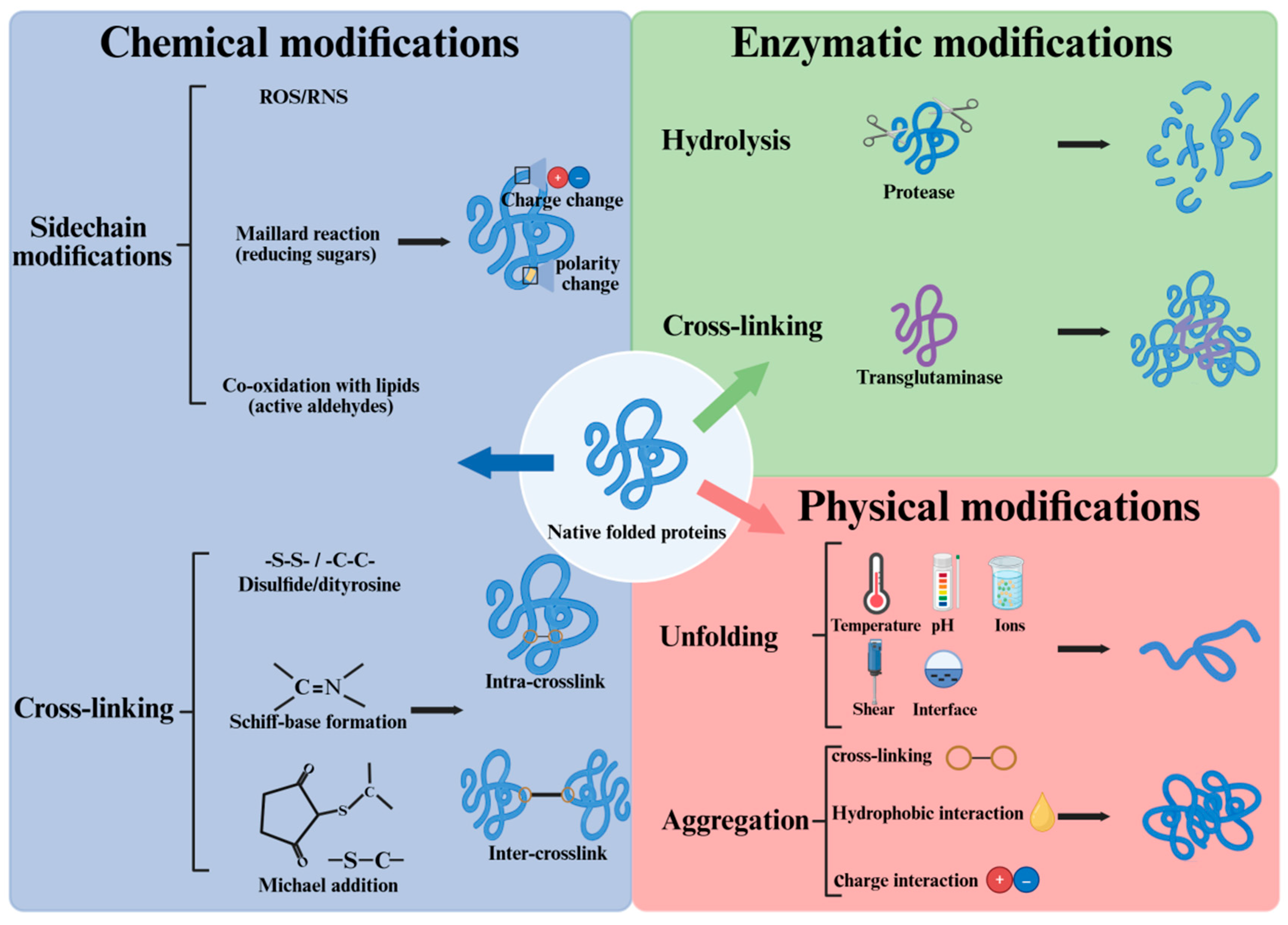
2.1. Chemical Modifications
2.2. Physical Modifications
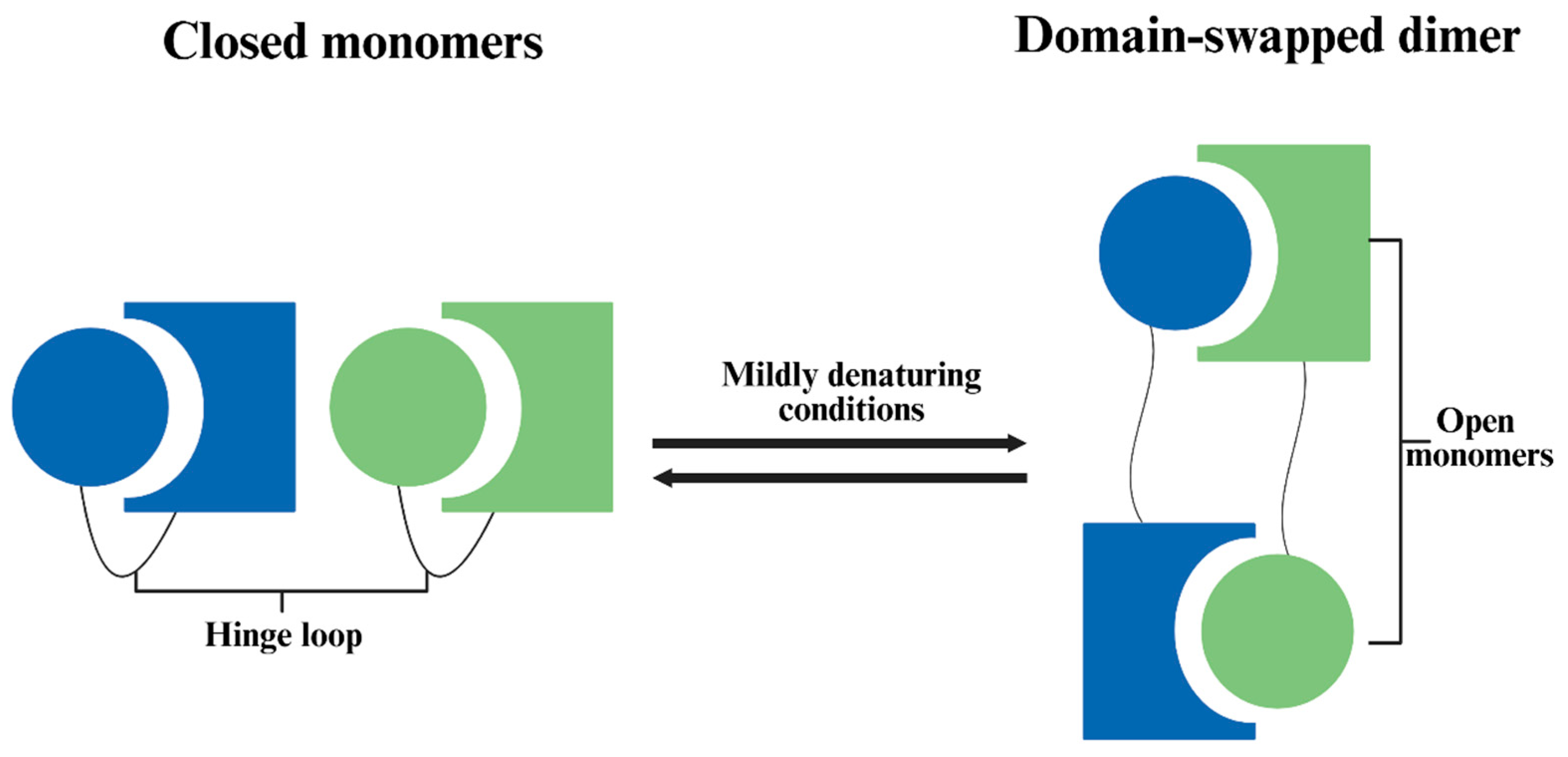
2.2.1. Protein Denaturation
2.2.2. Changes in Protein Net Charge
3. Characterization of Common Food Protein Modification
3.1. Sidechain Modification
3.2. Protein Net Charge
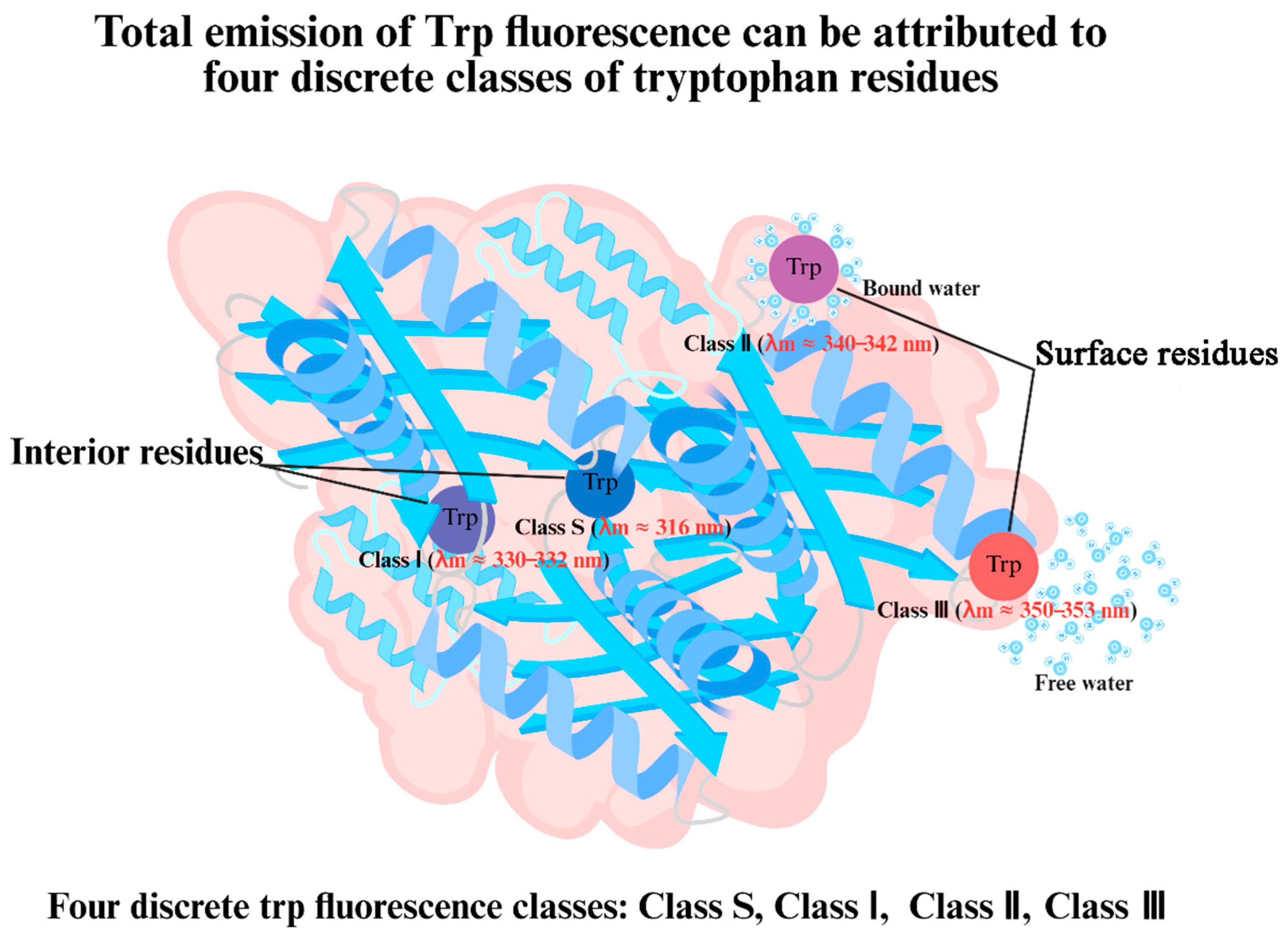
3.3. Structural Characterization
3.4. Protein Cross-Links and Aggregation
4. Effects of Non-Thermal Processing on Muscle Proteins
4.1. Ultrasound
4.2. Electromagnetic Fields
4.3. High-Pressure Processing (HPP)
4.4. Irradiation
4.5. Cold Plasma
5. Conclusions
Author Contributions
Funding
Institutional Review Board Statement
Informed Consent Statement
Data Availability Statement
Acknowledgments
Conflicts of Interest
References
- Li, H.; Li, C.; Shoaib, M.; Zhang, W.; Murugesan, A. Advances in Non-Thermal Processing of Meat and Monitoring Meat Protein Gels Through Vibrational Spectroscopy. Foods 2025, 14, 1929. [Google Scholar] [CrossRef] [PubMed]
- Li, J.; Shi, J.; Huang, X.; Zou, X.; Li, Z.; Zhang, D.; Zhang, W.; Xu, Y. Effects of pulsed electric field on freeze-thaw quality of Atlantic salmon. Innov. Food Sci. Emerg. Technol. 2020, 65, 102454. [Google Scholar] [CrossRef]
- Liu, J.; Wang, Y.; Zhu, F.; Yang, J.; Ma, X.; Lou, Y.; Li, Y. The effects of freezing under a high-voltage electrostatic field on ice crystals formation, physicochemical indices, and bacterial communities of shrimp (Solenocera melantho). Food Control 2022, 142, 109238. [Google Scholar] [CrossRef]
- Wei, Q.; Sun, Q.; Dong, X.; Kong, B.; Ji, H.; Liu, S. Effect of static magnetic field-assisted freezing at different temperatures on muscle quality of pacific white shrimp (Litopenaeus vannamei). Food Chem. 2024, 438, 138041. [Google Scholar] [CrossRef]
- Guo, L.; Zhang, X.; Guo, Y.; Chen, Z.; Ma, H. Evaluation of ultrasonic-assisted pickling with different frequencies on NaCl transport, impedance properties, and microstructure in pork. Food Chem. 2024, 430, 137003. [Google Scholar] [CrossRef]
- Li, C.; Shi, J.; Zhai, X.; Yang, Z.; Huang, X.; Li, Z.; Li, Y.; Zou, X. Effects of Pulsed Pressure Curing on Beef Quality. Foods 2023, 12, 656. [Google Scholar] [CrossRef]
- Zhang, X.; Guo, L.; Chen, Z.; Ma, H. Tri-frequency simultaneous ultrasound pickling for the acceleration of the NaCl content and quality improvement of pork (longissimus dorsi). J. Sci. Food Agric. 2024, 104, 6242–6251. [Google Scholar] [CrossRef]
- Jeong, S.-H.; Jung, Y.-M.; Kim, S.; Kim, J.-H.; Yeo, H.; Lee, D.-U. Tenderization of Beef Semitendinosus Muscle by Pulsed Electric Field Treatment with a Direct Contact Chamber and Its Impact on Proteolysis and Physicochemical Properties. Foods 2023, 12, 430. [Google Scholar] [CrossRef]
- Gao, S.; Xu, Z.; Wang, H.; Xu, A.; Huan, C.; Guo, X.; Liu, R.; Wu, P.; Meng, X. Effect of ultrasonic processing on beef tenderness in longissimus lumborum during aging by proteomics analysis. J. Food Compos. Anal. 2024, 131, 106220. [Google Scholar] [CrossRef]
- Tian, X.; Dong, H.; Fang, Q.; Zhang, X.; Dai, C.; Aheto, J.H. Harnessing the Synergy Between Edible Coatings and Non-Thermal Technologies for Improved Food Quality and Sustainable Preservation. Horticulturae 2025, 11, 1466. [Google Scholar] [CrossRef]
- Sun, Q.; Yuan, Y.; Xu, B.; Gao, S.; Zhai, X.; Xu, F.; Shi, J. Innovative Technologies Reshaping Meat Industrialization: Challenges and Opportunities in the Intelligent Era. Foods 2025, 14, 2230. [Google Scholar] [CrossRef] [PubMed]
- Bao, Y.; Ertbjerg, P.; Estévez, M.; Yuan, L.; Gao, R. Freezing of meat and aquatic food: Underlying mechanisms and implications on protein oxidation. Compr. Rev. Food Sci. Food Saf. 2021, 20, 5548–5569. [Google Scholar] [CrossRef] [PubMed]
- Soladoye, O.P.; Juárez, M.L.; Aalhus, J.L.; Shand, P.; Estévez, M. Protein Oxidation in Processed Meat: Mechanisms and Potential Implications on Human Health. Compr. Rev. Food Sci. Food Saf. 2015, 14, 106–122. [Google Scholar] [CrossRef] [PubMed]
- Indiarto, R.; Irawan, A.N.; Subroto, E. Meat Irradiation: A Comprehensive Review of Its Impact on Food Quality and Safety. Foods 2023, 12, 1845. [Google Scholar] [CrossRef]
- Kang, D.; Zhang, W.; Lorenzo, J.M.; Chen, X. Structural and functional modification of food proteins by high power ultrasound and its application in meat processing. Crit. Rev. Food Sci. Nutr. 2021, 61, 1914–1933. [Google Scholar] [CrossRef]
- Pereira, R.N.; Rodrigues, R.; Avelar, Z.; Leite, A.C.; Leal, R.; Pereira, R.S.; Vicente, A. Electrical Fields in the Processing of Protein-Based Foods. Foods 2024, 13, 577. [Google Scholar] [CrossRef]
- Wang, W.; Yang, P.; Rao, L.; Zhao, L.; Wu, X.; Wang, Y.; Liao, X. Effect of high hydrostatic pressure processing on the structure, functionality, and nutritional properties of food proteins: A review. Compr. Rev. Food Sci. Food Saf. 2022, 21, 4640–4682. [Google Scholar] [CrossRef]
- Rout, S.; Panda, P.K.; Dash, P.; Srivastav, P.P.; Hsieh, C.-T. Cold Plasma-Induced Modulation of Protein and Lipid Macromolecules: A Review. Int. J. Mol. Sci. 2025, 26, 1564. [Google Scholar] [CrossRef]
- Arslan, M.; Zareef, M.; Afzal, M.; Tahir, H.E.; Li, Z.; Aalim, H.; Abaker, H.M.A.; Zou, X. Innovative Non-Thermal Processing Technologies for Shelf Life Extension and Retention of Bioactive Compounds in Liquid Foods: Current Status and Future Prospects. Foods 2025, 14, 2953. [Google Scholar] [CrossRef]
- Raja, A.D.R.N.; Utama, G.L.; Sikin, A.M.; Lee, A.T.; Andoyo, R. Non-Thermal Processing (NTP) as Preservation Techniques for Microbial Safety in Selected Plant-Based Food Products: A Systematic Review. J. Food Process. Preserv. 2025, 2025, 6677975. [Google Scholar] [CrossRef]
- Zhou, L.; Huang, J.; Du, Y.; Li, F.; Xu, W.; Zhou, C.; Liu, S. Non-Thermal Stabilization Strategies for Rice Bran: Mechanistic Insights, Technological Advances, and Implications for Industrial Applications. Foods 2025, 14, 1448. [Google Scholar] [CrossRef] [PubMed]
- Ramazi, S.; Zahiri, J. Post-translational modifications in proteins: Resources, tools and prediction methods. Database 2021, 2021, baab012. [Google Scholar] [CrossRef] [PubMed]
- Zhang, D.; Tang, Z.; Huang, H.; Zhou, G.; Cui, C.; Weng, Y.; Liu, W.; Kim, S.; Lee, S.; Perez-Neut, M.; et al. Metabolic regulation of gene expression by histone lactylation. Nature 2019, 574, 575–580. [Google Scholar] [CrossRef] [PubMed]
- Ma, C.; Zhang, W.; Xing, L. Differences in protein lactylation between pale, soft and exudative and red, firm and non-exudative pork. Meat Sci. 2025, 221, 109736. [Google Scholar] [CrossRef]
- Poojary, M.M.; Lund, M.N. Chemical Stability of Proteins in Foods: Oxidation and the Maillard Reaction. Annu. Rev. Food Sci. Technol. 2022, 13, 35–58. [Google Scholar] [CrossRef]
- Estévez, M.; Díaz-Velasco, S.; Martínez, R. Protein carbonylation in food and nutrition: A concise update. Amino Acids 2022, 54, 559–573. [Google Scholar] [CrossRef]
- Bao, Y.; Gou, H.; Sánchez-Terrón, G.; Zhang, L.; Zamora, R.; Hidalgo, F.J.; Estévez, M. Reactions between dicarbonyls and food proteins: When lipid oxidation and the maillard reaction meet protein oxidation. Food Chem. 2025, 495, 146446. [Google Scholar] [CrossRef]
- Davies, M.J.; Dean, R.T. Radical-Mediated Protein Oxidation: From Chemistry to Medicine; Oxford University Press: Oxford, UK, 1997. [Google Scholar]
- Lund, M.N.; Heinonen, M.; Baron, C.P.; Estévez, M. Protein oxidation in muscle foods: A review. Mol. Nutr. Food Res. 2011, 55, 83–95. [Google Scholar] [CrossRef]
- Chi, E.Y.; Krishnan, S.; Randolph, T.W.; Carpenter, J.F. Physical Stability of Proteins in Aqueous Solution: Mechanism and Driving Forces in Nonnative Protein Aggregation. Pharm. Res. 2003, 20, 1325–1336. [Google Scholar] [CrossRef]
- Sanfelice, D.; Temussi, P.A. Cold denaturation as a tool to measure protein stability. Biophys. Chem. 2016, 208, 4–8. [Google Scholar] [CrossRef]
- Van Boekel, M.A. Kinetic Modeling of Reactions in Foods; CRC Press: Boca Raton, FL, USA, 2008. [Google Scholar]
- Zhang, J.; Toldrá, F.; Kang, D.; Zhou, L.; Wang, J.; Zhang, W.; Hu, Y. Benefits of ultrasonic technology application in meat field and its influential mechanism: A review. Crit. Rev. Food Sci. Nutr. 2025, 65, 5726–5751. [Google Scholar] [CrossRef]
- Dias, C.L.; Ala-Nissila, T.; Wong-ekkabut, J.; Vattulainen, I.; Grant, M.; Karttunen, M. The hydrophobic effect and its role in cold denaturation. Cryobiology 2010, 60, 91–99. [Google Scholar] [CrossRef]
- Balny, C.; Masson, P. Effects of high pressure on proteins. Food Rev. Int. 1993, 9, 611–628. [Google Scholar] [CrossRef]
- Harano, Y.; Yoshidome, T.; Kinoshita, M. Molecular mechanism of pressure denaturation of proteins. J. Chem. Phys. 2008, 129, 145103. [Google Scholar] [CrossRef] [PubMed]
- Brash, J.L.; Horbett, T.A. Proteins at interfaces: An overview. In Proteins at Interfaces II: Fundamentals and Applications; American Chemical Society: Washington, DC, USA, 1995; Volume 602, pp. 1–23. [Google Scholar]
- Zhai, J.L.; Day, L.; Aguilar, M.-I.; Wooster, T.J. Protein folding at emulsion oil/water interfaces. Curr. Opin. Colloid Interface Sci. 2013, 18, 257–271. [Google Scholar] [CrossRef]
- Arsiccio, A.; Pisano, R. The Ice-Water Interface and Protein Stability: A Review. J. Pharm. Sci. 2020, 109, 2116–2130. [Google Scholar] [CrossRef]
- Walstra, P.; De Roos, A.L. Proteins at air-water and oil-water interfaces: Static and dynamic aspects. Food Rev. Int. 1993, 9, 503–525. [Google Scholar] [CrossRef]
- Gorelov, A.V.; Morozov, V.N. Mechanical denaturation of globular protein in the solid state. Biophys. Chem. 1987, 28, 199–205. [Google Scholar] [CrossRef]
- Maa, Y.-F.; Hsu, C.C. Effect of high shear on proteins. Biotechnol. Bioeng. 1996, 51, 458–465. [Google Scholar] [CrossRef]
- Jaspe, J.; Hagen, S.J. Do Protein Molecules Unfold in a Simple Shear Flow? Biophys. J. 2006, 91, 3415–3424. [Google Scholar] [CrossRef]
- Bennett, M.J.; Schlunegger, M.P.; Eisenberg, D. 3D domain swapping: A mechanism for oligomer assembly. Protein Sci. 1995, 4, 2455–2468. [Google Scholar] [CrossRef] [PubMed]
- Bennett, M.J.; Choe, S.; Eisenberg, D. Domain swapping: Entangling alliances between proteins. Proc. Natl. Acad. Sci. USA 1994, 91, 3127–3131. [Google Scholar] [CrossRef]
- Zahler, C.T.; Shaw, B.F. What Are We Missing by Not Measuring the Net Charge of Proteins? Chem.—Eur. J. 2019, 25, 7581–7590. [Google Scholar] [CrossRef] [PubMed]
- Gitlin, I.; Carbeck, J.D.; Whitesides, G.M. Why Are Proteins Charged? Networks of Charge–Charge Interactions in Proteins Measured by Charge Ladders and Capillary Electrophoresis. Angew. Chem. Int. Ed. 2006, 45, 3022–3060. [Google Scholar] [CrossRef] [PubMed]
- Yu, Q.; Shi, T.; Xiong, Z.; Yuan, L.; Hong, H.; Gao, R.; Bao, Y. Oxidation affects dye binding of myofibrillar proteins via alteration in net charges mediated by a reduction in isoelectric point. Food Res. Int. 2023, 163, 112204. [Google Scholar] [CrossRef]
- de Graff, A.M.R.; Hazoglou, M.J.; Dill, K.A. Highly Charged Proteins: The Achilles’ Heel of Aging Proteomes. Structure 2016, 24, 329–336. [Google Scholar] [CrossRef]
- Bao, Y.; Boeren, S.; Ertbjerg, P. Myofibrillar protein oxidation affects filament charges, aggregation and water-holding. Meat Sci. 2018, 135, 102–108. [Google Scholar] [CrossRef]
- Dignon, G.L.; Best, R.B.; Mittal, J. Biomolecular Phase Separation: From Molecular Driving Forces to Macroscopic Properties. Annu. Rev. Phys. Chem. 2020, 71, 53–75. [Google Scholar] [CrossRef]
- Ellman, G.L. Tissue sulfhydryl groups. Arch. Biochem. Biophys. 1959, 82, 70–77. [Google Scholar] [CrossRef]
- Estévez, M. Protein carbonyls in meat systems: A review. Meat Sci. 2011, 89, 259–279. [Google Scholar] [CrossRef]
- Kamble, S.; Agrawal, S.; Cherumukkil, S.; Sharma, V.; Jasra, R.V.; Munshi, P. Revisiting Zeta Potential, the Key Feature of Interfacial Phenomena, with Applications and Recent Advancements. ChemistrySelect 2022, 7, e202103084. [Google Scholar] [CrossRef]
- Horn, D.; Heuck, C.C. Charge determination of proteins with polyelectrolyte titration. J. Biol. Chem. 1983, 258, 1665–1670. [Google Scholar] [CrossRef]
- Elliott, G.F.; Bartels, E.M. Donnan potential measurements in extended hexagonal polyelectrolyte gels such as muscle. Biophys. J. 1982, 38, 195–199. [Google Scholar] [CrossRef] [PubMed]
- Strasser, L.; Füssl, F.; Morgan, T.E.; Carillo, S.; Bones, J. Exploring Charge-Detection Mass Spectrometry on Chromatographic Time Scales. Anal. Chem. 2023, 95, 15118–15124. [Google Scholar] [CrossRef] [PubMed]
- Skvortsov, V.S.; Alekseytchuk, N.N.; Khudyakov, D.V.; Romero Reyes, I.V. pIPredict: A computer tool for prediction of isoelectric points of peptides and proteins. Biochem. Suppl. Ser. B Biomed. Chem. 2015, 9, 296–303. [Google Scholar] [CrossRef]
- Xu, W.; Yu, Q.; Gou, H.; Xu, B.; Hong, H.; Gao, R. Insight into the mechanism of the decrease in mechanical strength and water-holding capacity of gels made from oxidized gelatin. Int. J. Biol. Macromol. 2024, 258, 128842. [Google Scholar] [CrossRef]
- Reshetnyak, Y.K.; Burstein, E.A. Decomposition of protein tryptophan fluorescence spectra into log-normal components. II. The statistical proof of discreteness of tryptophan classes in proteins. Biophys. J. 2001, 81, 1710–1734. [Google Scholar] [CrossRef]
- Adar, F. Interpretation of Raman Spectrum of Proteins. Spectroscopy 2022, 37, 9–13, 25. [Google Scholar] [CrossRef]
- Zhu, D.; Sadat, A.; Joye, I.J.; Vega, C.; Rogers, M.A. Scientific gastronomy: On the mechanism by which garlic juice and allicin (thio-2-propene-1-sulfinic acid S-allyl ester) stabilize meringues. Food Chem. 2024, 431, 137121. [Google Scholar] [CrossRef]
- Winger, A.M.; Taylor, N.L.; Heazlewood, J.L.; Day, D.A.; Millar, A.H. Identification of intra- and intermolecular disulphide bonding in the plant mitochondrial proteome by diagonal gel electrophoresis. Proteomics 2007, 7, 4158–4170. [Google Scholar] [CrossRef]
- Warren, C.M.; Krzesinski, P.R.; Greaser, M.L. Vertical agarose gel electrophoresis and electroblotting of high-molecular-weight proteins. Electrophoresis 2003, 24, 1695–1702. [Google Scholar] [CrossRef] [PubMed]
- Giordani, S.; Marassi, V.; Placci, A.; Zattoni, A.; Roda, B.; Reschiglian, P. Field-Flow Fractionation in Molecular Biology and Biotechnology. Molecules 2023, 28, 6201. [Google Scholar] [CrossRef] [PubMed]
- Chen, W.; Ma, H.; Wang, Y.-Y. Recent advances in modified food proteins by high intensity ultrasound for enhancing functionality: Potential mechanisms, combination with other methods, equipment innovations and future directions. Ultrason. Sonochem. 2022, 85, 105993. [Google Scholar] [CrossRef] [PubMed]
- Su, J.; Cavaco-Paulo, A. Effect of ultrasound on protein functionality. Ultrason. Sonochem. 2021, 76, 105653. [Google Scholar] [CrossRef]
- Han, Z.; Cai, M.; Cheng, J.-H.; Sun, D.-W. Effects of electric fields and electromagnetic wave on food protein structure and functionality: A review. Trends Food Sci. Technol. 2018, 75, 1–9. [Google Scholar] [CrossRef]
- Malik, M.A.; Sheikh, M.A.; Mir, N.A. A review on pulsed electric field modification of proteins: Effect on the functional and structural properties. Food Biosci. 2024, 61, 104636. [Google Scholar] [CrossRef]
- Levy, R.; Okun, Z.; Shpigelman, A. High-Pressure Homogenization: Principles and Applications Beyond Microbial Inactivation. Food Eng. Rev. 2021, 13, 490–508. [Google Scholar] [CrossRef]
- Messens, W.; Van Camp, J.; Huyghebaert, A. The use of high pressure to modify the functionality of food proteins. Trends Food Sci. Technol. 1997, 8, 107–112. [Google Scholar] [CrossRef]
- Hota, S.; Shams, R.; Dash, K.K.; Pawase, P.A.; Mukarram, S.A.; Kovács, B. A comprehensive review on the potential role of irradiation technique on techno-functional properties of plant-based proteins. J. Agric. Food Res. 2025, 23, 102095. [Google Scholar] [CrossRef]
- Kuan, Y.-H.; Bhat, R.; Patras, A.; Karim, A.A. Radiation processing of food proteins—A review on the recent developments. Trends Food Sci. Technol. 2013, 30, 105–120. [Google Scholar] [CrossRef]
- Li, B.; Peng, L.; Cao, Y.; Liu, S.; Zhu, Y.; Dou, J.; Yang, Z.; Zhou, C. Insights into Cold Plasma Treatment on the Cereal and Legume Proteins Modification: Principle, Mechanism, and Application. Foods 2024, 13, 1522. [Google Scholar] [CrossRef]
- Olatunde, O.O.; Hewage, A.; Dissanayake, T.; Aluko, R.E.; Karaca, A.C.; Shang, N.; Bandara, N. Cold atmospheric plasma-induced protein modification: Novel nonthermal processing technology to improve protein quality, functionality, and allergenicity reduction. Compr. Rev. Food Sci. Food Saf. 2023, 22, 2197–2234. [Google Scholar] [CrossRef] [PubMed]
- Prempeh, N.Y.; Nunekpeku, X.; Murugesan, A.; Li, H. Ultrasound in the Food Industry: Mechanisms and Applications for Non-Invasive Texture and Quality Analysis. Foods 2025, 14, 2057. [Google Scholar] [CrossRef] [PubMed]
- Qian, J.; Chen, D.; Zhang, Y.; Gao, X.; Xu, L.; Guan, G.; Wang, F. Ultrasound-Assisted Enzymatic Protein Hydrolysis in Food Processing: Mechanism and Parameters. Foods 2023, 12, 4027. [Google Scholar] [CrossRef] [PubMed]
- Ni, X.; Chen, C.; Li, R.; Liu, Q.; Duan, C.; Wang, X.; Xu, M. Effects of ultrasonic treatment on the structure and functional characteristics of myofibrillar proteins from black soldier fly. Int. J. Biol. Macromol. 2024, 278, 135057. [Google Scholar] [CrossRef]
- Guo, L.; Hong, C.; Wang, W.; Zhang, X.; Chen, J.; Chen, Z.; Ashokkumar, M.; Ma, H. Evaluation of low-temperature ultrasonic marination of pork meat at various frequencies on physicochemical properties, myoglobin levels, and volatile compounds. Meat Sci. 2024, 217, 109606. [Google Scholar] [CrossRef]
- Xu, W.; Bao, Y.; Gou, H.; Xu, B.; Hong, H.; Gao, R. Mitigation of mechanical damage and protein deterioration in giant river prawn (Macrobrachium rosenbergii) by multi-frequency ultrasound-assisted immersion freezing. Food Chem. 2024, 458, 140324. [Google Scholar] [CrossRef]
- Santos, S.P.; Robalo, S.S.; Voss, M.; Casarin, B.C.; Dos Santos, B.A.; de Oliveira Mello, R.; Barin, J.S.; de Menezes, C.R.; Campagnol, P.C.B.; Cichoski, A.J. Ultrasound Thawing Optimization as a Novel Strategy to Improve Quality of Slowly Frozen Chicken Breast. Foods 2025, 14, 3446. [Google Scholar] [CrossRef]
- Gul, O.; Sahin, M.S.; Saricaoglu, F.T.; Atalar, I. Effect of sesame protein isolate modified by high-pressure homogenization, high-intensity ultrasound, and high-pressure processing on the colloidal stability of sesame paste: Determination of physicochemical, rheological, microstructural properties and storage stability. Innov. Food Sci. Emerg. Technol. 2024, 96, 103786. [Google Scholar] [CrossRef]
- Deng, X.-H.; Ni, X.-X.; Han, J.-H.; Yao, W.-H.; Fang, Y.-J.; Zhu, Q.; Xu, M.-F. High-intensity ultrasound modified the functional properties of Neosalanx taihuensis myofibrillar protein and improved its emulsion stability. Ultrason. Sonochem. 2023, 97, 106458. [Google Scholar] [CrossRef]
- Liu, X.; Sun, X.; Wei, Y.; Ma, Y.; Sun, P.; Li, X. Effects of ultrasonic treatment on physico-chemical properties and structure of tuna (Thunnus tonggol) myofibrillar proteins. J. Food Compos. Anal. 2022, 108, 104438. [Google Scholar] [CrossRef]
- Kim, Y.J.; Lee, M.H.; Kim, S.-M.; Kim, B.-K.; Yong, H.I.; Choi, Y.-S. Improvement of structural, physicochemical, and rheological properties of porcine myofibrillar proteins by high-intensity ultrasound treatment for application as Pickering stabilizers. Ultrason. Sonochem. 2023, 92, 106263. [Google Scholar] [CrossRef] [PubMed]
- Liu, B.; Wu, Y.; Liang, Q.; Zheng, H. Effects of high-intensity ultrasound on physicochemical and gel properties of myofibrillar proteins from the bay scallop (Argopecten irradians). Ultrason. Sonochem. 2024, 107, 106935. [Google Scholar] [CrossRef] [PubMed]
- Li, J.; Dai, Z.; Chen, Z.; Hao, Y.; Wang, S.; Mao, X. Improved gelling and emulsifying properties of myofibrillar protein from frozen shrimp (Litopenaeus vannamei) by high-intensity ultrasound. Food Hydrocoll. 2023, 135, 108188. [Google Scholar] [CrossRef]
- Wang, H.; Wang, P.; Shen, Q.; Yang, H.; Xie, H.; Huang, M.; Zhang, J.; Zhao, Q.; Luo, P.; Jin, D.; et al. Insight into the effect of ultrasound treatment on the rheological properties of myofibrillar proteins based on the changes in their tertiary structure. Food Res. Int. 2022, 157, 111136. [Google Scholar] [CrossRef]
- Huang, D.; Li, W.; Li, G.; Zhang, W.; Chen, H.; Jiang, Y.; Li, D. Effect of high-intensity ultrasound on the physicochemical properties of Tenebrio Molitor Protein. Food Hydrocoll. 2023, 134, 108056. [Google Scholar] [CrossRef]
- Wang, X.; Ni, X.; Duan, C.; Li, R.; Jiang, X.E.; Xu, M.; Yu, R. The Effect of Ultrasound Treatment on the Structural and Functional Properties of Tenebrio molitor Myofibrillar Protein. Foods 2024, 13, 2817. [Google Scholar] [CrossRef]
- Chen, W.; Jin, W.; Ma, X.; Wen, H.; Li, Y.; Xu, G.; Xu, P.; Cheng, H. A study on the structure-functionality relationship of Solenaia oleivora protein under high-intensity ultrasonication processing. Food Chem. 2024, 460, 140598. [Google Scholar] [CrossRef]
- Jang, Y.J.; Kim, H.D.; Ye, Y.J.; Kong, M.; Lim, W.S.; Lee, M.H. Effects of ultrasound-induced structural modifications on the emulsifying properties of Tenebrio molitor proteins. Ultrason. Sonochem. 2025, 117, 107354. [Google Scholar] [CrossRef]
- Liu, H.; Zhang, J.; Wang, H.; Chen, Q.; Kong, B. High-intensity ultrasound improves the physical stability of myofibrillar protein emulsion at low ionic strength by destroying and suppressing myosin molecular assembly. Ultrason. Sonochem. 2021, 74, 105554. [Google Scholar] [CrossRef]
- Wang, H.; Yang, H.; Chen, X.; Shen, Q. Structural basis for high-intensity ultrasound treatment in the rheology of myofibrillar protein extracted from White croaker in relation to their solubility. LWT 2022, 156, 112979. [Google Scholar] [CrossRef]
- Dai, Y.; Lu, X.; Li, R.; Li, Y.; Dong, H.; Zhu, D.; Cao, Y.; Zhou, W.; Li, J. Effects of ultrasound treatment on the structure, function properties and in vitro digestion of Sipunculus nudus protein. Int. J. Biol. Macromol. 2024, 277, 134422. [Google Scholar] [CrossRef] [PubMed]
- Deng, X.; Ma, Y.; Lei, Y.; Zhu, X.; Zhang, L.; Hu, L.; Lu, S.; Guo, X.; Zhang, J. Ultrasonic structural modification of myofibrillar proteins from Coregonus peled improves emulsification properties. Ultrason. Sonochem. 2021, 76, 105659. [Google Scholar] [CrossRef] [PubMed]
- Hong, Z.; Kong, Y.; Guo, R.; Huang, Q. Stabilizing effect of silver carp myofibrillar protein modified by high intensity ultrasound on high internal phase emulsions: Protein denaturation, interfacial adsorption and reconfiguration. Int. J. Biol. Macromol. 2024, 265, 130896. [Google Scholar] [CrossRef]
- Wang, H.; Yang, Z.; Liao, J.; Cheng, L.; Jin, D.; Xu, J.; Wang, Q.; Cheng, K.; Zheng, J.; Yang, H.; et al. Ultrasonication improved myofibrillar protein-stabilized emulsions: Oil/water interface adsorption behavior and rheological behavior. Int. J. Biol. Macromol. 2025, 308, 142390. [Google Scholar] [CrossRef]
- Yu, C.; Li, S.; Sun, S.; Yan, H.; Zou, H. Modification of emulsifying properties of mussel myofibrillar proteins by high-intensity ultrasonication treatment and the stability of O/W emulsion. Colloids Surf. Physicochem. Eng. Asp. 2022, 641, 128511. [Google Scholar] [CrossRef]
- Miñano, H.L.A.; Silva, A.C.d.S.; Souto, S.; Costa, E.J.X. Magnetic Fields in Food Processing Perspectives, Applications and Action Models. Processes 2020, 8, 814. [Google Scholar] [CrossRef]
- Vanga, S.K.; Wang, J.; Jayaram, S.; Raghavan, V. Effects of Pulsed Electric Fields and Ultrasound Processing on Proteins and Enzymes: A Review. Processes 2021, 9, 722. [Google Scholar] [CrossRef]
- He, Y.; Zhang, Z.; Hu, B.; Liu, J.; Yue, Z.; Yu, Q.; Liu, Z.; Zhu, Y. Synergistic effects of pulsed electric field and NaCl on myofibrillar proteins and flavor of marinated pork. Int. J. Biol. Macromol. 2025, 292, 139272. [Google Scholar] [CrossRef]
- Kim, Y.J.; Shin, D.-M.; Oh, E.-J.; Chun, Y.G.; Shin, J.-K.; Choi, Y.-S.; Kim, B.-K. Mechanisms underlying the changes in the structural, physicochemical, and emulsification properties of porcine myofibrillar proteins induced by prolonged pulsed electric field treatment. Food Chem. 2024, 456, 140024. [Google Scholar] [CrossRef]
- Dong, M.; Tian, H.; Xu, Y.; Han, M.; Xu, X. Effects of pulsed electric fields on the conformation and gelation properties of myofibrillar proteins isolated from pale, soft, exudative (PSE)-like chicken breast meat: A molecular dynamics study. Food Chem. 2021, 342, 128306. [Google Scholar] [CrossRef] [PubMed]
- Wang, Q.; Wei, R.; Hu, J.; Luan, Y.; Liu, R.; Ge, Q.; Yu, H.; Wu, M. Moderate pulsed electric field-induced structural unfolding ameliorated the gelling properties of porcine muscle myofibrillar protein. Innov. Food Sci. Emerg. Technol. 2022, 81, 103145. [Google Scholar] [CrossRef]
- Jiang, J.; Yang, K.; Gong, H.; Ma, J.; Hu, X.; Zhou, Y.; Zhang, Y.; Sun, W. The conformational modification of myofibrillar protein by magnetic field improves its emulsification properties. Int. J. Biol. Macromol. 2024, 277, 134114. [Google Scholar] [CrossRef] [PubMed]
- Yang, K.; Wang, L.; Guo, J.; Wu, D.; Wang, X.; Wu, M.; Feng, X.; Ma, J.; Zhang, Y.; Sun, W. Structural changes induced by direct current magnetic field improve water holding capacity of pork myofibrillar protein gels. Food Chem. 2021, 345, 128849. [Google Scholar] [CrossRef]
- Wu, X.; Feng, X.; Jiang, J.; Jiang, Q.; Ma, J.; Sun, W. Magnetic field-mediated oxidative modification of myoglobin: One effective method for improving the gel properties of myofibrillar protein. Food Chem. 2025, 472, 142899. [Google Scholar] [CrossRef]
- Li, Q.; Xia, L.; Lu, J.; Song, Y.; Yang, M.; Zhou, B.; Lin, L.; Miao, W.; Zheng, B.; Zheng, Z. Synergistic effects of alternating magnetic field and sodium tripolyphosphate on functional properties of myofibrillar proteins in low-salt systems. Int. J. Biol. Macromol. 2025, 316, 144660. [Google Scholar] [CrossRef]
- Zhao, S.; Liu, Y.; Yang, L.; Zhao, Y.; Zhu, M.; Wang, H.; Kang, Z.; Ma, H. Low-frequency alternating magnetic field and CaCl2 influence the physicochemical, conformational and gel characteristics of low-salt myofibrillar protein. Food Chem. X 2024, 22, 101341. [Google Scholar] [CrossRef]
- Sun, W.; Xu, X.; Zhang, H.; Sun, W.; Xu, C. The Mechanism Analysis of NaCl Solution Ice Formation Suppressed by Electric Field. In Proceedings of the 2006 IEEE 8th International Conference on Properties & Applications of Dielectric Materials, Bali, Indonesia, 26–30 June 2006; IEEE: Piscataway, NJ, USA, 2006; pp. 770–773. [Google Scholar] [CrossRef]
- Balasubramaniam, V.M. Process development of high pressure-based technologies for food: Research advances and future perspectives. Curr. Opin. Food Sci. 2021, 42, 270–277. [Google Scholar] [CrossRef]
- Bolumar, T.; Orlien, V.; Sikes, A.; Aganovic, K.; Bak, K.H.; Guyon, C.; Stübler, A.-S.; de Lamballerie, M.; Hertel, C.; Brüggemann, D.A. High-pressure processing of meat: Molecular impacts and industrial applications. Compr. Rev. Food Sci. Food Saf. 2021, 20, 332–368. [Google Scholar] [CrossRef]
- Chen, M.; Wang, L.; Xie, B.; Ma, A.; Hu, K.; Zheng, C.; Xiong, G.; Shi, L.; Ding, A.; Li, X.; et al. Effects of High-Pressure Treatments (Ultra-High Hydrostatic Pressure and High-Pressure Homogenization) on Bighead Carp (Aristichthys nobilis) Myofibrillar Protein Native State and Its Hydrolysate. Food Bioprocess Technol. 2022, 15, 2252–2266. [Google Scholar] [CrossRef]
- Yang, J.; Zhou, S.; Chen, Y.; Jin, J.; Song, J. Effects of high hydrostatic pressure processing on the physicochemical properties, functional characteristics, and antioxidant activity of silkworm pupae protein. Food Chem. 2025, 475, 143320. [Google Scholar] [CrossRef] [PubMed]
- Zhang, Z.; Yang, Y.; Zhou, P.; Zhang, X.; Wang, J. Effects of high pressure modification on conformation and gelation properties of myofibrillar protein. Food Chem. 2017, 217, 678–686. [Google Scholar] [CrossRef] [PubMed]
- Xue, S.; Yang, H.; Wang, H.; Tendu, A.A.; Bai, Y.; Xu, X.; Ma, H.; Zhou, G. High-pressure effects on the molecular aggregation and physicochemical properties of myosin in relation to heat gelation. Food Res. Int. 2017, 99, 413–418. [Google Scholar] [CrossRef] [PubMed]
- Xue, Z.; Wang, M.; Chen, X.; Xu, X.; Zhou, G. Conformational and rheological changes of high-pressure processing treated rabbit myosin subfragments during heating. LWT 2020, 122, 108994. [Google Scholar] [CrossRef]
- Denzer, M.; Furbeck, R.; Sullivan, G.; Danao, M.-G.; Mafi, G.G.; Ramanathan, R. Sarcoplasmic model to study the effects of high-pressure processing on beef color. Meat Sci. 2023, 199, 109127. [Google Scholar] [CrossRef]
- Li, J.; Guo, S.; Zhao, H.; Wang, Z.; Liu, S. Effect of High-Pressure Microjet on the Digestion Characteristics of Penaeus vannamei Myofibrillar Protein. J. Food Sci. 2025, 90, e70328. [Google Scholar] [CrossRef]
- Xu, M.; Ni, X.; Liu, Q.; Chen, C.; Deng, X.; Wang, X.; Yu, R. Ultra-high pressure improved gelation and digestive properties of Tai Lake whitebait myofibrillar protein. Food Chem. X 2024, 21, 101061. [Google Scholar] [CrossRef]
- Zhang, K.; Li, N.; Li, J.; Wang, Y.; Liu, C.; Liu, Y.; Liu, X.; Zhou, D.; Li, D. Improving the gelation and digestive properties of myofibrillar protein in Litopenaeus vannamei by ultra-high pressure. Food Biosci. 2023, 56, 103402. [Google Scholar] [CrossRef]
- Liu, Q.; Lin, Z.; Chen, X.; Chen, J.; Wu, J.; Chen, H.; Zeng, X. Characterization of structures and gel properties of ultra-high-pressure treated-myofibrillar protein extracted from mud carp (Cirrhinus molitorella) and quality characteristics of heat-induced sausage products. LWT 2022, 165, 113691. [Google Scholar] [CrossRef]
- Lee, M.H.; Yong, H.I.; Kim, Y.J.; Choi, Y.-S. High-pressure induced structural modification of porcine myofibrillar protein and its relation to rheological and emulsifying properties. Meat Sci. 2023, 196, 109032. [Google Scholar] [CrossRef]
- Han, K.; Feng, X.; Yang, Y.; Tang, X.; Gao, C. Changes in the physicochemical, structural and emulsifying properties of chicken myofibrillar protein via microfluidization. Innov. Food Sci. Emerg. Technol. 2023, 83, 103236. [Google Scholar] [CrossRef]
- Li, Q.; Liu, H.; Jiang, S.; Zhang, M.; Shan, K.; Ke, W.; Zhao, D.; Nian, Y.; Li, C. The effects of high pressure treatment on the structural and digestive properties of myoglobin. Food Res. Int. 2022, 156, 111193. [Google Scholar] [CrossRef] [PubMed]
- Liu, Z.; Guo, Z.; Wu, D.; Fei, X.; Ei-Seedi, H.R.; Wang, C. High-pressure homogenization influences the functional properties of protein from oyster (Crassostrea gigas). LWT 2021, 151, 112107. [Google Scholar] [CrossRef]
- Ding, Q.; Liu, X.; Sang, Y.; Tian, G.; Wang, Z.; Hou, Y. Characterization and emulsifying properties of mantle proteins from scallops (Patinopecten yessoensis) treated by high hydrostatic pressure treatment. LWT 2022, 167, 113865. [Google Scholar] [CrossRef]
- Kim, Y.J.; Cha, J.Y.; Kim, T.K.; Lee, J.H.; Jung, S.; Choi, Y.S. The Effect of Irradiation on Meat Products. Food Sci. Anim. Resour. 2024, 44, 779–789. [Google Scholar] [CrossRef]
- Liu, Y.; Qu, W.; Liu, Y.; Tuly, J.A.; Ma, H. MD simulation to comprehend polygalacturonase inactivation mechanism during thermal and non-thermal effects of infrared processing. Food Chem. 2024, 441, 138298. [Google Scholar] [CrossRef]
- Bai, R.; Han, J.; Ye, X.; Yu, J.; Jiang, S.; Li, Z.; Zhang, L.; Yang, C.; Chen, Y.; Wang, S.; et al. Improvement on gel properties of chicken myofibrillar protein with electron beam irradiation: Based on protein structure, gel quality, water state. Int. J. Biol. Macromol. 2024, 280, 135806. [Google Scholar] [CrossRef]
- Lee, J.H.; Kim, Y.-J.; Choi, Y.-J.; Kim, T.-K.; Cha, J.Y.; Park, M.K.; Jung, S.; Choi, Y.-S. Effect of gamma-ray and electron-beam irradiation on the structural changes and functional properties of edible insect proteins from Protaetia brevitarsis larvae. Food Chem. 2024, 434, 137463. [Google Scholar] [CrossRef]
- Kim, Y.-J.; Lee, J.-H.; Kim, T.-K.; Cha, J.Y.; Jung, S.; Choi, Y.-S. Influence of radiation types and doses on the structure and functionality of myofibrillar protein. LWT 2024, 205, 116503. [Google Scholar] [CrossRef]
- Shi, G.; Zhou, M.; Wang, L.; Xiao, Z.; Shi, L.; Jiao, C.; Wu, W.; Li, X.; Wang, J.; Qiao, Y.; et al. The effect of gamma and electron beam irradiation on the structural and physicochemical properties of myofibrillar protein and myosin from grass carp. J. Food Biochem. 2021, 45, e13828. [Google Scholar] [CrossRef]
- Patil, S.A.; Khandekar, S.P. LED induced non-thermal preservation of muscle foods: A systematic review. Int. J. Food Microbiol. 2025, 426, 110892. [Google Scholar] [CrossRef] [PubMed]
- Qin, J.; Liu, L.; Miao, C.; Lan, B.; Liao, T.; Tian, X.; Wu, Z. Impact of Co-60 γ-ray irradiation on the cross-linking and stability of fish collagen: Structural changes and digestibility. Food Hydrocoll. 2024, 157, 110445. [Google Scholar] [CrossRef]
- Dąbrowska-Gralak, M.; Sadło, J.; Głuszewski, W.; Łyczko, K.; Przybytniak, G.; Lewandowska, H. The combined effect of humidity and electron beam irradiation on collagen type I—Implications for collagen-based devices. Mater. Today Commun. 2022, 31, 103255. [Google Scholar] [CrossRef]
- Stanca, M.; Gaidau, C.; Zaharescu, T.; Balan, G.-A.; Matei, I.; Precupas, A.; Leonties, A.R.; Ionita, G. Physico-Chemical Changes Induced by Gamma Irradiation on Some Structural Protein Extracts. Biomolecules 2023, 13, 774. [Google Scholar] [CrossRef]
- Ahmad, S.; Khan, H.; Shahab, U.; Rehman, S.; Rafi, Z.; Khan, M.Y.; Ansari, A.; Siddiqui, Z.; Ashraf, J.M.; Abdullah, S.M.; et al. Protein oxidation: An overview of metabolism of sulphur containing amino acid, cysteine. Front. Biosci. (Schol. Ed.) 2017, 9, 71–87. [Google Scholar] [CrossRef]
- Chen, Y.; Peng, S.; Hu, J.; Chen, J.; Zhou, X.; Yang, H. Excellent quality acquisition of myofibrillar protein in red shrimp (Solenocera crassicornis) based on regulating the oxidation degree of atmospheric cold plasma treatment. J. Sci. Food Agric. 2024, 105, 2712–2721. [Google Scholar] [CrossRef]
- Rao, W.; Ju, S.; Sun, Y.; Xia, Q.; Zhou, C.; He, J.; Wang, W.; Pan, D.; Du, L. Unlocking the molecular modifications of plasma-activated water-induced oxidation through redox proteomics: In the case of duck myofibrillar protein (Anas platyrhynchos). Food Chem. 2024, 458, 140173. [Google Scholar] [CrossRef]
- Jiang, S.; Ye, X.; Xi, J.; Han, H.; Bai, R.; Yang, C.; Wang, S.; Li, L.; Wang, G.; Nie, H.; et al. Effects of cold plasma and sodium bicarbonate on the rheological, foaming, digestibility, and gelation properties of duck myofibrillar protein. Int. J. Biol. Macromol. 2025, 315, 144649. [Google Scholar] [CrossRef]
- Li, K.; Zhou, Y.; Zhu, C.; Du, M.; Chen, B.; Zhao, D.; Bai, Y. Effects of plasma-activated water on structural and functional properties of PSE-like chicken protein isolate. Curr. Res. Food Sci. 2025, 10, 101003. [Google Scholar] [CrossRef]
- Ekezie, F.C.; Cheng, J.H.; Sun, D.W. Effects of atmospheric pressure plasma jet on the conformation and physicochemical properties of myofibrillar proteins from king prawn (Litopenaeus vannamei). Food Chem. 2019, 276, 147–156. [Google Scholar] [CrossRef]
- Cheng, J.-H.; Li, J.; Sun, D.-W. Effects of dielectric barrier discharge cold plasma on structure, surface hydrophobicity and allergenic properties of shrimp tropomyosin. Food Chem. 2023, 409, 135316. [Google Scholar] [CrossRef] [PubMed]
- Hatab, S.; Koddy, J.K.; Miao, W.; Tang, L.; Xu, H.; Deng, S.; Zheng, B. Atmospheric cold plasma: A new approach to modify protein and lipid properties of myofibrillar protein isolate from hairtail (Trichiurus lepturus) fish. J. Sci. Food Agric. 2022, 102, 2041–2049. [Google Scholar] [CrossRef] [PubMed]
- Jiang, W.; Wu, R.A.; Hu, X.; Zhang, R.; Ding, T.; Zhou, J. Changes in physicochemical and conformational properties of myofibrillar proteins isolated from mandarin fish (Siniperca chuatsi) treated by atmospheric pressure plasma jet. CyTA—J. Food 2023, 21, 625–633. [Google Scholar] [CrossRef]
- Tan, G.; Ning, Y.; Sun, C.; Bu, Y.; Zhang, X.; Zhu, W.; Li, J.; Li, X. Effects of plasma-activated slightly acidic electrolyzed water on salmon myofibrillar protein: Insights from structure and molecular docking. Food Chem. X 2024, 22, 101389. [Google Scholar] [CrossRef]
- Li, J.; Rao, W.; Sun, Y.; Zhou, C.; Xia, Q.; He, J.; Pan, D.; Du, L. Structural and gel property changes in chicken myofibrillar protein induced by argon cold plasma-activated water: With a molecular docking perspective. Food Res. Int. 2024, 197, 115271. [Google Scholar] [CrossRef]
- Luo, J.; Xu, W.; Liu, Q.; Zou, Y.; Wang, D.; Zhang, J. Dielectric barrier discharge cold plasma treatment of pork loin: Effects on muscle physicochemical properties and emulsifying properties of pork myofibrillar protein. LWT 2022, 162, 113484. [Google Scholar] [CrossRef]
- Olatunde, O.O.; Singh, A.; Shiekh, K.A.; Nuthong, P.; Benjakul, S. Effect of High Voltage Cold Plasma on Oxidation, Physiochemical, and Gelling Properties of Myofibrillar Protein Isolate from Asian Sea Bass (Lates calcarifer). Foods 2021, 10, 326. [Google Scholar] [CrossRef]
- Pérez-Andrés, J.M.; Álvarez, C.; Cullen, P.J.; Tiwari, B.K. Effect of cold plasma on the techno-functional properties of animal protein food ingredients. Innov. Food Sci. Emerg. Technol. 2019, 58, 102205. [Google Scholar] [CrossRef]
- Chen, Y.; Huang, J.; Chen, J.; Zhao, Y.; Deng, S.; Yang, H. Gelatinous quality and quantitative proteomic analyses of snakehead (Channa argus) surimi treated by atmospheric cold plasma. Food Chem. 2024, 459, 140412. [Google Scholar] [CrossRef]
- Wang, X.; Li, M.; Shi, T.; Xie, Y.; Jin, W.; Yuan, L.; Gao, R. Effect of plasma-activated water rinsing on the gelling properties of myofibrillar protein from Aristichthys nobilis surimi: Insights from molecular conformational transitions. Food Chem. 2025, 496, 146726. [Google Scholar] [CrossRef]
- Li, M.; Wang, X.; Shi, T.; Xiong, Z.; Jin, W.; Bao, Y.; Monto, A.R.; Yuan, L.; Gao, R. Mechanism of plasma-activated water promoting the heat-induced aggregation of myofibrillar protein from silver carp (Aristichthys nobilis). Innov. Food Sci. Emerg. Technol. 2024, 91, 103555. [Google Scholar] [CrossRef]
- Bauer, A.; Ni, Y.; Bauer, S.; Paulsen, P.; Modic, M.; Walsh, J.L.; Smulders, F.J.M. The effects of atmospheric pressure cold plasma treatment on microbiological, physical-chemical and sensory characteristics of vacuum packaged beef loin. Meat Sci. 2017, 128, 77–87. [Google Scholar] [CrossRef]



| Protein Source | Processing Parameters | Main Effects | Reference |
|---|---|---|---|
| MP from black soldier fly | 300, 500, 700, 900 W 20 kHz; 20 min | ↑: Carbonyl content, Surface hydrophobicity ↓: Total thiol group, Particle size, Turbidity, Intrinsic fluorescence intensity | [78] |
| MP from Neosalanx taihuensis | 200, 400, 600 W, amplitude 60% 20 kHz; 60 min | ↑: Intrinsic fluorescence intensity, β-sheet Surface hydrophobicity, Carbonyl content ↓: Total thiol group, α-helix | [83] |
| MP from tuna | 160, 280, 400 W 40 kHz; 12 min | ↑: Surface hydrophobicity ↓: Total thiol group, Particle size | [84] |
| MP from porcine ham muscle | 200 W, amplitude 80% 20 kHz; 0–120 min | ↑: Carbonyl content, Surface hydrophobicity α-helix, ↓: Turbidity, Particle size, Random coil, β-sheet | [85] |
| MP from bay scallop | 150, 350, 550 W, amplitude 60% 20 kHz; 60 min | ↑: Carbonyl content, Intrinsic fluorescence intensity, β-sheet, β-turn ↓: α-helix, Random coil | [86] |
| MP from shrimp Litopenaeus vannamei | 400 W 20 kHz; 0–15 min | ↑: Surface hydrophobicity, Free sulfhydryl content, Solubility, Zeta potential ↓: α-helix, Random coil, Particle size | [87] |
| MP from White croaker frozen surimi | 500 W, intensity 30% 20 kHz; 2–10 min | ↑: Total thiol group, Surface hydrophobicity | [88] |
| Protein from Tenebrio molitor | 100, 200, 300, 400, 500 W; 20 min | ↑: Free sulfhydryl content, Zeta potential Surface hydrophobicity, α-helix ↓: Particle size, Turbidity, Intrinsic fluorescence intensity, β-turn, β-sheet | [89] |
| MP from Tenebrio molitor | 300, 500, 700, 900 W Ice bath; 30 min | ↑: Carbonyl content, Surface hydrophobicity ↓: Total thiol group, Turbidity, Particle size, Intrinsic fluorescence intensity | [90] |
| Protein from Solenaia oleivora | 200, 400, 600 W 20 kHz; 20 min | ↑: Surface hydrophobicity, Solubility, Intrinsic fluorescence intensity, Zeta potential, β-turn, α-helix, ↓: Particle size, Total thiol group, Random coil | [91] |
| MP from Tenebrio molitor | 500 W, amplitude 20% 20 kHz; 0–30 min | ↑: Intrinsic fluorescence intensity, Solubility, Zeta potential, Surface hydrophobicity, α-helix, β-turn ↓: Particle size, β-sheet | [92] |
| MP from pork longissimus dorsi | 150, 300, 450, 600 W 20 kHz; 15 min | ↓: α-helix | [93] |
| MP from White croaker frozen surimi | 500 W 20 kHz; 2–10 min | ↑: Solubility, Zeta potential, Random coil, β-turn, β-sheet ↓: Particle size, Intrinsic fluorescence intensity, α-helix | [94] |
| MP from Sipunculus nudus | 750 W, amplitude 0–100%; 10 min | ↑: Solubility ↓: Particle size | [95] |
| MP from fish Coregonus peled | 150, 200, 250 W 20 kHz; 0–12 min | ↑: Carbonyl content, Surface hydrophobicity, Solubility ↓: Particle size, Total thiol group | [96] |
| MP from Silver carp | 130, 260, 390, 520 W 40 kHz; 30 min | ↑: Solubility, Zeta potential, β-turn, β-sheet, Surface hydrophobicity, Intrinsic fluorescence intensity ↓: Particle size, α-helix, Random coil | [97] |
| MP from White croaker frozen surimi | 500 W, amplitude 60% 20 kHz; 2–30 min | ↑: Free sulfhydryl content, Solubility, Surface hydrophobicity ↓: Particle size | [98] |
| MP from mussel | 150, 300, 450, 600 W 20 kHz; 16 min | ↑: Solubility, Zeta potential, β-turn, Surface hydrophobicity, Free sulfhydryl content ↓: Particle size, Turbidity, Intrinsic fluorescence intensity, β-sheet | [99] |
| Technology | Protein Source | Processing Parameters | Main Effects | Reference |
|---|---|---|---|---|
| Pulsed electric field | MP from pork tenderloin | Field strength 2 kV/cm 110.6, 141.2, 173.6 Hz Duty factor 2.3% | ↑: Surface hydrophobicity, Carbonyl content, Random coil, β-sheet ↓: Solubility, Total thiol group, Particle size, α-helix, Random coil | [102] |
| MP from pork leg muscle | Field strength 2.1 kV/cm Pulse width 100 μs, frequency 5 Hz 0–30 min | ↑: Intrinsic fluorescence intensity, Solubility, α-helix ↓: Random coil, Surface hydrophobicity, β-sheet, β-turn | [103] | |
| MP from PSE-like chicken breast muscle | Field strength 8, 18, 28 kV/cm 800 Hz Duty factor 47% | ↓: Particle size | [104] | |
| MP from pork Longissimus lumborum | Field strength 2.5, 5, 7.5 kV/cm Pulse width 6 μs, frequency 500 Hz 30, 60, 90 s | ↓: Total thiol group | [105] | |
| Magnetic field | MP from pork loin | Field strength 3, 6, 9, 12 mT 3 h | ↑: α-helix, Surface hydrophobicity ↓: Intrinsic fluorescence intensity, β-sheet | [106] |
| MP from pork tenderloin | Field strength 0–10.4 mT 3 h | ↑: Turbidity | [107] | |
| Myoglobin from horse skeletal muscle | Field strength 9 mT 1 h, 4 °C | ↑: Intrinsic fluorescence intensity ↓: Total thiol group | [108] | |
| MP from silver carp | Field strength 3, 6, 9, 12 mT 3 h | ↑: Solubility, Surface hydrophobicity | [109] | |
| MP from pork longissimus dorsi | Field strength 5 mT 3 h, 4 °C | ↑: Solubility, Surface hydrophobicity, Total thiol group ↓: Turbidity, Intrinsic fluorescence intensity, Particle size | [110] |
| Protein Source | Processing Parameters | Main Effects | Reference |
|---|---|---|---|
| MP from bighead carp | 300 MPa for 20 min 30 MPa homogenization, twice | ↑: Zeta potential, Surface hydrophobicity, β-sheet ↓: Total thiol group, Particle size, α-helix, Random coil | [114] |
| Protein from silkworm pupae | 300, 400, 500, 600 MPa 10 min, 25 °C | ↑: Turbidity, β-sheet, β-turn ↓: Intrinsic fluorescence intensity, α-helix, Free sulfhydryl content, Surface hydrophobicity | [115] |
| MP from shrimp Penaeus vannamei | 138 MPa Microfluidizer 0–10 cycles | ↑: Intrinsic fluorescence intensity, Random coil ↓: Particle size, Turbidity, α-helix, Total thiol group, Disulfide-bond content | [120] |
| MP from fish Tai Lake whitebait | 100, 200, 300, 400 MPa 10 min, 25 °C | ↑: Carbonyl content, Surface hydrophobicity β-sheet, ↓: Total thiol group, Intrinsic fluorescence intensity, Random coil, α-helix, β-turn | [121] |
| MP from shrimp Litopenaeus vannamei | 150, 300, 450, 600 MPa 10 min, 25 °C | ↑: Carbonyl content, Surface hydrophobicity, β-sheet ↓: α-helix, Intrinsic fluorescence intensity, Total thiol group | [122] |
| MP from mud carp | 100, 200, 300 MPa 3, 9, 15 min | ↑: Surface hydrophobicity, Particle size, Disulfide bond content ↓: Turbidity, TCA-soluble peptide content | [123] |
| MP from pork ham | 30, 60, 90, 120, 150 MPa Microfluidizer 3 cycles | ↑: Surface hydrophobicity ↓: Particle size, Turbidity | [124] |
| MP from chicken breast | 30, 60, 90, 120 MPa Microfluidizer 3 cycles | ↑: Solubility, β-sheet, Surface hydrophobicity, ↓: α-helix, β-turn, Turbidity | [125] |
| Myoglobin from equine skeletal muscle | 100, 200, 300, 400 MPa 20 min, 25 °C | ↓: Intrinsic fluorescence intensity | [126] |
| Protein from oyster | 20, 60, 100 MPa 3 cycles | ↑: Surface hydrophobicity, Solubility, Random coil ↓: Intrinsic fluorescence intensity, α-helix | [127] |
| Mantle proteins from scallops | 100, 200, 300, 400, 500 MPa 10 min, 6 °C | ↑: Total thiol group ↓: Solubility, α-helix | [128] |
| Protein Source | Processing Parameters | Main Effects | Reference |
|---|---|---|---|
| MP from chicken breast | 3, 5, 7, 15 kGy Dose rate 0.5 kGy/s | ↑: Intrinsic fluorescence intensity, Surface hydrophobicity ↓: Turbidity, Particle size, Total thiol group | [131] |
| Protein from larvae Protaetia brevitarsis | 5, 10 kGy Dose rate 5 kGy/h | ↑: Solubility, Surface hydrophobicity ↓: Intrinsic fluorescence intensity | [132] |
| MP from pork ham | 2.5, 5, 10 kGy Dose rate 5 kGy/h for gamma irradiation 3 kGy/h for X-ray irradiation | ↑: α-helix ↓: Solubility, Particle size, Intrinsic fluorescence intensity, β-sheet | [133] |
| MP and myosin from grass carp | 4, 6, 8, 10 kGy | ↑: Total thiol group ↓: Particle size, Solubility, Ca2+-ATPase Activity | [134] |
| Collagen from tilapia skin | 1, 3, 6, 9, 12 kGy Dose rate 1.2 kGy/h | ↑: Carbonyl content, Surface hydrophobicity ↓: Free sulfhydryl content, Solubility | [136] |
| Protein Source | Processing Parameters | Main Effects | Reference |
|---|---|---|---|
| MP from red shrimp | 35 kV 1–5 min | ↑: Carbonyl content, Surface hydrophobicity, Turbidity, β-sheet, Random coil ↓: Ca2+-ATPase Activity, Total thiol group, α-helix, β-turn | [140] |
| MP from duck breast | 0–40 s | ↑: Carbonyl content ↓: Total thiol group | [141] |
| MP from duck breast | 50 V 3 min | ↑: Carbonyl content, Dityrosine content ↓: Total thiol group, Ca2+-ATPase Activity | [142] |
| Protein from chicken breast | 750 W, 0–40 s | ↑: Particle size, Surface hydrophobicity, Zeta-potential, Turbidity, α-helix ↓: Intrinsic fluorescence intensity, Solubility Total thiol group, β-sheet, Random coil | [143] |
| Tropomyosin from shrimp | 50 kV 20 min | ↑: Surface hydrophobicity, β-sheet, Random coil β-turn ↓: Intrinsic fluorescence intensity, α-helix | [145] |
| MP from hairtail fish | 50 kV 30–300 s | ↑: Surface hydrophobicity, Turbidity ↓: Total thiol group | [146] |
| MP from mandarin fish | 650 W 0–12 s | ↑: Turbidity, Surface hydrophobicity, β-sheet ↓: Intrinsic fluorescence intensity, Solubility, Total thiol group, β-turn, Random coil | [147] |
| MP from Atlantic salmon | 320 W 5 min | ↑: Intrinsic fluorescence intensity, Solubility, Dityrosine content, Carbonyl content ↓: Particle size, Surface hydrophobicity, Total thiol group | [148] |
| MP from chicken breast | Plasma jet: 40 V, 1.8 A 0–16 min | ↑: Intrinsic fluorescence intensity, Surface hydrophobicity ↓: β-sheet | [149] |
| MP from pork Lumbar longissimus | 50, 60, 70 kV 5 min | ↑: Surface hydrophobicity, Carbonyl content ↓: Total thiol group, Particle size | [150] |
| MP from Asian Sea Bass | 80 kV 5–15 min | ↑: Carbonyl content ↓: Total thiol group | [151] |
Disclaimer/Publisher’s Note: The statements, opinions and data contained in all publications are solely those of the individual author(s) and contributor(s) and not of MDPI and/or the editor(s). MDPI and/or the editor(s) disclaim responsibility for any injury to people or property resulting from any ideas, methods, instructions or products referred to in the content. |
© 2026 by the authors. Licensee MDPI, Basel, Switzerland. This article is an open access article distributed under the terms and conditions of the Creative Commons Attribution (CC BY) license.
Share and Cite
Bao, Y.; Gou, H.; Xu, W.; Zhang, L.; Zhang, Y.; Hong, H.; Zhao, Y.-M. Modification of Muscle Proteins Induced by Novel Non-Thermal Processing: Theory, Characterization, and Consequences. Foods 2026, 15, 963. https://doi.org/10.3390/foods15050963
Bao Y, Gou H, Xu W, Zhang L, Zhang Y, Hong H, Zhao Y-M. Modification of Muscle Proteins Induced by Novel Non-Thermal Processing: Theory, Characterization, and Consequences. Foods. 2026; 15(5):963. https://doi.org/10.3390/foods15050963
Chicago/Turabian StyleBao, Yulong, Hao Gou, Wanjun Xu, Longteng Zhang, Yuemei Zhang, Hui Hong, and Yi-Ming Zhao. 2026. "Modification of Muscle Proteins Induced by Novel Non-Thermal Processing: Theory, Characterization, and Consequences" Foods 15, no. 5: 963. https://doi.org/10.3390/foods15050963
APA StyleBao, Y., Gou, H., Xu, W., Zhang, L., Zhang, Y., Hong, H., & Zhao, Y.-M. (2026). Modification of Muscle Proteins Induced by Novel Non-Thermal Processing: Theory, Characterization, and Consequences. Foods, 15(5), 963. https://doi.org/10.3390/foods15050963