Rice Quality: A Multidimensional Evaluation Integrating Ecology, Management and Genetic Regulation


Abstract
1. Introduction
2. Methodology
3. Evaluation of Rice Quality
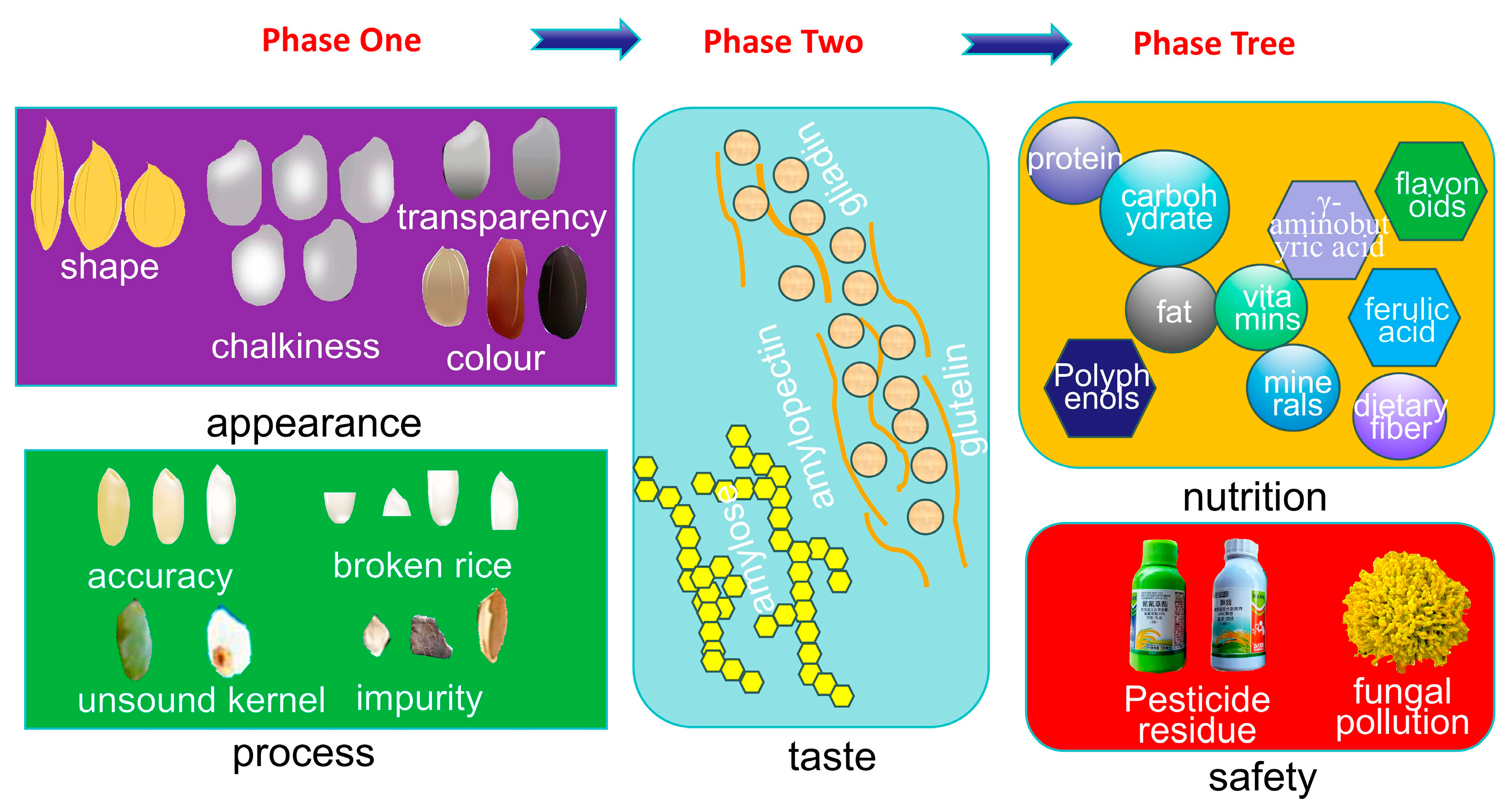
3.1. Appearance Quality of Rice
3.2. Eating Quality of Rice
3.3. Rice Processing Quality
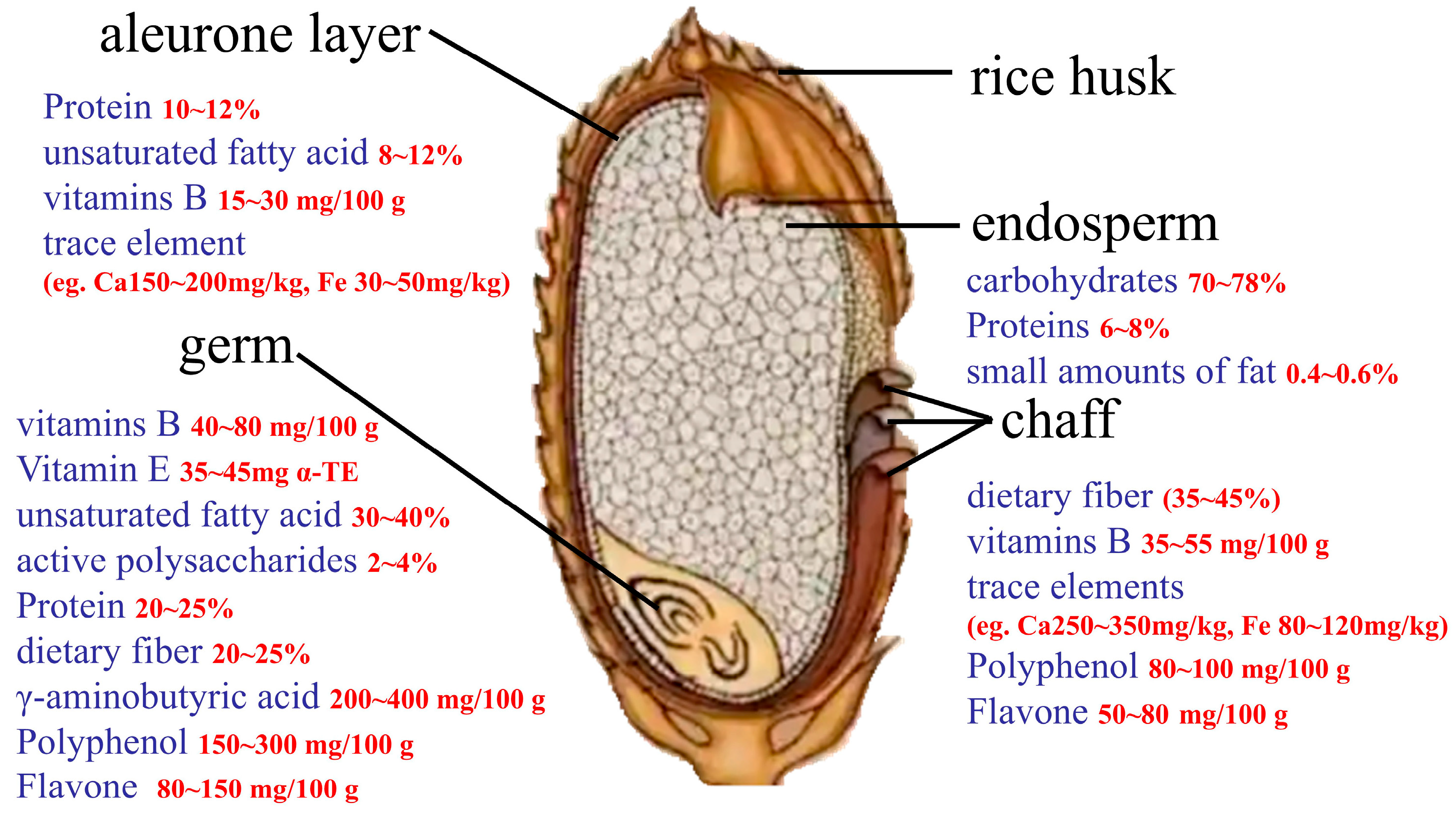
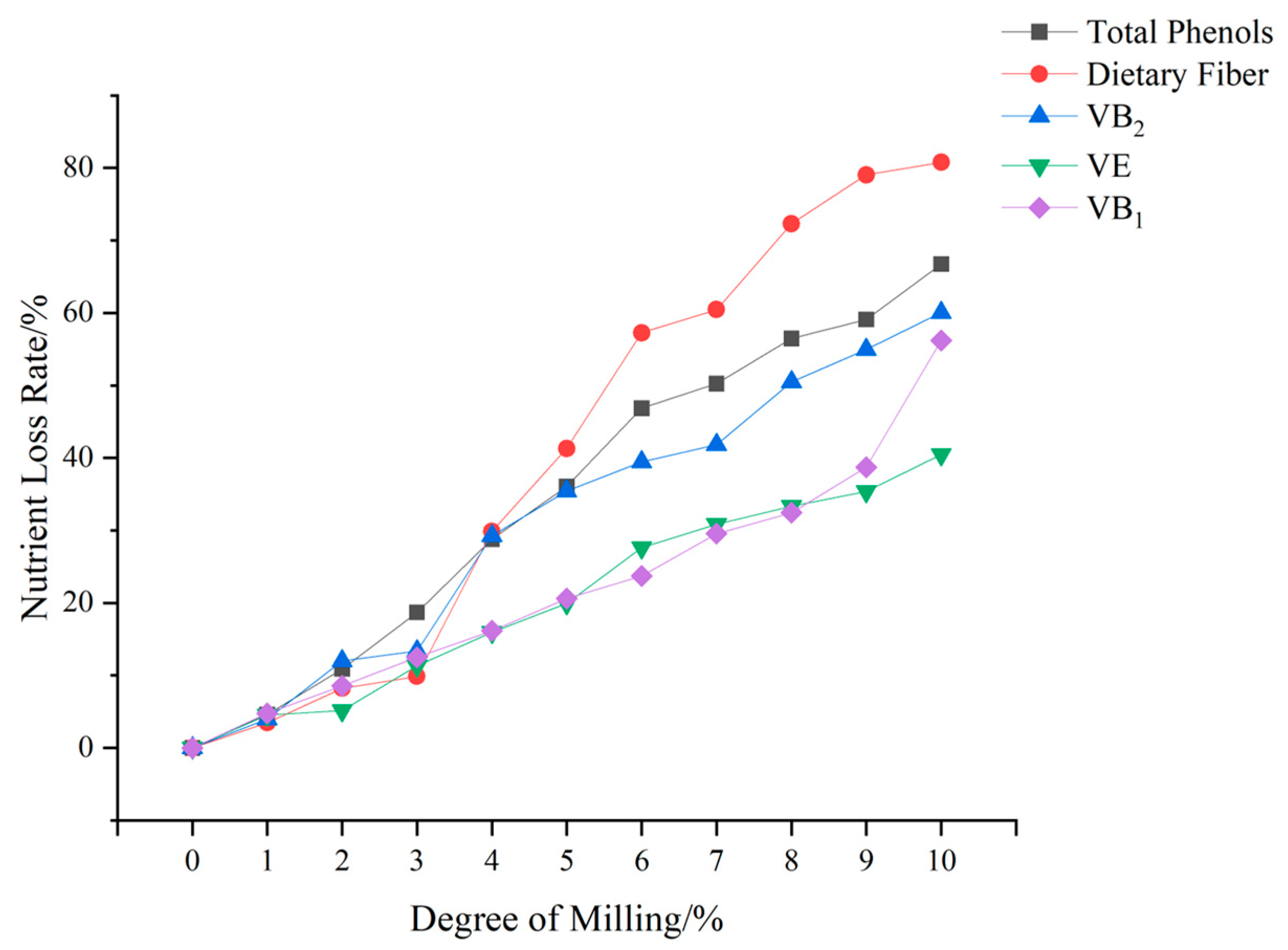
3.4. Nutritional Quality of Rice
3.5. Safety Quality of Rice
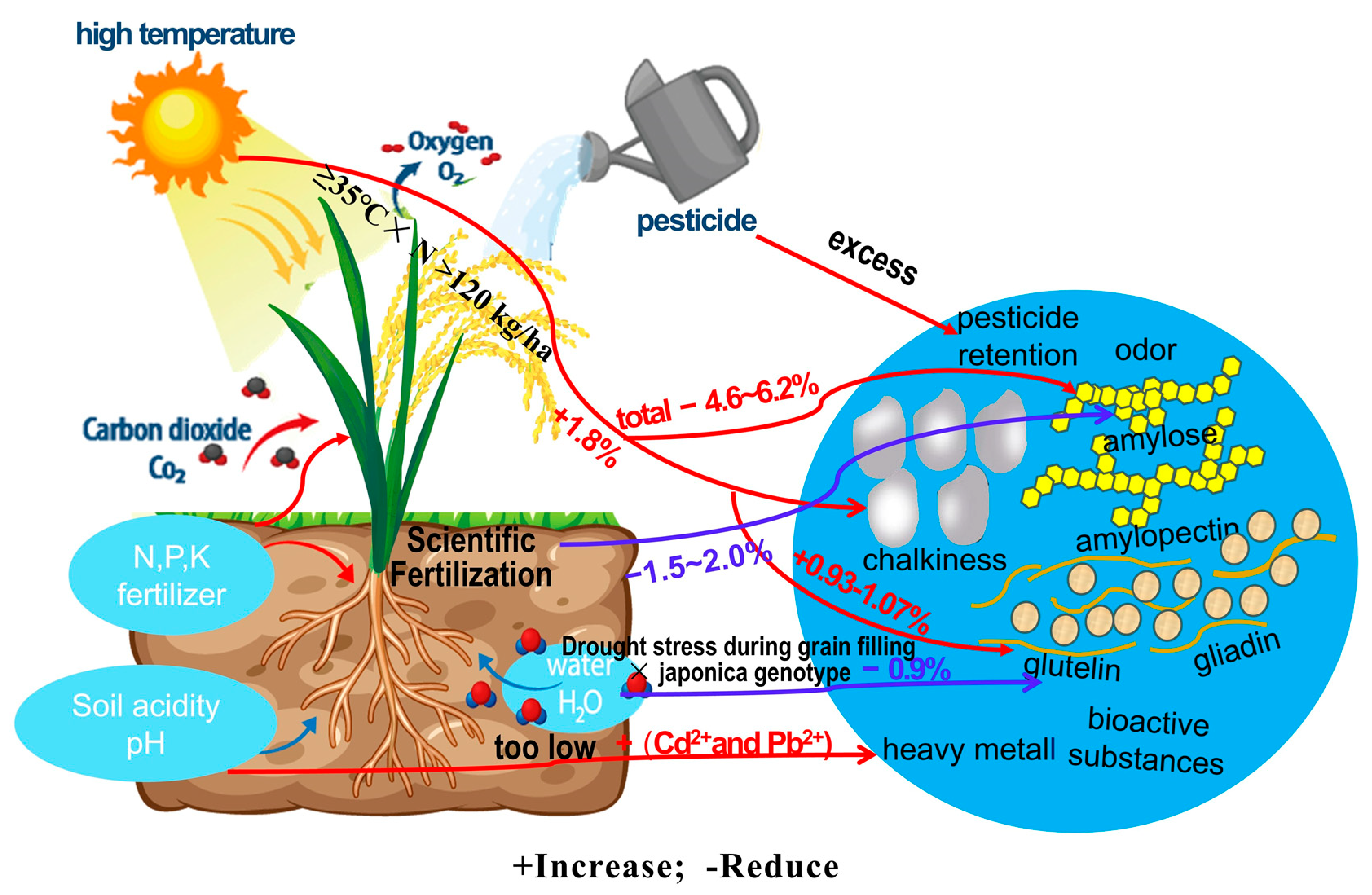
4. Effects of Ecological Factors and Management on Rice Quality and Improvement Measures
4.1. Effects of Climate and Environment on Rice Quality
4.2. Effect of Fertilisation on Rice Quality
4.3. Effects of Soil Environment on Rice Quality
4.4. Effect of Water Management on Rice Quality
4.5. Effect of Pesticides on Rice Quality
5. Improvement of Rice Quality Through Genetic Improvement Technology
5.1. Identification of Rice Appearance Quality-Related Genes
5.2. Identification of Rice Eating Quality-Related Genes
5.3. Identification of Active Ingredient Related Genes in Rice
5.4. Artificial Inteligence (AI) in the Rice Quality
6. Discussion
6.1. Synergistic and Antagonistic Effects of Environmental Factors: A Complex System
6.2. Threshold and Nonlinear Response of Key Environmental Stress
6.3. Genotype (G) × Environment (E) Interaction: The Core of Quality Stability
6.4. Contradictions, Gaps, and Uncertainties in Current Research
7. Conclusions
Author Contributions
Funding
Institutional Review Board Statement
Informed Consent Statement
Data Availability Statement
Conflicts of Interest
References
- Chen, X.; Shen, R.; Pan, B.; Peng, Q.; Zhang, X.; Fu, Y.; Yuan, W. A High-Resolution Distribution Dataset of Paddy Rice in India Based on Satellite Data. Remote Sens. 2024, 16, 3180. [Google Scholar] [CrossRef] [Scilit]
- Van Ngo, T.; Kunyanee, K.; Luangsakul, N. Insight into the nutritional, physicochemical, functional, antioxidative properties and in vitro gastrointestinal digestibility of selected Thai rice: Comparative and multivariate studies. Curr. Res. Food Sci. 2024, 8, 100735. [Google Scholar] [CrossRef] [Scilit] [PubMed]
- Custodio, M.C.; Cuevas, R.P.; Ynion, J.; Laborte, A.G.; Velasco, M.L.; Demont, M. Rice quality: How is it defined by consumers, industry, food scientists, and geneticists? Trends Food Sci. Technol. 2019, 92, 122–137. [Google Scholar] [CrossRef] [Scilit] [PubMed]
- Zhou, H.; Xia, D.; He, Y. Rice grain quality—Traditional traits for high quality rice and health-plus substances. Mol. Breed. 2019, 40, 1. [Google Scholar] [CrossRef] [Scilit]
- Ahn, S.; Kwon, T. Identification of the instrumental quality and the sensory difference between homemade cooked rice and aseptic-packaged cooked rice. Food Sci. Nutr. 2025, 13, e3742. [Google Scholar] [CrossRef] [Scilit]
- Zhang, D.; Cai, Y.; Lao, F.; Wu, J. Insight into the binding mechanism between rice characteristic odor compounds and glutelin using multi-spectral and molecular dynamics simulation: Comparison of different functional groups. Food Res. Int. 2025, 208, 116112. [Google Scholar] [CrossRef] [Scilit]
- Zhao, S.; Shi, J.; Cai, S.; Xiong, T.; Cai, F.; Li, S.; Chen, X.; Fan, C.; Mei, X.; Sui, Y. Effects of milling degree on nutritional, sensory, gelatinization and taste quality of different rice varieties. LWT—Food Sci. Technol. 2023, 186, 115244. [Google Scholar] [CrossRef] [Scilit]
- Yamada, S.; Saito, K.; Maeda, H.; Kanda, S.; Uemura, T.; Ogawa, T.; Wada, S.; Hanada, Y. Evaluation of eating quality of white rice using Raman spectroscopy with multivariate analysis. J. Raman Spectrosc. 2024, 55, 493–499. [Google Scholar] [CrossRef] [Scilit]
- Hu, X.; Fang, C.; Zhang, W.; Lu, L.; Guo, Z.; Li, S.; Chen, M. Change in volatiles, soluble sugars and fatty acids of glutinous rice, japonica rice and indica rice during storage. LWT 2023, 174, 114416. [Google Scholar] [CrossRef] [Scilit]
- Hu, X.; Lu, L.; Li, S.; Zhang, W.; He, Y.; Chen, M. Comparison of appearance quality, cooking quality, and nutritional quality of geographical indication rice and their application in geographical indication discrimination. J. Food Compos. Anal. 2024, 135, 106668. [Google Scholar] [CrossRef] [Scilit]
- Zhao, D.; Zhang, C.; Li, Q.; Liu, Q. Genetic control of grain appearance quality in rice. Biotechnol. Adv. 2022, 60, 108014. [Google Scholar] [CrossRef] [Scilit] [PubMed]
- Chen, L.; Li, X.; Zheng, M.; Hu, R.; Dong, J.; Zhou, L.; Liu, W.; Liu, D.; Yang, W. Genes controlling grain chalkiness in rice. Crop J. 2024, 12, 979–991. [Google Scholar] [CrossRef] [Scilit]
- Piao, R.-H.; Chen, M.-J.; Meng, F.-M.; Qi, C.-Y.; Koh, H.-J.; Gao, M.-M.; Song, A.-Q.; Jin, Y.-M.; Yan, Y.-F. Identification and characterization of the chalkiness endosperm gene CHALK-H in rice (Oryza sativa L.). J. Integr. Agric. 2023, 22, 2921–2933. [Google Scholar] [CrossRef] [Scilit]
- Jin, S.-K.; Xu, L.-N.; Yang, Q.-Q.; Zhang, M.-Q.; Wang, S.-L.; Wang, R.-A.; Tao, T.; Hong, L.-M.; Guo, Q.-Q.; Jia, S.-W.; et al. High-resolution quantitative trait locus mapping for rice grain quality traits using genotyping by sequencing. Front. Plant Sci. 2023, 13, 1050882. [Google Scholar] [CrossRef] [Scilit]
- Zhang, C.; Yang, Y.; Chen, S.; Liu, X.; Zhu, J.; Zhou, L.; Lu, Y.; Li, Q.; Fan, X.; Tang, S.; et al. A rare Waxy allele coordinately improves rice eating and cooking quality and grain transparency. J. Integr. Plant Biol. 2021, 63, 889–901. [Google Scholar] [CrossRef] [Scilit]
- Zhu, J.; Wang, X.; Li, A.; Wang, R.; Ni, X.; Hu, J.; Wei, H.; Zhang, H.; Xiong, Q. The main nutritional components in colored rice grains. LWT 2024, 191, 115663. [Google Scholar] [CrossRef] [Scilit]
- Zhu, J.; Wang, R.; Zhang, Y.; Lu, Y.; Cai, S.; Xiong, Q. Metabolomics Reveals Antioxidant Metabolites in Colored Rice Grains. Metabolites 2024, 14, 120. [Google Scholar] [CrossRef] [Scilit]
- Chen, T.; Xie, L.; Wang, G.; Jiao, J.; Zhao, J.; Yu, Q.; Chen, Y.; Shen, M.; Wen, H.; Ou, X.; et al. Anthocyanins-natural pigment of colored rice bran: Composition and biological activities. Food Res. Int. 2024, 175, 113722. [Google Scholar] [CrossRef] [Scilit]
- Hu, X.; Zhang, W.; Lu, L.; Shao, Y.; Chen, M.; Zhu, Z.; Mou, R. Comparison of quality of appearance, cooking quality, and protein content of green-labeled rice and conventional rice. Cereal Chem. 2022, 99, 873–883. [Google Scholar] [CrossRef] [Scilit]
- Chaturvedi, S.; Manickavasagan, A. Rice analogues: Processing methods and product quality. Trends Food Sci. Technol. 2024, 148, 104493. [Google Scholar] [CrossRef] [Scilit]
- Hu, X.; Lu, L.; Guo, Z.; Zhu, Z. Volatile compounds, affecting factors and evaluation methods for rice aroma: A review. Trends Food Sci. Technol. 2020, 97, 136–146. [Google Scholar] [CrossRef] [Scilit]
- Xu, J.; Liu, K.; Zhang, C. Electronic nose for volatile organic compounds analysis in rice aging. Trends Food Sci. Technol. 2021, 109, 83–93. [Google Scholar] [CrossRef] [Scilit]
- Toutounji, M.R.; Farahnaky, A.; Santhakumar, A.B.; Oli, P.; Butardo, V.M.; Blanchard, C.L. Intrinsic and extrinsic factors affecting rice starch digestibility. Trends Food Sci. Technol. 2019, 88, 10–22. [Google Scholar] [CrossRef] [Scilit]
- Amagliani, L.; O’Regan, J.; Kelly, A.L.; O’Mahony, J.A. The composition, extraction, functionality and applications of rice proteins: A review. Trends Food Sci. Technol. 2017, 64, 1–12. [Google Scholar] [CrossRef] [Scilit]
- Jiang, F.; Shen, W.; Peng, D.; Jin, W.; Huang, Q. Self-assembly of rice proteins: A perspective on elevating rice protein techno-functional properties. Trends Food Sci. Technol. 2024, 151, 104624. [Google Scholar] [CrossRef] [Scilit]
- Yao, D.; Qu, C.; Li, Y.; Shen, H.; Li, G.; Meng, F.; Huang, X.; Bai, B. Analysis on Taste Quality and Physicochemical Properties of Black Rice With Similar Apparent Amylose Content. Starch-Stärke 2025, 77, e70004. [Google Scholar] [CrossRef] [Scilit]
- Zheng, L.; Regenstein, J.M.; Wang, Z.; Zhang, H.; Zhou, L. Reconstituted rice protein: The raw materials, techniques and challenges. Trends Food Sci. Technol. 2023, 133, 267–276. [Google Scholar] [CrossRef] [Scilit]
- Zhang, D.; Cai, Y.; Lao, F.; Wu, J. Steam cooking drives alterations of proteomics, protein structural and functional properties in rice (Oryza sativa L.). Food Biosci. 2024, 59, 103899. [Google Scholar] [CrossRef] [Scilit]
- Adi, A.C.; Haryana, N.R.; Adhika, D.R.; Suwandi, A.; Rachmawati, H. Chemical and Physical Characterizations of Cooked Rice Using Different Cooking Methods. J. Food Nutr. Res. 2020, 8, 638–645. [Google Scholar] [CrossRef] [Scilit]
- Zainab, S.; Zhou, X.; Zhang, Y.; Tanweer, S.; Mehmood, T. Maximizing japonica rice quality by high-pressure steam: Insights into improvement. Food Chem. X 2025, 25, 102212. [Google Scholar] [CrossRef] [Scilit]
- Villanova, F.A.; El Halal, S.L.M.; Vanier, N.L.; Polidoro, E.; Wang, Y.; de Oliveira, M. Physicochemical and cooking quality characteristics of South American rice cultivars parboiled at different steaming pressures. Cereal Chem. 2020, 97, 472–482. [Google Scholar] [CrossRef] [Scilit]
- Li, F.; Du, M.; Wang, S.; Zhu, J.; Zhang, H.; Xiong, Q. The Influence of Nitrogen Fertilizers on Endophytes in Rice Grains and Rice Quality. Food Energy Secur. 2025, 14, e70135. [Google Scholar] [CrossRef] [Scilit]
- Paesani, C.; Gómez, M. Effects of the pre-frying process on the cooking quality of rice. LWT 2021, 140, 110743. [Google Scholar] [CrossRef] [Scilit]
- Asimi, S.; Xin, R.; Min, Z.; Sixuan, L.; Lv, Q.; Lingqi, M. Screening new breeding japonica rice varieties by rice quality, three processing characteristics, and odor characteristics. J. Food Sci. 2023, 88, 133–146. [Google Scholar] [CrossRef] [Scilit] [PubMed]
- Li, A.; Jia, F.; Zhang, J.; Han, Y.; Meng, X.; Chen, P.; Wang, Y.; Zhao, H. The effects of filling level on the milling accuracy of rice in the friction rice mill. Powder Technol. 2022, 398, 117052. [Google Scholar] [CrossRef] [Scilit]
- Liu, J.; Liu, J.; He, M.; Lin, Q.; Zhou, G.; Ding, Y. GMMNet: A precise classification model for rice grains during rice processing. Expert Syst. Appl. 2025, 287, 128223. [Google Scholar] [CrossRef] [Scilit]
- Ye, J.; Hu, Z.; Chen, Y.; Fu, D.; Zhang, J. Identification of broken rice rate based on grading and morphological classification. LWT 2025, 215, 117175. [Google Scholar] [CrossRef] [Scilit]
- He, C.; Deng, F.; Yuan, Y.; Huang, X.; He, Y.; Li, Q.; Li, B.; Wang, L.; Cheng, H.; Wang, T.; et al. Appearance, components, pasting, and thermal characteristics of chalky grains of rice varieties with varying protein content. Food Chem. 2024, 440, 138256. [Google Scholar] [CrossRef] [Scilit]
- Verma, D.K.; Srivastav, P.P. Bioactive compounds of rice (Oryza sativa L.): Review on paradigm and its potential benefit in human health. Trends Food Sci. Technol. 2020, 97, 355–365. [Google Scholar] [CrossRef] [Scilit]
- Peanparkdee, M.; Iwamoto, S. Bioactive compounds from by-products of rice cultivation and rice processing: Extraction and application in the food and pharmaceutical industries. Trends Food Sci. Technol. 2019, 86, 109–117. [Google Scholar] [CrossRef] [Scilit]
- Aalim, H.; Shishir, M.R.I.; Yosri, N.; Arslan, M.; Tahir, H.E.; Hashim, S.B.; Karim, N.; Zhai, X.; Li, Z.; Zhou, C.; et al. Systematic review of the digestive fate of rice phenolic compounds: Insights into bioavailability, influencing factors, encapsulation strategies, and health implications. Trends Food Sci. Technol. 2025, 156, 104833. [Google Scholar] [CrossRef] [Scilit]
- Kabir, H.; Islam, N.; Wazed, A.; Ahmed, M.; Sarker, S.H. Optimization of milling degree for maximizing nutrient retention and yield in milled rice: A study on six common Bangladeshi rice cultivars. Appl. Food Res. 2024, 4, 100587. [Google Scholar] [CrossRef] [Scilit]
- Zhang, S.; Hong, B.; Yuan, D.; Shan, S.; Zhang, J.; Gao, S.; Liu, Q.; Chen, D.; Yin, W.; Ren, C. Establishment of a Comprehensive Quality Evaluation Model for Japonica Rice With Different Degrees of Milling. Food Sci. Nutr. 2025, 13, e70908. [Google Scholar] [CrossRef] [Scilit] [PubMed]
- Fu, X.; Oh, G.; Im, J.-H.; Lim, J.-S.; Kim, M.-H.; Lee, O.-H. Assessment of Bioactive Compounds and Physiological Activities of Ethanolic and Aqueous Extracts from Black Rice, Black Rice Bran, and Milled Black Rice. Appl. Sci. 2024, 14, 10200. [Google Scholar] [CrossRef] [Scilit]
- Zhang, W.; Wang, G.; Wen, P.; Chen, Y.; Yu, Q.; Shen, M.; Xie, J. Effect of purple red rice bran anthocyanins on pasting, rheological and gelling properties of rice starch. Int. J. Biol. Macromol. 2023, 247, 125689. [Google Scholar] [CrossRef] [Scilit]
- Carreiró, F.; Barros, S.C.; Brites, C.; Mateus, A.R.; Ramos, F.; Torres, D.; Silva, A.S. Validation of an HPLC-MS/MS method for the quantification of pesticide residues in Rice and assessment of the washing effect. Food Chem. X 2024, 24, 101938. [Google Scholar] [CrossRef] [Scilit]
- Witczak, A.; Rajkowska-Myśliwiec, M.; Pokorska-Niewiada, K.; Navarro, C.B. Health risks associated with mercury intake from rice and rice products. Food Chem. Toxicol. 2024, 191, 114905. [Google Scholar] [CrossRef] [Scilit]
- Chandravarnan, P.; Agyei, D.; Ali, A. The prevalence and concentration of mycotoxins in rice sourced from markets: A global description. Trends Food Sci. Technol. 2024, 146, 104394. [Google Scholar] [CrossRef] [Scilit]
- Maneeboon, T.; Mahakarnchanakul, W.; Chuaysrinule, C. Evaluating dietary exposure and risk characterization of aflatoxin B1, citrinin, and ochratoxin A co-occurrence in pigmented rice consumed in Thailand. J. Food Compos. Anal. 2024, 136, 106755. [Google Scholar] [CrossRef] [Scilit]
- Kabir, A.; Lee, I.; Singh, C.B.; Mishra, G.; Panda, B.K.; Lee, S.-H. Detection of Mycotoxins in Cereal Grains and Nuts Using Machine Learning Integrated Hyperspectral Imaging: A Review. Toxins 2025, 17, 219. [Google Scholar] [CrossRef] [Scilit]
- Karami-Osboo, R.; Hasantabar, V.; Maham, M. Effective magnetic nanoadsorbent based on natural carboxymethyl cellulose/polyaniline nanotube/graphene oxide for aflatoxin B1 and B2 adsorption in rice utilizing a novel synthesis method. Int. J. Biol. Macromol. 2024, 282, 137162. [Google Scholar] [CrossRef] [Scilit] [PubMed]
- Chandravarnan, P.; Agyei, D.; Ali, A. Green and sustainable technologies for the decontamination of fungi and mycotoxins in rice: A review. Trends Food Sci. Technol. 2022, 124, 278–295. [Google Scholar] [CrossRef] [Scilit]
- Phan, L.T.K.; Le, A.T.H.; Hoang, N.T.N.; Debonne, E.; De Saeger, S.; Eeckhout, M.; Jacxsens, L. Evaluation of the efficacy of cinnamon oil on Aspergillus flavus and Fusarium proliferatum growth and mycotoxin production on paddy and polished rice: Towards a mitigation strategy. Int. J. Food Microbiol. 2024, 415, 110636. [Google Scholar] [CrossRef] [Scilit] [PubMed]
- Lu, F.; Jiao, G.; Qiu, J.; Zhao, S.; Zhao, F.; Wang, P.; Chen, L.; Chen, P.; Li, X.; Dong, N.; et al. A molecular module improves rice grain quality and yield at high temperatures. Natl. Sci. Rev. 2024, 12, nwae416. [Google Scholar] [CrossRef] [Scilit]
- Tu, D.; Jiang, Y.; Salah, A.; Cai, M.; Peng, W.; Zhang, L.; Li, C.; Cao, C. Response of Source-Sink Characteristics and Rice Quality to High Natural Field Temperature During Reproductive Stage in Irrigated Rice System. Front. Plant Sci. 2022, 13, 911181. [Google Scholar] [CrossRef] [Scilit]
- Jing, L.; Chen, C.; Lu, Q.; Wang, Y.; Zhu, J.; Lai, S.; Wang, Y.; Yang, L. How do elevated atmosphere CO2 and temperature alter the physiochemical properties of starch granules and rice taste? Sci. Total Environ. 2021, 766, 142592. [Google Scholar] [CrossRef] [Scilit]
- Ma, Y.; Zhao, S.; Ma, X.; Dong, G.; Liu, C.; Ding, Y.; Hou, B. A high temperature responsive UDP-glucosyltransferase gene OsUGT72F1 enhances heat tolerance in rice and Arabidopsis. Plant Cell Rep. 2025, 44, 48. [Google Scholar] [CrossRef] [Scilit]
- Ling, L.; Wang, E.; Wang, K.; Cao, C.; Shi, S.; Jiang, Y. Nitrogen fertilization alters rice taste quality through layer-specific changes in protein and starch composition. J. Cereal Sci. 2025, 123, 104157. [Google Scholar] [CrossRef] [Scilit]
- Jiang, H.; Zhao, Y.; Chen, L.; Wan, X.; Yan, B.; Liu, Y.; Liu, Y.; Zhang, W.; Gao, J. Grain Weight and Taste Quality in Japonica Rice Are Regulated by Starch Synthesis and Grain Filling Under Nitrogen–Phosphorus Interactions. Plants 2025, 14, 432. [Google Scholar] [CrossRef] [Scilit]
- Liu, C.; Zhou, T.; Xue, Z.; Wei, C.; Zhu, K.; Ye, M.; Zhang, W.; Zhang, H.; Liu, L.; Wang, Z.; et al. Combining Controlled-Release and Normal Urea Enhances Rice Grain Quality and Starch Properties by Improving Carbohydrate Supply and Grain Filling. Plants 2025, 14, 107. [Google Scholar] [CrossRef] [Scilit]
- Zheng, C.; Niu, S.; Yan, Y.; Zhou, G.; Peng, Y.; He, Y.; Zhou, J.; Li, Y.; Xie, X. Moderate Salinity Stress Affects Rice Quality by Influencing Expression of Amylose- and Protein-Content-Associated Genes. Int. J. Mol. Sci. 2024, 25, 4042. [Google Scholar] [CrossRef] [Scilit]
- Lu, X.; Li, Y.; Akhtar, M.; Liu, C.; Ma, T.; Min, W.; Bai, X.; She, Y.; Chen, L.; Tian, L.; et al. A DUF966 gene family member OsDSR3 positively regulates alkali stress tolerance in rice. Plant Sci. 2024, 343, 112072. [Google Scholar] [CrossRef] [Scilit] [PubMed]
- Wang, J.; Bian, J.; Liu, L.; Gao, S.; Liu, Q.; Feng, Y.; Shan, L.; Guo, J.; Wang, G.; Sun, S.; et al. Screening and analysis of candidate genes conferring alkalinity tolerance in rice (Oryza sativa L.) at the bud burst stage based on QTL-seq and RNA-seq. Electron. J. Biotechnol. 2024, 71, 63–73. [Google Scholar] [CrossRef] [Scilit]
- Mei, S.; Zhang, G.; Jiang, J.; Lu, J.; Zhang, F. Combining Genome-Wide Association Study and Gene-Based Haplotype Analysis to Identify Candidate Genes for Alkali Tolerance at the Germination Stage in Rice. Front. Plant Sci. 2022, 13, 887239. [Google Scholar] [CrossRef] [Scilit] [PubMed]
- Deshabandu, K.H.S.T.; Noda, Y.; Marcelo, V.A.C.; Ehara, H.; Inukai, Y.; Kano-Nakata, M. Rice Yield and Grain Quality under Fluctuating Soil Moisture Stress. Agronomy 2024, 14, 1926. [Google Scholar] [CrossRef] [Scilit]
- Basu, S.; Shekhar, S.; Kumar, A.; Kumari, S.; Kumari, N.; Kumari, S.; Kumar, S.; Prasad, R.; Kumar, G. Effect of stage-specific and multi-stage drought on grain nutrient quality in rice. Plant Growth Regul. 2023, 100, 561–571. [Google Scholar] [CrossRef] [Scilit]
- Wang, G.; Shen, X.; Bai, C.; Zhuang, Z.; Jiang, H.; Yang, M.; Wei, X.; Wu, Z. Metabolomic study on the quality differences and physiological characteristics between rice cultivated in drought and flood conditions. Food Chem. 2023, 425, 135946. [Google Scholar] [CrossRef] [Scilit]
- Mousa, A.M.A.; Ali, A.M.A.-G.; Omar, A.E.A.; Alharbi, K.; El-Moneim, D.A.; Mansour, E.; Elmorsy, R.S.A. Physiological, Agronomic, and Grain Quality Responses of Diverse Rice Genotypes to Various Irrigation Regimes under Aerobic Cultivation Conditions. Life 2024, 14, 370. [Google Scholar] [CrossRef] [Scilit]
- Chen, G.; Shi, L.; Wang, J.; Zhu, S.; Sheng, J.; Yang, X.; Xu, H. Pesticide residues in rice planted in South and Southwest China. Food Addit. Contam. Part B 2023, 16, 176–184. [Google Scholar] [CrossRef] [Scilit]
- Yu, J.; Zhong, Y.; Dai, C.; Hou, M. Sublethal concentrations of pymetrozine reduce Sogatella furcifera transmission of Southern rice black-streaked dwarf virus. Pest Manag. Sci. 2024, 80, 797–804. [Google Scholar] [CrossRef] [Scilit]
- Wei, H.; Chen, G.; Yang, X. Residues and degradation dynamics of pymetrozine and chlorpyrifos in rice field ecosystem. J. Environ. Sci. Health Part B 2022, 57, 339–349. [Google Scholar] [CrossRef] [Scilit] [PubMed]
- Fan, J.; Li, W.; Bian, Y.; Zhang, Z.; Yang, R.; Xu, X.; Cheng, B.; Yang, S.; Wu, J.; Zhang, X.; et al. Phenotypic evolution of appearance quality and cooking and taste quality of hybrid rice over the past 40 years in China. Front. Plant Sci. 2024, 15, 1512760. [Google Scholar] [CrossRef] [Scilit] [PubMed]
- Hassan, H.M.; Hadifa, A.A.; El-Leithy, S.A.; Batool, M.; Sherif, A.; Al-Ashkar, I.; Ueda, A.; Rahman, A.; Hossain, M.A.; Elsabagh, A. Variable level of genetic dominance controls important agronomic traits in rice populations under water deficit condition. PeerJ 2023, 11, e14833. [Google Scholar] [CrossRef] [Scilit] [PubMed]
- Okada, S.; Iijima, K.; Hori, K.; Yamasaki, M. Genetic and epistatic effects for grain quality and yield of three grain-size QTLs identified in brewing rice (Oryza sativa L.). Mol. Breed. 2020, 40, 88. [Google Scholar] [CrossRef] [Scilit]
- Huo, X.; Wang, J.; Chen, L.; Fu, H.; Yang, T.; Dong, J.; Ma, Y.; Zhou, L.; Chen, J.; Liu, D.; et al. Genome-wide association mapping and gene expression analysis reveal candidate genes for grain chalkiness in rice. Front. Plant Sci. 2023, 14, 1184276. [Google Scholar] [CrossRef] [Scilit]
- Lu, Y.; Lv, D.; Zhou, L.; Yang, Y.; Hao, W.; Huang, L.; Fan, X.; Zhao, D.; Li, Q.; Zhang, C.; et al. Combined effects of SSII-2RNAi and different Wx alleles on rice grain transparency and physicochemical properties. Carbohydr. Polym. 2023, 308, 120651. [Google Scholar] [CrossRef] [Scilit]
- Kiran, K.; Selvaraj, S.; Parameswaran, C.; Balasubramaniasai, C.; Katara, J.L.; Devanna, B.N.; Samantaray, S. Genome-wide Association Analysis and Candidate Genes Identification for Pericarp Color in rice (Oryza sativa L.). Trop. Plant Biol. 2025, 18, 8. [Google Scholar] [CrossRef] [Scilit]
- Sachdeva, S.; Singh, R.; Maurya, A.; Singh, V.K.; Singh, U.M.; Kumar, A.; Singh, G.P. Multi-model genome-wide association studies for appearance quality in rice. Front. Plant Sci. 2024, 14, 1304388. [Google Scholar] [CrossRef] [Scilit]
- Chen, L.; Chen, W.; Li, J.; Wei, Y.; Qing, D.; Huang, J.; Yang, X.; Tang, M.; Zhang, Z.; Yu, J.; et al. Identifying Heat Adaptability QTLs and Candidate Genes for Grain Appearance Quality at the Flowering Stage in Rice. Rice 2025, 18, 13. [Google Scholar] [CrossRef] [Scilit]
- Huang, L.; Gu, Z.; Chen, Z.; Yu, J.; Chu, R.; Tan, H.; Zhao, D.; Fan, X.; Zhang, C.; Li, Q.; et al. Improving rice eating and cooking quality by coordinated expression of the major starch synthesis-related genes, SSII and Wx, in endosperm. Plant Mol. Biol. 2021, 106, 419–432. [Google Scholar] [CrossRef] [Scilit]
- Lu, K.; Zhang, Y.; He, L.; Li, C.; Liang, W.; Chen, T.; Zhao, Q.; Zhu, Z.; Zhao, L.; Zhao, C.; et al. Adjusting the amylose content of semi-glutinous japonica rice by genome editing of uORF6 in the Wx gene. Front. Plant Sci. 2024, 12, 1806–1811. [Google Scholar] [CrossRef] [Scilit]
- Yang, Y.; Shen, Z.; Li, Y.; Xu, C.; Xia, H.; Zhuang, H.; Sun, S.; Guo, M.; Yan, C. Rapid improvement of rice eating and cooking quality through gene editing toward glutelin as target. J. Integr. Plant Biol. 2022, 64, 1860–1865. [Google Scholar] [CrossRef] [Scilit]
- Liu, Z.; Li, P.; Yu, L.; Hu, Y.; Du, A.; Fu, X.; Wu, C.; Luo, D.; Hu, B.; Dong, H.; et al. OsMADS1 Regulates Grain Quality, Gene Expressions, and Regulatory Networks of Starch and Storage Protein Metabolisms in Rice. Int. J. Mol. Sci. 2023, 24, 8017. [Google Scholar] [CrossRef] [Scilit] [PubMed]
- Wang, A.; Cheng, Q.; Li, W.; Kan, M.; Zhang, Y.; Meng, X.; Guo, H.; Jing, Y.; Chen, M.; Liu, G.; et al. Creation of high-resistant starch rice through systematic editing of amylopectin biosynthetic genes in rs4. Plant Biotechnol. J. 2025, 23, 480–488. [Google Scholar] [CrossRef] [Scilit] [PubMed]
- Shao, Y.; Bao, J. Polyphenols in whole rice grain: Genetic diversity and health benefits. Food Chem. 2015, 180, 86–97. [Google Scholar] [CrossRef] [Scilit] [PubMed]
- Sun, Y.; Fu, M.; Wang, L.; Bai, Y.; Fang, X.; Wang, Q.; He, Y.; Zeng, H. OsSPLs Regulate Male Fertility in Response to Different Temperatures by Flavonoid Biosynthesis and Tapetum PCD in PTGMS Rice. Int. J. Mol. Sci. 2022, 23, 3744. [Google Scholar] [CrossRef] [Scilit]
- Dong, G.-R.; Zhao, S.-M.; Ding, Y.; Ma, Y.-Q.; Ma, X.-M.; Liu, C.-L.; Hou, B.-K. Rice glycosyltransferase OsDUGT1 is involved in heat stress tolerance by glycosylating flavonoids and regulating flavonoid metabolism. Front. Plant Sci. 2025, 15, 1516990. [Google Scholar] [CrossRef] [Scilit]
- Kim, B.; Piao, R.; Lee, G.; Koh, E.; Lee, Y.; Woo, S.; Reflinur; Jiang, W.; Septiningsih, E.M.; Thomson, M.J.; et al. OsCOP1 regulates embryo development and flavonoid biosynthesis in rice (Oryza sativa L.). Theor. Appl. Genet. 2021, 134, 2587–2601. [Google Scholar] [CrossRef] [Scilit]
- Ma, Q.; Li, W.; Wang, L.; Zhang, H.; Zhang, Z.; Yan, N. Co-overexpression of ZlRc and ZlRd increases flavonoid content, antioxidant activity, and inhibitory effects on against α-glucosidase, α-amylase, pancreatic lipase, and tyrosinase without affecting rice agronomic traits or yield. Plant Physiol. Biochem. 2025, 227, 110137. [Google Scholar] [CrossRef] [Scilit]
- Kulsum, U.; Akter, N.; Akama, K. Double-truncated version of OsGADs leads to higher GABA accumulation and stronger stress tolerance in Oryza sativa L. var. japonica. Plant Cell Rep. 2025, 44, 95. [Google Scholar] [CrossRef] [Scilit]
- Hussain, S.Z.; Jabeen, R.; Naseer, B.; Shikari, A.B. Effect of soaking and germination conditions on γ-aminobutyric acid and gene expression in germinated brown rice. Food Biotechnol. 2020, 34, 132–150. [Google Scholar] [CrossRef] [Scilit]
- Zhao, G.-C.; Xie, M.-X.; Wang, Y.-C.; Li, J.-Y. Molecular Mechanisms Underlying γ-Aminobutyric Acid (GABA) Accumulation in Giant Embryo Rice Seeds. J. Agric. Food Chem. 2017, 65, 4883–4889. [Google Scholar] [CrossRef] [Scilit]
- Tiozon, R.J.N.; Fernie, A.R.; Sreenivasulu, N. Meeting human dietary vitamin requirements in the staple rice via strategies of biofortification and post-harvest fortification. Trends Food Sci. Technol. 2021, 109, 65–82. [Google Scholar] [CrossRef] [Scilit]
- Rana, M.E.; Hameed, V.A.; Eng, I.K.Y.; Tripathy, H.K.; Mallik, S. Harnessing artificial intelligence for sustainable rice leaf disease classification. Front. Plant Sci. 2025, 16, 1594329. [Google Scholar] [CrossRef] [Scilit]
- Ilo, B.; Badjona, A.; Singh, Y.; Shenfield, A.; Zhang, H. Artificial Intelligence in Rice Quality and Milling: Technologies, Applications, and Future Prospects. Processes 2025, 13, 3731. [Google Scholar] [CrossRef] [Scilit]



| Variety | Indica Rice | Japonica Rice | Indica Glutinous Rice | Japonica Glutinous Rice | |
|---|---|---|---|---|---|
| Broken rice, total (%) | ≤15.0 | ≤10.0 | ≤15.0 | ≤10.0 | |
| Small broken rice (%) | ≤1.0 | ≤1.0 | ≤2.0 | ≤1.5 | |
| Processing accuracy | Fine milling | Fine milling | Fine milling | Fine milling | |
| Unsound kernel (%) | ≤3.0 | ≤3.0 | ≤4.0 | ≤4.0 | |
| Moisture content (%) | ≤14.5 | ≤15.5 | ≤14.5 | ≤15.5 | |
| Impurities, total (%) | ≤0.25 | ≤0.25 | ≤0.25 | ≤0.25 | |
| Inorganic impurities (%) | ≤0.2 | ≤0.2 | ≤0.2 | ≤0.2 | |
| Yellow-coloured rice (%) | ≤1.0 | ≤1.0 | ≤1.0 | ≤1.0 | |
| Mixing rate (%) | ≤5.0 | ≤5.0 | ≤5.0 | ≤5.0 | |
| Category | Name | Primary Purpose |
|---|---|---|
| Fungicides | Tricyclic azole | Used for the prevention of rice blast, including leaf blast and neck blast. |
| Rice distemper | Used for both the prevention and treatment of rice blast disease, with preventive and curative effects. | |
| Jinggangmycin | Applied for the prevention and control of sheath blight and rice blast. | |
| Azoxystrobin/Pyrazoxystrobin | Broad-spectrum fungicides used to control rice blast, sheath blight and related fungal diseases. | |
| Hexazolol and benzofenapyr | Used for the prevention and treatment of rice sheath blight and rice blast. | |
| Chunlei mycin | Applied for the control of rice blast and bacterial stripe disease. | |
| Insecticides | Imidacloprid and Thiamethoxam | Used to control rice planthoppers and thrips; classified as neonicotinoids. |
| Chlorfenapyr | Applied for the control of rice leaf rollers and stem borers (Lepidoptera pests). | |
| Abamectin | Used for the prevention and control of rice stem borers and leaf rollers. | |
| Chlorpyrifos | Broad-spectrum insecticide used to control borers and rice planthoppers; use is restricted in some countries. | |
| Fipronil | Applied for the control of rice planthoppers and leafhoppers. | |
| Imidacloprid | Used to control rice leaf rollers and stem borers. | |
| Ethyl fungicide | Applied for the prevention and control of borers and thrips. | |
| Herbicides | Dichloraz and Propiconazole | Pre-emergence herbicides used to control barnyard grass and annual weeds. |
| Bensulfuron methyl and pyrimethanil | Used to control broad-leaved weeds and sedges. | |
| Pentafluorosulfonamide | Broad-spectrum herbicide applied to control barnyard grass and broad-leaved weeds. | |
| Quinclorac | Specifically used to control barnyard grass. | |
| Cyanofloxacin | Applied to prevent and control grass-family weeds, including barnyard grass and millet species. | |
| Oxalidomide | Used to prevent and control herbicide-resistant barnyard grass and horseweed. | |
| Growth regulators | Paclobutrazol | Applied to suppress excessive vegetative growth and promote tillering. |
| Gibberellin | Used to promote heading and flowering. |
| Environmental Factors | Changes in Rice Quality | Improvement Measures |
|---|---|---|
| Climate | High temperature was associated with increased chalkiness and protein content, and with declines in appearance and eating quality. | Introduction of the OsGBSSI, OsPPDKB and OsHsp40-1 gene enhances enzyme stability and activity, has been reported to reduce chalkiness by approximately 2.8–3.2% under high-temperature conditions (n = 3 studies). |
| Fertilisation | Excessive or insufficient nitrogen fertiliser application led to unfavourable changes in starch composition, protein content and chalkiness, thereby reducing rice quality. | Nitrogen fertiliser application at the heading stage (5–7 d before heading) at 120–150 kg/ha has been reported to achieve an optimal protein content of 6.5–7.2%. Seven studies showing improved eating quality vs. five showing deterioration by analysing methodological differences (drought timing: booting vs. grain filling; genotype backgrounds. |
| Soil | Saline–alkaline soils were associated with adverse effects on chalkiness, starch and protein contents, resulting in reduced rice quality. | A soil pH of 5.5–6.5 has been reported to reduce the accumulation of heavy metals, such as Cd2+ and Pb2+, by approximately 50%. Downregulation of the chalk5 gene has been associated with reduced chalkiness; downregulation of Wx with reduced amylose content and downregulation of OsAAP6 and OsGluA2 with reduced protein content. |
| Moisture | Drought stress was associated with adverse effects on bulk density, chalkiness, starch, protein and trace element contents, leading to reduced quality. | During the tillering stage, maintaining a water layer of 1–2 cm for 3–4 d has been reported to be beneficial. During the booting stage, the water level has been reduced to 2–3 cm. During the grain-filling stage, maintaining a 3–4 cm water layer for 2–3 d followed by moderate field drying for 2 d has been reported to reduce protein content by 0.8–1.2%. Introduction of the G3-3 gene has been reported to reduce protein and amylose content. The application of Moringa oleifera leaf extract has been reported to alleviate drought-related decline in rice quality. |
| Pesticide | Application of the insecticide pymetrozine was associated with changes in rice appearance, taste and aroma. | Spraying a 25% pymetrozine and chlorpyrifos suspension twice at 10 d intervals, at a dose of 375–562.5 g a.i/ha, has been reported. Rice was harvested 15 d after the final application to ensure that pesticide residues remained within a safe range. |
| Quality Type (Study Counts) | Index | Related Gene and Effect Size |
|---|---|---|
| Appearance (n = 7) | Shape | The qGL4-2, qGWh5 and qGWh10 genes control rice grain shape; the Os05g06920, Os05g06970 and Os11g28104 genes increase grain length while decreasing grain width. |
| Chalkiness | The Os10g36170, Os10g36260, Os10g36340 and Os10g36610 genes increase chalkiness; whereas Ss050g06970 and S11g28104 reduce chalkiness. | |
| Transparency | High expression of Nip (Wxb/SSII-2) and Nip (Wxb/ss2-2) genes improves the transparency of rice grains. | |
| Colour | The MAPKK6 and OPAQUE3 genes are associated with rice colour, with MAPKK6 linked to red and OPAQUE3 to white grains. | |
| Taste (n = 5) | Starch | Low expression of SSII-2 and SSII-3 reduces amylose content. High expression of Wxmp, Wxmq and Wxb-5c increases amylopectin content. The absence of SSIIa, SSIVb or ISA2 increases resistant starch content to over 14%, while quadruple mutants (sbeI, sbeIIb, ssIIIa and ssIIIb, and sbeI, ssIVb, ssIIIa and ssIIIb) further increase resistant starch content to over 18%. |
| Protein | Knockout of CRISPR/Cas9 gene reduces the content of valley proteins, whereas OsMADS1 regulates protein content in rice. | |
| Nutrition (n = 5) | Polyphenols and flavonoids | OsCHS, OsCHI, OsF3H, OsF30H, OsDFR and OsANS increase polyphenol content and modify seed colour. OsSPL17 upregulates flavones (eriodecvol, naringenin, apigenin and luteolin), while OsJRL knockout increases flavonoid content. OsCOP1 promotes flavonoid accumulation, accumulation of yel-hc enhances flavonoid content in the embryo and synergistic high expression of ZlRc and ZlRd increases both flavonoid content and antioxidant activity. |
| γ-aminobutyric acid | Expression of the OsGAD1, OsGAD, and OsGAD3 genes increased GABA content, with OsGAD3 exhibiting the most significant up-regulation. |
Disclaimer/Publisher’s Note: The statements, opinions and data contained in all publications are solely those of the individual author(s) and contributor(s) and not of MDPI and/or the editor(s). MDPI and/or the editor(s) disclaim responsibility for any injury to people or property resulting from any ideas, methods, instructions or products referred to in the content. |
© 2026 by the authors. Licensee MDPI, Basel, Switzerland. This article is an open access article distributed under the terms and conditions of the Creative Commons Attribution (CC BY) license.
Share and Cite
Huang, W.; Shi, D.; Cheng, A.; Chen, G.; Liu, F.; Dong, J.; Lan, J.; Guo, W.; Liu, B.; Ren, C. Rice Quality: A Multidimensional Evaluation Integrating Ecology, Management and Genetic Regulation. Foods 2026, 15, 813. https://doi.org/10.3390/foods15050813
Huang W, Shi D, Cheng A, Chen G, Liu F, Dong J, Lan J, Guo W, Liu B, Ren C. Rice Quality: A Multidimensional Evaluation Integrating Ecology, Management and Genetic Regulation. Foods. 2026; 15(5):813. https://doi.org/10.3390/foods15050813
Chicago/Turabian StyleHuang, Wengong, Dongmei Shi, Aihua Cheng, Guofeng Chen, Feng Liu, Jiannan Dong, Jing Lan, Wei Guo, Baohai Liu, and Chuanying Ren. 2026. "Rice Quality: A Multidimensional Evaluation Integrating Ecology, Management and Genetic Regulation" Foods 15, no. 5: 813. https://doi.org/10.3390/foods15050813
APA StyleHuang, W., Shi, D., Cheng, A., Chen, G., Liu, F., Dong, J., Lan, J., Guo, W., Liu, B., & Ren, C. (2026). Rice Quality: A Multidimensional Evaluation Integrating Ecology, Management and Genetic Regulation. Foods, 15(5), 813. https://doi.org/10.3390/foods15050813