Article

Phenolic, Polysaccharide, and Color Variability in Chilean Commercial Chardonnay Wines: Influence of Closure Type, Geographic Origin, and Vintage

by
Alvaro Peña-Neira
1,*,
Karinna Estay
1,
Carla Jara
1,
Manuel Flores-Cabrales
2,
Cristina Ubeda
3 and
Mariona Gil-i-Cortiella
4,*
1
Department of Agro-Industry and Enology, Facultad de Ciencias Agronómicas, Universidad de Chile, Santa Rosa 11315, La Pintana, Santiago 8820000, Chile
2
Department of Management and Rural Innovation, Facultad de Ciencias Agronómicas, Universidad de Chile, Santa Rosa 11315, La Pintana, Santiago 8820000, Chile
3
Área de Nutrición y Bromatología, Departamento de Nutrición y Bromatología, Toxicología y Medicina Legal, Facultad de Farmacia, Universidad de Sevilla, 41012 Sevilla, Spain
4
Departament de Bioquímica i Biotecnologia, Facultat d’Enologia de Tarragona, Universitat Rovira i Virgili, C/Marcel.li Domingo 1, 43007 Tarragona, Spain
*
Authors to whom correspondence should be addressed.
Foods 2026, 15(10), 1735; https://doi.org/10.3390/foods15101735
Submission received: 20 April 2026 / Revised: 9 May 2026 / Accepted: 12 May 2026 / Published: 14 May 2026
(This article belongs to the Special Issue Exploring Fermentation, Flavor and Structural Compounds in Wine)

Abstract

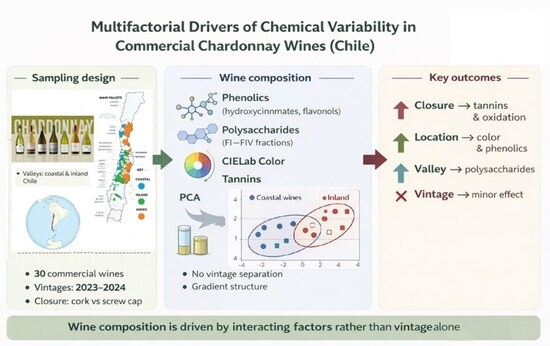
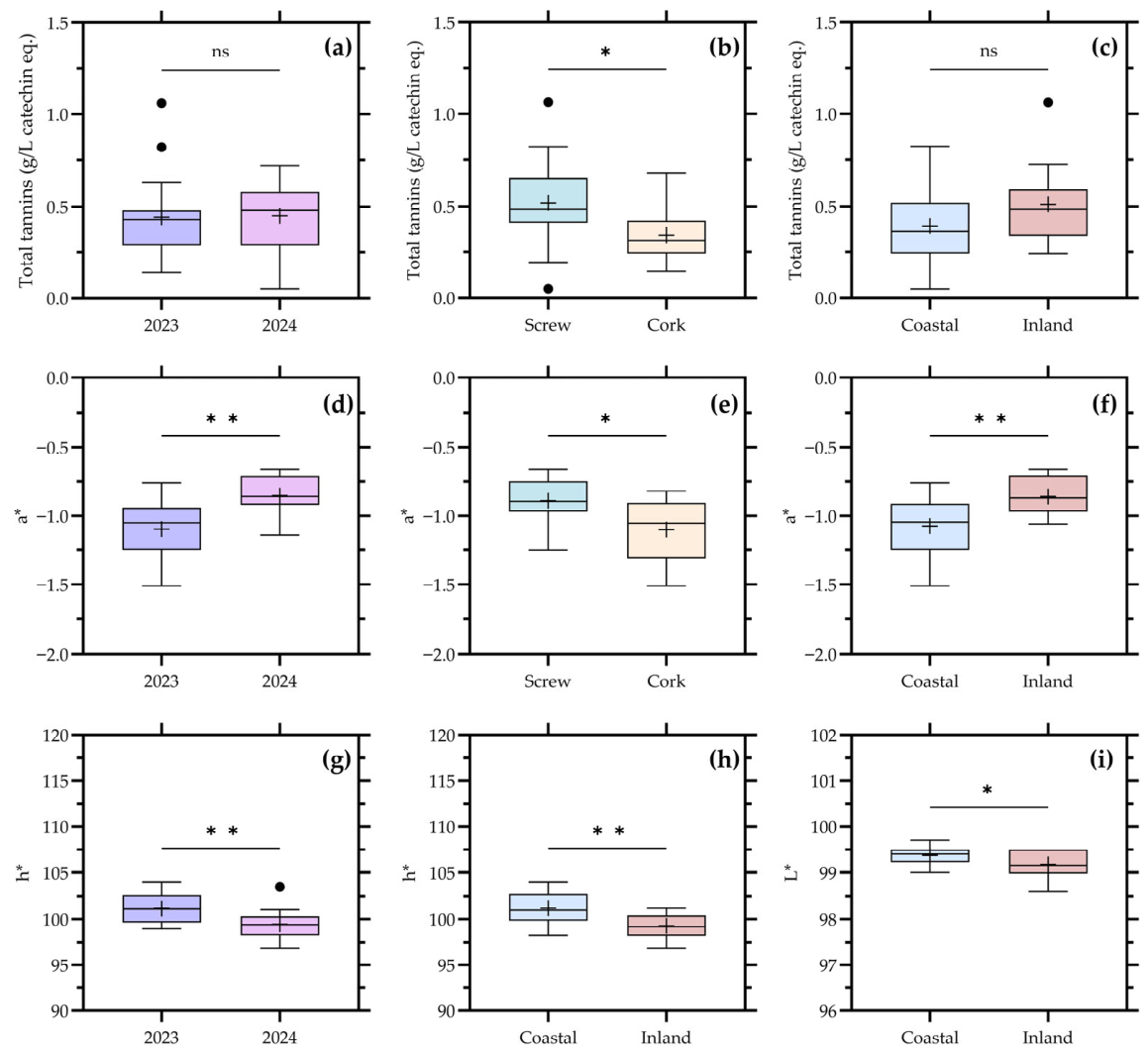
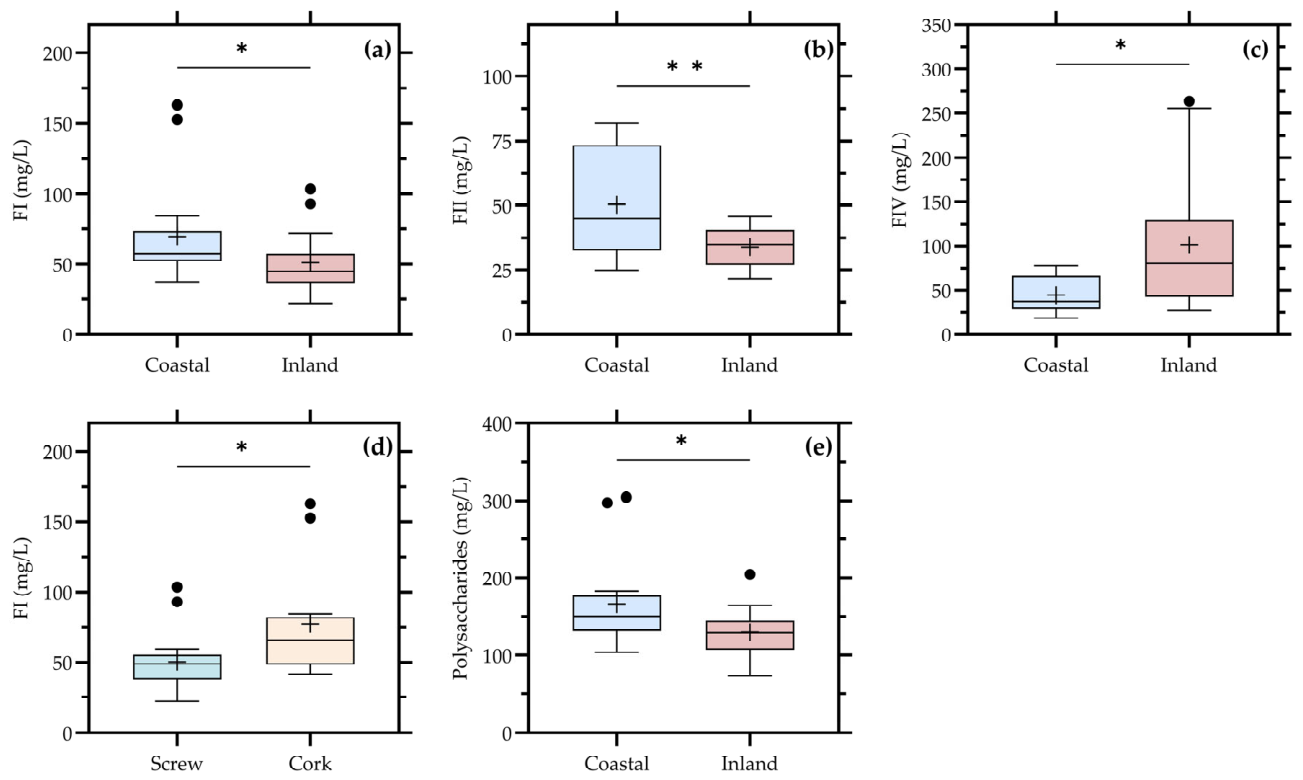
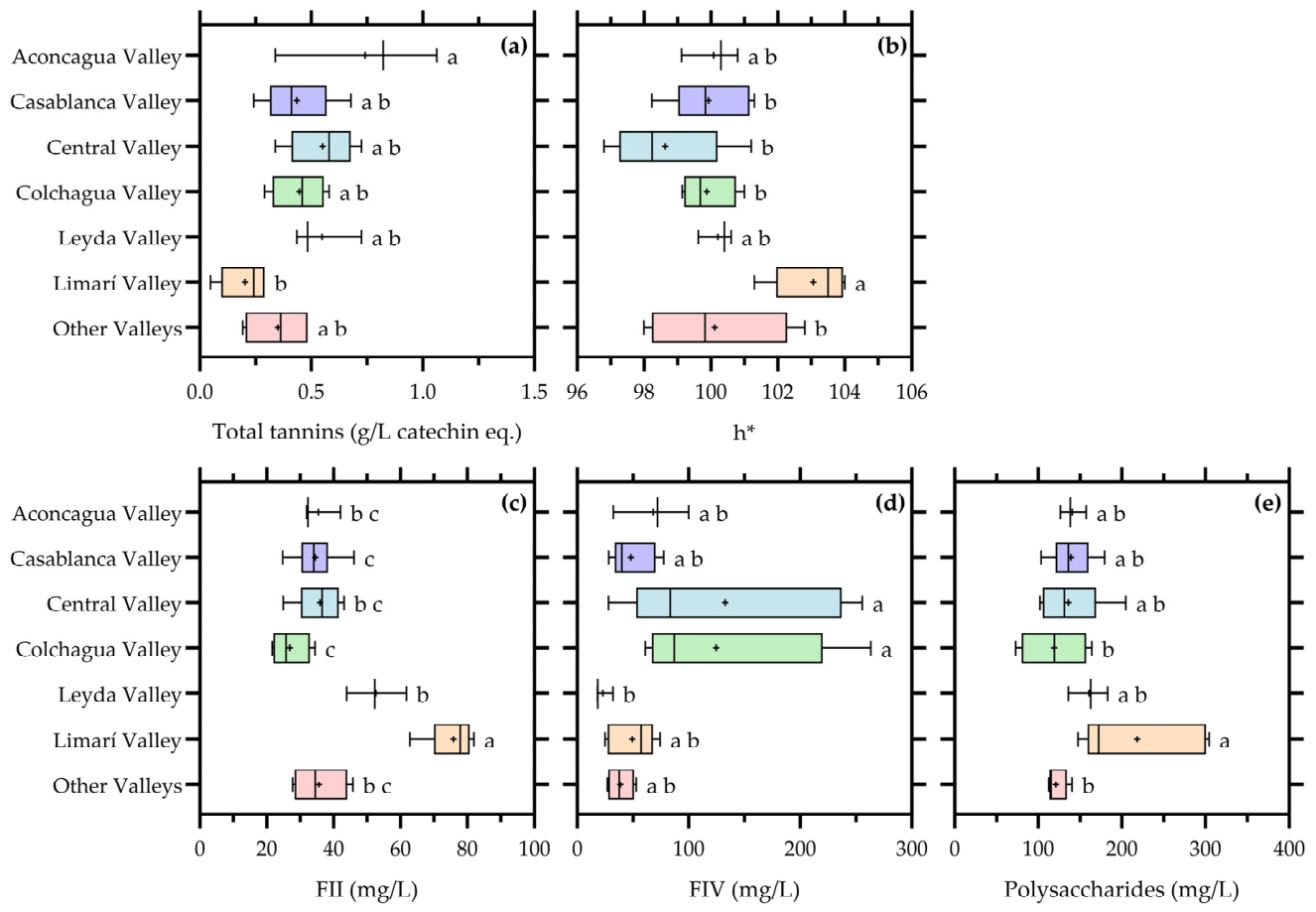
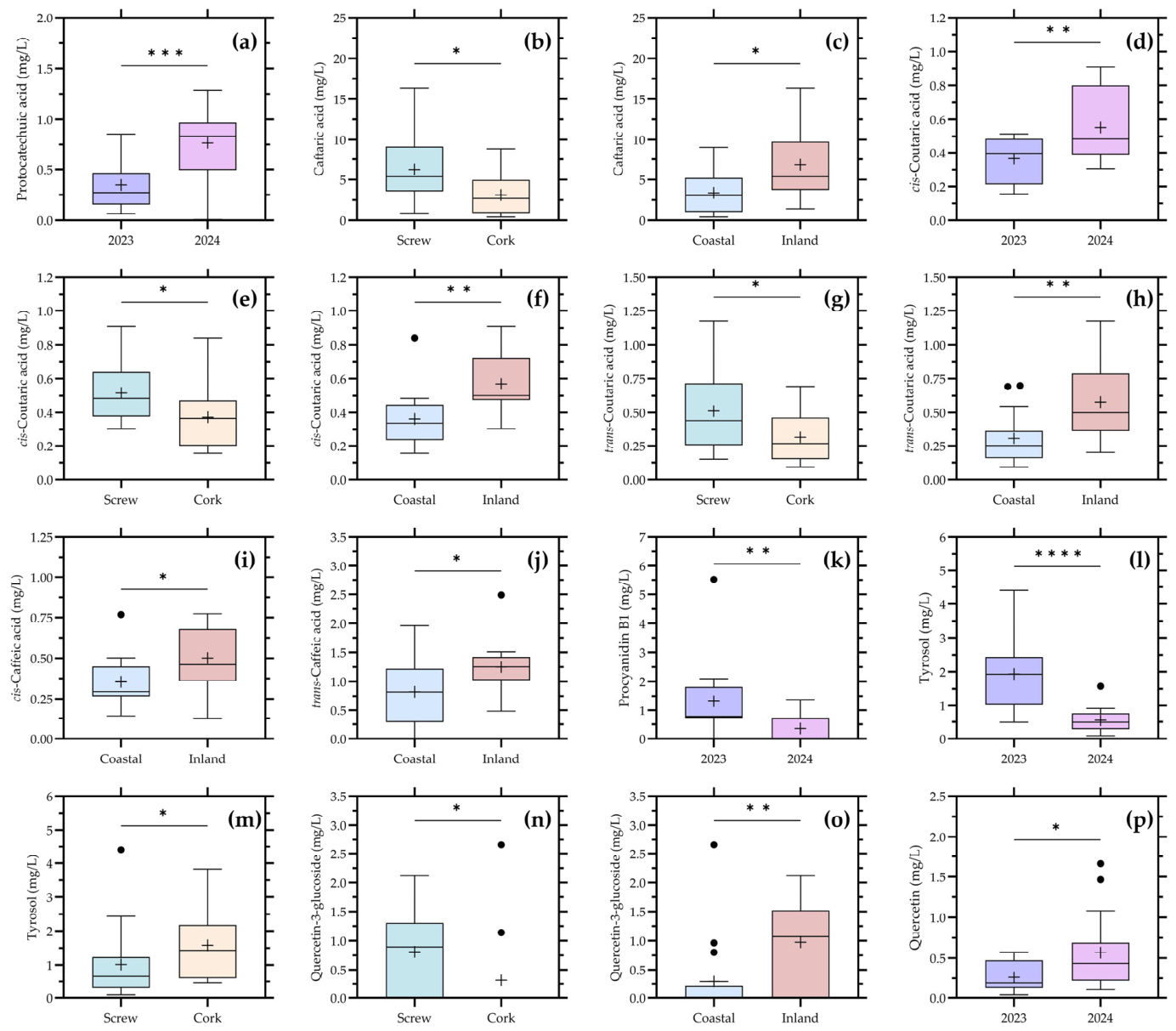
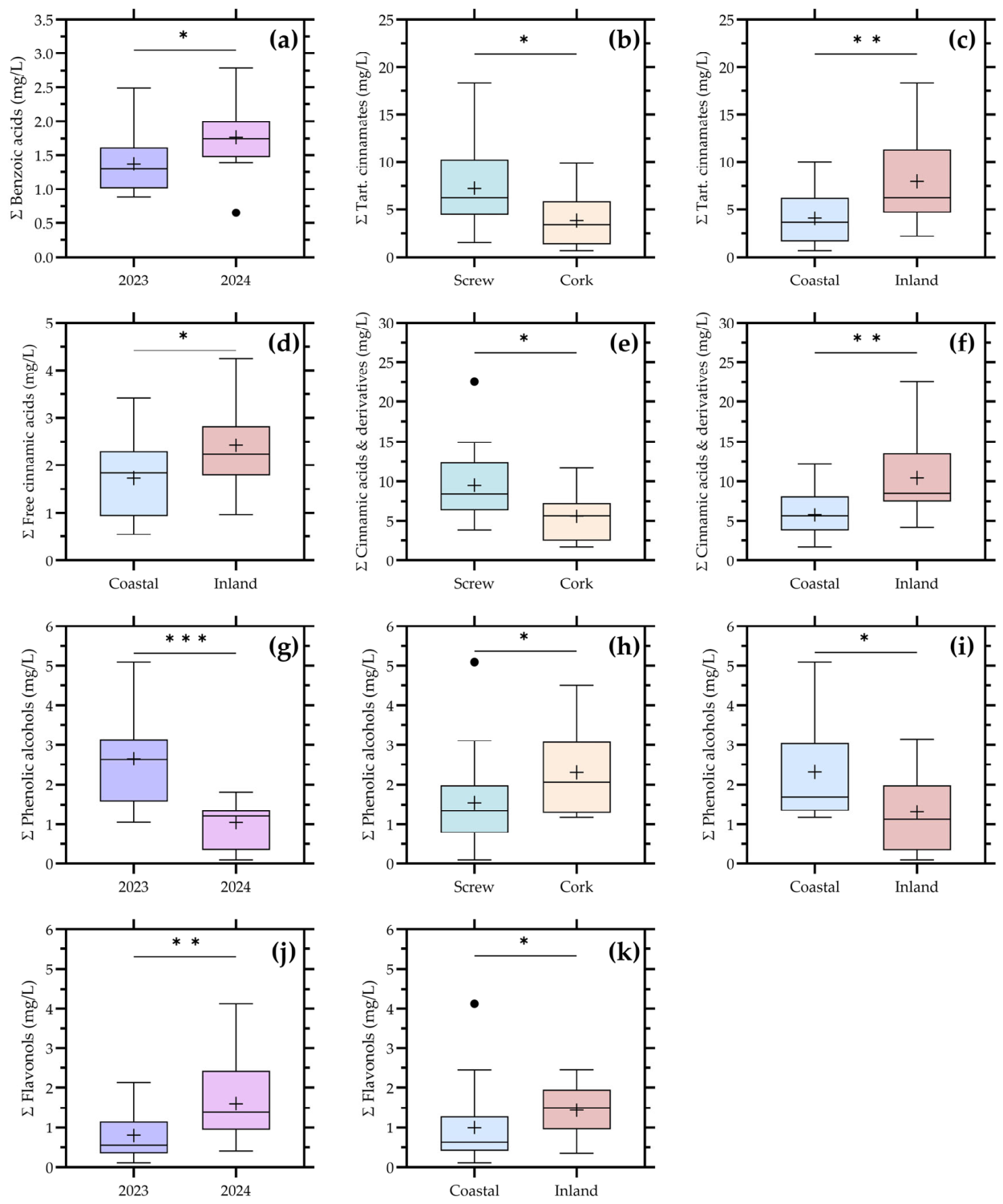
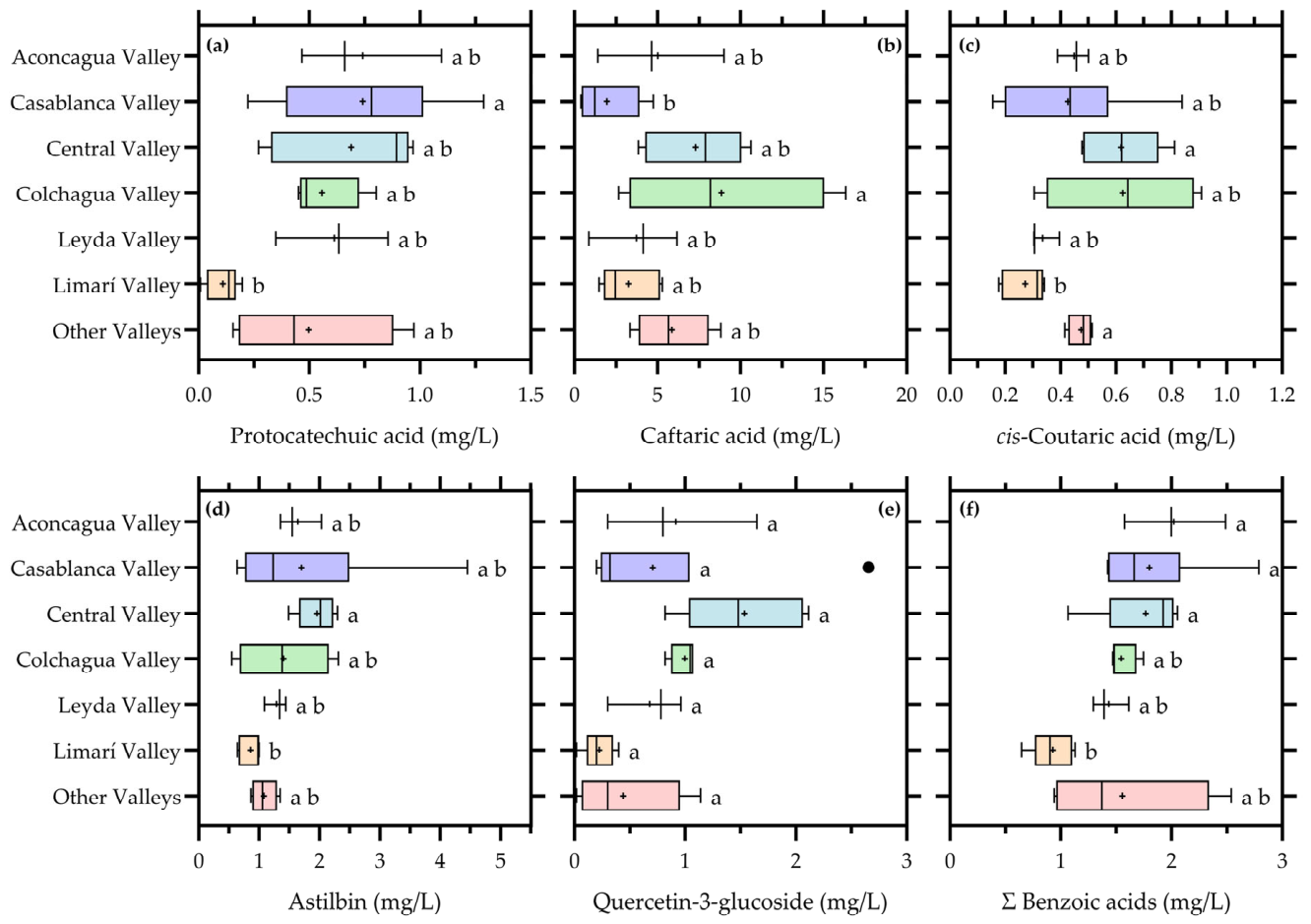
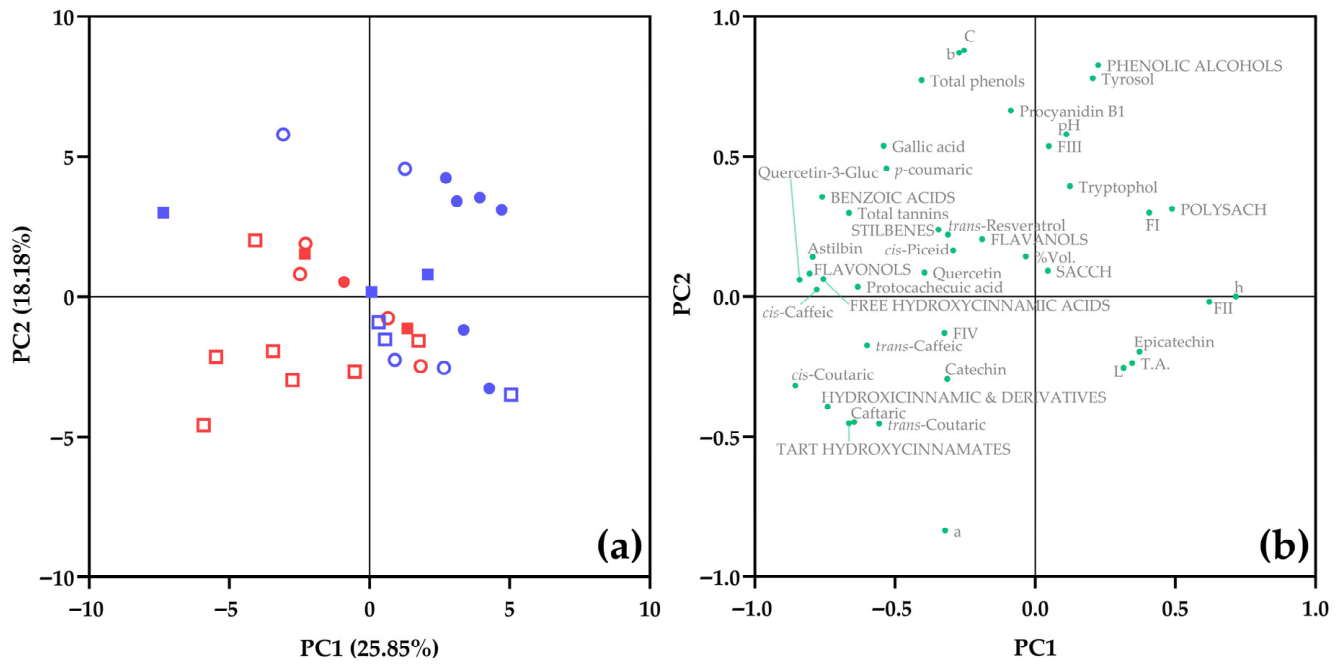
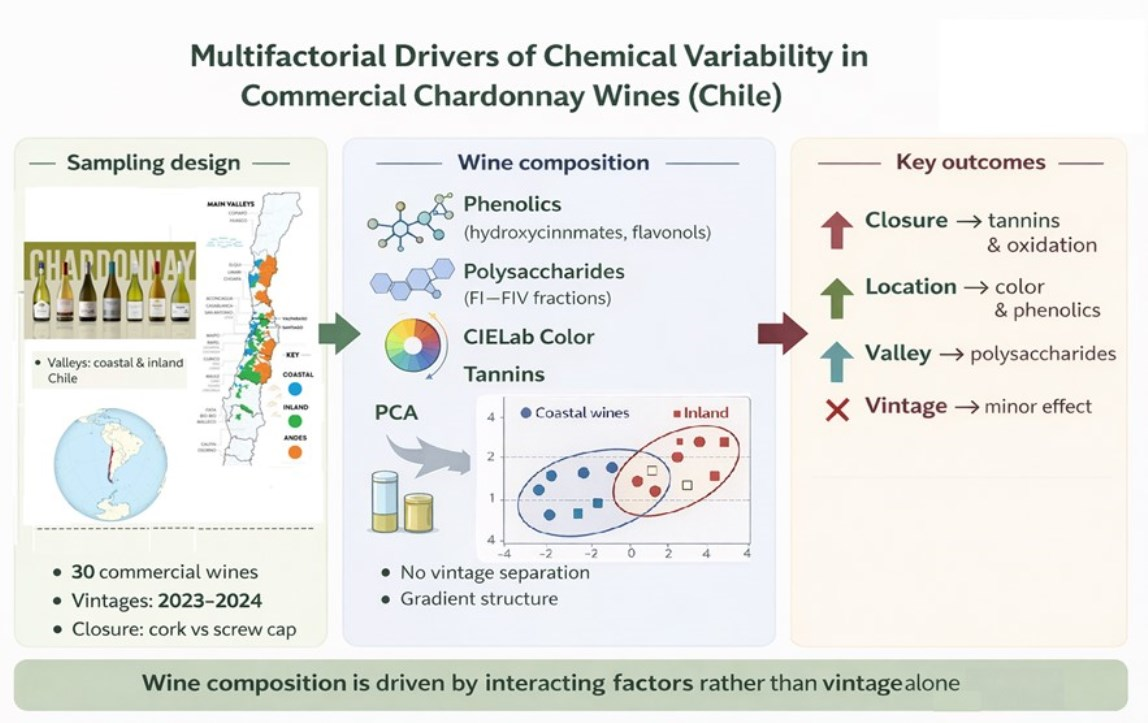
Chardonnay (Vitis vinifera L.) is one of the most widely cultivated white grape varieties in Chile, yet integrated studies addressing phenolic composition, polysaccharides, and color in commercial wines remain limited. This study characterized 30 commercial Chardonnay wines from major Chilean regions through a comprehensive analysis of phenolic composition, polysaccharide fractions, and CIELab color parameters, considering multiple sources of variability including vintage (2023–2024), closure type, geographic location, and valley of origin. Basic oenological parameters showed low variability, confirming their strong technological regulation in commercial wines. In contrast, total tannins, selected chromatic coordinates (particularly a* and hue angle), polysaccharide fractions, and several low-molecular-mass phenolics exhibited significant differences mainly associated with geographic origin and closure type. Among phenolic families, hydroxycinnamates, phenolic alcohols, and flavonols emerged as the most discriminant compositional domains. Multivariate analysis revealed that wine differentiation was structured by overlapping compositional gradients involving phenolic evolution, color expression, and polysaccharide composition rather than by vintage alone. Overall, the results highlight the multifactorial nature of Chardonnay wine composition and the combined contribution of grape origin, closure-associated bottle evolution, and winemaking factors. Nevertheless, because wines were commercially sourced and bottle age and storage conditions were not standardized, closure-associated differences should be interpreted cautiously as associations rather than causal effects.
Keywords: phenolic compounds; polysaccharides; CIELab color; hydroxycinnamates; flavonols; multivariate analysis; wine composition; wine matrix; geographic origin; winemaking practices phenolic compounds; polysaccharides; CIELab color; hydroxycinnamates; flavonols; multivariate analysis; wine composition; wine matrix; geographic origin; winemaking practices
Graphical Abstract