1. Introduction
Extrusion technology, an efficient and versatile food processing method, has become a central pillar of the modern food industry and is widely used in the production of breakfast cereals, snack foods, infant foods, nutritionally fortified products, and pet foods [
1,
2]. In recent years, growing consumer demands for healthier, more nutritious, safer, and better-tasting food, together with the “humanization” trend driving expansion in the premium pet food market, have presented new challenges and opportunities for conventional extrusion technology. As a result, research focus has shifted from pursuing production efficiency toward precise and intelligent control of product quality in expanded foods. Studies indicate that die structure and key processing parameters—such as material moisture content, temperature, and screw speed—play critical roles in determining the quality of extruded products [
3,
4,
5].
Current research on expanded foods predominantly focuses on the effects of extrusion processing parameters—such as temperature, pressure, and screw speed—on texture, mouthfeel, and nutritional quality, with the aim of optimizing these parameters to achieve desired product properties [
6,
7]. Liu et al. compared new and conventional processing methods for their effects on the physical properties of expanded foods [
8]. Ma et al. investigated the effects of wheat flour and cassava ratio and extrusion process parameters on the physical qualities of low-starch content expanded foods. Optimal processing parameters (32% moisture content, 247 rpm screw speed, and 135 °C die temperature) were achieved with experimental design of response surface methodology (RSM) [
9]. Gat et al. investigated the effects of pregelatinized rice flour and extrusion process parameters (including 16–19% feed moisture, 115–145 °C die temperature, and 150–250 rpm screw speed on the physicochemical properties of ready-to-eat expanded snacks using a co-rotating twin-screw extruder [
10]). However, these investigations have largely overlooked the influence of die structure on product quality, thus offering limited guidance for practical production scenarios that require frequent die changes.
The die is a critical component in twin-screw extruder design and plays a vital role in shaping the final product. The die determines the shape and dimensions of the extruded product [
11]. It provides the necessary restrictions and shaping channels through which the molten material passes to form the desired shape. The die greatly influences the quality and uniformity of the extruded product. It helps in controlling parameters such as temperature, pressure, and flow rate, ensuring consistent product properties throughout the extrusion process [
12]. A well-designed die can minimize defects like voids, warping, or inconsistent dimensions, resulting in high-quality, uniform products. The die also controls the flow distribution of the molten material [
13,
14]. It helps to distribute the material evenly across the die opening, avoiding variations in thickness or density. By carefully designing the die channels, engineers can optimize the flow pattern, enhancing the product’s structural integrity and surface finish [
15]. Expansion volume depends largely on die designincluding dimensions [
16], length-to-diameter ratio (L/D ratio), and nozzle numbers. The primary objective of a die design is to achieve the correct pressure drop and required product shape at the desired flow rate. Harper et al. emphasized that the construction and shape of the die play a significant role in achieving uniformity of velocity [
13], affecting the stability of the extrusion flow and product characteristics. Costantini et al. studied the effects of two different dies, circular and star-shaped (with cross-sections of 19.6 mm
2 and 35.9 mm
2, respectively), on the physico-chemical properties, anti-nutritional compounds, and sensory characteristics of extruded breakfast-expanded snacks [
16]. Results showed the possibility of improving the legume extrudate’s physico-chemical and sensory properties by selecting a proper die. In summary, optimizing die design can enhance material flow characteristics, expansion volume, and overall extrusion processing efficiency, ultimately influencing the quality of extruded expanded foods.
In recent years, advances in computational models and the reduction in computational costs have made computational fluid dynamics (CFD) an efficient and widely adopted method in the field of extrusion technology for investigating the mechanism by which die design influences expansion during extrusion [
17,
18,
19]. Mu et al. studied the effects of die geometric parameters on the velocity distribution uniformity using CFD simulation [
15]. Verma et al. developed a computational model for non-Newtonian isothermal flow in the screw channel and calculated extruder efficiency and viscous dissipation rate [
20]. Liang et al. simulated a 3D co-extrusion mold process for an extruded sample using the polyflow 15.0 (Fluent Inc., Lebanon, NH, USA). The outlet velocity, extrusion pressure, and the flow process are analyzed to achieve uniform velocity distribution and dimensional uniformity in the appearance of extruded products [
21]. Högg, E et al. systematically investigated three different die geometries through a combined simulation-experimental approach [
22]. The study revealed that such focused exploration of die design contributes to bridging the gap between CFD predictions and experimental measurements, as evidenced by the close agreement in pressure (deviation within 1.3–4.6%) and temperature profiles along the cooling die. These findings demonstrate that CFD enables the investigation of the mechanism through which die design influences extruded expanded products, thereby allowing for precise regulation of their quality.
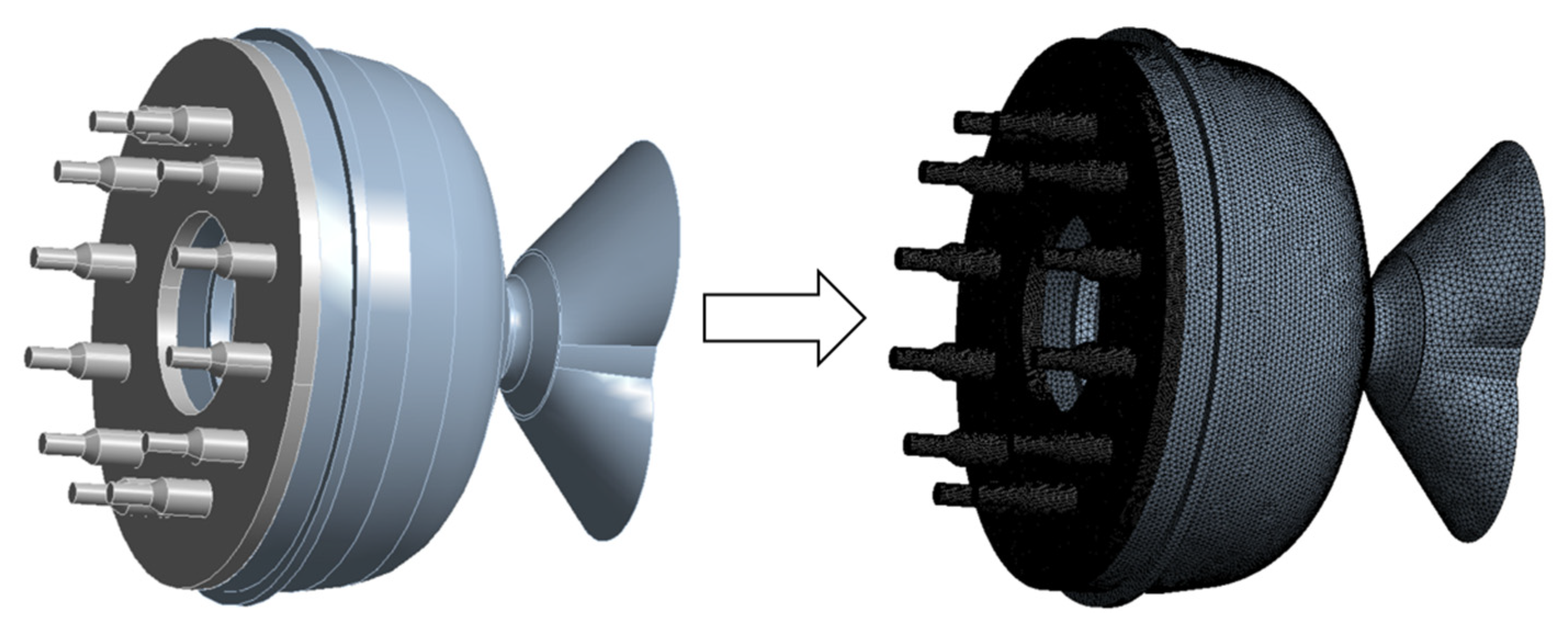
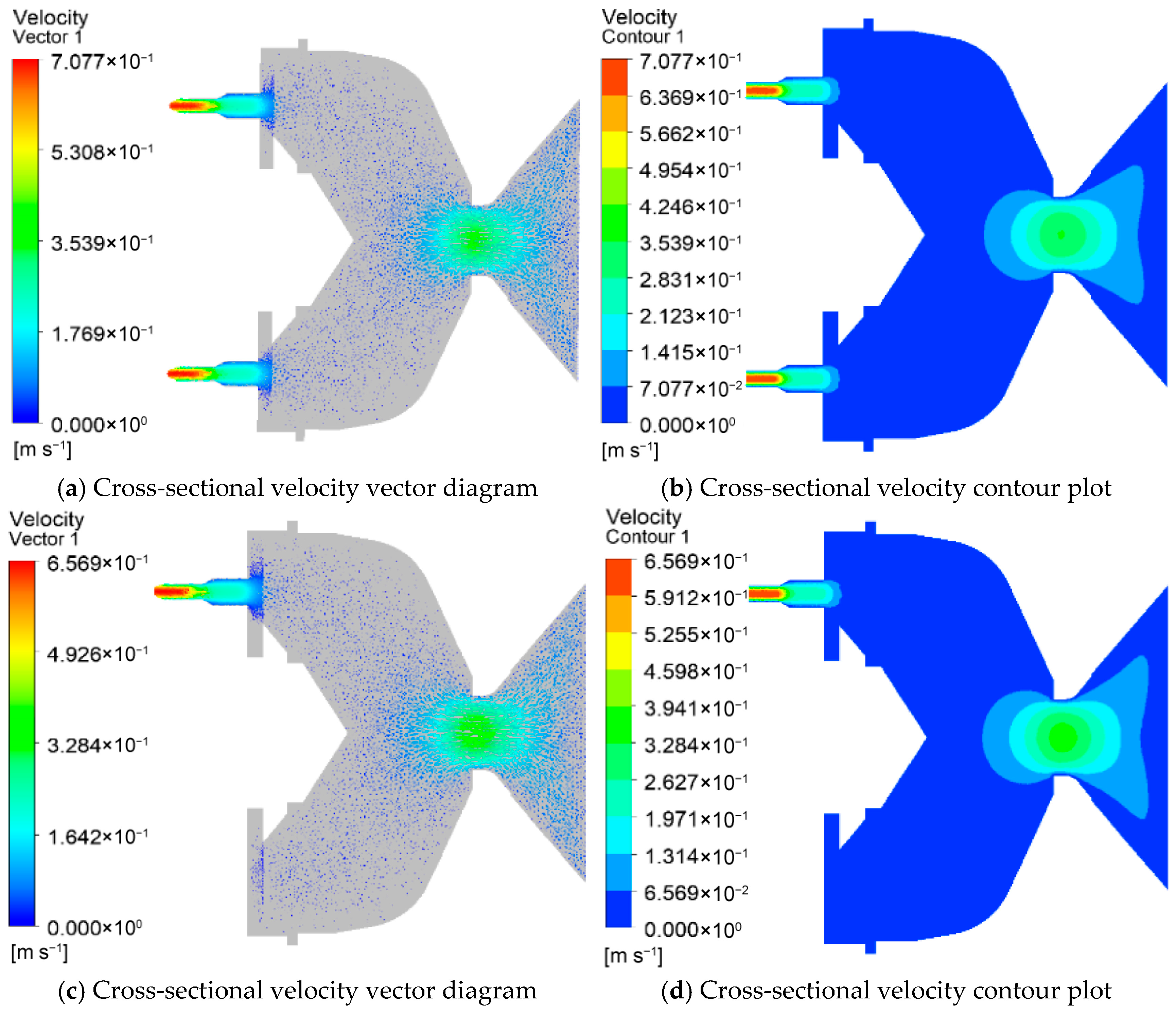
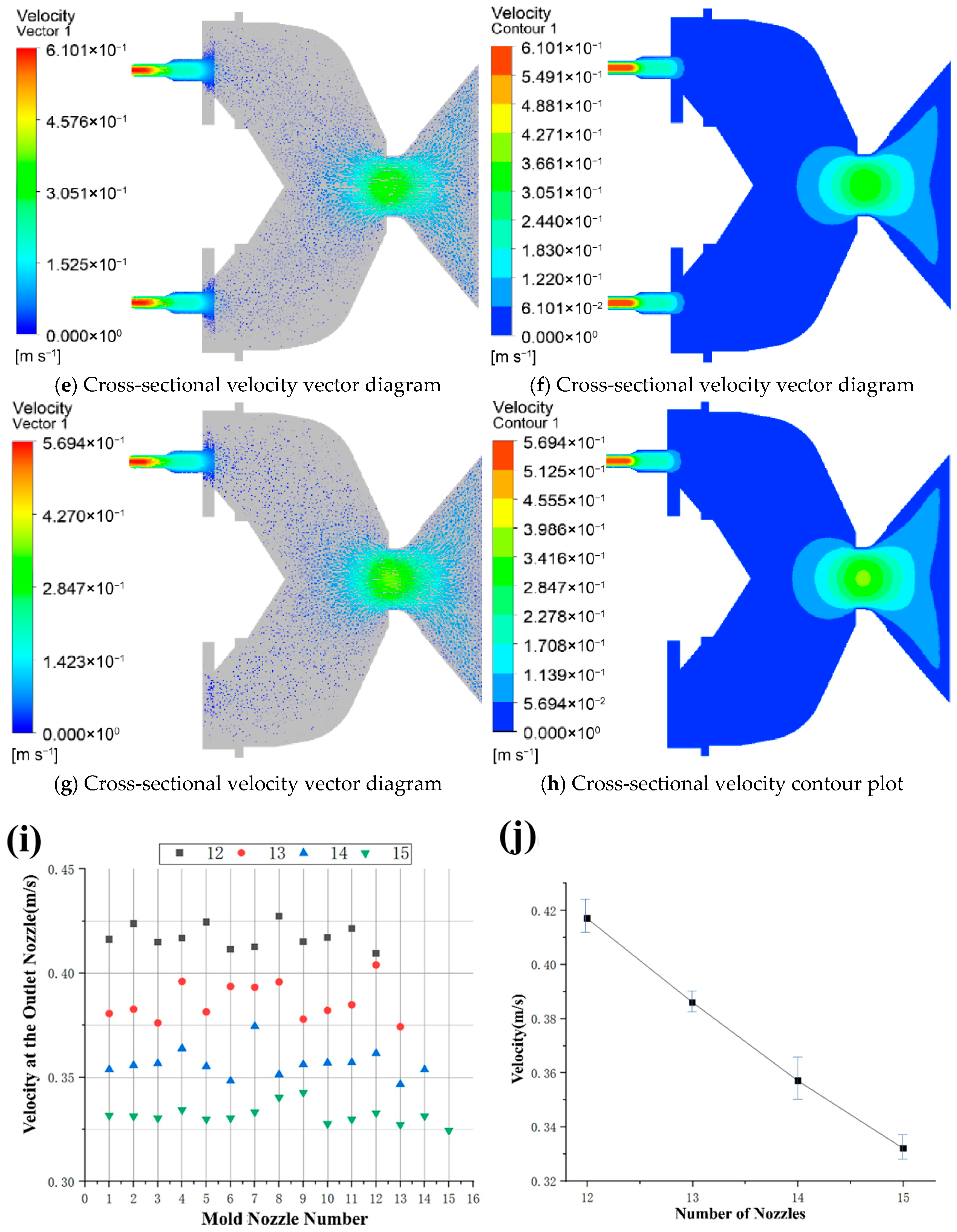
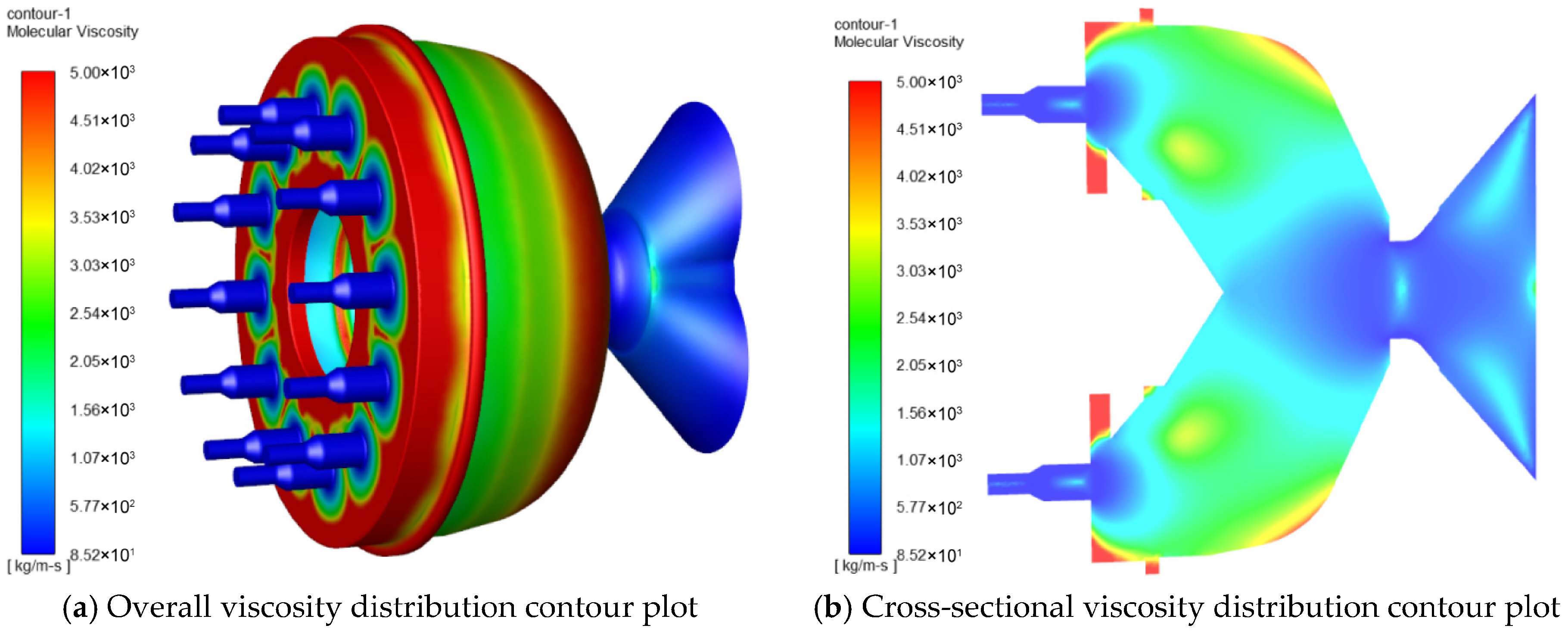
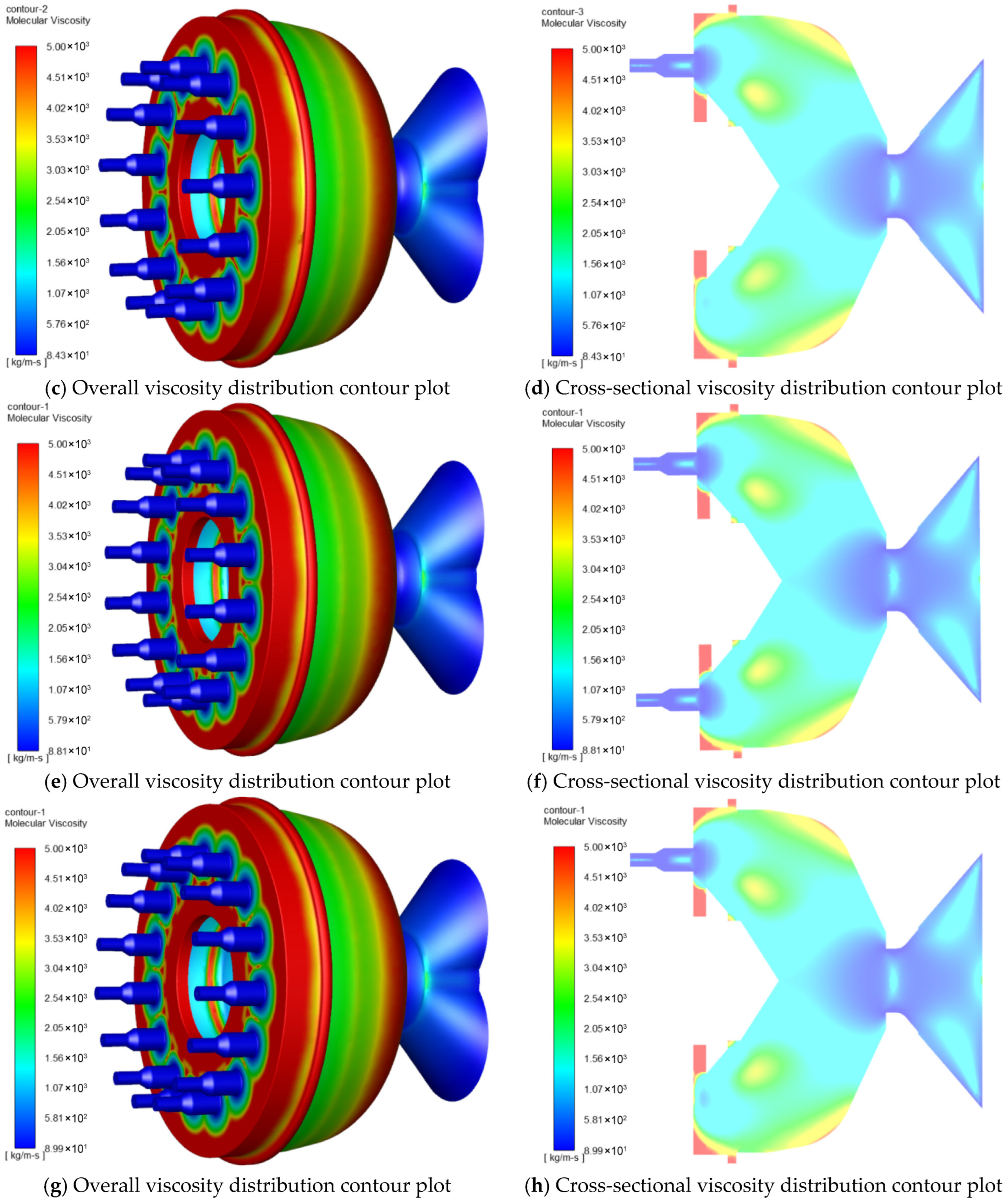
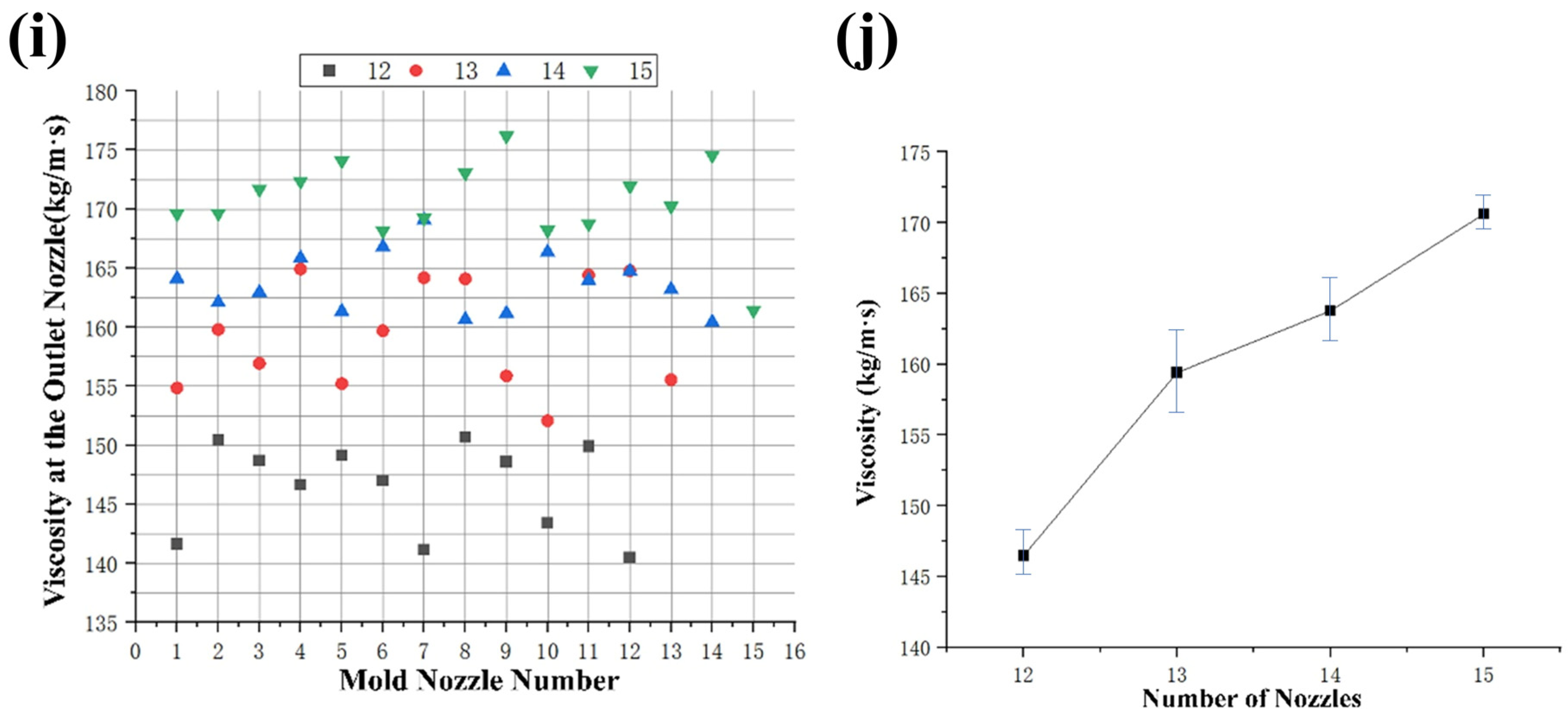
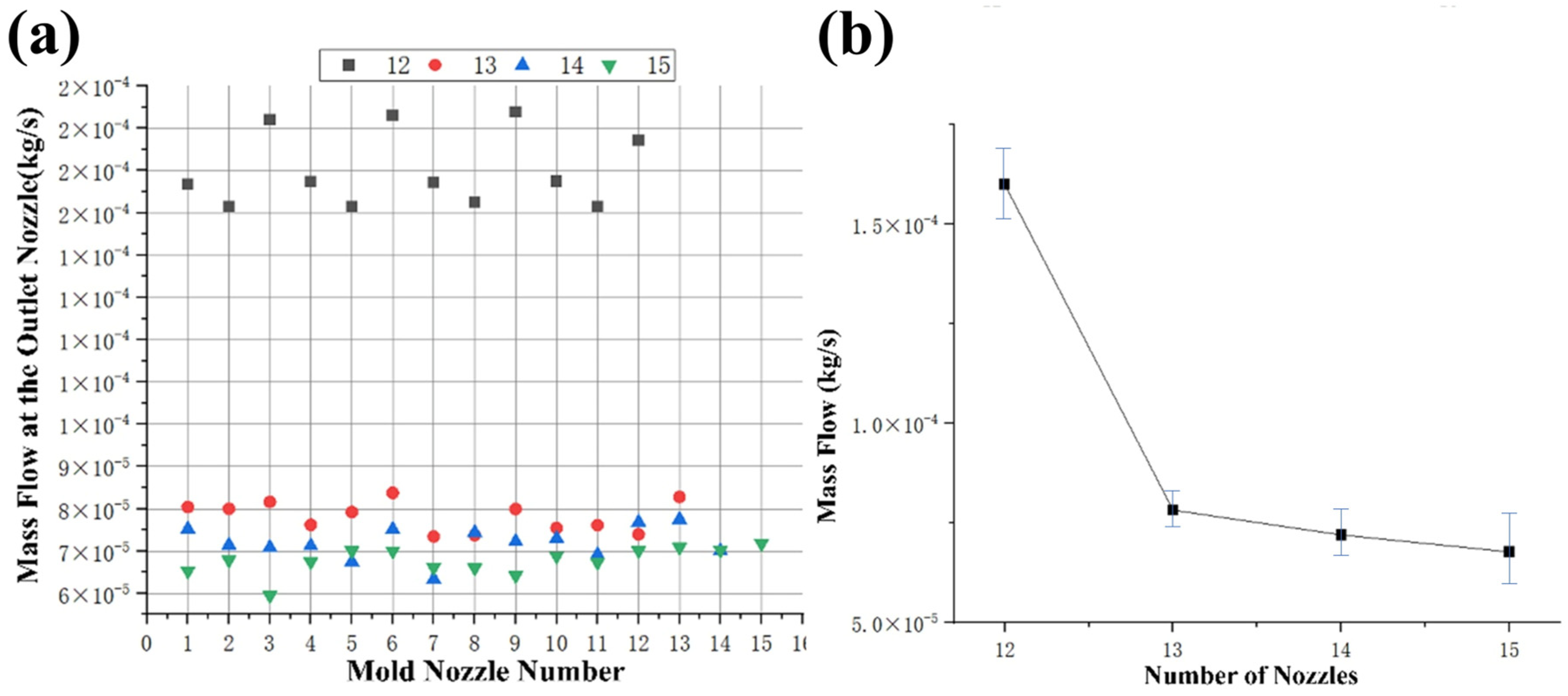
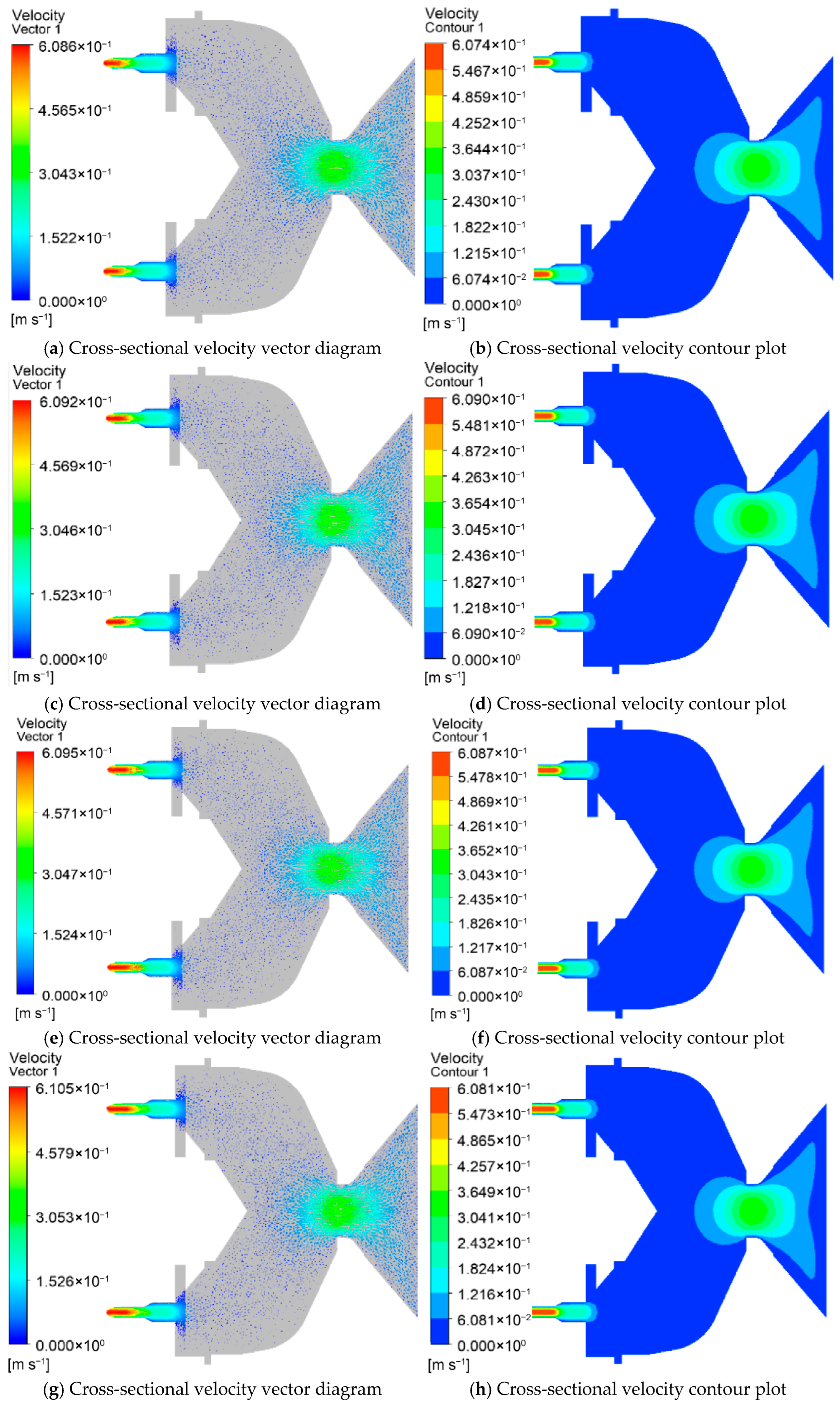
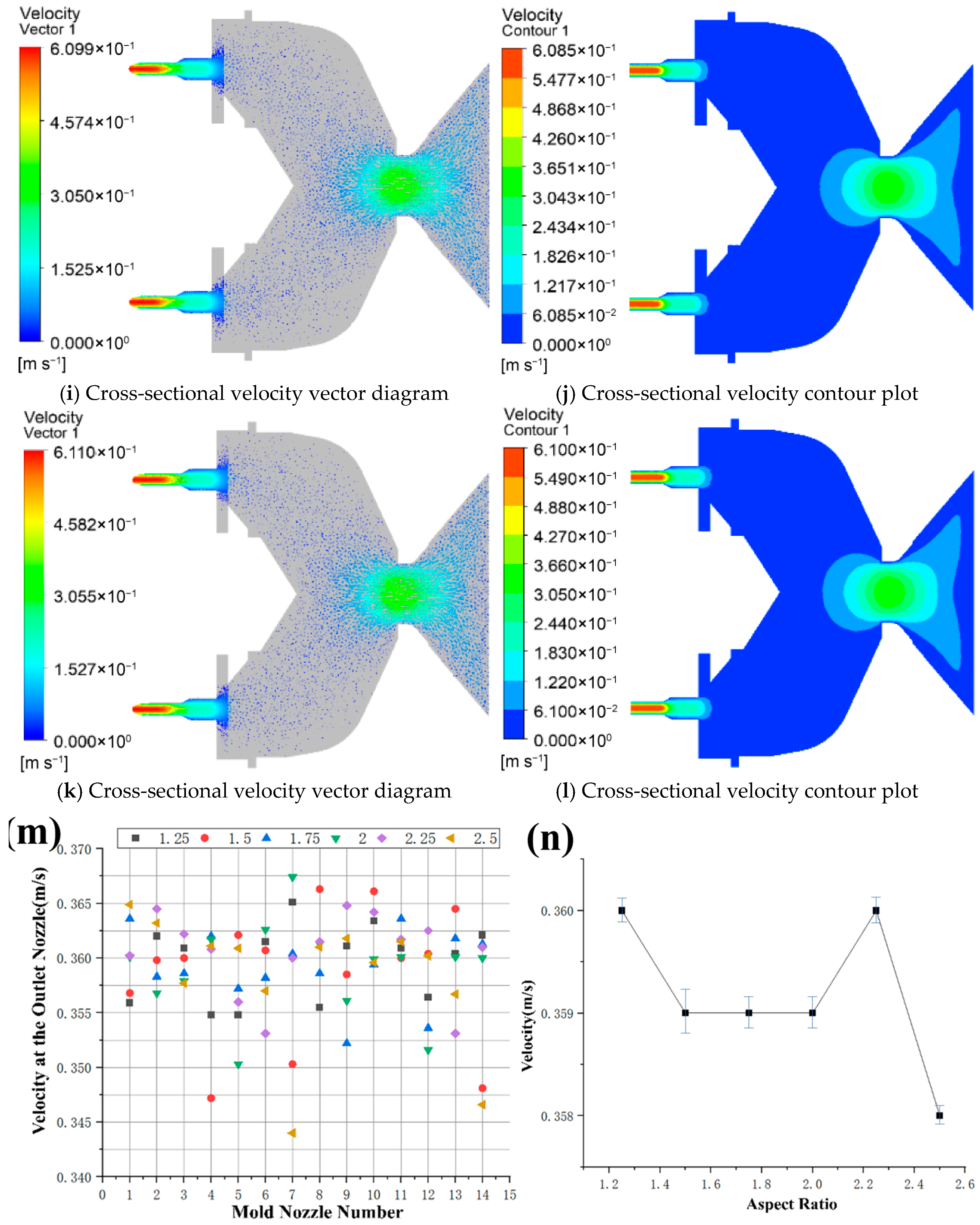
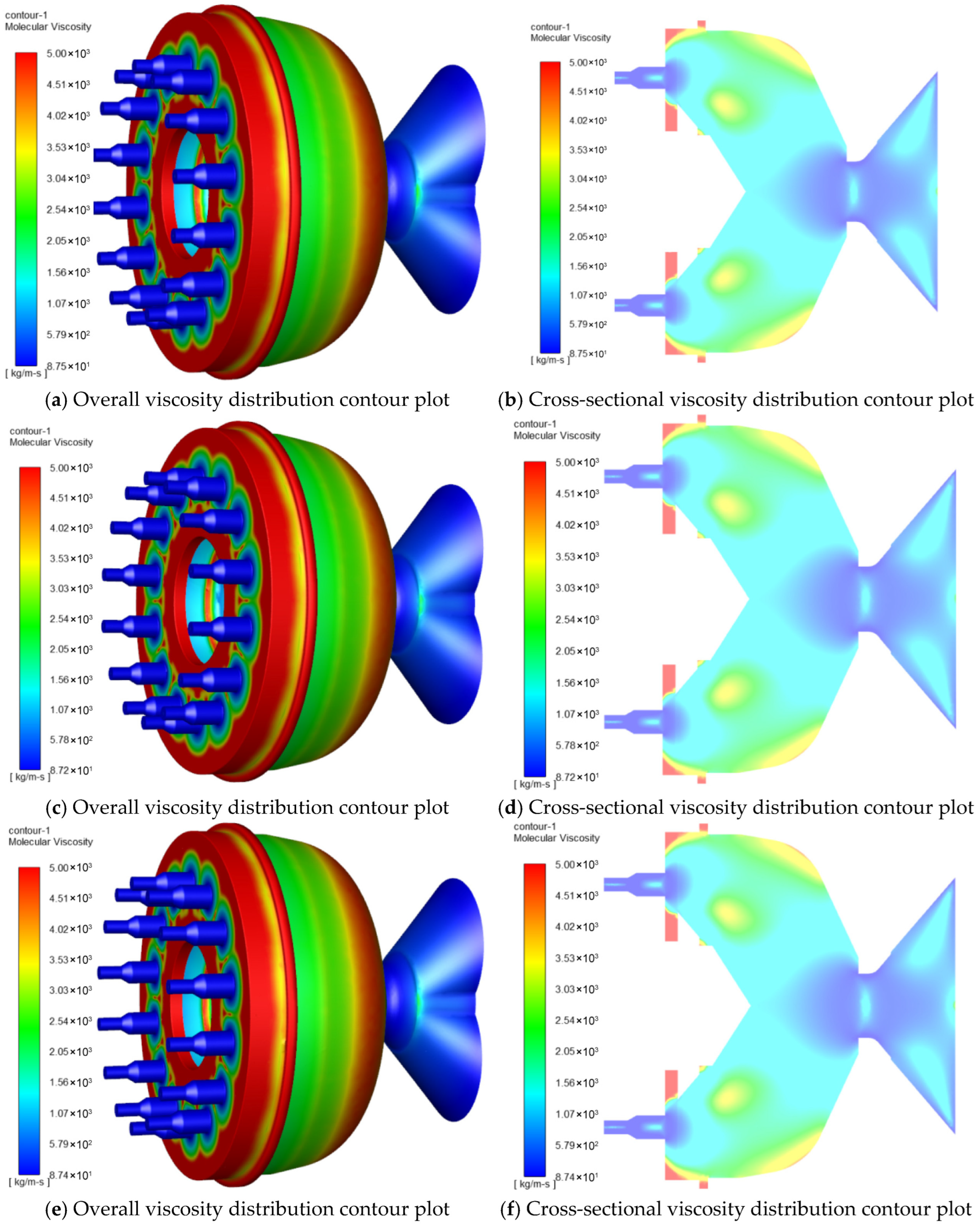
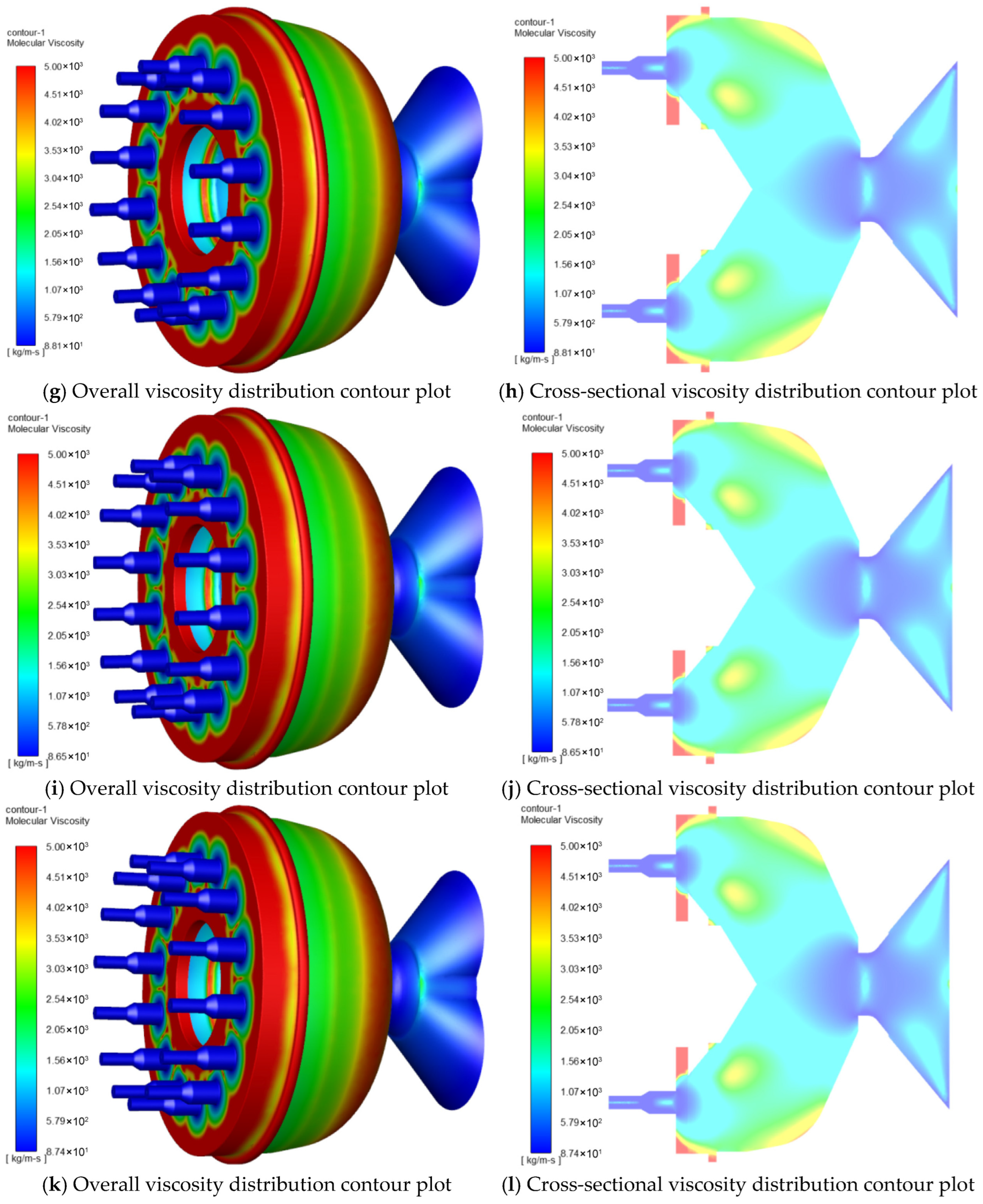
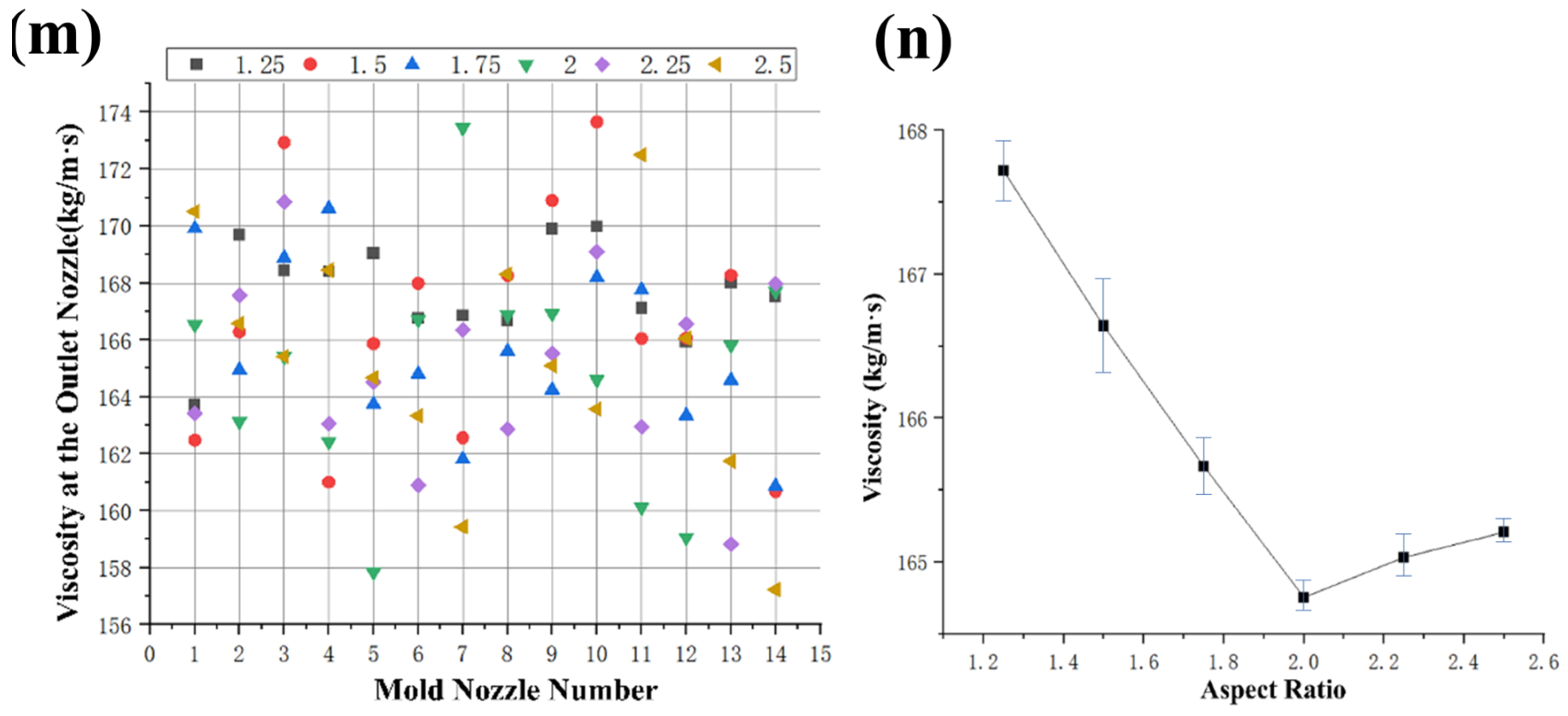
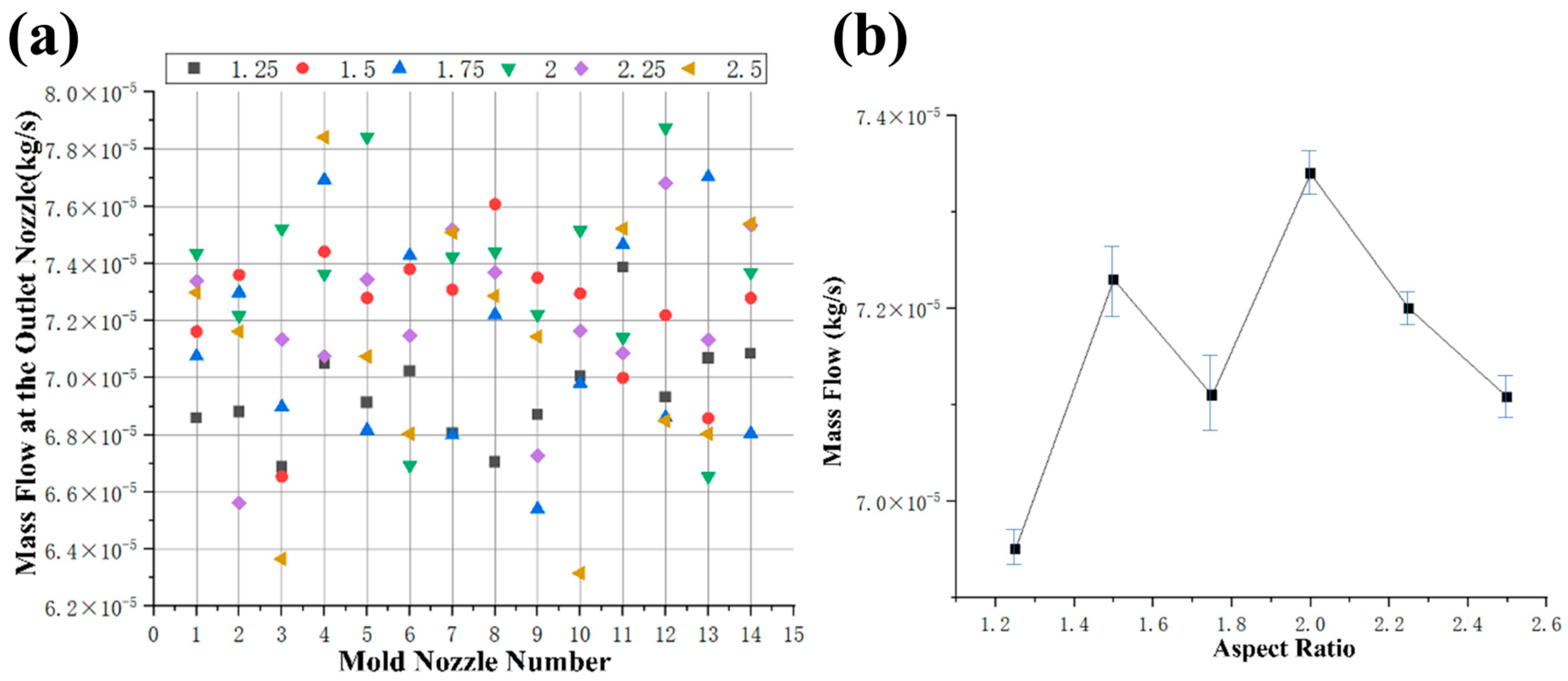
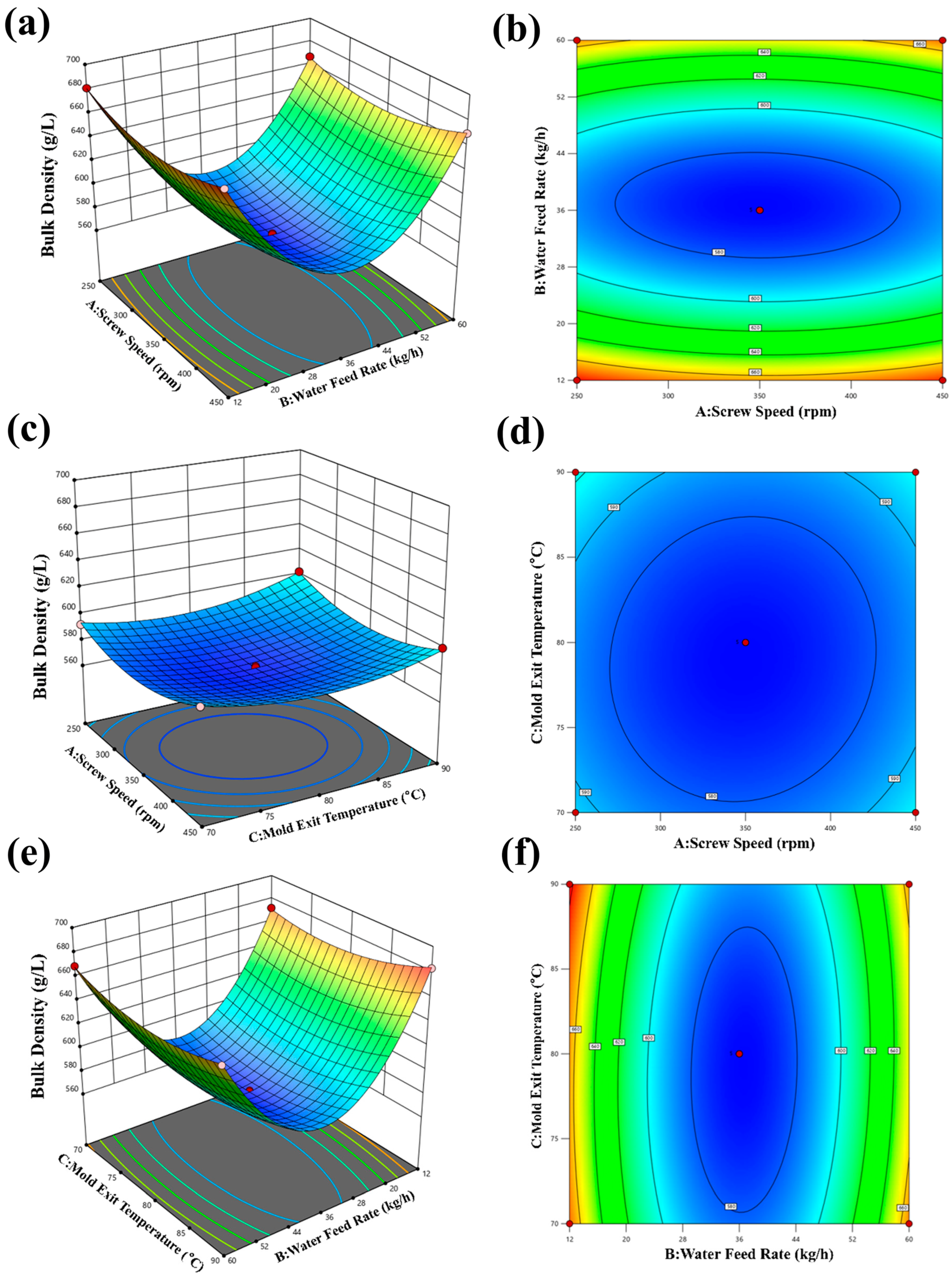
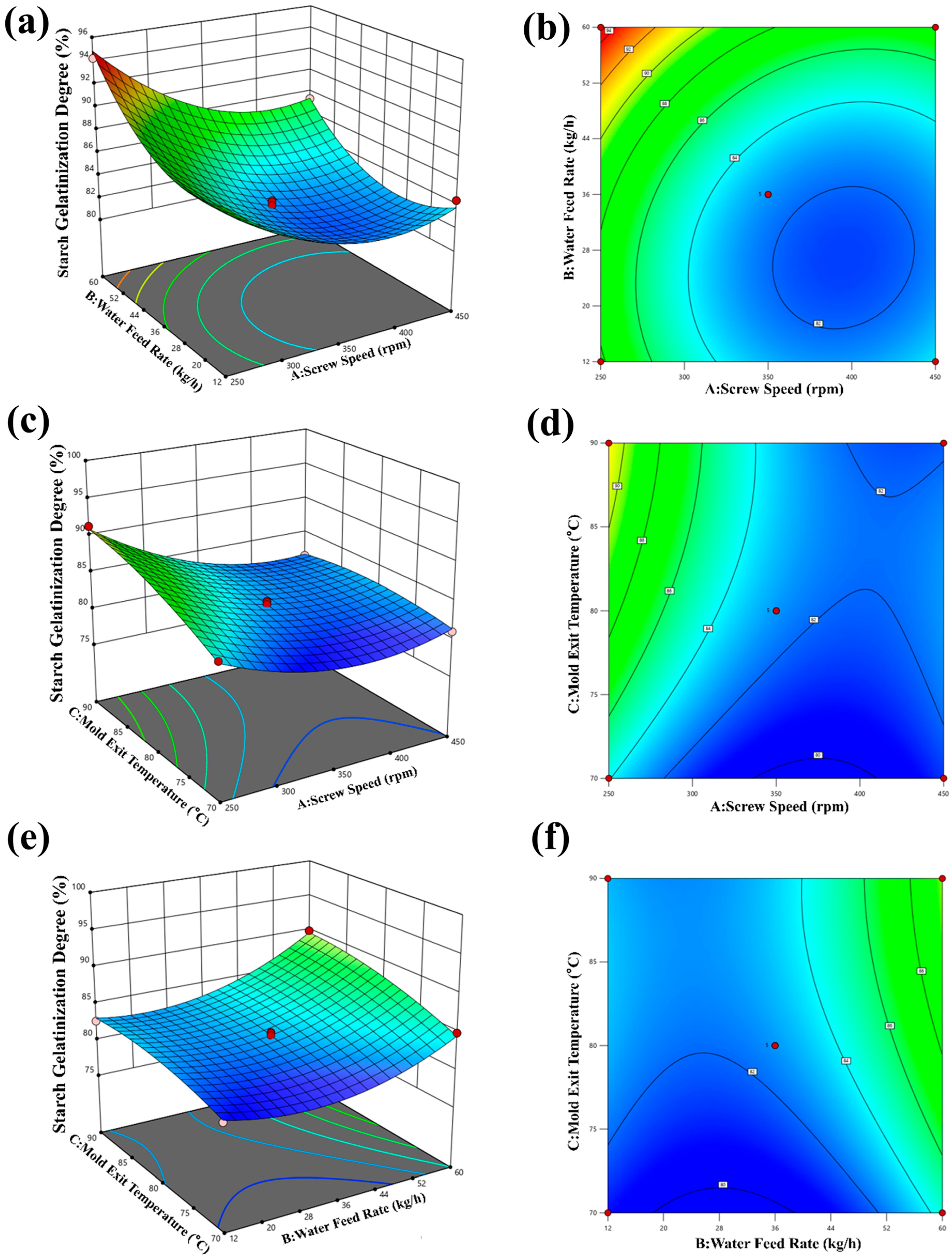
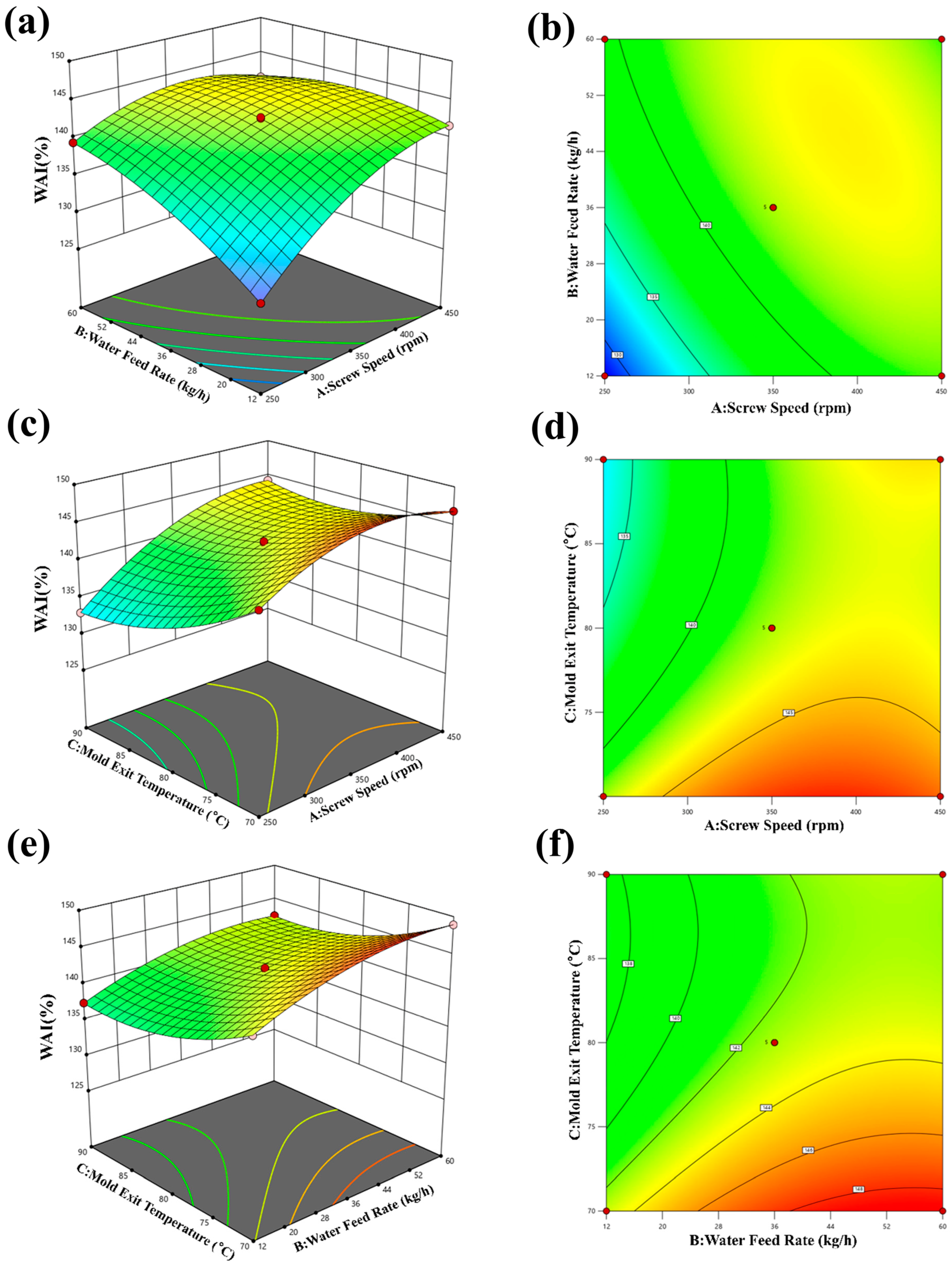
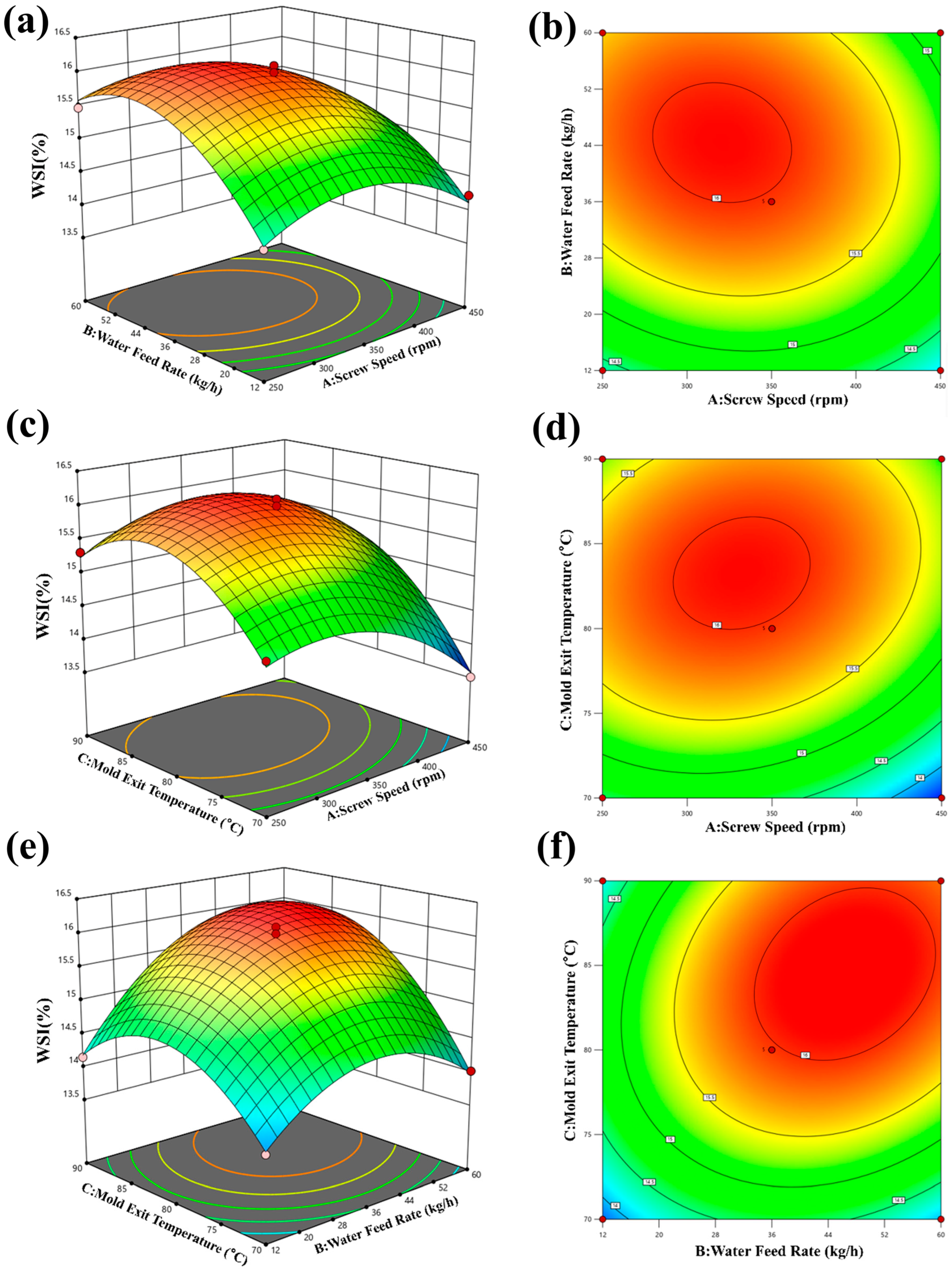
While existing research on expanded foods has primarily focused on the influence of extrusion processing parameters on product quality, the regulatory role of die structure has often been overlooked. To address this gap, this study proposes an integrated “CFD+ Extrusion Process” approach to investigate the effects of both die design and process parameters on the quality of expanded products, aiming to achieve precise control over product quality. The study begins with CFD simulations to analyze the effects of the number of nozzle holes (12, 13, 14, and 15) and the nozzle diameter-to-length ratio (1.25, 1.5, 1.75, 2, 2.25, and 2.5) on flow uniformity. Following the selection of an optimal die design based on simulation results, physical dies are manufactured. A Design of Experiments (DOE) approach is then employed to examine the impact of extrusion parameters—including screw speed, moisture content, and die temperature—on product qualities such as bulk density, protein solubility, Water Absorption Index (WAI), and Water Solubility Index (WSI). This work aims to bridge a knowledge gap in extrusion theory and modeling, while systematically elucidating the effects of die geometry and processing conditions on product quality. The findings are expected to provide a theoretical foundation for the precise and intelligent regulation of expanded food production.



 ,
,