
Review

Exploring Bioactive Compounds from Fruit and Vegetable By-Products with Potential for Food and Nutraceutical Applications

by
Filomena Carvalho
1,
Radhia Aitfella Lahlou
1 and
Luís R. Silva
1,2,3,*
1
Sport Physical Activity and Health Research e Innovation Center (SPRINT), Polytechnic of Guarda, 6300-559 Guarda, Portugal
2
RISE-Health, Faculty of Health Sciences, University of Beira Interior, 6201-506 Covilhã, Portugal
3
Chemical Engineering and Renewable Resources for Sustainability (CERES), Department of Chemical Engineering, University of Coimbra, 3030-790 Coimbra, Portugal
*
Author to whom correspondence should be addressed.
Foods 2025, 14(22), 3884; https://doi.org/10.3390/foods14223884
Submission received: 13 October 2025 / Revised: 11 November 2025 / Accepted: 12 November 2025 / Published: 13 November 2025
(This article belongs to the Section Food Nutrition)

Abstract

The increasing production of fruit and vegetable by-products from the food processing industry presents both environmental challenges and opportunities for valorisation as sources of bioactive compounds. These by-products, including peels, seeds, pomace, and leaves, are rich in polyphenols, carotenoids, dietary fibres, glucosinolates, phytosterols, and essential oils, which exhibit antioxidant, anti-inflammatory, antimicrobial, and prebiotic activities. Recent advances in green extraction technologies, including ultrasound-, microwave-, supercritical fluid-, and cold plasma-assisted extraction, allow for an efficient and sustainable recovery of these compounds, while preserving their bioactivity. Incorporation of by-product-derived extracts into functional foods and nutraceuticals offers health-promoting benefits and supports circular bioeconomy strategies. However, challenges remain in standardisation, safety assessment, and regulatory approval, among others. This review summarises current progress and outlines future directions for the sustainable utilisation of fruit and vegetable by-products in health-oriented applications.

1. Introduction

Over the past decade, the food processing industry has grown significantly, establishing itself as one of the fastest-growing sectors globally [1]. However, food waste is a major global challenge that results from food processing. Approximately one-third of all food produced, around 1.6 billion tons, is lost or wasted, resulting in approximately 3.3 billion tons of CO2 emissions, according to estimates by Baysal and Ülkü [2] and FAO [3]. Fruit and vegetable processing, especially in the juice industry, generates substantial amounts of waste, like leaves, peels, seeds, excess pulp, damaged or rejected fruits, and stones. While often discarded, these by-products are rich in valuable bioactive compounds [4]. Edible plants are rich in a diverse selection of naturally occurring compounds, with over 5000 identified so far, including groups such as alkaloids, carotenoids, polyphenols, and sulfur- and nitrogen-based substances. These bioactive compounds play a significant role in health, and research consistently links diets rich in them to a lower chance of developing chronic illnesses such as heart disease, various types of cancer, type 2 diabetes, Alzheimer’s, joint degeneration, and even vision problems like macular degeneration [5,6,7].
Despite their proven health benefits, these valuable compounds are often lost when fruit and vegetable by-products are discarded. Recognizing the potential of these residues, researchers and industry stakeholders have increasingly focused on strategies to recover and utilize these bioactive compounds [8,9,10]. To utilize this potential, the integration of advanced green technologies into sustainable waste valorisation processes is essential [11]. Eco-friendly extraction methods, such as ultrasound-assisted extraction (UAE), microwave-assisted extraction (MAE), and supercritical fluid extraction (SFE), are emerging as sustainable alternatives to traditional techniques. These innovative approaches are designed to reduce environmental impact while still efficiently extracting valuable compounds [12]. For example, UAE utilises ultrasonic waves to enhance the release of valuable compounds into the extraction solvent, requiring low energy input, short processing times, and low temperatures, thereby reducing environmental impact and making it a greener choice compared to conventional methods [13].
The health-promoting effects of these extracted compounds make them attractive for use in functional foods and dietary supplements. Simultaneously, consumers’ awareness of the link between diet and health has caused a global shift toward functional food consumption [14]. For example, bitter orange or lemon peels have been used to fortify kefir, resulting in an increased antioxidant activity of the product [15]. Grape pomace has been incorporated into various functional foods, including baked goods, dairy products, smoothies, and snack bars, to enhance their nutritional value and provide health benefits [16]. Tomato skin and seeds can be used to improve the nutritional value and provide natural antioxidants in meat products [17].
Therefore, the valorisation of fruit and vegetable by-products through advanced extraction technologies not only contributes to waste reduction and environmental sustainability but also supports the development of innovative functional foods. This approach aligns with the principles of a circular bioeconomy and meets the growing demand from consumers for natural, health-promoting ingredients [18].
Unlike recent reviews that focus either on the chemical composition of by-products or on specific extraction methods, this review integrates both compound diversity and technological perspectives, comparing how different green extraction approaches influence the recovery of bioactive compounds and highlighting their practical translation into food and nutraceutical products. Accordingly, it provides a comprehensive overview of recent advances in the extraction, characterization, and application of bioactive compounds from fruit and vegetable by-products. Regarding the literature search, research was conducted between January 2020 and September 2025, using the Web of Science and PubMed databases, with the keywords “fruit by-products”, “vegetable by-products”, “dietary supplements”, and “bioactive compounds” combined. Studies focused on non-plant materials, or classified as conferences, abstracts, or non-peer-reviewed papers, were excluded. Review papers were also not considered, being consulted only to provide context, rather than as primary data sources.

2. Bioactive Compounds in Fruit and Vegetable By-Products

Fruit and vegetable by-products, including peels, seeds, pomace, stems, and leaves, are increasingly recognized as concentrated sources of bioactive compounds. These secondary metabolites, produced by plants for defence and adaptation, reveal a wide range of biological activities beneficial to human health, such as antioxidant, anti-inflammatory, antimicrobial, and anticancer effects [10,19]. Recent research has confirmed the richness of these by-products in polyphenols, carotenoids, dietary fibres, phytosterols, glucosinolates, and essential oils. Table 1 shows some examples.
The most studied group of these compounds is polyphenols. These are naturally occurring organic compounds found predominantly in plant-based foods, characterized by the presence of multiple phenol units and classified into several categories, including flavonoids, phenolic acids, tannins, and stilbenes [20,21,22]. Pomegranate peel, an abundant by-product of juice production, contains exceptionally high levels of punicalagins, an ellagitannin, with the highest yield obtained by Li et al. using ultrasonic-assisted ethanol extraction, being 505.89 mg/g dry weight [23]. Ellagic acid and gallic acid are also commonly found in this by-product, at concentrations of 50.32 to 134.36 µg/mL and 80.6 to 170.24 µg/mL, respectively [23,24]. Apple pomace contains chlorogenic acid, caffeic acid, syringin, procyanidin B2, cinnamic acid, phlorizin, hyperin and quercetin, with the main compound being procyanidin B2, at a maximum of 92.62 mg per 1 kg of dry industrial apple pomace [25].
Several fruit and vegetable by-products are rich in carotenoids, a group of tetraterpenoid compounds present in plants, algae, fungi, and some bacteria, which are responsible for the yellow, orange, and red colours in many fruits, vegetables, and flowers, and play vital roles in various biological processes [26,27,28,29]. Pumpkin peel flour contains significant amounts of carotenoids, ranging from 216.9 to 306.8 µg/g, depending on particle size and extraction methods [30]. The most important carotenoids identified in pumpkins include β-carotene, α-carotene, lutein, and zeaxanthin, with β-carotene being the predominant one [31]. Papaya pulp and peel are also rich in carotenoids, with lycopene being the most present one. Ultrasound-assisted extraction with soybean oil achieved the highest carotenoid content of up to 58.7 µg carotenoids/g oil from papaya pulp [32].
Dietary fibre is another major component of many fruit and vegetable by-products, classified into soluble (pectin, for example) and insoluble fibres (cellulose, hemicellulose, lignin) [33]. Soluble fibres aid in lowering the blood cholesterol and glucose absorption, while insoluble fibres help in intestinal regulation [34]. Banana peels contain a significant amount of total dietary fibre. A study reported that banana peel flour from the Indonesian Kepok variety contains 47.08 g/100 g of total dietary fibre [35]. Orange waste, primarily orange peel waste derived from the juice extraction process, is a significant source of dietary fibre. Flours derived from orange juice by-products contain between 42.44% and 62.74% total dietary fibre, with soluble and insoluble fibres varying from 5.04 to 19.95 and 23.96 to 57.70%, respectively [36]. Another study found that powdered orange residues have up to 64% total dietary fibre [37].
The lipid fraction of some by-products is also of interest, particularly for its phytosterol content, which includes plant-derived sterols that can lower cholesterol levels [38,39]. Studies have shown that oils extracted from orange seeds contain substantial amounts of phytosterols (1304.2 mg/kg) along with other bioactive compounds, such as carotenoids and tocopherols [40]. Tomato seed oil is also rich in phytosterols, including sitosterol, cycloartanol, and stigmasterol, with the supercritical CO2 extraction method yielding the highest phytosterol content [41].
Cruciferous vegetable by-products are particularly valuable for their glucosinolate content, a sulfur-containing secondary plant metabolite known for its anticancer and cardiovascular activities [42]. Industrial broccoli by-products are rich in glucosinolates, with glucoraphanin being the primary type, accounting for 32–64% of the total glucosinolates, depending on the cultivar [43]. Cauliflower by-products, including leaves and stalks, also contain glucosinolates, which are variable depending on the part of the plant [44].
Lastly, essential oils, complex mixtures of volatile compounds, primarily terpenes (mono-, sesqui, and diterpenes) and phenylpropanoids, are highly valued for their aromatic and therapeutic properties [45,46,47]. D-limonene, α-pinene and linalool and common essential oil components found in fruit and vegetables by-products [48,49,50]. Citrus fruits’ by-products, particularly their peels, are a rich source of essential oils. For example, the peel of Citrus grandis Osbeck cv. Mato Peiyu contains essential oils with a content ranging from 0.76% to 1.34%, primarily composed of monoterpenes like limonene and β-myrcene [51]. Similarly, grapefruit peel essential oil is rich in monoterpene hydrocarbons, with limonene being the major component [52].
Collectively, these studies highlight the notable diversity and concentration of bioactive compounds in fruit and vegetable by-products. The valorisation of these materials not only addresses environmental concerns associated with food waste but also provides a sustainable source of health-promoting ingredients for the food and nutraceutical industries.
The concentration and composition of bioactive compounds in by-products are influenced by several factors, including plant variety, maturity stage, agricultural practices, and processing conditions [53]. Similarly, drying and storage conditions can affect the stability and bioavailability of sensitive compounds [54]. This variability underscores the importance of standardized extraction, characterization, and quality control methods for by-product-derived ingredients.
Table 1. Examples of compounds present in by-products and its sources.
Class of
Compounds
Source ExamplesRepresentative CompoundsConcentrationsRef.
PolyphenolsPomegranate peelPunicalagins, ellagic acid, gallic acid50.2–134.36 µg/mL[24]
Apple pomaceProcyanidins B2, quercetin, hyperin1.50–92.62 mg/kg DW[25]
CarotenoidsPumpkin peeln.s.216.9–306.8 µg/g[30]
Papaya pulp/peelβ-Carotene, lycopene, lutein39.3–58.7 µg/g soybean oil[32]
Dietary fibreBanana peeln.s.61.8–470.8 mg/g[35]
Orange peel residuesSoluble fiber5.04–19.95%[36]
Insoluble fiber23.96–57.70%
PhytosterolsOrange seed oiln.s.1.304 mg/g[40]
Tomato seed oilSitosterol, cycloartenol, stigmasterol1.13–4.00 mg/g[41]
GlucosinolatesBroccoli industrial by-productsGlucoiberin, glucoerucin, glucoraphanin68–23,226 g/kg DW[43]
Cauliflower industrial by-productsGlucoiberin, glucobrassicin, sinigrin, glucoraphaninn.s.[44]
Essential oilsCitrus and grapefruit peelMonoterpenes, sesquiterpenes1.72–96.96%[51]
n.s. not specified.

3. Extraction Technologies for Bioactive Compounds

Recovering high-value phytochemicals from fruit and vegetables requires selecting an efficient extraction method. Key parameters, such as the choice of solvent, temperature, and time, affect every extraction approach. Phenolic compounds are soluble in water due to their weak acidity and the presence of hydroxyl groups, which can form hydrogen bonds with water molecules [55]. Since they are polar protic solvents, ethanol and methanol also show high solubility for phenolic compounds [56,57]. Phenolics generally remain stable up to 100 °C. Significant degradation occurs at temperatures above 125 °C, particularly for compounds such as epicatechin, resveratrol, and myricetin, which are influenced by the chemical structure of these compounds [58]. Traditionally, solvent-based methods, such as maceration or Soxhlet extraction, have been used [59]. In Soxhlet extraction, dried plant material is repeatedly washed with a solvent in a Soxhlet apparatus. This exhaustive approach ensures complete extraction but typically uses large amounts of solvent and high temperatures, which may degrade some compounds [59,60,61]. Maceration is a cost-effective and straightforward method in which plant material is soaked in a solvent, such as ethanol or methanol, for an extended period. It is performed at room temperature, which makes it suitable for heat-sensitive compounds; however, it is time-consuming and also requires large quantities of solvent [59,60]. These conventional methods can degrade heat-sensitive bioactives. In phenolic extraction, Soxhlet and maceration extractions resulted in yields of only 9.68% and 8.12%, respectively, in Annona muricata seeds, which is significantly lower than the yields obtained with novel methods used in the same study [62].
Novel or “green” extraction techniques have been developed to reduce processing, energy use and lower solvent usage, consistent with sustainable development strategies [63]. These methods include MAE, UAE, supercritical fluid extraction, pressurised liquid extraction, and cold plasma-assisted extraction, among others [63]. The main mechanism behind UAE is acoustic cavitation. It involves the creation, expansion, and implosion of microscopic bubbles within the extraction medium. When these bubbles implode, they produce intense localized heat, strong shear forces, and micro-jets of liquid, which work together to break down cell walls and significantly improve mass transfer during the extraction process [64]. This method significantly reduces extraction time and solvent usage, while increasing yield. For example, the extraction time for Ginkgo biloba flavonol glycosides was reduced from 11.8 h to 63.6 min by using UAE [65]. UAE applied to date press cake (Phoenix dactylifera waste) at 40 °C with 60% ethanol for 15 min yielded 121.7 mg GAE/g total phenolics and 446.7 mg QE/g flavonoids, with great antioxidant activity [66]. Similarly, it is possible to extract up to 95% of polyphenols from floral sources under optimized conditions, using this method [13]. The mild operating temperatures, generally less than 50 °C, help preserve sensitive bioactives that would degrade using heat-based methods [67]. UAE is also very versatile, and it can be applied to a wide range of materials, including plants, algae, food by-products and environmental samples [67,68,69]. Challenges that remain are the substantial investment in ultrasonic equipment and the cost of scaling up UAE for industrial applications [70].
MAE is a modern and efficient technique that directly heats the sample by causing water molecules within the plant material to vibrate, resulting in rapid heating and cell rupture. It enhances the solubility and diffusion of target compounds into the solvent [71]. This increase in the kinetics of extraction leads to faster extraction rates and higher extraction efficiency [71]. Compared to traditional methods, MAE results in higher extraction yields, lower solvent consumption, and shorter extraction times, making it a cost-effective and environmentally friendly option [71,72]. This method avoids the degradation of compounds, resulting in higher polyphenol content and antioxidant capacity compared to conventional extraction methods performed at the same temperature profile [73]. A study compared MAE with maceration, Soxhlet and UAE, and the research concluded that MAE had the highest total phenolics and total flavonoid content extracted from Oroxylum indicum leaves, with 45.67 mg GAE/g and 76.82 mg QE/g, respectively, a 70% higher yield [74]. While MAE is effective at the laboratory scale, scaling up the process for industrial applications presents challenges such as, maintaining uniform heating and ensuring regulatory compliance [75,76].
Supercritical fluid extraction is a separation technique that operates above the critical temperature and pressure of a solvent, most commonly CO2, where it exhibits both the diffusion capacity of a gas and the dissolving power of a liquid. This unique combination allows the supercritical fluid to penetrate solid plant matrices effectively, while dissolving target compounds with high efficiency [77,78]. CO2 is especially attractive due to its non-toxicity, recyclability, and mild critical conditions (T = 31.2 °C, P = 72.9 atm) [77], making this method a green alternative, as it avoids the use of harmful organic solvents and leaves no solvent residues in the final product [79]. This technique also enables the selective extraction of both polar and non-polar compounds by precise control over conditions such as pressure, temperature, and co-solvents, resulting in high purity and yield of the desired extracts [80,81]. It is widely used for extracting bioactive substances from plant residues, including pomace, seeds, skins, and other agricultural byproducts [82]. The best conditions for extracting bioactive compounds from pineapple residue were found to be 20 MPa, 60 °C, and 15% ethanol as a co-solvent [83]. Similarly, the extraction of carotenoids from various vegetable matrices was optimized at 59 °C and 350 bar, with 15.5% ethanol as a co-solvent [84].
Pressurised liquid extraction is another technique that uses solvent extraction at high temperatures and pressures, consistently below the critical points, to maintain the solvent in a liquid state during the extraction procedure. Using specific pressure and temperature conditions alters the physicochemical properties of the extraction solvent, enabling easier and deeper penetration into the matrix being extracted [85]. The method is considered environmentally friendly, as it generates small volumes of waste and reduces costs and time. However, it involves the use of elevated temperatures and pressures, which may not be suitable for thermally sensitive compounds [86]. A pressurised liquid, used under optimal conditions of 75% ethanol for 11 min at 20 °C, has been employed to recover phenolic compounds from grape seed by-products, yielding a high phenolic content and antioxidant activity [87].
The last example mentioned is cold plasma-assisted extraction. This technology utilises cold plasma, a partially ionised gas that contains energy and reactive species, including reactive oxygen and nitrogen species, ozone, ions, free radicals, and ultraviolet radiation [88]. Treatment with cold plasma can cause cell disruption due to the generation of reactive species and enhance solvent penetration, thereby improving the extraction yield [89]. Cold plasma can be combined with other extraction methods, such as ultrasound-assisted extraction, to enhance the recovery of bioactive compounds further. For instance, a study on Cornelian cherry pomace demonstrated that cold plasma pretreatment improved the extraction efficiency when combined with ultrasound [90].
While conventional techniques remain widely used due to their simplicity, they are often limited by low efficiency and high solvent consumption. In contrast, modern extraction methods offer more sustainable, efficient, and targeted approaches, aligning with current demands for greener processes (Figure 1).
Recent evidence suggests that UAE, MAE, and SFE present distinct trade-offs in terms of yield, energy/speed, and sustainability. UAE enhances mass transfer via acoustic cavitation and can deliver high phenolic yields under mild conditions. For instance, pomegranate peel punicalagin reached 505.89 mg/g DW in 25 min with ethanolic UAE, while preserving bioactivity [23]. MAE frequently outperforms conventional techniques: in Oroxylum indicum leaves, this technique achieved 45.67 mg GAE/g (TPC) and 76.82 mg QE/g (TFC), which is higher than the Soxhlet method, in significantly shorter times [74]. Direct comparisons indicate the ranking can be matrix-dependent. For apple (“Bravo de Esmolfe”), MAE matched the best conventional extract and outperformed UAE for TPC, underscoring that solvent–matrix interactions and heating profiles are key parameters in the performance [91]. SFE with supercritical CO2 offers solvent-free extracts and high selectivity, as demonstrated by optimised carotenoid recovery at 59 °C and 350 bar using 15.5% ethanol as a co-solvent [84]. A recent life-cycle assessment compared three extraction routes for flavonoids from Ginkgo biloba leaves: heat reflux extraction (HRE), UAE, and extraction using deep eutectic solvents (DES). Among the eight midpoint indicators evaluated under the ReCiPe 2016 methodology, UAE with ethanol achieved the lowest overall environmental impact, with values 10–80% lower than those of HRE and DES for all categories except water consumption. It was mainly due to UAE’s higher extraction yield, shorter processing time, and lower solvent requirement. DES-based extraction had the lowest water use, but the highest freshwater ecotoxicity and human carcinogenic toxicity. The HRE method caused the greatest impacts in most indicators. In every scenario, solvent production was the dominant contributor to the total environmental footprint. The study also found that using ethanol derived from sugarcane substantially reduced environmental impacts compared with maize-based ethanol, showing that the solvent’s origin strongly affects sustainability outcomes. Overall, the work demonstrated that conventional UAE using bioethanol currently represents the most eco-efficient option [92].

4. By-Products of Fruit and Vegetables in Food and Nutraceutical Applications

The valorisation of fruit and vegetable by-products as sources of bioactive compounds has emerged as a promising strategy in the development of nutraceuticals and dietary supplements. Building upon the compositional data in Section 2, this section summarises how those bioactive-rich extracts can be applied in food and nutraceutical products (Table 2).
Extracted through UAE, polyphenols have been shown to exhibit strong antioxidant activity, supporting their inclusion as functional ingredients in dietary supplements [93,94]. By-products such as cantaloupe residues are enriched with polyphenols and dietary fibre and were incorporated into gluten-free doughnuts. Their antioxidant potential makes them valuable for functional food formulations [94].
Asparagus officinalis stems and roots contain dietary fibres, fructans, and polyphenols that exhibit promising prebiotic effects, particularly in modulating gut microbiota, due to their ability to promote the growth of probiotic bacteria while not stimulating pathogenic strains. This effect was attributed to their dietary fiber composition [95]. Turmeric starch production residues were investigated for their use as an ingredient in cookies. The turmeric by-product powder was rich in phenolics, flavonoids, curcumin, dietary fibres, and essential minerals and significantly improved the antioxidant properties of standard cookies [96]. Similarly, oat by-products, husk and bran, were tested as raw materials for the development of fibre-rich preparations with antioxidant properties. Oak husk contained a higher total phenolic acid concentration, with ferulic acid as the main compound. A mixture with 60–70% husk and 30–40% bran provided 60–70% of fibre and significantly increased oxidant activity [97]. Grape pomace, bilberries, and red currants are well-studied for their high content of phenolics, including chlorogenic acid, rutin, catechin, and ferulic acid. Their transformation into powdered and encapsulated supplements highlights their potential in preventing oxidative stress-related chronic diseases [98]. In another example, apple by-products subjected to lactic acid fermentation have demonstrated not only antioxidant capacity but also potential hypoglycaemic and antidiabetic effects, broadening their nutraceutical relevance [99].
Vegetable by-products such as artichoke are also rich in hydroxycinnamates and flavonoids (Table 2). Aqueous extraction of these compounds highlights their dual role as antioxidants and potential prebiotics, with relevance in both nutraceutical and dietary supplement applications [100]. Mauritia flexuosa extracts have shown notable anti-inflammatory effects, underlining the therapeutic potential of tropical fruit residues [101]. Citrus peels and pomace, particularly from Citrus reticulata Blanco, are recognised for their catechins, neohesperidin, and nomilinic acid derivatives, which contribute strong antioxidant properties. Extracted through UAE, these compounds can be applied as functional ingredients in both nutraceutical and food products [102]. Wongkaew et al. explored the valorisation of mango peel as a source of bioactive compounds with prebiotic potential. The study employed enzymatic hydrolysis using pectinase to extract pectic oligosaccharides under optimized conditions (0.3% pectinase, 24 h), resulting in oligosaccharides with an average molecular weight of 643 Da (Table 2). These compounds exhibited significant prebiotic activity by selectively promoting the growth of beneficial gut bacteria, including Bifidobacterium animalis and Lactobacillus reuteri, highlighting the potential of mango peel as a sustainable ingredient for functional foods and dietary supplements that support gut health and overall well-being [103]. Gharibi et al. investigated pistachio hulls, a by-product of nut processing, as a source of polyphenolic compounds with potential health benefits (Table 2). They identified key compounds, including cyanidin-3-O-galactoside, gallic acid, and catechin. These extracts exhibited strong antioxidant activity, significant anti-Candida effects, and antiglycative properties [104]. Similarly, the phenolic compounds in hazelnut (Corylus avellana) shells compounds demonstrated significant antioxidant activity, as well as inhibitory effects against key enzymes involved in type 2 diabetes and hypertension [105]. These findings suggest that these nut processing by-products could be a valuable, sustainable source of bioactive ingredients for the development of functional foods and nutraceuticals aimed at managing metabolic disorders.
Guava purée by-products were evaluated as prebiotic ingredients for yoghurt. Enzymatic treatment with cellulase and xylanase enhanced hydrolysis, yielding extracts rich in rhamnose and xylose with higher prebiotic activity than untreated samples (Table 2). Incorporation into yoghurt increased lactic acid bacteria counts by up to 77.6% and improved textural properties, highlighting their potential in functional foods supporting gut health [106]. A study investigating the potential of European cranberry bush (Viburnum opulus) and sea buckthorn (Hippophae rhamnoides) berry pomace as sources of bioactive lipophilic compounds, recovered using supercritical CO2 extraction, identified a range of valuable constituents, including triacylglycerols, tocopherols, phytosterols, and fatty acids such as linoleic, oleic, and palmitic acids (Table 2). The extracts exhibited significant oxidative stability, enhancing the shelf life of mayonnaise formulations [107].
High-intensity ultrasound (HIUS) was used to extract proteins from pumpkin leaves, aiming to enhance the recovery of bioactive compounds from this agricultural by-product. The study found that HIUS significantly increased protein yield by optimising sonication amplitude and duration. The extracted proteins exhibited strong antioxidant and metal-chelating activities. These findings suggest that pumpkin leaf proteins, extracted via HIUS, could contribute to sustainable nutrition solutions [108]. Red pomegranate seeds, a by-product of oil extraction, were analysed as a source of bioactive peptides. By applying enzymatic hydrolysis with Alcalase, pancreatin, trypsin, and pepsin, they produced hydrolysates exhibiting significant antioxidant, antihypertensive, antidiabetic, and antibacterial activities (Table 2). The Alcalase hydrolysate (H-Al) demonstrated the highest levels of angiotensin I-converting enzyme (ACE) and dipeptidyl peptidase-4 (DPP-IV) inhibition, along with potent antibacterial effects against Escherichia coli and Staphylococcus aureus [109]. Lastly, two studies by Alañón et al. analysed mango (Mangifera indica L.) by-products, focusing on peel and seed kernels from three cultivars at different maturation stages. The first study on mango peels, conducted across three stages (green, ripe, and overripe), reported a total phenolic content up to 27 times higher than that of the edible pulp, identifying a diverse array of compounds, including mono- and digalloyl derivatives, gallotannins, phenolic acids, benzophenones, and flavonoids. The second study examined seed kernels at five maturation stages using HPLC-DAD-Q-ToF-MS, revealing bioactive phenolics such as iriflophenone glucoside, maclurin C-glucoside, mangiferin, and gallotannins, with notable variations among cultivars and ripening stages [110,111].
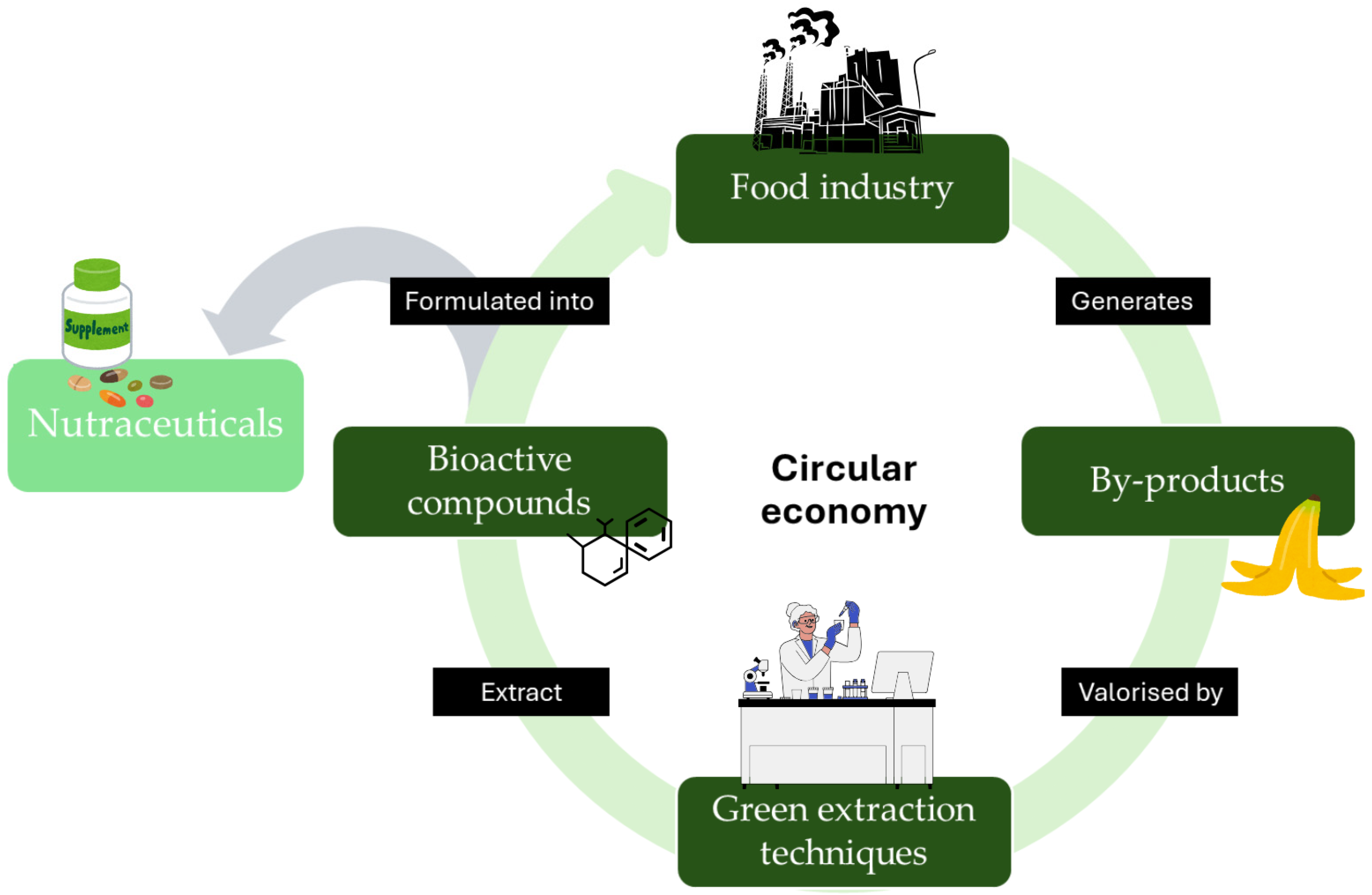
Overall, these studies highlight the significant potential of fruit and vegetable by-products as sustainable sources of bioactive compounds for functional foods and nutraceuticals, in line with the principles of the circular economy (Figure 2). From peels, seeds, and hulls to leaves and pomace, various extraction methods have been demonstrated to recover compounds with antioxidant, prebiotic, anti-inflammatory, and antimicrobial properties. Incorporating these by-products into food formulations or dietary supplements not only valorises agricultural waste but also provides opportunities to support human health and well-being. However, safety and regulatory aspects must be considered before their use in food and supplements. Some by-products may contain anti-nutritional factors, pesticide residues, or mycotoxins, demanding careful assessment and processing to ensure safety for human consumption [112]. Technological solutions such as encapsulation and nanoemulsions are being explored to enhance the stability, bioavailability, and safety of these compounds [113]. Regulatory compliance and toxicological evaluations are essential steps in bringing by-product-derived bioactives to market [114].
Table 2. Summary of bioactive compounds, extraction method, intended applications, and health-related effects of selected fruit and vegetable by-products for nutraceutical and food supplement development.
By-Product SourceMain Bioactive CompoundsExtraction MethodAimEffectsRef.
Peach, apricot, apple, tomatoPolyphenols: phenolic acids, flavonoids
Other: proteins
UAENutraceutical functional ingredients and dietary supplementsAntioxidant[93]
CantaloupePolyphenols
Dietary fibre
Hydromethanolic extractionFunctional food ingredient for gluten-free bakery productsAntioxidant[94]
Asparagus officinalis stem and rootDietary fibre
Insulin
Low- and high-molecular-weight polyphenols
Hydromethanolic and hydroethanolic extractionsPotential prebiotic supplement or functional ingredientPrebiotic potential for gut microbiota modulation[95]
TurmericPhenolics, flavonoids, and curcumin
Dietary fibre (insoluble & soluble)
Minerals
Aqueous acetone extractionUse as a functional ingredient in fortified cookies to enhance antioxidant and fibre contentAntioxidant[96]
Oat husk and branPhenolic acids, mainly ferulic acid
Dietary fibre
MicronizationDevelopment of a fibre-rich antioxidant ingredient for food or dietary supplement formulationsAntioxidant[97]
Grape pomace, bilberries, red currantsMajor phenolics: Chlorogenic acid, rutin, ferulic acid, catechinUAEDietary supplement in capsule formPotential to prevent oxidative stress related chronic diseases[98]
AppleHigh total and insoluble dietary fiber
Free phenolic compounds and biogenic compounds
UAEDevelopment of a dietary supplementAntioxidant and anti-inflammatory
Potential hypoglycaemic/antidiabetic effects
[99]
ArtichokeHydroxycinnamates: 5-O-caffeoylquinic acid, 3,5-di-O-caffeoylquinic acid
Flavonoids: apigenin-7-O-rutinoside, luteolin, luteolin-7-O-rutinoside
Aqueous extractionEvaluation for nutraceutical and dietary supplement applicationsAntioxidant
Prebiotic potential
[100]
Mauritia flexuosa-Aqueous extractionEvaluation for food supplement/nutraceutical for inflammationAnti-inflammatory[101]
Citrus reticulata Blanco peel and pomaceCatechin, neohesperidin, nomilinic acid derivativesUAEFunctional ingredients for nutraceuticals or food applicationsAntioxidant[102]
Mango peelPectinMAESustainable development of prebioticsPrebiotic[103]
Pistachio hullCyanidin-3-O-galactoside, gallic acid, catechin, and eriodictyol-7-O-glucosideMethanolic extractionFood product applications potentialAntidiabetic, antifungal, antioxidant and anti-glycative[104]
Guava puréeRhamnose and xyloseEthanolic extractionIncorporation in yogurt-making for increased probioticsPrebiotic[106]
European cranberry bush and sea buckthorn berry pomaceLinoleic, linolenic, oleic, palmitic and palmitoleic acids, b-sitosterol and a-tocopherolSFEPotential application in functional foods and nutraceuticalsAntioxidant[107]
Pumpkin leavesProteinsUAEPotential application as food additives and dietary supplements-[108]
Mango peelMono- and di-galloyl compounds, gallotannins, phenolic acids, benzophenones, flavonoidsUAEPotential application as nutraceuticals-[110]
Red pomegranate seedsProtein and peptidesProtein extraction and enzymatic hydrolysisPotential use in food formulations and dietary supplementsAntioxidant, antibacterial and blood pressure lowering[109]
Corylus avellana hellsLignans, flavonoids, gallic acid derivatives, diarylheptanoids and fatty acidsMAENutraceutical formulationsAntidiabetic and antioxidant[105]
Mango seed kernelIriflophenone glucoside, maclurin C-glucoside, maclurin digalloyl glucoside, mangiferin, 5-galloyl quinic acid, trigalloyl glucose, hexa-gallotannins, hepta-gallotanninsUAENutraceutical formulations-[111]
MAE: microwave-assisted extraction; UAE: Ultrasound-assisted extraction; SFE: supercritical fluid extraction.

5. Challenges and Future Perspectives

Despite the progress achieved, the use of fruit and vegetable by-products as sources of bioactive compounds still presents multiple challenges, particularly concerning the safety, regulatory approval, and standardization of bioactive-rich extracts from food by-products. Furthermore, by-products are chemically diverse and influenced by plant variety, maturity, and processing conditions, which complicates standardization and quality control of the extracted compounds. It highlights the importance of establishing consistent specifications for bioactive-rich extracts.
Another significant challenge lies in optimising of extraction processes. While advanced green extraction methods, such as UAE, MAE, SFE, and cold plasma techniques, offer high efficiency and sustainability, their translation from laboratory to industrial scale is still in its early stages, due to issues including scalability, process reproducibility, and equipment costs. Moreover, the variability in the concentration and stability of compounds during storage and processing underscores the need for standardized extraction protocols that can preserve bioactivity and ensure reproducibility.
The bioavailability and health efficacy of many bioactive compounds recovered from by-products also remain insufficiently understood. Numerous studies have confirmed the antioxidant, anti-inflammatory, and antimicrobial properties. However, comprehensive human clinical trials validating these effects under realistic dietary conditions are still lacking. Additionally, the interactions of multiple bioactive compounds within complex matrices must be considered.
Future research must prioritize thorough characterization and standardization strategies, including the development of optimized protocols for extraction, quantification, and quality assessment. Human intervention studies are necessary to substantiate health claims and determine effective dosages. Advances in formulation strategies, such as encapsulation systems, may enhance the stability and bioavailability of these compounds, increasing their functional efficacy in dietary supplements. Finally, aligning these technological developments with the principles of the circular bioeconomy can maximize resource efficiency and also meet the growing consumer demand for natural, health-promoting, and environmentally responsible food ingredients.

6. Conclusions

Fruit and vegetable by-products are valuable and underexploited sources of bioactive compounds that can be efficiently recovered through green extraction technologies. Once considered waste, these residues represent a renewable resource for functional foods and nutraceuticals with antioxidant, anti-inflammatory, and prebiotic potential. Translating this potential into industrial reality requires progress in three key areas: scalability, since the most promising techniques (UAE, MAE, SFE) still face engineering and economic barriers when moving from laboratory to continuous industrial systems; safety and regulation, given the need for by-product-derived extracts to comply with food-grade standards, ensuring absence of contaminants, reproducibility, and adherence to EU and FDA guidelines for novel ingredients; and clinical validation, which requires controlled human trials to justify nutraceutical claims and establish effective doses, even with in vitro and animal studies confirming antioxidant and metabolic benefits. Future research should therefore focus on extraction optimisation, including life cycle and cost analyses, safety evaluation, and translational studies that link bioactivity to measurable health outcomes. Following these steps, by-product valorisation can evolve from an academic concept toward large-scale, safe and evidence-based applications in sustainable food production.

Author Contributions

Conceptualization, F.C., R.A.L. and L.R.S.; methodology, F.C., R.A.L. and L.R.S.; formal analysis, F.C., R.A.L. and L.R.S.; writing—original draft preparation, F.C.; writing—review and editing, F.C. and L.R.S. All authors have read and agreed to the published version of the manuscript.

Funding

This work was supported by project PRR-C05-i03-I-000143 (RedFruit4Health), and by Fundação La Caixa and Fundação para a Ciência e Tecnologia (FCT) under the Programa Promove Project PD21-00023 (PharmaStar).

Institutional Review Board Statement

Not applicable.

Informed Consent Statement

Not applicable.

Data Availability Statement

The original contributions presented in this study are included in the article. Further inquiries can be directed to the corresponding author.

Conflicts of Interest

The authors declare no conflicts of interest.

References

  1. Khan, R.; Anwar, F.; Ghazali, F.M.; Mahyudin, N.A. Valorization of Waste: Innovative Techniques for Extracting Bioactive Compounds from Fruit and Vegetable Peels—A Comprehensive Review. Innov. Food Sci. Emerg. Technol. 2024, 97, 103828. [Google Scholar] [CrossRef]
  2. Baysal, S.S.; Ülkü, M.A. Food Loss and Waste. In Disruptive Technologies and Eco-Innovation for Sustainable Development; IGI Global: Hershey, PA, USA, 2022; pp. 90–108. [Google Scholar]
  3. FAO. Food Wastage Footprint-Impacts on Natural Resources—Summary Report; Food and Agriculture Organization of the United Nations: Rome, Italy, 2013. [Google Scholar]
  4. Aqilah, N.M.N.; Rovina, K.; Felicia, W.X.L.; Vonnie, J.M. A Review on the Potential Bioactive Components in Fruits and Vegetable Wastes as Value-Added Products in the Food Industry. Molecules 2023, 28, 2631. [Google Scholar] [CrossRef]
  5. He, W.J.; Lv, C.H.; Chen, Z.; Shi, M.; Zeng, C.X.; Hou, D.X.; Qin, S. The Regulatory Effect of Phytochemicals on Chronic Diseases by Targeting Nrf2-ARE Signaling Pathway. Antioxidants 2023, 12, 236. [Google Scholar] [CrossRef]
  6. Piccialli, I.; Tedeschi, V.; Caputo, L.; D’Errico, S.; Ciccone, R.; De Feo, V.; Secondo, A.; Pannaccione, A. Exploring the Therapeutic Potential of Phytochemicals in Alzheimer’s Disease: Focus on Polyphenols and Monoterpenes. Front. Pharmacol. 2022, 13, 876614. [Google Scholar] [CrossRef]
  7. Singh, V.K.; Arora, D.; Ansari, M.I.; Sharma, P.K. Phytochemicals Based Chemopreventive and Chemotherapeutic Strategies and Modern Technologies to Overcome Limitations for Better Clinical Applications. Phytother. Res. 2019, 33, 3064–3089. [Google Scholar] [CrossRef]
  8. Siddique, F.; Ali, Z.; Arshad, M.; Mubeen, K.; Ghazala, A. Exploration of Novel Eco-Friendly Techniques to Utilize Bioactive Compounds from Household Food Waste: Special Reference to Food Applications. Front. Food Sci. Technol. 2024, 4, 1388461. [Google Scholar] [CrossRef]
  9. Nirmal, N.P.; Khanashyam, A.C.; Mundanat, A.S.; Shah, K.; Babu, K.S.; Thorakkattu, P.; Al-Asmari, F.; Pandiselvam, R. Valorization of Fruit Waste for Bioactive Compounds and Their Applications in the Food Industry. Foods 2023, 12, 556. [Google Scholar] [CrossRef]
  10. Soares Mateus, A.R.; Pena, A.; Sanches-Silva, A. Unveiling the Potential of Bioactive Compounds in Vegetable and Fruit By-Products: Exploring Phytochemical Properties, Health Benefits, and Industrial Opportunities. Curr. Opin. Green Sustain. Chem. 2024, 48, 100938. [Google Scholar] [CrossRef]
  11. Artés-Hernández, F.; Castillejo, N.; Martínez-Zamora, L.; Martínez-Hernández, G.B. Phytochemical Fortification in Fruit and Vegetable Beverages with Green Technologies. Foods 2021, 10, 2534. [Google Scholar] [CrossRef] [PubMed]
  12. Panzella, L.; Moccia, F.; Nasti, R.; Marzorati, S.; Verotta, L.; Napolitano, A. Bioactive Phenolic Compounds from Agri-Food Wastes: An Update on Green and Sustainable Extraction Methodologies. Front. Nutr. 2020, 7, 60. [Google Scholar] [CrossRef] [PubMed]
  13. Seyyedi-Mansour, S.; Donn, P.; Carpena, M.; Chamorro, F.; Barciela, P.; Perez-Vazquez, A.; Jorge, A.O.S.; Prieto, M.A. Utilization of Ultrasonic-Assisted Extraction for Bioactive Compounds from Floral Sources. In Proceedings of the 5th International Electronic Conference on Foods, Virtual, 21 January 2025; MDPI: Basel, Switzerland. 15p. [Google Scholar]
  14. Durmus, N.; Gulsunoglu-Konuskan, Z.; Kilic-Akyilmaz, M. Recovery, Bioactivity, and Utilization of Bioactive Phenolic Compounds in Citrus Peel. Food Sci. Nutr. 2024, 12, 9974–9997. [Google Scholar] [CrossRef]
  15. Kandyliari, A.; Potsaki, P.; Bousdouni, P.; Kaloteraki, C.; Christofilea, M.; Almpounioti, K.; Moutsou, A.; Fasoulis, C.K.; Polychronis, L.V.; Gkalpinos, V.K.; et al. Development of Dairy Products Fortified with Plant Extracts: Antioxidant and Phenolic Content Characterization. Antioxidants 2023, 12, 500. [Google Scholar] [CrossRef]
  16. Kurćubić, V.S.; Stanišić, N.; Stajić, S.B.; Dmitrić, M.; Živković, S.; Kurćubić, L.V.; Živković, V.; Jakovljević, V.; Mašković, P.Z.; Mašković, J. Valorizing Grape Pomace: A Review of Applications, Nutritional Benefits, and Potential in Functional Food Development. Foods 2024, 13, 4169. [Google Scholar] [CrossRef]
  17. Luisa García, M.; Calvo, M.M.; Dolores Selgas, M. Beef Hamburgers Enriched in Lycopene Using Dry Tomato Peel as an Ingredient. Meat Sci. 2009, 83, 45–49. [Google Scholar] [CrossRef]
  18. Tamasiga, P.; Miri, T.; Onyeaka, H.; Hart, A. Food Waste and Circular Economy: Challenges and Opportunities. Sustainability 2022, 14, 9896. [Google Scholar] [CrossRef]
  19. Castillejo, N.; Martínez-Zamora, L. Bioactive Compounds from Fruit and Vegetable Waste: Extraction and Possible Utilization. Foods 2024, 13, 775. [Google Scholar] [CrossRef]
  20. Subhan, S.; Zeeshan, M.; Rahman, A.U.; Yaseen, M. Fundamentals of Polyphenols: Nomenclature, Classification and Properties. In Science and Engineering of Polyphenols; Wiley: Hoboken, NJ, USA, 2024; pp. 1–36. [Google Scholar]
  21. Kondratyuk, T.P.; Pezzuto, J.M. Natural Product Polyphenols of Relevance to Human Health. Arch. Physiol. Biochem. 2004, 42, 46–63. [Google Scholar] [CrossRef]
  22. Brimson, J.M.; Prasanth, M.I.; Malar, D.S.; Thitilertdecha, P.; Kabra, A.; Tencomnao, T.; Prasansuklab, A. Plant Polyphenols for Aging Health: Implication from Their Autophagy Modulating Properties in Age-Associated Diseases. Pharmaceuticals 2021, 14, 982. [Google Scholar] [CrossRef] [PubMed]
  23. Liu, Y.; Kong, K.W.; Wu, D.-T.; Liu, H.-Y.; Li, H.-B.; Zhang, J.-R.; Gan, R.-Y. Pomegranate Peel-Derived Punicalagin: Ultrasonic-Assisted Extraction, Purification, and Its α-Glucosidase Inhibitory Mechanism. Food Chem. 2022, 374, 131635. [Google Scholar] [CrossRef] [PubMed]
  24. Mahmood, A.; Jabar, H. Characterization of Biochemical Compounds in Different Accessions of Pomegranate (Punica granatum L.) Peels in Iraq. Passer J. Basic. Appl. Sci. 2023, 5, 382–390. [Google Scholar] [CrossRef]
  25. Bai, X.; Zhang, H.; Ren, S. Antioxidant Activity and HPLC Analysis of Polyphenol-enriched Extracts from Industrial Apple Pomace. J. Sci. Food Agric. 2013, 93, 2502–2506. [Google Scholar] [CrossRef]
  26. Cazzonelli, C.I. Carotenoids in Nature: Insights from Plants and Beyond. Funct. Plant Biol. 2011, 38, 833. [Google Scholar] [CrossRef]
  27. Priyadarshini Pradhan, S.; Padhi, S.; Dash, M.; Heena; Mittu, B.; Behera, A. Carotenoids. In Nutraceuticals and Health Care; Elsevier: Amsterdam, The Netherlands, 2022; pp. 135–157. [Google Scholar]
  28. Vílchez, C.; Forján, E.; Cuaresma, M.; Bédmar, F.; Garbayo, I.; Vega, J.M. Marine Carotenoids: Biological Functions and Commercial Applications. Mar. Drugs 2011, 9, 319–333. [Google Scholar] [CrossRef]
  29. Heider, S.A.E.; Peters-Wendisch, P.; Wendisch, V.F.; Beekwilder, J.; Brautaset, T. Metabolic Engineering for the Microbial Production of Carotenoids and Related Products with a Focus on the Rare C50 Carotenoids. Appl. Microbiol. Biotechnol. 2014, 98, 4355–4368. [Google Scholar] [CrossRef] [PubMed]
  30. Lima, P.M.; Rubio, F.T.V.; Silva, M.P.; Pinho, L.S.; Kasemodel, M.G.C.; Favaro-Trindade, C.S.; Dacanal, G.C. Nutritional Value and Modelling of Carotenoids Extraction from Pumpkin (Cucurbita moschata) Peel Flour By-Product. Int. J. Food Eng. 2019, 15, 20180381. [Google Scholar] [CrossRef]
  31. Ninčević Grassino, A.; Rimac Brnčić, S.; Badanjak Sabolović, M.; Šic Žlabur, J.; Marović, R.; Brnčić, M. Carotenoid Content and Profiles of Pumpkin Products and By-Products. Molecules 2023, 28, 858. [Google Scholar] [CrossRef]
  32. Lara-Abia, S.; Welti-Chanes, J.; Cano, M.P. Effect of Ultrasound-Assisted Extraction of Carotenoids from Papaya (Carica papaya L. Cv. Sweet Mary) Using Vegetable Oils. Molecules 2022, 27, 638. [Google Scholar] [CrossRef]
  33. Hedayati, S.; Tarahi, M.; Ashrafi-Dehkordi, E. Dietary Fibers from Fruit Processing Waste. In Adding Value to Fruit Wastes; Elsevier: Amsterdam, The Netherlands, 2024; pp. 131–165. [Google Scholar]
  34. Oreopoulou, V.; Tzia, C. Utilization of Plant By-Products for the Recovery of Proteins, Dietary Fibers, Antioxidants, and Colorants. In Utilization of By-Products and Treatment of Waste in the Food Industry; Springer: New York, NY, USA; pp. 209–232.
  35. Paramitasari, D.; Pramana, Y.S.; Suparman, S.; Putra, O.N.; Musa, M.; Pudjianto, K.; Triwiyono, B.; Supriyanti, A.; Elisa, S.; Singgih, B.; et al. Valorization of Lampung Province Banana Peel Cultivars: Nutritional and Functional Characterizations for Biscuit Production and Wheat Flour Substitution. J. Food Meas. Charact. 2024, 18, 9906–9920. [Google Scholar] [CrossRef]
  36. Andrade, J.M.d.M.; Jong, E.V.d.; Henriques, A.T. Byproducts of Orange Extraction: Influence of Different Treatments in Fiber Composition and Physical and Chemical Parameters. Braz. J. Pharm. Sci. 2014, 50, 473–482. [Google Scholar] [CrossRef][Green Version]
  37. Sáenz, C.; Estévez, A.M.; Sanhueza, S. Orange Juice Residues as Dietary Fiber Source for Foods. Arch. Latinoam. Nutr. 2007, 57, 186–191. [Google Scholar] [PubMed][Green Version]
  38. Carlucci, R.; Arancibia, J.A.; Labadie, G.R. Environmentally Friendly Process for Phytosterols Recovery from Residues of Biodiesel Production. Sustain. Chem. Pharm. 2024, 37, 101360. [Google Scholar] [CrossRef]
  39. Poudel, P.; Petropoulos, S.A.; Di Gioia, F. Plant Tocopherols and Phytosterols and Their Bioactive Properties. In Natural Secondary Metabolites; Springer International Publishing: Cham, Switzerland, 2023; pp. 285–319. [Google Scholar]
  40. Jorge, N.; Silva, A.C.d.; Aranha, C.P.M. Antioxidant Activity of Oils Extracted from Orange (Citrus sinensis) Seeds. Acad. Bras. Cienc. 2016, 88, 951–958. [Google Scholar] [CrossRef]
  41. Eller, F.J.; Moser, J.K.; Kenar, J.A.; Taylor, S.L. Extraction and Analysis of Tomato Seed Oil. J. Am. Oil Chem. Soc. 2010, 87, 755–762. [Google Scholar] [CrossRef]
  42. Tang, Z.-X. Effect of Postharvest and Industrial Processing on Glucosinolate from Broccoli: A Review. Am. J. Biochem. Biotechnol. 2022, 18, 168–183. [Google Scholar] [CrossRef]
  43. Thomas, M.; Badr, A.; Desjardins, Y.; Gosselin, A.; Angers, P. Characterization of Industrial Broccoli Discards (Brassica oleracea Var. Italica) for Their Glucosinolate, Polyphenol and Flavonoid Contents Using UPLC MS/MS and Spectrophotometric Methods. Food Chem. 2018, 245, 1204–1211. [Google Scholar] [CrossRef]
  44. Ingallina, C.; Di Matteo, G.; Spano, M.; Acciaro, E.; Campiglia, E.; Mannina, L.; Sobolev, A.P. Byproducts of Globe Artichoke and Cauliflower Production as a New Source of Bioactive Compounds in the Green Economy Perspective: An NMR Study. Molecules 2023, 28, 1363. [Google Scholar] [CrossRef]
  45. Baser, K.H.C.; Buchbauer, G. (Eds.) Handbook of Essential Oils; CRC Press: Boca Raton, FL, USA, 2015; ISBN 9780429155666. [Google Scholar]
  46. Mollaei, S.; Farnia, P.; Hazrati, S. Chapter 5 Essential Oils and Their Constituents. In Essential Oils; De Gruyter: Berlin, Germany, 2023; pp. 89–120. [Google Scholar]
  47. Nikolić, B.M.; Ballian, D.; Mitić, Z.S.S. Diversity of Needle Terpenes Among Pinus Taxa. Forests 2025, 16, 623. [Google Scholar] [CrossRef]
  48. Popovici, J.; Bertrand, C.; Bagnarol, E.; Fernandez, M.P.; Comte, G. Chemical Composition of Essential Oil and Headspace-Solid Microextracts from Fruits of Myrica gale L. and Antifungal Activity. Nat. Prod. Res. 2008, 22, 1024–1032. [Google Scholar] [CrossRef]
  49. Mohamed, M.A.; Ibrahim, M.E.; Wahba, H.E. Flavoring Compounds of Essential Oil Isolated from Agriculture Waste of Coriander (Coriandrum sativum) Plant. J. Mater. Environ. Sci. 2018, 9, 77–82. [Google Scholar] [CrossRef]
  50. Grover, S.; Aggarwal, P.; Kaur, S.; Yadav, R.; Kumar, A. Physicochemical Assessment, Characterization, Antioxidant and Antimicrobial Potential Study of Essential Oil Extracted from the Peel of Different Galgal (Citrus pseudolimon) Cultivars. Waste Biomass Valorization 2024, 15, 3157–3167. [Google Scholar] [CrossRef]
  51. Lin, L.-Y.; Peng, C.C.; Huang, Y.-P.; Chen, K.-C.; Peng, R.Y. P-Synephrine Indicates Internal Maturity of Citrus grandis (L.) Osbeck Cv. Mato Peiyu—Reclaiming Functional Constituents from Nonedible Parts. Molecules 2023, 28, 4244. [Google Scholar] [CrossRef] [PubMed]
  52. Ghani, A.; Mohtashami, S.; Jamalian, S. Peel Essential Oil Content and Constituent Variations and Antioxidant Activity of Grapefruit (Citrus × paradisi Var. Red Blush) during Color Change Stages. J. Food Meas. Charact. 2021, 15, 4917–4928. [Google Scholar] [CrossRef]
  53. Hasan, M.M.; Islam, M.R.; Haque, A.R.; Kabir, M.R.; Khushe, K.J.; Hasan, S.M.K. Trends and Challenges of Fruit By-Products Utilization: Insights into Safety, Sensory, and Benefits of the Use for the Development of Innovative Healthy Food: A Review. Bioresour. Bioprocess. 2024, 11, 10. [Google Scholar] [CrossRef]
  54. Gębczyński, P.; Tabaszewska, M.; Kur, K.; Zbylut-Górska, M.; Słupski, J. Effect of the Drying Method and Storage Conditions on the Quality and Content of Selected Bioactive Compounds of Green Legume Vegetables. Molecules 2024, 29, 1732. [Google Scholar] [CrossRef]
  55. Stewart, A.J.; Stewart, R.F. Phenols. In Encyclopedia of Ecology; Elsevier: Amsterdam, The Netherlands, 2008; pp. 2682–2689. [Google Scholar]
  56. Amruthraj Nagoth, J.; Poonga Preetam Raj, J.; Joseph Amruthraj, N.; Raj, P.J.; Lebel, A.L. Impact of Organic Solvents in the Extraction Efficiency of Therapeutic Analogue Capsaicin from Capsicum Chinense Bhut Jolokia Fruits. Int. J. Pharm. Clin. Res. 2014, 6, 159–164. [Google Scholar]
  57. Melicháčová, S.; Timoracká, M.; Bystrická, J.; Vollmannová, A.; Čéry, J. Relation of Total Antiradical Activity and Total Polyphenol Content of Sweet Cherries (Prunus avium L.) and Tart Cherries (Prunus cerasus L.). Acta Agric. Slov. 2010, 95, 21–28. [Google Scholar] [CrossRef]
  58. Liazid, A.; Palma, M.; Brigui, J.; Barroso, C.G. Investigation on Phenolic Compounds Stability during Microwave-Assisted Extraction. J. Chromatogr. A 2007, 1140, 29–34. [Google Scholar] [CrossRef]
  59. Lakshmanan, M. Plant Extraction Methods. In Introduction to Basics of Pharmacology and Toxicology; Springer Nature: Singapore, 2022; pp. 773–783. [Google Scholar]
  60. Subbalakshmi, G.; Nagamani, J.E.; Mohanty, S.K.; Umalatha; Anuradha, M. Analytical Methods for Screening High Yielding In Vitro Cultures. In In Vitro Production of Plant Secondary Metabolites; Springer Nature: Singapore, 2025; pp. 297–308. [Google Scholar]
  61. Rajasekar, A.; Deivasigamani, P.; Amar, G.; Moorthi, M.; Sekar, S. A Review on Screening, Isolation, and Characterization of Phytochemicals in Plant Materials. In Pharmacological Benefits of Natural Agents; IGI Global: Hershey, PA, USA, 2023; pp. 1–12. [Google Scholar]
  62. Mahibalan, S.; Sharma, R.; Vyas, A.; Bashab, S.A.; Begum, A.S. Assessment of Extraction Techniques for Total Phenolics and Flavonoids from Annona Muricata Seeds. J. Indian Chem. Soc. 2013, 90, 2199–2205. [Google Scholar]
  63. Picot-Allain, C.; Mahomoodally, M.F.; Ak, G.; Zengin, G. Conventional versus Green Extraction Techniques—A Comparative Perspective. Curr. Opin. Food Sci. 2021, 40, 144–156. [Google Scholar] [CrossRef]
  64. Laurora, A.; Lund, M.N.; Tiwari, B.K.; Poojary, M.M. Application of Ultrasound to Obtain Food Additives and Nutraceuticals. In Design and Optimization of Innovative Food Processing Techniques Assisted by Ultrasound; Elsevier: Amsterdam, The Netherlands, 2021; pp. 111–141. [Google Scholar]
  65. Lai, J.; Zhou, P.; Li, X.; Lu, Y.; Wang, Y.; Yuan, H.; Yang, Y. Ultrasound-Assisted Deep Eutectic Solvent Extraction of Flavonol Glycosides from Ginkgo Biloba: Optimization of Efficiency and Mechanism. Ultrason. Sonochem 2025, 114, 107254. [Google Scholar] [CrossRef] [PubMed]
  66. Faheema, K.K.; Mohan, A.; Komathkandy, F. Comprehensive Study on Ultrasound-Assisted Extraction (UAE) of Bioactive Compounds with Medicinal Properties from Date Processing Byproduct. Eur. J. Nutr. Food Saf. 2024, 16, 203–210. [Google Scholar] [CrossRef]
  67. Yusoff, I.M.; Mat Taher, Z.; Rahmat, Z.; Chua, L.S. A Review of Ultrasound-Assisted Extraction for Plant Bioactive Compounds: Phenolics, Flavonoids, Thymols, Saponins and Proteins. Food Res. Int. 2022, 157, 203–210. [Google Scholar] [CrossRef]
  68. Liu, Y.; Liu, X.; Cui, Y.; Yuan, W. Ultrasound for Microalgal Cell Disruption and Product Extraction: A Review. Ultrason. Sonochem 2022, 87, 106054. [Google Scholar] [CrossRef]
  69. Picó, Y. Ultrasound-Assisted Extraction for Food and Environmental Samples. TrAC Trends Anal. Chem. 2013, 43, 84–99. [Google Scholar] [CrossRef]
  70. Özdemir, M.; Yıldırım, R.; Yurttaş, R.; Başargan, D.; Hakcı, M.B. A Review of Ultrasound-Assisted Extraction of Bioactive Compounds from Coffee Waste. Gıda 2025, 50, 56–73. [Google Scholar] [CrossRef]
  71. Delazar, A.; Nahar, L.; Hamedeyazdan, S.; Sarker, S.D. Microwave-Assisted Extraction in Natural Products Isolation. In Natural Products Isolation; Human Press: Waverley, Australia, 2012; pp. 89–115. [Google Scholar]
  72. López-Salazar, H.; Camacho-Díaz, B.H.; Ocampo, M.L.A.; Jiménez-Aparicio, A.R. Microwave-Assisted Extraction of Functional Compounds from Plants: A Review. Bioresources 2023, 18, 6614–6638. [Google Scholar] [CrossRef]
  73. Calinescu, I.; Lavric, V.; Asofiei, I.; Gavrila, A.I.; Trifan, A.; Ighigeanu, D.; Martin, D.; Matei, C. Microwave Assisted Extraction of Polyphenols Using a Coaxial Antenna and a Cooling System. Chem. Eng. Process. Process Intensif. 2017, 122, 373–379. [Google Scholar] [CrossRef]
  74. Samanta, R.; Ghosh, M. Optimization of Microwave-Assisted Extraction Technique for Flavonoids and Phenolics from the Leaves of Oroxylum indicum (L.) Kurtz Using Taguchi L9 Orthogonal Design. Pharmacogn. Mag. 2023, 19, 97–104. [Google Scholar] [CrossRef]
  75. Irianto, I.; Putra, N.R.; Yustisia, Y.; Abdullah, S.; Syafruddin, S.; Paesal, P.; Irmadamayanti, A.; Herawati, H.; Raharjo, B.; Agustini, S.; et al. Green Technologies in Food Colorant Extraction: A Comprehensive Review. S. Afr. J. Chem. Eng. 2025, 51, 22–34. [Google Scholar] [CrossRef]
  76. Soni, N.; Yadav, M.; Malarvannan, M.; Sharma, D.; Paul, D. Current Developments and Trends in Hybrid Extraction Techniques for Green Analytical Applications in Natural Products. J. Chromatogr. B 2025, 1256, 124543. [Google Scholar] [CrossRef]
  77. Herrero, M.; Cifuentes, A.; Ibanez, E. Sub- and Supercritical Fluid Extraction of Functional Ingredients from Different Natural Sources: Plants, Food-by-Products, Algae and Microalgae A Review. Food Chem. 2006, 98, 136–148. [Google Scholar] [CrossRef]
  78. Da Silva, R.P.F.F.; Rocha-Santos, T.A.P.; Duarte, A.C. Supercritical Fluid Extraction of Bioactive Compounds. TrAC Trends Anal. Chem. 2016, 76, 40–51. [Google Scholar] [CrossRef]
  79. Ibáñez, E.; Mendiola, J.A.; Castro-Puyana, M. Supercritical Fluid Extraction. In Encyclopedia of Food and Health; Elsevier: Amsterdam, The Netherlands, 2016; pp. 227–233. [Google Scholar]
  80. Perez-Vazquez, A.; Barciela, P.; Carpena, M.; Donn, P.; Seyyedi-Mansour, S.; Cao, H.; Fraga-Corral, M.; Otero, P.; Simal-Gandara, J.; Prieto, M.A.; et al. Supercritical Fluid Extraction as a Potential Extraction Technique for the Food Industry. In Proceedings of the 2nd International Electronic Conference on Processes: Process Engineering—Current State and Future Trends, Online, 17 May 2023; MDPI: Basel, Switzerland. 115p. [Google Scholar]
  81. Mohamed-Mahmood, M.; Ramli, W.; Daud, W.; Markom, M.; Nurul, C.; Nadirah, A.; Mansor, C.; Latif C A Jabatan, J.; Kimia, K.; Proses, D.; et al. Effects of Pressure Variation and Dynamic Extraction Time in Supercritical Fluid Extraction (SFE) with Co-Solvent on Bioactive Compounds from Orthosiphon Stamineus. Malays. J. Fundam. Appl. Sci. 2019, 15, 712–715. [Google Scholar]
  82. Herzyk, F.; Piłakowska-Pietras, D.; Korzeniowska, M. Supercritical Extraction Techniques for Obtaining Biologically Active Substances from a Variety of Plant Byproducts. Foods 2024, 13, 1713. [Google Scholar] [CrossRef]
  83. De Andrade Maia, F.; Fasolin, L.H. Recovery of Bioactive Compounds from Pineapple Waste through High-Pressure Technologies. J. Supercrit. Fluids 2025, 218, 106455. [Google Scholar] [CrossRef]
  84. De Andrade Lima, M.; Kestekoglou, I.; Charalampopoulos, D.; Chatzifragkou, A. Supercritical Fluid Extraction of Carotenoids from Vegetable Waste Matrices. Molecules 2019, 24, 466. [Google Scholar] [CrossRef]
  85. Barp, L.; Višnjevec, A.M.; Moret, S. Pressurized Liquid Extraction: A Powerful Tool to Implement Extraction and Purification of Food Contaminants. Foods 2023, 12, 2017. [Google Scholar] [CrossRef]
  86. Andreu, V.; Picó, Y. Pressurized Liquid Extraction of Organic Contaminants in Environmental and Food Samples. TrAC Trends Anal. Chem. 2019, 118, 709–721. [Google Scholar] [CrossRef]
  87. Nieto, J.A.; Santoyo, S.; de Sá, M.; Baoshan, S.; Reglero, G.; Jaime, L. Comprehensive Study of Sustainable Pressurized Liquid Extractions to Obtain Bioavailable Antioxidant Phenolic Compounds from Grape Seed By-Products. Processes 2024, 12, 2308. [Google Scholar] [CrossRef]
  88. Puente-Díaz, L. Principios, Aplicaciones y Efectos de La Aplicación de Plasma Frío En Alimentos: Una Revisión Actualizada. Rev. Chil. Nutr. 2024, 51, 155–164. [Google Scholar] [CrossRef]
  89. Gupta, K.K.; Routray, W. Cold Plasma: A Nonthermal Pretreatment, Extraction, and Solvent Activation Technique for Obtaining Bioactive Compounds from Agro-Food Industrial Biomass. Food Chem. 2025, 472, 142960. [Google Scholar] [CrossRef]
  90. Loukri, A.; Kissas, T.; Kyriakoudi, A.; Zymvrakaki, E.; Stratakos, A.C.; Mourtzinos, I. Coupling of Cold Atmospheric Plasma Treatment with Ultrasound-Assisted Extraction for Enhanced Recovery of Bioactive Compounds from Cornelian Cherry Pomace. Food Chem. 2024, 455, 139989. [Google Scholar] [CrossRef] [PubMed]
  91. Vilas-Boas, A.A.; Oliveira, A.; Ribeiro, T.B.; Ribeiro, S.; Nunes, C.; Gómez-García, R.; Nunes, J.; Pintado, M. Impact of Extraction Process in Non-Compliant ‘Bravo de Esmolfe’ Apples towards the Development of Natural Antioxidant Extracts. Appl. Sci. 2021, 11, 5916. [Google Scholar] [CrossRef]
  92. Wang, X.; Wei, Y.; Fan, Z.; Chen, Y.; Cui, Z. Life Cycle Assessment for Evaluation of Novel Solvents and Technologies: A Case Study of Flavonoids Extraction from Ginkgo biloba Leaves. Sci. Total Environ. 2024, 922, 171319. [Google Scholar] [CrossRef]
  93. Terenzi, C.; Bermudez, G.; Medri, F.; Davani, L.; Tumiatti, V.; Andrisano, V.; Montanari, S.; De Simone, A. Phenolic and Antioxidant Characterization of Fruit By-Products for Their Nutraceuticals and Dietary Supplements Valorization under a Circular Bio-Economy Approach. Antioxidants 2024, 13, 604. [Google Scholar] [CrossRef]
  94. Namir, M.; Rabie, M.A.; Rabie, N.A. Physicochemical, Pasting, and Sensory Characteristics of Antioxidant Dietary Fiber Gluten-Free Donut Made from Cantaloupe By-Products. J. Food Meas. Charact. 2021, 15, 5445–5459. [Google Scholar] [CrossRef]
  95. Goñi, I.; García-Alonso, A.; Alba, C.; Rodríguez, J.M.; Sánchez-Mata, M.C.; Guillén-Bejarano, R.; Redondo-Cuenca, A. Composition and Functional Properties of the Edible Spear and By-Products from Asparagus officinalis L. and Their Potential Prebiotic Effect. Foods 2024, 13, 1154. [Google Scholar] [CrossRef]
  96. Le, T.T.; Nguyen, T.K.; Ton, N.M.N.; Tran, T.T.T.; Le, V.V.M. Quality of Cookies Supplemented with Various Levels of Turmeric By-Product Powder. AIMS Agric. Food 2024, 9, 209–219. [Google Scholar] [CrossRef]
  97. Dziki, D.; Gawlik-Dziki, U.; Tarasiuk, W.; Różyło, R. Fiber Preparation from Micronized Oat By-Products: Antioxidant Properties and Interactions between Bioactive Compounds. Molecules 2022, 27, 2621. [Google Scholar] [CrossRef]
  98. Frum, A.; Dobrea, C.M.; Rus, L.L.; Virchea, L.-I.; Morgovan, C.; Chis, A.A.; Arseniu, A.M.; Butuca, A.; Gligor, F.G.; Vicas, L.G.; et al. Valorization of Grape Pomace and Berries as a New and Sustainable Dietary Supplement: Development, Characterization, and Antioxidant Activity Testing. Nutrients 2022, 14, 3065. [Google Scholar] [CrossRef]
  99. Tlais, A.Z.A.; Da Ros, A.; Filannino, P.; Vincentini, O.; Gobbetti, M.; Di Cagno, R. Biotechnological Re-Cycling of Apple by-Products: A Reservoir Model to Produce a Dietary Supplement Fortified with Biogenic Phenolic Compounds. Food Chem. 2021, 336, 127616. [Google Scholar] [CrossRef]
  100. Caponio, G.R.; Vacca, M.; Scalvenzi, L.; Annunziato, A.; Silletti, R.; Ruta, C.; Difonzo, G.; De Angelis, M.; De Mastro, G. Phenolic Characterization and Nutraceutical Evaluation of By-products from Different Globe Artichoke Cultivars. J. Sci. Food Agric. 2025, 105, 5062–5073. [Google Scholar] [CrossRef] [PubMed]
  101. Amorim, V.R.; Rodrigues, D.C.d.N.; Silva, J.d.N.; Ramos, C.L.S.; Almeida, L.M.N.; Almeida, A.A.C.; Pinheiro-Neto, F.R.; Almeida, F.R.C.; Rizzo, M.S.; Pereira-Freire, J.A.; et al. Anti-Inflammatory Mechanisms of Fruits and by-Products from Mauritia Flexuosa, an Exotic Plant with Functional Benefits. J. Toxicol. Environ. Health A 2021, 84, 441–457. [Google Scholar] [CrossRef]
  102. Singh, A.; Negi, P.S. Multivariate Analysis of the Efficiency of Bio-Actives Extraction from Laboratory-Generated By-Products of Citrus Reticulata Blanco. J. Food Sci. 2025, 90, e70304. [Google Scholar] [CrossRef] [PubMed]
  103. Wongkaew, M.; Tinpovong, B.; Sringarm, K.; Leksawasdi, N.; Jantanasakulwong, K.; Rachtanapun, P.; Hanmoungjai, P.; Sommano, S.R. Crude Pectic Oligosaccharide Recovery from Thai Chok Anan Mango Peel Using Pectinolytic Enzyme Hydrolysis. Foods 2021, 10, 627. [Google Scholar] [CrossRef] [PubMed]
  104. Gharibi, S.; Matkowski, A.; Sarfaraz, D.; Mirhendi, H.; Fakhim, H.; Szumny, A.; Rahimmalek, M. Identification of Polyphenolic Compounds Responsible for Antioxidant, Anti-Candida Activities and Nutritional Properties in Different Pistachio (Pistacia vera L.) Hull Cultivars. Molecules 2023, 28, 4772. [Google Scholar] [CrossRef]
  105. Maccarronello, A.E.; Cardullo, N.; Silva, A.M.; Di Francesco, A.; Costa, P.C.; Rodrigues, F.; Muccilli, V. Unlocking the Nutraceutical Potential of Corylus Avellana L. Shells: Microwave-assisted Extraction of Phytochemicals with Antiradical and Anti-diabetic Properties. J. Sci. Food Agric. 2024, 104, 9472–9485. [Google Scholar] [CrossRef]
  106. Hui, C.Y.; Lee, K.C.; Chang, Y.P. Cellulase-Xylanase-Treated Guava Purée By-Products as Prebiotics Ingredients in Yogurt. Plant Foods Hum. Nutr. 2022, 77, 299–306. [Google Scholar] [CrossRef]
  107. Dienaitė, L.; Baranauskienė, R.; Rimantas Venskutonis, P. Lipophilic Extracts Isolated from European Cranberry Bush (Viburnum opulus) and Sea Buckthorn (Hippophae rhamnoides) Berry Pomace by Supercritical CO2–Promising Bioactive Ingredients for Foods and Nutraceuticals. Food Chem. 2021, 348, 129047. [Google Scholar] [CrossRef]
  108. Mijalković, J.; Šekuljica, N.; Jakovetić Tanasković, S.; Petrović, P.; Balanč, B.; Korićanac, M.; Conić, A.; Bakrač, J.; Đorđević, V.; Bugarski, B.; et al. Ultrasound as Green Technology for the Valorization of Pumpkin Leaves: Intensification of Protein Recovery. Molecules 2024, 29, 4027. [Google Scholar] [CrossRef]
  109. Akbarbaglu, Z.; Mazloomi, N.; Karimzadeh, L.; Sarabandi, K.; Jafari, S.M.; Hesarinejad, M.A. Nutritional Value, Antibacterial Activity, ACE and DPP IV Inhibitory of Red Pomegranate Seeds Protein and Peptides. Sci. Rep. 2025, 15, 10802. [Google Scholar] [CrossRef]
  110. Alañón, M.E.; Pimentel-Moral, S.; Arráez-Román, D.; Segura-Carretero, A. Profiling Phenolic Compounds in Underutilized Mango Peel By-Products from Cultivars Grown in Spanish Subtropical Climate over Maturation Course. Food Res. Int. 2021, 140, 109852. [Google Scholar] [CrossRef] [PubMed]
  111. Alañón, M.E.; Pimentel-Moral, S.; Arráez-Román, D.; Segura-Carretero, A. HPLC-DAD-Q-ToF-MS Profiling of Phenolic Compounds from Mango (Mangifera indica L.) Seed Kernel of Different Cultivars and Maturation Stages as a Preliminary Approach to Determine Functional and Nutraceutical Value. Food Chem. 2021, 337, 127764. [Google Scholar] [CrossRef] [PubMed]
  112. Tadesse Tsegay, Z.; Smaoui, S.; Varzakas, T. Toxicological Qualities and Detoxification Trends of Fruit By-Products for Valorization: A Review. Open Life Sci. 2025, 20, 20251105. [Google Scholar] [CrossRef] [PubMed]
  113. Katsouli, M.; Thanou, I.V.; Raftopoulou, E.; Ntzimani, A.; Taoukis, P.; Giannakourou, M.C. Bioaccessibility and Stability Studies on Encapsulated Phenolics and Carotenoids from Olive and Tomato Pomace: Development of a Functional Fruit Beverage. Appl. Sci. 2024, 14, 10495. [Google Scholar] [CrossRef]
  114. Vettorazzi, A.; López de Cerain, A.; Sanz-Serrano, J.; Gil, A.G.; Azqueta, A. European Regulatory Framework and Safety Assessment of Food-Related Bioactive Compounds. Nutrients 2020, 12, 613. [Google Scholar] [CrossRef]
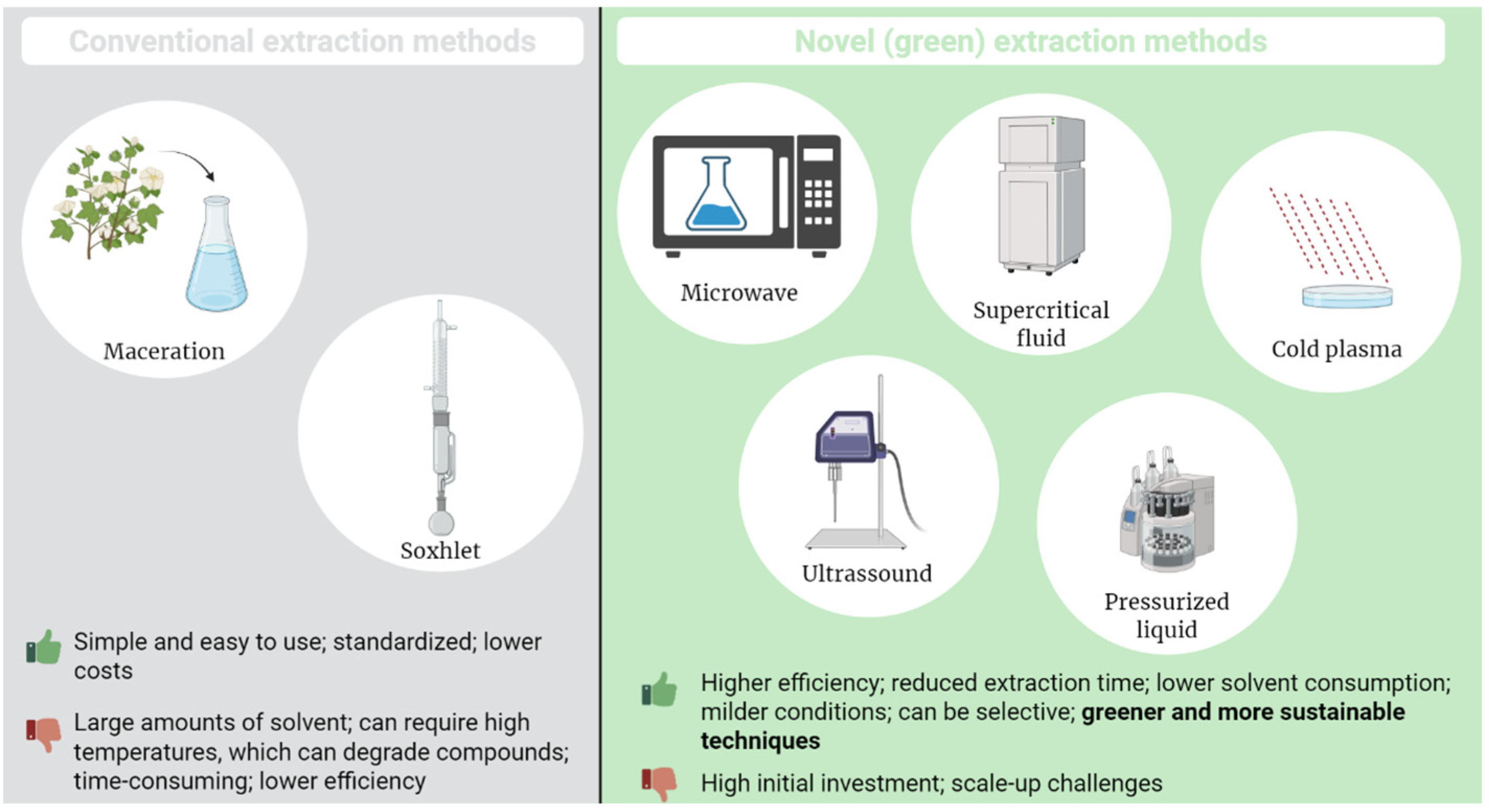
Figure 1. Conventional and novel methods of bioactive compounds extraction.
Foods 14 03884 g001
Figure 2. Valorisation of fruit and vegetable by-products through green extraction, recovery of bioactive compounds, and their reuse in functional foods and nutraceuticals within a circular bioeconomy.
Foods 14 03884 g002
Disclaimer/Publisher’s Note: The statements, opinions and data contained in all publications are solely those of the individual author(s) and contributor(s) and not of MDPI and/or the editor(s). MDPI and/or the editor(s) disclaim responsibility for any injury to people or property resulting from any ideas, methods, instructions or products referred to in the content.