Article

Development and Application of a Novel pH-Responsive Bilayer Indicator Film for Yellowfin Seabream Preservation and Freshness Monitoring


1
College of Biological Science and Technology, Minnan Normal University, Zhangzhou 363000, China
2
Zhangzhou Food Science Research Institute, Zhangzhou 363000, China
3
Research Institute of Zhangzhou-Taiwan Leisure Food and Tea Beverage, Zhangzhou 363000, China
4
Guizhou Academy of Agricultural Sciences, Guiyang 550006, China
*
Author to whom correspondence should be addressed.
Foods 2025, 14(17), 3019; https://doi.org/10.3390/foods14173019
Submission received: 11 July 2025 / Revised: 26 August 2025 / Accepted: 26 August 2025 / Published: 28 August 2025
(This article belongs to the Special Issue Biosynthesis Technology and Future Functional Foods)

Abstract

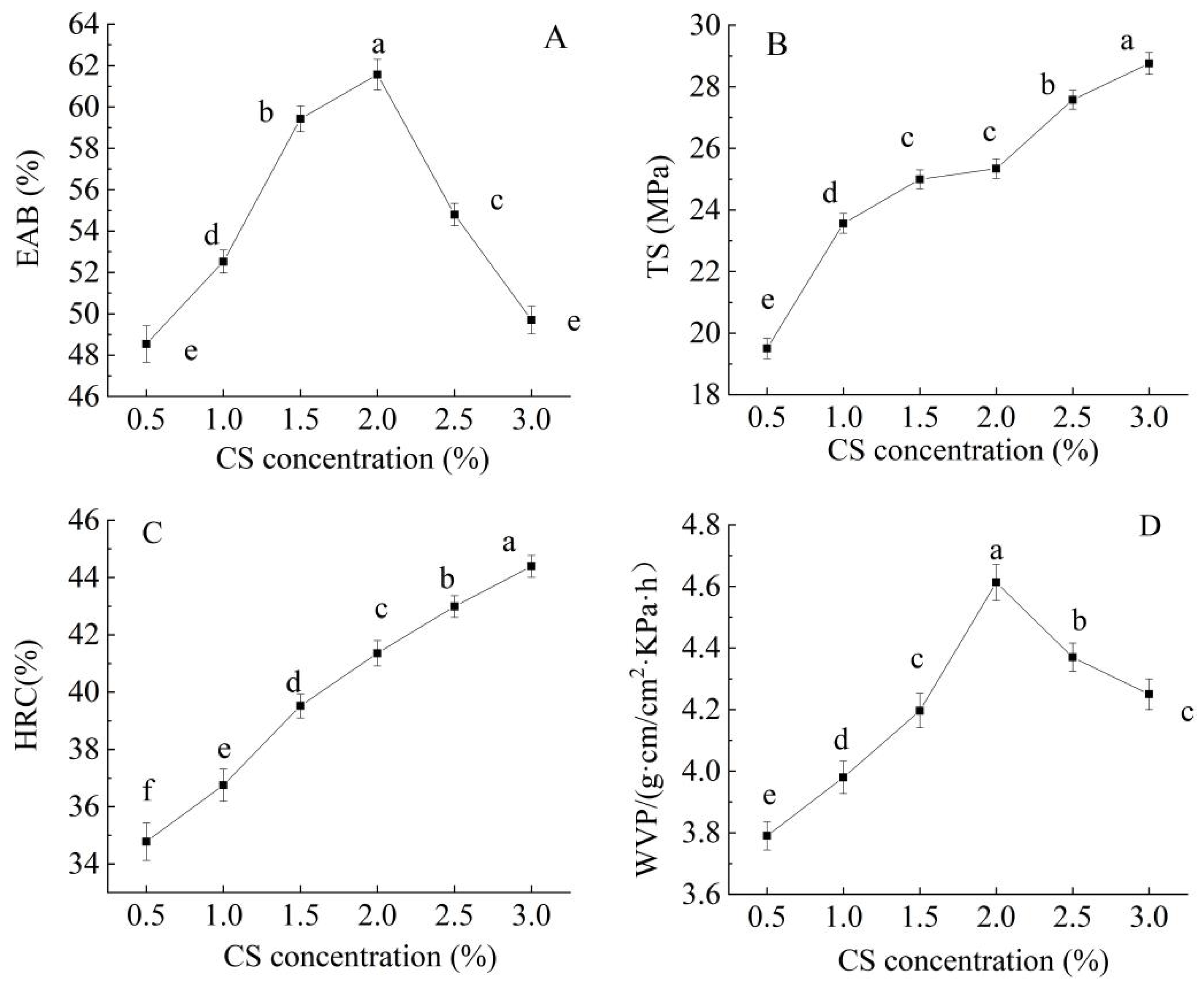
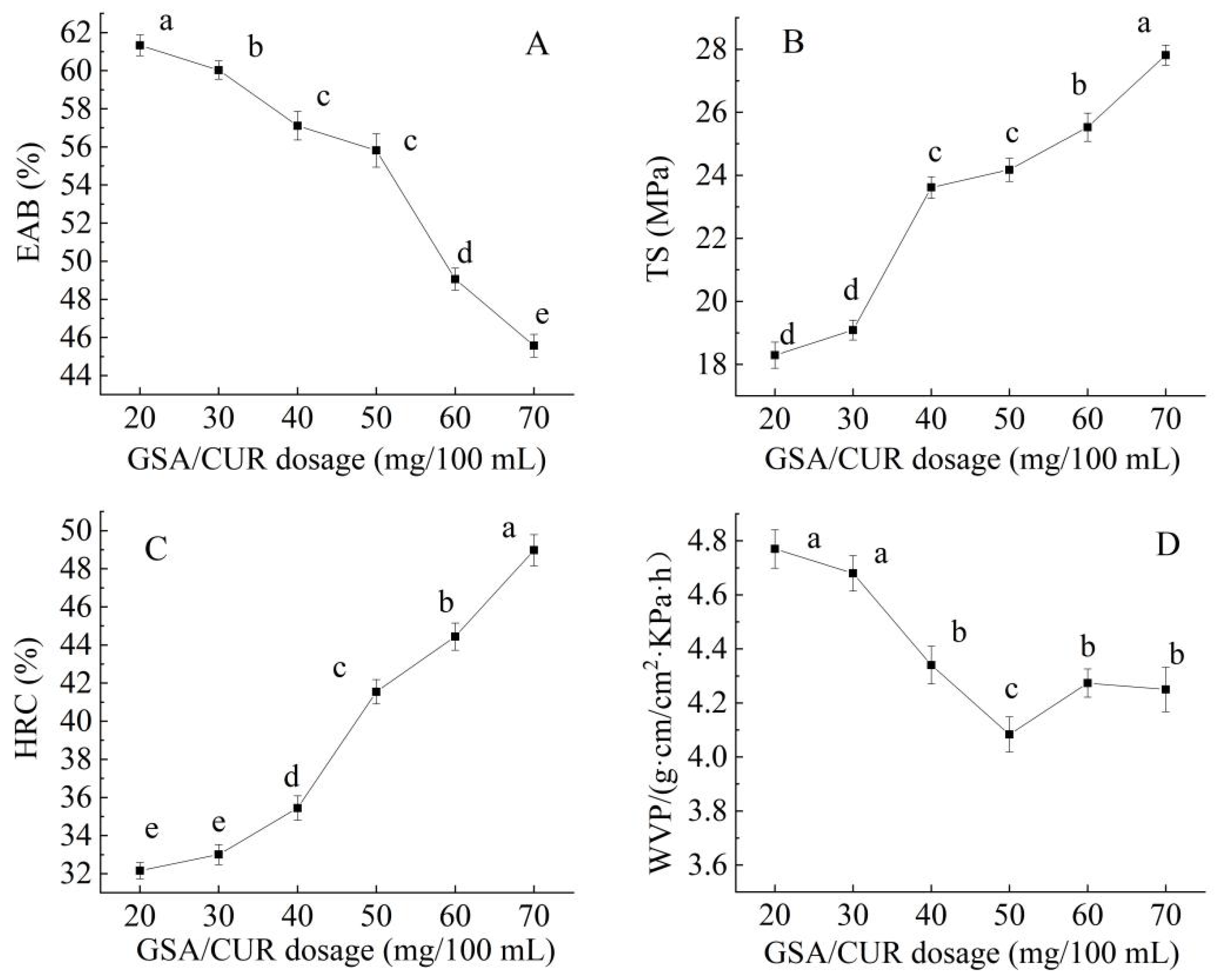
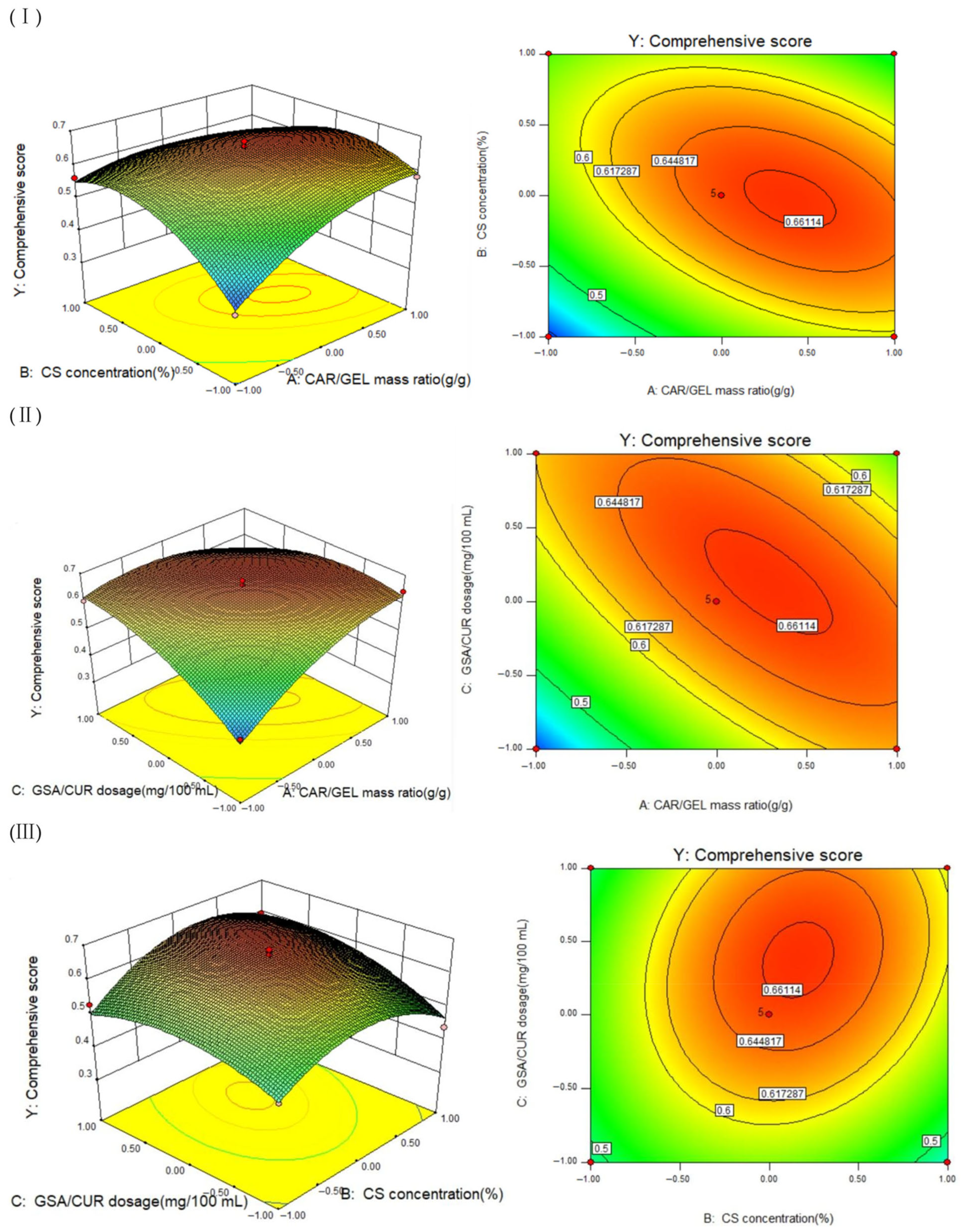
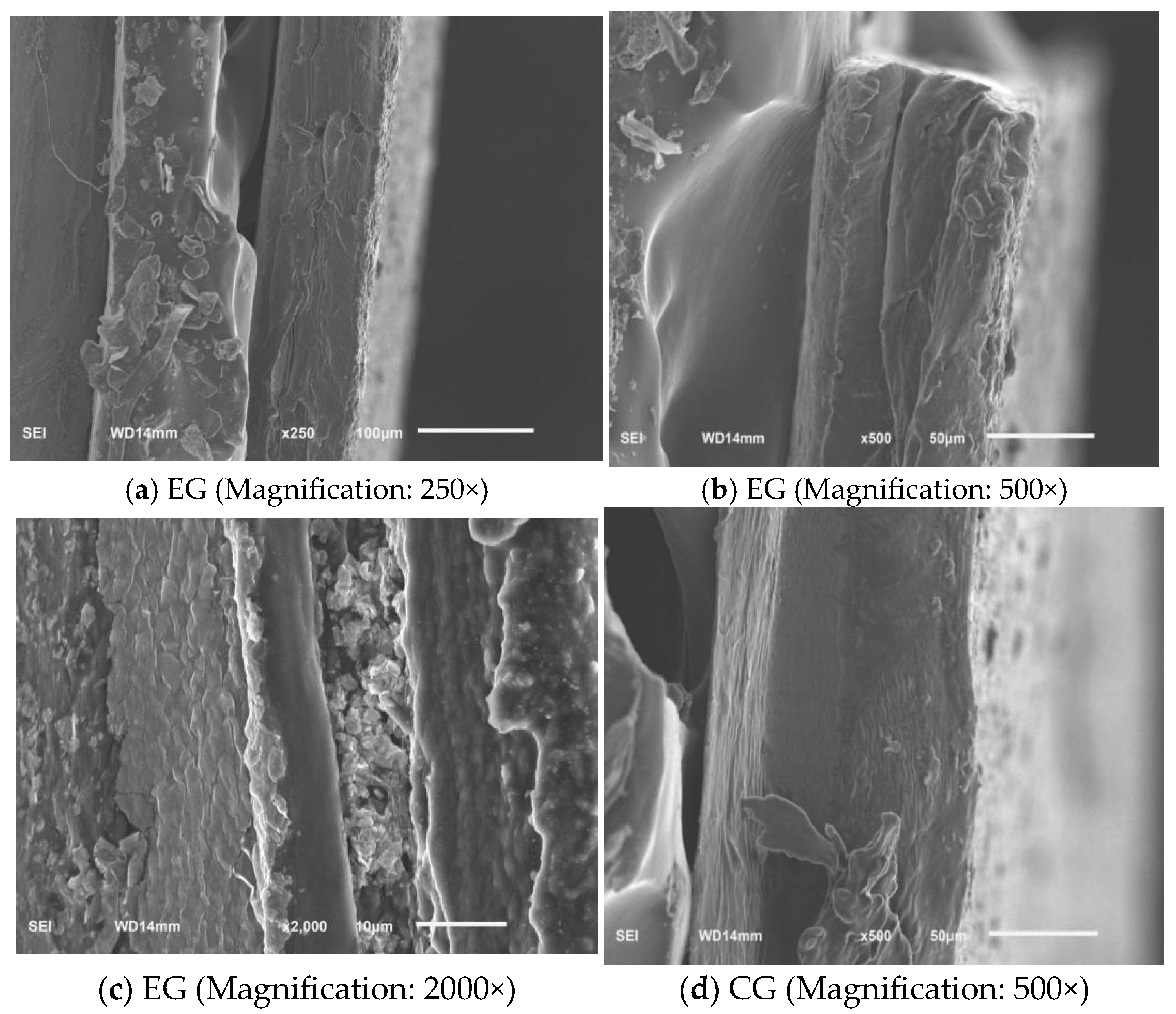
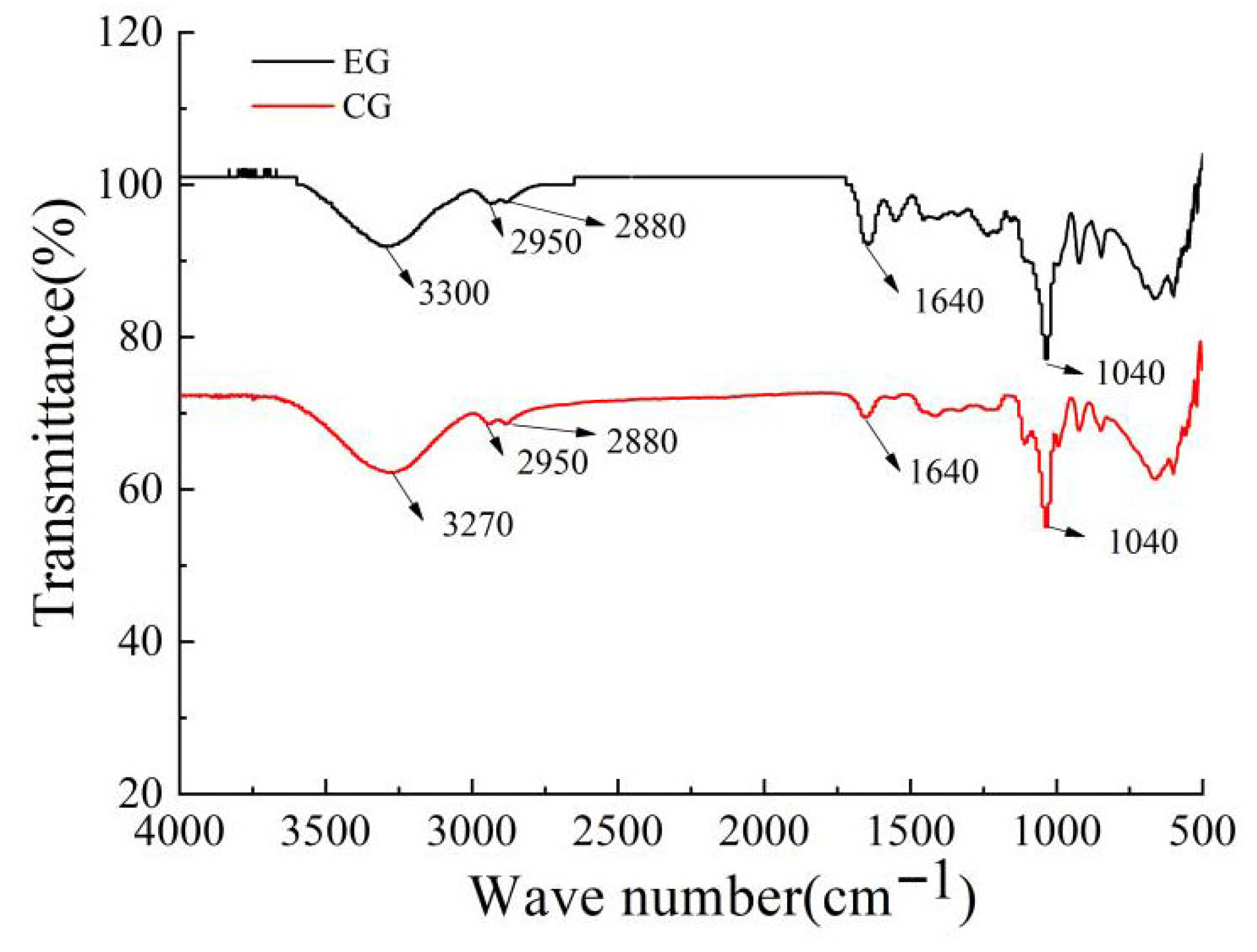
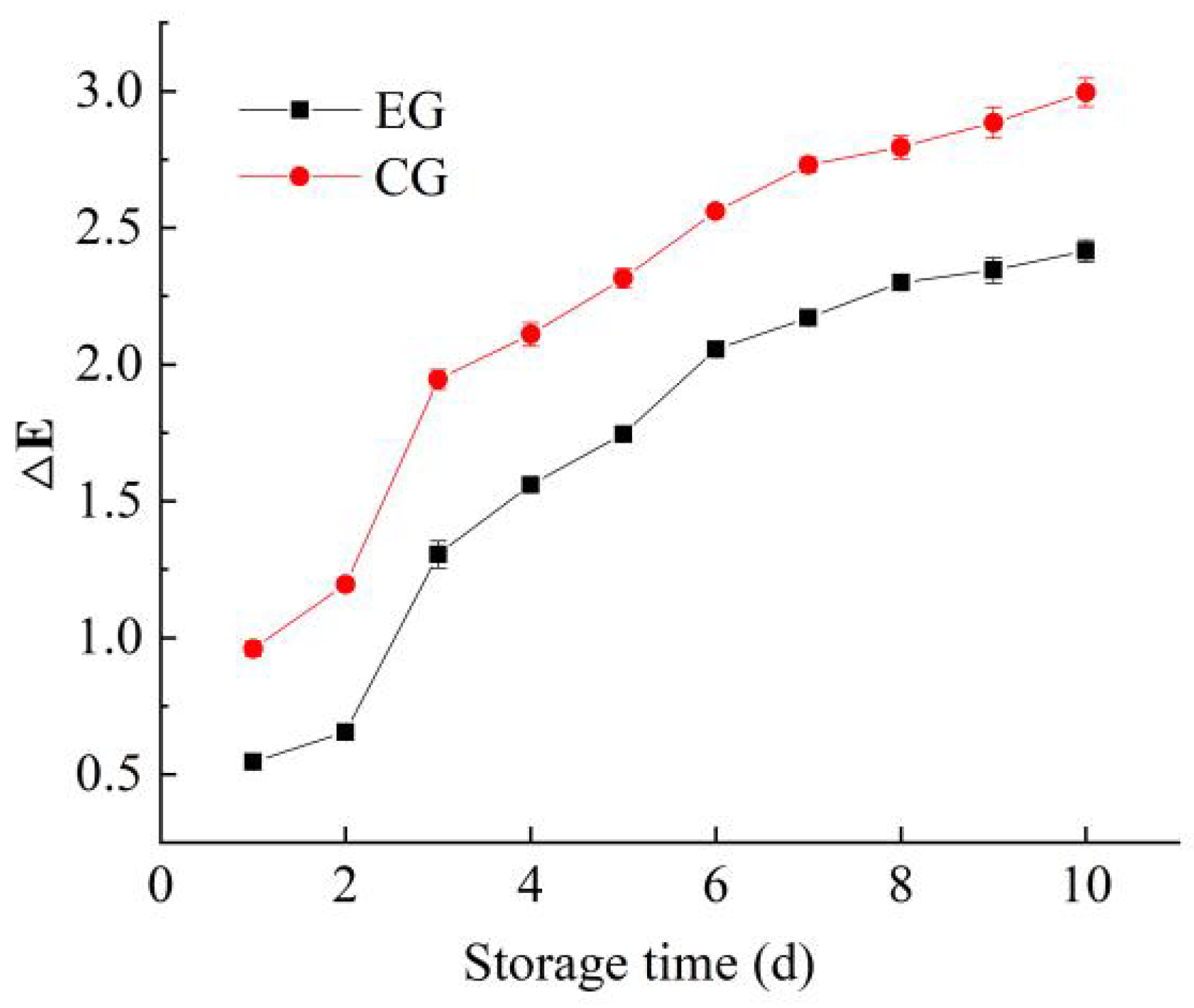
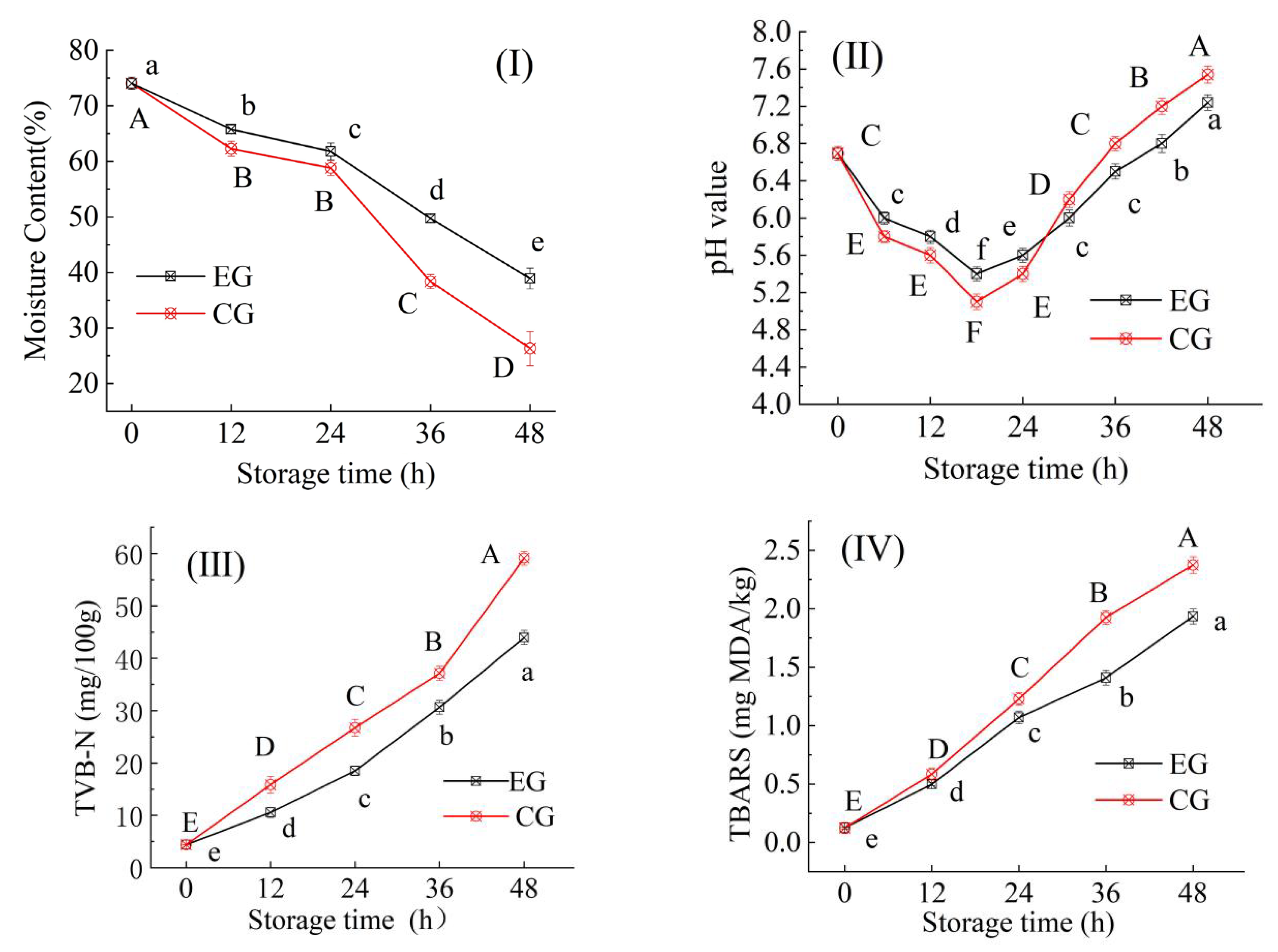
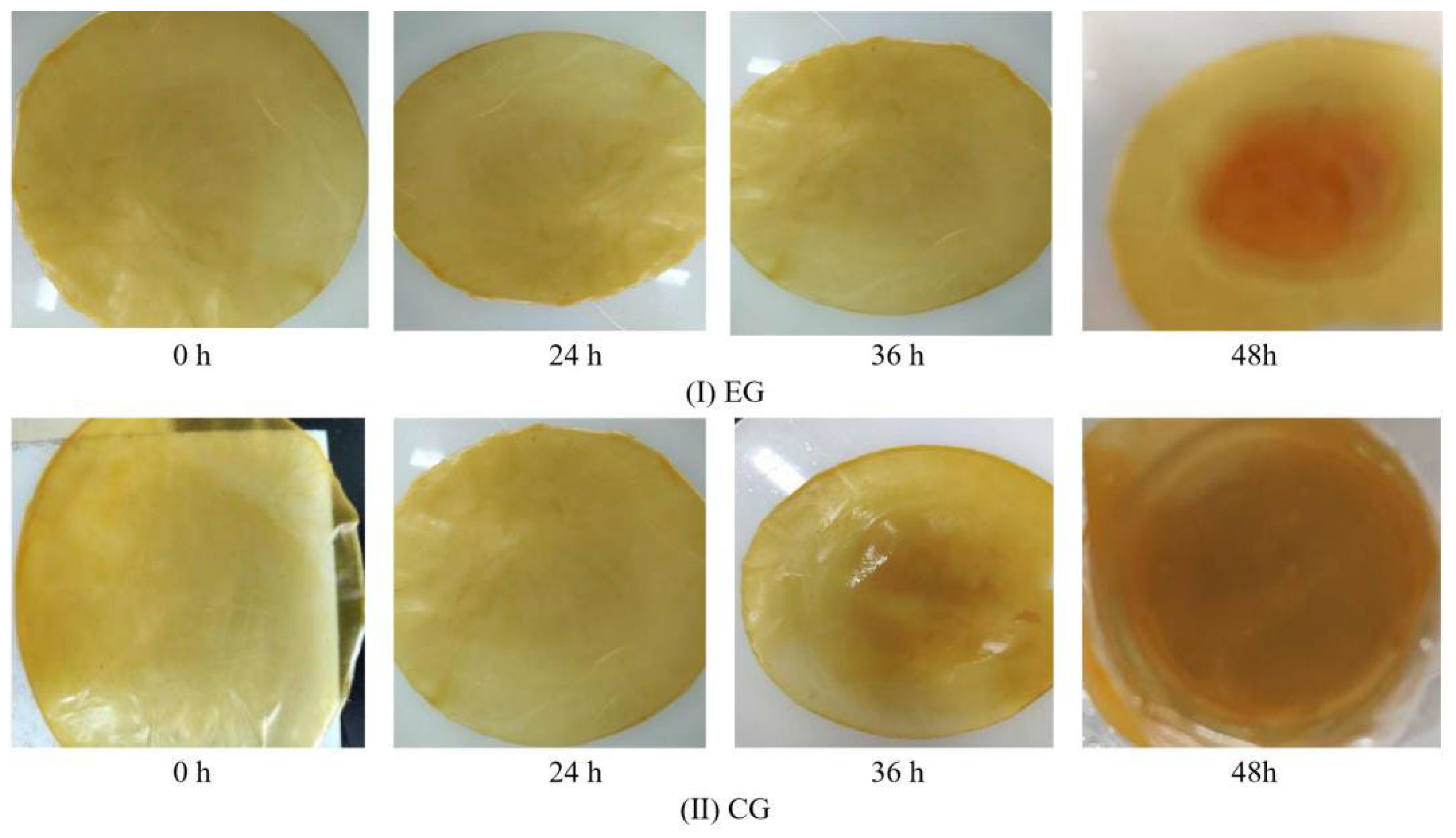
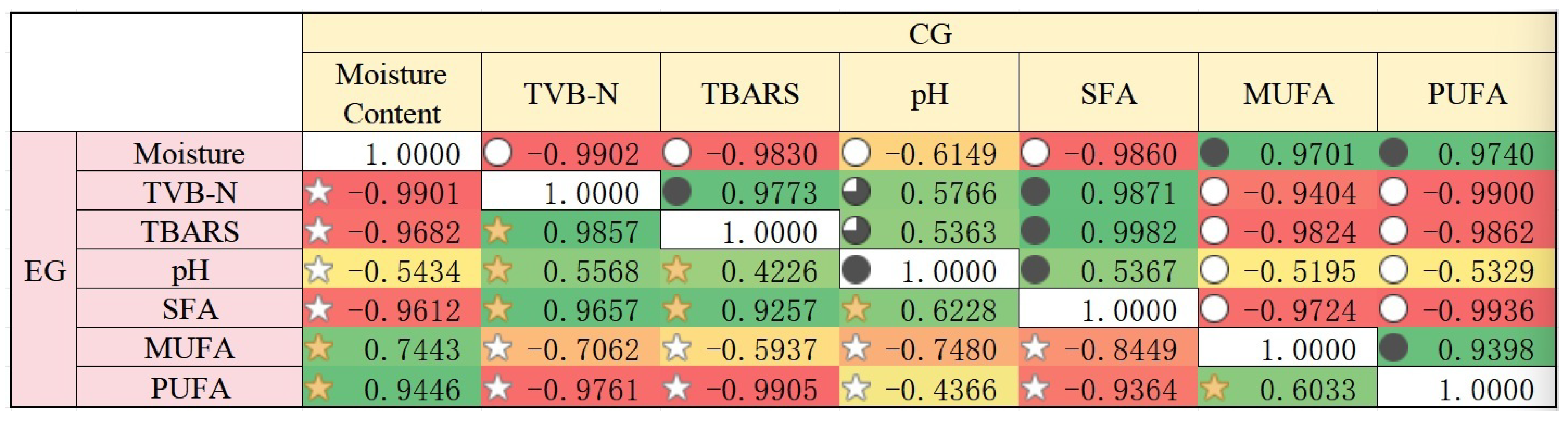
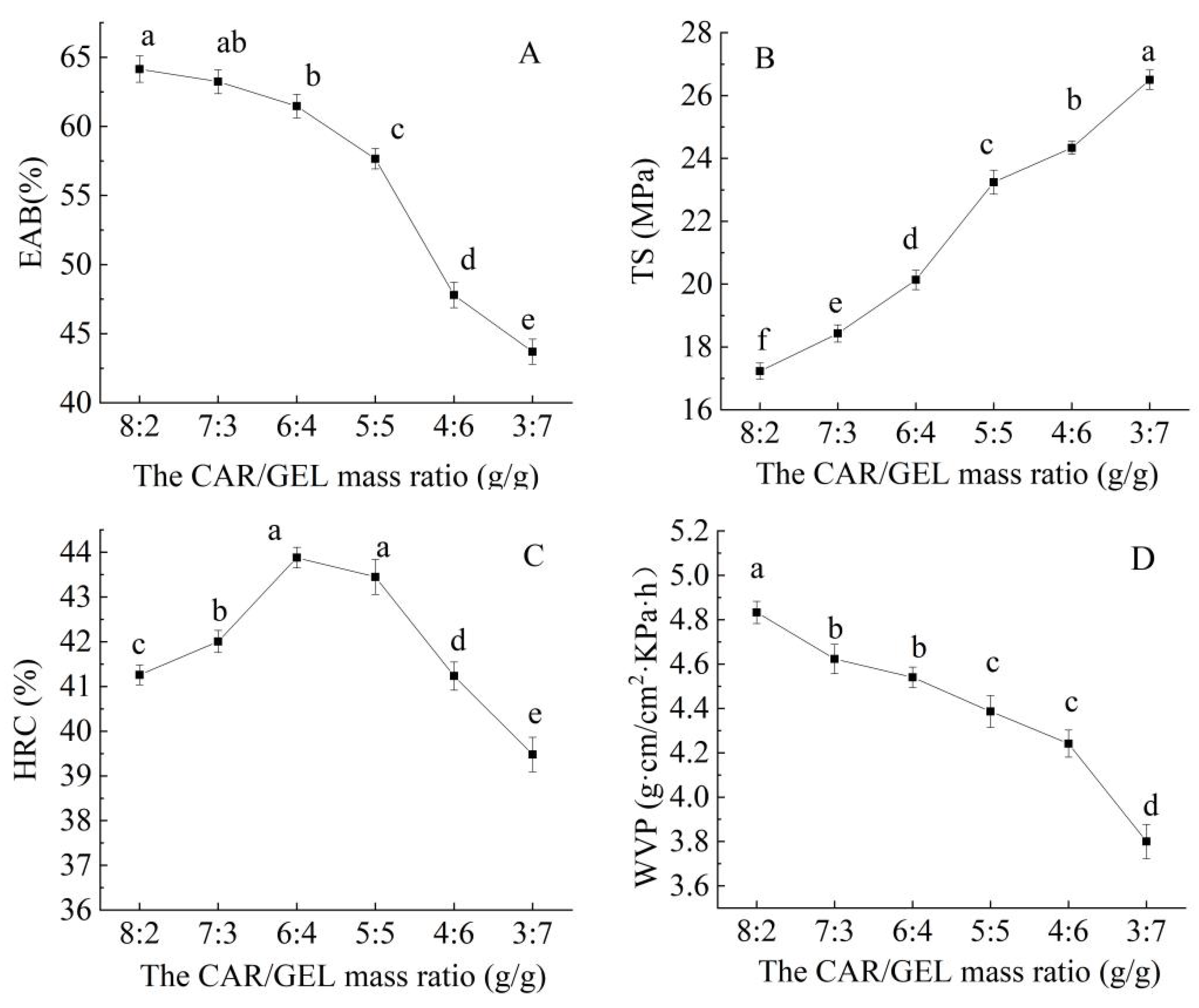
A pH-responsive bilayer film was developed for real-time freshness monitoring and preservation of yellowfin seabream. The emulsified layer contained chitosan (CS) and flaxseed oil (FO), while the indicator layer comprised carrageenan (CAR), gelatin (GEL), grape seed anthocyanins (GSA), and curcumin (CUR). Optimization via response surface methodology determined the ideal formulation: CAR/GEL mass ratio 1.11:1, CS concentration 1.70%, and GSA/CUR dosage 53.99 mg/100 mL. The optimized film demonstrated superior mechanical properties (TS = 12.74 MPa, EAB = 68.24%), enhanced hydrophobicity (WVP = 1.21 × 10⁻¹¹ g·m−1·s−1·Pa−1), and potent antioxidant activity (HRC = 92.35%). FTIR and SEM confirmed stable cross-linking and bilayer compatibility. Distinct color transitions (yellow → reddish-brown) occurred at different pH levels, correlating with fish spoilage indicators. During 25°C storage, the film effectively inhibited quality deterioration (TVB-N, TBARS, moisture loss, lipid oxidation) while extending shelf-life. Strong correlations were observed among TVB-N, TBARS, moisture (|r| > 0.97), and PUFAs’ spoilage contribution (r ≈ −0.99). This intelligent film enables dual-functionality: active preservation and visual freshness monitoring.
Keywords: pH-responsive; CS/FO-CAR/GEL/GSA/CUR; bilayer indicator film; yellowfin seabream preservation; freshness monitoring pH-responsive; CS/FO-CAR/GEL/GSA/CUR; bilayer indicator film; yellowfin seabream preservation; freshness monitoring